Bonevia
In the world of orthopedic surgery, choosing the right devices is crucial. Proximal Humeral Plates are essential for treating complex shoulder fractures. Their design significantly impacts recovery outcomes, making informed decisions critical for surgeons and patients alike.
As the demand for innovative orthopedic solutions increases, global buyers seek quality and reliability. The best Proximal Humeral Plates should blend advanced materials and ergonomic designs. However, sourcing high-quality options can be challenging, as not all products meet established standards.
Surgeons often rely on tried-and-true brands, but new players in the market may offer unique advantages. It's essential to evaluate each plate based on its structural integrity and fixation capabilities. The future of orthopedic care hinges on collaboration between manufacturers and healthcare providers. Adopting new solutions will always require careful consideration and ongoing evaluation.
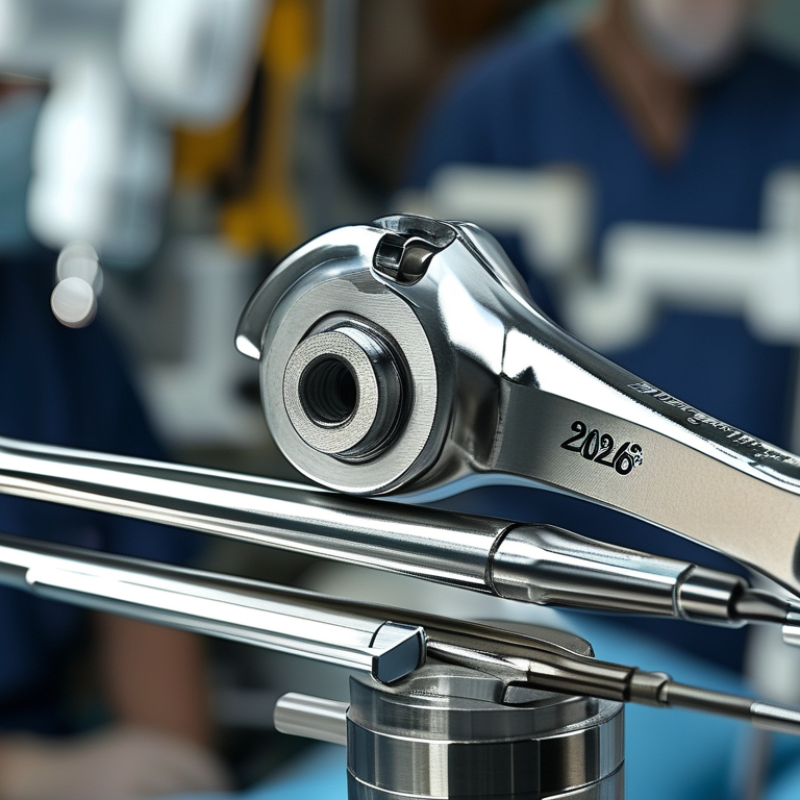
Proximal humeral plates play a crucial role in orthopedic surgery, particularly in treating fractures of the shoulder. These plates are designed to stabilize the proximal humerus, promoting proper healing. A study from the Journal of Orthopaedic Trauma indicates that up to 25% of all shoulder fractures require surgical intervention, underscoring the importance of effective hardware like proximal humeral plates.
When properly applied, these plates can significantly enhance patient outcomes. A report by the American Academy of Orthopaedic Surgeons highlighted that 80% of patients experience improved mobility after surgery. However, complications such as plate malposition or insufficient fixation remain. Surgeons must carefully evaluate each case to avoid pitfalls.
Tips: Always consider the patient's age and activity level when selecting fixation devices. Regular follow-ups are essential to monitor healing and identify any complications early. Effective communication with patients regarding potential risks is vital for informed consent. Remember that each surgery presents unique challenges, and ongoing learning is crucial for professional growth.
When selecting proximal humeral plates, several key features significantly impact their effectiveness. Material quality is paramount. Plates constructed from titanium or stainless steel offer strength and durability. Surgeon preferences often dictate the choice of materials based on their experience. An ideal plate should withstand the demands of surgical procedures and support bone healing.
Another critical feature is the design of the plate itself. Anatomical plates provide better contouring to the humeral head. This aids in achieving proper alignment during surgery, enhancing post-operative outcomes. However, the fitting process may sometimes reveal unforeseen challenges. Surgeons should remain adaptable to unexpected anatomical variations.
**Tips:** Ensure the plate you choose accommodates various screw options. Versatility can lead to improved surgical precision. Additionally, familiarize yourself with the instrumentation. Efficient tools can reduce surgery time and improve overall patient care. Finding balance among all these factors can lead to better patient results.
Choosing the right proximal humeral plate impacts patient recovery. Surgeons must consider various factors when evaluating these devices. The design, material, and locking mechanism play crucial roles in performance. Some plates provide better stability, while others allow for easier insertion.
Reviews often highlight specific features. A lightweight design can reduce overall strain during surgery. Meanwhile, some plates offer better visibility during procedures. A versatile plate accommodates various fracture types but may lack strength in certain scenarios. It's essential to balance adaptability and robust support.
Comparing different plates reveals trade-offs. Some models excel in simplicity but may compromise on fixation. Physicians must weigh these options carefully based on individual patient needs. Reliability is critical. Not every plate suits every surgeon's style. Ongoing feedback from surgical experiences remains vital for making informed choices.
The global market for proximal humeral plates is evolving rapidly. Innovations in materials and design are reshaping surgical procedures. Surgeons seek plates that can enhance stability and promote healing. Biocompatible materials are gaining traction, as they reduce the risk of complications. Many manufacturers are focusing on patient-specific designs to improve outcomes.
Market trends reveal a rise in minimally invasive techniques. Surgeons prefer tools that enable precise placements. There’s a growing emphasis on educational resources for medical professionals. They need training in new methods to ensure proper use. Despite advancements, challenges remain. Some surgeons express concerns about the adaptability of newer materials in various cases. Balancing innovation with practical application is crucial.
Research and feedback loops between surgeons and manufacturers are vital. Understanding real-world usage can guide future developments. The need for reliability remains a priority. As global markets adapt, staying informed is essential for stakeholders. Engaging discussions among professionals will drive the next phase of innovation.
Choosing the right proximal humeral plate requires careful consideration. Surgeons often look at material composition. Plates made from titanium and stainless steel are popular for their strength and durability.
Ease of use during surgery is another crucial aspect. Plates should align well with the humerus to ensure proper fixation.
Another significant factor is the design of the plate. Options vary in terms of contour and screw hole configuration. Some plates provide angular stability, which is essential for better fixation. Surgeons may doubt if a plate is too rigid or too flexible. Finding the balance can affect recovery outcomes.
Lastly, individual patient anatomy plays a critical role. Some patients have unique challenges due to prior injuries or bone density issues. A standard plate may not fit well and could lead to complications. Surgeons must reflect on how these factors influence their choice to provide the best care possible.
: Proximal humeral plates stabilize the proximal humerus, promoting proper healing after shoulder fractures.
When used correctly, about 80% of patients see improved mobility post-surgery.
Plate malposition and insufficient fixation can occur, affecting healing and recovery.
Titanium and stainless steel are favored for their strength and durability in surgical settings.
Custom designs can improve surgical outcomes by accommodating individual patient anatomy and needs.
Surgeons need ongoing education to properly use new techniques and materials arising in the market.
The contour and screw hole configuration can affect fixation stability, impacting recovery.
Patient age, activity level, and any prior injuries should inform the choice of fixation devices.
Understanding real-world applications helps guide improvements in design and functionality of plates.
Some express concerns about adaptability and practicality in diverse clinical cases.
The article "2026 Best Proximal Humeral Plates for Global Buyers" provides a comprehensive examination of the function and significance of Proximal Humeral Plates in orthopedic procedures. It emphasizes the critical role these plates play in the stabilization and healing of proximal humeral fractures, catering to the needs of both patients and surgeons.
When selecting Proximal Humeral Plates, buyers are advised to consider key features such as material quality, design innovation, and compatibility with surgical techniques. The article also reviews the top plates of 2026, offering comparisons to assist in informed decision-making. Additionally, it explores global market trends affecting the manufacturing of Proximal Humeral Plates, as well as factors that influence buyer choices, underscoring the importance of understanding the evolving landscape within this medical field.
