Bonevia Bonevia

2026 Best Tibial Intramedullary Nails for Global Buyers?

Time:2026-08-09 Author:Henry
0%

In recent years, the demand for Tibial Intramedullary Nails has surged globally. According to a market research report by Grand View Research, the orthopedic fixation market is expected to reach $24.2 billion by 2025, reflecting a significant growth trajectory. This increase carries implications for the quality and availability of tibial nails.

Tibial Intramedullary Nails are vital for treating fractures in the tibia. They provide stability and encourage bone healing. However, not all products meet the highest safety standards. A report published by Orthopaedic Journal highlights that nearly 30% of implants may fail due to manufacturing defects. This alarming statistic emphasizes the need for careful selection when considering these devices.

As global buyers explore options for 2026, they must weigh factors such as design, material biocompatibility, and ergonomic features. There is an ongoing debate about innovation versus traditional methods in nail design. Buyers must look beyond marketing claims to understand the long-term performance of these implants. This search for reliability is crucial, as patient outcomes depend heavily on the quality of Tibial Intramedullary Nails.
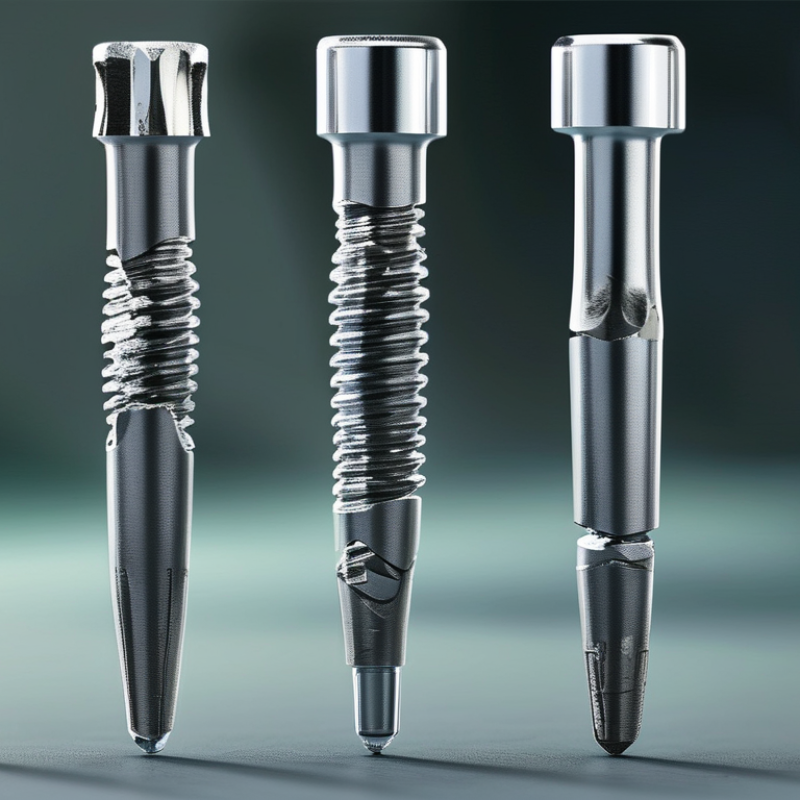
2026 Best Tibial Intramedullary Nails for Global Buyers?

Overview of Tibial Intramedullary Nails: Purpose and Design

Tibial intramedullary nails are vital for treating complex fractures. Their primary purpose is to stabilize long bone injuries, promoting faster recovery. These nails are inserted into the medullary cavity of the tibia. This method allows for minimal disruption of surrounding tissues, which is crucial for healing.

The design of tibial intramedullary nails varies. They often feature a locking mechanism. This feature enhances stability, reducing the risk of malunion. The materials used in these nails are typically strong and lightweight. However, not every design addresses all types of fractures effectively. Surgeons must evaluate the specific needs of each case.

Challenges exist in selecting the right nail. Some nails may cause irritation or complications. Additionally, the learning curve for surgeons can be steep. Each implant design has its advantages and disadvantages. As technology advances, ongoing research is crucial to refine these tools. Addressing these gaps will ensure better patient outcomes and recovery processes.

Key Features to Consider When Choosing Tibial Intramedullary Nails

When selecting tibial intramedullary nails, understanding key features is critical. Material quality is vital. Nails made from titanium or stainless steel often ensure durability. A high-quality finish reduces infection risks during surgery. It's also crucial to assess the design. For example, different designs facilitate better alignment. A well-aligned nail can enhance healing outcomes.

Another significant factor is the size range. Nails must fit various tibial dimensions. This adaptability can improve surgical success rates. Additionally, weight considerations matter. Lighter designs reduce post-operative complications. Surgeons often prefer options that allow easy insertion and removal as well.

Lastly, consider the locking mechanisms. Efficient locking systems enhance the stability of the nail in the bone. This feature directly impacts recovery. However, some complex systems may pose challenges during implantation. A careful balance between technological advancement and user-friendliness is essential. Having clear insights into these features allows for informed decisions in choosing tibial intramedullary nails.

Top Brands and Models of Tibial Intramedullary Nails for 2026

In 2026, selecting the right tibial intramedullary nail can significantly impact patient recovery. Various brands and models are available, each with unique features. Look for nails that offer optimal strength and flexibility to accommodate different patient needs. Consider factors like length, diameter, and locking mechanisms when making your choice.

Choosing the right design is key. Each model should keep in mind anatomical variations. Users must pay attention to robustness during the implant procedure. The wrong choice may undermine surgical success. Some nails provide better alignment due to innovative design, which could enhance healing.

Tips: Always consult surgeons experienced in these solutions. Their expertise can guide practical decisions. Choose products that have undergone rigorous testing. These models ensure higher safety standards. Evaluate patient feedback for insights on performance. Look for clinical data supporting efficacy claims. Balancing quality with cost is crucial but often challenging.

Comparative Analysis of Material Quality and Durability

When considering tibial intramedullary nails, material quality is paramount. High-quality titanium and stainless steel options are standard. These materials must withstand significant stress. They should also resist corrosion and fatigue over time. Both factors greatly influence the longevity of the implants.

Durability in medical devices cannot be overlooked. Testing these nails for wear in various conditions is essential. You may wonder about their performance under extreme loads. Some designs may not hold up as expected. These failures can lead to complications and require revision surgeries. Understanding these risks is crucial.

Surgical outcomes depend heavily on the nail’s integrity. A well-engineered nail can promote healing. Yet, flaws in material or design can lead to disappointment. It's important to consider user feedback and clinical studies. These insights help highlight both successful designs and areas needing improvement.

User Reviews and Experiences with Tibial Intramedullary Nails

When considering tibial intramedullary nails, user reviews provide valuable insights. Many patients report mixed experiences. Some find the insertion process manageable, while others face anxiety about potential complications. Post-surgery pain levels vary widely. For some, pain is minimal, allowing for quicker recovery. Others, however, describe prolonged discomfort, significantly affecting their daily lives.

Patients often discuss the rehabilitation process. Many mention the importance of adhering to physical therapy guidelines for optimal recovery. Some users express frustration with the slow progression of mobility. They suggest that clear communication with healthcare providers can help set realistic expectations. Knowledgeable professionals can alleviate fears about long-term outcomes and functionality.

There are also reflections on the need for comprehensive pre-surgery education. Users emphasize that understanding the procedure can ease anxiety. Many recommend seeking out multiple opinions before surgery. Sharing experiences and lessons learned can empower future patients to make informed decisions. This collaborative approach helps to build trust in the medical process.

FAQS

: What is the primary purpose of tibial intramedullary nails?

: Their main purpose is to stabilize long bone injuries, aiding faster recovery.

How are tibial intramedullary nails inserted?

They are inserted into the medullary cavity of the tibia, ensuring minimal tissue disruption.

What variations exist in the design of tibial intramedullary nails?

Designs often include a locking mechanism, enhancing stability and reducing malunion risks.

Why is selecting the right nail challenging?

Some nails may cause irritation or complications. The learning curve for surgeons is often steep.

What factors should be considered when choosing a nail?

Look at length, diameter, and locking mechanisms for optimum strength based on patient needs.

Why is material quality important in tibial intramedullary nails?

High-quality materials like titanium must withstand stress and resist corrosion for longevity.

How does design impact surgical outcomes?

Innovative designs may ensure better alignment, which could enhance the healing process.

What should patients consider regarding surgical choices?

Always consult experienced surgeons. Their guidance can significantly influence surgical decisions.

How can patient feedback help in selecting nails?

Feedback can provide insights on performance and highlight successful designs and areas needing improvement.

What are potential risks associated with tibial nails?

Flaws in material or design may lead to complications, possibly requiring revision surgeries.

Conclusion

Tibial Intramedullary Nails are essential devices used in orthopedic surgeries to stabilize fractures in the tibia. Their design focuses on providing internal support for bone healing while minimizing soft tissue damage. When selecting the best Tibial Intramedullary Nails for 2026, it’s crucial to consider key features such as material quality, durability, and ease of insertion, all of which significantly impact surgical outcomes.

A comparative analysis of different models reveals varying levels of quality and longevity, which are critical for effective treatment. Additionally, user reviews highlight the importance of personal experiences in choosing the right nail, emphasizing the need for both reliability and performance in surgical applications. As advancements continue, the selection of Tibial Intramedullary Nails will play a vital role in ensuring patient recovery and satisfaction in orthopedic care.

Henry

Henry

Henry is a dedicated marketing professional with a profound expertise in the company's offerings. With years of experience in the industry, he possesses an impressive understanding of the market dynamics and consumer behaviors that drive success. Henry is committed to sharing his insights through......