Bonevia Bonevia

2026 How to Choose Femoral Intramedullary Nails for Surgery?

Time:2026-08-14 Author:Ethan
0%

In orthopedic surgery, the choice of implants is crucial for successful outcomes. Femoral Intramedullary Nails are widely used for fracture fixation. Selecting the right type requires careful consideration of multiple factors.

The anatomy of the patient plays a significant role. These nails come in various sizes and designs. Surgeons must assess the patient's age, bone quality, and fracture type. Each factor influences nail length and diameter. A mismatch can lead to complications like malalignment or failure.

Surgeons may feel pressure to choose the latest technology. However, familiarity with traditional options can also be beneficial. Relying on experience is key in this decision-making process. A thorough review of clinical data on different Femoral Intramedullary Nails is essential. This ensures a balanced approach, recognizing that there is no one-size-fits-all solution in surgery.
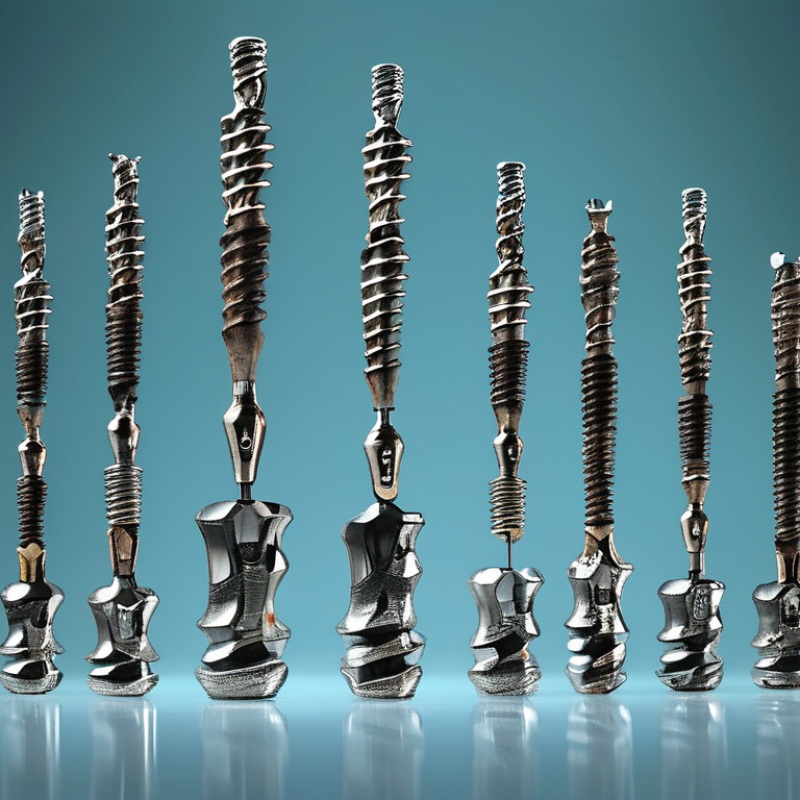
2026 How to Choose Femoral Intramedullary Nails for Surgery?

Understanding Femoral Intramedullary Nails: Overview for Surgeons

Femoral intramedullary nails are vital in orthopedic surgery. They provide stability for fractured femurs. Surgeons must grasp their types and indications. Understanding their design is crucial. These nails come in various sizes and configurations. Factors like fracture type significantly influence nail choice.

Surgeons should consider anatomical variations. Femur size often differs greatly among patients. A nail that fits one patient may not work for another. Preoperative imaging can aid in selecting the correct size. However, if miscalculated, it may lead to complications. A poorly fitting nail can cause malunion or nonunion of the fracture.

Surgeons need access to updated literature. This knowledge is essential for decision-making. Each surgical case offers a unique challenge. Reflecting on past experiences improves expertise. Mistakes can be invaluable learning opportunities. Acknowledging these leads to better outcomes. Continuous education in the field is necessary for optimal patient care.

Key Factors in Selecting Femoral Intramedullary Nails for Patients

Choosing the right femoral intramedullary nail is crucial for successful surgery. Several key factors come into play during this decision-making process. Patient anatomy is paramount. The nail must fit the femoral canal appropriately. A narrow canal may require a smaller nail to ensure a snug fit. Size discrepancies can lead to complications during recovery.

Bone quality is another vital consideration. Osteoporotic bones may necessitate the use of specialized nails that provide additional support. Surgeons must assess bone density accurately to prevent fractures after implantation. In some cases, the selection can be challenging. The surgeon's experience with different nail designs also influences the choice, as familiarity can enhance surgical outcomes.

Post-operative considerations shouldn't be overlooked. The desired recovery timeline impacts nail selection. Nails designed for faster healing may necessitate a trade-off in stability. Each patient's unique situation should guide the decision, ensuring customization. Constantly reflecting on past outcomes can lead to improved patient care. Even seasoned professionals can benefit from reassessing their choices periodically.

2026 How to Choose Femoral Intramedullary Nails for Surgery?

Comparative Analysis of Different Types of Femoral Intramedullary Nails

Femoral intramedullary nails are crucial for stabilizing complex femoral fractures. A comparative analysis of different types reveals distinct advantages and drawbacks associated with each design. Common types include the static nail, dynamic nail, and locking nail. According to the Journal of Orthopedic Surgery, the locking nail shows lower failure rates in complex fractures, making it a popular choice among surgeons.

The choice of nail can significantly impact healing time and patient outcomes. For instance, studies indicate that patients using unlocked nails experience higher incidence rates of malunion. The mechanical properties of the nail, such as stiffness and construct stability, play a significant role. Surgeons must consider these factors when selecting nails for specific fracture patterns or patient demographics.

Tips: Focus on the patient's needs and fracture type. Consult peer-reviewed studies for updated data. Understand that each nail type has specific indications and contraindications. Rely on your surgical experience but remain open to new techniques. While some surgeons prefer static nails for their simplicity, others may lean toward dynamic options for their proven effectiveness in weight-bearing situations. This ongoing debate underscores the need for continued education and adaptation in practice. Always evaluate the latest research to inform your choices.

Surgical Techniques for Inserting Femoral Intramedullary Nails

In the world of orthopedics, the technique of inserting femoral intramedullary nails plays a crucial role. Different surgical methods are available, but precise selection is vital for optimal outcomes. Data from recent studies indicates that properly aligned intramedullary nails can reduce complications like malunion by up to 20%. Surgeons need to assess patient anatomy thoroughly before the procedure, considering factors like the patient's age and the nature of the fracture.

When inserting femoral intramedullary nails, employing fluoroscopy enhances accuracy. Real-time imaging helps ensure the nail is placed correctly. A study found that using fluoroscopic guidance can improve alignment rates by 30%. However, surgeons sometimes encounter difficulties. Complications like infection, improper positioning, and issues with nail length can arise. Continuous evaluation and adaptation of surgical techniques are necessary.

Surgeons must also consider postoperative care. Regular follow-up is essential for monitoring healing. Research shows that nearly 15% of patients face complications if follow-up is inadequate. Engaging with a multidisciplinary team can provide additional insights and enhance recovery, highlighting the importance of collaboration in orthopedic surgery.

2026 How to Choose Femoral Intramedullary Nails for Surgery?

Factor Description Considerations
Nail Material Type of material used in the nail (e.g., titanium, stainless steel) Biocompatibility, fatigue strength, corrosion resistance
Length and Diameter Dimensions of the nail suitable for the patient's anatomy X-ray measurements, patient specifics, fracture type
Locking Mechanism Type of locking used (dynamic, static, etc.) Stability, ease of insertion, re-operation potential
Design Shape and contour of the nail Nail curvature, anti-rotation features
Weight Overall weight of the implant Patient comfort, impact on loading
Availability of Instruments Instruments and tools required for implantation Compatibility with existing surgical tools, ease of use
Regulatory Approval FDA or other regulatory agency approvals Compliance with safety and effectiveness standards

Post-Operative Care and Considerations for Femoral Nail Surgery

Post-operative care is crucial for patients undergoing femoral nail surgery. Proper management affects recovery and minimizes complications. Reports indicate that about 15% of patients experience post-surgery complications, such as infections or delayed healing. Pulse oximetry and wound monitoring are vital. Observing vital signs regularly aids in detecting issues early.

Mobility after surgery is another key consideration. Patients typically begin physical therapy within 24 hours. Early movement promotes circulation and strengthens muscles. Data shows that active rehabilitation can reduce recovery time by up to 30%. Healthcare providers often advise using assistive devices initially. This approach ensures safety while nurturing independence.

Nutrition also plays a significant role in healing. Consuming a balanced diet rich in protein and vitamins is essential. Studies reveal better recovery rates among patients who adhere to nutritional guidelines. However, some patients may struggle to meet these dietary needs. This can hinder the healing process and prolong hospital stays. Monitoring dietary intake should be part of the recovery plan.

FAQS

: What factors should be considered when selecting femoral intramedullary nails?

: Patient anatomy, bone quality, and the surgeon's experience are crucial factors during selection.

How does the patient's anatomy influence nail choice?

The nail must fit the femoral canal. A narrow canal may require a smaller nail for a snug fit.

Why is bone quality important in selection?

Osteoporotic bones may need specialized nails that provide extra support to prevent fractures during recovery.

What is the impact of the recovery timeline on nail selection?

Nails for faster healing might compromise stability. Each patient's needs should drive the decision.

How does surgical technique affect nail insertion?

Proper alignment during insertion can reduce complications. Fluoroscopy helps place the nail accurately.

What complications can arise during nail insertion?

Issues like infection, improper positioning, or nail length can occur and must be carefully managed.

How important is postoperative care?

Regular follow-up is essential for monitoring healing. Nearly 15% of patients face complications without it.

What role does collaboration play in recovery?

Engaging with a multidisciplinary team offers insights that enhance recovery and improves patient outcomes.

Conclusion

The article "2026 How to Choose Femoral Intramedullary Nails for Surgery?" provides comprehensive guidance for surgeons in selecting appropriate femoral intramedullary nails for their patients. It highlights the importance of understanding the various types of femoral intramedullary nails available, considering key factors such as patient anatomy, fracture type, and biomechanical stability. Through a comparative analysis, the article outlines the advantages and disadvantages of different femoral intramedullary nail designs, assisting surgeons in making informed decisions.

Additionally, the article delves into surgical techniques for the insertion of femoral intramedullary nails, emphasizing precision and best practices to enhance patient outcomes. It also covers essential post-operative care and considerations to ensure effective recovery after femoral nail surgery. This structured approach aims to equip healthcare professionals with the necessary knowledge to optimize surgical results and improve patient care in femoral fracture management.

Ethan

Ethan

Ethan is a seasoned marketing professional with a deep expertise in our company's innovative product line. With a passion for sharing knowledge and insights, he takes the lead in regularly updating our corporate blog, where he explores industry trends, product features, and effective marketing......