Bonevia Bonevia

How to Choose Femoral Locking Plates for Your Needs?

Time:2026-07-10 Author:Madeline
0%

Choosing the right Femoral Locking Plates is crucial in orthopedic procedures. Dr. Emily Carter, an expert in orthopedic surgery, emphasizes, “Selecting the appropriate plate can significantly influence recovery outcomes.” This insight highlights the importance of understanding both medical and mechanical aspects when making choices.

Femoral Locking Plates are designed for stability and support. They help maintain the alignment of fractured bones during healing. Different designs cater to various types of fractures. Each plate’s material, size, and locking mechanisms play significant roles in surgical success. A thorough understanding of these features is essential.

Patients may feel overwhelmed by the options available. The right choice impacts healing and mobility. It is essential to consult with healthcare professionals who can provide guidance tailored to specific needs. Engaging in open discussions about the advantages and limitations of each option will also foster a more informed decision-making process.
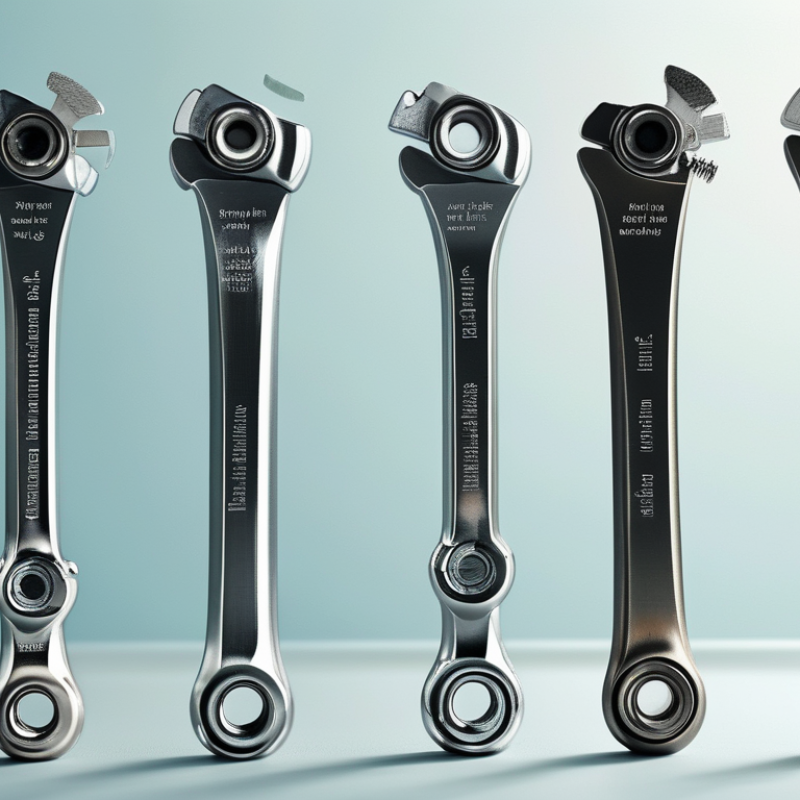
How to Choose Femoral Locking Plates for Your Needs?

Understanding the Basics of Femoral Locking Plates

When exploring femoral locking plates, understanding their design is crucial. These plates are engineered to stabilize fractures effectively. They feature locking screws that provide angular stability. This is essential for promoting healing in complex fractures. A study in the Journal of Bone and Joint Surgery notes that fractures stabilized with locking plates show improved outcomes.

The choice of material also influences the effectiveness of femoral locking plates. Titanium is common due to its strength and biocompatibility. A report from the American Academy of Orthopaedic Surgeons emphasizes that lighter materials can improve patient comfort. However, some surgeons express concerns about the long-term performance of various materials. Balancing weight and strength requires careful consideration.

Another critical aspect is the plate's anatomical design. Each patient's anatomy varies significantly. A “one-size-fits-all” approach can lead to complications. Some surgeons recommend custom plates for more complex cases, but these options can be expensive. Therefore, the decision-making process involves a trade-off between cost and the potential for better outcomes.

Assessing Patient-Specific Anatomical Considerations

When choosing femoral locking plates, understanding patient-specific anatomical considerations is crucial. Each patient's unique anatomy can significantly influence the surgical approach and the choice of implants. Not all femurs are shaped the same, and variations in bone density can affect fixation strength. Surgeons must evaluate these factors to select the most appropriate plate for each individual.

The angle of the femoral neck is another consideration. Some patients may have altered angles due to prior injuries or congenital conditions. This variability can impact the alignment of locking plates, which is vital for ensuring stability post-surgery. An effective assessment may require advanced imaging techniques, like CT scans or MRIs, to visualize complex anatomical features.

Some surgeons may prefer to rely on their experiences, but it is essential to consider tailored assessments. Relying solely on standard protocols may lead to less-than-optimal outcomes. Each case provides an opportunity to learn and refine techniques. Balancing this knowledge with an understanding of unique anatomical differences can lead to improved surgical success and healing.

How to Choose Femoral Locking Plates for Your Needs?

This chart illustrates the different considerations when selecting femoral locking plates based on patient-specific anatomical features.

Evaluating Plate Material and Design Options

Choosing the right femoral locking plate is crucial for effective surgical outcomes. When evaluating materials, consider biocompatibility. Titanium and stainless steel are common choices. Titanium is lightweight and corrosion-resistant, while stainless steel provides strength. Both have pros and cons that should be weighed carefully.

Design options also play a significant role. Plates come in various shapes and sizes, tailored for specific anatomical needs. Some feature locking screws to enhance stability. This prevents micromotion, which can lead to complications. Customizable options allow for tailored fits, optimizing healing and functionality.

Tips: Always consult with an orthopedic specialist before making a decision. They understand individual patient needs better. Additionally, consider the plate's weight since it can affect post-operative recovery. Lastly, evaluate the surgical technique required for each plate design. This knowledge can influence the overall outcome, and help refine choices.

Identifying Surgical Techniques and Fixation Methods

When selecting femoral locking plates, understanding surgical techniques is crucial. Different approaches impact the outcome. Surgeons often face choices between open reduction and minimally invasive techniques. Each method has its benefits and drawbacks. Open surgeries allow for better visualization but may damage surrounding tissues. In contrast, minimally invasive techniques reduce recovery time but can be challenging for complex fractures.

Fixation methods also play a vital role in surgical success. Some plates utilize locking screws that improve stability. These enhance the holding power of the plate. However, these methods may complicate future surgeries. Surgeons must weigh these options based on each patient's individual needs. Complications can lead to increased healing time or further interventions. It’s essential for practitioners to continuously evaluate their choices. The decision should always rely on current evidence and personal experience.

In addition, working closely with a multidisciplinary team is beneficial. Input from orthopedic specialists, nurses, and therapists can provide valuable insights. Each member contributes to better understanding and planning. Patient-specific factors such as age and lifestyle also influence these decisions. Every choice made in the operating room will have a lasting effect on the patient. It’s a balancing act that requires thorough consideration and reflection.

Comparing Cost and Availability Across Different Manufacturers

When selecting femoral locking plates, it’s essential to evaluate cost and availability thoroughly. Different manufacturers offer varying prices and product accessibility. In some regions, you might find certain locking plates are more readily available than others. This can influence your decision significantly.

Tips: Research local suppliers. They often stock products from various manufacturers. This gives you a better comparative insight. Don’t overlook the importance of customer feedback. Hearing from other professionals can guide you toward reliable options.

Consider the long-term implications of your choice. Sometimes, a lower price can mean inferior quality. You might encounter issues with durability or effectiveness later on. It’s crucial to weigh these factors carefully.

Tips: Always assess warranty options. A solid warranty often indicates confidence in product quality. Review documentation and studies related to the plates’ performance. This can reinforce your decision-making process. Keep in mind that every choice comes with risks. Being informed reduces those risks significantly.

FAQS

: What are femoral locking plates designed for?

: They are engineered to stabilize fractures effectively and promote healing in complex cases.

How do locking screws in femoral locking plates work?

Locking screws provide angular stability, which is essential for fracture healing and diminishes movement.

Why is the choice of material important for femoral locking plates?

Material affects strength, biocompatibility, and patient comfort. Titanium is popular for its advantages.

What concerns do some surgeons have regarding materials?

There are worries about the long-term performance and durability of various materials used.

How does a patient's anatomy affect the choice of locking plates?

Unique anatomical variations can impact the surgical approach and plate selection for optimal results.

Why might a "one-size-fits-all" approach be problematic?

It can lead to complications due to individual anatomical differences and may not ensure stability.

What imaging techniques may be used to assess complex anatomy?

Advanced imaging like CT scans or MRIs can provide insights into the patient's anatomical features.

How do cost and availability influence the choice of locking plates?

Variations in price and accessibility affect decisions, often determined by local supplier offerings.

Why is comparing different product options important?

It aids in finding reliable products and avoids potential issues with inferior quality in the long term.

What should be considered regarding warranties for femoral locking plates?

A solid warranty may indicate confidence in product quality and help mitigate future risks.

Conclusion

When considering femoral locking plates for surgical procedures, it's essential to understand the fundamental aspects of these devices, including their design and functionality. An assessment of patient-specific anatomical considerations is critical, as individual variations can impact the effectiveness and outcome of the fixation. Different plate materials and designs should be evaluated to ensure compatibility with the patient's needs and the specific nature of the fracture or injury.

In addition to understanding the anatomy and materials, identifying suitable surgical techniques and fixation methods is vital for optimal results. Surgeons should also compare the cost and availability of femoral locking plates across various manufacturers, which can influence decision-making in clinical settings. By taking these factors into account, healthcare professionals can make informed choices that lead to improved patient outcomes and enhanced surgical success.

Madeline

Madeline

Madeline is a dedicated marketing professional with a wealth of expertise in our company's core offerings. With a keen understanding of the industry, she brings a unique perspective to her role, consistently delivering high-quality content that highlights the superior aspects of our products. As......