Bonevia Bonevia

How to Choose PFNA Intramedullary Nails for Your Needs?

Time:2026-07-25 Author:Mason
0%

When it comes to selecting PFNA Intramedullary Nails, understanding their components is vital. Dr. John Smith, a leading orthopedic surgeon, notes, "The right selection can significantly enhance patient recovery." This highlights the importance of making informed choices in the use of PFNA Intramedullary Nails.

Choosing the right PFNA Intramedullary Nails requires careful consideration. Factors such as nail length, diameter, and locking mechanisms can influence the outcome. It is crucial to evaluate the specific needs of each patient. Not every nail fits every scenario. The unique anatomy of a patient can greatly impact the effectiveness of the nail used.

Additionally, expertise in this field is essential. Engaging with experienced professionals can provide valuable insights. Even with the best tools at hand, the application of knowledge makes all the difference. Understanding and addressing the complexities involved in PFNA Intramedullary Nails is a continuous journey for healthcare providers.
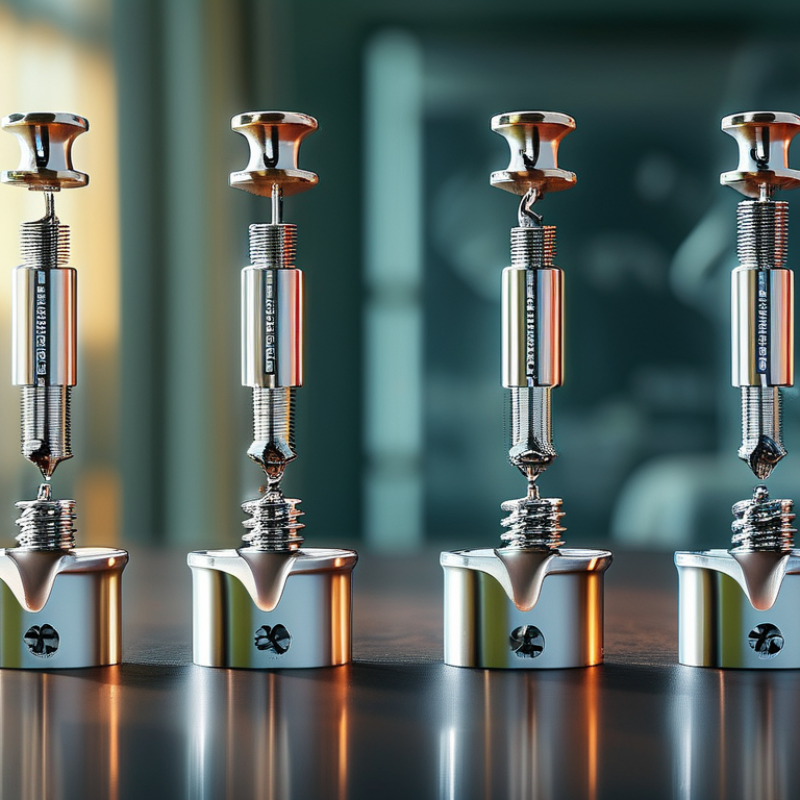
How to Choose PFNA Intramedullary Nails for Your Needs?

Factors to Consider When Selecting PFNA Intramedullary Nails

When selecting PFNA intramedullary nails, several factors require close attention. The surgeon’s experience plays a crucial role. Different techniques may work better for different cases. It’s important to evaluate your options based on prior outcomes and personal expertise. Often, discussions with seasoned professionals can provide valuable insights that help guide your decision.

Another key aspect is the patient's anatomy. Each case is unique, and the nail size and angle must match the individual's bone structure. The location of the fracture also influences your choice. It determines the required nail length and configuration. Taking accurate measurements before the procedure is vital. A miscalculated size could lead to complications post-surgery.

Material quality is also significant. The strength and flexibility of the nail affect its performance. While many materials are available, ensuring biocompatibility is essential for reducing the risk of complications. In some cases, surgeons have reported issues with specific materials, leading to unnecessary revisions. Always consult reliable resources and studies to support your choices; staying informed is crucial.

Different Types of PFNA Intramedullary Nails Available in the Market

When selecting PFNA intramedullary nails, understanding the various types available is essential. Each design caters to specific anatomical needs and fracture patterns. For instance, some nails feature a curved design, which may enhance the alignment for certain femur fractures. Meanwhile, straight designs are typically preferable for simpler cases. These choices reflect the complexity of the procedures involved in orthopedic care.

Material composition is another factor. Titanium is often chosen for its lightweight properties. However, stainless steel provides excellent strength and durability. This juxtaposition raises questions about the trade-offs between weight and robustness. Surgeons must consider the patient's individual circumstances, including age and activity level, when making a recommendation.

Instrument versatility is crucial as well. Some intramedullary nails allow for adjustable lengths. Others may offer unique locking mechanisms for improved stability. This variability can affect surgical outcomes. Therefore, it is essential to reflect on which type aligns best with both the patient’s needs and the surgeon’s expertise. The choice might not always be clear-cut, and surgeons should embrace a thoughtful selection process.

Different Types of PFNA Intramedullary Nails Available in the Market

This chart illustrates the market popularity of various types of PFNA intramedullary nails based on units sold. As seen, the Standard PFNA holds the highest popularity followed by PFNA II and other specialized designs for specific patient demographics.

Assessment of Patient-Specific Needs for PFNA Nail Selection

When selecting PFNA intramedullary nails, it's crucial to assess patient-specific needs. Factors such as age, bone density, and type of fracture are key. A younger patient with high bone density may heal differently than an older patient with osteoporosis. Understanding these details can guide you toward the best choice.

Weight and activity level also play significant roles. A more active individual may require a nail designed for higher durability. Stability in dynamic situations becomes paramount. Conversely, a less active patient might opt for a simpler, less robust design. Each choice should reflect the patient’s lifestyle and long-term goals.

Consideration of potential complications is vital. Not every procedure will go perfectly. Surgeons must be prepared for varying outcomes. Learning from past experiences can enhance future decisions. Reflecting on what went right or wrong will inform better practices. Always keep patient-centered care at the forefront when making these crucial decisions.

Technical Specifications and Features of PFNA Intramedullary Nails

Choosing the right PFNA intramedullary nails involves understanding their technical specifications and features. These nails are designed to fit the anatomy of the femur. Key specifications include different diameters and lengths. Surgeons must assess the patient's anatomy before selecting the appropriate nail size. Proper length selection is crucial for optimal stability.

When it comes to features, look for options that offer innovative locking mechanisms. This can greatly enhance the stability of the implant. Also, consider the material used. Titanium is lightweight yet strong, while stainless steel offers durability. Surgeons often prefer one over the other based on specific patient needs.

Tips: Always refer to patient imaging when selecting nails. It helps in making a well-informed decision. Check for any potential complications associated with specific nail types. Understanding the implant's biomechanics can be beneficial. Reflect on previous cases to improve future choices. Ensuring the right fit can sometimes be challenging, but it’s essential for successful outcomes.

Best Practices for Implantation and Post-Operative Care of PFNA Nails

When it comes to PFNA intramedullary nails, following best practices for implantation and post-operative care is crucial. The correct placement of these nails can significantly influence a patient's recovery. Precision during surgery can minimize complications and improve outcomes. Use advanced imaging techniques for accurate positioning.

Tips: Always double-check alignment before finalizing the nail placement. Ensuring proper angling can prevent excessive pain later. Discuss with your surgical team any uncertainties about the procedure.

Post-operative care is equally essential. Patients should be made aware of their rehabilitation process. This includes physical therapy and gradual weight-bearing exercises. Observing for signs of infection or unusual pain should be a priority.

Tips: Encourage patients to maintain a pain diary. This can help track their recovery and alert healthcare providers to any issues. Mistakes can occur, and continuous monitoring can catch them early. Reflect on patient feedback to improve future practices.

FAQS

: What factors should be considered when selecting PFN

intramedullary nails?

Why is the surgeon’s experience important in selecting PFNA nails?

Experienced surgeons have insights from prior cases. They can better evaluate options and techniques that suit individual situations.

How does a patient's anatomy affect nail selection?

Nail size and angle must match bone structure. Accurate measurements are crucial to avoid complications during recovery.

What role does patient age and bone density play in nail selection?

Younger patients with high bone density may heal differently than older patients with osteoporosis. This influences the nail choice.

Why is stability important for an active individual?

Active individuals require nails designed for durability. They need implants that can withstand dynamic movements and activities.

What should surgeons do to prepare for potential complications?

Not all procedures will go smoothly. Reflecting on past experiences can help improve decisions and future practices.

What are key technical specifications to consider for PFNA nails?

Understand nail diameters and lengths. Proper selection ensures stability and better anchoring to the femur.

What innovative features should be looked for in PFNA nails?

Options with advanced locking mechanisms enhance implant stability, ensuring better performance in the long term.

Why is it important to consult patient imaging?

Patient imaging aids in making informed decisions about nail selection. It helps in understanding the unique anatomy of each case.

How can surgeons learn from previous cases when selecting PFNA nails?

Reflecting on past successes and challenges can inform better choices for future procedures and improve overall patient outcomes.

Conclusion

Choosing the appropriate PFNA Intramedullary Nails is crucial for optimizing fracture fixation and ensuring patient safety. When selecting these implants, factors such as patient-specific anatomical considerations, the type of fracture being treated, and the specific features of the available PFNA options must be thoroughly evaluated. Different types and technical specifications of PFNA Intramedullary Nails cater to various clinical needs, emphasizing the importance of understanding each option's advantages and limitations.

Moreover, best practices for implantation and post-operative care play a significant role in the overall success of PFNA nail procedures. Surgeons must be well-informed about the latest techniques and care protocols to enhance recovery and minimize complications. By considering all these factors, healthcare professionals can make informed decisions that align with their patients' unique needs, ultimately leading to better clinical outcomes.

Mason

Mason

Mason is a seasoned marketing professional with a deep expertise in the company's offerings and a passion for driving brand awareness. With a strong background in digital marketing strategies, he has an innate ability to connect with diverse audiences and effectively communicate product benefits.......