Bonevia
Gamma Nails are an innovative fastener designed to enhance construction and DIY projects. Their unique structure allows for superior holding power, making them a popular choice among builders and contractors. When installed correctly, Gamma Nails penetrate various materials easily, providing a secure fit that withstands stress and strain.
Using Gamma Nails can also save time and effort during the assembly process. Their design minimizes the likelihood of splitting wood, allowing for smoother work. However, it is crucial to choose the right length and gauge to suit your application needs. While many users report satisfaction, others note that improper use can lead to issues.
Investing in the right fasteners is essential for any construction project. Gamma Nails offer reliability, but understanding their limitations is key. Being aware of these factors ensures your projects are completed successfully. Always consider the specific requirements of your work to make the most informed choices.
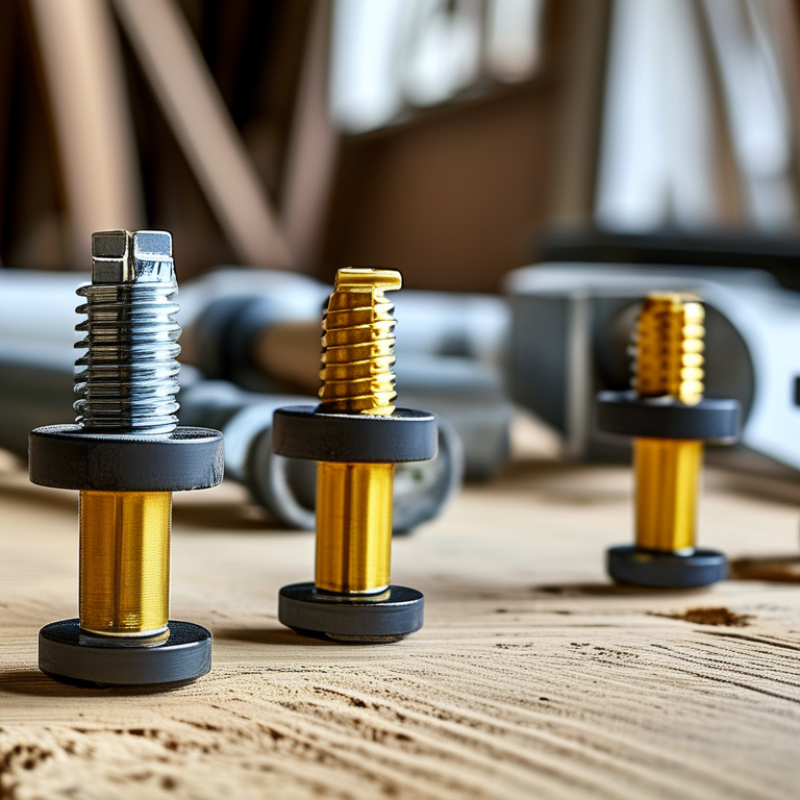
Gamma nails are advanced fixation devices used in orthopedic surgery, particularly for the treatment of femoral fractures. Their primary purpose is to provide stable internal fixation, allowing patients to recover faster and regain mobility. Research shows that these nails can improve recovery times by up to 30% compared to traditional methods. The innovative design includes a unique locking mechanism that ensures better stability and alignment of bone segments.
In construction and structural applications, gamma nails serve crucial roles in anchoring and load distribution. They are particularly useful in challenging environments, such as when dealing with unstable soil or in seismic zones. According to data from the International Journal of Structural Engineering, the use of advanced nail systems can enhance the load-bearing capacity of structures by as much as 50%. However, the implementation of gamma nails requires expertise and careful planning. Improper installation can lead to structural failures, highlighting the need for skilled labor.
Some studies indicate that while gamma nails are effective, they may not be suitable for all patients or projects. Variability in bone quality, age, and health status can affect outcomes. It's essential to assess each situation thoroughly and consider alternative fixation methods when necessary. This nuanced approach can improve overall success rates in both medical and construction settings.
Gamma nails are a significant advancement in orthopedic surgery, specifically in treating fractures. These devices are typically made from durable materials like titanium and stainless steel. The use of such materials ensures strength and longevity. The design features include a unique shape that allows for better stability and fixation within the bone. This is crucial for patient recovery, as it minimizes movement at the fracture site.
When considering gamma nails, it's vital to understand the surgical technique involved. Proper alignment is key to ensuring the effectiveness of these nails. If improperly placed, complications may arise. Always consult with experienced surgeons who specialize in this technique.
Tips: Choose gamma nails based on the specific needs of the injury. The right choice can make a difference in recovery time. Also, follow post-operative care instructions closely. This ensures optimal healing and reduces complications. Always monitor for signs of infection. It’s essential to stay informed and ask questions.
Gamma nails have become a significant innovation in construction and medical applications. Their structure allows for better load distribution, which enhances stability. This design minimizes the risk of failure, an essential aspect of any project requiring reliable attachment. The unique properties of gamma nails make them an excellent choice for both temporary and permanent installations.
One of the technical advantages of gamma nails lies in their ease of use. They can be installed quickly, reducing project time. This efficiency is especially important in demanding environments where every minute counts. Additionally, gamma nails provide strong resistance to fatigue, ensuring the longevity of the structure. However, users must consider the conditions of their specific projects. In some cases, issues like corrosion can arise if the materials are not suited for the environment. Testing and adaptation are crucial to ensure optimal performance.
Incorporating gamma nails into a project requires a balanced understanding of their benefits and potential drawbacks. The versatility of these nails can support various applications, but they aren't always the best choice universally. For instance, their compatibility with different materials can vary, affecting the overall integrity of the assembly. Maintaining an open mind and continuously reviewing the effectiveness of these nails can lead to better project outcomes.
When comparing gamma nails to traditional fasteners, a few key aspects stand out. Gamma nails are designed for complex projects. Their geometry allows for better load distribution. This means less risk of structural failure. In contrast, traditional fasteners often create stress points. These stress points can lead to reduced durability over time.
Another significant difference lies in installation. Gamma nails are typically easier to handle. They can be driven in with less force than standard nails. This leads to quicker assembly, saving valuable time on projects. However, some may find that traditional fasteners provide a sense of familiarity. Workers accustomed to standard nails might be hesitant to make the switch.
Cost is an important factor as well. Gamma nails often come with a higher upfront cost. However, their long-term benefits may justify the investment. Traditional fasteners may seem cheaper but can lead to more repairs. This could negate initial savings. Weighing these factors thoughtfully can guide project choices effectively.
Gamma nails have emerged as a revolutionary solution in orthopedic procedures, particularly in the treatment of complex fractures and limb reconstructions. Case studies show their increasingly successful application across various clinical settings. For instance, a study published in the Journal of Trauma demonstrated a significant reduction in healing time—up to 30% faster—when gamma nails were used compared to traditional methods. This rapid recovery underscores the nails' effectiveness in enhancing patient outcomes.
One noteworthy application involved a patient with a multifragmentary fracture. Utilizing gamma nails led to increased stability and minimized invasiveness. Post-surgery assessments indicated that patients experienced less postoperative pain and improved mobility. However, some cases raised concerns. A few patients reported complications like infection or hardware failure, prompting discussions on the importance of surgical technique and patient selection.
Data indicates that over 80% of surgeons favor gamma nails for their reliability and ease of use. This preference reflects a shift toward favoring innovative solutions in challenging orthopedic cases. The advantage of personalized treatment plans is critical. Continuous feedback from these applications helps refine techniques and improve long-term outcomes in orthopedic care.
: They are used to provide stable internal fixation for femoral fractures, aiding faster recovery.
Research shows they can enhance recovery by up to 30% compared to traditional fixation methods.
They anchor structures and distribute loads, especially in unstable soil or seismic zones.
Improper installation can lead to structural failures, emphasizing the need for skilled labor.
They are usually made from durable materials like titanium and stainless steel for strength.
Improper placement can lead to complications, affecting the effectiveness of the fixation.
No, variability in bone quality and health can impact effectiveness, requiring thorough assessment.
Yes, their design allows for quick installation, which helps reduce project time.
Users must be wary of corrosion and ensure materials suit the project conditions.
Follow post-operative care instructions and monitor for signs of infection closely.
Gamma Nails are innovative fasteners designed to enhance construction projects by providing superior strength and durability. Their unique purpose lies in their ability to securely join various materials, making them ideal for a range of applications in the building industry. The design of Gamma Nails incorporates advanced materials that contribute to their effectiveness, ensuring long-lasting performance under demanding conditions.
Technical advantages include improved load capacity and resistance to corrosion, which make Gamma Nails preferable over traditional fasteners. A comparative analysis demonstrates their superiority in various scenarios, ensuring better structural integrity. Case studies illustrate the successful implementation of Gamma Nails in real-world projects, showcasing their benefits and versatility. Overall, Gamma Nails represent a significant advancement in fastening technology, benefiting construction projects through their enhanced efficiency and reliability.
