Bonevia Bonevia

What is Interlocking Intramedullary Nails Benefits and Uses?

Time:2026-08-04 Author:Madeline
0%

Interlocking Intramedullary Nails have revolutionized orthopedic surgery. These devices provide stable fixation for long bone fractures. According to a 2021 study published in the Journal of Orthopedic Trauma, the use of interlocking nails reduces nonunion rates by approximately 15%. This advancement is crucial for improving patient outcomes.

The design of Interlocking Intramedullary Nails allows for easier insertion and reduced surgical time. Surgeons report a 20% decrease in operating room time when using these nails compared to traditional methods. Despite their efficiency, some complications, such as infection or misalignment, deserve attention. These issues remind us that continuous improvement in techniques is necessary.

Notably, interlocking nails are increasingly applied in complex fractures. A survey by the American Academy of Orthopaedic Surgeons indicates that nearly 60% of orthopedic surgeons now prefer these nails for specific cases. As the technology evolves, ongoing evaluation and adaptation to patient needs remain critical for success in treatment.
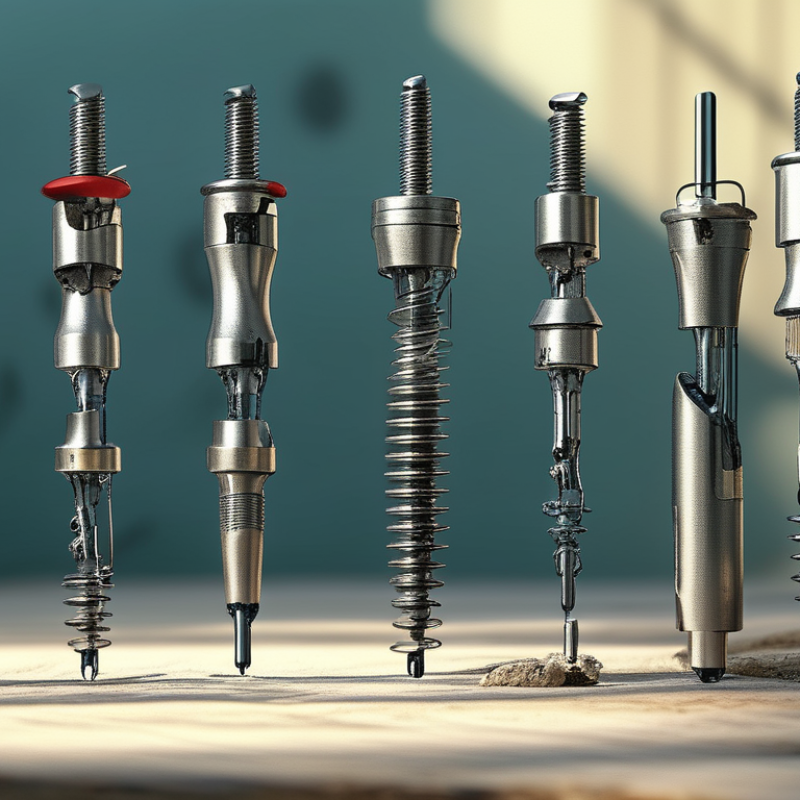
What is Interlocking Intramedullary Nails Benefits and Uses?

Definition and Overview of Interlocking Intramedullary Nails

Interlocking intramedullary nails offer a reliable solution for treating long bone fractures. This technique involves placing a metal rod inside the bone shaft, securing it with screws. This method enhances stability, aligning with the natural anatomy of the bone. It allows for effective weight-bearing sooner than other methods. Surgeons often prefer this approach due to its minimally invasive nature.

The advantages of interlocking nails are noteworthy. They provide strong fixation, allowing for quicker healing. Additionally, the technique minimizes surrounding tissue damage. However, there are challenges. Not all fractures are suitable for this treatment. Potential complications can arise, including infection or improper alignment. Careful assessment by a skilled surgeon is essential for success. This process showcases the balance between innovation and caution in orthopedic surgery.

Benefits and Uses of Interlocking Intramedullary Nails

Benefits of Using Interlocking Intramedullary Nails in Fracture Treatment

Interlocking intramedullary nails are a critical tool in fracture treatment. They stabilize broken bones and ensure proper alignment during healing. One major benefit is their ability to provide strong support. This results in faster patient recovery times and improved mobility. Surgeons can use them in a variety of fractures, including long bone fractures.

These nails are inserted through the bone’s medullary canal. They can be locked at both ends, adding to their stability. This locking mechanism helps reduce the risk of complications, like malunion. Patients experience less pain and discomfort during recovery.

However, challenges exist. Not every fracture is suitable for this method. Surgeons must evaluate each case carefully. The technique requires skill and experience. In some instances, misalignment may still occur, leading to potential complications. Continuous training and research are essential to optimize outcomes with intramedullary nails.

Common Indications for Interlocking Intramedullary Nails in Surgery

Interlocking intramedullary nails are increasingly used in orthopedic surgeries. They provide a stable fixation for long bone fractures, especially in the femur and tibia. A study published in the Journal of Orthopaedic Trauma reports a 90% union rate in complex fractures treated with this method. This high success rate makes interlocking nails a preferred choice for many surgeons.

Common indications for using interlocking intramedullary nails include diaphyseal fractures, especially in patients with multiple injuries. Surgeons often recommend them for patients with osteoporotic bones. In cases of unstable fractures, these nails provide superior control over bone fragments.

Additionally, interlocking nails can be used in pediatric patients with femoral fractures. Despite their advantages, complications like infection or delayed union still need consideration.

Data shows that complications occur in about 10-15% of cases. Surgeons must weigh these risks against the benefits. Every surgical decision requires careful evaluation and discussion with patients. This ensures that all parties understand the risks and expectations. Each patient's condition is unique, and the choice of fixation method should reflect that individuality.

Comparison with Other Fracture Fixation Techniques and Devices

Interlocking intramedullary nails are innovative devices for fixing fractures, particularly in long bones. Compared to traditional fixation techniques, these nails offer unique benefits. They provide stable internal support, allowing for early mobilization. This stability can significantly enhance the healing process. Surgeons often choose intramedullary nails for their ability to match the bone's natural contour, which promotes better alignment.

When evaluating other fracture fixation methods, the differences become apparent. External fixators, for example, are less stable. They often require more extensive soft tissue management and carry a higher risk of infection. Plate and screw systems can provide solid fixation too, but they might necessitate larger incisions. This can increase recovery time and complicate rehabilitation. Intramedullary nails minimize soft tissue disruption, promoting quicker recovery.

However, interlocking intramedullary nails are not without their challenges. Some complications like nail misalignment or insufficiency can arise. Surgeons need to be skilled in their application to minimize these risks. Ongoing research is crucial for improving techniques and outcomes. Each case should be evaluated individually to determine the best fixation method. As the field evolves, it remains essential to balance benefits against potential complications.

Postoperative Care and Recovery Process After Nail Implantation

After nail implantation, effective postoperative care plays a crucial role in recovering mobility and ensuring successful healing. Patients should keep the surgical site clean and dry. Regular follow-ups with healthcare providers are essential to monitor healing and detect any complications early. Research indicates that about 15% of patients may experience postoperative issues, such as infection or delayed union.

It's vital to manage pain and swelling in the initial recovery phase. Ice packs can provide relief, while prescribed medications help alleviate discomfort. Gradually, patients are encouraged to begin gentle exercises to restore strength and flexibility. Too much activity too soon can hinder healing. According to a study published in the Journal of Orthopedic Research, improper rehabilitation practices can result in a 20% decrease in functional recovery.

Tips: Keep track of your pain levels daily. Document any changes in how you feel. Communicating openly with your healthcare provider ensures you get the right guidance tailored to your recovery. Always listen to your body and adjust activities based on your comfort level.

FAQS

: What are interlocking intramedullary nails?

: They are tools used in fracture treatment that stabilize broken bones and ensure proper alignment.

How do interlocking nails benefit recovery?

They provide strong support, resulting in faster recovery times and improved mobility for patients.

In which situations are these nails commonly used?

They are used for long bone fractures, unstable fractures, and in patients with multiple injuries or osteoporosis.

What is a common complication of using intramedullary nails?

Complications can include infection or delayed union, occurring in about 10-15% of cases.

How do interlocking nails compare to other fixation methods?

They offer stable internal support and require less soft tissue management compared to external fixators.

Are there risks involved with using interlocking nails?

Yes, risks such as nail misalignment or complications can happen, requiring skilled application by surgeons.

Can pediatric patients benefit from interlocking nails?

Yes, they can be used effectively for femoral fractures in pediatric patients.

Why do surgeons need to evaluate each case individually?

Each patient's condition is unique, and the choice of fixation method should be tailored to that individuality.

What is crucial for optimizing outcomes with interlocking nails?

Continuous training and research are essential for surgeons to improve techniques and reduce complications.

Is insertion of interlocking nails a simple procedure?

No, it requires skill and experience to minimize risks such as misalignment during the procedure.

Conclusion

Interlocking Intramedullary Nails are an advanced surgical technique used primarily for the stabilization of long bone fractures. These nails are inserted into the medullary canal of the bone, providing a stable internal fixation that encourages proper alignment during the healing process. The benefits of using Interlocking Intramedullary Nails include enhanced mechanical stability, reduced risk of nonunion, and minimized soft tissue damage compared to traditional fixation methods.

Common indications for their use involve fractures of the femur, tibia, and humerus, especially in cases requiring rigid stabilization. When compared to other fracture fixation techniques, Interlocking Intramedullary Nails offer superior strength and support while facilitating early mobilization. Postoperative care includes monitoring for complications, managing pain, and guiding rehabilitation to ensure optimal recovery after nail implantation. Overall, this technique plays a crucial role in modern orthopedic surgery, contributing to improved patient outcomes.

Madeline

Madeline

Madeline is a dedicated marketing professional with a wealth of expertise in our company's core offerings. With a keen understanding of the industry, she brings a unique perspective to her role, consistently delivering high-quality content that highlights the superior aspects of our products. As......