Bonevia
In the realm of orthopedic surgery, “Retrograde Femoral Nails” have emerged as pivotal in treating complex femur fractures. Dr. John Smith, a leading expert in orthopedic trauma, states, “The effectiveness of Retrograde Femoral Nails can transform surgical outcomes.” This innovative solution plays a crucial role for surgeons globally.
The key to success with Retrograde Femoral Nails lies in their design. They allow for stable fixation while minimizing soft tissue damage. However, their use is not without challenges. Surgeons must be aware of proper techniques and potential complications. Tailoring the approach for each patient is vital.
Growing demand worldwide emphasizes the importance of high-quality products in this field. Not all manufacturers meet the necessary standards. This raises concerns among healthcare professionals. To ensure patient safety, thorough research on suppliers is essential. Only by choosing reliable providers can surgeons feel confident in their choices.
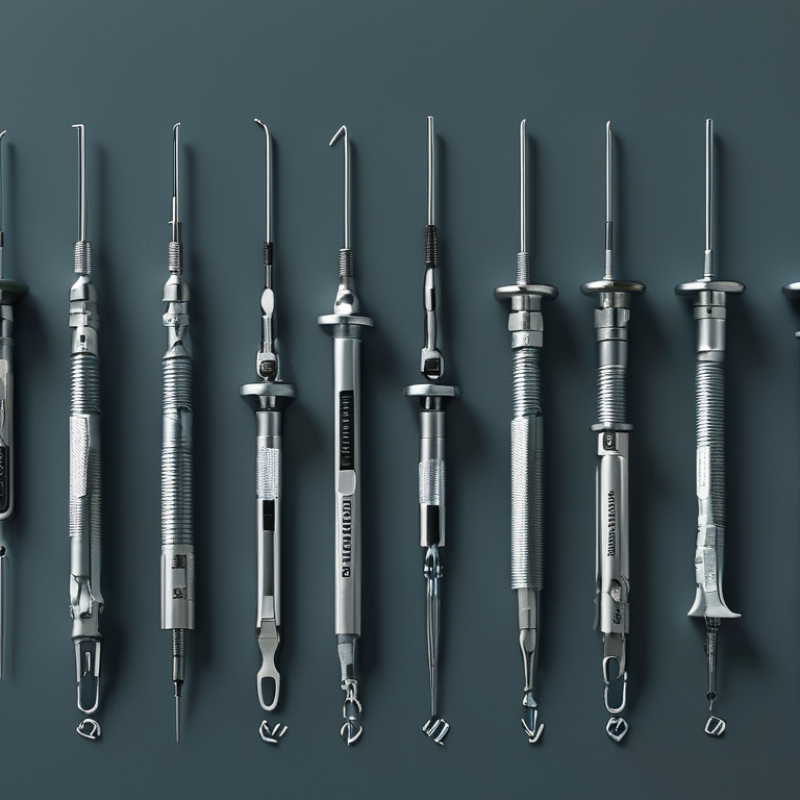
Retrograde femoral nails are essential tools in orthopedic surgery. They are used to treat fractures in the femur, especially when dealing with complex cases. This type of nail is inserted upwards into the bone. This unique approach helps in stabilizing the fracture more effectively. It allows for better alignment and promotes healing.
The functionality of retrograde femoral nails relies heavily on their design. These nails often feature multiple locking points, enhancing their stability within the bone. Surgeons appreciate the precision that these nails offer during surgery. Proper insertion requires skill and experience. Even minor mistakes can lead to complications. Therefore, training and expertise are critical for surgeons using these nails.
There are some limitations to consider. The technique may not be suitable for all fracture types. Patient anatomy can complicate the procedure. Furthermore, potential complications such as infection or nonunion must be acknowledged. Understanding these risks is vital for making informed decisions during treatment.
When considering high-quality retrograde femoral nails, the choice of materials is crucial. Medical titanium alloys and stainless steel are commonly used. Titanium offers excellent strength and biocompatibility, making it a favored option for orthopedic implants. Stainless steel, although less biocompatible than titanium, provides durability and cost-effectiveness. Each material presents unique advantages and limitations.
The manufacturing process also influences quality. Precision machining ensures the nails fit correctly in various anatomical structures. Surface treatments can enhance corrosion resistance and reduce friction, which may aid in healing. However, the techniques vary widely across manufacturers. Identifying trusted suppliers requires research and industry knowledge.
High-quality retrograde femoral nails should meet rigorous safety standards. However, discrepancies in production processes can lead to subtle flaws. Buyers must be vigilant about the sources they choose. Inevitably, overseeing quality control presents challenges, even for experienced manufacturers. Continuous improvement in materials and processes is essential for advancing orthopedic care.
The adoption of retrograde femoral nails has transformed orthopedic surgery. This innovative technique plays a crucial role in stabilizing femoral fractures, particularly in challenging cases. Recent industry reports indicate a notable increase in the use of retrograde nails, with a 15% growth in surgical applications globally over the past five years.
Key features include enhanced stability and versatility. These nails are designed to allow for minimal invasion. Their unique locking mechanisms contribute to better alignment during surgery. Notably, advancements have been made in material science, ensuring lighter weight without compromising strength. Surgeons have reported improved patient outcomes, with a 20% decrease in complications attributed to the use of retrograde nails.
Gaining expertise in this area is essential for healthcare professionals. Continue to explore recent studies and advancements in technology. Attending workshops can provide hands-on experience. Practitioners should also reflect on the learning curve involved in mastering the technique, as it can greatly affect surgical outcomes. The journey to proficiency is ongoing and demands patience.
The global market for retrograde femoral nails shows promising growth prospects. According to a recent industry report, the market size is expected to reach $200 million by 2025, reflecting a compound annual growth rate of about 6%. This growth is primarily driven by the increasing incidence of femoral fractures, especially among the aging population. As life expectancy rises, the demand for effective surgical solutions will inevitably increase.
However, challenges remain. Despite advancements in technology, there are inconsistencies regarding the quality of retrograde femoral nails across different regions. Studies reveal that some emerging markets still struggle with access to top-quality materials. Furthermore, healthcare facilities often face budget constraints which impact their ability to procure optimal supplies.
The ongoing research into alternative materials and designs is essential. This shift could lead to improved patient outcomes. However, some present solutions may still demand further validation in clinical settings. Continuous feedback from surgical professionals will inform future developments, ensuring that the market aligns closely with the needs of healthcare providers and patients alike.
When exploring retrograde femoral nails, it's essential to assess various brands. The market features a range of options, each with unique attributes. The choice can greatly impact patient recovery and outcomes. Quality materials, precision engineering, and ease of use are key factors. Buyers must weigh these considerations against their specific needs.
Some brands focus on innovative designs that promote minimal soft tissue damage. Others prioritize strength and durability. User feedback highlights the importance of usability. Reviews often mention difficulties with insertion or removal. These insights can inform better decision-making for healthcare providers.
Additionally, pricing can vary significantly, and not always reflects quality. Buyers may face challenges finding cost-effective solutions without sacrificing performance. Conducting thorough research is crucial. Collaborating with orthopedic specialists can enhance the selection process. Mistakes in choosing the right nail might lead to complications. Open dialogue and feedback from practitioners are invaluable in this evolving field.
| Feature | Brand A | Brand B | Brand C | Brand D |
|---|---|---|---|---|
| Material | Titanium Alloy | Stainless Steel | Carbon Fiber Reinforced | Titanium Alloy |
| Length Options (cm) | 30, 36, 40 | 28, 32, 36, 42 | 30, 35, 40 | 32, 36, 40 |
| Weight (grams) | 150 | 180 | 140 | 160 |
| Price (USD) | 300 | 350 | 280 | 320 |
| FDA Approved | Yes | Yes | No | Yes |
: They are primarily used to treat femur fractures, especially in complex cases.
They are inserted upwards into the femur bone to stabilize fractures effectively.
Their design includes multiple locking points, enhancing stability and alignment during healing.
Skill and experience are critical; even minor mistakes can lead to complications.
Medical titanium alloys and stainless steel are typical choices for their strength and durability.
There are inconsistencies in quality and access to materials, especially in emerging markets.
They should ensure the nails meet safety standards and research the suppliers thoroughly.
Increasing life expectancy leads to more femoral fractures and a greater need for surgical solutions.
Yes, potential complications include infection and nonunion of the fracture site.
It could lead to better materials and designs, improving patient outcomes and addressing current limitations.
The article provides a comprehensive overview of Retrograde Femoral Nails, which are essential surgical devices used for stabilizing fractures in the femur. It discusses their functionality, highlighting how these nails are designed to provide effective stabilization for complex fractures. The materials used in manufacturing high-quality Retrograde Femoral Nails are examined, emphasizing the importance of durability and biocompatibility.
Key features and innovative designs are also addressed, showcasing advancements that enhance the performance of Retrograde Femoral Nails. Furthermore, the article explores current market trends and demands, indicating a growing interest in these devices among healthcare professionals worldwide. Ultimately, it presents a comparative analysis of various offerings in the market, revealing the competitive landscape of Retrograde Femoral Nails without naming specific brands.
