Bonevia
In the world of construction and renovations, choosing the right materials is crucial. A leading expert in the field, Dr. Emily Thompson, states, "Reconstruction Nails are vital for ensuring structural integrity." This choice can significantly affect a project’s longevity and safety.
Reconstruction Nails provide durability that ordinary fasteners may lack. These specialized nails resist bending and breaking, making them reliable for heavy-duty applications. The tough design can withstand various environmental conditions. However, some professionals might overlook this important detail when selecting materials.
Furthermore, while Reconstruction Nails prove beneficial, it's essential to understand their limitations. They might be more expensive than standard options. Weighing cost against performance is vital for any project. Selecting the right tool means not just looking for what is popular, but also considering what guarantees safety and longevity.
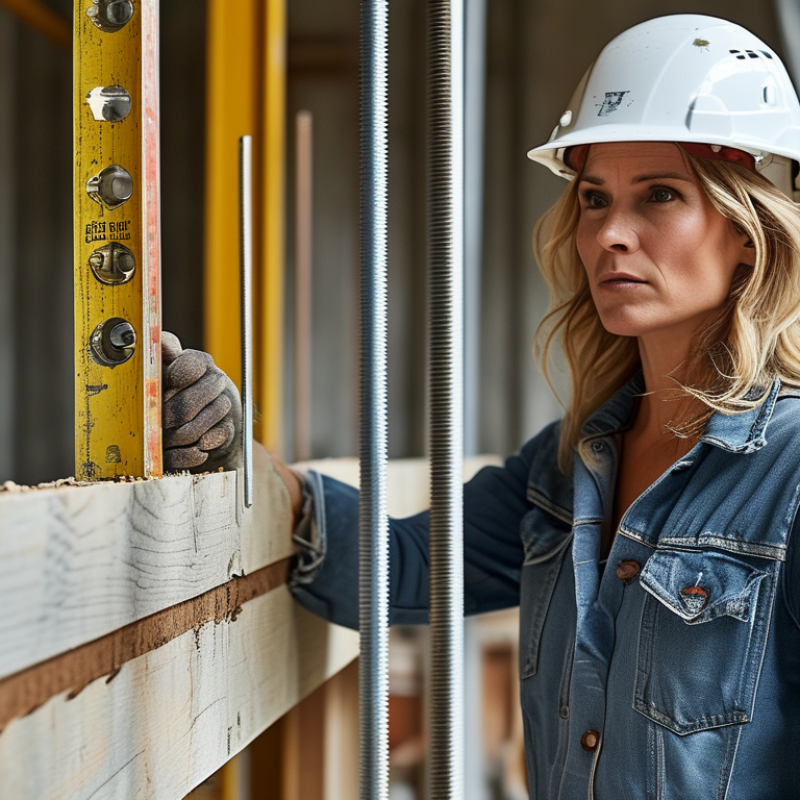
Reconstruction nails offer a variety of benefits, making them an excellent choice for construction projects. These nails provide exceptional strength and durability, ensuring structural integrity. They resist bending and breaking under pressure, which is crucial for maintaining safety and reliability in any build.
Using reconstruction nails can simplify the construction process. These nails come in specific lengths and thicknesses, catering to different materials. This versatility allows for easier installation, saving both time and labor costs. Additionally, their corrosion-resistant properties enhance longevity, which is beneficial in various environments.
While reconstruction nails have many advantages, it’s essential to consider specific project requirements. Not all situations demand heavy-duty nails. For lighter workloads, standard nails might suffice. Always assess the project's needs before choosing the right type. Remember to check for compatibility with the materials you are using to avoid any mishaps during installation. This reflection can help improve outcomes in future projects.
Reconstruction nails serve a vital role in orthopedic procedures, providing stability and facilitating healing. There are several types of reconstruction nails, each tailored for specific applications. Intramedullary nails are commonly used for long bone fractures. They offer strong support and allow for earlier mobilization. According to a 2023 study published in the Journal of Orthopedics, intramedullary nails reduced recovery time by up to 30% compared to traditional methods.
Another type includes locking nails, which provide enhanced rotational stability. These are particularly beneficial in complex fractures. Data from the Orthopedic Trauma Association indicates that locking nails can achieve a union rate of over 95%, making them reliable for challenging cases. Despite their effectiveness, they may require intricate surgical techniques or specific instruments. This complexity can lead to longer surgeries and requires skilled professionals.
Tension band nails also deserve mention. Used in specific applications like patellar fractures, they redistribute stress along the fracture line. While effective, their application sometimes leads to complications such as metal irritation. Surgeons must weigh these factors carefully. The diverse options available in reconstruction nails underline the importance of choosing the right type based on individual case needs and the expertise available.
Reconstruction nails have become essential in enhancing structural integrity across various construction projects. These specially designed nails provide strength and stability, which are critical in load-bearing applications. According to a 2022 report from the Structural Engineering Institute, using reconstruction nails can increase joint strength by up to 30%. This significant boost makes them a preferred choice among experienced builders and engineers.
One of the key aspects of reconstruction nails is their ability to distribute loads evenly across materials. This feature minimizes the risk of material failure and ensures structures can withstand heavy forces. A study conducted by the National Institute of Standards and Technology found that buildings with properly installed reconstruction nails experienced 20% fewer structural failures during seismic events compared to those with conventional fasteners. However, improper installation can negate these benefits, highlighting the need for professional expertise.
Additionally, reconstruction nails have been recognized for their versatility in various applications. Whether for framing or joining different materials, they offer reliable performance. Yet, it’s important to assess the specific requirements of each project. Not every situation will favor their use. Construction teams must weigh the benefits against potential challenges, such as compatibility with existing materials and environmental factors. Thus, informed decision-making is crucial in maximizing the benefits of reconstruction nails.
When choosing reconstruction nails for your next project, understanding the installation process is key. Start by gathering all necessary tools. You'll need a hammer, drill, and a level. Measure the area for nail placement carefully; accurate measurements prevent future issues. Ensure the materials you're working with are clean. Dirt can affect the adhesion and strength of the nails.
Tips to consider: Always wear safety glasses. Protect your eyes from flying debris when drilling. Check for any hidden electrical wires or plumbing before you start. This can save you from costly mistakes down the line. Consider pre-drilling holes for your nails. This helps reduce splitting in the wood. Paying attention to these details enhances the overall integrity of the structure.
Once you've marked the spots, install each nail at a slight angle. This will offer greater holding power. Secure each nail firmly, but be cautious not to overdrive them. Overdriving can cause the material to crack or split. After nailing, inspect your work. Look for any inconsistencies or areas that may need reinforcement. Reflecting on your technique can lead to improvements in future projects.
| Feature | Benefits | Application | Installation Steps |
|---|---|---|---|
| Durable Material | Provides long-lasting strength | Framing, woodwork, and structural connections | 1. Gather materials 2. Pre-drill holes 3. Insert nails |
| Corrosion Resistance | Ensures longevity in various climates | Outdoor projects and humid environments | 4. Ensure proper fit 5. Hammer in nails |
| Easy Installation | Saves time and labor | DIY projects and professional use | 6. Inspect alignment 7. Finalize nail placement |
| Variety of Sizes | Customized for specific needs | Supports different project scales | 8. Choose appropriate size 9. Store unused safely |
Reconstruction nails are gaining popularity in various projects for numerous reasons. Their cost-effectiveness compared to traditional alternatives is particularly noteworthy. When considering budget constraints, reconstruction nails often present a more affordable solution without sacrificing quality or durability. This makes them an appealing choice for both homeowners and contractors working on tight budgets.
When sourcing reconstruction nails, it's vital to consider the long-term benefits. These nails can save money over time. While the upfront cost may seem similar to other options, their enhanced strength can lead to fewer repairs and replacements. In the end, making an informed decision can significantly impact your overall expenditure.
Pay attention to specific aspects when selecting reconstruction nails. Ensure that you choose the right size and material for the project at hand. Sometimes, people overlook this, leading to project delays or increased costs. Additionally, consider the environment in which the nails will be used. Moisture levels can influence the longevity and effectiveness of your choice. Being aware of these factors can ultimately save time and money.
: Reconstruction nails provide stability and support in orthopedic procedures, facilitating healing for fractures.
Intramedullary nails are commonly used for long bone fractures and allow for earlier mobilization.
Locking nails offer enhanced rotational stability, especially in complex fractures, achieving high union rates.
Tension band nails can lead to complications like metal irritation, requiring careful consideration by surgeons.
Accurate measurements and clean materials are crucial to prevent issues and ensure strong adhesion.
Safety glasses protect your eyes from flying debris, which is a common hazard when drilling.
Pre-drilling holes can significantly reduce the risk of splitting in the wood during installation.
Nails should be installed at a slight angle to provide greater holding power during the construction.
Inspect your work for inconsistencies and areas needing reinforcement to enhance structural integrity.
Reflecting on your installation process can identify areas for improvement in future projects.
Reconstruction nails are an essential component in modern construction projects, offering numerous benefits such as enhanced structural integrity and durability. They come in various types to suit different applications, ensuring that builders can select the most suitable option for their specific needs. Moreover, reconstruction nails are designed to improve the overall stability of structures, making them a reliable choice for both new builds and renovations.
Installing reconstruction nails is a straightforward process, outlined in a step-by-step guide that simplifies the application for builders of all skill levels. Additionally, reconstruction nails are often more cost-effective compared to alternative fastening methods, providing an economical solution without compromising quality. Overall, choosing reconstruction nails for your next project can significantly contribute to the strength and longevity of your construction endeavors.
