Bonevia Bonevia

What Are the Top Posterior Pedicle Screw Systems in 2026?

Time:2026-11-21 Author:Ethan
0%

In 2026, choosing among Posterior Pedicle Screw Systems is not a contest of brand names alone. The right system must suit the patient’s anatomy, the surgical plan, and the demands of the procedure. Rod options, screw design, connection mechanisms, imaging visibility, and instrument handling can all affect workflow. Small details matter. A driver that seats cleanly, for example, may save time in a crowded operative field.

Spine surgeon Alexander R. Vaccaro is a relevant expert voice in this area, with extensive clinical and research work in spinal disorders and surgery. I cannot verify a verbatim quotation from him on specific screw systems here, so I will not invent one. A useful editorial paraphrase of the clinical principle is: “Choose fixation for the patient and the surgical goal, not the catalog.” This is not a direct quotation. That distinction matters.

This overview compares leading systems through practical criteria, including available clinical evidence, design features, and usability. It also considers where published information is thin. Not every technical advantage translates into better outcomes. And no system is right for every case. Surgeons should review current labeling, training requirements, and peer-reviewed evidence before making device decisions. The comparison is intended to inform evaluation, not replace clinical judgment or patient-specific planning.
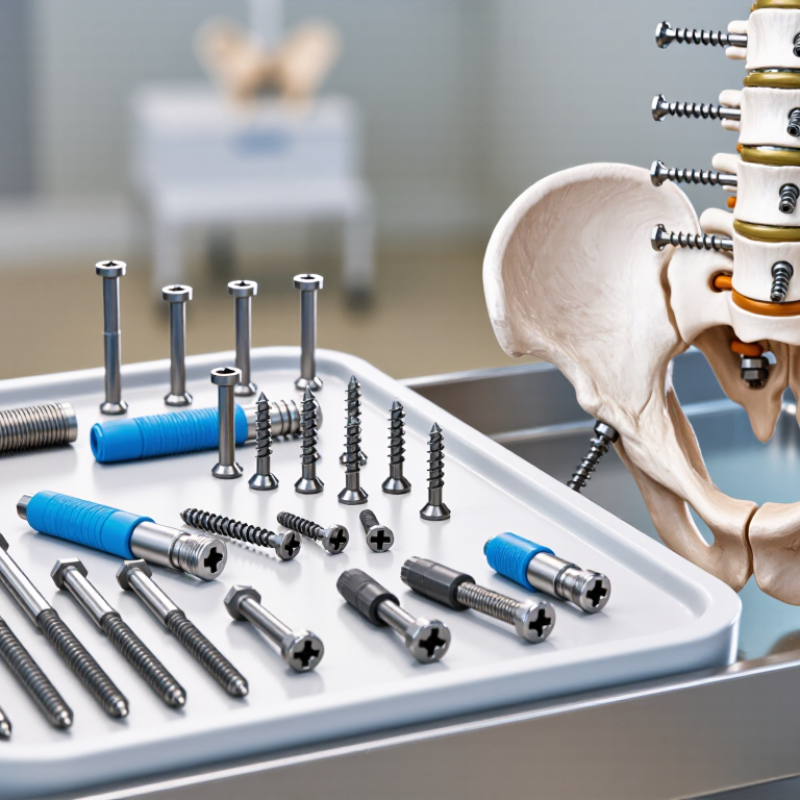
What Are the Top Posterior Pedicle Screw Systems in 2026?

What Posterior Pedicle Screw Systems Are and How They Work

Posterior pedicle screw systems are implants used to stabilize parts of the spine from the back. A typical construct includes screws placed through the vertebral pedicles and rods that connect them. The pedicle is a narrow bridge of bone beside the spinal canal. Placement therefore calls for careful planning and anatomical skill. Small margins matter.

During surgery, a clinician identifies suitable entry points and advances each screw into a vertebra. Imaging may help assess position, while surgical judgment guides the approach. The rods link the screws and can help limit unwanted movement across the treated levels. In some cases, surgeons also use bone graft to support fusion, the process in which adjacent bones gradually join. The exact plan depends on the patient’s anatomy, diagnosis, and goals.

These systems may be considered for selected conditions involving instability or deformity, but they are not appropriate for everyone. Screw position, bone quality, and the number of levels treated can affect the result. Recovery varies, too. It is worth remembering that implants support a surgical plan; they do not guarantee pain relief or fusion. A specialist can explain the potential benefits, risks, and alternatives for an individual case.

Key Components and Design Features of Modern Systems

A modern posterior pedicle screw system is more than a set of screws and rods. Its core parts include threaded screws, rod-receiving heads, locking caps, and instruments for placement and tightening. Screw diameter, length, thread pattern, and tip shape affect how the implant engages bone. Surgeons assess these features alongside anatomy and bone quality; a design that feels secure in one vertebra may not suit another.

Fit matters. Polyaxial heads can pivot to help align a rod across adjacent levels, while reduction features may assist with bringing the rod into position. Locking caps secure the rod, so clear engagement and controlled tightening are important details. Rods vary in diameter and material, and connectors can link components when a construct needs added reach. Small details count.

In practice, instruments and visibility matter as much as implant geometry. Drivers should engage securely, and guides should support accurate placement while allowing the surgeon to check position with imaging. Some systems offer different screw trajectories or head options, but extra choices can also add complexity. The trade-off is not always obvious. Selection depends on the patient, the planned procedure, and the surgeon’s training; even a well-designed system cannot replace careful planning or sound technique.

How Surgeons Compare Systems for Different Spinal Procedures

Posterior pedicle screw systems are not interchangeable across spinal procedures. In lumbar fusion, surgeons weigh screw diameter, length, head mobility, and rod placement access. Long constructs place greater demands on reduction features and connection stability. Small details matter. A low-profile head may help in a tight operative field, while a broader range of screw sizes can suit varied anatomy. Bone quality matters too; a larger screw is not automatically the safer choice.

A useful benchmark comes from a peer-reviewed systematic review by Kosmopoulos and Schizas, published in Spine in 2007. It pooled 130 studies and 37,337 screws, reporting 94.3% placement accuracy. That figure describes varied techniques, not a 2026 system ranking. The comparison is imperfect. For minimally invasive procedures, surgeons may prioritize visibility, instrument access, and compatibility with navigation. For deformity correction, they may focus on rod seating and controlled reduction across multiple levels. Clinical evidence should be considered alongside the patient’s anatomy, imaging, and bone health. A system that performs well in one procedure may not be the best fit for another.

Leading Posterior Pedicle Screw Systems Available in 2026

What Are the Top Posterior Pedicle Screw Systems in 2026?

Leading Posterior Pedicle Screw Systems Available in 2026

In 2026, a useful posterior pedicle screw system is defined by fit, handling, and dependable instrumentation—not a single “best” design. Common options include polyaxial screws, which allow the screw head to angle toward the connecting rod, and systems with reduction tools for correcting alignment. Screw diameter, length, thread design, and rod compatibility matter. So does the surgeon’s familiarity with the instruments. Availability and features can vary by region and hospital.

For surgeons, clear instrument organization and predictable locking steps can make a demanding procedure easier to manage. Navigation compatibility may help with screw placement in selected cases, but it does not replace anatomical judgment or careful imaging. Patient anatomy, bone quality, the treatment plan, and surgeon training all influence system choice. Small differences matter. A tool that feels efficient in one operating room may be less practical in another. That deserves honest review.

Tips: Check the available screw sizes, rod options, and compatibility with existing instruments before comparing systems. Ask how the system supports placement verification and what training is required. Review current clinical evidence and institutional protocols with a qualified spine team; product features alone cannot predict an individual result.

Evidence, Safety, and Factors That Shape System Selection

Selecting a posterior pedicle screw system is not a contest of features. Fit, imaging workflow, screw design, and the surgeon’s experience all matter.

A 2024 meta-analysis reported acceptable placement in 96.2% of robot-guided screws, compared with 93.1% for freehand placement.

Those pooled results are useful, but study methods and definitions of accuracy vary. They do not guarantee the same result in every operating room. Numbers matter. So does the anatomy on the screen.

Safety assessment should include breach rates, revision risk, radiation exposure, and performance in difficult anatomy. The FDA’s MAUDE database collects device-event reports, but it lacks a reliable denominator; report counts cannot establish complication rates. That limitation is easy to overlook.

Selection should also account for bone quality, deformity, the number of levels treated, and whether navigation is available and maintained. Ask how the system supports consistent screw trajectory and clear imaging, not merely how advanced it appears. A familiar workflow may be safer than a technically impressive one that disrupts team coordination.

Evidence can narrow choices, but it cannot replace case-specific judgment. And some uncertainty remains.

FAQS

What is a posterior pedicle screw system?

It usually includes screws placed through vertebral pedicles and rods connecting them. The pedicle is a narrow bone bridge beside the spinal canal. Small margins matter.

How does the system help stabilize the spine?

The rods connect screws across treated levels and can limit unwanted movement. Bone graft may also support fusion, when nearby bones gradually join. It does not guarantee pain relief.

Who might be considered for this type of system?

It may be considered for selected spinal instability or deformity. Suitability depends on anatomy, diagnosis, bone quality, and treatment goals. Not everyone is a candidate.

How do surgeons compare systems for different procedures?

They consider screw dimensions, rod access, imaging, and the procedure’s needs. Deformity correction may require controlled reduction across several levels. One system may not suit every case.

What details can matter during lumbar fusion?

Surgeons may assess screw diameter, length, head mobility, and rod placement access. A low-profile head can help in a tight surgical field. Bigger is not automatically safer.

What does the reported 94.3% placement accuracy mean?

A review pooling 130 studies and 37,337 screws reported 94.3% accuracy. The studies used varied techniques, so this is not a ranking of current systems. The comparison has limits.

Do robot-guided screws guarantee more accurate placement?

One meta-analysis reported acceptable placement in 96.2% of robot-guided screws and 93.1% of freehand screws. Methods and accuracy definitions varied. Results may differ in a particular operating room.

What should be considered when assessing safety?

Relevant factors include breach rates, revision risk, radiation exposure, bone quality, and difficult anatomy. Device-event reports lack a reliable denominator, so report counts cannot establish complication rates. Some uncertainty remains.

How can a surgeon choose a suitable system?

The choice should fit the patient’s anatomy, imaging workflow, and the surgeon’s experience. Ask how it supports a consistent screw path and clear imaging. A familiar workflow may matter more than impressive features.

Conclusion

Posterior Pedicle Screw Systems stabilize the spine by anchoring screws in the vertebrae and connecting them with rods, helping maintain alignment while the spine heals. Modern systems typically include screws, connecting rods, locking components, and instruments for placement. Design features such as screw dimensions, angulation, and options for connecting components can influence how a system is used across different spinal regions and procedures.

Surgeons compare systems according to the patient’s anatomy, the goals and complexity of the procedure, and the need for stability or flexibility. Available systems vary in their configurations and placement approaches, so no single design is suitable for every case. Selection also depends on clinical evidence, established safety practices, surgical experience, and careful assessment of potential risks. Understanding these factors can help explain how posterior fixation systems are evaluated and why the final choice is tailored to each patient’s needs.

Ethan

Ethan

Ethan is a seasoned marketing professional with a deep expertise in our company's innovative product line. With a passion for sharing knowledge and insights, he takes the lead in regularly updating our corporate blog, where he explores industry trends, product features, and effective marketing......