Bonevia Bonevia

Top 10 Tibial Locking Plates for Global Buyers?

Time:2026-07-15 Author:Oliver
0%

The demand for Tibial Locking Plates has surged in recent years, driven by an increase in orthopedic surgical procedures. According to a recent industry report, the global orthopedic plate market is projected to reach $6 billion by 2025, with locking plates playing a crucial role. Tibial Locking Plates offer enhanced stability for fractures, making them a preferred choice among surgeons.

Medical professionals emphasize the importance of selecting the right plate. Research indicates that complications can arise from improper plate selection, leading to prolonged recovery. While many options are available, not all plates guarantee optimal outcomes. Some manufacturers focus on innovative designs, yet the diversity can complicate choices for healthcare providers.

Understanding the unique features of each plate is essential for effective treatment. Each product varies in material, locking mechanisms, and compatibility with other surgical tools. This underlines the need for comprehensive documentation and expert guidance in the decision-making process. In an evolving market, staying informed about the latest advancements in Tibial Locking Plates is vital for both buyers and patients.
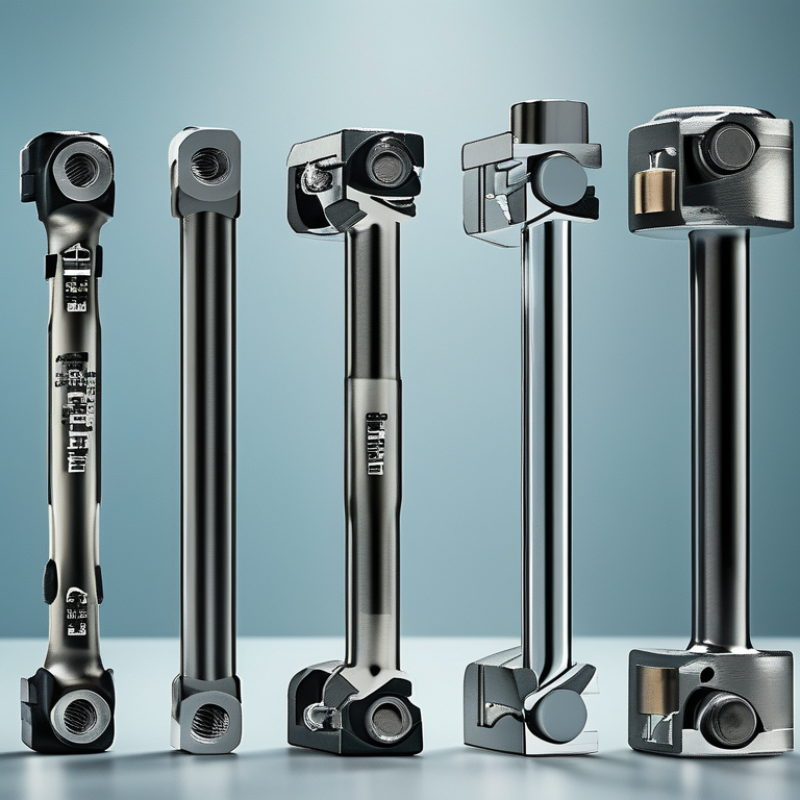
Top 10 Tibial Locking Plates for Global Buyers?

Overview of Tibial Locking Plates and Their Importance in Orthopedic Surgery

Tibial locking plates are essential in orthopedic surgery due to their role in stabilizing fractures. These plates feature a locking mechanism, which enhances fixation stability. This is particularly crucial in complex fractures where traditional plates may not provide sufficient support. Surgeons appreciate the ability to maintain the alignment of bone fragments during the healing process.
The use of tibial locking plates also highlights some challenges. Surgeons must ensure proper placement to avoid complications. Misalignment can lead to delayed healing or malunion. Additionally, these plates require specialized tools and techniques for effective use, which might not be available in all surgical settings. Training and experience play a vital role in the successful application of these devices.

Surgeons' familiarity with different locking plate designs is essential for optimal outcomes. Not all plates suit every type of fracture, and understanding the nuances can be daunting. Continuous education and peer discussions can bridge the gap in knowledge. Even with technological advancements, the complexity of tibial locking plate procedures warrants careful consideration and ongoing reflection among practitioners.

Criteria for Selecting Top Tibial Locking Plates for Global Buyers

When selecting tibial locking plates, certain criteria come into play. Understanding these factors ensures that global buyers make informed choices. First, the plate material is critical. Titanium and stainless steel are common. Both offer strength and biocompatibility. A good plate needs to resist corrosion and fatigue.

Another key consideration is the design of the plate. Plates should have multiple locking options. This feature enhances stability during the healing process. Importantly, buyers should check the plate's profile. A low-profile design minimizes soft tissue irritation. It’s important to ensure the design suits various surgical scenarios.

**Tip:** Always evaluate the plate's compliance with international standards. This ensures both safety and performance.

Surgical ease also matters. Some plates come with pre-contoured designs, which can save time during surgery. Buyers should review available sizes to match patient anatomy effectively. Compatibility with imaging systems is another factor worth noting. This can help in monitoring recovery post-surgery.

**Tip:** Look for user feedback on surgical experiences. Real-world insights can highlight strengths and weaknesses.

In reflecting on these criteria, keep an open mind about individual needs. What works for one patient might not work for another. Continuous learning and adaptation in selection processes improve outcomes significantly.

Top 10 Tibial Locking Plates Worldwide

Detailed Review of the Top 10 Tibial Locking Plates Available in the Market

Tibial locking plates are essential in orthopedic surgeries. They provide stability and support for fractured tibias. A recent industry report from Global Market Insights highlights a projected growth rate of 5.6% in the orthopedic plating market by 2026. This growth signals increasing demand for innovative solutions in fracture management.

Each locking plate varies in design and material. Advanced products often utilize bio-compatible materials, which promote healing. The most recommended plates feature multiple locking options. This enhances stability and allows for better alignment during recovery. A study in the Journal of Orthopaedic Research shows that proper plate selection can reduce complications by up to 30%. Yet, the reality is that not all plates perform equally well in diverse clinical scenarios. Surgeons must evaluate each case deeply.

Furthermore, surgeons continually reflect on the effectiveness of these plates. The learning curve associated with new designs can pose challenges. Unforeseen complications, such as delayed union or implant failure, stress the need for ongoing education among healthcare professionals. Continual advancement in plate technology is critical, but practitioners must remain vigilant in their application. Recognizing both the benefits and limitations of tibial locking plates elevates surgical outcomes.

Comparative Analysis of Materials and Designs in Tibial Locking Plates

Tibial locking plates are essential in orthopedic surgery. They secure bone fragments, aiding healing. The materials used in these plates vary significantly. Stainless steel and titanium are common choices, each with distinct advantages. Stainless steel provides strength, while titanium offers lower weight and superior biocompatibility.

Designs of tibial locking plates also differ. Some feature fixed angles for stability, while others allow for dynamic fixation. The choice of design impacts recovery times and overall outcomes. Surgeons often face challenges selecting the right combination of materials and designs. It’s a critical decision that demands careful consideration of patient needs.

Handling these plates requires expertise. Surgeons should be familiar with the implications of each material and design. There is room for improvement in understanding long-term effects. Research is ongoing to ensure that innovations in tibial locking plates align with the best practices in orthopedic care.

Top 10 Tibial Locking Plates for Global Buyers

Plate Type Material Number of Holes Design Features Average Price (USD)
Anatomical Plate Titanium Alloy 8 Low profile, contoured 120
Locking Compression Plate Stainless Steel 10 Dynamic locking, compression 150
Tibial Plateau Plate Titanium 12 Bridging design, multiple locking options 135
Lateral Plate Carbon Fiber Reinforced 7 Ultra-lightweight, high tensile strength 200
Parallel Locking Plate Titanium Alloy 6 Simplistic design, easy application 115
Distal Tibia Plate Stainless Steel 10 Hands-free application, stable fixation 145
Medial Locking Plate Titanium Alloy 9 High stability, anatomical fit 130
Angle-stable Plate Stainless Steel 11 3D contour, multi-directional locking 160
Bending Stable Plate Titanium 8 Enhanced load capacity, rigid design 175
Dynamic Locking Plate Carbon Fiber 7 Innovative design, weight reducing 190

Future Trends in Tibial Locking Plate Technology and Global Market Demand

The tibial locking plate market is evolving rapidly. Recent reports indicate that the global demand for these devices is increasing significantly. This surge is driven by more people undergoing orthopedic surgeries. As per a recent analysis, the tibial locking plate market is projected to grow at a CAGR of 8.2% from 2023 to 2030. This growth reflects ongoing advancements in surgical techniques and technology.

Emerging technologies, including enhanced materials and innovative designs, are paving the way for improved plate stability and patient outcomes. Manufacturers are focusing on bioactive materials to enhance osseointegration. Consequently, this trend aims to reduce complications such as implant failure. However, the evolving technology landscape also presents challenges. Many facilities struggle with adopting these advanced solutions. Harmonizing new tech with existing practices requires comprehensive training and resources.

In addition, there's a notable concern regarding the variability in product quality and efficacy. Not all manufacturers adhere to stringent regulatory standards. This inconsistency raises questions about the long-term reliability of tibial locking plates. Stakeholders must advocate for better quality control measures. As orthopedic surgery practices become more prevalent globally, addressing these issues is vital for maintaining patient safety and trust.

FAQS

: What is the primary function of tibial locking plates in orthopedic surgery?

: Tibial locking plates stabilize fractures, especially in complex cases, ensuring better alignment during healing.

Why is proper placement of tibial locking plates crucial?

Misalignment can cause delayed healing or malunion, complicating recovery for patients.

What challenges do surgeons face when using tibial locking plates?

Specialized tools and techniques are needed, which may not be available everywhere, affecting surgical outcomes.

How do different locking plate designs affect surgical outcomes?

Not all designs suit every fracture type, so understanding specific nuances is essential for effective treatment.

What materials are commonly used in tibial locking plates?

Common materials include stainless steel for strength and titanium for lower weight and biocompatibility.

How do surgeons ensure they are using the best locking plate for each case?

Continuous education and discussions among peers can help improve understanding, but it's not always straightforward.

What are some potential complications associated with tibial locking plates?

Possible issues include delayed union or implant failure, highlighting the need for careful monitoring after surgery.

What role does experience play in using tibial locking plates effectively?

Surgeons' familiarity with different designs can significantly impact the success of the procedure and patient recovery.

How does advancing technology in tibial locking plates pose challenges?

New designs come with a learning curve, and unforeseen complications can arise, requiring constant vigilance.

Why is ongoing research important for tibial locking plates?

Understanding long-term effects and aligning innovations with best practices remain critical for improving patient care outcomes.

Conclusion

Tibial Locking Plates play a crucial role in orthopedic surgery, providing stability and support during the healing process after tibial fractures. This overview emphasizes the importance of selecting high-quality locking plates, which can significantly impact patient outcomes. In evaluating the top Tibial Locking Plates available globally, criteria such as material composition, design efficiency, and clinical effectiveness are highlighted.

The article extensively reviews the top ten Tibial Locking Plates, offering insights into their materials and designs, facilitating informed choices. Additionally, a comparative analysis underscores the advancements and variations in locking plate technology, predicting future trends and increasing market demand driven by innovations in orthopedic care. As the field evolves, understanding these factors remains essential for healthcare providers and global buyers alike.

Oliver

Oliver

Oliver is a seasoned marketing professional with a wealth of expertise in driving brand awareness and engagement. With a deep understanding of our company's product offerings, he consistently delivers high-quality content that enriches our professional blog. His insights not only shed light on......