Bonevia
Bonevia
Bonevia
Explore our precision-engineered implant portfolios, orthopedic bone plates, and high-performance surgical instrumentation suites crafted for trauma, spinal, and veterinary clinical procedures.
The global market for orthopedic braces, surgical implants, and trauma stabilization devices is experiencing a monumental transformation. Valued at over USD 4.8 Billion in 2024 and projected to reach USD 7.2 Billion by 2031, demand is driven by an aging global demographic, higher incidences of sports-related musculoskeletal injuries, and rapid expansion of orthopedic surgical procedures across emerging healthcare systems.
Modern clinical pathways are shifting away from traditional rigid immobilization (such as heavy plaster casting) toward functionally dynamic orthopedic braces and anatomically contoured titanium fixation implants. This shift minimizes muscle atrophy, accelerates functional rehabilitation, and improves post-operative patient outcomes. However, healthcare institutions and medical device distributors worldwide face mounting pressures regarding supply chain resilience, escalating raw material costs, and stringent international regulatory mandates.
With global life expectancy rising, osteoporosis-related fractures and osteoarthritis treatments require high-volume, highly reliable orthopedic braces, spinal pedicle screws, and joint reconstructive instruments.
Surgeons increasingly demand polyaxial lockings, micro-motion braces, and anatomically fitted implants that preserve natural biomechanics while ensuring optimal rigid internal/external bone fixation.
Hospitals and procurement officers must optimize budget allocation without sacrificing surgical outcome quality, sparking direct procurement partnerships with high-capacity Chinese manufacturing hubs.
China has established itself as the world's most robust industrial ecosystem for medical-grade metallurgy, micro-precision machining, and orthopedic manufacturing. Sourcing directly from top-tier Chinese factories provides global medical brand owners, OEM/ODM buyers, and hospital groups with distinct structural advantages:
Chinese manufacturers utilize high-tier medical materials such as Ti-6Al-4V ELI (Grade 23 ASTM F136) titanium alloys, Ultra-High-Molecular-Weight Polyethylene (UHMWPE), PEEK (Polyether ether ketone), and 316LVM surgical stainless steel. This guarantees bio-compatibility, zero tissue toxicity, supreme fatigue strength, and optimal elastic modulus matching human cortical bone.
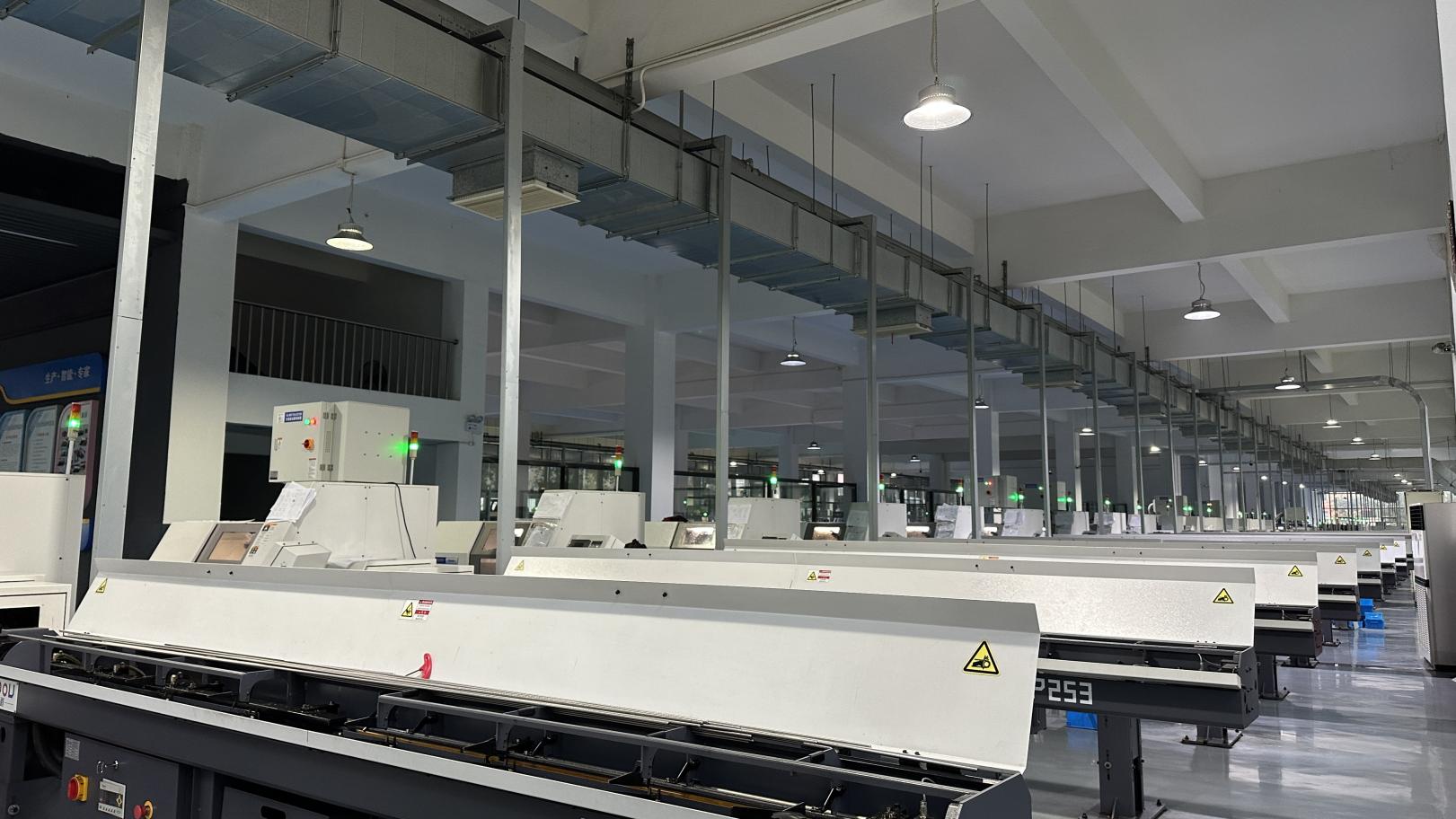
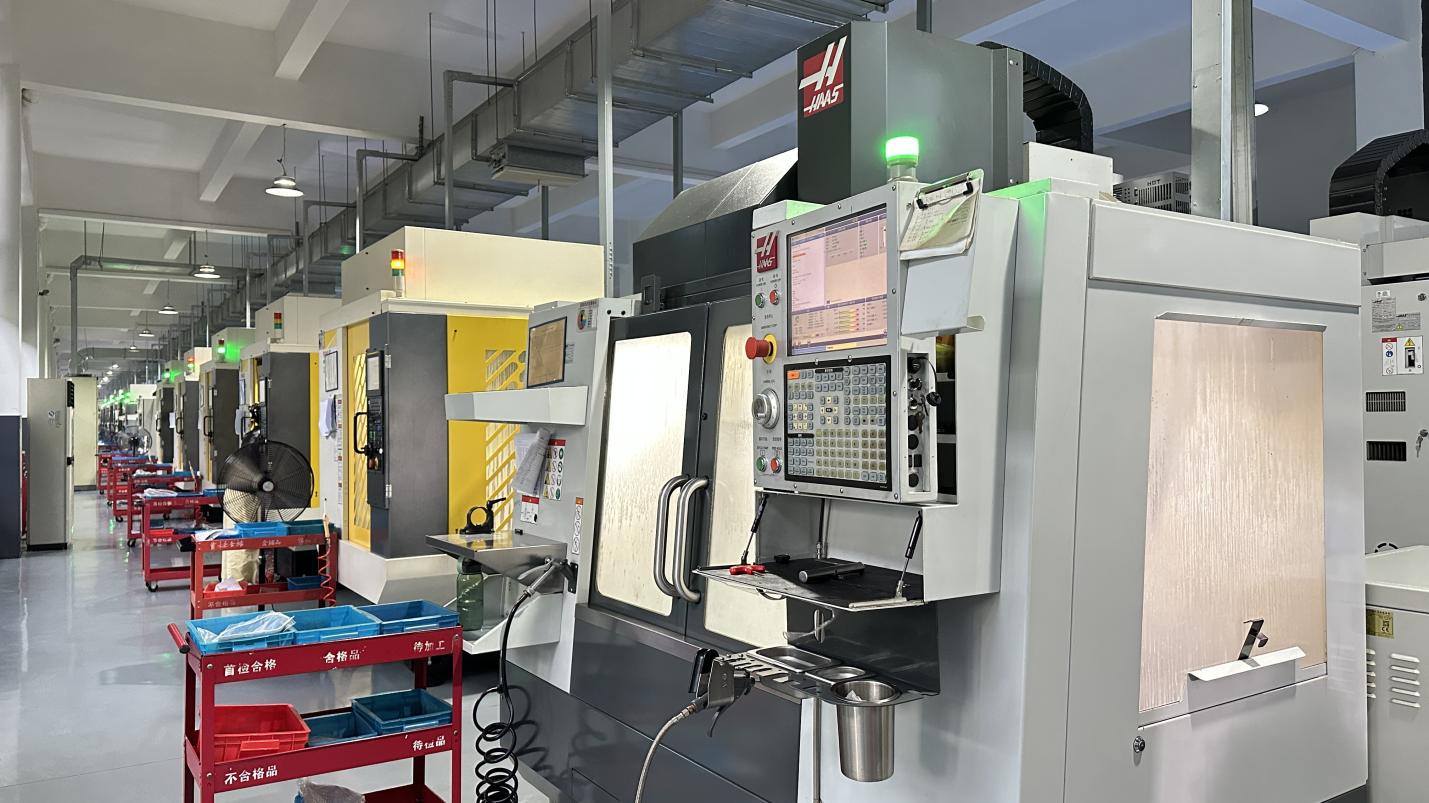
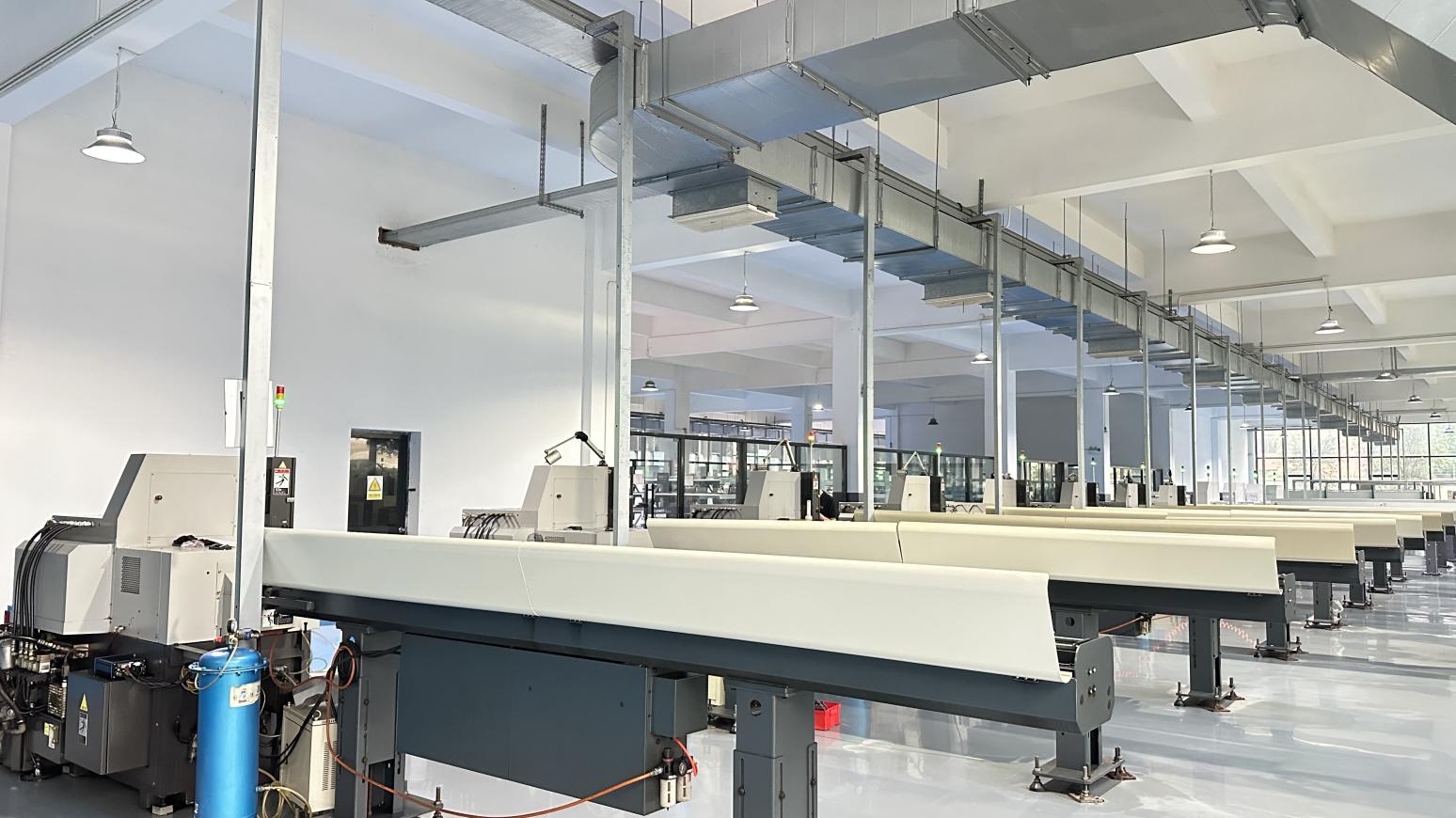
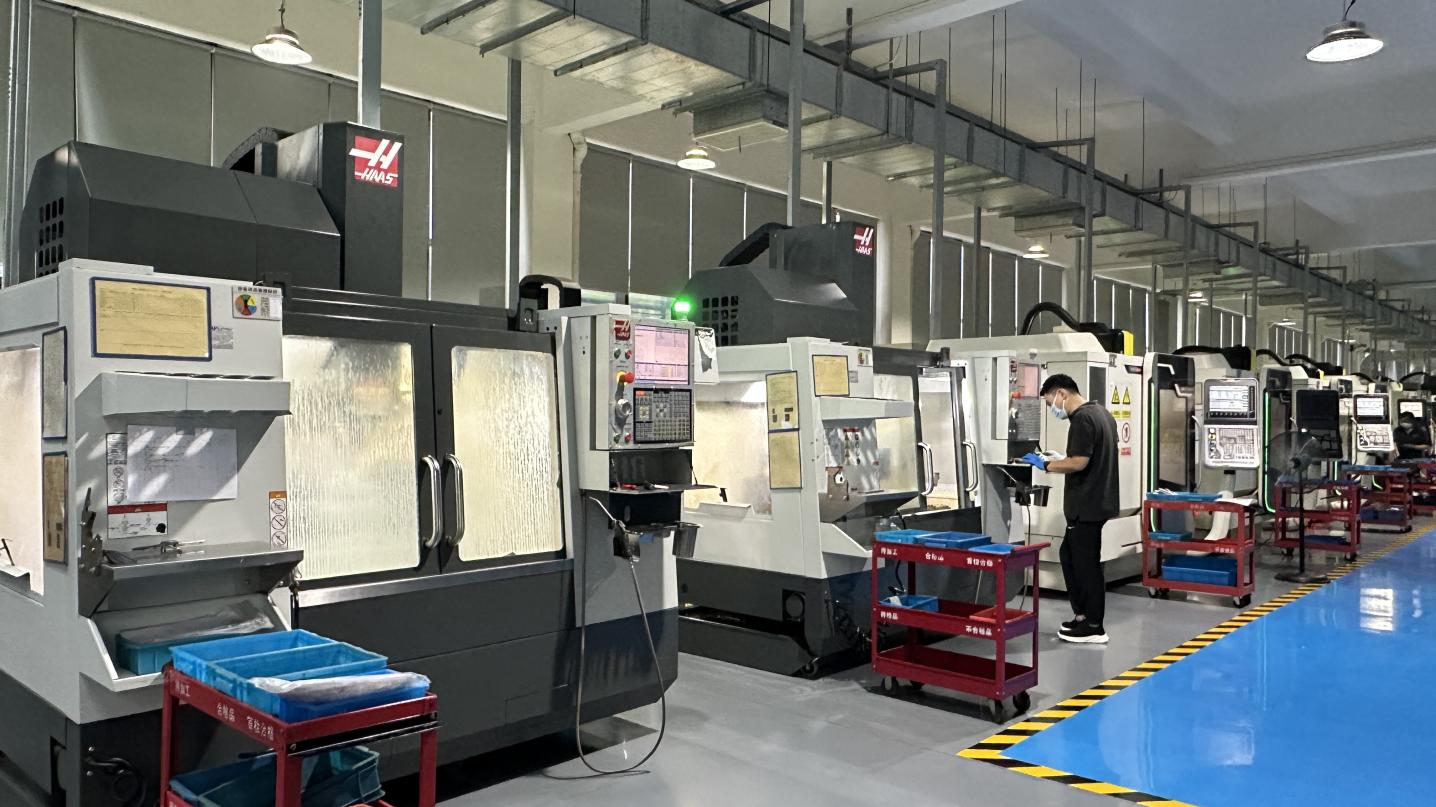
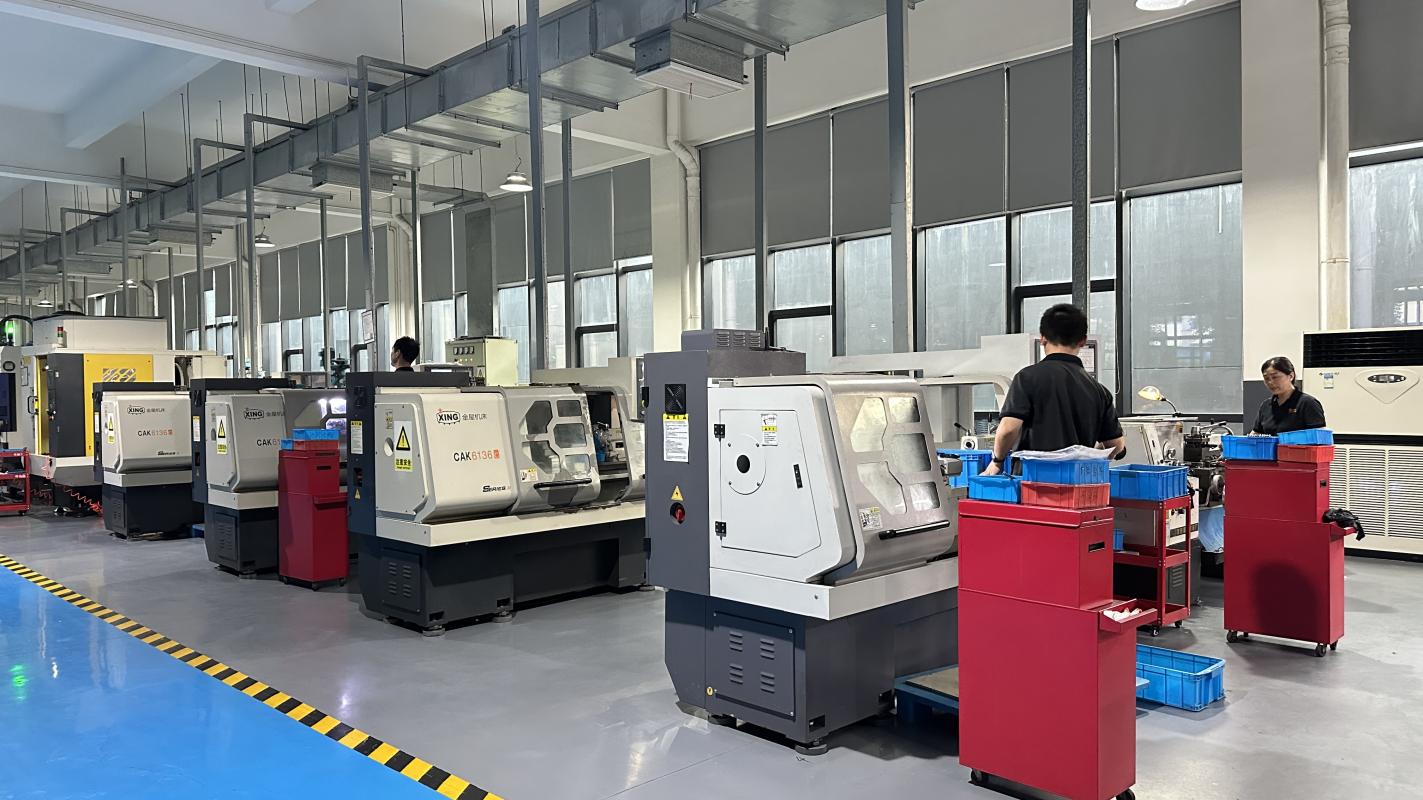
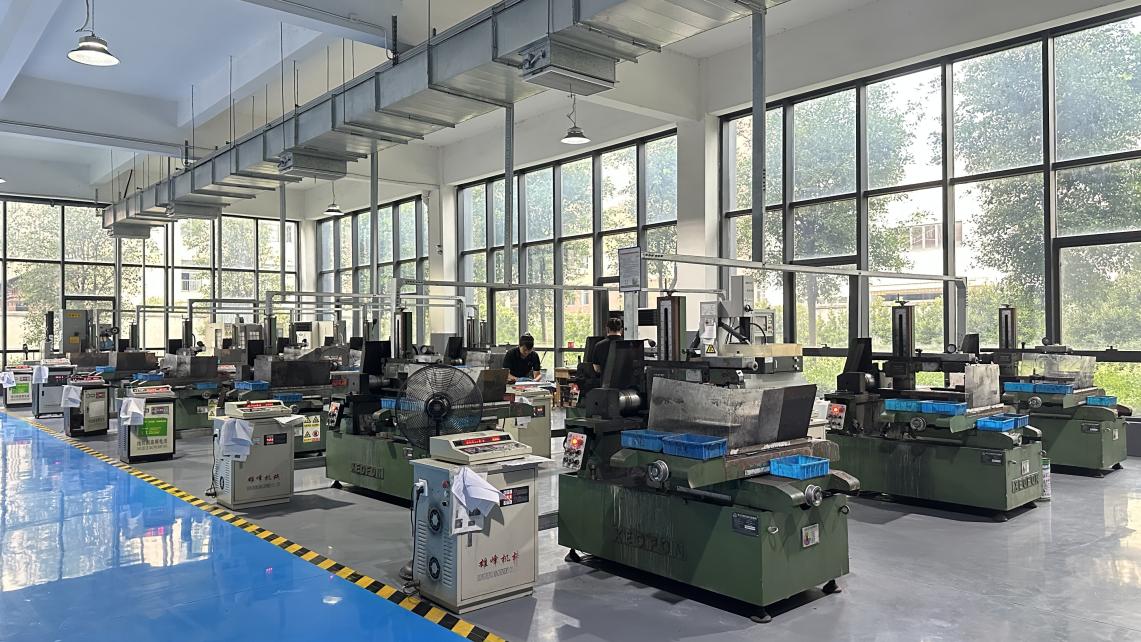
Equipped with imported Swiss-type multi-axis lathes, high-precision wire-cutting, and 5-axis CNC machining centers, Chinese factories maintain micro-scale machining tolerances within ±0.005mm. This precision is vital for complex pedicle screws, locking compression plates (LCP), and delicate arthroscopy tools.
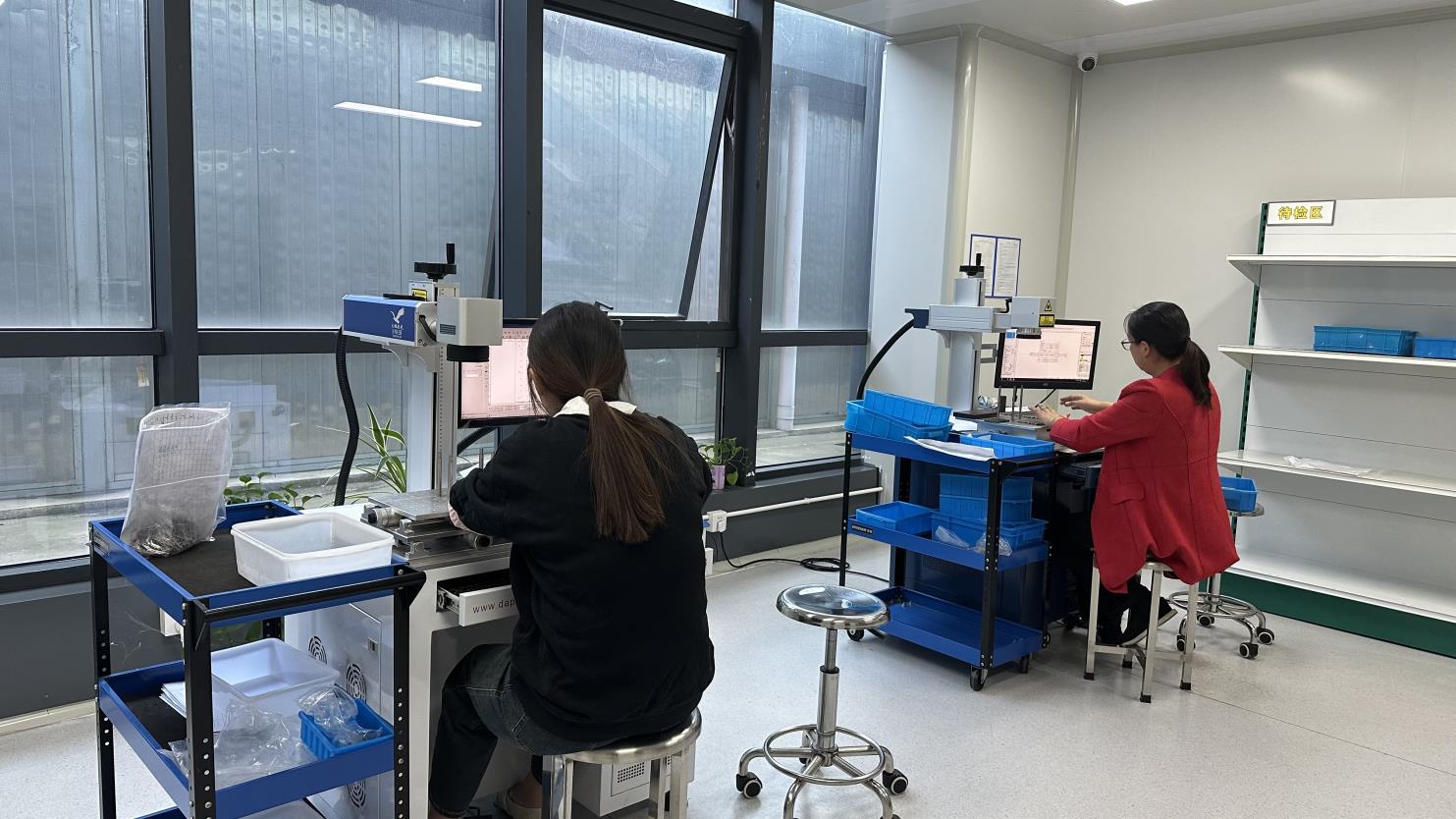
From titanium slitting and raw bar forging to surface anodization, laser marking, cleanroom primary packaging, and EO/Gamma sterilization—China's localized clusters eliminate long multi-vendor lead times, cutting production cycles by up to 40%.
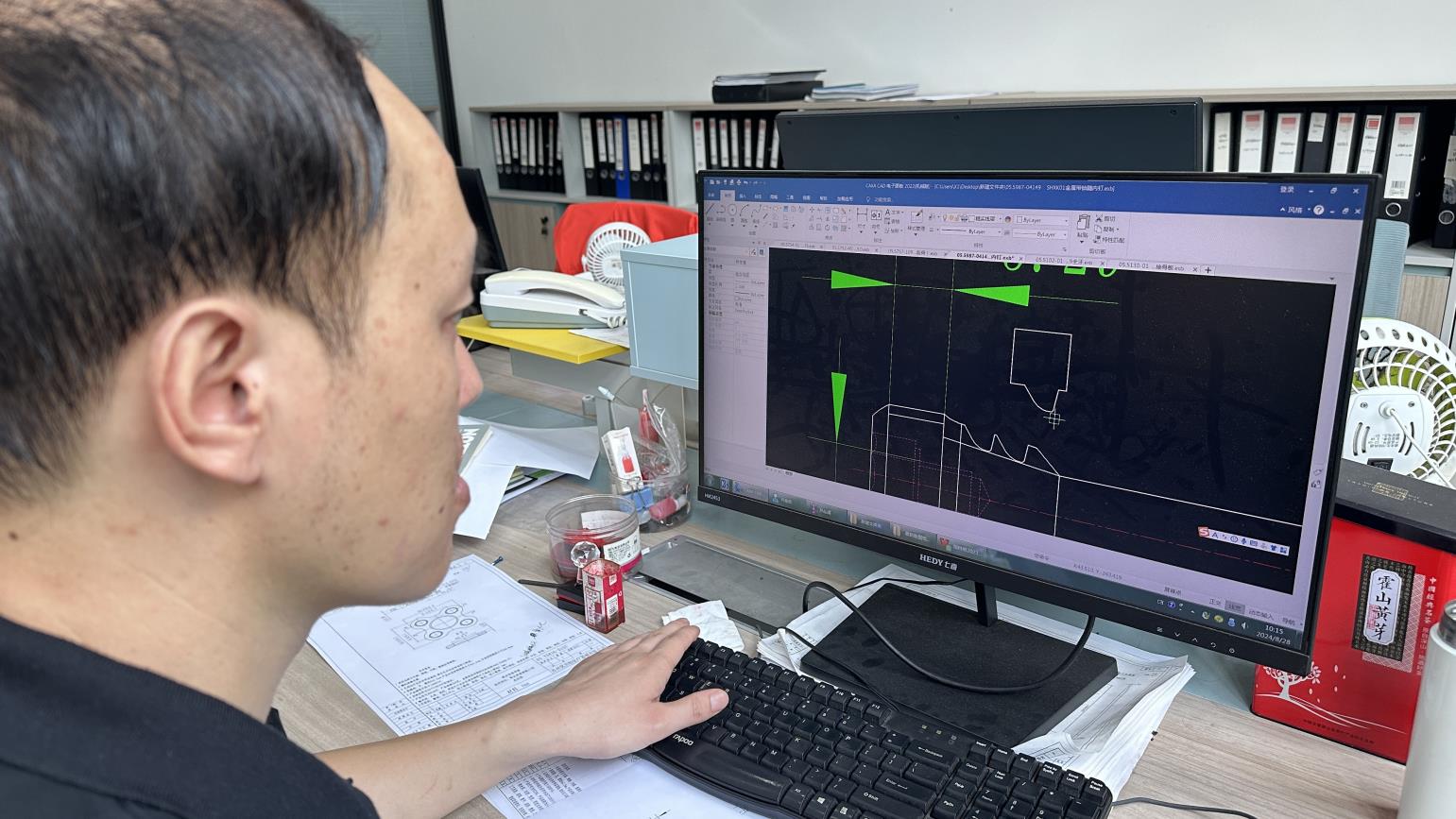
With robust internal R&D engineering teams, leading factories can translate 3D CAD/CAM models into functional physical prototypes within 7 to 14 days, drastically accelerating regulatory submission timelines for custom anatomical braces and specialized instruments.
Established in 2015, Bonevia Orthopedic Technology Co., Ltd. stands as a premier specialized manufacturer dedicated to advancing innovation in trauma, spine, joint reconstruction, and orthopedic braces instrumentation. Building upon over 10 years of total industry expertise and 6 years of dedicated international export experience, Bonevia delivers medical devices that strictly conform to international safety and performance benchmarks.
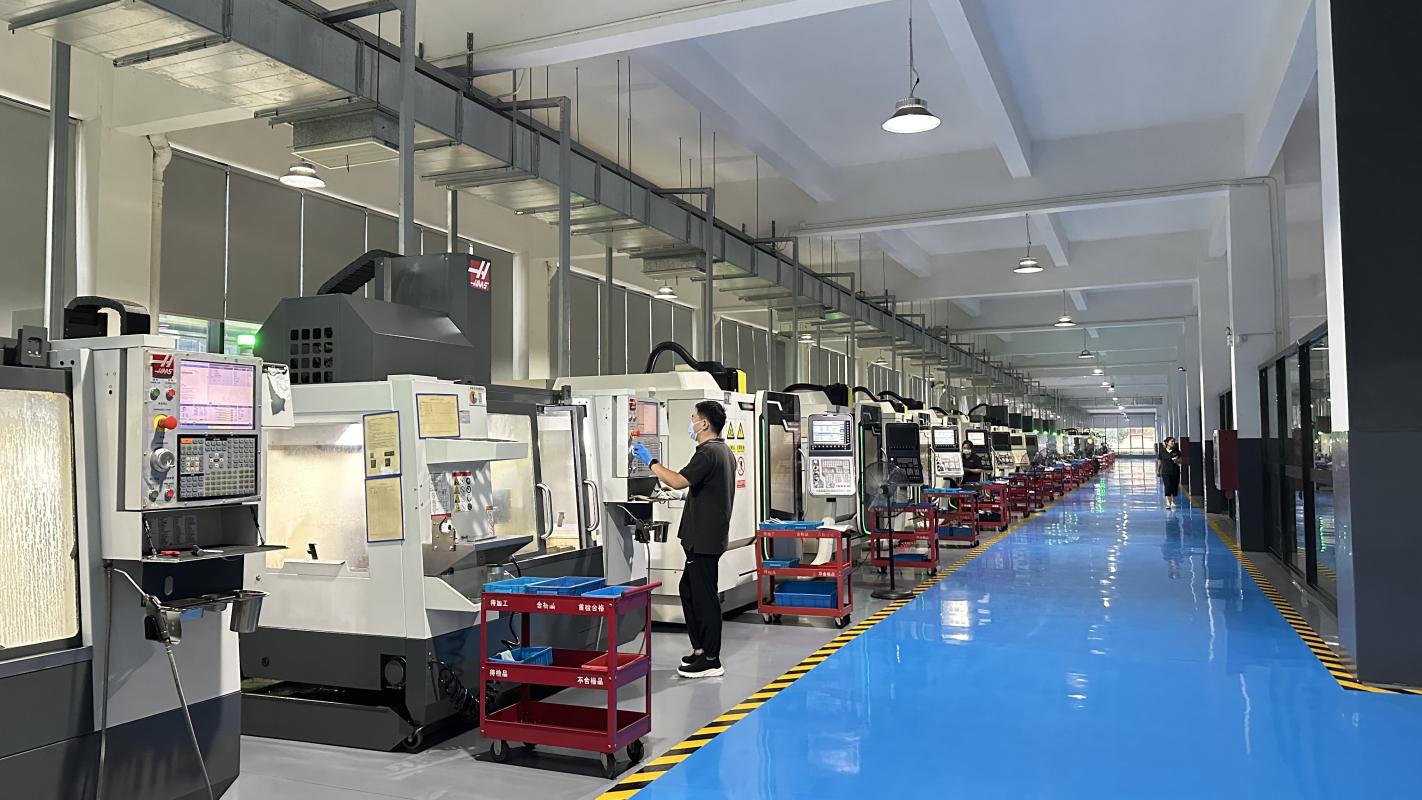
Operating a modern manufacturing facility spanning approximately 320㎡, Bonevia enforces rigorous multi-stage quality control. The manufacturing ecosystem is powered by a dedicated team of 35 Quality Assurance Professionals and an advanced R&D unit with 85 skilled engineers. Our distribution network spans across Europe, Southeast Asia, the Middle East, and South America, delivering tailored OEM & ODM customization services for hospital groups, orthopedic surgical centers, and brand distributors globally.
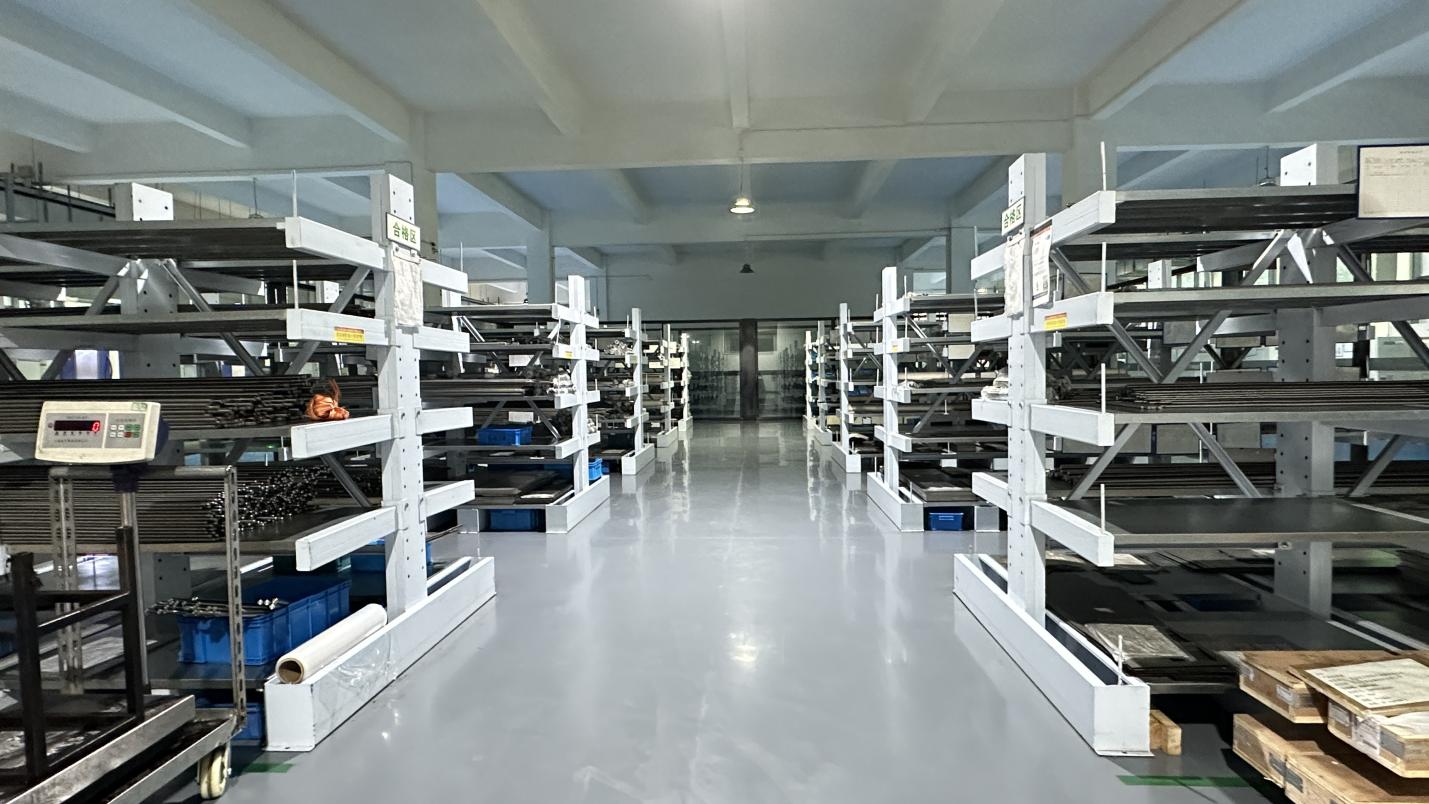
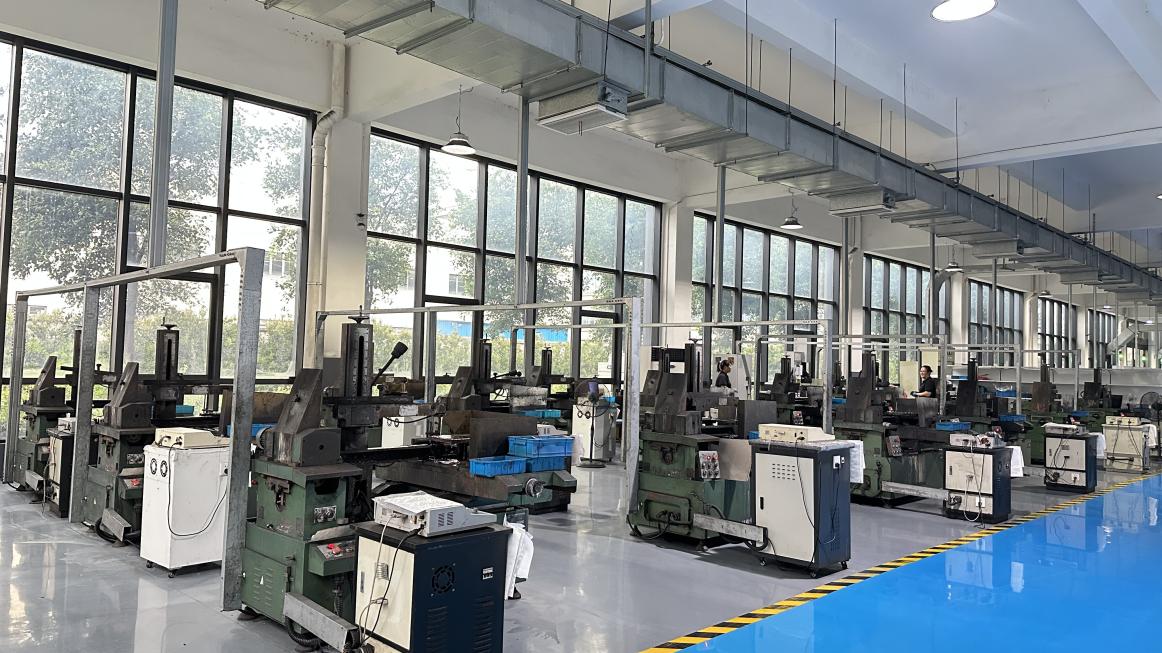
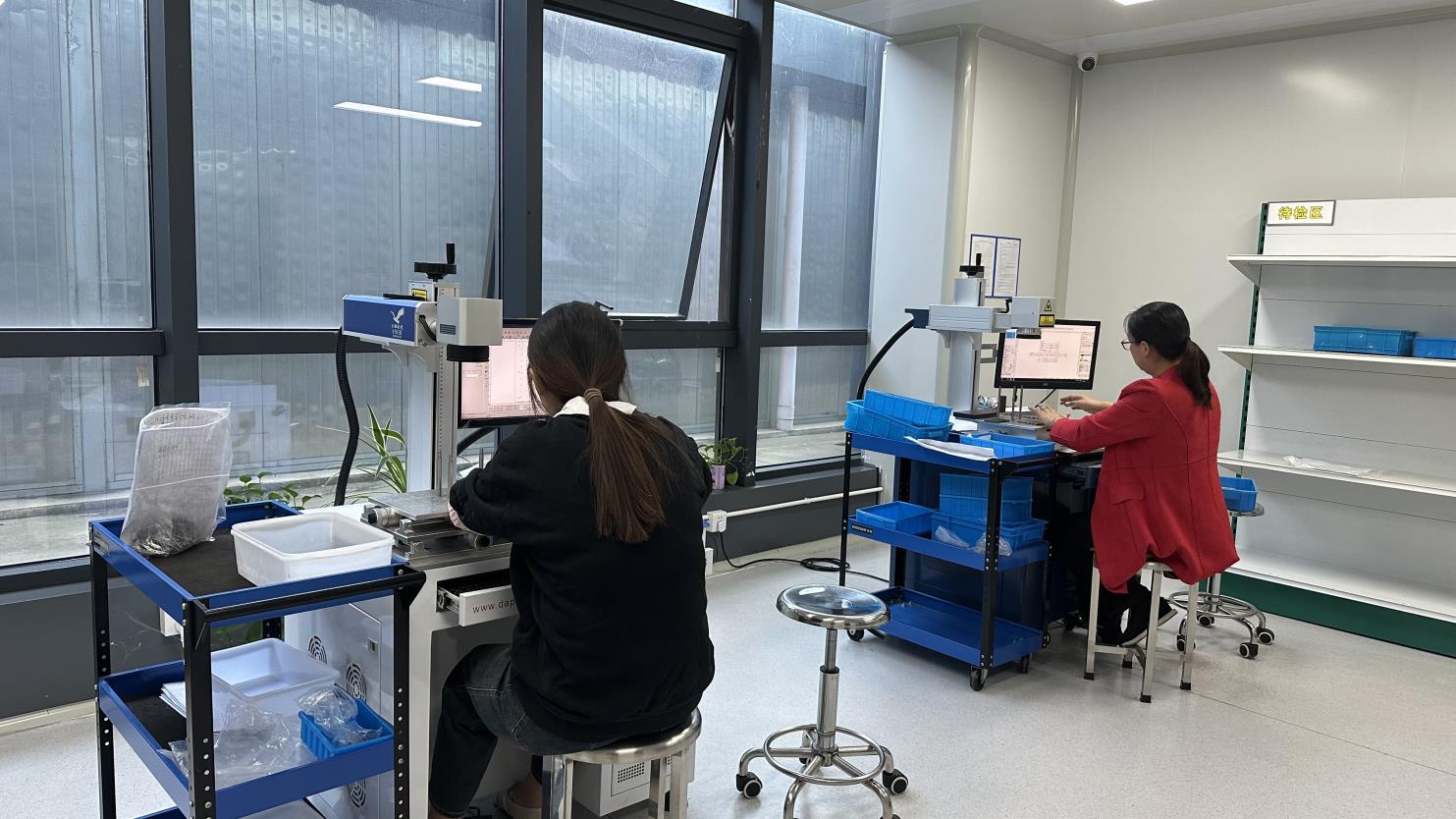
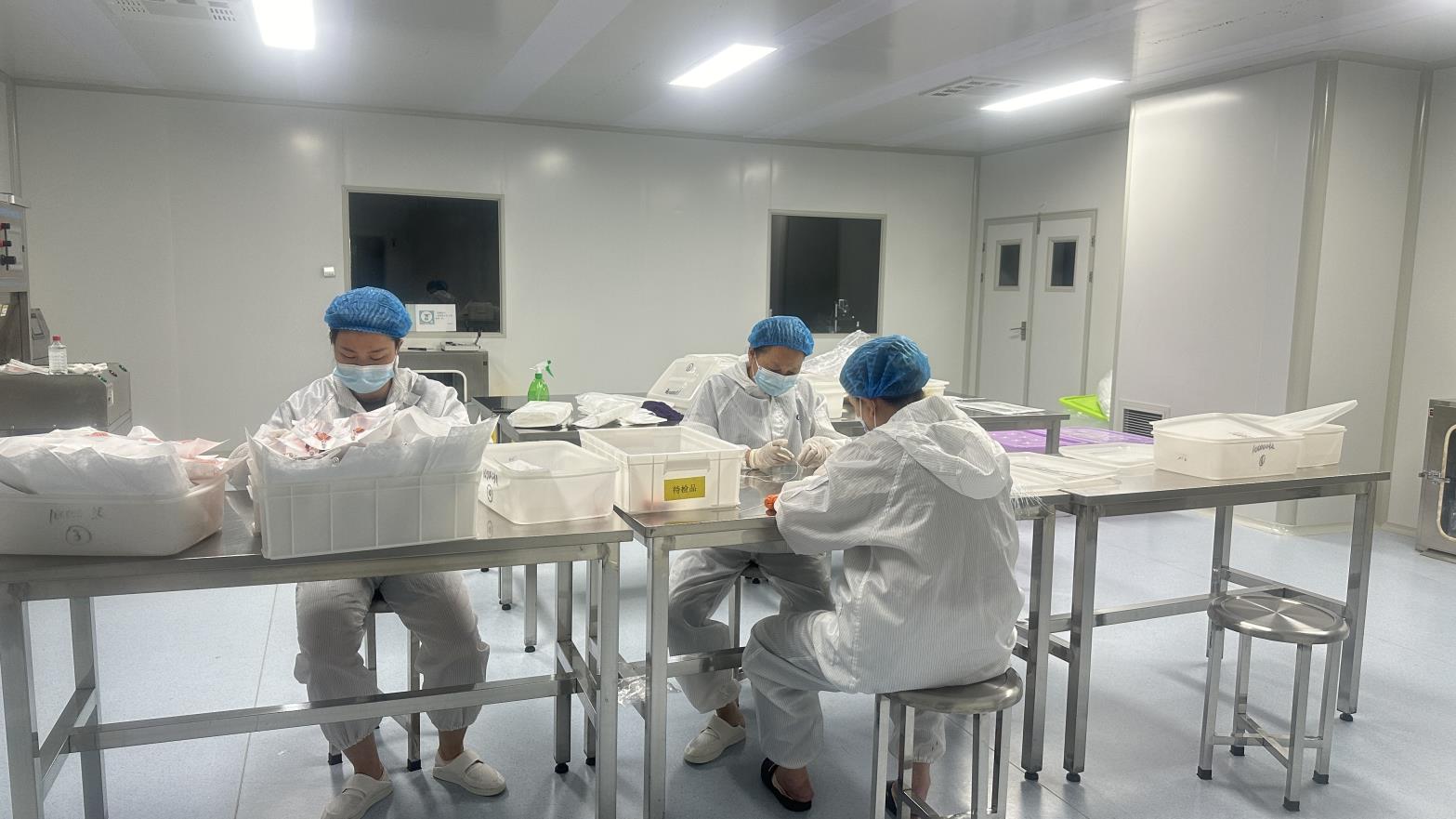
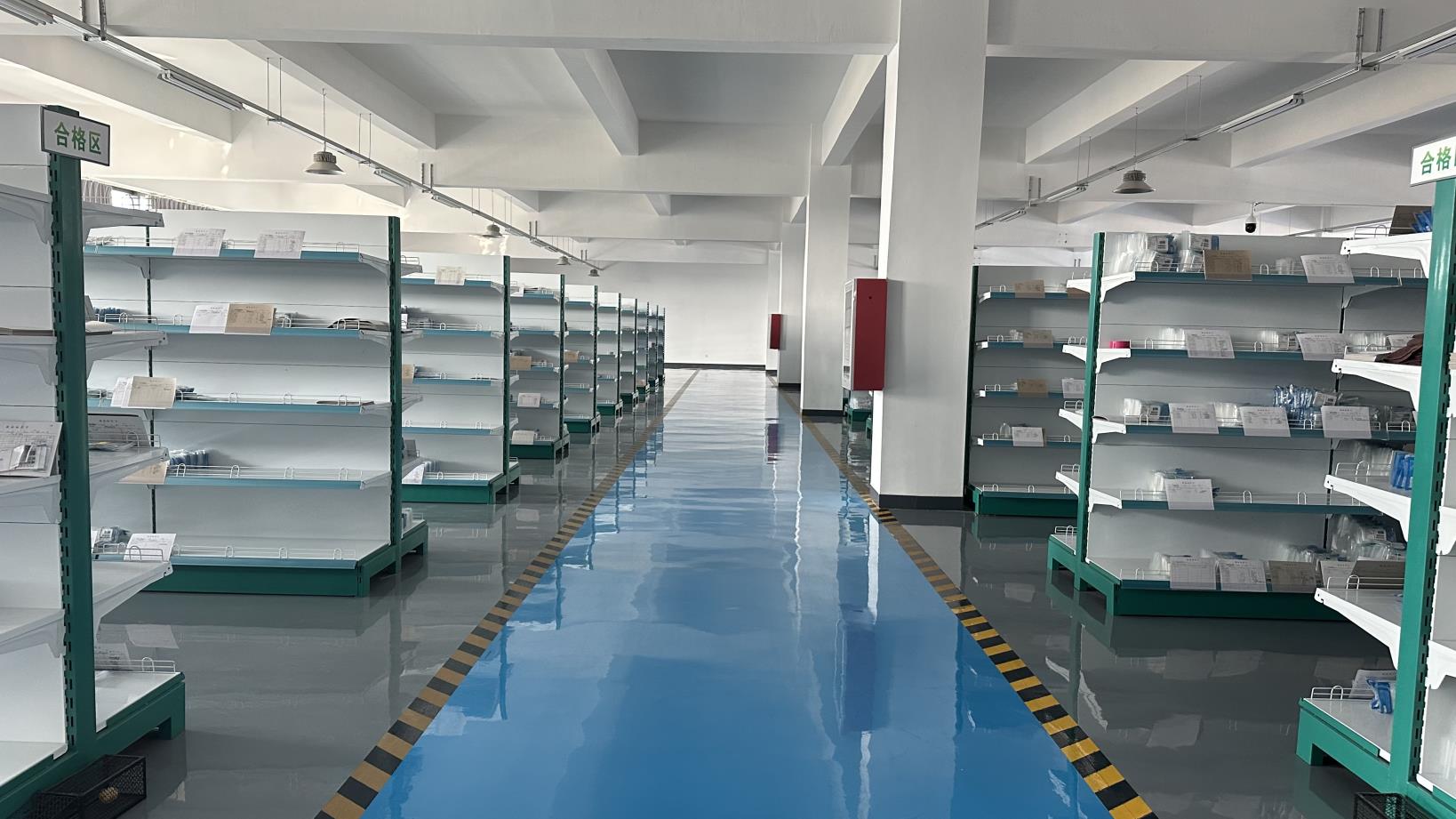
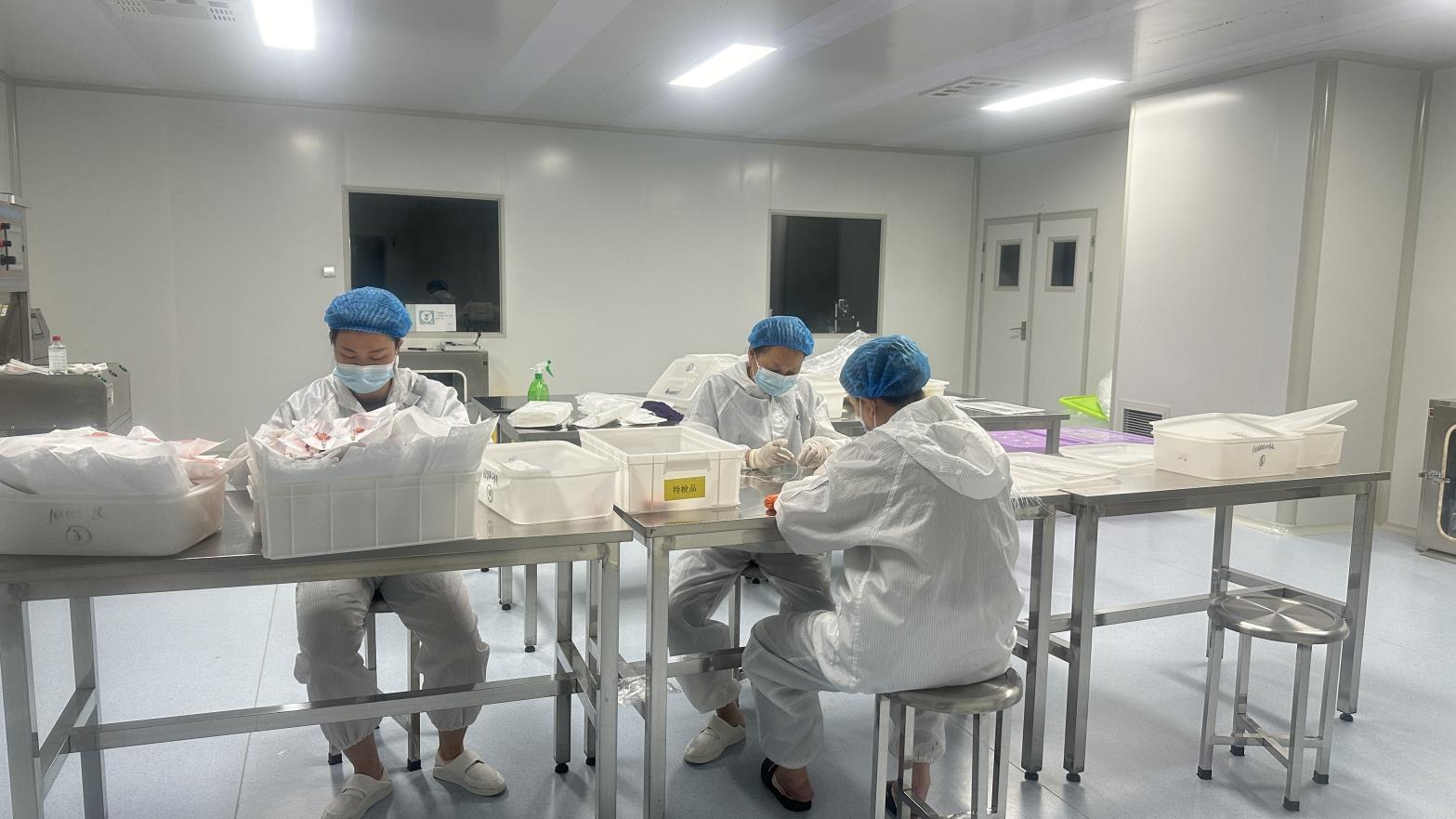
To maintain zero-defect standards for Class II and Class III medical devices, Bonevia operates a fully integrated, traceable multi-stage production sequence. Below is a detailed view of our actual factory machinery, processing centers, and operational steps:
Medical devices, implants, and orthopedic bracing systems engineered by Bonevia serve across diverse healthcare disciplines and specialized surgical applications:
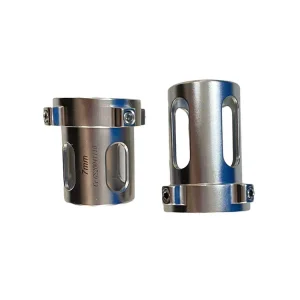
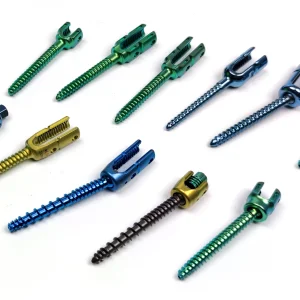
Including pedicle screw systems, scoliosis correction reset sleeves, and lumbar interbody fusion devices designed for dynamic spinal stabilization, reduction of vertebral compression, and structural lordosis restoration.
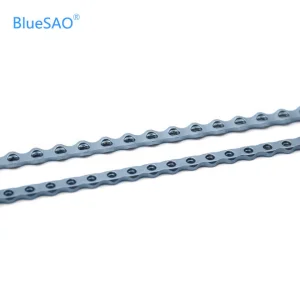
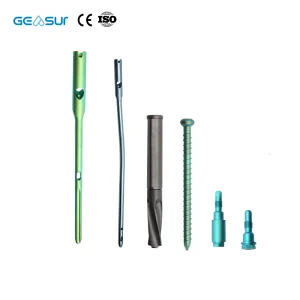
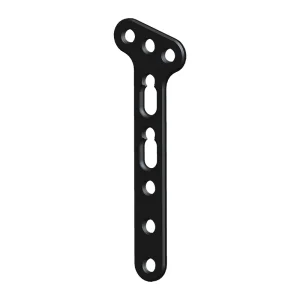
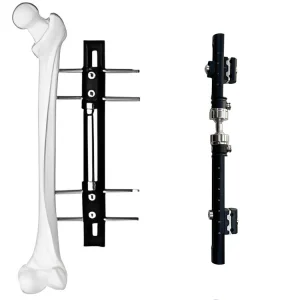
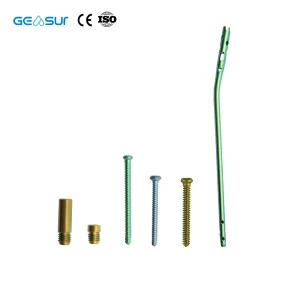
Anatomical locking compression plates (LCP), intramedullary femoral and tibial nails, and mini external fixators engineered to promote rapid osteogenesis while maintaining high axial load stability for metacarpal and diaphyseal fractures.
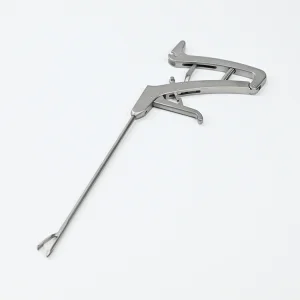
Comprehensive hip arthroplasty retractors, shoulder rotator cuff scorpion suture graspers, and joint-sparing dynamic orthoses designed to facilitate quick surgical access and post-op joint mobilization.
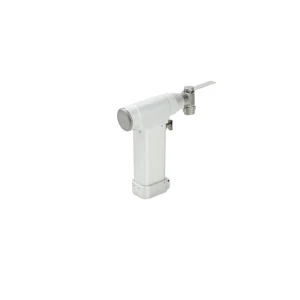
Specialized PRCL (Progressive Reduction Compression Locking) plates and micro oscillating power tools adapted specifically for canine, feline, and equine bone fracture repair and joint stabilization.
Rigid and semi-rigid dynamic braces with range-of-motion (ROM) hinges, engineered to stabilize ligaments (ACL/PCL/MCL) during early post-surgical physical therapy cycles.
Ultra-thin titanium micro-plates and precision hand drills engineered for delicate cranial, facial, and hand reconstructive procedures requiring high anatomical fit.
For hospital purchasing committees, international distributors, and OEM brand buyers, choosing a supplier requires strict adherence to regulatory compliance, quality control, and operational transparency.
All products manufactured by Bonevia operate under an ISO 13485 certified quality management system. Implants and Class III tools adhere to CE medical device directives (MDR/MDD), ensuring hassle-free customs clearance and registration compliance in European, Latin American, and Asian jurisdictions.
Every lot of titanium alloy and stainless steel is backed by raw material mill test certificates (MTC) verifying chemical composition and tensile strength according to ASTM F136 and ISO 5832-3. Full lot traceability is guaranteed from raw ingot to final sterilized packaging.
Bonevia’s quality control protocol encompasses: (1) IQC (Incoming Quality Control) on raw bar stocks; (2) IPQC (In-Process Quality Control) with optical comparators every 30 minutes during CNC milling; and (3) FQC/OQC (Final Quality Control) incorporating 100% CMM dimensional checks, surface roughness measurement (Ra < 0.4µm), and passivated anti-corrosion testing.
We provide complete turn-key solutions including custom geometry CAD design, proprietary surface treatments (anodizing, titanium nitride coating, micro-blasting), customized UDI barcode laser etching, and private-label sterile blister packaging.
As medical science advances, orthopedic design and manufacturing are undergoing a technological convergence driven by modern materials engineering and digital technologies:
Direct Selective Laser Melting (SLM) in titanium enables porous trabecular structures that mimic natural cancellous bone, significantly boosting bone in-growth and osseointegration.
Integration of micro-sensors within orthotic braces allows real-time monitoring of joint angle, gait kinetics, and patient compliance, transmitting data directly to physical therapy teams.
Development of magnesium-based and PLLA bioabsorbable screws eliminates the need for secondary implant removal surgeries, drastically improving long-term patient comfort.
Essential questions answered regarding procurement, quality assurances, factory audits, and OEM customization processes for international medical buyers.
Bonevia operates in strict accordance with the ISO 13485 medical quality standard. Our major trauma plates, pedicle screw systems, intramedullary nails, and orthopedic instruments carry CE compliance certifications. We also provide full technical documentation (DHF/DHR) to assist our international distributors with localized healthcare registration in their target countries.
We utilize certified medical-grade materials including Ti-6Al-4V ELI titanium alloy (ASTM F136), pure titanium (Grade 2/4), 316LVM stainless steel (ASTM F138), and medical-grade PEEK. All raw metals are delivered with mill test certificates guaranteeing chemical purity, grain size compliance, and biocompatibility.
Our engineering team of 85 R&D specialists offers full turnkey OEM/ODM services. Client partners supply 2D drawings, 3D CAD files, or physical samples. We conduct DFM (Design for Manufacturability) analysis, produce prototypes within 7–14 business days, perform mechanical fatigue testing, and proceed with pilot production upon client sign-off.
Standard inventory items (such as standard pedicle screws, locking plates, and veterinary PRCL plates) can be dispatched within 5 to 7 working days. Custom OEM orders or mass batch manufacturing orders generally require 3 to 5 weeks depending on quantity, surface processing complexity, and packaging requirements.
Our 35-member Quality Control team utilizes advanced optical coordinate measuring machines (CMM), 2D optical measuring projectors, micro-hardness testers, and surface roughness gauges. Inspection covers incoming material testing, 30-minute interval IPQC during Swiss-lathe processing, and 100% optical inspection prior to final cleanroom packing.
We offer both sterile (Tyvek blister packaging ready for immediate operating room use) and non-sterile bulk packaging options based on customer requirements. Sterile packaging is processed in ISO Class 7 cleanrooms and verified via Ethylene Oxide (EO) or Gamma irradiation sterilization protocols.
Absolutely. We welcome third-party and on-site factory audits from global clients, certification bodies, and inspection agencies (such as SGS or TÜV). Virtual live-video plant tours can also be arranged for international clients unable to travel immediately.
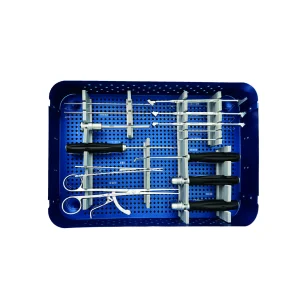
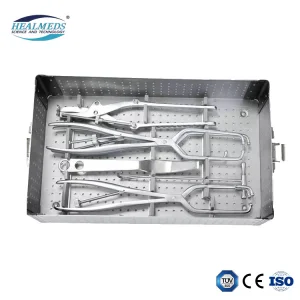
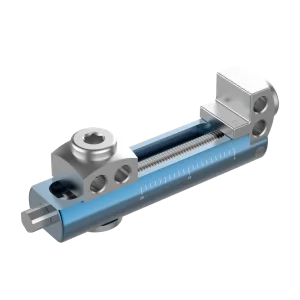
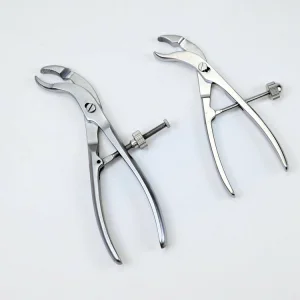
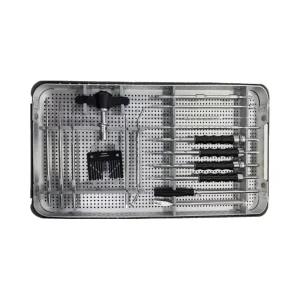
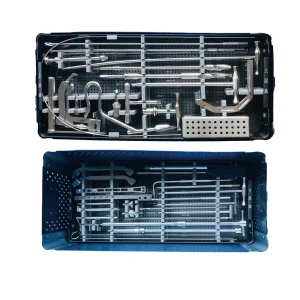
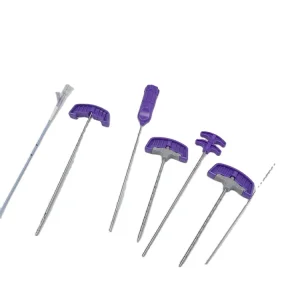
Complete catalog selection including external fixation devices, spine instrumentation kits, traumatology reduction forceps, and specialized intramedullary nails.