Bonevia
Bonevia
Bonevia
Premium class-certified medical systems designed for orthopedics, trauma reconstructive surgery, and internal fixation protocols.
Modern orthopedic surgery relies heavily on rigid, precise internal and external fixation protocols to restore skeletal structural integrity. Bone screws act as the foundational load-bearing element in osteosynthesis, spinal instrumentation, and sports medicine procedures. Globally, the rise in the geriatric population, paired with a surge in high-impact traumatic injuries, has driven orthopedic implant demand to unprecedented levels. In response, modern factories must deliver micro-engineered, application-specific solutions.
From a biomechanical standpoint, bone screws must optimize pull-out strength, minimize local shear stress, and prevent catastrophic failures. Dynamic load profiles require complex thread geometries, including asymmetric profiles, dual-lead configurations, and varying pitch gradients. As an OEM manufacturer, aligning mechanical performance with physiological load pathways is critical to avoiding stress-shielding, local bone resorption, and subsequent implant failure.
OEM Dynamic Analysis: The boundary between clinical success and mechanical revision depends on the precision fit of threads into the surrounding cortical or cancellous matrix. Standardized designs cannot meet every surgical permutation, which is why customized OEM solutions are now the baseline expectation for medical tier-1 importers.
The global orthopedic implant market is moving rapidly toward outsourcing. Device brands focus their core competencies on marketing, surgeon education, and clinical distribution, shifting their design, regulatory verification, and actual manufacturing steps to professional OEM/ODM facilities. This transition is highly driven by the necessity to curb capital expenditures in CNC tooling and high-precision inspection lines.
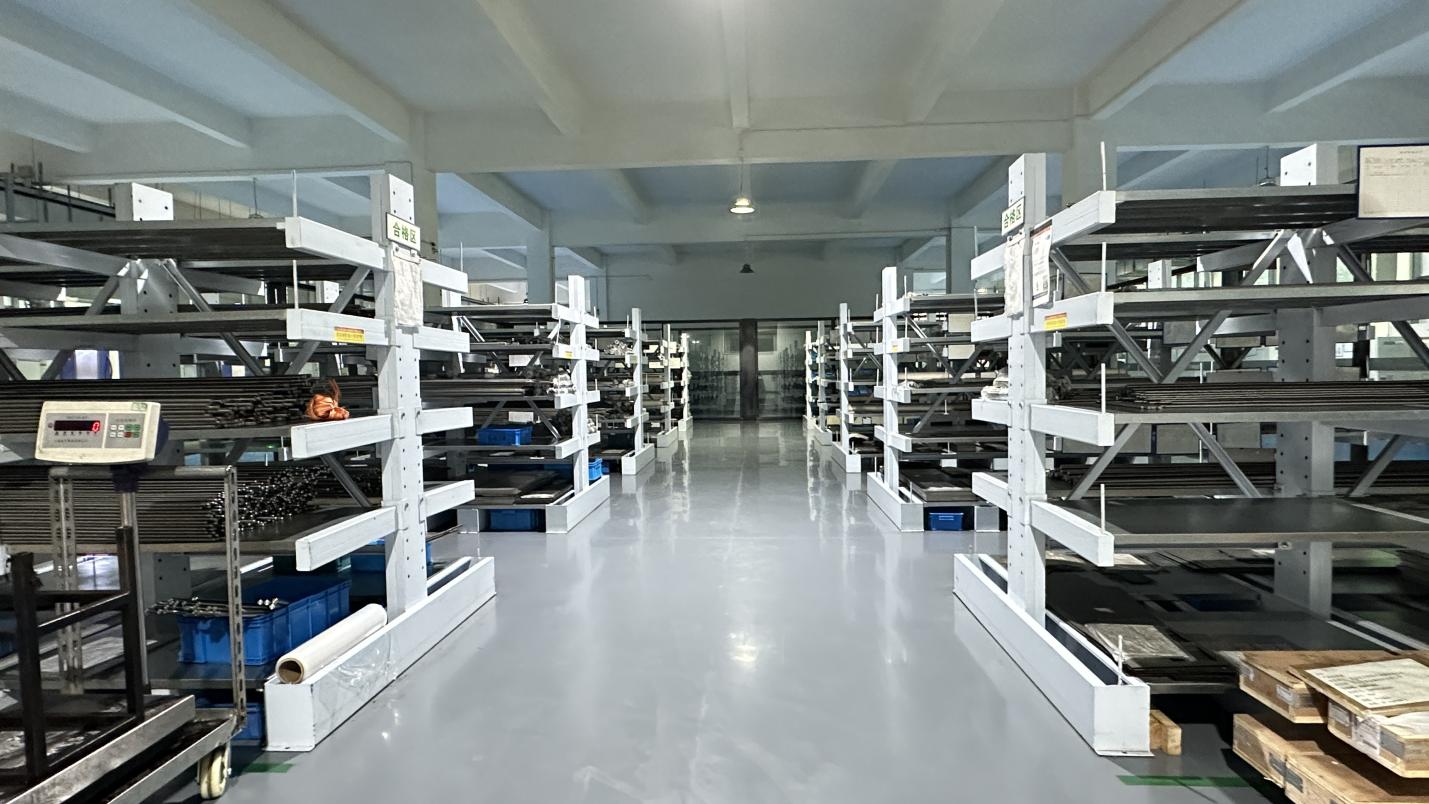
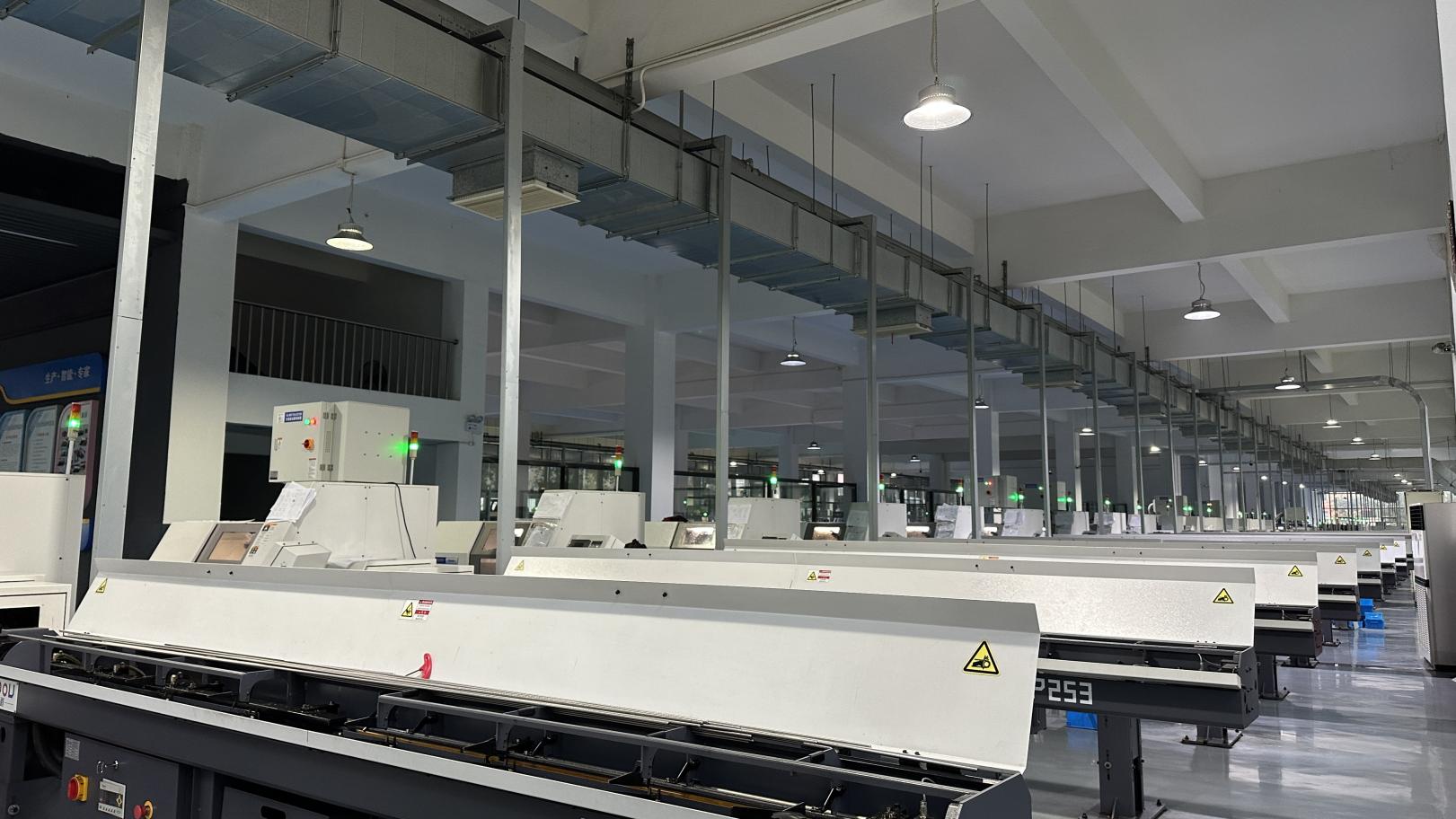
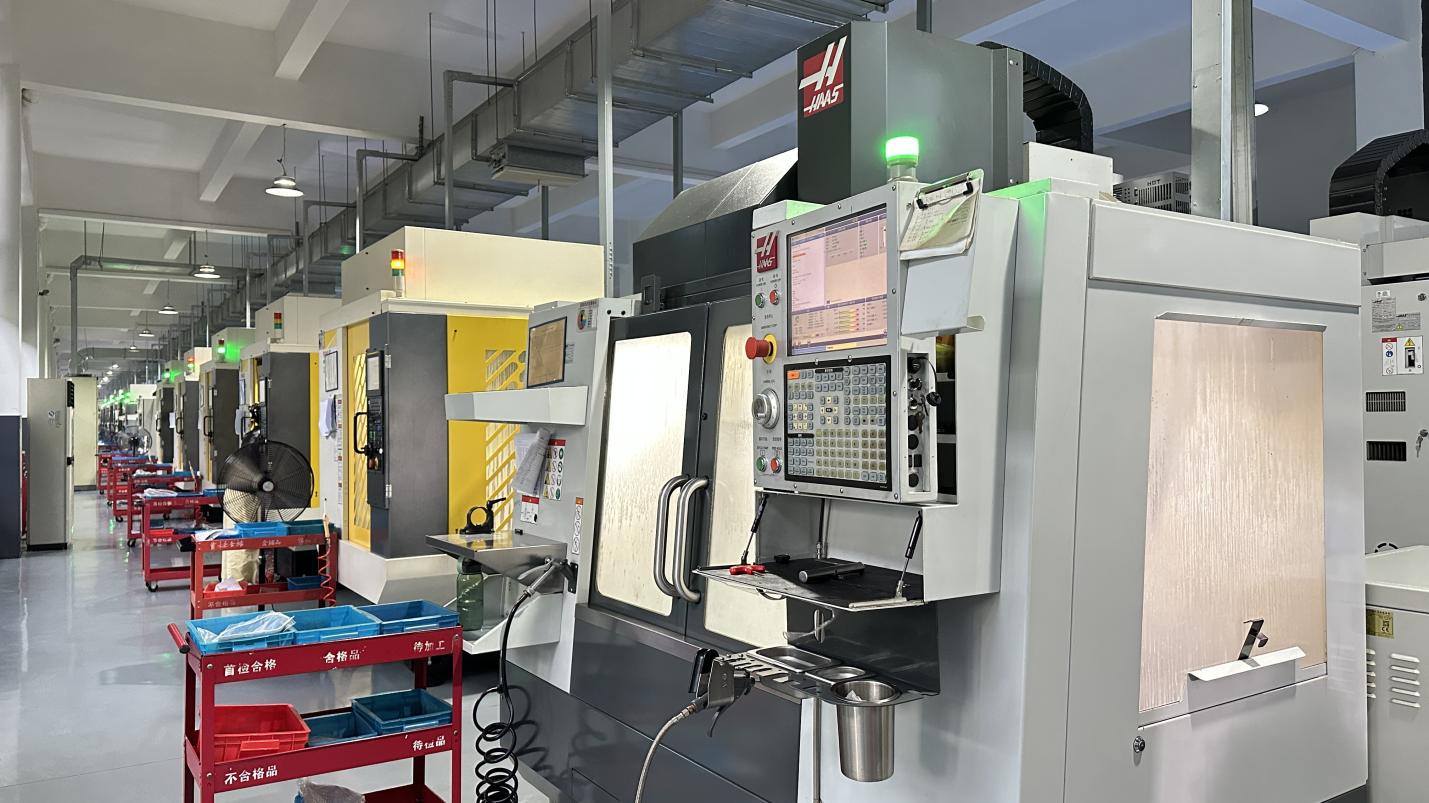
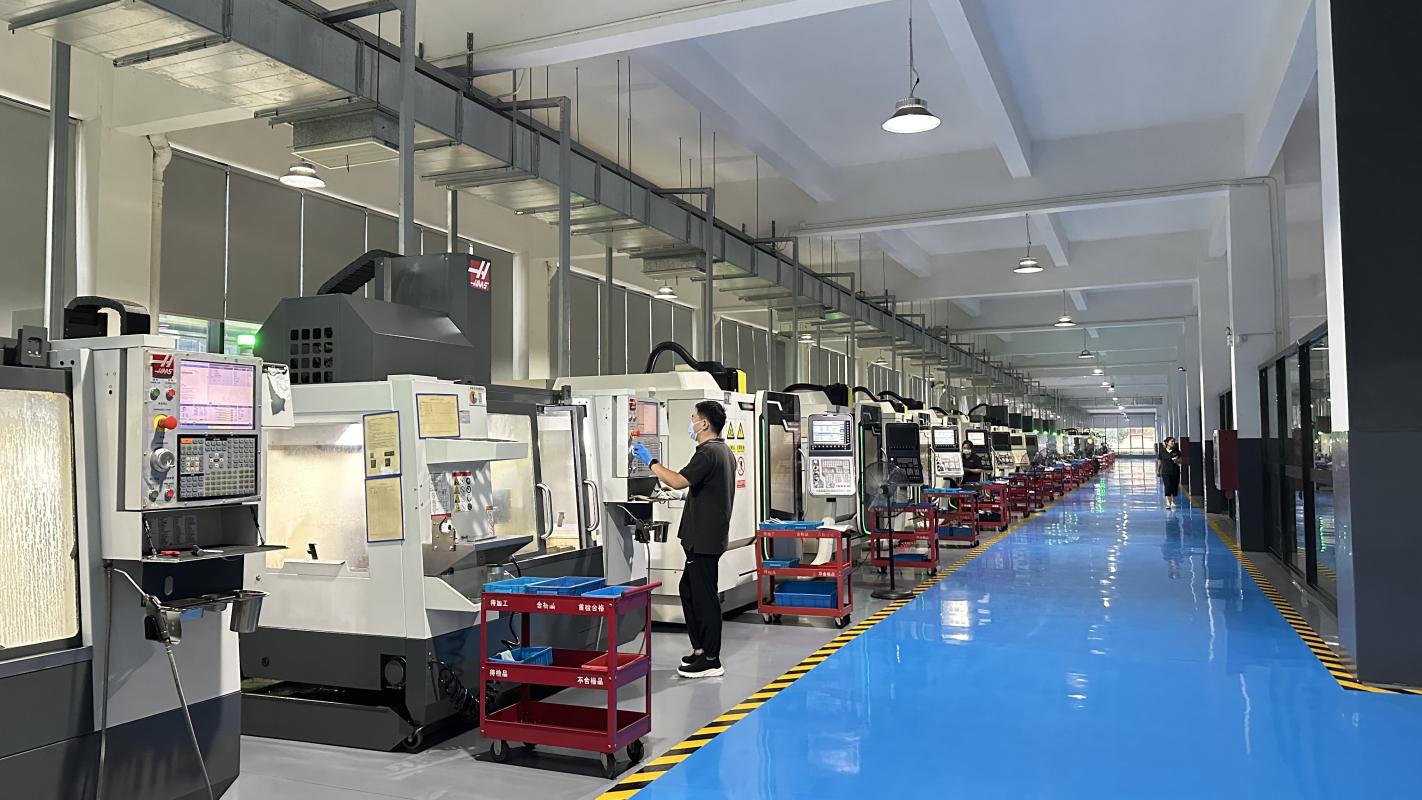
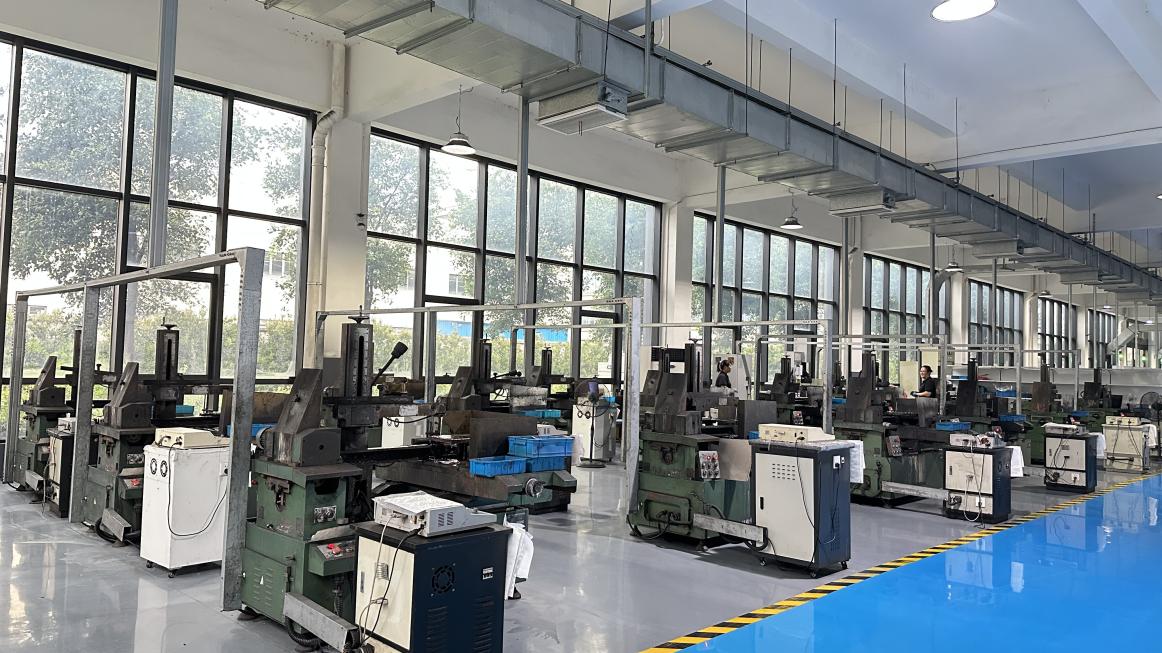
Currently, the market demands rapid iterations, short lead times, and regulatory support. Export hubs in key manufacturing sectors must adapt to supply chain consolidation. Rather than relying on multiple sub-tier vendors for raw sourcing, slitting, CNC lathe processing, laser marking, and cleanroom packaging, procurement directors actively seek single-source vertically integrated factories. Vertical integration minimizes cross-facility contamination risks and streamlines traceability documentation for regulatory reviews.
Orthopedic implants require materials with exceptional biocompatibility, fatigue limit, and corrosion resistance. The choice of raw material impacts the mechanical interplay at the bone-implant interface. Below is an evaluation of the predominant materials processed by modern factories:
| Material System | Clinical Properties | Key Applications | OEM Machining Complexity |
|---|---|---|---|
| Ti-6Al-4V ELI (Grade 23) | Excellent strength-to-weight ratio, high biocompatibility, and low density. | Pedicle screws, dental fixtures, trauma cortical screws. | High. Demands controlled coolant systems to prevent work hardening. |
| PEEK (Polyetheretherketone) | Modulus of elasticity matches natural cortical bone, radiolucent, zero artifacts on MRI. | Spine cages, suture anchors, interference screws. | Medium. Demands specialized non-contaminating plastic cutting tools. |
| Stainless Steel 316LVM | High shear strength, cost-effective, easily sterilized. | Temporary trauma plates, external fixator pins, heavy fragments. | Moderate. Relies on stable tool geometries and heavy feeds. |
| Bioabsorbable Polymers (PLDLA/PLLA) | Degrades gradually over time, eliminates the need for secondary implant removal. | Sports medicine anchors, pediatric fracture pins. | Extremely High. Requires precise heat control to prevent polymer chain degradation. |
Quality and performance depend on strict process adherence at every stage of the factory workflow. Here is the operational protocol utilized in our facility to guarantee medical device integrity:
Dedicated to advancing innovation in trauma, spine, and joint reconstruction products globally.
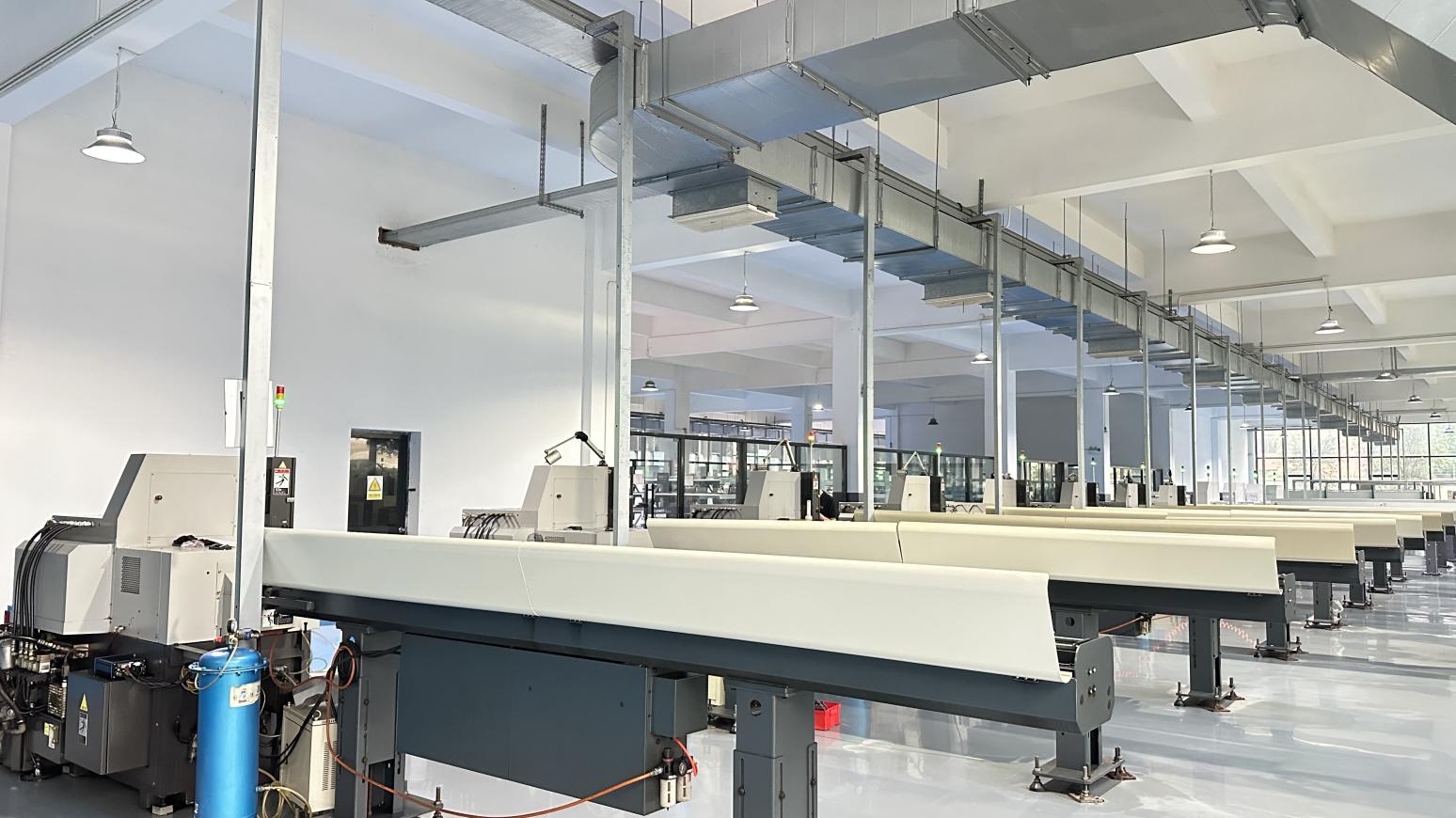
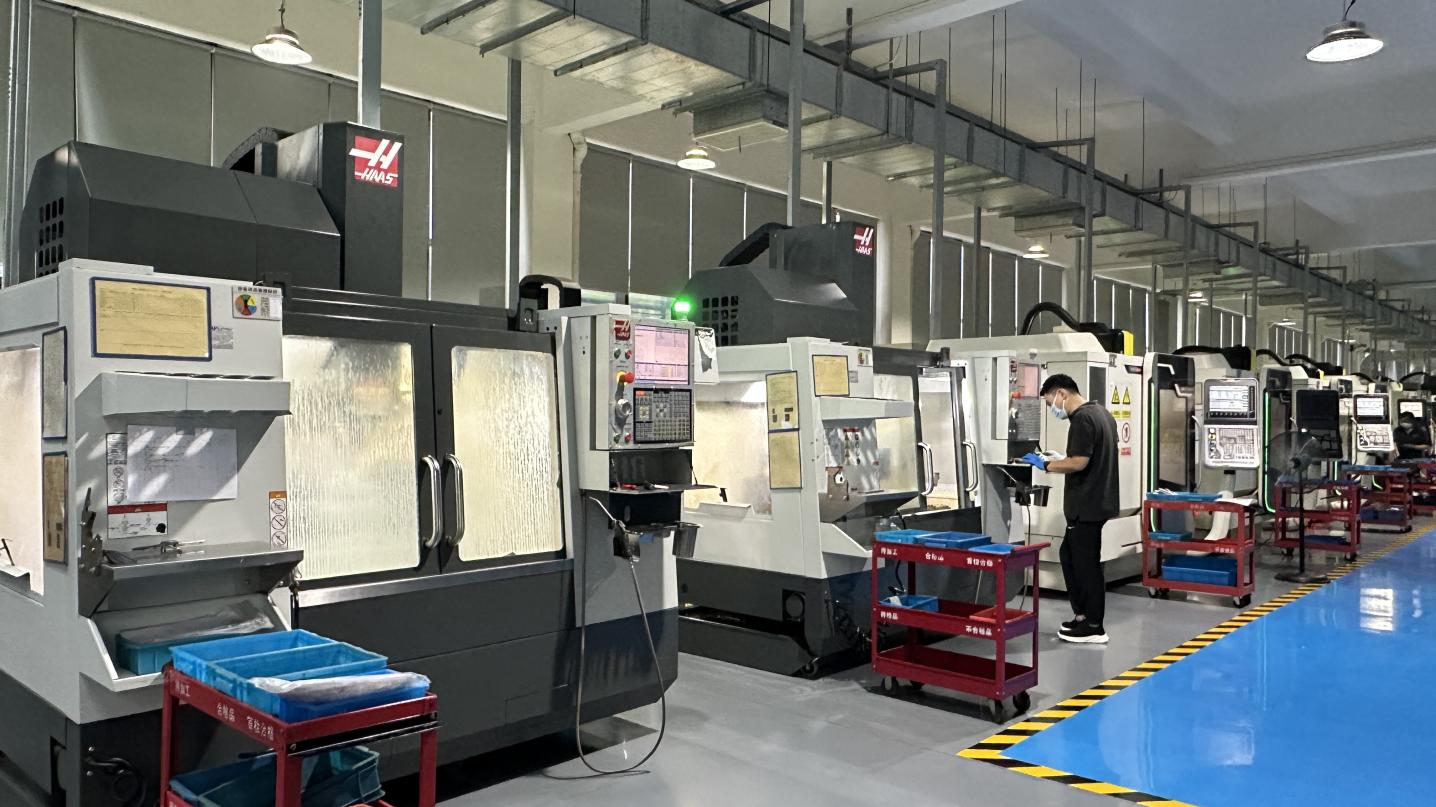
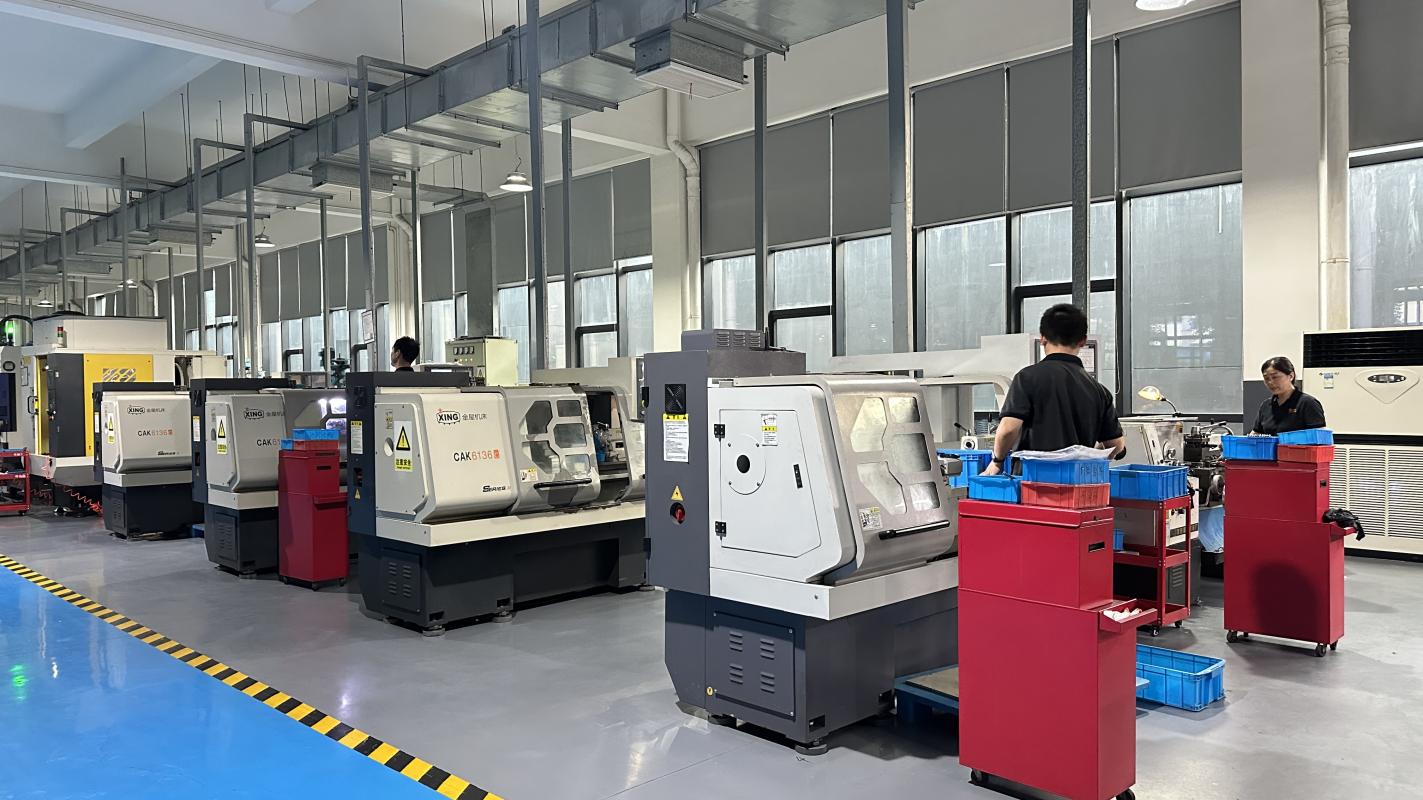
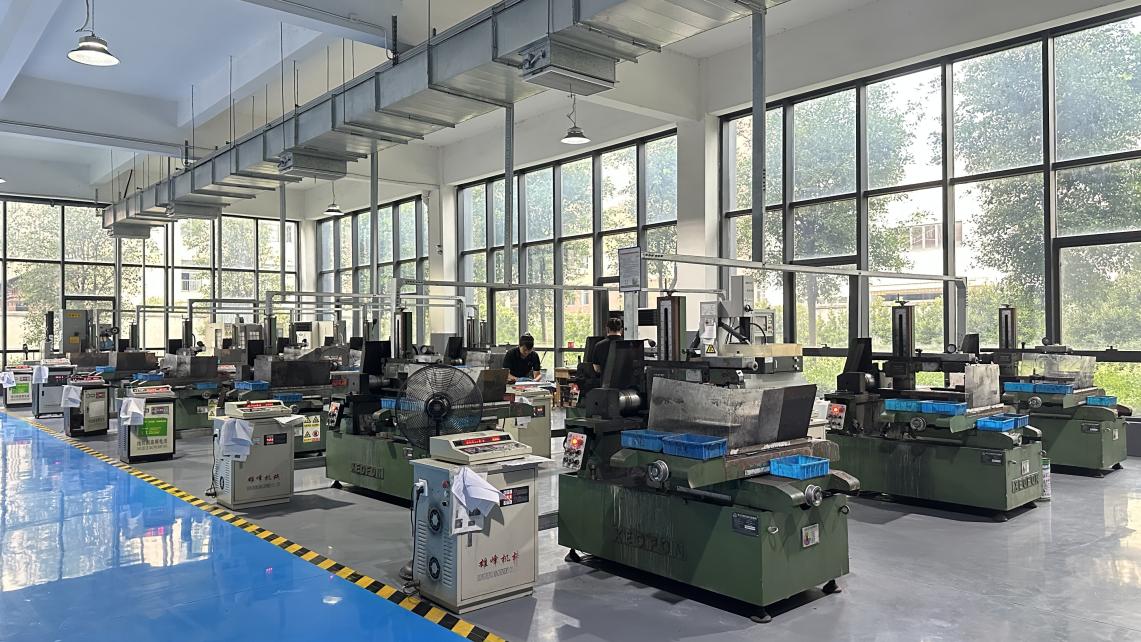
Bonevia Orthopedic Technology Co., Ltd. is a professional manufacturer specializing in orthopedic implants and surgical solutions, dedicated to advancing innovation in trauma, spine, and joint reconstruction products. Since its establishment in 2015, the company has grown steadily into a trusted supplier in the global orthopedic industry. With a modern production facility covering approximately 320㎡, Bonevia maintains strict quality management standards and efficient manufacturing processes. The company records an annual export revenue of around USD 8–15 million, supported by 6 years of export experience and over 10 years of overall industry experience.
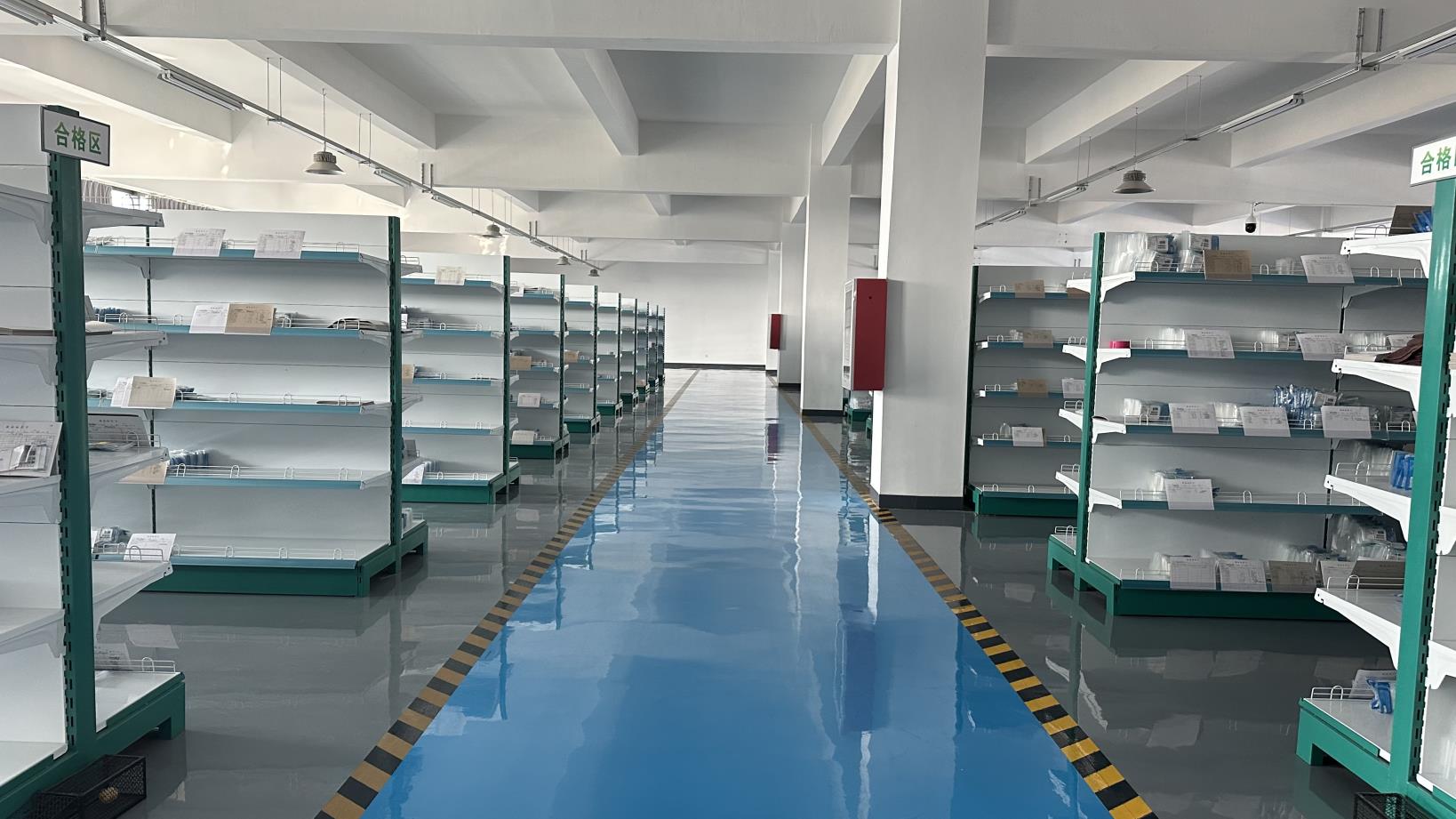
Quality assurance is a core focus at Bonevia. The company implements multiple inspection methods including incoming material inspection, in-process quality control, and final product testing, supported by a dedicated quality team of 35 professionals. This ensures all products meet international medical device standards.
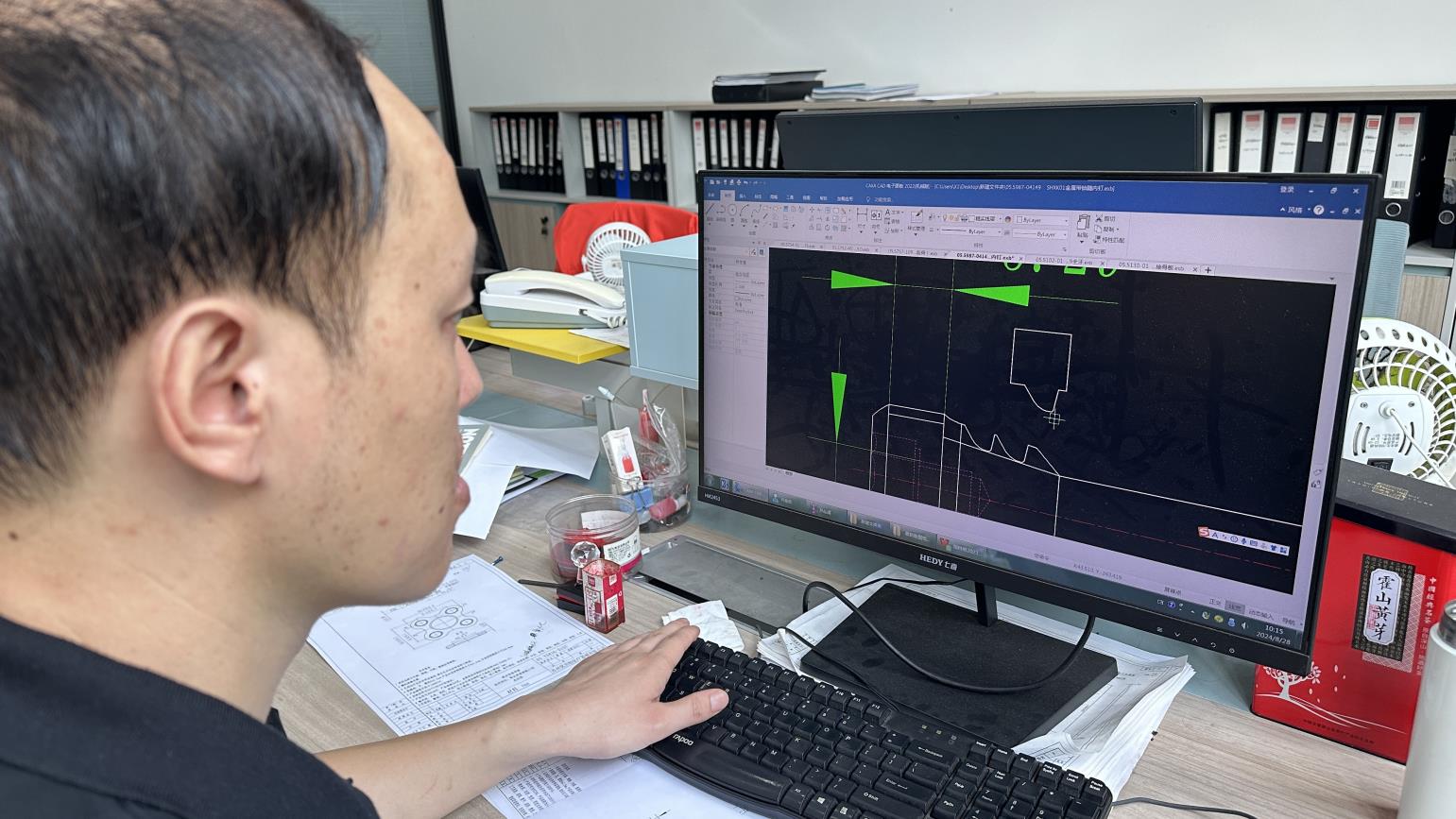
Bonevia has a solid trade foundation with diversified global distribution networks, serving major markets across Europe, Southeast Asia, the Middle East, and South America. Its supply chain ecosystem includes more than 850 partners, enabling stable raw material sourcing and efficient production delivery. The company serves a wide range of clients, including hospitals, orthopedic clinics, surgical centers, and medical distributors. Bonevia also demonstrates strong R&D capabilities, offering OEM and ODM customization services to meet specific clinical requirements. In the past year, Bonevia successfully launched 120 new product designs, supported by a research and development team of 85 engineers, continuously driving innovation in orthopedic implant systems and surgical instruments.
Enabling seamless entry into worldwide hospital networks with complete documentation portfolios.
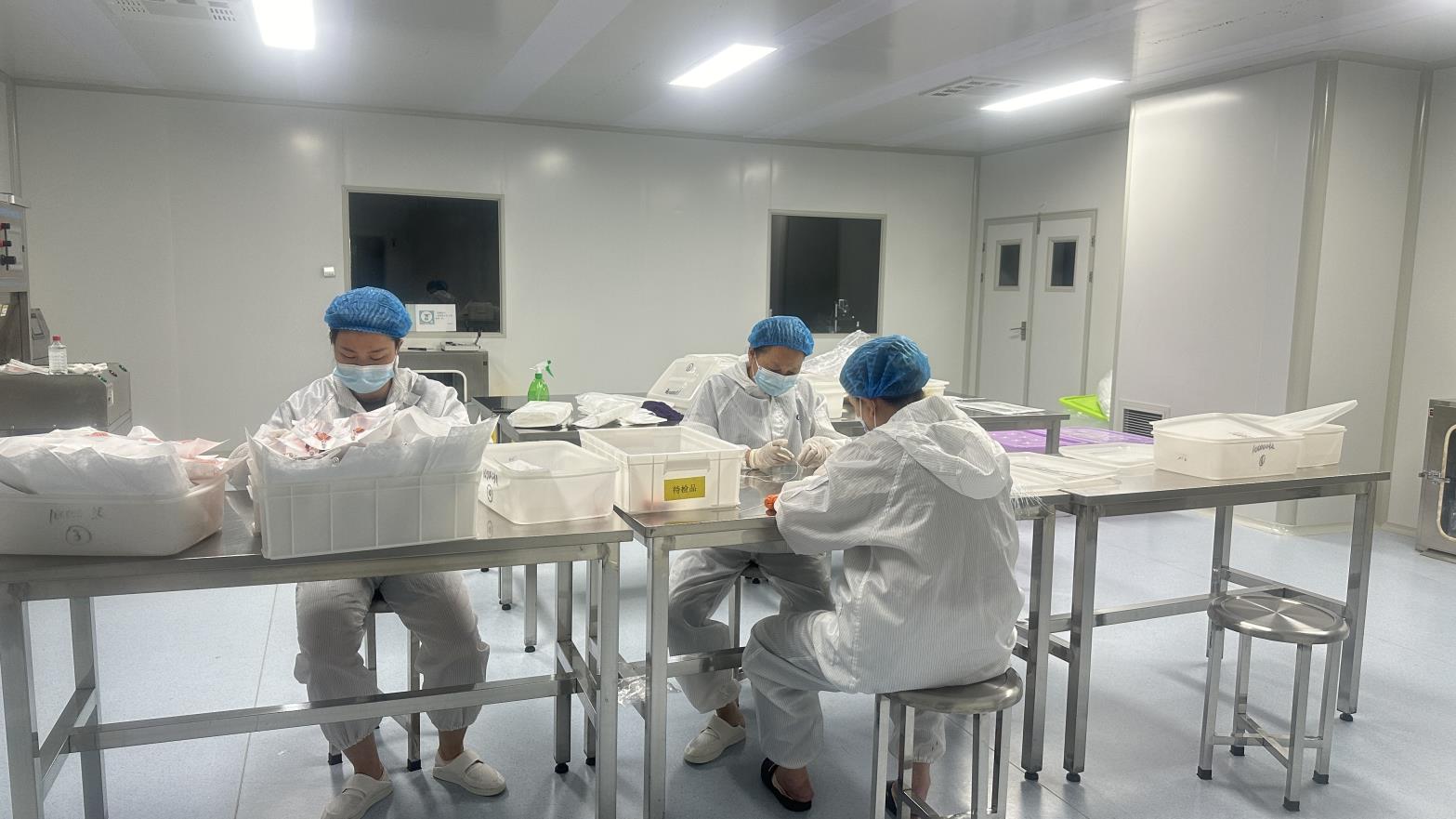
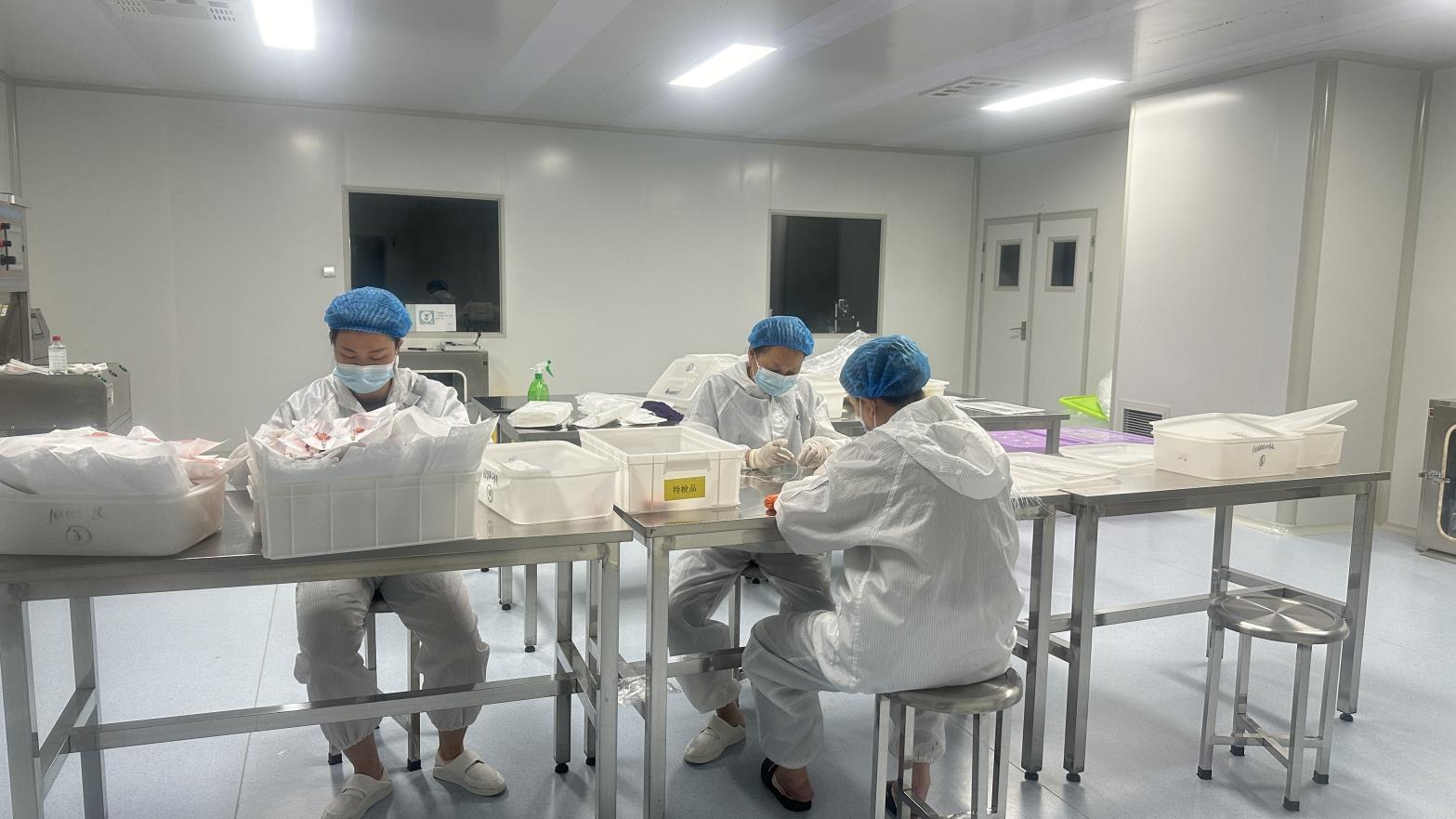
Our production environment operates under ISO 13485 medical device quality systems. Materials, cleanroom processes, and post-machining passivation conform to global regulatory standards.
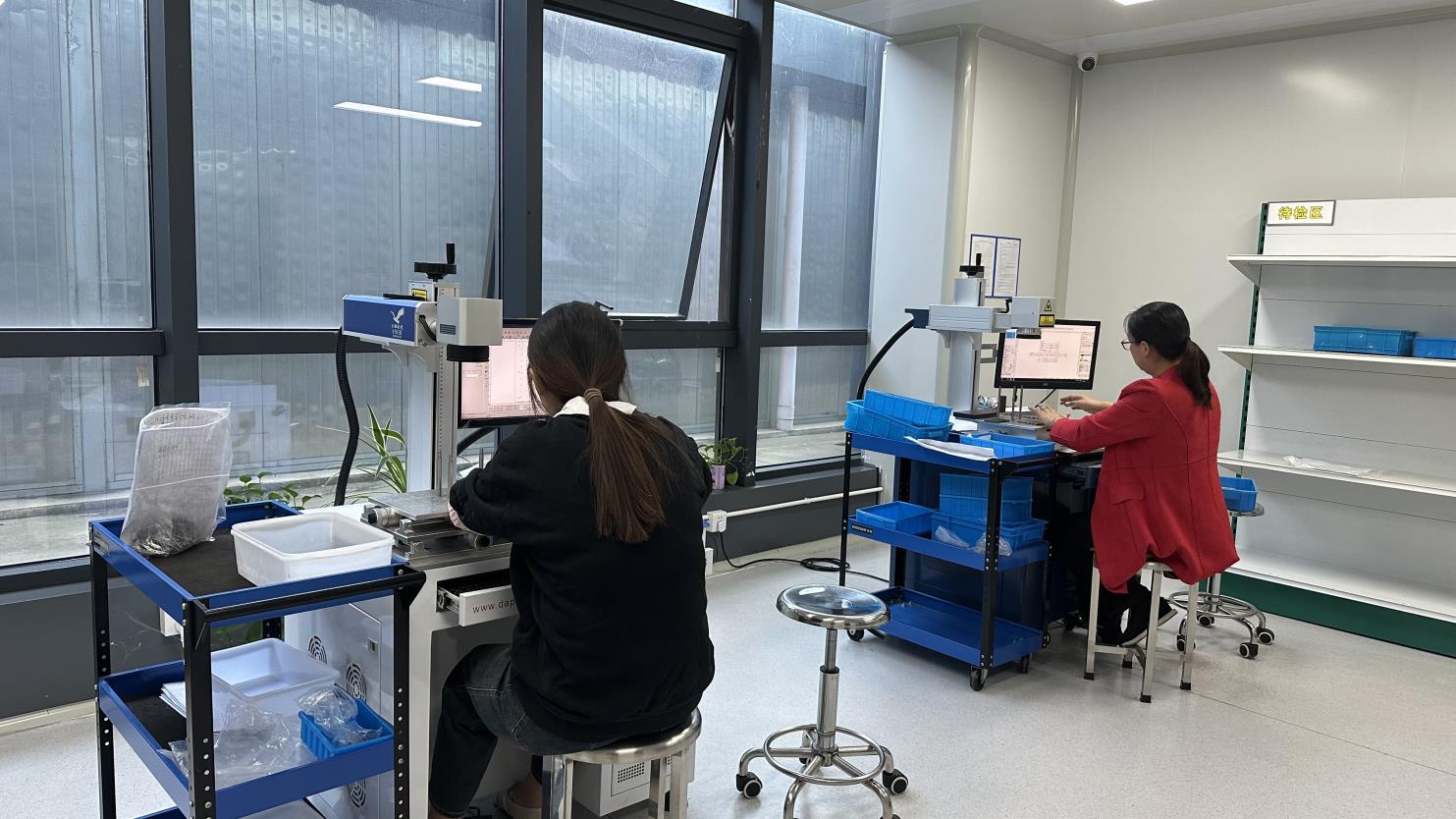
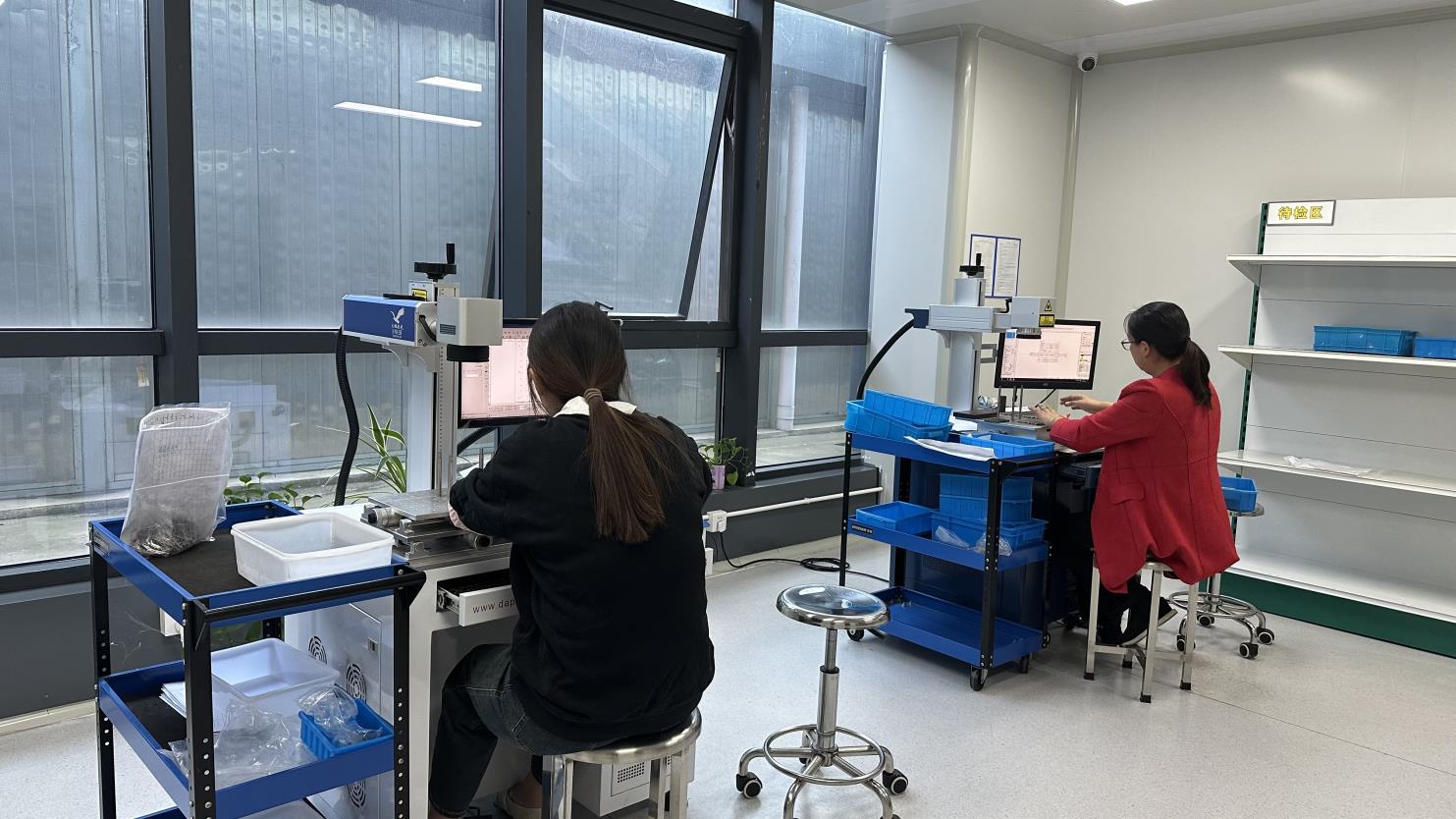
All items undergo fiber-laser marking for GS1-compliant Unique Device Identification (UDI). Importers and surgeons can track material origin, lot variables, and dimensional specs.
We supply comprehensive technical files, sterilization validations, and biocompatibility verification reports (ISO 10993) to expedite localized registration steps.
Medical needs vary based on target regions, demographic weight classes, and access to premium health infrastructure. As a versatile OEM manufacturing partner, we design orthopedic products tailored for distinct clinical settings:
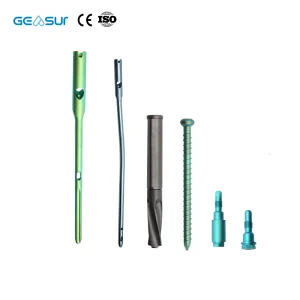
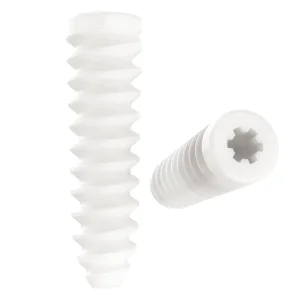
In high-volume trauma clinics, predictability is paramount. Bone screws must offer high torque resilience and self-drilling tips to decrease setup and operating times. Our cannulated and cortical trauma screws are optimized for rapid, reliable placement, preventing thread stripping under stress.
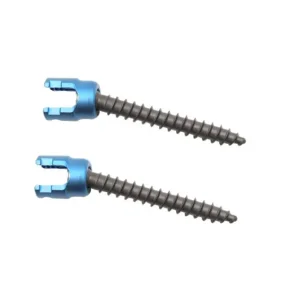
Spinal pedicle screws must maintain stability over long periods, coping with complex biomechanical cycles. Our customized multi-axial spine setups offer a wide range of angular motion. These systems prevent rod slippage while distributing load evenly across osteopenic bone structures.
Minimally invasive arthroscopic repairs require specialized suture anchors and interference screws. Utilizing highly biocompatible medical polymers (PEEK) and bioabsorbable materials (CanPEEK configurations), we ensure tendon-to-bone fixation matches the body's natural healing rates.
The orthopedic implant industry is transitioning toward customized, biological, and smart systems. Our engineers track emerging clinical requests to keep our manufacturing workflows ahead of the curve:
Get direct answers regarding OEM bone screw sourcing, cleanroom packaging, and material compliance.
Explore our specialized catalog of suture anchors, cannulated systems, and titanium spine instrumentation systems.