Bonevia
Bonevia
Bonevia
Intramedullary (IM) nailing remains the "gold standard" for the treatment of long bone diaphyseal fractures. From the early Küntscher nails to today’s multi-locking, anatomically contoured titanium alloy systems, the technology has undergone a paradigm shift. For global hospital procurement managers and medical distributors, selecting the right factory and supplier involves more than just price—it requires an assessment of Information Gain: understanding the material science, bio-mechanical stability, and the precision of the instrumentation.
The global orthopedic intramedullary nails market is projected to reach a CAGR of 5.8% by 2030. Key drivers include a rising geriatric population susceptible to fragility fractures and a surge in high-energy trauma cases in emerging economies. Modern suppliers must offer localized solutions that cater to specific anatomical variations in different ethnicities.
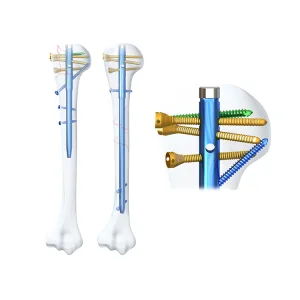
Top-tier suppliers like Bonevia Orthopedic utilize Grade 5 Titanium (Ti-6Al-4V ELI) and Stainless Steel 316LVM. The "interlocking" mechanism has evolved from simple transverse screws to multi-planar locking options, allowing for early weight-bearing and reduced non-union rates in complex fractures.
In the EU and USA, compliance with MDR (Medical Device Regulation) and FDA 510(k) is non-negotiable. Suppliers must demonstrate Expertise, Authoritativeness, and Trustworthiness through rigorous ISO 13485 certification and long-term clinical data follow-ups. Reliability is the cornerstone of orthopedic surgery.
Bonevia Orthopedic Technology Co., Ltd. is a professional manufacturer specializing in orthopedic implants and surgical solutions, dedicated to advancing innovation in trauma, spine, and joint reconstruction products. Since its establishment in 2015, the company has grown steadily into a trusted supplier in the global orthopedic industry.
With a modern production facility covering approximately 320㎡, Bonevia maintains strict quality management standards and efficient manufacturing processes. The company records an annual export revenue of around USD 8–15 million, supported by 6 years of export experience and over 10 years of overall industry experience.
Quality assurance is a core focus at Bonevia. The company implements multiple inspection methods including incoming material inspection, in-process quality control, and final product testing, supported by a dedicated quality team of 35 professionals.
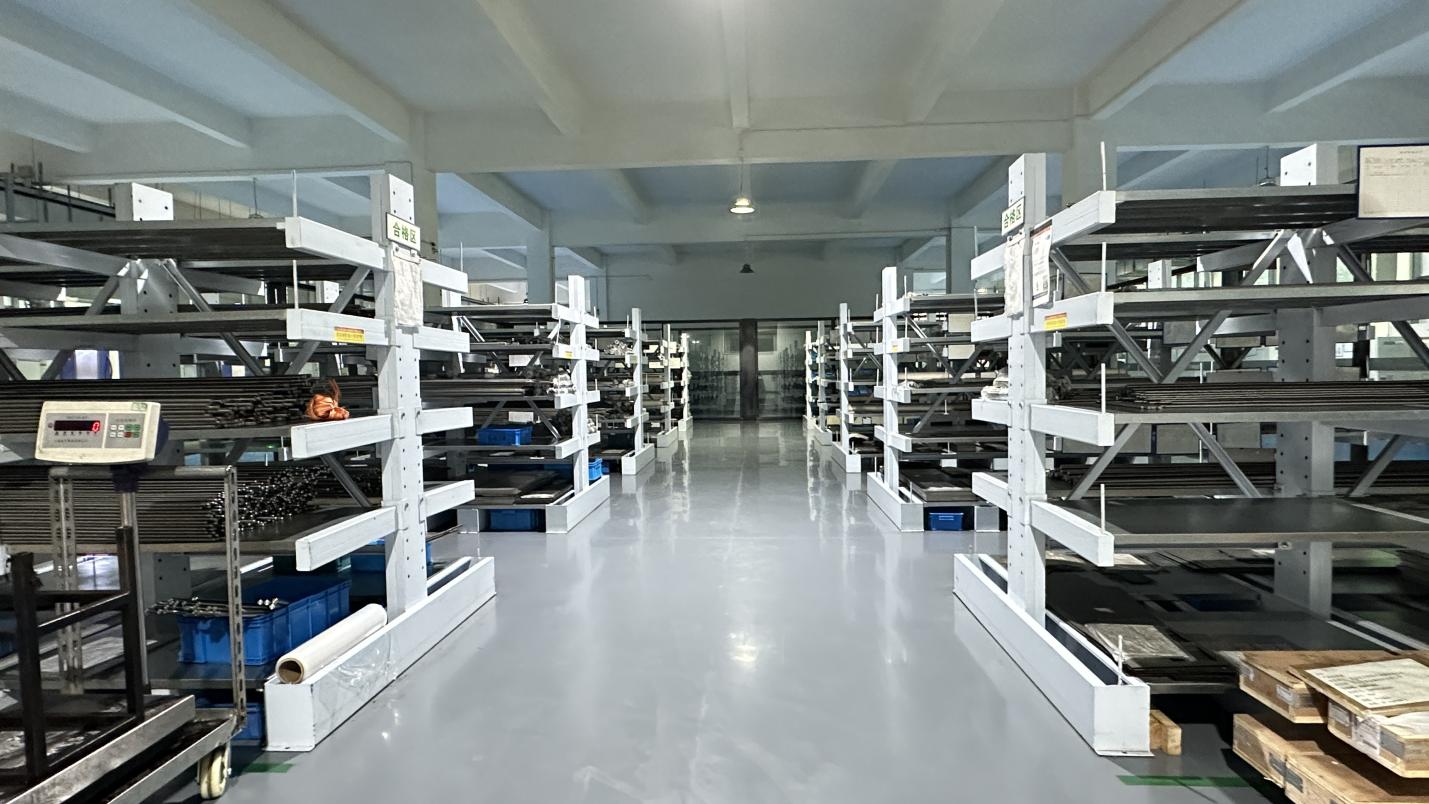
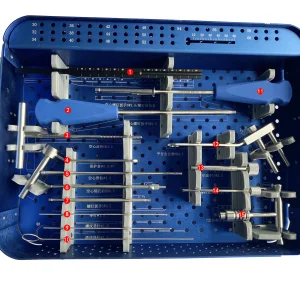
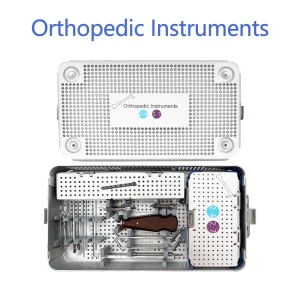
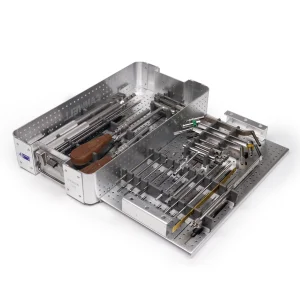
To stay at the forefront of the "Top 10" intramedullary nail suppliers, our production line integrates high-precision CNC machining and laser processing. Our technical roadmap focuses on Surface Modification (Anodic Oxidation) to enhance biocompatibility and Instrument Simplification to reduce "the learning curve" for surgeons.
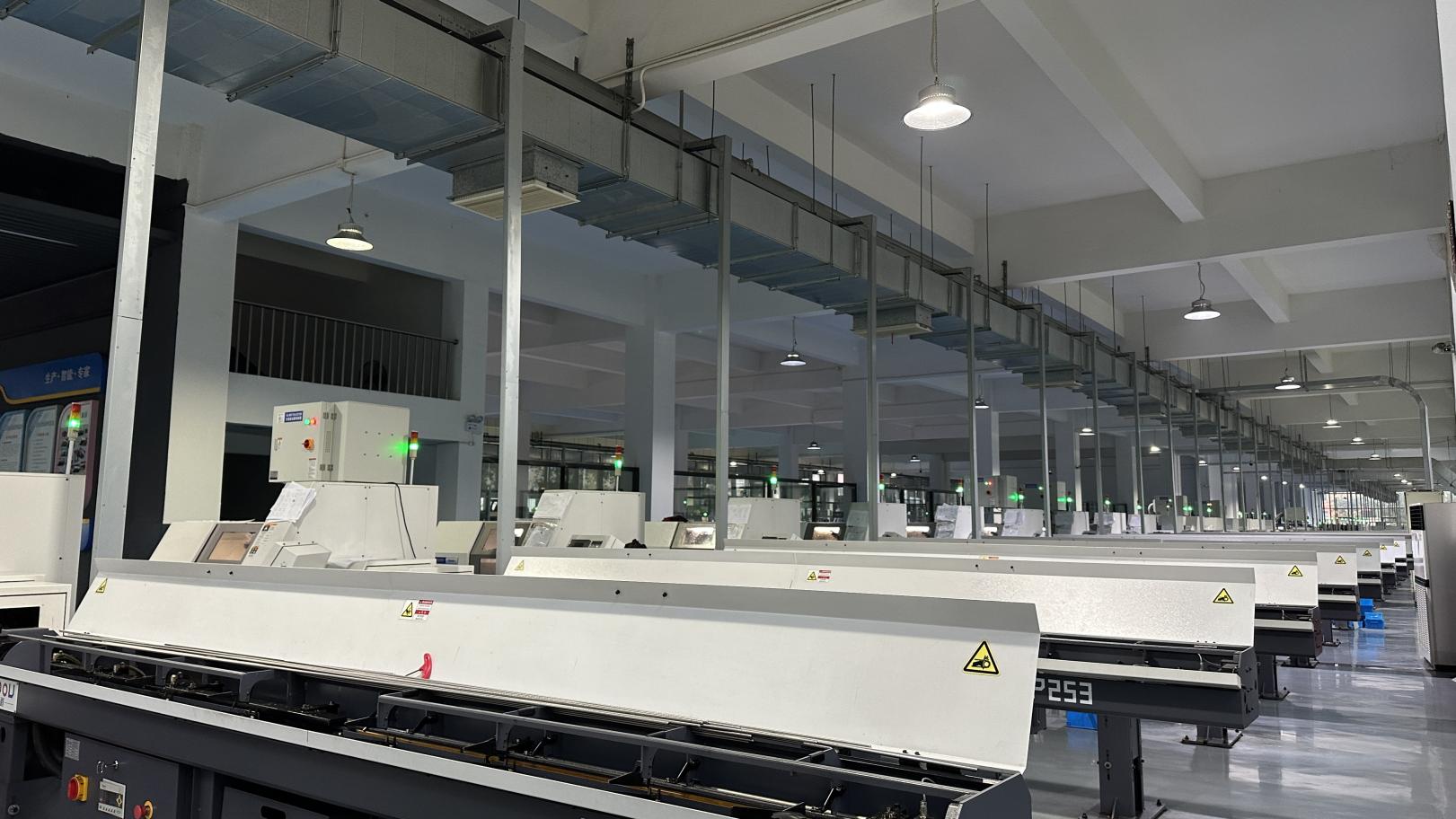
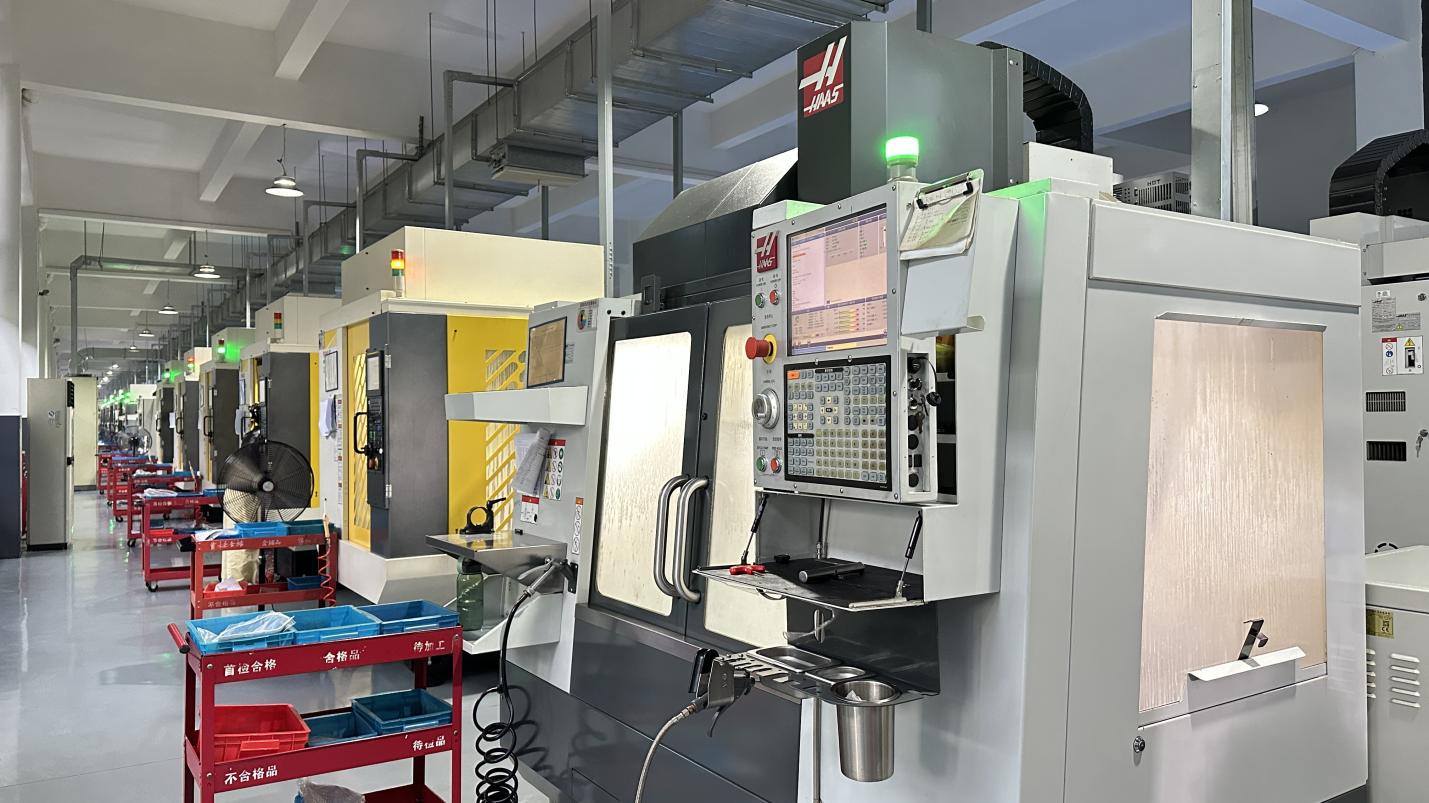
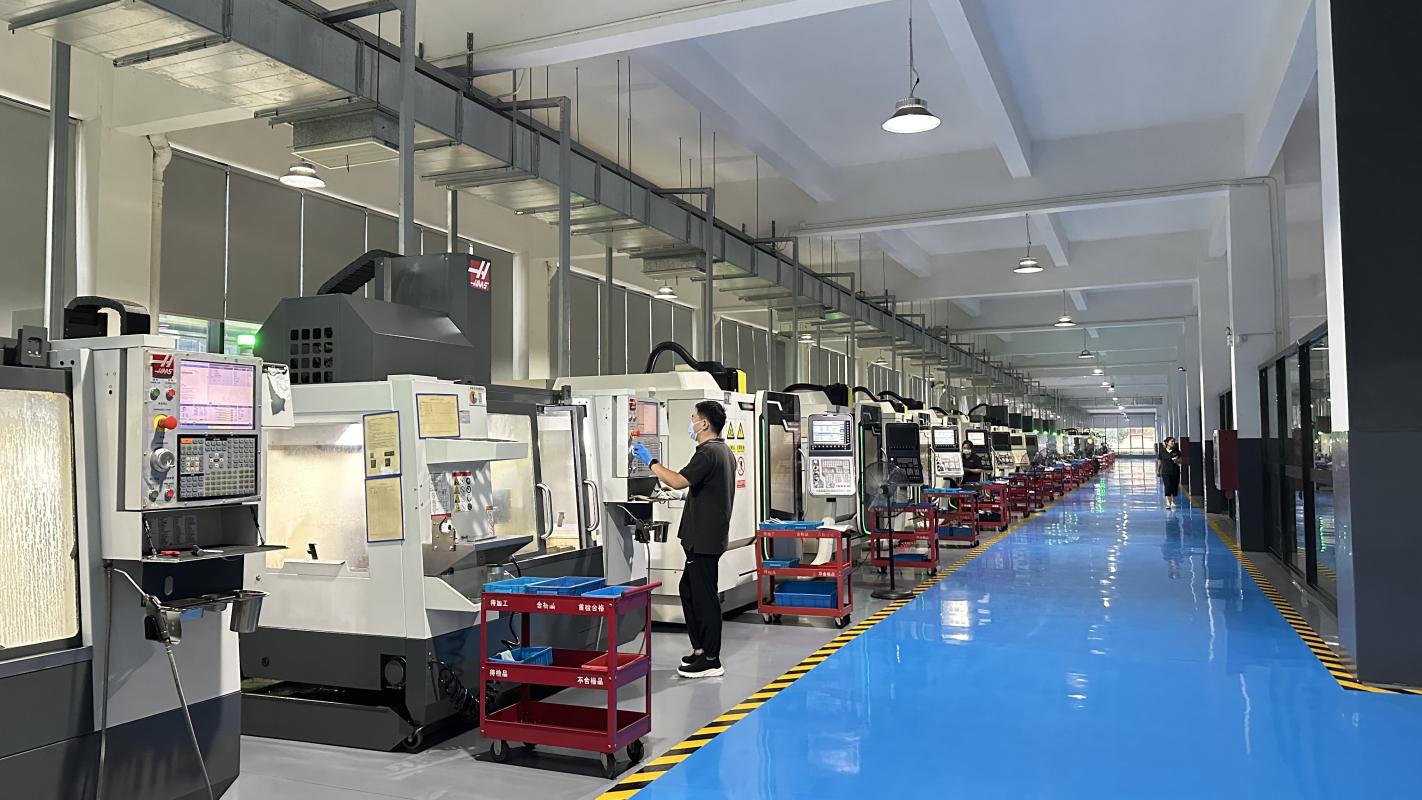
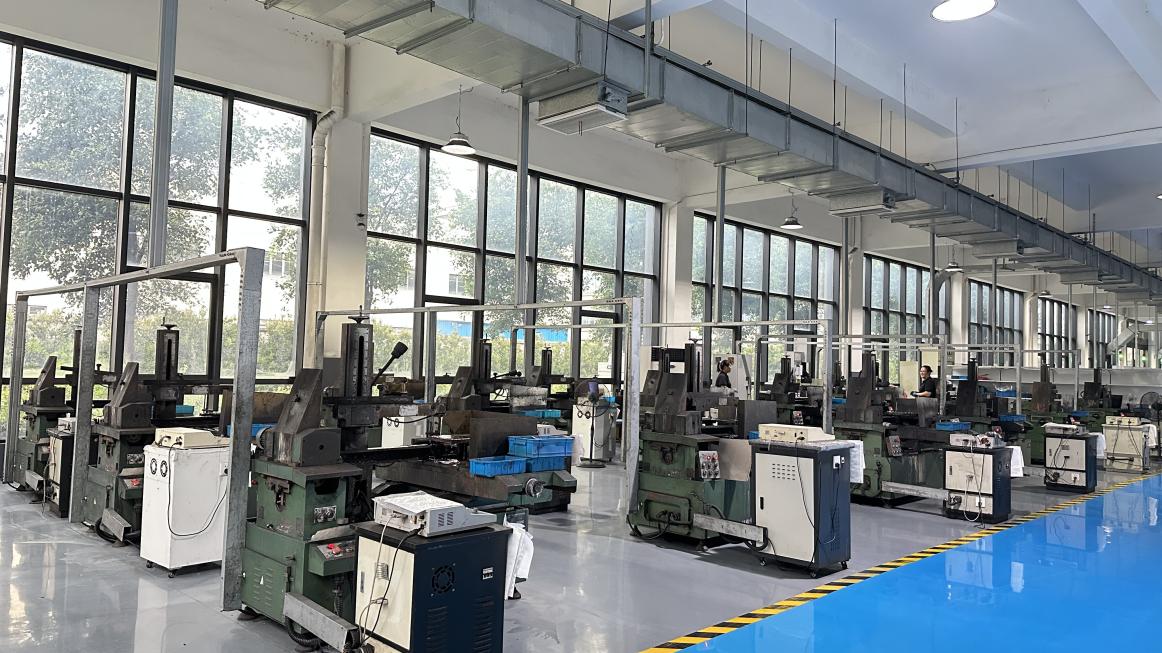
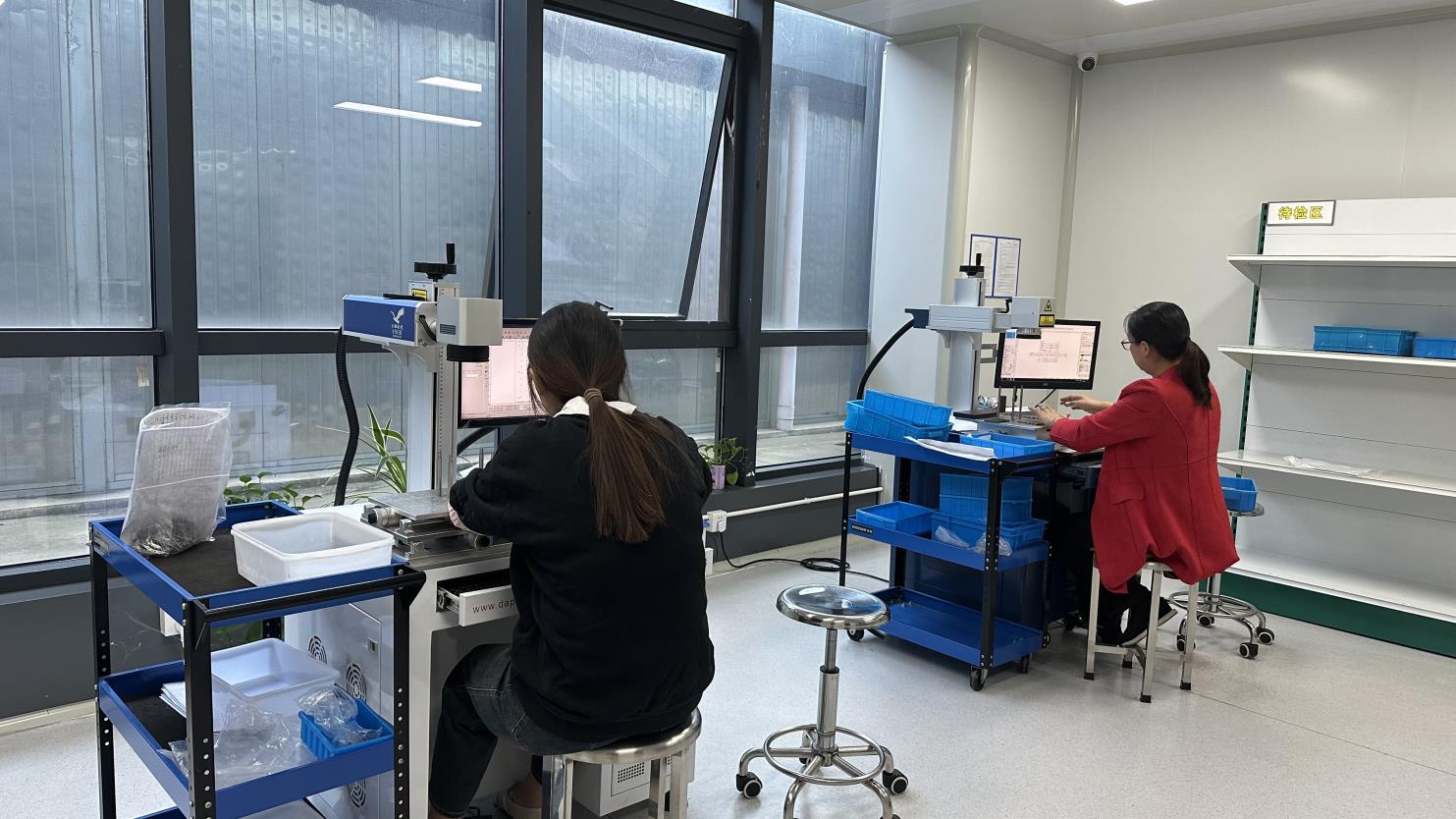
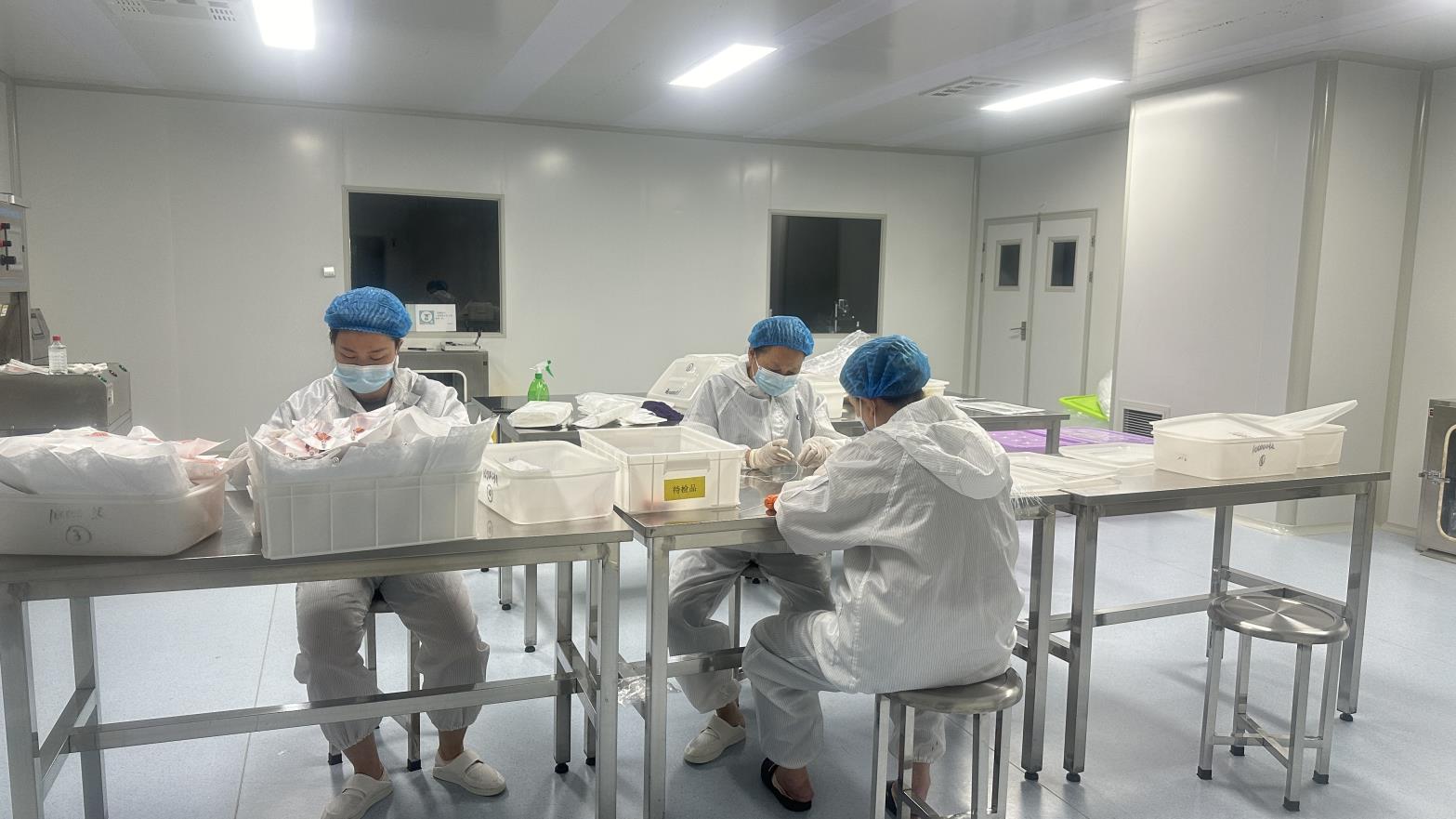
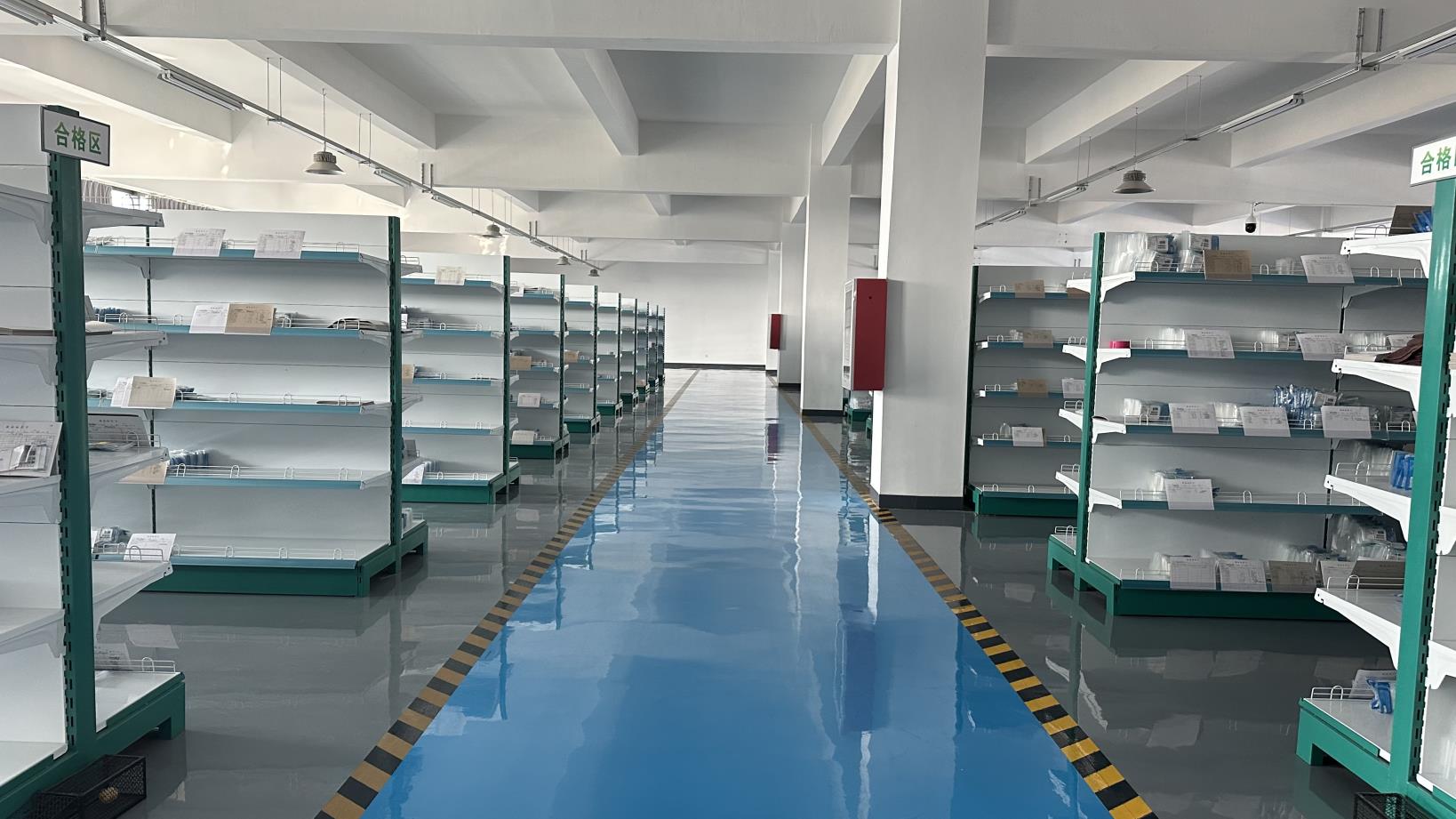
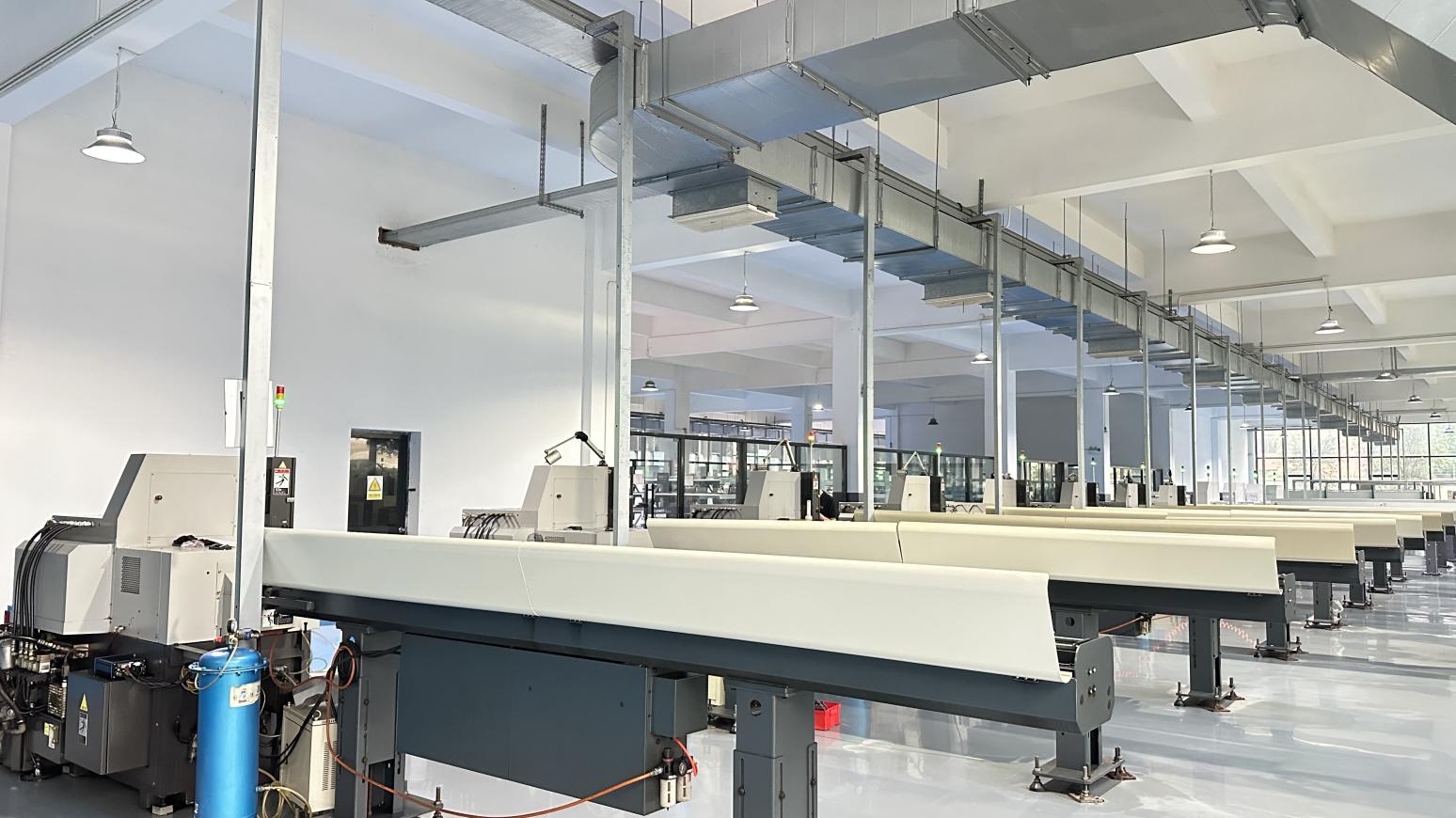
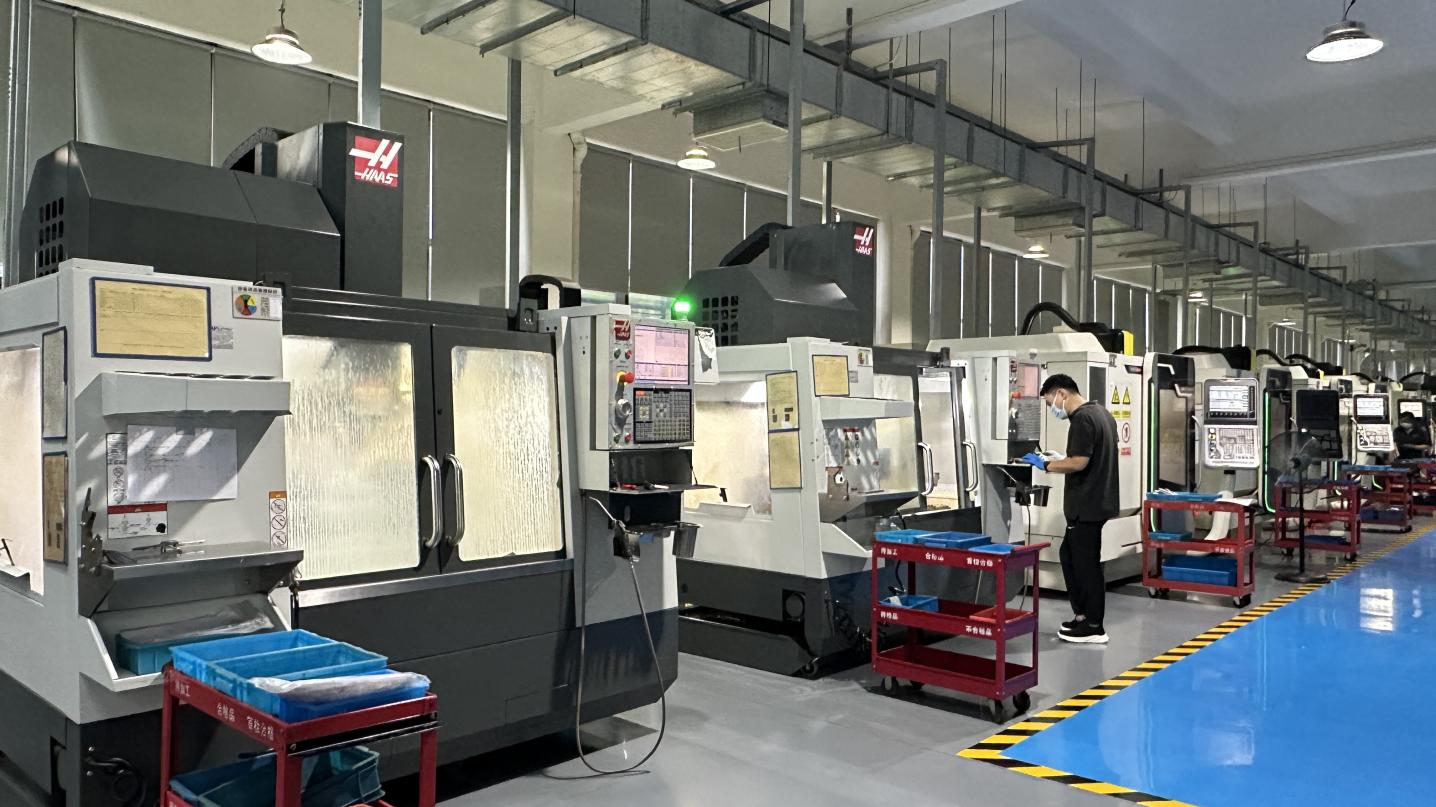
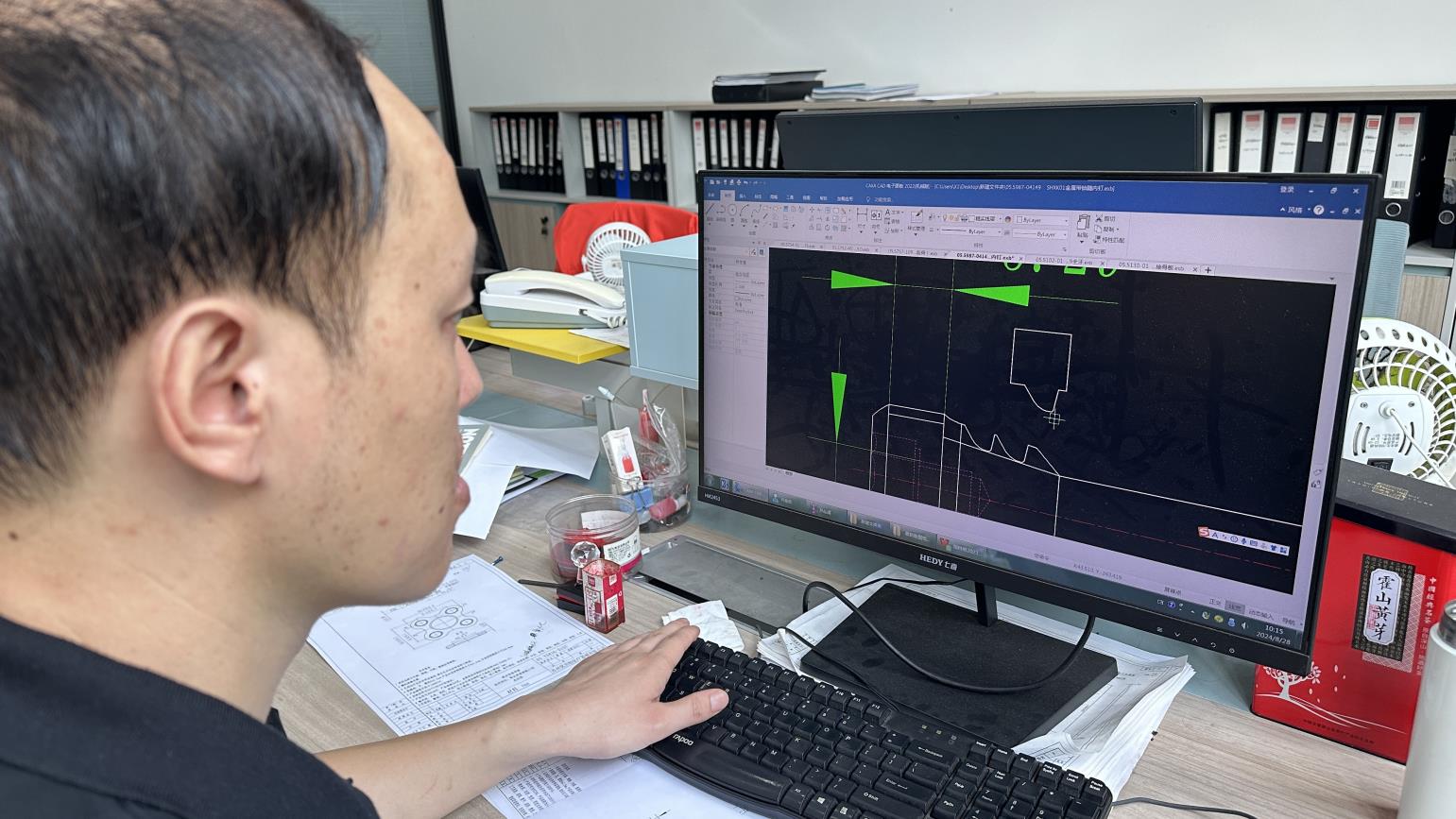
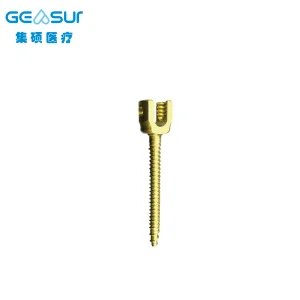
Beyond standard products, we provide OEM/ODM customization. Our R&D team works closely with clinical consultants to design implants that solve specific surgical challenges, such as distal interlocking in minimally invasive procedures. Our facility is equipped with state-of-the-art lathes, wire-cutting machines, and laser markers to ensure every screw and nail meets micron-level tolerances.
Navigating the regulatory landscape in Europe, SE Asia, the Middle East, and South America requires localized expertise. We provide comprehensive documentation (CFS, COA, ISO) to facilitate smooth customs clearance and hospital registration.
With a network of 850+ partners, Bonevia ensures a resilient supply of raw medical-grade titanium. This stability allows us to maintain consistent lead times, even during global logistics fluctuations, serving hospitals and trauma centers worldwide.
The next decade of intramedullary nail systems will be defined by "Smart Implants"—nails equipped with sensors to monitor healing and weight-bearing in real-time. Furthermore, the integration of 3D-printed porous structures at the proximal and distal ends of the nails will enhance osseointegration, particularly in osteoporotic patients. Bonevia is currently investing in these technologies to provide "Information Gain" to our clients, moving beyond hardware to intelligent surgical ecosystems.