Bonevia
Bonevia
Bonevia
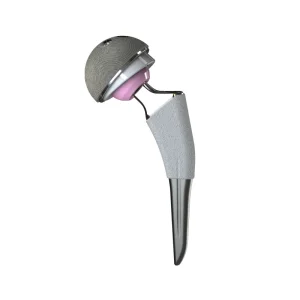
In the rapidly evolving landscape of orthopedic surgery, Total Ankle Arthroplasty (TAA) has emerged as a gold standard for treating end-stage ankle arthritis. China has positioned itself as a global powerhouse in this sector, moving beyond basic manufacturing to high-end R&D. Leading exporters like Bonevia Orthopedic Technology Co., Ltd. are at the forefront, integrating aerospace-grade titanium alloys and biocompatible Cobalt-Chromium-Molybdenum (CoCrMo) into clinical solutions.
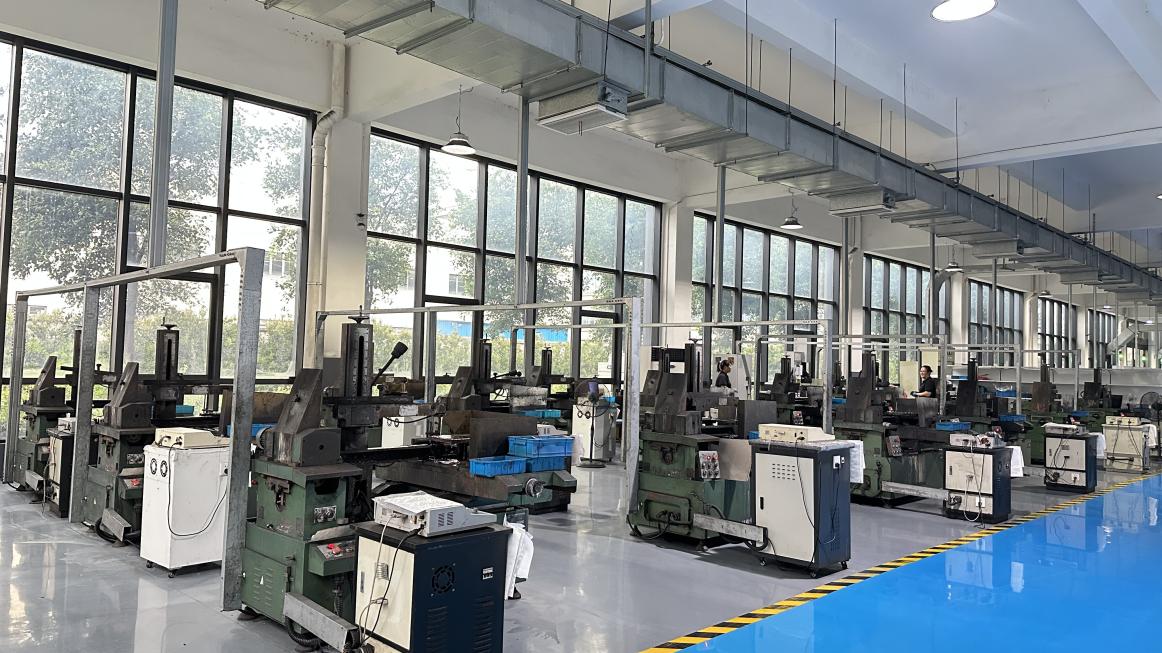
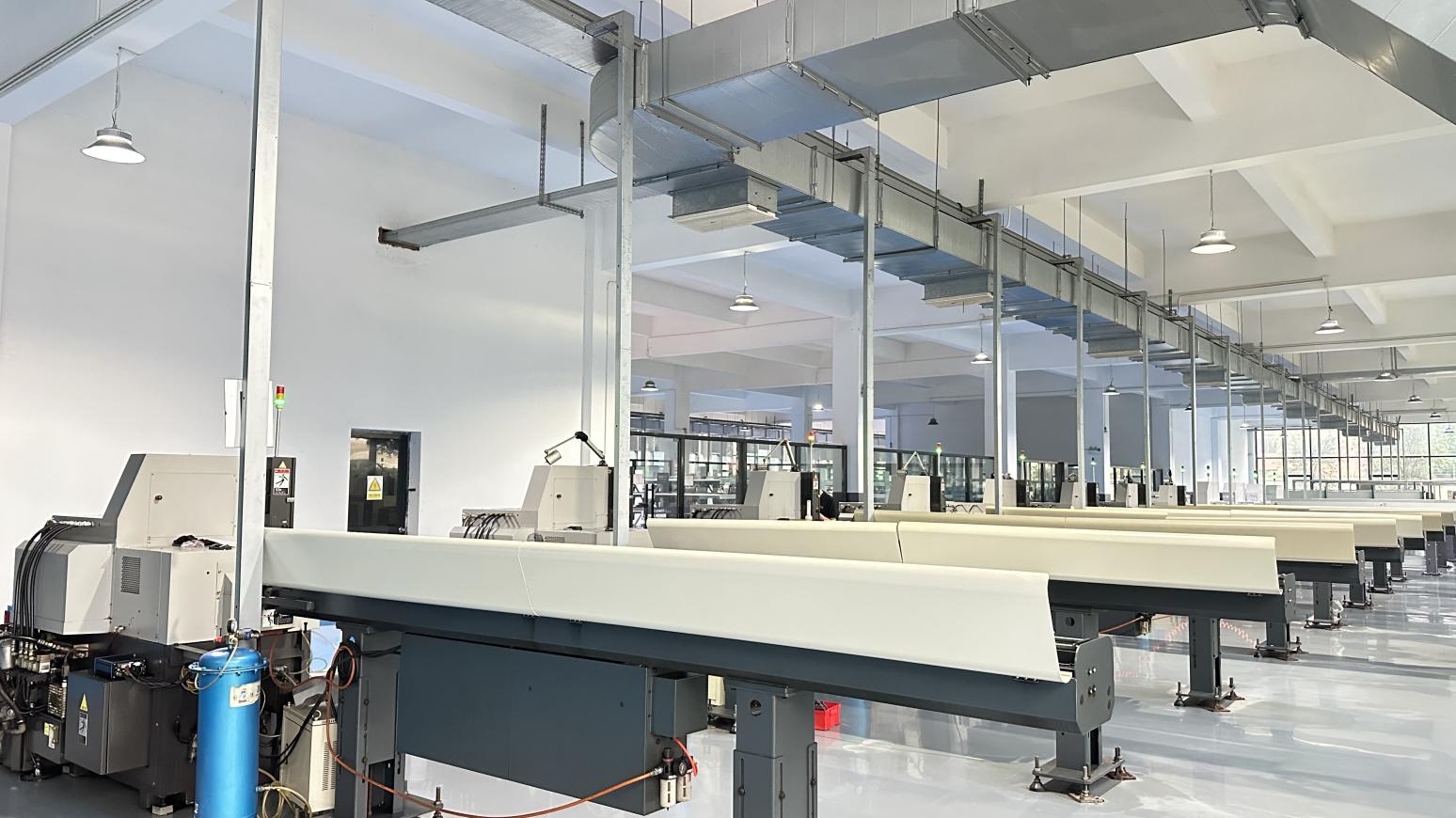
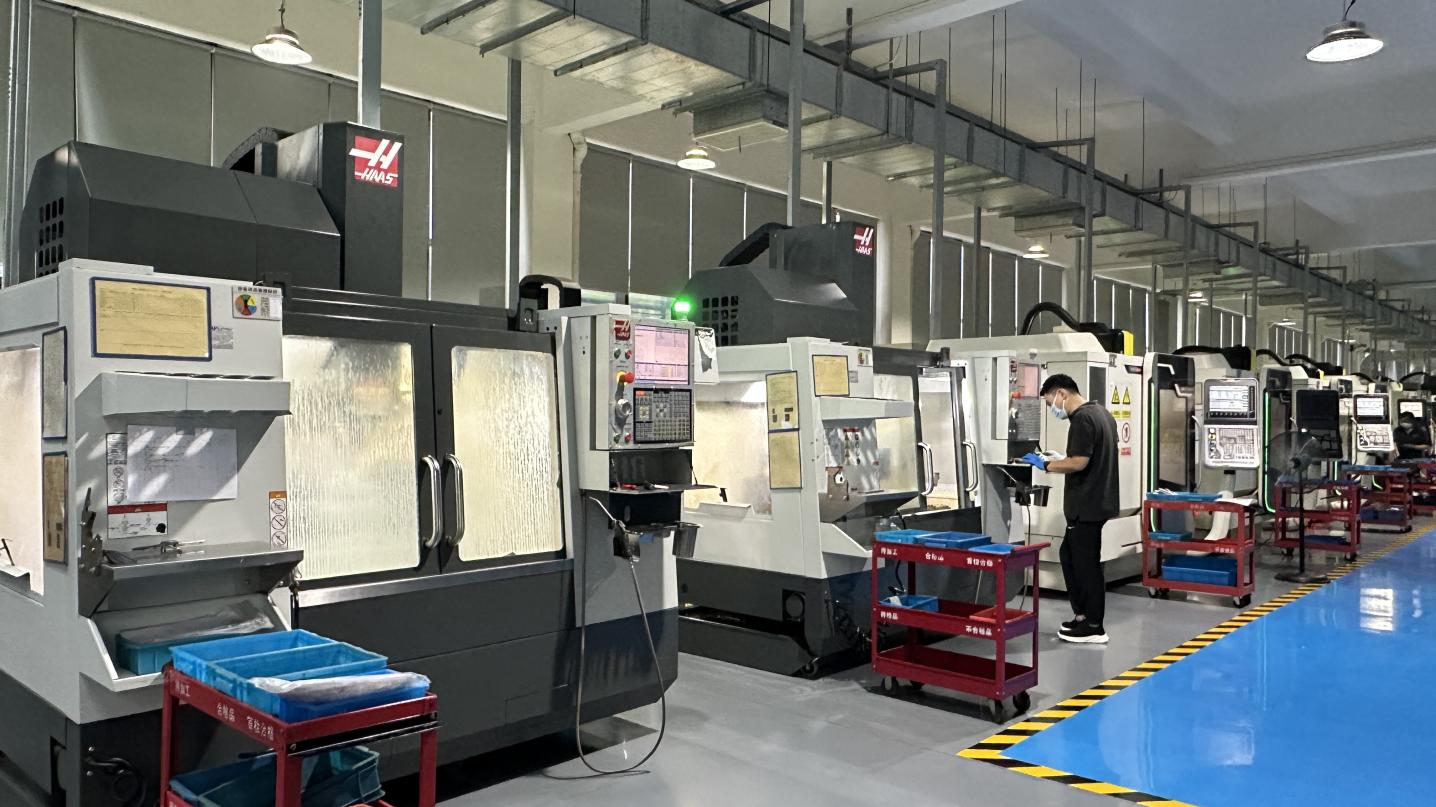
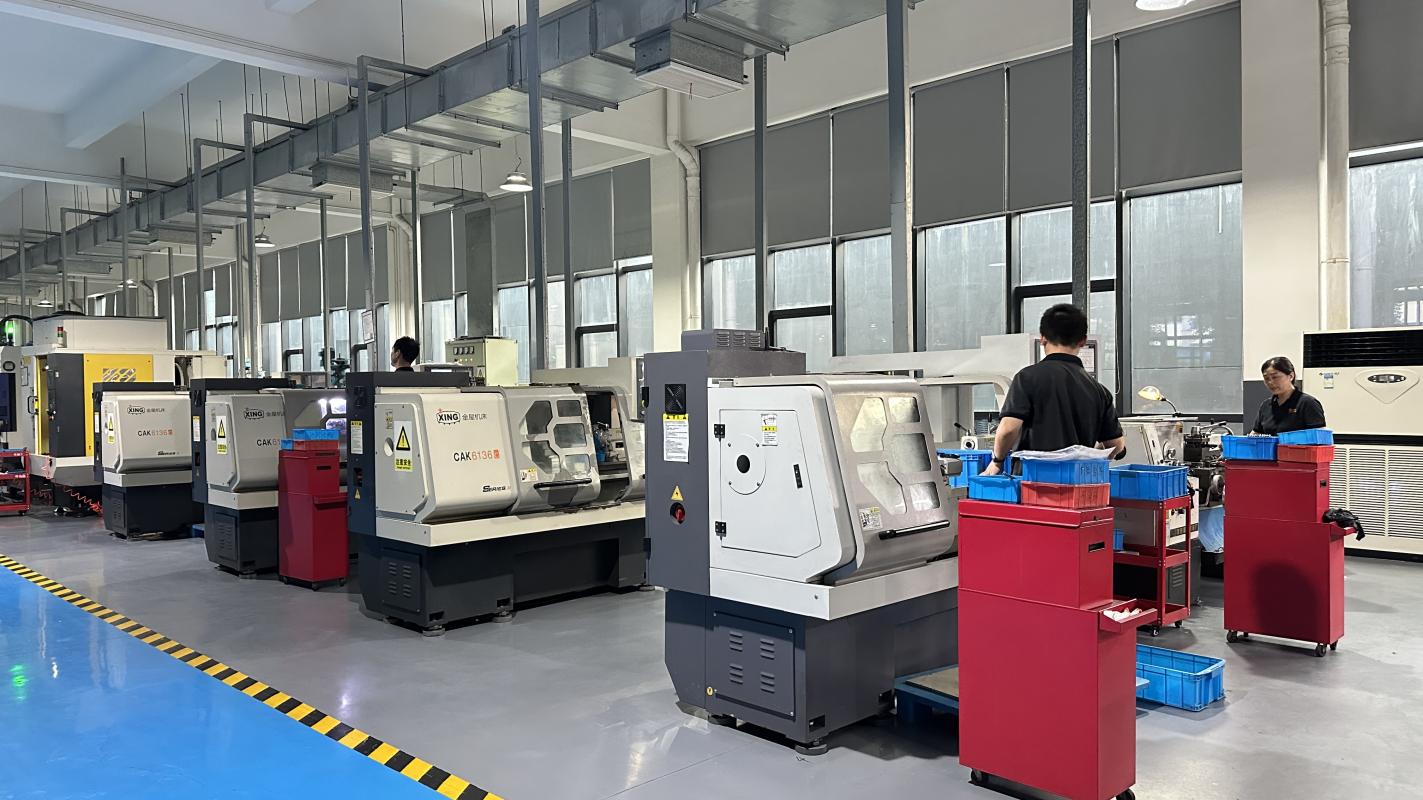
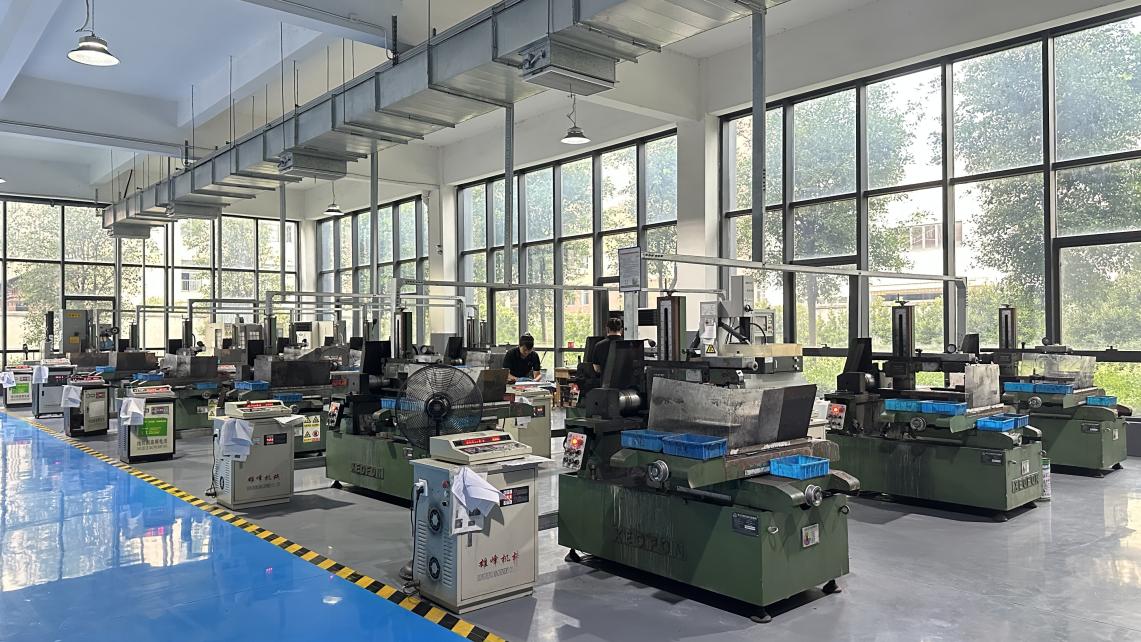
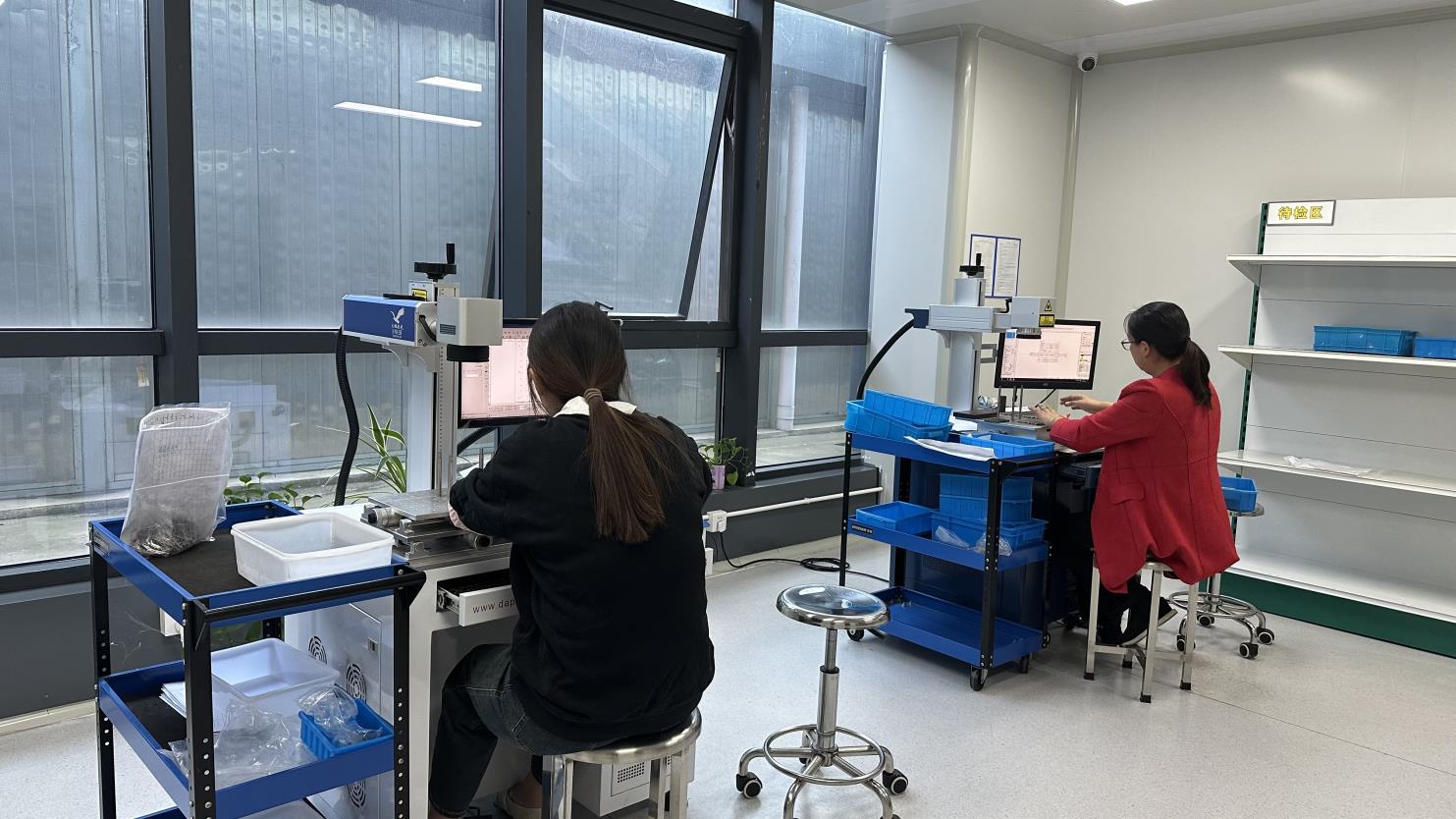
Utilizing Swiss-type CNC machining and laser sintering to ensure micron-level tolerance in talar components and tibial plates.
Application of UHMWPE (Ultra-High Molecular Weight Polyethylene) inserts for superior wear resistance and joint longevity.
Strategic supply chain management allows for a 30-50% cost reduction compared to Western counterparts without compromising E-E-A-T standards.
Full adherence to CE, ISO 13485, and FDA guidelines, ensuring seamless integration into international medical markets.
Bonevia Orthopedic Technology Co., Ltd. is a professional manufacturer specializing in orthopedic implants and surgical solutions, dedicated to advancing innovation in trauma, spine, and joint reconstruction products. Since its establishment in 2015, the company has grown steadily into a trusted supplier in the global orthopedic industry.
With a modern production facility covering approximately 320㎡, Bonevia maintains strict quality management standards and efficient manufacturing processes. The company records an annual export revenue of around USD 8–15 million, supported by 6 years of export experience and over 10 years of overall industry experience.
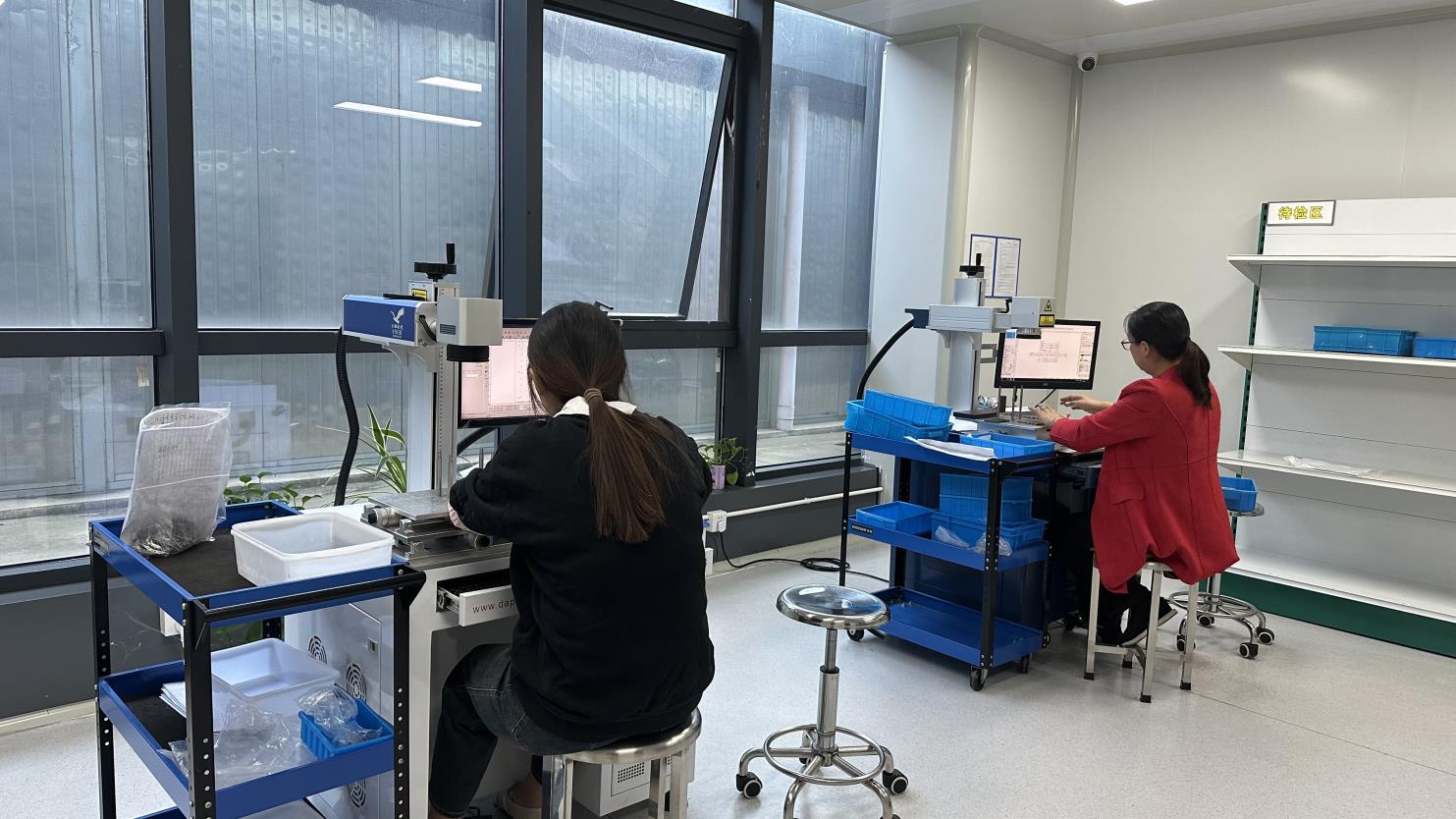
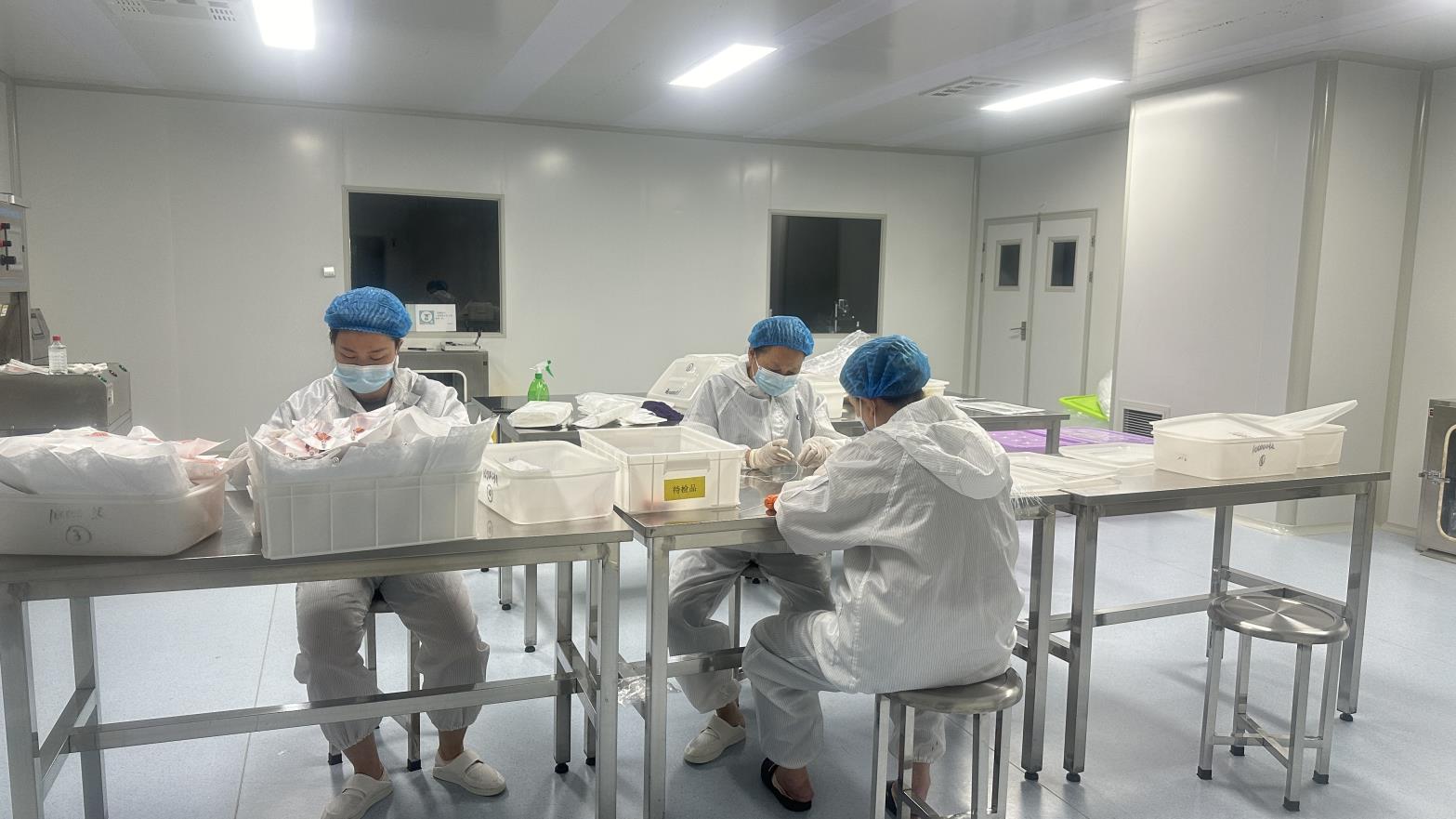
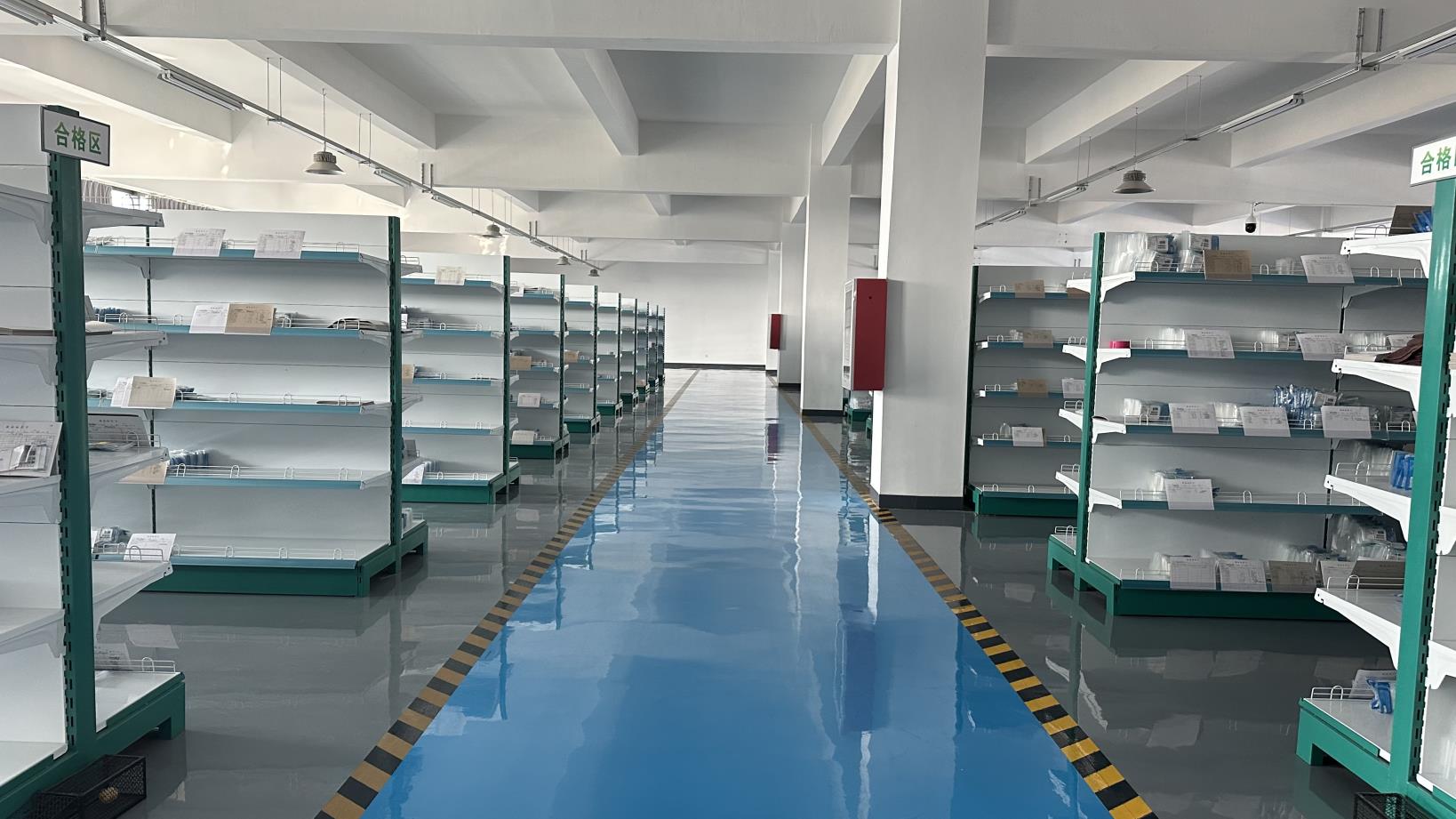
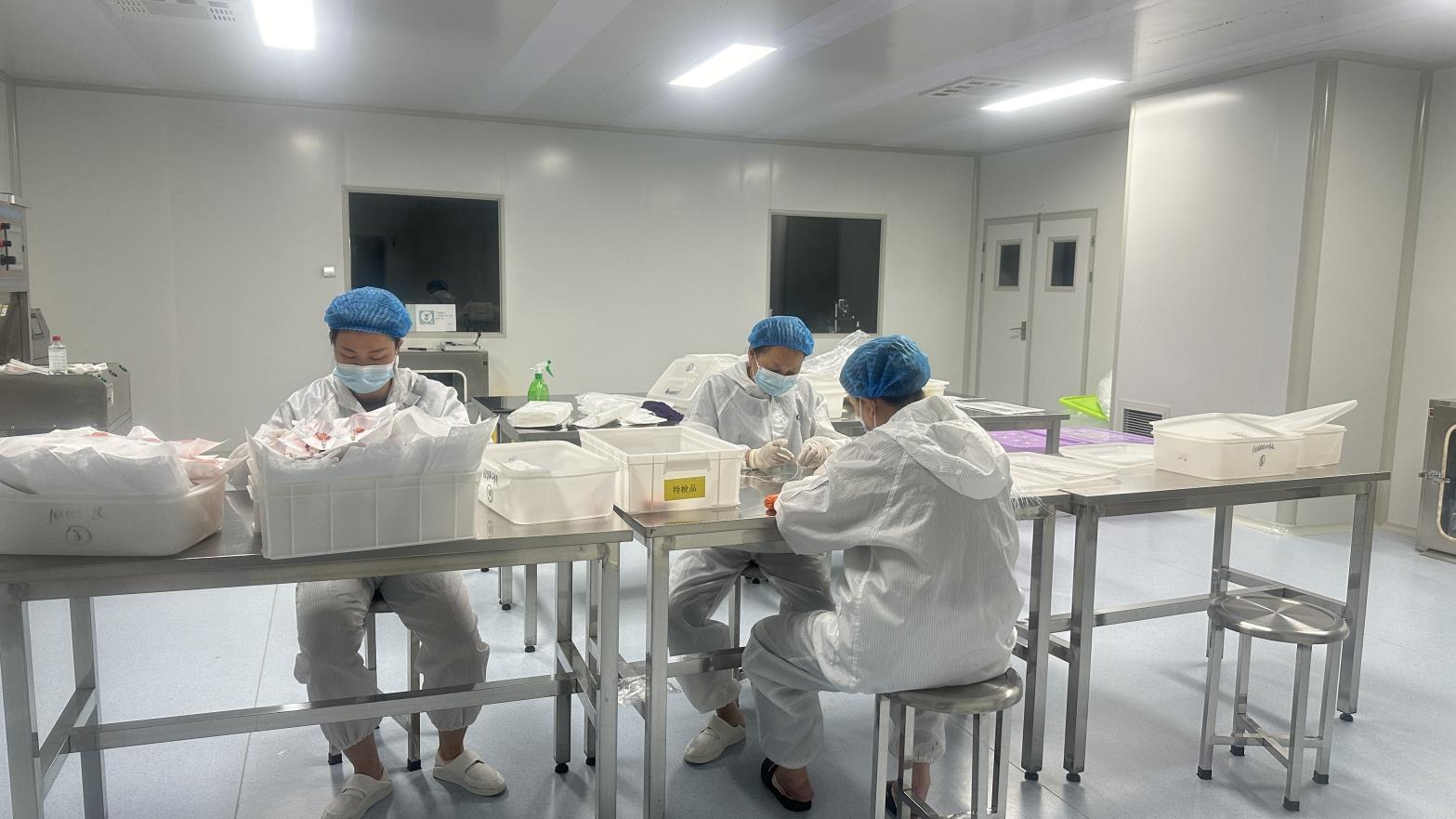
Quality assurance is a core focus at Bonevia. The company implements multiple inspection methods including incoming material inspection, in-process quality control, and final product testing, supported by a dedicated quality team of 35 professionals. This ensures all products meet international medical device standards.
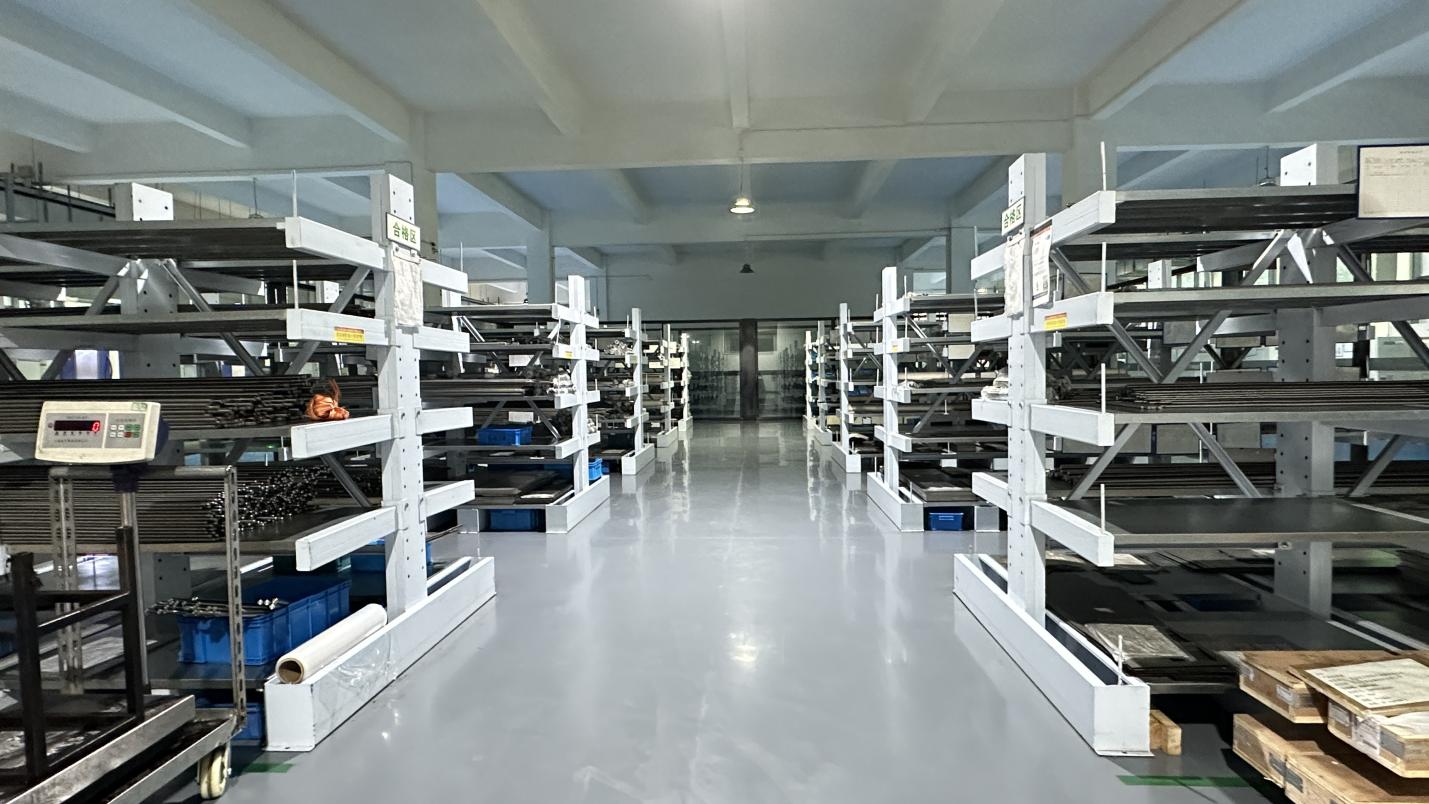
Bonevia has a solid trade foundation with diversified global distribution networks, serving major markets across Europe, Southeast Asia, the Middle East, and South America. Its supply chain ecosystem includes more than 850 partners, enabling stable raw material sourcing and efficient production delivery. The company serves a wide range of clients, including hospitals, orthopedic clinics, surgical centers, and medical distributors. Bonevia also demonstrates strong R&D capabilities, offering OEM and ODM customization services to meet specific clinical requirements.
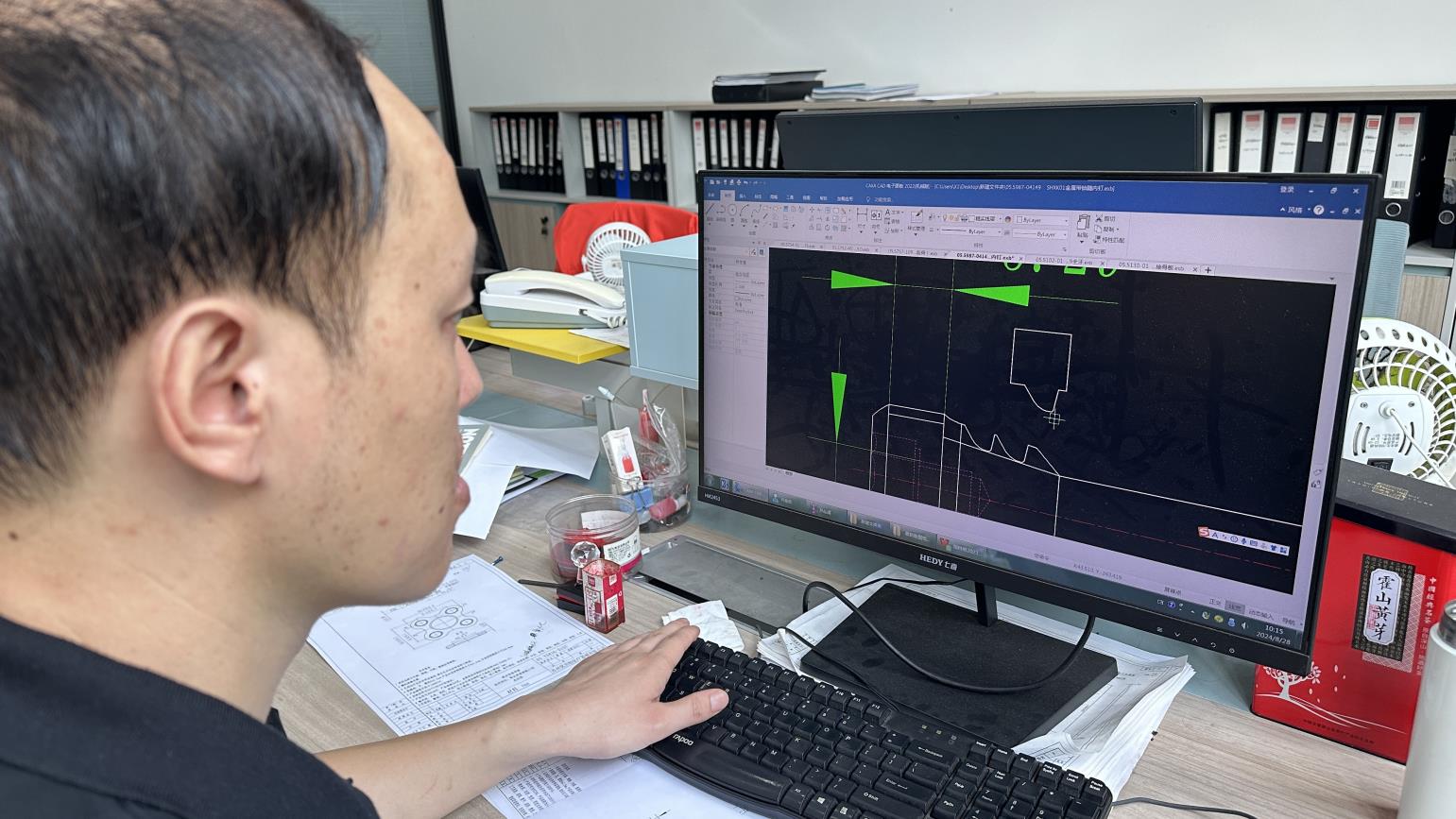
In the past year, Bonevia successfully launched 120 new product designs, supported by a research and development team of 85 engineers, continuously driving innovation in orthopedic implant systems and surgical instruments.
R&D Engineers
Annual New Designs
Export Revenue
Supply Chain Partners
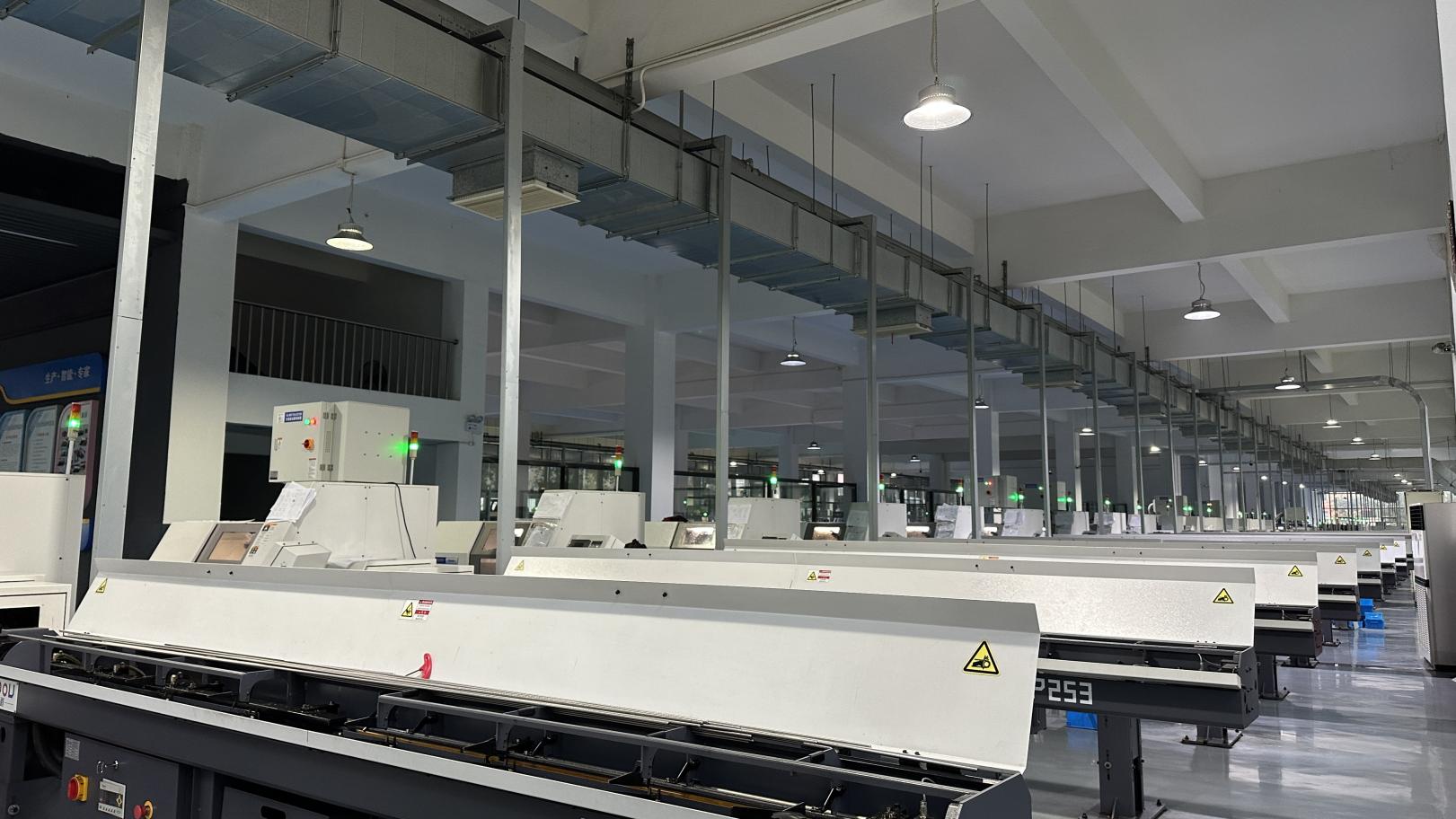
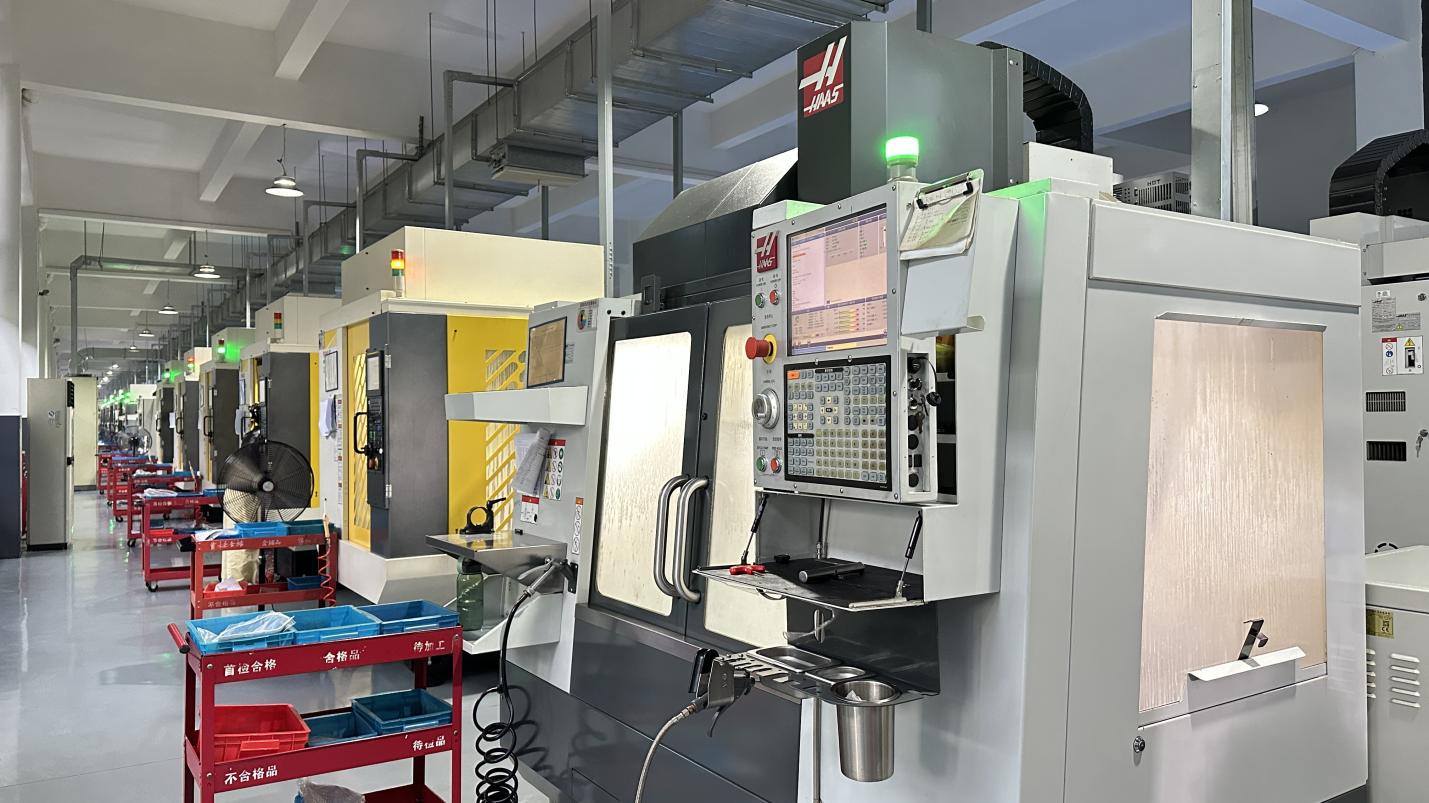
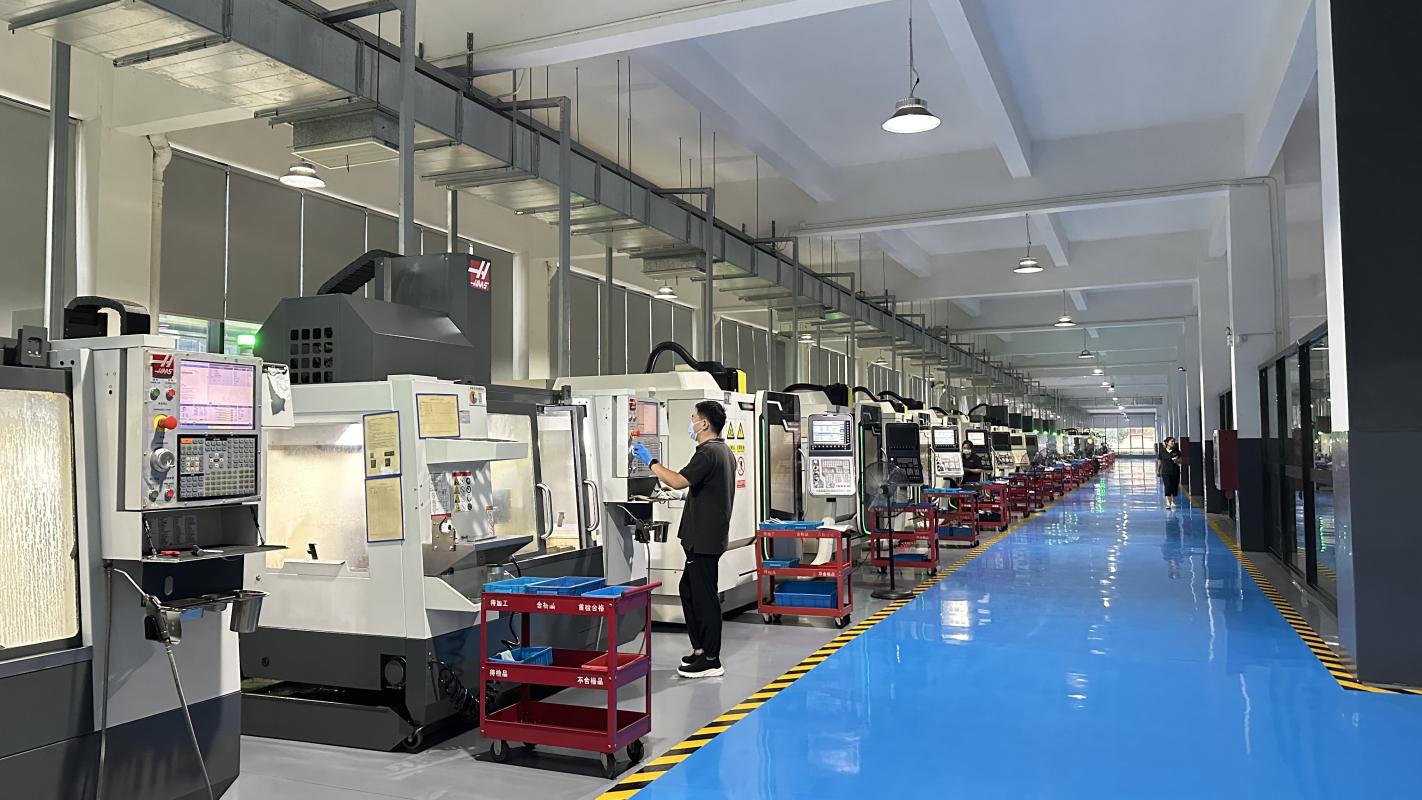
The global ankle implant market is witnessing a shift toward patient-specific instrumentation (PSI). By leveraging 3D CT scans, factories in China are now able to produce custom cutting guides that reduce surgical time by 20% and improve component alignment. Furthermore, the integration of bio-active coatings like Hydroxyapatite (HA) is enhancing osteointegration, significantly reducing the risk of aseptic loosening.
For global medical distributors, sourcing from China isn't just about the product; it's about the Macro-Industry Solution. This includes:
Ensuring every titanium batch has a certified Mill Test Report (MTR) to guarantee patient safety.
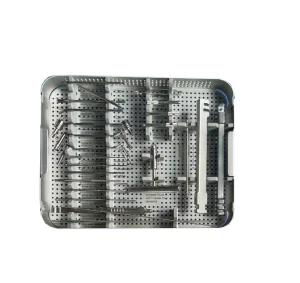
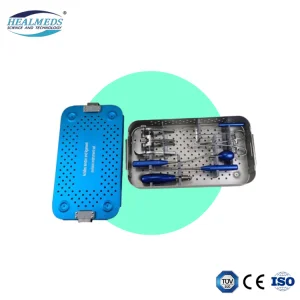
Providing universal instrument sets that are ergonomic and compatible with standard sterilization autoclaves.
Suppliers are now required to provide clinical follow-up data to support E-E-A-T claims of durability.
A: Most factories use high-grade Titanium Alloy (Ti-6Al-4V) for the bone-facing components and CoCrMo for the articulating surfaces, paired with medical-grade UHMWPE for the bearing inserts.
A: We employ a 35-person QC team that conducts 100% visual inspection, coordinate measuring machine (CMM) dimensional checks, and surface roughness testing to ensure compliance with CE and ISO standards.
A: Yes, with our 85-engineer R&D team, we provide full customization services, from initial CAD design to prototype manufacturing and final clinical validation.
A: Typical production cycles range from 4 to 6 weeks, depending on the complexity and volume, supported by our robust network of 850+ supply chain partners.