Bonevia
Bonevia
Bonevia
Premium ISO & CE certified surgical instrumentation, pedicle systems, and joint replacements.
Understanding the transition from traditional dynamic compression to fixed-angle stability.
In modern trauma surgery, internal fixation has transitioned from simple dynamic compression plates (DCP) to advanced locking compression plates (LCP). Locking plates act as external-internal fixators. By anchoring locking screws directly into the plate thread, they form a highly stable, fixed-angle construct. This mechanism shifts the mechanical load from the bone-plate interface to the plate-screw construct itself, protecting the periosteal blood supply and promoting bone healing.
Traditional plates require friction between the plate and bone to achieve stability, which can compress the periosteum and hinder perfusion. Locking systems maintain a precise gap between the plate and the bone surface, preserving blood flow to the periosteum and accelerating callus formation.
Under cyclic axial, bending, or torsional loading, locking screw threads prevent screw back-out. This is crucial for osteopenic bone, geriatric patients, and multi-fragmentary fractures where conventional screws lack adequate purchase.
Modern locking plates feature combi-holes, allowing surgeons to choose between standard compression screws, locking screws, or a combination of both. This adaptability supports tailored stabilization based on specific fracture lines.
A trusted, global provider of orthopedic implants and surgical instruments since 2015.
Bonevia Orthopedic Technology Co., Ltd. is a professional manufacturer specializing in orthopedic implants and surgical solutions. We are dedicated to advancing innovation in trauma, spine, and joint reconstruction products. Since our establishment in 2015, the company has grown into a trusted supplier for the global orthopedic industry.
Our modern production facility features strict quality management standards and efficient manufacturing processes. We achieve an annual export revenue of USD 8–15 million, backed by 6 years of export experience and over 10 years of overall industry experience.
Quality assurance is a core focus. Bonevia implements comprehensive inspection methods, including incoming material inspection, in-process quality control, and final product testing. These operations are managed by a quality team of 35 professionals to ensure compliance with international medical device standards.
Industry Experience
R&D Engineers
New Designs Annually
Global Partners
Evaluating raw material availability, machining capabilities, and cost efficiency.
We source our titanium alloys (Ti-6Al-4V ELI, ASTM F136) and medical-grade stainless steels (316LVM, ASTM F138) from certified metallurgists. This ensures biocompatibility, high fatigue limits, and optimal corrosion resistance in physiological environments.
Our facility utilizes multi-axis CNC machines and Swiss-turn lathes to achieve tight dimensional tolerances. This precision prevents cross-threading between locking plates and screws, maintaining construct integrity.
Anodization type II and type III surface modifications are applied to enhance fatigue resistance and provide color-coding for surgical efficiency. This process builds a protective titanium oxide layer that limits ion release.
Touring Bonevia's advanced manufacturing capabilities, from raw stock to sterilization-ready implants.
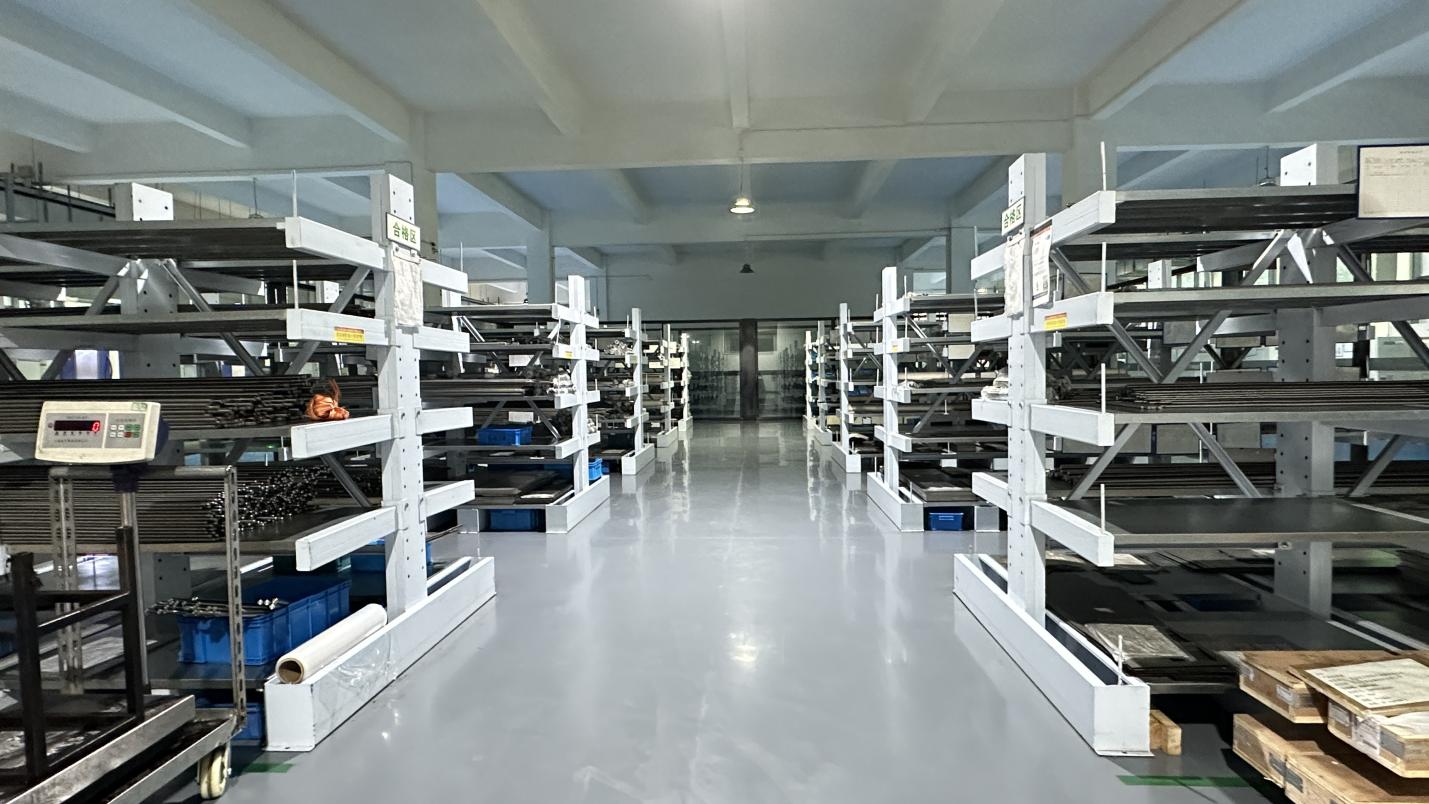
Certified titanium alloy bars and medical-grade stainless steel plates undergo chemical composition analysis and ultrasonic flaw detection.
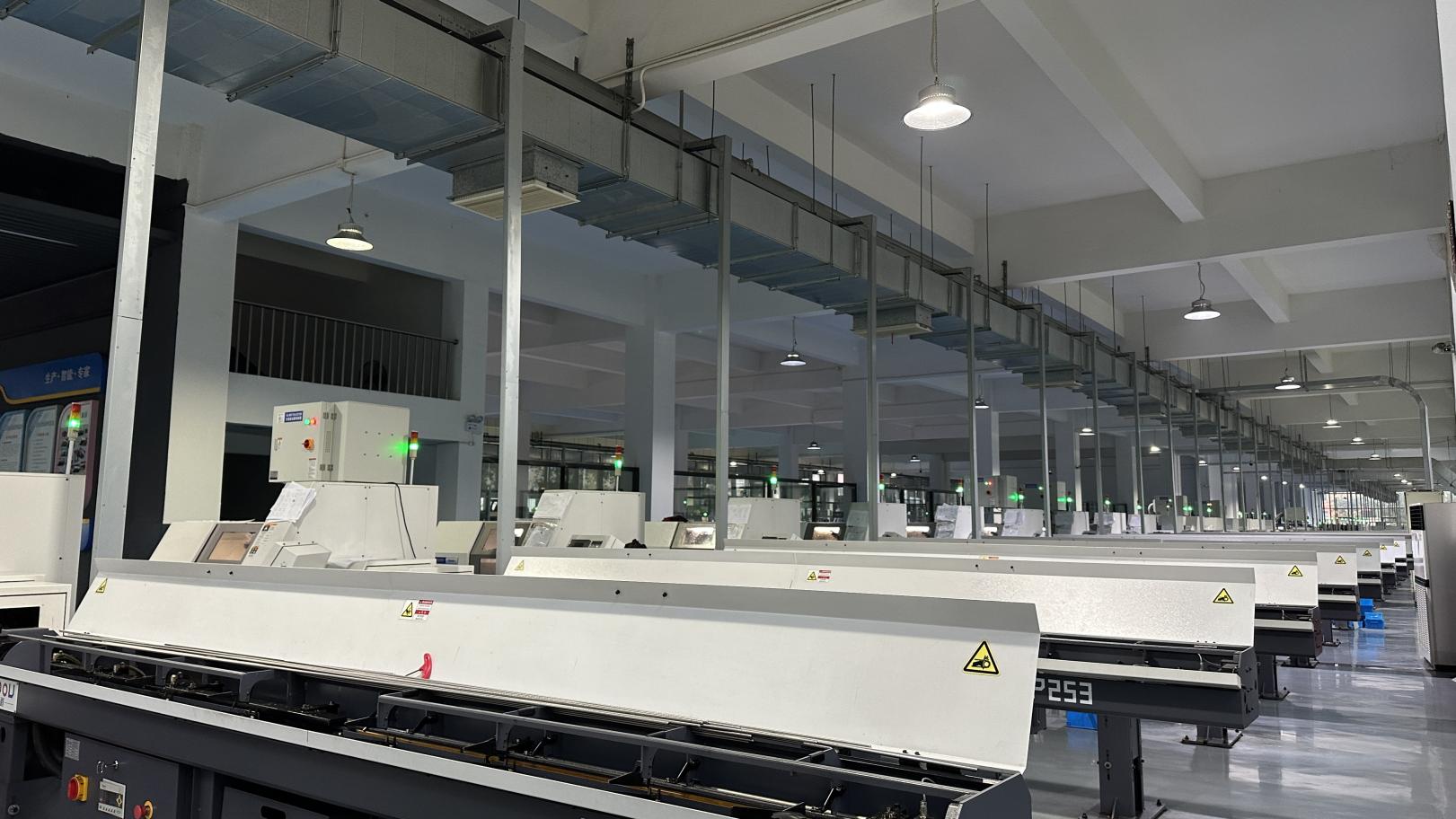
Raw material stock is cut and pre-machined into uniform blanks, optimizing material yield and preparing plates for primary milling.
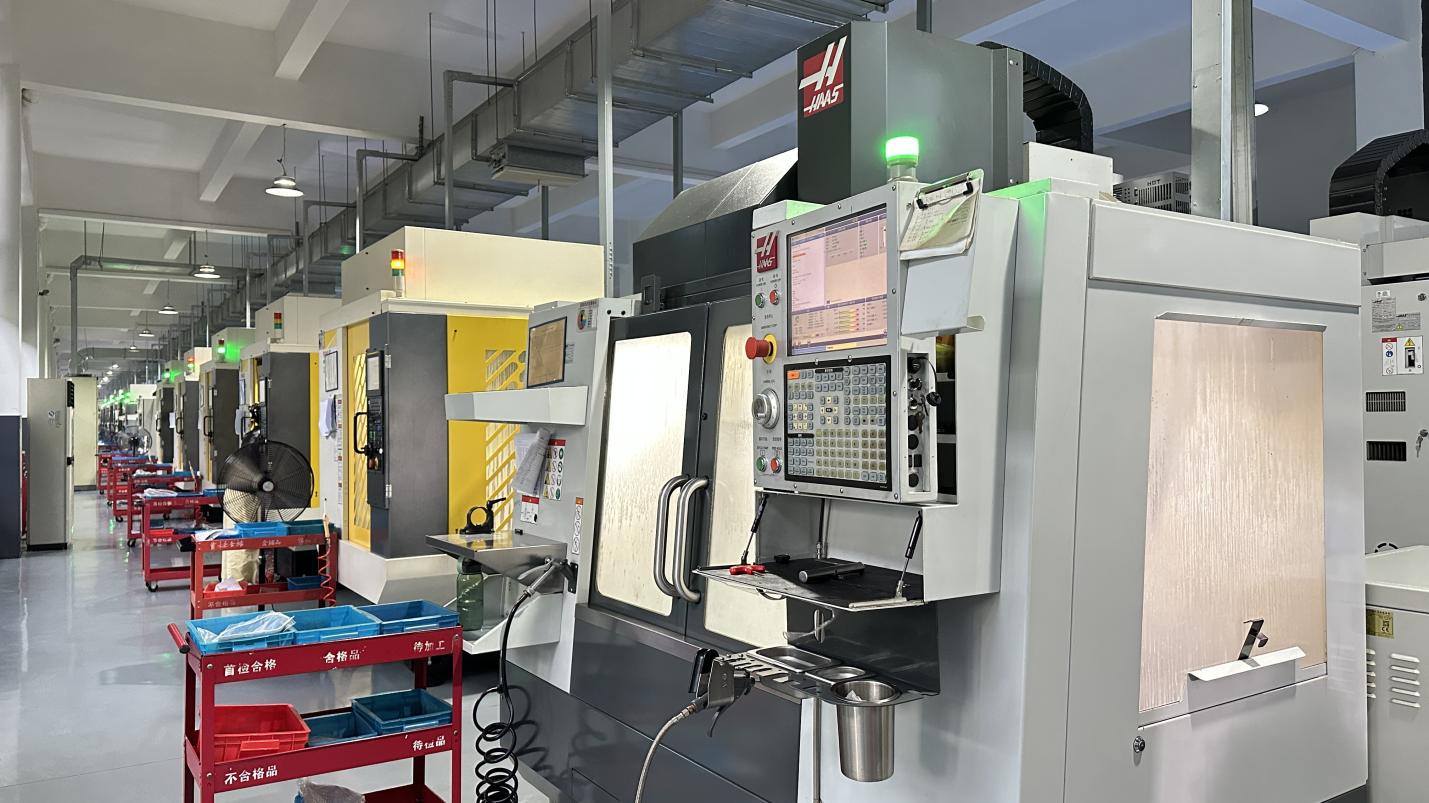
Plates are contour-milled to anatomical geometries. Variable-angle locking and combi-holes are cut using custom carbide tooling.
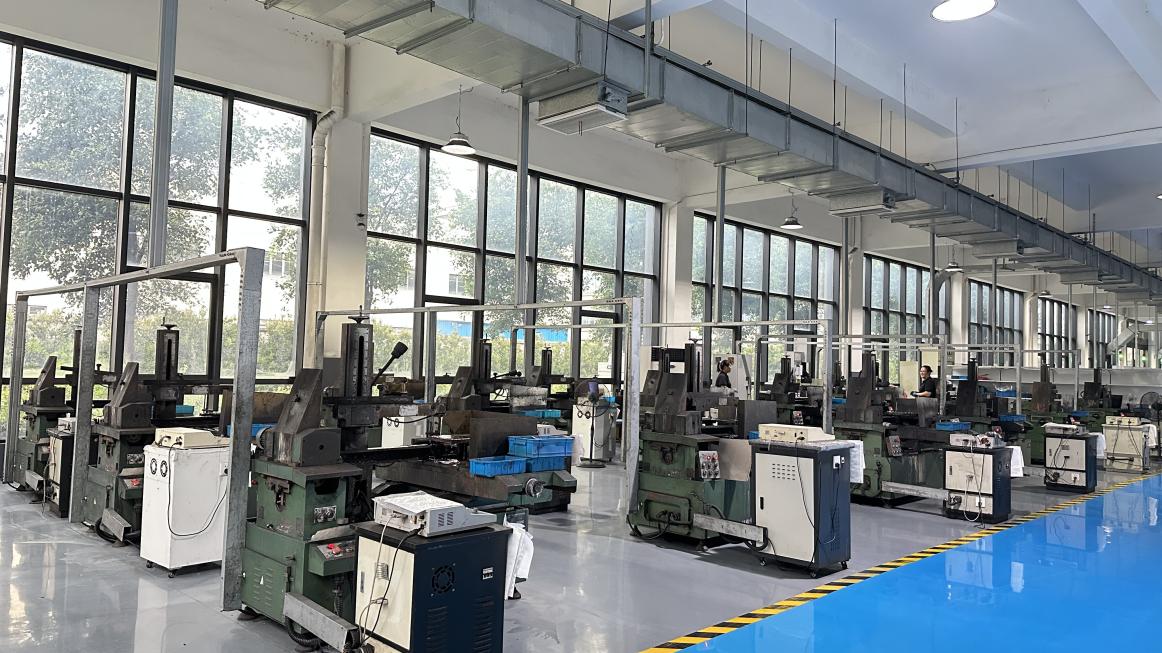
Wire Electrical Discharge Machining (EDM) creates complex geometries and slots, avoiding thermal stresses or deformation in the metal.
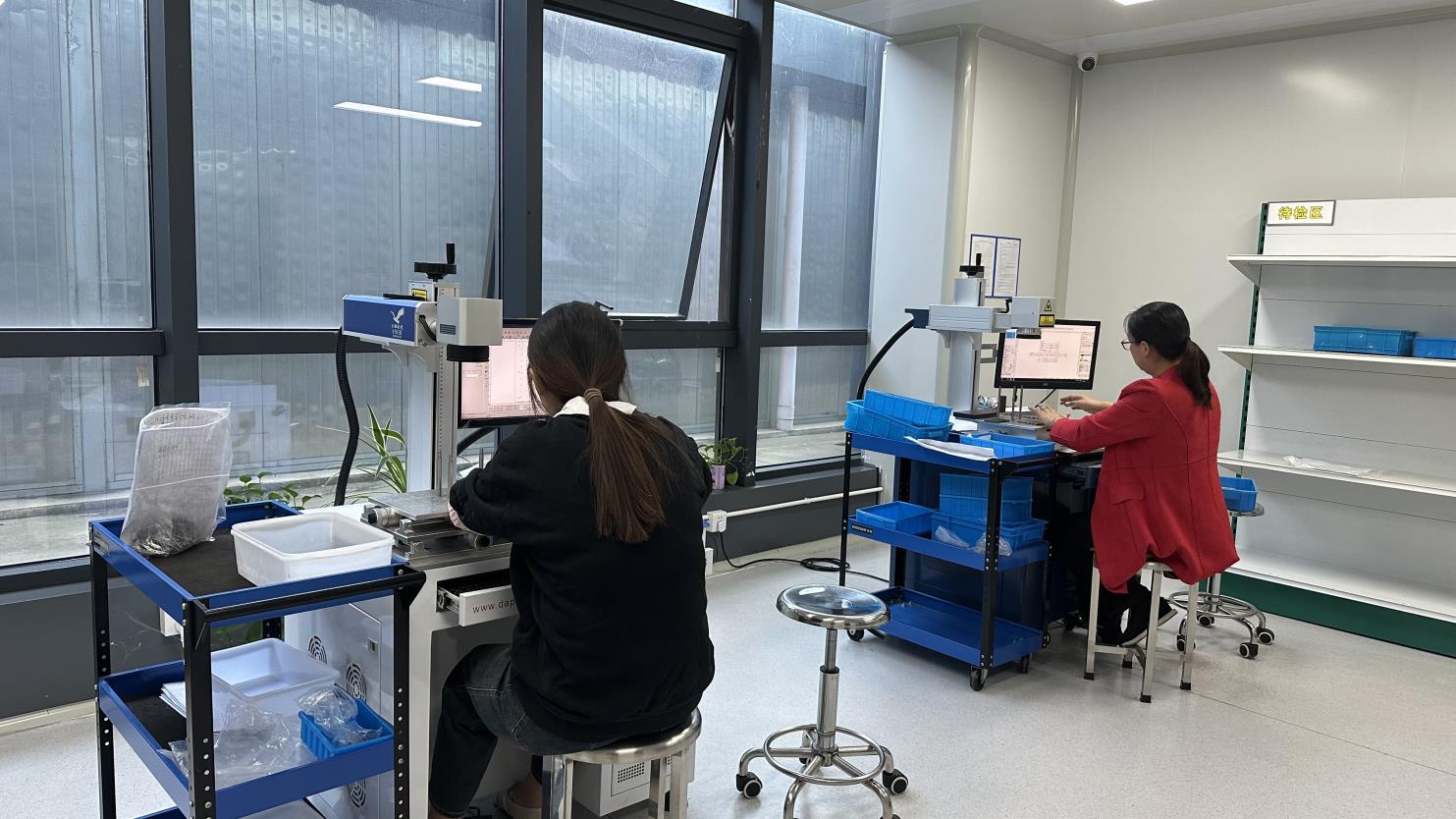
Each plate is laser-etched with trace codes and Unique Device Identification (UDI) marks to ensure traceability throughout the supply chain.
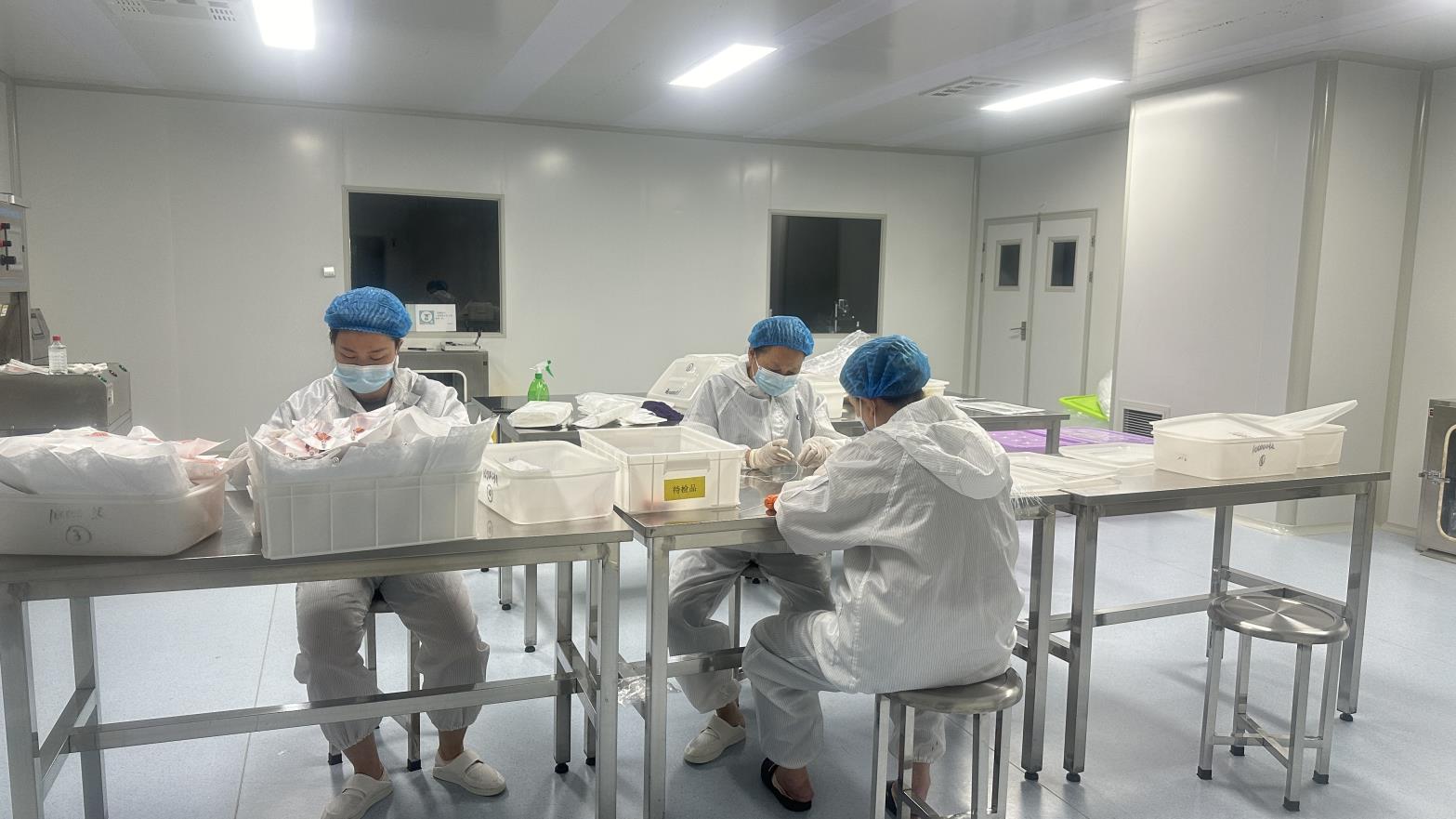
Dimensions are verified with coordinate measuring machines (CMM). Products are cleaned in ultrasonic baths and packaged in class 10,000 cleanrooms.
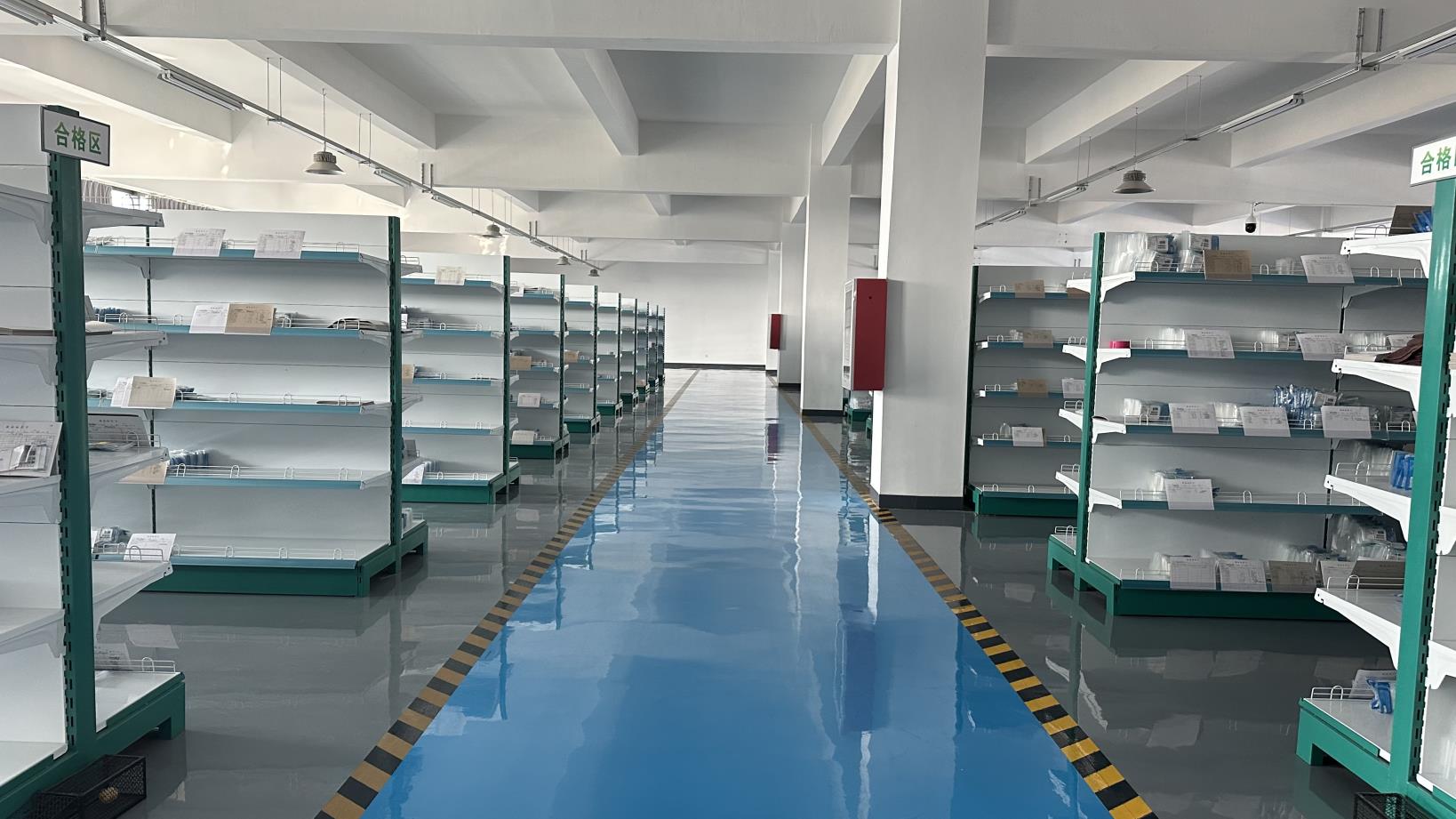
We maintain inventory levels of standard trauma sets and implants in temperature-controlled warehouses to facilitate prompt shipping.
High-precision machinery utilized at the Bonevia facility.
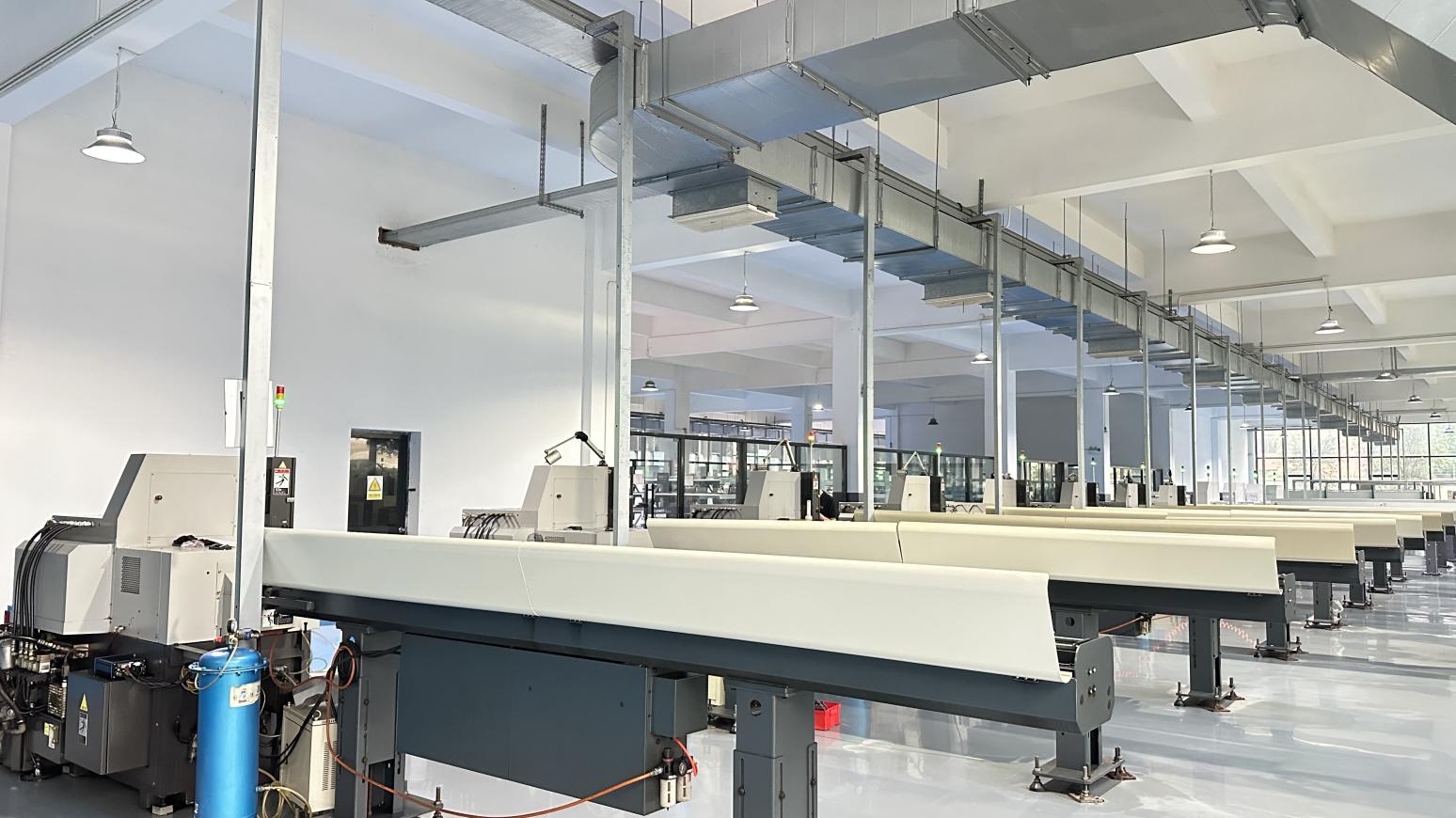
Pre-cuts alloy bar stocks to length, reducing setup times for subsequent milling and turning.
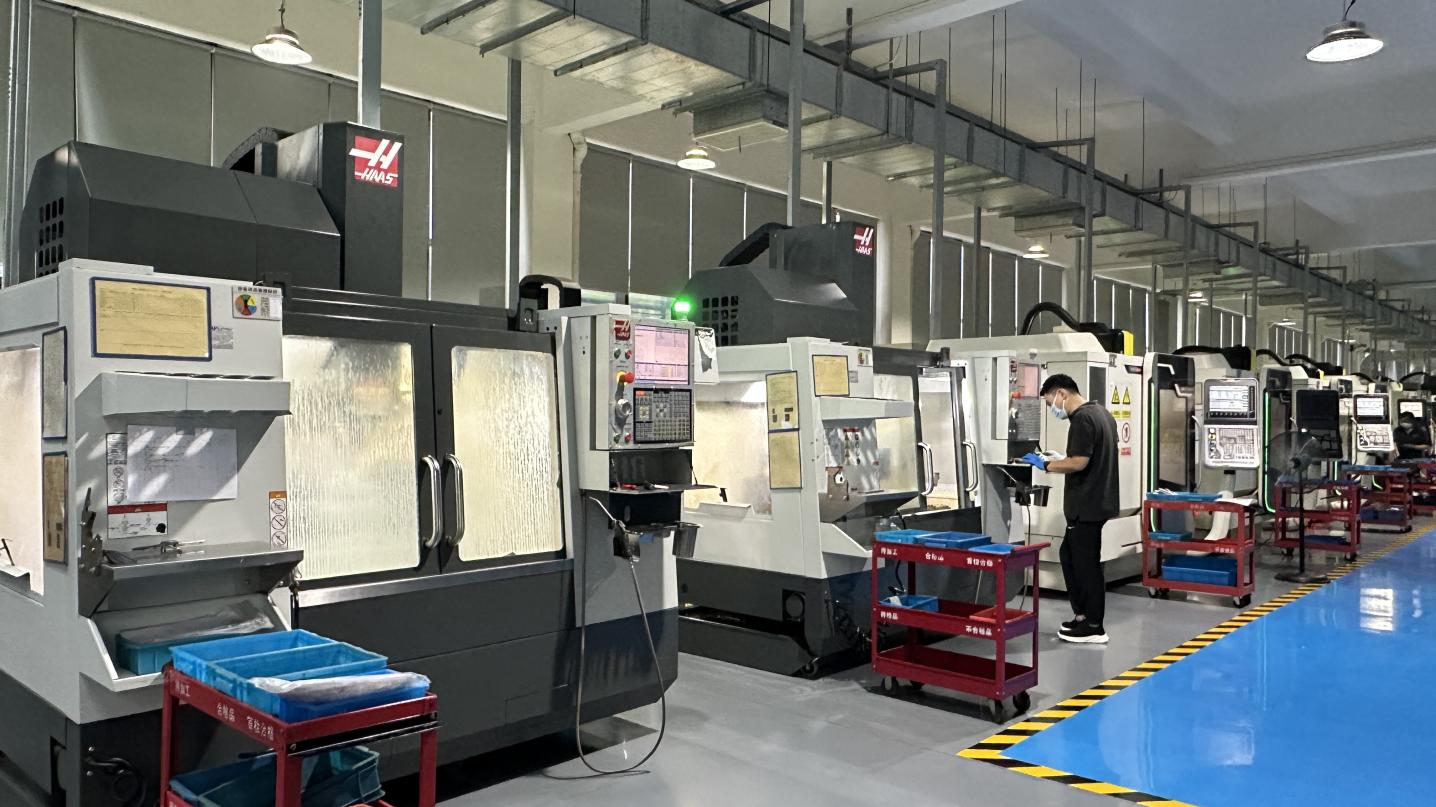
Multi-axis vertical machining center optimized for milling anatomically pre-contoured plates.
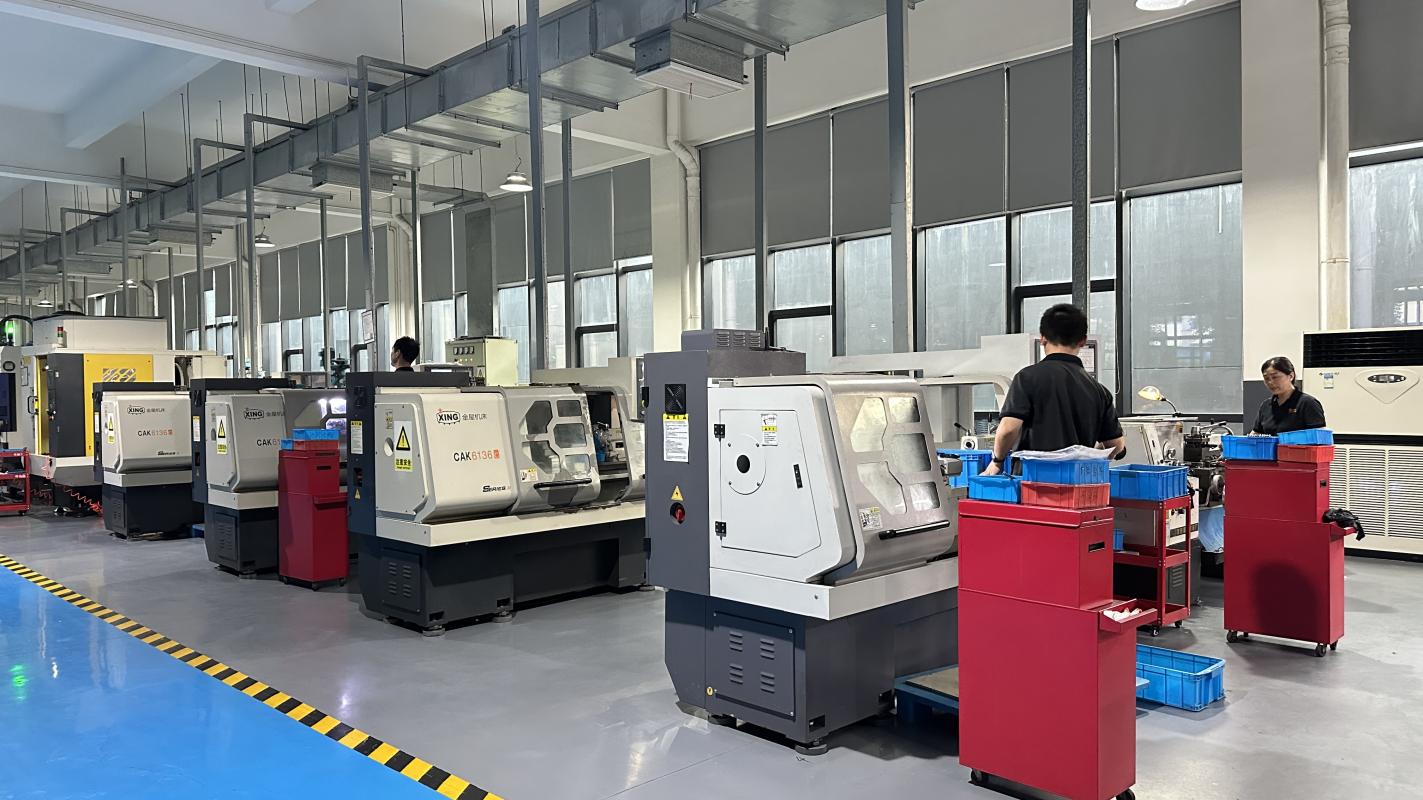
Enables single-pass machining of complex bone screws, ensuring thread concentricity and pitch accuracy.
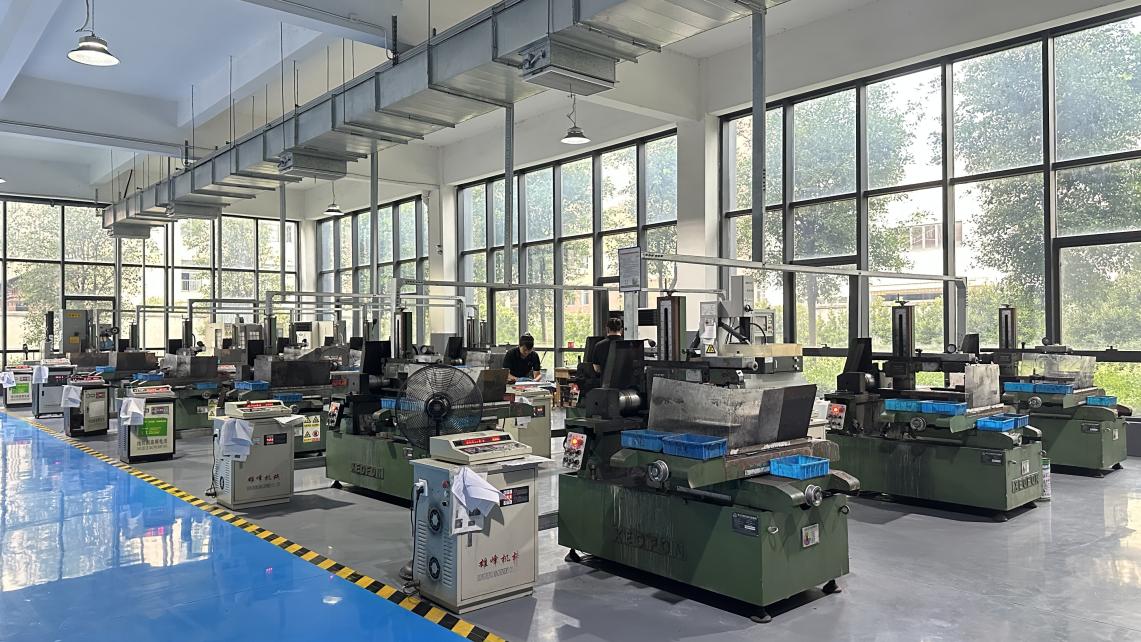
Applies electrical discharge paths to construct micro-slots and contours without material fatigue.
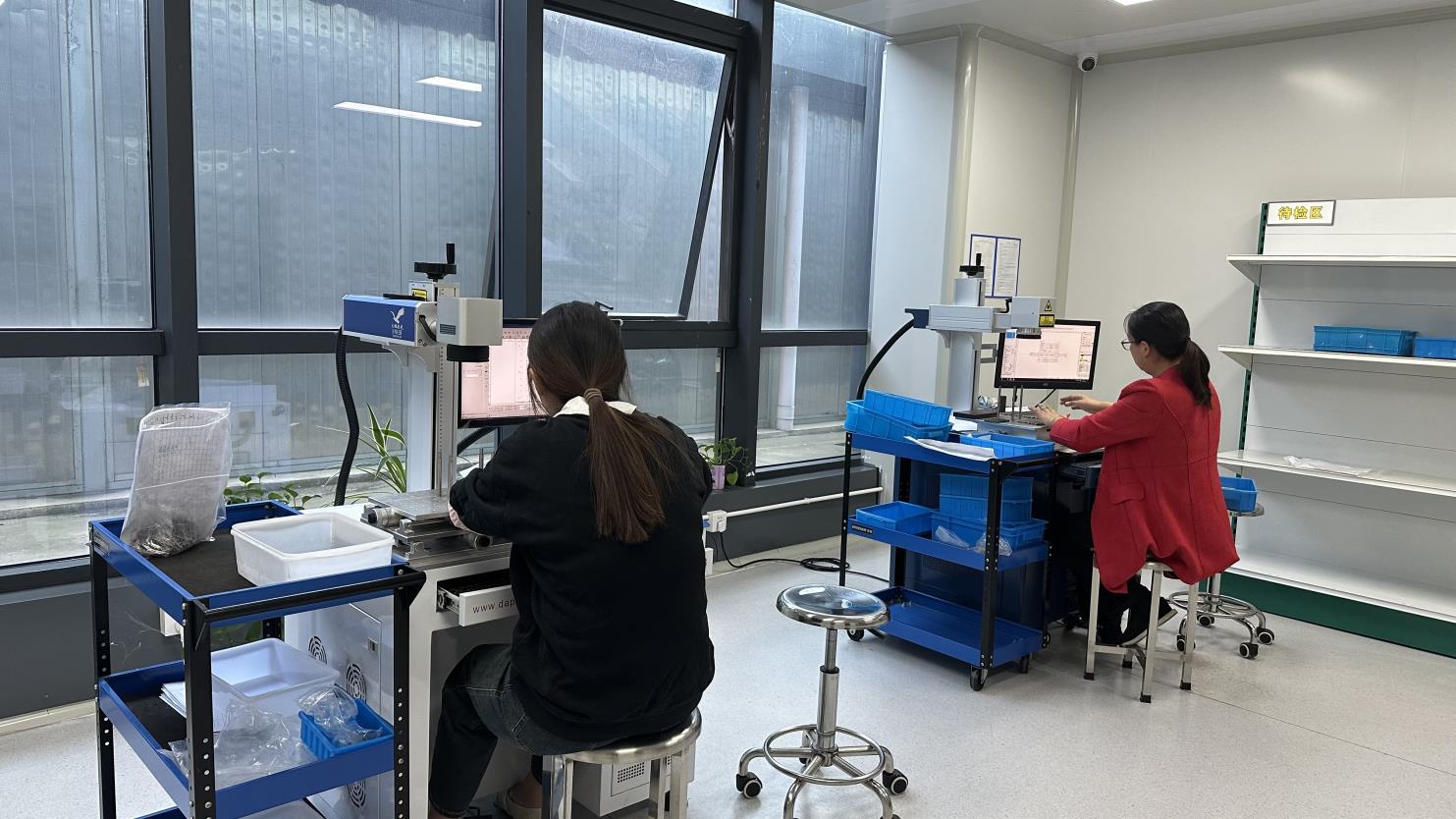
Applies high-resolution markings that resist degradation from cleaning, disinfection, and sterilization.
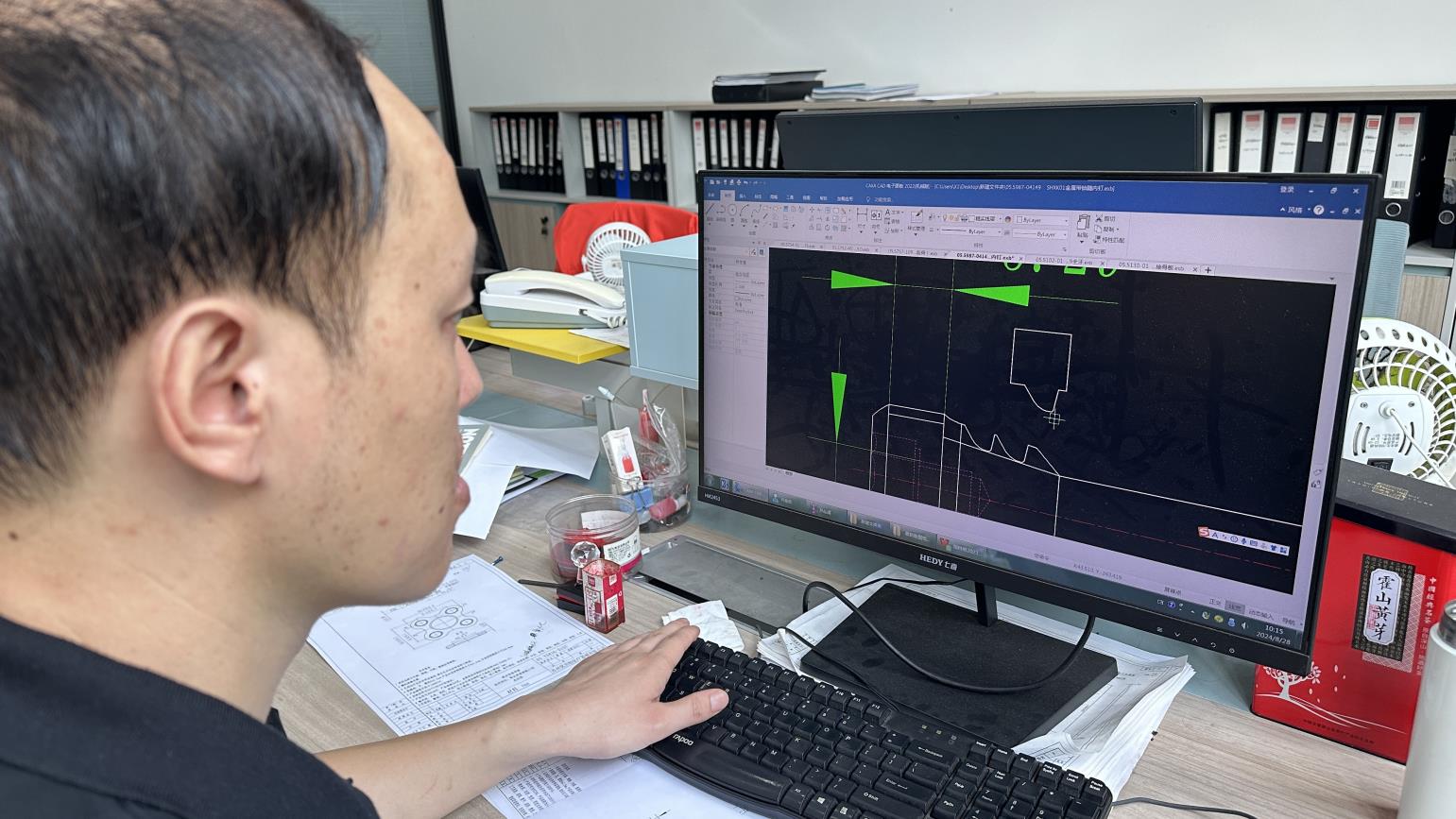
Finite Element Analysis (FEA) simulates stress distribution to optimize plate designs before production.
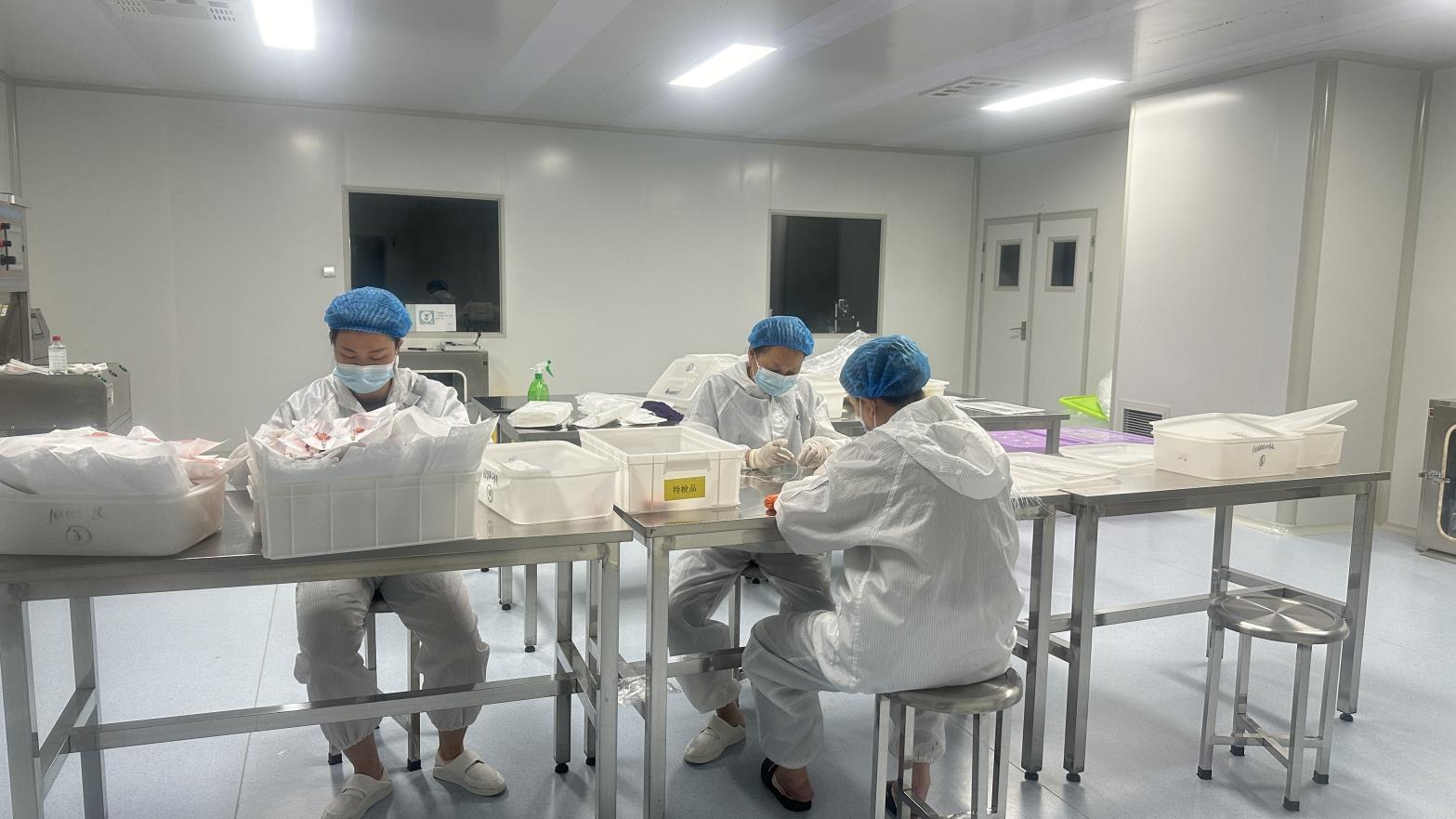
CMM probes and optical projectors verify dimensional consistency against design drawings.
Addressing supply chain challenges, lead times, and regulatory compliance for distributors.
Meeting international requirements like CE (MDR) and ISO 13485 is critical for market access. Bonevia maintains audited manufacturing controls and comprehensive documentation to support registration processes.
Our engineering team designs custom plates and instrument sets. We offer OEM/ODM services, adjusting geometries and hole configurations to fit specific patient groups and anatomical structures.
By working with over 850 partners, we secure medical-grade titanium and cobalt-chrome alloys. This protects our production schedules from sudden material shortages.
From human reconstructive orthopedics to specialized veterinary trauma care.
In human orthopedic trauma, anatomical locking plates are configured for distal radius, proximal humerus, distal femur, and tibial fractures. The pre-contoured designs reduce the need for intraoperative plate bending.
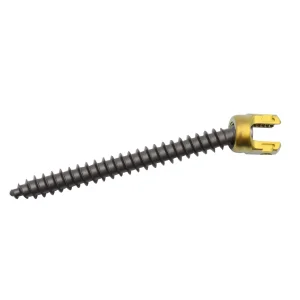
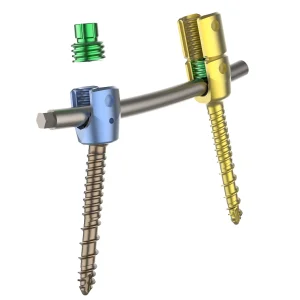
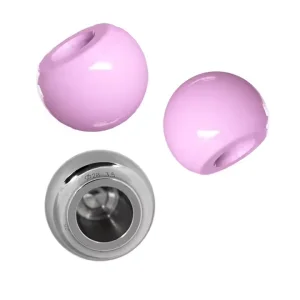
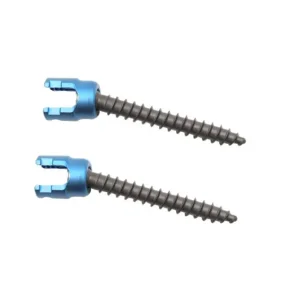
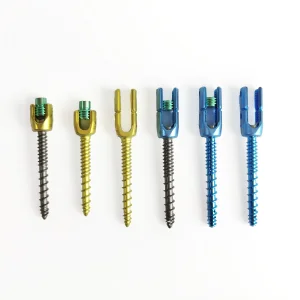
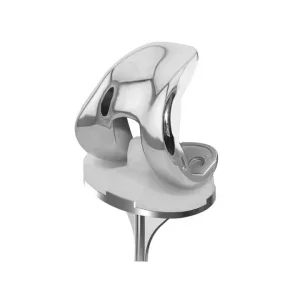
For spinal surgeries, our posterior pedicle systems provide structural stability, while our joint replacement implants support total knee and hip arthroplasties.
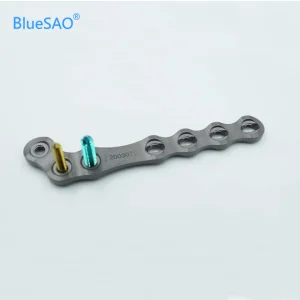
Veterinary orthopedics requires dedicated sizes and configurations. Smaller animals, like dogs and cats, need thin, low-profile plates (such as 1.5mm to 5.0mm L-shaped reconstruction locking plates) to fit small bones without damaging soft tissue.
We supply specialized implants, including the BlueSAO Veterinary Orthopedic Implants 5mm L-Shape Reconstruction Locking Plate, to help veterinary hospitals manage complex skeletal reconstructions.
Key technologies shaping the next generation of internal fixation systems.
3D-printed titanium implants allow for custom shapes and porous structures that improve bone ingrowth and integration.
Researchers are developing magnesium and polymer alloys that degrade safely, reducing the need for hardware removal procedures.
Antibacterial coatings, such as silver nanoparticles and iodine treatments, help prevent implant-associated infections.
Answers to technical, regulatory, and supply chain questions from global procurement directors.
We use medical-grade Titanium Alloy (Ti-6Al-4V ELI) conforming to ASTM F136, and ultra-clean Surgical Stainless Steel conforming to ASTM F138 (316LVM). Titanium is preferred for permanent implants due to its biocompatibility, lower elastic modulus, and MRI compatibility.
We perform cyclic fatigue testing under dynamic load limits. Surface treatments like anodization type II/III remove surface micro-imperfections, helping to prevent crack initiation and increasing the fatigue limit of the metal.
We manufacture under ISO 13485 quality systems. Selected implant lines carry CE marking (MDR compliance is continuously updated), which simplifies registration and customs clearance in European markets.
OEM custom timelines depend on geometry complexity. CAD design and FEA validation typically take 2–3 weeks. Once prototypes are approved, standard production lead times range from 45 to 60 days, depending on batch sizes and finishing requirements.
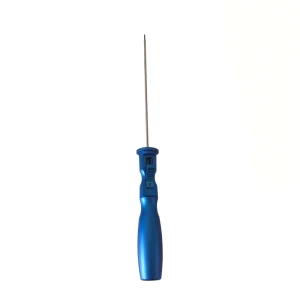
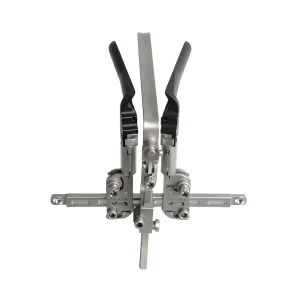
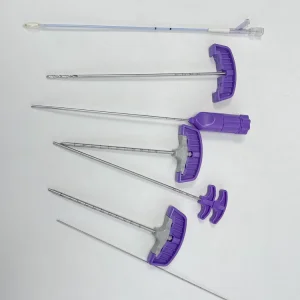
Premium orthopaedic screws, specialized tools, and arthroscopic suture cutters.