Bonevia
Bonevia
Bonevia
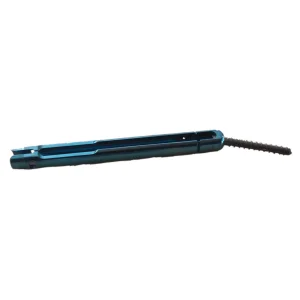
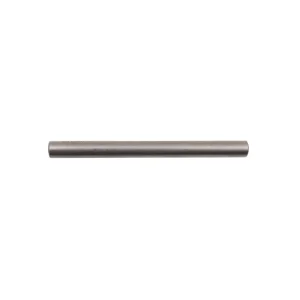
Featured components optimized for precision fixation systems, minimally invasive procedures, and complex spinal reconstruction surgeries across Alberta clinics.
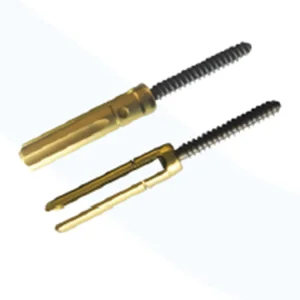
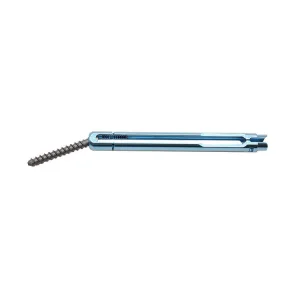
Calgary, Alberta, represents a highly sophisticated hub for healthcare excellence, anchored by world-class institutions such as the Foothills Medical Centre, Rockyview General Hospital, and the University of Calgary's McCaig Institute for Bone and Joint Health. With a growing population, an active outdoor demographic prone to trauma, and a significant demographic segment requiring degenerative disc disease treatments, the demand for cutting-edge spinal instrumentation systems has surged exponentially.
As health systems seek to maximize surgical throughput while maintaining superior clinical outcomes, hospitals and private surgical clinics across Calgary are transitioning rapidly toward Minimally Invasive Surgery (MIS) technologies. High-performance implants must meet specific clinical demands: high pull-out strength, bio-adaptability, optimized thread design, and zero failure rates under extreme cyclic loads.
To operate in the Canadian medical space, and specifically within the Alberta Health Services (AHS) procurement framework, manufacturers and suppliers must strictly conform to national standards:
Compliance with the Canadian Medical Devices Regulations (CMDR - SOR/98-282) is mandatory. Spinal implants, categorised as Class II or Class III medical devices, require an active Medical Device License (MDL).
Implants must originate from facilities with certified Quality Management Systems (QMS) specifically tailored to medical device design, manufacturing, and distribution safety.
Ensures compliance with regulatory expectations across Canada, the USA, and other major medical markets, smoothing the import pathway directly to Calgary distribution centers.
A global leader in high-performance spinal solutions, driving innovations in biomechanical engineering since 2015.
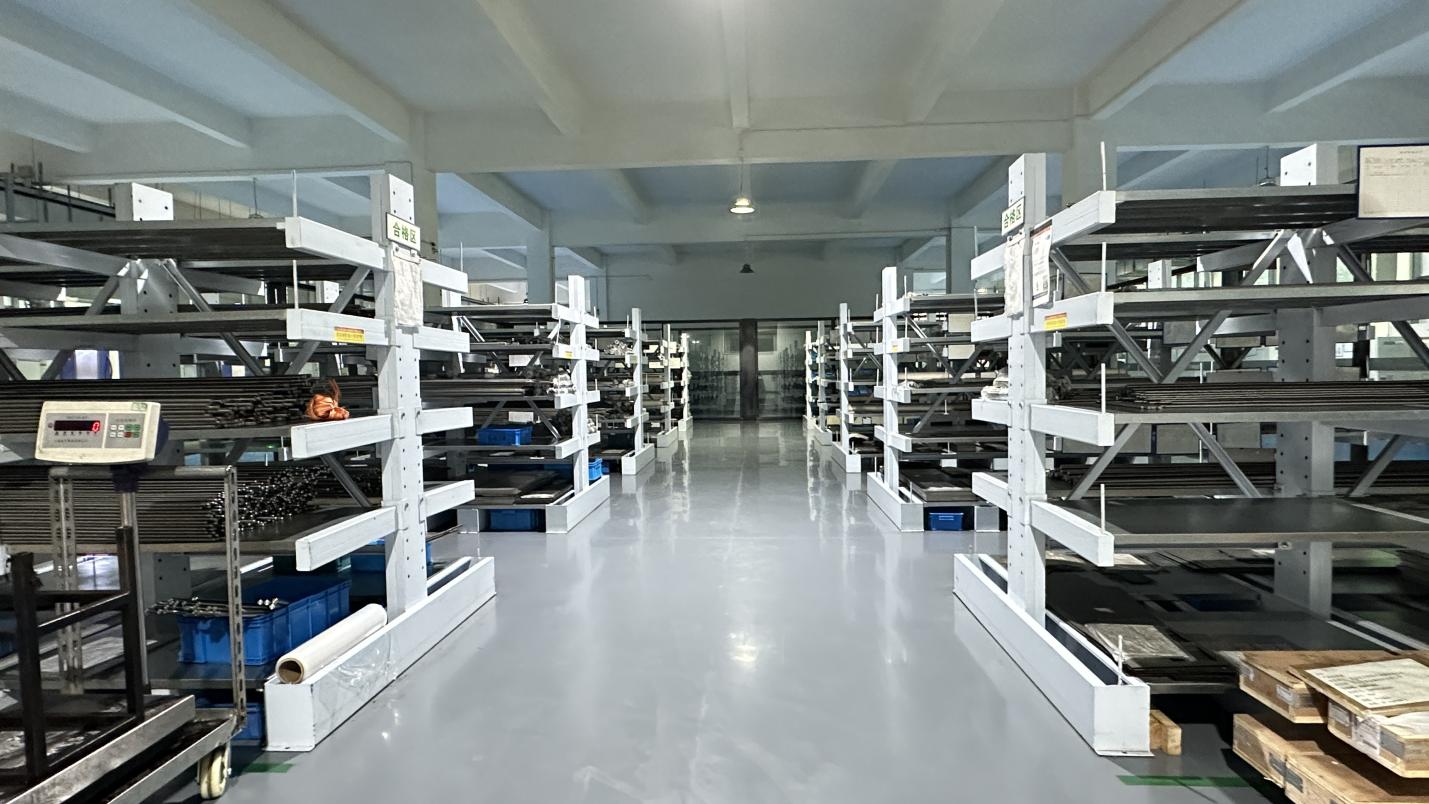
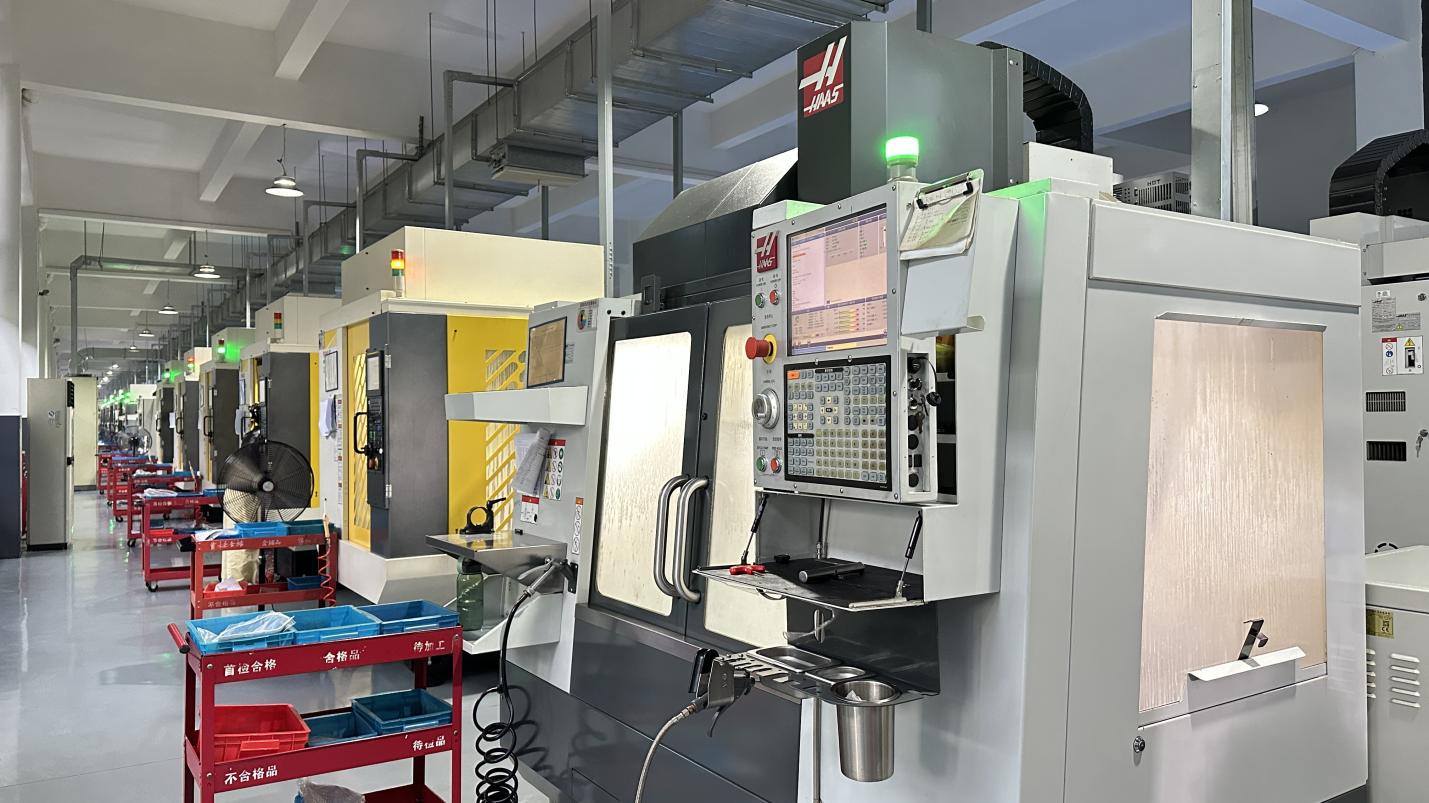
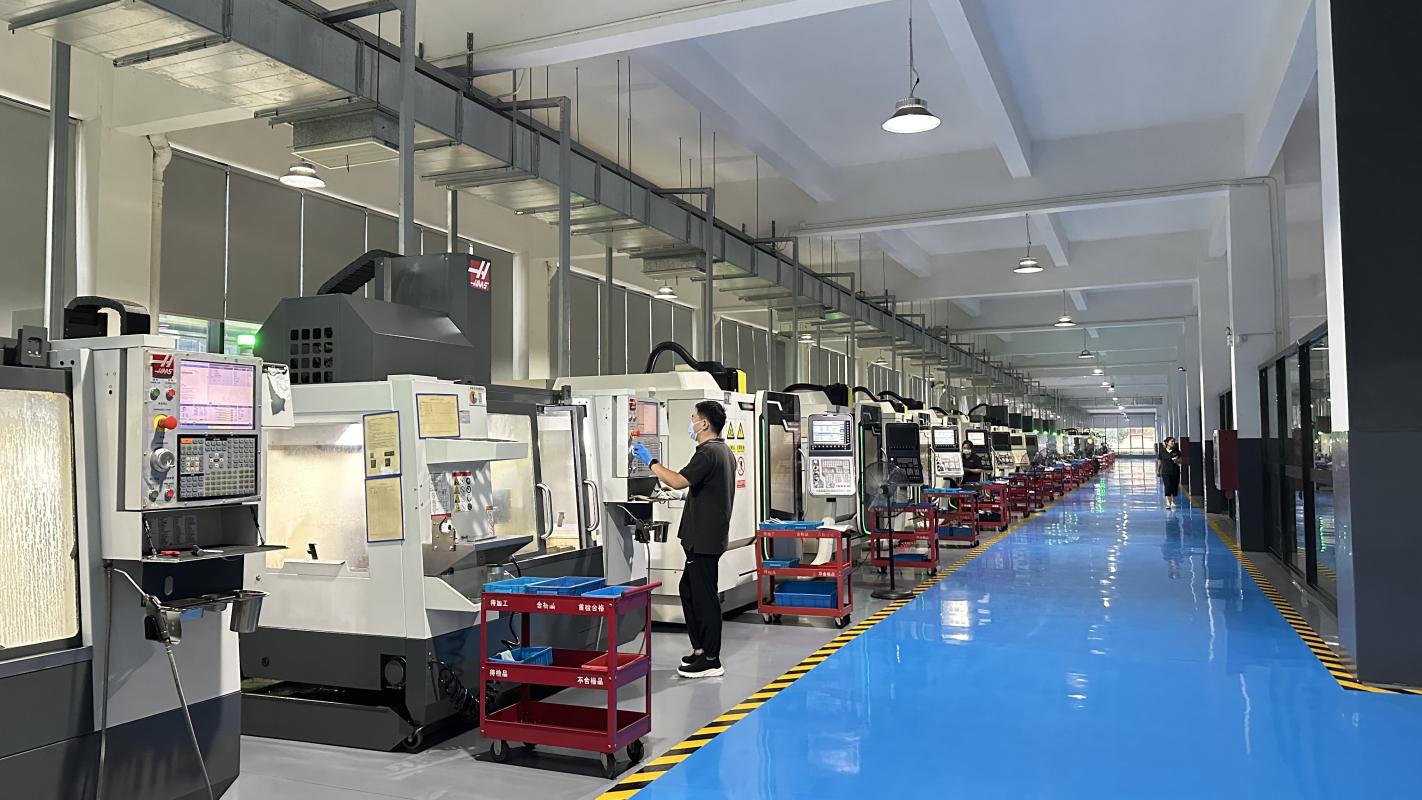
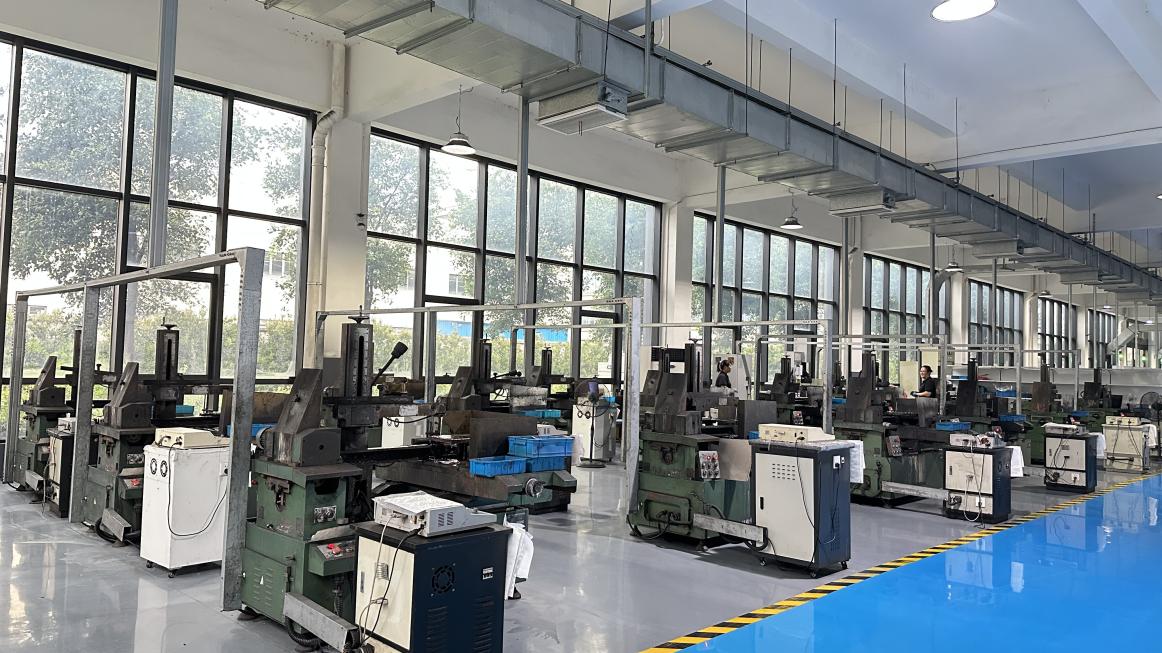
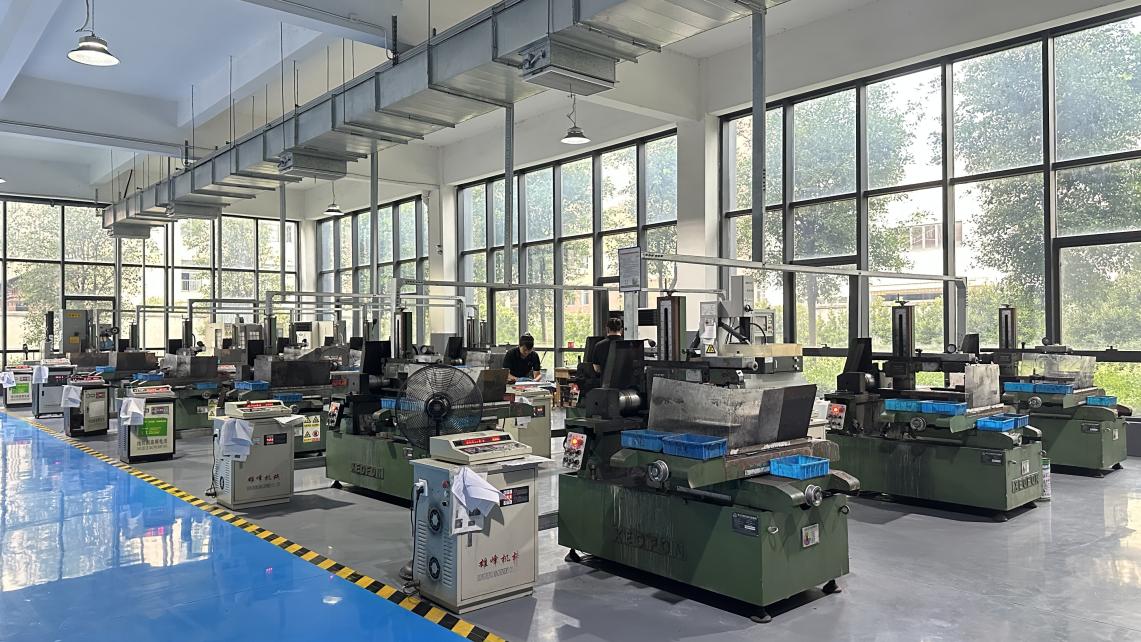
Bonevia Orthopedic Technology Co., Ltd. is a premier manufacturing enterprise specializing in the design, engineering, and mass production of orthopedic implants and surgical instruments. Since 2015, we have committed to bridging the gap between cutting-edge clinical demands and cost-effective high-volume output. Utilizing advanced metallurgical processes and robotic machining tools, we produce industry-leading posterior fixation screws, minimally invasive spinal implants, and structural titanium rods.
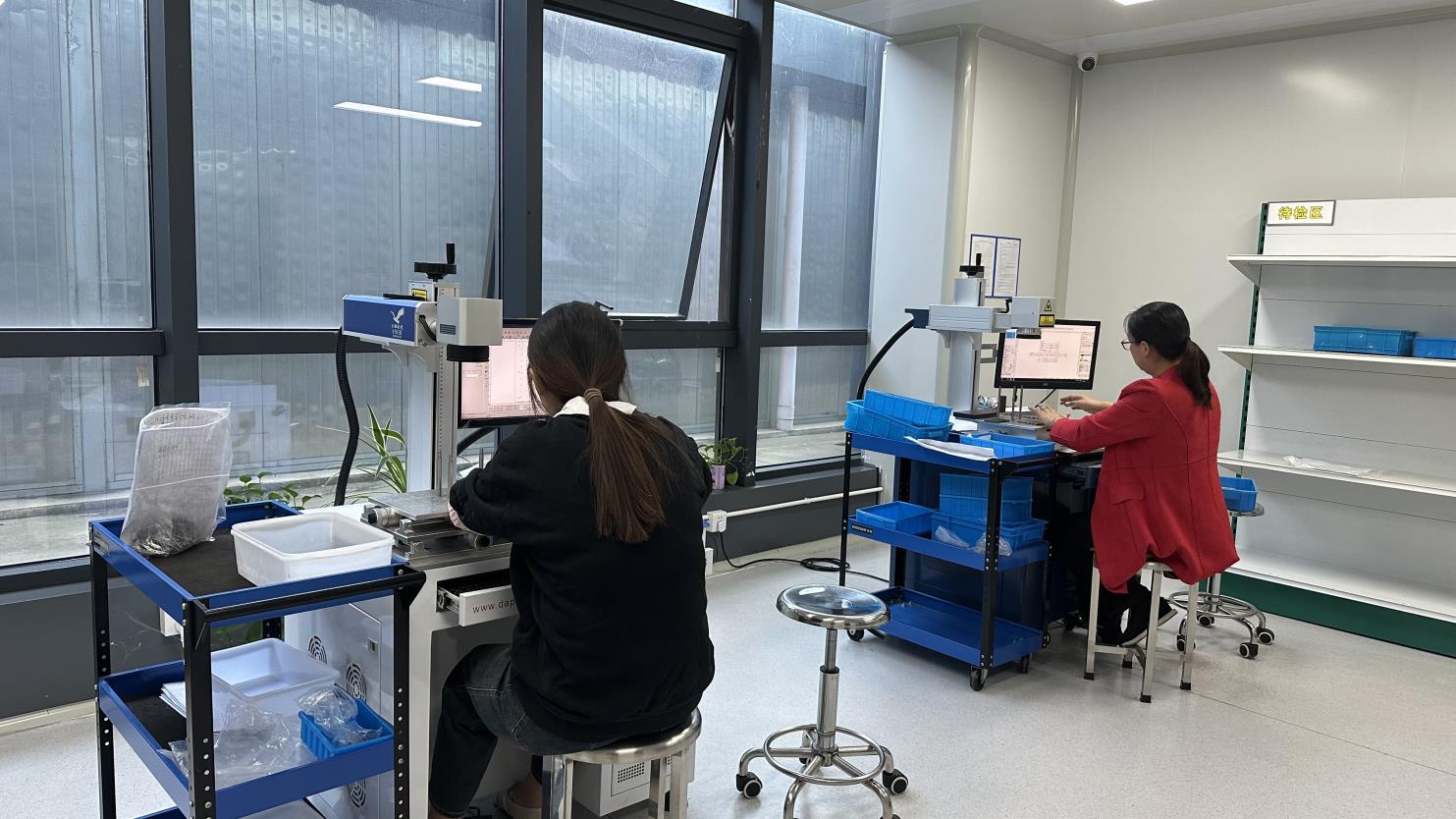
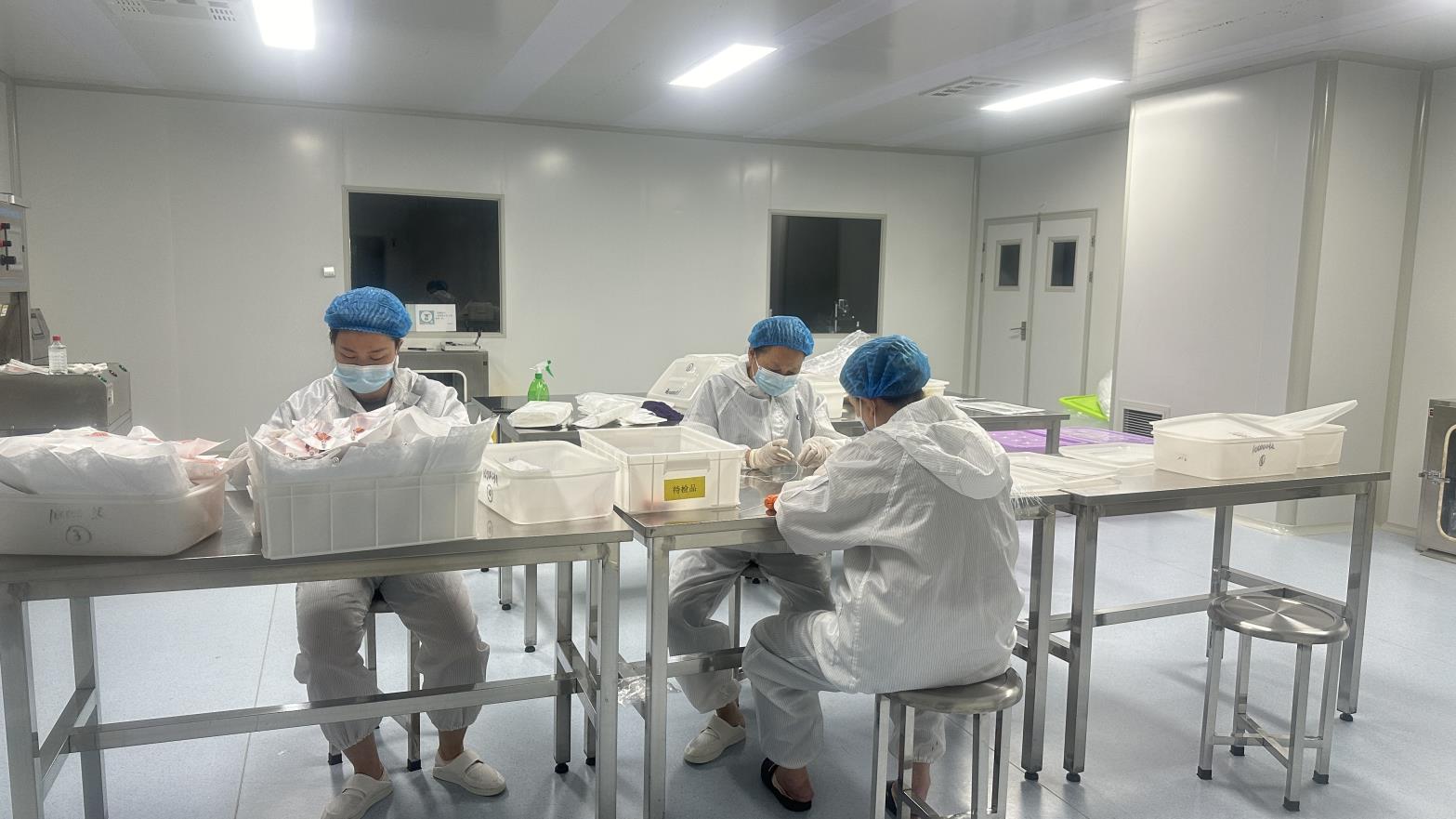
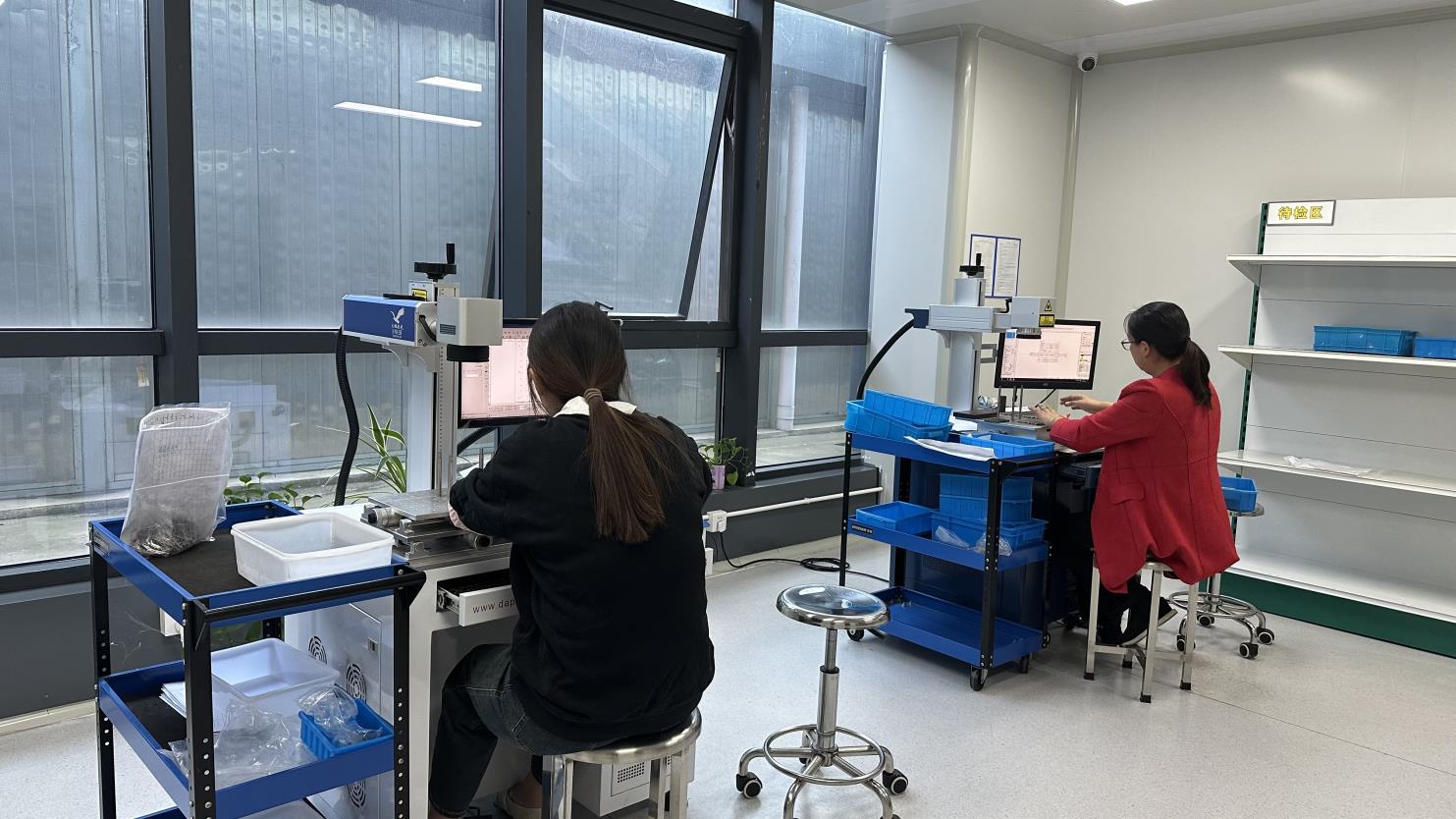
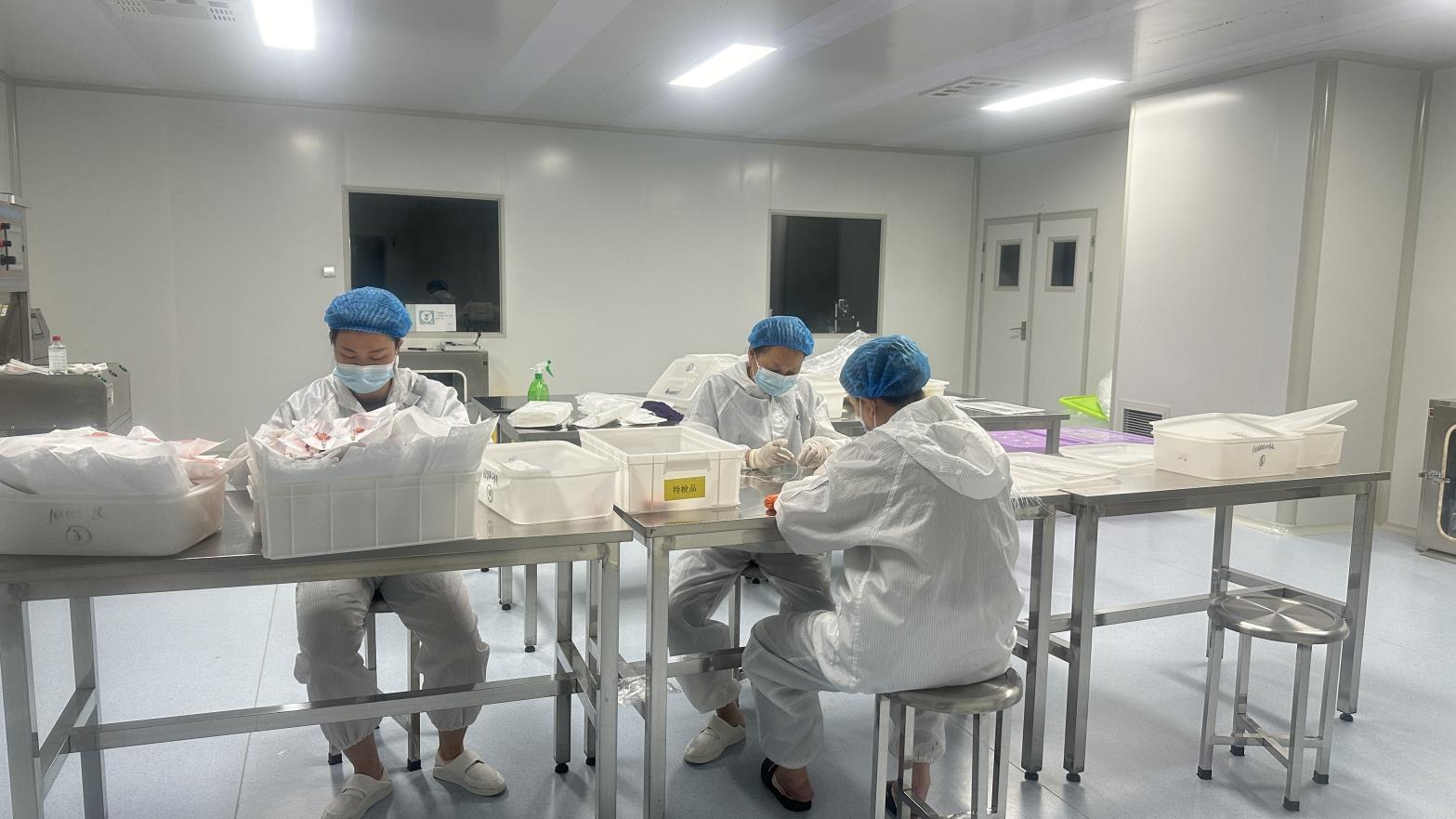
Our ISO-certified facility features a specialized 320m² state-of-the-art cleanroom, meticulously optimized to avoid cross-contamination. Supported by a robust supply chain ecosystem consisting of more than 850 strategic partners, Bonevia offers uncompromised supply continuity to hospitals, clinical groups, and medical distributors across Europe, Southeast Asia, South America, the Middle East, and now expanding to support direct distribution channels in Calgary, Canada.
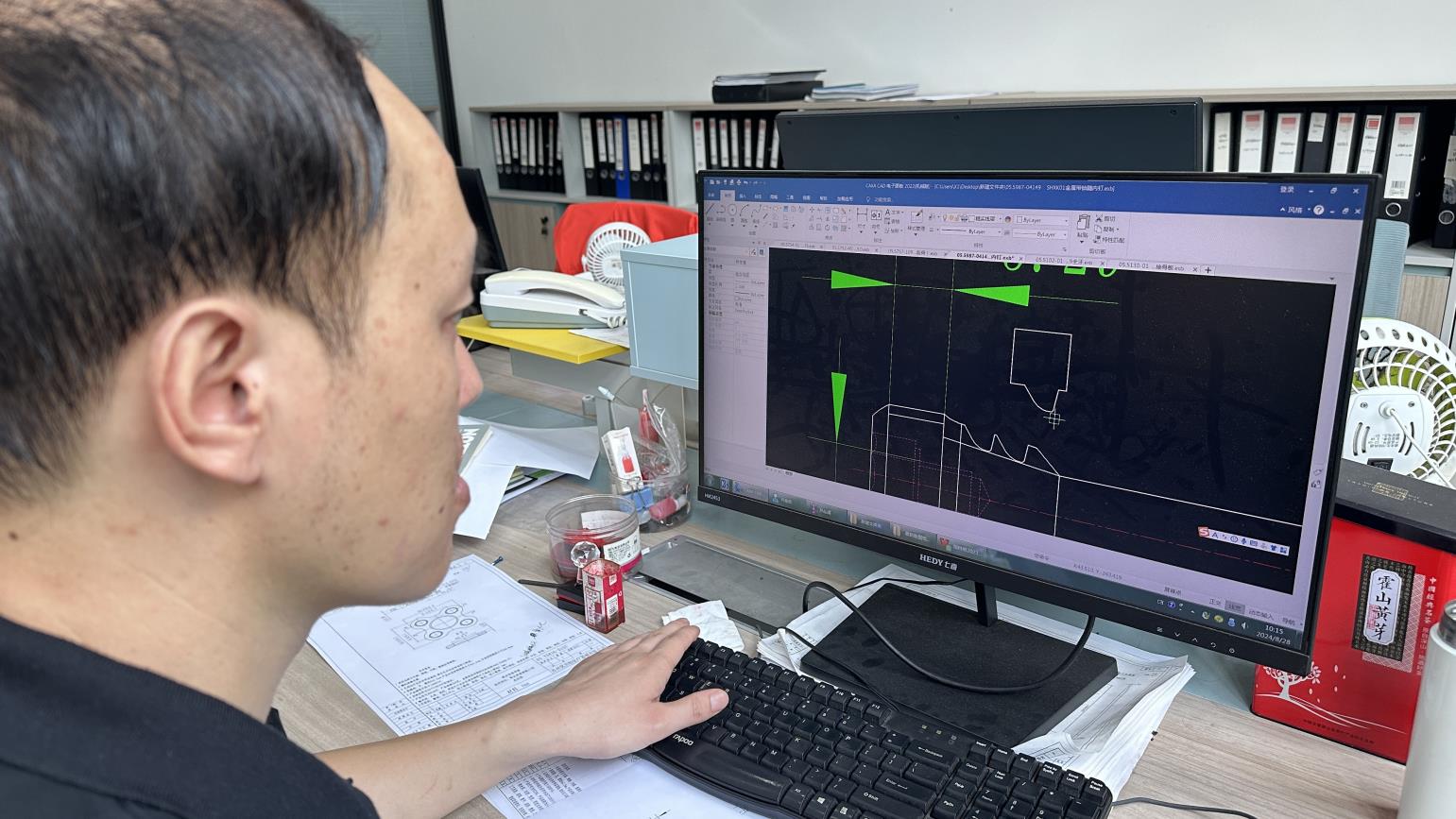
Our dedicated R&D wing, composed of 85 experienced engineers, successfully designed and released 120 new products last year, making us a powerhouse for tailored OEM/ODM modifications.
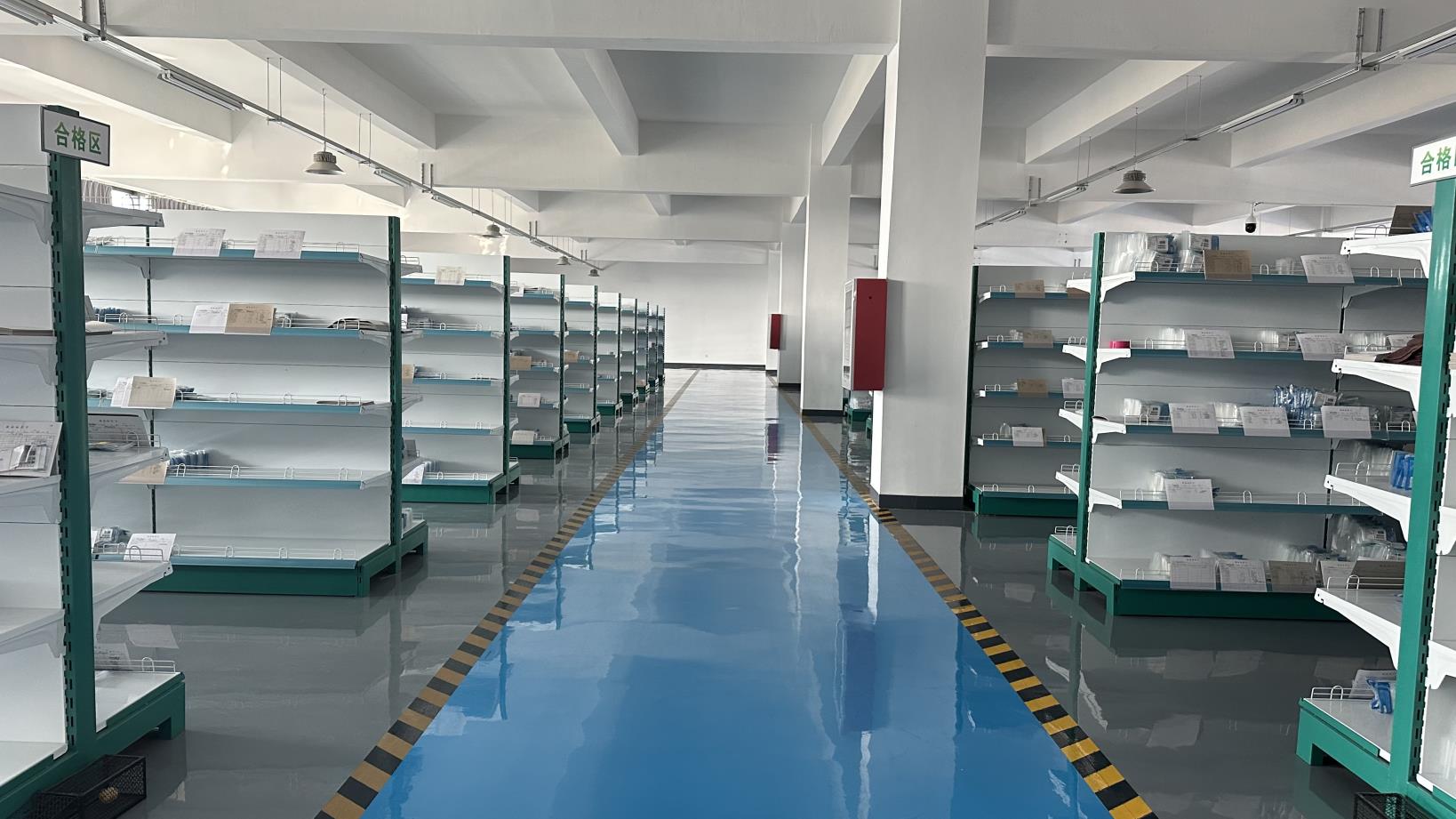
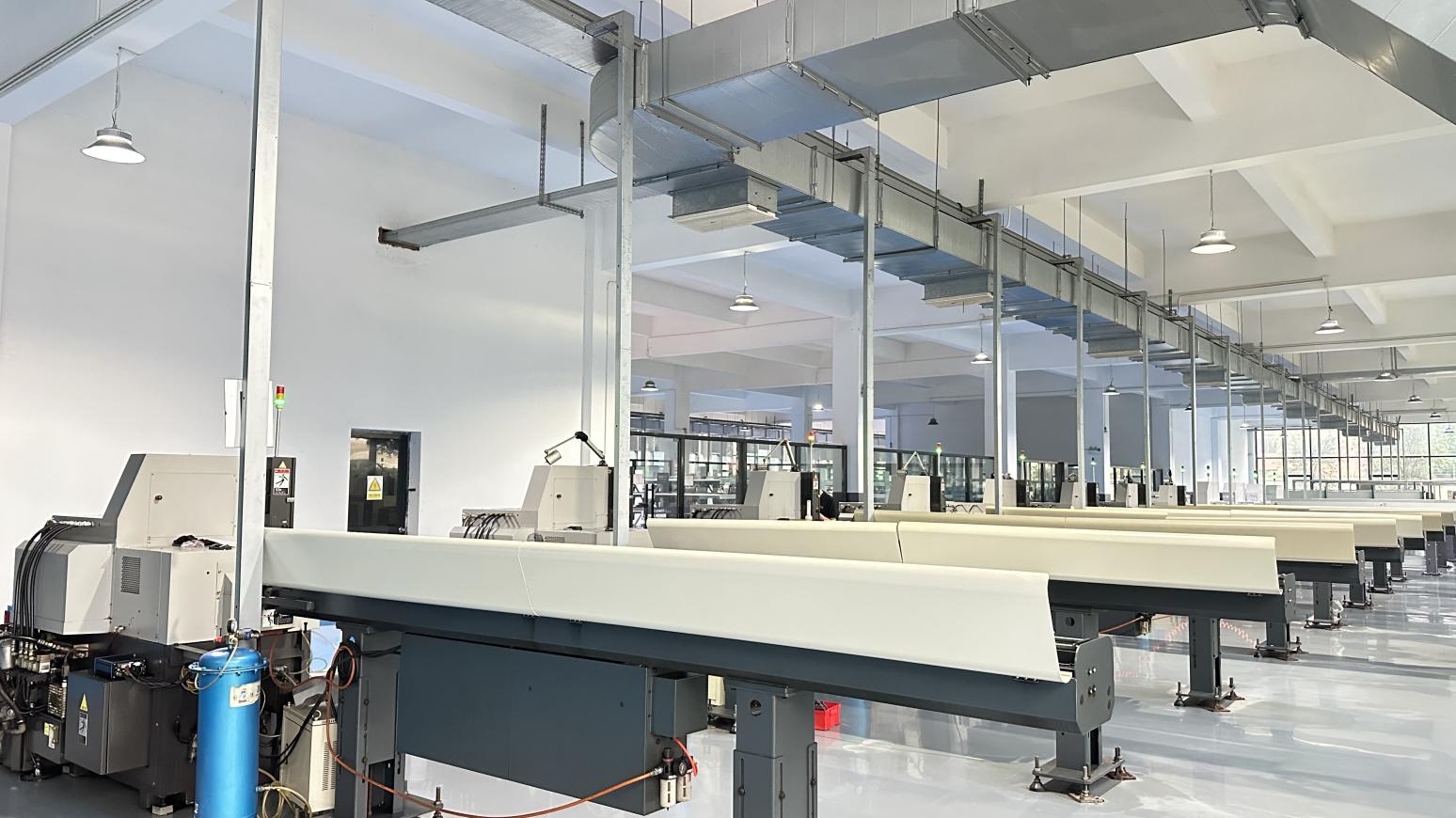
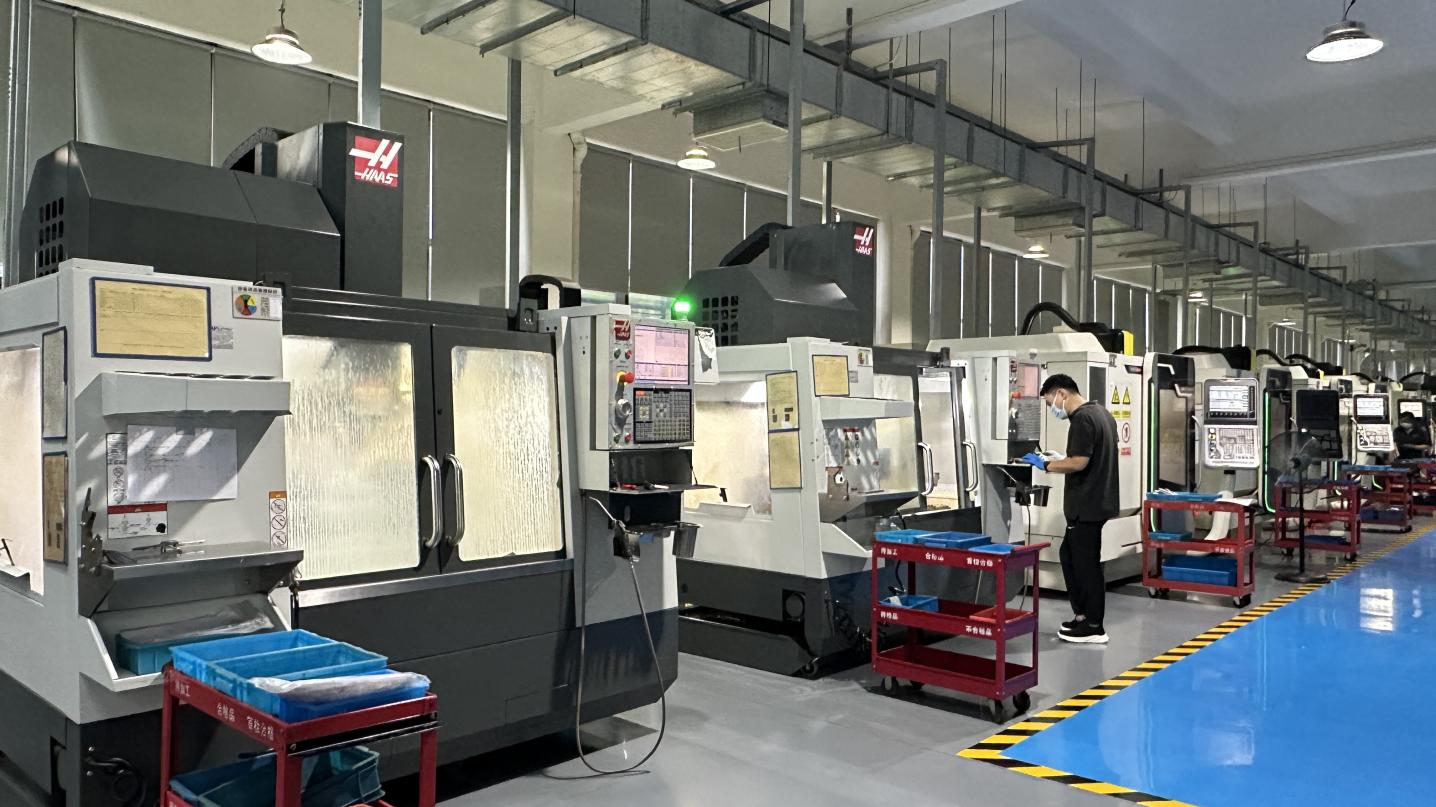
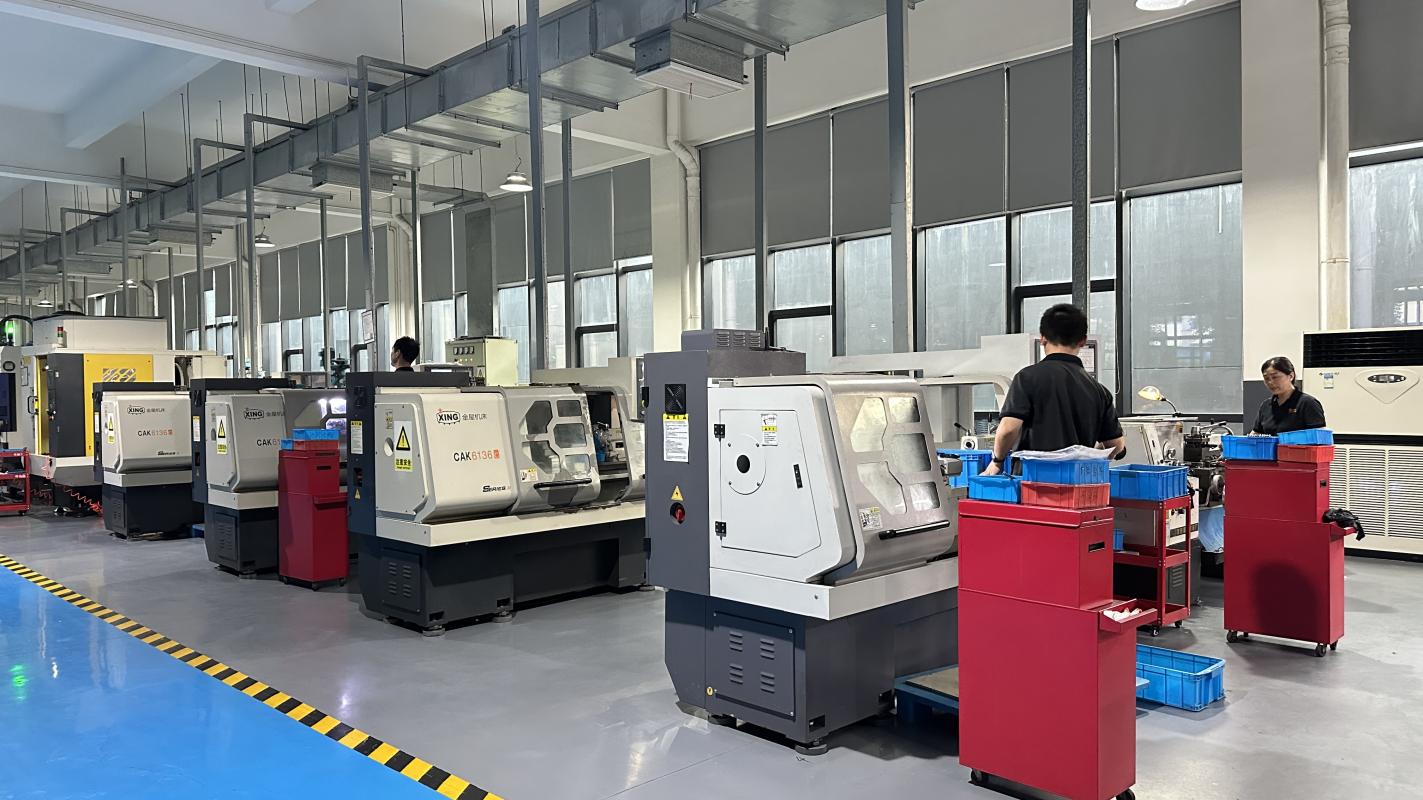
Review the comprehensive manufacturing stages from raw metallurgical testing to final cleanroom inspection and sterile packaging.
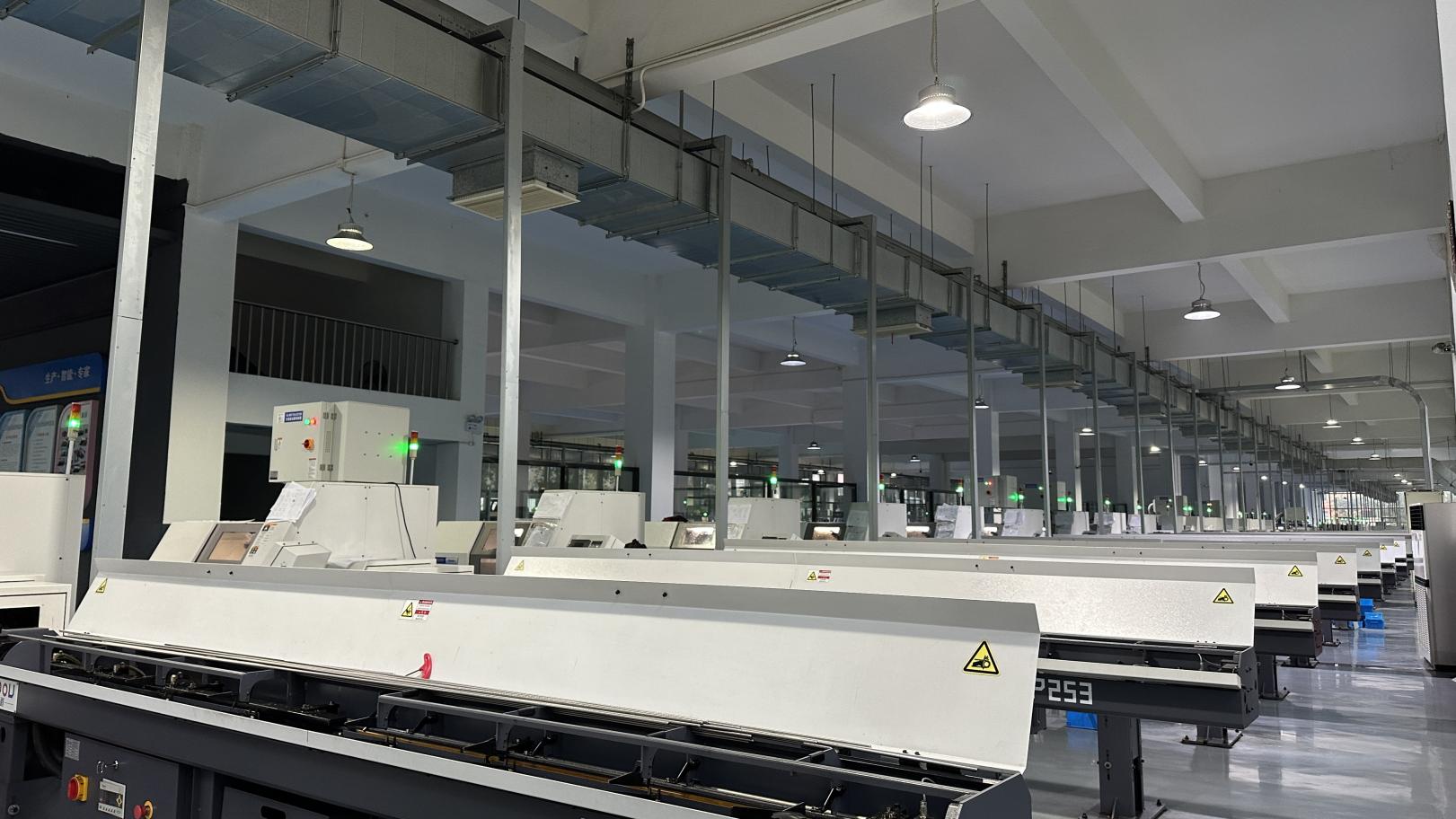

Understanding the mechanical properties and clinical applications of premium-grade titanium spinal systems.
We source medical-grade extra-low interstitial titanium alloy, satisfying ASTM F136 requirements. It offers exceptional biocompatibility, superior fatigue limits, and high strength-to-weight ratios to withstand physiological loads.
Engineered to closely approximate the physical properties of cortical bone, mitigating the effects of stress shielding. This encourages physiological mechanical loading, aiding post-operative arthrodesis and bone fusion.
Incorporates specialized double-lead thread profiles to halve insertion time while maintaining high pull-out resistance. Our cortical-cancellous transition threads maximize initial purchase in compromised pedicles.
All Bonevia implants undergo rigorous verification testing using specialized biomechanical models before receiving regulatory clearance. This guarantees durability and reliability, eliminating risks of device failure during long-term clinical implantation.
Mechanical fatigue and structural tests are conducted in strict accordance with the following international frameworks:
Navigating cost constraints while maintaining absolute patient safety is one of the most critical challenges facing Calgary distributors, hospitals, and surgeons today. Bonevia's advanced manufacturing capabilities in China provide a strategic solution, offering a balanced combination of high-precision engineering and optimized cost efficiencies.
By centralizing our R&D and production under ISO 13485 oversight, we leverage highly efficient industrial ecosystems, advanced CNC tooling, and long-standing material partnerships to reduce capital expenditures. For Canadian partners, this translates to competitive pricing that helps alleviate fiscal pressure on local healthcare systems, without compromising on surgical safety and implant performance.
How Bonevia’s spinal implant systems align with the daily surgical requirements of Albertan neurosurgical clinics.
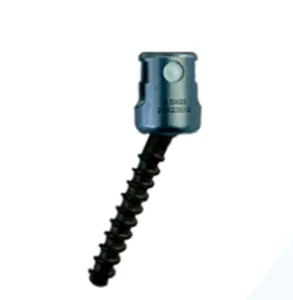
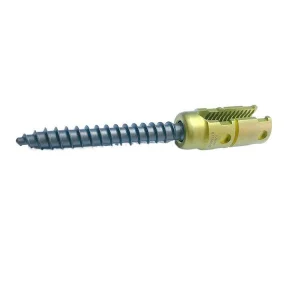
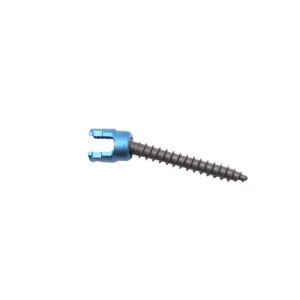
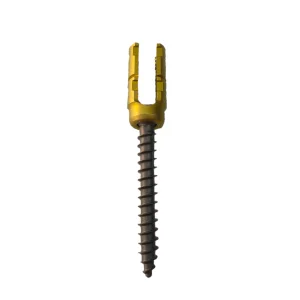
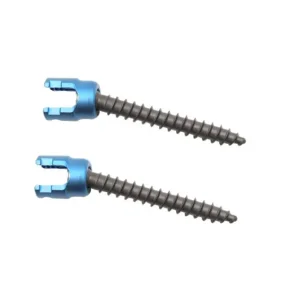
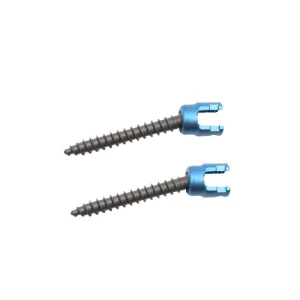
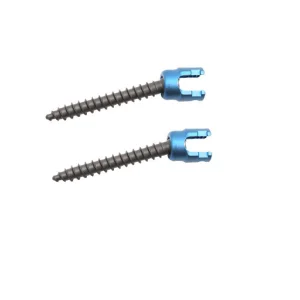
Our 6.0 Reduction Polyaxial Pedicle Screws offer high versatility, facilitating correction in cases of severe scoliosis, spondylolisthesis, and age-related spinal degeneration treated at regional Calgary health centers.
Designed to support percutaneous insertion, minimizing soft tissue disruption. This facilitates faster rehabilitation for active patients in Alberta, helping reduce postoperative hospital stays.
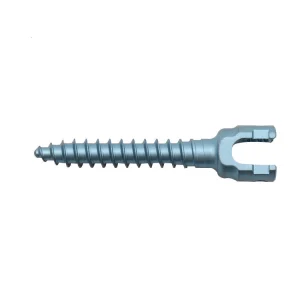
Engineered for high load-bearing capacity and robust stability. The combination of our titanium straight rods and monoaxial/polyaxial pedicle screws delivers reliable stabilization for high-velocity spine trauma cases.
Comprehensive information on regulatory paths, custom design services, and supply chain logistics for the Canadian market.
Complete surgical instrumentation and fixation products, engineered to meet the demands of orthopedic trauma centers and spine clinics in Calgary.
Partner with Bonevia Orthopedic Technology to access high-precision spinal implants, custom engineering, and reliable supply solutions for the Calgary and broader Canadian markets.