Bonevia
Bonevia
Bonevia
Class III CE-certified primary joint replacement implants designed for clinical longevity and optimal anatomical compatibility.
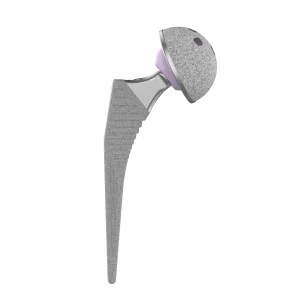
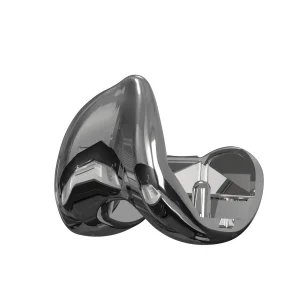
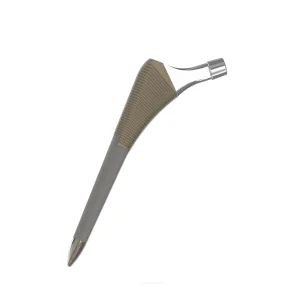
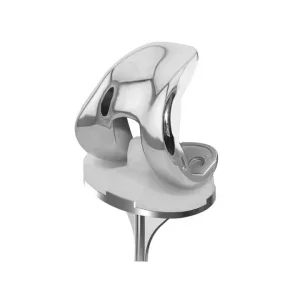
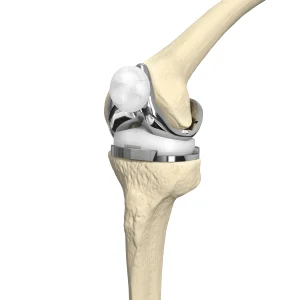
The demand for advanced orthopedic reconstructive devices, specifically Total Hip Replacement (THR) and Total Knee Replacement (TKR) implants, has seen a significant upward trajectory in developing healthcare markets. In Afghanistan, this demand is driven by unique local factors combined with broader macroeconomic challenges. The historical lack of indigenous heavy manufacturing for high-precision biocompatible medical devices has made Afghanistan reliant on reliable global supply chains. As medical facilities in Kabul, Herat, Kandahar, and Mazar-i-Sharif upgrade their clinical capabilities, partnering with international manufacturers who offer CE and ISO-certified implants is crucial to improving patient outcomes and reducing surgical revision rates.
"A robust orthopedic supply chain in Afghanistan is not merely a matter of commercial distribution; it is a critical pillar of reconstructive surgery, enabling post-trauma patients and those suffering from degenerative joint diseases to regain mobility and lead economically productive lives."
Unlike mature Western markets where primary osteoarthritis drives the majority of THR and TKR interventions, markets like Afghanistan exhibit a complex patient profile. Trauma-induced joint degeneration, untreated avascular necrosis (AVN) of the femoral head, and complex secondary osteoarthritis arising from previous injuries represent a substantial percentage of surgical cases. These complicated cases require implants that feature superior bone-anchoring properties, such as Hydroxyapatite (HA) coatings and titanium porous surfaces, ensuring stable biological fixation even in compromised bone stock environments.
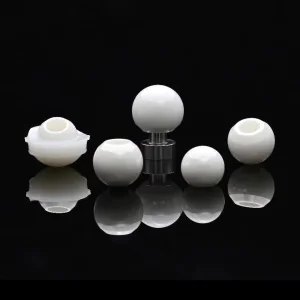
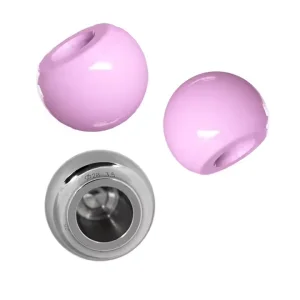
Modern joint arthroplasty relies on highly specialized material combinations to minimize wear rates and eliminate osteolysis. The primary materials utilized include:
Bonevia Orthopedic Technology Co., Ltd. is a professional manufacturer specializing in orthopedic implants and surgical solutions, dedicated to advancing innovation in trauma, spine, and joint reconstruction products. Since its establishment in 2015, the company has grown steadily into a trusted supplier in the global orthopedic industry.
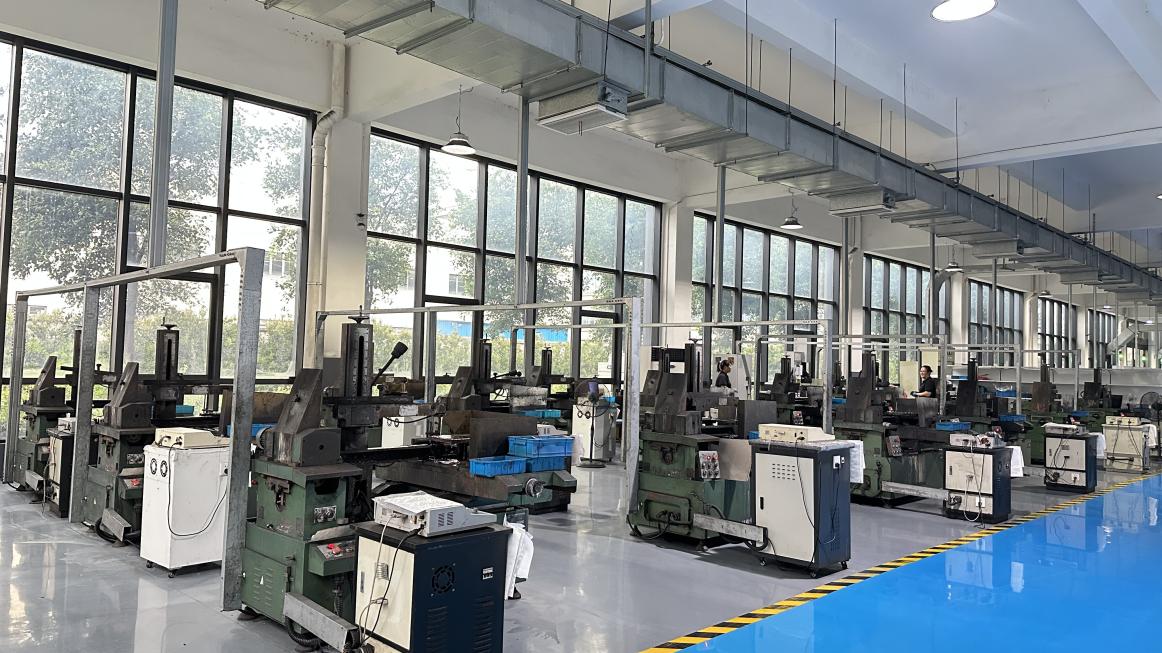
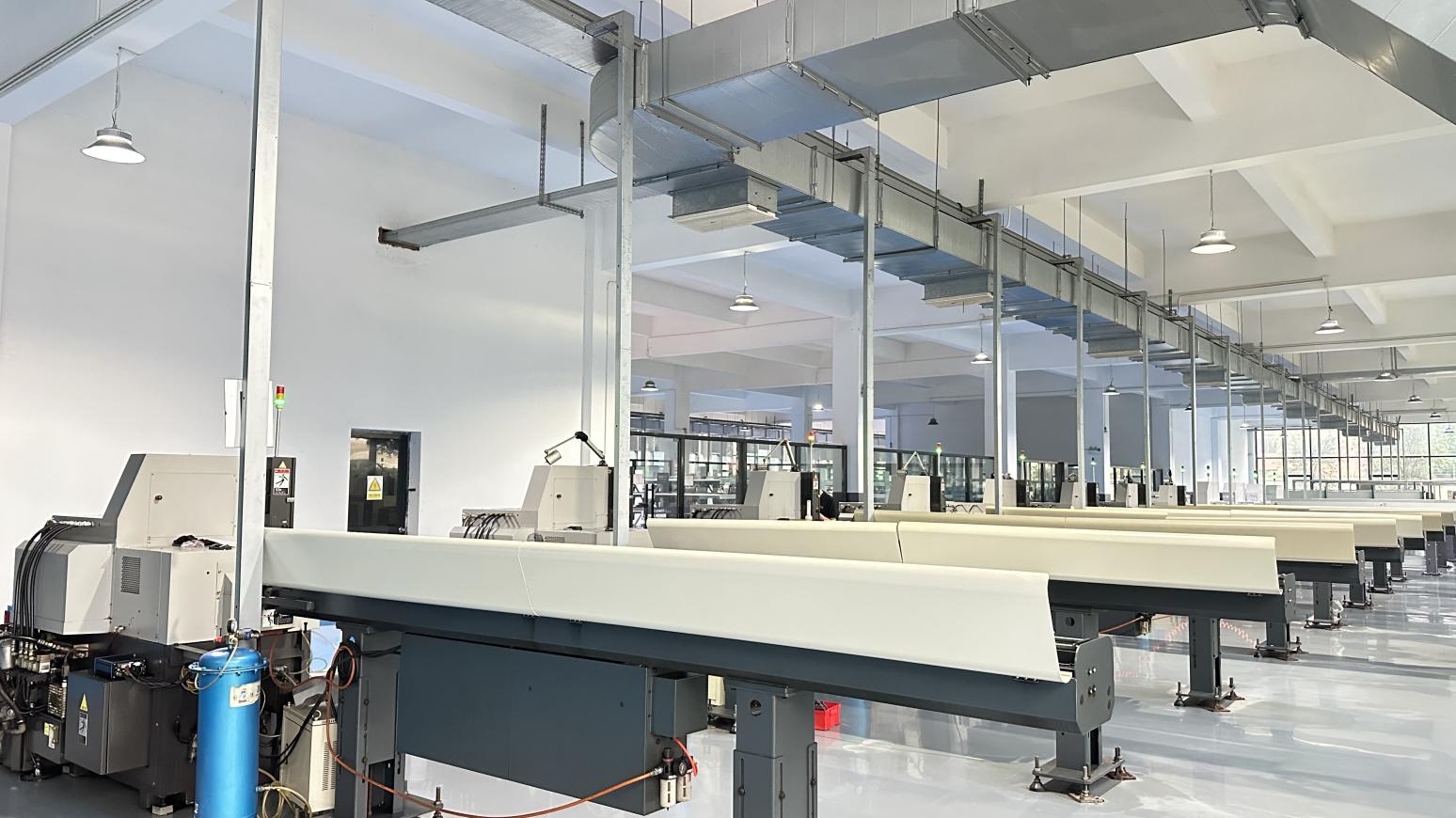
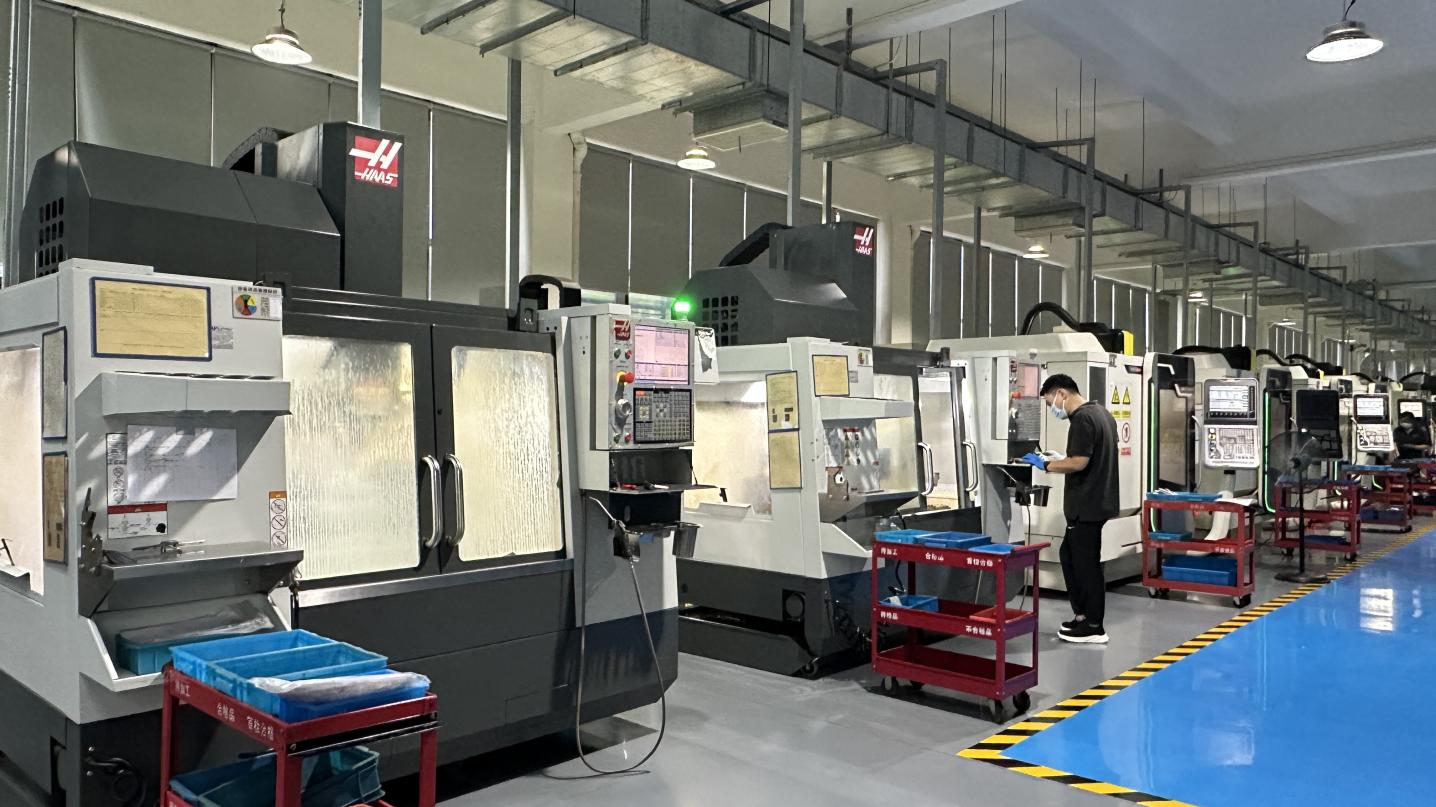
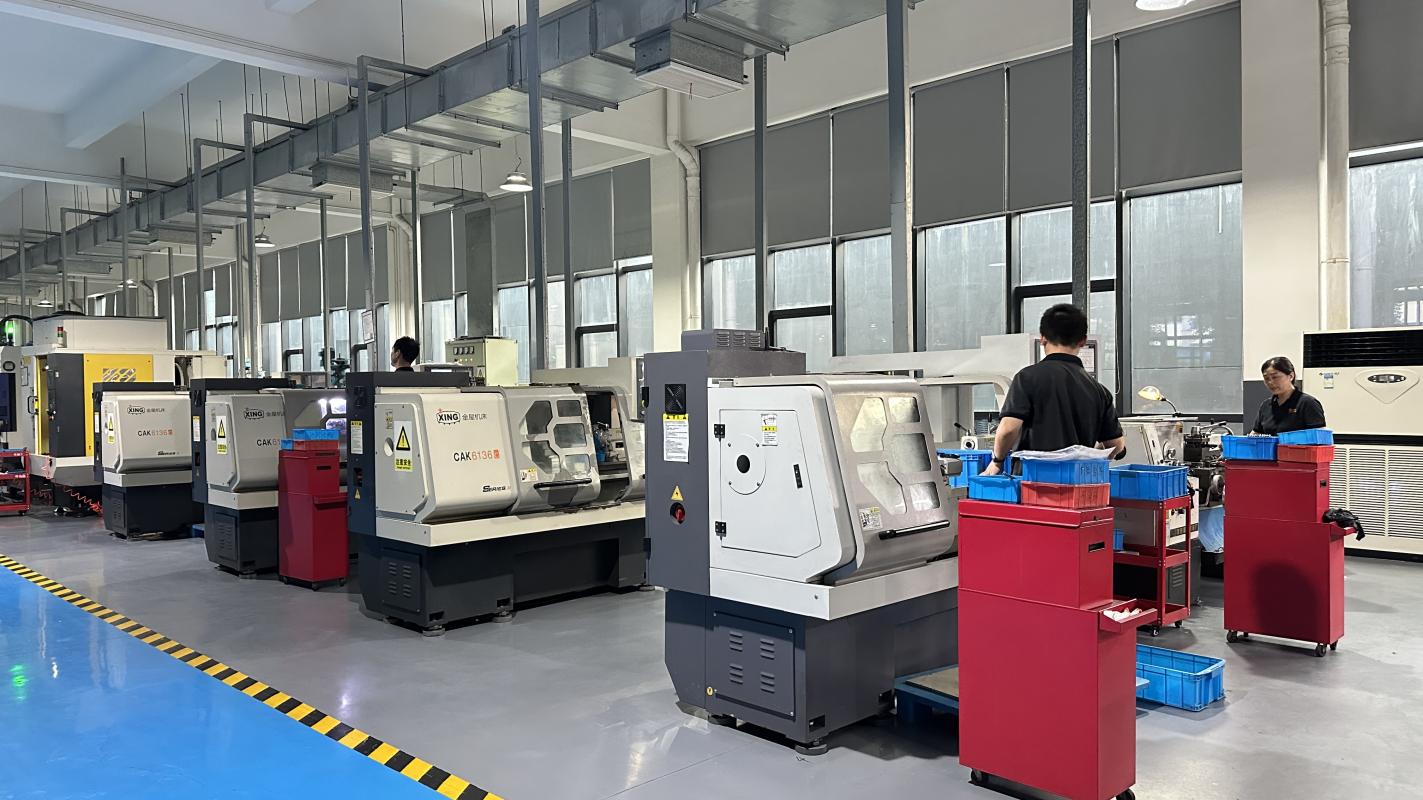
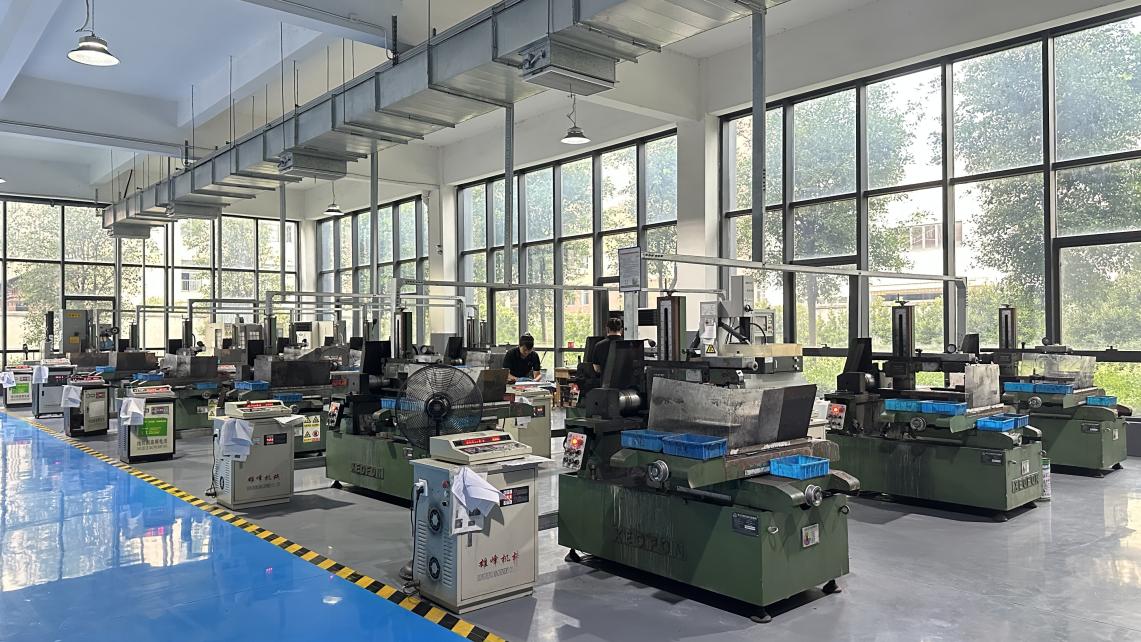
With a modern production facility covering approximately 320㎡, Bonevia maintains strict quality management standards and efficient manufacturing processes. The company records an annual export revenue of around USD 8–15 million, supported by 6 years of export experience and over 10 years of overall industry experience.
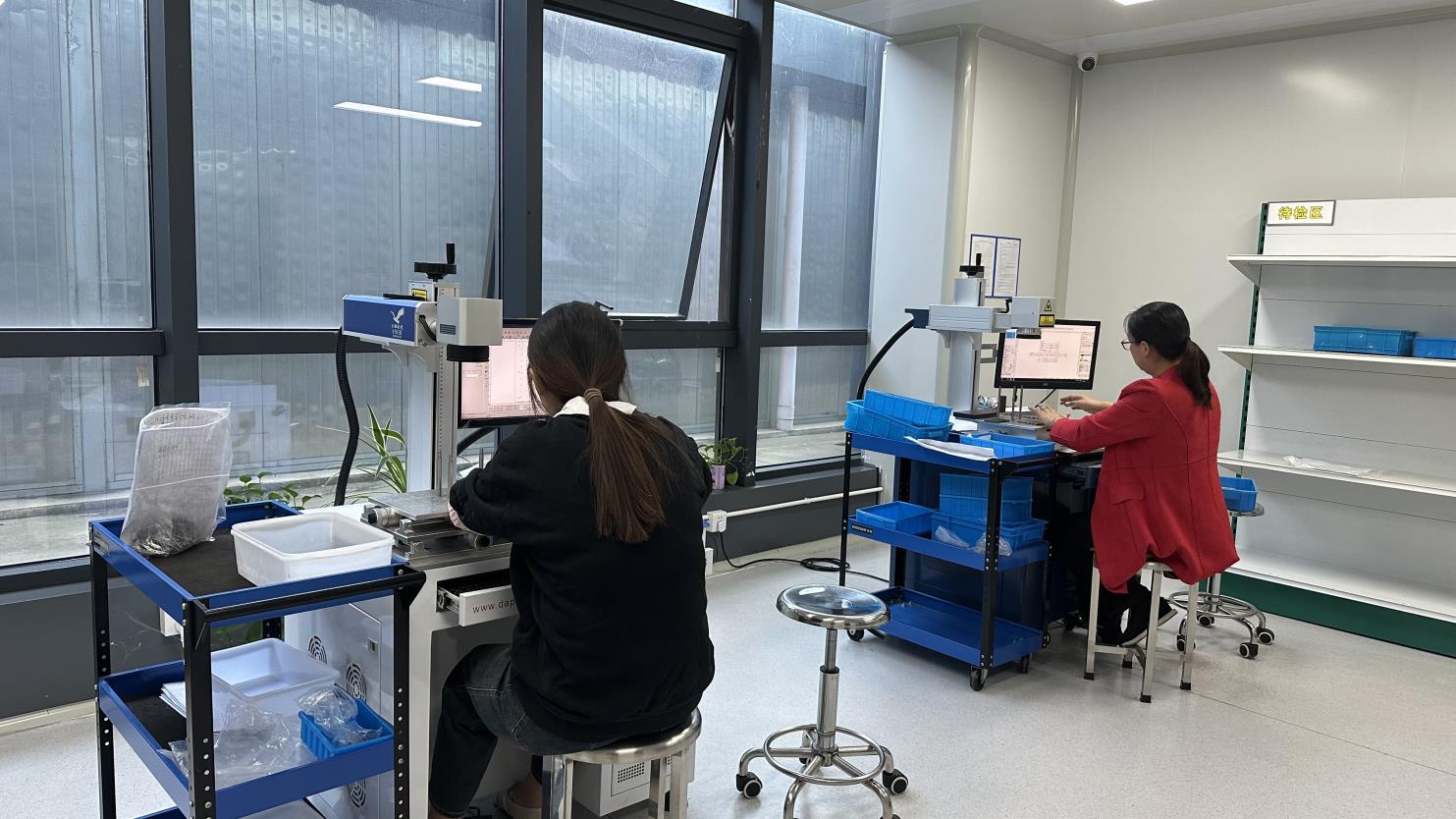
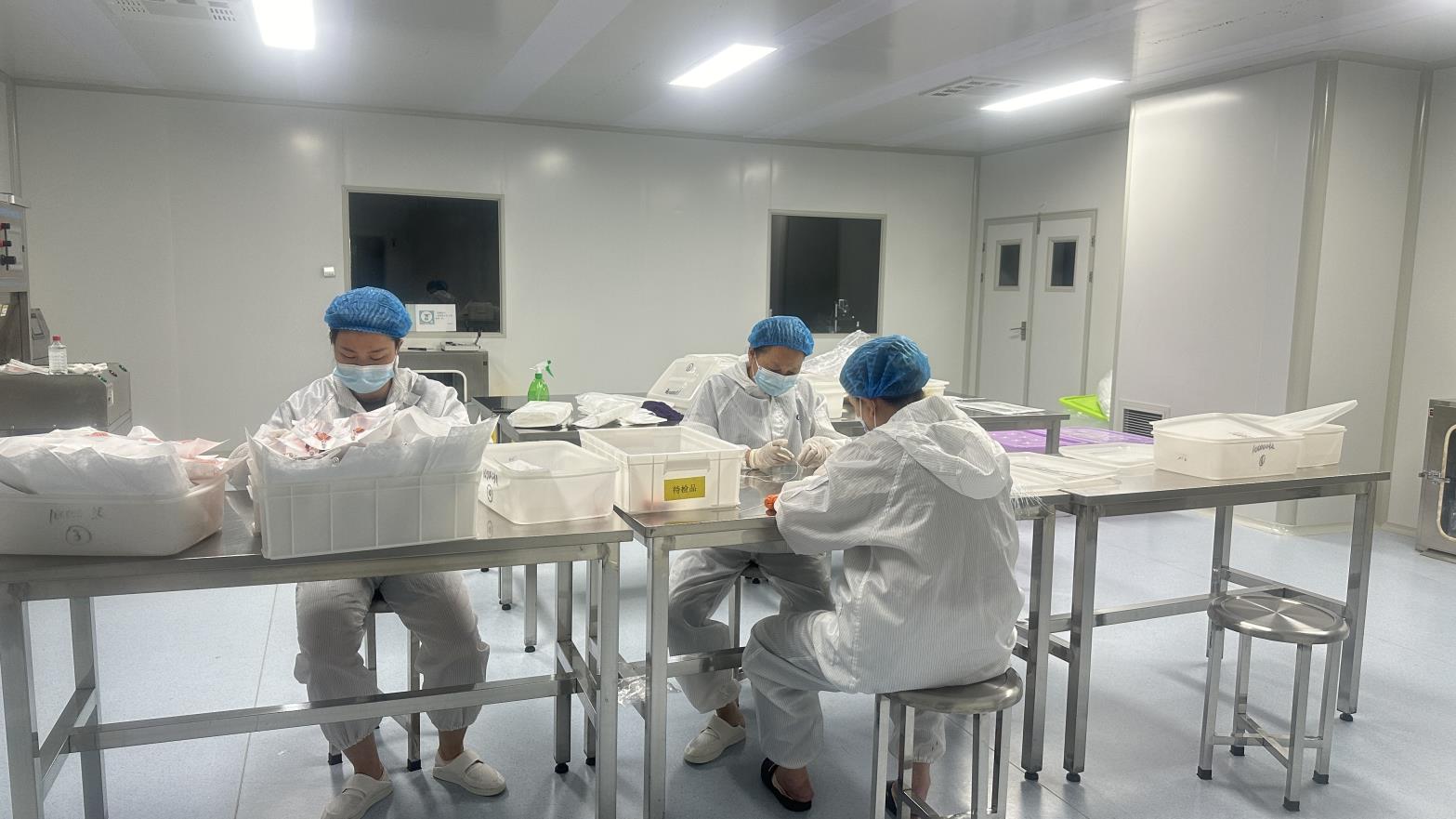
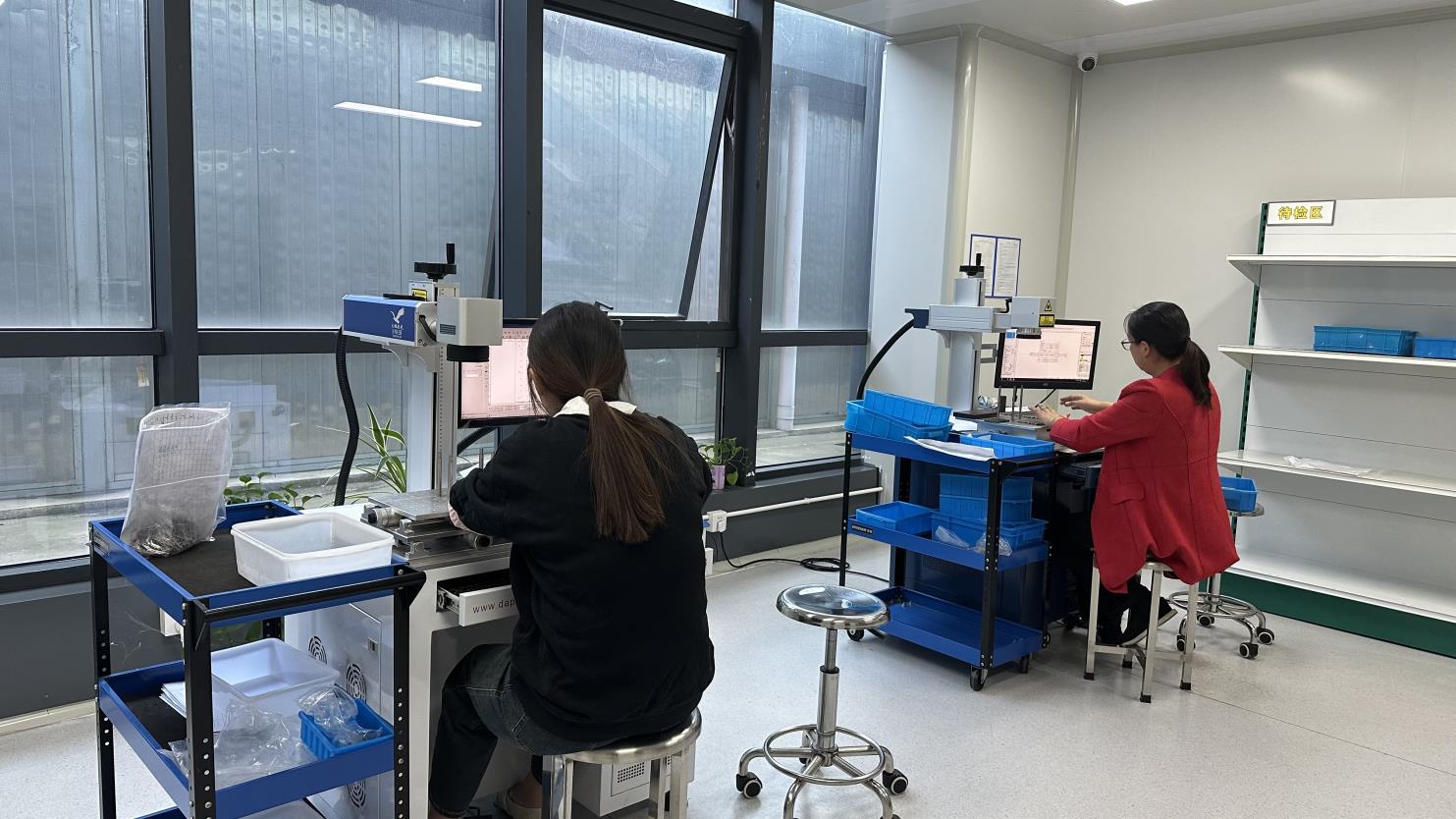
Quality assurance is a core focus at Bonevia. The company implements multiple inspection methods including incoming material inspection, in-process quality control, and final product testing, supported by a dedicated quality team of 35 professionals. This ensures all products meet international medical device standards.
Bonevia has a solid trade foundation with diversified global distribution networks, serving major markets across Europe, Southeast Asia, the Middle East, and South America. Its supply chain ecosystem includes more than 850 partners, enabling stable raw material sourcing and efficient production delivery.
The company serves a wide range of clients, including hospitals, orthopedic clinics, surgical centers, and medical distributors. Bonevia also demonstrates strong R&D capabilities, offering OEM and ODM customization services to meet specific clinical requirements. In the past year, Bonevia successfully launched 120 new product designs, supported by a research and development team of 85 engineers, continuously driving innovation in orthopedic implant systems and surgical instruments.
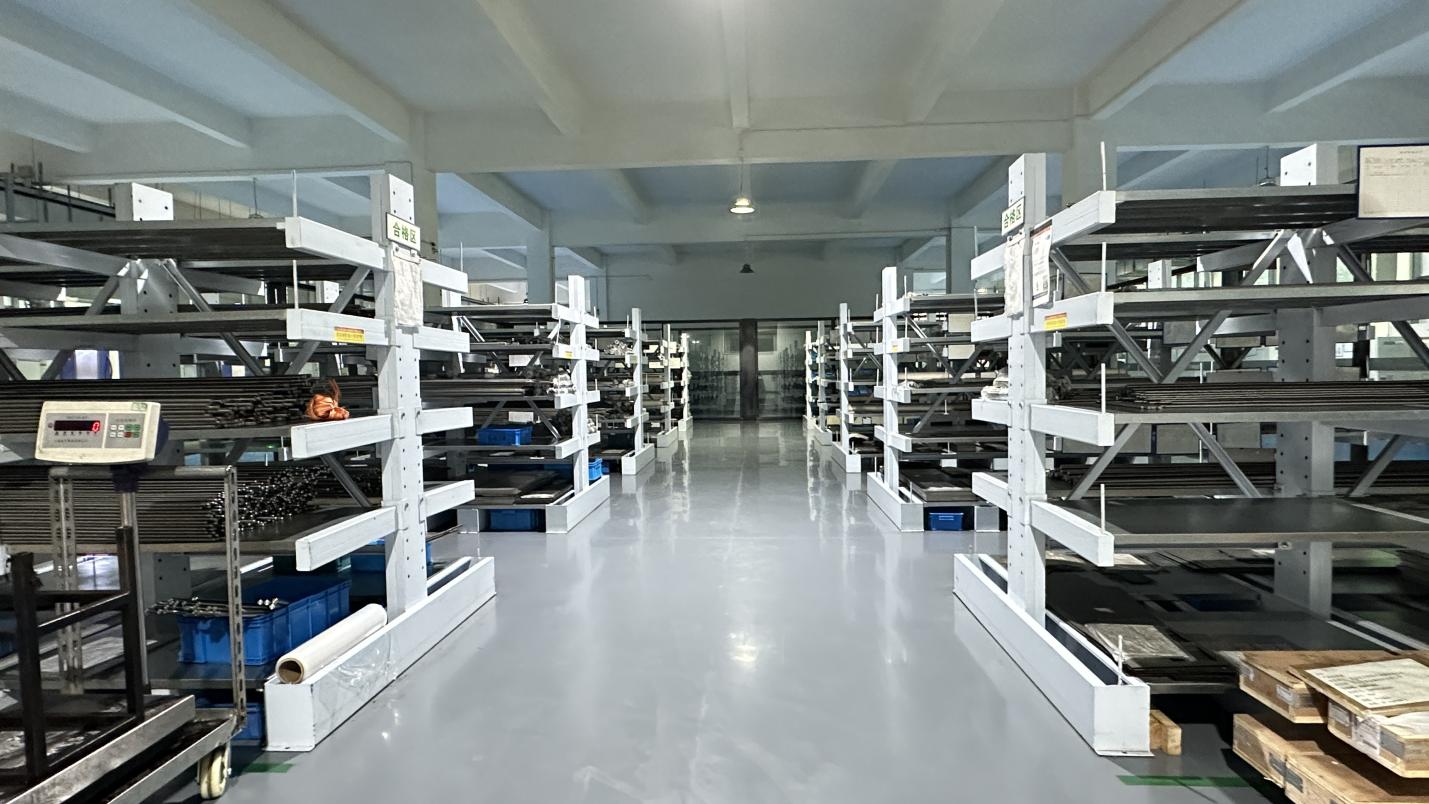
Our manufacturing processes are meticulously controlled to guarantee that every joint replacement component meets critical biocompatibility and mechanical stress tolerances.
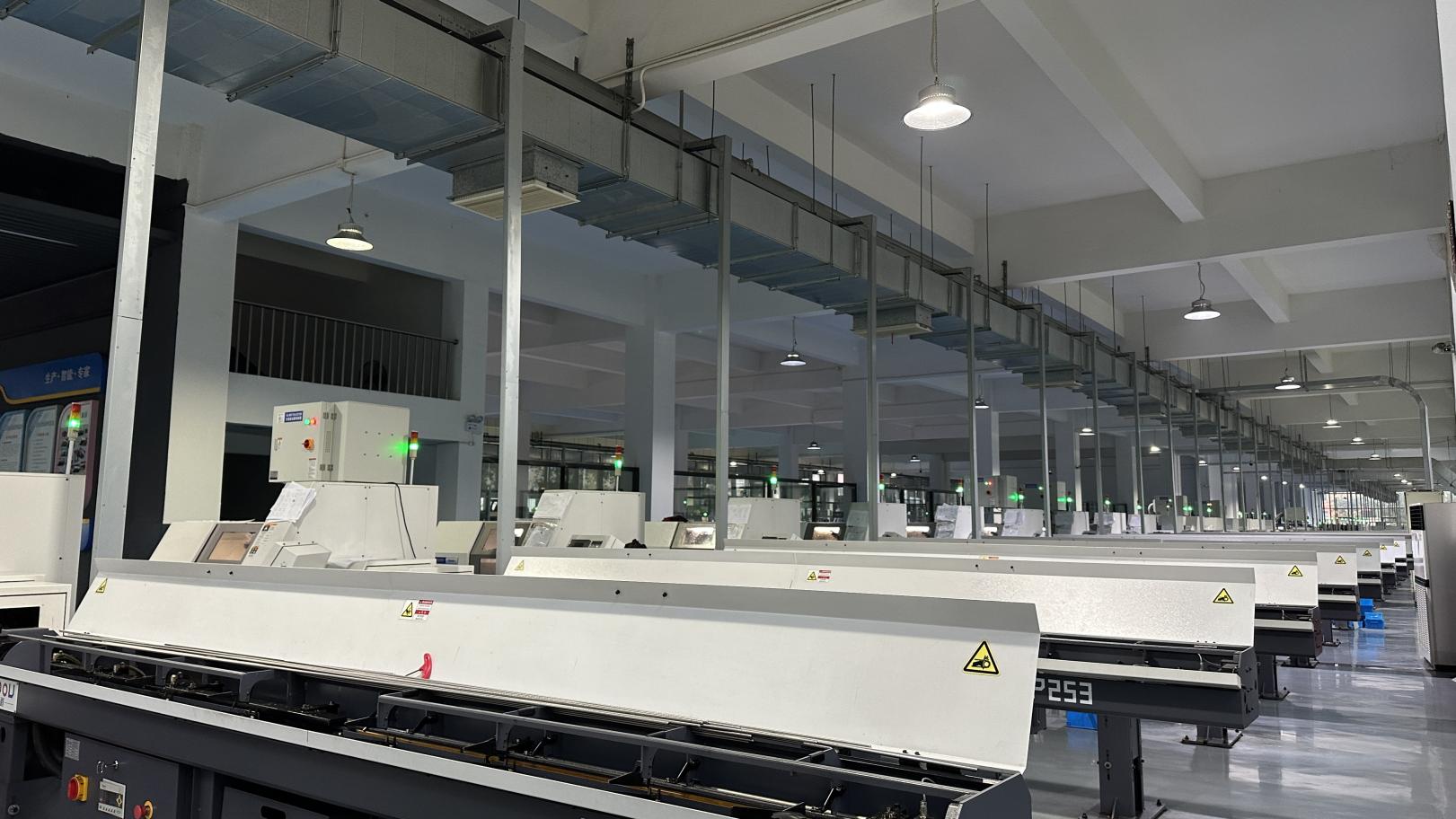
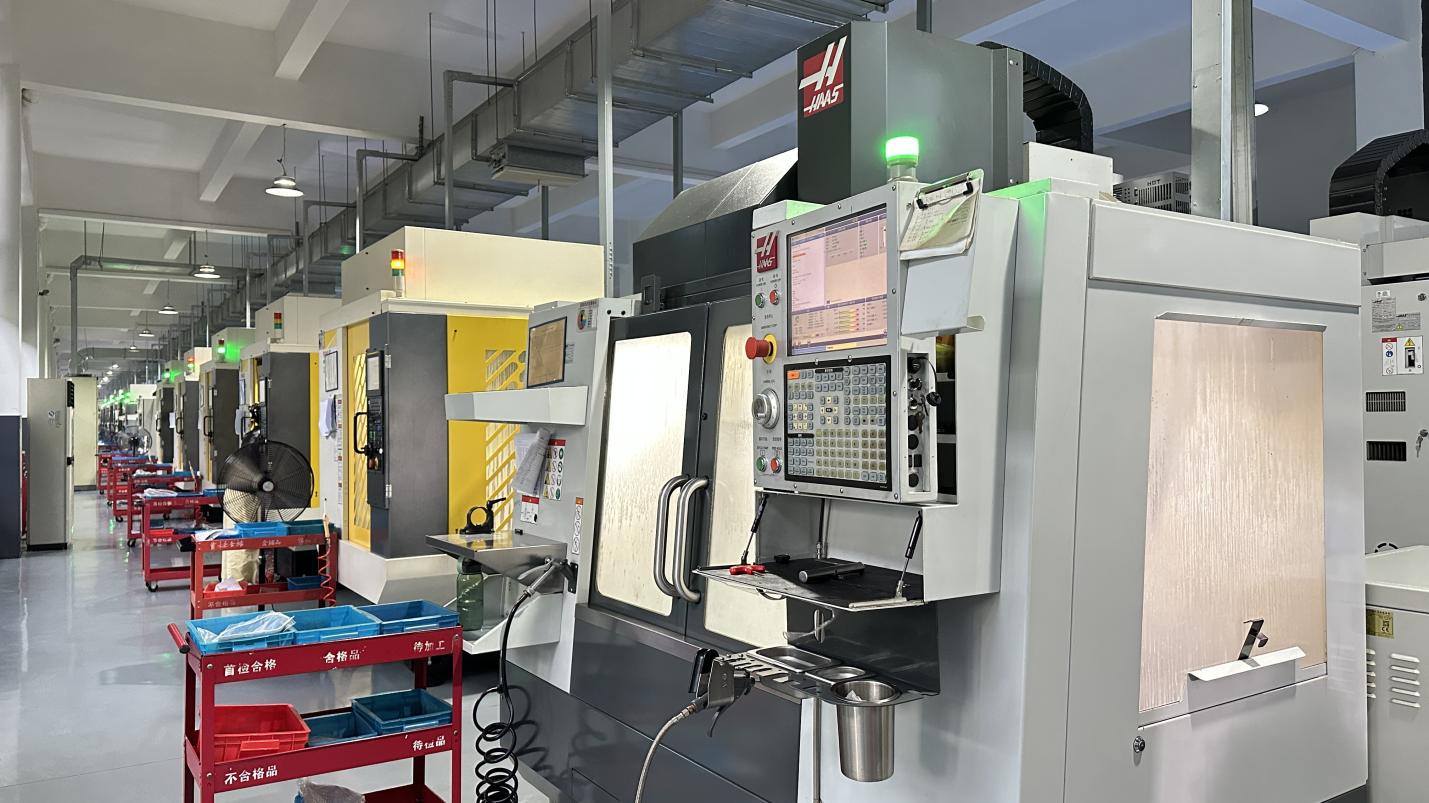
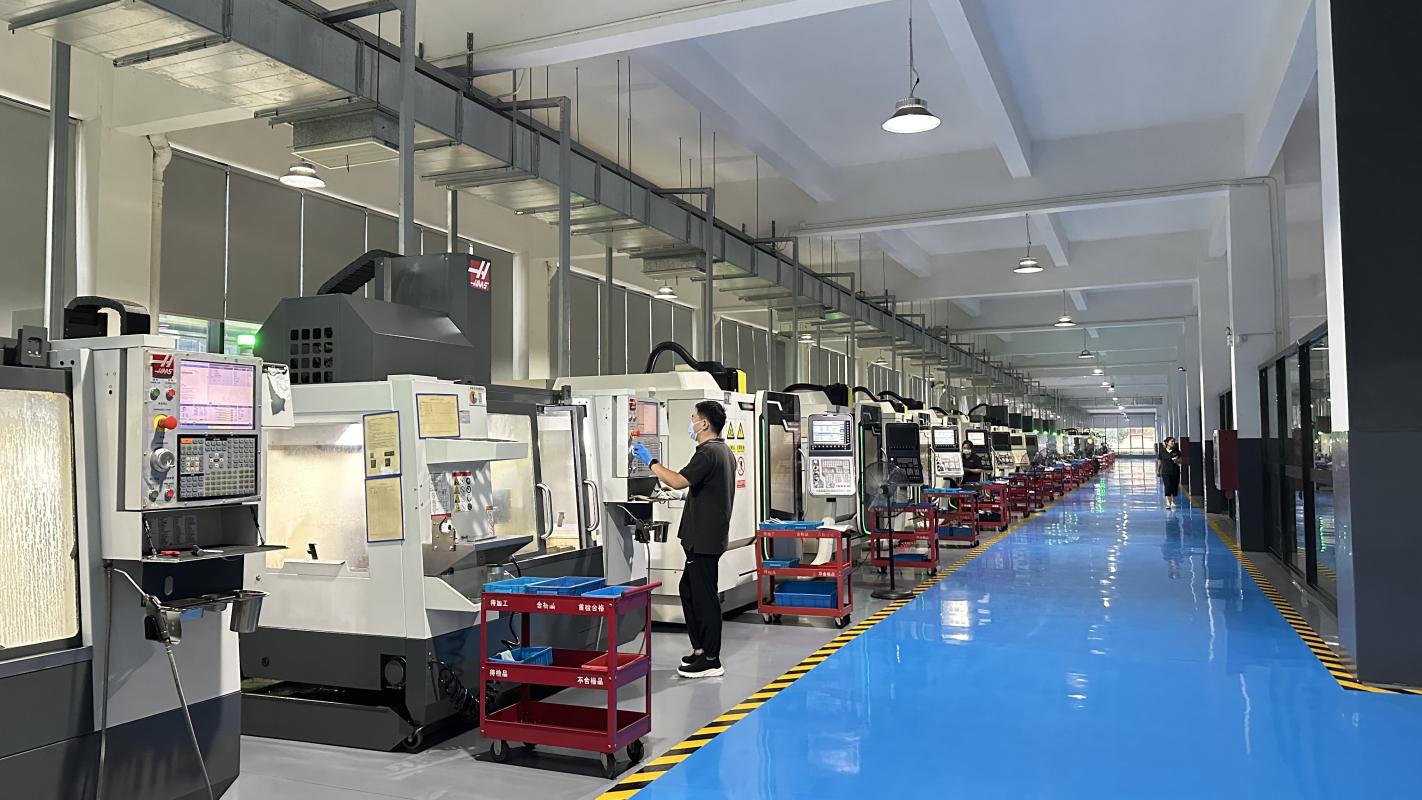

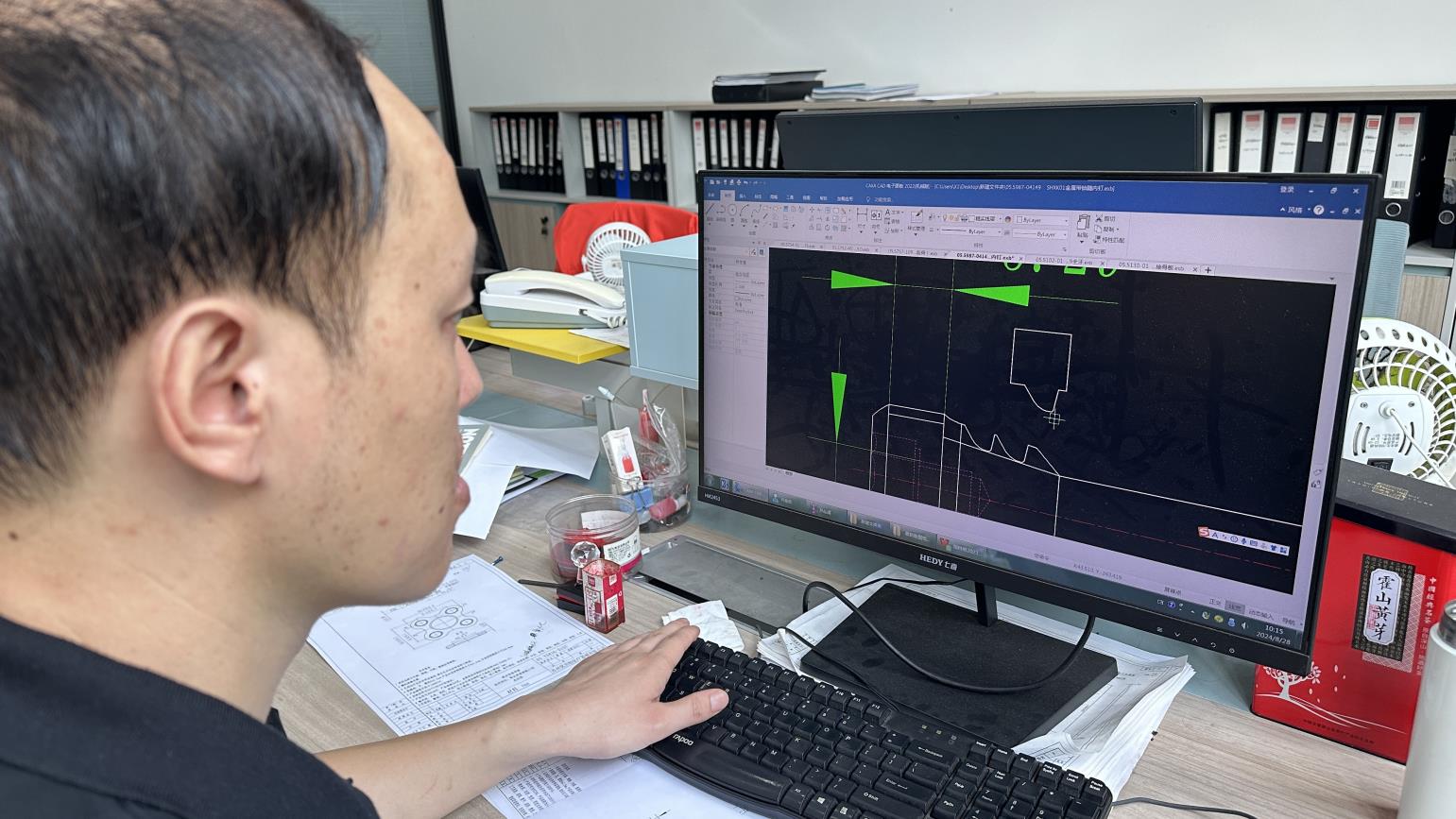
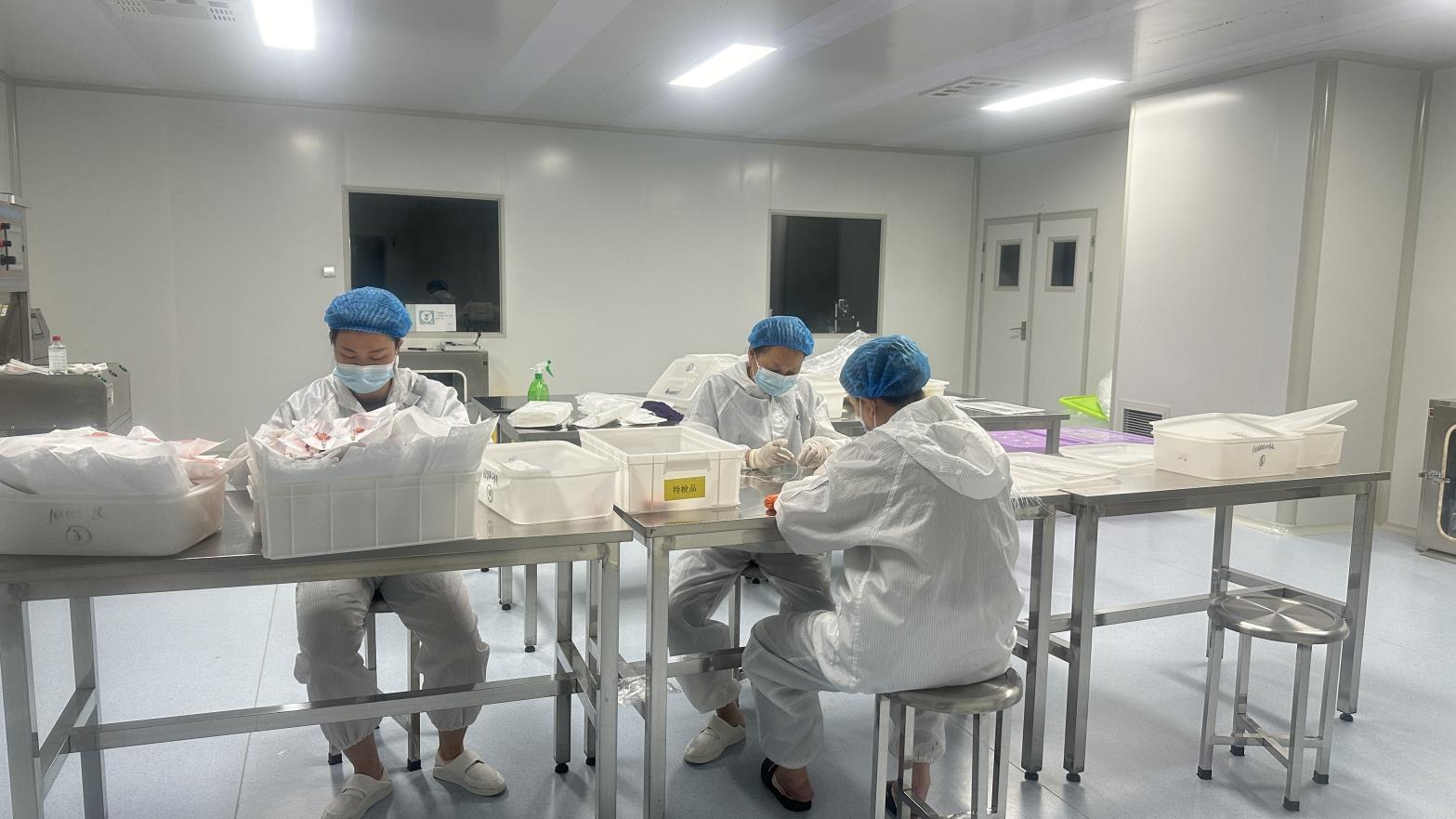
In the orthopedics sector, continuous innovation is essential to increase implant lifespans and reduce revision surgeries. Our engineering pipeline focused on joint reconstruction targets key areas of clinical improvement:
Modern cementless implants rely heavily on osseointegration. By utilizing advanced vacuum plasma spraying (VPS), we coat titanium substrates with high-purity Hydroxyapatite (HA). This creates a bio-reactive layer that encourages human osteoblasts to migrate, proliferate, and deposit new bone matrix directly onto the implant surface, ensuring long-term secondary stability without the need for bone cement.
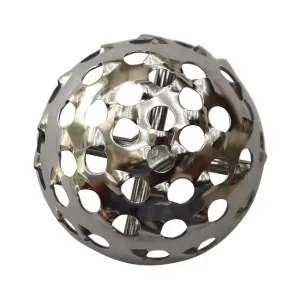
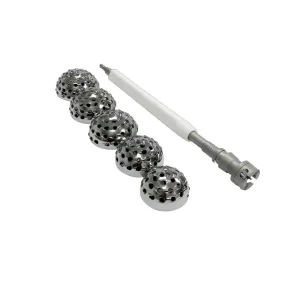
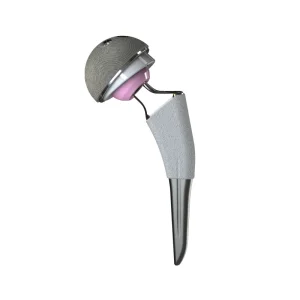
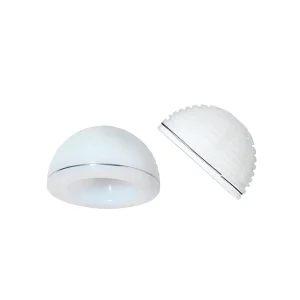
Post-operative dislocation remains a major complication in total hip arthroplasty (THA). Our dual-mobility cup designs offer two distinct points of articulation: a small head inside a larger mobile polyethylene liner, which in turn articulates within a metallic acetabular shell. This significantly increases the safe range of motion (ROM) and jumps the dislocation resistance index, which is particularly beneficial for active patients and revision cases.
Every clinical market has distinct anatomical baselines. We leverage our R&D capabilities to offer tailored implant parameters. Through our OEM and ODM services, we modify components to align with local anatomical registries. This is particularly crucial for providing customized options to surgical centers in the Middle East and Central Asia, including Afghanistan, where standard Western sizing may not always align perfectly with the native patient morphology.
Critical technical answers for orthopedic surgeons, procurement officers, and medical distributors in Afghanistan.
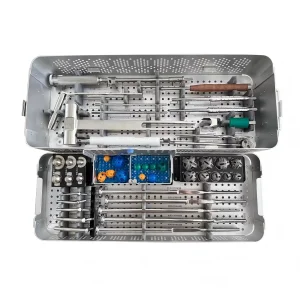
Browse our full selection of implantable prosthetics, surgical tooling, and veterinary joint systems optimized for Afghan clinical partnerships.