Bonevia
Explore our premium medical-grade solutions engineered for superior clinical outcomes and global standards.
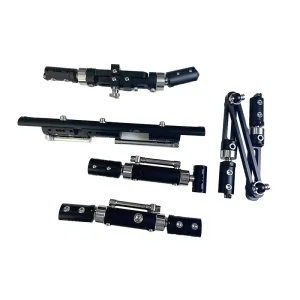
A comprehensive analysis of polymethylmethacrylate (PMMA) bone cements in modern arthroplasty, oncology, and vertebroplasty.
As an indispensable biomaterial in orthopedic surgery, bone cement acts as a grout rather than an adhesive, securely locking prosthetic implants into living bone tissue. The worldwide demand for reliable China Best Bone Cement Suppliers & Exporter has skyrocketed due to aging global populations and the rising incidence of osteoarthritis and osteoporotic fractures.
Modern clinical environments require high viscosity for joint arthroplasty and low viscosity for vertebroplasty and kyphoplasty procedures. Sourcing from certified Chinese manufacturing hubs ensures global healthcare institutions receive products featuring optimal exothermic temperature control, exceptional fatigue strength, and high radiopacity for precise fluoroscopic visualization.
Bonevia Orthopedic Technology Co., Ltd. – Pioneering world-class manufacturing resilience and quality assurance since 2015.
Bonevia is a professional manufacturer specializing in orthopedic implants and surgical solutions, dedicated to advancing innovation in trauma, spine, and joint reconstruction products. Since its establishment in 2015, the company has grown steadily into a trusted supplier in the global orthopedic industry.
With a modern production facility covering approximately 320㎡, Bonevia maintains strict quality management standards and efficient manufacturing processes. The company records an annual export revenue of around USD 8–15 million, supported by 6 years of export experience and over 10 years of overall industry experience.
Quality assurance is a core focus at Bonevia. The company implements multiple inspection methods including incoming material inspection, in-process quality control, and final product testing, supported by a dedicated quality team of 35 professionals. This ensures all products meet international medical device standards.
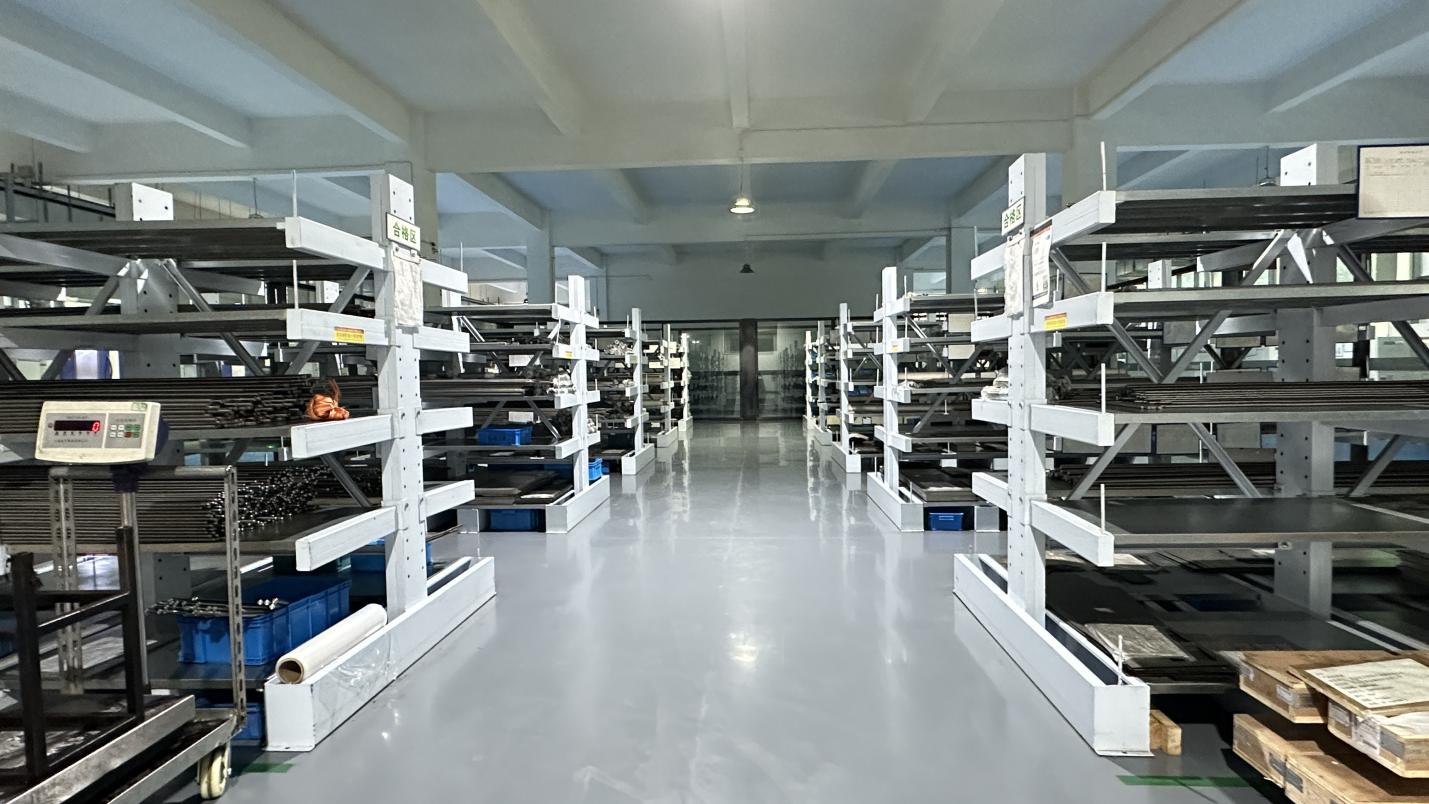
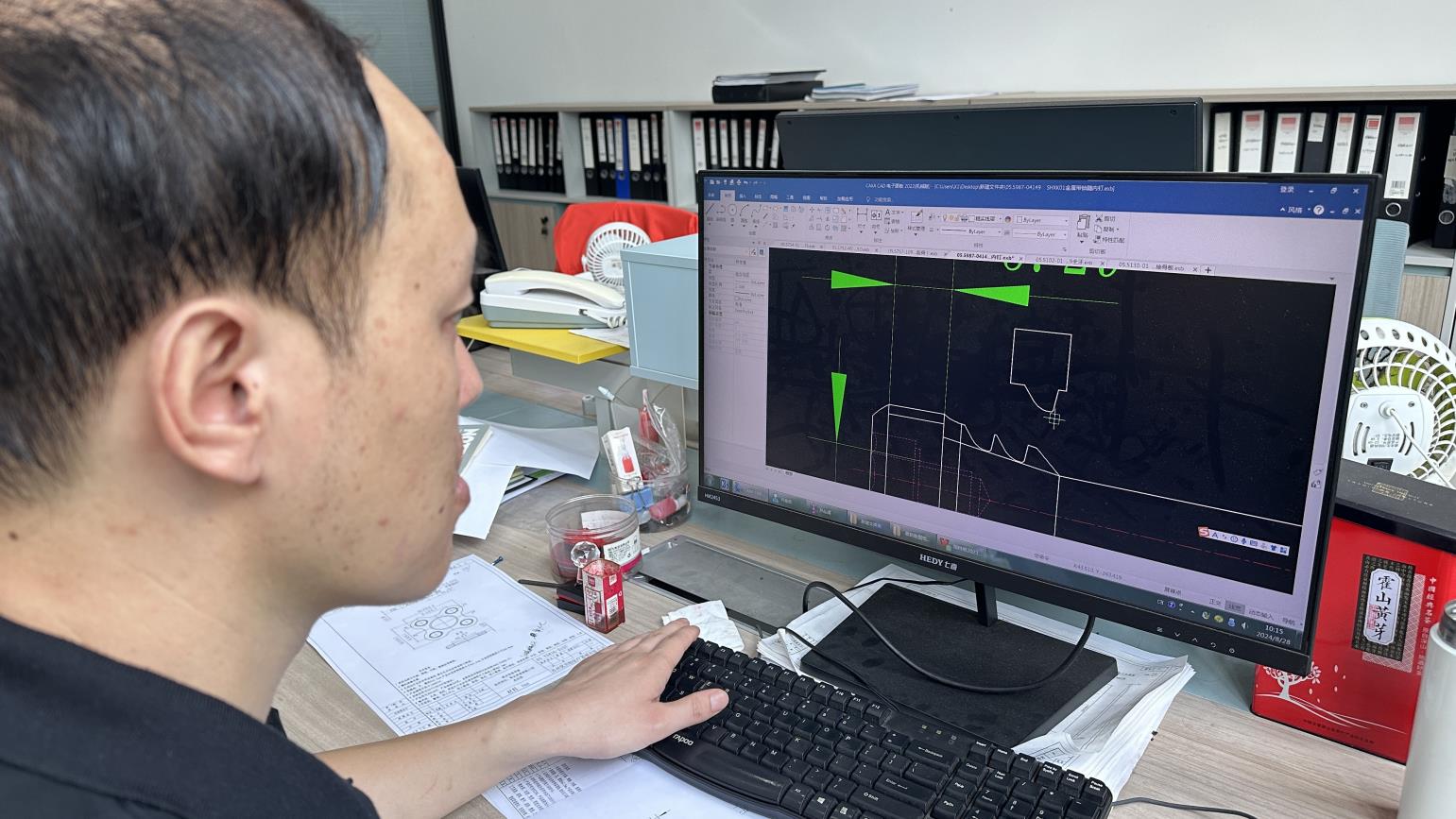
Bonevia has a solid trade foundation with diversified global distribution networks, serving major markets across Europe, Southeast Asia, the Middle East, and South America. Its supply chain ecosystem includes more than 850 partners, enabling stable raw material sourcing and efficient production delivery.
The company serves a wide range of clients, including hospitals, orthopedic clinics, surgical centers, and medical distributors. Bonevia also demonstrates strong R&D capabilities, offering OEM and ODM customization services to meet specific clinical requirements.
In the past year, Bonevia successfully launched 120 new product designs, supported by a research and development team of 85 engineers, continuously driving innovation in orthopedic implant systems and surgical instruments.
Driving the next generation of smart biomaterials, antibiotic-loaded cements, and minimally invasive delivery systems.
Integration of heat-stable antibiotics (such as Gentamicin and Tobramycin) directly into the PMMA matrix to prevent localized surgical site infections (SSI) and periprosthetic joint infections (PJI) with sustained local elution.
Development of next-generation bioactive bone cements capable of real-time load monitoring and accelerated osteointegration through surface-modified nano-hydroxyapatite integration.
Tailored regulatory support, multi-language labeling, and streamlined logistics frameworks customized to meet regional healthcare standards across Europe, Latin America, and Southeast Asia.
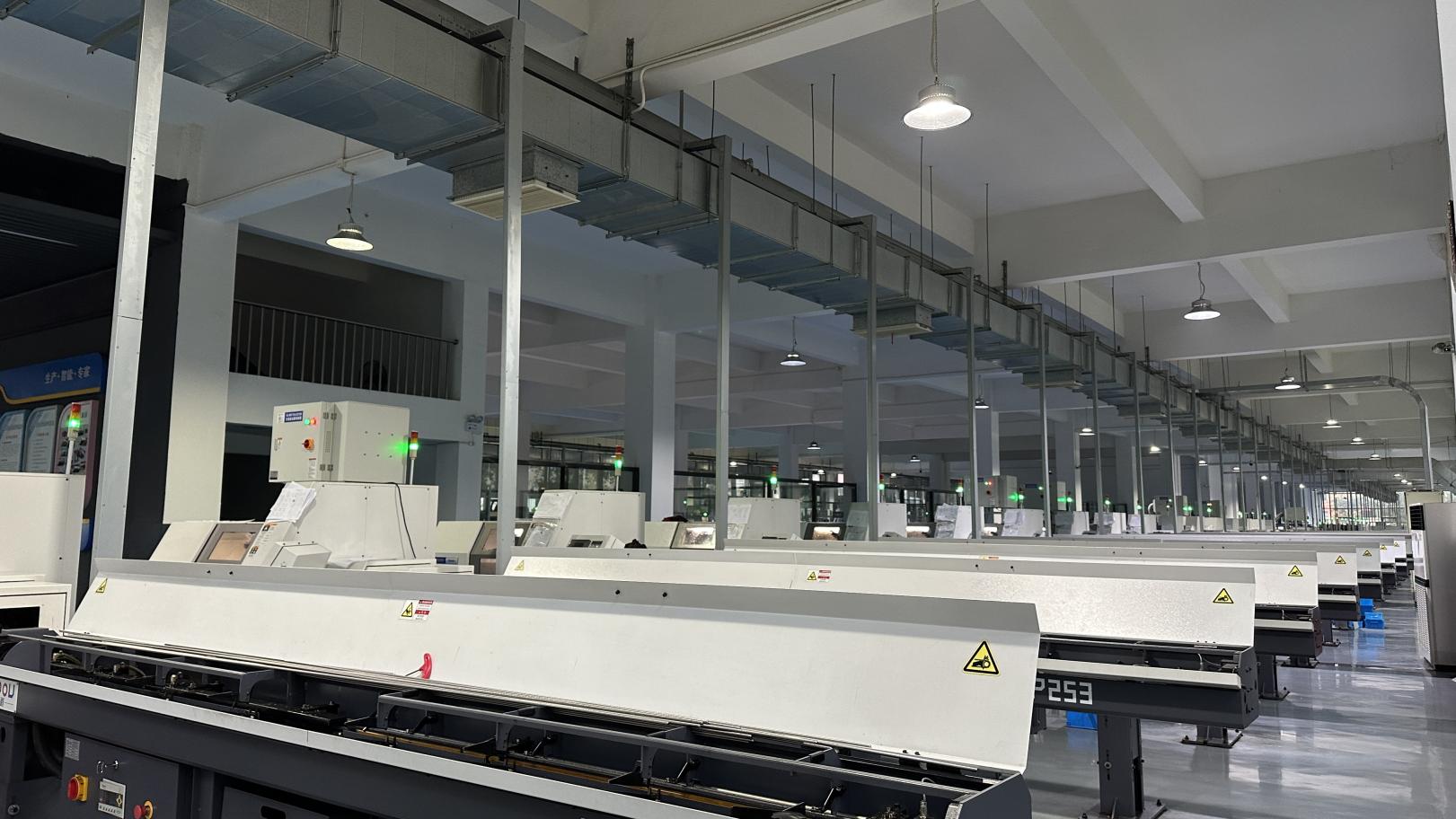
State-of-the-art machinery and rigorous inspection protocols guarantee absolute precision in every medical instrument and implant.
Premium biocompatible raw material selection and spectral verification.
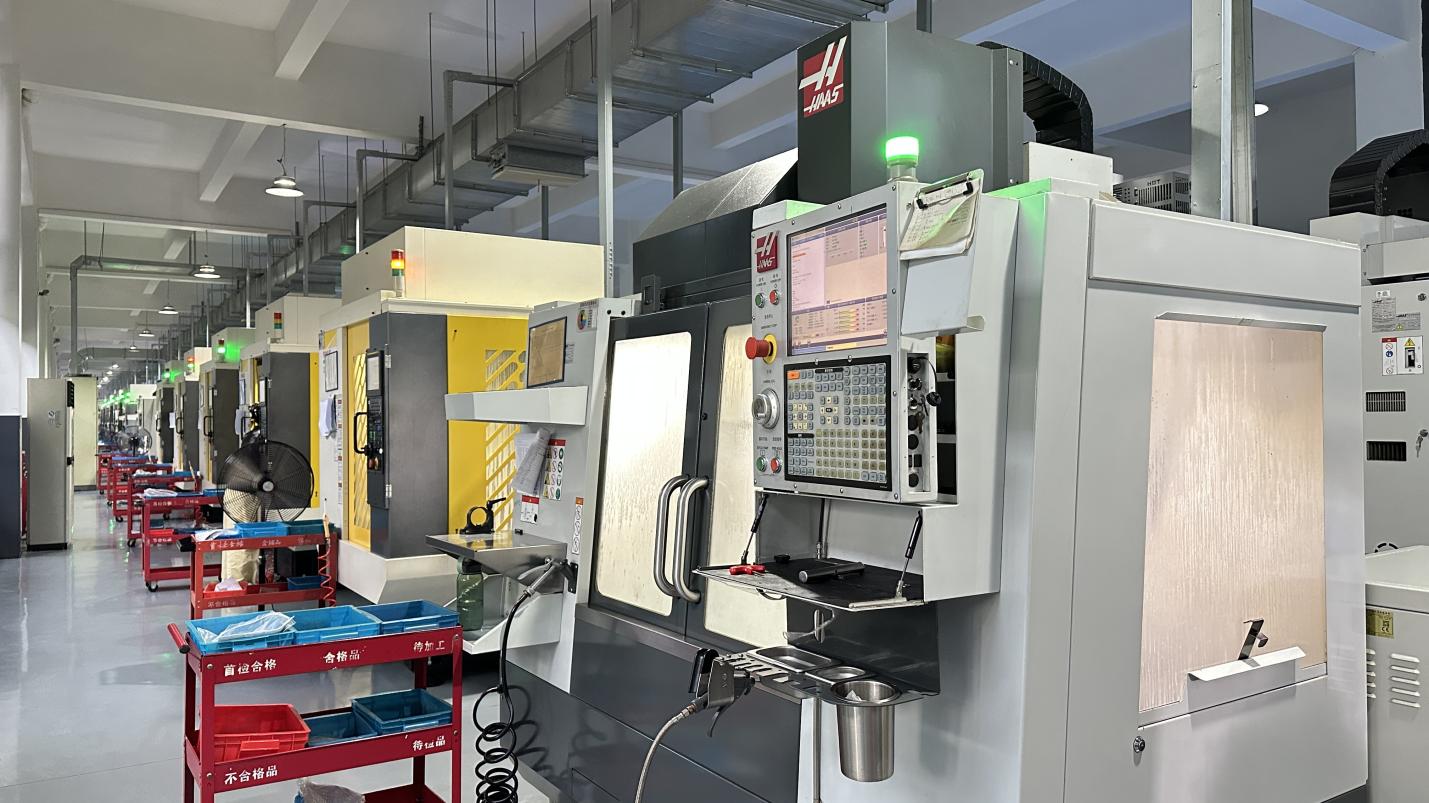
High-precision raw material sizing for subsequent machining lines.
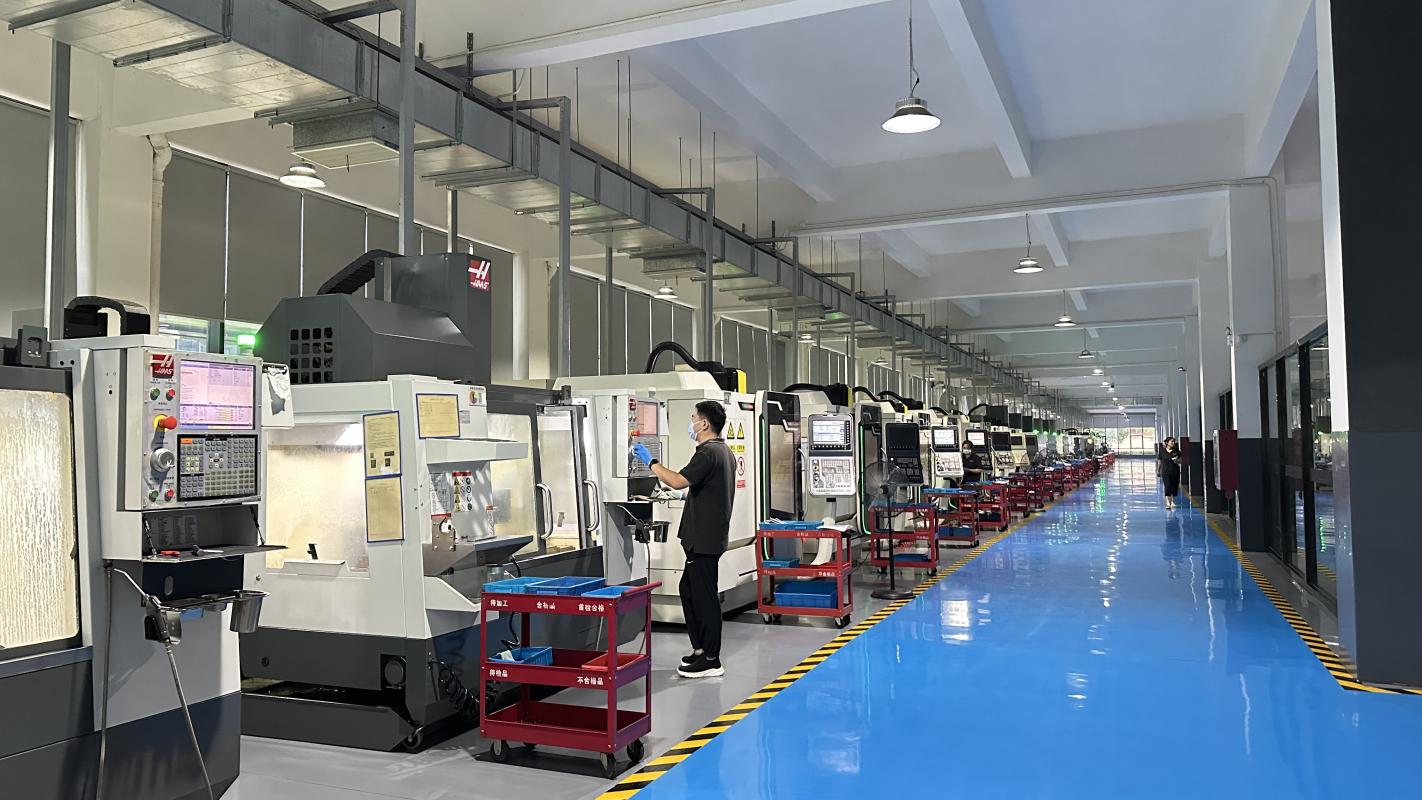
Multi-axis CNC milling centers achieving ultra-tight micron tolerances.
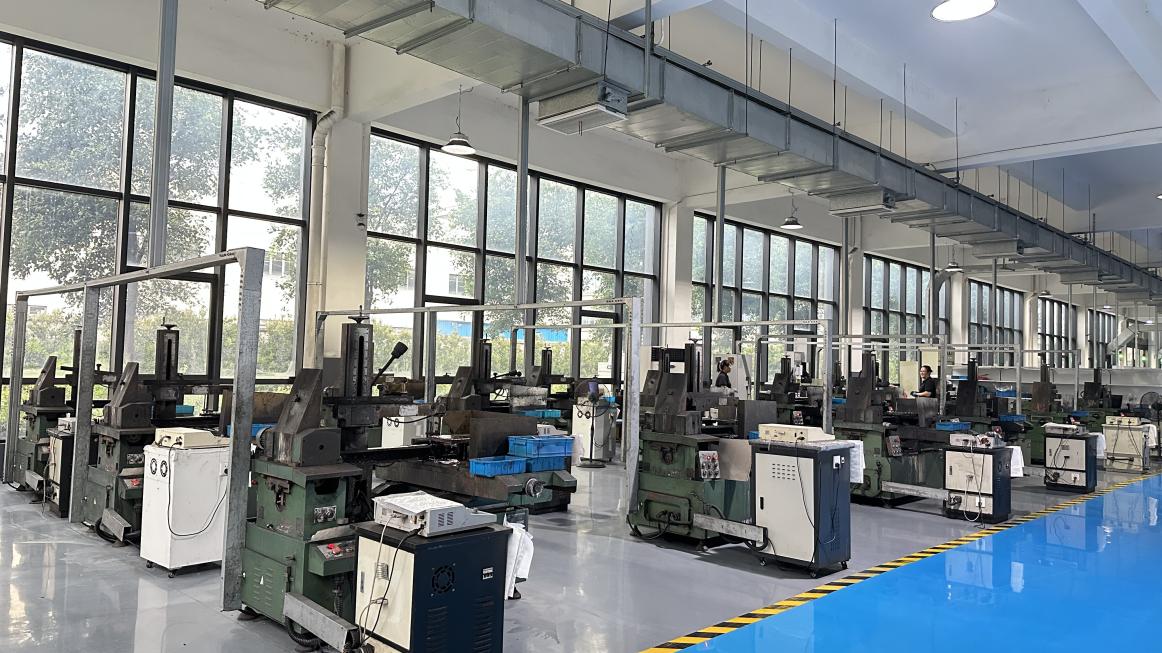
Advanced EDM wire-cutting for complex surgical instrument geometry.
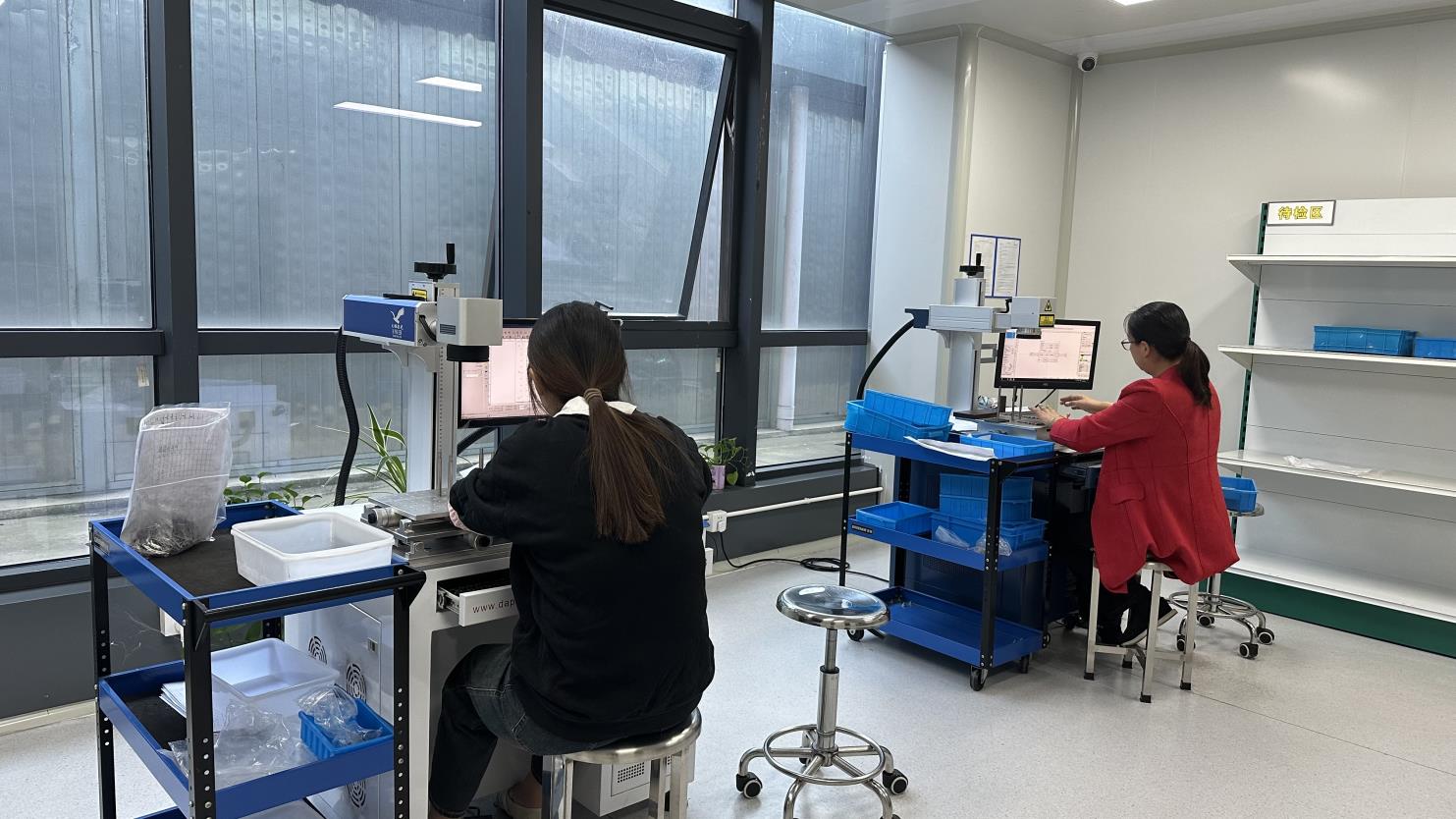
Permanent UDI and batch tracing laser engraving on all implants.
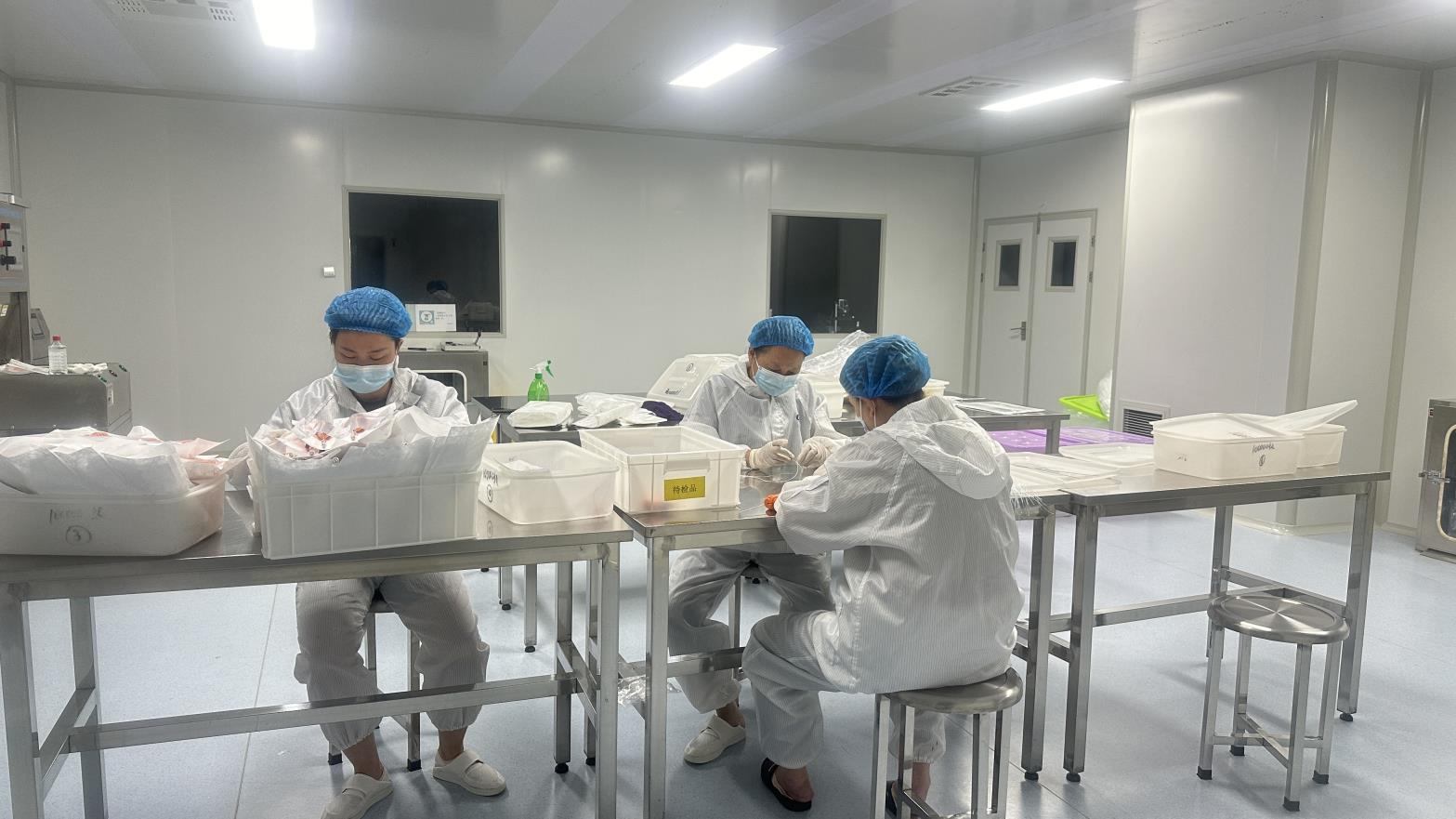
Rigorous quality audit followed by sterile barrier packaging.

Climate-controlled inventory management ensuring rapid global dispatch.
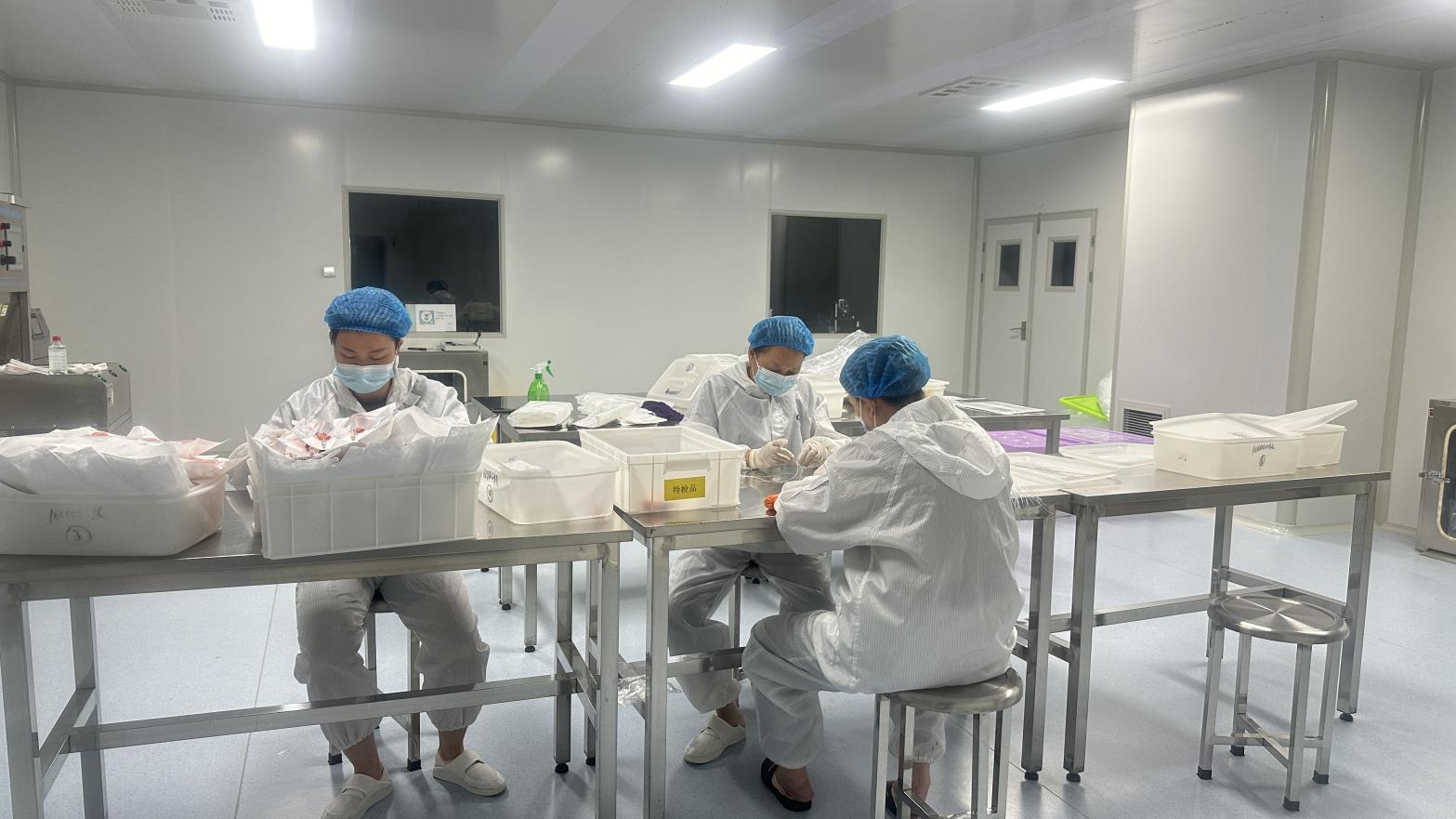
Coordinate measuring machines (CMM) verifying zero defect standards.
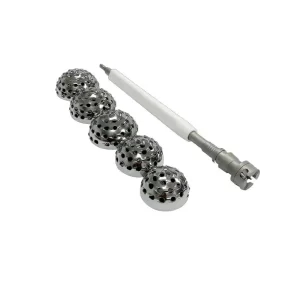
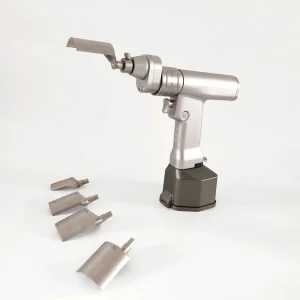
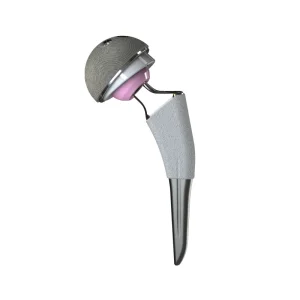
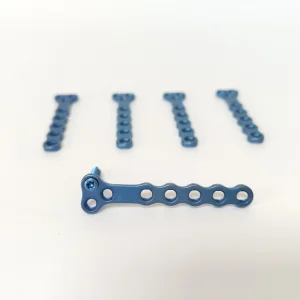
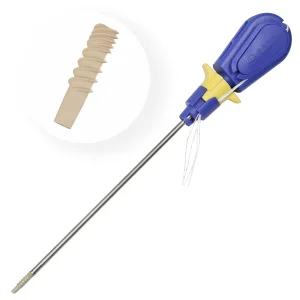
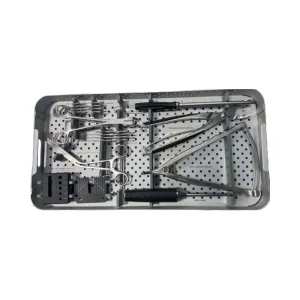
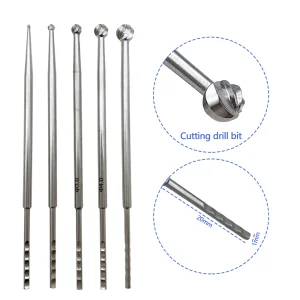
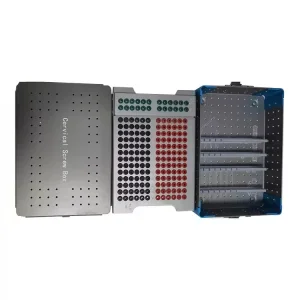
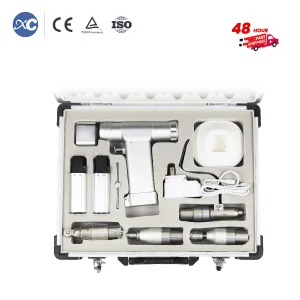
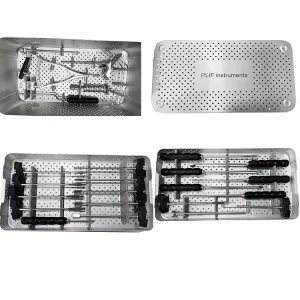
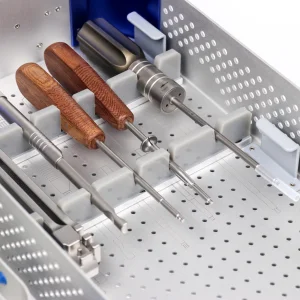
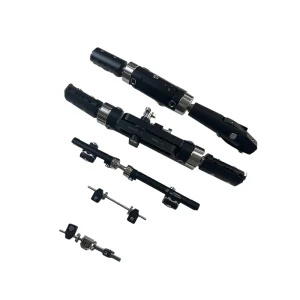
Discover our specialized surgical instrument sets and implant systems designed for minimal invasive procedures.
Expert answers regarding bone cement selection, regulatory compliance, and OEM/ODM cooperation partnerships.
Low-viscosity bone cements are specifically designed for minimally invasive spine procedures like vertebroplasty, allowing smooth delivery through fine needles. High-viscosity cements are formulated for joint arthroplasty (hip and knee replacement), enabling surgeons to manually knead and pack the cement into trabecular bone surfaces with optimal pressurization.
Our manufacturing operations and orthopedic portfolios adhere strictly to global standards. Our products feature CE certification, ISO 13485 quality management system compliance, and rigorous biocompatibility testing meeting ASTM and ISO guidelines to ensure safe clinical application worldwide.
Yes. Backed by our robust R&D team of 85 engineers and 120 annual new product designs, we provide full-scale OEM and ODM support, including customized packaging, private labeling, instrument tray configurations, and specific biomaterial formulations tailored to regional market needs.
With a network of over 850 verified supply chain partners, 6 years of direct export experience, and climate-controlled warehousing facilities, we maintain consistent raw material availability and robust logistical channels, exporting successfully to Europe, Southeast Asia, the Middle East, and South America.