Bonevia
Bonevia
Bonevia
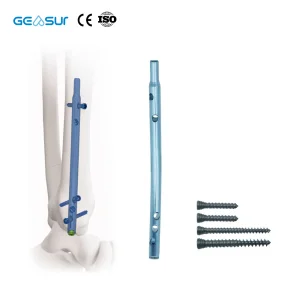
Explore our leading surgical products engineered to meet demanding biocompatibility and mechanical tolerances globally.
Bonevia Orthopedic Technology Co., Ltd. is a professional manufacturer specializing in orthopedic implants and surgical solutions, dedicated to advancing innovation in trauma, spine, and joint reconstruction products. Since its establishment in 2015, the company has grown steadily into a trusted supplier in the global orthopedic industry.
With a modern production facility covering approximately 320㎡, Bonevia maintains strict quality management standards and efficient manufacturing processes. The company records an annual export revenue of around USD 8–15 million, supported by 6 years of export experience and over 10 years of overall industry experience.
Quality assurance is a core focus at Bonevia. The company implements multiple inspection methods including incoming material inspection, in-process quality control, and final product testing, supported by a dedicated quality team of 35 professionals. This ensures all products meet international medical device standards.
Bonevia has a solid trade foundation with diversified global distribution networks, serving major markets across Europe, Southeast Asia, the Middle East, and South America. Its supply chain ecosystem includes more than 850 partners, enabling stable raw material sourcing and efficient production delivery.
The company serves a wide range of clients, including hospitals, orthopedic clinics, surgical centers, and medical distributors. Bonevia also demonstrates strong R&D capabilities, offering OEM and ODM customization services to meet specific clinical requirements. In the past year, Bonevia successfully launched 120 new product designs, supported by a research and development team of 85 engineers, continuously driving innovation in orthopedic implant systems and surgical instruments.
An anatomical view of the supply chain capabilities, infrastructure efficiency, and strict quality systems governing modern surgical device manufacture.
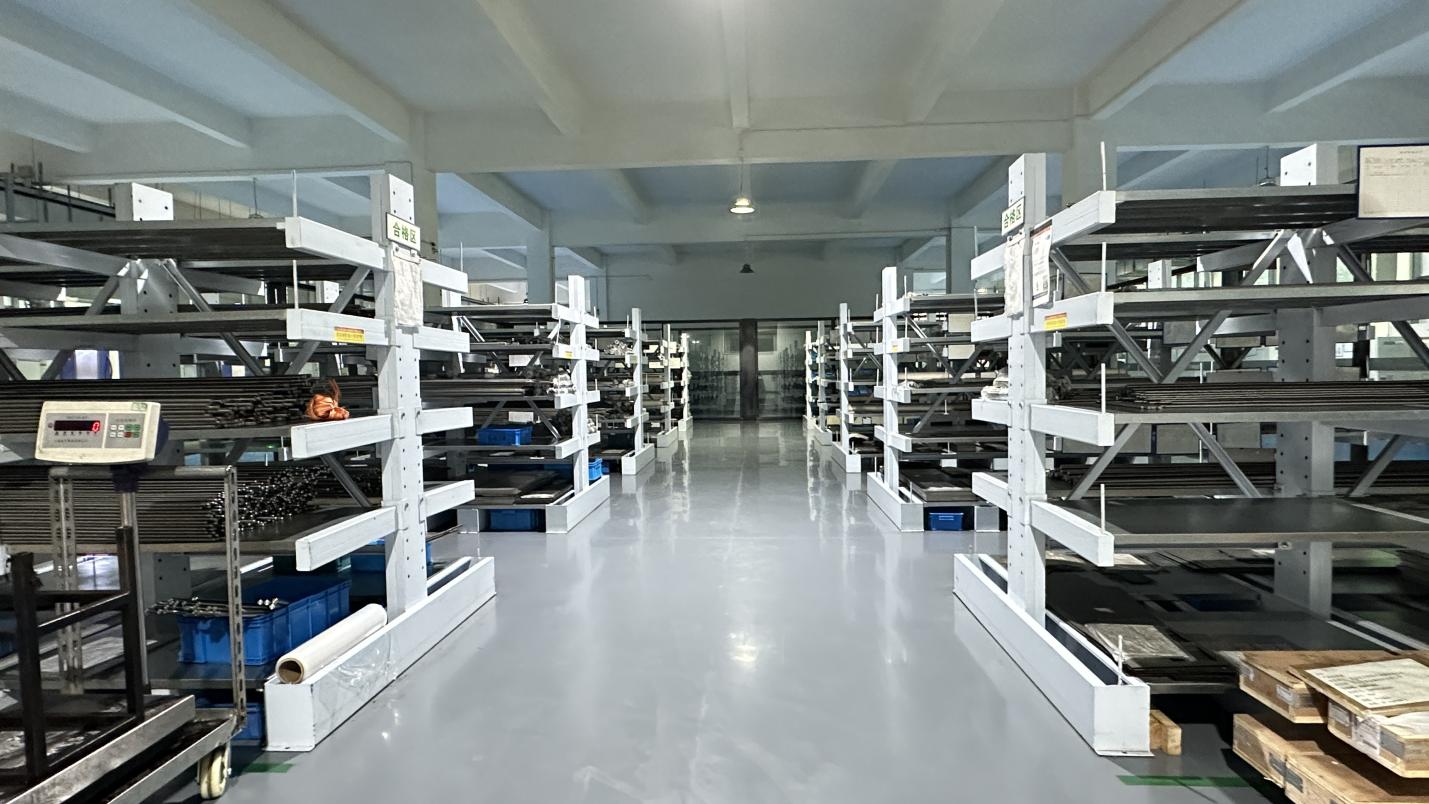
From metallurgical processing of medical-grade Titanium Alloys (Ti-6Al-4V) to advanced PEEK polymers, Chinese hubs offer raw material security and instant proximity to precision tool tooling facilities.
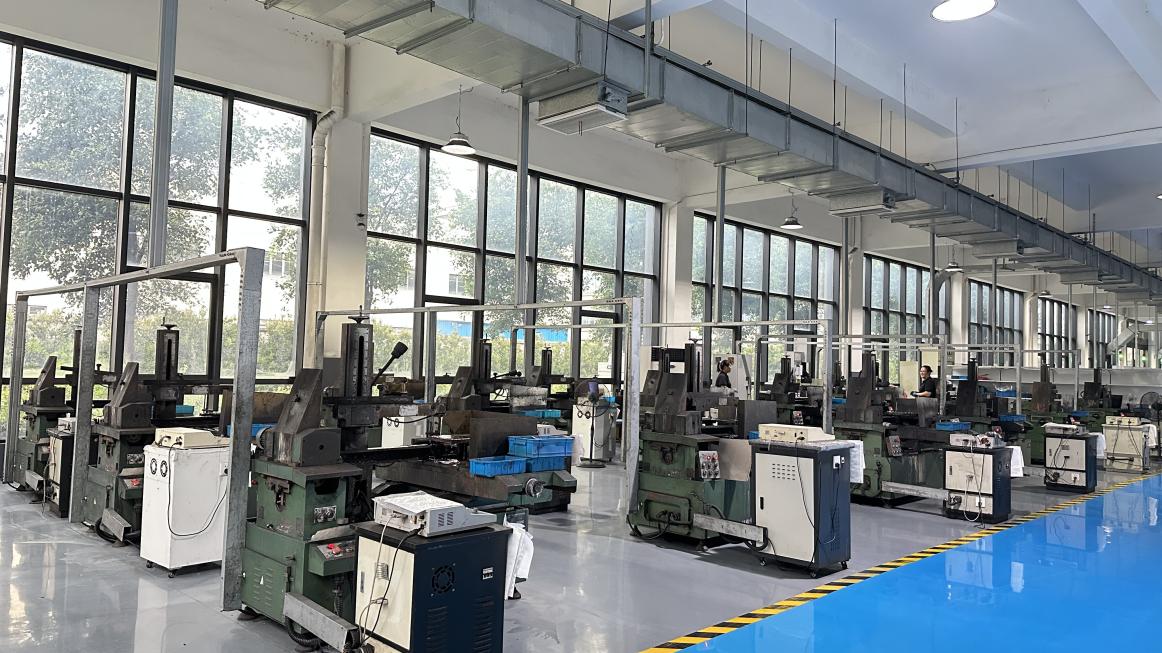
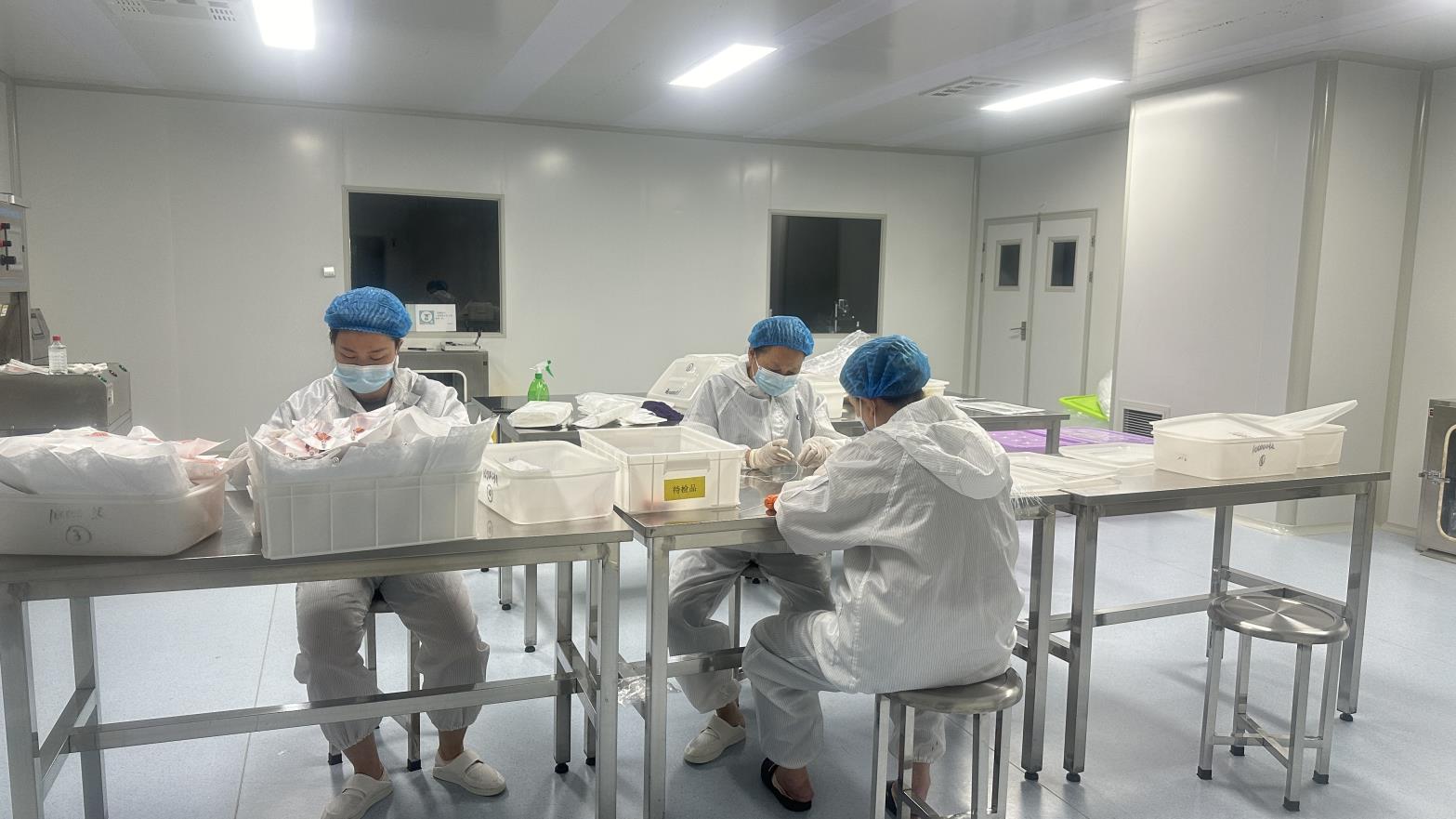
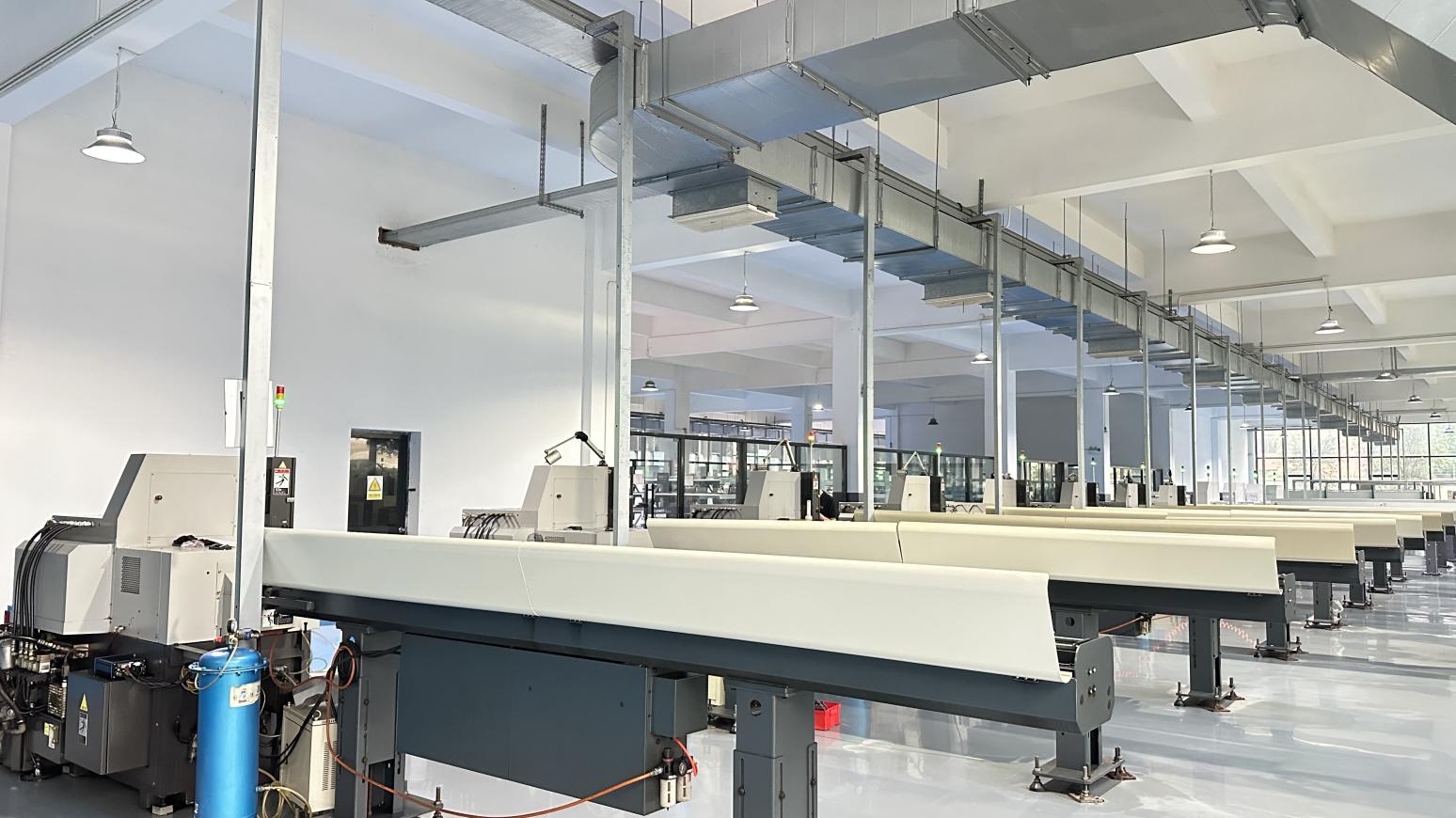
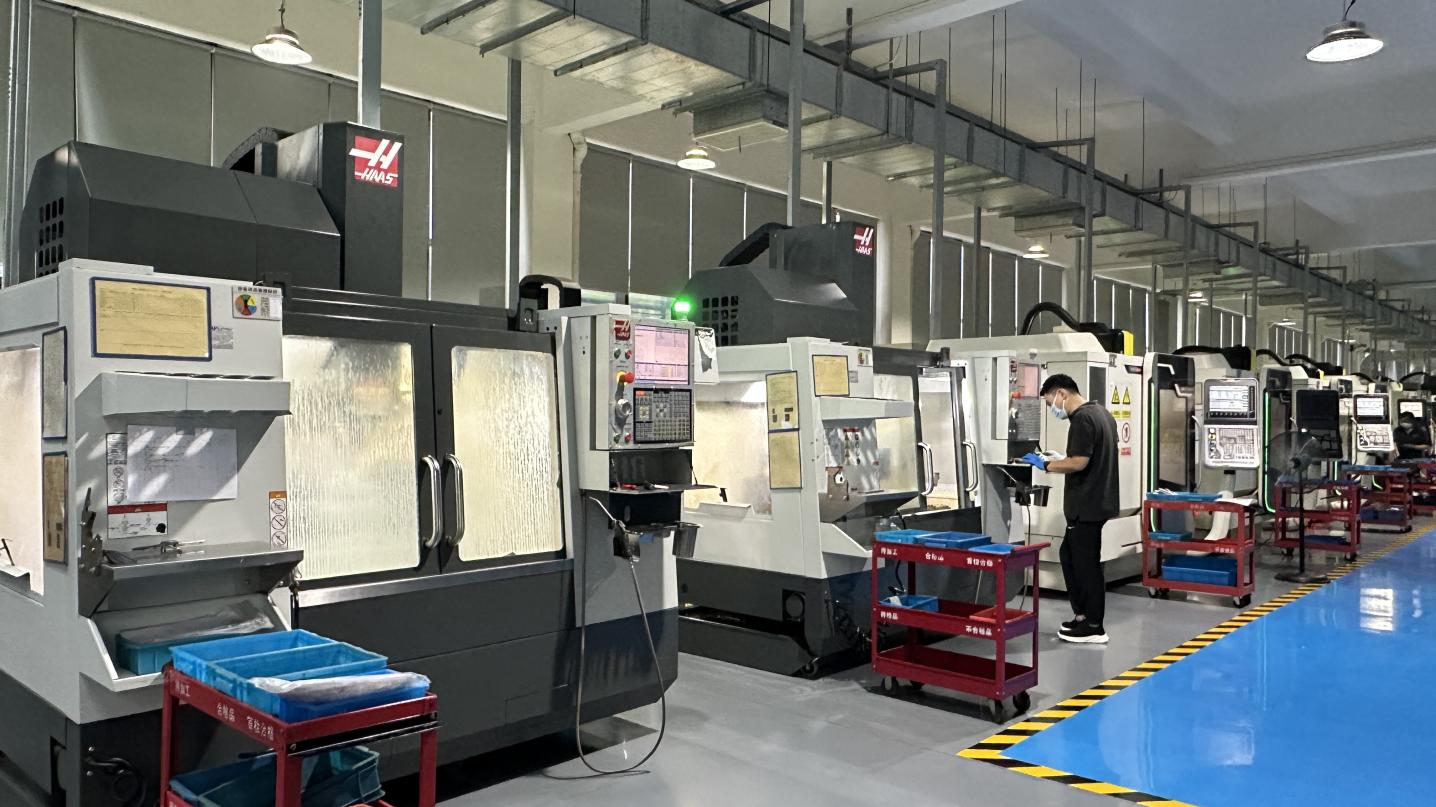
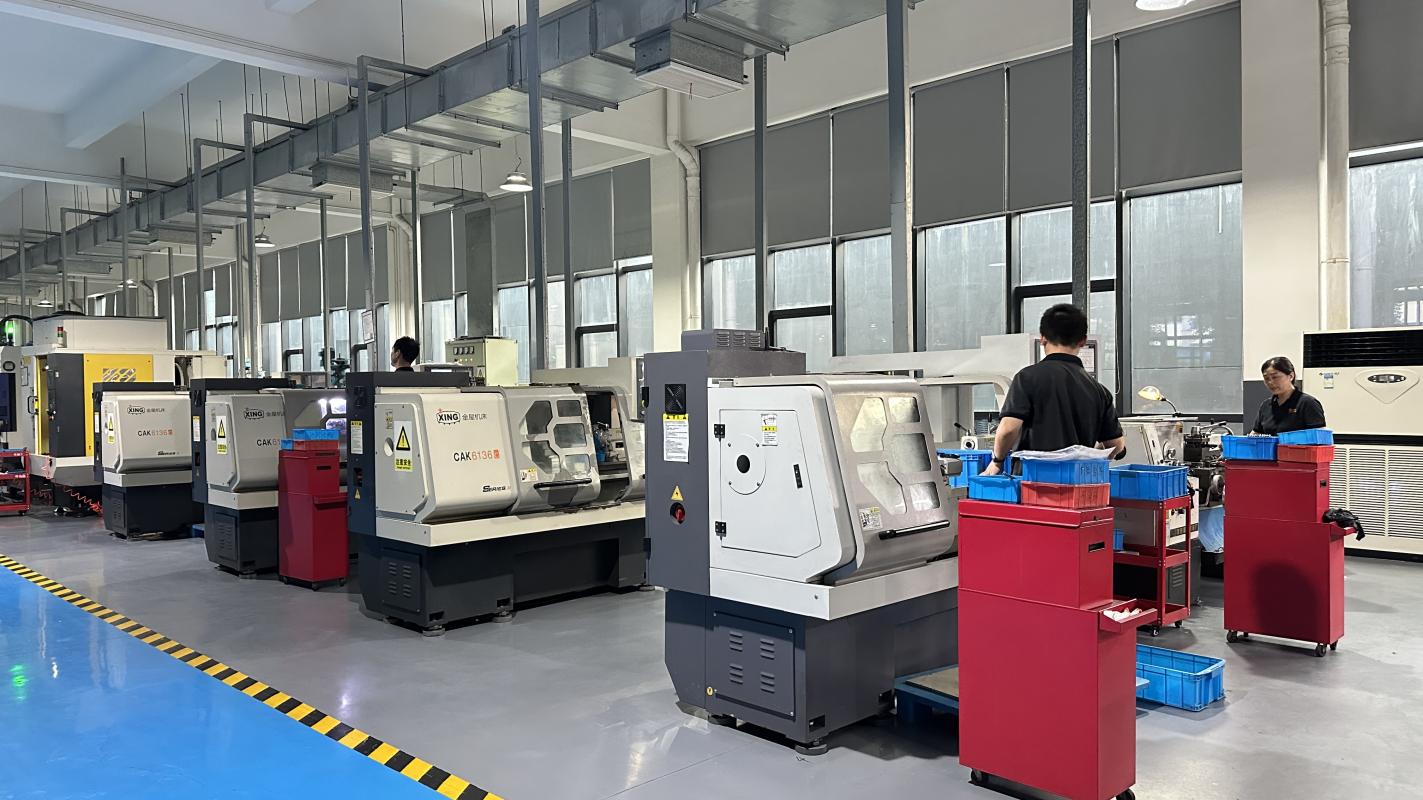
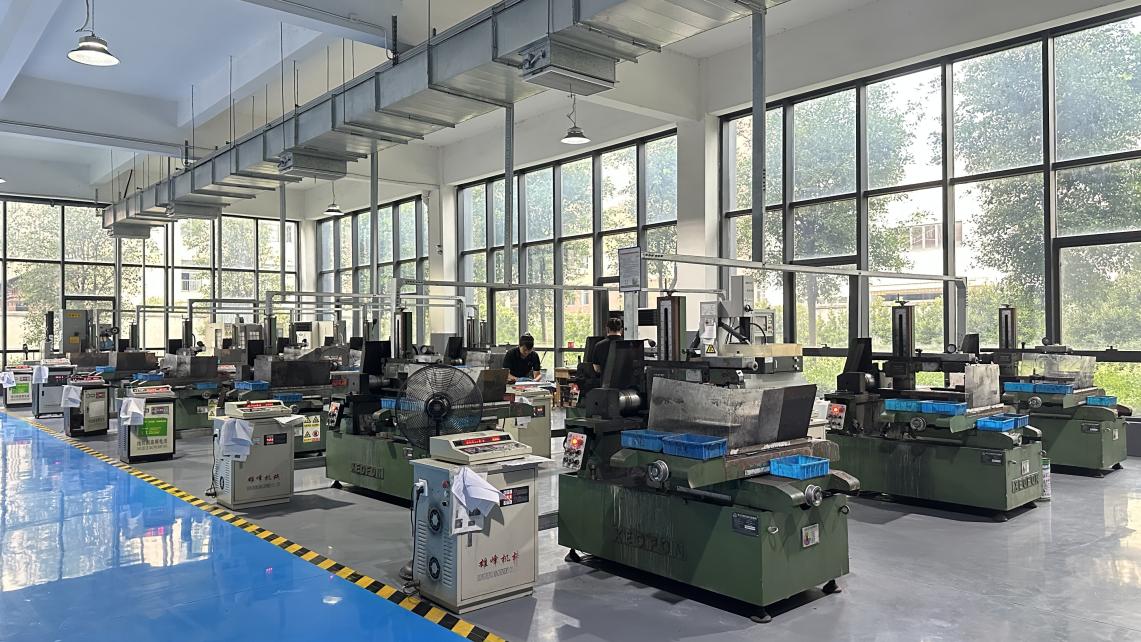
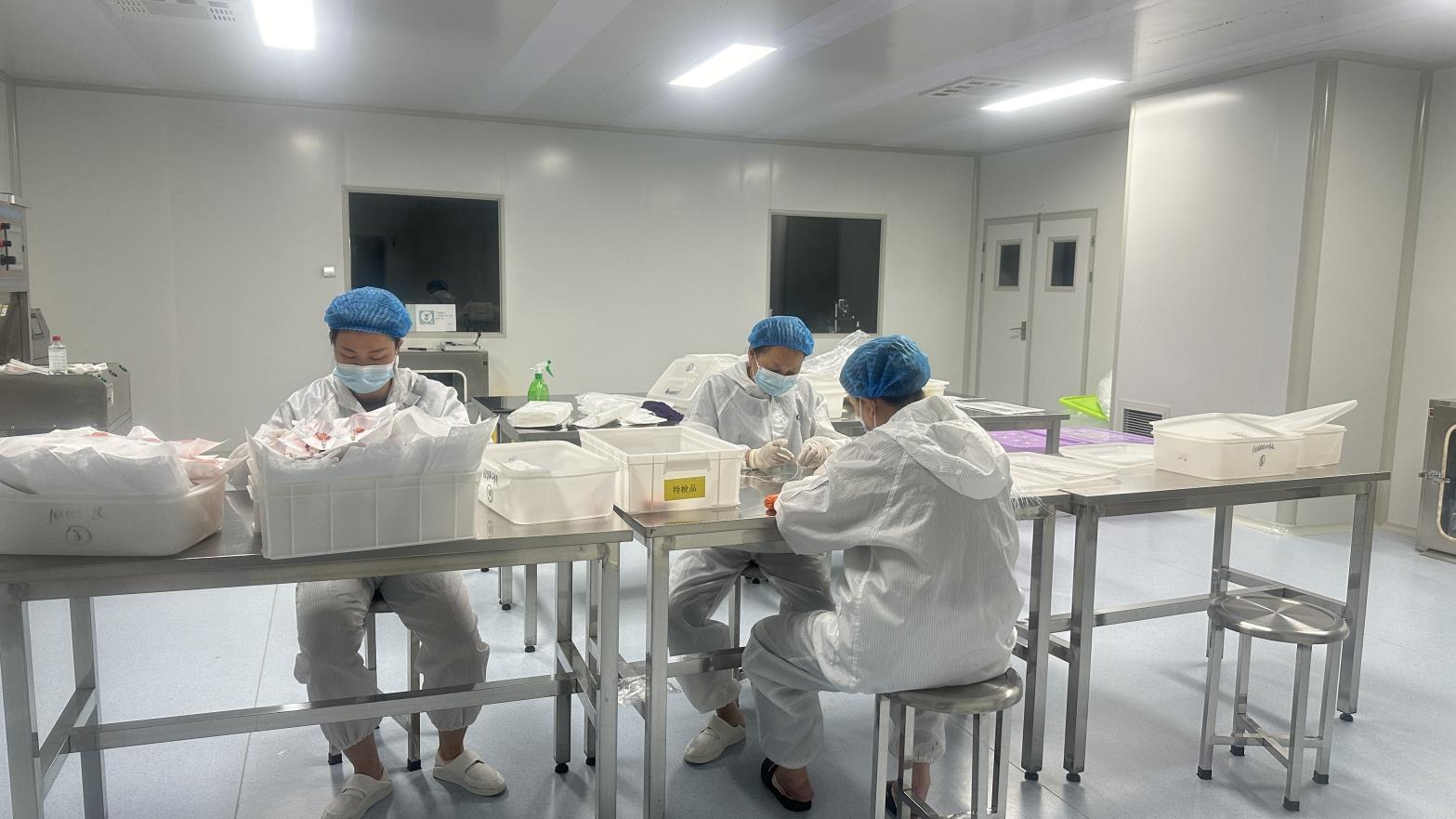
Investment in state-of-the-art CNC Swiss-type lathes, automated wire-cutting tools, and cleanrooms (Class 100,000 / ISO Class 8 equivalent) matches stringent regulatory standards across the EU and Americas.
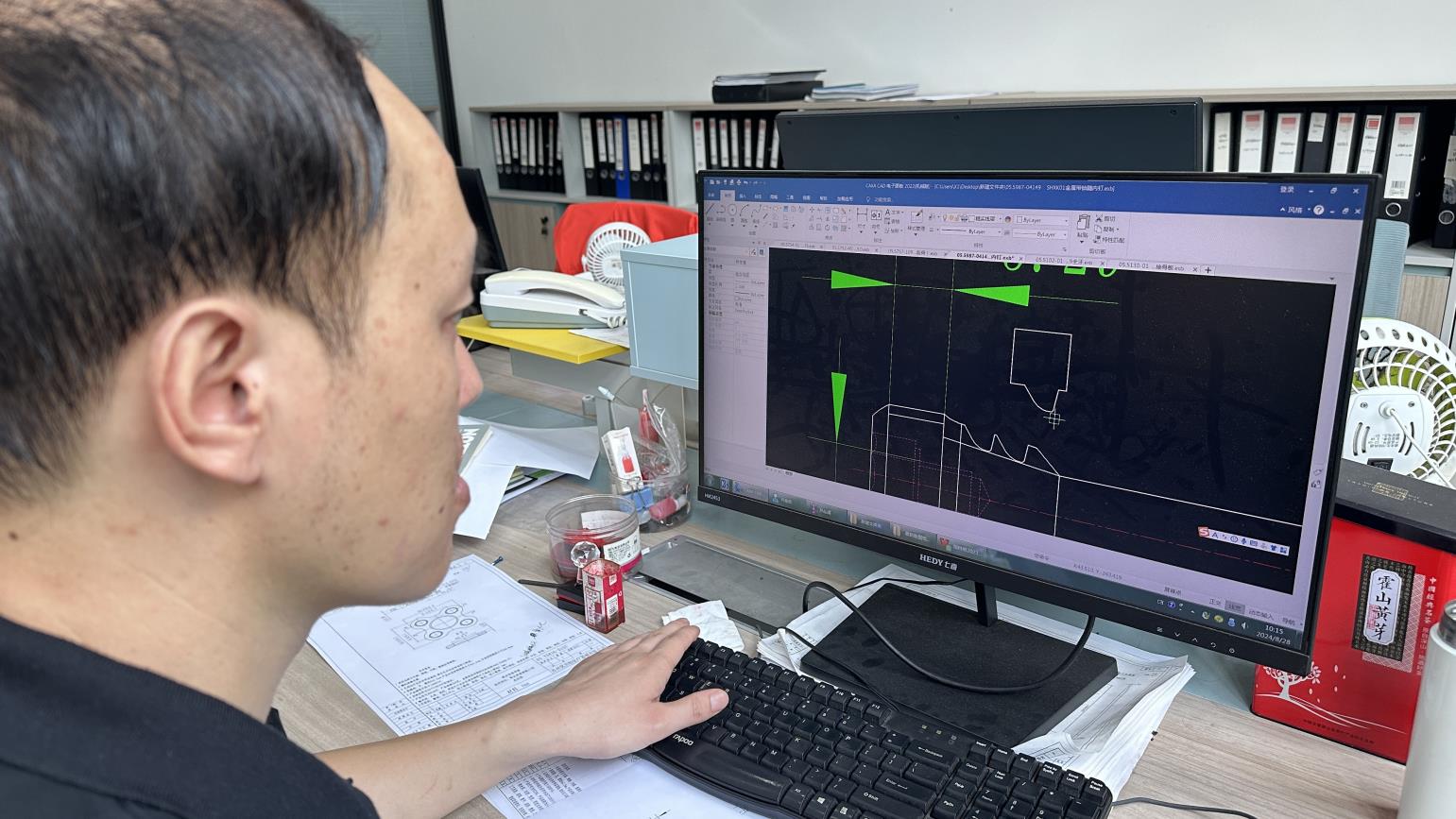
Equipped with dedicated CAD/CAM software suites and finite element analysis (FEA), local engineering teams minimize the transition from initial prototype to final regulatory approval.
Meeting the challenges of aging demographic shifts, minimally invasive surgery (MIS) adoption, and stringent EU MDR / FDA regulatory frameworks.
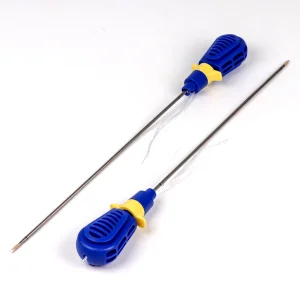
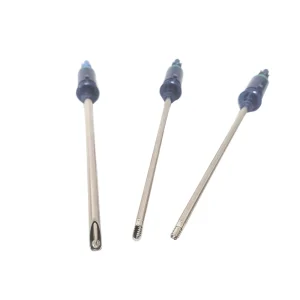
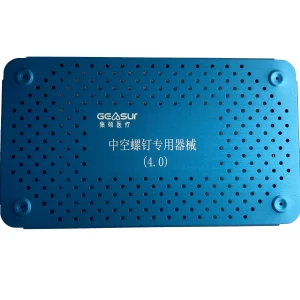
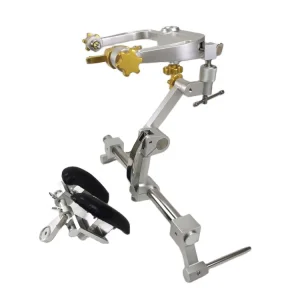
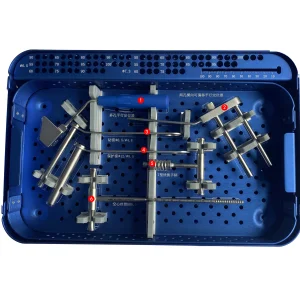
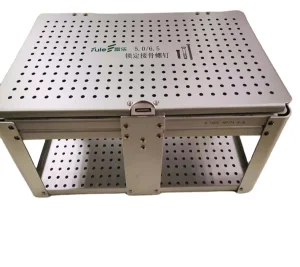
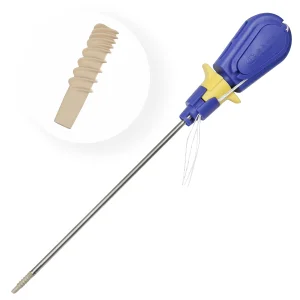
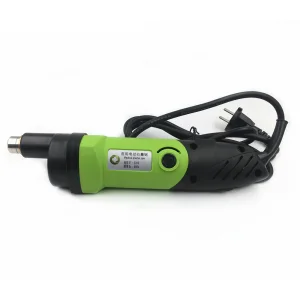
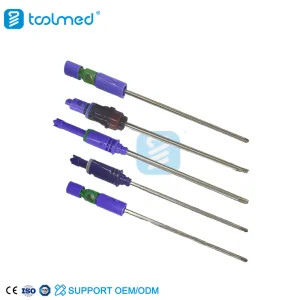
Clinical workflows demand tools optimized for specific biomechanical actions. Bonevia partners directly with global medical device distributors to deliver highly specialized instrument sets:
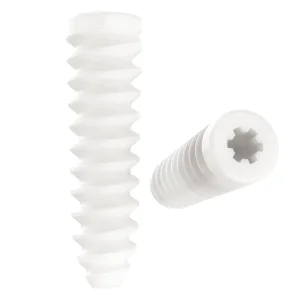
Modern implantology relies on materials that minimize stress shielding and galvanic corrosion. Polyether ether ketone (PEEK) has emerged as the premier non-metallic biomaterial due to its bone-like elastic modulus, radiolucency on X-rays, and excellent fatigue life.
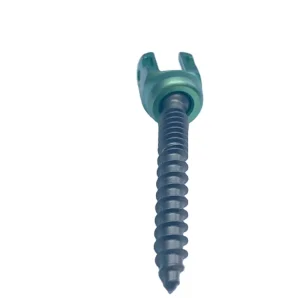
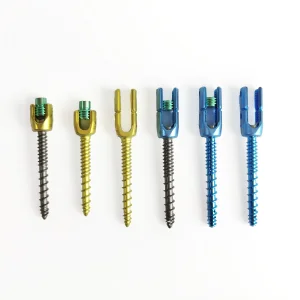
Simultaneously, medical-grade Titanium Alloys (Ti6Al4V ELI) remain the gold standard for load-bearing spine and trauma applications, enhanced by customized surface treatment options such as anodization and acid etching.
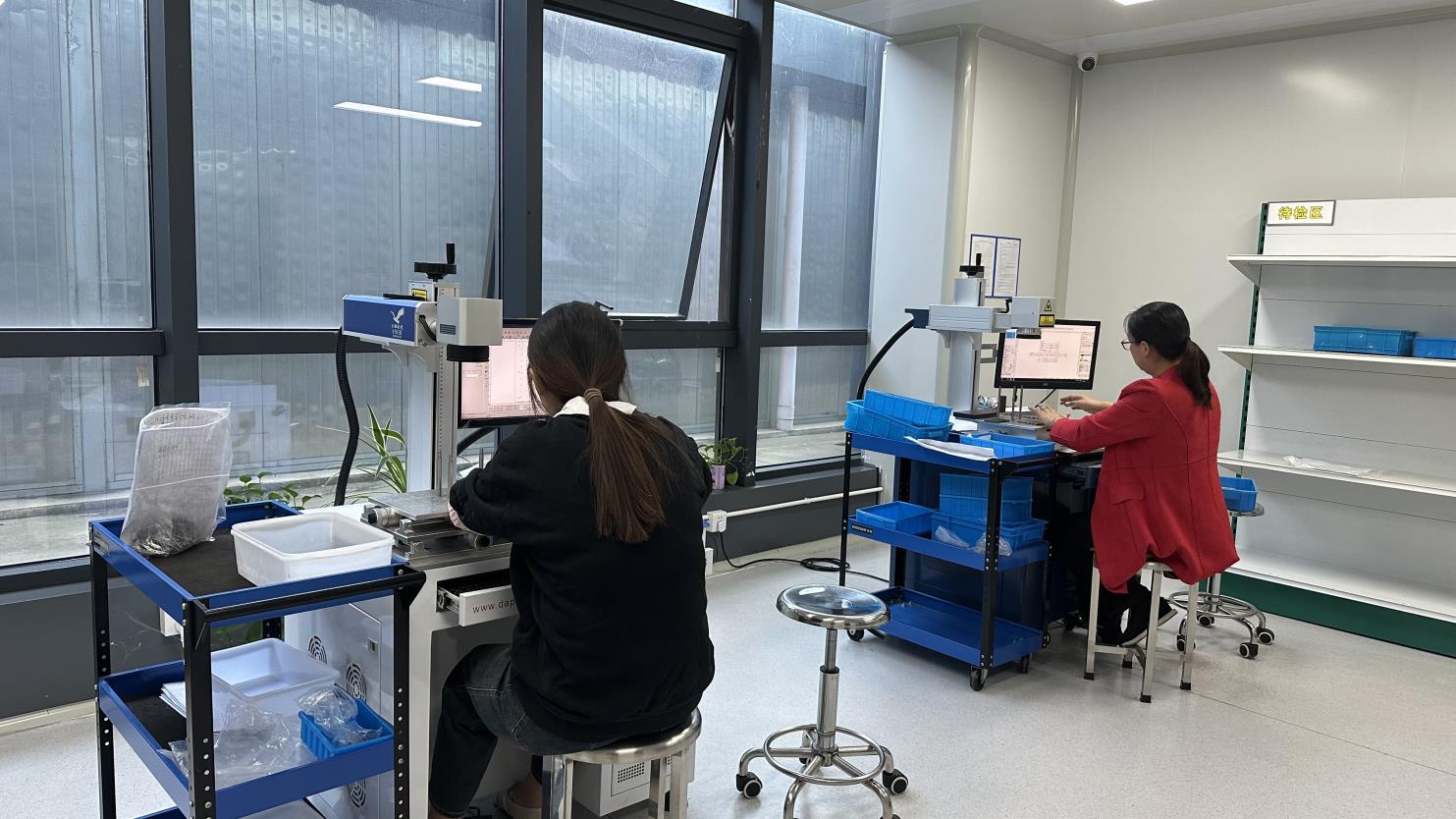
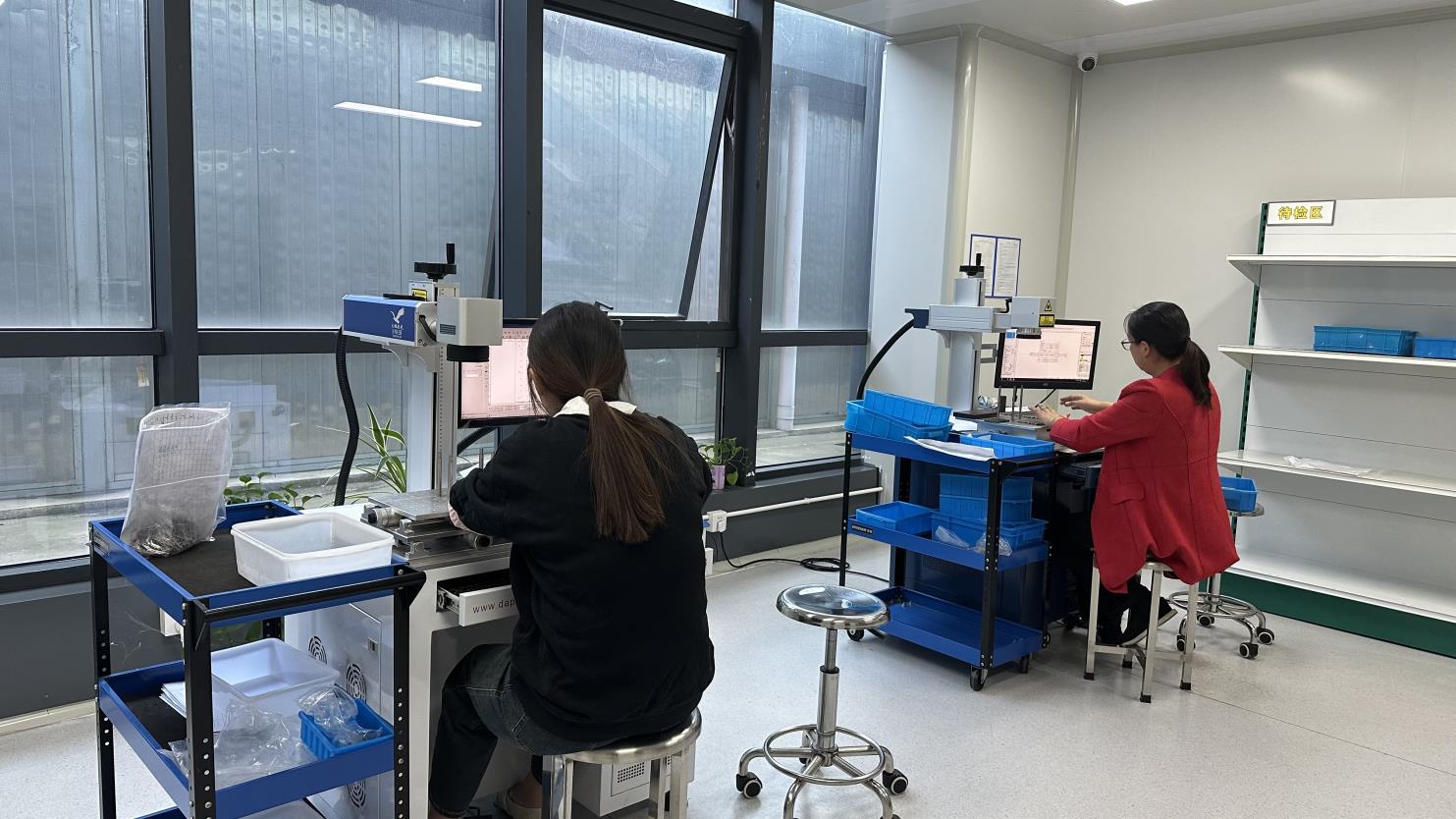
Witness the specialized processes that transform raw biocompatible metals and plastics into high-precision clinical products.
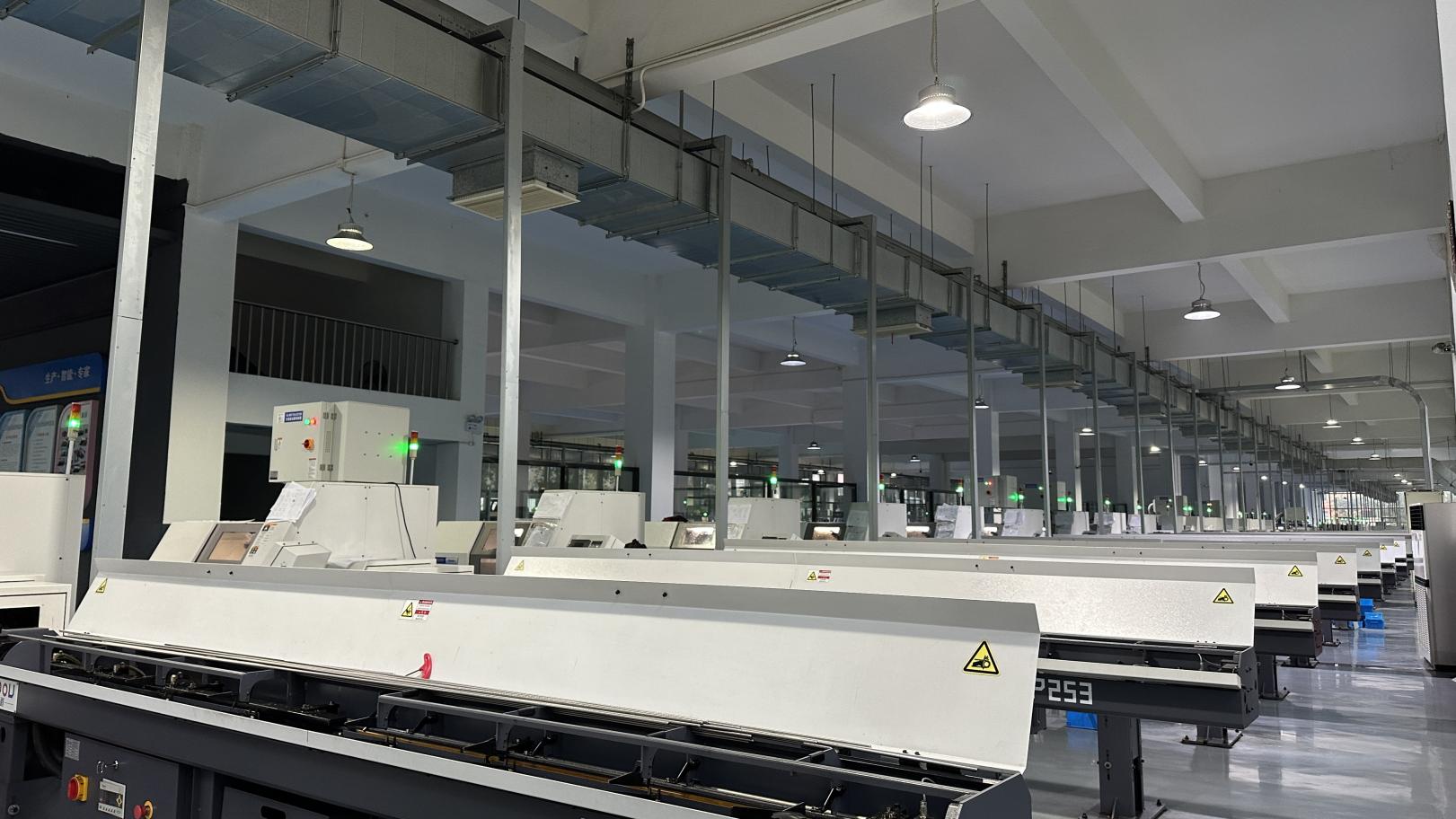
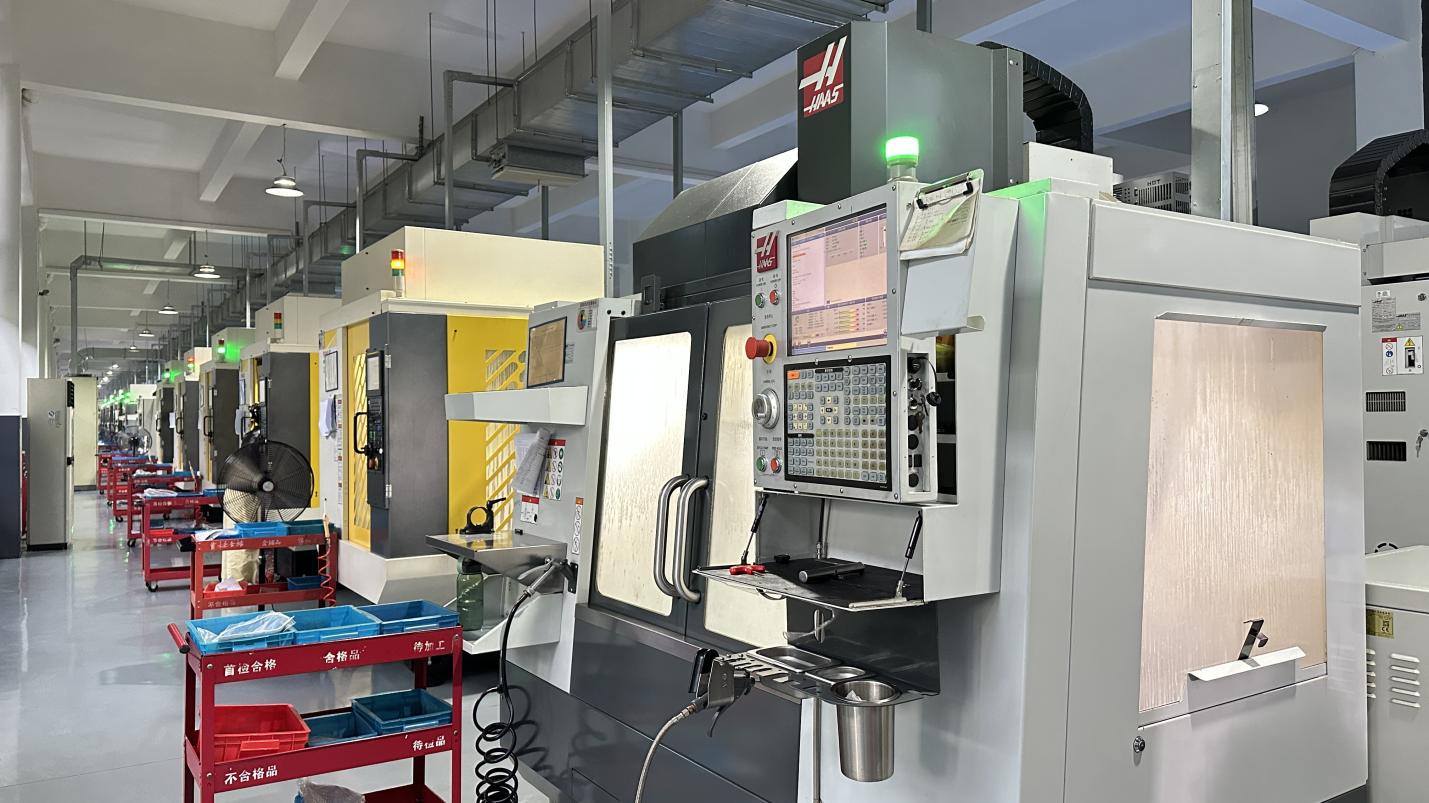
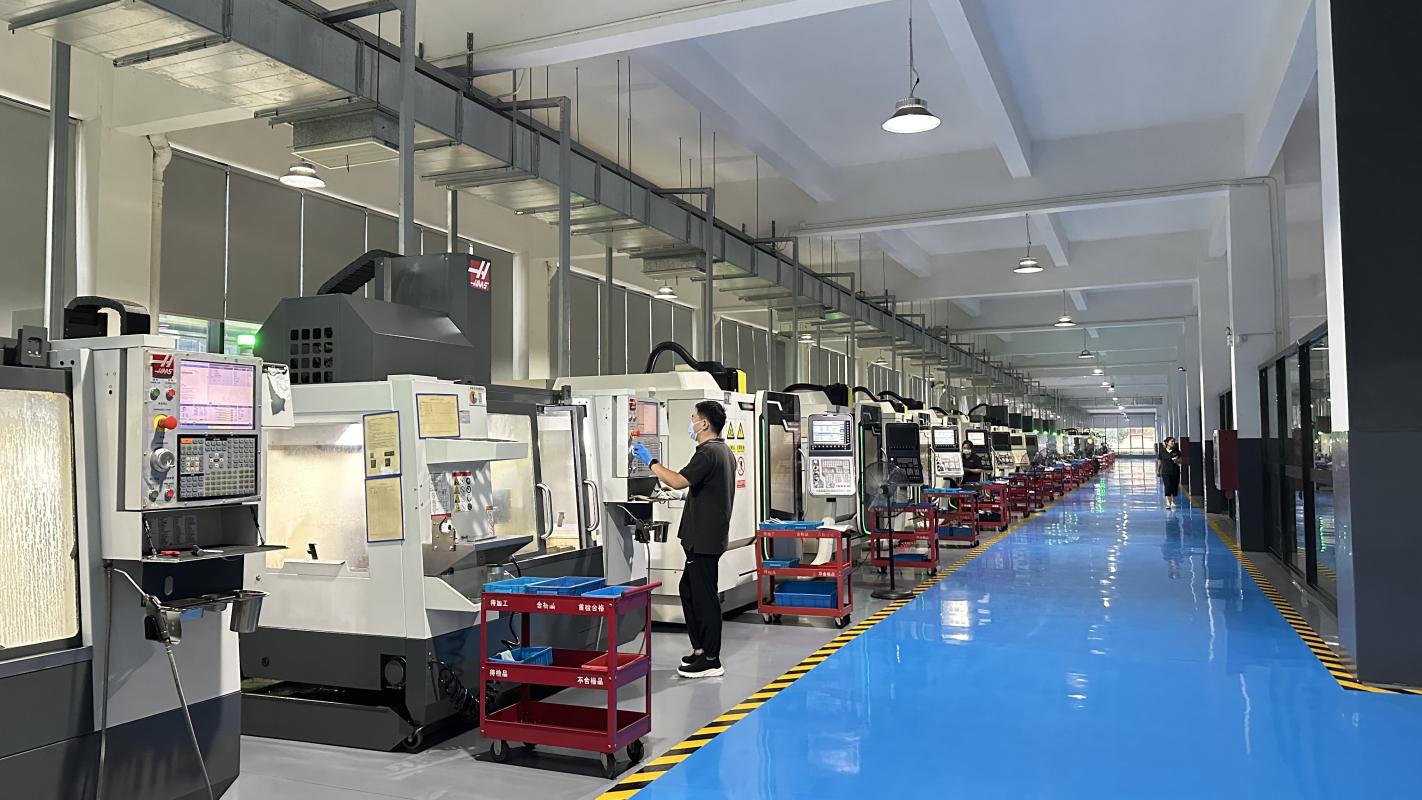

Ensuring absolute safety margins through structural testing, chemical profiling, and traceable batch manufacturing protocols.
Every batch of raw medical alloy or implant-grade plastic (PEEK, UHMWPE) undergoes strict spectral analysis, tensile strength validation, and chemical composition checks before processing. We confirm compliance with standards like ASTM F136 for Titanium and ASTM F2026 for PEEK.
Our machinists perform real-time coordinate measuring machine (CMM) testing to detect micro-deviations. Standardizing dimensional tolerances down to ±0.005mm prevents mismatch risks during intraoperative assemblies.
Finished implants are validated for fatigue resistance (ASTM F1717 / ASTM F543) and undergo validation cleaning in class-10,000 packing rooms. Laser etching ensures complete batch traceability under international UDI (Unique Device Identification) directives.
Our packaging processes comply with ISO 11607 guidelines. Sterilization validation (EO or Gamma Irradiation) guarantees sterility assurance levels (SAL) of 10-6 for safe clinical introduction.
Critical procurement intelligence, regulatory inquiries, and production capability guidance for hospital purchasers and medical distributors.
Complete your surgical suite with high-precision instruments and implant systems designed for optimal clinical outcomes.