Bonevia
Bonevia
Bonevia
High-precision orthopedic implant hardware designed for percutaneous insertion, minimally invasive fracture stabilization, and demanding anatomical reconstructions.
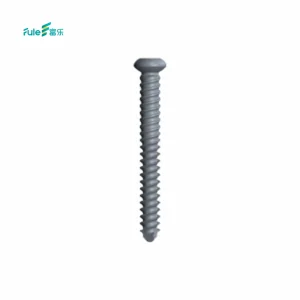
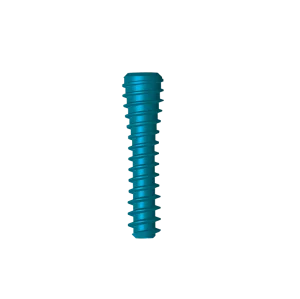
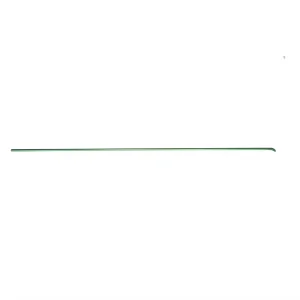
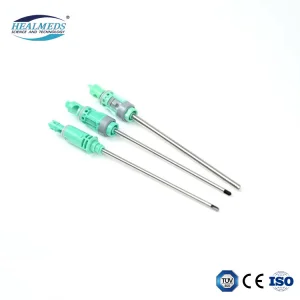
Cannulated screws represent a pinnacle of targeted surgical intervention, providing controlled interfragmentary compression along a predetermined axis. Manufactured with a continuous central lumen, these hollow-core fasteners allow orthopedic surgeons to place guide wires (K-wires) under intraoperative fluoroscopic imaging before advancing the self-drilling and self-tapping screw along the exact anatomical vector.
The mechanical advantage of modern cannulated design resides in its optimized thread pitch differential, specialized reverse-cutting flutes, and head geometry. In femoral neck fractures, scaphoid nonunions, and calcaneal fractures, the uniform concentricity of the central bore ensures structural stability without compromising tensile yield strength under dynamic shear loads.
Primary material selection directly dictates post-operative osseointegration, fatigue resistance, and artifact footprint under magnetic resonance imaging (MRI). Our manufacturing matrix relies exclusively on implant-grade Ti-6Al-4V ELI (Extra Low Interstitial) conforming to ASTM F136 / ISO 5832-3, alongside high-nitrogen 316LVM Stainless Steel conforming to ASTM F138 / ISO 5832-1.
Titanium alloy implants provide an elastic modulus closer to cortical bone (~110 GPa), significantly mitigating stress-shielding effects while boasting exceptional biocompatibility due to a passive titanium oxide ($TiO_2$) surface layer developed through controlled Type II electrochemical anodization.
Addressing Orkhon Province's unique heavy-industry trauma demands, sub-zero biomechanics, and specialized orthopedic implant procurement pathways.
Erdenet, home to one of the world's largest open-pit copper and molybdenum mining complexes (Erdenet Mining Corporation), maintains an intensive heavy-industrial footprint. Machine operating hazards, heavy haulage activities, and industrial maintenance give rise to severe musculoskeletal trauma cases, including complex peri-articular fractures, talar fractures, and crushed long-bone injuries requiring immediate percutaneous internal fixation.
The extreme continental climate of Orkhon Province—where winter temperatures frequently drop below -30°C—presents physiological and physical challenges. Extreme cold environments place increased physical stress on human bone microarchitecture and soft tissue elasticity. Cannulated screws used in local clinical applications must demonstrate zero ductile-to-brittle transition vulnerability, preserving micro-fracture fixation integrity under sub-zero recovery conditions.
Serving regional health nodes such as the Erdenet Regional Diagnostic and Treatment Center, our medical supply chain delivers rapidly accessible trauma implant boxes, sterile-packaged cannulated screw kits, and dedicated precision instrumentation. By stocking standardized surgical sets locally, surgical teams in Erdenet can drastically reduce pre-operative lead times during emergency trauma admissions.
Engineered in compliance with ISO 13485 and CE mark parameters. Dedicated to advancing surgical outcome predictability across world markets.
Bonevia Orthopedic Technology Co., Ltd. is a professional manufacturer specializing in orthopedic implants and surgical solutions, dedicated to advancing innovation in trauma, spine, and joint reconstruction products. Since its establishment in 2015, the company has grown steadily into a trusted supplier in the global orthopedic industry.
With a modern production facility covering approximately 320㎡, Bonevia maintains strict quality management standards and efficient manufacturing processes. The company records an annual export revenue of around USD 8–15 million, supported by 6 years of export experience and over 10 years of overall industry experience.
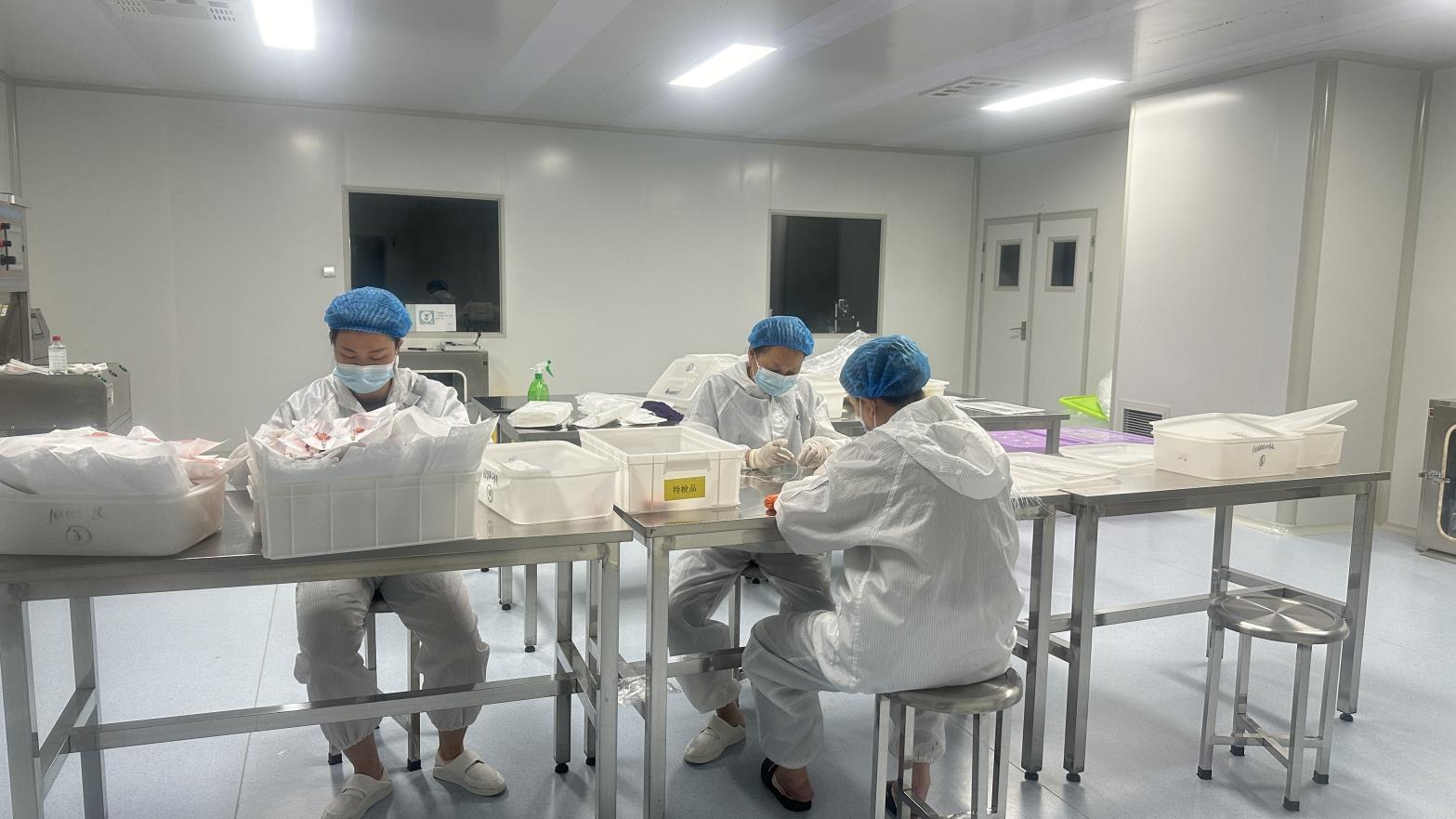
Quality assurance is a core focus at Bonevia. The company implements multiple inspection methods including incoming material inspection, in-process quality control, and final product testing, supported by a dedicated quality team of 35 professionals. This ensures all products meet international medical device standards.
Bonevia has a solid trade foundation with diversified global distribution networks, serving major markets across Europe, Southeast Asia, the Middle East, and South America. Its supply chain ecosystem includes more than 850 partners, enabling stable raw material sourcing and efficient production delivery.
The company serves a wide range of clients, including hospitals, orthopedic clinics, surgical centers, and medical distributors. Bonevia also demonstrates strong R&D capabilities, offering OEM and ODM customization services to meet specific clinical requirements.
In the past year, Bonevia successfully launched 120 new product designs, supported by a research and development team of 85 engineers, continuously driving innovation in orthopedic implant systems and surgical instruments.
Comprehensive product dimensions, thread dynamics, and K-wire compatibility guidelines for trauma reconstruction.
| Screw Diameter (mm) | Cannulation Inner Diameter | Thread Configuration | Guide Wire (K-Wire) Size | Primary Clinical Indications |
|---|---|---|---|---|
| 2.7 mm Mini | 1.1 mm ±0.01 | Partial / Full Thread | 1.0 mm Guide Wire | Hand & Foot Fractures, Carpal/Tarsal Osteotomies |
| 3.5 mm Small | 1.35 mm ±0.01 | Partial / Full Thread | 1.2 mm Guide Wire | Radial Head, Distal Fibula, Ankle Arthrodosis |
| 4.0 mm Small | 1.45 mm ±0.01 | Headless & Headed Compression | 1.3 mm Guide Wire | Scaphoid Fractures, Medial Malleolus, Medial Epicondyle |
| 4.5 mm Medium | 1.75 mm ±0.01 | Self-Tapping Reverse Cutting | 1.6 mm Guide Wire | Tibial Plateau Fractures, Olecranon Reconstruction |
| 6.5 mm Large | 3.20 mm ±0.02 | 16mm / 32mm Thread Length | 3.2 mm Guide Wire | Femoral Neck Fractures, Slipped Capital Femoral Epiphysis |
| 7.3 mm Large | 3.20 mm ±0.02 | Partial / Full Threaded Heavy Duty | 3.2 mm Guide Wire | Sacroiliac Joint Disruption, High-Energy Femoral Fractures |
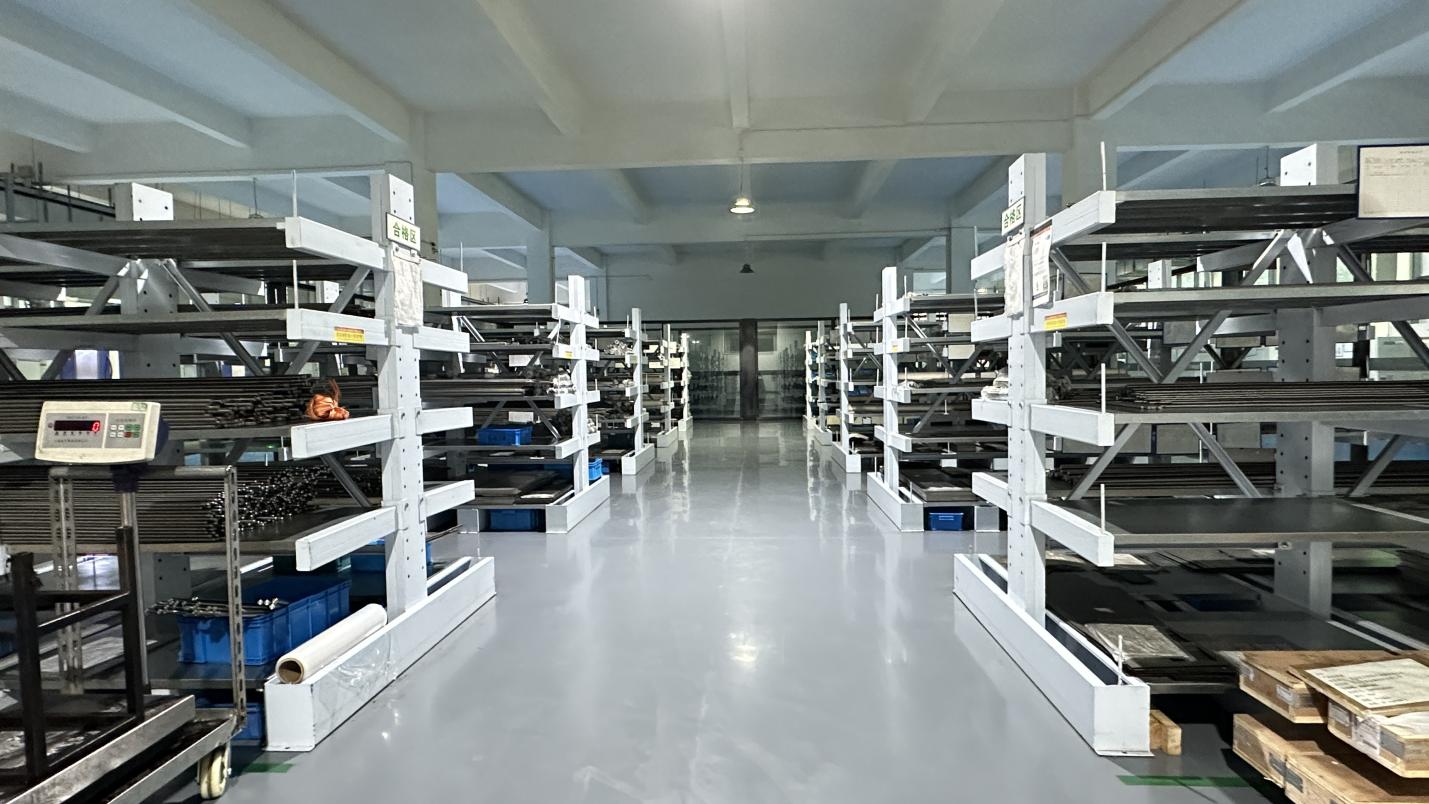
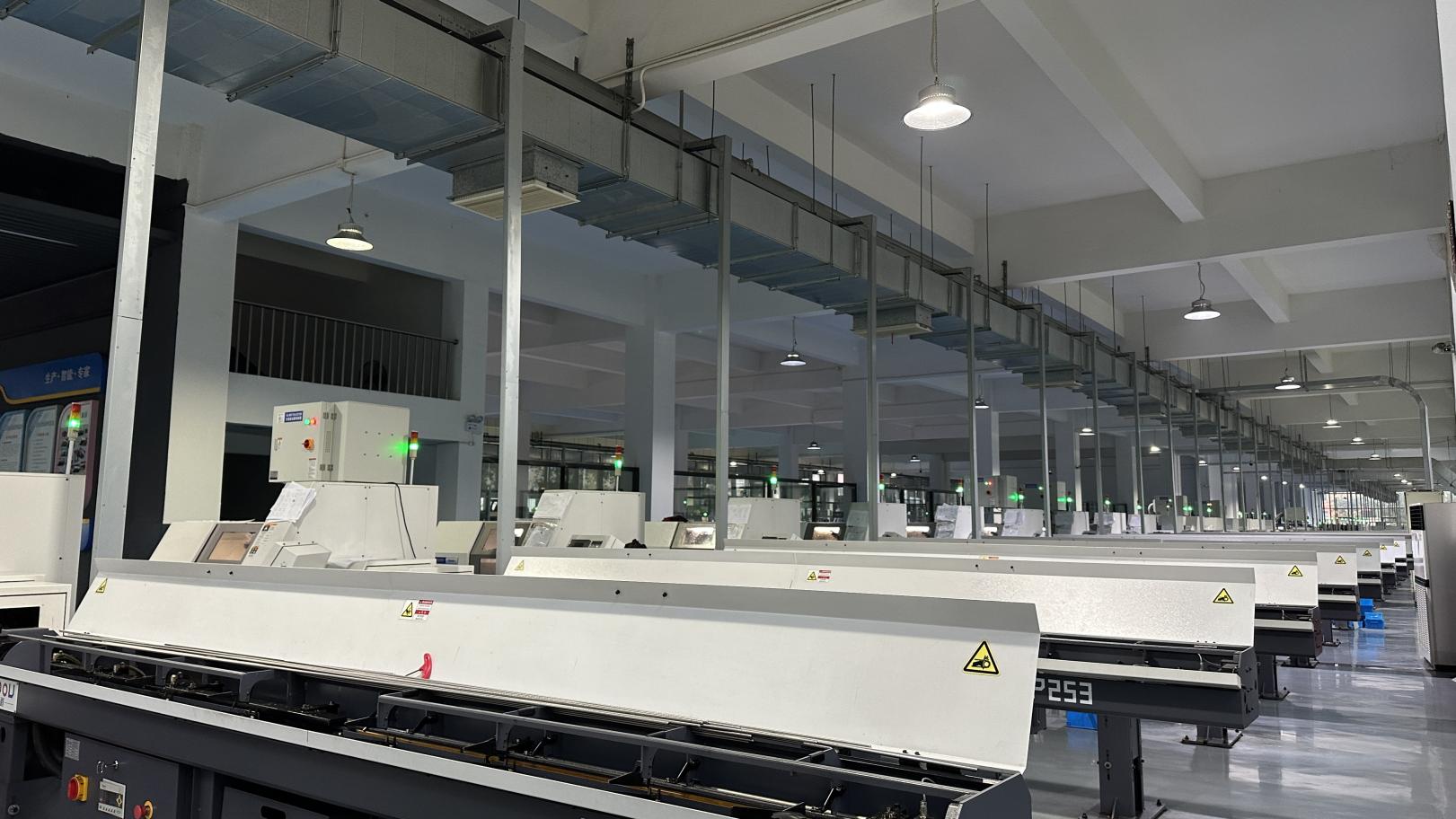
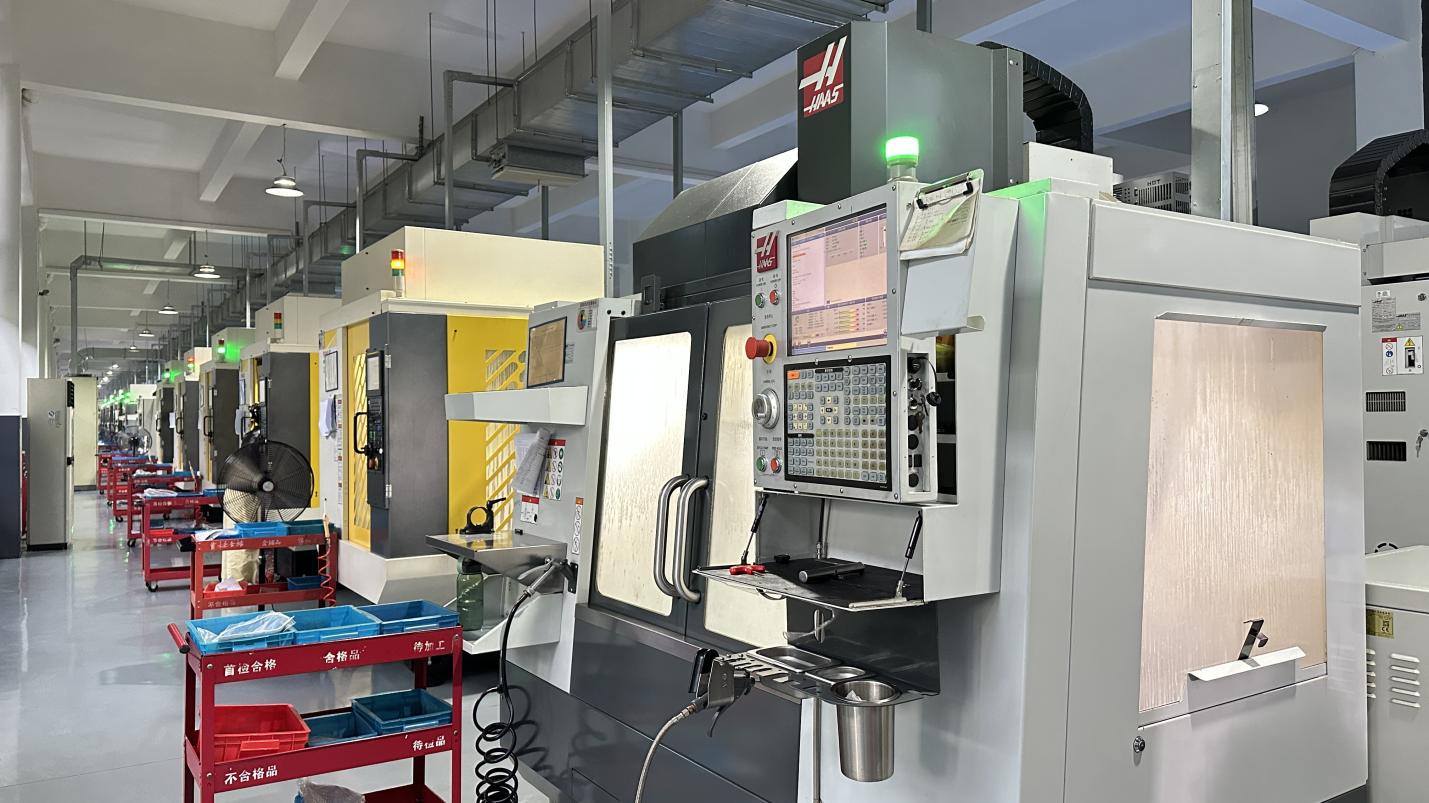
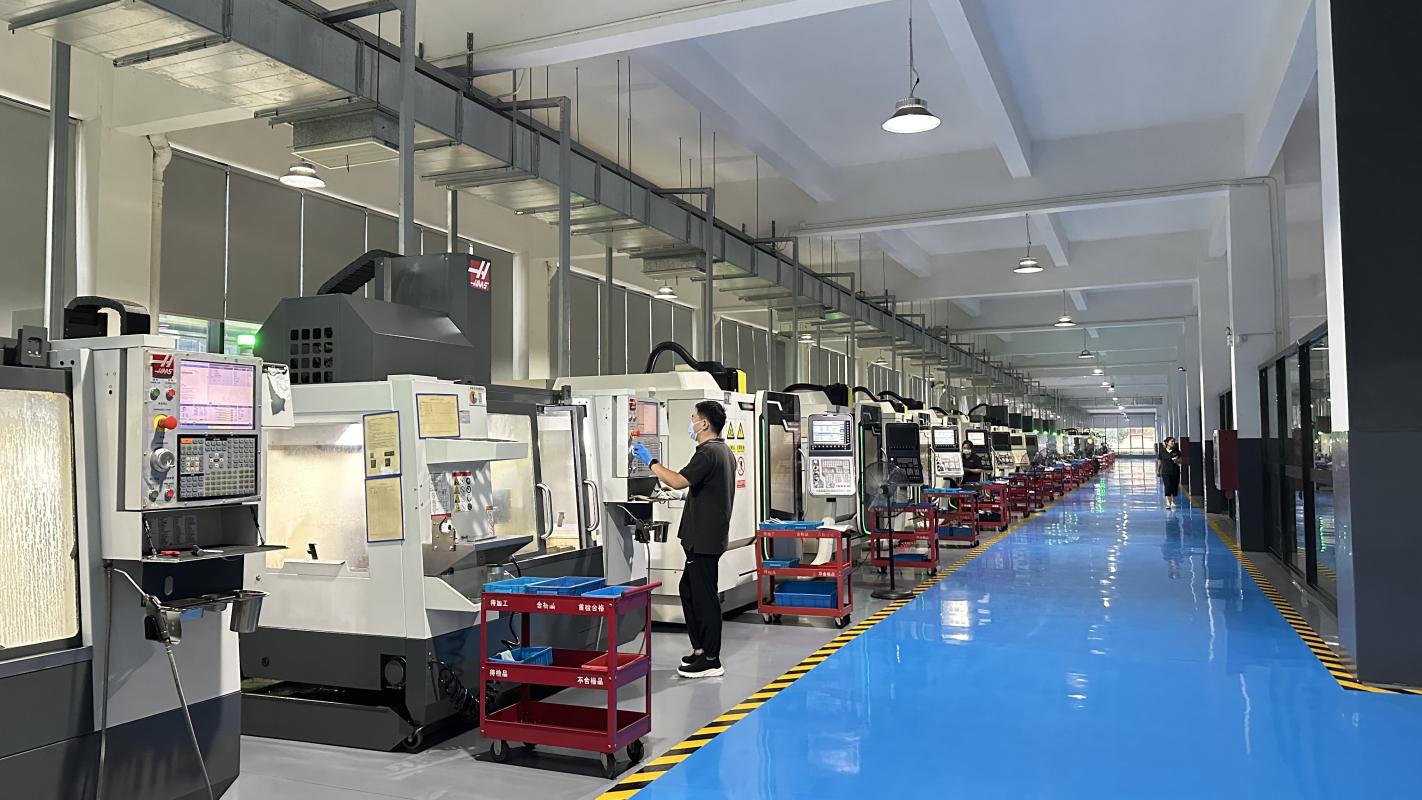
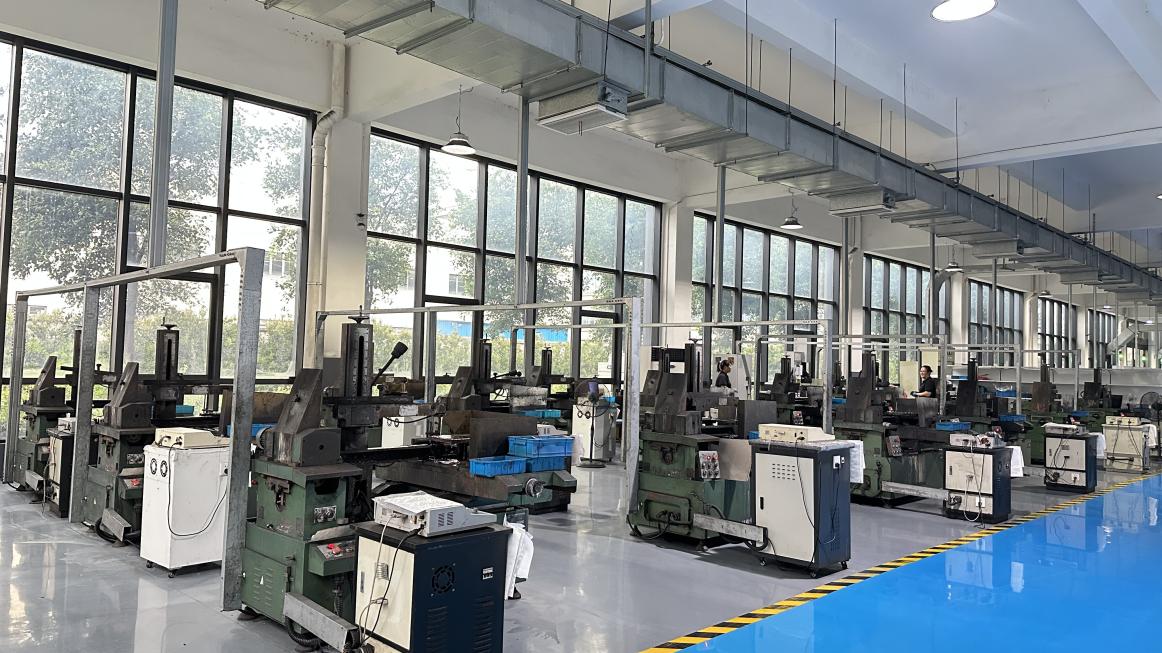
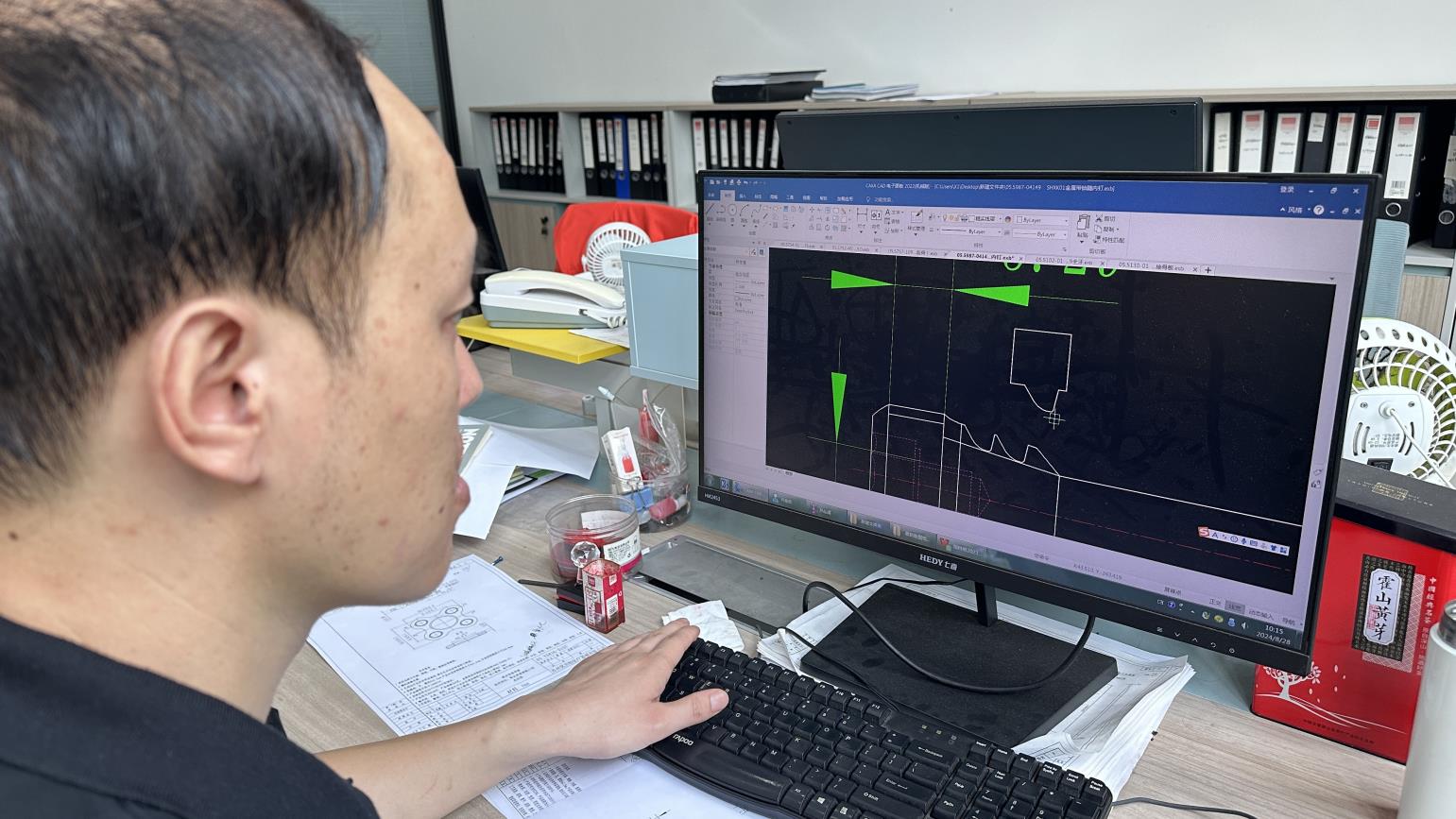
Inside our manufacturing hub: End-to-end multi-axis CNC machining, wire-edm, automated laser marking, and cleanroom packaging.
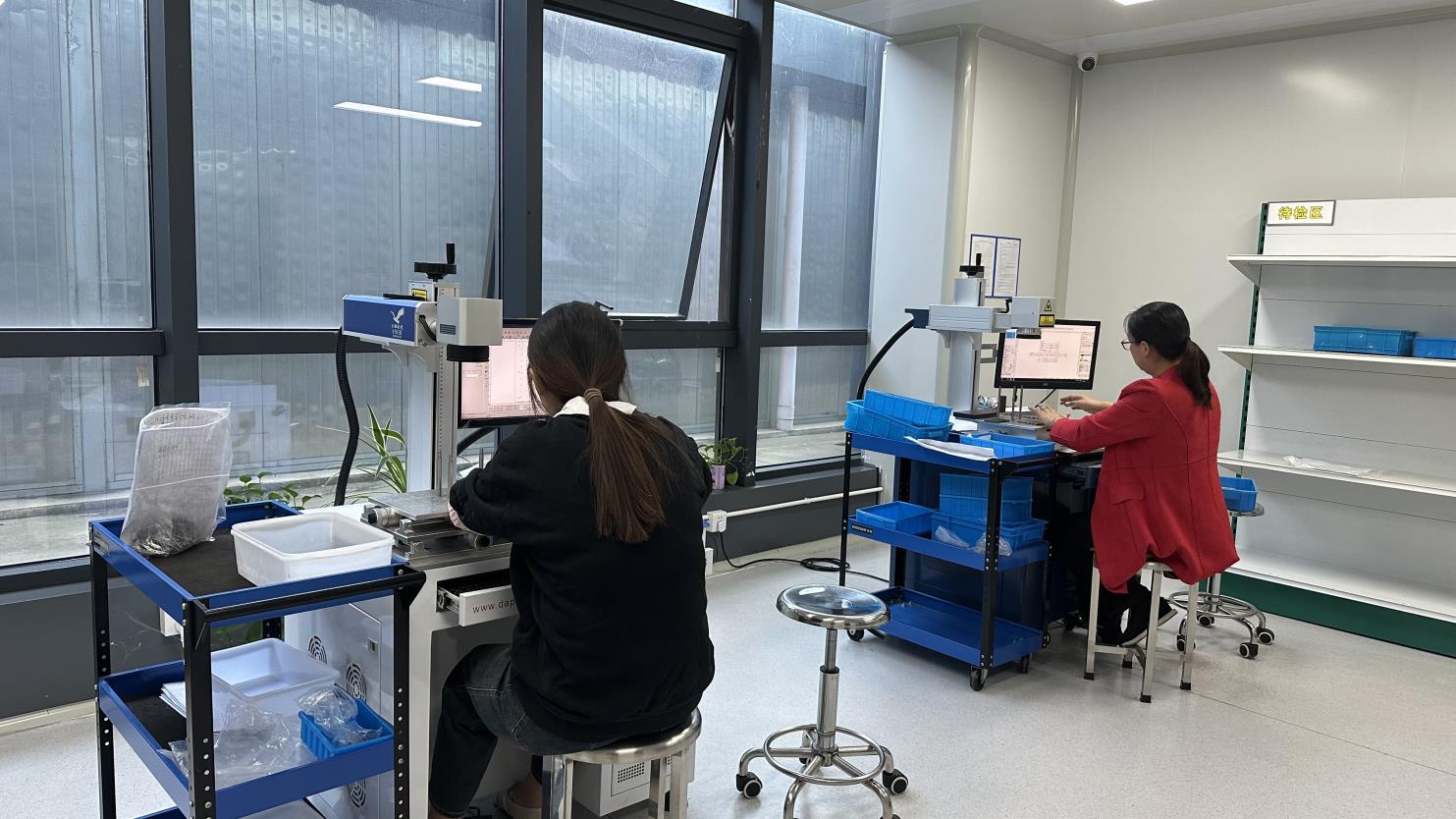
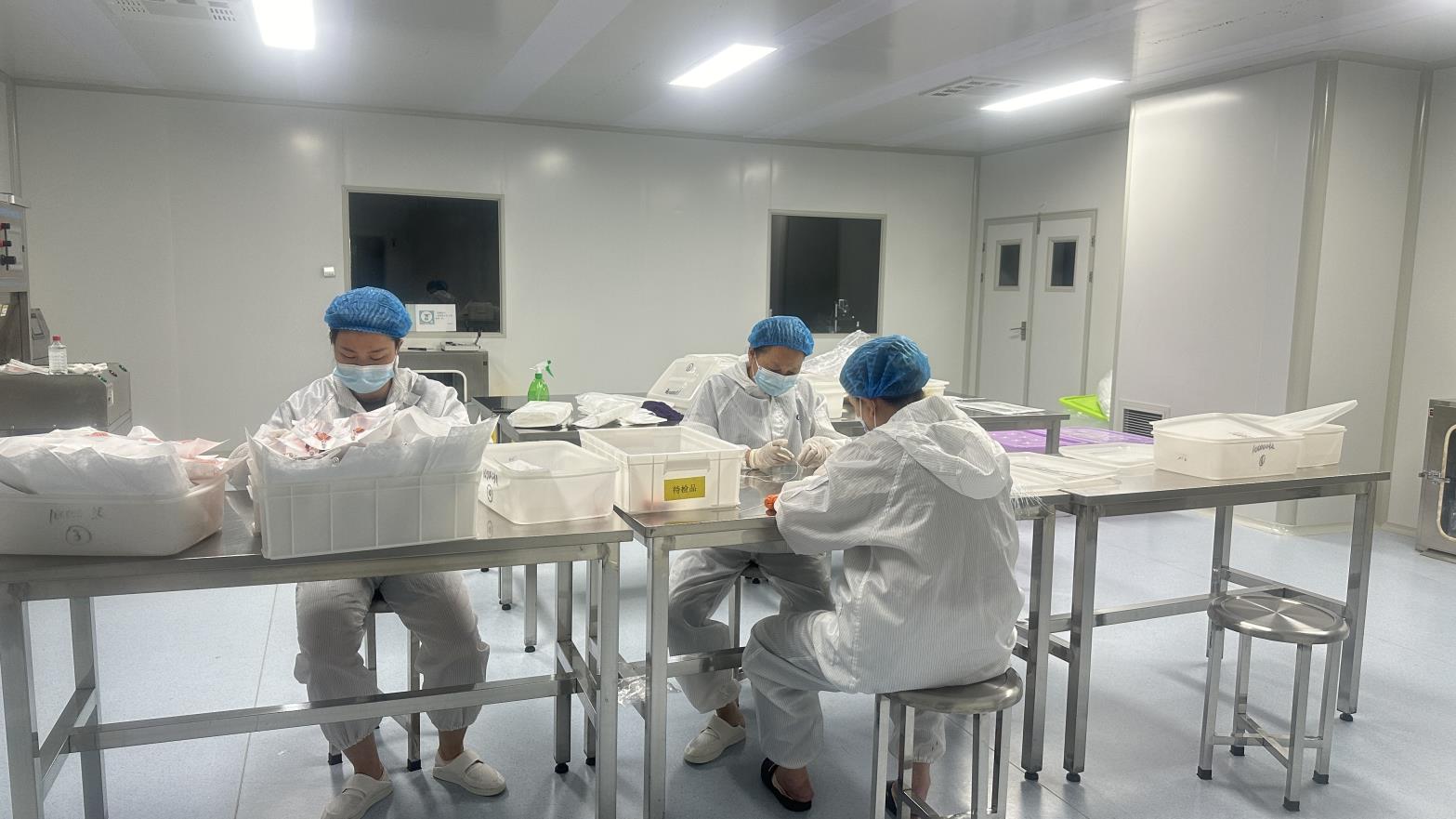
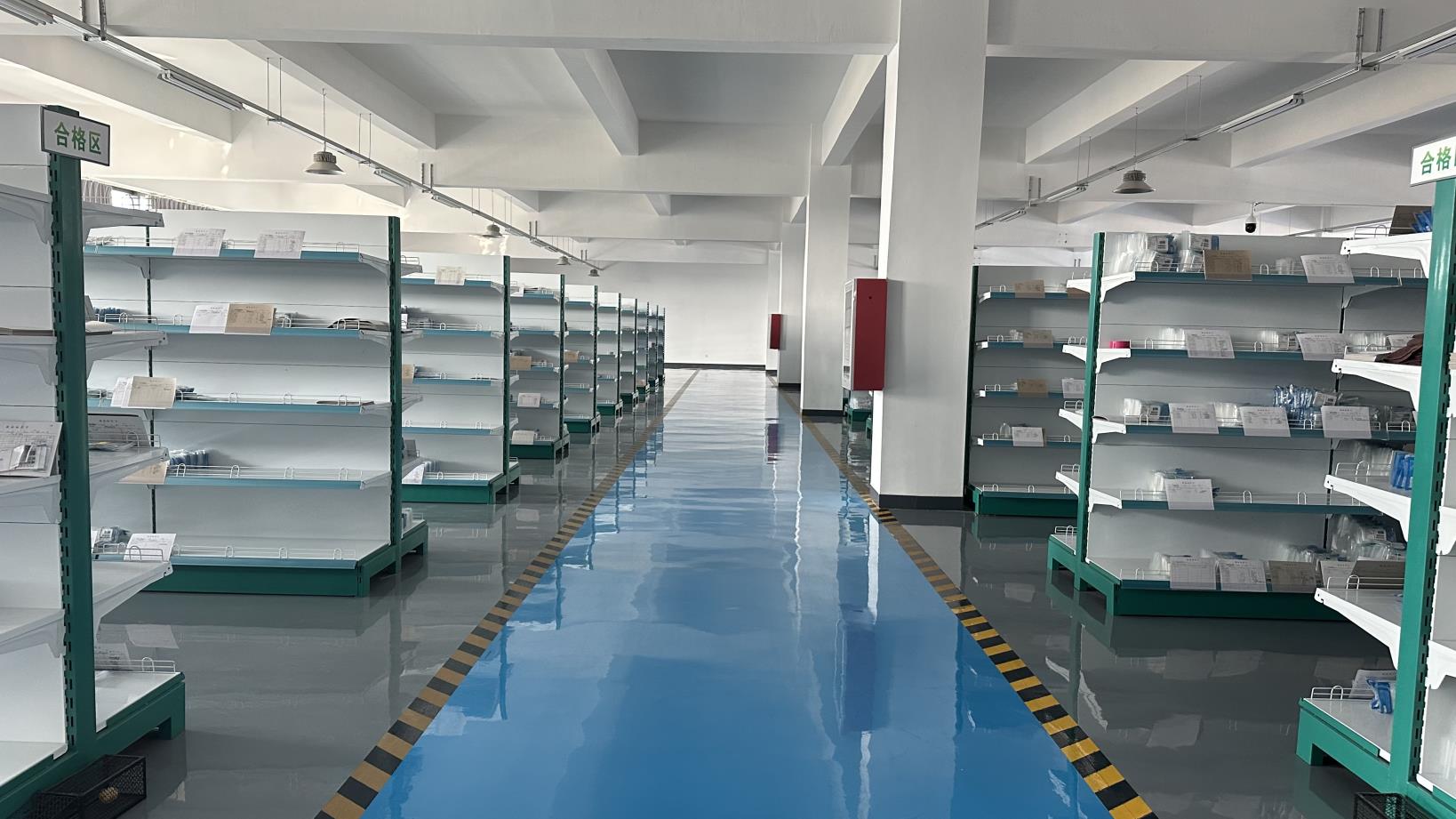
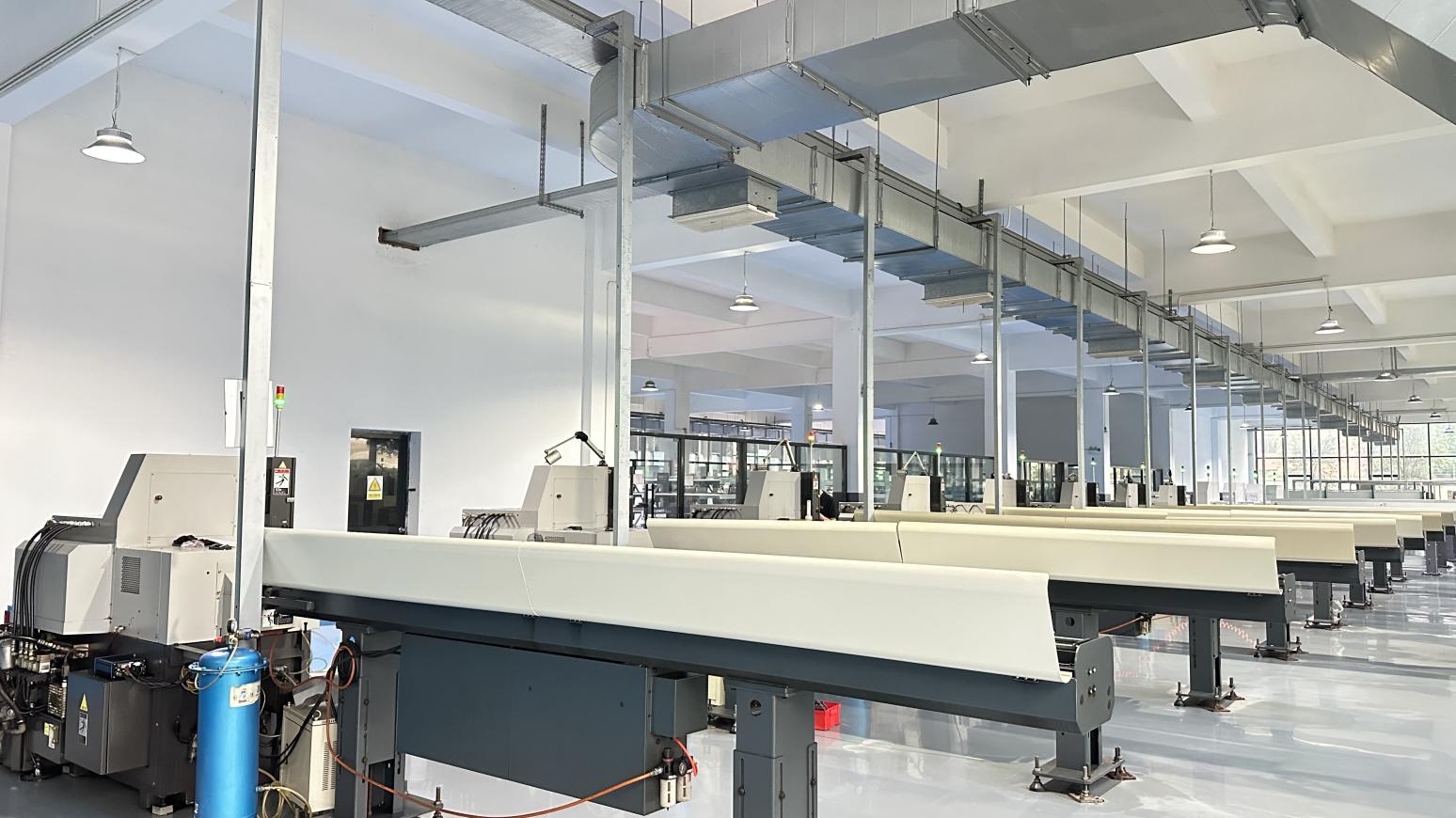
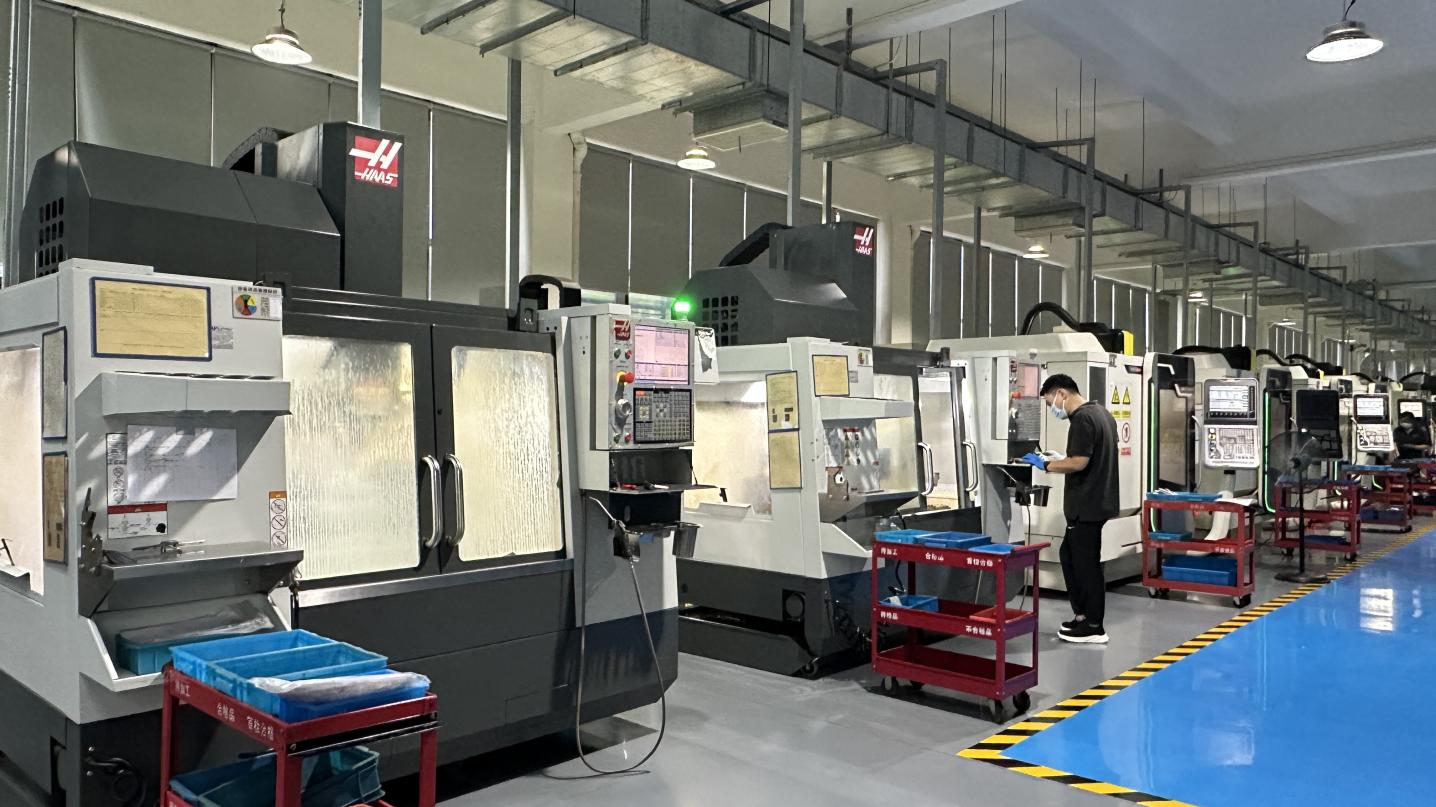
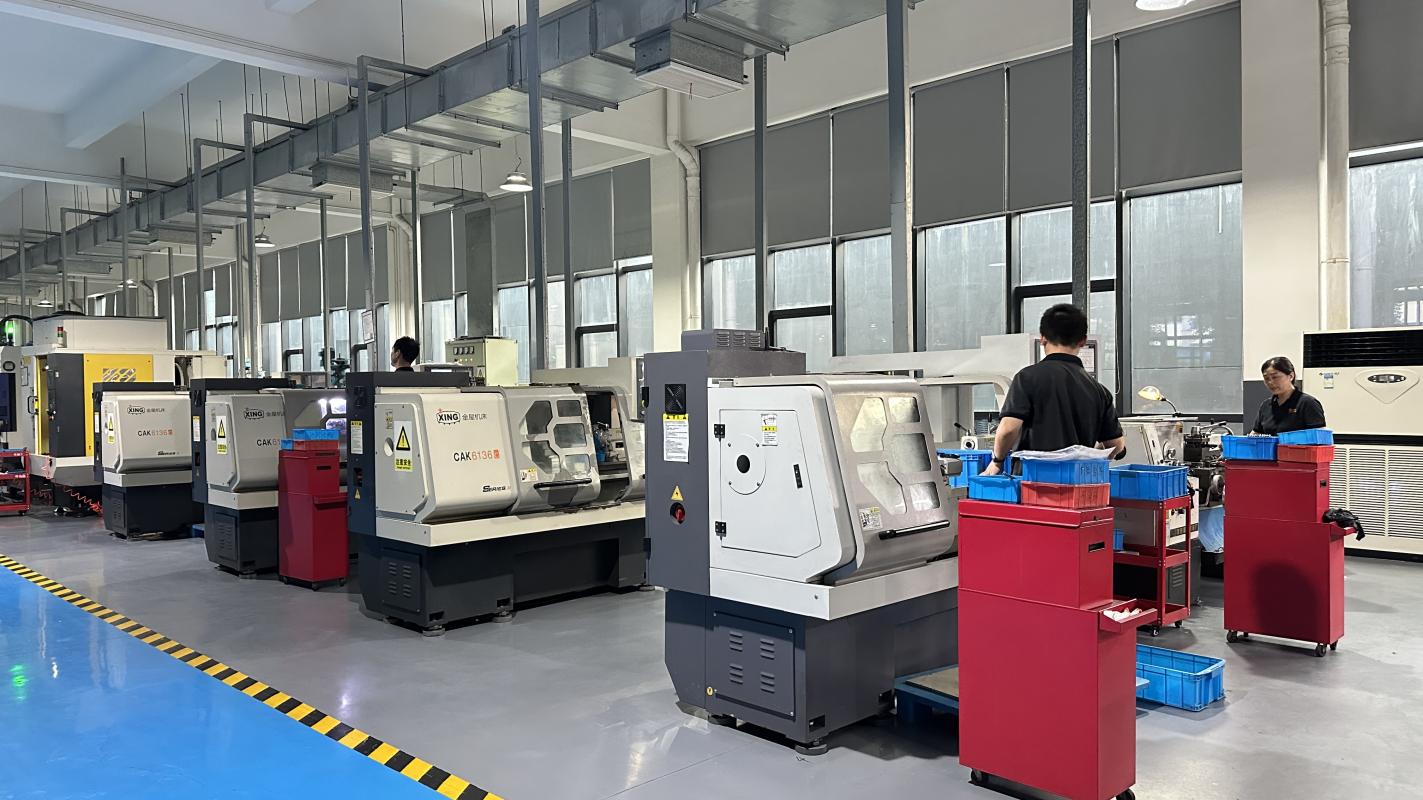
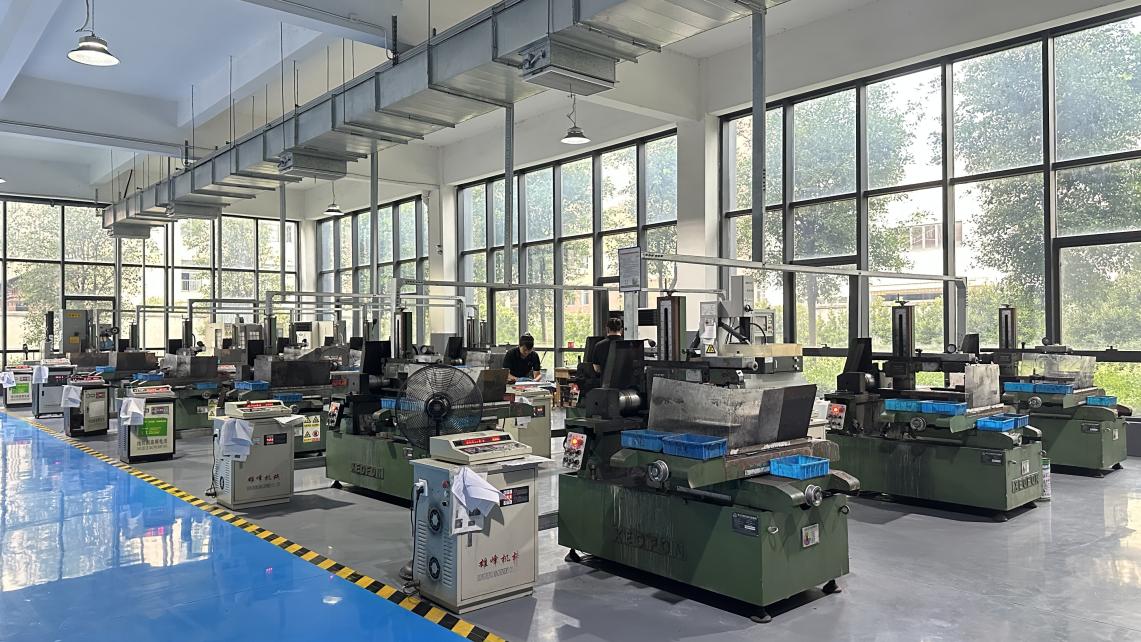
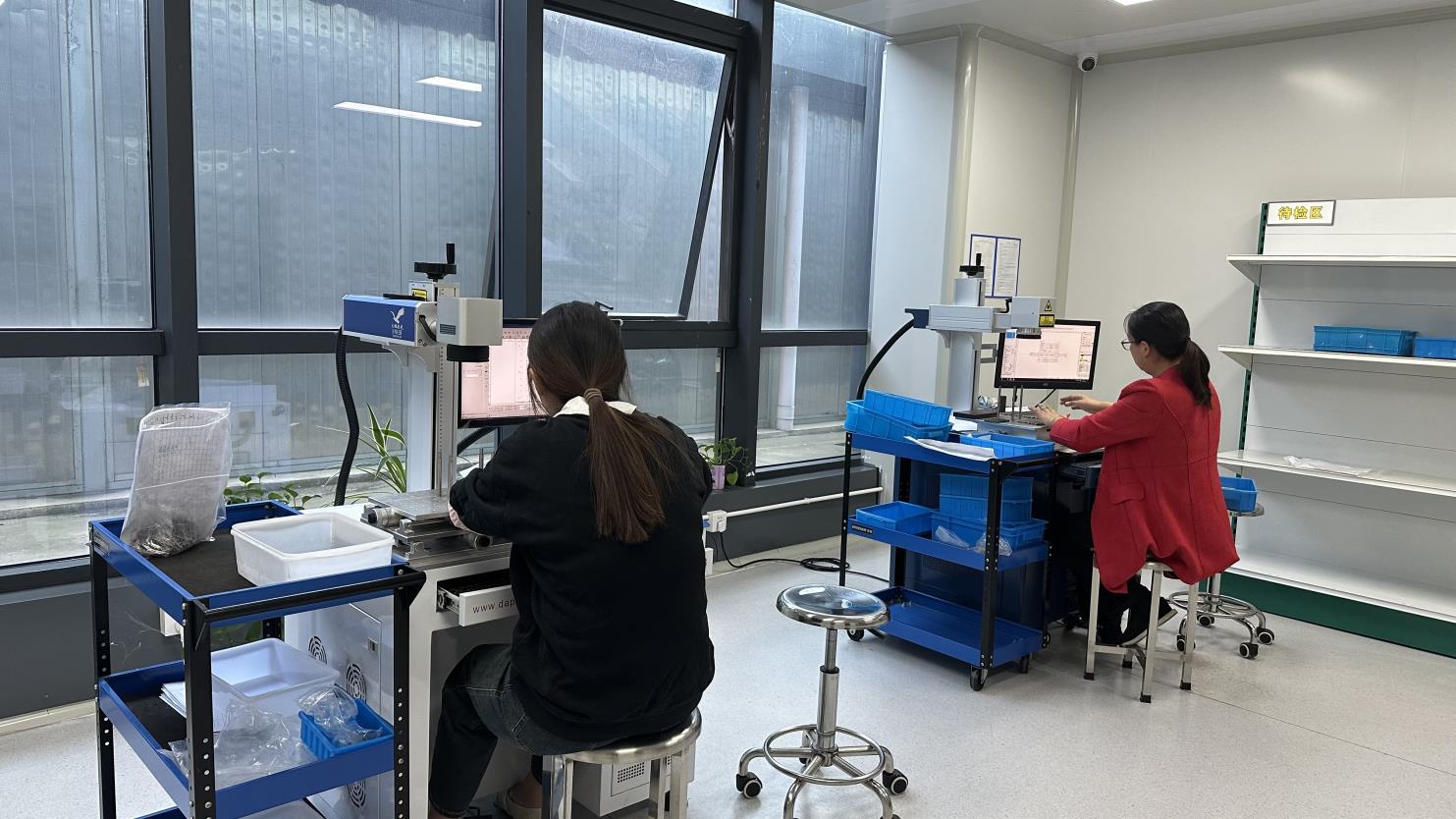
Fostering seamless medical device importation into Mongolia through streamlined custom logistics, CE/ISO documentation, and localized OEM/ODM support.
We maintain optimized freight pathways routing directly to Ulaanbaatar and Erdenet via rail transit and express air freight. Custom clearance processes for medical hardware are streamlined via complete batch traceability documentation, sterile barrier test reports, and commercial invoice compliance under Mongolian customs framework.
Every cannulated screw batch leaves our factory backed by raw material certification (Mill Test Certificates confirming ASTM F136 / F138 standard), mechanical fatigue testing data, cytotoxicity and pyrogen test clearances, and full ISO 13485 auditing logs to simplify hospital procurement audits.
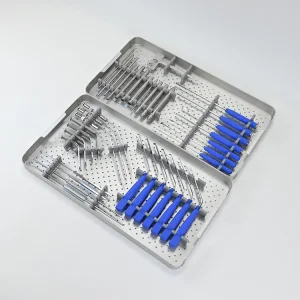
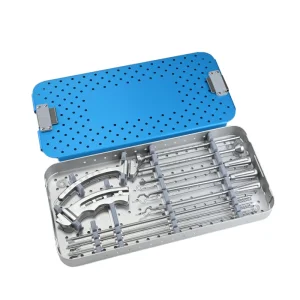
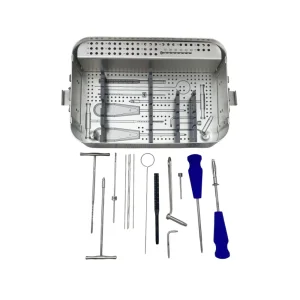
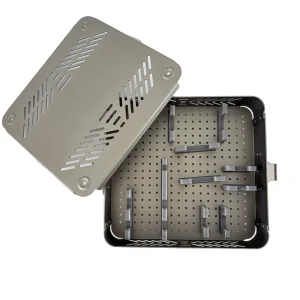
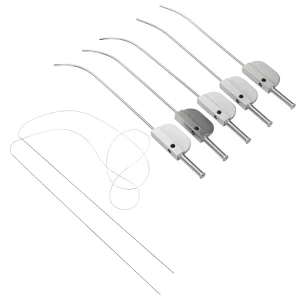
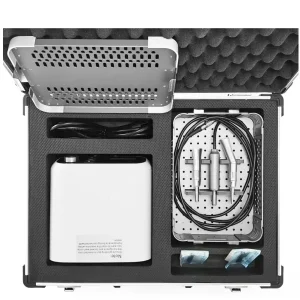
We configure customized cannulated surgical sets engineered specifically for regional clinical practices. From color-coded anodized storage trays to custom-drilled sleeve guides and depth gauges, our OEM division fulfills specific hospital requirements with low lead times.
Innovating future-ready bio-absorbable structures, smart telemetry compression verification, and additive manufacturing.
To eliminate secondary implant removal surgeries in pediatric and sports medicine procedures, Bonevia’s R&D center is actively pioneering high-purity magnesium alloy cannulated screws. Designed to gradually degrade into naturally metabolic elements ($Mg^{2+}$) while supporting bone healing over a 12-to-18-month window, this technological jump reduces surgical trauma risk in cold-weather regions where revision procedures pose additional recovery burdens.
Leveraging Direct Metal Laser Sintering (DMLS), our research team is prototyping cannulated screws with porous micro-structured outer threads that mimic trabecular bone geometry. This facilitates early biological fixation, significantly improving pullout strength in osteoporotic patients and high-stress industrial trauma recovery cases.
Detailed answers to technical, manufacturing, and local distributor queries regarding cannulated screw supplies in Erdenet.
Titanium alloy (Ti-6Al-4V ELI) maintains structural mechanical stability in sub-zero ambient temperatures without exhibiting the cold-brittleness associated with lower-grade metals. Furthermore, its lower elasticity modulus minimizes stress-shielding, encouraging natural bone remodeling even when patient mobility is reduced during harsh winter months.
Our cannulated screws are manufactured on 5-axis Swiss CNC lathes using deep-hole gun-drilling techniques that achieve concentricity tolerances within ±0.01 mm to ±0.02 mm. This prevents Kirschner wire binding or binding friction during intraoperative fluoroscopic insertion.
We supply both unsterile bulk batch shipments for central sterile supply departments (CSSD) and individually double-pouched ethylene oxide (EO) sterilized packages ready for emergency trauma room use. Fully equipped surgical instrument kits matching screw dimensions are also supplied.
Every shipment includes ISO 13485 quality system certificates, CE declaration of conformity documents, material certificate of origin, batch heat treatment certificates, and sterilization validation protocol dossier.
Yes. Bonevia's R&D engineering team of 85 staff members provides custom thread pitch, overall length, head geometry, and surface treatment modifications based on CAD drawing submissions or physical prototype matching.
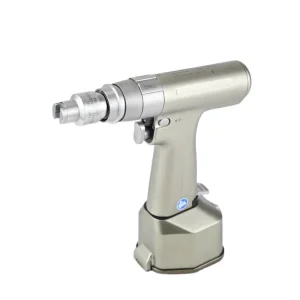
Explore our full line of intramedullary nails, power drills, arthroscopy sets, and external fixation hardware tailored for hospital procurement.
Connect with our senior engineering and export logistics team to receive detailed OEM/ODM catalog specs, material certifications, and direct factory pricing quotes.
Send Inquiry Now