Bonevia
Bonevia
Bonevia
Explore our premium product line, precision-engineered to meet stringent medical safety profiles and clinical standards globally.
Modern surgical operations demand uncompromising mechanical strength, biological compatibility, and precise structural tolerances. As a leading hub of medical-grade component development, China's surgical implant factories have transitioned from basic contract manufacturing to high-end, research-driven innovation platforms. This shift is driven by substantial investments in advanced CNC tooling, additive manufacturing (3D printing), and state-of-the-art materials testing labs.
Global procurement teams in hospitals, healthcare distribution networks, and veterinary clinics face complex regulatory requirements, such as EU MDR (Medical Device Regulation) and US FDA 510(k) clearances. Choosing the right supplier requires evaluating their manufacturing capacity, raw material traceability, cleanroom validation, and engineering agility.
Procuring orthopedic implants is not merely a purchase transaction; it is a long-term supply chain commitment. Key demands from top-tier buyers include:
Founded in 2015, Bonevia Orthopedic Technology Co., Ltd. stands as a dedicated supplier and developer in the orthopedic implants sector. Specializing in trauma systems, spinal reconstruction products, and joint replacements, we deliver high-reliability solutions to modern operating environments.
Operating a specialized precision cleanroom and manufacturing facility of approximately 320㎡, Bonevia maximizes micro-machining workflows. This spatial optimization ensures strict environmental controls and minimizes contamination risks. Backed by 6 years of direct B2B export operations, Bonevia serves critical healthcare networks throughout Europe, Southeast Asia, the Middle East, and South America. Through a comprehensive network of over 850 raw material and logistics partners, we maintain a resilient supply chain even during volatile market cycles.
Precision is critical in implant manufacturing. Below is an overview of our end-to-end production pipeline, featuring high-speed multi-axis CNC machines, wire-cutting systems, and stringent quality control facilities.
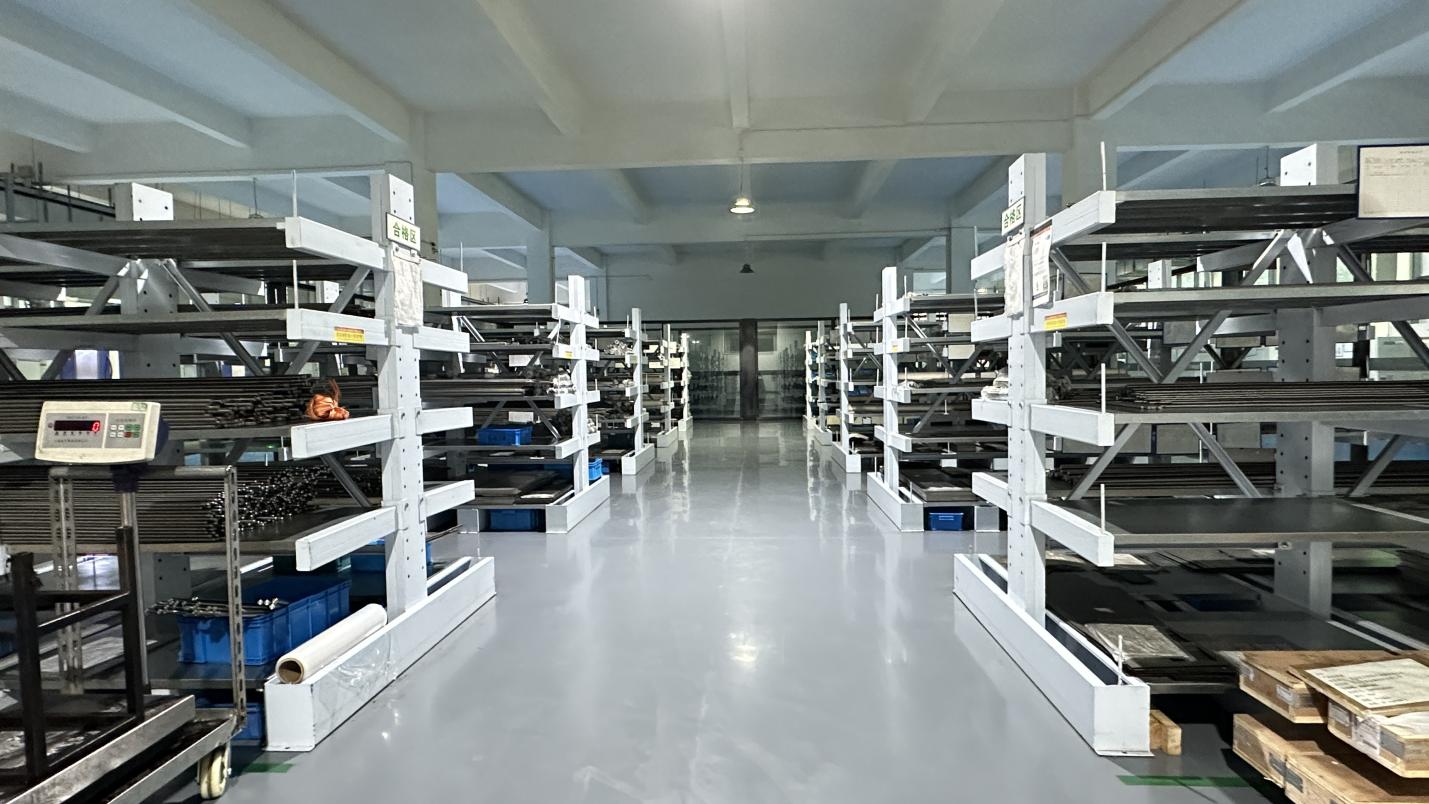
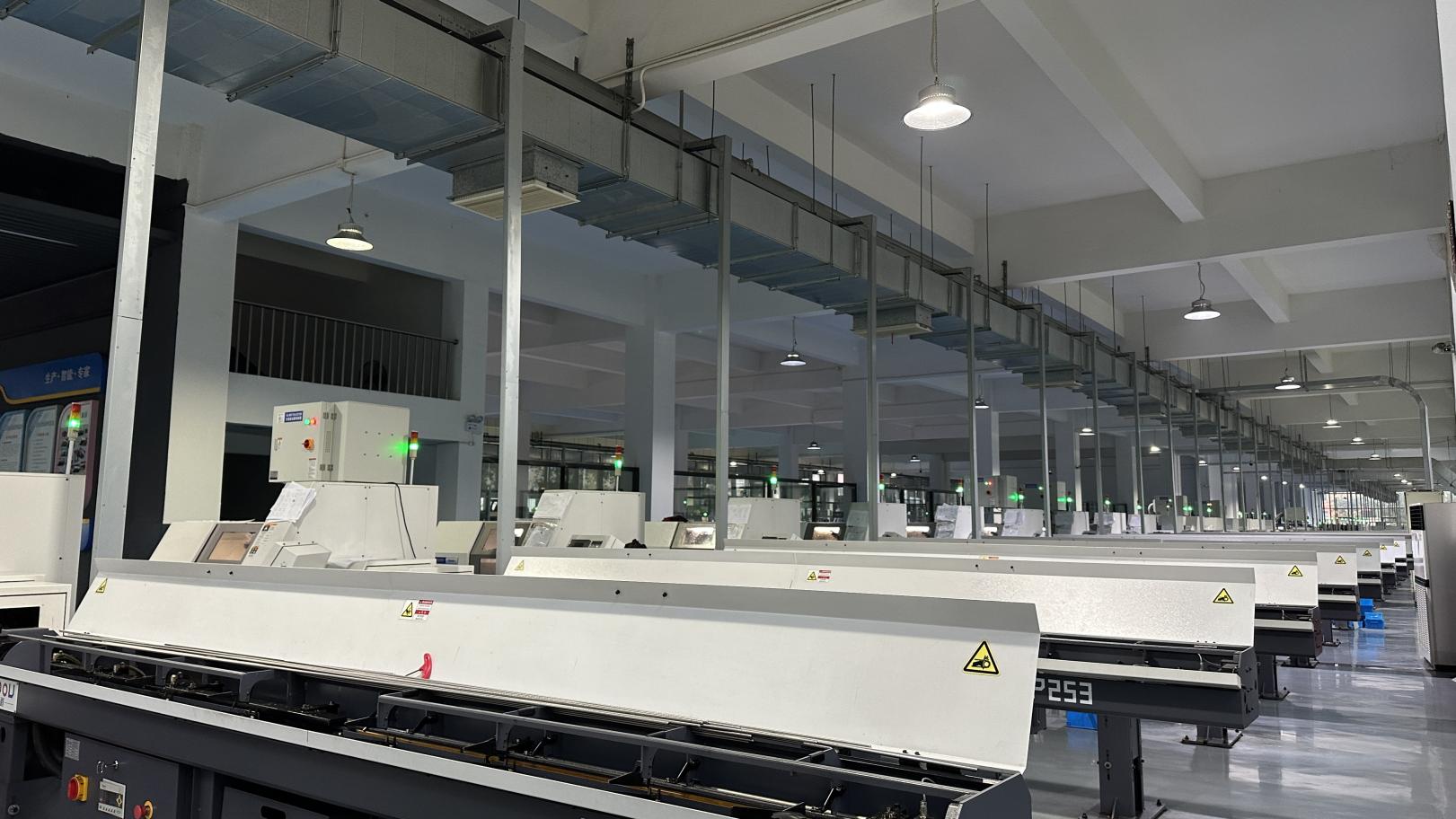
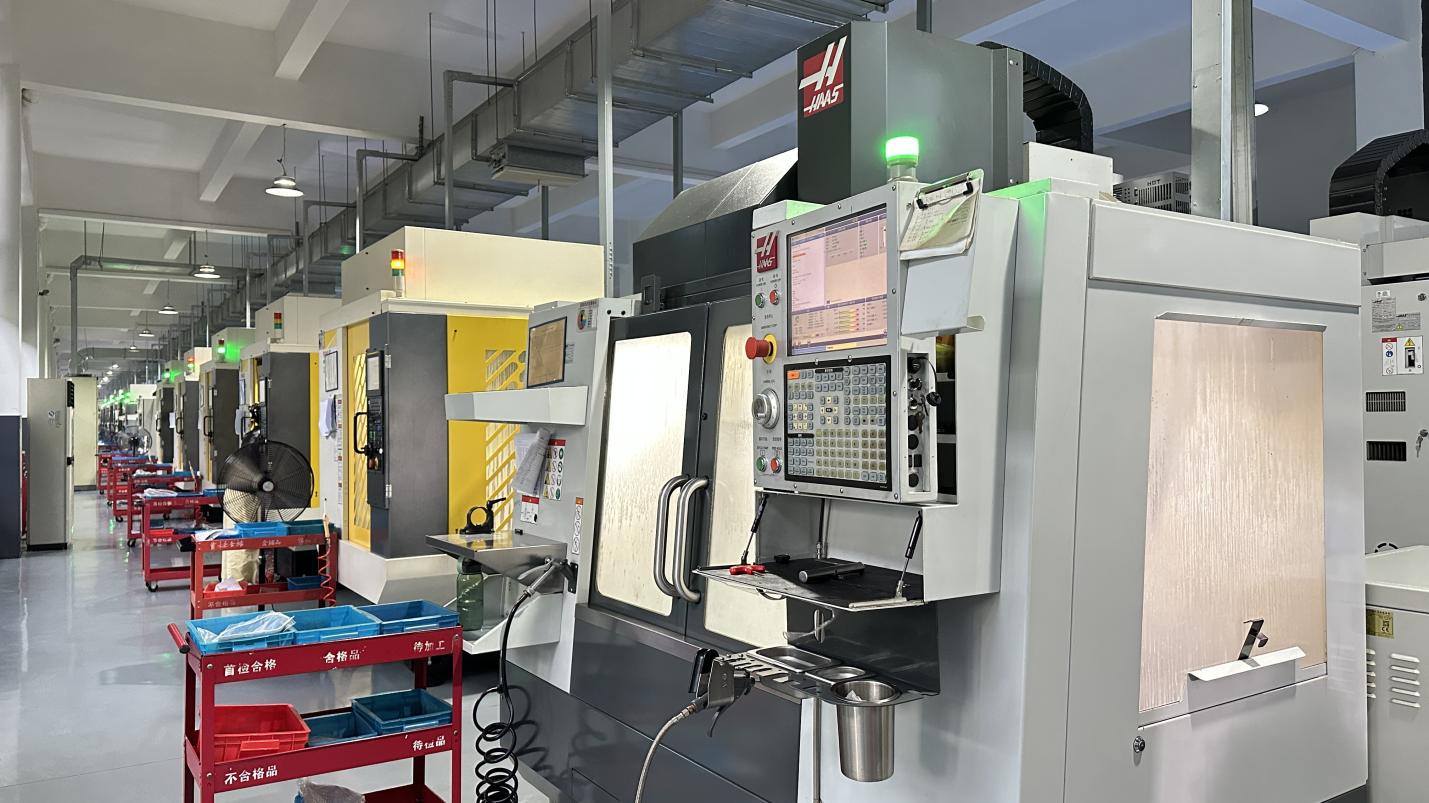
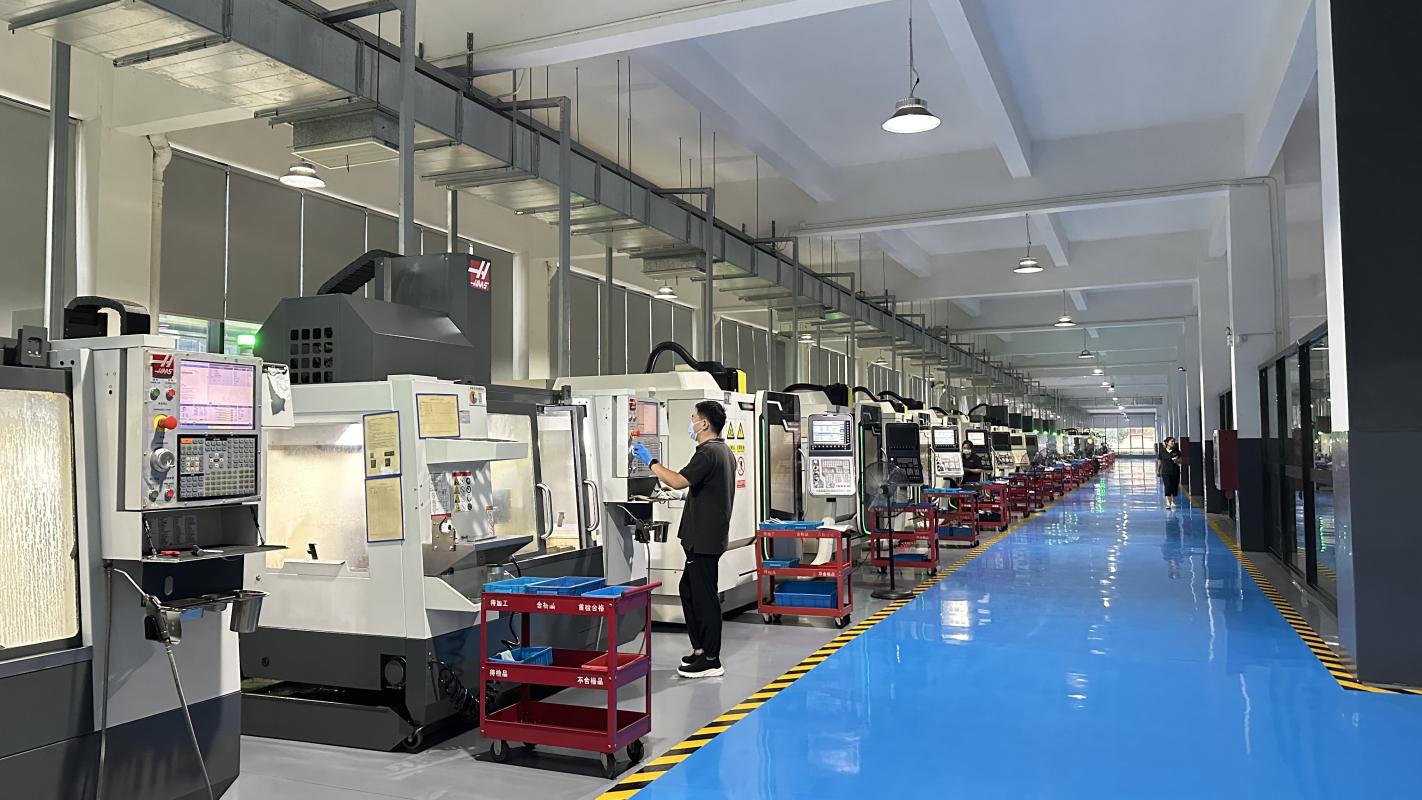
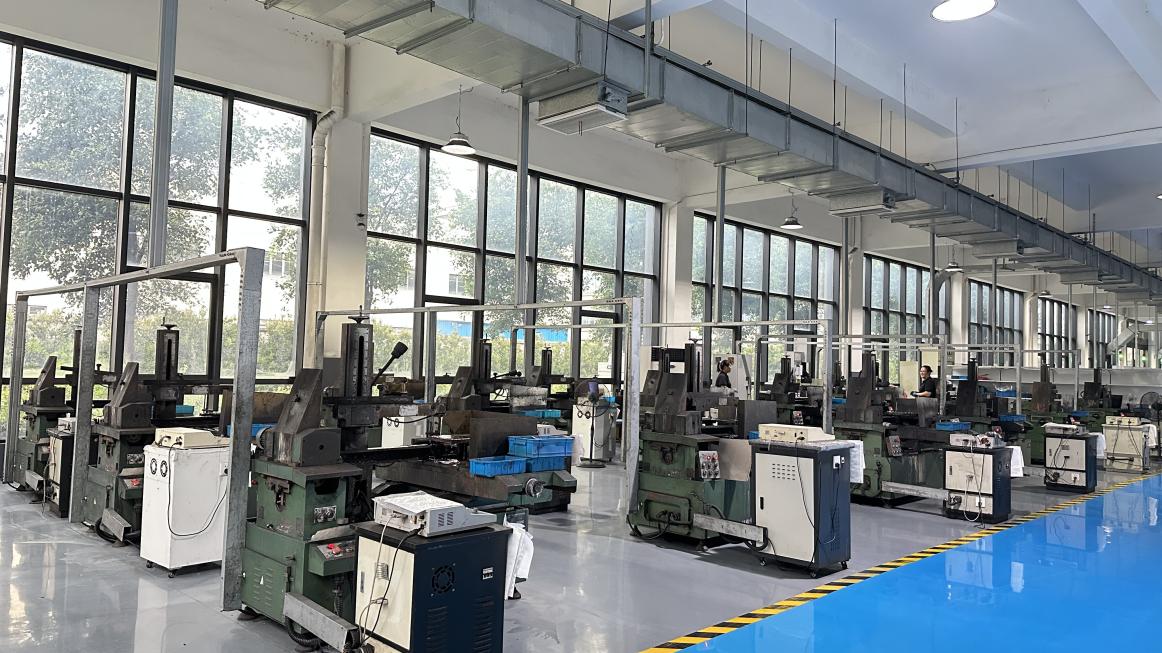
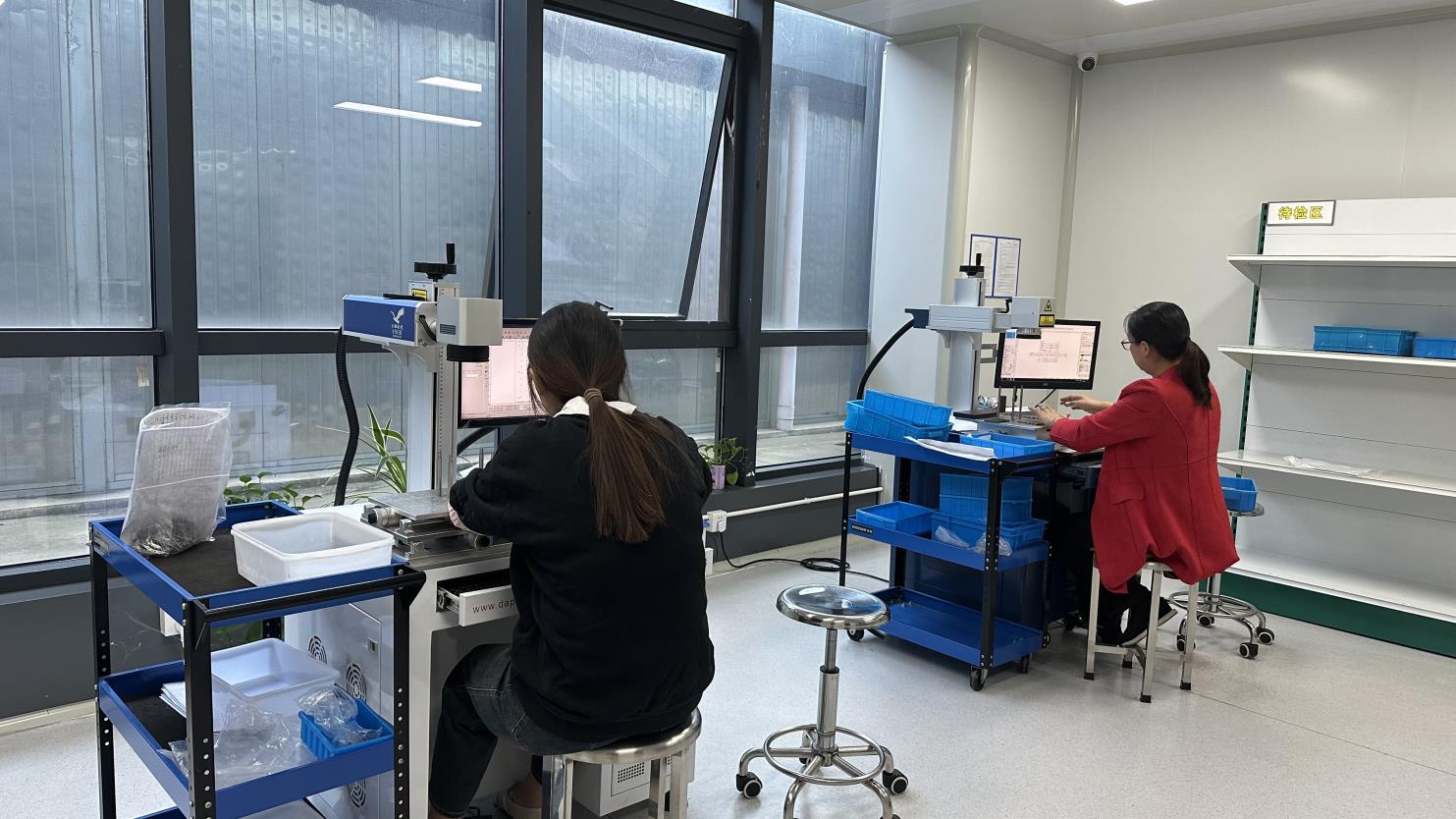
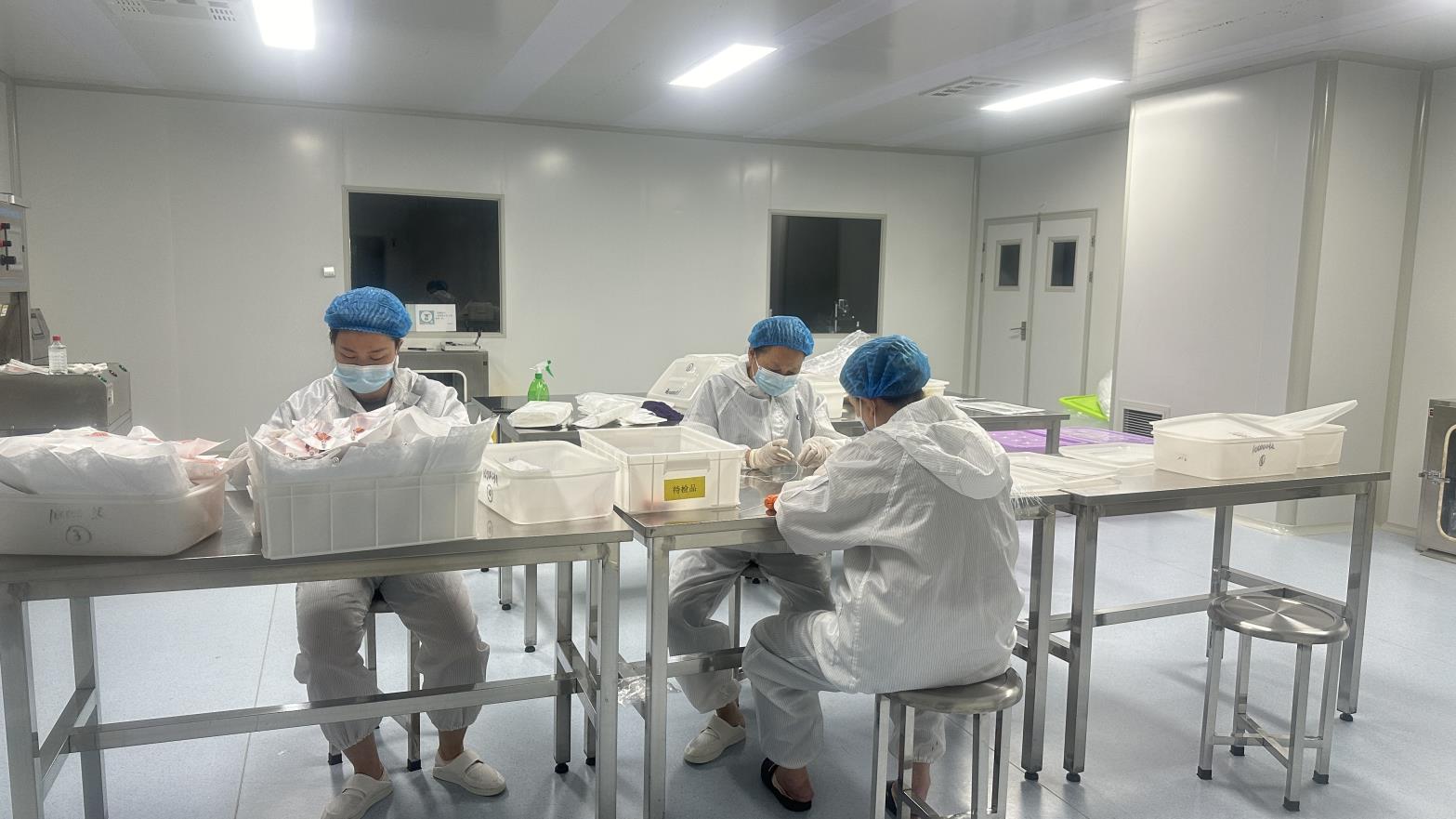

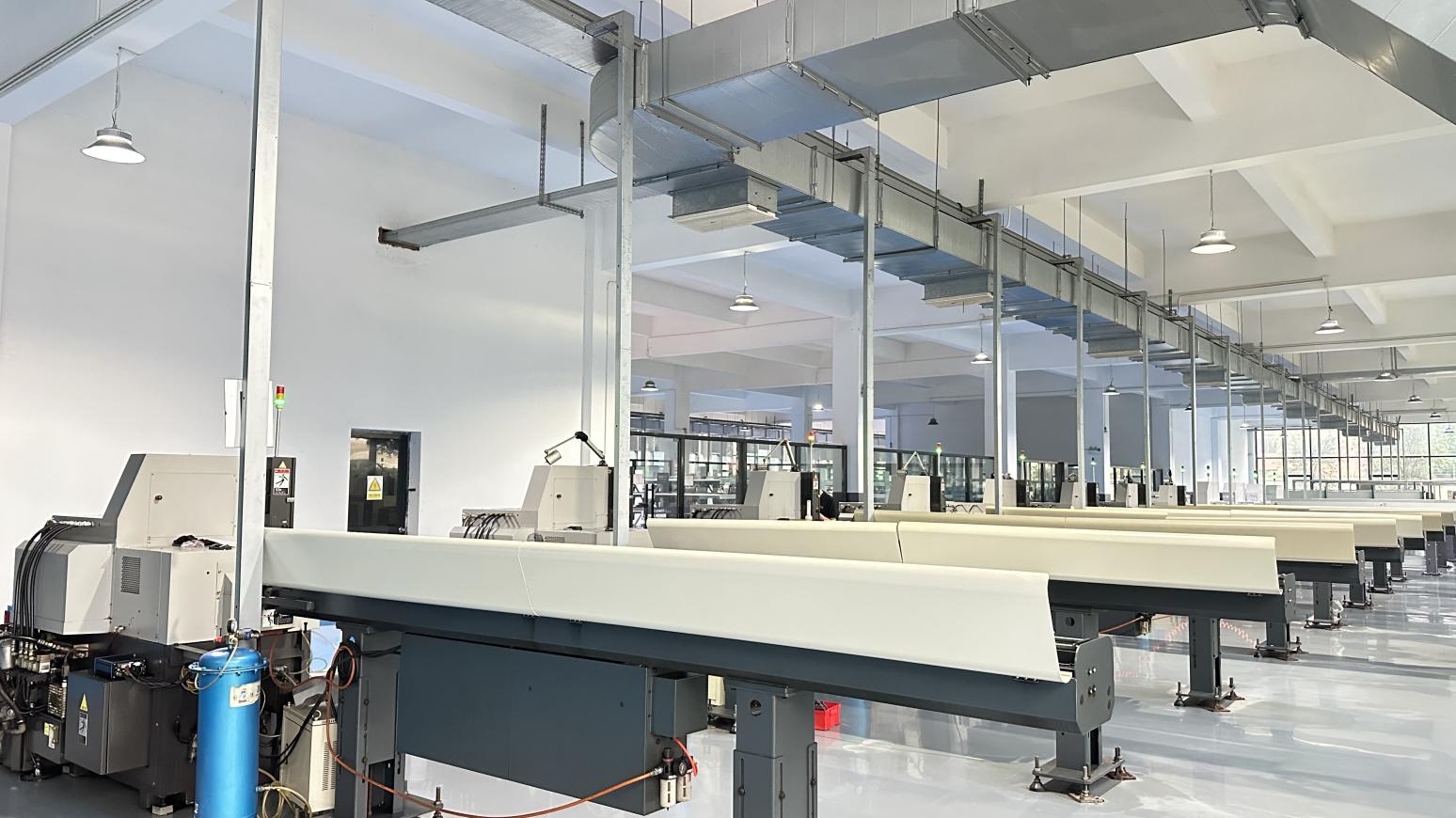
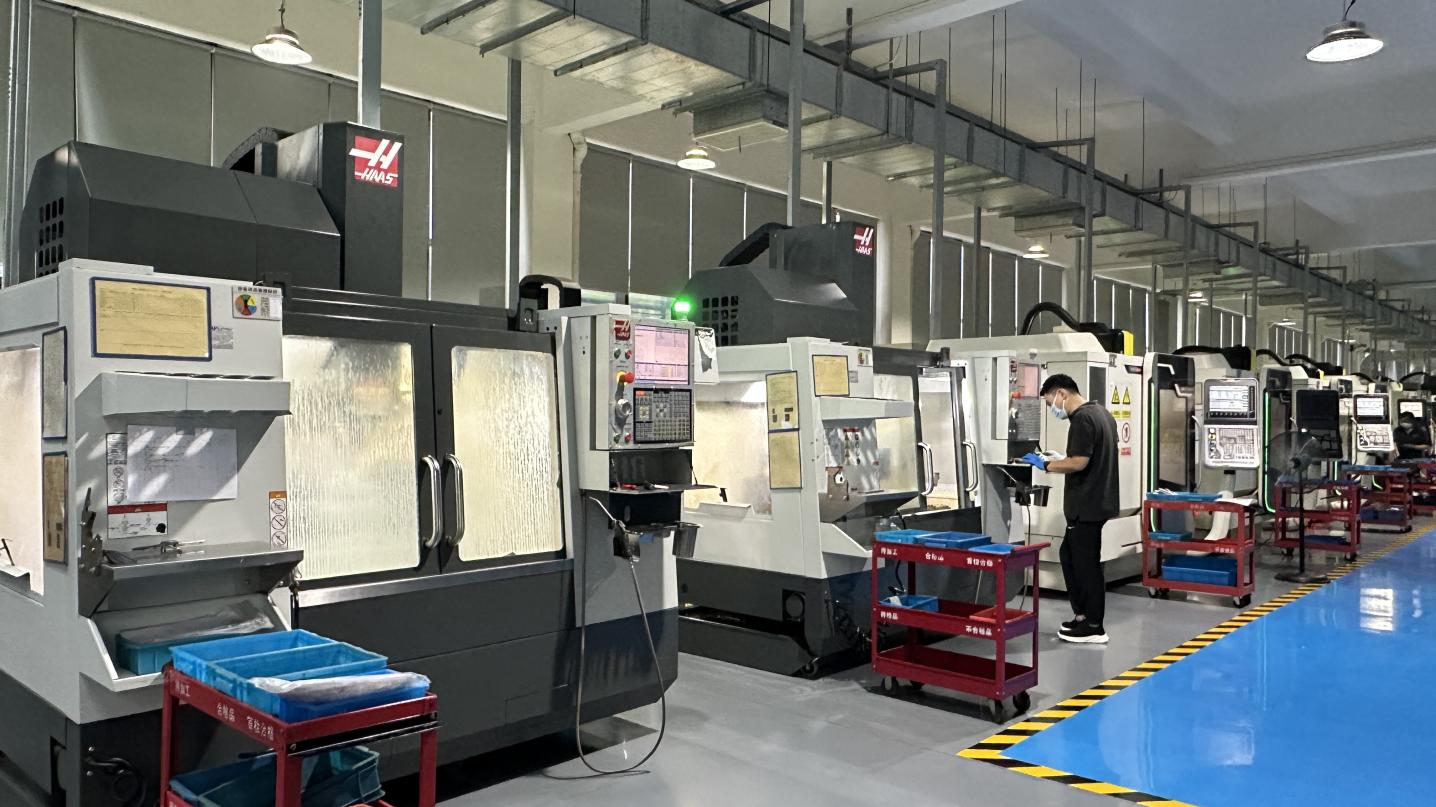
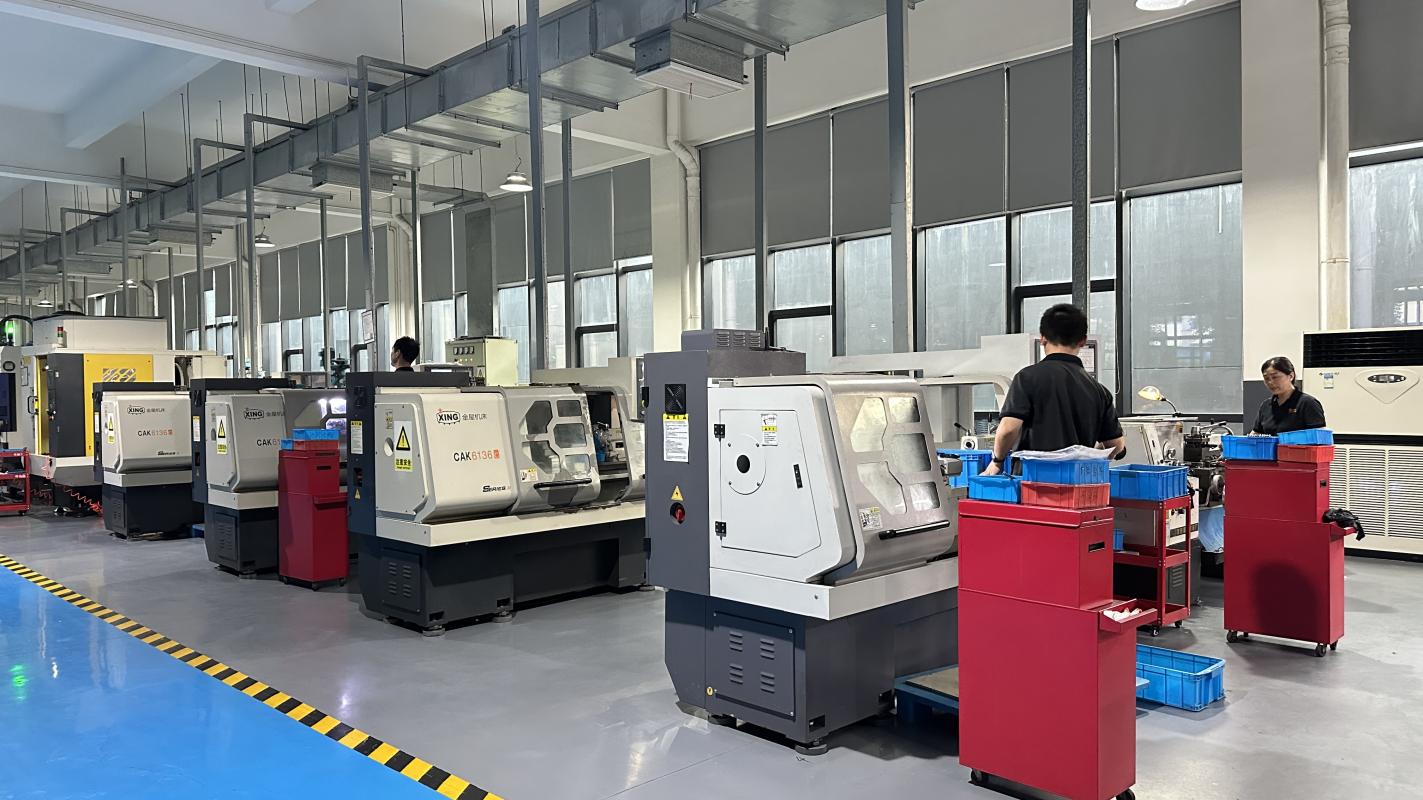
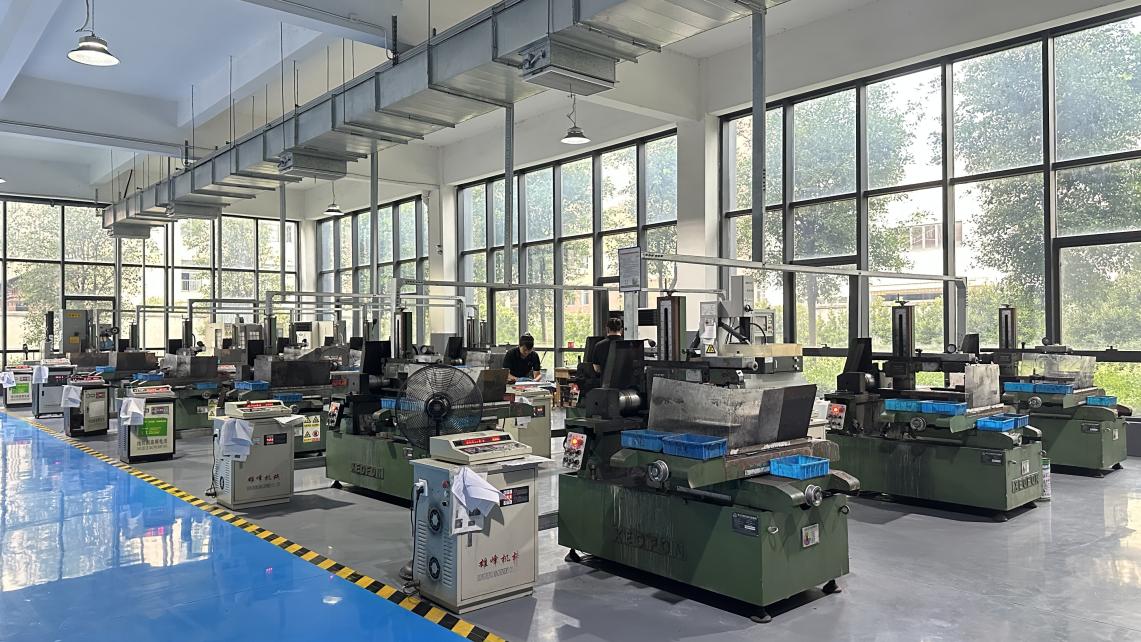
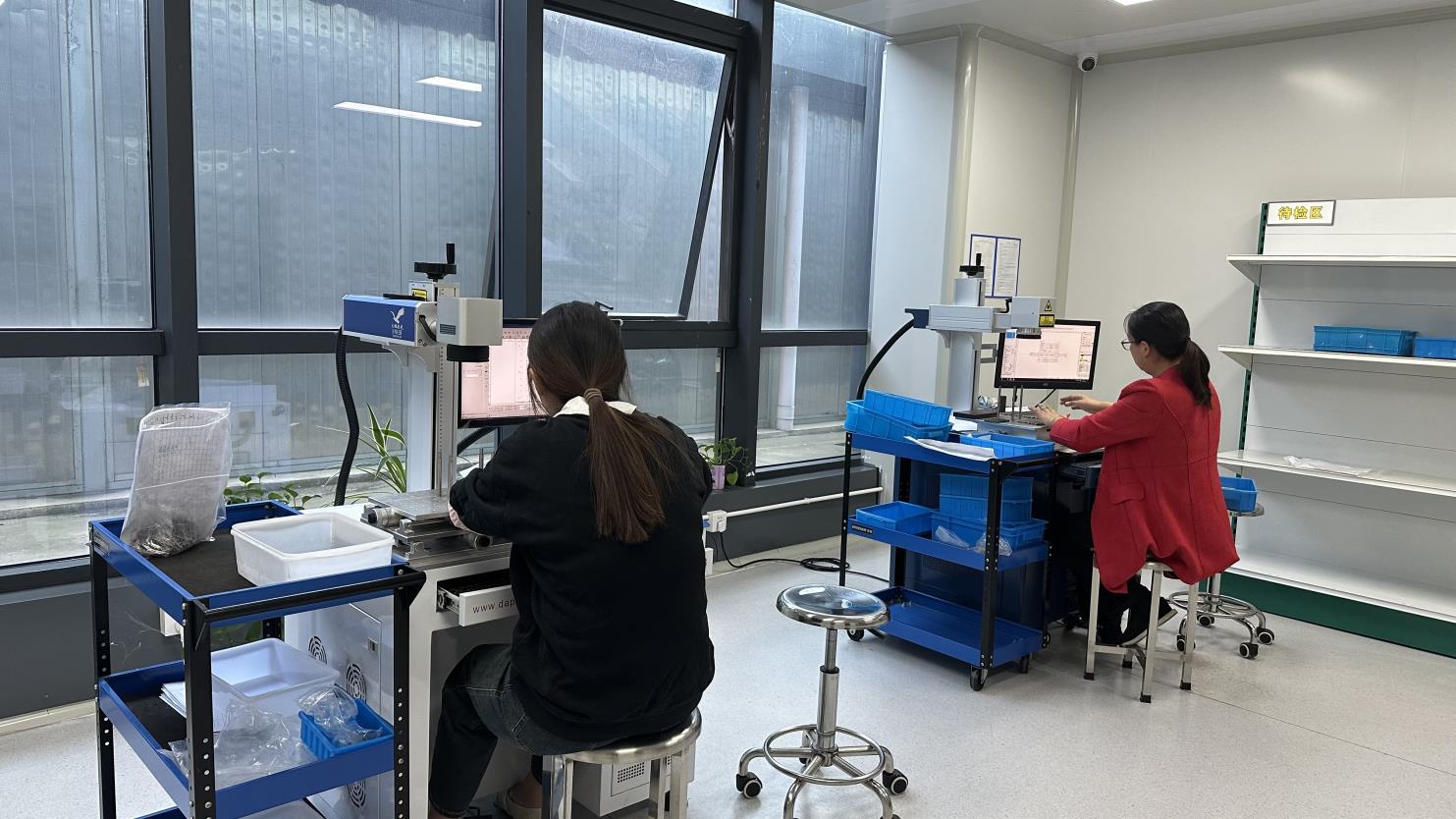
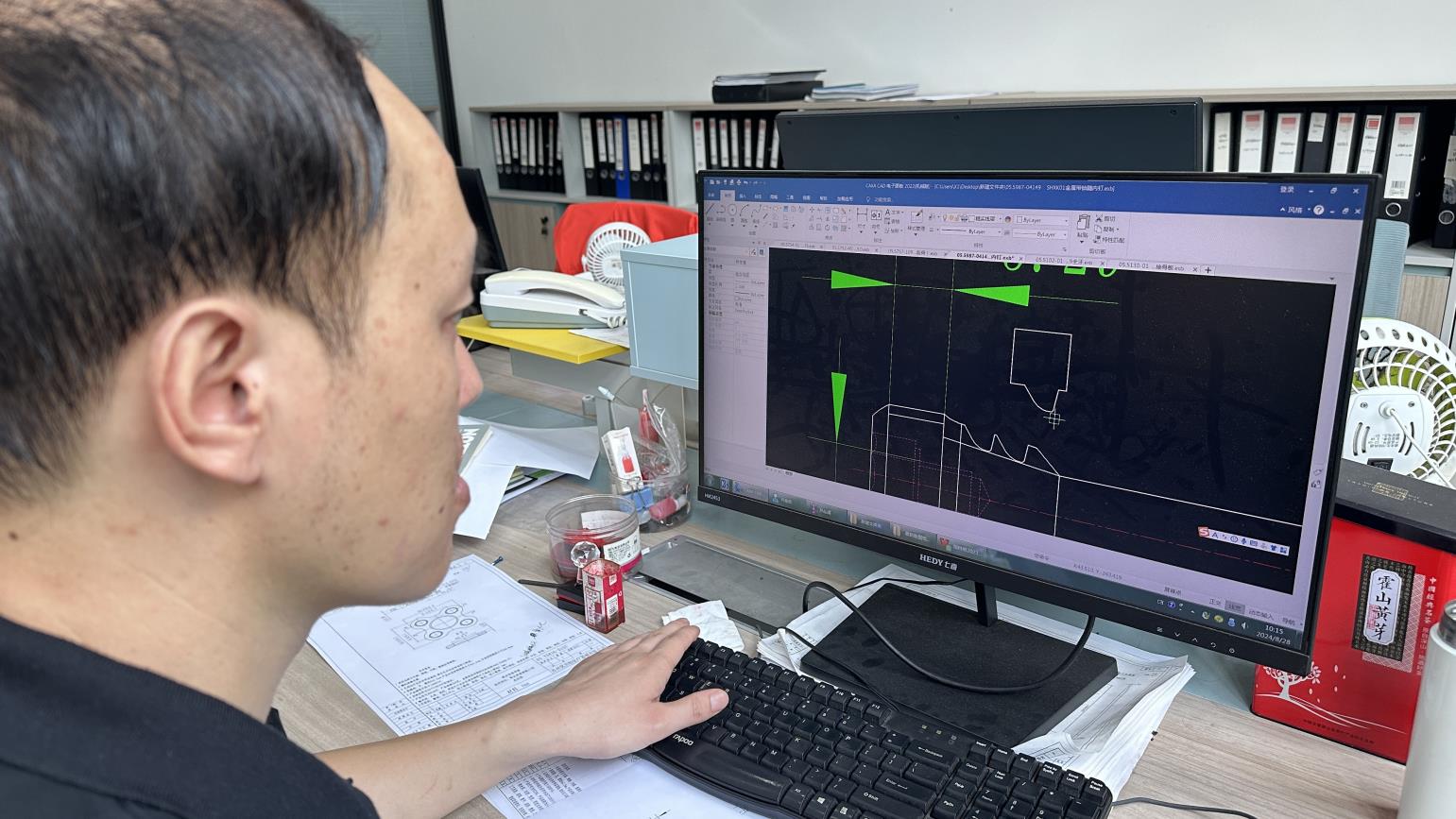
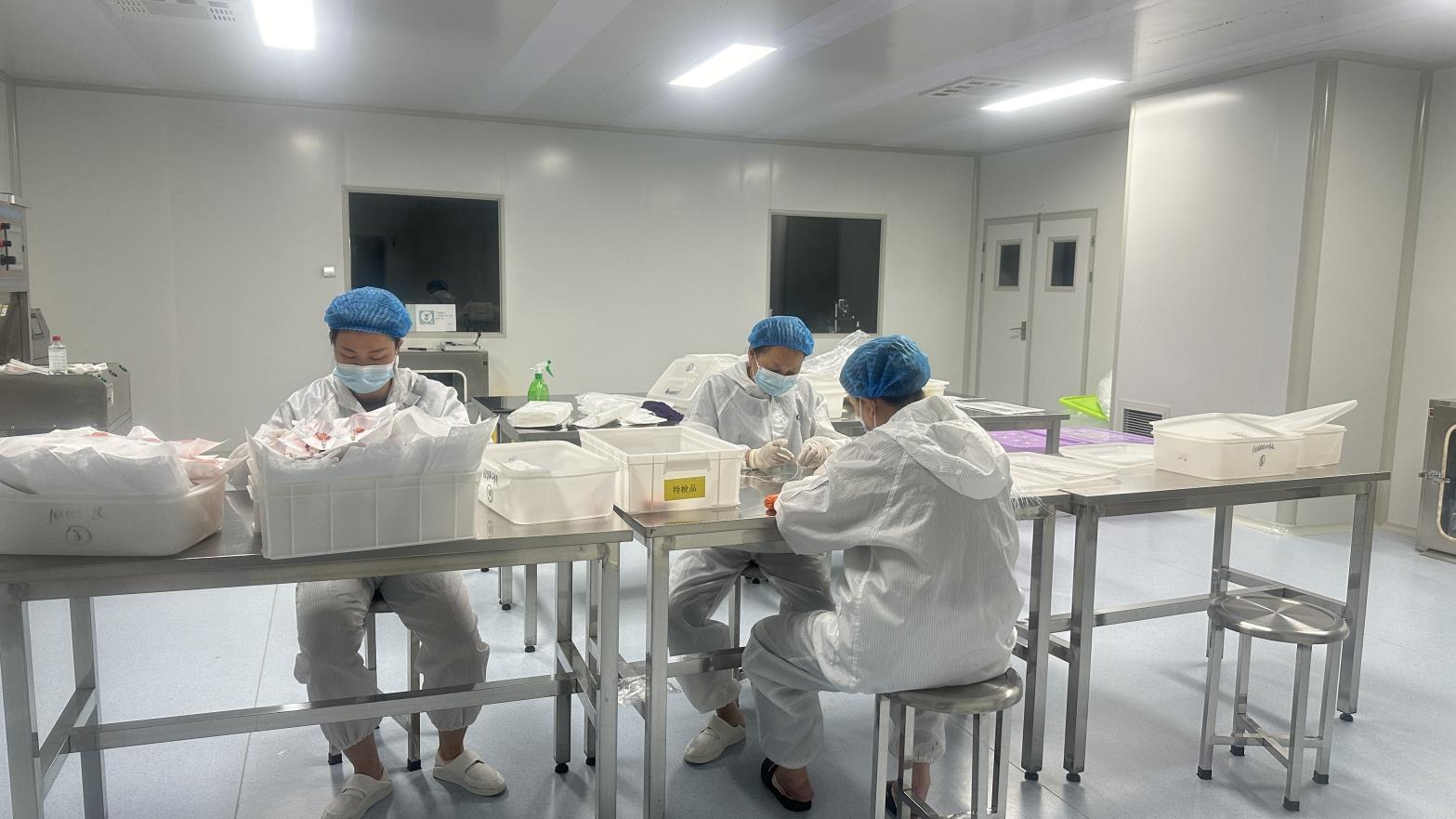
Bonevia targets key orthopedic segments, providing tailored product profiles engineered for specific biomechanical demands.
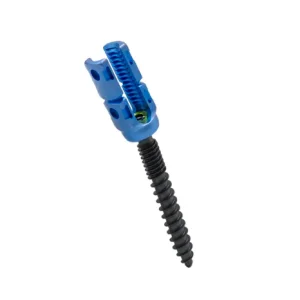
Designed to stabilize the spinal column during fusion, our systems feature low-profile pedicle screws with optimized thread designs. These configurations maximize pull-out resistance while minimizing stress shielding in bone structures.
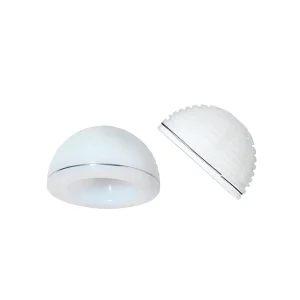
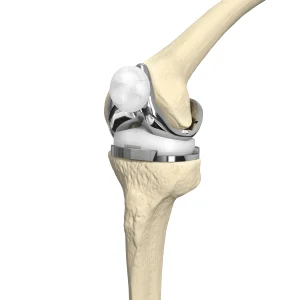
Our dual mobility acetabular cups utilize medical-grade cobalt-chromium (CoCrMo) and highly cross-linked UHMWPE liners. This material pairing reduces articulating friction coefficients, decreasing systemic wear debris and extending implant lifespan.
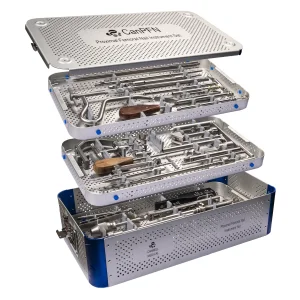
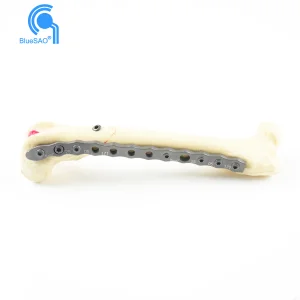
We produce anatomical locking plates and intramedullary nail systems (like the CanPFN Proximal Femoral Nail) that match bone morphology. This improves load transfer and supports early mobilization for trauma recovery.
Using titanium alloys (Ti-6Al-4V ELI conforming to ASTM F136) ensures high strength-to-weight ratios and bio-compatibility. For load-bearing surfaces, we utilize cobalt-chromium-molybdenum alloys, which offer excellent resistance to galling and mechanical wear.
As surgical methods evolve toward minimally invasive surgery (MIS) and customized treatment protocols, Bonevia's engineering roadmap guides our long-term R&D initiatives.
Implementing anodized type II surface treatments on titanium implants to create a stable oxide layer that enhances osseointegration. Expanding CNC capacities to achieve manufacturing tolerances within ±5 microns on critical threaded assemblies.
Integrating Electron Beam Melting (EBM) and Direct Metal Laser Sintering (DMLS) platforms into production lines. This allows the fabrication of highly porous, biomimetic scaffolds that encourage deep bone ingrowth and improve fixation longevity.
Developing magnesium-alloy biodegradable trauma screws that gradually load-share with healing bone, eliminating secondary removal procedures. R&D into micro-sensor coatings to monitor localized strain patterns and detect early post-operative infections.
Operating in Class III medical devices requires comprehensive safety documentation. Bonevia manages QA through three main checkpoints: Incoming Quality Control (IQC), In-Process Quality Control (IPQC), and Final Quality Control (FQC).
Every production batch includes full traceability reports, covering chemical analysis (via spectrometer testing) and tensile strength testing. Mechanical validation replicates long-term biological stress on dynamic test rigs, simulating millions of cycles to meet ASTM and ISO fatigue limits.
To support global medical distributors, we provide specialized documentation and logistics services:
Common questions from hospital purchasing committees, orthopedic distributors, and clinical specialists.
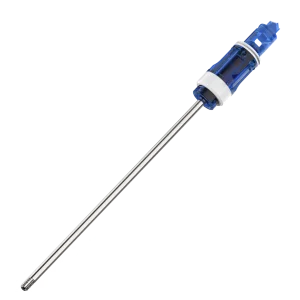
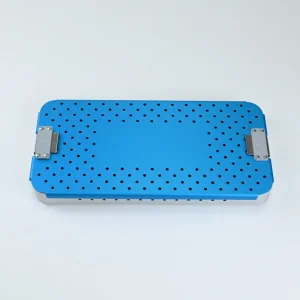
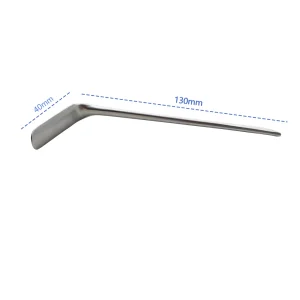
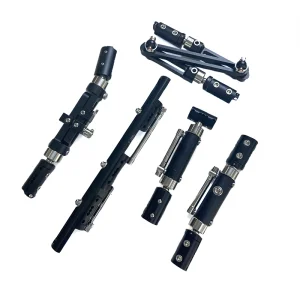
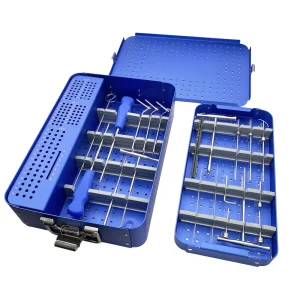
Browse our selection of specialized powered instruments, fixation sets, and micro-tools engineered for human and veterinary applications.