Bonevia
Bonevia
Bonevia
Explore our highly integrated clinical devices engineered to exceed standard performance expectations in critical procedures.
The global orthopedic implant market is undergoing a structural paradigm shift driven by demographic aging, rising demand for active-aging therapies, and the necessity of highly specialized joint structures. Modern total joint arthroplasty (TJA) demands precise component interactions (such as femoral heads, acetabular cups, tibial trays, and patellar buttons) that offer near-zero wear rates, high bio-compatibility, and extended lifespan. In response to these complex requirements, global medical device brands increasingly rely on dedicated OEM partners who command both micro-machining prowess and absolute regulatory mastery.
Within this dynamic market, sourcing managers face the critical challenge of selecting partners capable of translating CAD models into clinical-grade implants. As custom orthopedic OEM solutions evolve from high-volume, low-margin productions into highly individualized, material-complex processes (such as multi-axis CNC milled PEEK components and 3D porous titanium structures), selecting a component supplier with an integrated technical framework is paramount to minimizing risk and accelerating time-to-market.
By 2030, the global demand for total knee and hip replacements is projected to grow by over 150%. This surge introduces unique market criteria:
Bonevia Orthopedic Technology Co., Ltd. — Delivering innovation and stability to global surgical environments since 2015.
Bonevia Orthopedic Technology Co., Ltd. is a professional manufacturer specializing in orthopedic implants and surgical solutions, dedicated to advancing innovation in trauma, spine, and joint reconstruction products. Since its establishment in 2015, the company has grown steadily into a trusted supplier in the global orthopedic industry.
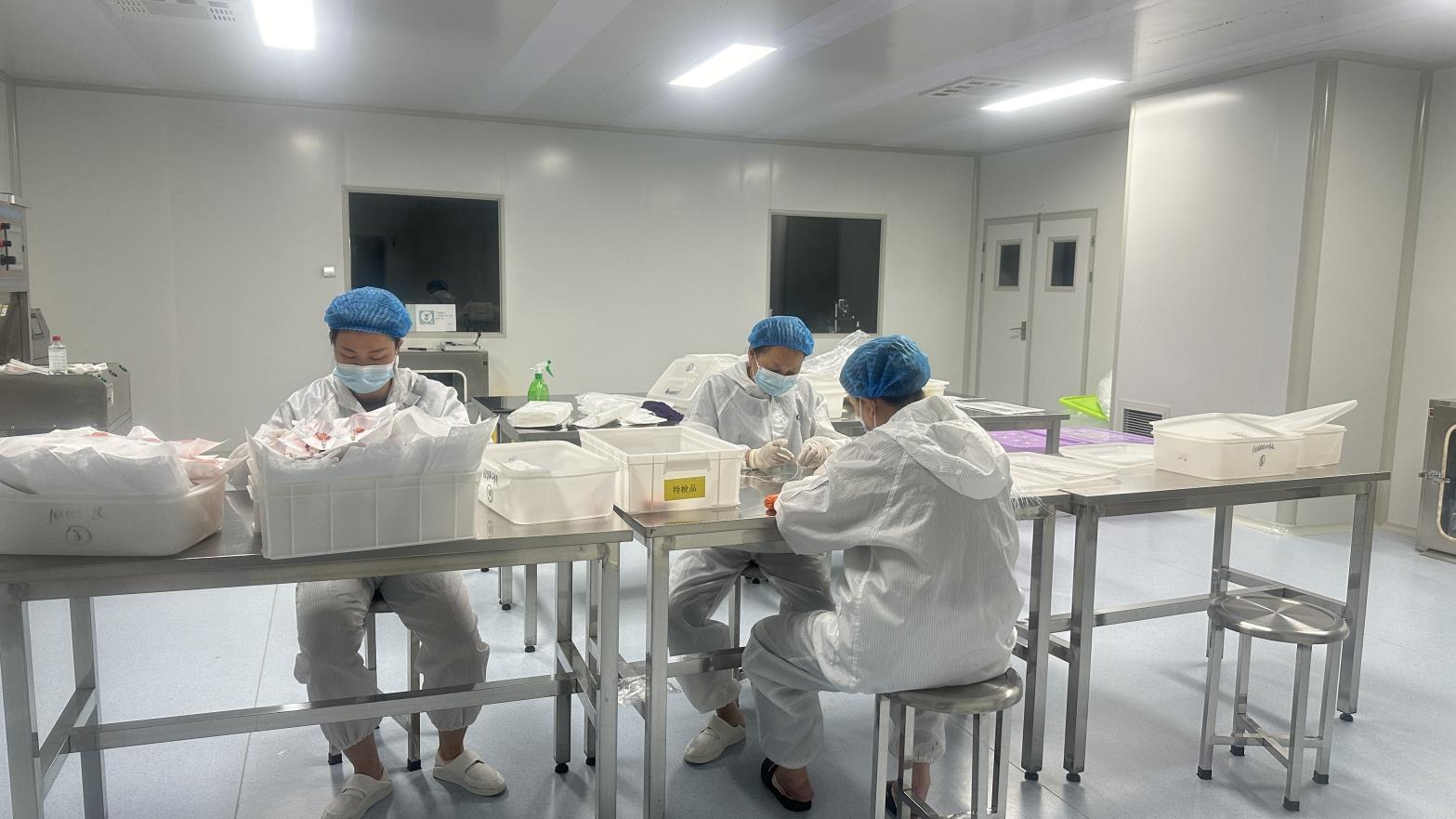
Quality assurance is a core focus at Bonevia. The company implements multiple inspection methods including incoming material inspection, in-process quality control, and final product testing, supported by a dedicated quality team of 35 professionals. This ensures all products meet international medical device standards.
Bonevia has a solid trade foundation with diversified global distribution networks, serving major markets across Europe, Southeast Asia, the Middle East, and South America. Its supply chain ecosystem includes more than 850 partners, enabling stable raw material sourcing and efficient production delivery.
The company serves a wide range of clients, including hospitals, orthopedic clinics, surgical centers, and medical distributors. Bonevia also demonstrates strong R&D capabilities, offering OEM and ODM customization services to meet specific clinical requirements. In the past year, Bonevia successfully launched 120 new product designs, supported by a research and development team of 85 engineers, continuously driving innovation in orthopedic implant systems and surgical instruments.
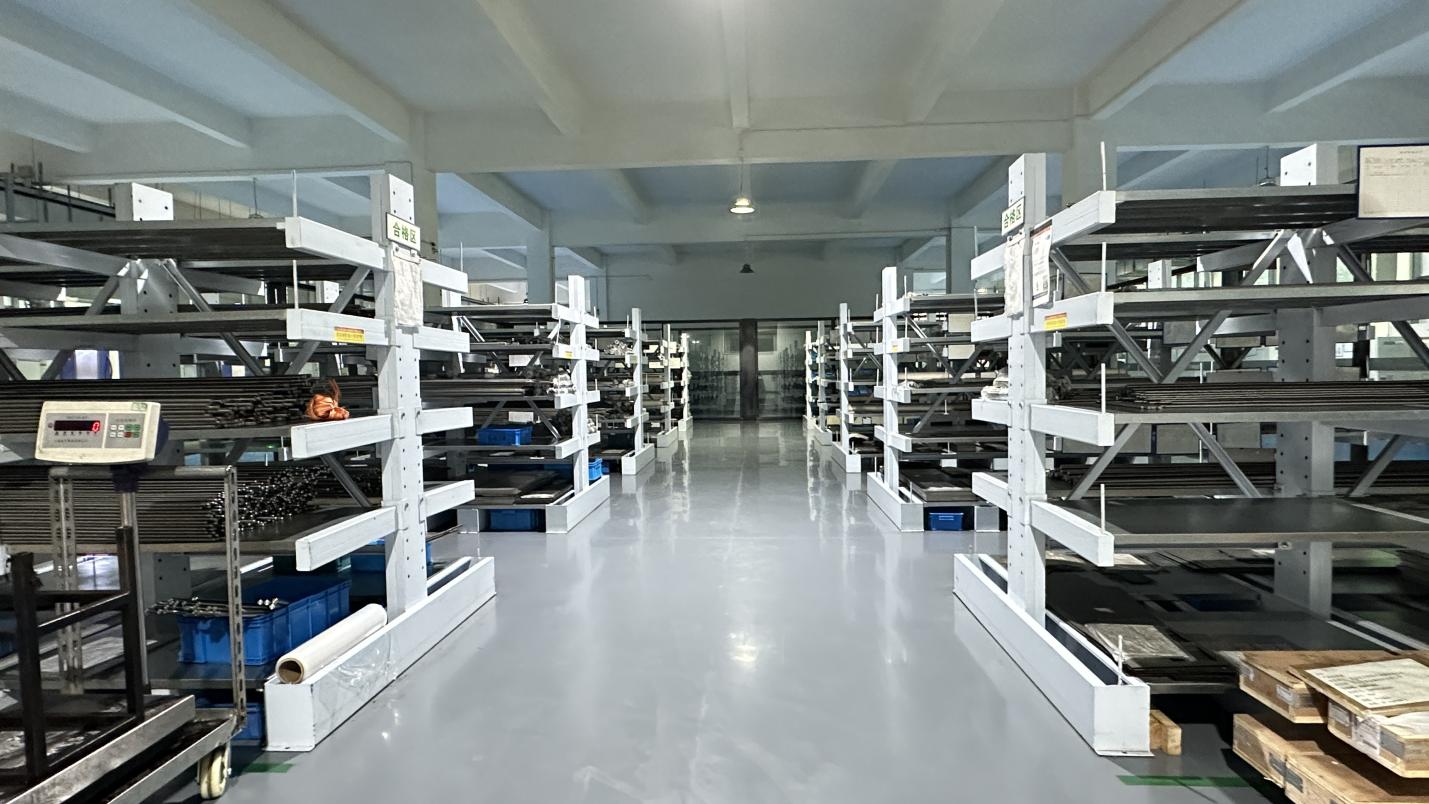
Visualizing our raw material processing, multi-axis machining, finishing, and quality control workflow.
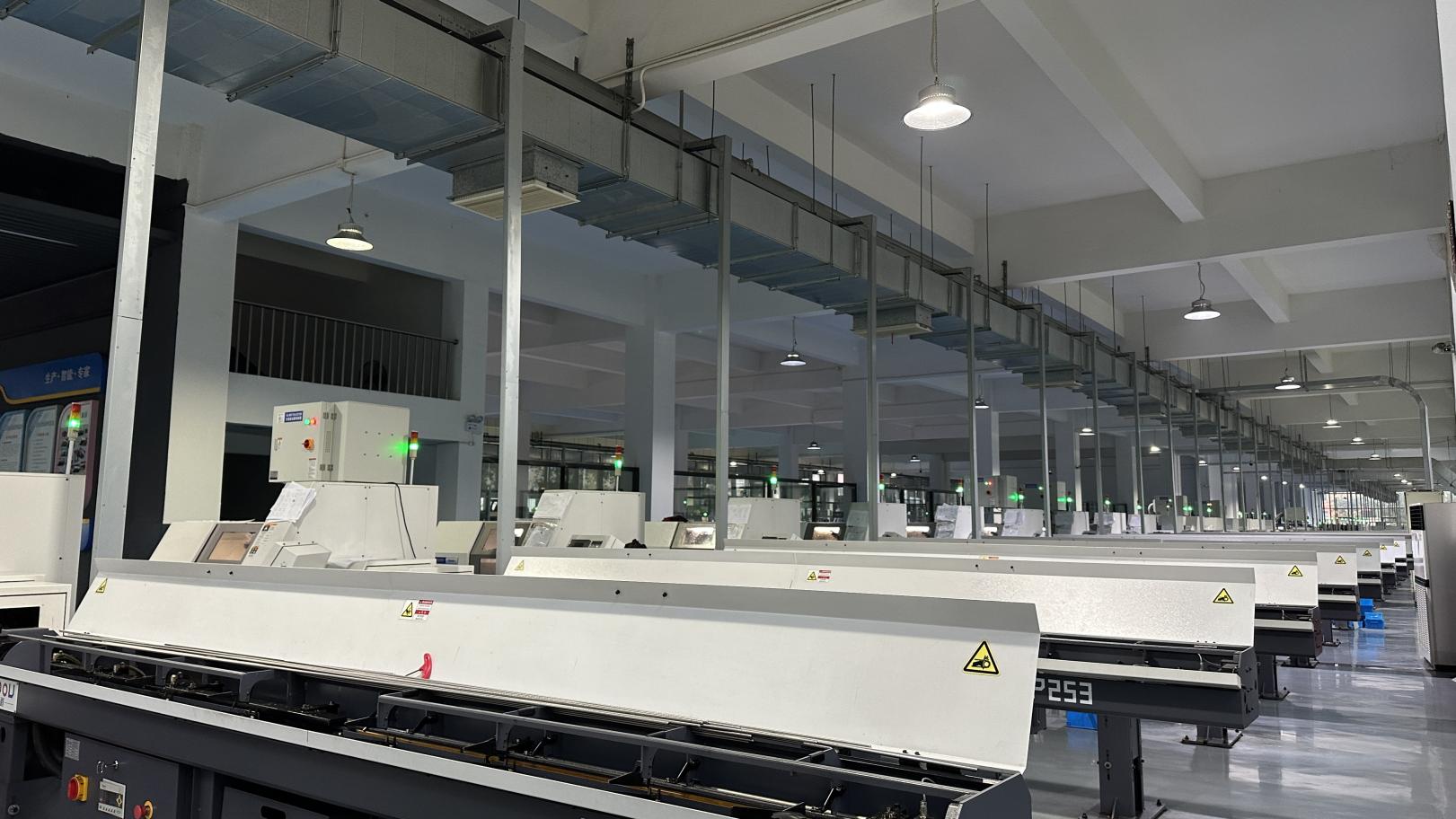
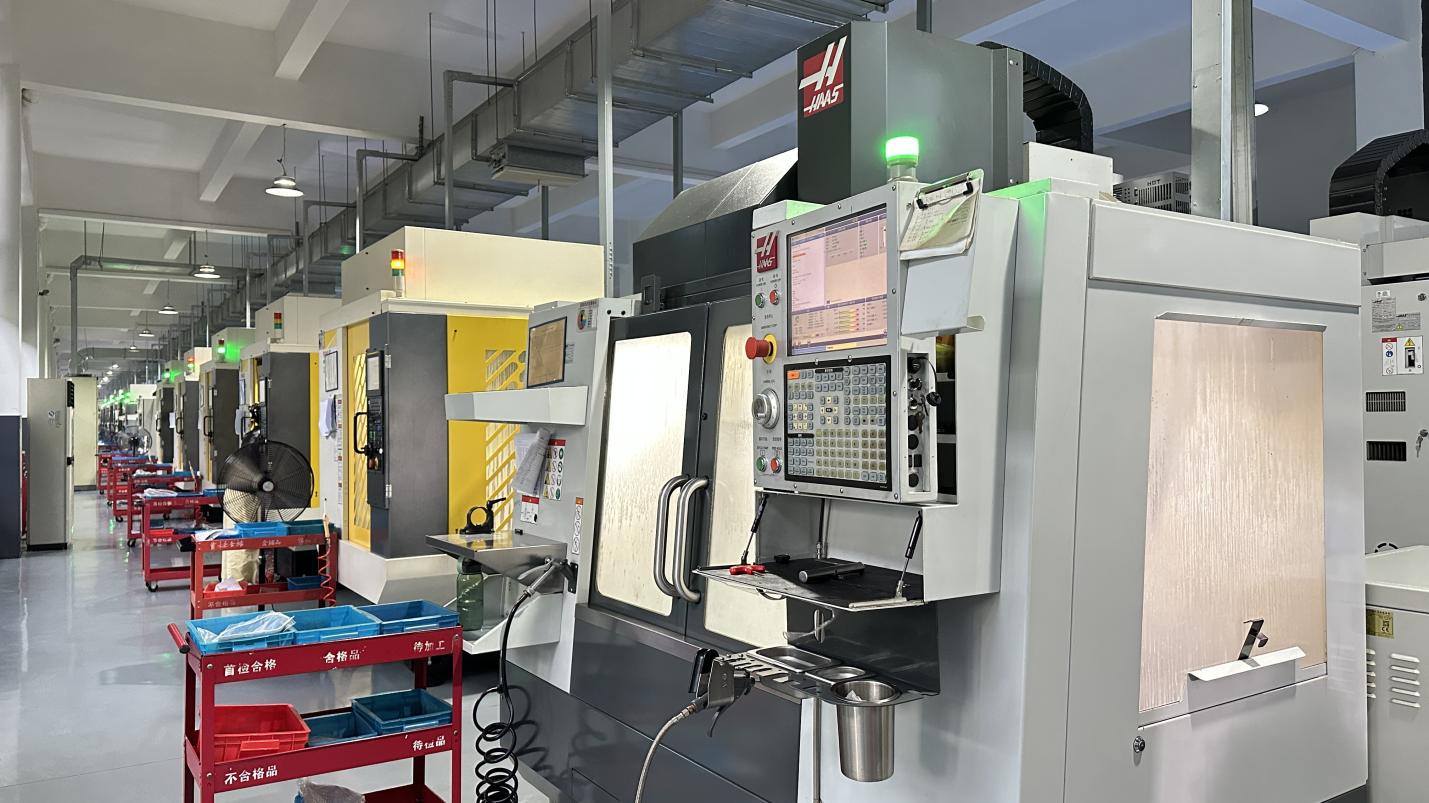
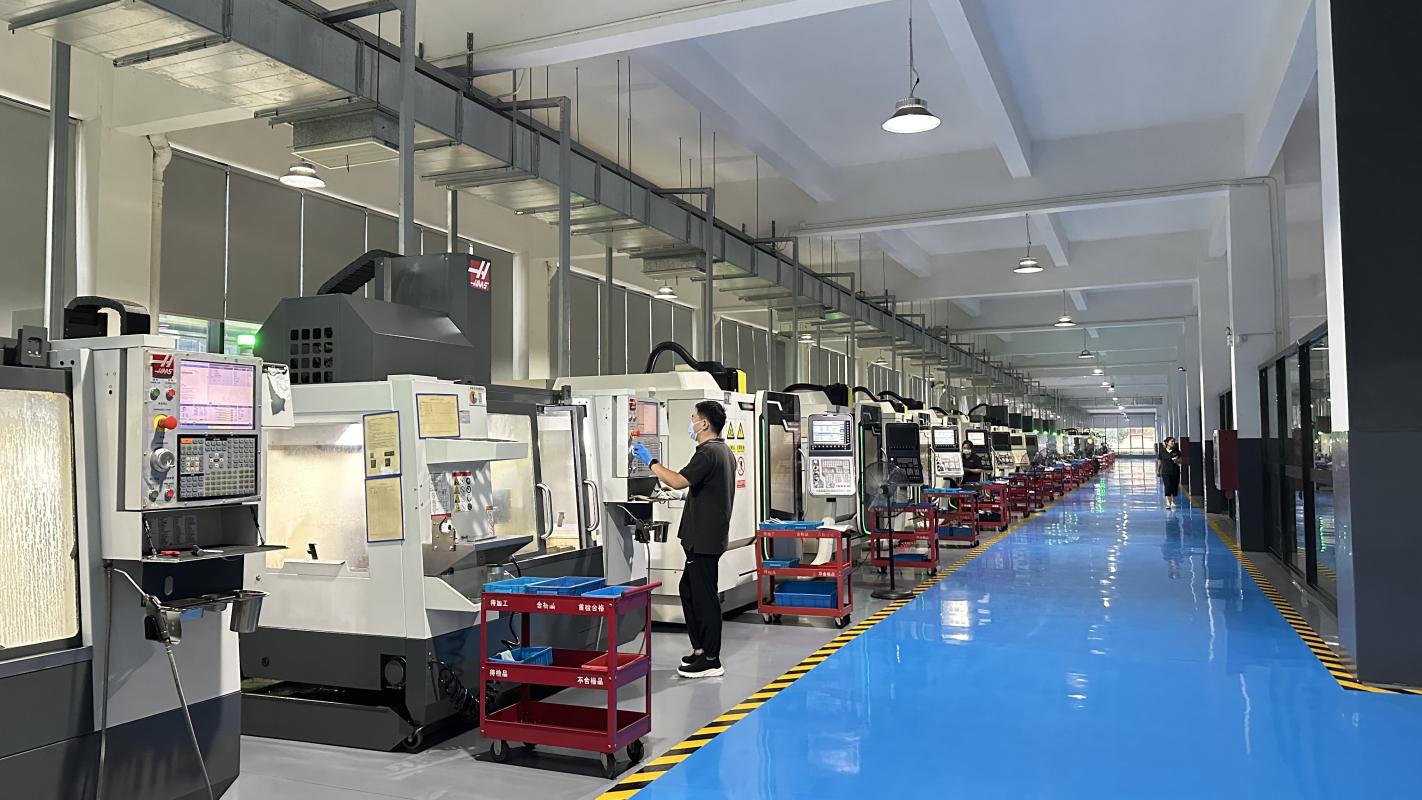
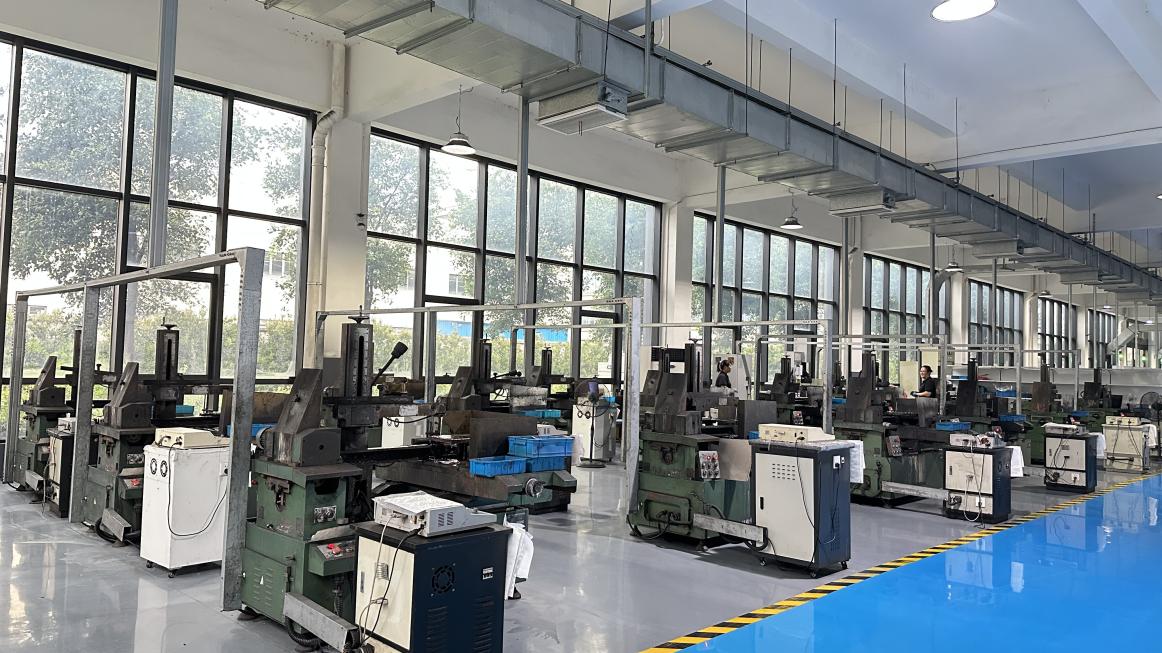
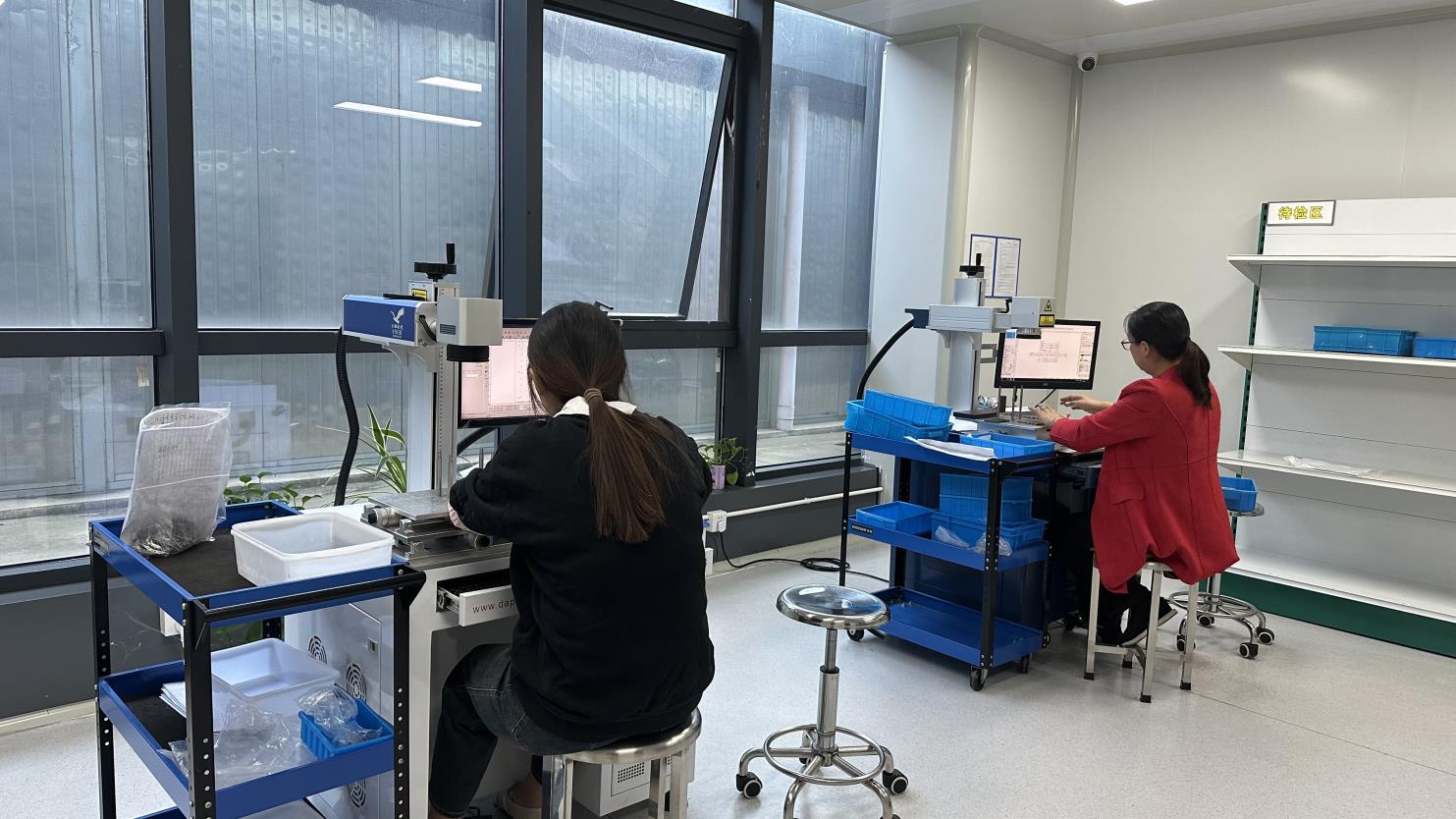
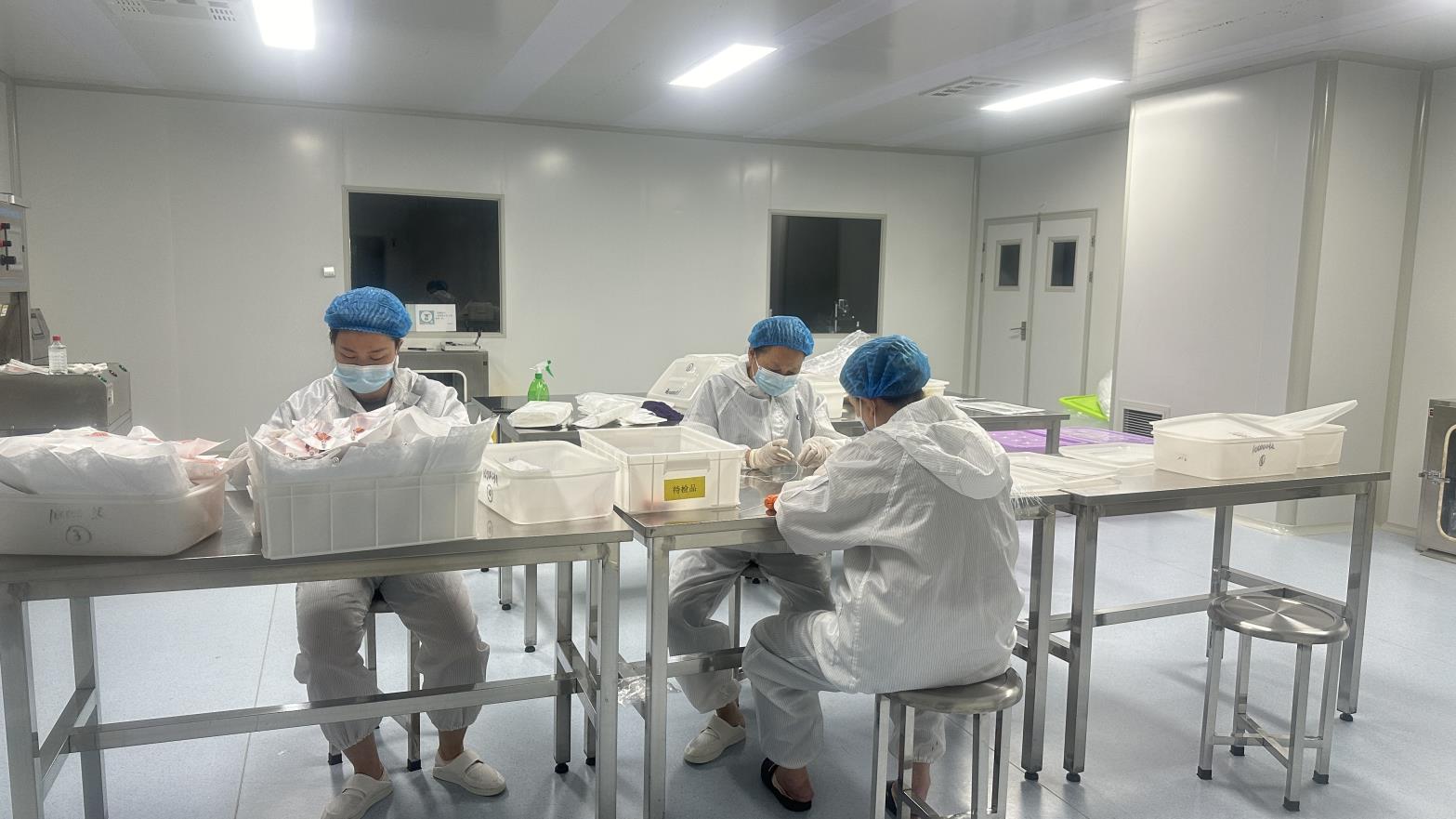

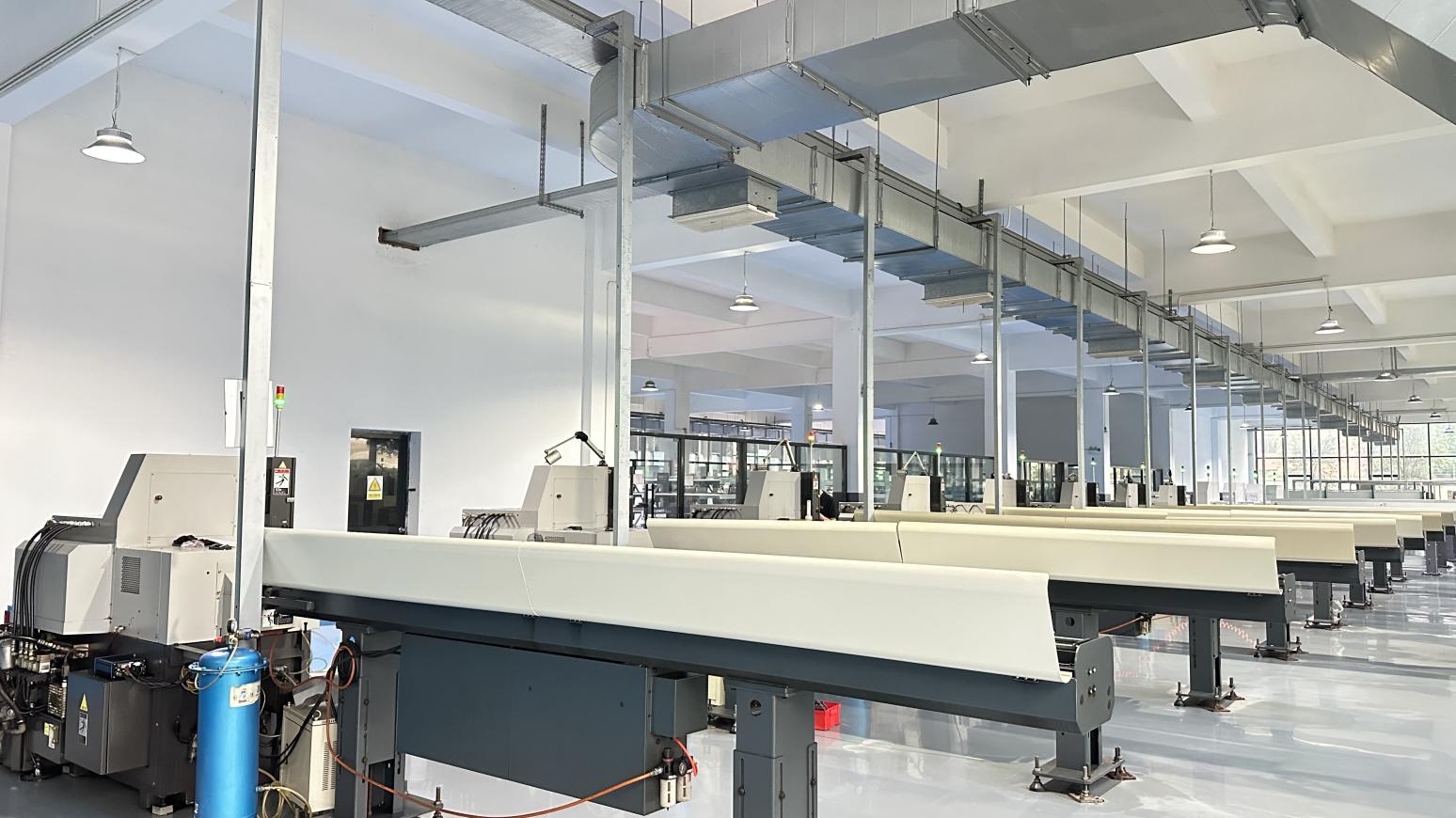
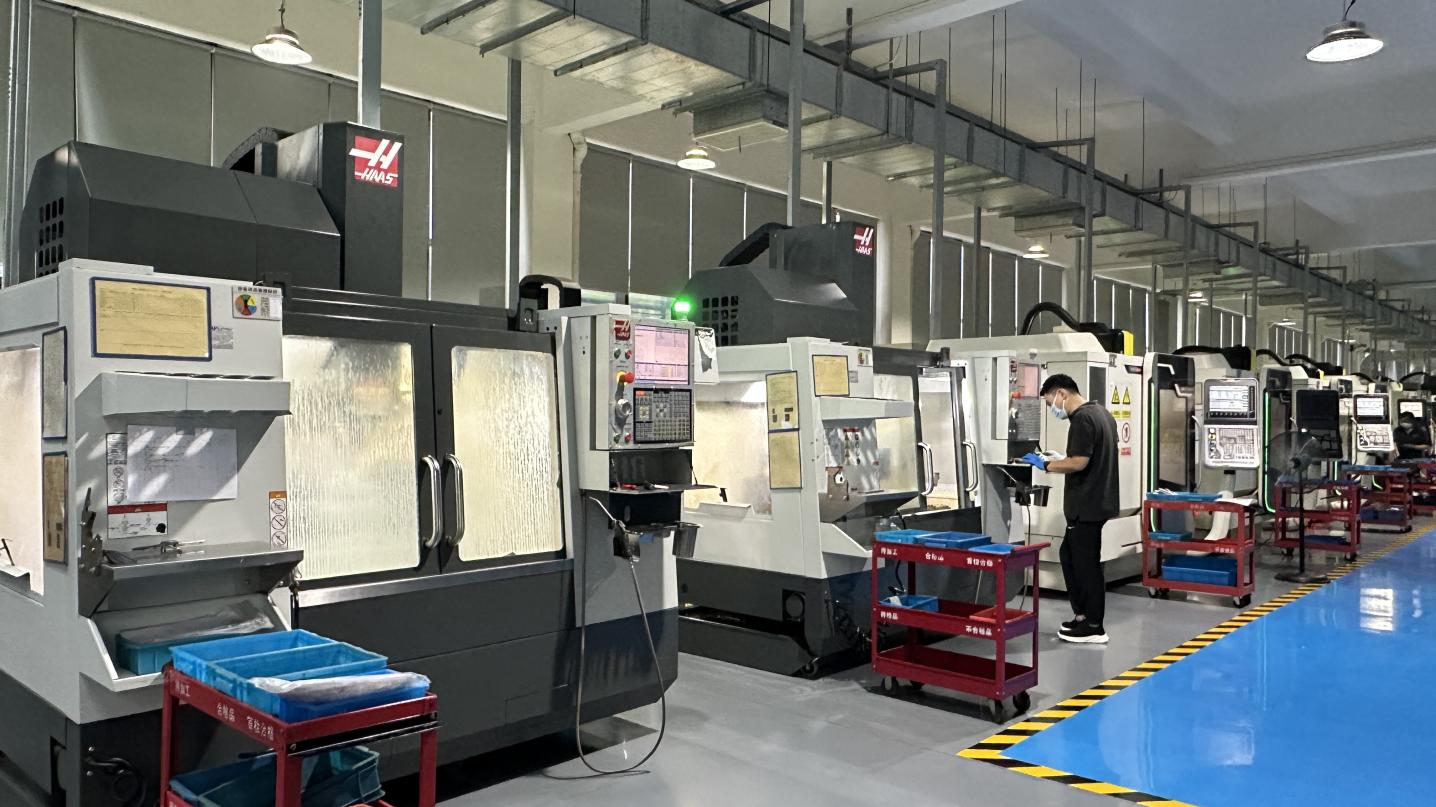
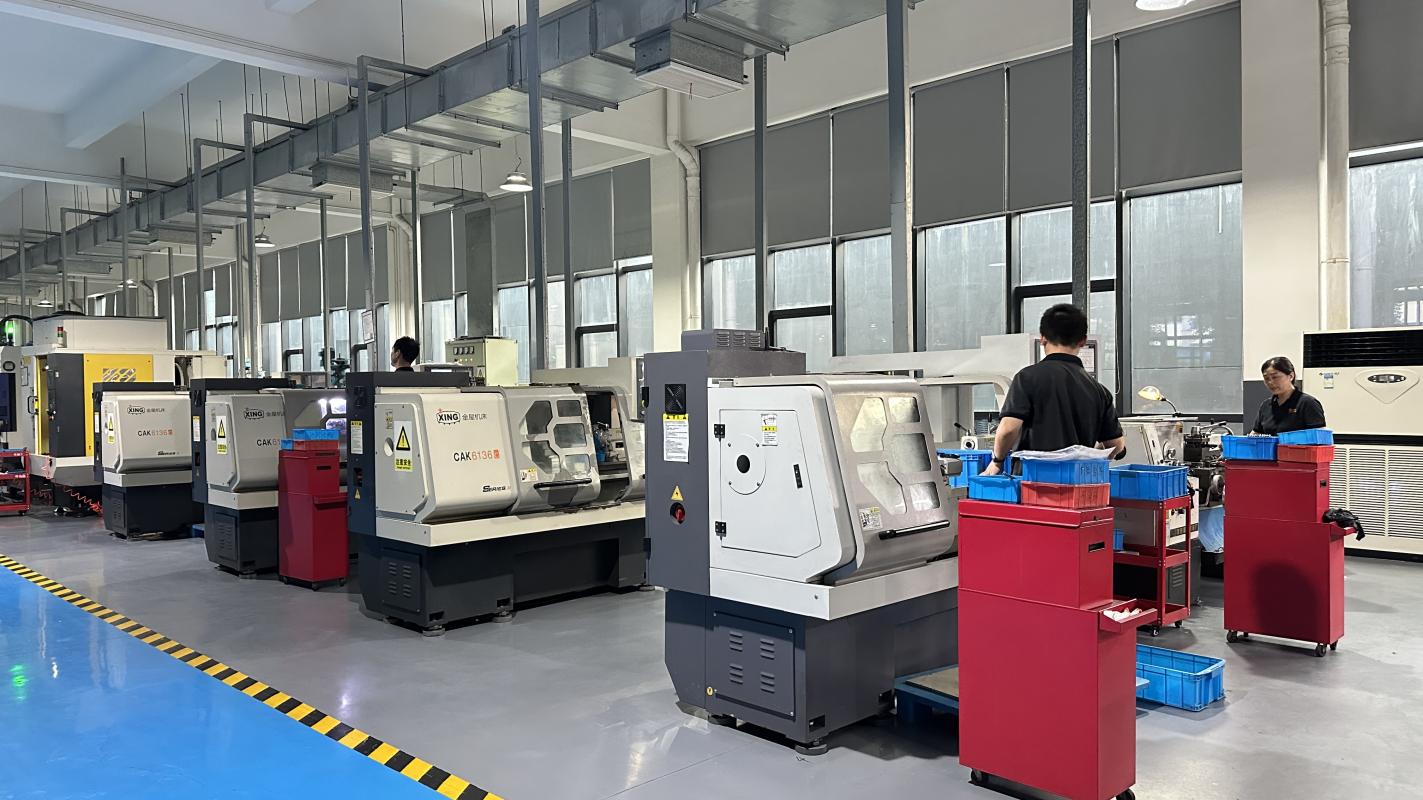
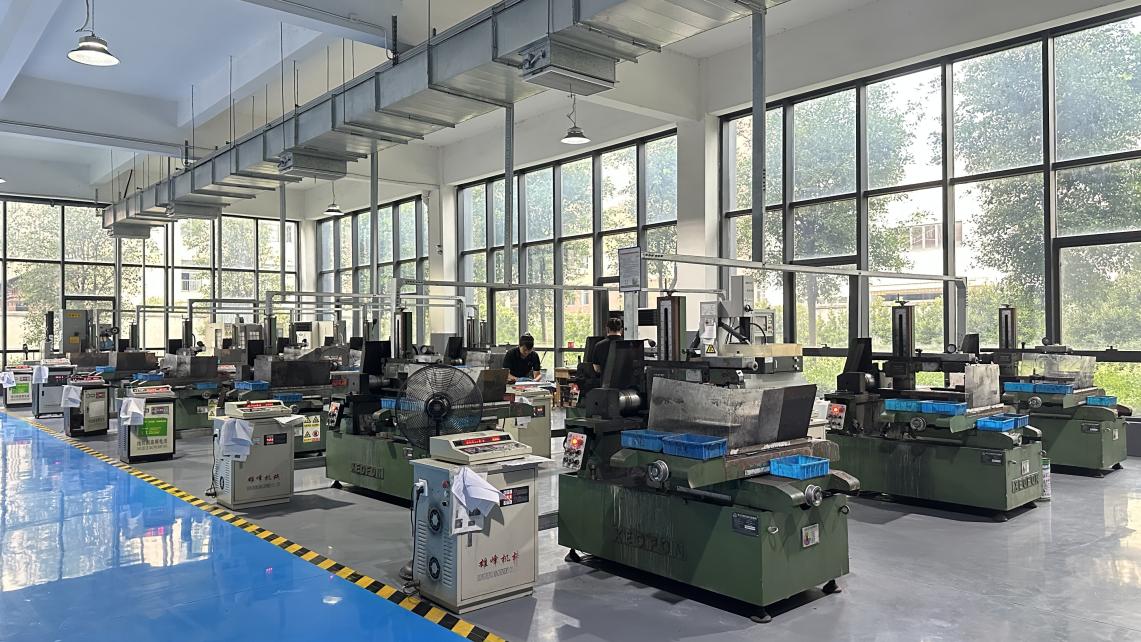
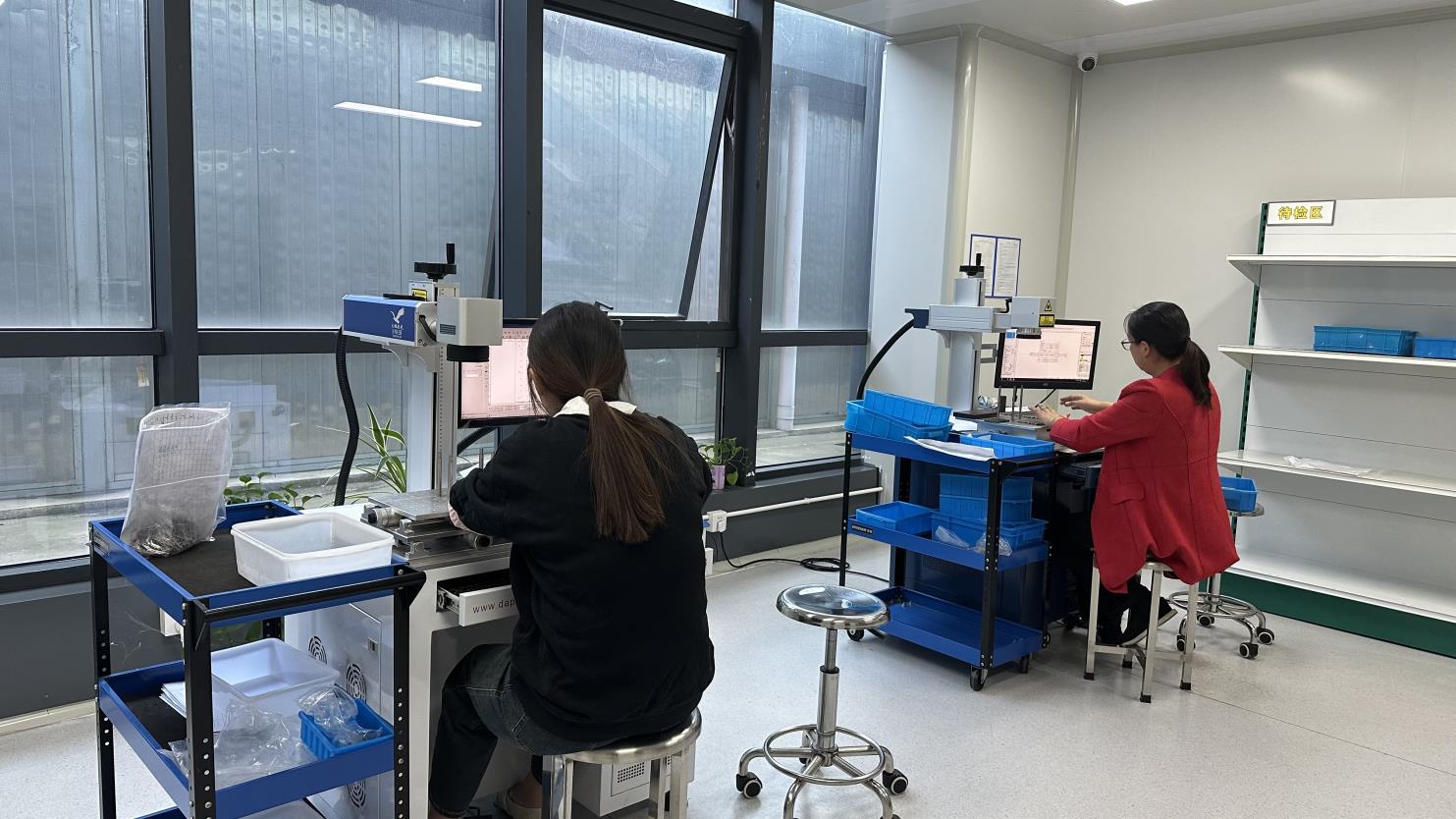
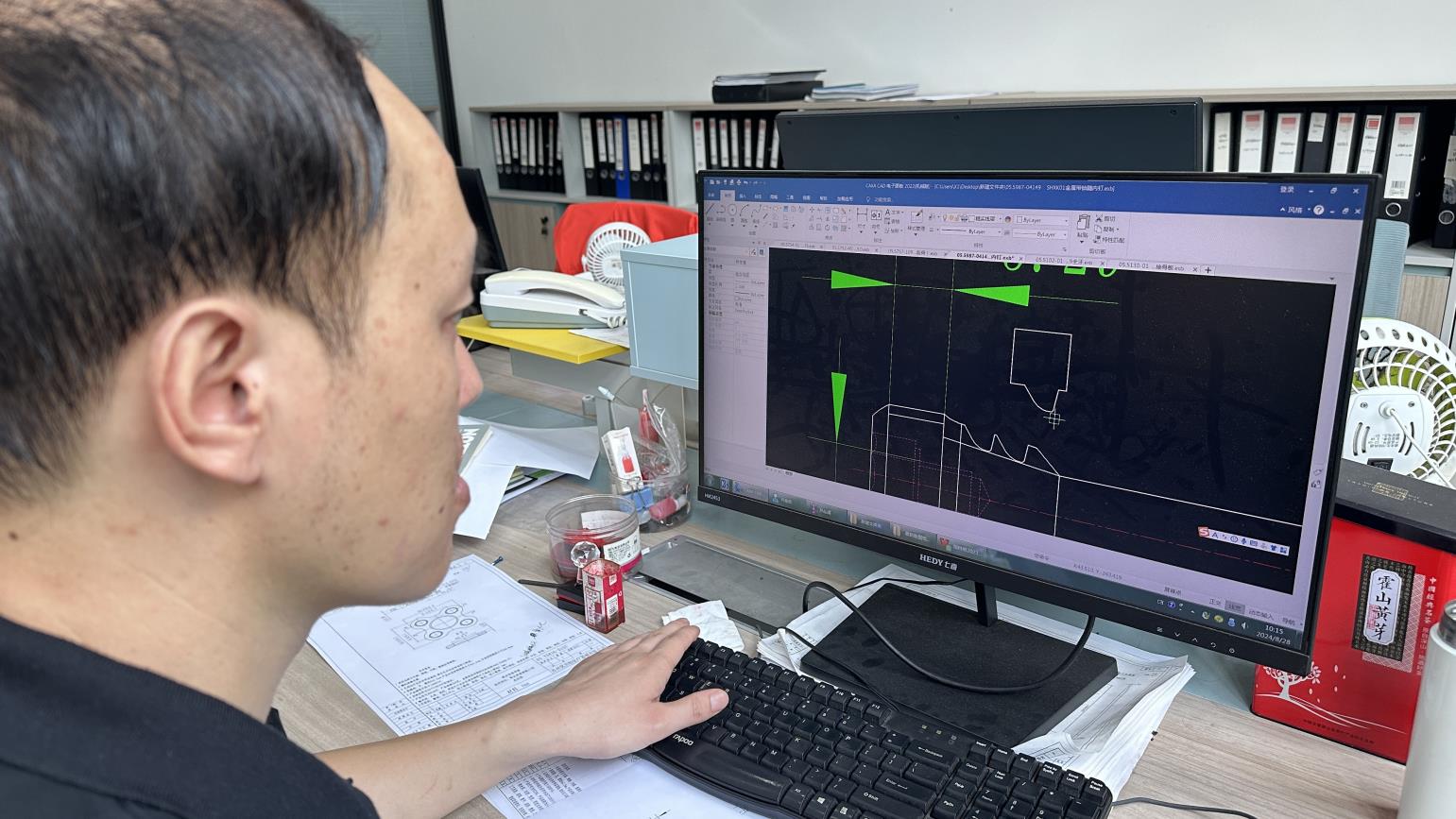
Analyzing materials, surface treatment processes, and structural design configurations required for premium joint components.
Joint components require materials that exhibit excellent fatigue life, tensile strength, and biocompatibility. We process biocompatible Titanium alloys (specifically Grade 5 Ti-6Al-4V and Ti-6Al-4V ELI (Extra Low Interstitials) conforming to ASTM F136). These alloys provide high strength-to-weight ratios and limit stress shielding in orthopedic applications. For articulating surfaces, Cobalt-Chromium-Molybdenum (CoCrMo, ASTM F1537) ensures excellent wear resistance. Ultra-High-Molecular-Weight Polyethylene (UHMWPE) and PEEK are machined for acetabular inserts, providing dampening and structural support.
Developing robust interface configurations between the host bone tissue and the joint implant is vital. Our design methodologies integrate advanced surface modifications: plasma-sprayed titanium coatings, hydroxyapatite (HA) coatings, and laser-structured micro-porous channels. These treatments increase surface roughness, promoting rapid mechanical interlocking and long-term osteointegration, which reduces the risk of aseptic loosening in cementless implant configurations.
Long-term wear properties determine the survival rate of total hip and knee arthroplasty components. We focus heavily on reducing friction coefficients at the bearing interfaces. By utilizing state-of-the-art ceramic-on-ceramic or ceramic-on-highly-cross-linked polyethylene (XLPE) components, the generation of wear debris is minimized. This significantly delays osteolysis and subsequent revision surgeries, providing clients with clinical reliability.
Procuring custom joint replacement components involves complex logistics and strict lead time requirements. Supply chain disruptions can quickly delay surgical schedules. Bonevia mitigates these issues by building redundant raw material channels with over 850 certified partners. Our tracking systems ensure complete traceability of all raw titanium, steel, and polymer lots from arrival to final packaging.
We work closely with global orthopedic design teams to turn concepts into reality. Our workflow includes:
By integrating design support, production, and quality control, Bonevia shortens development lifecycles and provides reliable OEM solutions for global device brands.
Maintaining compliance with FDA, CE MDR, and international quality standards to support global distribution.
Our facility runs on a strict quality system certified to ISO 13485 (Medical Devices — Quality Management Systems). We track every step of production, from raw material inspection to final release testing. This ensures that every shipped component complies with medical regulatory standards worldwide.
We support our clients through regulatory approval processes, including FDA 510(k) clearances and EU MDR certifications. Bonevia provides complete technical documentation, such as material test reports (MTRs), biocompatibility analysis data, and process validation files (IQ/OQ/PQ).
With an annual export value of USD 8-15 million, we are experienced in handling international shipping and custom clearance procedures. We offer flexible shipping arrangements (FOB, CIF, DDP) and package components securely to prevent transit damage.
Answers to common technical, quality, and logistics questions from OEM procurement managers.
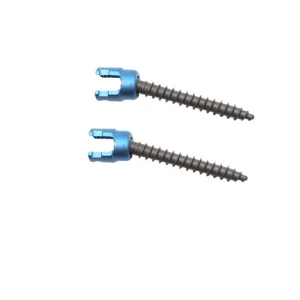
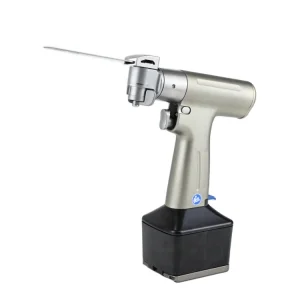
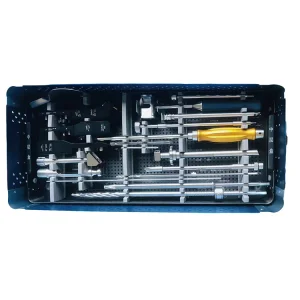
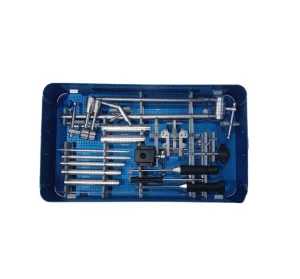
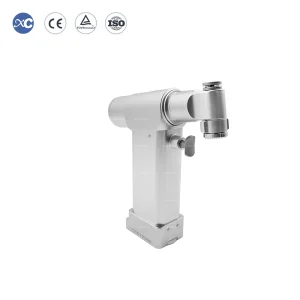
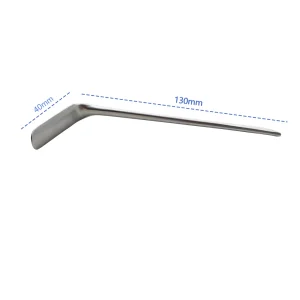
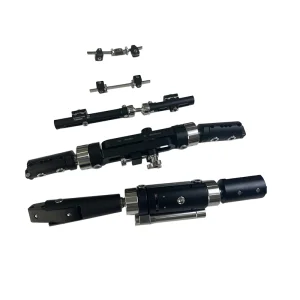
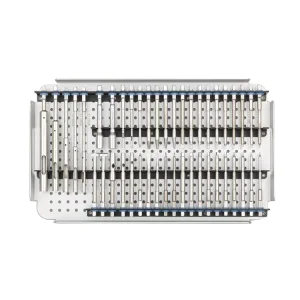
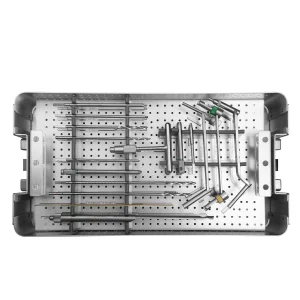
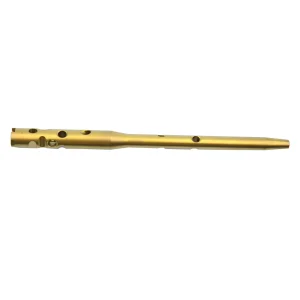
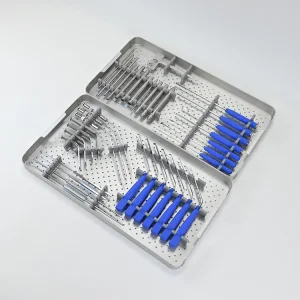
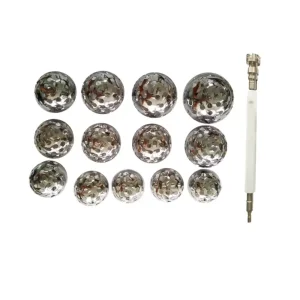
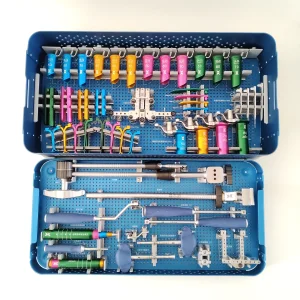
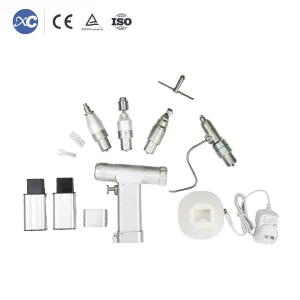
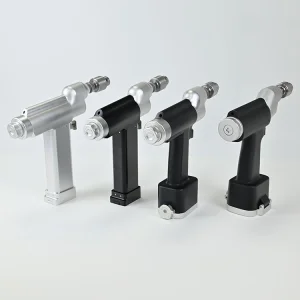
Browse our selection of precision orthopedic tools and fixation implants designed for high clinical accuracy.