Bonevia
Bonevia
Bonevia
A Comprehensive Industry Whitepaper on Orthopedic Power Tools, OEM/ODM Integration Dynamics, and Clinical Sourcing Strategies
Explore our premium array of certified orthopedic implants, spinal fixation hardware, and precision power systems engineered for modern clinical workflows.
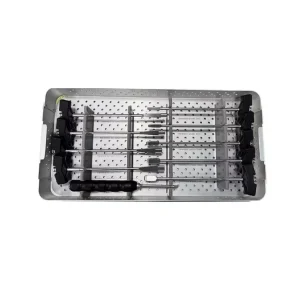
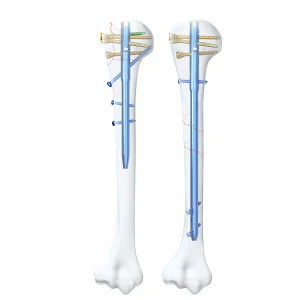
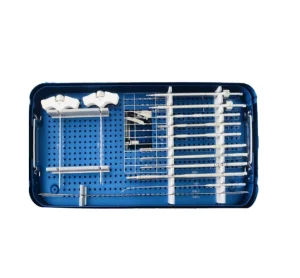
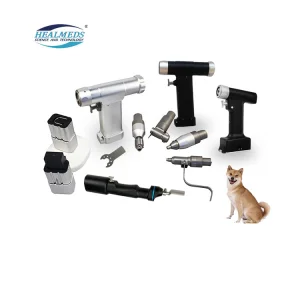
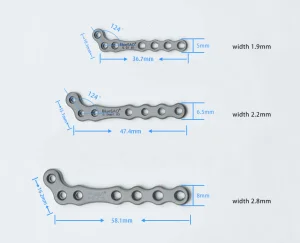
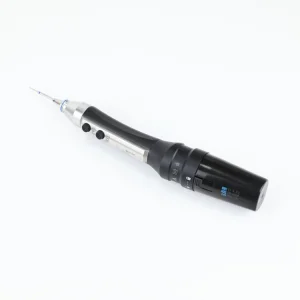
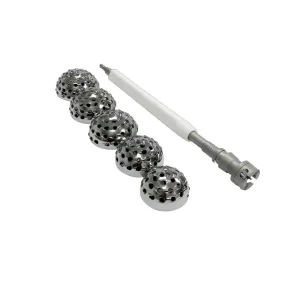
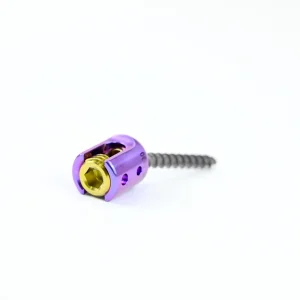
The convergence of biomechanical engineering, microelectronics, and surgical precision in global orthopedic markets.
The global medical device market has witnessed a significant paradigm shift over the past decade, with orthopedic power tools—specifically surgical drills and saws—taking center stage. Surgical drills are no longer regarded as mere mechanical cutting apparatuses. Instead, they are highly sophisticated, micro-engineered systems integrating brushless DC motors, lithium-ion sterilisable battery enclosures, and ergonomic configurations designed to operate reliably under extreme clinical environments. Driven by an aging global population, the expansion of trauma care networks, and a rising volume of joint reconstructions, the global market for surgical power tools is projected to reach unprecedented valuations.
Historically, the manufacture of surgical power tools was dominated by Western medical consortia. However, the last decade has seen a dramatic shift toward premium manufacturing hubs in Asia, with China leading the charge. Due to significant investments in CNC high-precision machining, automated Quality Assurance systems, and advanced biomaterials research, top Chinese factories have successfully transitioned from standard manufacturers to primary global innovation partners. These facilities now provide state-of-the-art medical power tools that comply with strict global safety benchmarks, including ISO 13485 and CE standards.
Furthermore, modern surgical environments demand versatile and multi-functional surgical drills. A single handpiece must seamlessly switch between high-speed drilling, high-torque reaming, tapping, and oscillating osteotomies. China's top-tier surgical drill factories address this clinical need through modular engineering, allowing surgeons to rapidly transition between different surgical modules. This adaptability reduces operational time in the OR and optimizes hospital procurement budgets.
Pioneering high-precision clinical implants and surgical tools for global healthcare ecosystems.
Bonevia Orthopedic Technology Co., Ltd. is a professional manufacturer specializing in orthopedic implants and surgical solutions, dedicated to advancing innovation in trauma, spine, and joint reconstruction products. Since its establishment in 2015, the company has grown steadily into a trusted supplier in the global orthopedic industry.
With a modern production facility covering approximately 320㎡, Bonevia maintains strict quality management standards and efficient manufacturing processes. The company records an annual export revenue of around USD 8–15 million, supported by 6 years of export experience and over 10 years of overall industry experience.
Quality assurance is a core focus at Bonevia. The company implements multiple inspection methods including incoming material inspection, in-process quality control, and final product testing, supported by a dedicated quality team of 35 professionals. This ensures all products meet international medical device standards.
Bonevia has a solid trade foundation with diversified global distribution networks, serving major markets across Europe, Southeast Asia, the Middle East, and South America. Its supply chain ecosystem includes more than 850 partners, enabling stable raw material sourcing and efficient production delivery.
The company serves a wide range of clients, including hospitals, orthopedic clinics, surgical centers, and medical distributors. Bonevia also demonstrates strong R&D capabilities, offering OEM and ODM customization services to meet specific clinical requirements. In the past year, Bonevia successfully launched 120 new product designs, supported by a research and development team of 85 engineers, continuously driving innovation in orthopedic implant systems and surgical instruments.
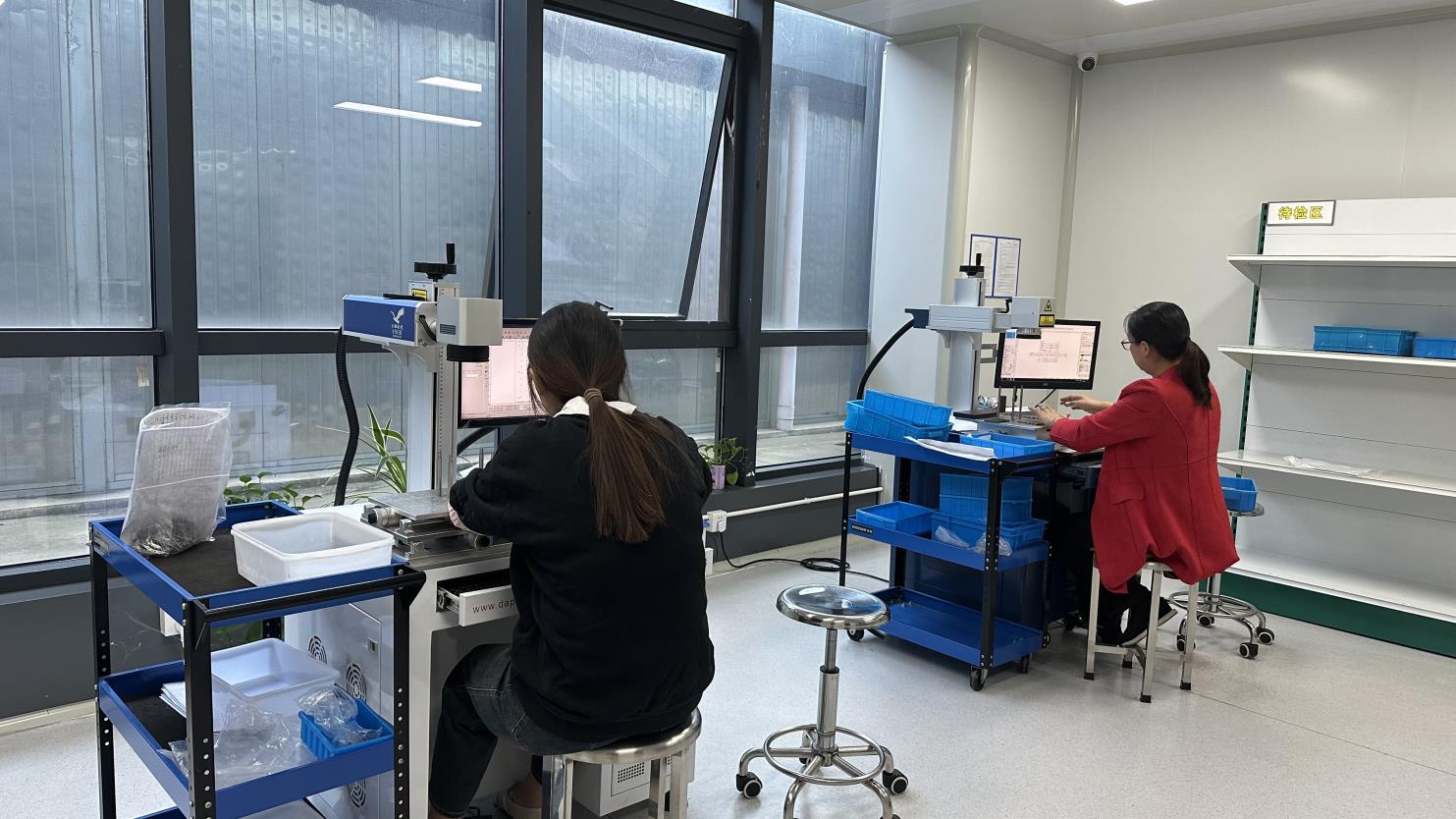
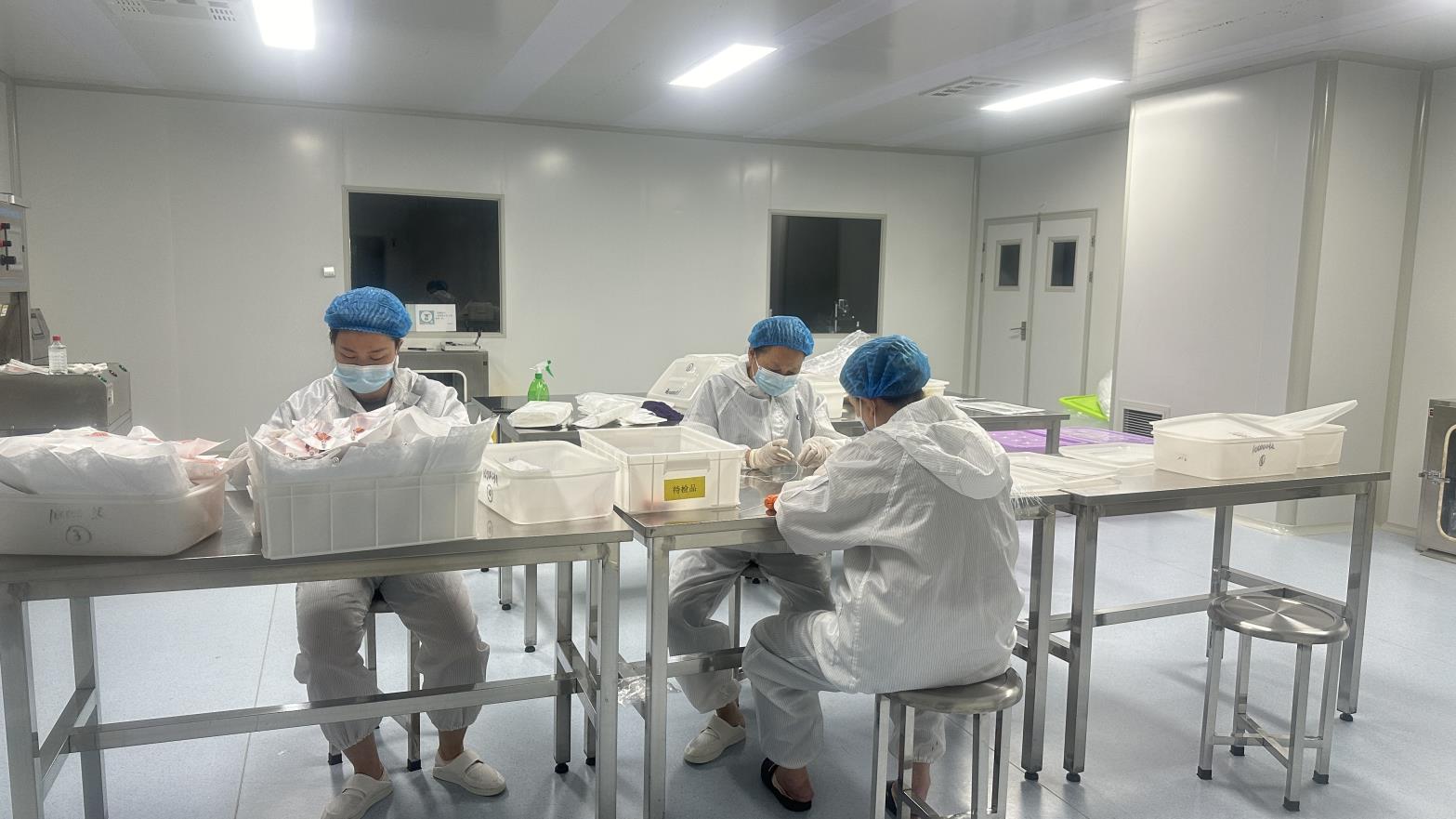
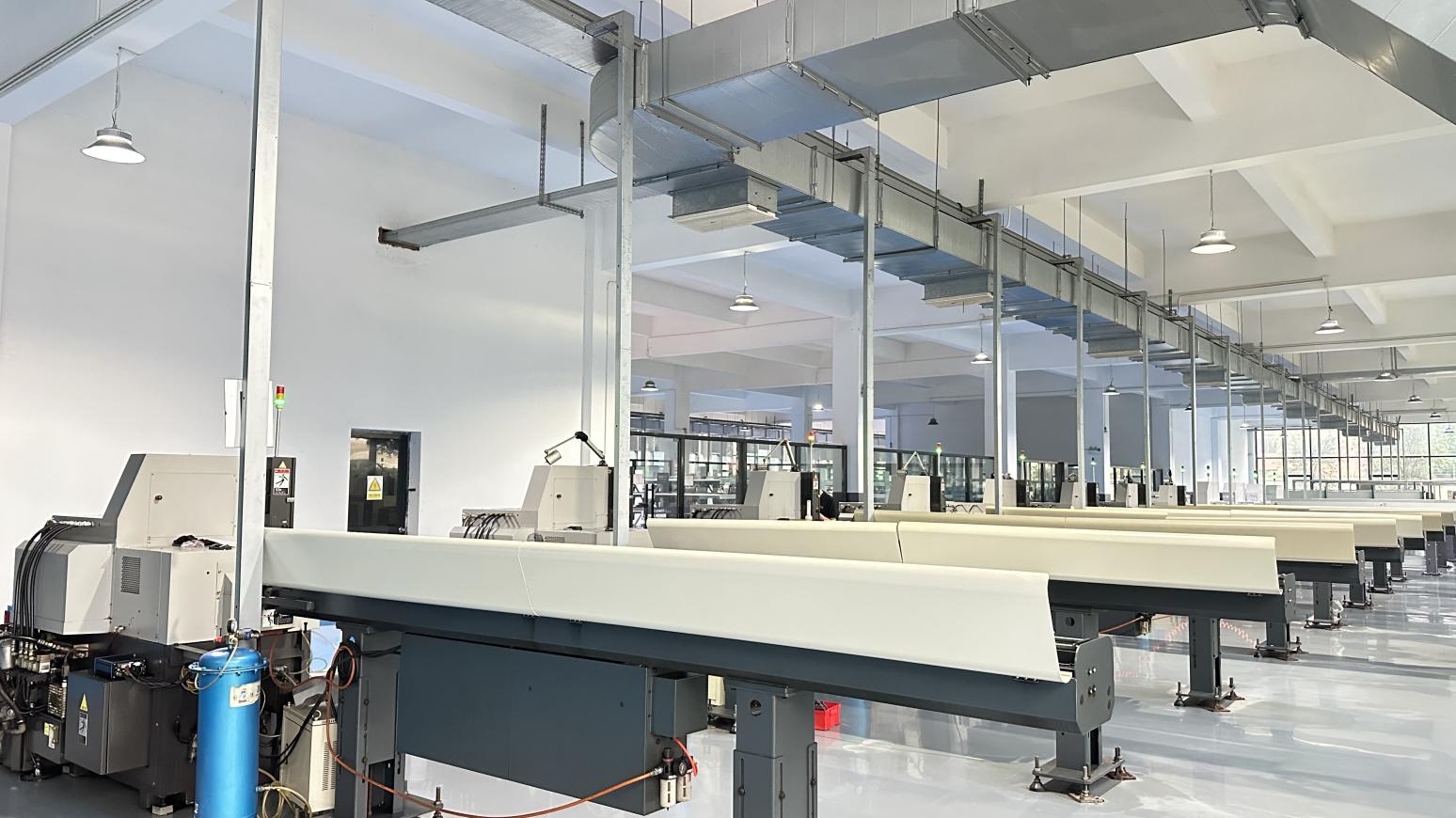
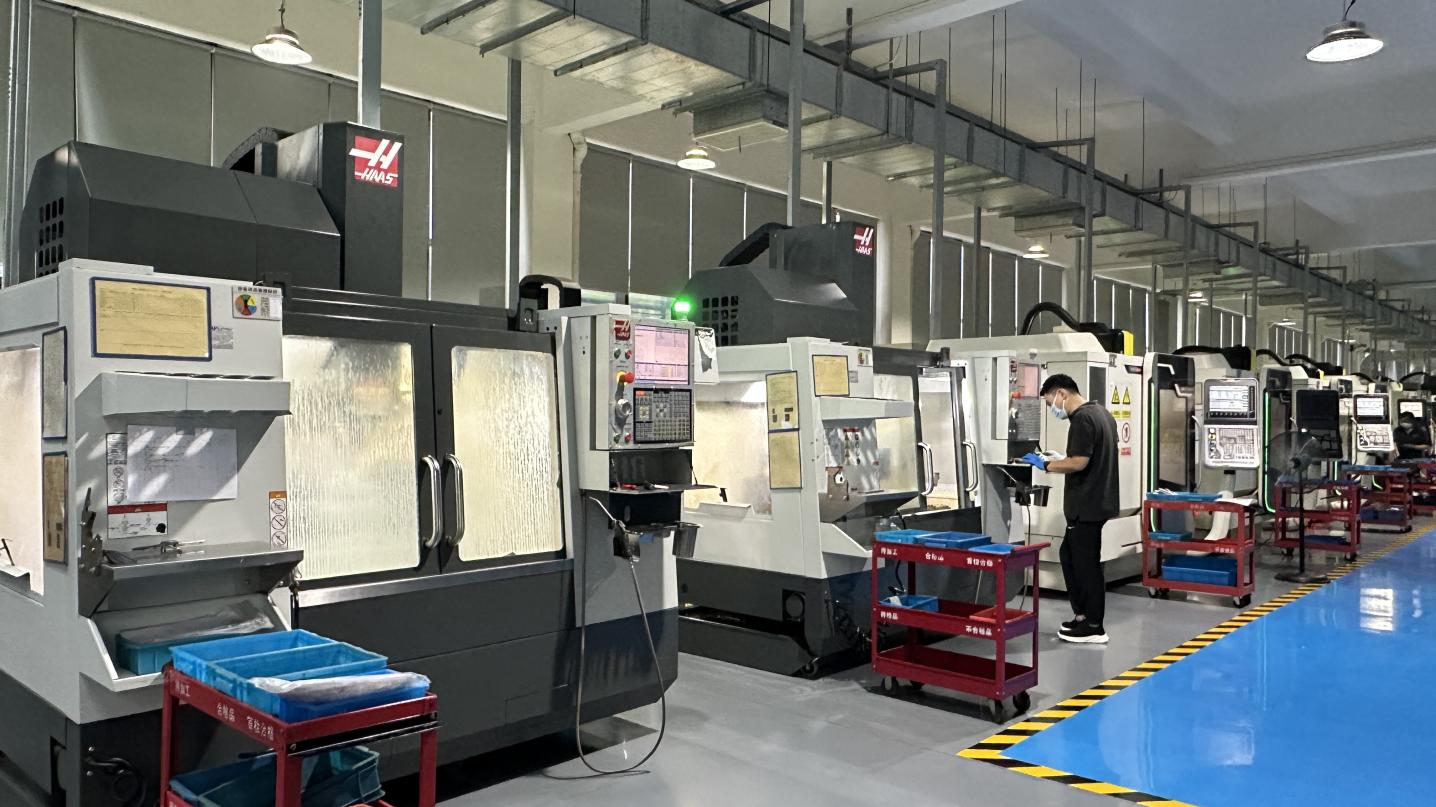
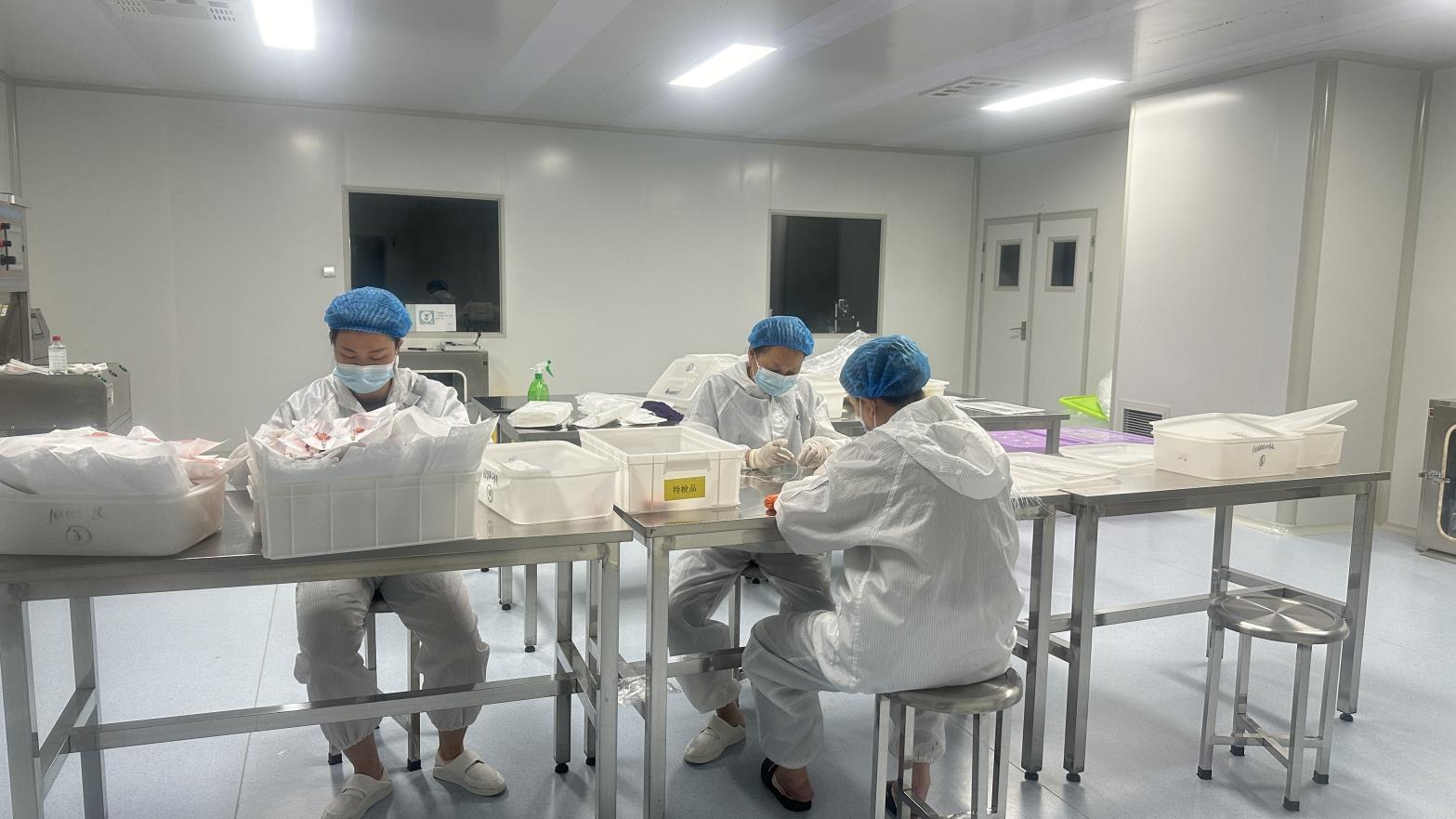
A step-by-step visual demonstration of Bonevia's advanced, ISO-certified fabrication pipeline.

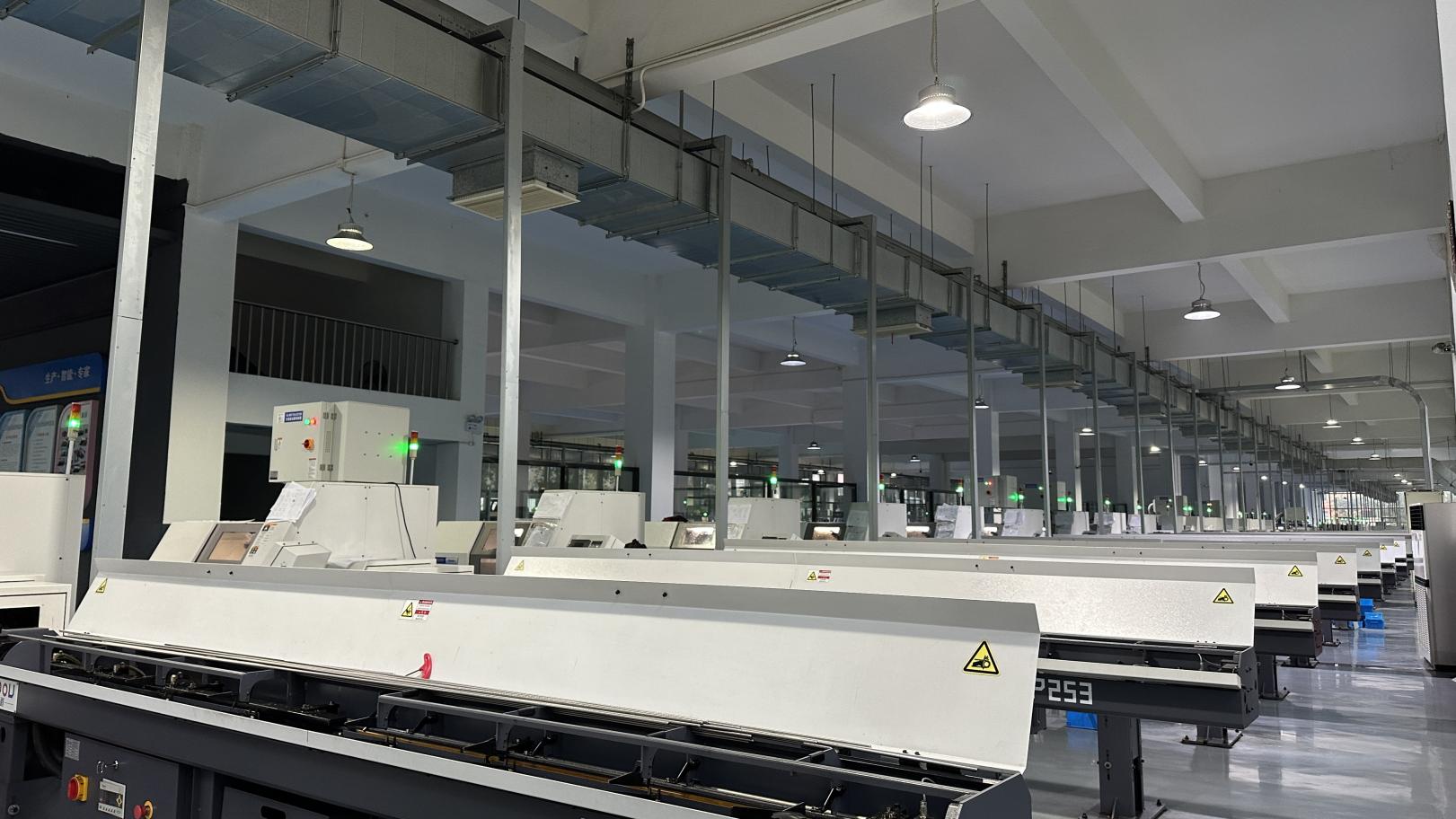
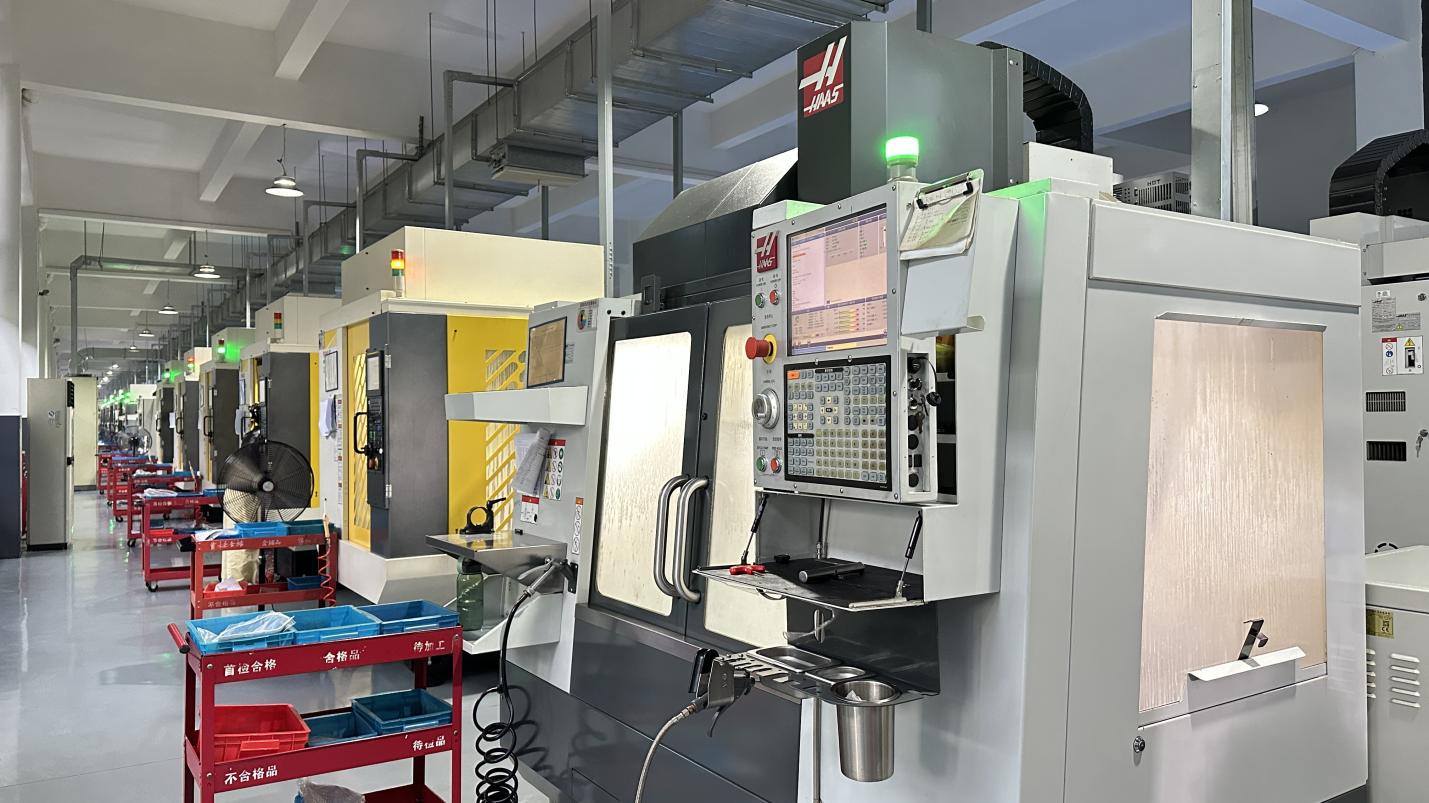
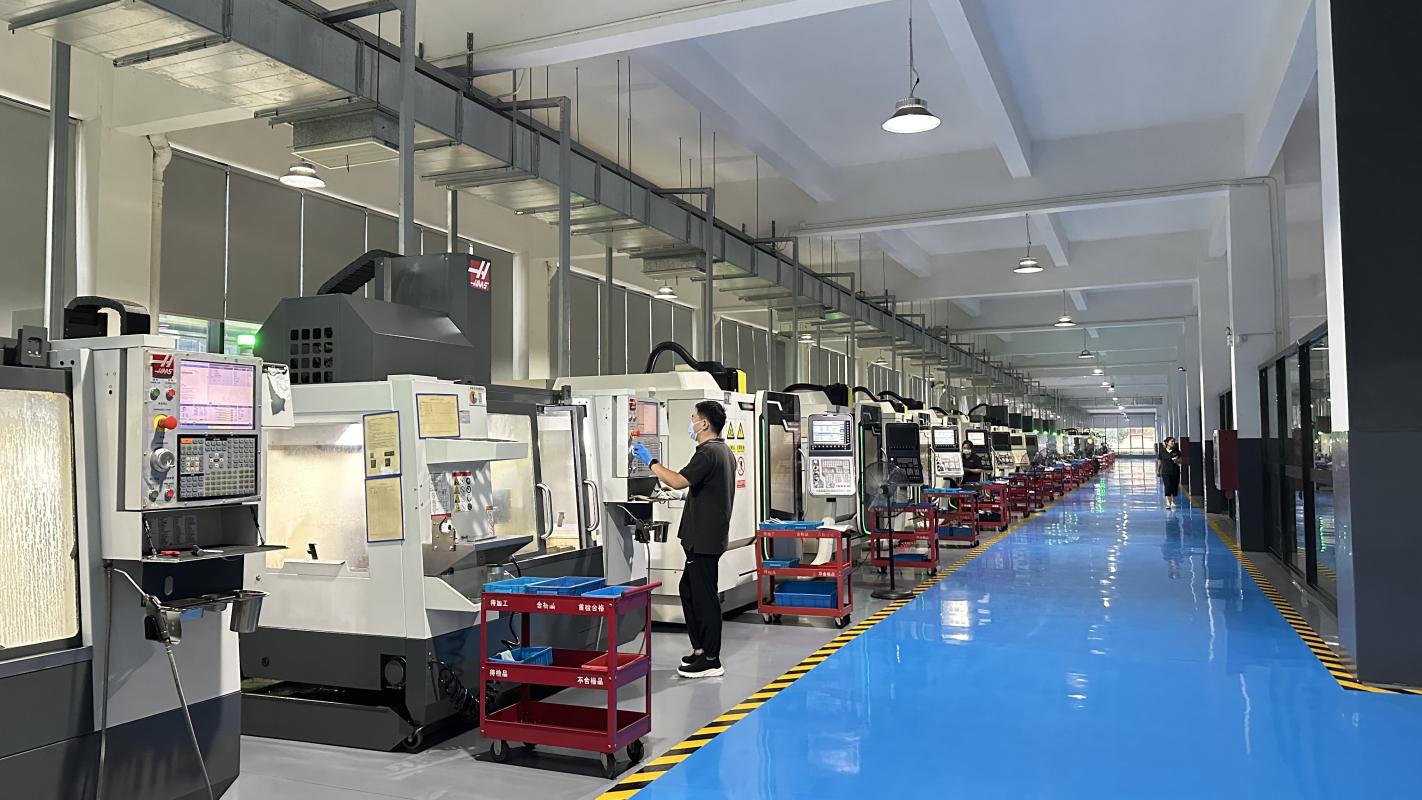
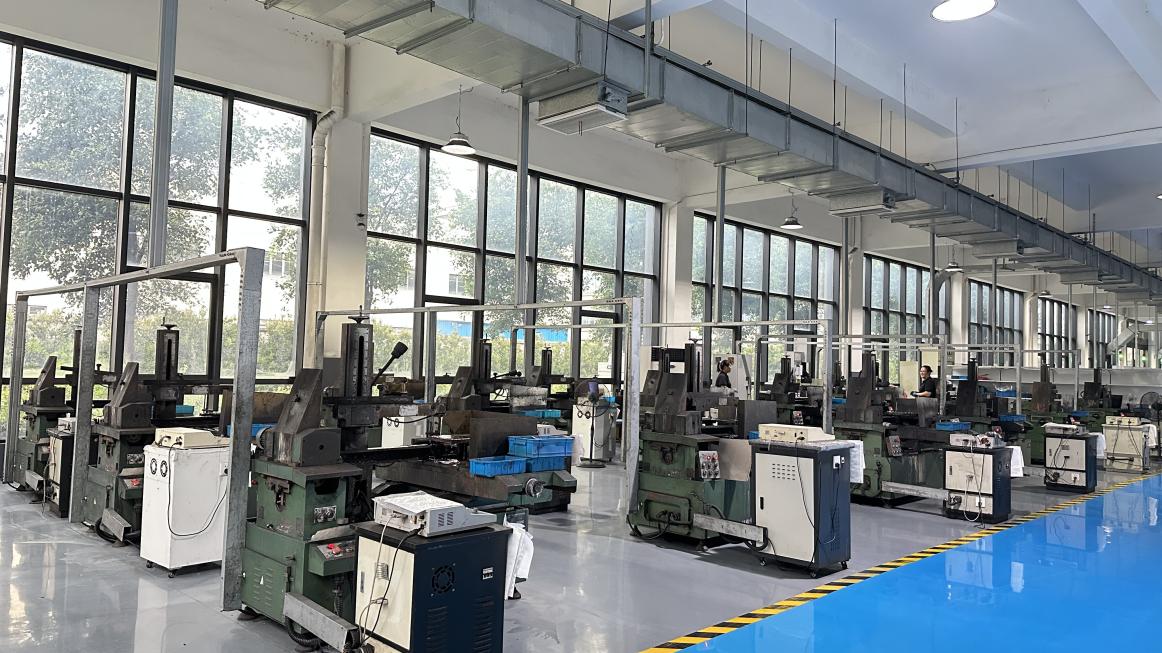

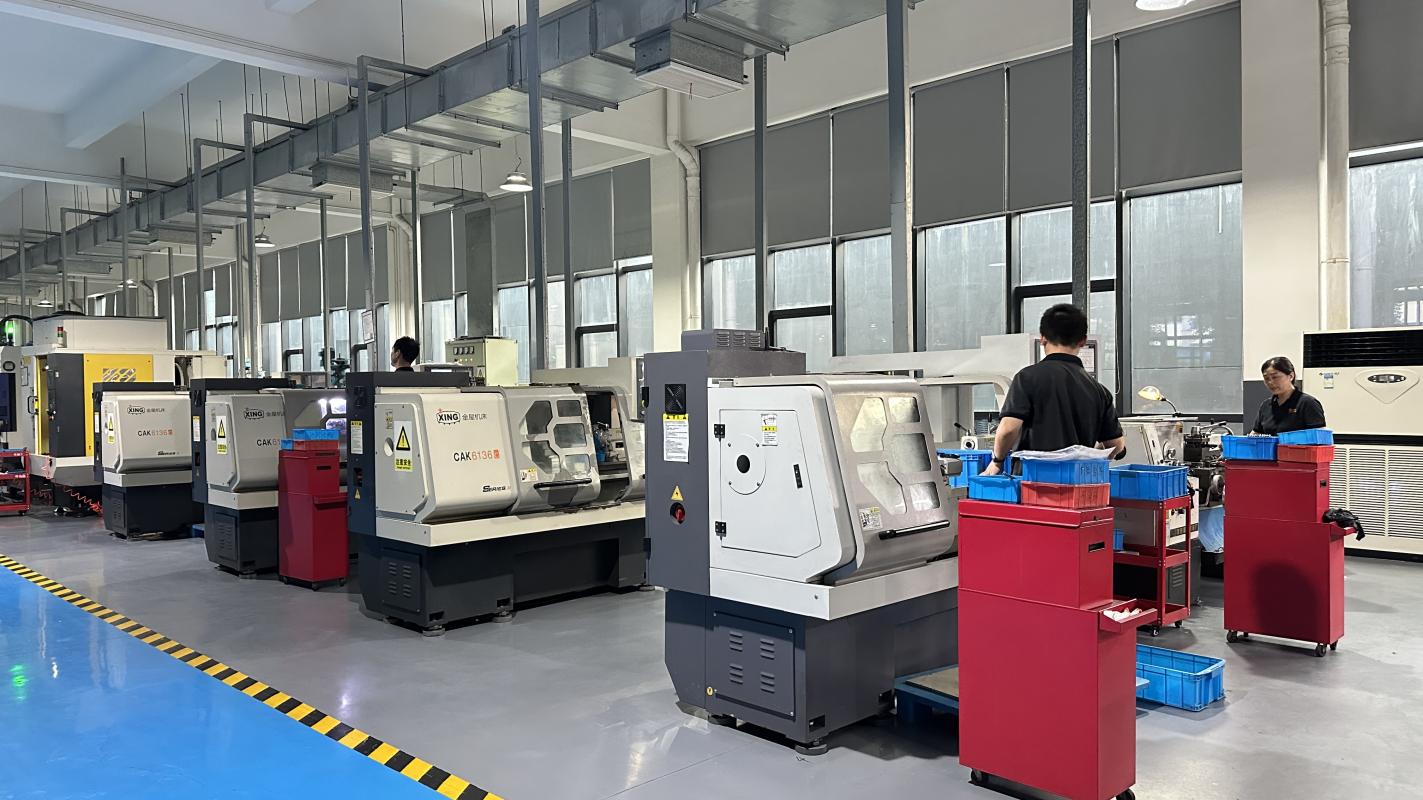
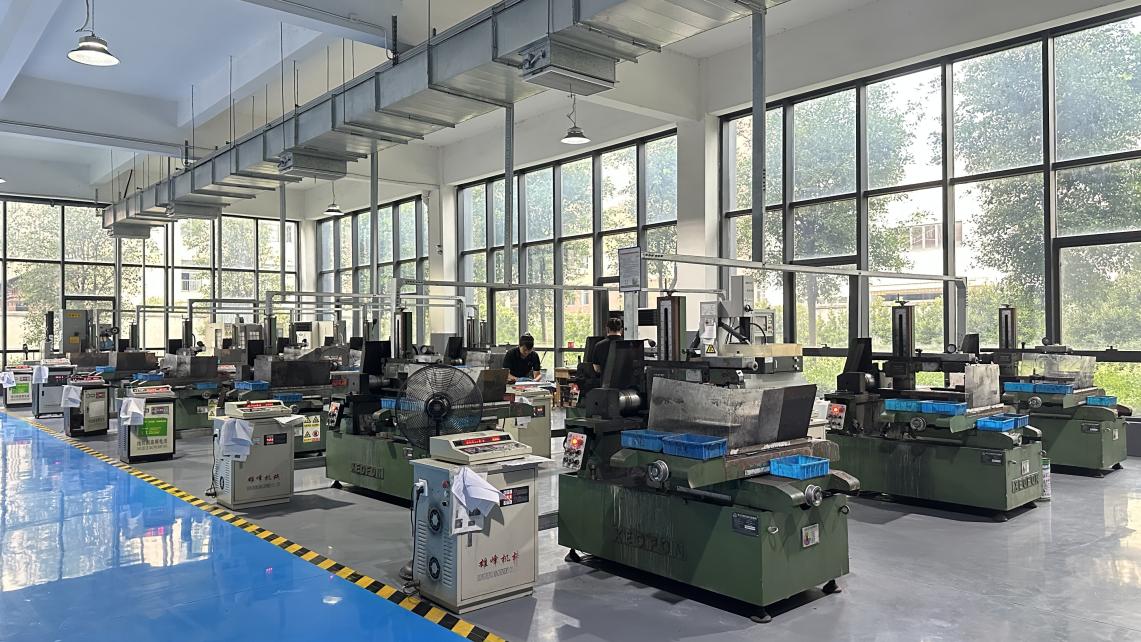
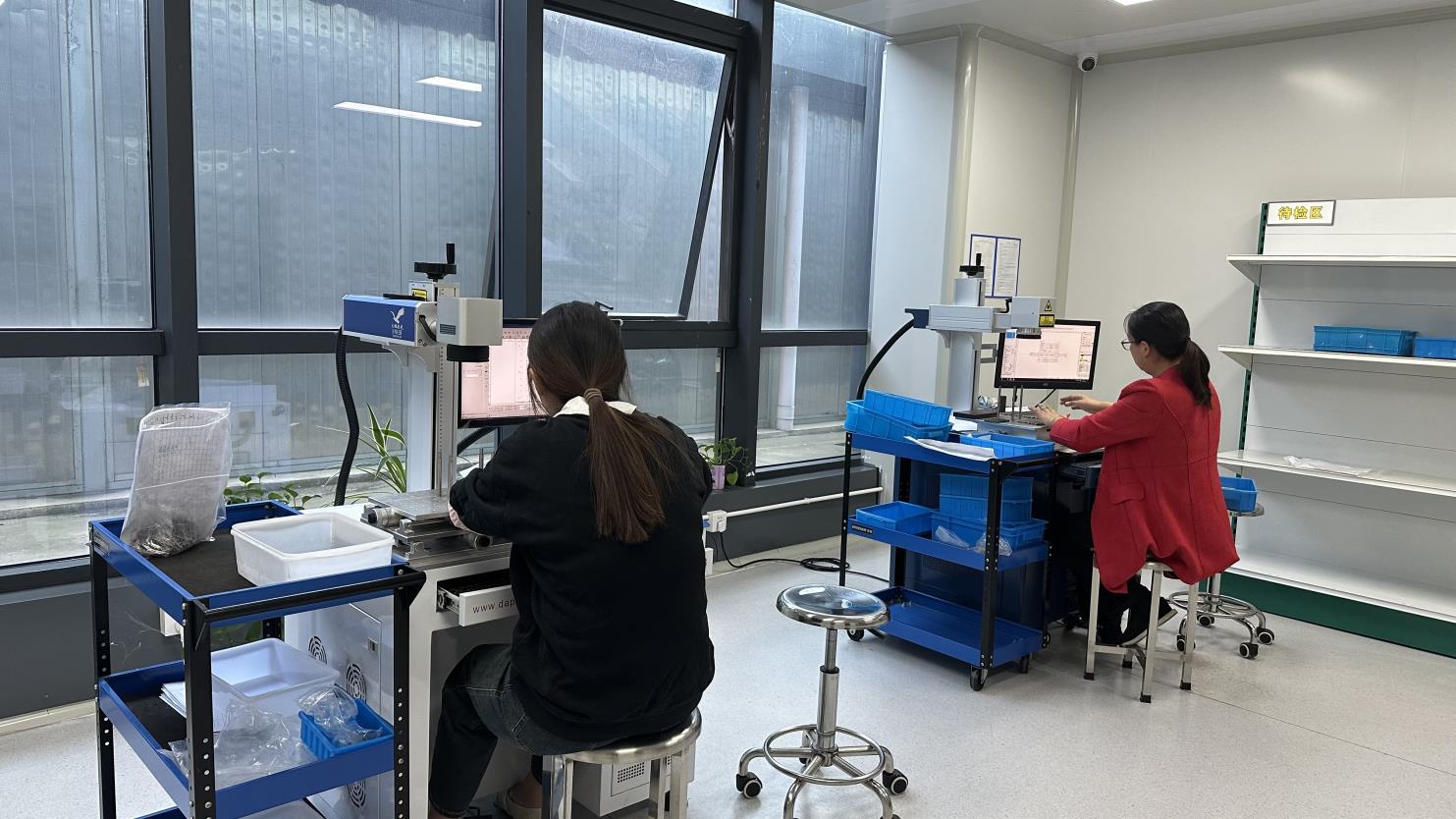
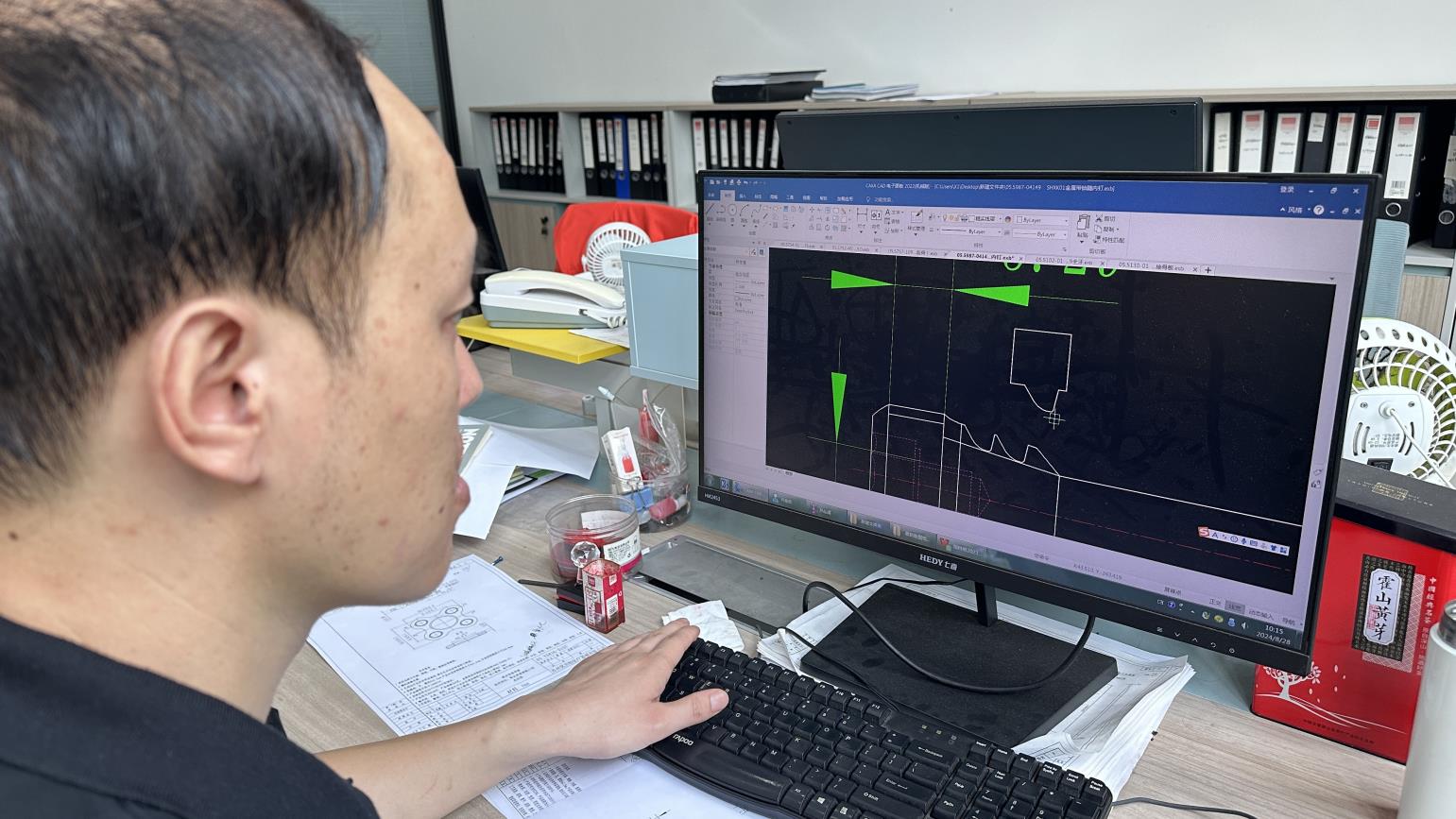
An expert analysis of engineering advancements, localized surgical applications, and long-term tech cycles.
The surgical power tools sector is moving toward complete digitalization and mechanical integration. The traditional reliance on heavy corded systems has shifted toward sterile battery packs using advanced lithium chemistries. Next-generation smart handpieces will feature real-time bone density detection. By incorporating sensors that measure resistance and torque feedback, these smart drills can automatically adjust speed or halt rotation before soft-tissue breach occurs.
Additionally, surgical drills are increasingly integrated with robotic navigation systems. Optical tracking arrays are attached directly to the drill handpiece, enabling robotic arms to guide the surgical trajectory within millimeter tolerances. As China's leading factories adopt automated assembly lines and AI-driven quality checks, the performance variance of orthopedic handpieces is steadily approaching zero.
Modern clinical environments present distinct requirements for orthopedics and traumatology. In high-volume trauma clinics, surgical drills must operate continuously. This demands thermal-management housings that dissipate heat efficiently during long osteotomies. For micro-neurosurgeries, compact handpieces with high speed and low vibration are essential to prevent neurological damage.
Veterinary orthopedics has also emerged as a high-growth sector. The demand for robust, highly sterilizable, yet cost-efficient power tools in veterinary clinical settings requires modular drills that easily transition between small animal and large equine procedures. Bonevia's versatile product range addresses this challenge by providing highly adaptable platforms suited for both human and veterinary surgical environments.
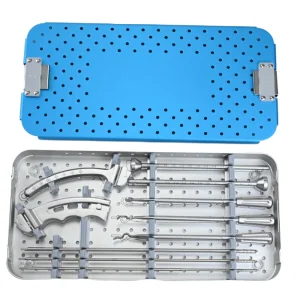
For medical device distributors and hospital buyers, sourcing medical devices involves navigatng complex supply chains. Top manufacturers resolve these hurdles by offering complete procurement solutions. This includes not only the surgical drill handpieces, but also customized sterilization trays, backup battery docks, and comprehensive instrument configurations for spinal fixation, trauma plating, and joint reconstruction.
Providing end-to-end integration simplifies regulatory compliance (such as FDA and MDR processes) and guarantees that surgical tools work seamlessly together. When an orthopedic drill, reamer, and implants are designed in alignment within a single manufacturing system, the risk of intraoperative mismatch is minimized, ensuring better patient outcomes.
Expert answers addressing the most common technical, regulatory, and mechanical questions raised by clinical buyers.
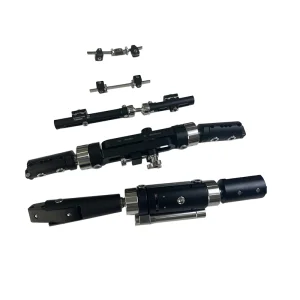
Explore our highly specialized orthopedic trauma instrumentation, external fixators, and precision surgical joint accessories.