Bonevia
Bonevia
Bonevia
Explore our elite portfolio of clinical-grade trauma systems, specialized spinal reconstruction tools, and high-precision instruments.
An authoritative analysis of osteosynthesis trends, regulatory shifts, and supply chain strategies in the orthopedic sector.
The global orthopedic trauma implants sector is undergoing a profound structural transition. Accelerated by an aging worldwide population, rising incidents of high-energy kinetic trauma (such as traffic and industrial accidents), and the continuous evolution of surgical methodologies, the demand for sophisticated internal fixation systems has escalated. Today's clinical environment demands implants that not only achieve mechanical stabilization but actively facilitate biological osteointegration, minimize surgical times, and mitigate post-operative complications.
In this high-stakes landscape, purchasing committees at international hospital groups, health authorities, and medical distributors face a critical trilemma: maintaining impeccable clinical efficacy (conforming to rigorous E-E-A-T standards), guaranteeing uninterrupted supply chain resilience, and managing overall healthcare delivery costs. Historically, premium Western brands dominated this domain. However, technological maturation within China’s specialized medical manufacturing hubs has shifted the paradigm, making top-tier Chinese manufacturers the primary partners for global healthcare brands.
We source ultra-pure Titanium Alloys (Ti-6Al-4V ELI) and implant-grade PEEK. These materials meet ASTM F136 and ISO 5832-3 standards to guarantee optimum strength-to-weight ratios and high fatigue resistance.
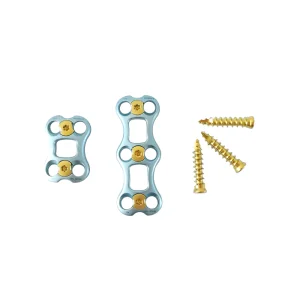
Our variable-angle locking plates feature sophisticated, low-profile geometries pre-shaped to match human bony structures, drastically reducing intraoperative manipulation and soft tissue irritation.
Combining compression and locking features in a single combi-hole allows surgeons to choose between rigid stabilization or dynamic compression according to clinical indications.
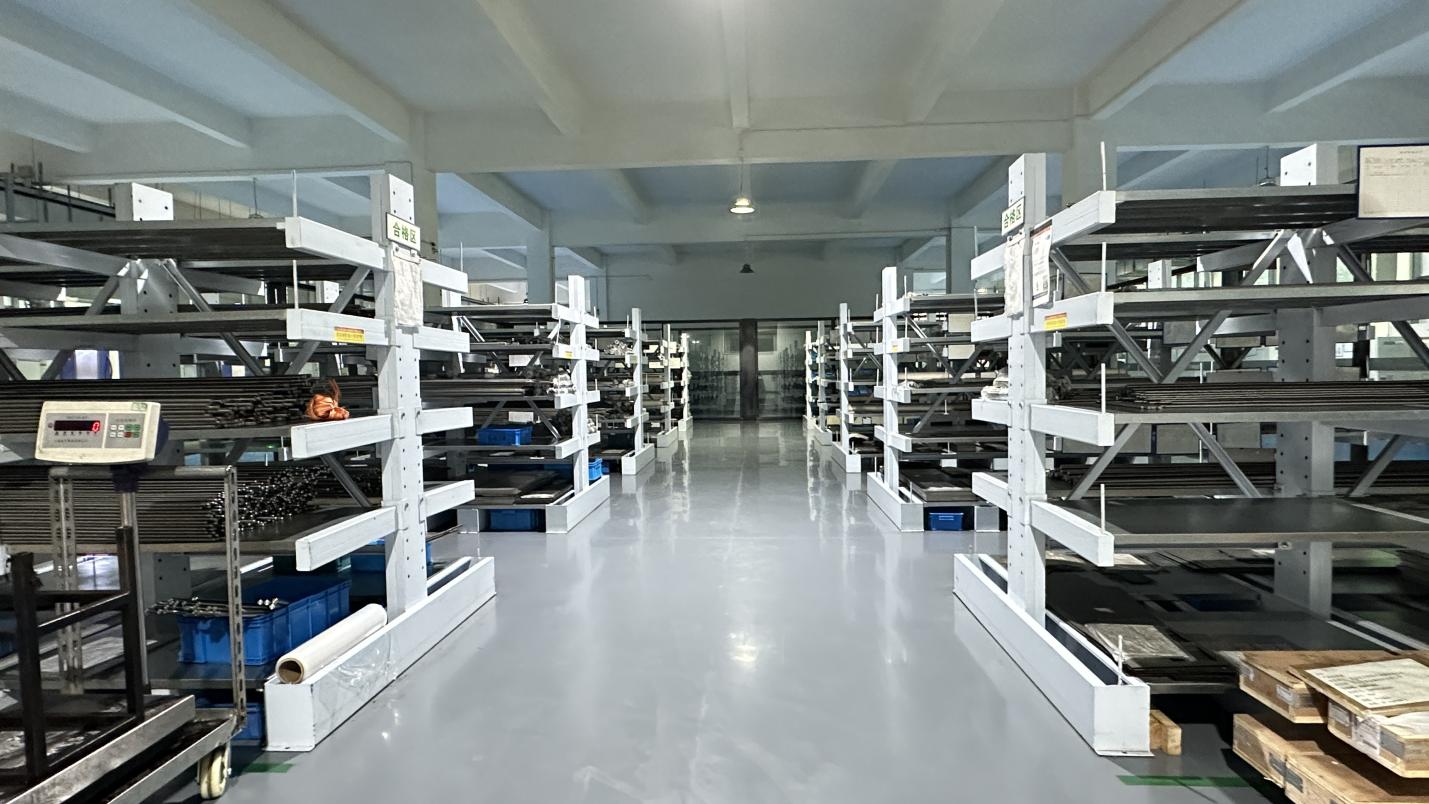
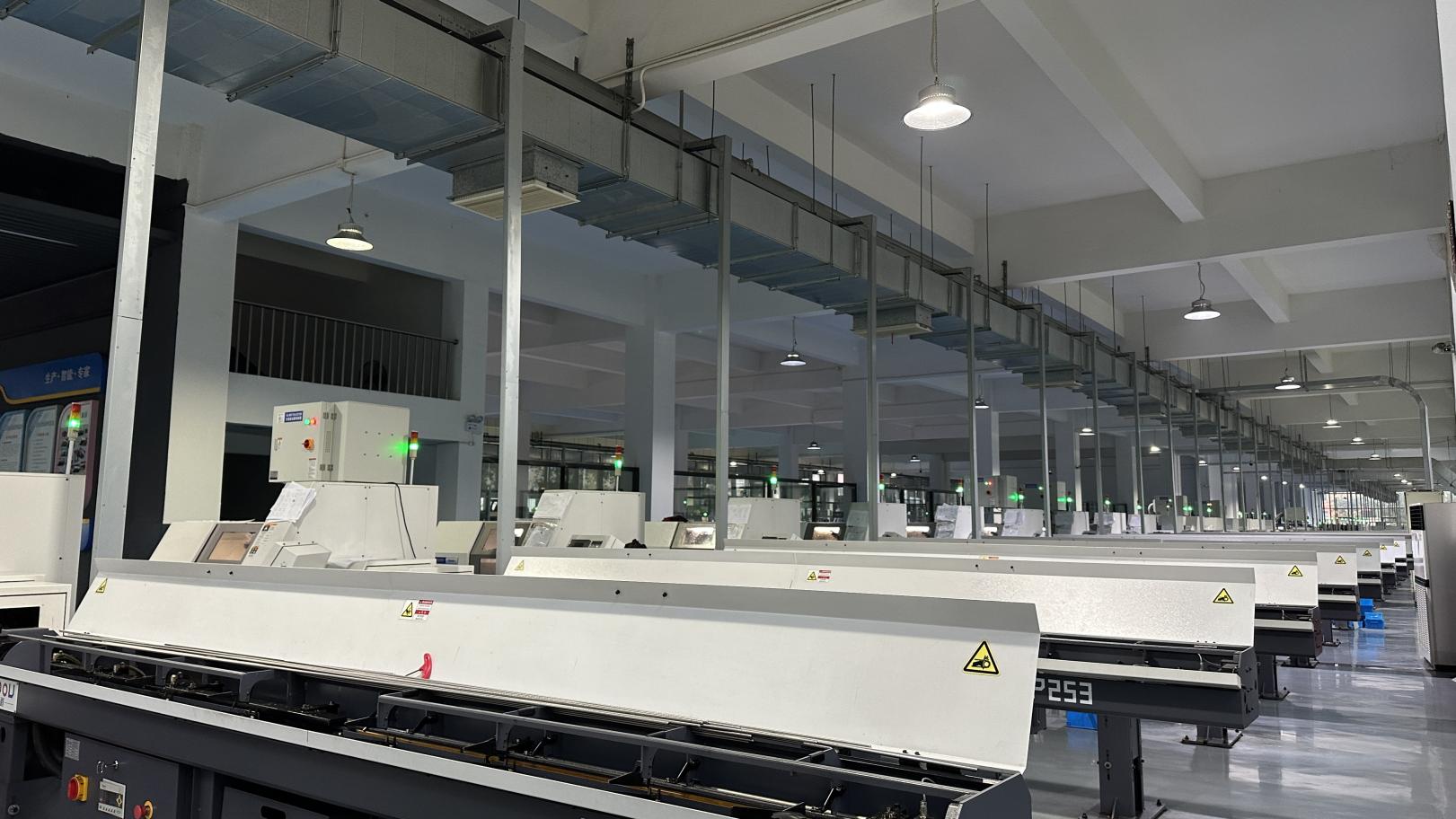
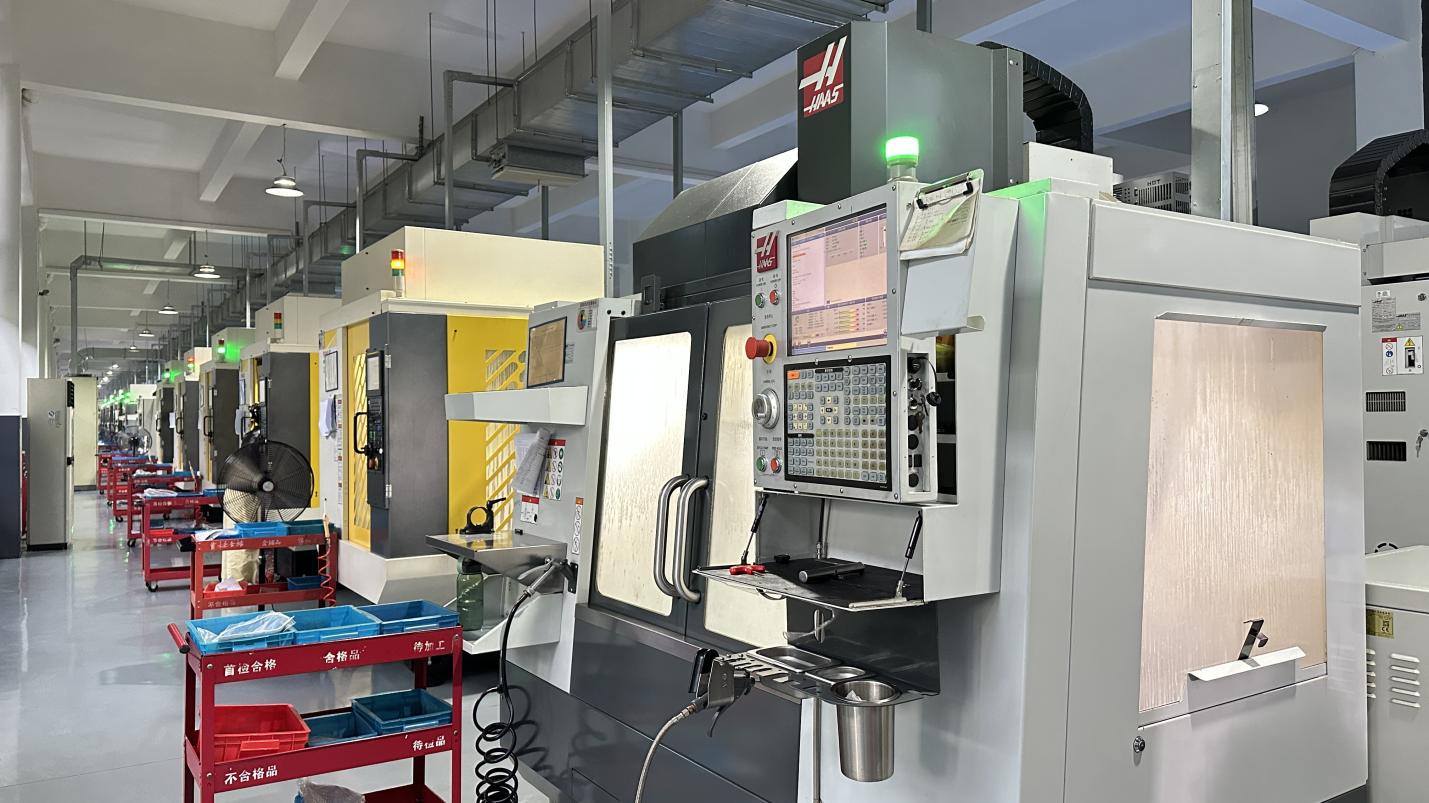
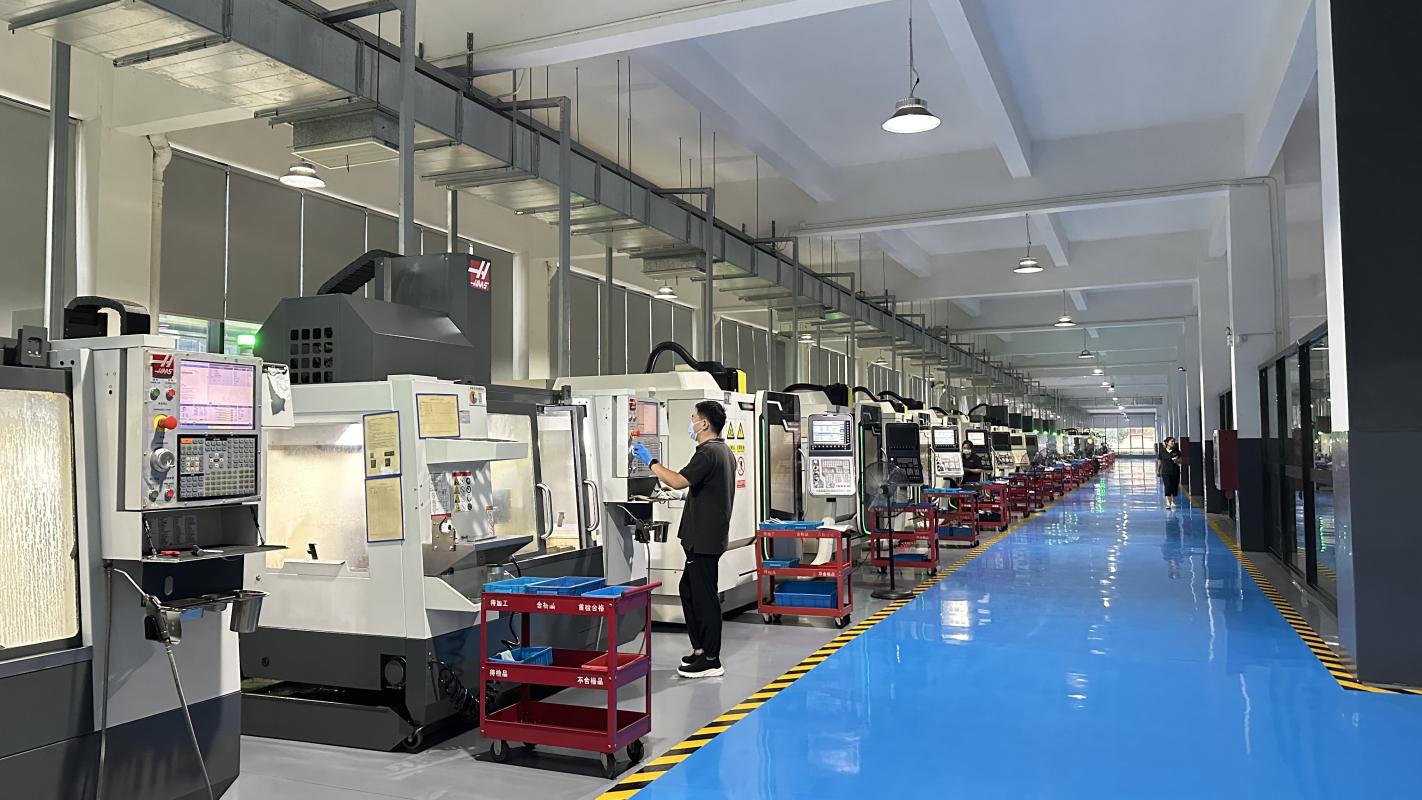
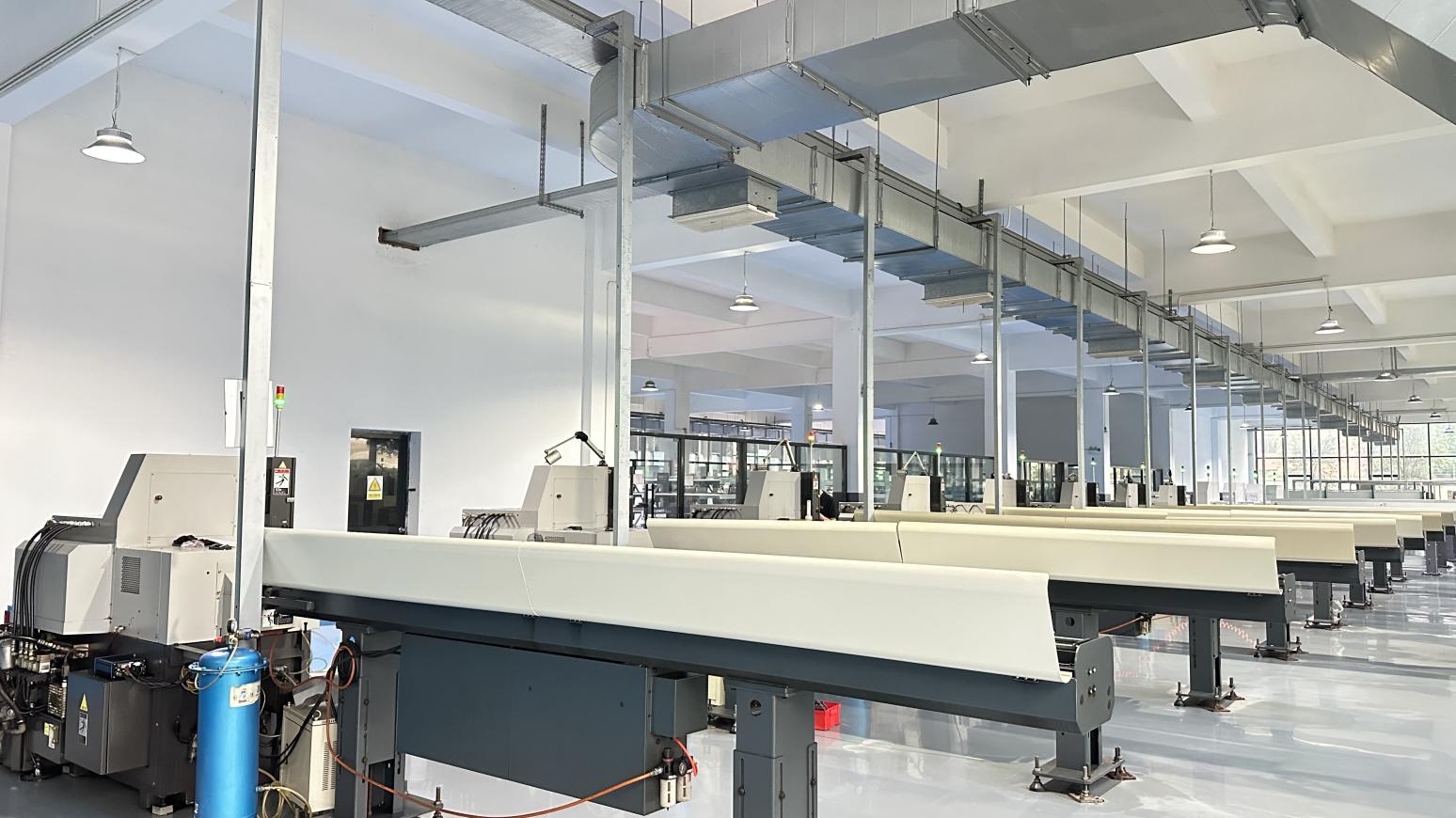
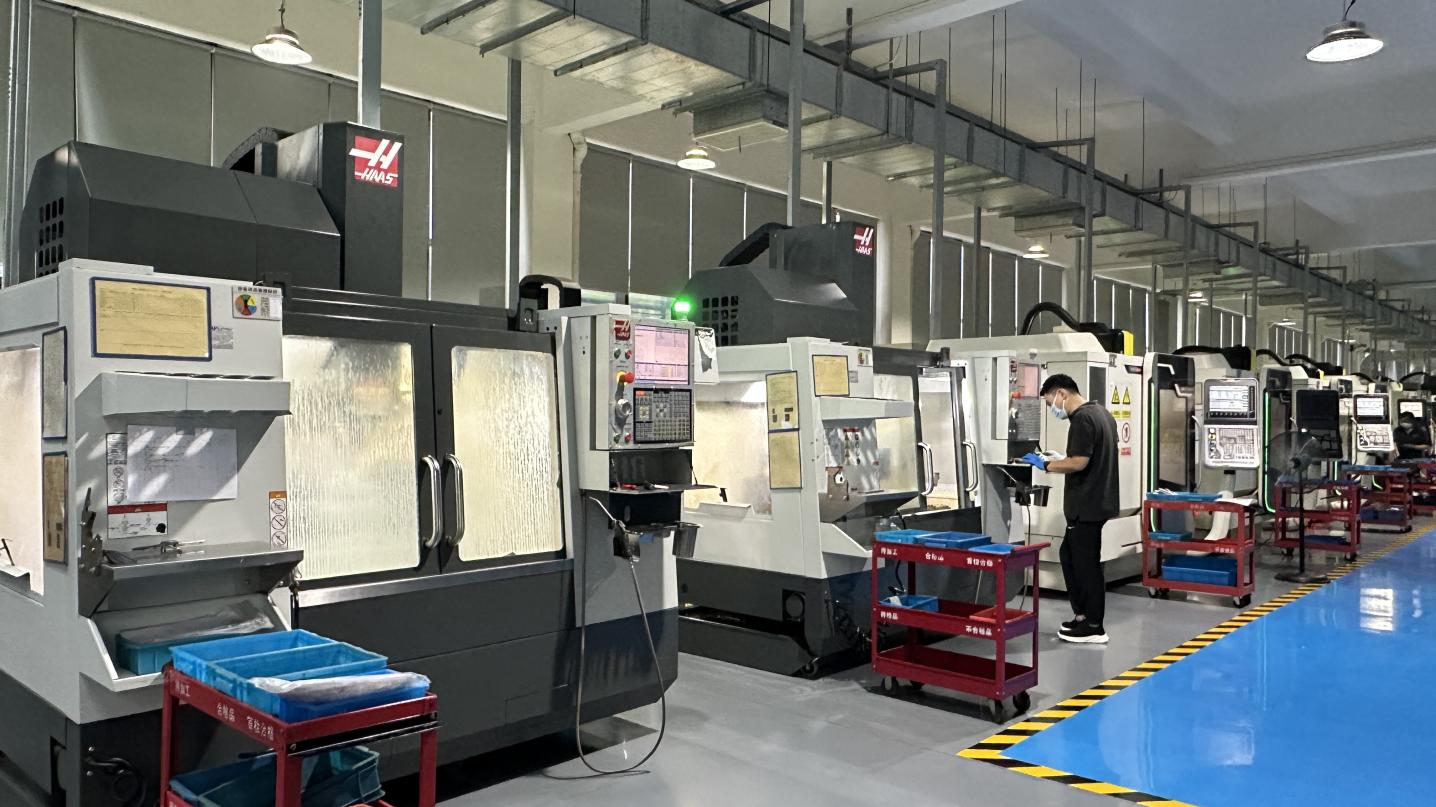
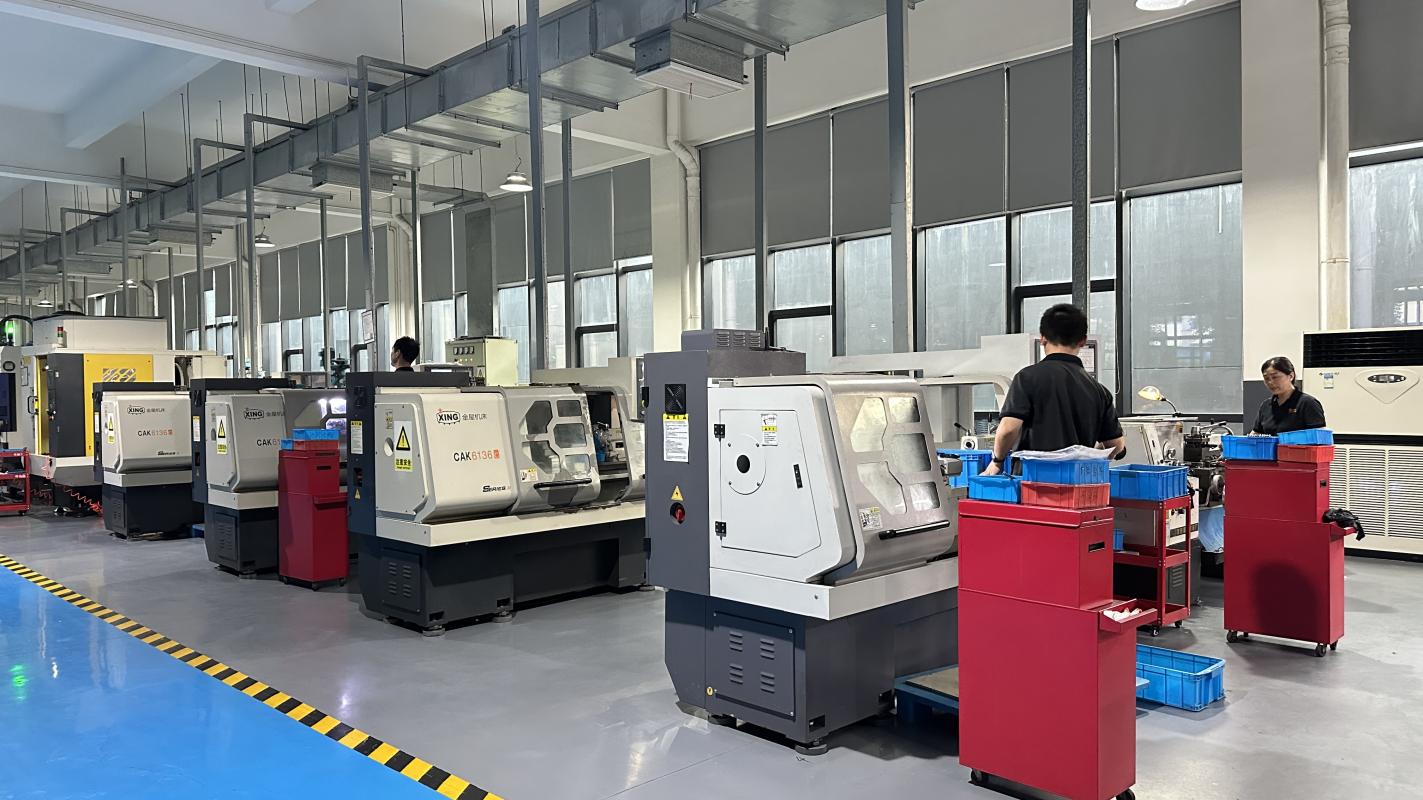
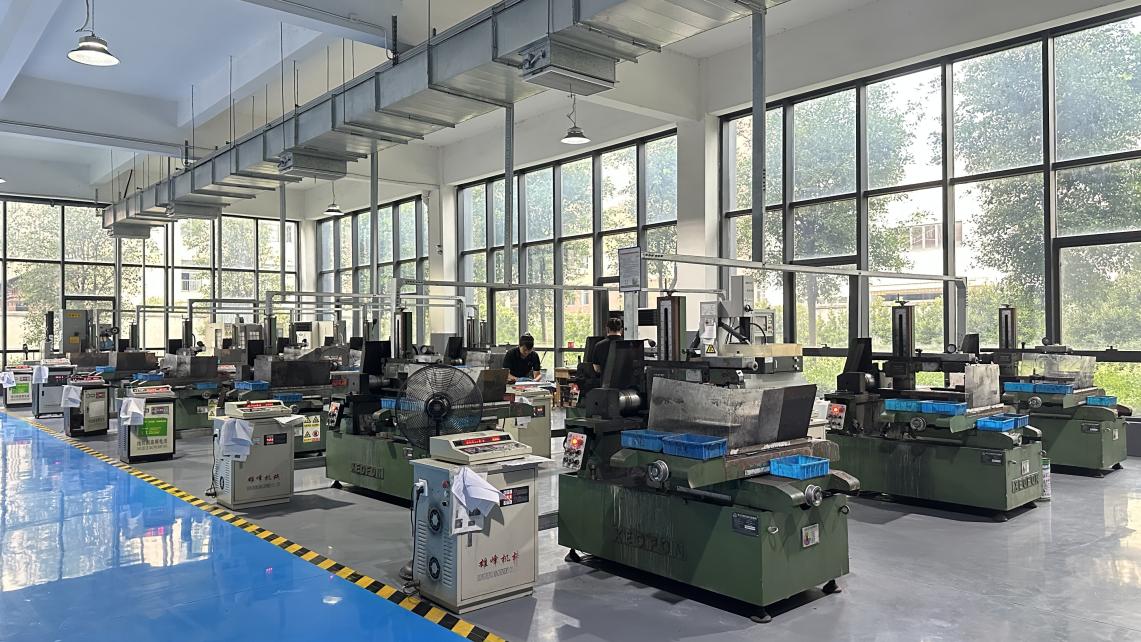
The manufacturing of Class III medical implants is distinct from general industrial machining. It requires a meticulous control of grain structures, surface finish (anodization, passivating treatments), and dimensional tolerances measured in microns. China's top-tier orthopedic clusters have successfully married advanced automated infrastructure with high-precision metallurgy.
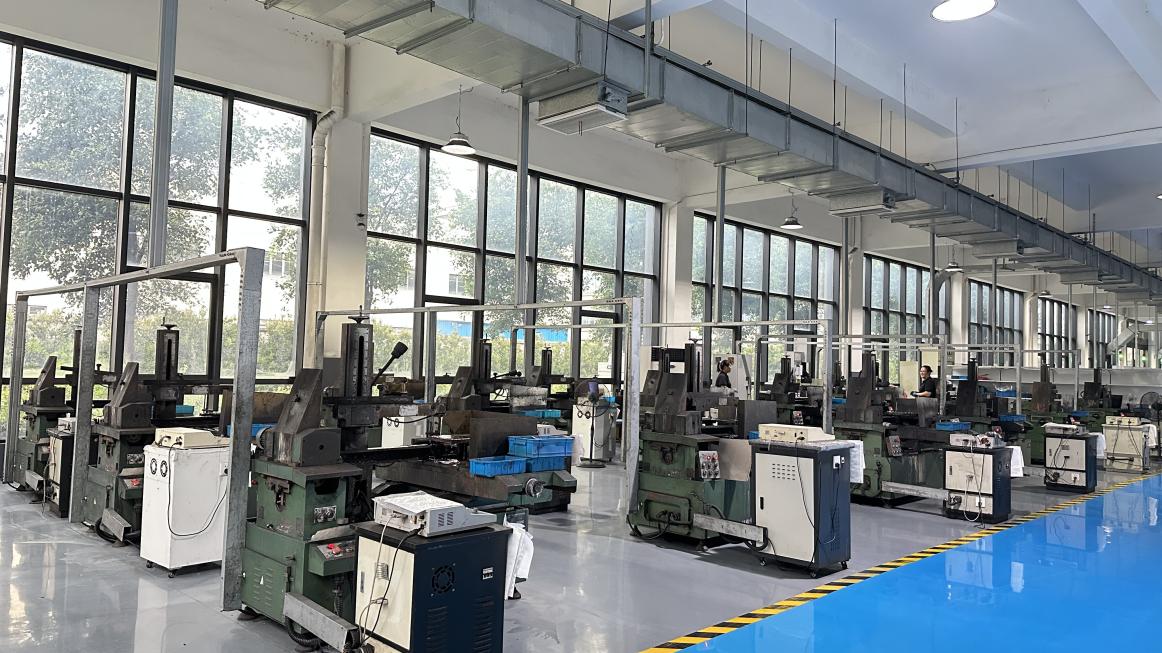
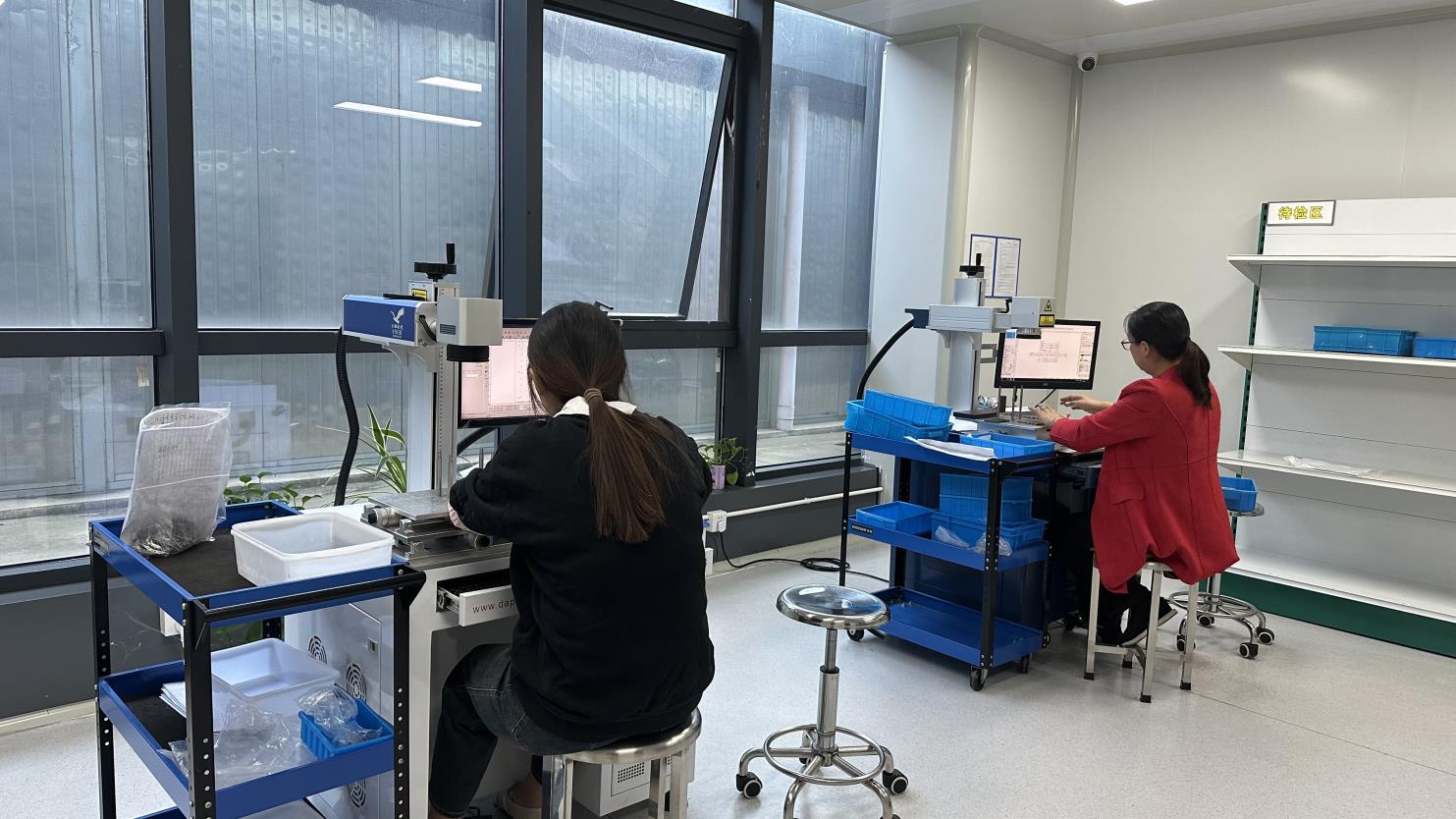
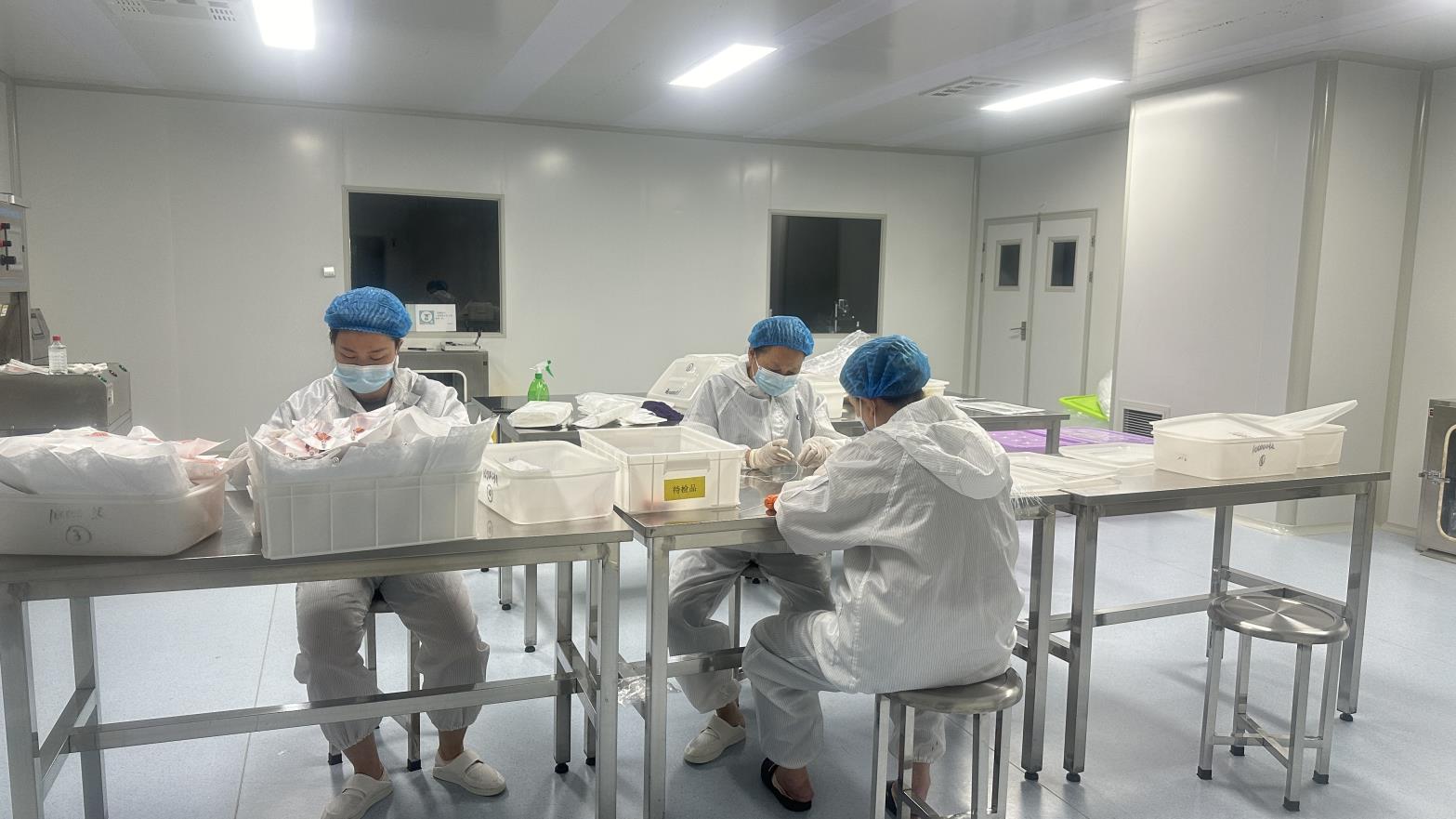
By localizing raw material processing, precision multi-axis CNC milling, Swiss wire-cutting, and sterile packaging within highly integrated clusters, Chinese factories achieve unmatched efficiency. Rather than relying on cheaper labor, modern Chinese factories utilize state-of-the-art automation—including automated coordinate measuring machines (CMM) and laser engraving systems—to ensure that every screw thread, locking lip, and drill guide is identical. This level of process repeatability meets the expectations of international regulatory auditors, including those operating under the stringent European Medical Device Regulation (EU MDR 2017/745) and national FDA guidelines.
Bonevia Orthopedic Technology Co., Ltd. — Pioneering Advanced Reconstruction Technologies
Bonevia Orthopedic Technology Co., Ltd. is a professional manufacturer specializing in orthopedic implants and surgical solutions, dedicated to advancing innovation in trauma, spine, and joint reconstruction products. Since its establishment in 2015, the company has grown steadily into a trusted supplier in the global orthopedic industry.
With a modern production facility covering approximately 320㎡, Bonevia maintains strict quality management standards and efficient manufacturing processes. The company records an annual export revenue of around USD 8–15 million, supported by 6 years of export experience and over 10 years of overall industry experience.
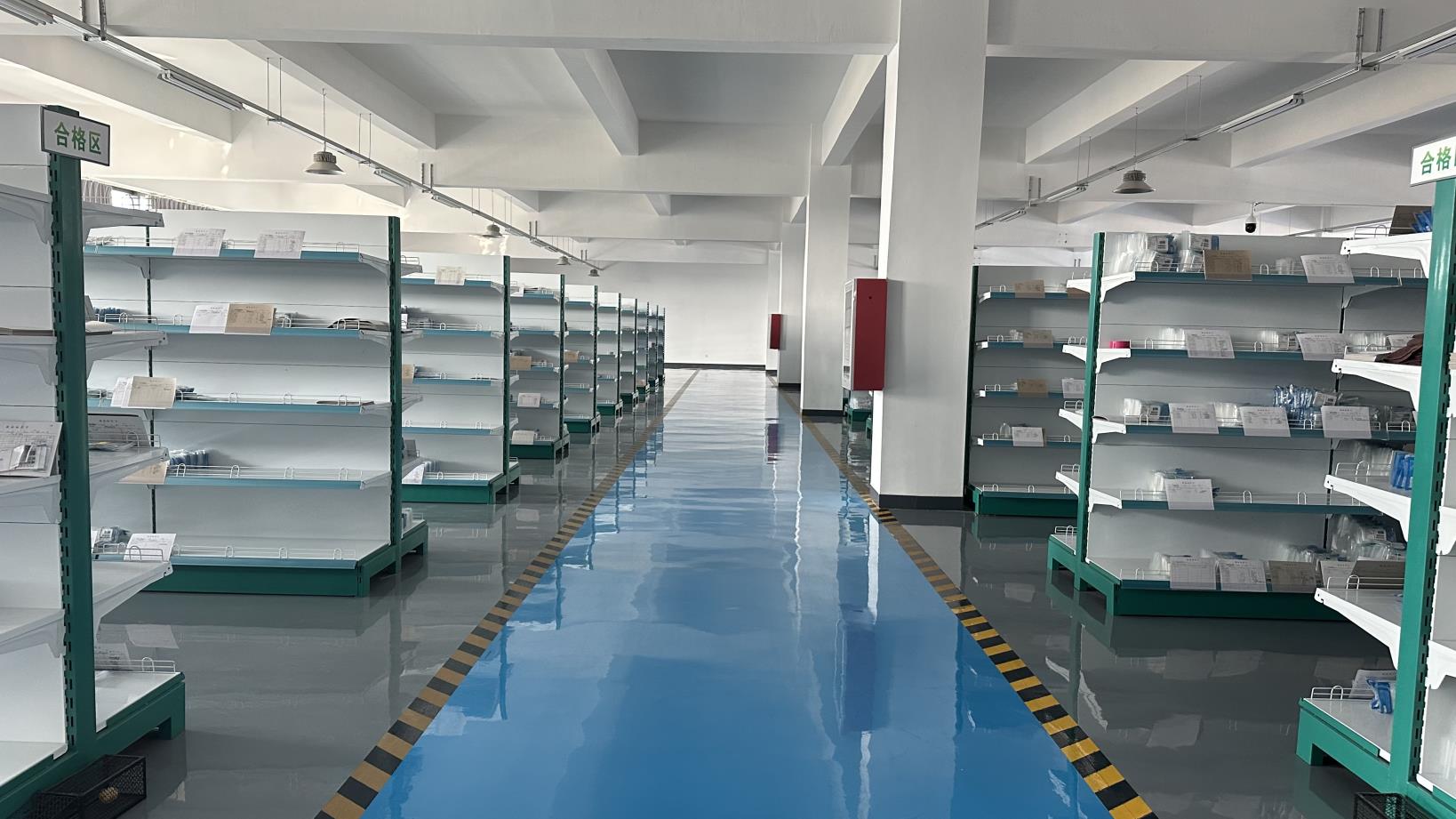
Quality assurance is a core focus at Bonevia. The company implements multiple inspection methods including incoming material inspection, in-process quality control, and final product testing, supported by a dedicated quality team of 35 professionals. This ensures all products meet international medical device standards.
Bonevia has a solid trade foundation with diversified global distribution networks, serving major markets across Europe, Southeast Asia, the Middle East, and South America. Its supply chain ecosystem includes more than 850 partners, enabling stable raw material sourcing and efficient production delivery. The company serves a wide range of clients, including hospitals, orthopedic clinics, surgical centers, and medical distributors. Bonevia also demonstrates strong R&D capabilities, offering OEM and ODM customization services to meet specific clinical requirements. In the past year, Bonevia successfully launched 120 new product designs, supported by a research and development team of 85 engineers, continuously driving innovation in orthopedic implant systems and surgical instruments.
Understanding the engineering criteria for implant selections.
| Material Class | Standards Conformity | Yield Strength (MPa) | Key Clinical Advantages | Primary Clinical Applications |
|---|---|---|---|---|
| Titanium Grade 5 (Ti-6Al-4V) | ASTM F136 / ISO 5832-3 | ≥ 780 | Excellent biocompatibility, low modulus of elasticity, superior fatigue resistance. | Trauma Plates, Locking Screws, Intramedullary Nails. |
| Stainless Steel 316LVM | ASTM F138 / ISO 5832-1 | ≥ 690 | High mechanical strength, excellent ductility, cost-effective. | Temporary Fixation, Cerclage Wires, Complex Fracture Plates. |
| Implant-Grade PEEK | ASTM F2026 | ≥ 90 | Radiolucency (artifact-free imaging), modulus close to cortical bone. | Spinal Interbody Fusion Cages, Specialized Trauma Anchors. |
| Pure Titanium (Grade 2/4) | ASTM F67 / ISO 5832-2 | 345 - 480 | Optimal corrosion resistance, highly formable for delicate anatomies. | Cranio-maxillofacial (CMF) Reconstruction, Mesh Systems. |
Tracing our raw materials through automated machining centers and strict inspection points.
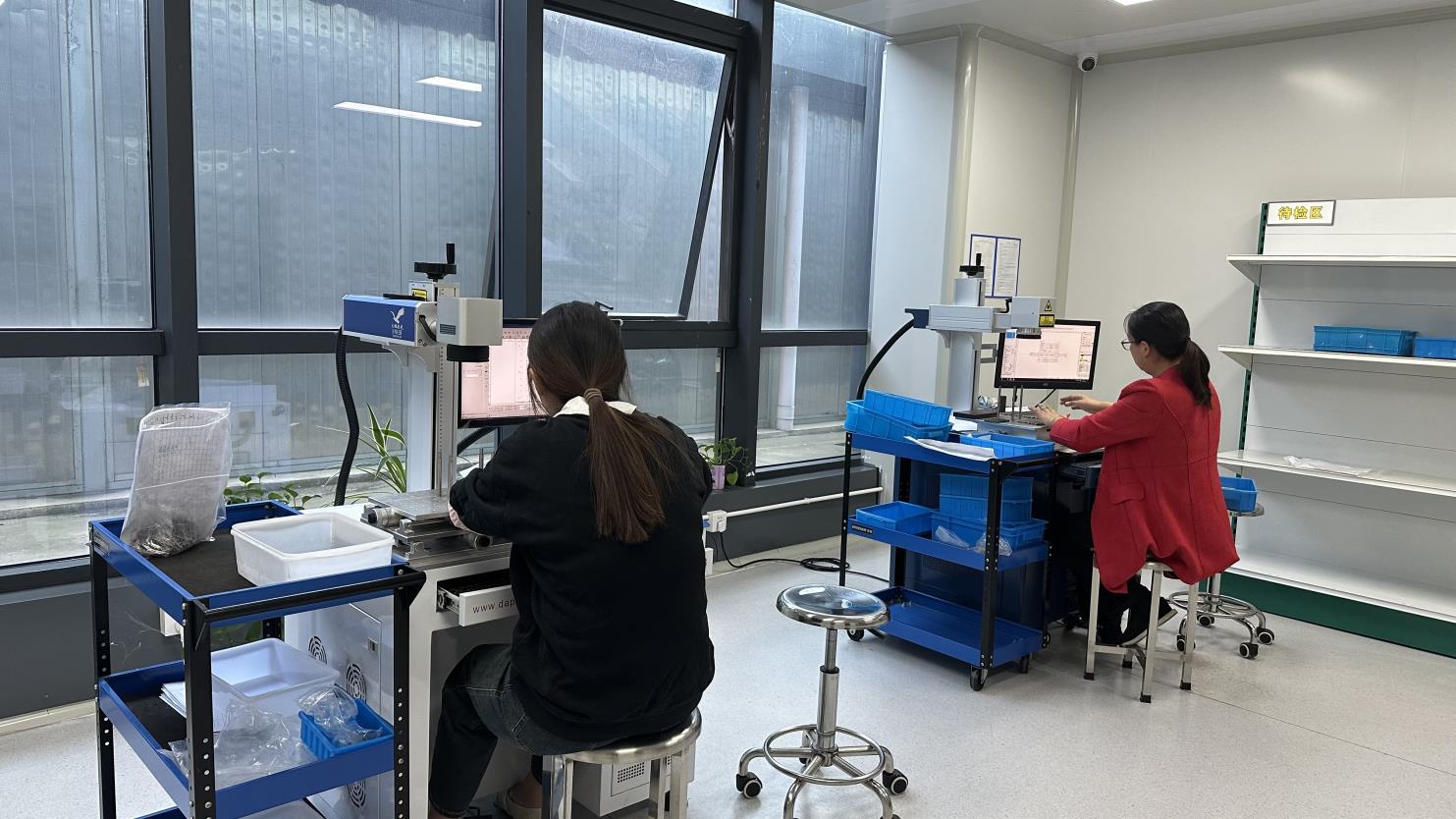
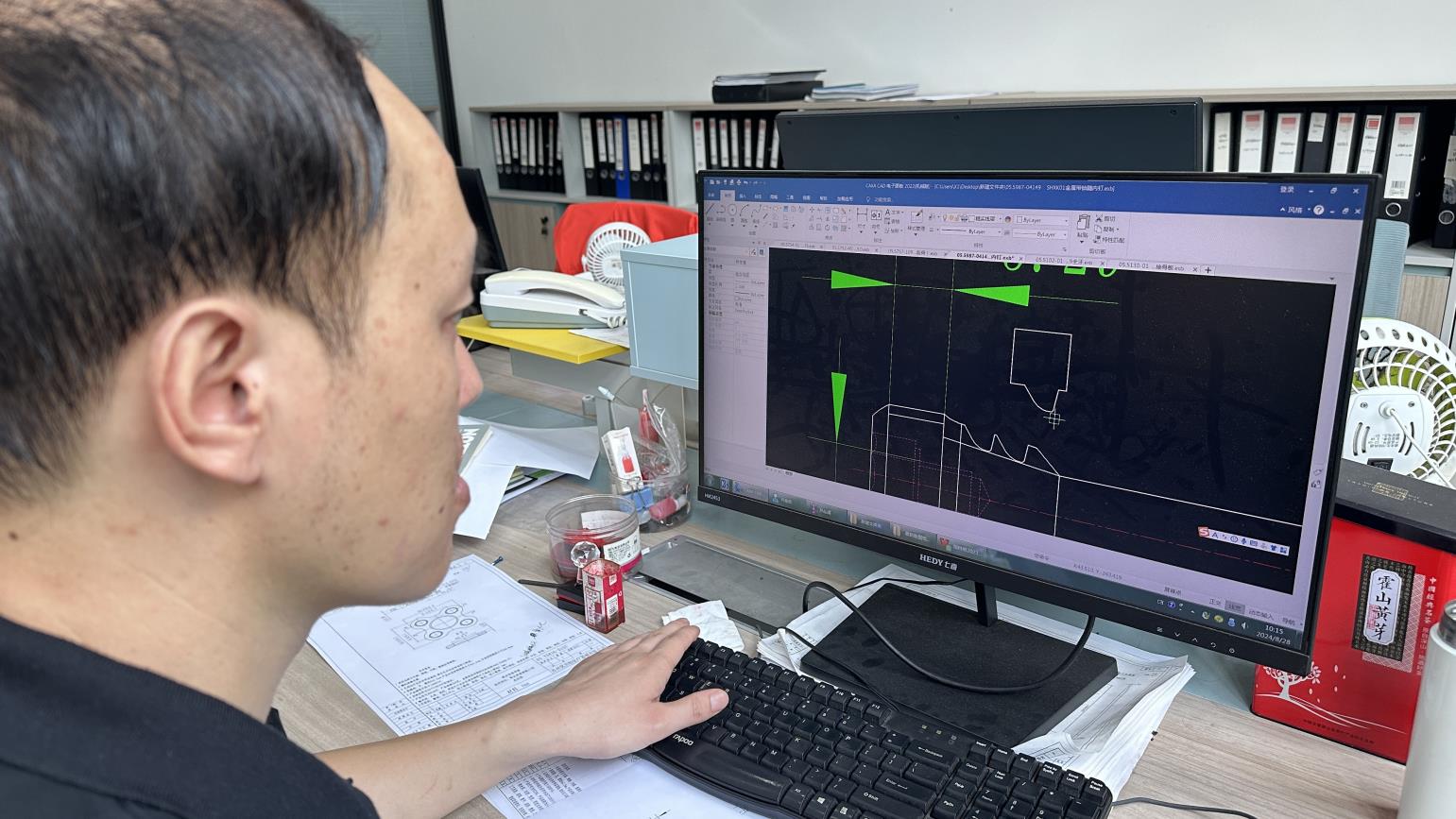
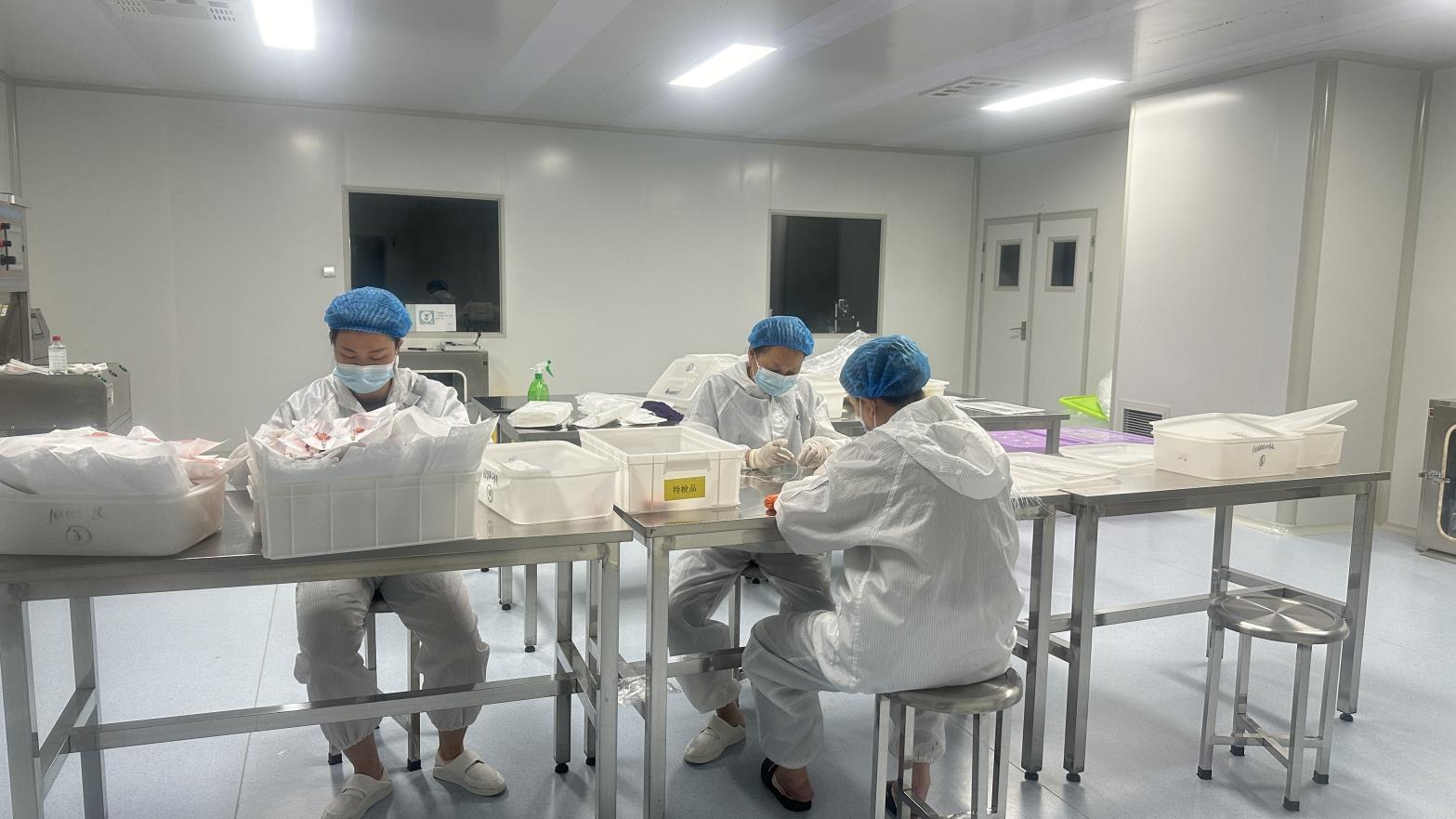
Bridging the gap between engineering theory and operating room execution.
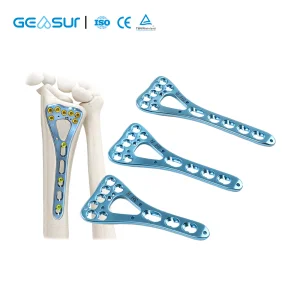
In articular fractures (such as distal radius or tibial plateau breaks), anatomical reduction is paramount to prevent long-term post-traumatic osteoarthritis. The Variable-Angle Distal Radius Locking Plate offers surgeons the capability to angle locking screws away from joint spaces while providing multi-planar support to the articular surface. The low-profile plate design prevents friction with tendons and minimizes soft-tissue irritation, allowing patients to begin rehabilitation early.
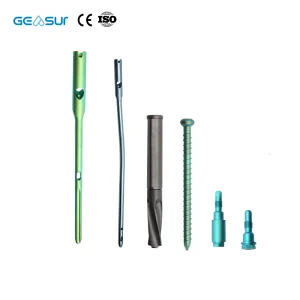
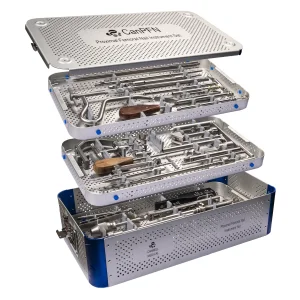
Screws placed in osteoporotic bone run a high risk of pulling out, leading to construct failure. Using locking screw technology, the plate and screws act as a unified, internal fixator. The load is transferred directly from the bone to the plate and across the fracture line, preventing screw back-out. This system is crucial for repairing humerus fractures in older patients and for femoral nail fixation using the CanPFN Proximal Femoral Nail system.
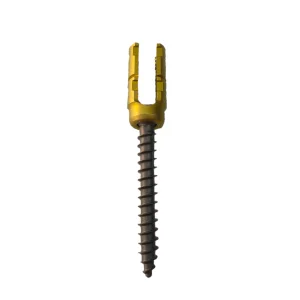
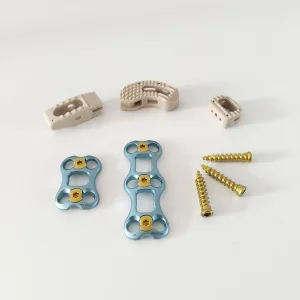
Spondylolisthesis, spinal stenosis, and spinal tumors require strong posterior construct stabilization. The Titanium Pedicle Screw and Anterior Cervical Plate Systems provide rigid structural support. This allows bone graft integration and fusion while protecting nearby neurological elements from micro-movement and instability.
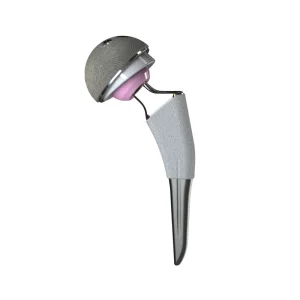
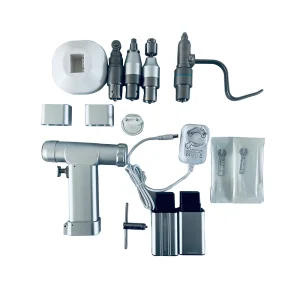
Veterinary trauma cases present unique biomechanical challenges, including unpredictable post-operative loads and diverse patient sizes. Specialized veterinary implants, such as the Titanium Stem Total Hip System and Mini Drill Saw systems, are built to match the anatomy of small to medium-sized animals. This gives veterinary surgeons the precision and reliability of human-grade orthopedic tools.
How distributors and hospital networks manage quality risk and regulatory clearances.
Sourcing orthopedic implants internationally requires careful attention to regulatory certifications and quality audits. Procurement teams must screen manufacturers based on clear, evidence-based metrics:
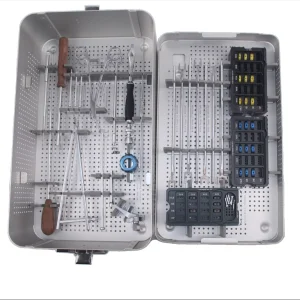
Bonevia's modern manufacturing workflows, experienced design teams, and strict raw material verification meet these requirements. We provide global buyers with reliable, high-quality orthopedic implants and instrumentation kits.
Answers to technical, regulatory, and production questions from medical distributors and procurement managers.
Discover our comprehensive range of specialized spinal stabilization systems, implants, and trauma instrumentation.