Bonevia Bonevia

10 Essential Tips for Choosing Distal Radius Locking Plates?

Time:2026-06-29 Author:Isabella
0%

Choosing the right Distal Radius Locking Plates is crucial for successful surgical outcomes in wrist fractures. These plates offer stability and promote faster healing. However, not every plate is the same; their design and features vary significantly. An informed choice can vastly impact recovery and patient satisfaction.

When selecting Distal Radius Locking Plates, consider the material, design, and compatibility with the patient's anatomy. Different patients have unique needs, which means one size does not fit all. The right plate can reduce complications and enhance the overall recovery experience. Misjudgments may lead to discomfort or even revision surgeries, highlighting the importance of careful selection.

It’s vital to consult with experts in orthopedic surgery. Their experience offers invaluable insights that can help navigate the complexities of choosing the right plate. Remember, each decision shapes the healing process, and a hasty choice can have lasting consequences. Be thoughtful and thorough in your selection process to ensure the best results for your patients.
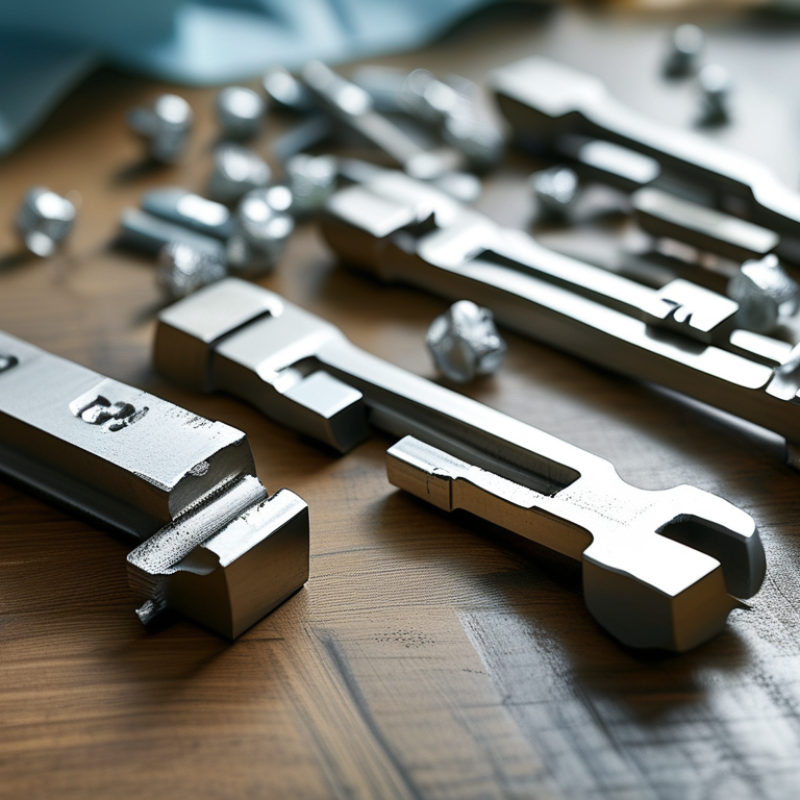
10 Essential Tips for Choosing Distal Radius Locking Plates?

Understanding Distal Radius Locking Plates: An Overview

Understanding distal radius locking plates is crucial for both orthopedic surgeons and their patients. These devices are widely used for stabilizing fractures in the wrist. Reports indicate that nearly 70% of distal radius fractures occur in patients over 50, emphasizing the importance of proper fixation methods. Distal radius locking plates allow for better bone alignment and stability during the healing process, leading to improved outcomes.

When selecting a locking plate, consider the specific fracture pattern. Some plates offer angular stability, critical in complex fractures. In fact, 82% of surgeons report improved results using locking plates compared to traditional methods. This is an important factor for patients who want to regain functionality quickly.

Tip: Always discuss the surgical technique and plate options with your surgeon. The correct choice can significantly impact recovery time. Also, evaluate the quality of the material used in the plates. While titanium provides strength, the cost and weight should also be considered carefully. Sometimes, the most expensive option is not the best for every case. Exploring these choices can lead to better personalized care and recovery strategies.

10 Essential Tips for Choosing Distal Radius Locking Plates

Tip Description Consideration
1. Understand Plate Types Familiarize yourself with various distal radius plate designs and their specific indications. Choose based on the specific fracture pattern.
2. Evaluate Material Strength Select plates made from high-quality materials for durability. Consider titanium or stainless steel options.
3. Check Locking Mechanism Assess the locking mechanism's reliability for stable fixation. Look for double-locking features if available.
4. Consider Plate Profile Opt for low-profile plates to minimize soft tissue irritation. Assess the anatomical compatibility.
5. Review Surgical Techniques Understand the surgical approach required for each plate. Train on specific techniques if needed.
6. Analyze Patient Needs Consider the individual patient’s anatomy and lifestyle. Adjust choices based on age and activity level.
7. Confirm Compatibility with Implants Ensure compatibility with other implants or hardware if necessary. Review the overall implant strategy.
8. Research Evidence-Based Outcomes Look for clinical studies that support the use of specific device designs. Focus on outcomes that align with patient goals.
9. Assess Cost-Effectiveness Evaluate the cost versus benefits of different plate options. Balance budgetary constraints with quality needs.
10. Consult with Peers Engage in discussions with other surgeons about their preferences. Incorporate feedback into your decision-making process.

Key Factors to Consider When Selecting a Locking Plate

Choosing the right distal radius locking plate requires careful consideration. Surgeons must evaluate multiple factors to ensure effective outcomes. One major factor is the plate design. Plates come in various shapes, thicknesses, and lengths. Selecting a design that fits the specific anatomy of the patient's wrist is crucial.

Another important aspect is the locking mechanism. Some plates employ varied screw angles, enhancing stability. A stable construct aids in bone healing. However, understanding the biomechanical implications of these designs is often complex. It’s not just about the plate; it’s about how it interacts with the bone structure.

Screw length and placement also matter. A careful assessment of soft tissue and bone quality is needed. Using screws that are too long or poorly positioned can lead to complications. Surgeons must sometimes reflect on their choices during surgery. This reflection helps avoid mistakes that can hinder recovery. Each decision carries weight; understanding the potential consequences builds a foundation for improved patient outcomes.

Material and Design Features for Optimal Performance

When selecting distal radius locking plates, material and design features are crucial. It is essential to consider the plate's material, as this can significantly affect its performance. Titanium alloys are often favored due to their high strength-to-weight ratio and excellent biocompatibility. According to a recent study published in the Journal of Hand Surgery, titanium plates show a lower infection rate and faster healing compared to stainless steel options, which can rust and cause complications.

Design features also play a pivotal role in ensuring optimal stability. Plates should have multiple locking mechanisms to enhance fixation. Research indicates that plates with angular stability can better withstand physiological loads. A study from the American Journal of Orthopedics highlighted that plates designed with variable angle locking screws reduced the risk of malunion in patients. However, some designs may be more complex to apply, raising concerns about the surgical learning curve and potential long-term outcomes.

Surgeons must assess individual patient needs and measure the advantages against potential drawbacks in design complexity. Statistical data suggests that improper plate selection can lead to reoperation rates as high as 30%. This highlights the importance of informed decision-making in choosing the right distal radius locking plates based on material and design attributes.

Assessing Patient-Specific Needs and Anatomical Considerations

When selecting distal radius locking plates, it is crucial to assess patient-specific needs. Each patient's anatomy is unique. Variations in bone structure can affect plate selection. For instance, a patient with a previous wrist fracture may have altered bone density. Understanding these differences allows for better fitting of the plate.

Also, consider the patient's activity level. An active individual may require a stronger fixation compared to a less active one. This distinction is vital in deciding plate type. Surgeons must evaluate the fracture pattern as well. Complex fractures may require specialized plates to ensure stability.

Another aspect to ponder is the potential for complications. Improper plate selection can lead to issues like non-union or malalignment. Surgeons should reflect on past cases and outcomes. Continuous learning from these experiences promotes better decision-making. Think of each surgery as a step toward greater expertise. Understanding patient needs leads to improved surgical results.

Post-Operative Care and Recovery with Locking Plates

Post-operative care is crucial after surgery involving distal radius locking plates. Patients often experience pain, swelling, and limited mobility. According to a study published in the Journal of Hand Surgery, about 15-20% of patients report complications related to post-operative recovery. It’s vital to manage these effectively. Regular follow-up visits can identify issues early. This helps to adjust rehabilitation plans accordingly.

Adhering to prescribed physical therapy plays a key role in recovery. Engaging in exercises promotes healing and improves range of motion. Evidence indicates that patients who follow rehabilitation guidelines show a 30% faster recovery. However, some patients may struggle with adherence. Psychological factors, such as anxiety or depression, can hinder commitment to therapy. Open communication with healthcare providers is necessary to address these barriers.

Proper wound care is also essential. Keeping the surgical site clean reduces infection risk. Studies indicate that proper hygiene practices can lower infection rates to below 5%. Patients may feel uncertain about how to manage their wounds. Educating them on signs of infection is critical. These details can significantly impact long-term recovery outcomes. Understanding and addressing these challenges can lead to better management of post-operative care.

FAQS

: What materials are preferred for distal radius locking plates?

: Titanium alloys are favored due to their strength and biocompatibility. They have lower infection rates.

Why is plate design important?

The design affects stability and fixation. Plates with multiple locking mechanisms enhance support during healing.

How do angular stability plates benefit patients?

Studies show they reduce the risk of malunion. They can better handle physiological loads during recovery.

What should surgeons consider regarding patient anatomy?

Each patient's bone structure is unique. Differences in density can influence plate selection and fit.

How does a patient's activity level impact plate choice?

More active individuals may need stronger fixation to support higher physical demands. This is crucial for recovery.

What complications can arise from improper plate selection?

Issues like non-union or malalignment may occur, leading to reoperation. This highlights the need for careful choices.

What role does past surgical experience play in decision-making?

Reflecting on previous outcomes helps surgeons improve their choices. Continuous learning is vital for better results.

Are complex plate designs always beneficial?

Some designs offer advantages but may complicate surgical procedures. The learning curve must be considered carefully.

What is the risk of reoperation with improper plate selection?

Research indicates reoperation rates can be as high as 30%. This emphasizes the necessity of informed decision-making.

How can understanding patient needs improve outcomes?

Tailoring choices to fit individual circumstances enhances surgical results. Each case is an opportunity for learning and growth.

Conclusion

When selecting Distal Radius Locking Plates, it is crucial to understand their specific features and applications. This involves grasping the essential aspects of these plates, such as their material composition, design characteristics, and the mechanical advantages they provide in stabilizing distal radius fractures. Key factors to consider include the patient's individual anatomy, existing medical conditions, and the surgeon's preference, all of which can significantly influence the choice of locking plate.

Additionally, understanding the post-operative care and recovery process is vital for ensuring optimal patient outcomes. Proper management of the surgical site and monitoring for complications are essential components of the recovery phase, enabling patients to regain functionality and mobility effectively. With these considerations in mind, healthcare professionals can make informed decisions in selecting the most suitable Distal Radius Locking Plates for their patients.

Isabella

Isabella

Isabella is a dedicated marketing professional with a sharp focus on driving brand growth and engagement through strategic content creation. With an extensive background in digital marketing, she combines her passion for storytelling with her keen understanding of industry trends to deliver......