Bonevia
Bonevia
Bonevia
Explore our certified titanium and titanium alloy fixation systems, engineered for maximum biomechanical compatibility and clinical safety.
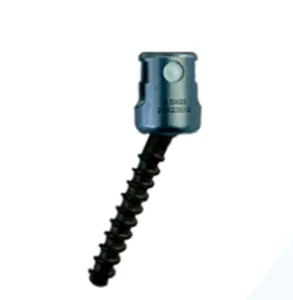
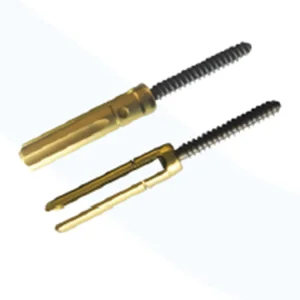
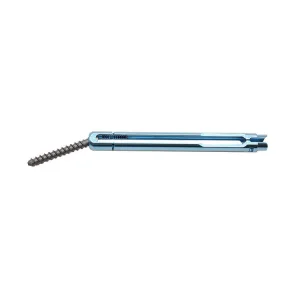
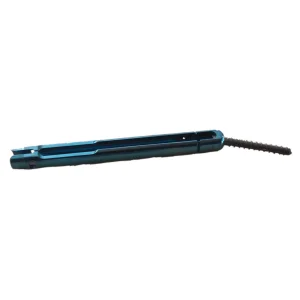
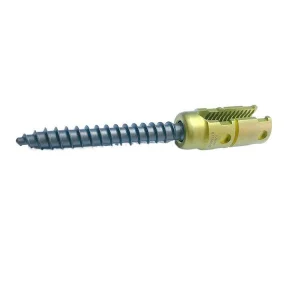
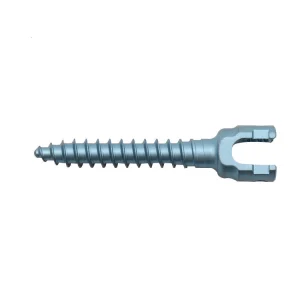
The global spinal implants market has witnessed a paradigm shift from rigid stabilization to dynamic, biomimetic, and minimally invasive technologies. Driven by an aging population, rising incidences of degenerative disc diseases, and technological breakthroughs, contemporary spinal surgery demands implants that balance structural integrity with biological integration. High-purity Titanium alloys (such as Grade 5 Ti-6Al-4V ELI) remain the gold standard due to their outstanding biocompatibility, high fatigue strength, and corrosion resistance. Concurrently, materials like PEEK (polyetheretherketone) and porous titanium coatings are extensively utilized to match the young's modulus of cortical bone and prevent stress shielding.
As standard fusion procedures yield to advanced interventional strategies, factories must adapt to tighter manufacturing tolerances and higher structural compliance. The incorporation of additive manufacturing (3D printing) has revolutionized cage construction, allowing for interconnected porous networks that accelerate osteointegration. For exporters and medical device distributors, maintaining compatibility with leading surgical guidance and robotic navigation systems is no longer a value-add, but a fundamental baseline requirement.
Hospital groups, ministries of health, and specialized medical device distributors operate under a dual mandate: safeguarding patient outcomes while optimizing unit economics. When selecting a spinal implants factory, procurement departments focus heavily on risk mitigation. Technical evaluations inspect raw material traceability, cleanroom environmental controls, and the mechanical fatigue testing protocols governed by standard frameworks like ASTM F1717 (for spinal implant construct models) and ISO 12189.
Strategic Insight: Successful global supply chains rely on manufacturers that can deliver OEM/ODM customization services. Since spinal anatomy varies across regional populations, having a production partner capable of adjusting thread pitches, screw head low-profiles, and self-tapping tip designs ensures localized clinical efficacy and smoother surgical integration.
| Implant Type | Material Composition | Primary Clinical Indication | Key Performance Indicators (KPIs) |
|---|---|---|---|
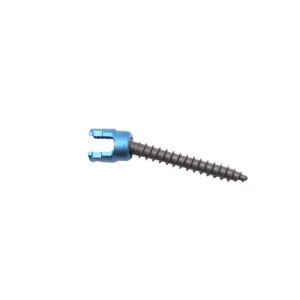
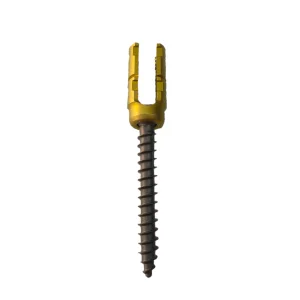
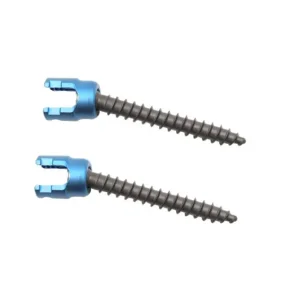
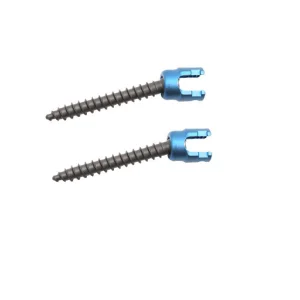
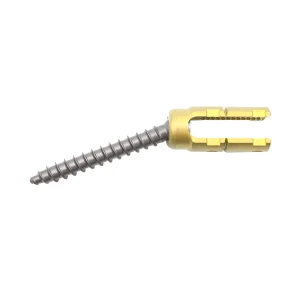
| Polyaxial Pedicle Screw (5.5mm / 6.0mm) | Titanium Alloy (Ti-6Al-4V ELI) | Degenerative Instability, Spondylolisthesis | High angular range, axial pull-out resistance |
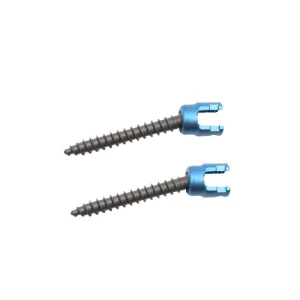
| Minimally Invasive (MIS) Pedicle Screw | Titanium Alloy (Ti-6Al-4V ELI) | Percutaneous internal stabilization | Guide wire compatibility, low-profile collar |
| Cervical Poly Screw System (3.5mm) | Grade 5 Titanium | Cervical spondylosis, trauma reconstruction | Optimized profile height, easy insertion angle |
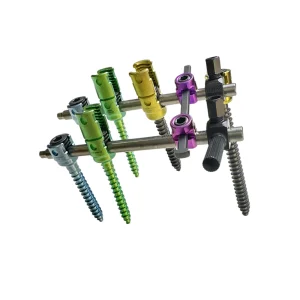
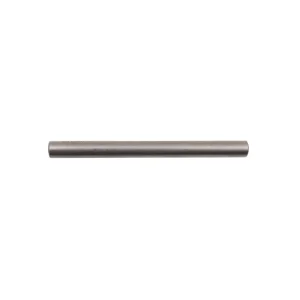
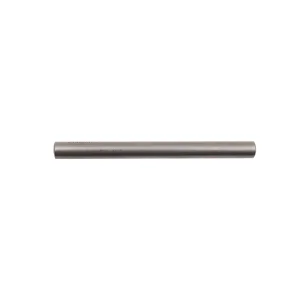
| Titanium Straight Rods (6.0 System) | Pure Titanium / Titanium Alloy | Multilevel posterior spinal fixation | Torsional rigidity, bendability without notch sensitivity |
Bonevia Orthopedic Technology Co., Ltd. is a professional manufacturer specializing in orthopedic implants and surgical solutions, dedicated to advancing innovation in trauma, spine, and joint reconstruction products. Since its establishment in 2015, the company has grown steadily into a trusted supplier in the global orthopedic industry.
With a modern production facility covering approximately 320㎡, Bonevia maintains strict quality management standards and efficient manufacturing processes. The company records an annual export revenue of around USD 8–15 million, supported by 6 years of export experience and over 10 years of overall industry experience.
Quality assurance is a core focus at Bonevia. The company implements multiple inspection methods including incoming material inspection, in-process quality control, and final product testing, supported by a dedicated quality team of 35 professionals. This ensures all products meet international medical device standards.
Bonevia has a solid trade foundation with diversified global distribution networks, serving major markets across Europe, Southeast Asia, the Middle East, and South America. Its supply chain ecosystem includes more than 850 partners, enabling stable raw material sourcing and efficient production delivery.
The company serves a wide range of clients, including hospitals, orthopedic clinics, surgical centers, and medical distributors. Bonevia also demonstrates strong R&D capabilities, offering OEM and ODM customization services to meet specific clinical requirements.
In the past year, Bonevia successfully launched 120 new product designs, supported by a research and development team of 85 engineers, continuously driving innovation in orthopedic implant systems and surgical instruments.
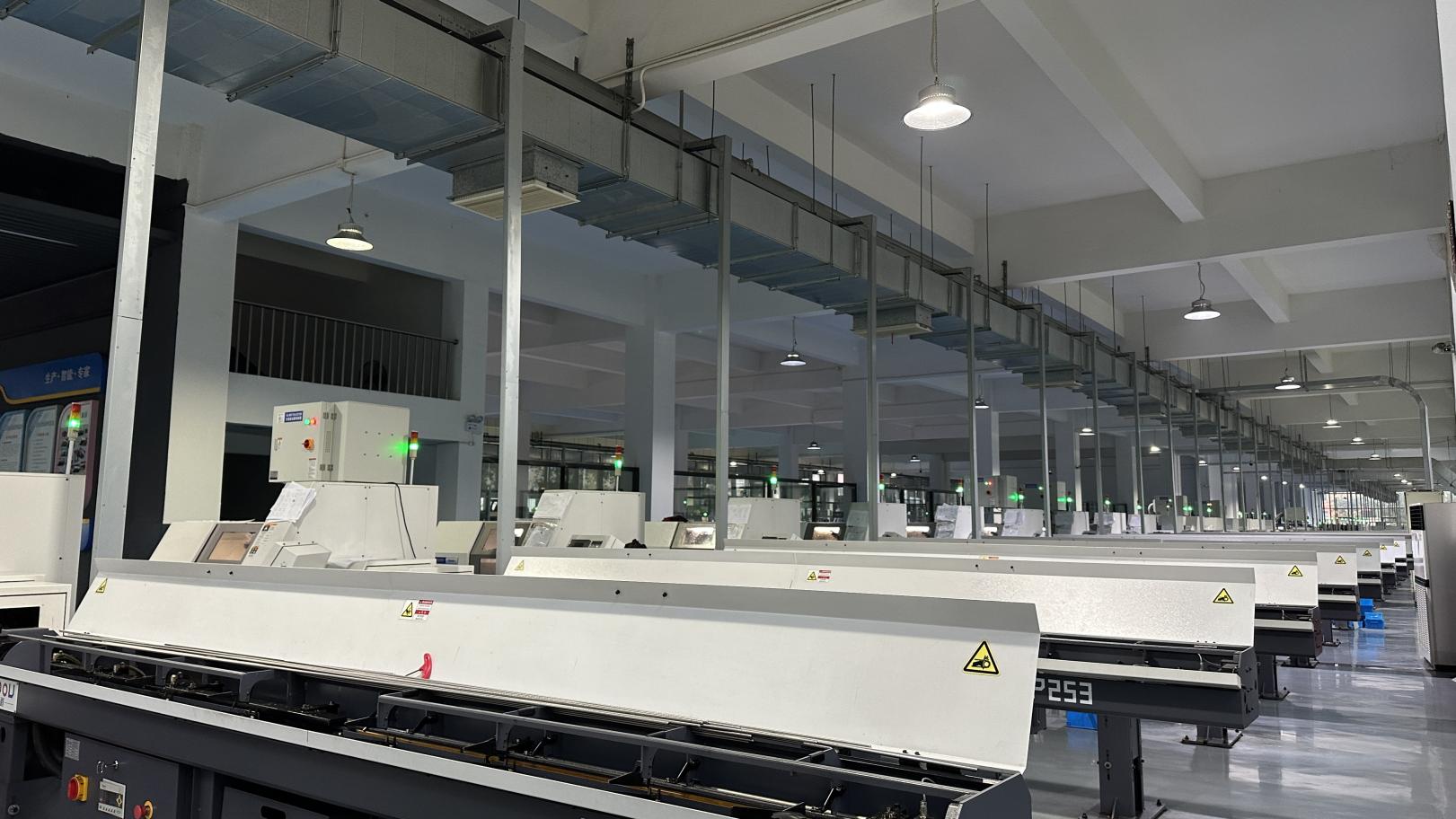
Modern medical manufacturing requires advanced hardware and highly structured processes. By combining high-speed CNC centers, precision wire-cutting tools, and automated cleanrooms, Chinese medical factories have optimized their production workflows. Bonevia utilizes advanced raw material slitting, computer-controlled milling, laser marking, and microscopic testing to ensure every pedicle screw, rod, and cervical plate maintains dimensional consistency. This strict oversight minimizes physical variation, ensuring high dependability during surgical procedures.
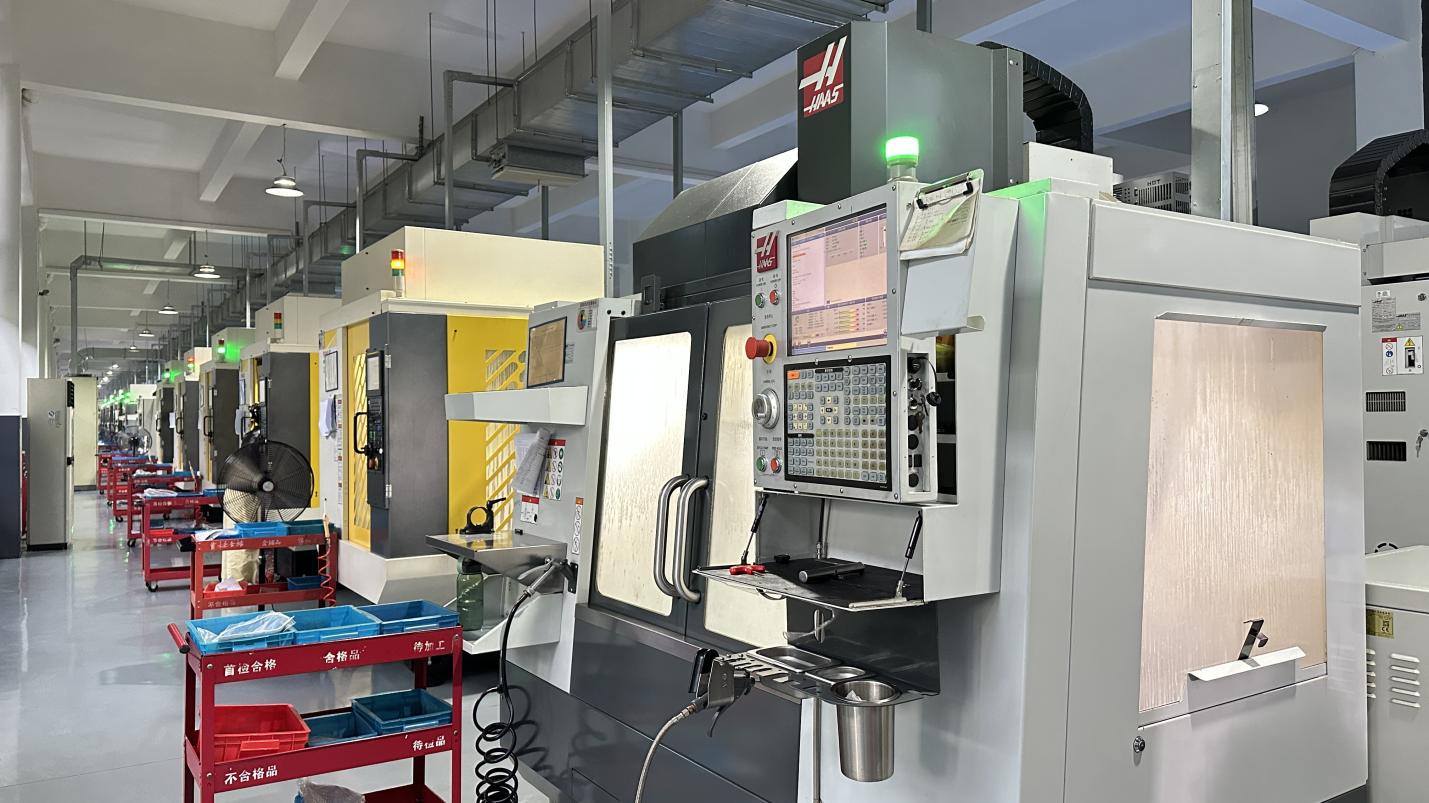
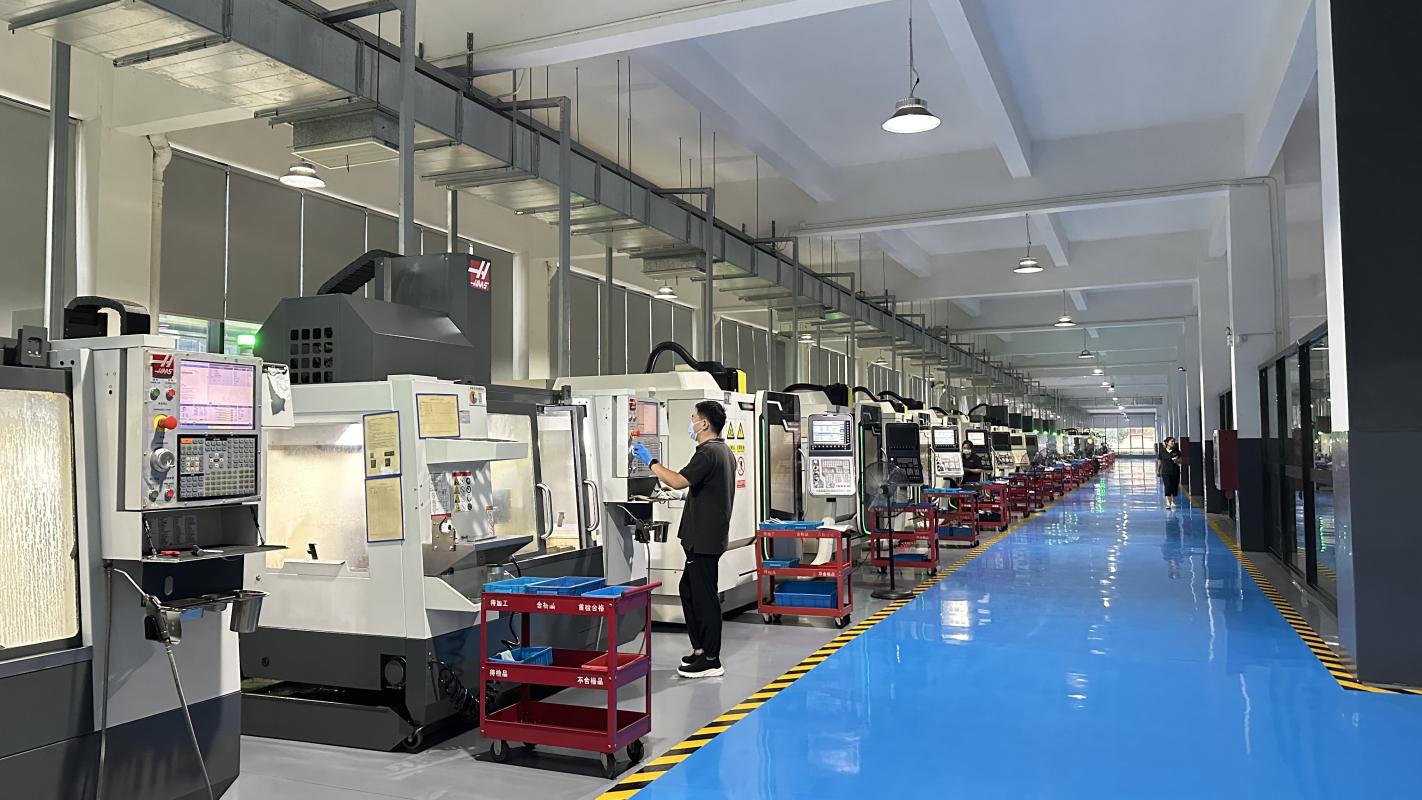
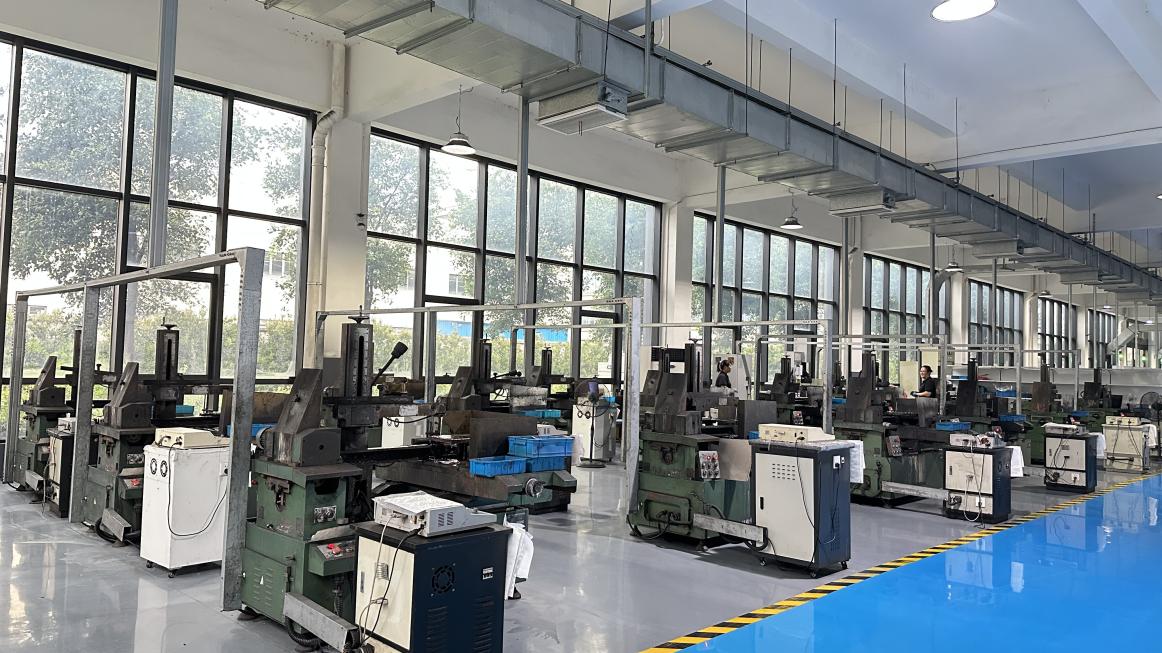
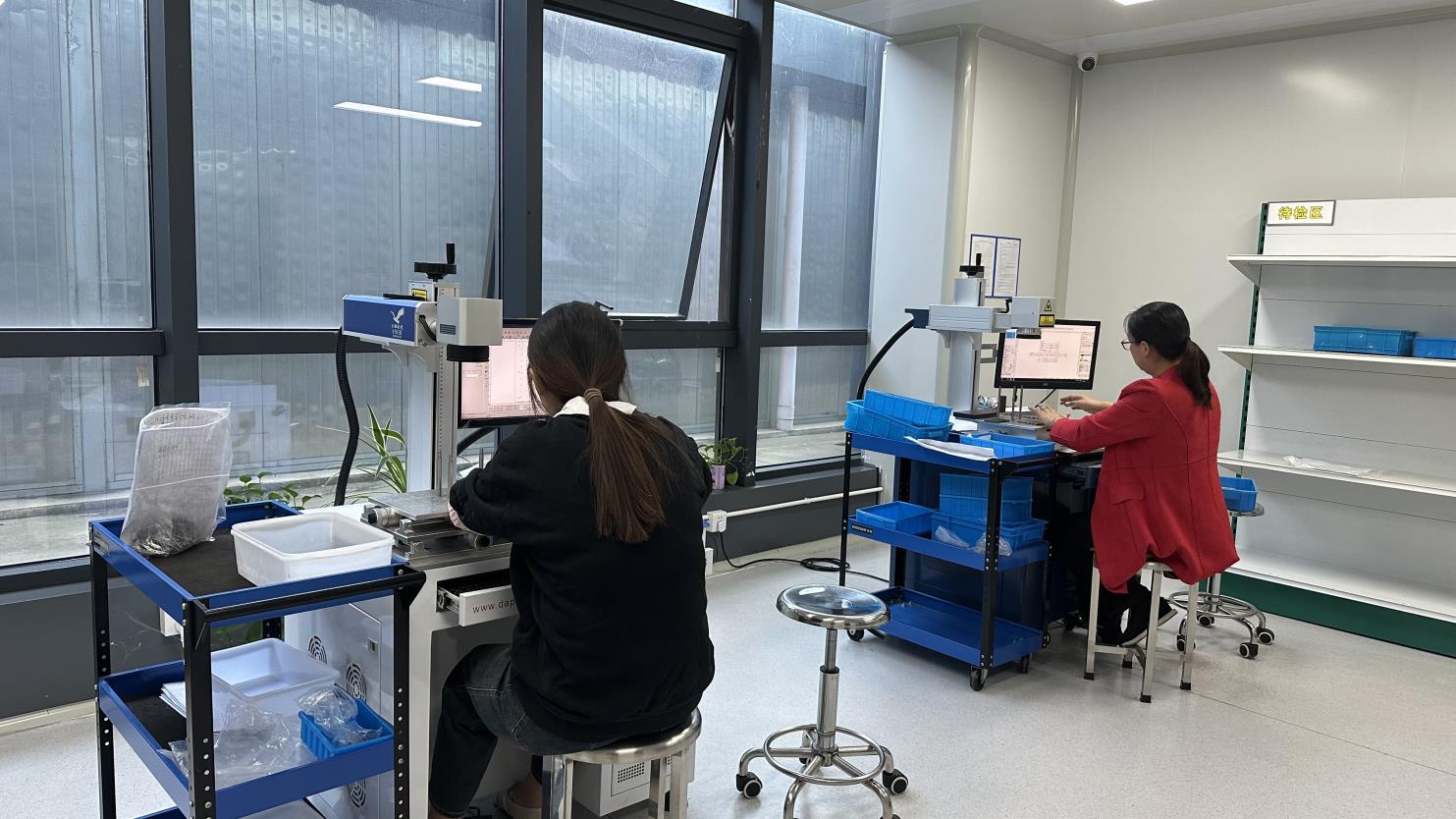
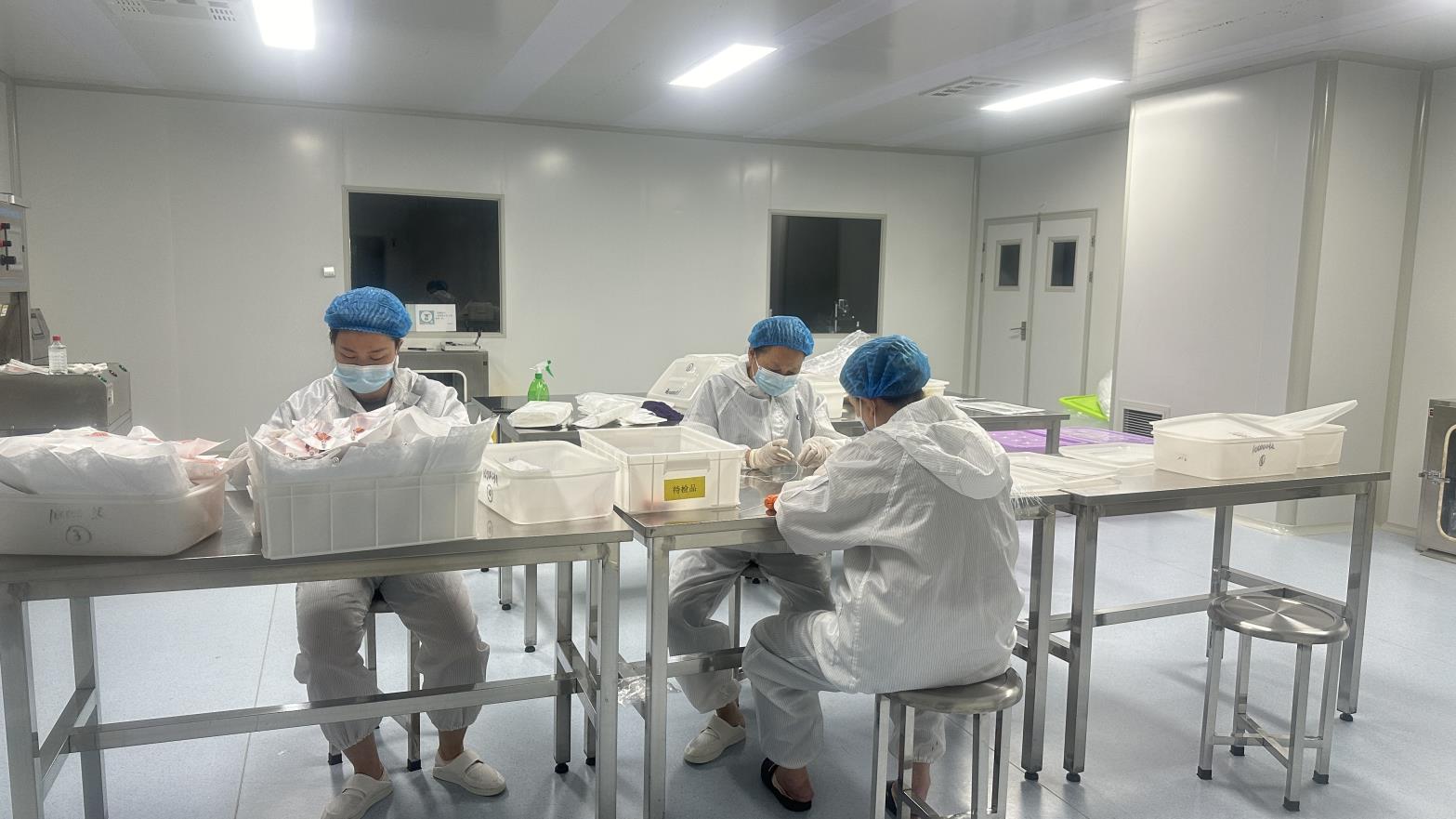

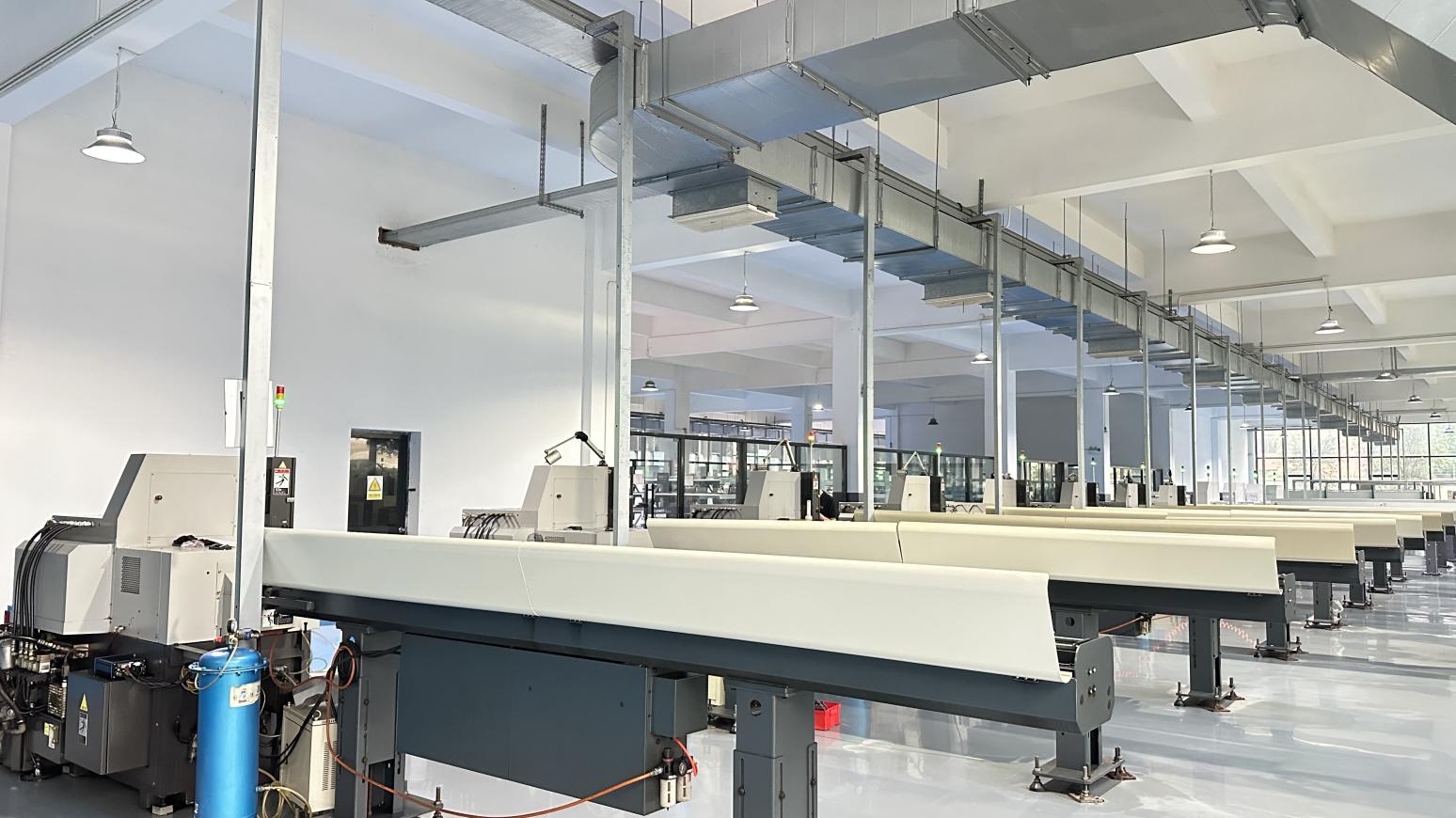
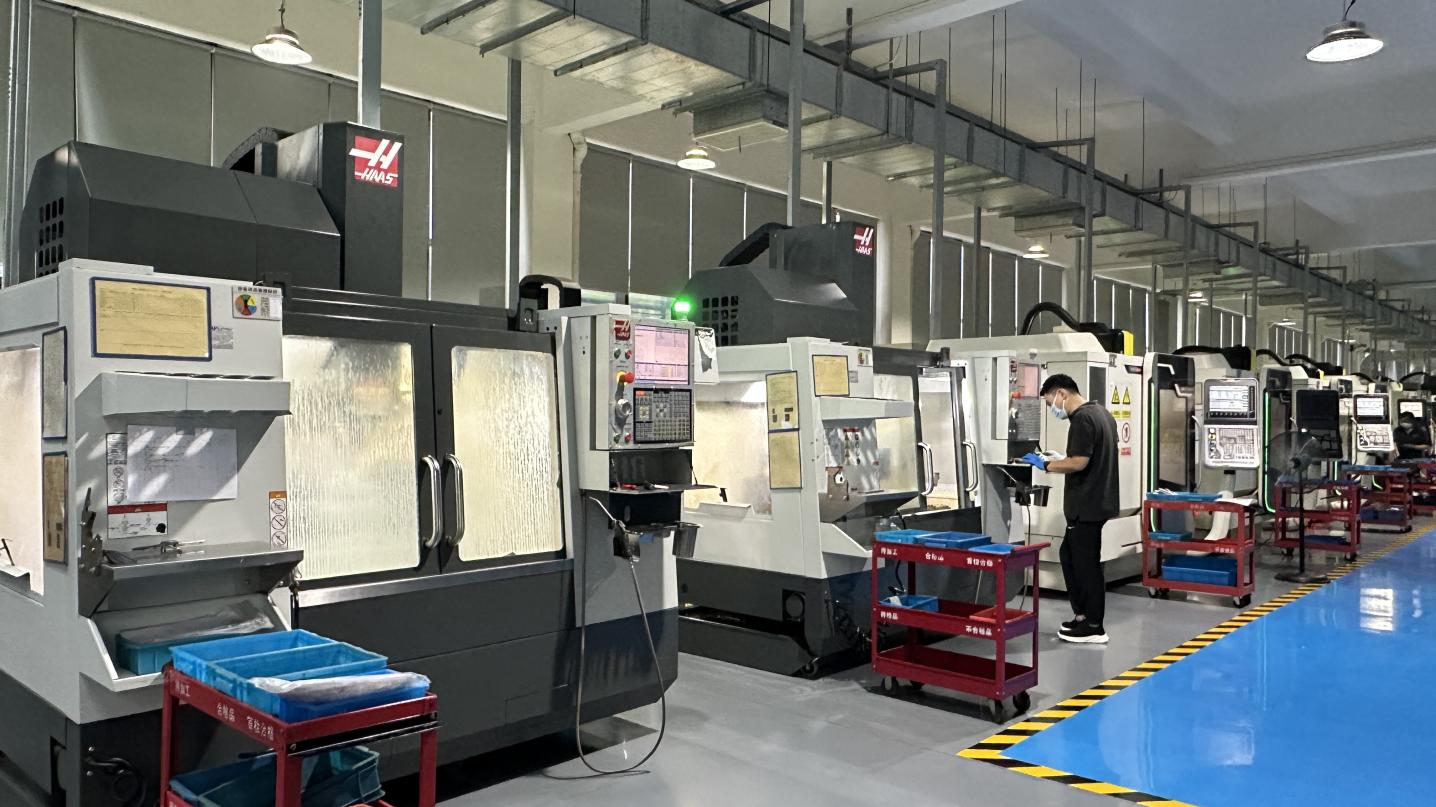
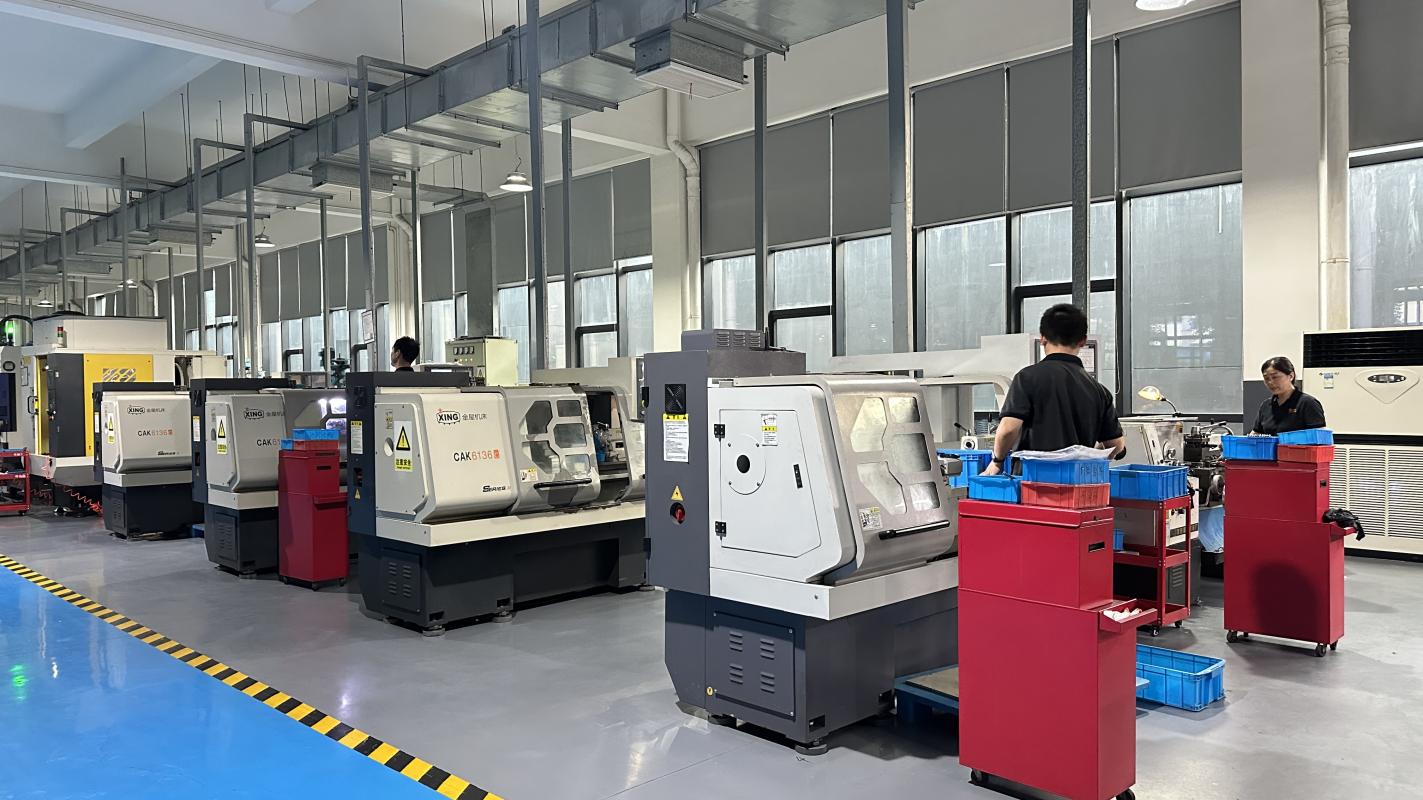
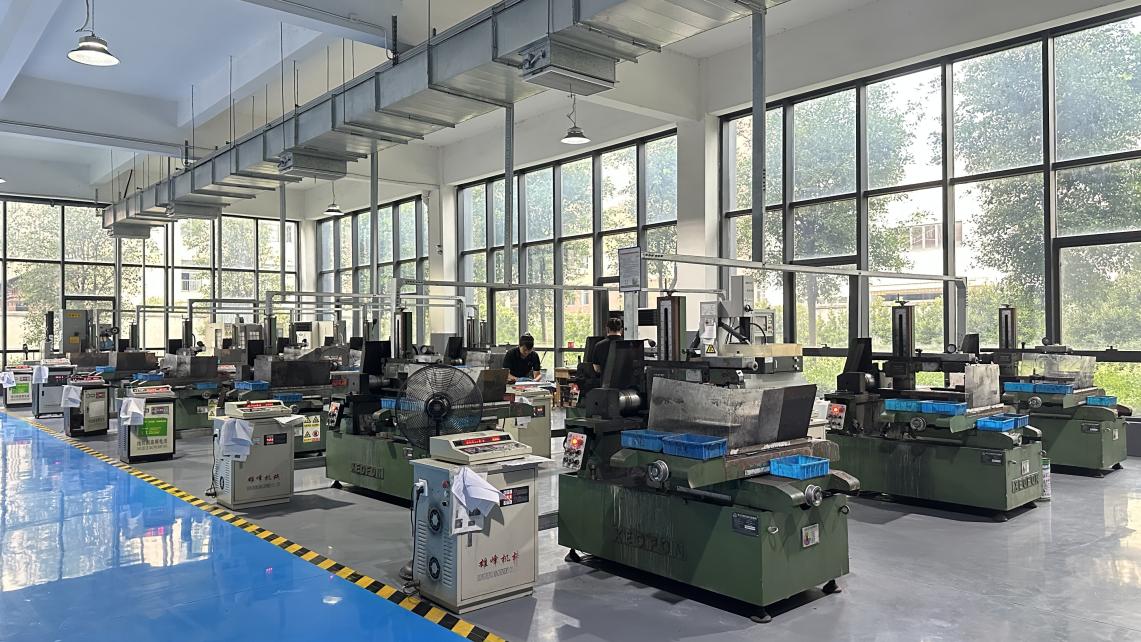
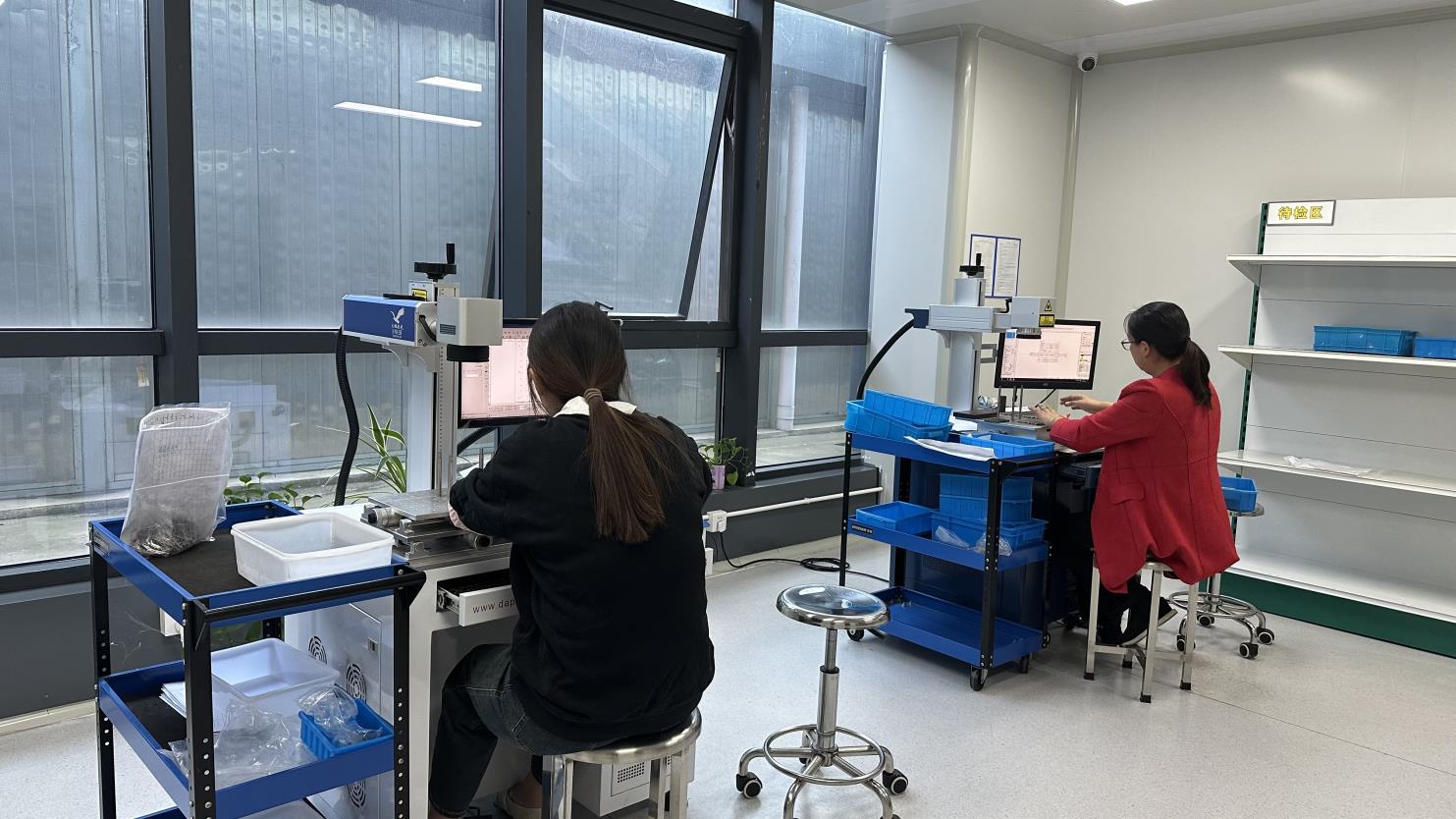
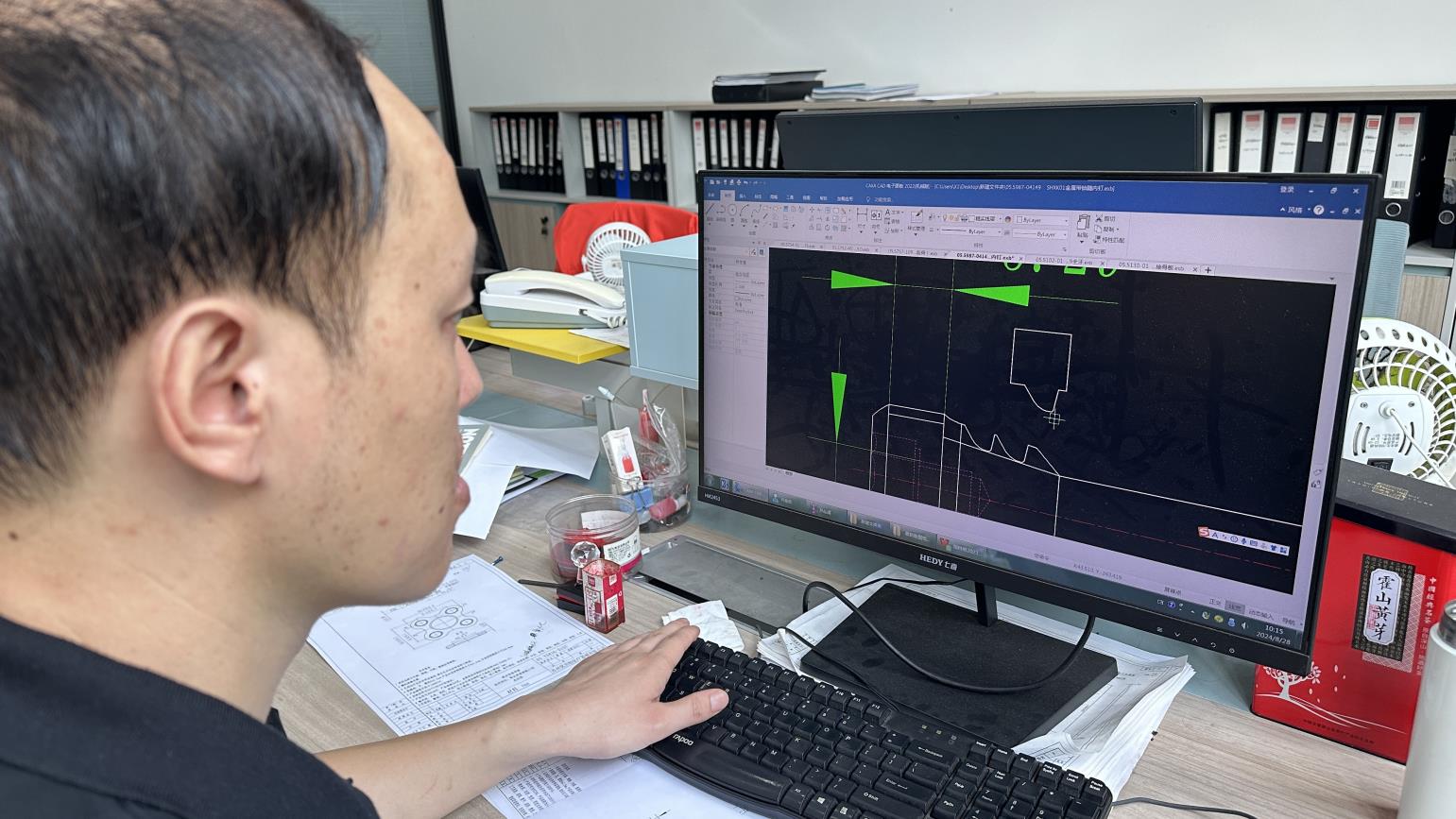
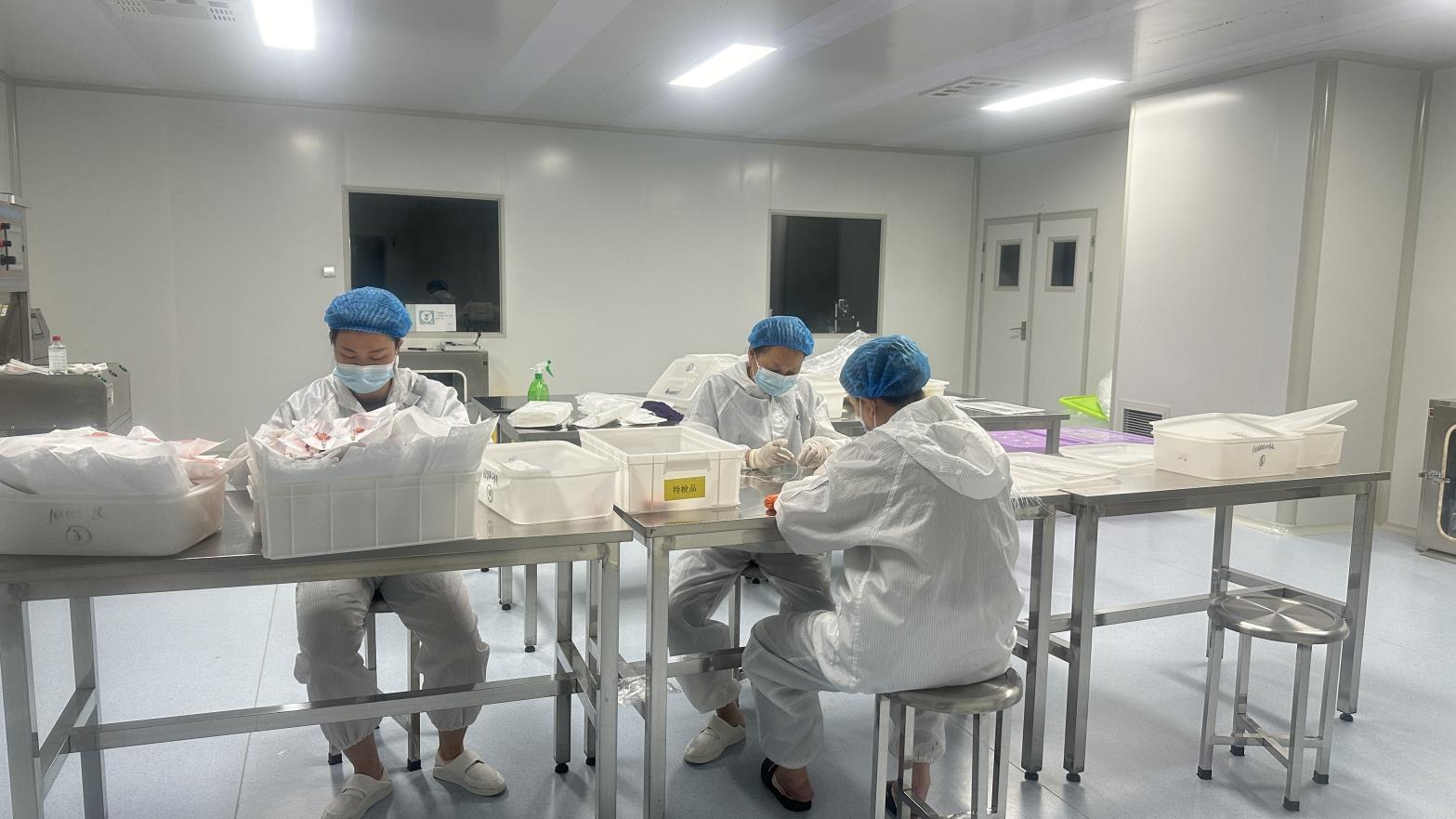
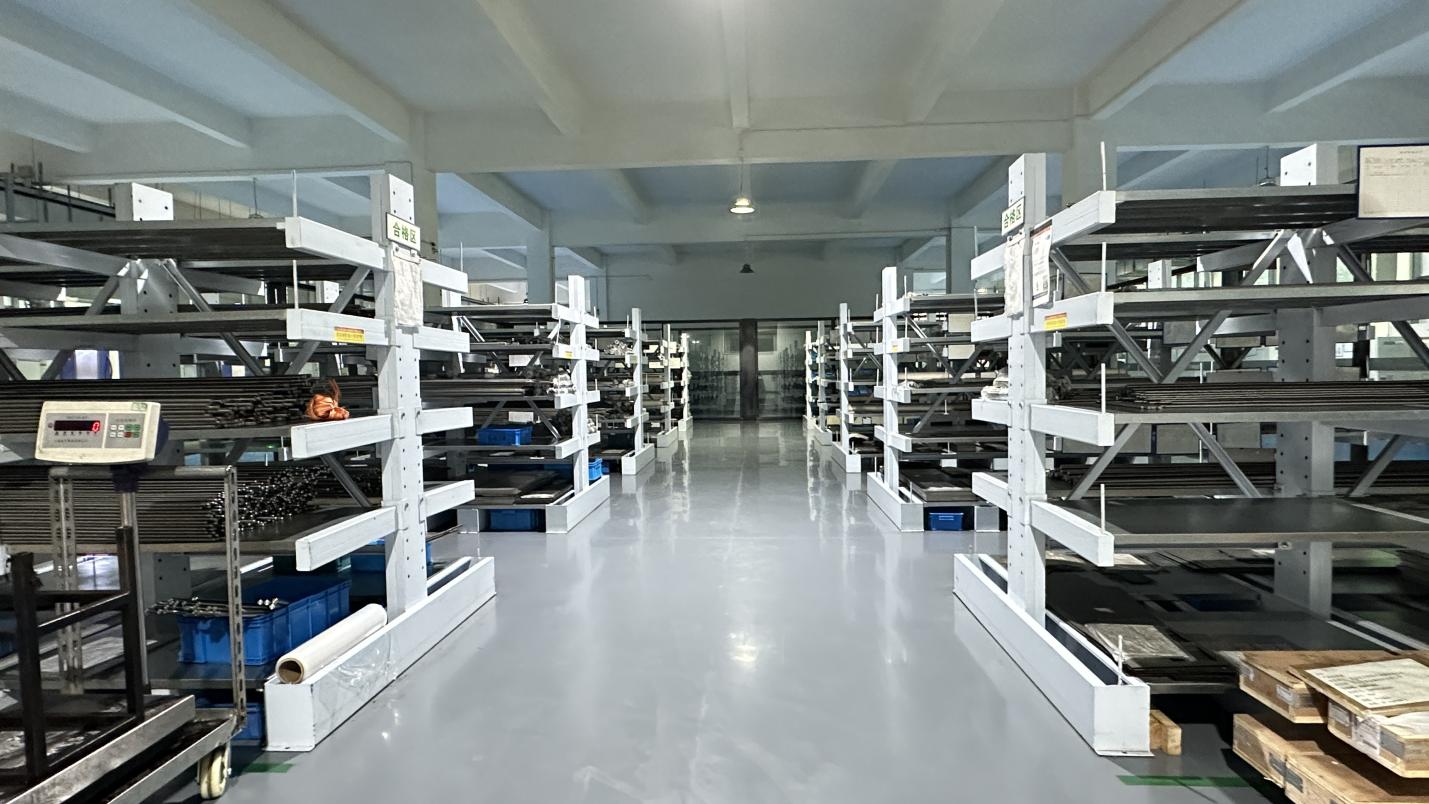
By managing the production cycle internally, Bonevia maintains trace control from bulk bars of titanium alloy down to the sterilized individual blister pack. Vertical integration allows the factory to buffer raw materials, minimizing price volatility and protecting delivery schedules during global supply disruptions.
Understanding local clinical requirements is essential for global distribution. Spinal instrumentation needs vary based on surgical philosophies, regional demographics, and localized hospital setups:
Explore our foundational rods, reduction systems, and polyaxial pedicle screws manufactured under ISO-certified quality guidelines.
In-depth, direct answers from our quality control and production departments regarding materials, testing, logistics, and capabilities.