Bonevia
Bonevia
Bonevia
Precision-engineered components and assemblies certified for high-load clinical applications and emergency trauma reconstruction.
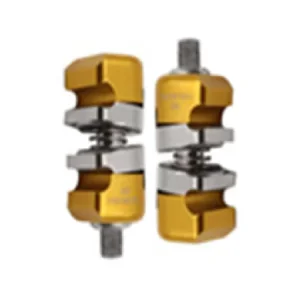
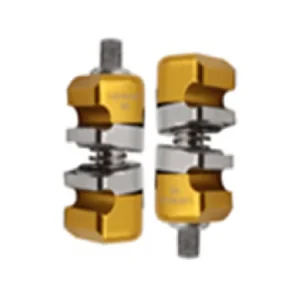
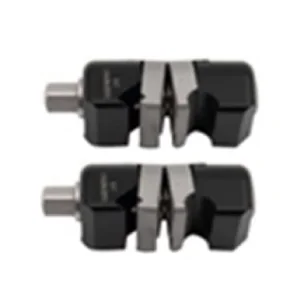
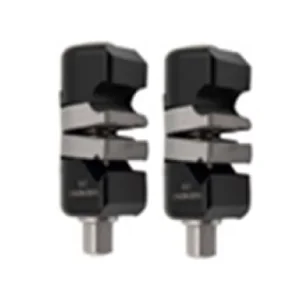
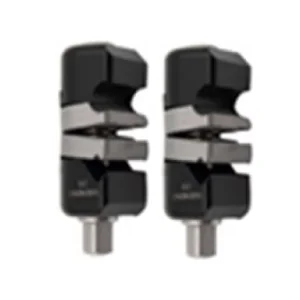
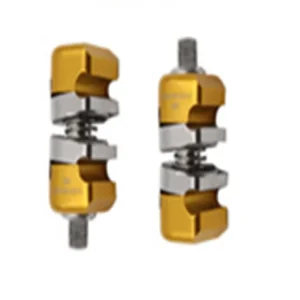
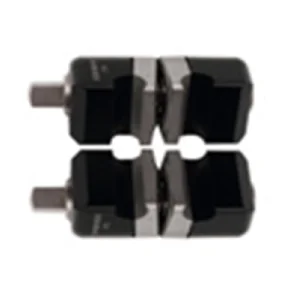
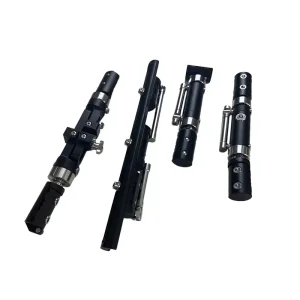
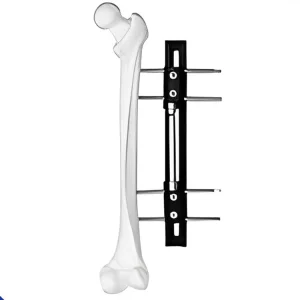
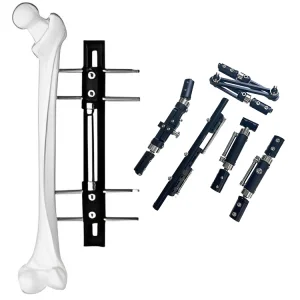
External fixation remains a cornerstone of modern damage control orthopedics (DCO) and definitive reconstructive surgery. Designed to temporarily or permanently stabilize severe open fractures, non-unions, and complex skeletal deformities, these mechanical constructs bridge mechanical loads across bone fragments without disrupting local biological vascularity.
Unlike internal plate-and-screw constructs, modern external fixator frames balance dynamic axial micro-motion with rigid multi-planar stability. This specialized mechanical property stimulates robust callus formation while minimizing the risk of infection, avascular necrosis, and prolonged non-union. To meet the stringent requirements of global clinical settings, manufacturing partners must guarantee extreme material purity, tight dimensional tolerances, and predictable torque-retention performance under physiological conditions.
Information Gain Highlight: Biomechanical Load Sharing & Micro-Motion Regulation
Advanced external fixators rely on selective structural stiffness. Titanium alloys (Ti-6Al-4V ELI) and carbon fiber composites are selected for their modulus of elasticity. These materials closely mimic cortical bone behavior, allowing minor stress transmission that accelerates natural bone healing while preventing stress shielding.
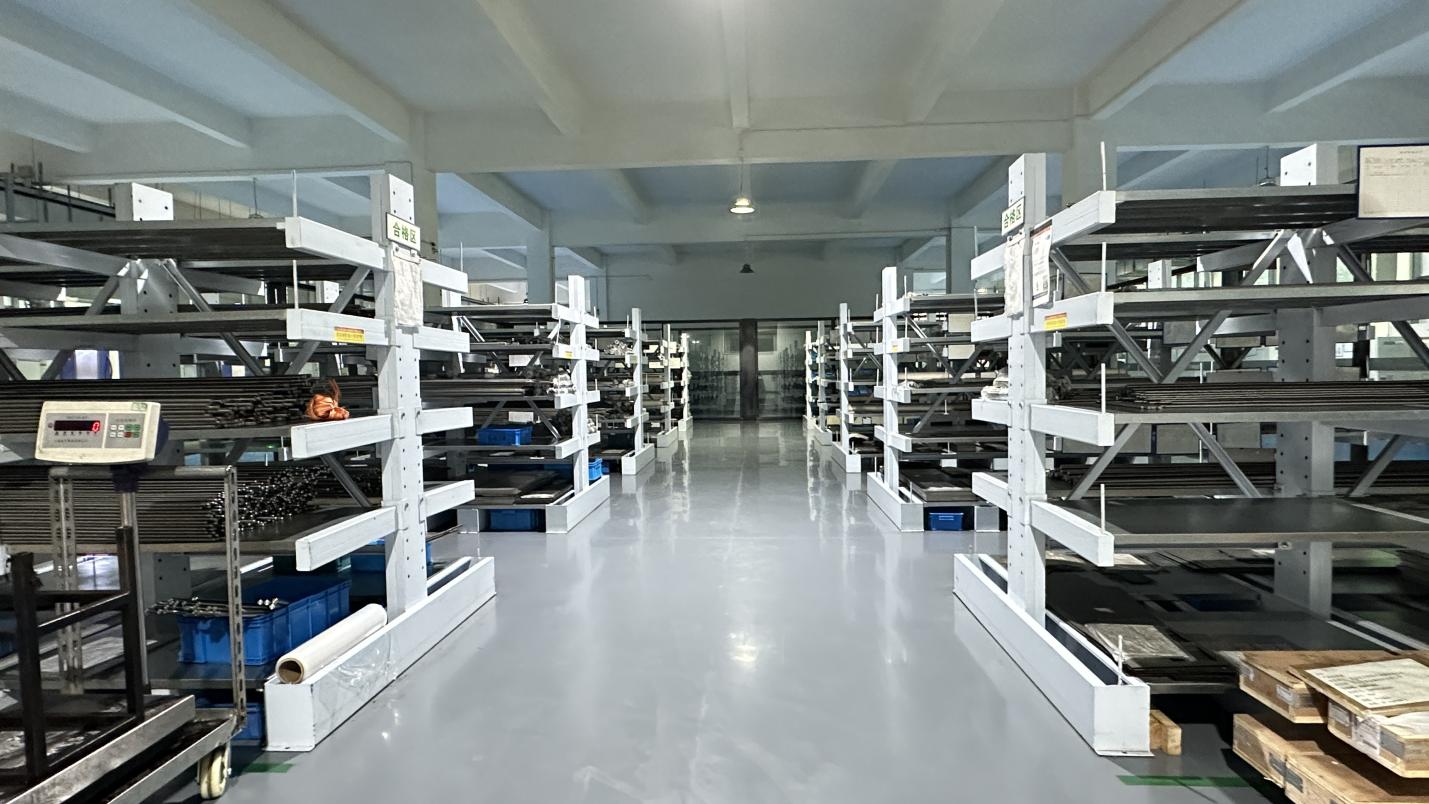
Bonevia Orthopedic Technology Co., Ltd. delivers high-performance surgical components to global distribution networks, medical institutions, and OEM brand owners.
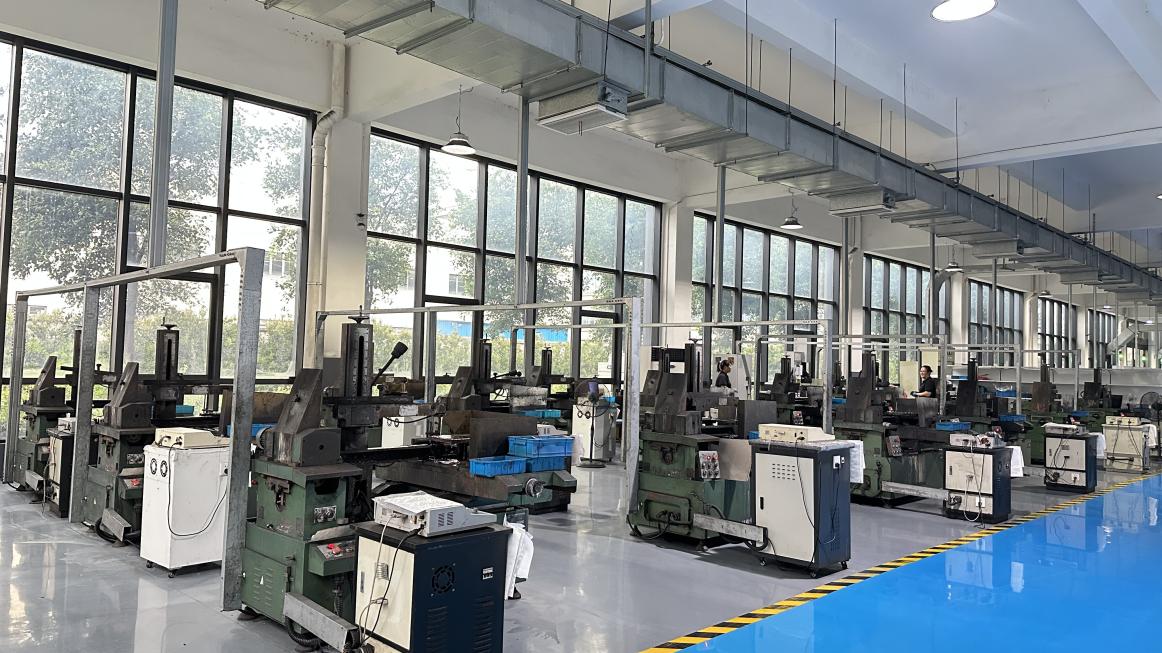
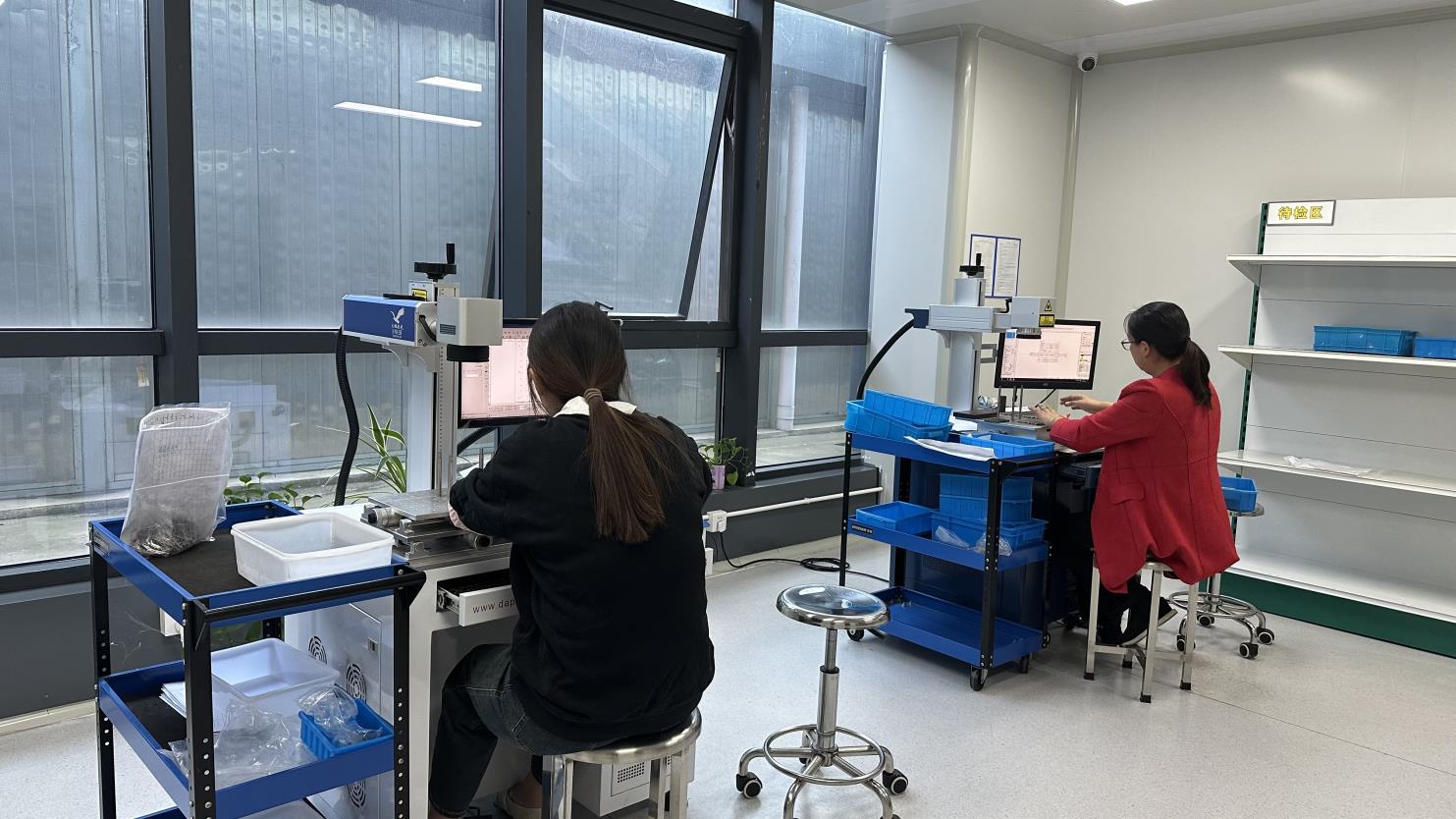
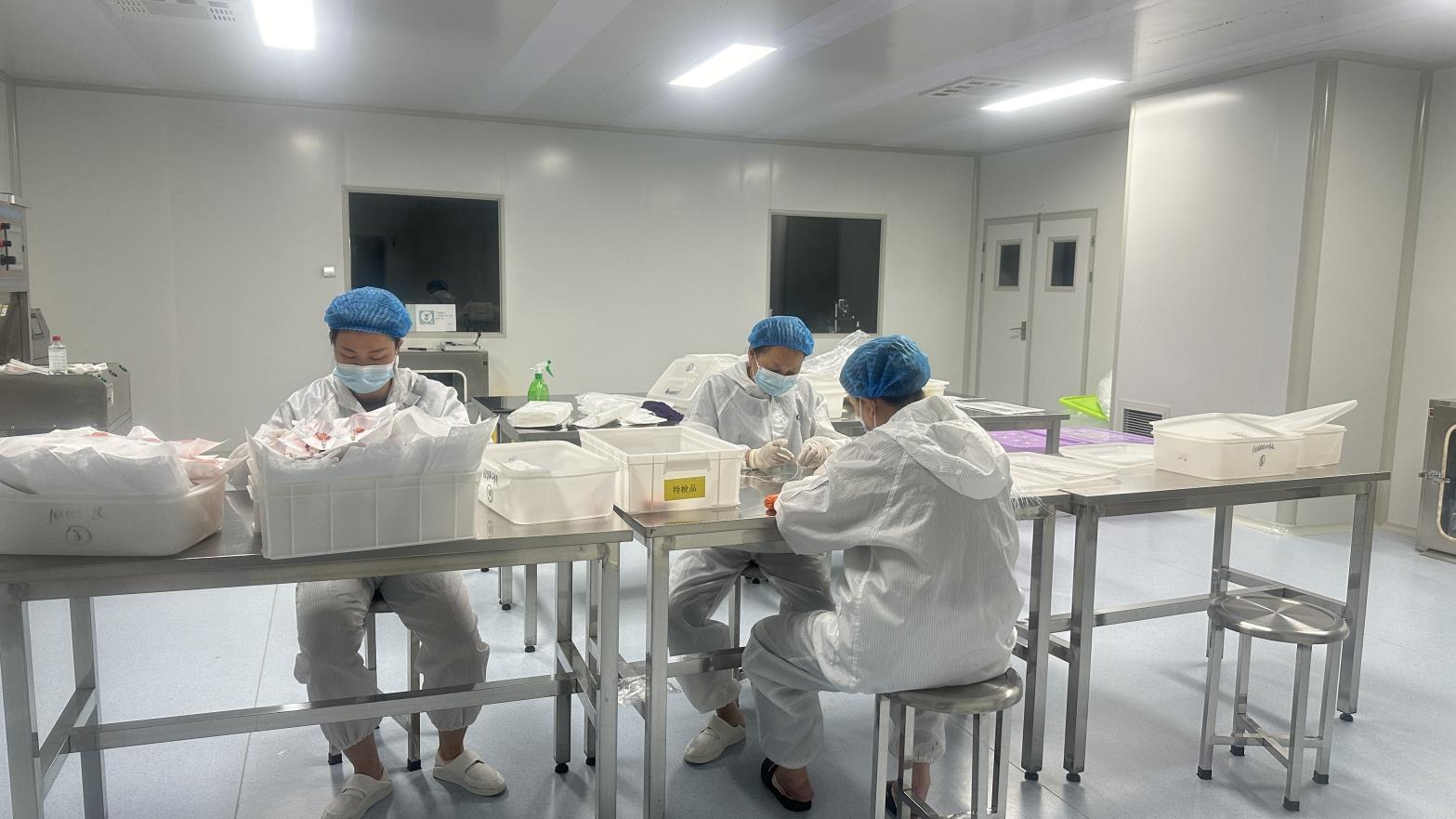
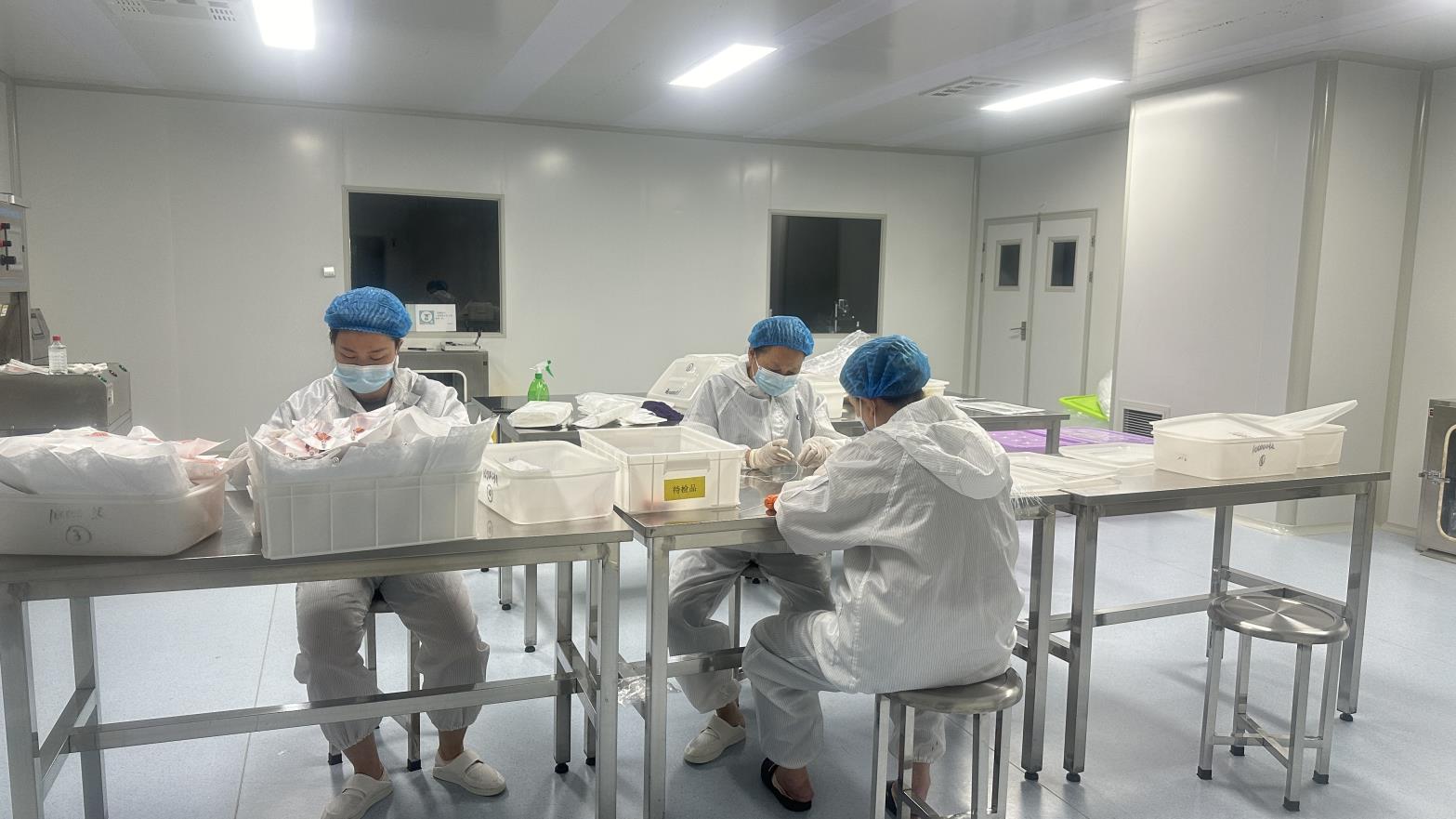
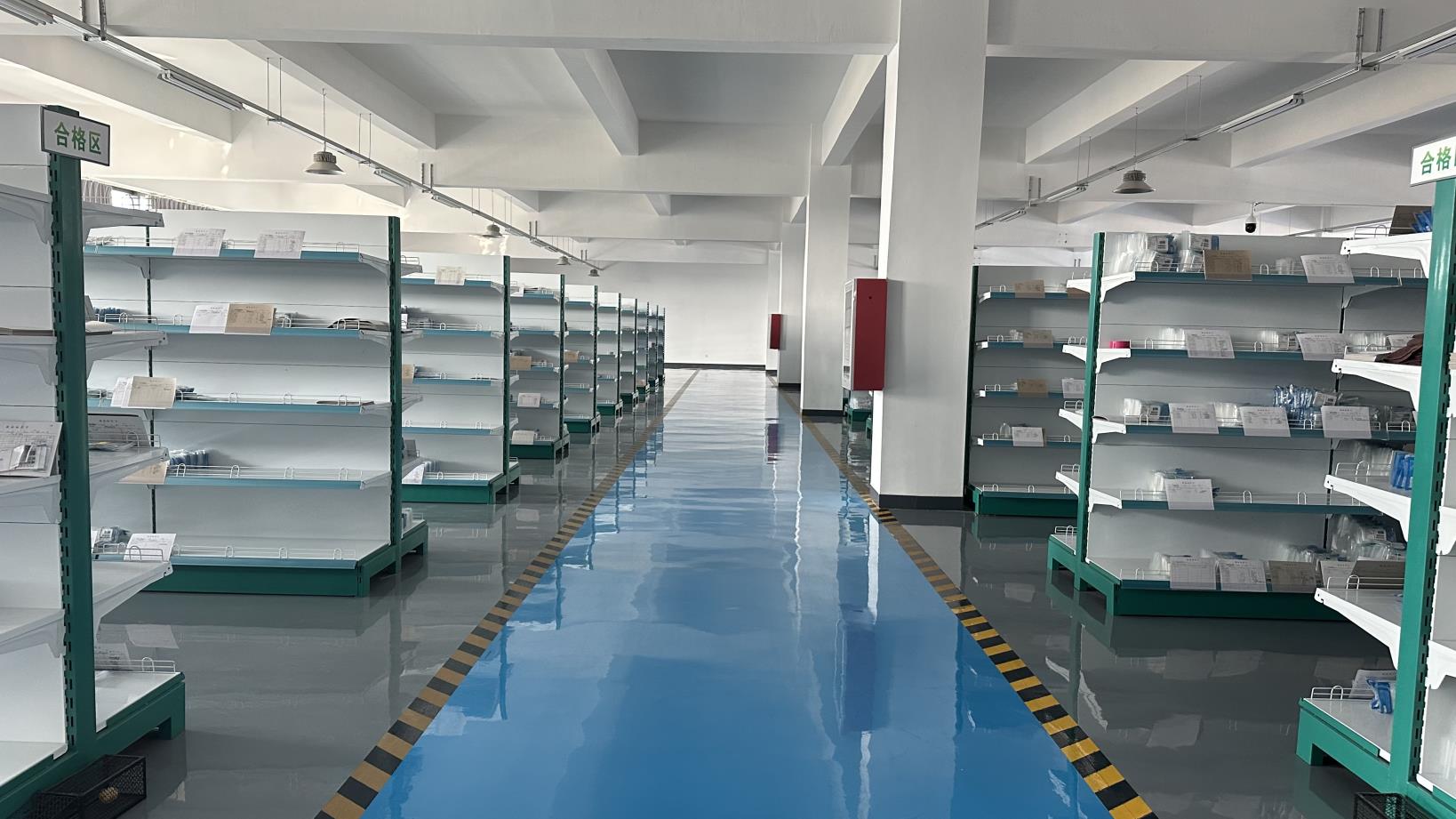
Established in 2015, Bonevia Orthopedic Technology Co., Ltd. has developed into a reliable manufacturing supplier within the orthopedic sector. Operating from a modern production facility covering approximately 320㎡, the company maintains cleanroom control standards and advanced machining workflows. Backed by 6 years of specialized export experience and a leadership team possessing over 10 years of orthopedic industry experience, Bonevia generates an annual export revenue of USD 8–15 million.
From metallurgical verification to final validation, each production phase is monitored to satisfy Class II and Class III international regulatory requirements.
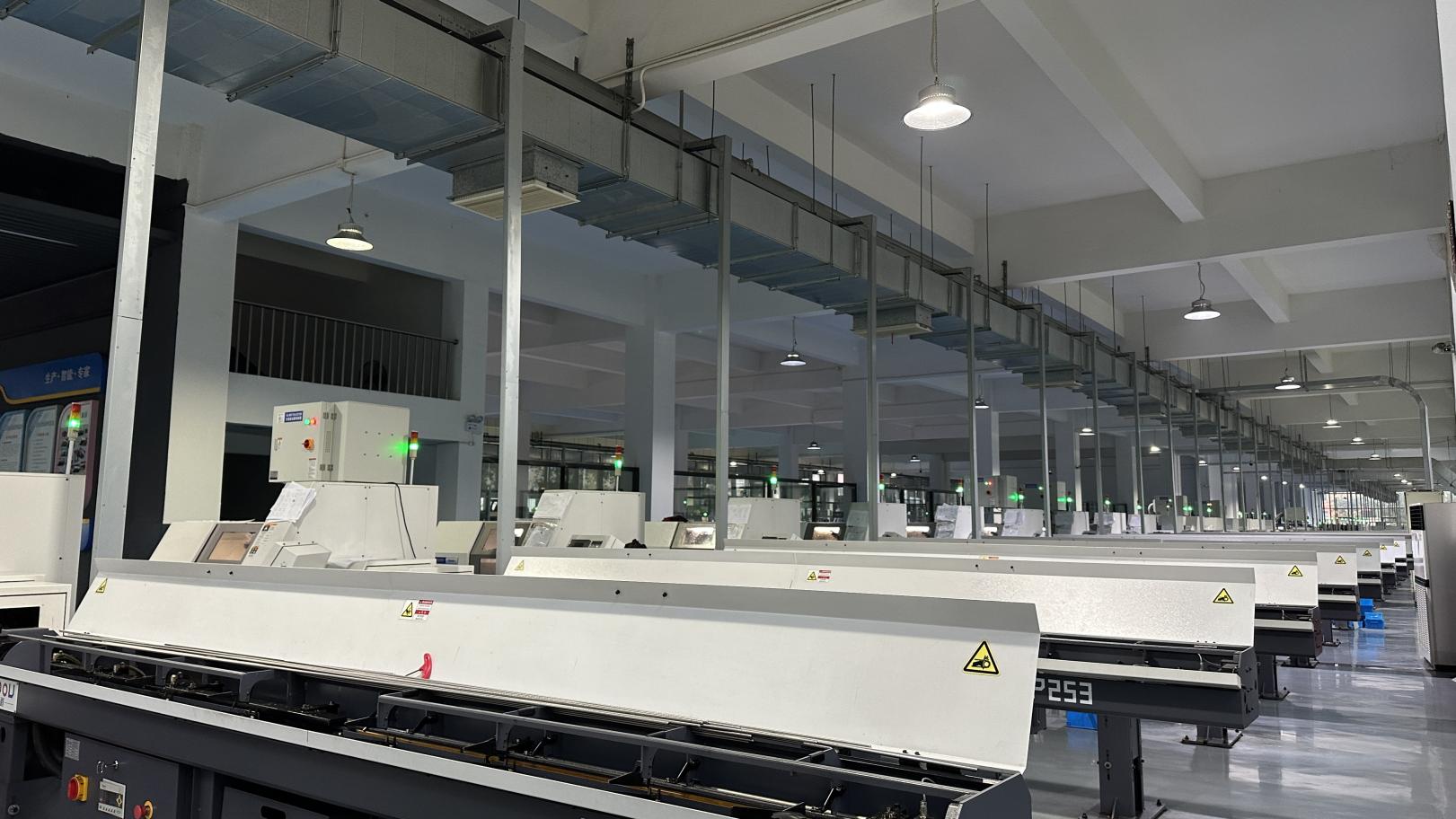
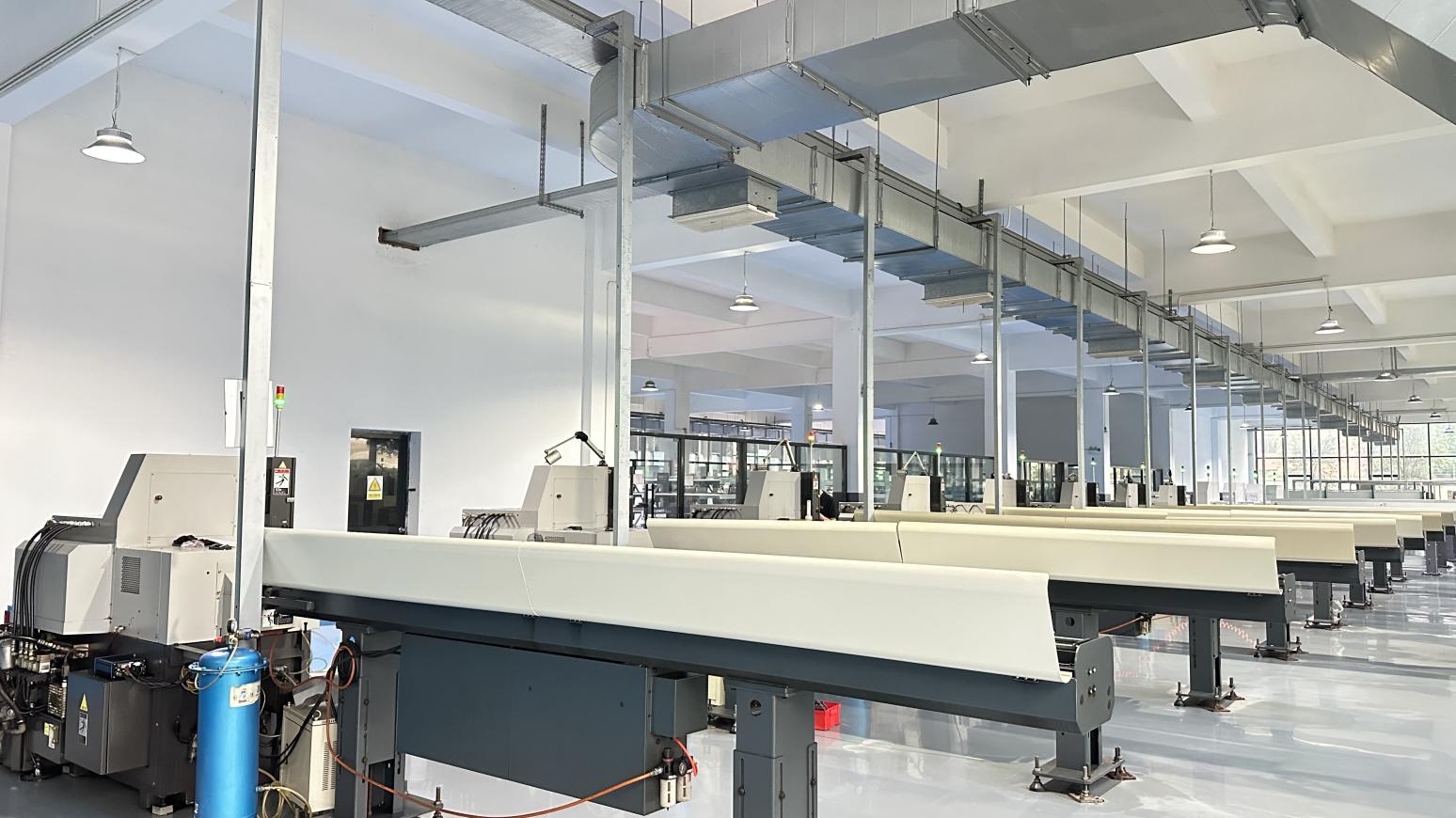
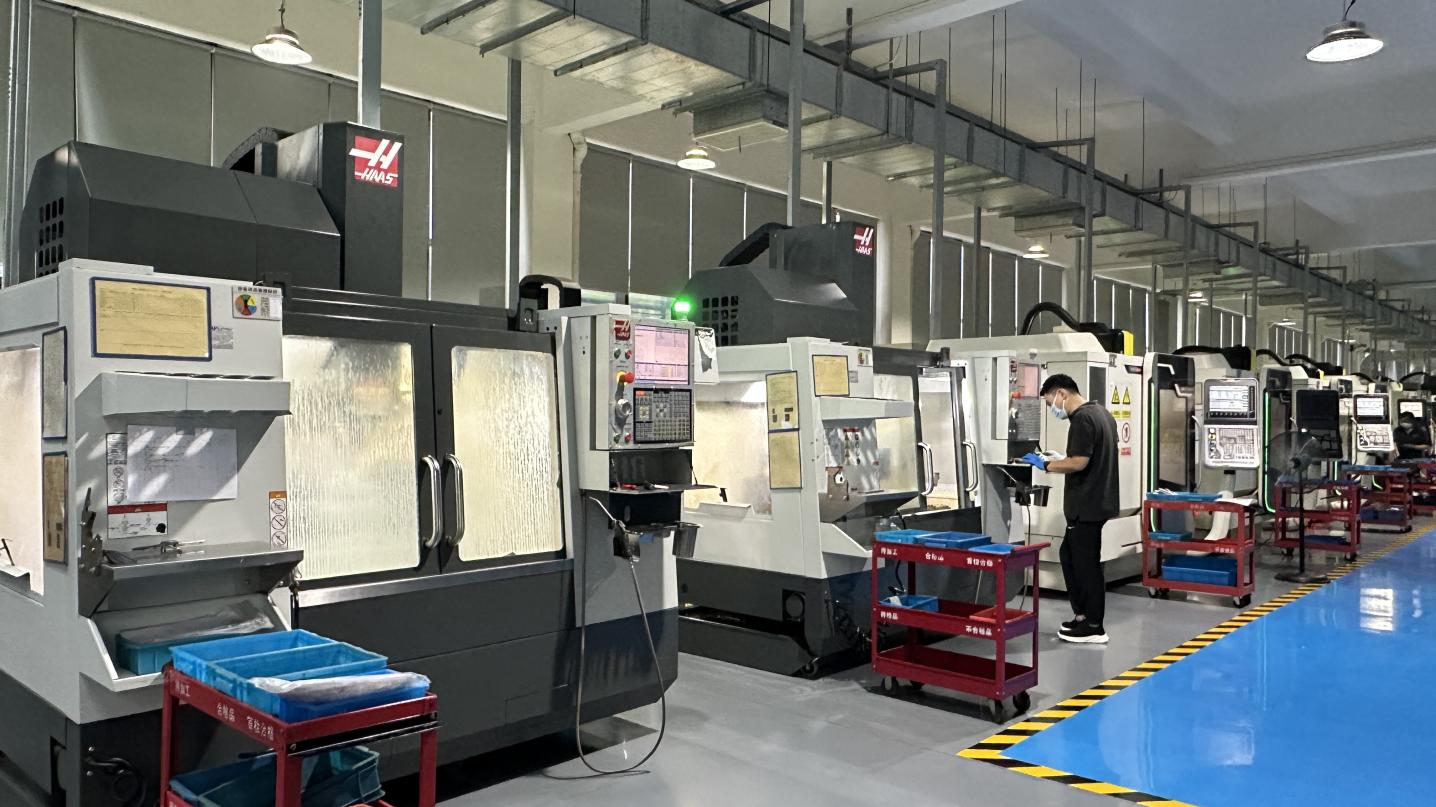
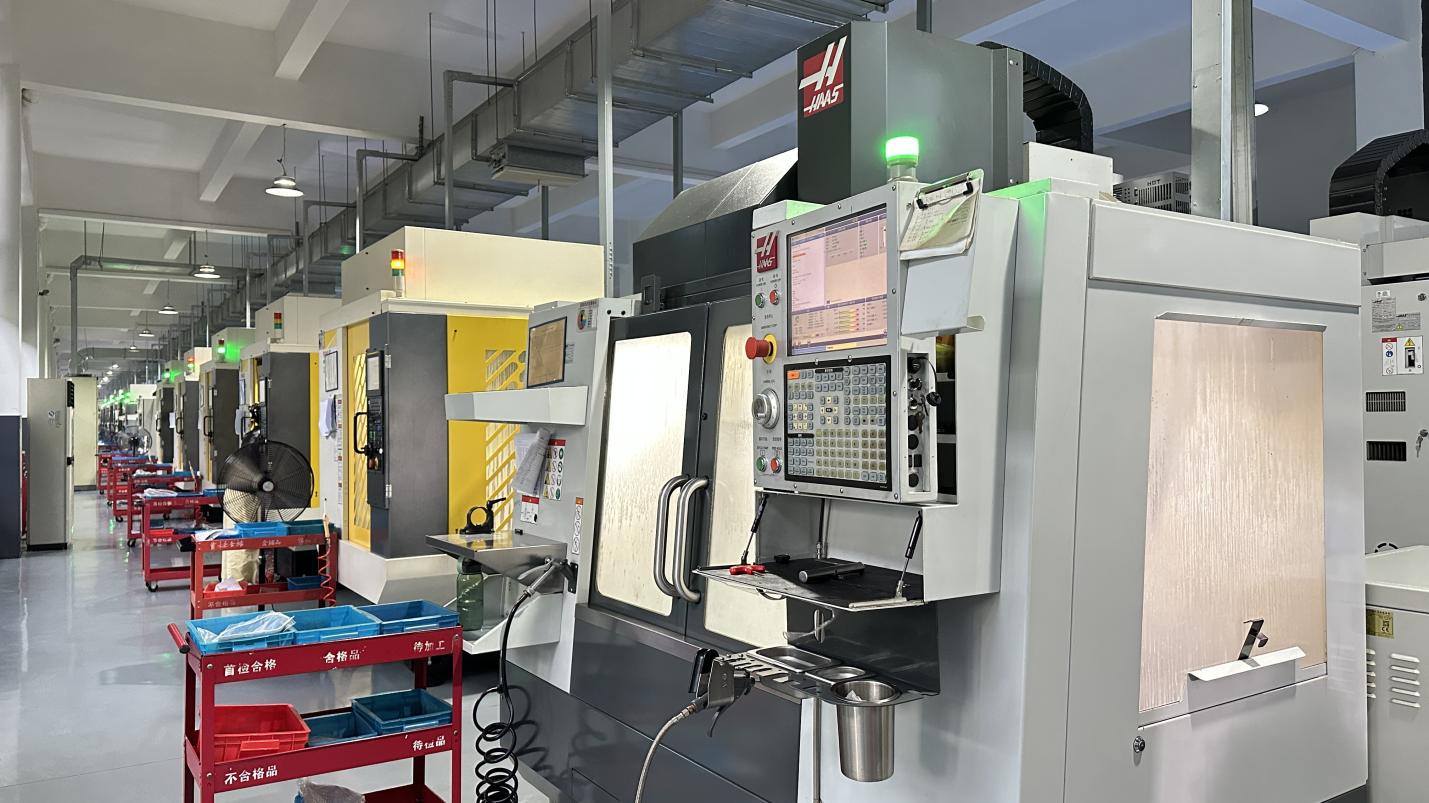
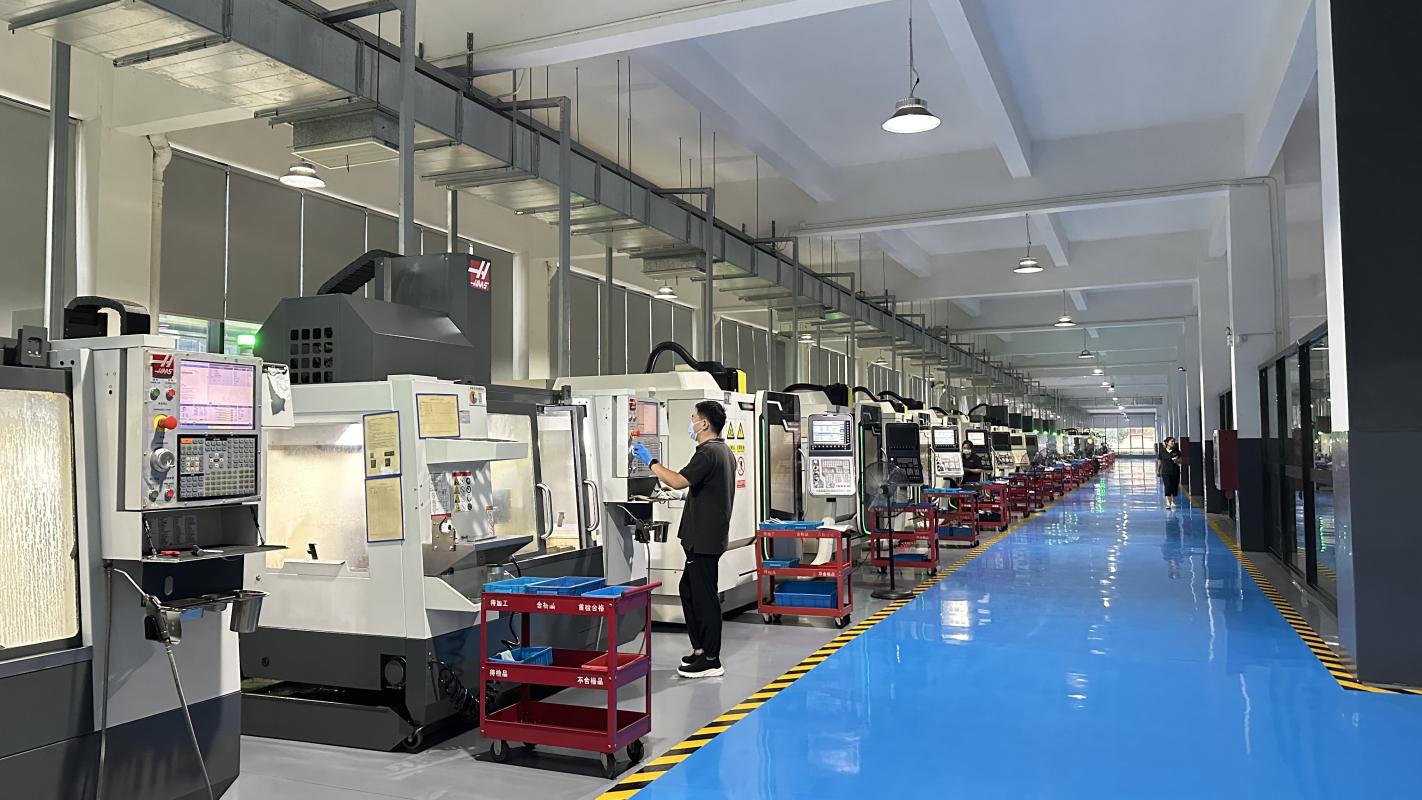
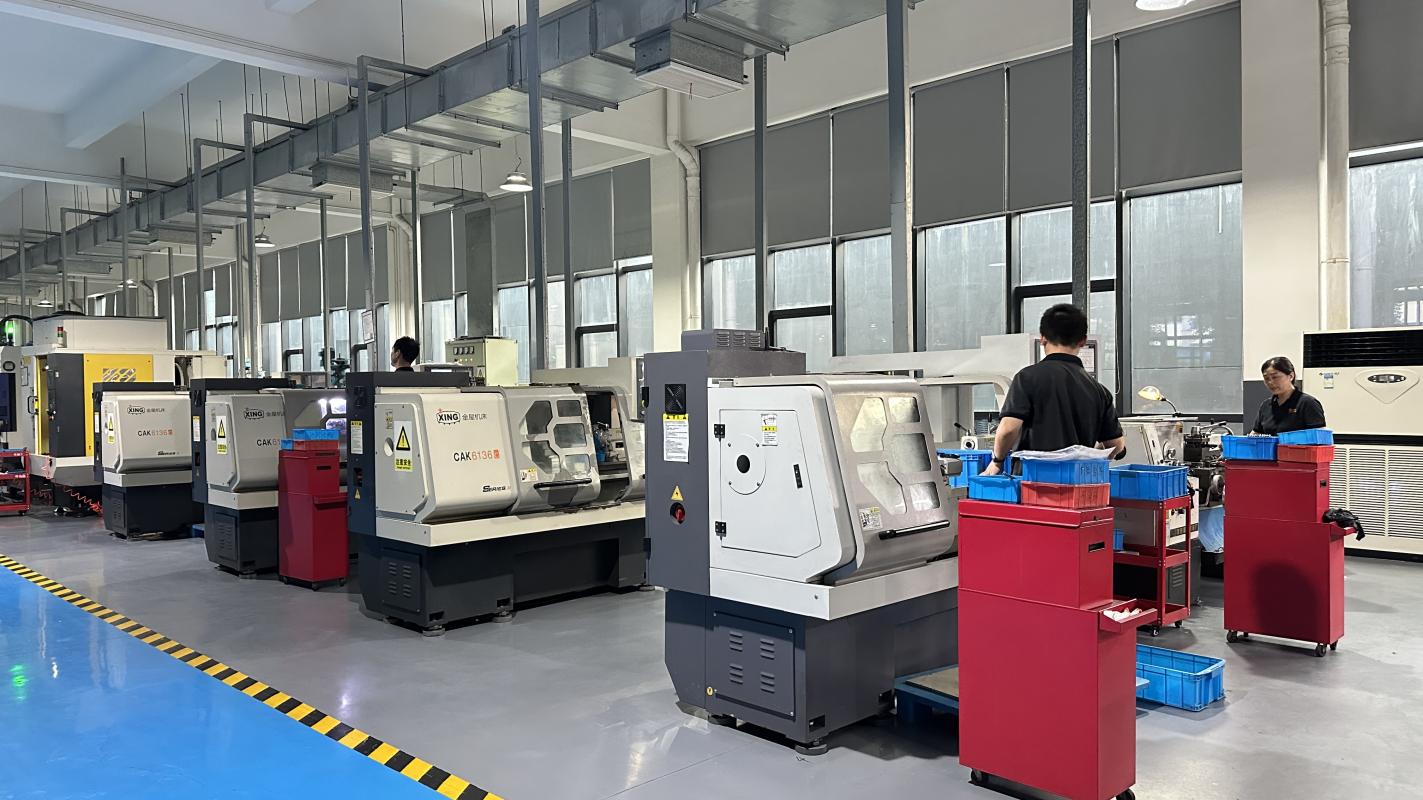
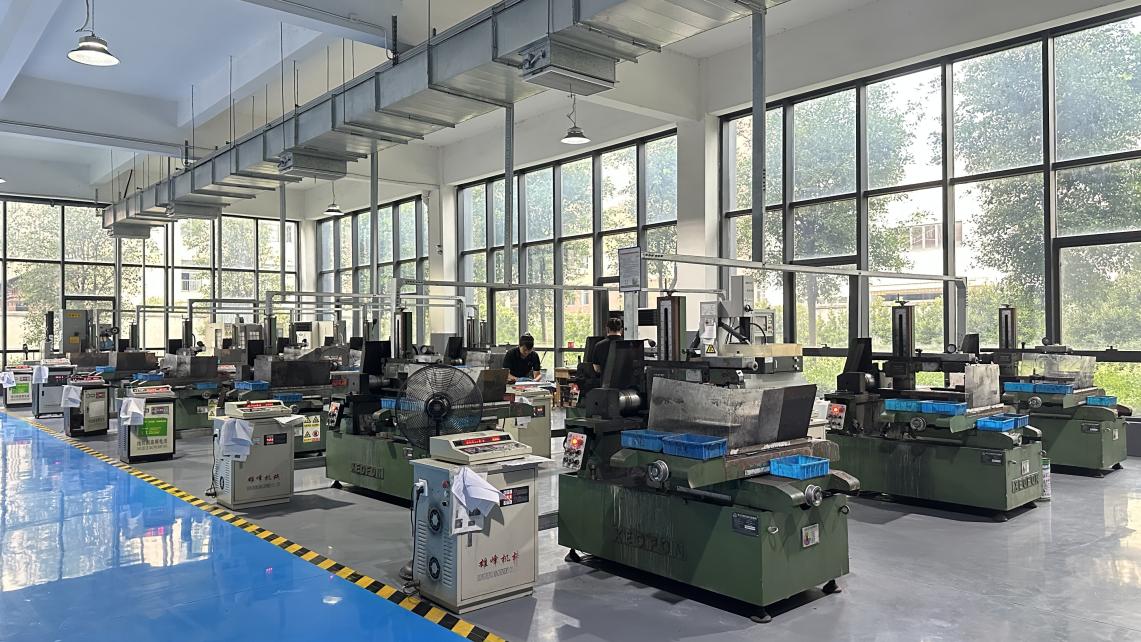
How specialized orthopedic clusters in China provide structural advantages in raw material access, precision machining, and scalable pricing.
The manufacturing ecosystem for medical devices in China has evolved beyond low-cost output to focus on structural supply chain integration. The consolidation of specialized titanium suppliers, tooling makers, and surface treatment facilities within key medical industrial zones allows manufacturers to optimize material handling and process timing. At Bonevia Orthopedic Technology Co., Ltd., this integrated network supports consistent production quality and helps mitigate market cost fluctuations.
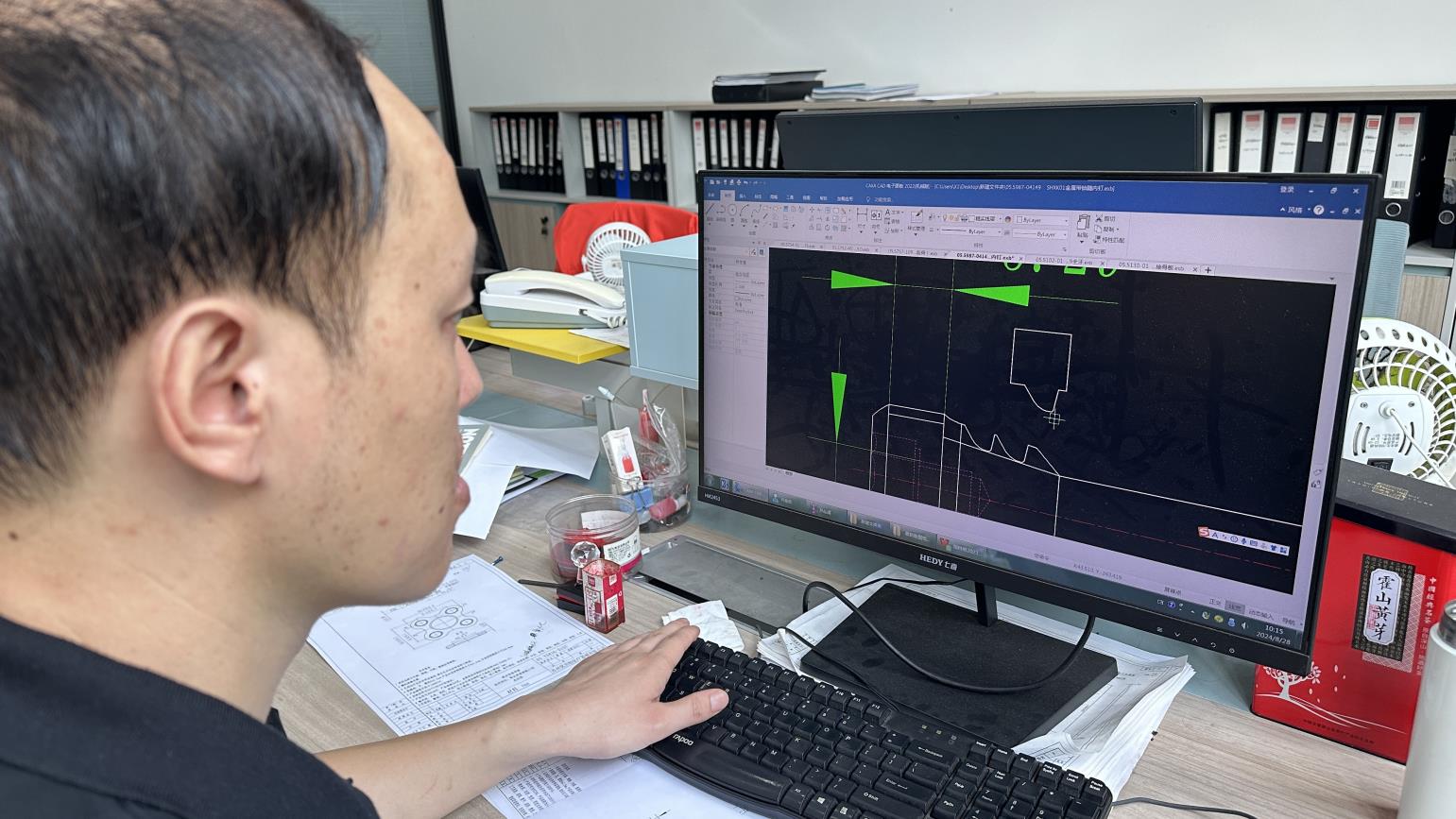
Our raw materials, including ASTM F136 medical-grade titanium and ISO 5832-1 implantable stainless steel, are sourced directly from partner mills. These suppliers provide certified material test reports (MTR) detailing chemical analysis and mechanical testing results. Our tooling setups utilize Swiss-type multi-axis CNC machining, wire electrical discharge machining (EDM), and automated cleaning. This setup ensures that complex clamp geometries and tight tolerances required for secure pin-to-rod configurations are reliably reproduced across large production runs.
Anticipating next-generation clinical demands through biomechanical innovation and lightweight, radiolucent assemblies.
Transitioning from traditional stainless steel and standard titanium alloys toward high-performance PEEK (Polyetheretherketone) and carbon-reinforced composite bars. This shift ensures artifact-free intraoperative fluoroscopy and post-operative CT/MRI imaging, enabling surgeons to monitor bone healing without obstruction.
Integrating 6-strut spatial circular rings with specialized software packages. These programs calculate patient-specific strut adjustments, allowing clinical teams to correct multi-axial deformities and manage complex bone-lengthening protocols with high precision.
Embedding micro-strain gauges and telemetry nodes directly into connecting rods. These sensors measure real-time changes in weight-bearing loads and structural stiffness, providing quantitative data to guide rehabilitation protocols and identify healing progress.
Optimized kits and modular systems designed to meet diverse healthcare needs from high-volume Level 1 trauma centers to remote field hospitals.
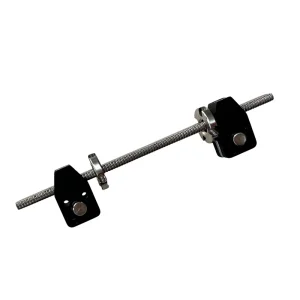
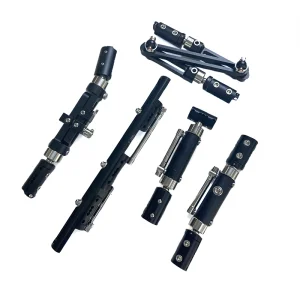
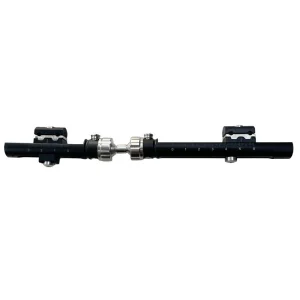
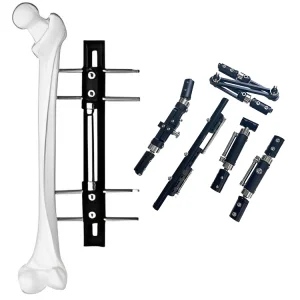
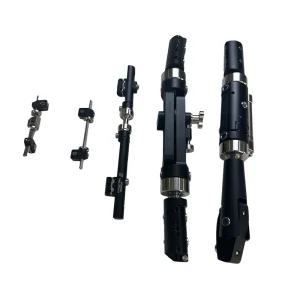
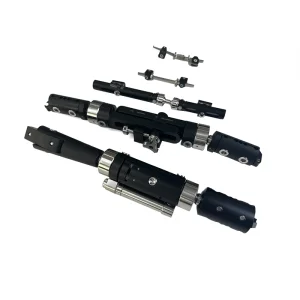
In high-pressure clinical environments, simplicity and predictability are critical to patient outcomes. External fixation components must be organized into standardized systems that allow quick assembly in the operating room. Bonevia provides integrated modular kits categorized by anatomical region—including pelvic, femoral, tibial, and small-bone wrist frames—ensuring surgical teams have access to matching pin-to-rod clamps, connection bars, and self-drilling Schanz pins.
For large-scale medical distribution networks, managing multiple stock keeping units (SKUs) is a common challenge. We address this by utilizing universal connector blocks and modular coupling designs compatible with established international trauma systems. This standardizes replacement inventories for hospitals, reduces shipping overhead, and minimizes training requirements for surgical technicians handling trauma kits in multiple regions.
Critical benchmarks and quality metrics for procurement officers evaluating external fixation manufacturers.
Procuring orthopedic implants requires careful verification of technical and regulatory compliance. When assessing overseas manufacturing partners, hospital purchasing agents and medical device distributors should evaluate the following key parameters:
Direct technical answers addressing the engineering, regulatory, and logistics questions of orthopedic buyers.
High-precision micro-constructs and pediatric/small-fragment systems engineered for reconstructive surgery and bone transport.