Bonevia
Bonevia
Bonevia
Explore our elite selection of orthopedic titanium intramedullary implants designed for anatomical precision and physiological loading.
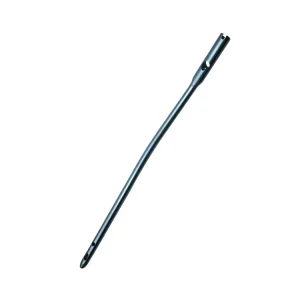
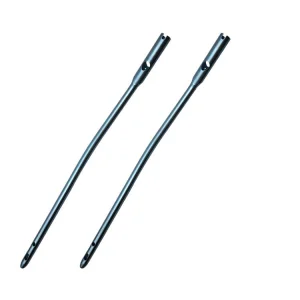
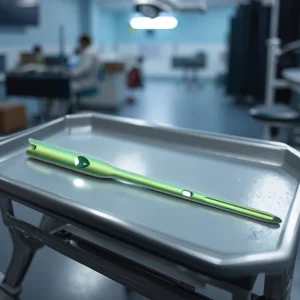
Intramedullary (IM) nailing stands as the gold standard for the internal fixation of long-bone diaphyseal fractures. By acting as a load-sharing device, IM nails align bone fragments from within the medullary canal, facilitating early weight-bearing and accelerating callusal bone healing.
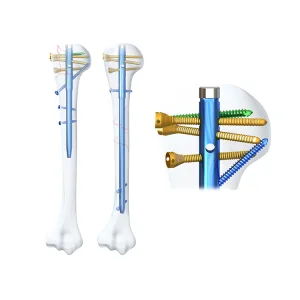
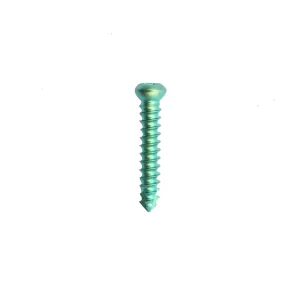
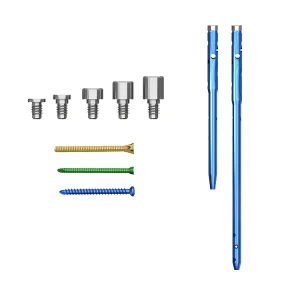
Unlike rigid plate-and-screw constructs that act as load-bearing structures and can cause stress shielding, an intramedullary nail provides stable mechanical alignment while allowing controlled micro-motion. This stimulates secondary endochondral ossification. Key elements such as interlocking proximal and distal screws secure rotational alignment and length maintenance in complex comminuted or unstable fractures.
For orthopedic surgeons and clinical procurement coordinators, selecting the appropriate implant system requires strict evaluation of material purity, tensile strength, fatigue resistance, and anatomical geometries. The choice between titanium alloys and medical-grade stainless steel significantly impacts biocompatibility, elasticity matching, and post-implantation diagnostic compatibility (e.g., MRI artifacts).
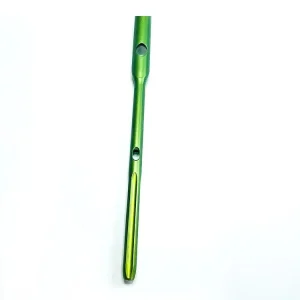
Constructed from Ti-6Al-4V ELI (Grade 5 ASTM F136), our intramedullary systems closely mimic the elastic modulus of cortical bone, minimizing stress shielding and maximizing corrosion resistance.
Advanced multi-planar interlocking configurations provide superior torque transmission and resist axial shortening, providing optimal stabilization of metaphyseal-diaphyseal transitions.
Offering both reamed cannulated nails for guided wire application and solid nails for unreamed techniques to match varying clinical protocols and reduce infection risks.
Discover how Bonevia Orthopedic Technology Co., Ltd. blends cutting-edge processing, rigorous testing, and experienced engineering to deliver regulatory-compliant orthopedic solutions globally.
Established in 2015, Bonevia Orthopedic Technology Co., Ltd. has established itself as an innovative force in the manufacturing of trauma, spine, and joint reconstruction products. The company operates a specialized high-precision manufacturing space of 320㎡ dedicated to advanced CNC prototyping, cleanroom packing, and final quality control stages, driving an impressive annual export volume ranging from USD 8 to 15 million.
With over 10 years of industry experience and 6 years of global export experience, Bonevia serves an expansive clinical ecosystem, supplying hospitals, specialized orthopedic trauma clinics, and medical device distributors across Europe, Southeast Asia, the Middle East, and South America. Supported by a robust network of over 850 raw material and logistics partners, Bonevia maintains stable sourcing and consistent supply chain fluidity.
At the core of Bonevia's competitive edge is its dedicated research and engineering program. With an R&D department containing 85 experienced engineers, the company successfully designed and deployed 120 new products and instrument modifications within the last 12 months. This powerful technical team enables seamless OEM and ODM services, tailoring intramedullary systems to match regional surgical variations or custom instrument parameters.
Every implant undergoes a precise, multi-stage production sequence inside our advanced facility to ensure absolute geometric accuracy and biomechanical stability.
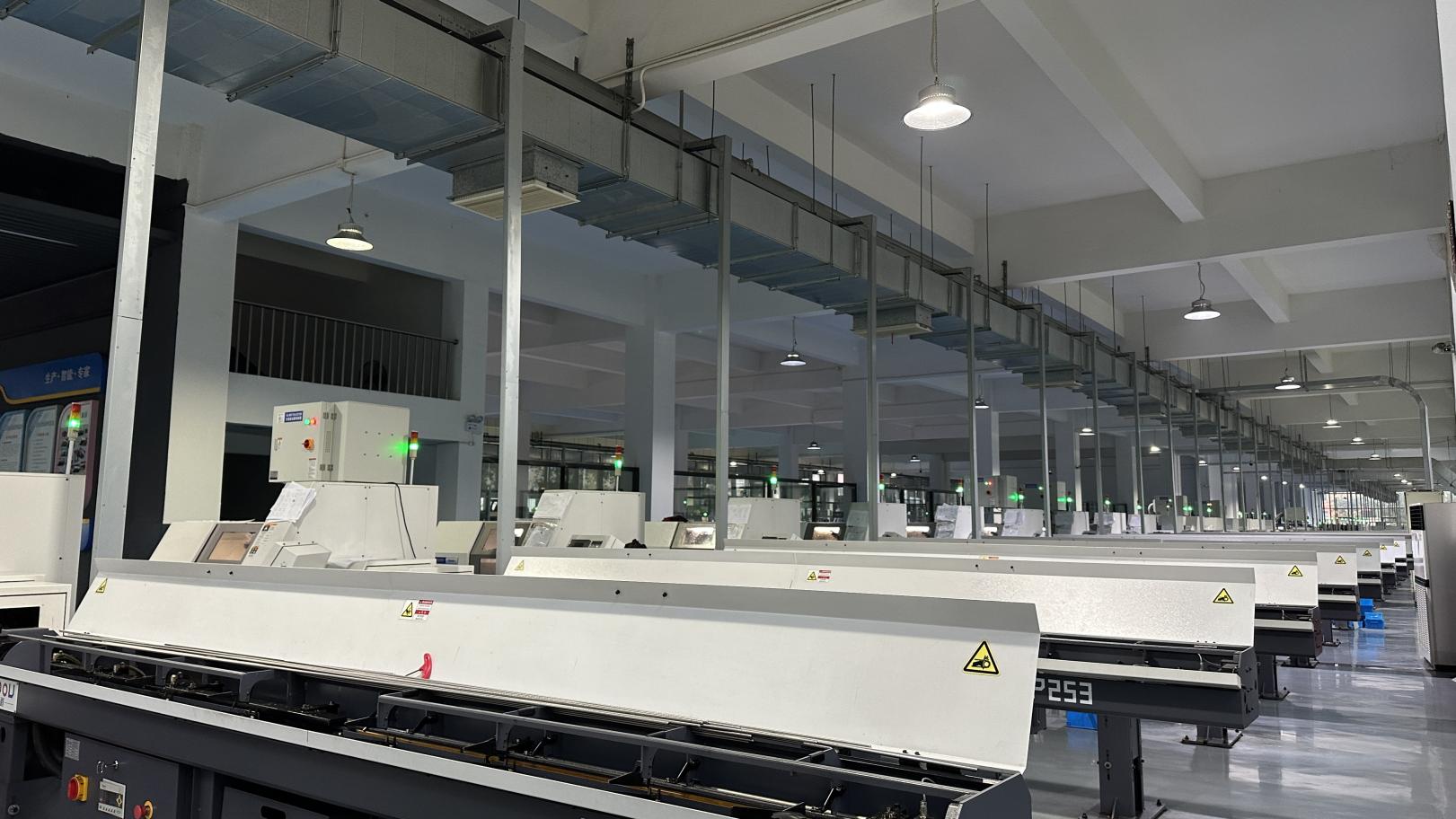
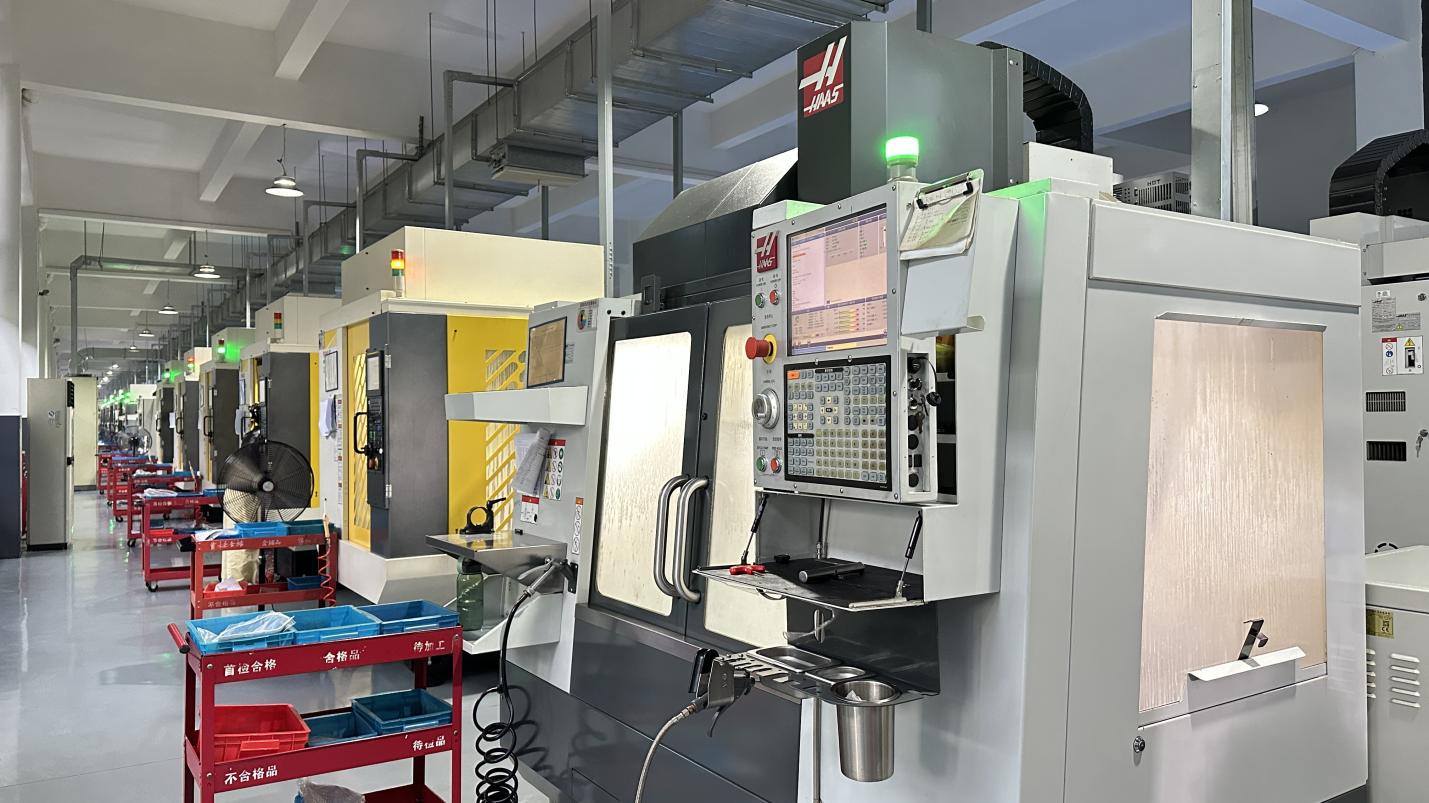
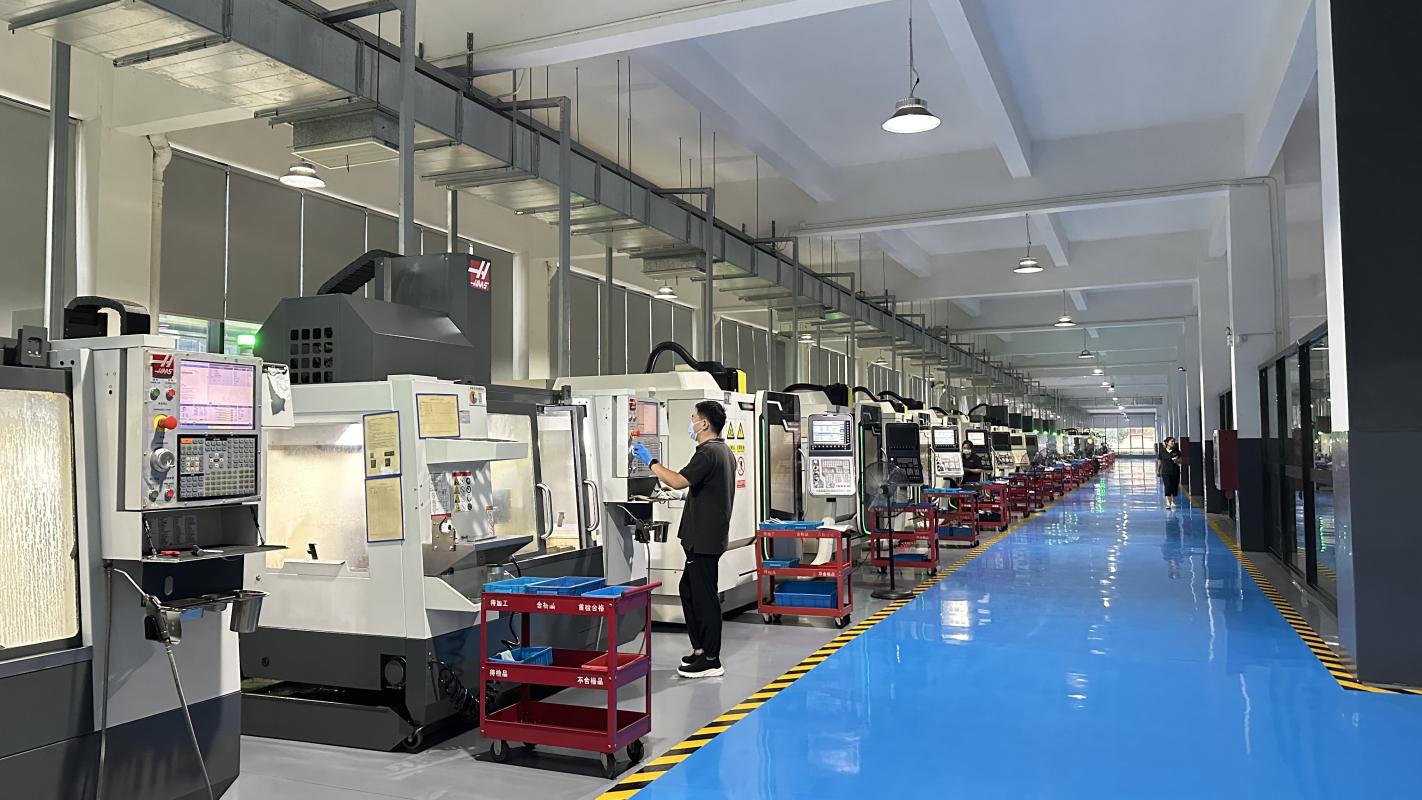
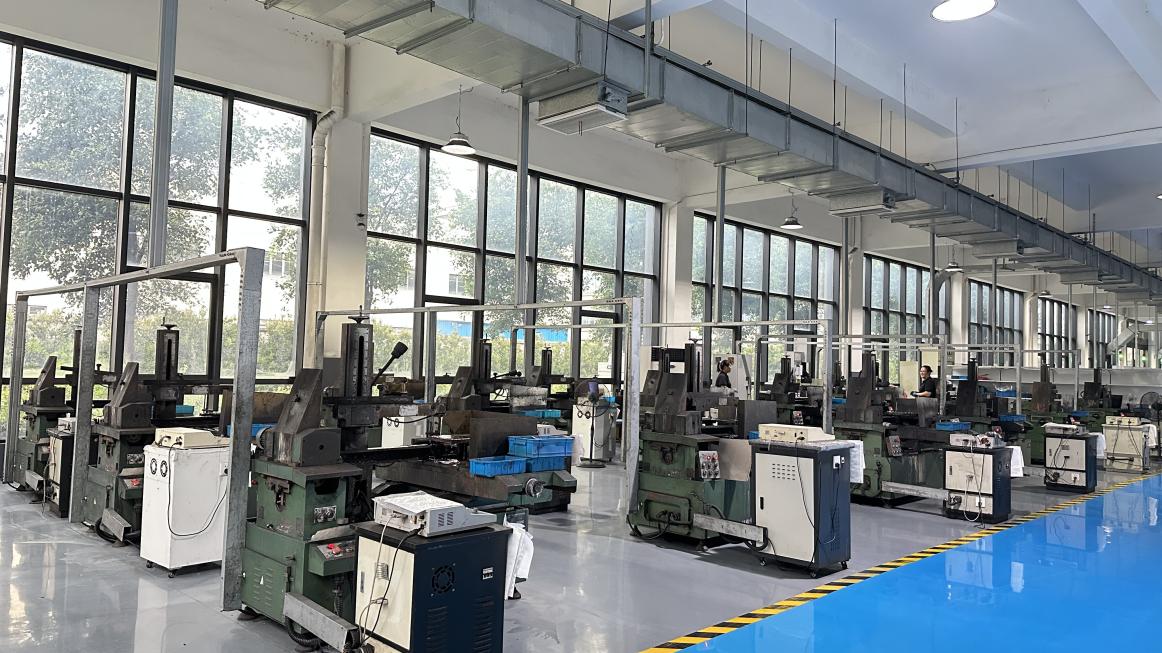
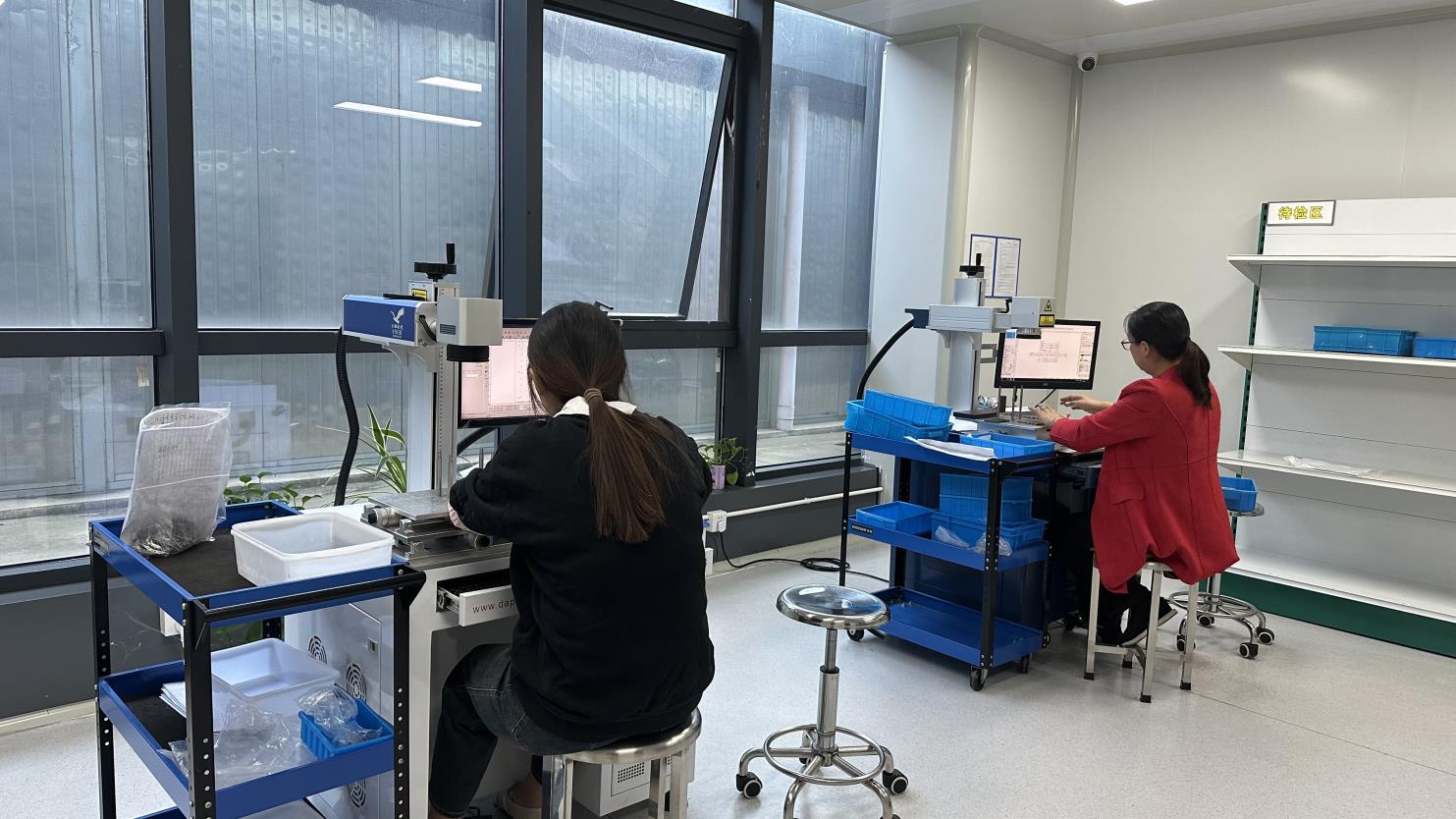
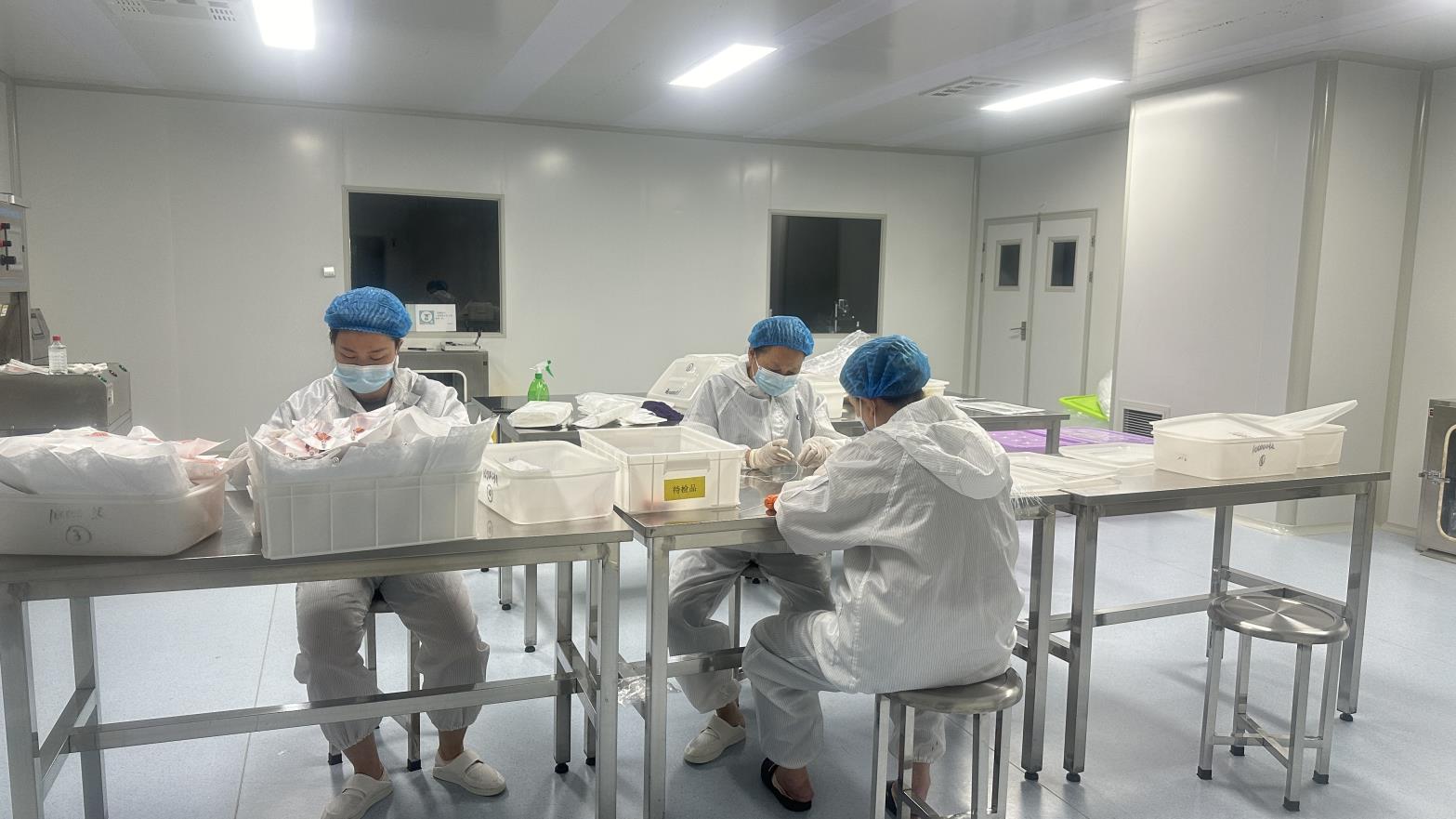
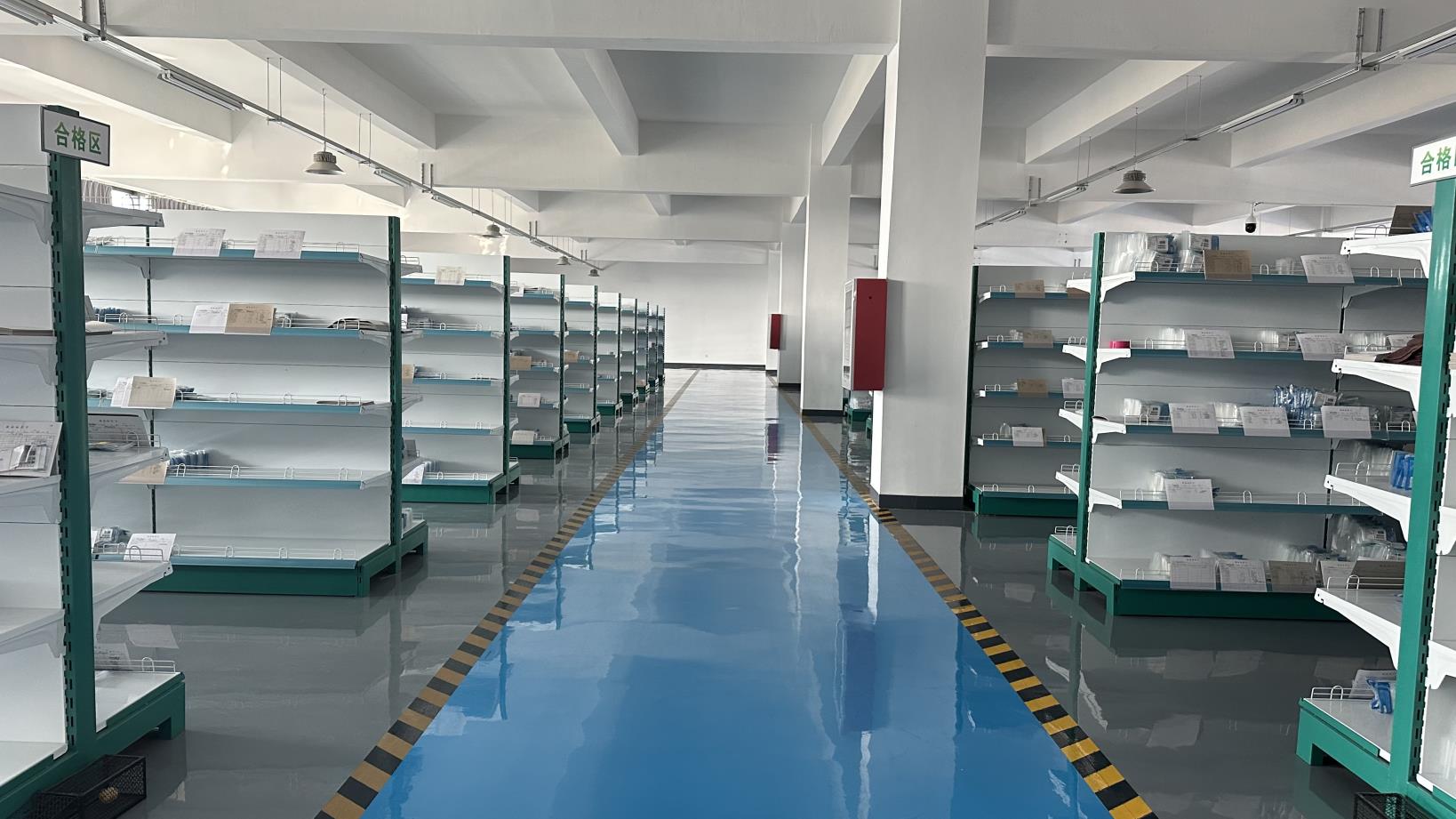
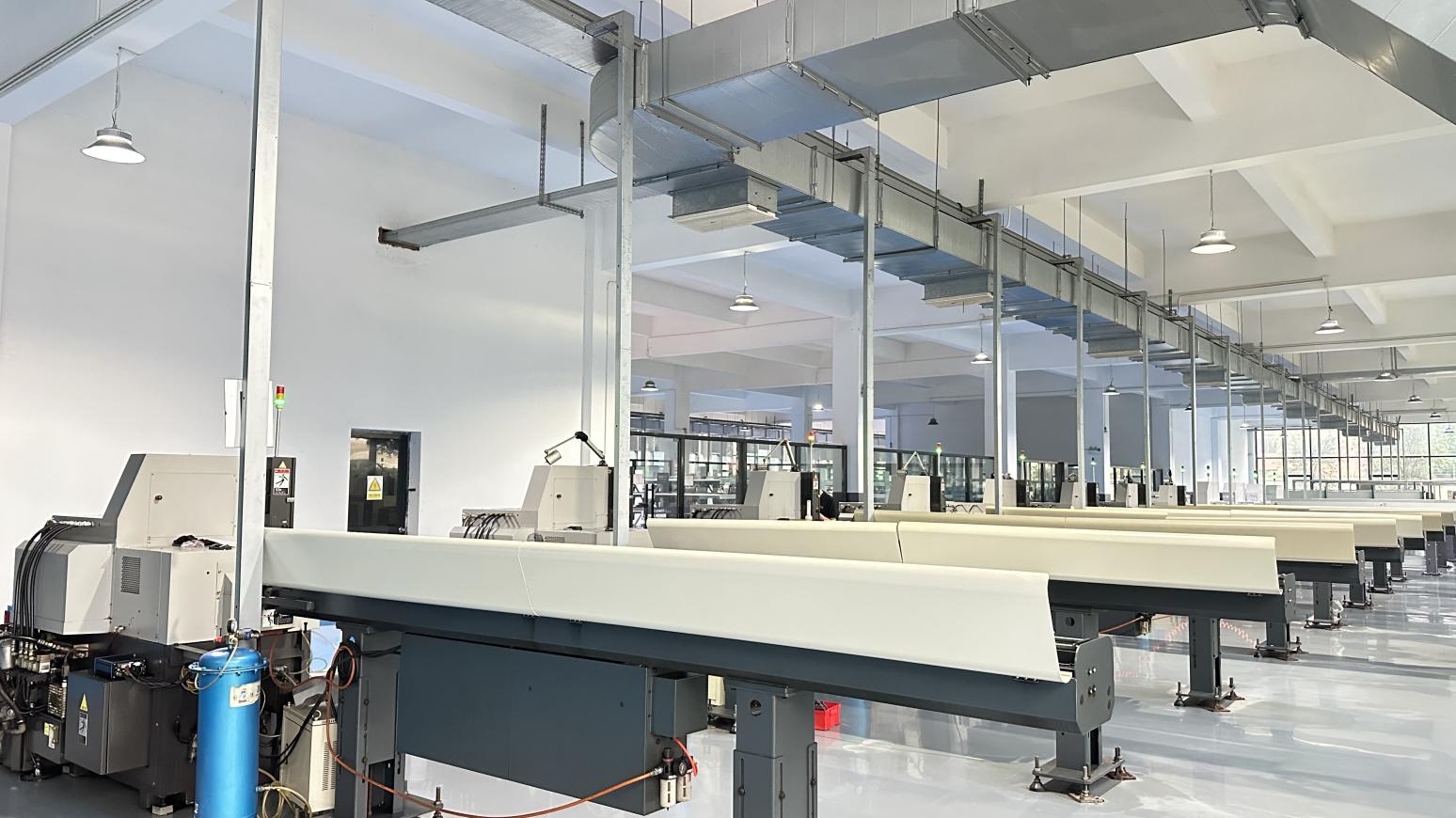
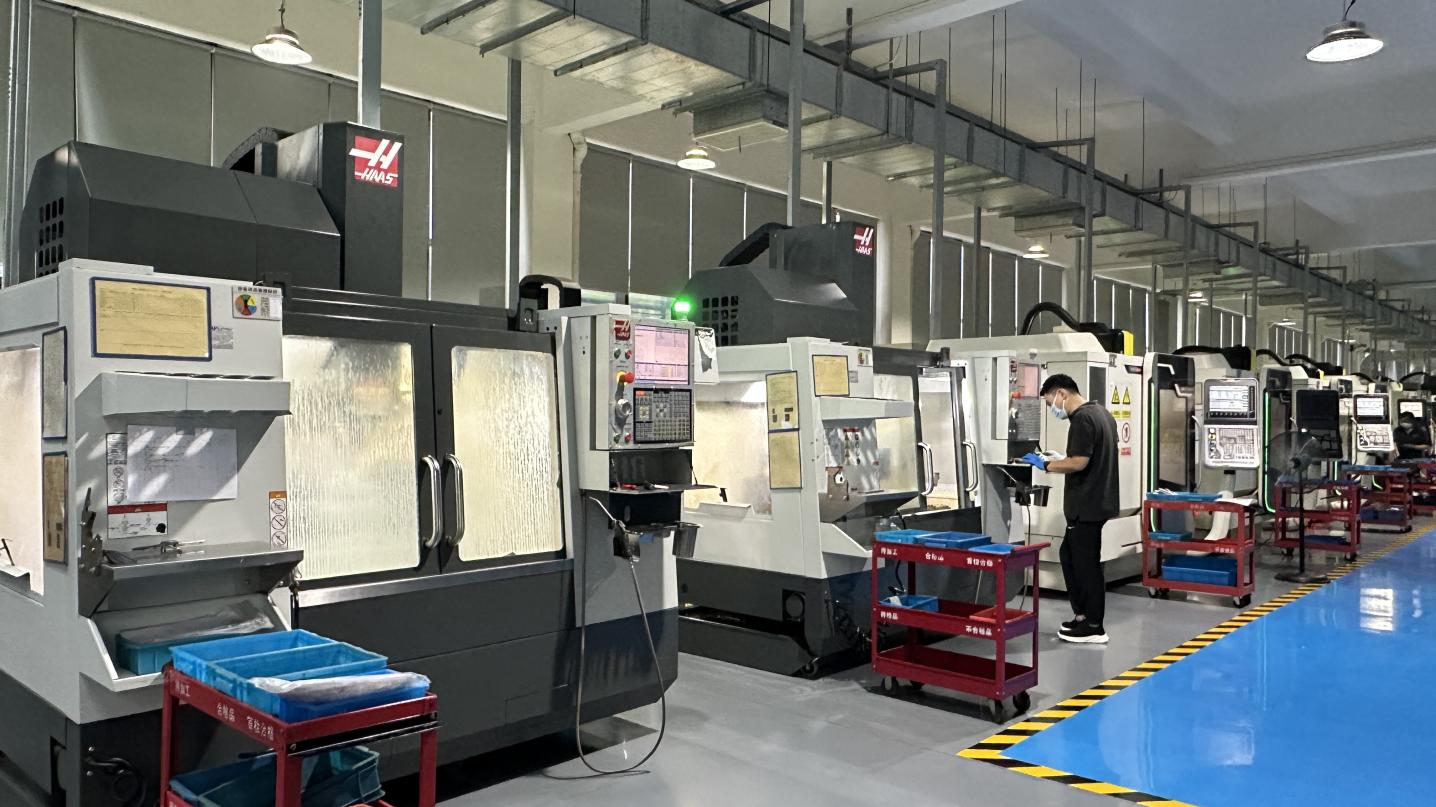
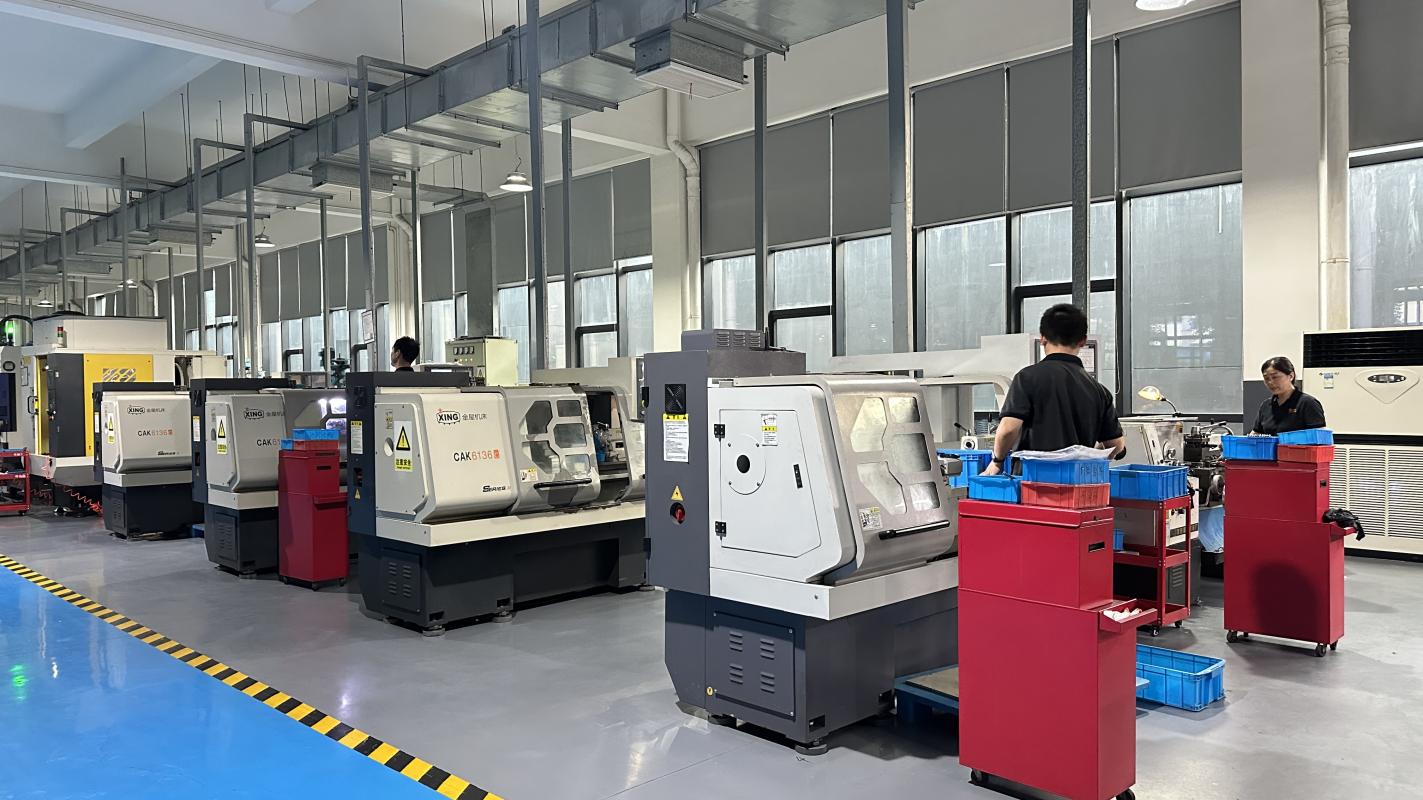
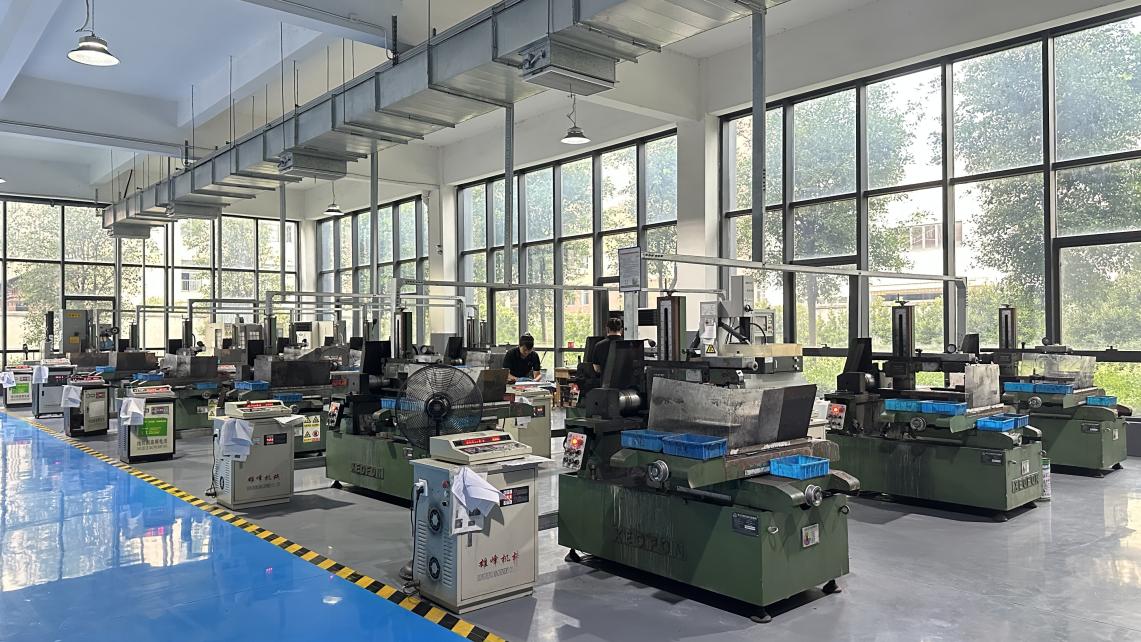
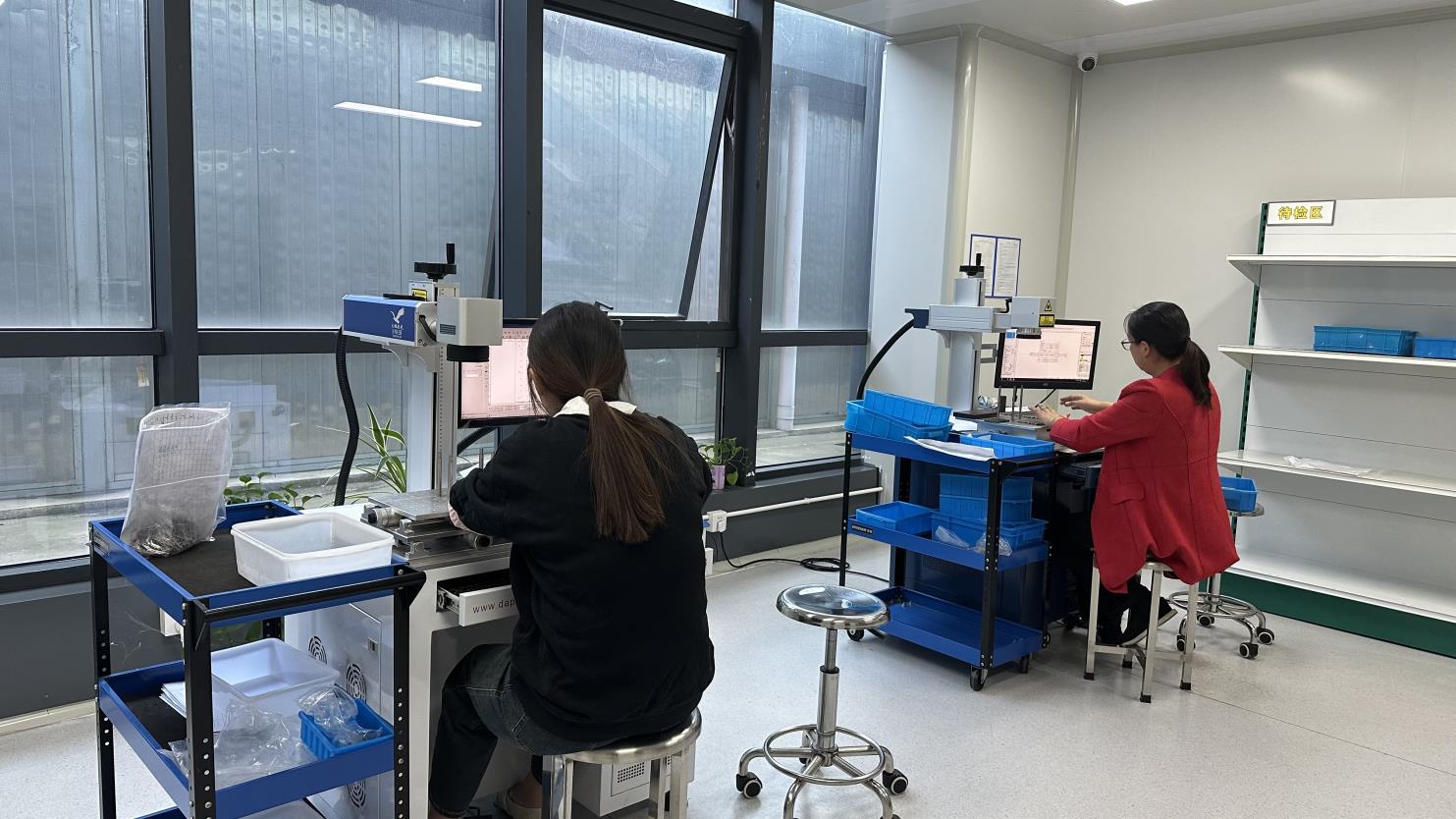
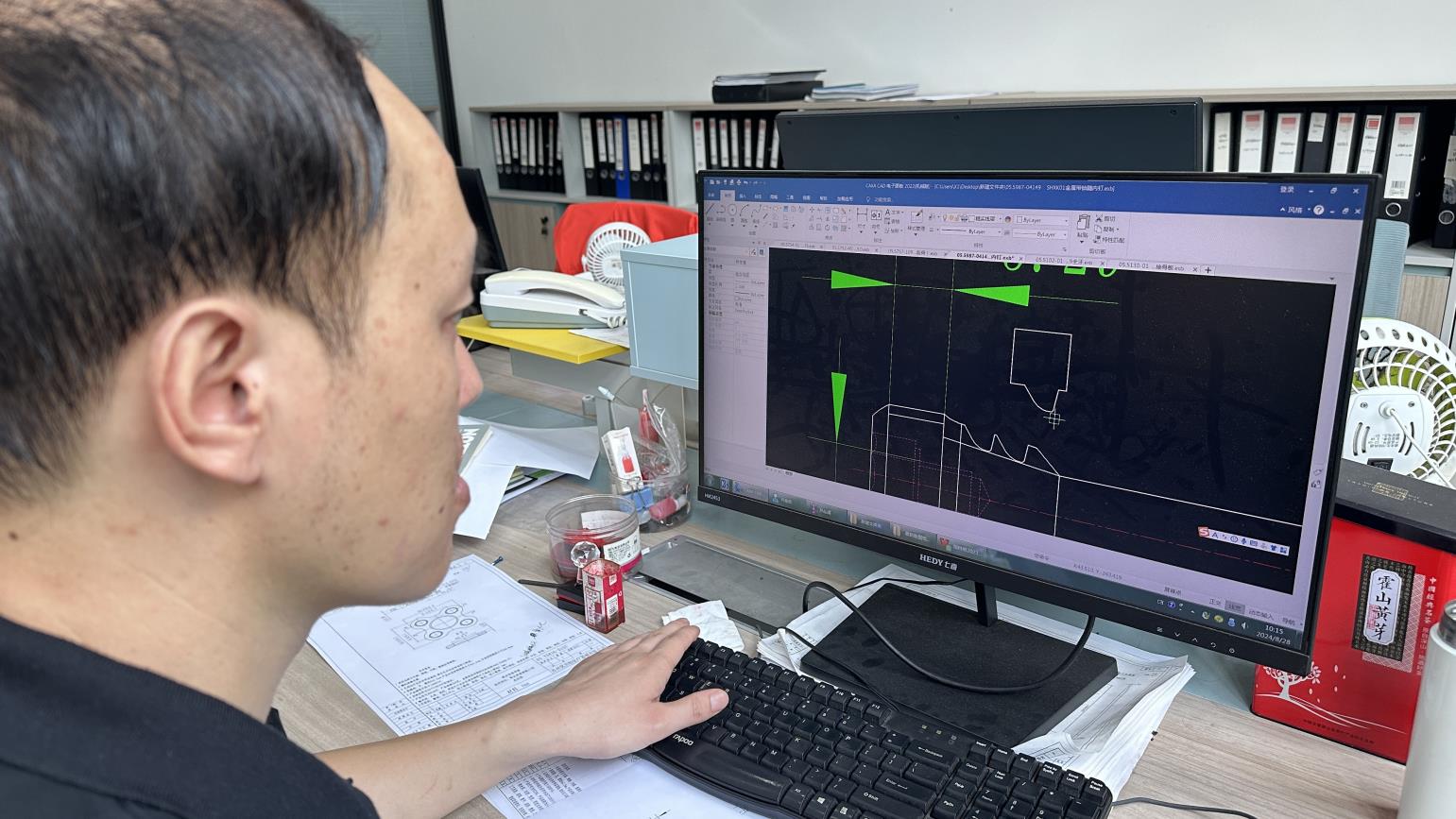
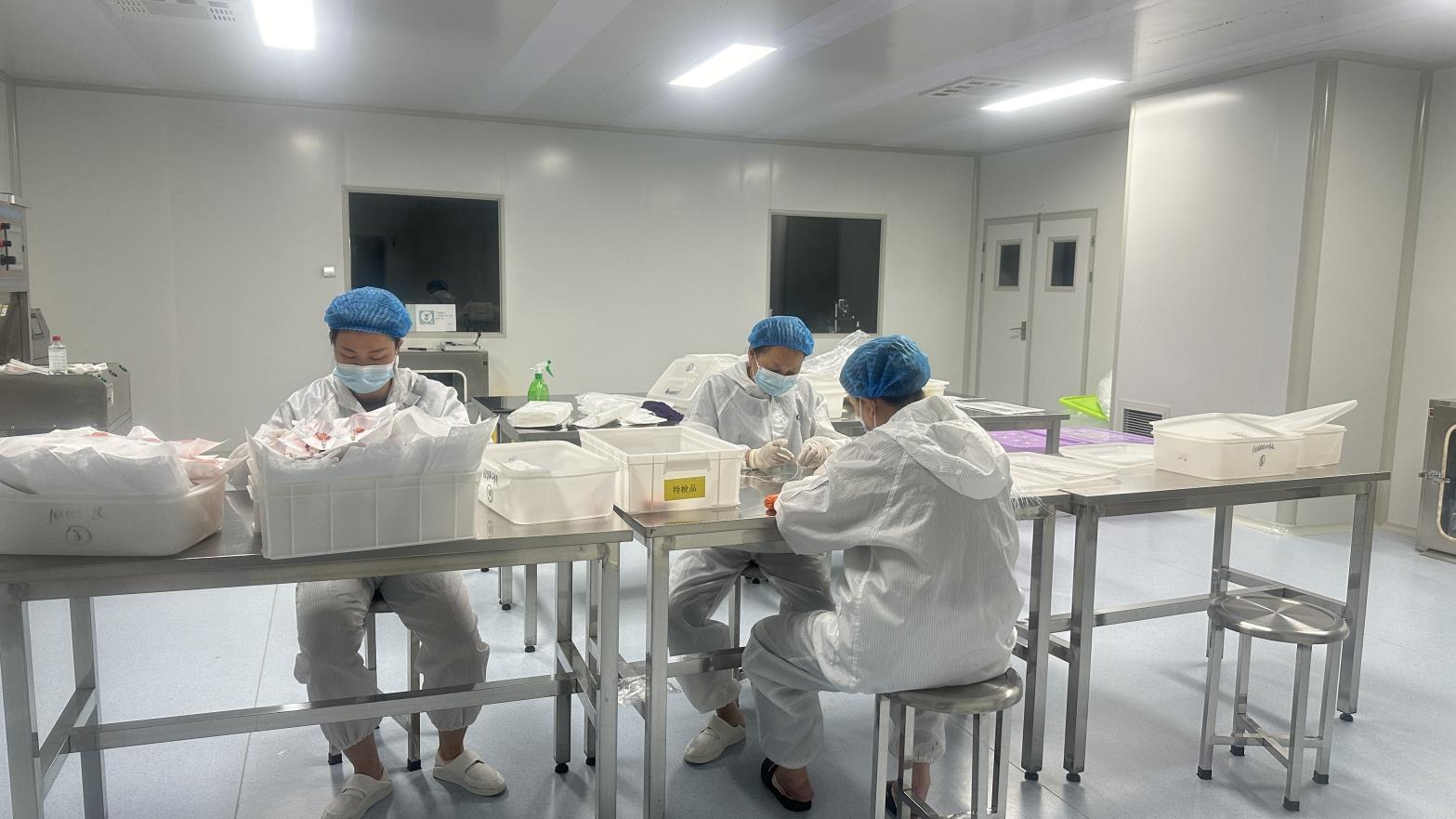
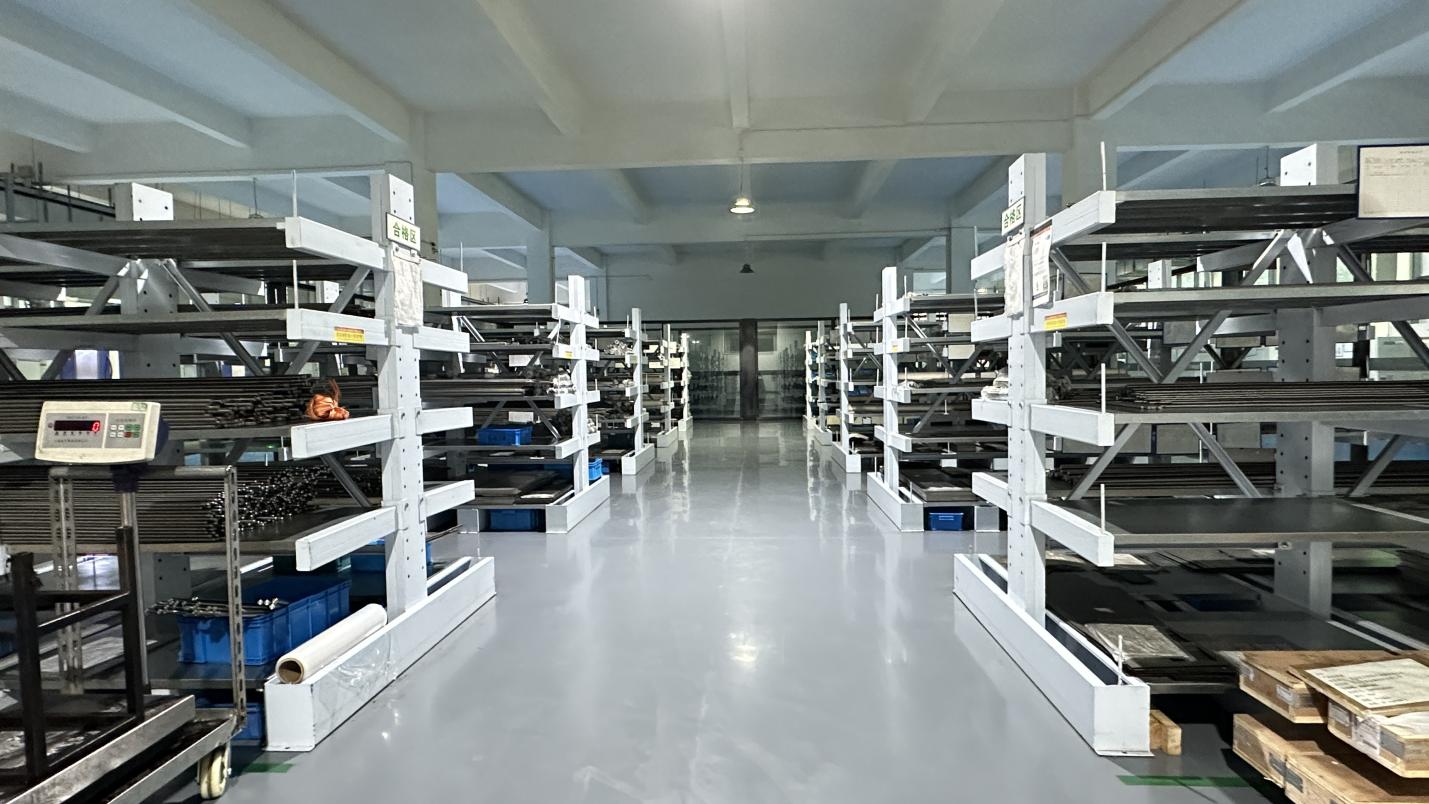
China's medical implant manufacturing sector has evolved into a global center for high-tech machining and raw material access. Our facility integrates raw materials sourced from medical-grade titanium specialists with precision processing machinery, resulting in a competitive cost-to-quality ratio.
By conducting all operations in-house—from initial Swiss-type lathe turning and Wire EDM cutting to laser marking and sterile-barrier packaging—we cut down operational waste. This vertical integration allows Bonevia to offer B2B procurement terms that support distributors and healthcare groups worldwide without compromising on material performance.
Quality assurance is maintained by a specialized team of 35 quality control professionals. Our testing protocol spans three distinct levels:
| Compliance Parameters | Bonevia Technical Standard | Clinical Relevance |
|---|---|---|
| Material Standard | ASTM F136 / ISO 5832-3 (Ti-6Al-4V ELI) | Minimized allergy risk, high fatigue life |
| Biocompatibility | ISO 10993 Certified | Zero cytotoxic responses, long-term safety |
| Sterility Level | SAL 10-6 (EtO / Gamma Option) | Prevents implant-associated osteomyelitis |
| Surface Quality | Anodization, Ra < 0.4 μm | Decreases soft-tissue attachment, speeds recovery |
| Precision Margin | ± 0.01 mm CNC Tolerance | Precise instrumentation fit, smooth locking |
A comparative overview of targeted skeletal systems, mechanical features, and localized support protocols.
| System Type | Anatomical Site | Core Structural Feature | Locking Dynamic | Primary Clinical Intent |
|---|---|---|---|---|
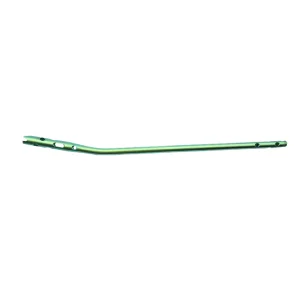
| PFNA System | Proximal Femur (Trochanteric, Subtrochanteric) | Helical Blade with compaction design | Dynamic / Static combined | Cut-out prevention in osteoporotic patients |
| Tibial Interlocking | Tibia Shaft (Diaphyseal, Metaphyseal) | Multi-planar distal and proximal configurations | Distal dynamic option | Axial compression & rotational control |
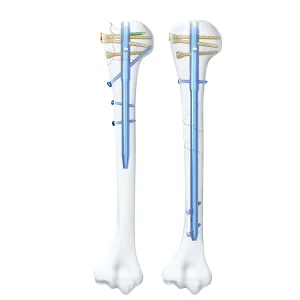
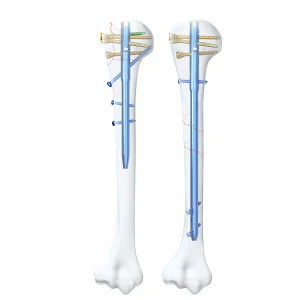
| Humeral Multi-Loc | Humerus (Proximal, Mid-shaft) | Angular locking screws with polyaxial insertion | Angulated lock | Preserves rotator cuff function |
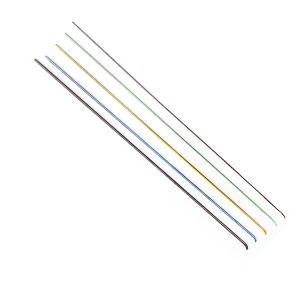
| Elastic Nails (TENS) | Pediatric Long Bones (Femur, Tibia, Forearm) | Symmetrical three-point mechanical stability | Frictional elasticity | Avoids damage to growth plates (physeal preservation) |
Managing pediatric long-bone fractures demands a specialized biomechanical approach. Because children have active growth plates (physes), traditional rigid locking nails are contraindicated in patients with open growth plates due to the risk of premature physeal closure or avascular necrosis.
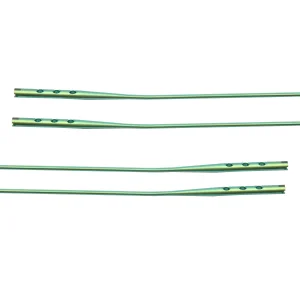
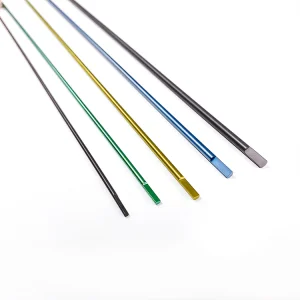
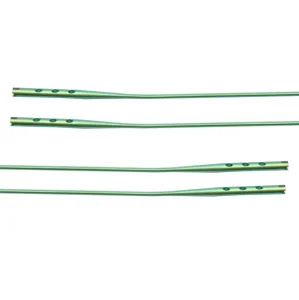
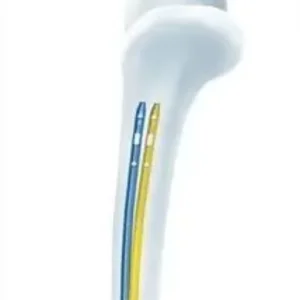
Our Pediatric Titanium Elastic Nails (TENS) leverage the mechanical principles of symmetric three-point fixation. By inserting two elastic titanium nails opposingly, the implants generate a balanced force system that resists bending and rotation. This construct permits micro-motion, which supports rapid periosteal callusal formation while protecting the epiphyseal plates.
Our TENS system is available in diameters from 1.5mm to 4.0mm to support varying medullary diameters. Made from Grade 5 titanium, these nails offer the necessary flexibility for retrograde or antegrade insertion while retaining structural memory and axial load stability.

Technical and regulatory insights for hospital procurement officers, medical distributors, and surgical consultants.
Select from our range of locking systems, elastic nails, and matching instrumentation designed for anatomical fixation.