Bonevia
Bonevia
Bonevia
Explore our top-tier CE-marked surgical fixation screws, implants, and corresponding instruments designed for complex osteotomy and trauma reconstructions.
Analyzing the commercial demands of modern clinical procurement groups, healthcare networks, and medical distributors for bone fixation systems.
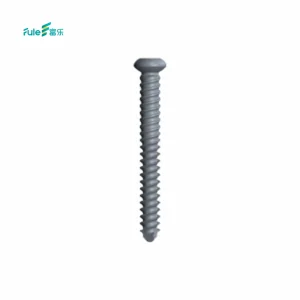
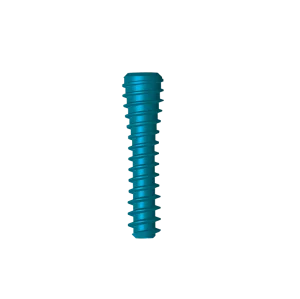
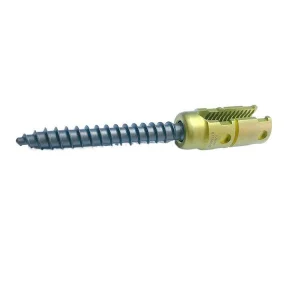
Modern surgical pathways demand standardized cannulated screws featuring superior biocompatibility and mechanical longevity. Orthopedic surgeons choose self-tapping, self-drilling structures to minimize intraoperative time and secure anatomical compression without risking bone graft fracture. Procurement leads analyze pull-out force tolerances and thread design optimizations to lower patient re-operation rates.
Global supply disruptions necessitate localized warehousing and robust production infrastructure. Hospitals and international distributors prioritize orthopedic implant suppliers that maintain massive raw material inventories of implant-grade titanium alloys (Ti-6Al-4V ELI) and offer rapid shipping options. Consistent batch delivery ensures no interruption to emergent orthopedic trauma surgeries.
Clinical scenarios present anatomical variations that require customized implant systems. Forward-thinking orthopedic device manufacturers leverage dedicated engineering teams to create bespoke thread profiles, custom lengths, and variable cannulation apertures. Seamless integration of client blueprints into production guarantees accurate replication of specialized instrument components.
Deep dive into the material properties, thread configurations, and mechanical advantages of high-performance cannulated screw systems.
| Feature Parameter | Technical Specification | Clinical / Biomechanical Benefit |
|---|---|---|
| Base Metallurgy | ASTM F136 Implant-Grade Titanium Alloy (Ti-6Al-4V ELI) | Maximum strength-to-weight ratio, high fatigue resistance, and superior long-term biocompatibility. |
| Cannulation Diameter | Ø 1.1 mm to Ø 3.2 mm (Optimized to Guidewires) | Enables absolute precision in trajectory, reducing displacement during final screw advancement. |
| Thread Form Options | Partial Thread vs. Fully Threaded (Cortical & Cancellous) | Partial threads offer superior lag effect for fracture compression; full threads optimize load distribution. |
| Head Architecture | Low-profile countersunk dome with Torx/Hexagonal drive | Reduces postoperative soft tissue irritation while permitting high insertion torque without stripping. |
| Surface Processing | Anodic Oxidation / Acid-etched micro-texturing | Creates a bioactive interface that promotes osteogenesis and secure implant-to-bone integration. |
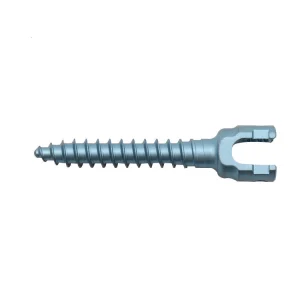
Cannulated screws are deployed extensively across multiple surgical procedures. In femoral neck fracture fixation, a parallel cluster of three cannulated screws distributes axial weight loading while preventing micro-motion rotation. In foot and ankle arthrodesis, these fasteners enable strong compression of joint spaces to ensure solid fusion. For scaphoid fractures, micro-cannulated screws provide rigid fixation beneath articular cartilage, safeguarding vascular structures and promoting rapid return to work or athletics.
Established in 2015, Bonevia Orthopedic Technology Co., Ltd. is a premium manufacturer specializing in orthopedic implants and surgical solutions, dedicated to advancing innovation in trauma, spine, and joint reconstruction products.
Since our establishment in 2015, Bonevia Orthopedic Technology Co., Ltd. has grown steadily into a trusted supplier in the global orthopedic industry. With a modern production facility covering approximately 320㎡, Bonevia maintains strict quality management standards and efficient manufacturing processes. The company records an annual export revenue of around USD 8–15 million, supported by 6 years of export experience and over 10 years of overall industry experience.
Quality assurance is a core focus at Bonevia. The company implements multiple inspection methods including incoming material inspection, in-process quality control, and final product testing, supported by a dedicated quality team of 35 professionals. This ensures all products meet international medical device standards.
Bonevia has a solid trade foundation with diversified global distribution networks, serving major markets across Europe, Southeast Asia, the Middle East, and South America. Its supply chain ecosystem includes more than 850 partners, enabling stable raw material sourcing and efficient production delivery.
The company serves a wide range of clients, including hospitals, orthopedic clinics, surgical centers, and medical distributors. Bonevia also demonstrates strong R&D capabilities, offering OEM and ODM customization services to meet specific clinical requirements. In the past year, Bonevia successfully launched 120 new product designs, supported by a research and development team of 85 engineers, continuously driving innovation in orthopedic implant systems and surgical instruments.
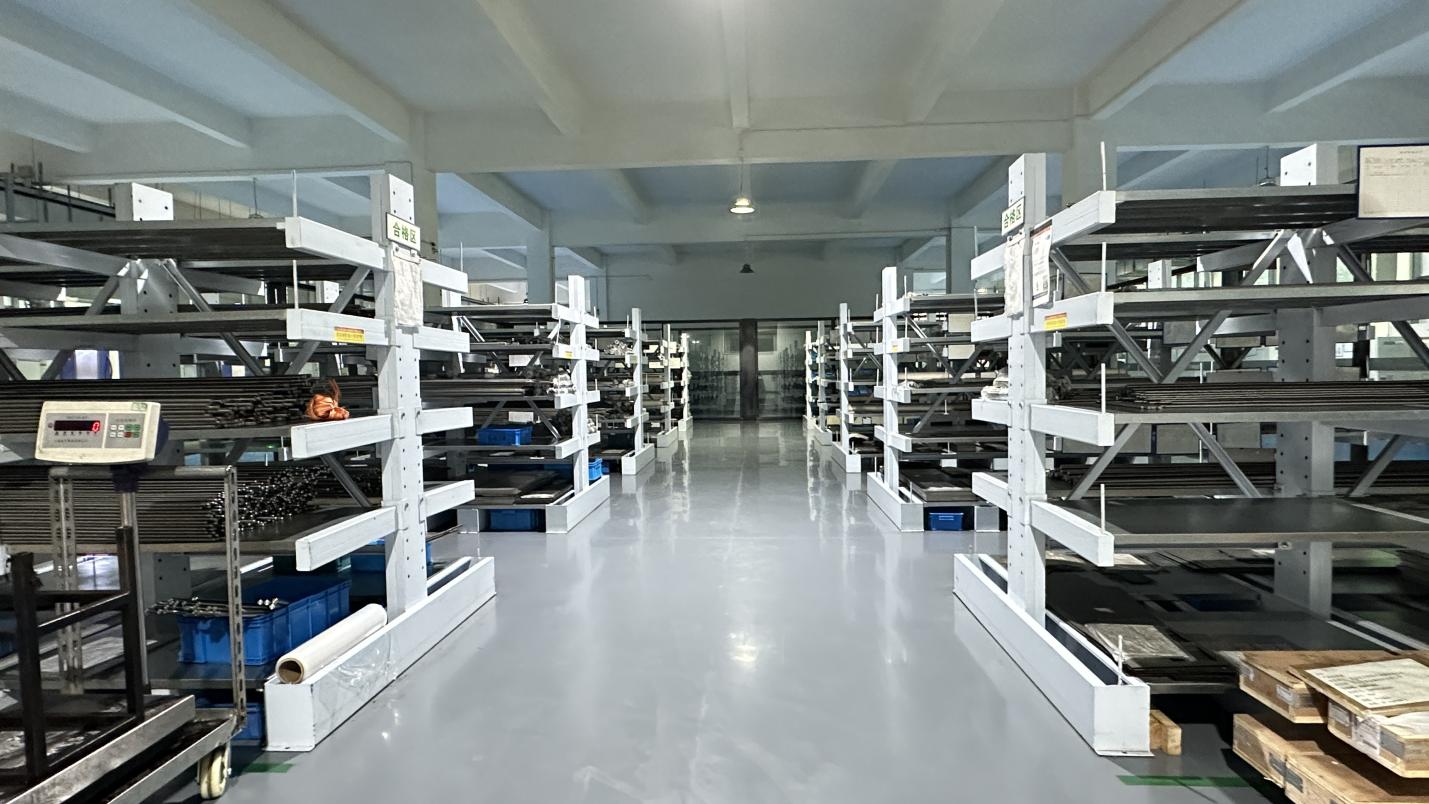
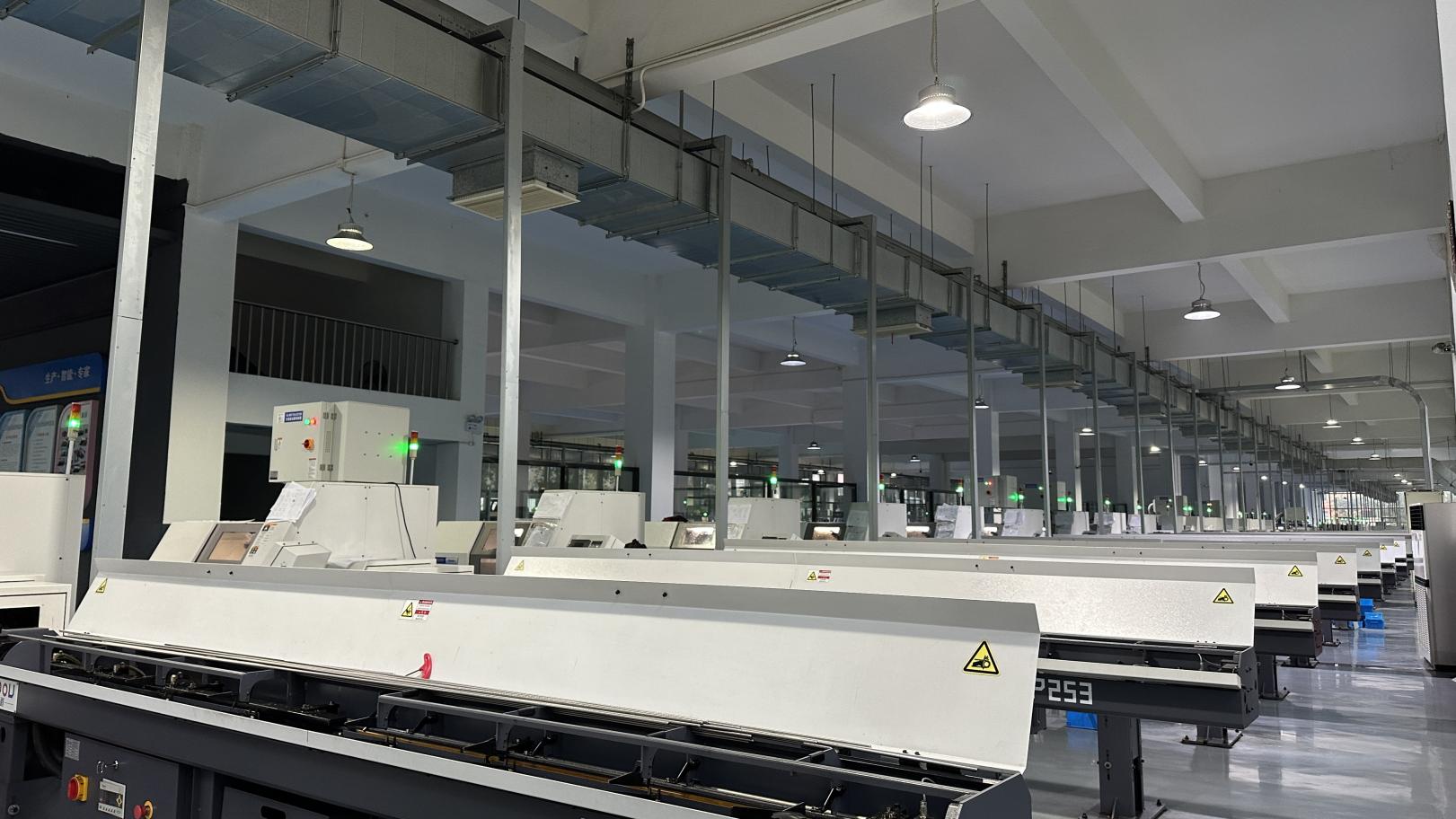
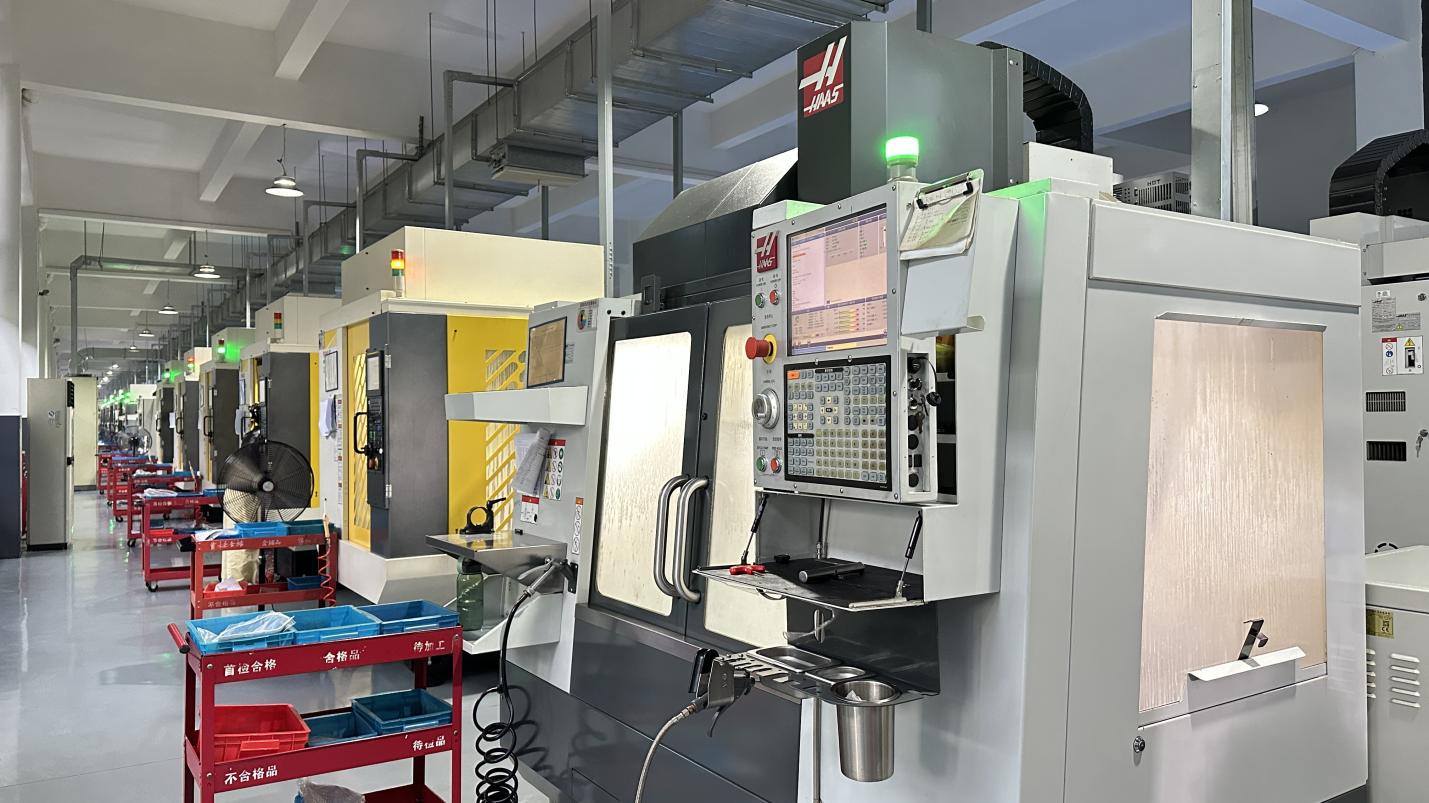
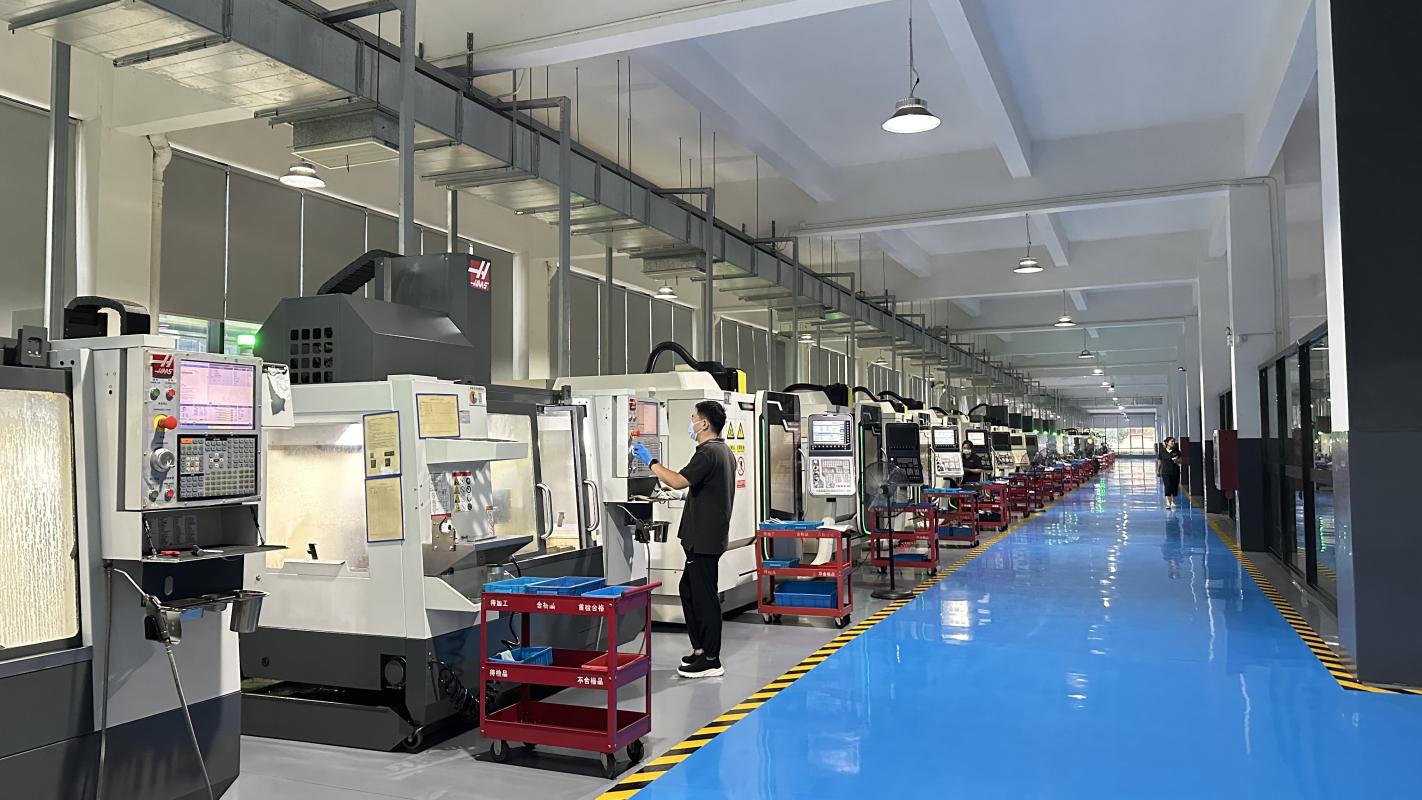
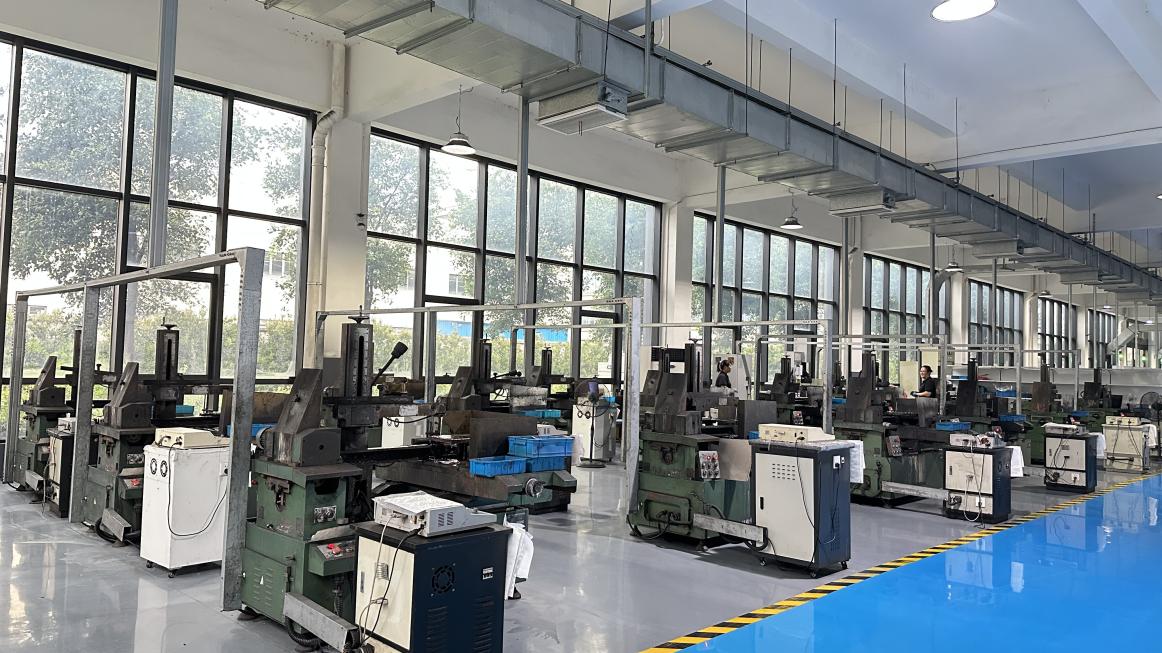
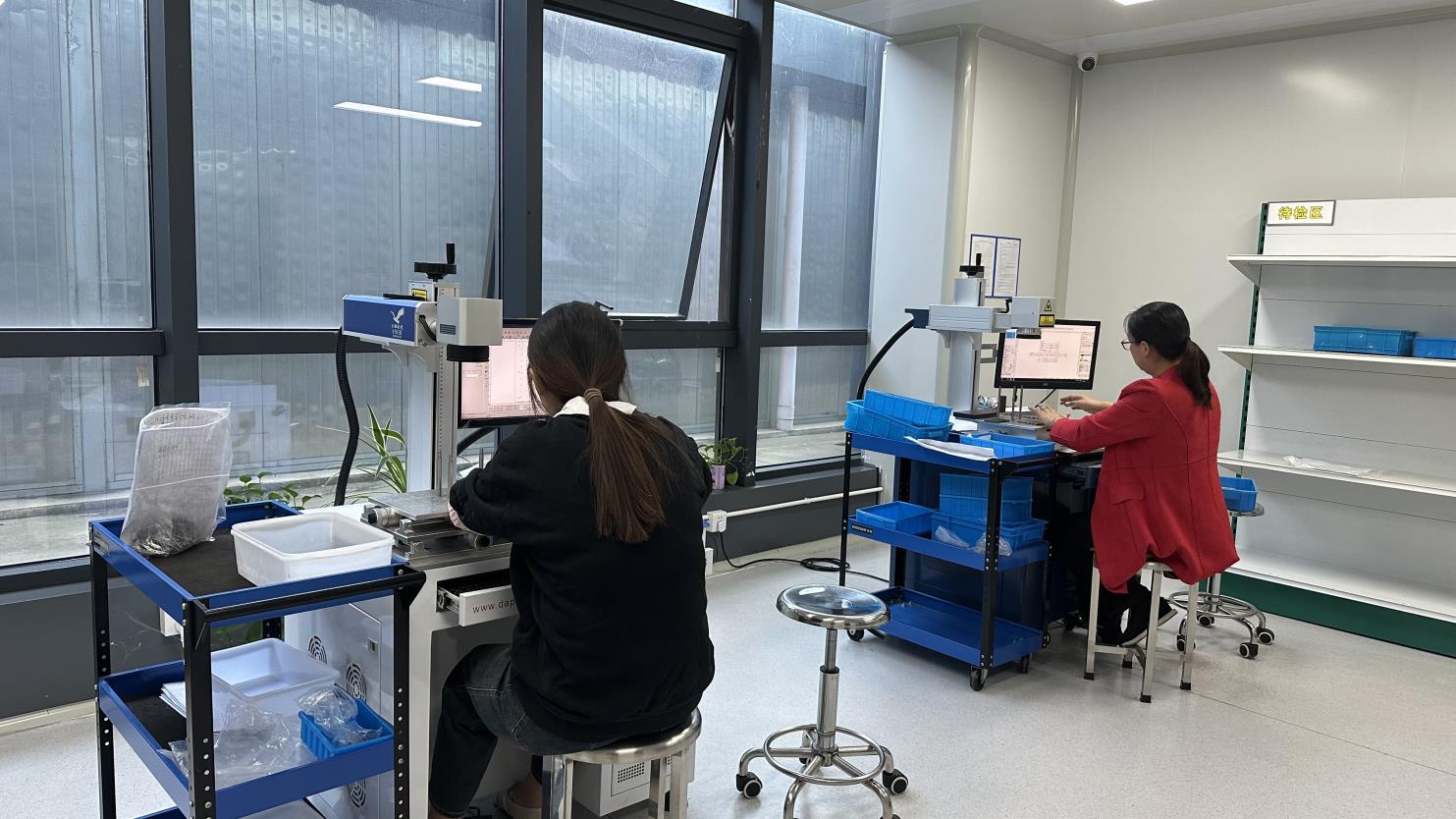
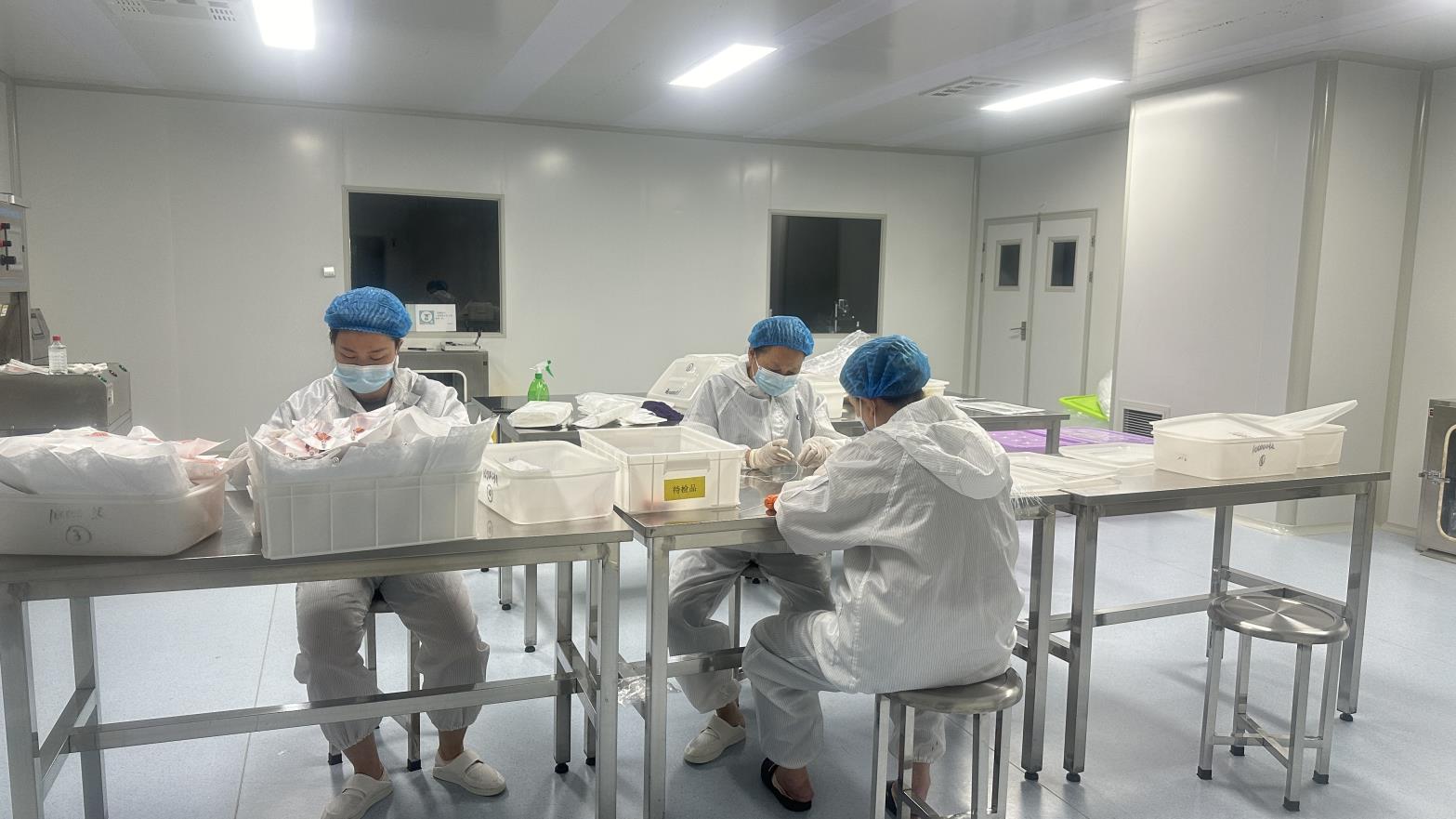
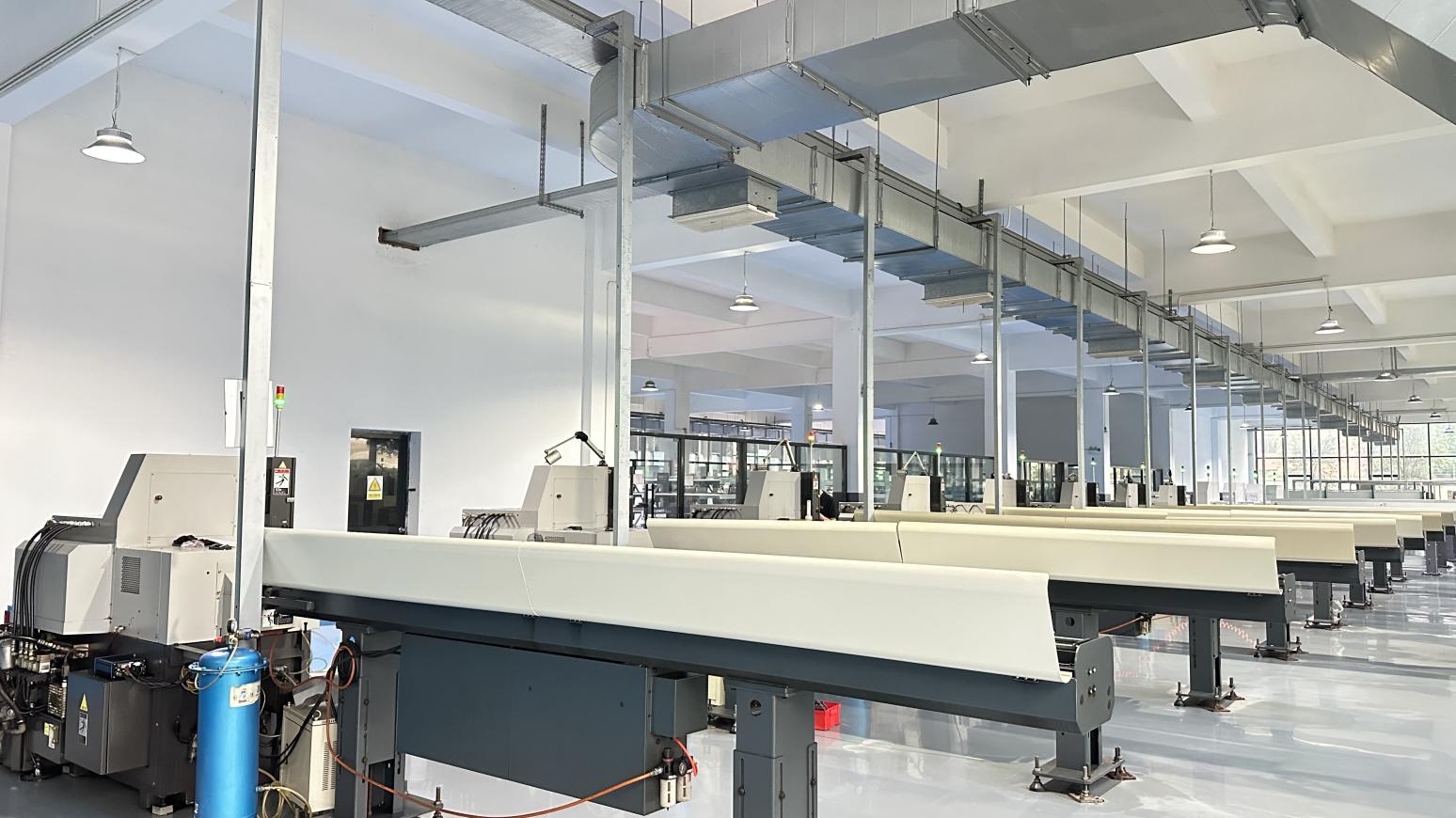
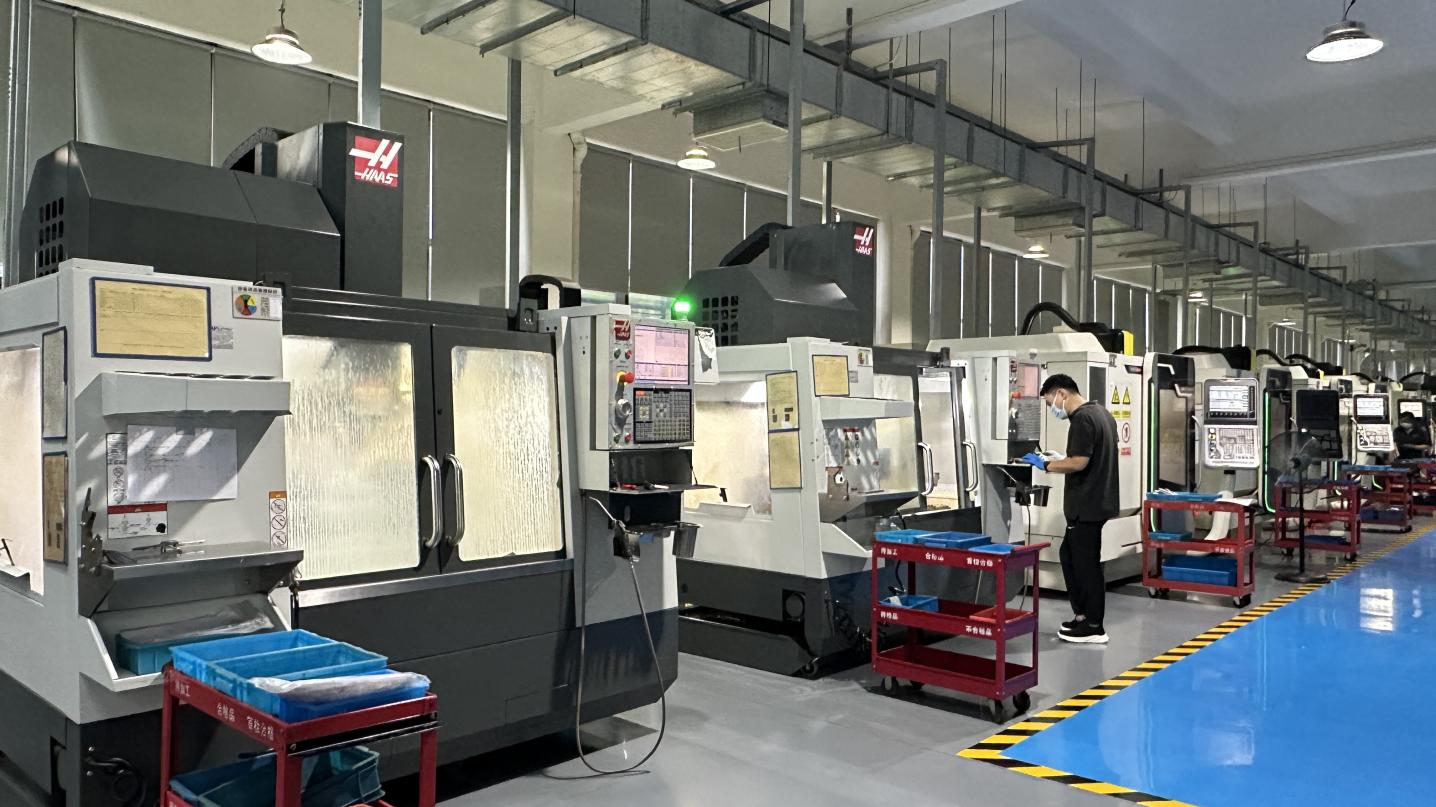
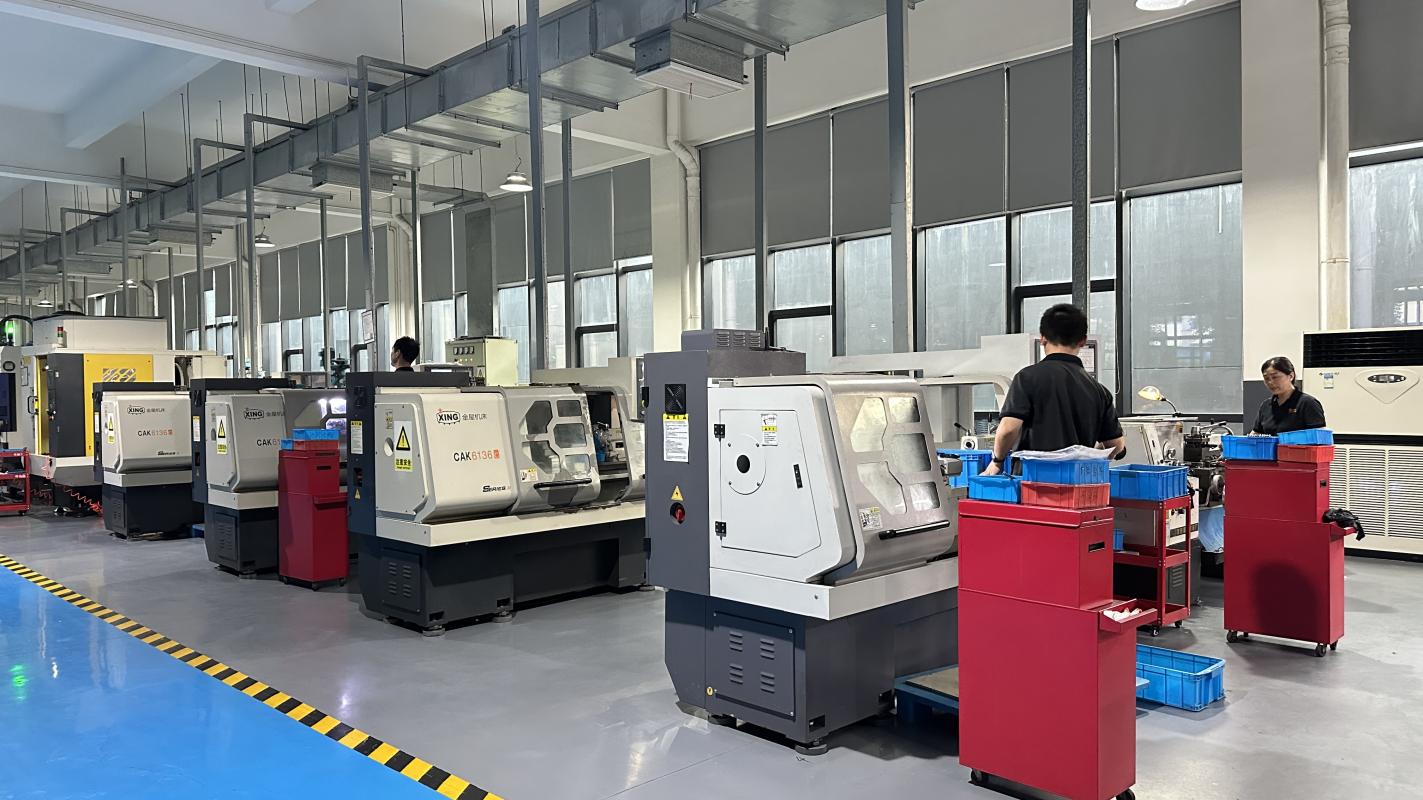
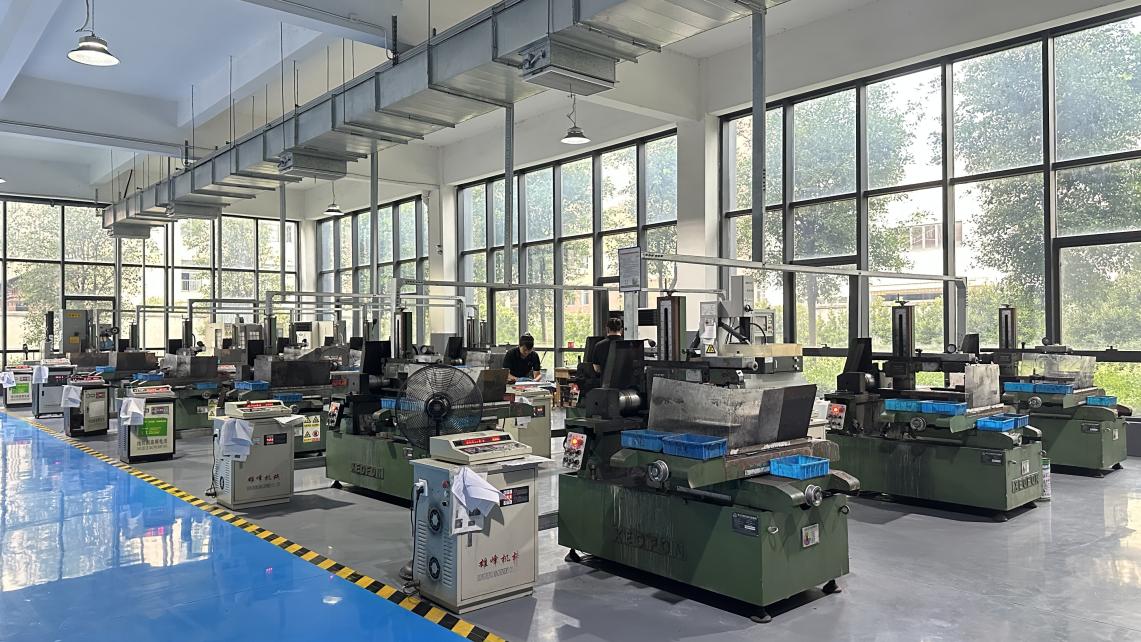
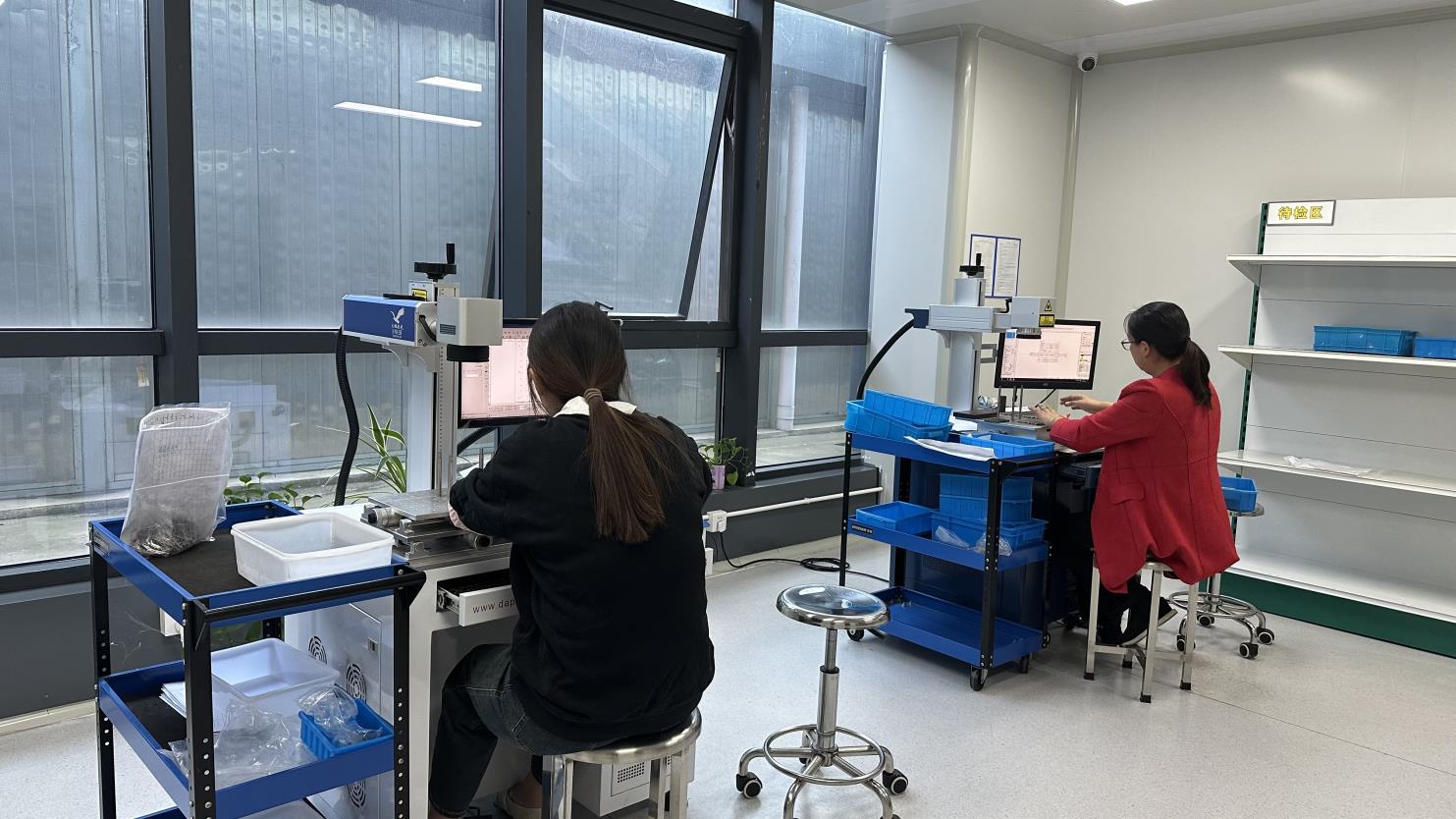
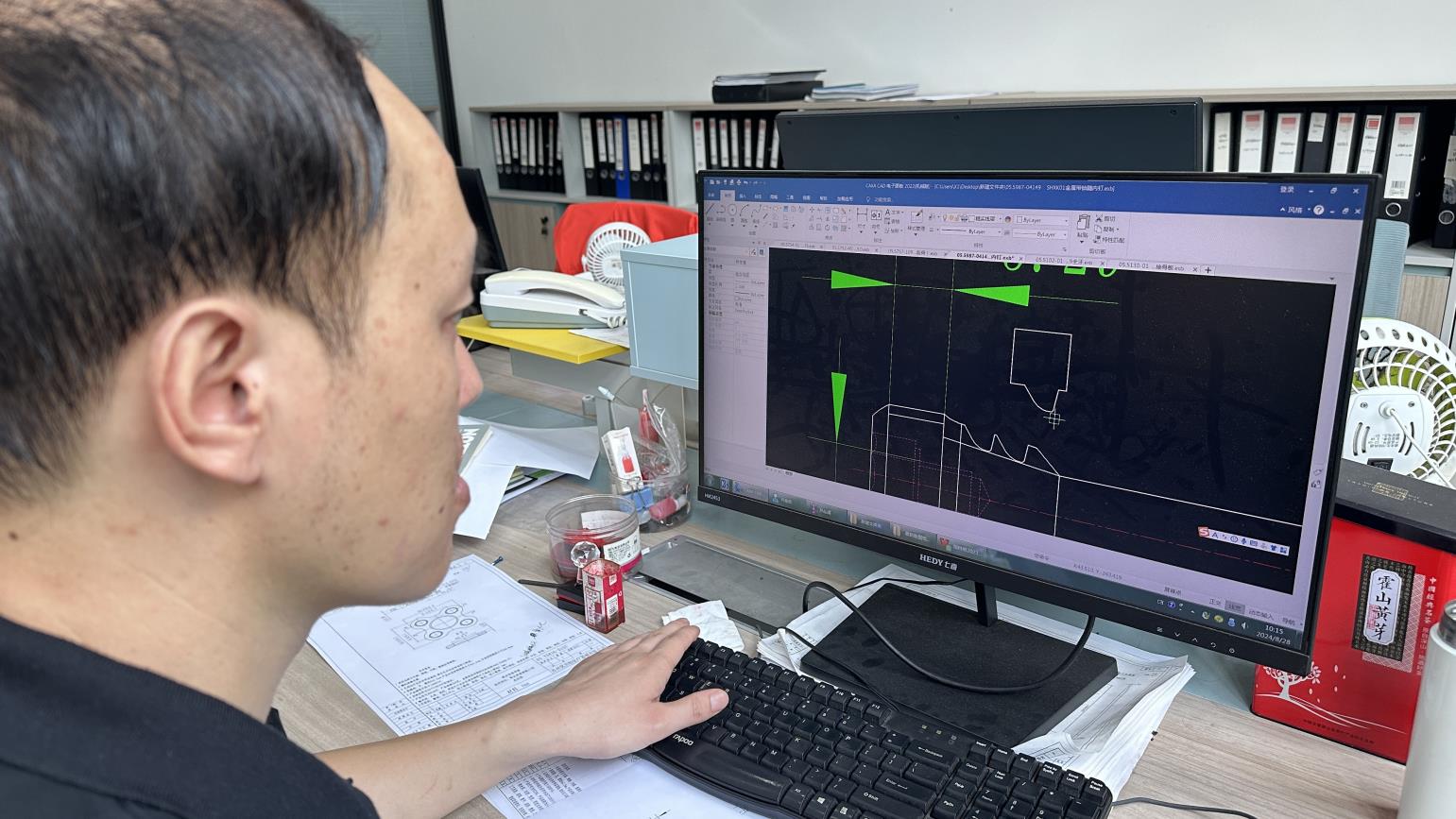
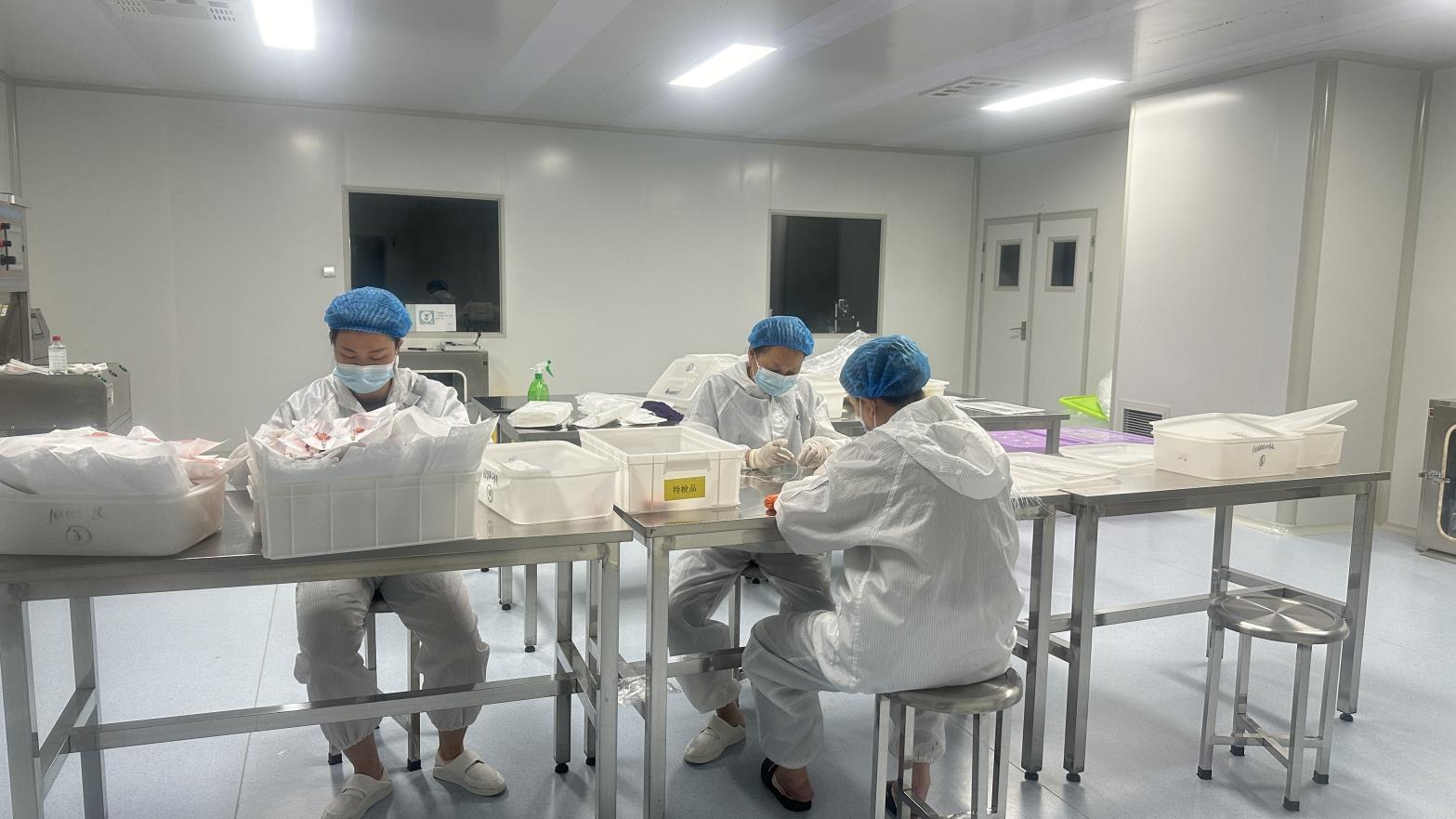
Take a look inside Bonevia's advanced orthopedic fabrication line, where raw materials undergo high-precision machining, finishing, marking, and multi-stage testing.

Unveiling our research directions and technology roadmap for orthopedic implant evolution through 2030.
We are actively researching magnesium alloys (Mg-Zn-Ca) and biodegradable polymers to design high-strength screws that gradually resorb within the body as the bone heals. This eliminates secondary removal surgeries, dramatically reducing patient discomfort and associated medical system costs.
Through Electron Beam Melting (EBM) and Direct Metal Laser Sintering (DMLS), our engineers are developing porous titanium coatings. These biomimetic structures replicate trabecular bone porosity, allowing bone tissue to grow directly into the screw body for permanent osseointegration.
By embedding biocompatible micro-sensors inside the cannulation bore of the screw, future implants will transmit real-time bone-healing data, mechanical load variations, and early infection indicators via wireless communication to patient care monitoring systems.
Our ISO 13485 certified production environment is designed to pass the most rigorous global medical device regulatory audits.
Every batch of titanium alloy bars is sourced from medical-grade raw material partners with mill test certificates (MTC) detailing complete chemical compositions and tensile performance characteristics. We employ strict laser engraving to assign Unique Device Identification (UDI) codes on every single screw, guaranteeing trace-back capability to the exact raw metal lot and production shift.
Implant packaging and ultrasonic cleaning are performed inside validated Cleanroom spaces matching ISO Class 7/8 specifications. Particulate counts, differential pressures, and bacterial bioburden rates are continuously monitored to prevent contamination, ensuring that implants meet strict pyrogen and biological safety metrics prior to shipment.
Our design history files (DHF) and device master records (DMR) comply with CE marking and European Medical Device Regulation (MDR 2017/745) requirements. We sustain robust post-market clinical follow-up (PMCF) registries to systematically collect feedback from surgeon cohorts, verifying long-term implant efficacy and patient safety profiles.
We coordinate customs clearing document bundles including Certificates of Free Sale (CFS), Certificates of Origin, and technical safety data sheets. Our dedicated logistics team manages cold-chain air cargo or standard sea shipping methods, ensuring customs clearances occur smoothly in European, Middle Eastern, and Latin American ports.
Critical clinical, engineering, and procurement questions answered by our technical orthopedic consulting team.
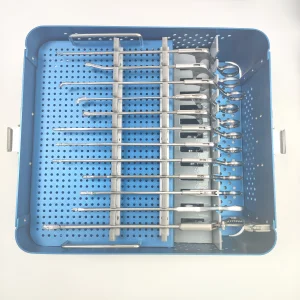
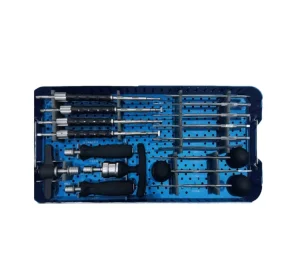
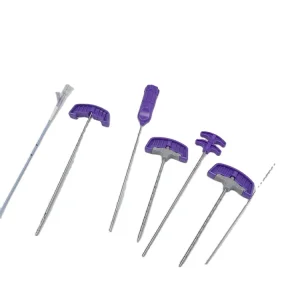
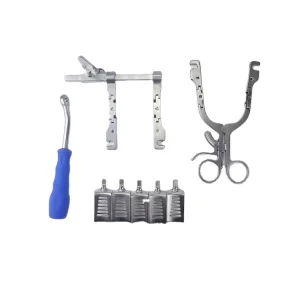
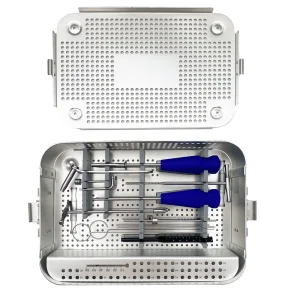
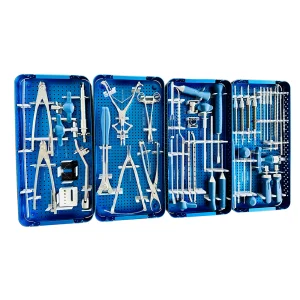
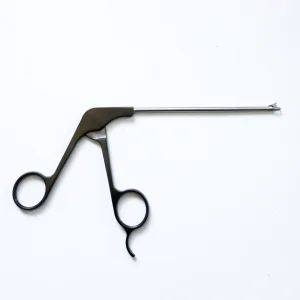
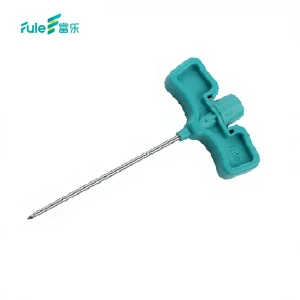
We supply complete instrument lines, sterilization cassettes, and trauma reconstruction sets to support surgeons in operating rooms globally.