Bonevia
Bonevia
Bonevia
Explore our range of clinical-grade anatomical plate systems, designed for dynamic compression, high fatigue resistance, and precise internal fixation.
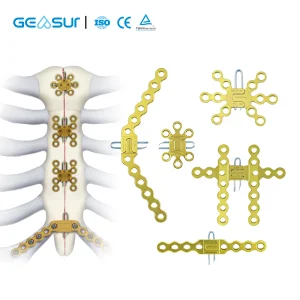
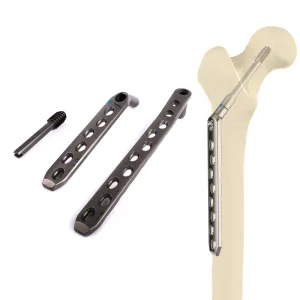
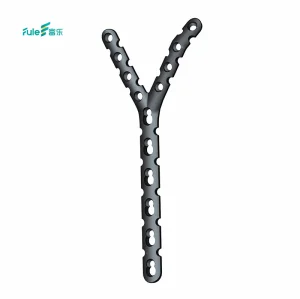
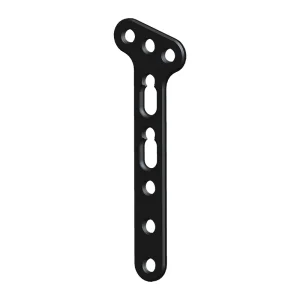
Within orthopedic trauma surgery, internal fixation devices must withstand rigorous biomechanical stresses while simultaneously promoting dynamic osteointegration. As a leading supplier and exporter of trauma solutions, Bonevia Orthopedic Technology focuses on the critical boundary where material sciences meet physiological demands.
Our trauma implants utilize premium-grade biocompatible materials, principally Titanium Alloy (Ti-6Al-4V ELI) according to ASTM F136 and pure titanium chemistry compliant with ASTM F67. These materials offer an optimized modulus of elasticity that minimizes stress shielding—a common issue leading to adjacent bone resorption—while preserving exceptional fatigue limits required for loading during early patient mobilization.
Through micro-structured surfaces, chemical anodization Type II treatments, and advanced locking-screw geometries, our plates create stable constructs that address even complex multi-fragmentary periarticular fractures. Our anatomical contours are digitally mapped using human skeletal morphology libraries to reduce intraoperative manipulation, minimizing operative times and reducing structural fatigue on the implants themselves.
| Material Standard | Yield Strength (min) | Tensile Strength (min) | Elongation at Break (min) | Primary Clinical Advantages |
|---|---|---|---|---|
| Ti-6Al-4V ELI (ASTM F136) | 795 MPa | 860 MPa | 10% | Excellent Biocompatibility Low density, high fatigue strength. |
| Pure Titanium Gr. 4 (ASTM F67) | 480 MPa | 550 MPa | 15% | Outstanding ductility Ideal for reconstruction plates. |
| 316LVM Stainless Steel (ASTM F138) | 690 MPa | 860 MPa | 12% | Excellent rigidity, cost-effectiveness, and high shear resistance. |
A trusted global supplier of surgical innovation, orthopedic trauma implants, and customized clinical reconstruction solutions.
Established in 2015, Bonevia Orthopedic Technology Co., Ltd. has developed into a trusted partner in the global orthopedic industry. Focused on trauma, spine, and joint reconstruction, we provide robust clinical designs backed by state-of-the-art production engineering.
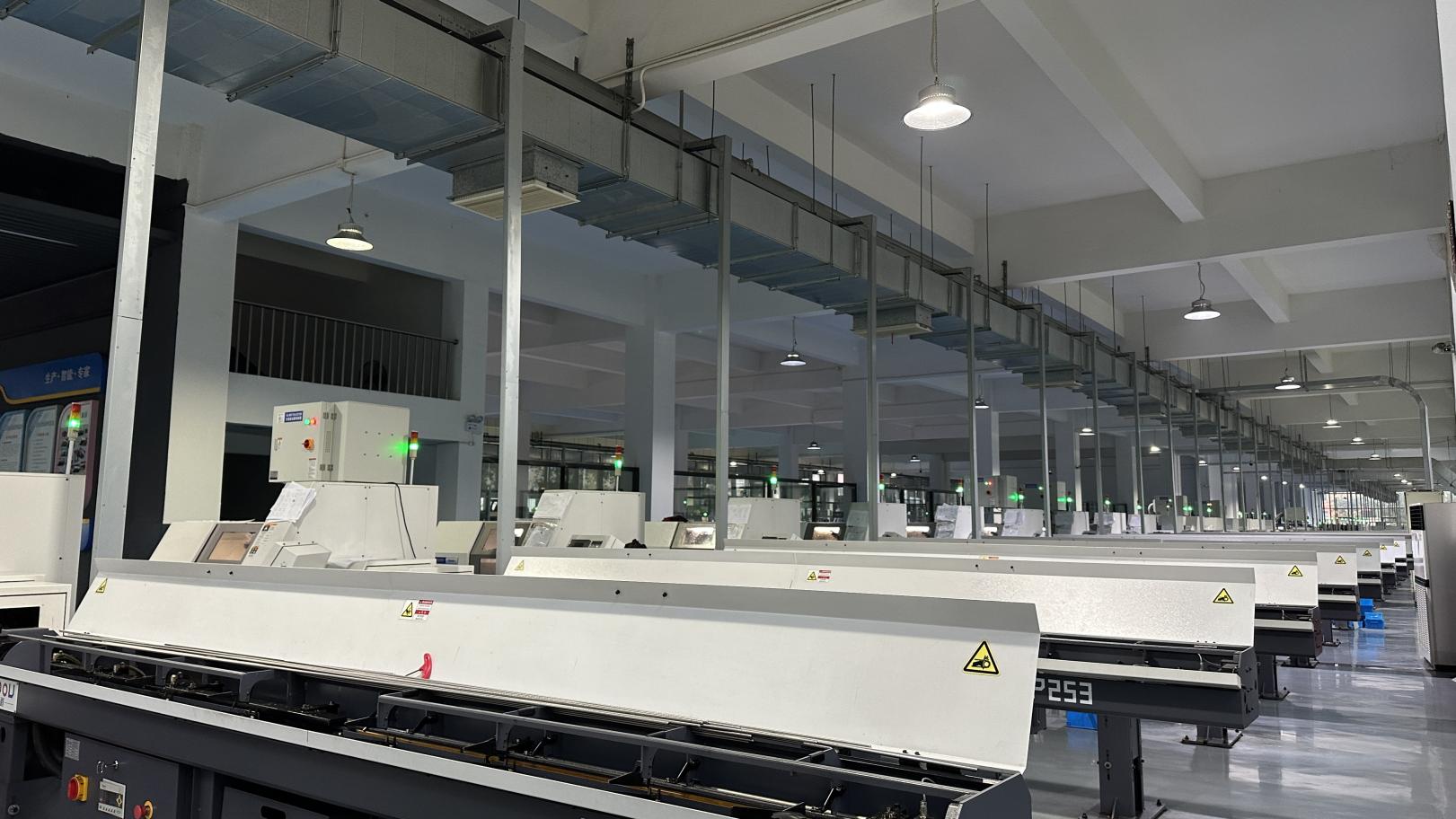
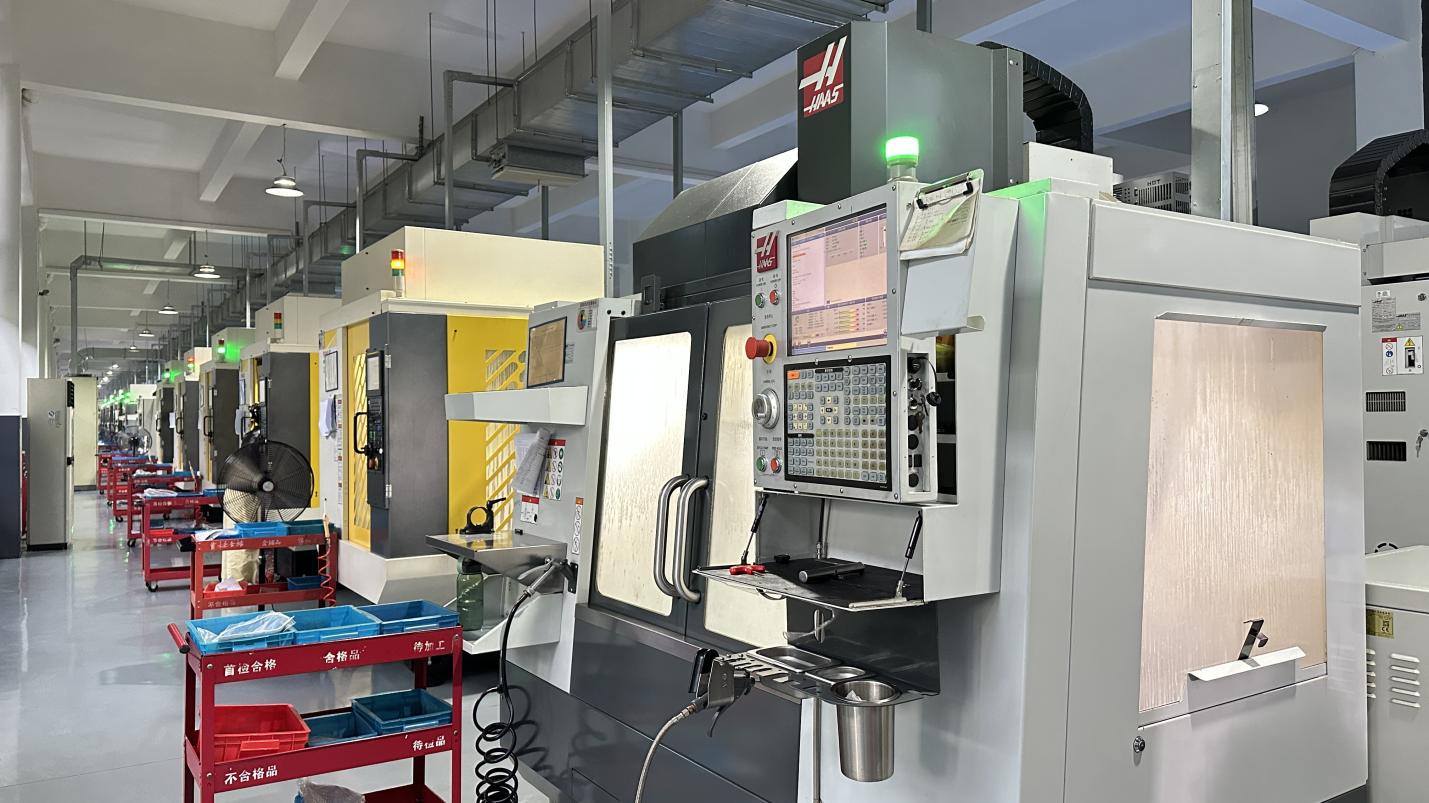
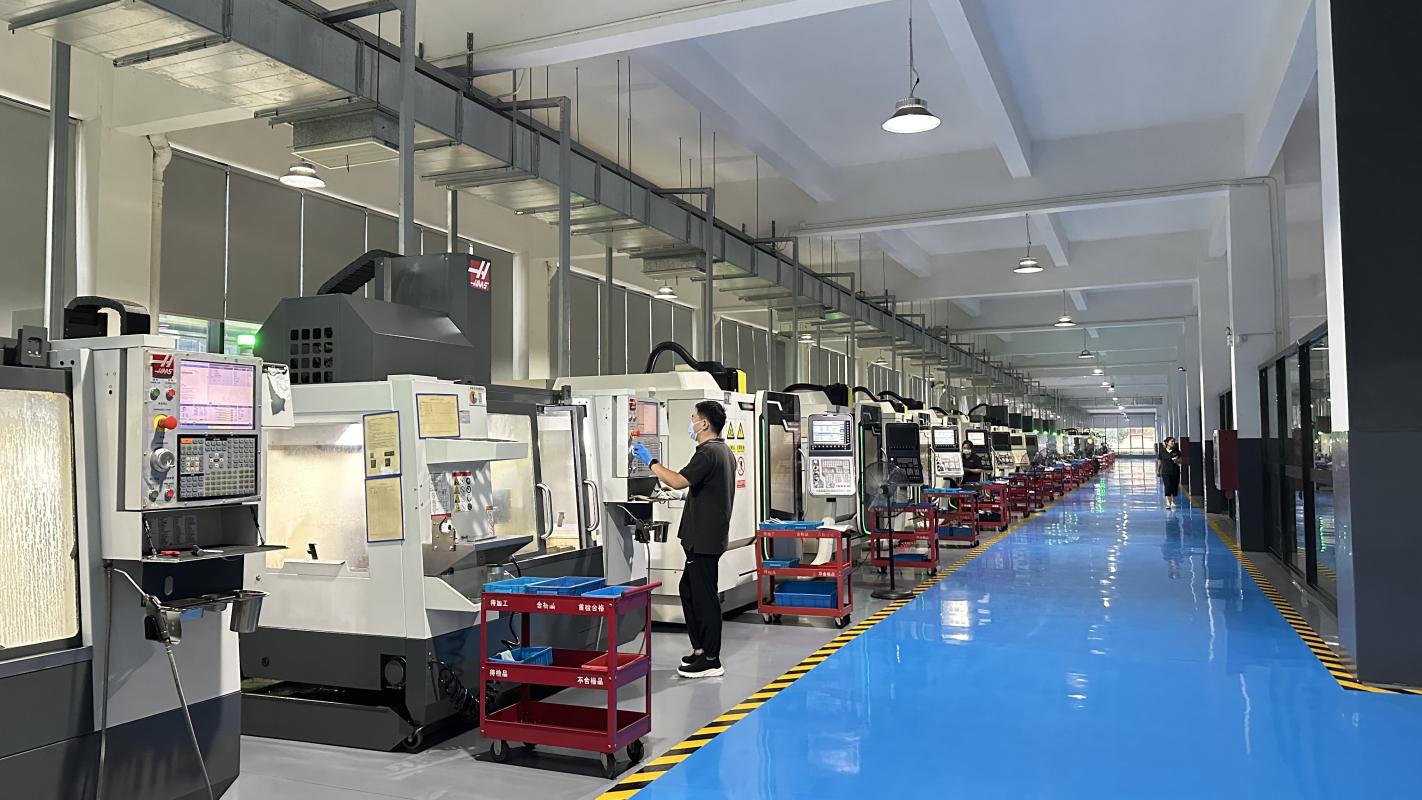
Our modern precision production facility covers approximately 320m², optimized for high-throughput micro-machining and rigorous quality control protocols. Guided by a customer-centric focus, Bonevia supports global trade networks across Europe, Southeast Asia, the Middle East, and South America, sustaining an annual export revenue of USD 8–15 million. Backed by 6 years of direct export operations and a deep pool of over 10 years of domestic industry experience, we understand the logistical and regulatory complexities of medical device procurement.
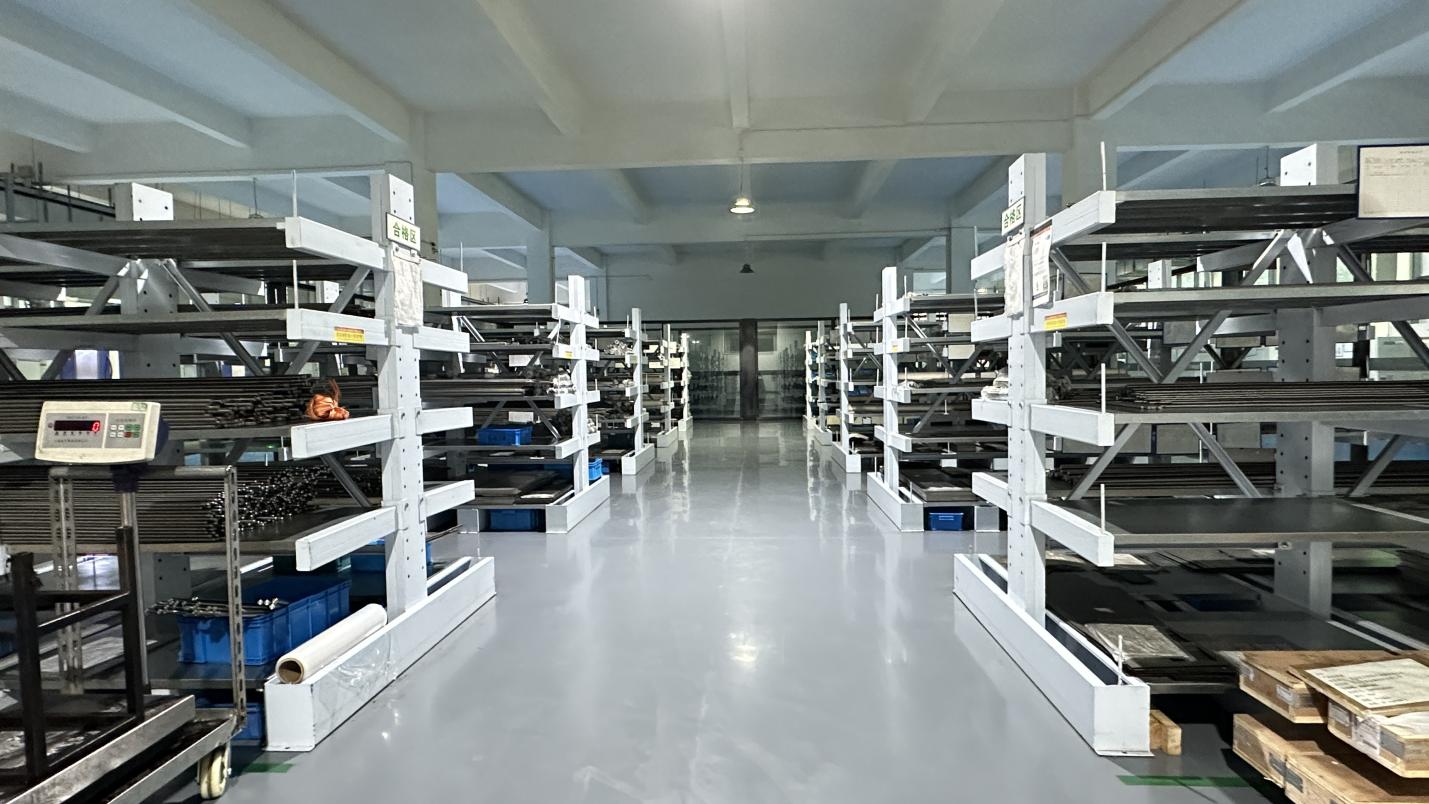
Quality assurance represents our operational core. Supported by a specialized team of 35 quality control professionals, we execute comprehensive inspections at every phase: incoming raw materials verification, in-process evaluation, and final verification testing. This guarantees that every locking plate, dynamic hip screw, and anatomical implant conforms strictly to international medical device standards.
From initial design simulation to sterile packaging, our manufacturing line leverages advanced multi-axis CNC machinery, wire-cutting processes, and optical inspections.
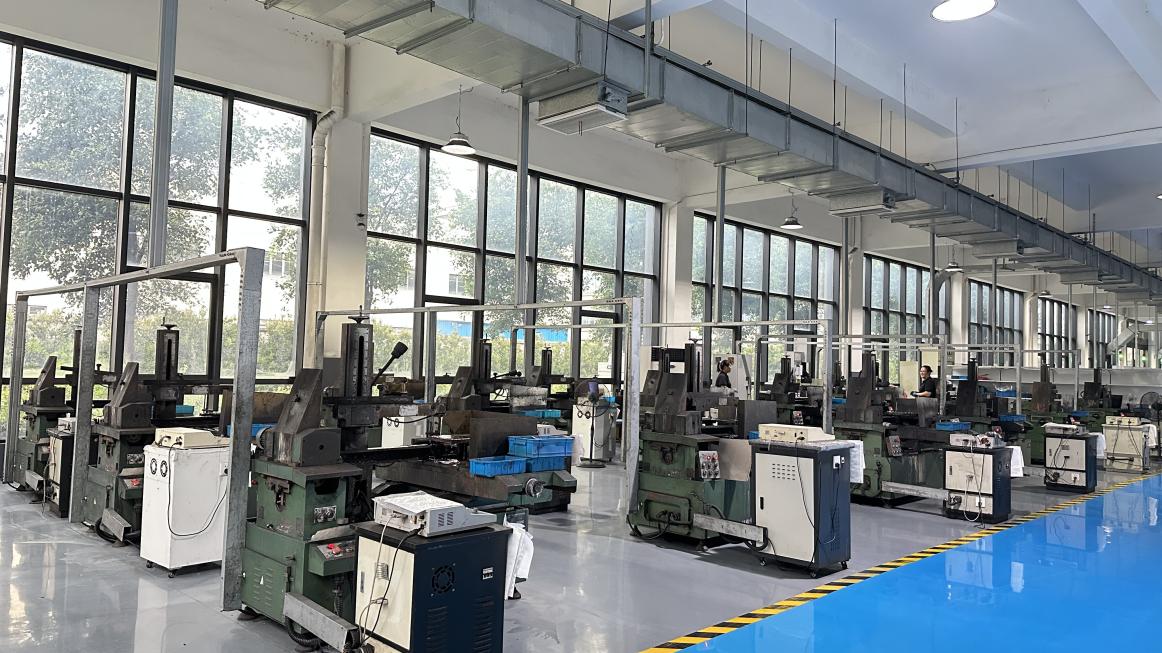
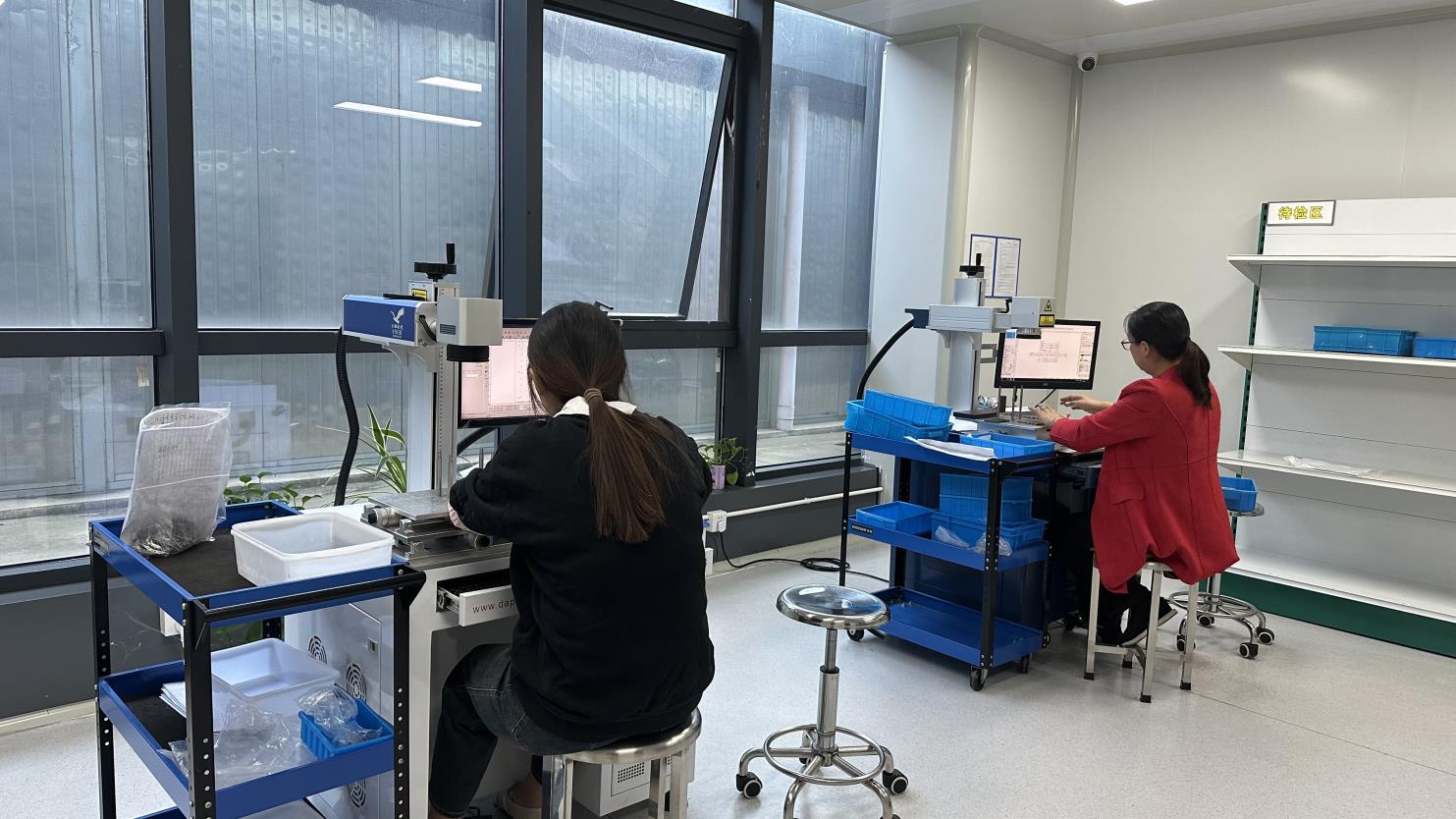
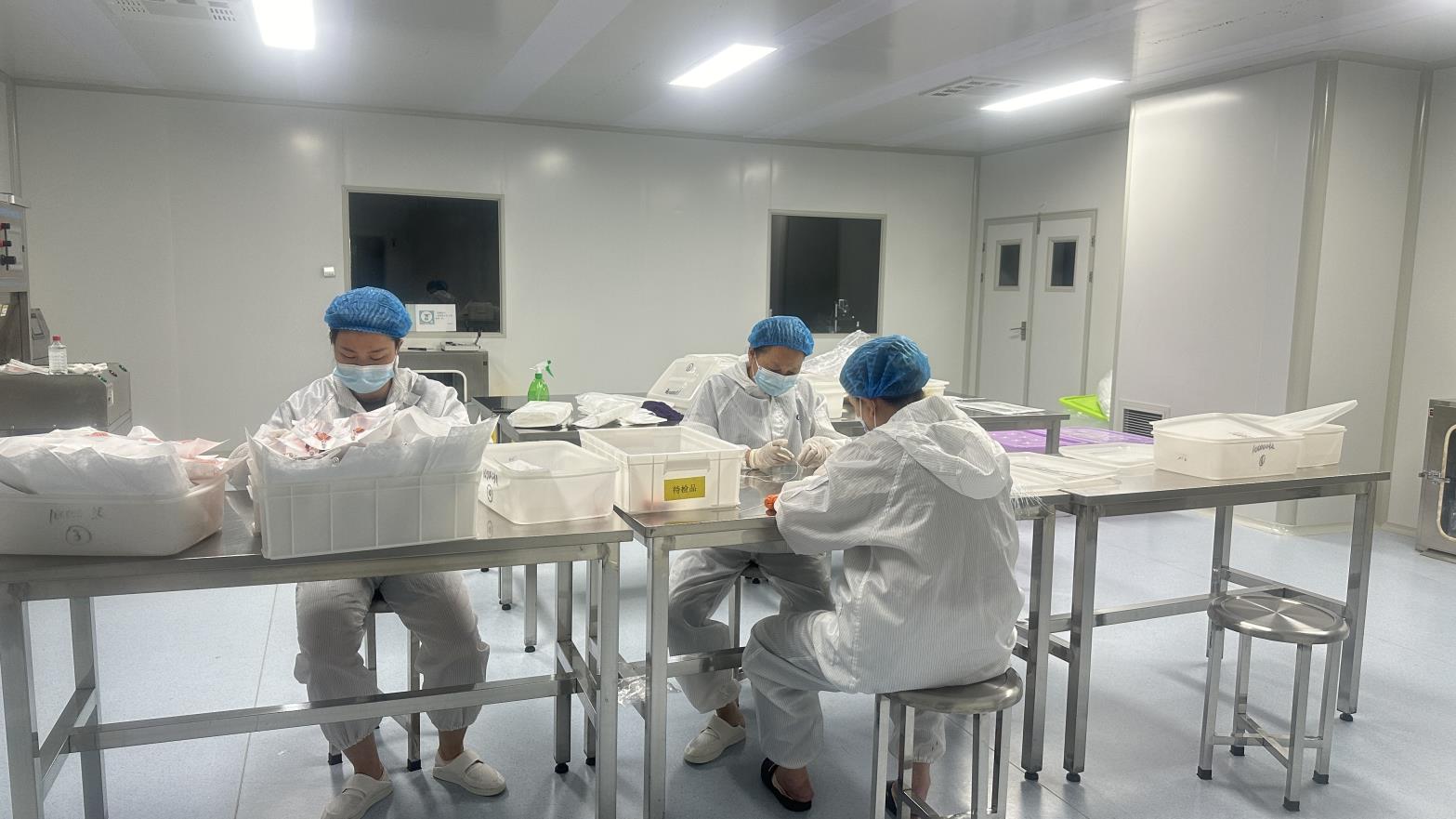
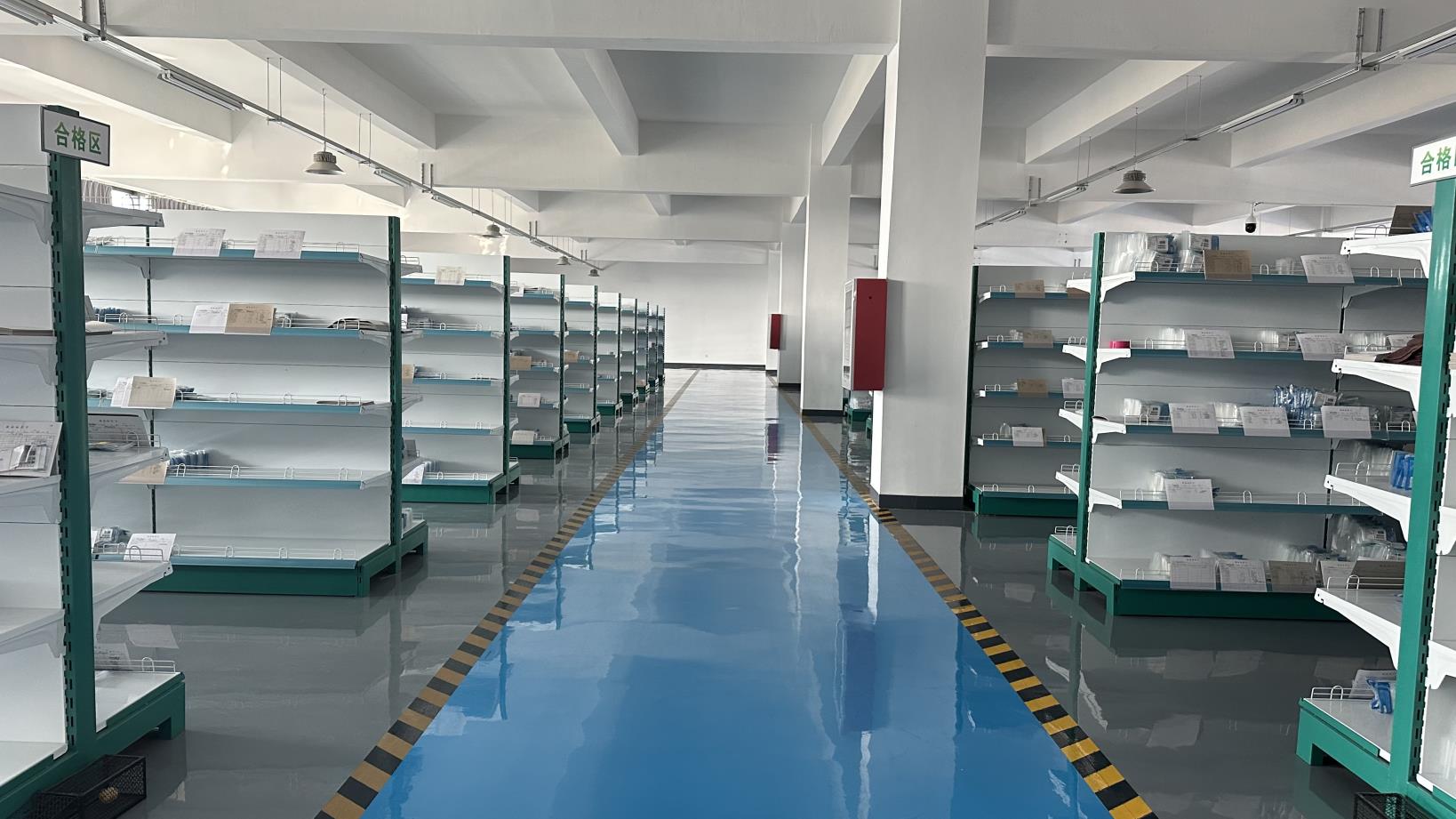
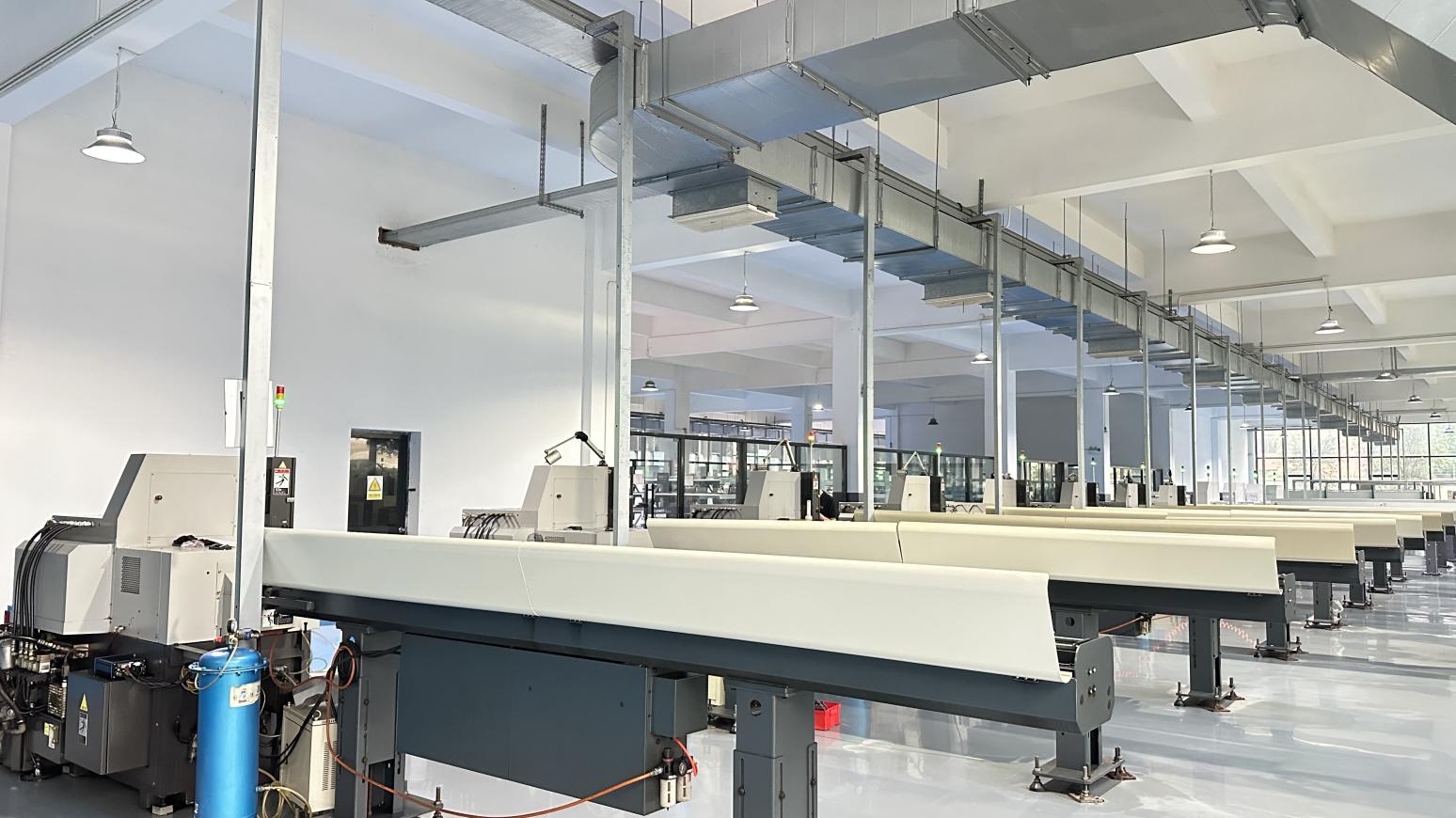
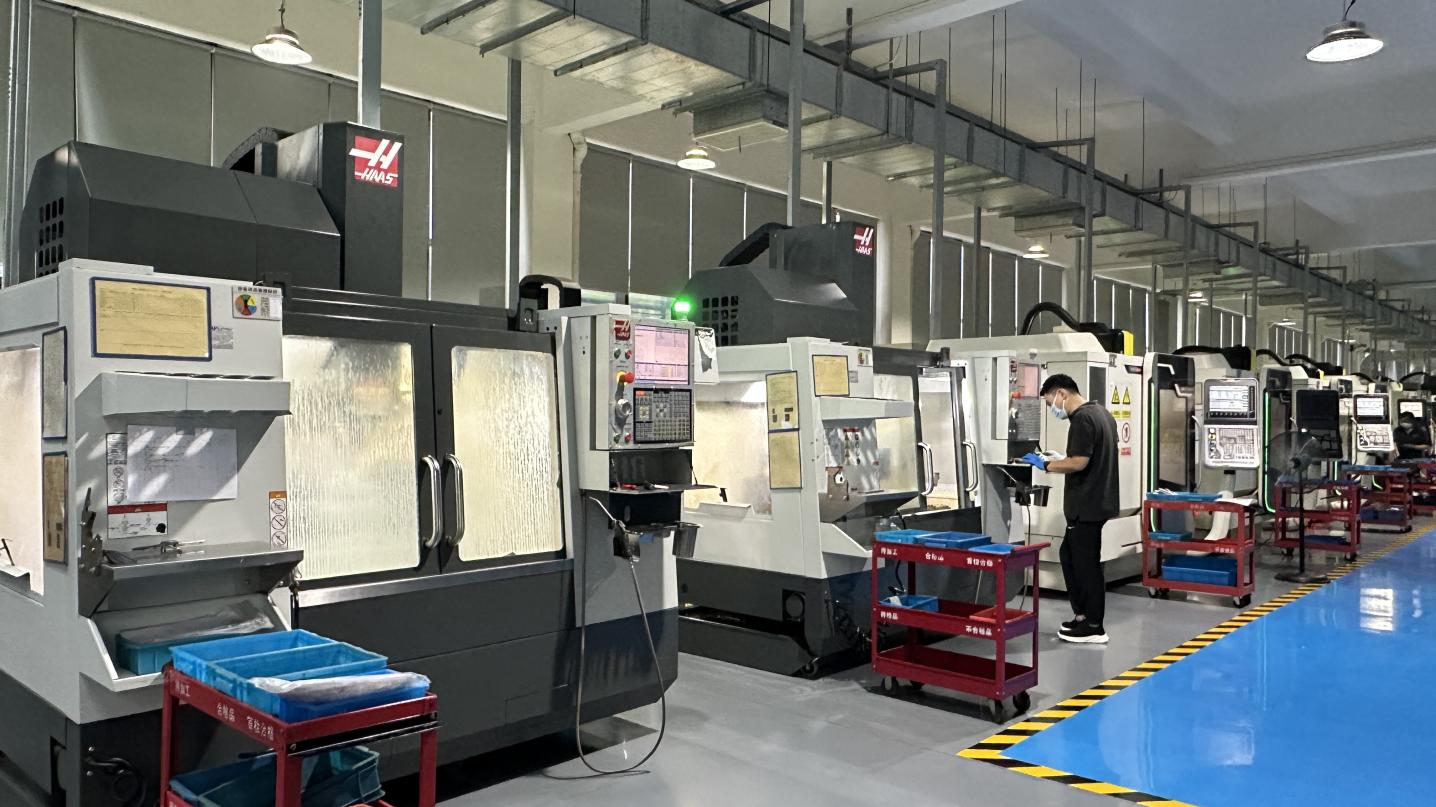
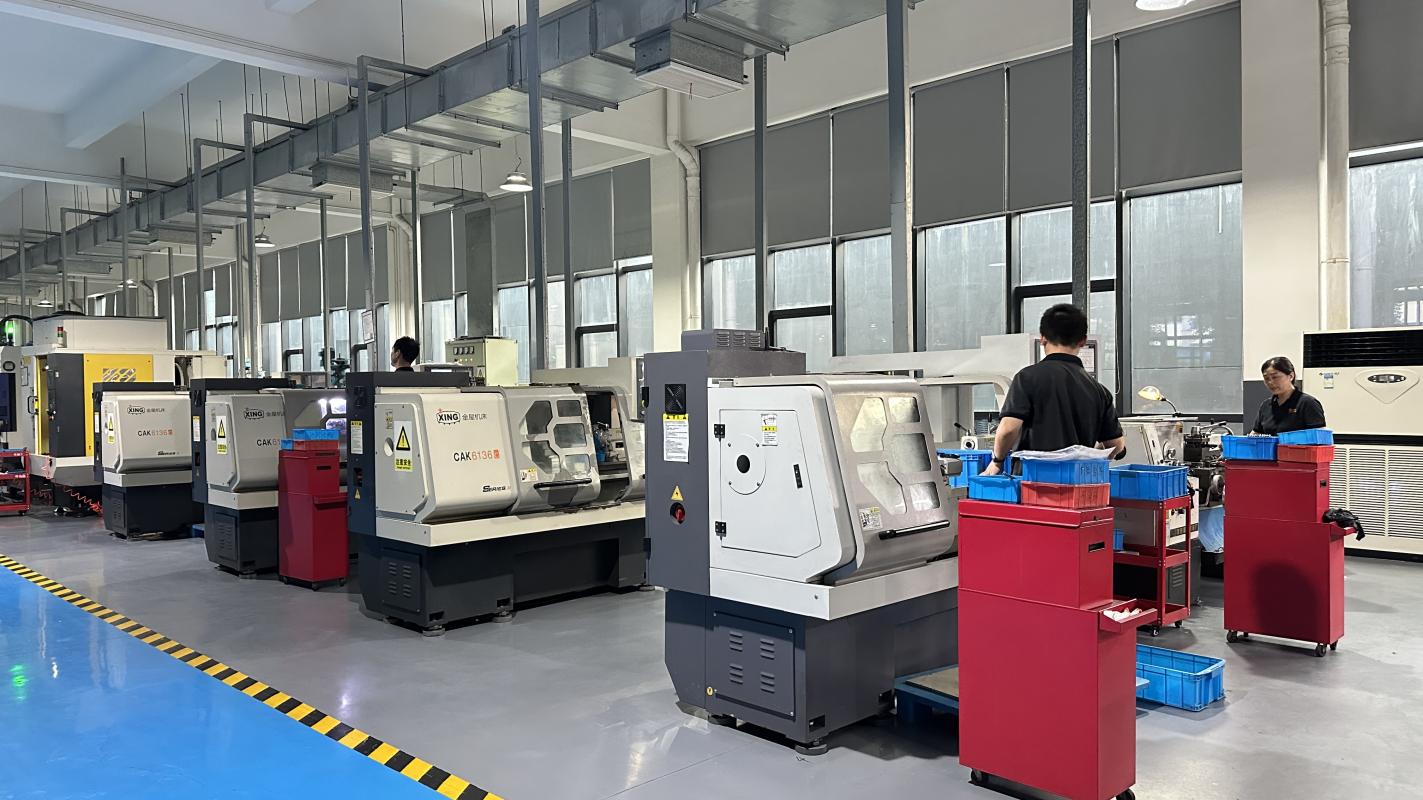
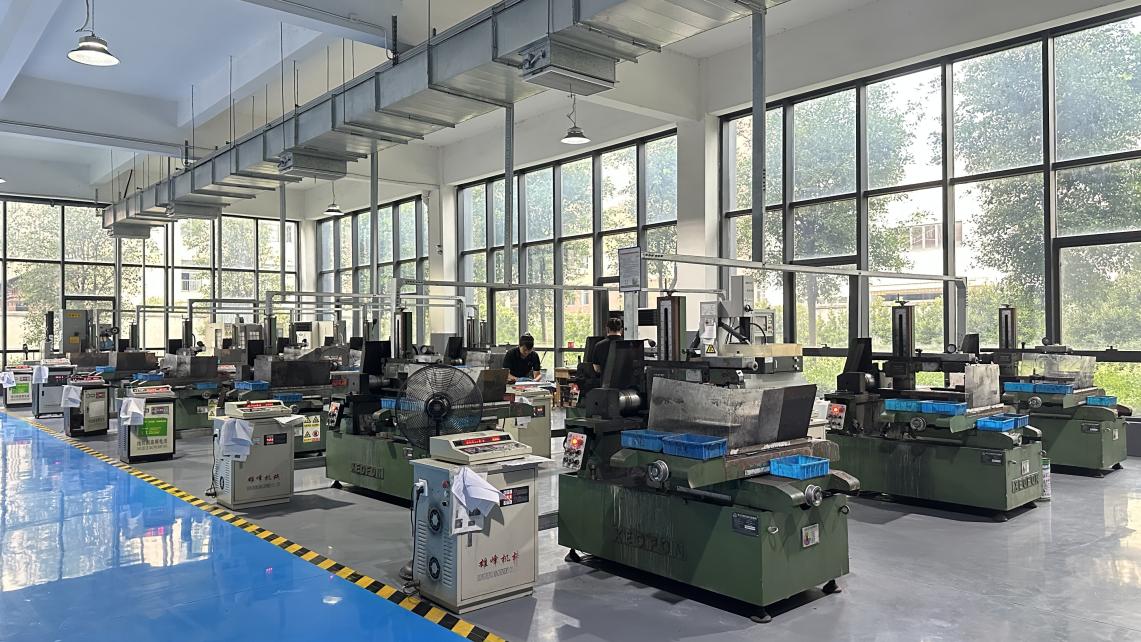
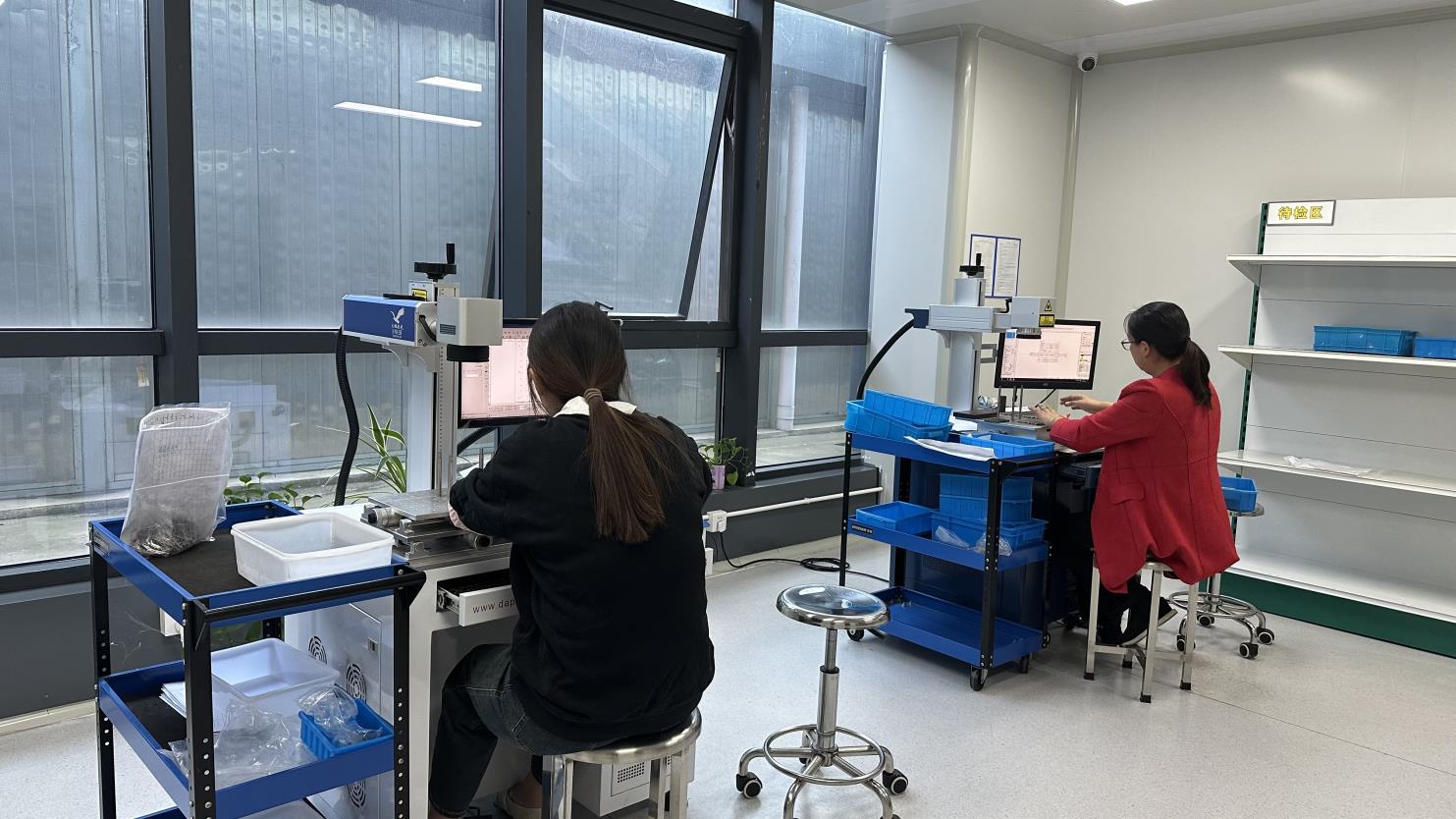
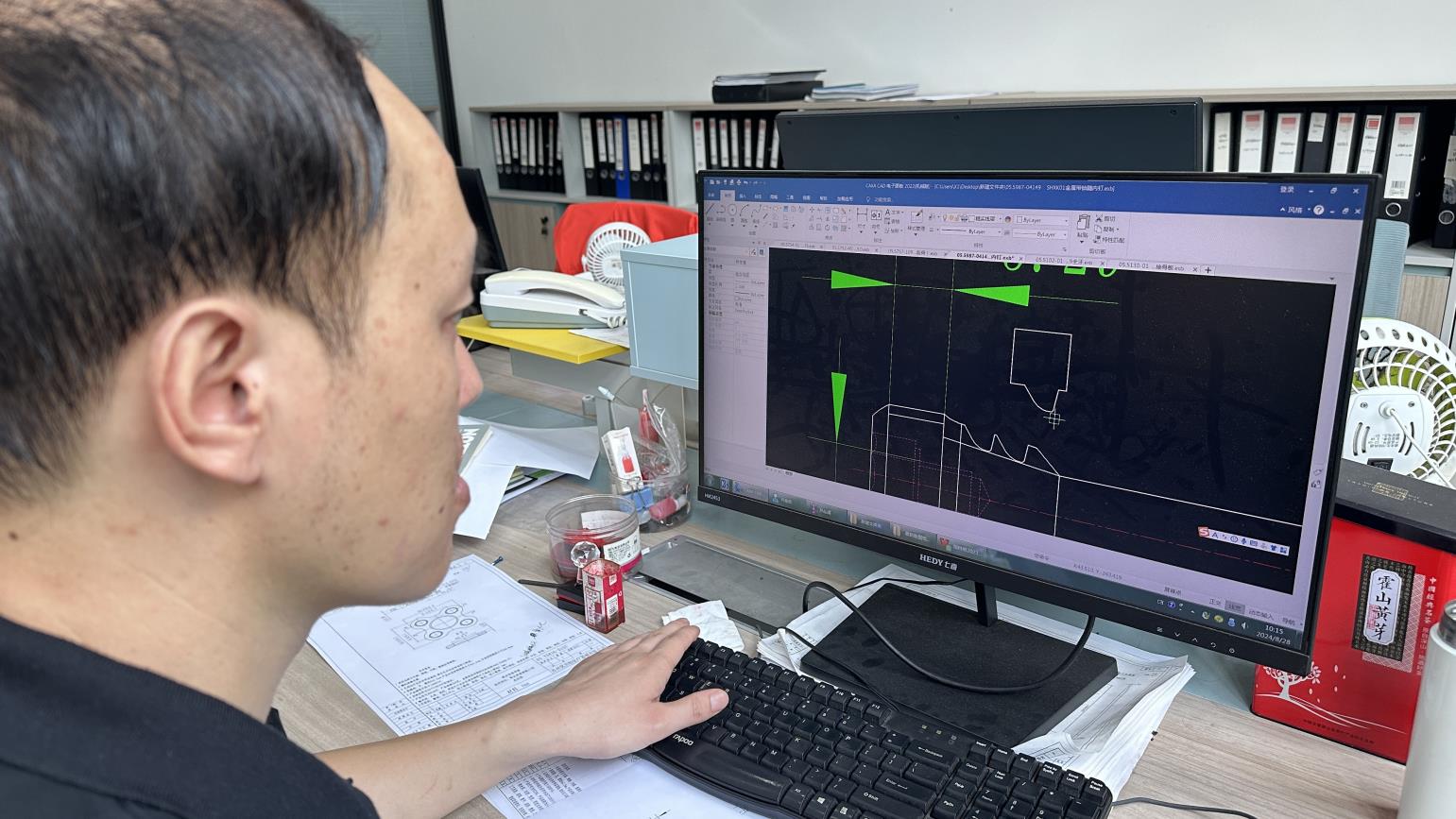
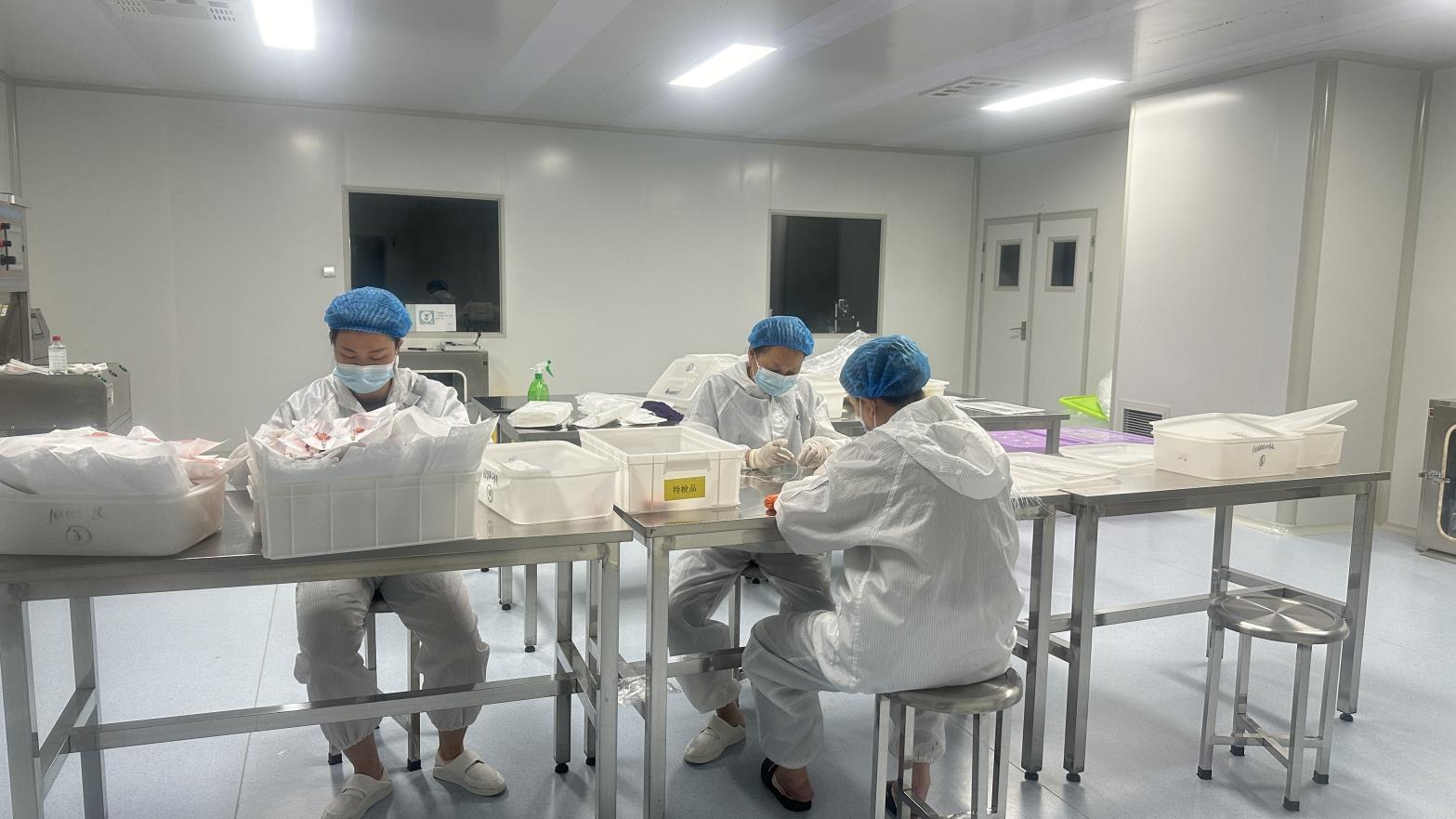
Combining structural industrial clusters with custom OEM/ODM pipelines to maximize supply chain resilience and lower regulatory hurdles.
Situated within China's medical manufacturing corridors, Bonevia has direct access to high-purity medical titanium and cobalt-chrome stock. This localized ecosystem limits supply shocks and supports consistent material quality.
Supported by 85 R&D engineers, we customize implants for unique regional profiles. If client specifications require varying plate thicknesses or modified locking mechanisms, we rapidly prototype and test custom solutions.
Navigating global healthcare markets demands rigorous registration support. Bonevia assists with regulatory processes, providing material certificates, ISO 13485 documentation, and technical files for local registration.
A closer look at how anatomical plate geometries address complex fractures and support early patient rehabilitation.
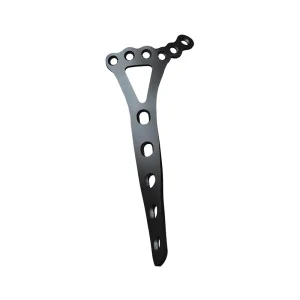
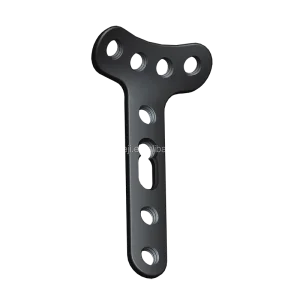
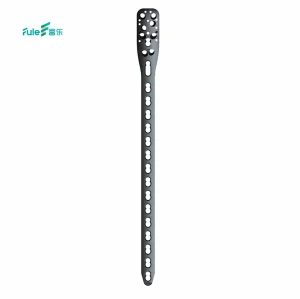
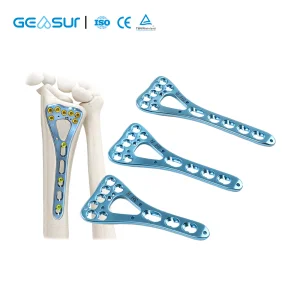
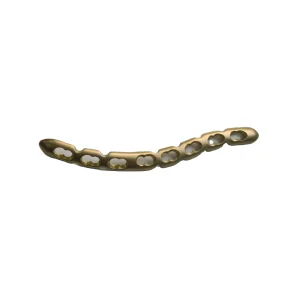
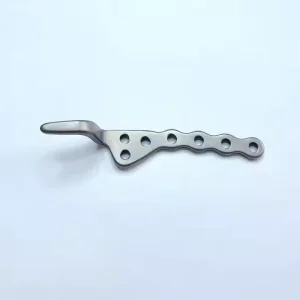
Treating clavicle, humerus, and distal radius fractures demands low-profile, anatomical plates. The 3.5mm Clavicle Reconstruction Compression Plate and the Variable-Angle Distal Radius Plate use locking screws to preserve periosteal blood supply, supporting recovery in osteoporotic and multi-fragmentary bone structures.
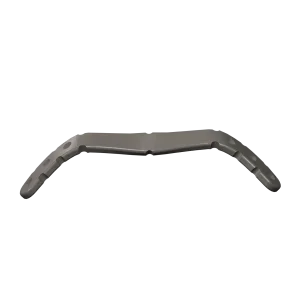
Lower-limb fractures, including tibia, fibula, and pelvic injuries, experience high mechanical loads. Our Pelvic Locking Plate and Straight & Anatomic Plate System provide high construct stiffness, allowing controlled load transfer during healing while reducing risk of hardware failure.
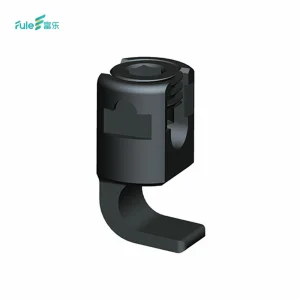
Managing femoral neck fractures calls for specialized designs. The Canwell DHS (Dynamic Hip Screw) Barrel Plate System accommodates controlled dynamic collapse along the femoral neck axis. This design keeps the fracture site compressed, supporting stable healing and reducing the risk of avascular necrosis.
Key technological shifts reshaping international procurement and orthopedic implant design.
Standard monoaxial locking plates restrict screw alignment. Modern surgical systems use variable-angle (polyaxial) locking technology, allowing surgeons to angle screws up to 15 degrees. This flexibility helps target specific bone fragments and avoid local joint components, improving construct security.
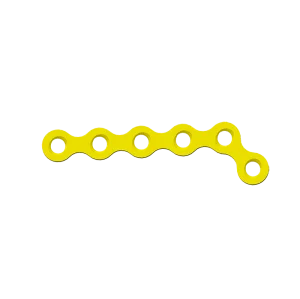
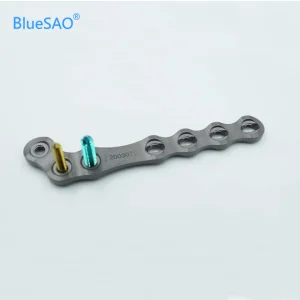
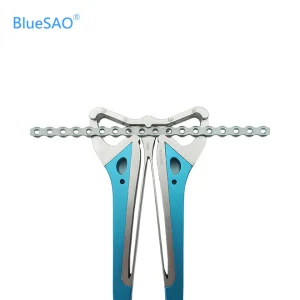
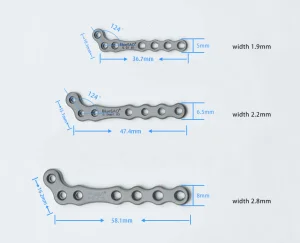
The veterinary surgical market is growing rapidly. Advanced small-animal hospitals require specialized internal fixation options. Our BlueSAO Veterinary Orthopedic systems supply specialized L-shape and reconstruction locking plates, tailored to small-animal anatomy and bone density patterns.
Research indicates that micro-structured, anodized implant surfaces improve cellular attachment and lower infection rates. Advanced manufacturers use electrochemical processes to build structured TiO2 surfaces on plates, encouraging healthy cell growth and lowering risks of bacterial colonization.
Regulatory, material, and logistical queries answered by our regulatory compliance and engineering departments.
Our trauma implants, including anatomical locking plates and dynamic hip screw systems, conform to rigorous international specifications. Our manufacturing sites hold ISO 13485 quality system certification. Many of our core product lines carry CE marking (Class III), confirming compliance with European safety and performance standards, and we supply comprehensive technical dossiers to assist with local health authority registrations.
Yes. Supported by 85 R&D engineers, we provide custom OEM/ODM manufacturing. We work from customer CAD designs, clinical samples, or specifications to produce custom plate profiles, screw dimensions, and surgical instrument setups. Our team handles the design, prototyping, and testing phases to deliver tailored solutions for hospitals, medical distributors, and device companies.
We build our implants using premium biocompatible metals. For high ductility and contouring flexibility (such as reconstructive plates), we use pure titanium (ASTM F67, Grade 2/Grade 4). For load-bearing applications requiring high fatigue strength, we use Titanium Alloy (Ti-6Al-4V ELI, conforming to ASTM F136). We also manufacture specialized implant configurations in medical-grade 316LVM stainless steel (ASTM F138) to meet specific surgical and market requirements.
With an annual export volume of USD 8–15 million, we manage global shipping pipelines. We maintain partnerships with over 850 raw material suppliers, packaging manufacturers, and transport providers. We offer customized packaging options, sterilization barrier options, and shipping solutions to ensure implants arrive safely at clinics, distributors, and logistics centers worldwide.
Our team of 35 quality specialists uses a three-tier inspection system: 1) Incoming raw materials testing, including metallurgical analysis and chemical purity checks; 2) In-process monitoring, checking CNC dimensional accuracy, thread tolerances, and surface finishes; 3) Final inspection, comprising dynamic fatigue testing (conforming to ASTM F382 protocols), visual verification, cleaning, and packing.
Yes, we manufacture veterinary-specific orthopedic systems. Under our BlueSAO product series, we offer specialized implants, such as L-shape reconstruction locking plates, micro-locking plates, and specialized screws, tailored to small-animal anatomy. These systems meet the growing demand for precision animal surgery in veterinary clinics and hospitals.
Select from our extended inventory of mini-trauma, veterinary reconstruction, and spine system components.