Bonevia
Bonevia
Bonevia
Premium ISO & CE certified surgical implants engineered for primary total hip and knee arthroplasty procedures.
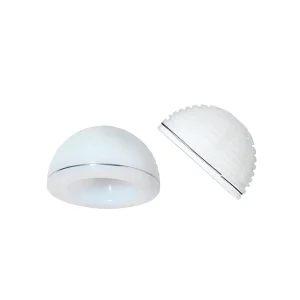
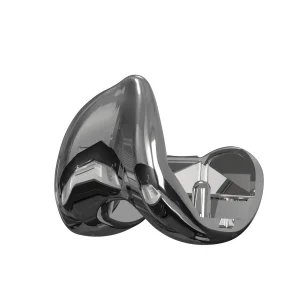
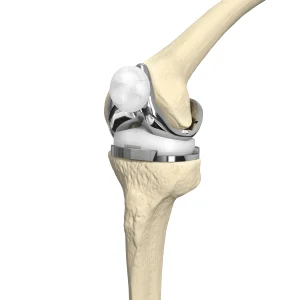
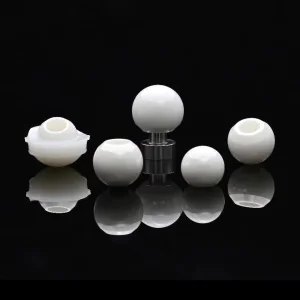
A macroeconomic analysis of joint arthroplasty, clinical demands, materials science, and supply chain logistics.
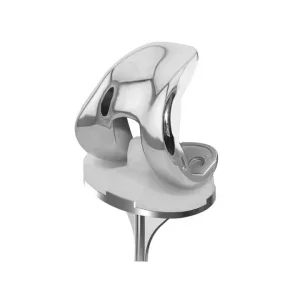
The global market for Total Hip Arthroplasty (THA/THR) and Total Knee Arthroplasty (TKA/TKR) is undergoing significant transformation. Key catalysts include an aging global population, the rising prevalence of degenerative joint diseases such as osteoarthritis, and a growing clinical expectation for long-lasting mobility among younger, active recipients. To address these demands, modern implants must exhibit exceptional wear resistance, optimized load transfer, and complete biological compatibility to eliminate risk of aseptic loosening.
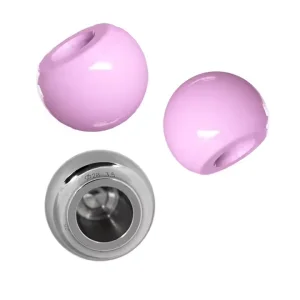
Information Gain: Research indicates that optimizing surface finish roughness (Ra < 0.01 µm) on ceramic femoral heads and CoCrMo components reduces polyethylene volumetric wear by up to 80% compared to legacy designs, directly extending implant service life past the 20-year milestone.
Modern arthroplasty depends heavily on advances in metallurgy and polymer science. To minimize the biological response to wear debris, implants are manufactured from three primary material categories:
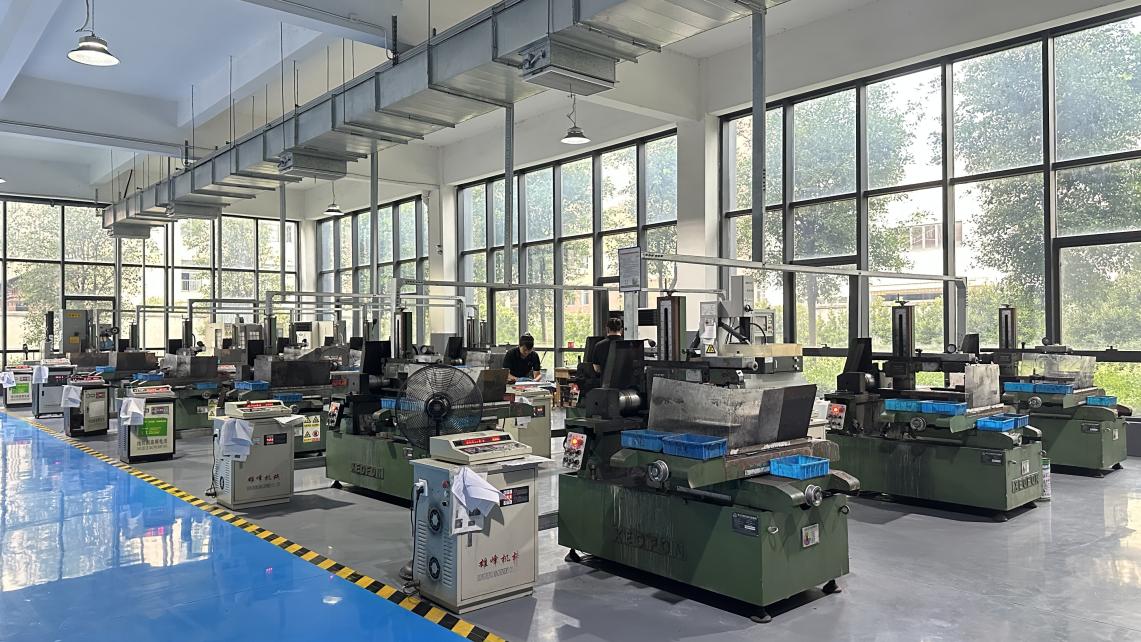
Delivering high-integrity orthopedic solutions with state-of-the-art production facilities and engineering expertise.
Company Profile – Bonevia Orthopedic Technology Co., Ltd.
Bonevia Orthopedic Technology Co., Ltd. is a professional manufacturer specializing in orthopedic implants and surgical solutions, dedicated to advancing innovation in trauma, spine, and joint reconstruction products. Since its establishment in 2015, the company has grown steadily into a trusted supplier in the global orthopedic industry.
With a modern production facility covering approximately 320㎡, Bonevia maintains strict quality management standards and efficient manufacturing processes. The company records an annual export revenue of around USD 8–15 million, supported by 6 years of export experience and over 10 years of overall industry experience.
Quality assurance is a core focus at Bonevia. The company implements multiple inspection methods including incoming material inspection, in-process quality control, and final product testing, supported by a dedicated quality team of 35 professionals. This ensures all products meet international medical device standards.
Bonevia has a solid trade foundation with diversified global distribution networks, serving major markets across Europe, Southeast Asia, the Middle East, and South America. Its supply chain ecosystem includes more than 850 partners, enabling stable raw material sourcing and efficient production delivery.
The company serves a wide range of clients, including hospitals, orthopedic clinics, surgical centers, and medical distributors. Bonevia also demonstrates strong R&D capabilities, offering OEM and ODM customization services to meet specific clinical requirements.
In the past year, Bonevia successfully launched 120 new product designs, supported by a research and development team of 85 engineers, continuously driving innovation in orthopedic implant systems and surgical instruments.
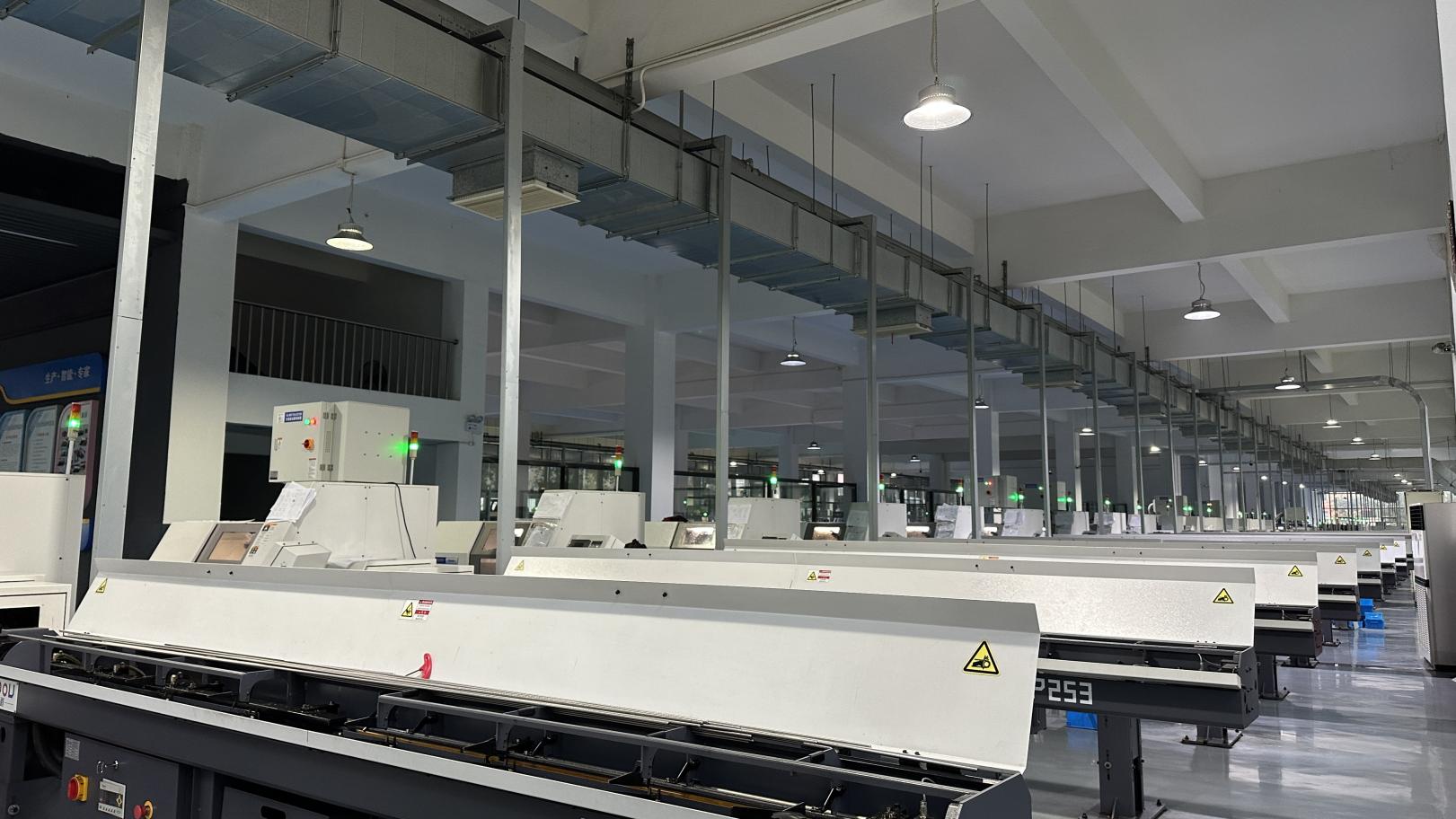
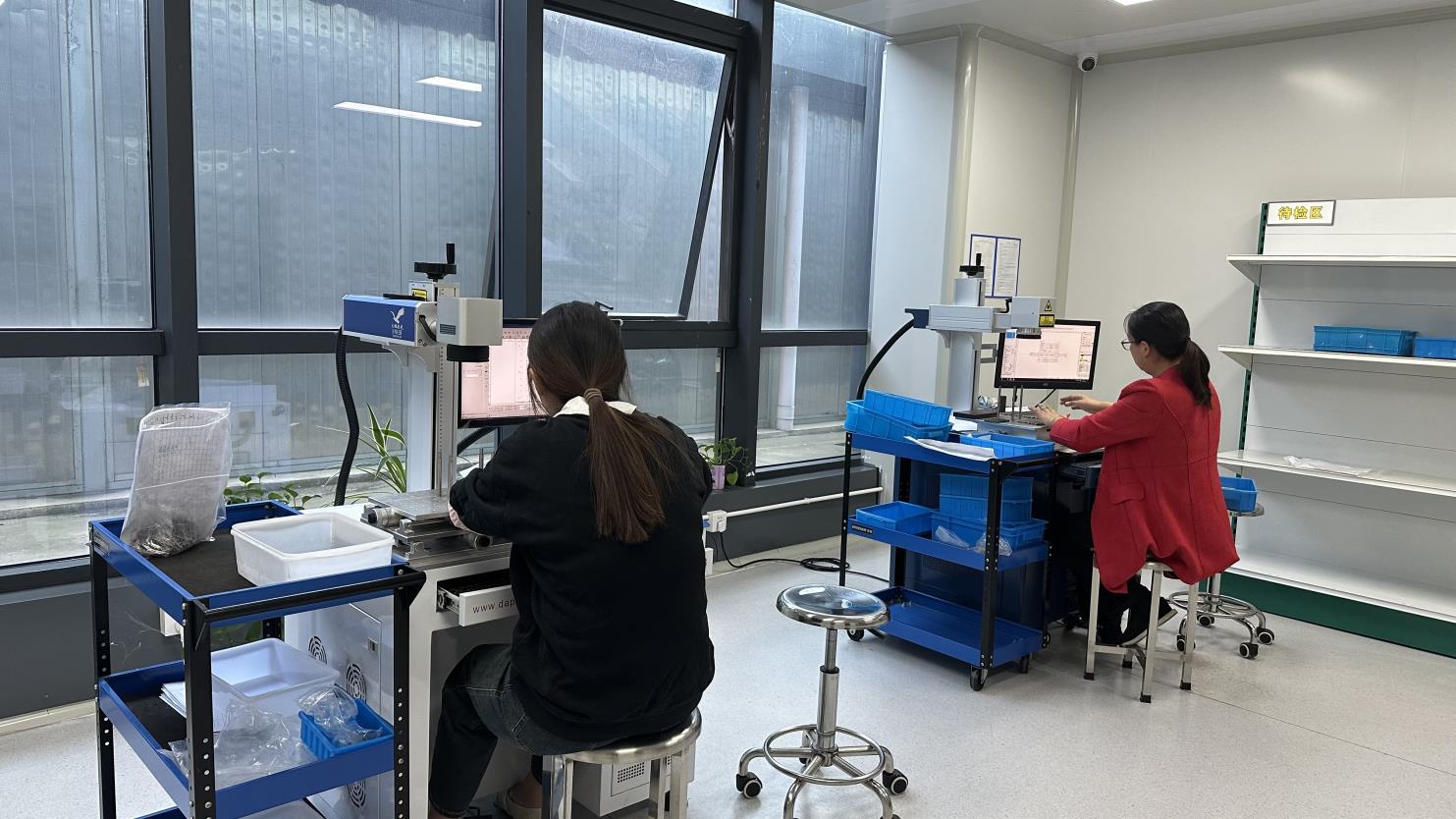
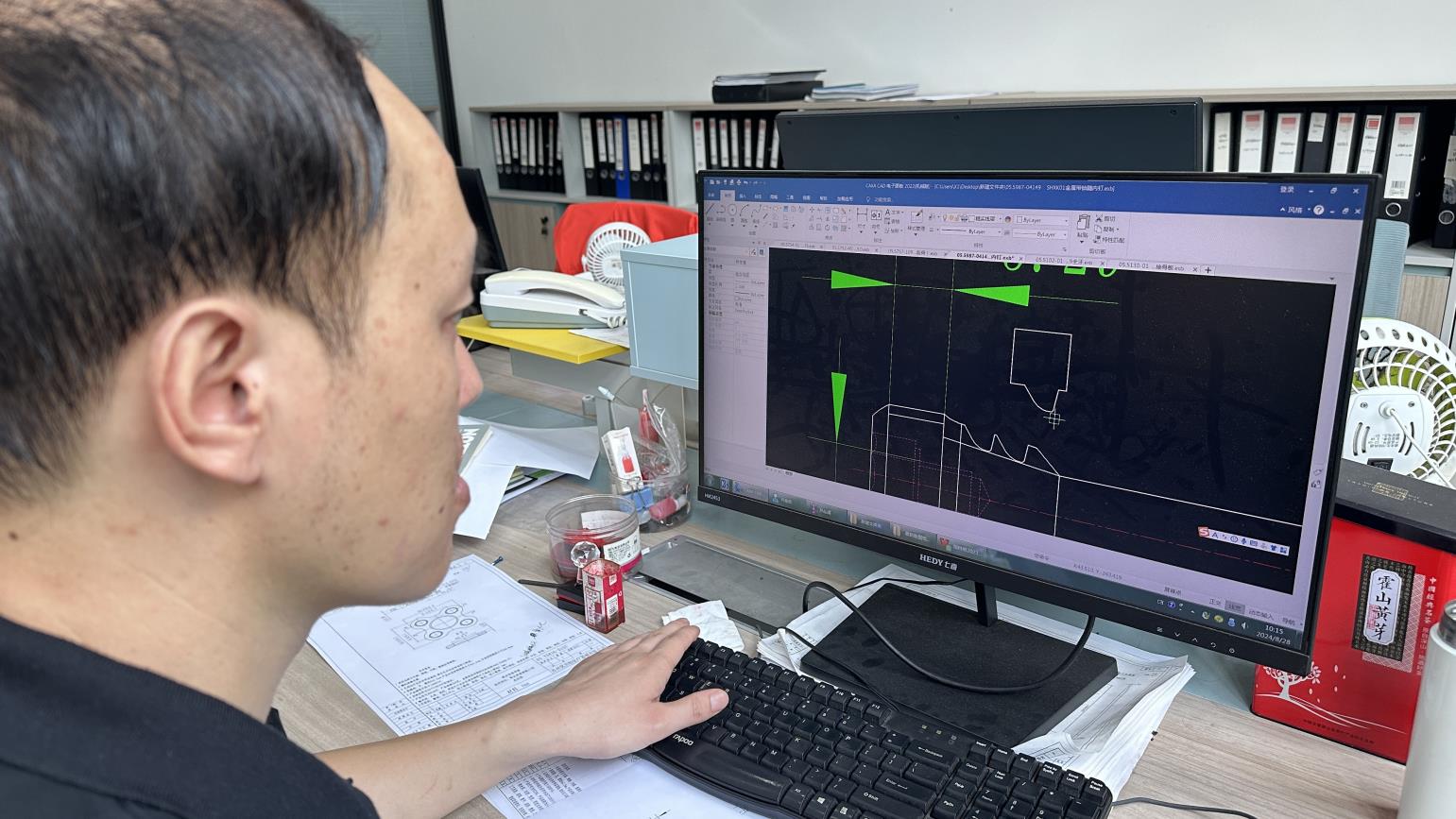
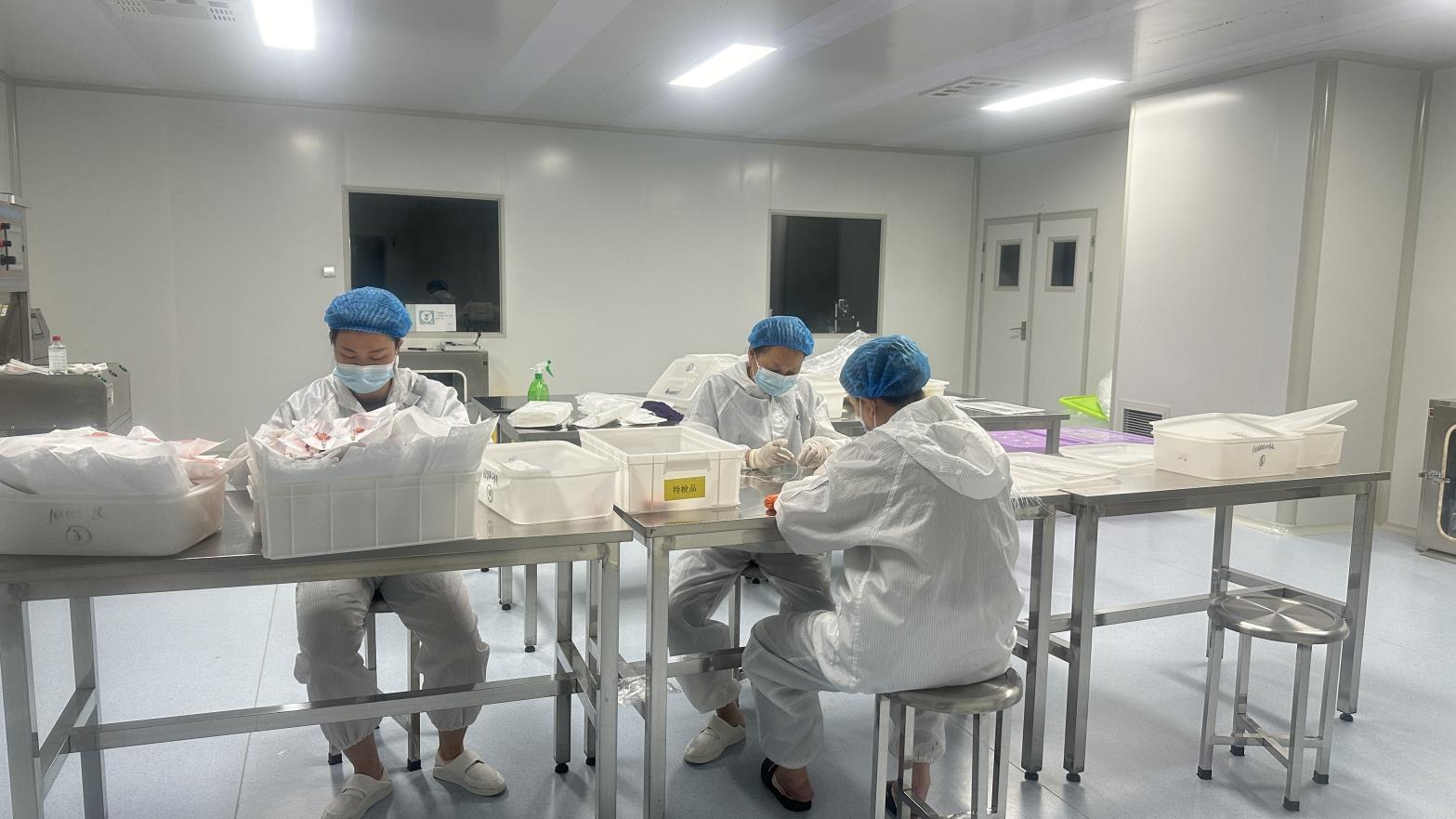
Visualizing our cleanroom precision, CNC machining, laser etching, and stringent quality control protocols.

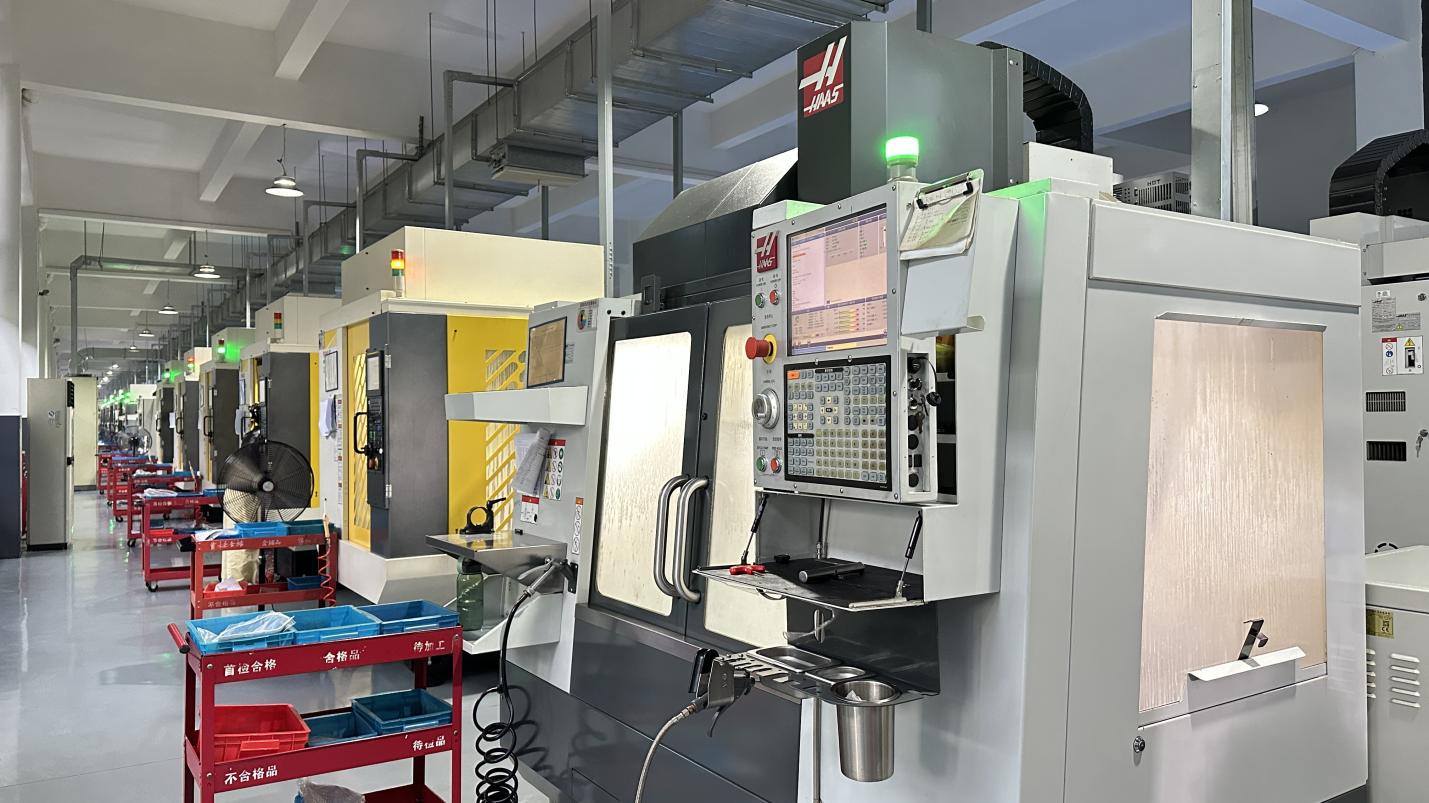
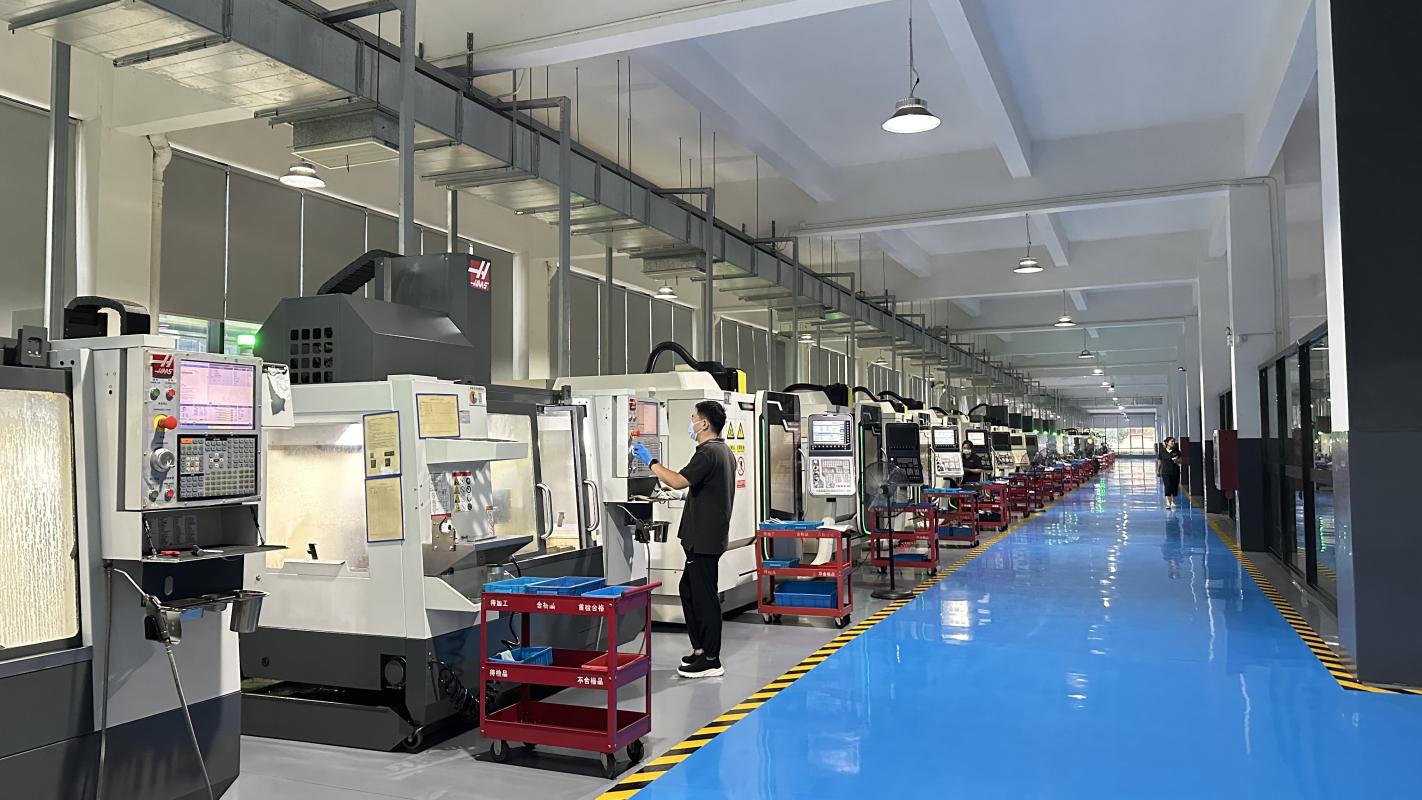
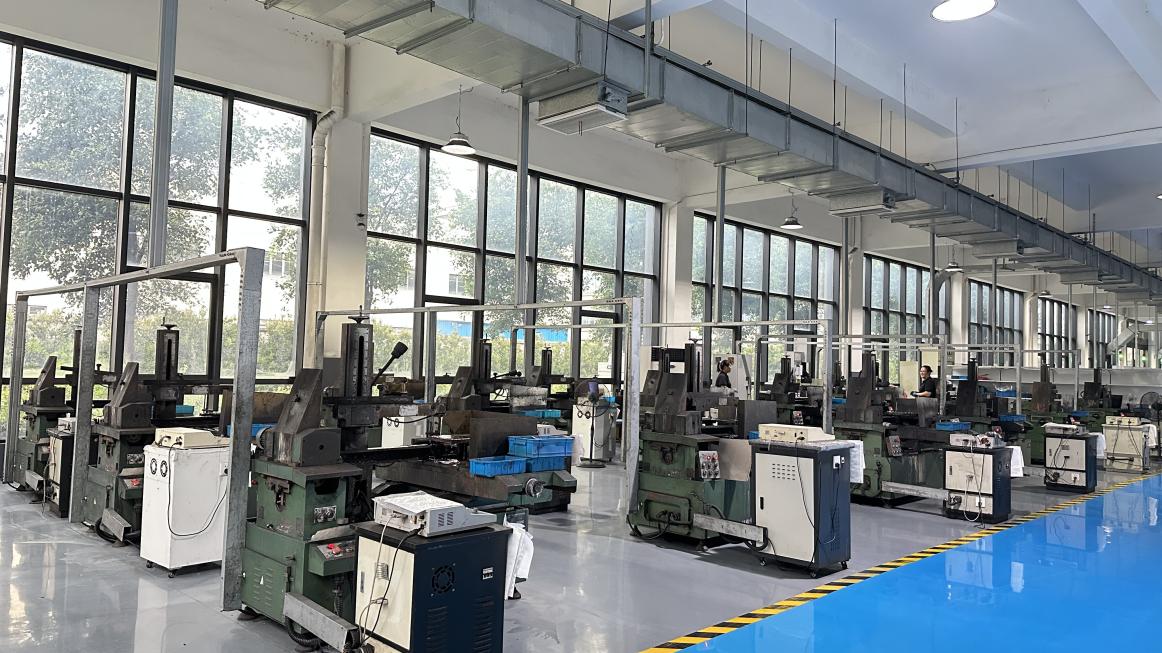
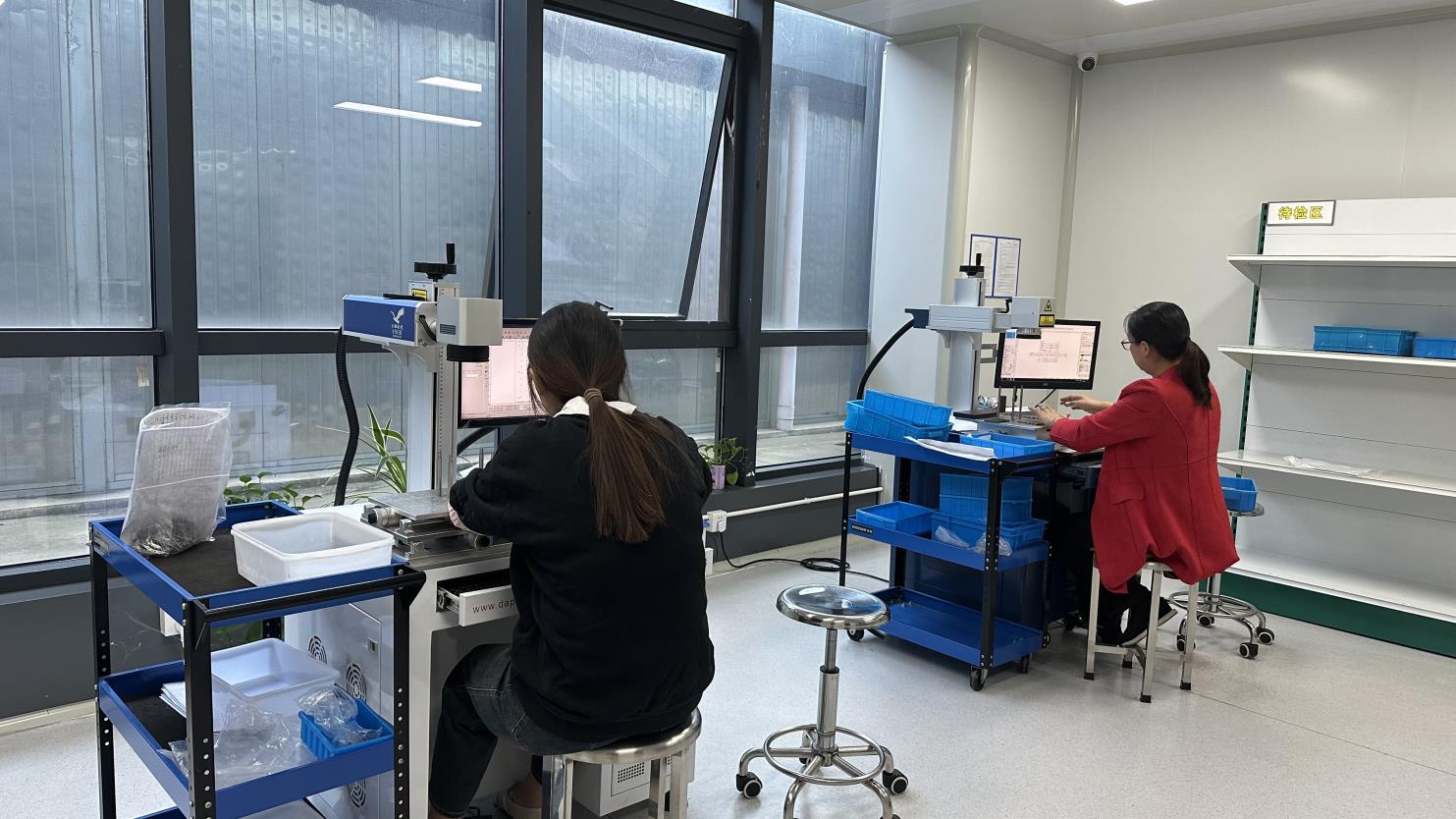
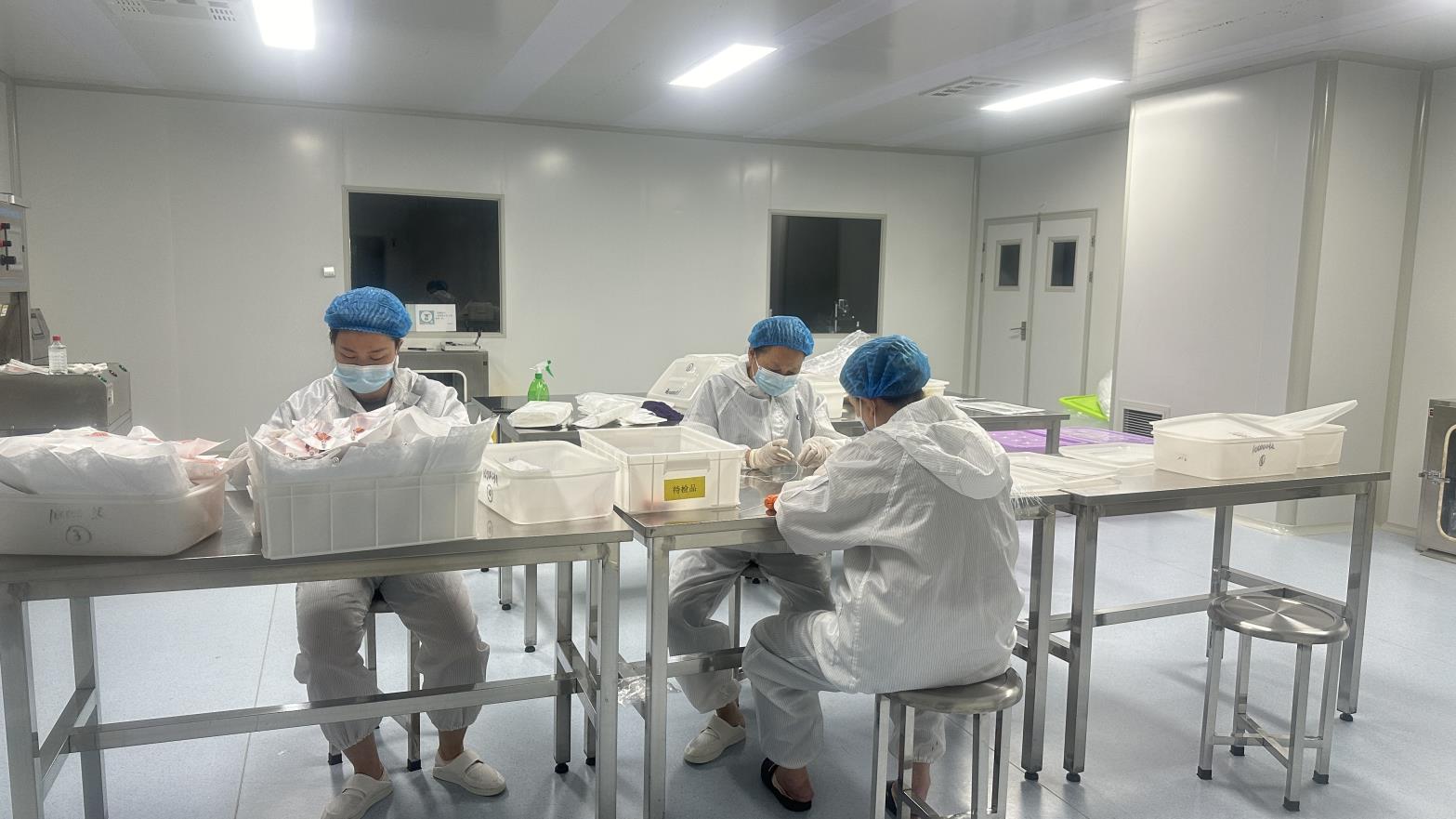

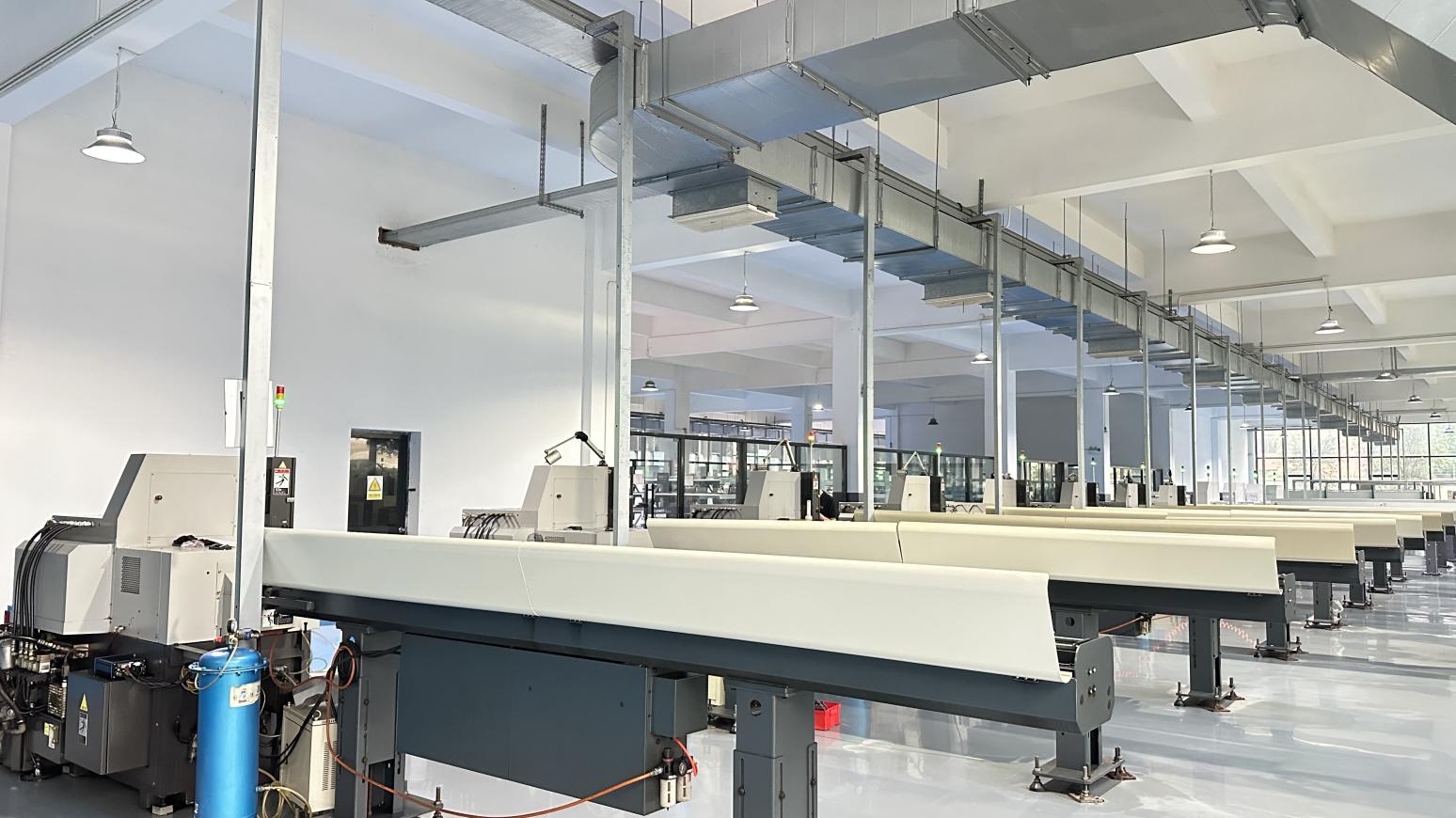
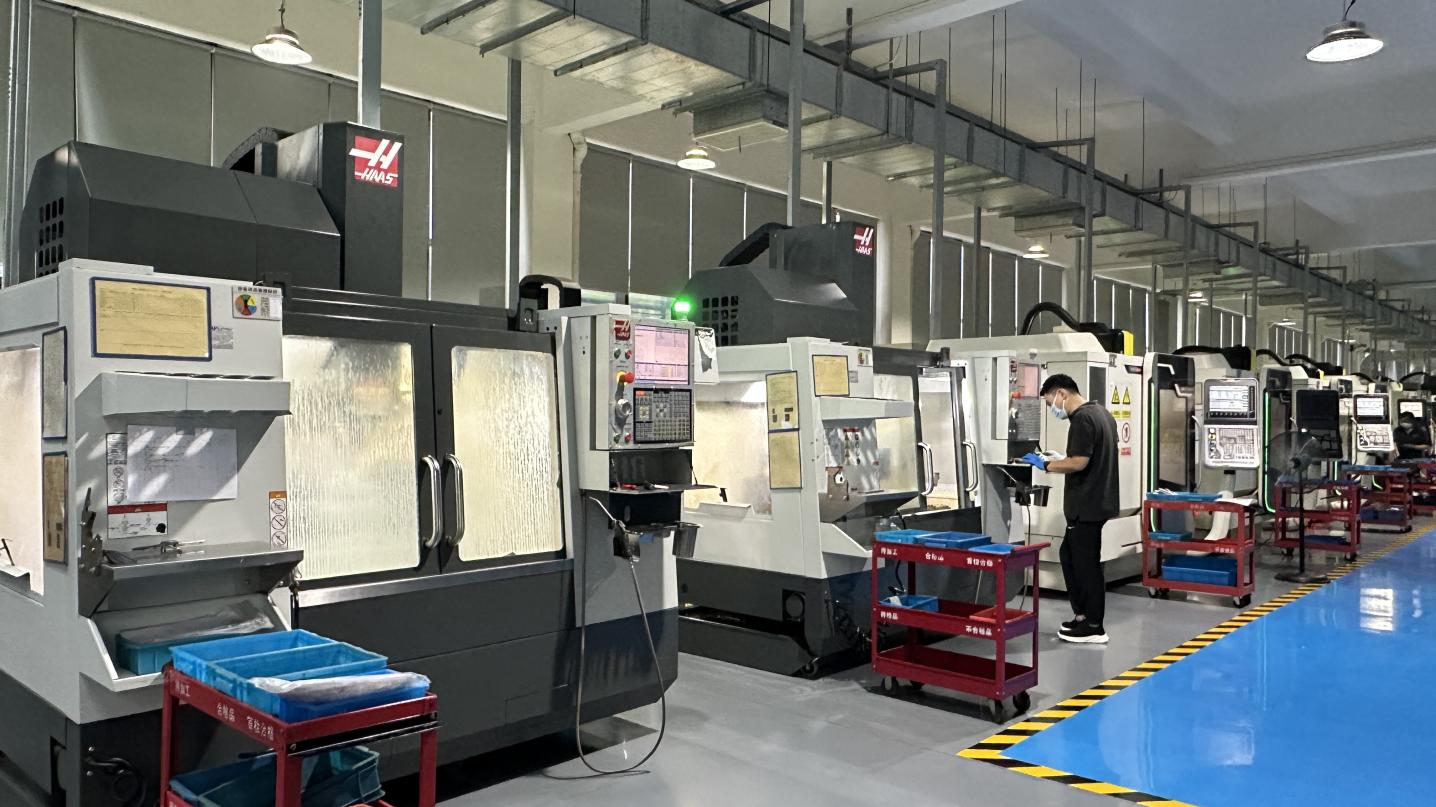
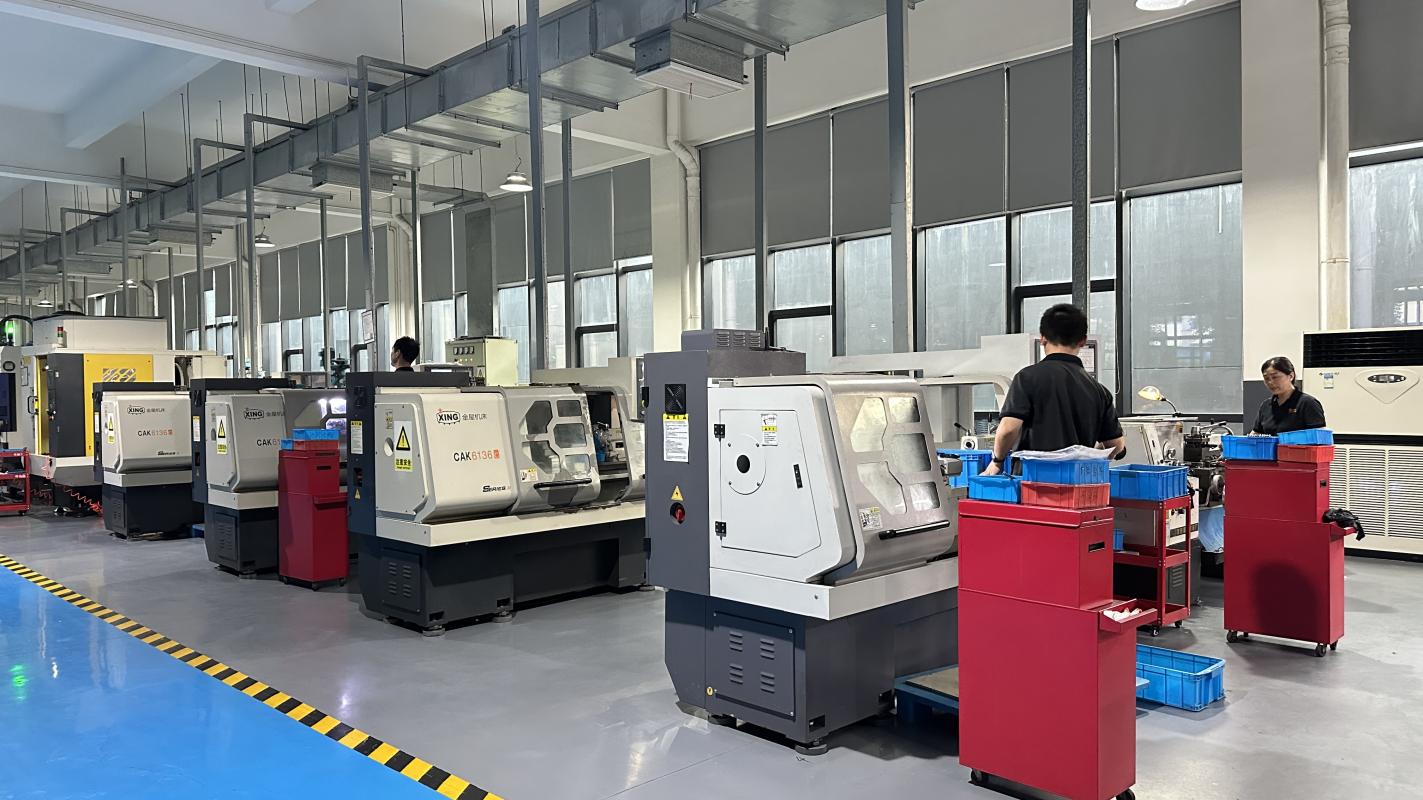
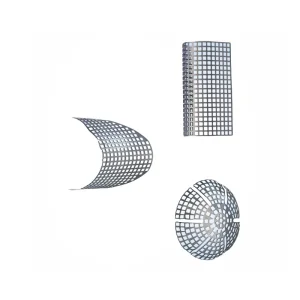
Innovating orthopedic hardware integration with 3D porous structures, biomechanical alignment, and advanced surgical instruments.
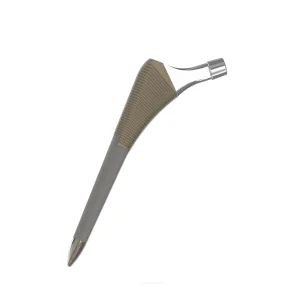
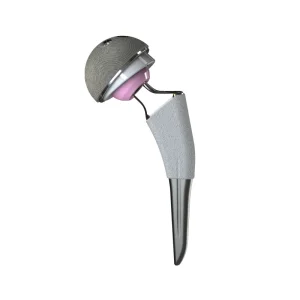
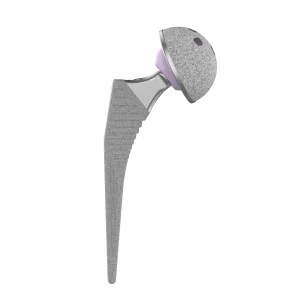
Integration of Vacuum Plasma Spraying (VPS) to apply Hydroxyapatite (HA) and titanium powders to cementless stems. This achieves a micro-rough surface structure mimicking trabecular bone, accelerating secondary osseointegration.
Combining dual-mobility UHMWPE inserts with premium ceramic femoral heads. This reduces the risk of dislocation, particularly in revision scenarios or patients with compromised soft tissue structures.
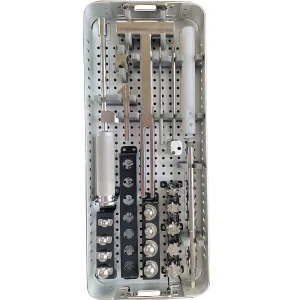
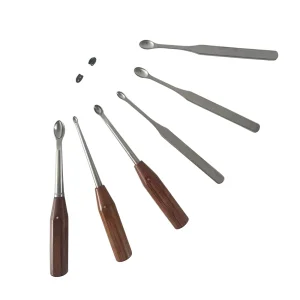
Design and manufacture of custom instruments (PGR sets, reamers, and shavers) to ensure bone bed preparation matches the implant profile within tolerance thresholds of less than 50 microns.
Beyond human joint revision systems, the technology framework developed for high-durability human implants has successfully transferred to veterinary orthopedics. Modern canine hip systems utilize the same raw titanium materials and locking mechanism dynamics, which minimizes post-surgical dislocation risks in high-stress, unpredictable load models characteristic of animal movements.
Key information regarding material selections, manufacturing standards, and partnership solutions.
Explore our wider range of orthopedic support products, veterinary reconstructive systems, and surgical tools.