Bonevia Bonevia

What is Titanium Locking Plates and How Do They Work?

Time:2026-06-29 Author:Aria
0%

Titanium Locking Plates have revolutionized orthopedic surgery. Their unique design allows for stable fixation of bone fragments. According to a 2022 report from the American Academy of Orthopaedic Surgeons, titanium plates have a failure rate of less than 2%. This statistic underscores their reliability in surgical procedures.

The versatility of Titanium Locking Plates is noteworthy. They are used in various applications, including fractures and reconstructions. Specialized design elements, like locking screws, enhance stability. However, surgeons still face challenges like the risk of infection and the need for precise placement.

Emerging data indicates a growing preference for Titanium Locking Plates globally. As of 2023, the market for these devices is projected to reach $2.5 billion. This trend reflects an increasing trust in titanium's biocompatibility and strength. Failure to adopt these advancements could hinder patient recovery and optimal outcomes. Understanding the intricacies of Titanium Locking Plates is essential for improving surgical practices.
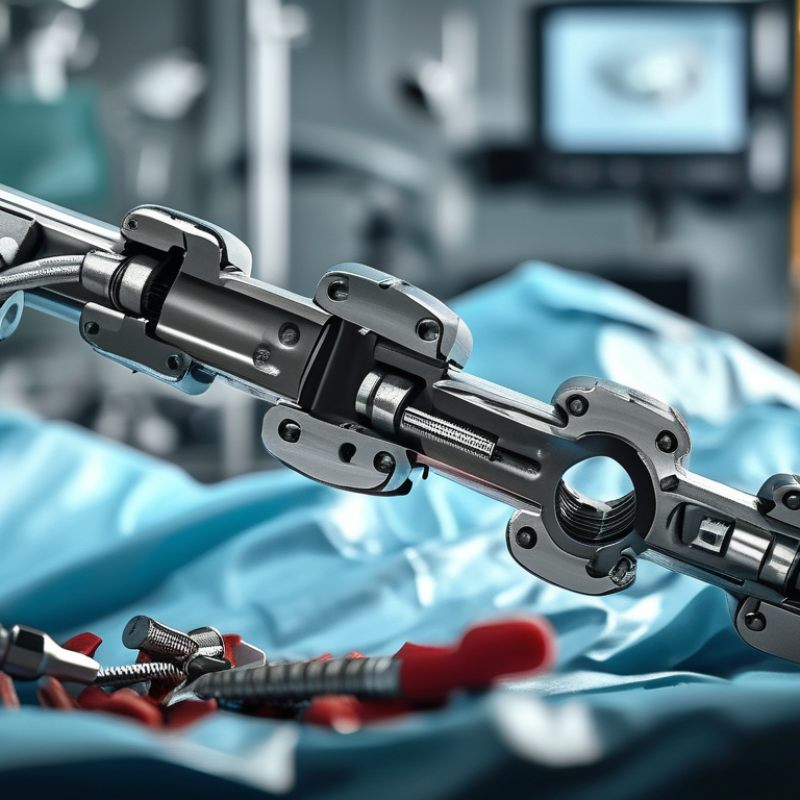
What is Titanium Locking Plates and How Do They Work?

What are Titanium Locking Plates and Their Key Features

Titanium locking plates are advanced orthopedic devices used in fracture fixation. They provide stability by locking screws into the plate, allowing for optimal bone healing. The use of titanium enhances biocompatibility. This reduces the risk of rejection or allergic reactions in patients.

These plates possess unique features that distinguish them from traditional options. They often have a low profile, minimizing irritation to soft tissues. Additionally, their strength allows for early mobilization, which is crucial for recovery. Other notable features include corrosion resistance, which prolongs the lifespan of the implant.

Despite their advantages, challenges remain in their application. The surgical technique requires precision. Improper placement can lead to complications. Surgeons must consider the patient’s specific conditions and needs. Continuous advancements in design show promise, but further research is vital to address potential issues. Overall, titanium locking plates represent a significant step in orthopedic surgery, but ongoing reflection on best practices will enhance their effectiveness.

Understanding the Material Properties of Titanium in Medical Devices

Titanium has emerged as a foundational material in medical devices, particularly in surgical implants. Its exceptional strength-to-weight ratio makes it ideal for creating titanium locking plates. The ability to withstand significant forces while remaining lightweight helps in minimizing patient discomfort. According to a study published in the "Journal of Biomedical Materials Research," titanium alloys exhibit a tensile strength of about 900 MPa, which is crucial for load-bearing applications.

Another critical aspect is corrosion resistance. Titanium’s natural oxide layer protects it from bodily fluids. This characteristic is essential in ensuring long-term implant success. Research indicates that titanium can withstand corrosion in the body for over 35 years. This longevity contributes to a reduced need for surgical revisions, which can be costly and risky. However, challenges remain, such as the potential for metal ion release, which could affect surrounding tissues.

While titanium offers considerable advantages, it is essential to continually assess its performance in various medical contexts. Some studies report localized reactions to titanium, prompting further investigation. Understanding both the benefits and limitations of titanium in medical applications can guide better decision-making among healthcare professionals. Future research must address these concerns while optimizing the properties of titanium for diverse medical uses.

The Mechanism of Action: How Titanium Locking Plates Function

Titanium locking plates are essential in orthopedics. These implants stabilize fractured bones by using a unique mechanism. They employ locking screws that engage with the plates, creating a fixed-angle construct. This design allows for better load transfer and stability. According to recent studies, this method reduces the likelihood of malunion or nonunion, which occurs in about 10% of traditional fixation cases.


The mechanism of action is quite fascinating. When a titanium locking plate is anchored to a bone, it provides multiple points of fixation. Elbow and knee fractures particularly benefit from this feature, as the locking screws maintain optimal alignment. Research shows that the use of locking plates decreases the overall healing time. Some patients achieve full recovery in approximately 12 weeks, instead of the usual 16-24 weeks seen with traditional techniques.


However, not all outcomes are perfect. Complications can arise, such as infection or screw loosening. These are serious concerns, as they can lead to additional surgeries. A study published in the Journal of Bone and Joint Surgery noted that between 5-15% of patients experience some form of complication. This highlights the need for thorough pre-operative evaluations and post-operative monitoring. Understanding the intricate functioning of titanium locking plates is crucial for improving surgical outcomes.

Clinical Applications and Benefits of Using Titanium Locking Plates

Titanium locking plates have become a vital component in orthopedic surgery. Their unique design offers superior stability for bone fractures. A study published in the Journal of Orthopedic Research reported that titanium locking plates reduce the risk of postoperative complications by up to 30%. This statistic highlights their effectiveness in clinical settings.

The benefits of using titanium locking plates extend to various clinical applications. They are ideal for complex fractures due to their ability to maintain the alignment of fractured bones. These plates provide locked screws that prevent any movement, allowing for optimal healing. Research from the American Academy of Orthopaedic Surgeons indicates that these plates can reduce the healing time by approximately 20%.

Despite these advantages, the use of titanium locking plates is not without challenges. Some surgeons report difficulties in initial placement. This can lead to a longer surgical time and potential complications. Additionally, the cost of titanium materials may limit accessibility for some patients. Balancing these factors is essential for achieving the best surgical outcomes.

What is Titanium Locking Plates and How Do They Work? - Clinical Applications and Benefits of Using Titanium Locking Plates

Dimension Description
Material Grade 5 Titanium Alloy (Ti-6Al-4V)
Weight Lightweight, approximately 60% lighter than stainless steel
Biocompatibility High biocompatibility, minimizes adverse tissue reactions
Strength Excellent tensile strength, capable of load-bearing applications
Surgical Applications Used in orthopedic, craniofacial, and spinal surgeries
Locking Mechanism Provides angular stability and prevents screw loosening
Benefits Enhanced stability, reduced risk of infection, and improved healing outcomes
Post-operative Recovery Facilitates quicker recovery and rehabilitation due to optimized fixation

Comparative Analysis: Titanium Locking Plates vs. Traditional Fixation Methods

Titanium locking plates have gained popularity for their innovative approach in orthopedic surgery. Unlike traditional fixation methods, such as pins or screws, these plates offer enhanced stability for fractured bones. They work by utilizing locking screws that securely hold the plate to the bone. This design allows for better load transfer and minimizes the risk of screw backout.

One critical aspect of titanium plates is their biocompatibility. Surgeons appreciate that these plates integrate well with bone tissue, reducing the chances of complications. In contrast, traditional methods can lead to issues such as plate loosening or soft tissue irritation. However, titanium plates often come with a higher initial cost. Not every facility may have the resources for these advanced materials. Additionally, the learning curve for surgeons can be steep, raising questions about access and training.

Patient outcomes can vary. While many experience improved healing, some may not see significant differences compared to older methods. Revisiting treatment protocols is essential in determining the best course of action. Ultimately, both titanium locking plates and traditional methods serve essential roles in orthopedic surgeries. Each has its advantages and limitations that must be considered based on individual patient needs.

FAQS

: What are titanium locking plates?

: Titanium locking plates are orthopedic devices that stabilize fractured bones through a unique locking mechanism.

How do titanium locking plates work?

They use locking screws to create a fixed-angle construct, improving stability and load transfer.

What benefits do titanium plates offer over traditional methods?

They provide enhanced stability, reduce the risk of screw backout, and improve integration with bone tissue.

Are there any complications associated with titanium locking plates?

Yes, infections and screw loosening can occur, leading to significant concerns and potential additional surgeries.

How long does recovery typically take with titanium locking plates?

Some patients may recover in about 12 weeks, compared to 16-24 weeks with traditional fixation methods.

Are titanium locking plates suitable for all patients?

Not necessarily. Individual patient conditions and specific needs must be evaluated before use.

Is the initial cost of titanium locking plates high?

Yes, the cost can be higher than traditional methods, potentially affecting accessibility for some facilities.

How does the surgical technique for titanium plates differ?

It requires precise placement, and a steep learning curve exists for surgeons compared to traditional techniques.

Can outcomes vary between patients?

Yes, while many experience improved healing, some may not see significant differences compared to older methods.

What is vital for improving surgical outcomes with titanium locking plates?

Thorough pre-operative evaluations and post-operative monitoring are essential for addressing potential complications.

Conclusion

Titanium Locking Plates are advanced orthopedic devices designed to provide stable fixation for fractured bones. These plates are characterized by their unique locking mechanism, which enhances stability and allows for better alignment of bone fragments. The properties of titanium, such as its biocompatibility, lightweight nature, and resistance to corrosion, make it an ideal material for medical devices, ensuring durability and reduced risk of infection.

The mechanism of action involves the screws locking into the plate, creating a fixed-angle construct that provides optimal support for healing. Clinically, Titanium Locking Plates have become essential in various applications, demonstrating advantages over traditional fixation methods by reducing complications and improving patient outcomes. Their innovative design and functionality contribute significantly to modern orthopedic surgery.

Aria

Aria

Aria is a dedicated marketing professional with a deep passion for innovative strategies and a keen understanding of our company's product offerings. With a wealth of experience in the industry, Aria excels at crafting engaging content that highlights the unique features and benefits of our......