Bonevia
Bonevia
Bonevia
Premium medical devices engineered for high mechanical performance and long-term biocompatibility in orthopedic reconstruction.
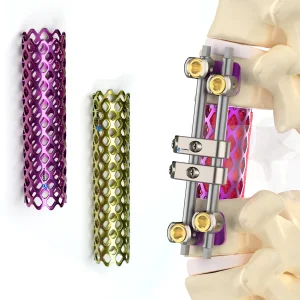
The paradigm of soft-tissue-to-bone fixation has shifted dramatically from permanent metallic devices to advanced bioabsorbable materials. In arthroscopic sports medicine, particularly during shoulder rotator cuff repairs and labral reconstructions, the use of bioabsorbable suture anchors has become the gold standard. These implants deliver immediate biomechanical stability while matching the physiological healing timelines of the targeted musculoskeletal tissues, eventually dissolving to leave behind natural, healthy bone structure.
Our bioabsorbable suture anchors are manufactured using medically verified copolymers. By pairing optimized thread designs with high-strength suture materials, these implants prevent long-term foreign body complications while delivering standard-compliant pull-out forces that easily exceed 200N during critical early-stage tendon remodeling.
The performance of any bioabsorbable anchor depends entirely on its polymer chemistry. The most common biopolymers utilize Poly-L-lactic Acid (PLLA), Polyglycolic Acid (PGA), and Poly-D,L-lactic Acid (PDLLA). Pure PLLA degrades slowly via bulk hydrolysis, typically retaining mechanical strength for 6 to 12 months, with complete mass resorption occurring over 18 to 36 months. However, pure crystalline PLLA may occasionally trigger late-stage sterile inflammatory tissue reactions.
To optimize this process, next-generation composites integrate osteoconductive ceramic particles, such as Beta-Tricalcium Phosphate (β-TCP) or Hydroxyapatite (HA), directly into the polymer matrix. These biocomposite anchors provide two key clinical advantages:
For decades, titanium suture anchors were the clinical standard due to their outstanding tensile strength. However, metallic implants introduce persistent challenges, including artifact generation in postoperative MRI scans, potential anchor migration, osteolysis, and complex revision surgeries if repairs fail. Bioabsorbable anchors mitigate these concerns by disappearing once their structural role is fulfilled. This leaves the anatomical site clear of metallic implants, simplifying future procedures and allowing clear radiographic assessment of bone healing.
As a leading hub for medical device manufacturing, China has integrated advanced micro-injection molding and ultra-precision CNC Swiss machining into the production of implants. At Bonevia Orthopedic Technology Co., Ltd., we combine cost-competitive raw material sourcing with strict adherence to CE (Class III Medical Devices) and ISO 13485 quality standards. This ensures that every production run delivers consistent, reliable implants for global healthcare markets.
By leveraging local supply chains, we maintain access to high-grade, biocompatible medical polymers while using automated optical inspection equipment to monitor tolerances down to the micrometer level. The result is a high-yield manufacturing ecosystem that easily accommodates custom modifications, instrument design changes, and scalable high-volume production for international distributors.
Bonevia Orthopedic Technology Co., Ltd. is a professional manufacturer specializing in orthopedic implants and surgical solutions, dedicated to advancing innovation in trauma, spine, and joint reconstruction products. Since its establishment in 2015, the company has grown steadily into a trusted supplier in the global orthopedic industry.
With a modern production facility covering approximately 320㎡, Bonevia maintains strict quality management standards and efficient manufacturing processes. The company records an annual export revenue of around USD 8–15 million, supported by 6 years of export experience and over 10 years of overall industry experience.
Quality assurance is a core focus at Bonevia. The company implements multiple inspection methods including incoming material inspection, in-process quality control, and final product testing, supported by a dedicated quality team of 35 professionals. This ensures all products meet international medical device standards.
We design our products to withstand the physiological stresses of early recovery while promoting bone growth and tissue remodeling.
Our specialized dual-thread designs distribute insertion torque evenly, reducing the risk of bone shear and ensuring high initial pull-out strength in both soft cancellous bone and hard cortical bone.
Standard co-braided Ultra-High-Molecular-Weight Polyethylene (UHMWPE) sutures provide excellent tensile strength and pliability, maintaining secure knot locking without tissue damage.
Leveraging 10+ years of manufacturing experience, we tailor diameter sizes, suture configurations, and driver geometries to align with your hospital's or clinic's arthroscopic instrument sets.
From raw medical-grade polymers to sterile final packaging, explore our step-by-step quality-controlled orthopedic manufacturing pipeline.
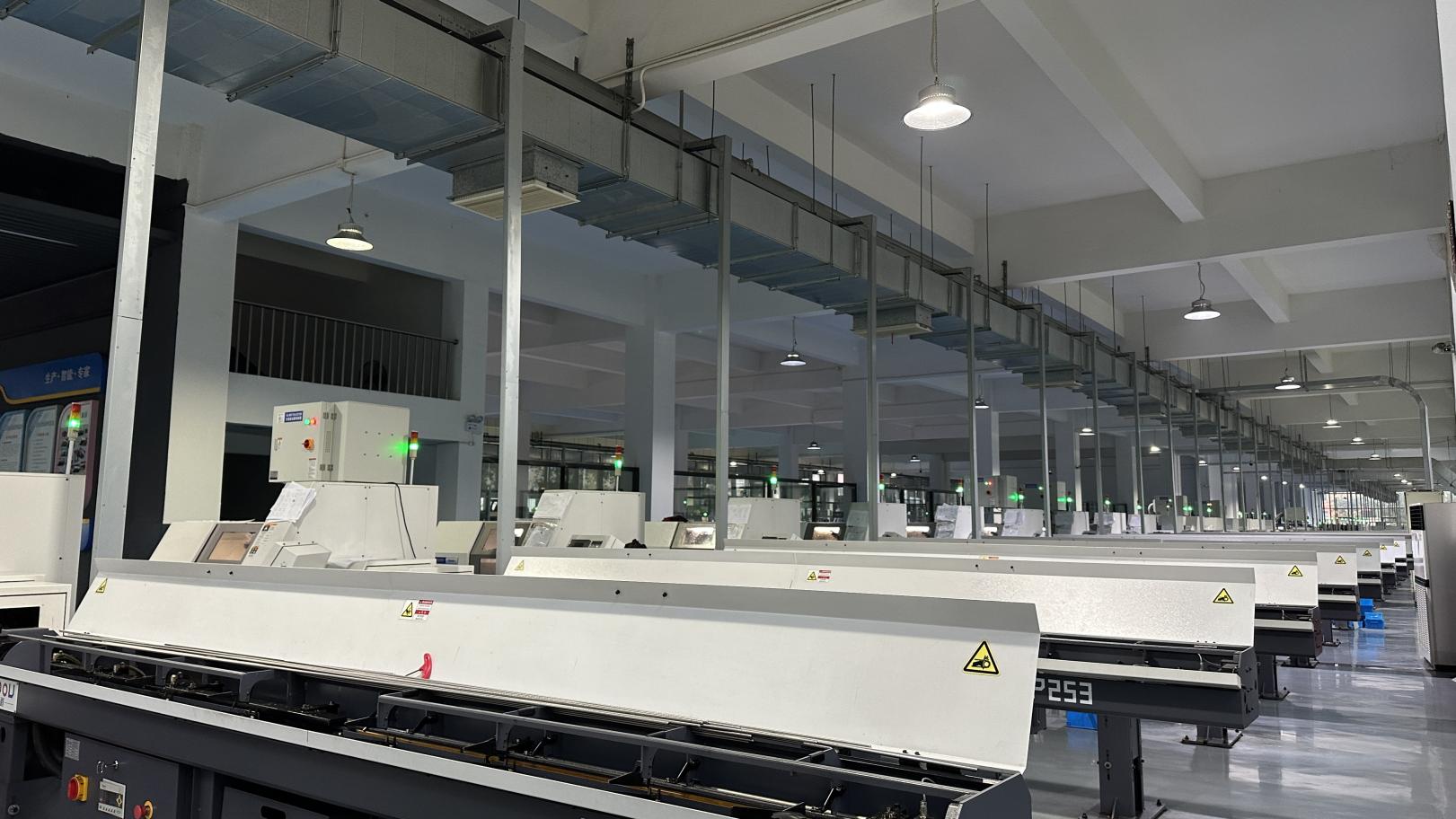
Sourcing and verifying high-purity medical polymers
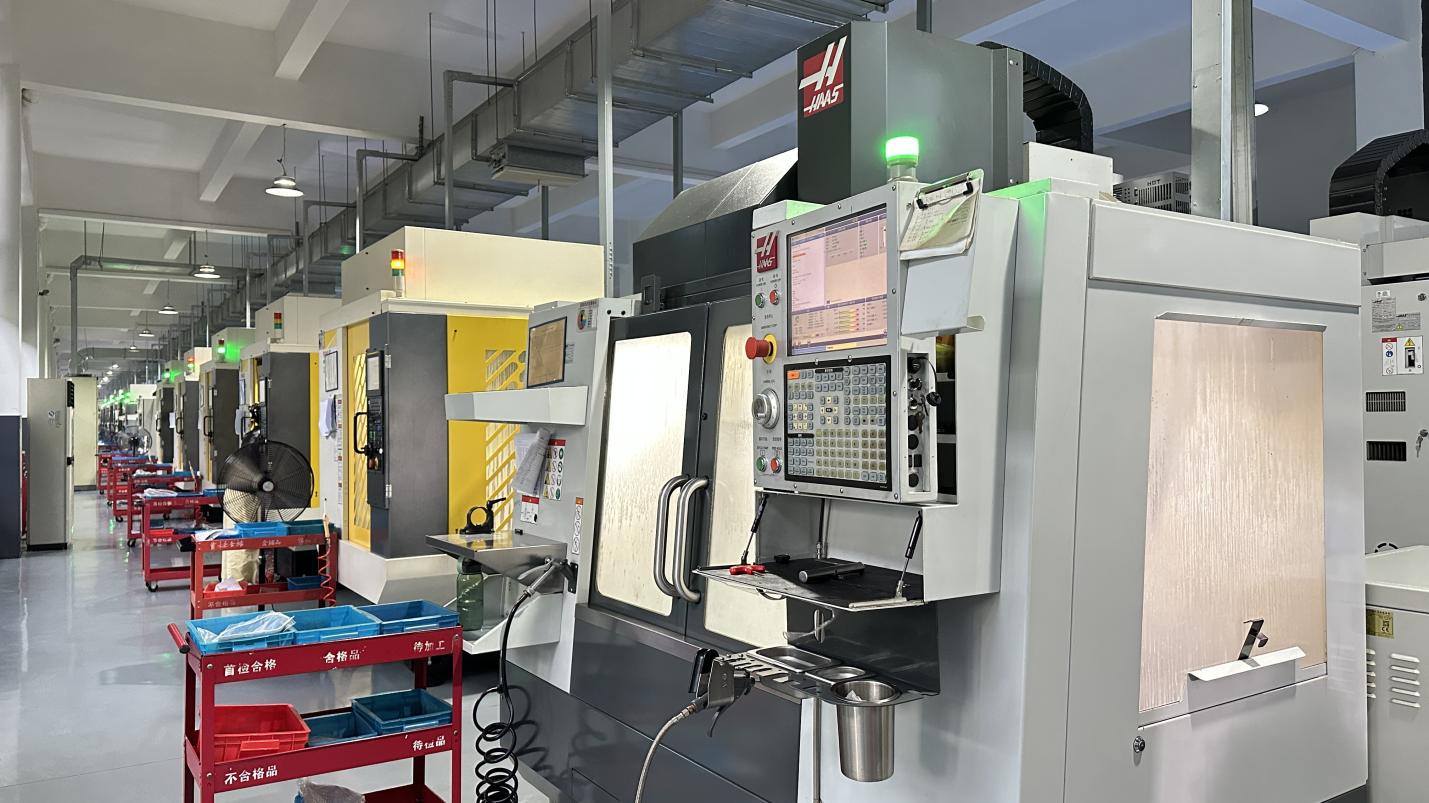
Precision cutting of raw materials for production
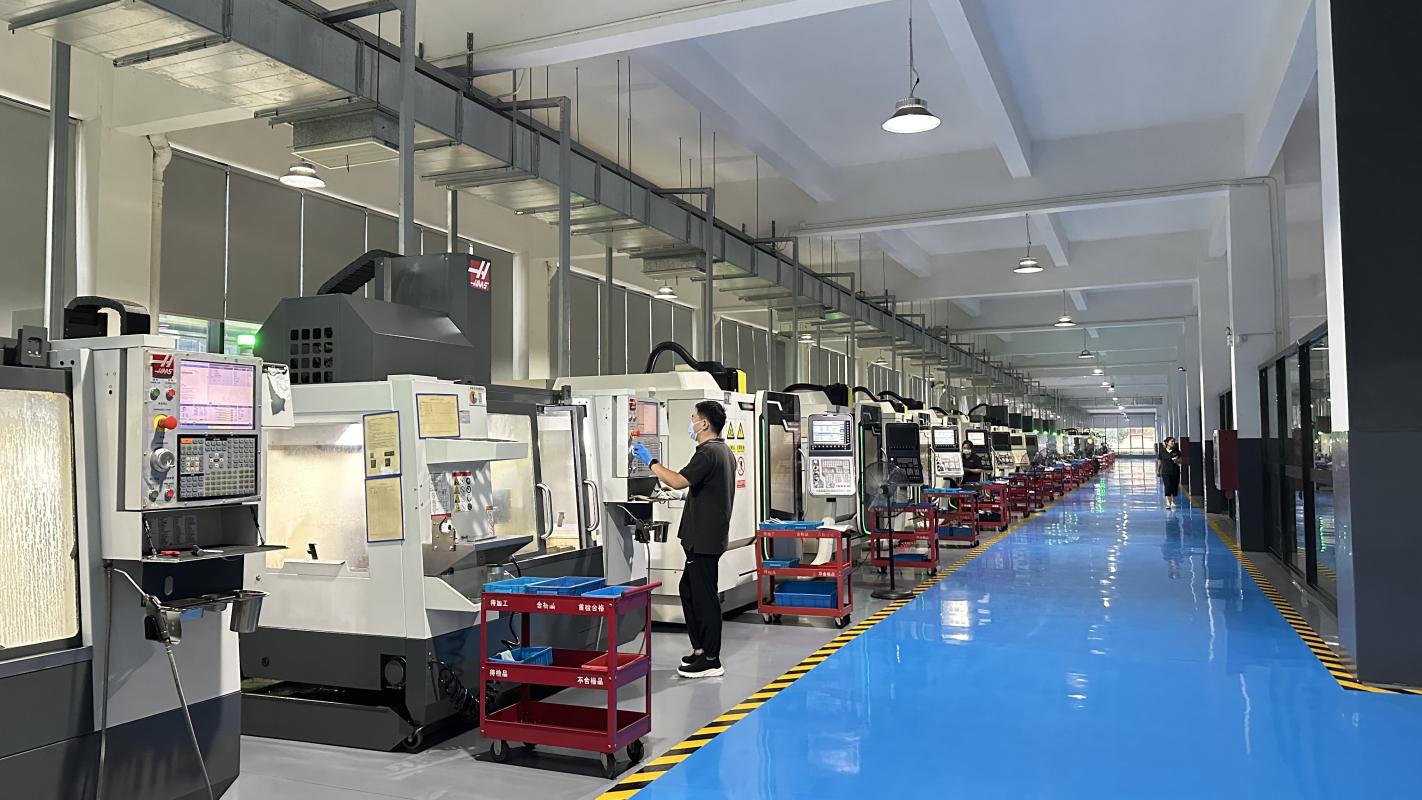
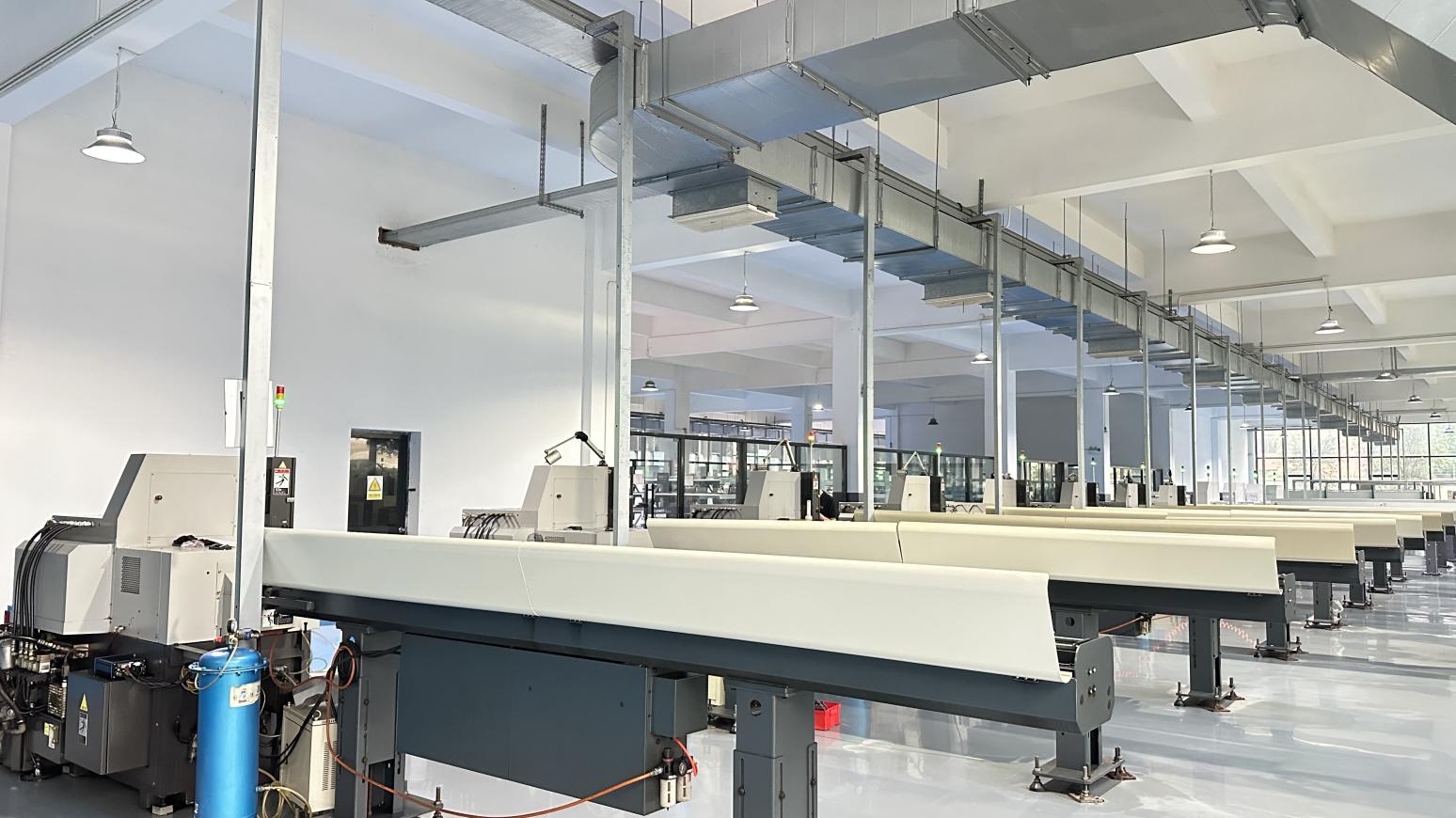
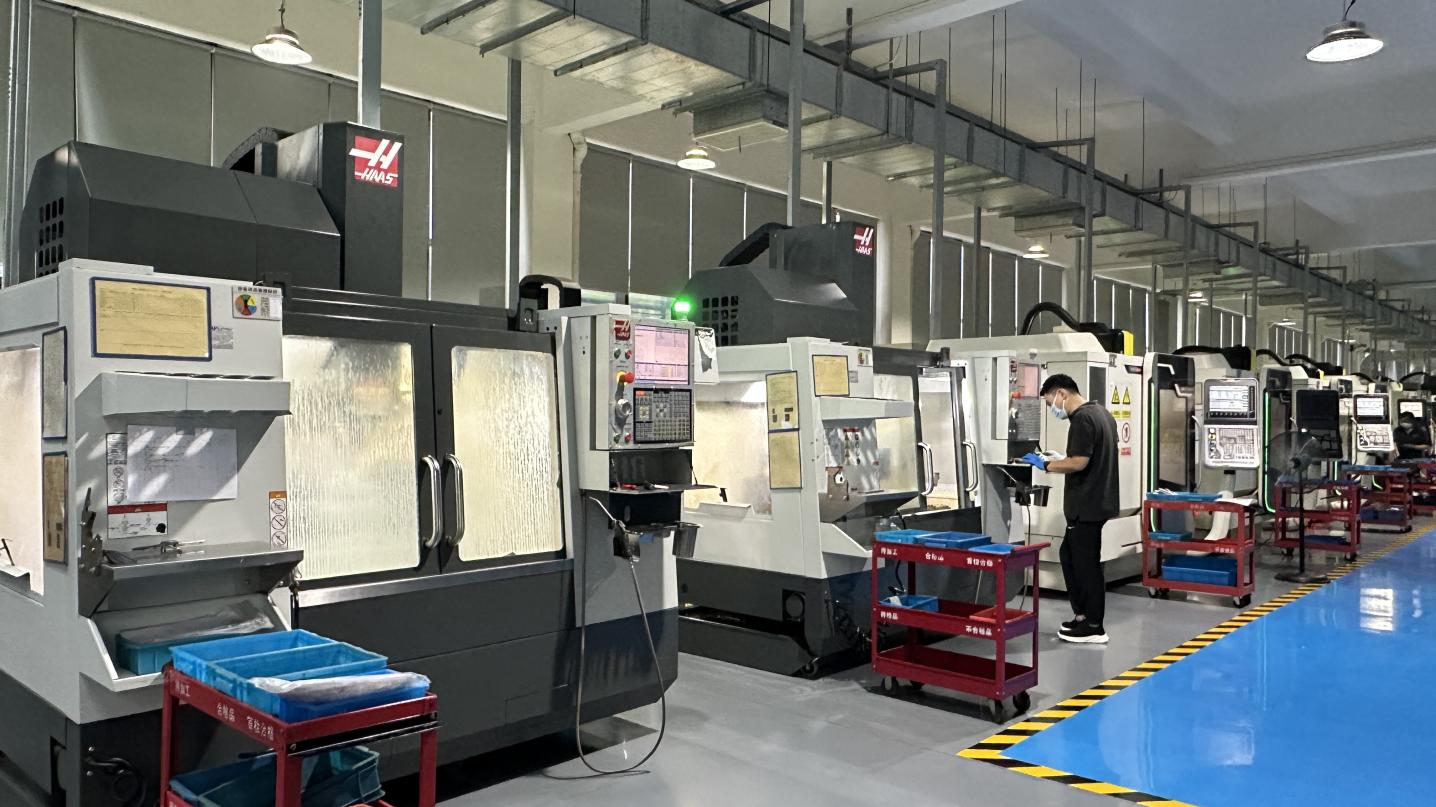
Forming core implant geometries with swiss-type CNC
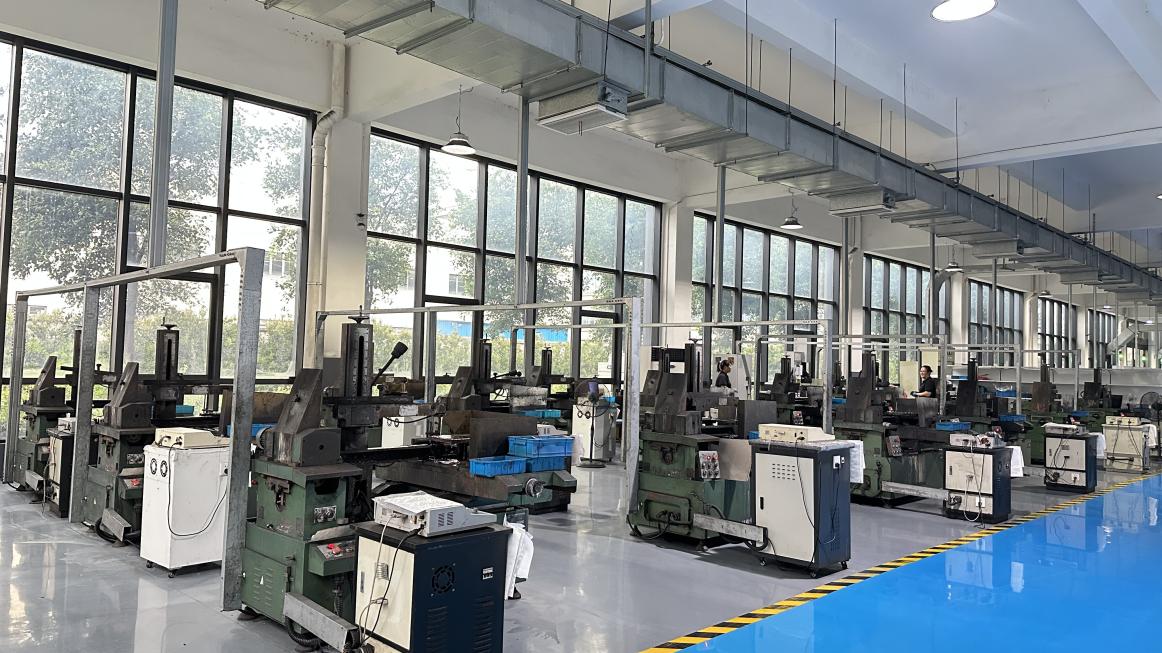
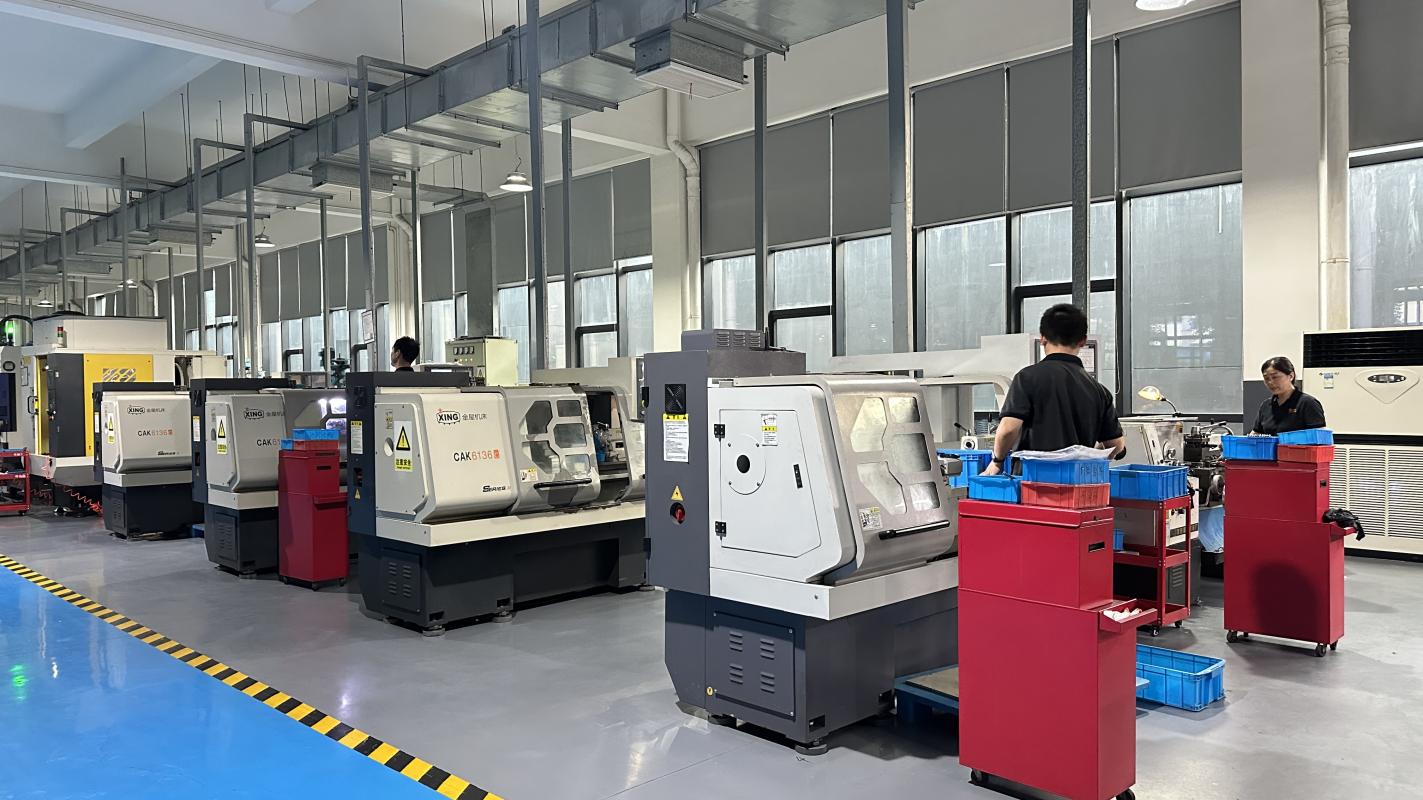
Advanced thread profile carving and refinement
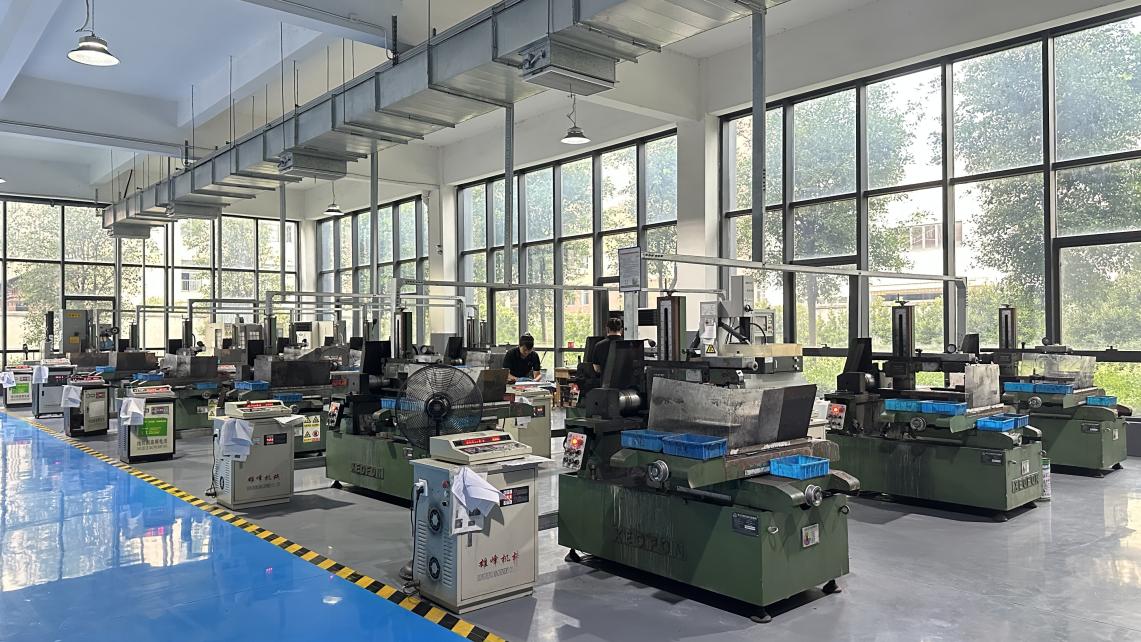
Precision EDM cuts for complex metal components
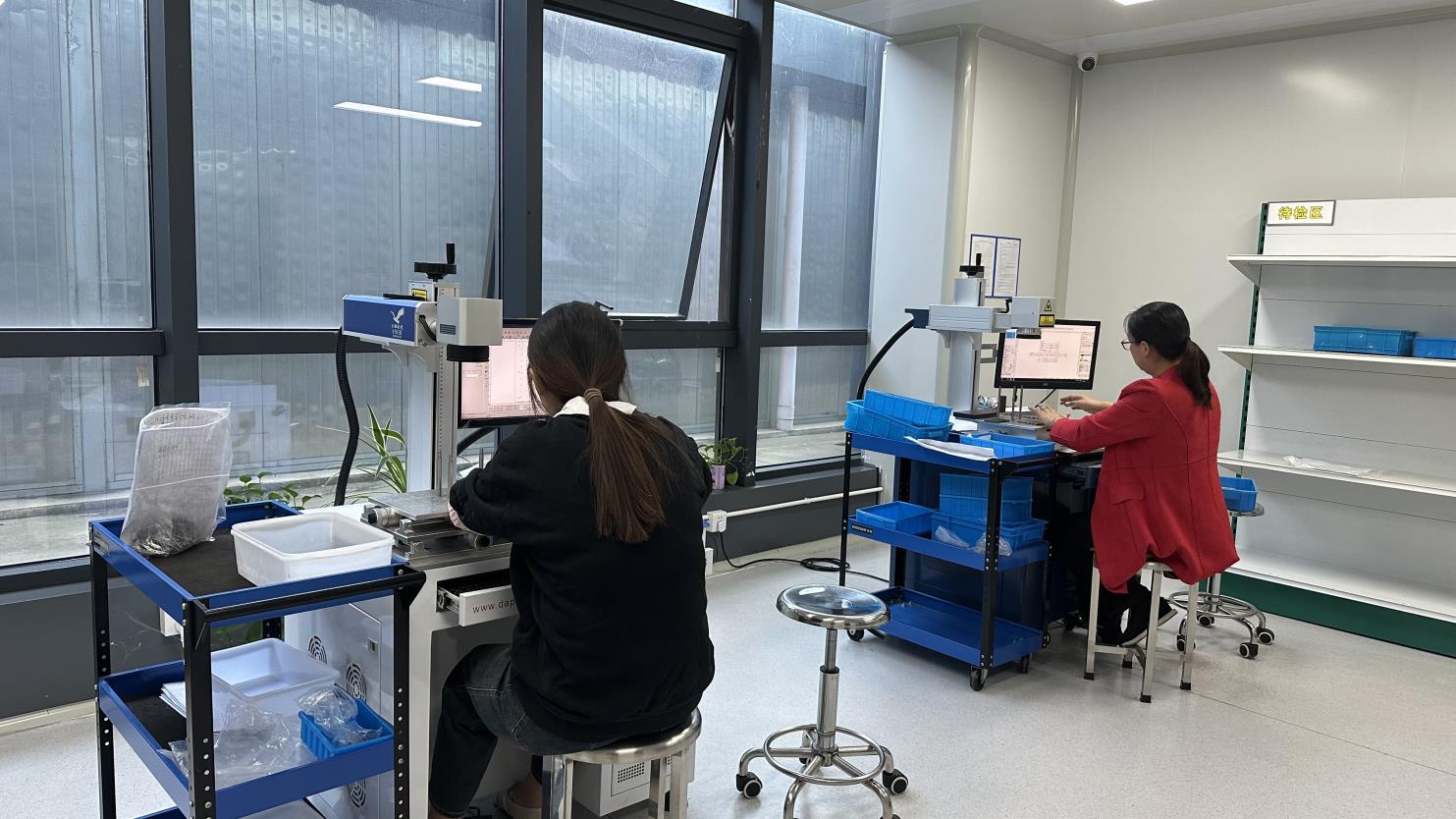
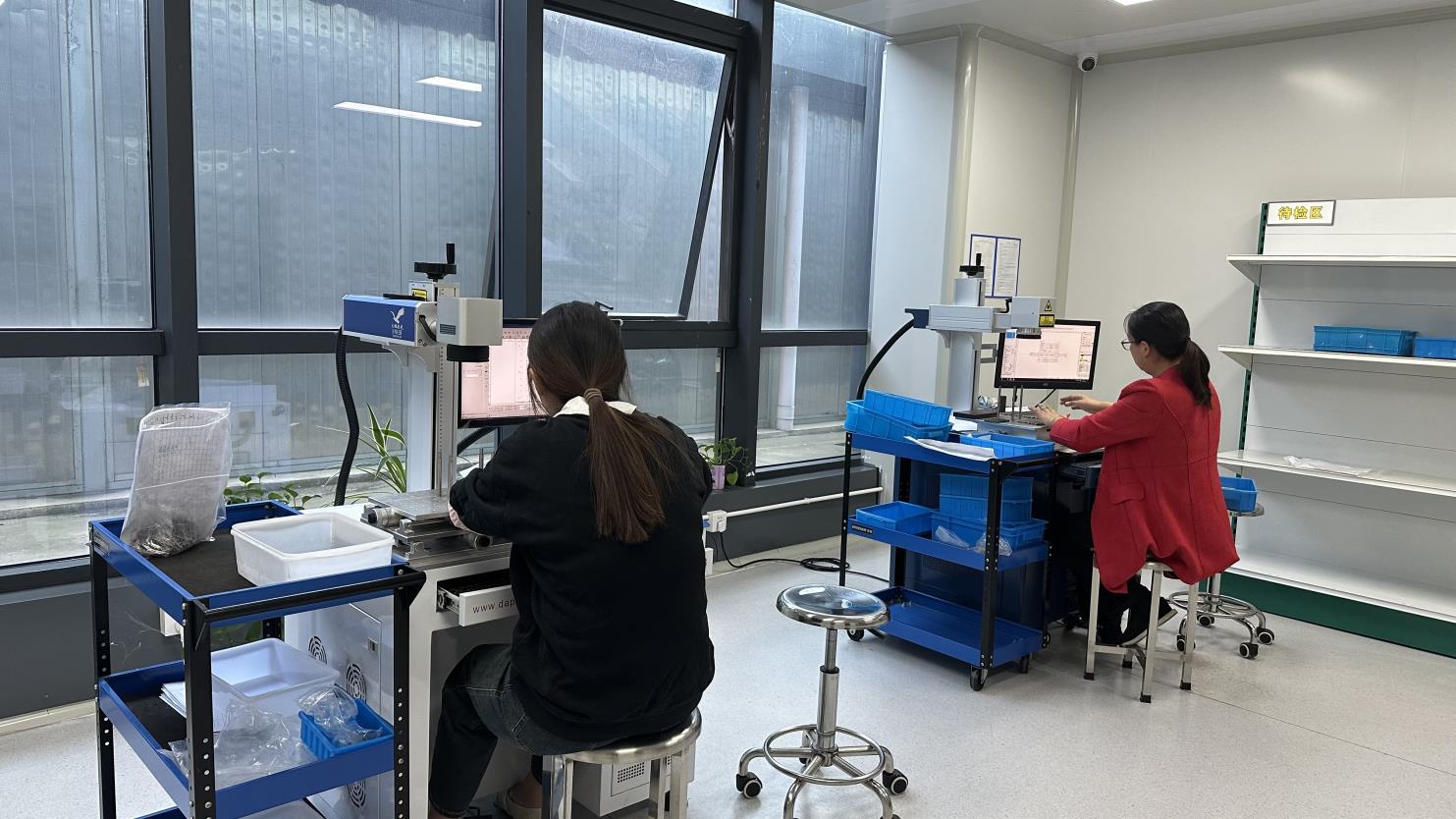
Imprinting clear, permanent batch tracking codes

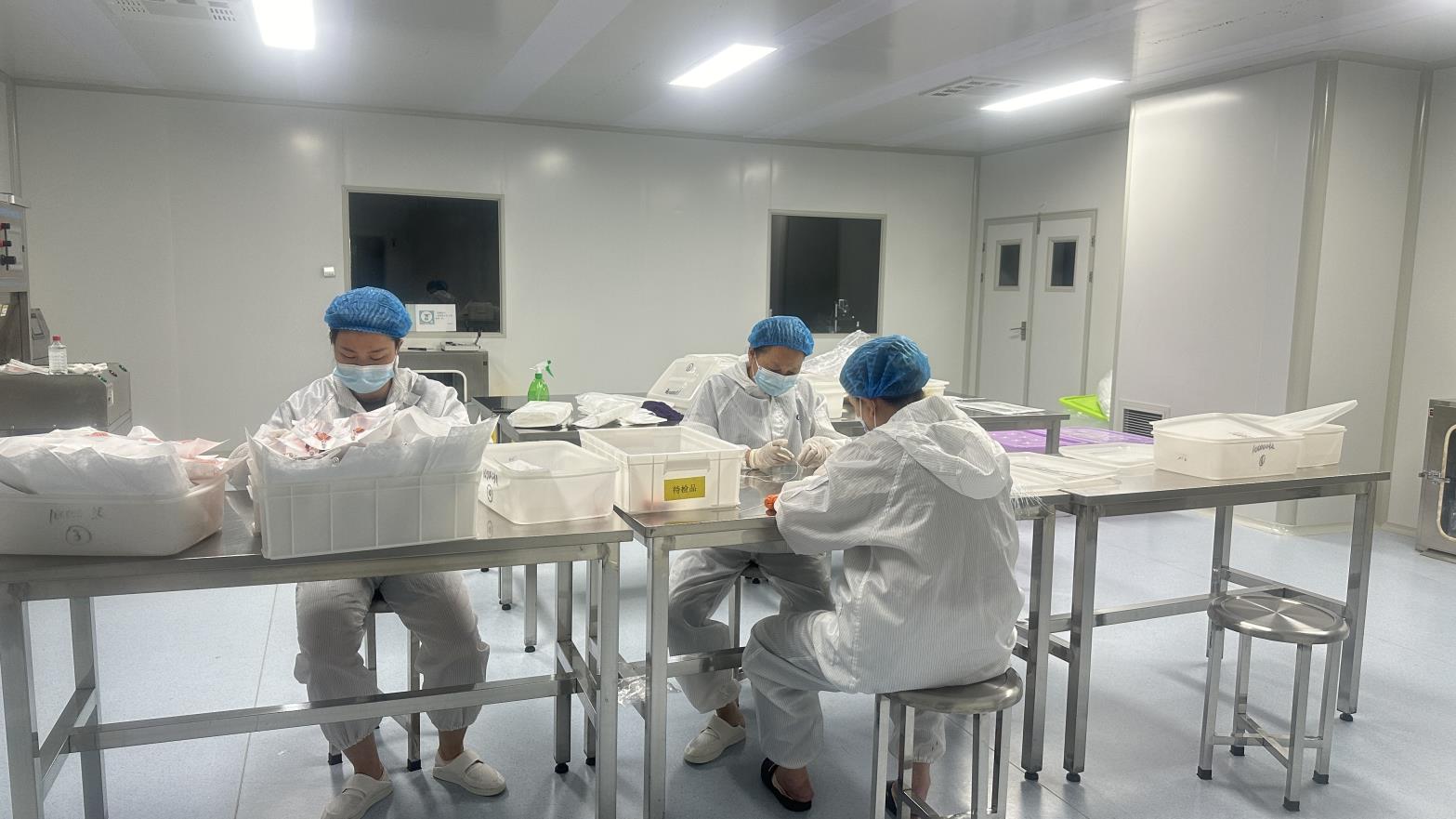
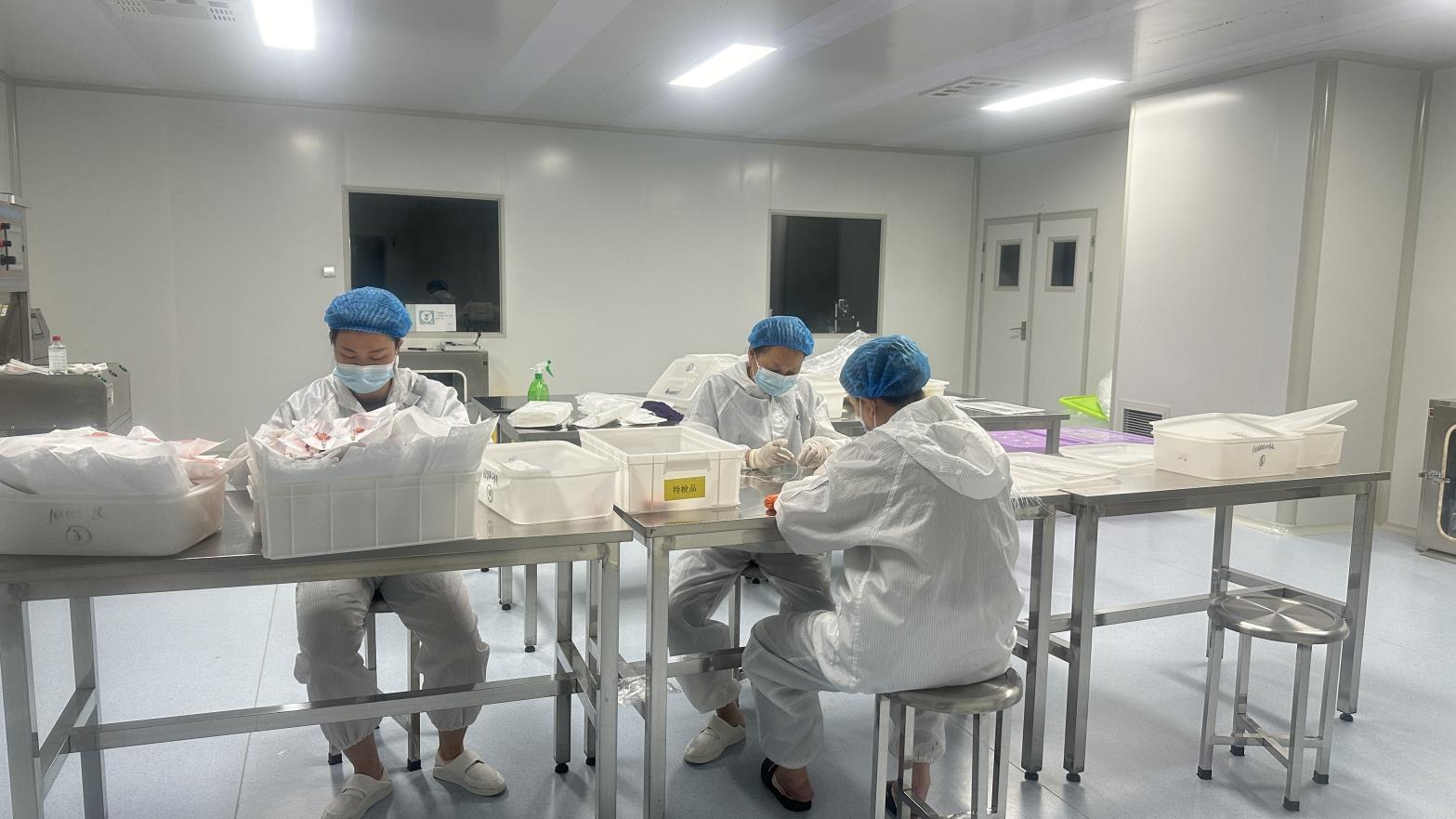
Cleanroom inspection and sterile packaging processes
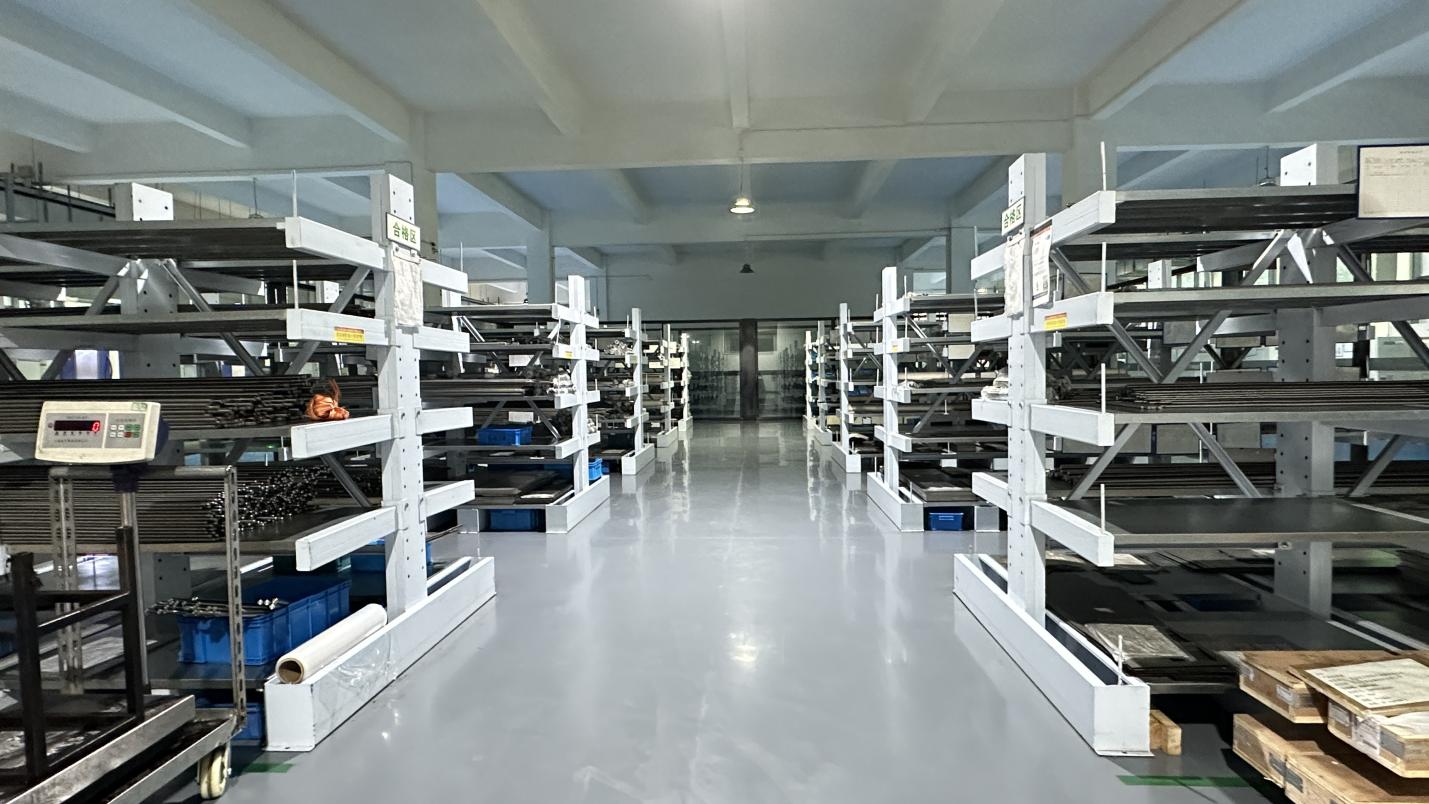
Clean, temperature-controlled inventory management
Heavy-duty slitting equipment for rod preparation
Multi-axis production lines for complex implant forms
Precision turning lathes for orthopedic instrumentation
High-precision electrical discharge wire-cut setup
Computerized laser engraving for surgical safety
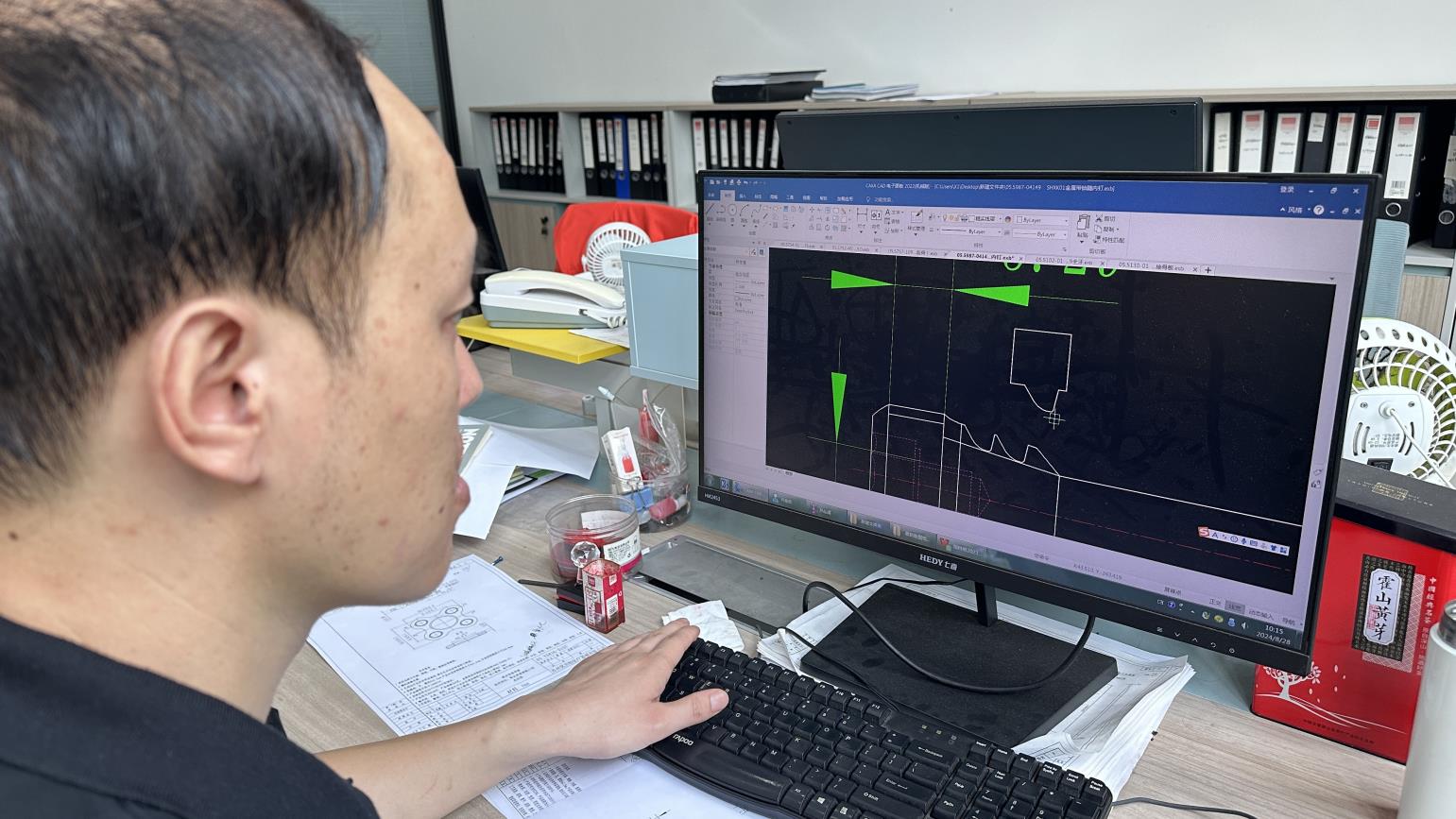
In-house CAD/CAM product prototyping and testing
Multi-stage quality checks by our 35-inspector team
From surgical centers to international supply chains, Bonevia provides end-to-end orthopedic device integration.
Our bioabsorbable suture anchors are designed to excel across a wide range of demanding sports medicine and reconstructive procedures:
Bonevia Orthopedic Technology Co., Ltd. serves as a strategic partner for global distributors, healthcare organizations, and OEM brand owners. We offer a comprehensive suite of enterprise-level services:
Our experienced R&D department, comprising 85 engineers, works closely with clinical research centers to launch up to 120 new designs annually. We provide complete regulatory documentation support (including FDA 510(k) files, CE Technical Files, and ISO audit reports) to streamline registration processes in import markets. Additionally, our global network of over 850 partners ensures raw material supply chain security, allowing us to maintain stable production lead times even during high-volume demand cycles.
Answers to common clinical, technical, and regulatory questions from orthopedic surgeons and procurement managers.
Explore our full line of arthroscopic, spine, and trauma solutions designed to support surgical teams worldwide.