Bonevia
Bonevia
Bonevia
Explore our professional-grade orthopedic trauma implants, external fixation assemblies, and specialized surgical instrumentation certified for global clinical execution.
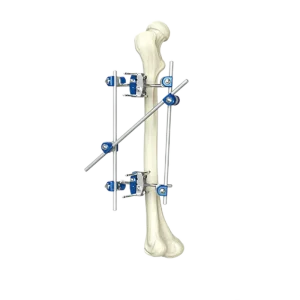
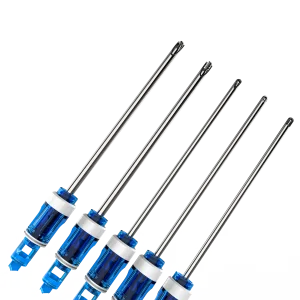
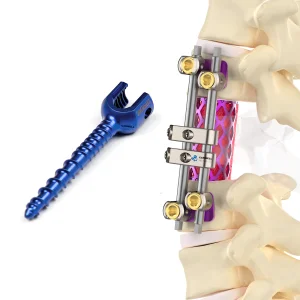
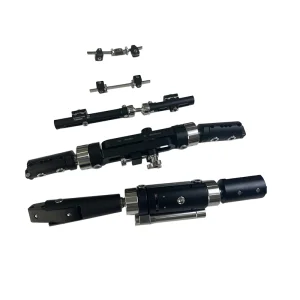
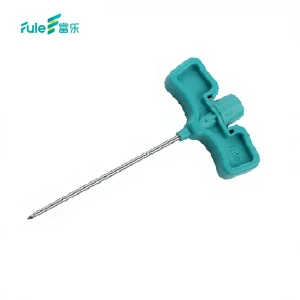
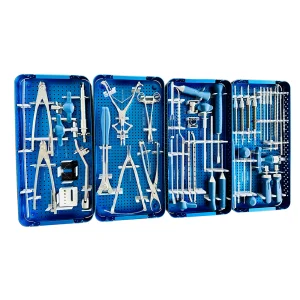
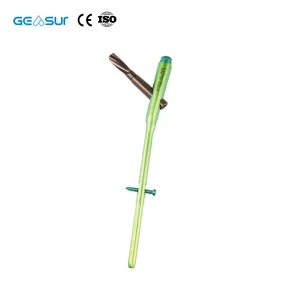
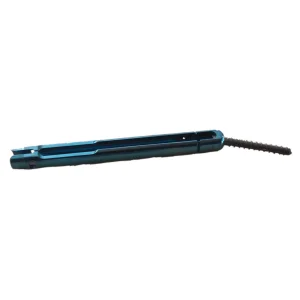
In modern traumatology and orthopedic reconstruction, the Headless Cannulated Screw represents a critical evolution in compression hardware. Designed primarily for articular fractures, osteotomy fixations, and joint arthrodesis, these implants allow orthopedic surgeons to achieve maximum fragment-to-fragment compression without leaving a protruding screw head that could compromise soft tissue interfaces or articulating joint cartilage.
The primary mechanism of action relies on the differential thread pitch between the leading (distal) and trailing (proximal) segments of the screw. Because the leading threads have a wider pitch than the trailing threads, each rotation of the screw advances the distal segment into the bone faster than the proximal segment. This pulls the fragments together, generating high-pressure, localized stability across the fracture line.
Furthermore, the cannulated design allows for precise, minimally invasive insertion over a pre-placed guide wire. By using surgical fluoroscopy, clinicians can optimize implant trajectory and placement before introducing the screw. This drastically reduces operating room times and limits damage to surrounding vascular structures, fostering accelerated bone remodelling and healing.
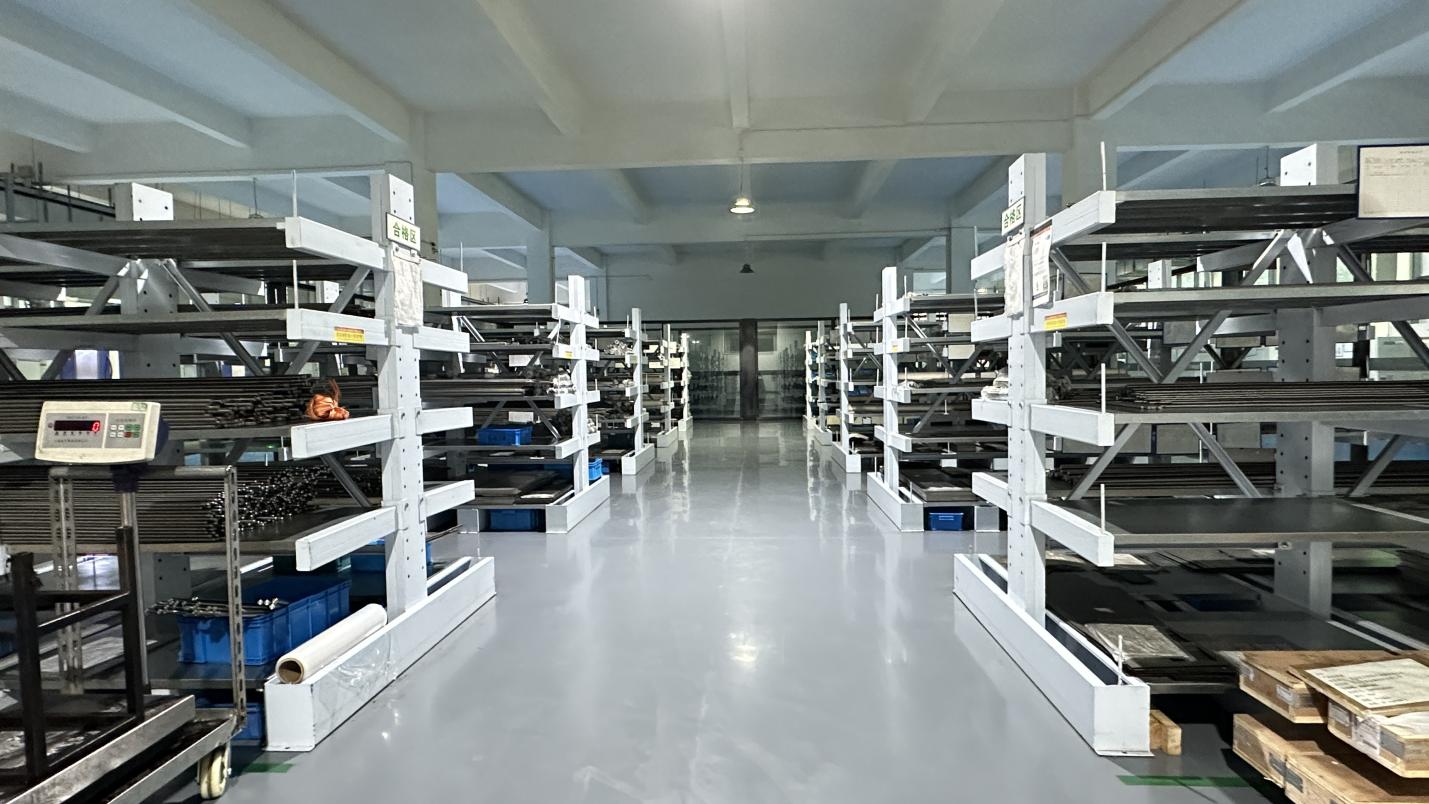
Bonevia Orthopedic Technology Co., Ltd. is a clinical-grade manufacturer specialized in the design, prototyping, and volume production of orthopedic implants and advanced surgical solutions. Since our founding in 2015, Bonevia has grown to become a strategic global supplier, offering high-performance trauma, spinal, and reconstructive systems.
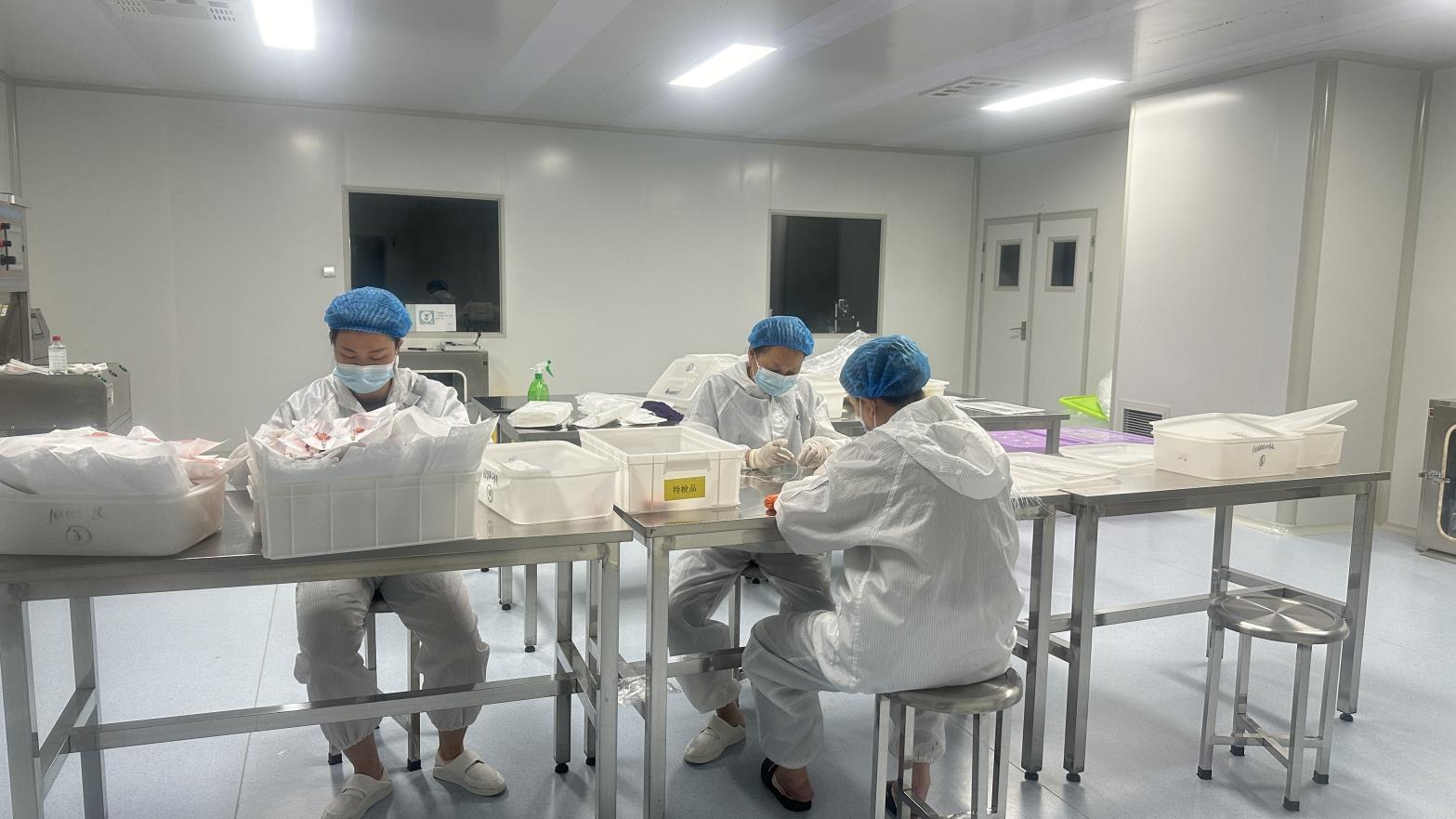
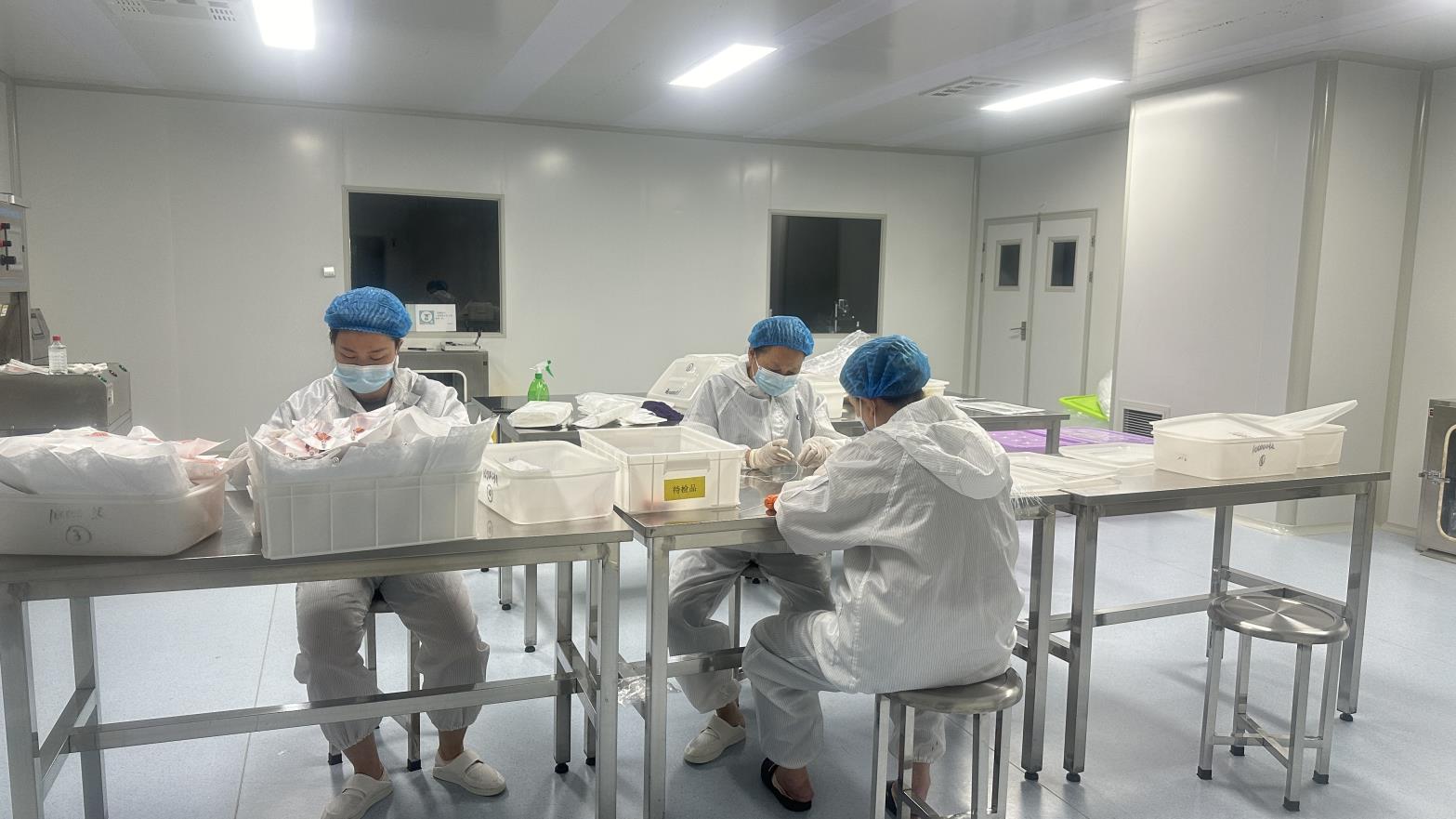
Operated from our modern facility, we implement a highly structured manufacturing system supported by a robust QC network of 35 dedicated quality inspectors. This guarantees that every cannulated screw, pedicle fixation rod, or intramedullary nail we produce complies with stringent European and American orthopedic implant regulations.
With 6 years of specialized medical export experience and over 10 years of overall industry clinical experience, we maintain an active R&D department consisting of 85 veteran biomedical engineers. Our dynamic facility launched 120 new product designs in the past year alone, servicing international hospitals, trauma clinics, and wholesale distributors in Europe, Southeast Asia, South America, and the Middle East.
Why global orthopedic brands, medical distributors, and surgical groups partner with advanced Chinese factories for OEM/ODM implant solutions.
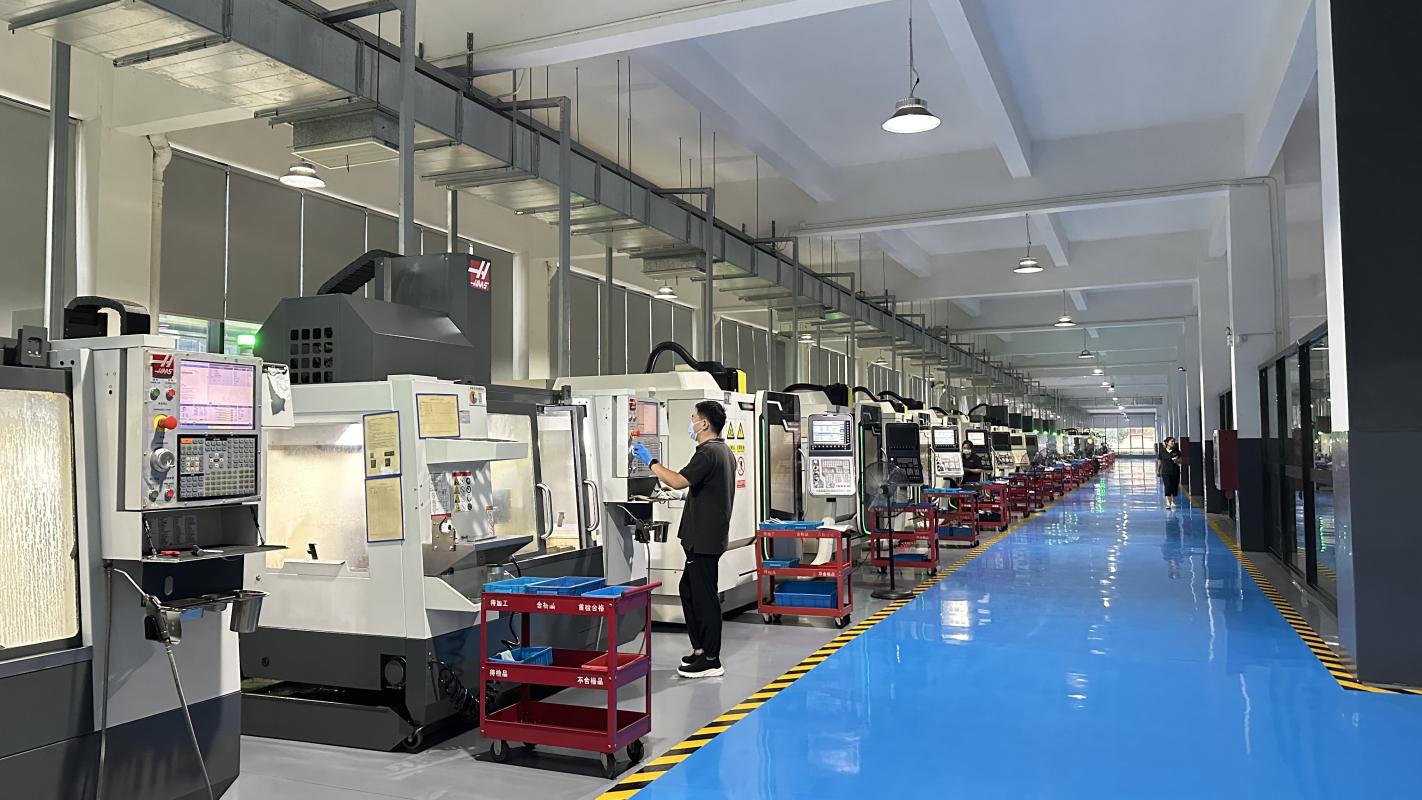
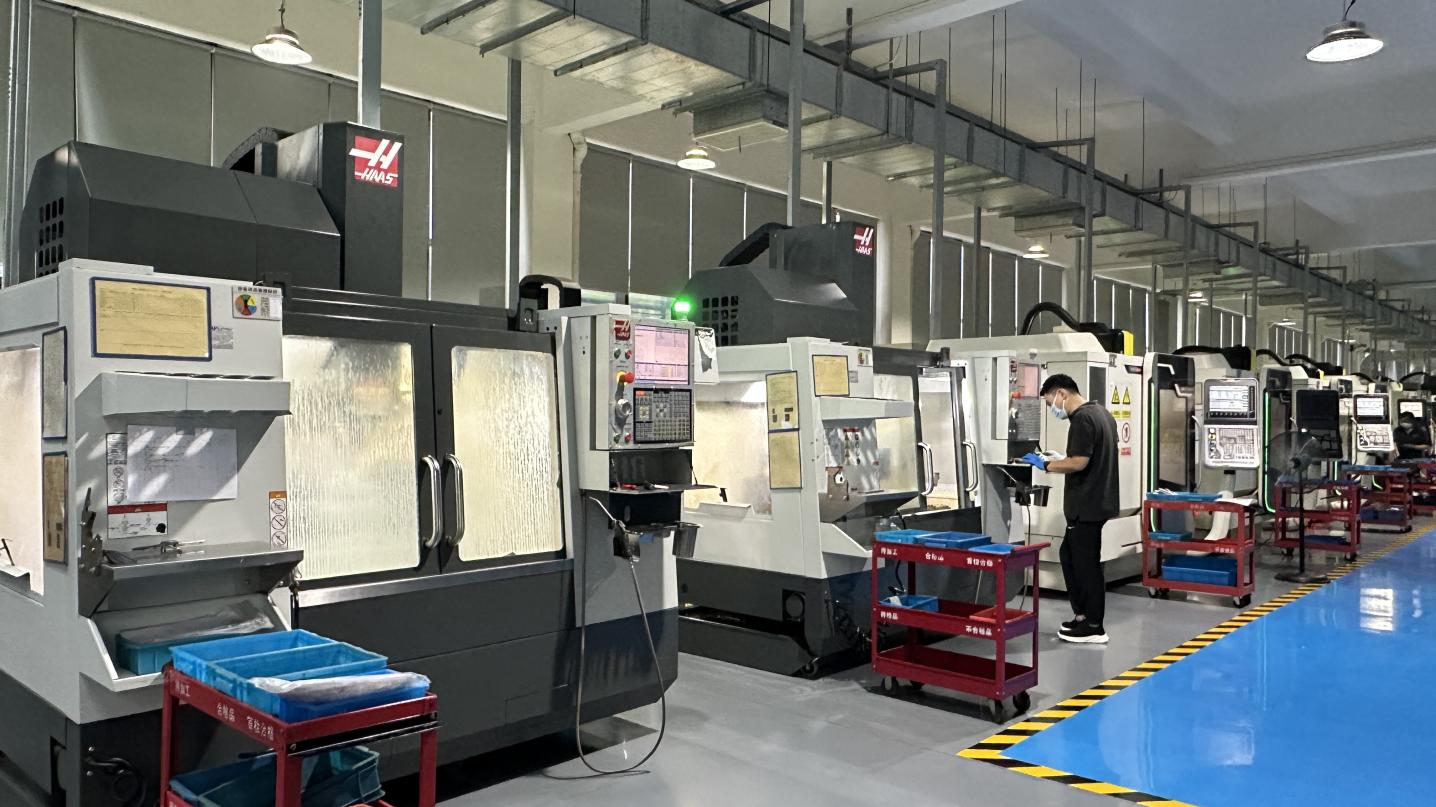
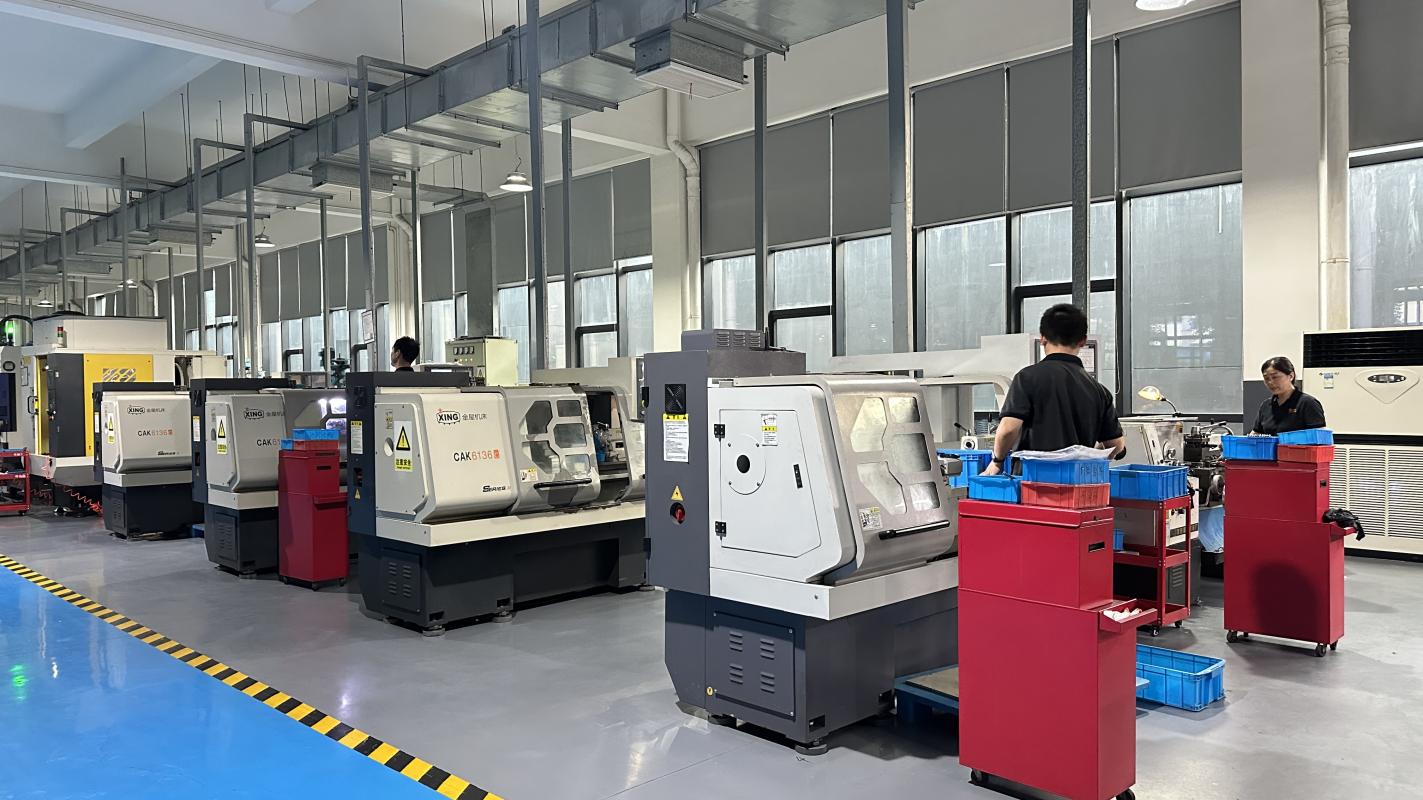
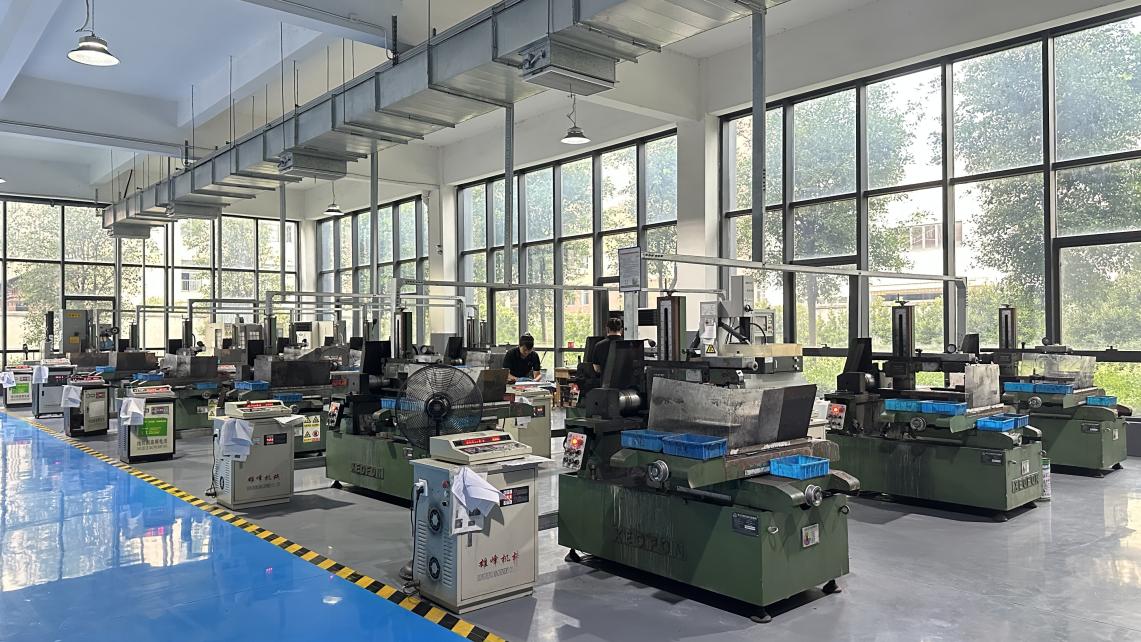
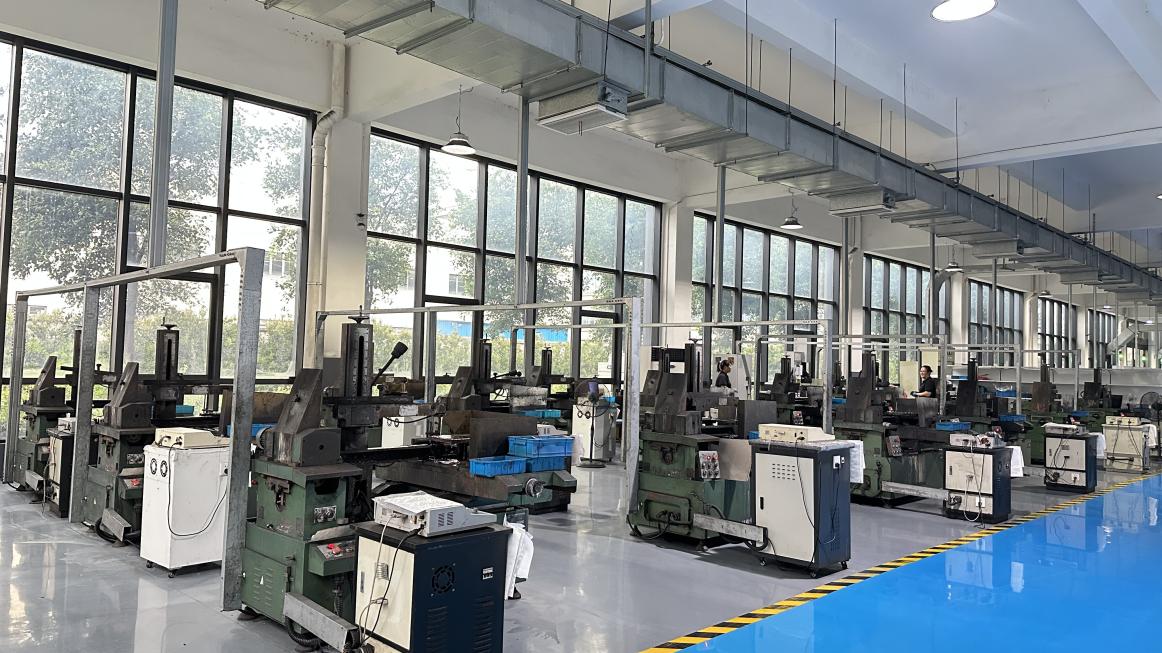
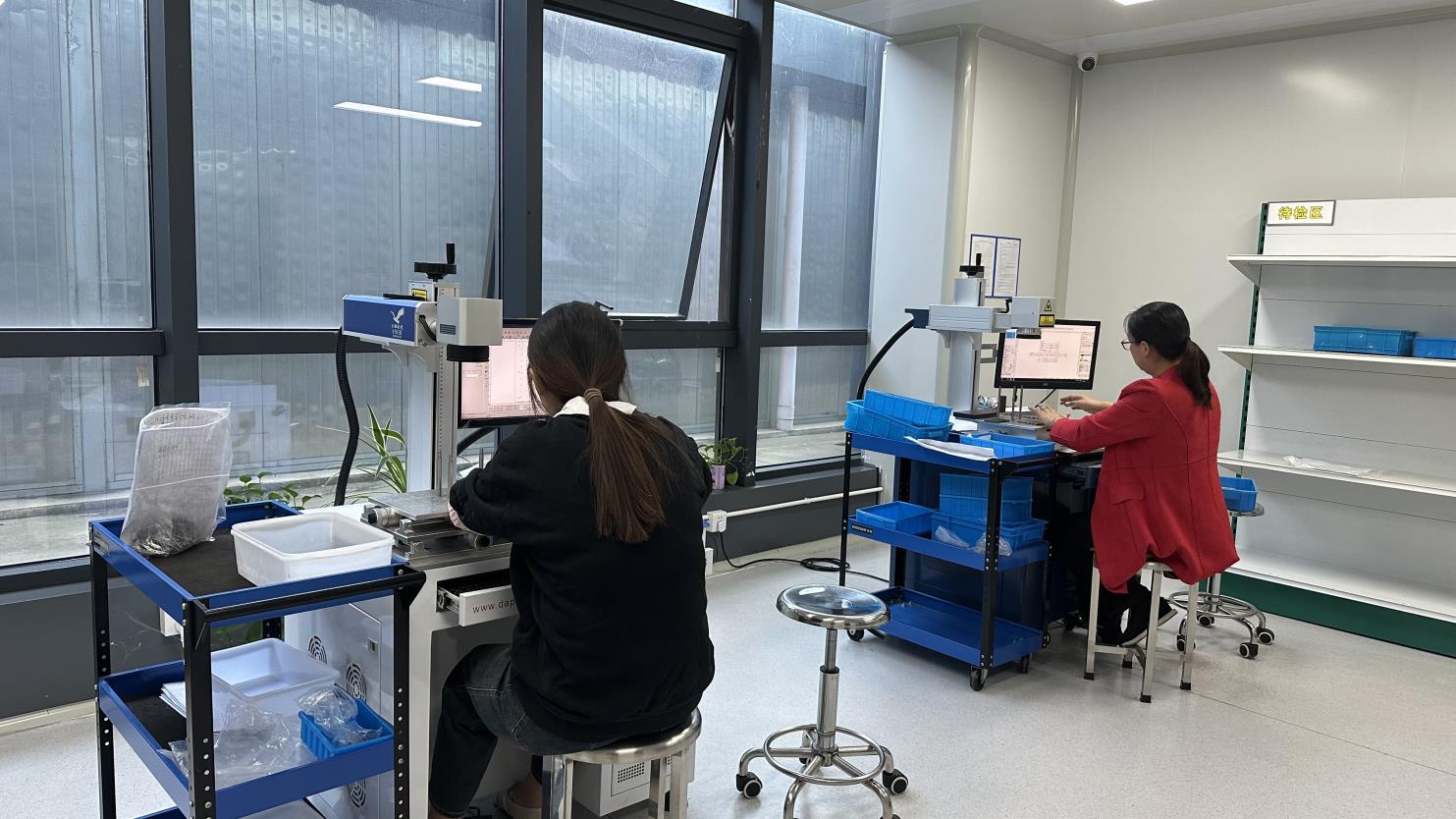
By leveraging Swiss-type CNC automatic lathes, high-precision wire-cutting instrumentation, and state-of-the-art laser marking arrays, Chinese medical manufacturers achieve sub-micron dimensional tolerances. These tolerance margins are critical for headless screws where thread mismatch would cause mechanical failure in human bone structures.
Bonevia works with a network of over 850 strategic partners, ensuring reliable access to raw medical-grade titanium bars (Ti-6Al-4V ELI) and custom packaging solutions. This robust localization lowers manufacturing lead times, making us resilient against global supply chain disruptions.
We combine localized production efficiencies with rigorous Western compliance models. In line with the EU MDR (Medical Device Regulation) and ISO 13485 quality standards, every manufacturing batch undergoes incoming material tests, in-process checking, and final biomechanical fatigue testing.
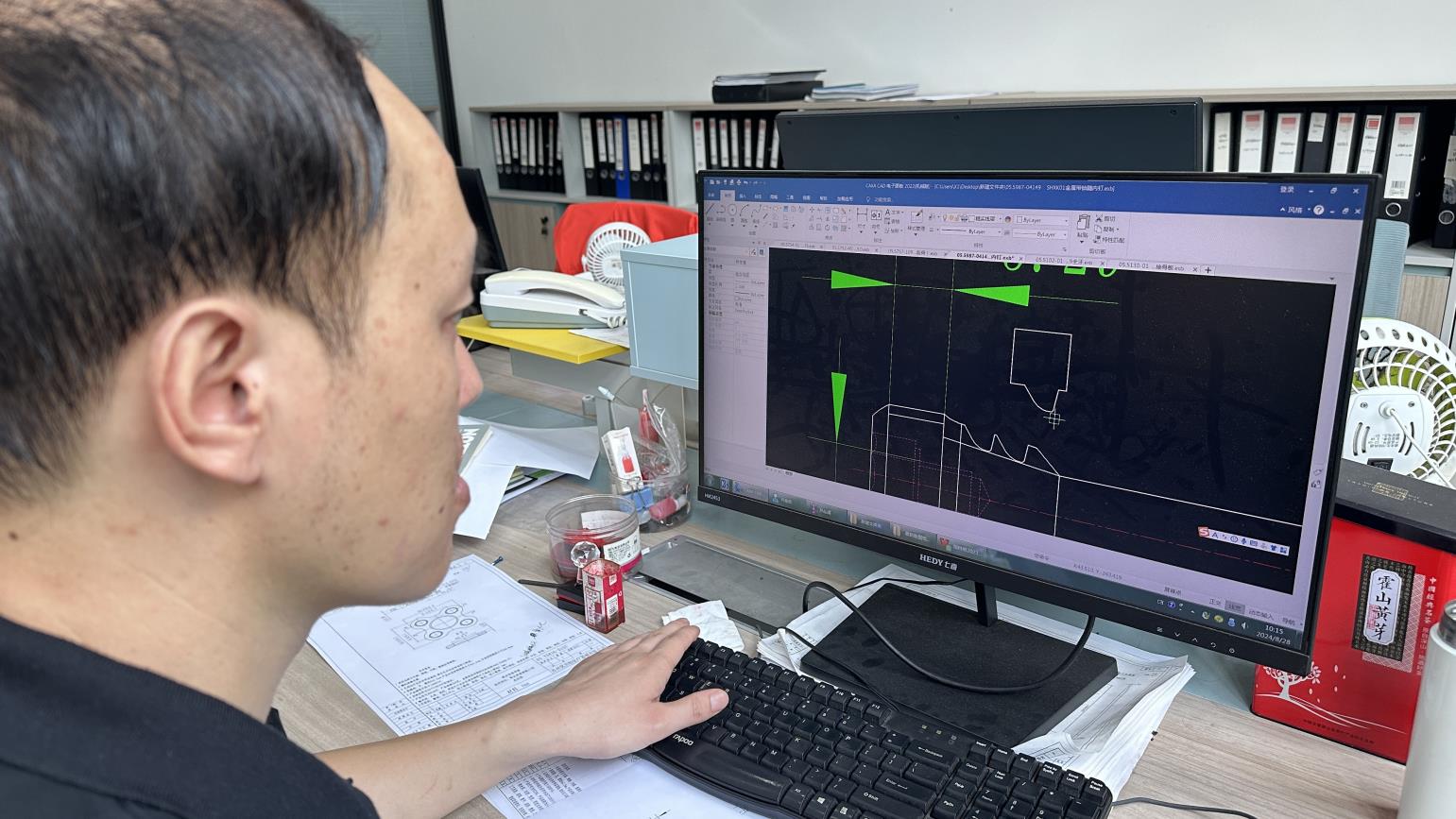
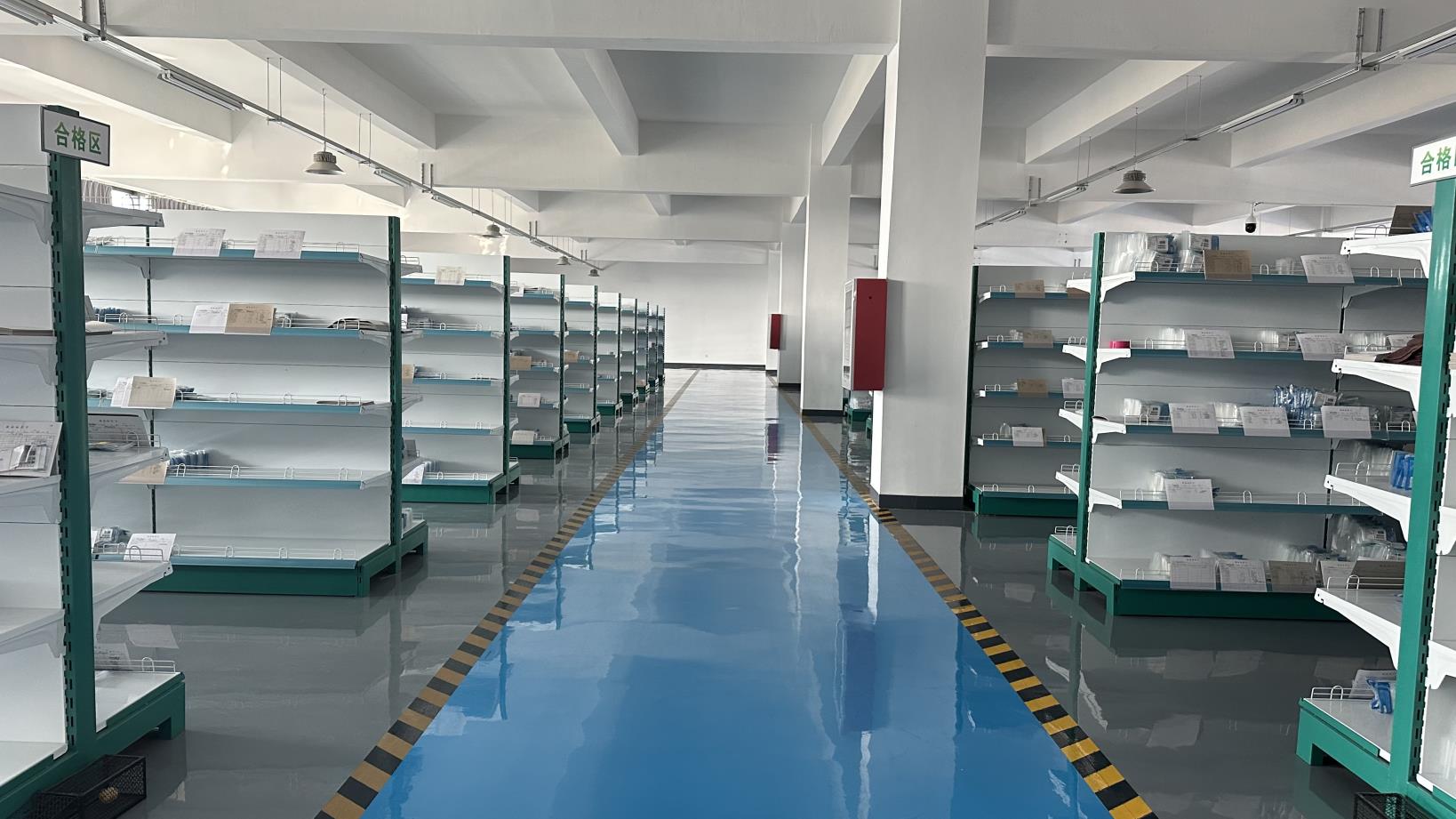
Bonevia’s transparent production journey ensures every implant is tracked from raw material ingot to final sterilized packaging.
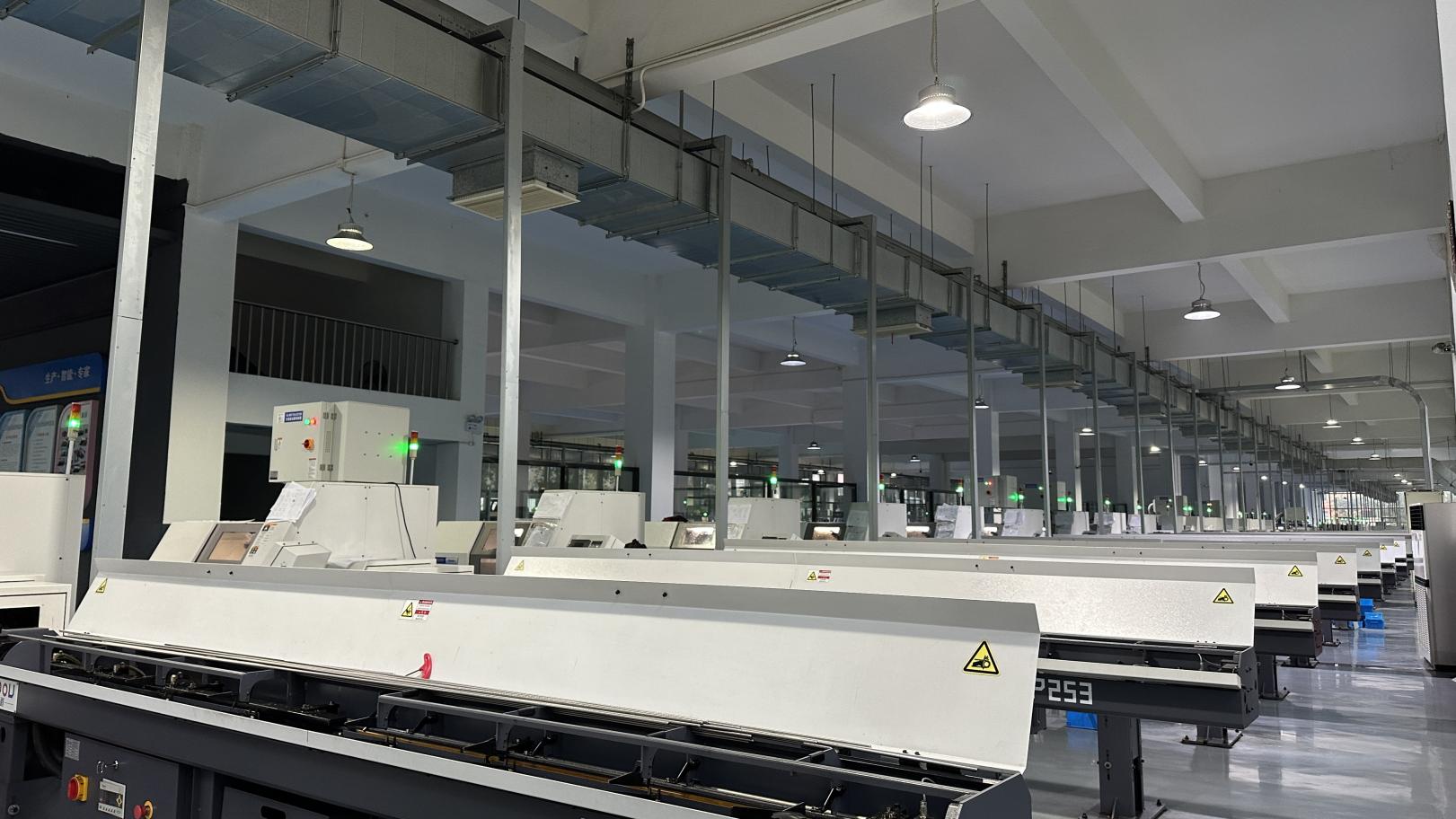
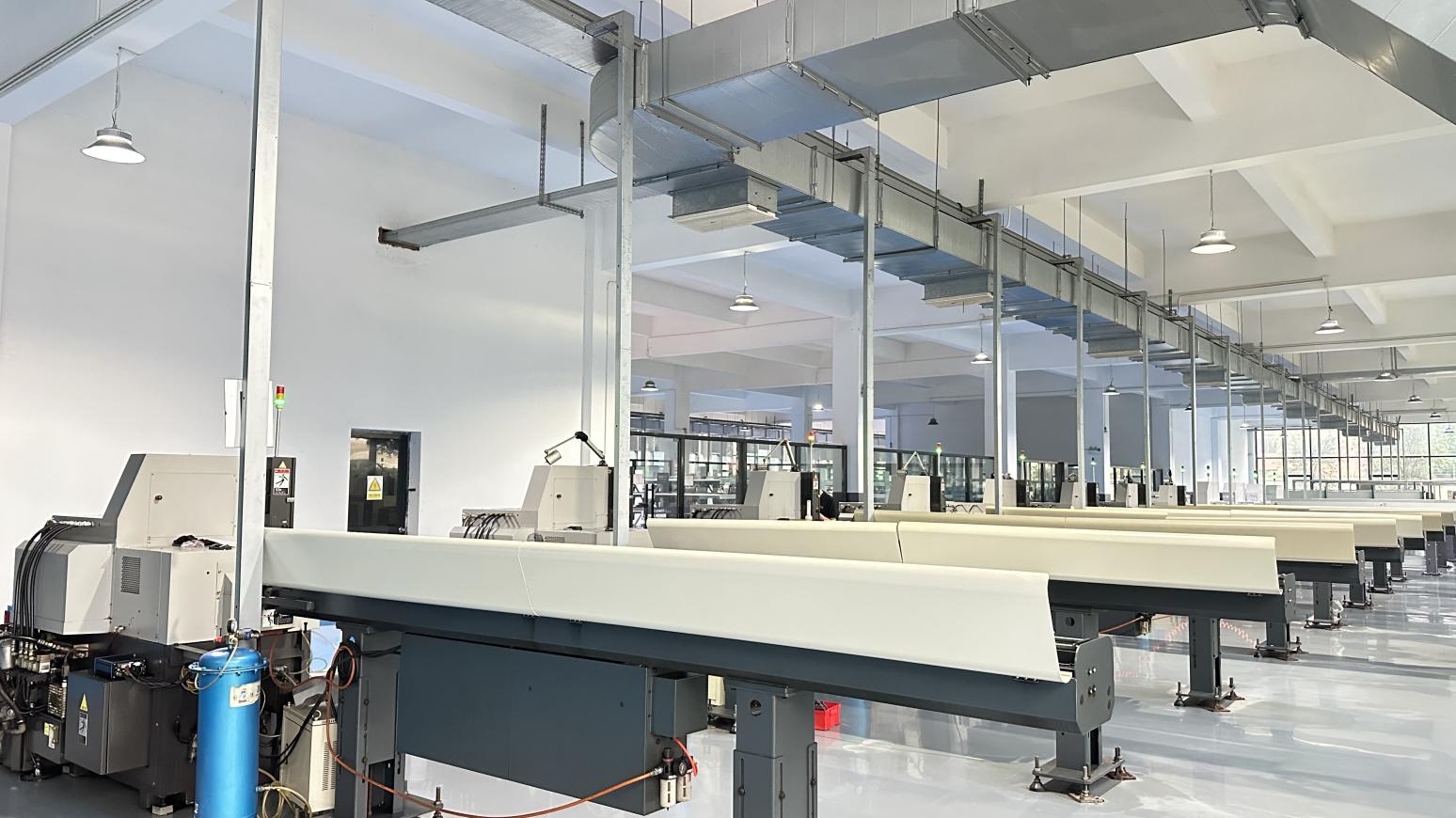
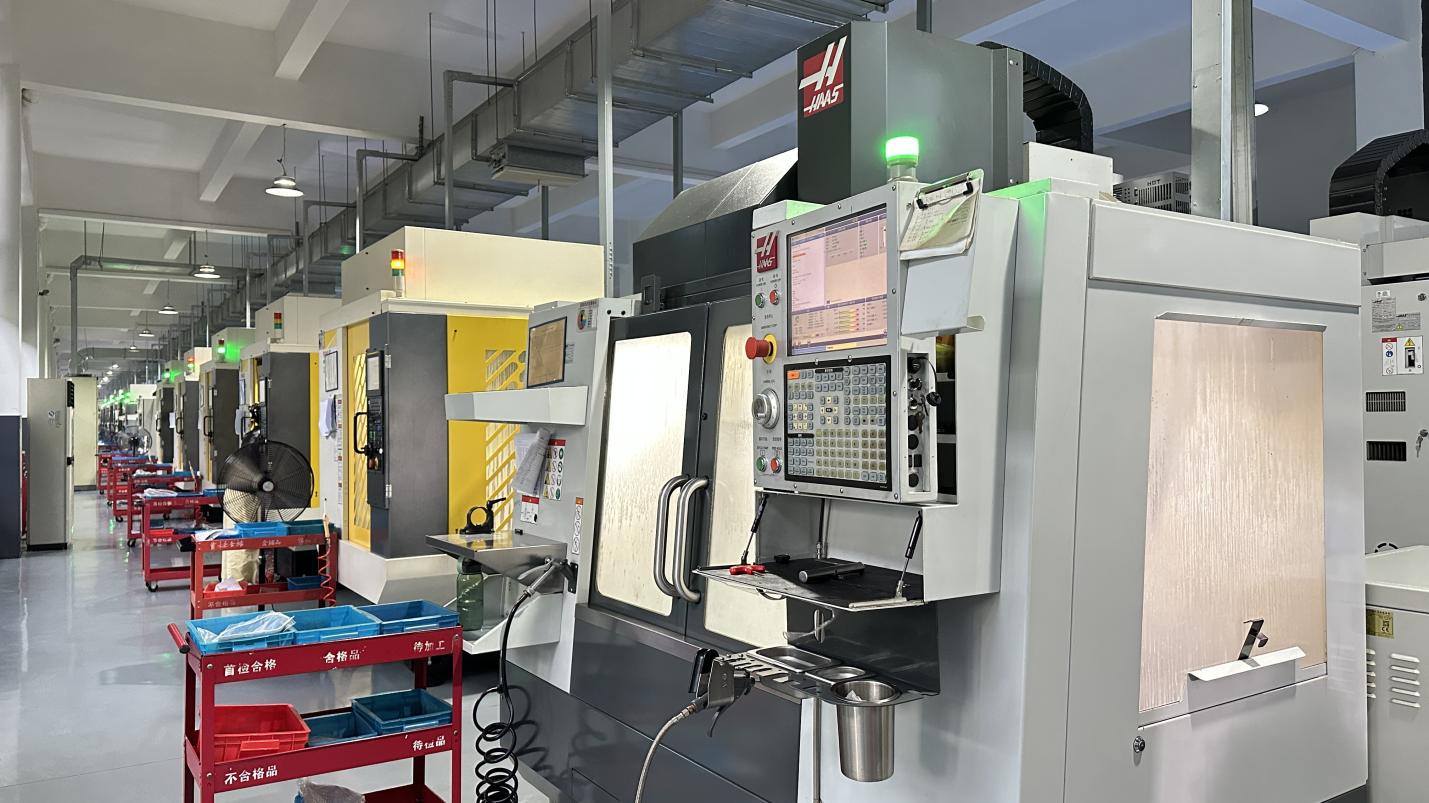
How we align clinical product lines with the purchasing systems of public health services, private hospital networks, and distributors.
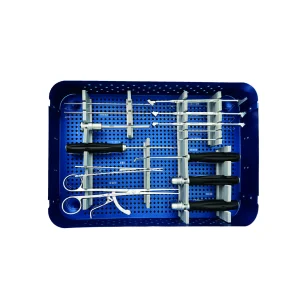
In municipal surgical clinics and Level-1 trauma centers, medical managers search for standardized screw configurations to minimize inventory complexity. Bonevia addresses this through unified surgical kits that contain screws in color-coded diameters (e.g., 2.5mm, 3.0mm, 4.5mm, 6.5mm). These comprehensive systems allow for surgical adaptability when dealing with varied fracture sizes, ranging from delicate carpal bone fixations to large-scale calcaneal reconstructions.
Medical distributors often need custom implants tailored to regional clinical guidelines. Bonevia leverages its in-house CAD design center to offer rapid prototyping, enabling distributors to customize thread depth, hex connection types, and anodized color variations. Our R&D team can transform blueprints into physical clinical samples within weeks, helping partners gain market entry ahead of schedule.
With the implementation of the European Union Medical Device Regulation (EU MDR), traceability is critical. Bonevia laser-marks every headless screw with a Unique Device Identification (UDI) code, allowing distributors and hospitals to track production and material records instantly. This tracking structure protects surgical centers from liability and simplifies auditing workflows.
| Feature Parameter | Technical Specification Details | Clinical Intent & Benefit |
|---|---|---|
| Raw Material Material | Ti-6Al-4V ELI Titanium Alloy (ASTM F136) | Biocompatible, reduces artifacts in MRI/CT imaging, and features high fatigue limits. |
| Diameter Options | 2.0mm, 2.5mm, 3.0mm, 4.0mm, 4.5mm, 6.5mm, 7.3mm | Covers micro-fractures in phalanges up to load-bearing femur/tibia applications. |
| Pitch Mechanics | Dual-Pitch Threading (Leading Thread Pitch > Trailing Pitch) | Applies uniform compressive forces without screw head protrusion. |
| Cannulation Diameter | 0.8mm to 3.2mm (Accommodates standard Kirschner wires) | Enables precise, minimally invasive insertion under real-time fluoroscopic guidance. |
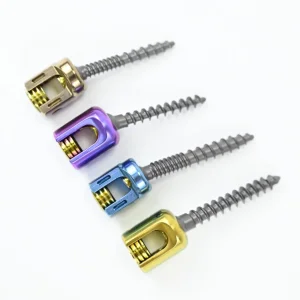
| Anodic Treatment | Type II Anodization (Color coded by diameter profile) | Aids in immediate surgical kit identification, reducing intraoperative assembly errors. |
Biomechanical innovations that will shape the next generation of fracture fixation technologies.
Future orthopedic implants will move beyond permanent metals toward bio-resorbable magnesium and zinc alloys. These materials maintain mechanical integrity during the initial healing window and then slowly dissolve, eliminating the need for subsequent hardware removal surgeries.
Integrating 3D printing into manufacturing allows factories to produce custom porous implant structures. By replicating the cellular architecture of trabecular bone, these structures promote rapid osseointegration and reduce healing times.
Active research is ongoing into embedding micro-sensors into the cannulated core of large-diameter bone screws. These sensors measure real-time mechanical stress and compression variations, helping clinicians monitor patient healing progress remotely.
Key answers for international orthopedic procurement officers, surgical specialists, and quality auditors.
Explore our spinal fixation systems, pedicle screws, intramedullary nails, and trauma reduction instrumentation built to strict surgical tolerances.