Bonevia
Bonevia
Bonevia
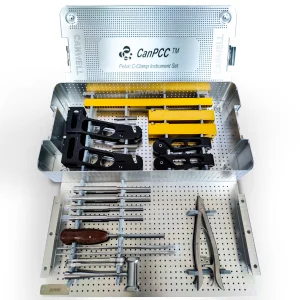
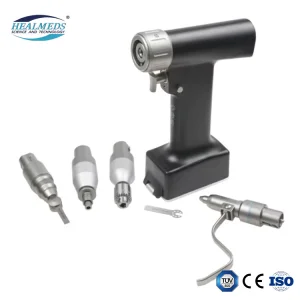
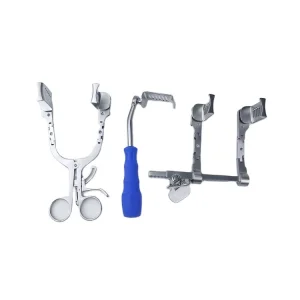
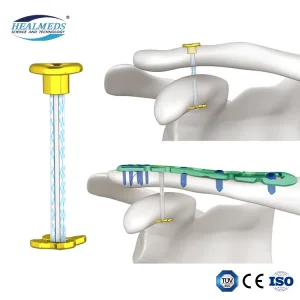
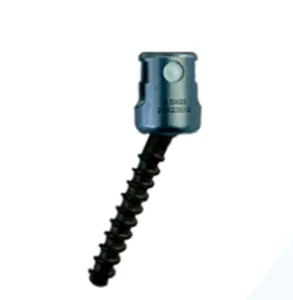
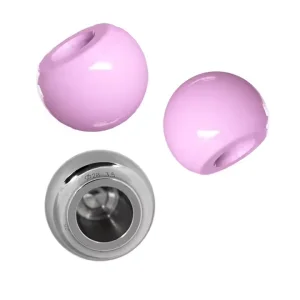
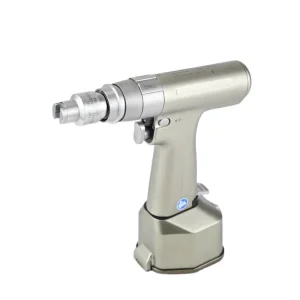
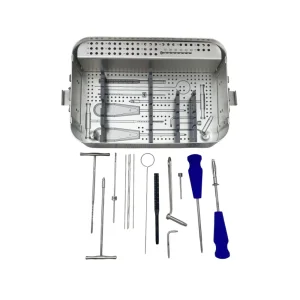
Discover our primary line of high-precision implants, surgical power tools, and complex fixation systems designed for demanding clinical standards.
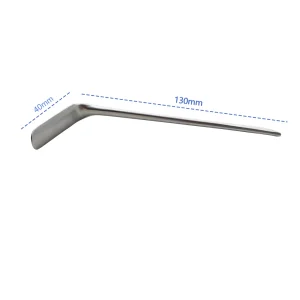
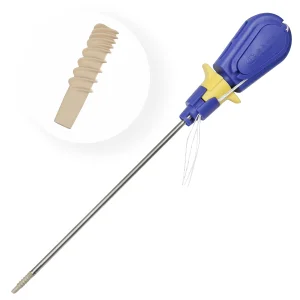
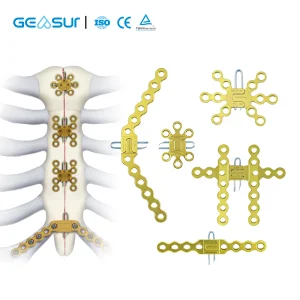
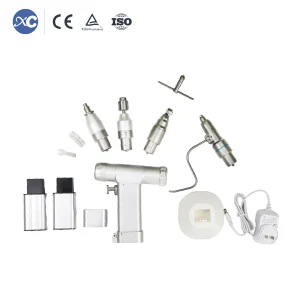
Navigating the commercial dynamics, manufacturing realities, and clinical shifts shaping hip hemiarthroplasty in the era of geriatric trauma management.
Femoral neck fractures remain one of the most critical trauma pathologies among elderly populations. Globally, the incidence of these fractures is projected to increase to over 4.5 million cases annually by 2050. The surgical management is polarized between Total Hip Arthroplasty (THA) and Hemiarthroplasty (HA). For fragile, low-demand elderly patients, hemiarthroplasty (specifically bipolar configurations) is the gold standard, offering minimized operating times, reduced intraoperative blood loss, and lower dislocation rates compared to total hip systems.
The decision-making path heavily integrates the patient's biological age, cognitive reserve, and pre-injury ambulation levels. By replacing only the femoral head and neck while preserving the native acetabulum, hemiarthroplasty bypasses the aggressive acetabular reaming required in THA, leading to quicker mobilization times and lower rates of post-surgical cognitive decline in high-risk demographics.
For global distributors and institutional buyers, sourcing orthopedic implants requires navigability through dense regulatory frameworks. The transition from the MDD to the European Union's Medical Device Regulation (MDR 2017/745) has set highly rigorous benchmarks for clinical evaluation and quality management system audits.
CE certified manufacturers must now prove persistent clinical safety, material biostability, and post-market clinical follow-up (PMCF) over long horizons. Consequently, the international market is filtering out low-tier suppliers, concentrating procurement pipelines towards technologically mature, vertically integrated exporters capable of holding ISO 13485 certifications and Class III registrations.
"The survival profile of hemiarthroplasty implants relies heavily on the engineering quality of the femoral stem's surface roughness, taper compatibility, and the wear characteristics of the cobalt-chromium or ceramic head pairings." — Global Orthopedic Registry Analysis
Engineered to mimic biological load distribution, prevent osteolysis, and secure long-term mechanical anchorage.
Utilizing Titanium Alloy (Ti6Al4V ELI) and high-density Cobalt-Chromium-Molybdenum (CoCrMo) matrices to optimize elasticity modulus compatibility with native cortical bone, drastically mitigating the clinical threat of stress shielding.
Deployment of Hydroxyapatite (HA) plasma-sprayed coatings and highly porous titanium structures to accelerate secondary biological osseointegration, enabling press-fit, cementless implant stability.
Implementation of highly cross-linked polyethylene (XLPE) combined with BIOLOX delta ceramic articular interfaces. This design lowers friction, controls polyethylene wear debris production, and prevents osteolysis.
Historically, unipolar (monoblock) hemiarthroplasty implants were popular due to simplicity and lower initial procurement costs. However, modern clinical evidence heavily favors modular bipolar designs. Bipolar implants feature a dual-axis articulation mechanism: an inner joint between the femoral stem head and the polyethylene liner of the outer cup, and an outer joint between the cup shell and the natural acetabulum. This design reduces cartilage shearing and wear against the native acetabular floor, significantly lowering conversion rates to THA due to groin pain or acetabular erosion.
Bonevia Orthopedic Technology Co., Ltd. — Delivering Clinical Innovation, Certified Manufacturing, and Global Strategic Partnerships since 2015.
Bonevia Orthopedic Technology Co., Ltd. is a professional manufacturer specializing in orthopedic implants and surgical solutions, dedicated to advancing innovation in trauma, spine, and joint reconstruction products. Since its establishment in 2015, the company has grown steadily into a trusted supplier in the global orthopedic industry.
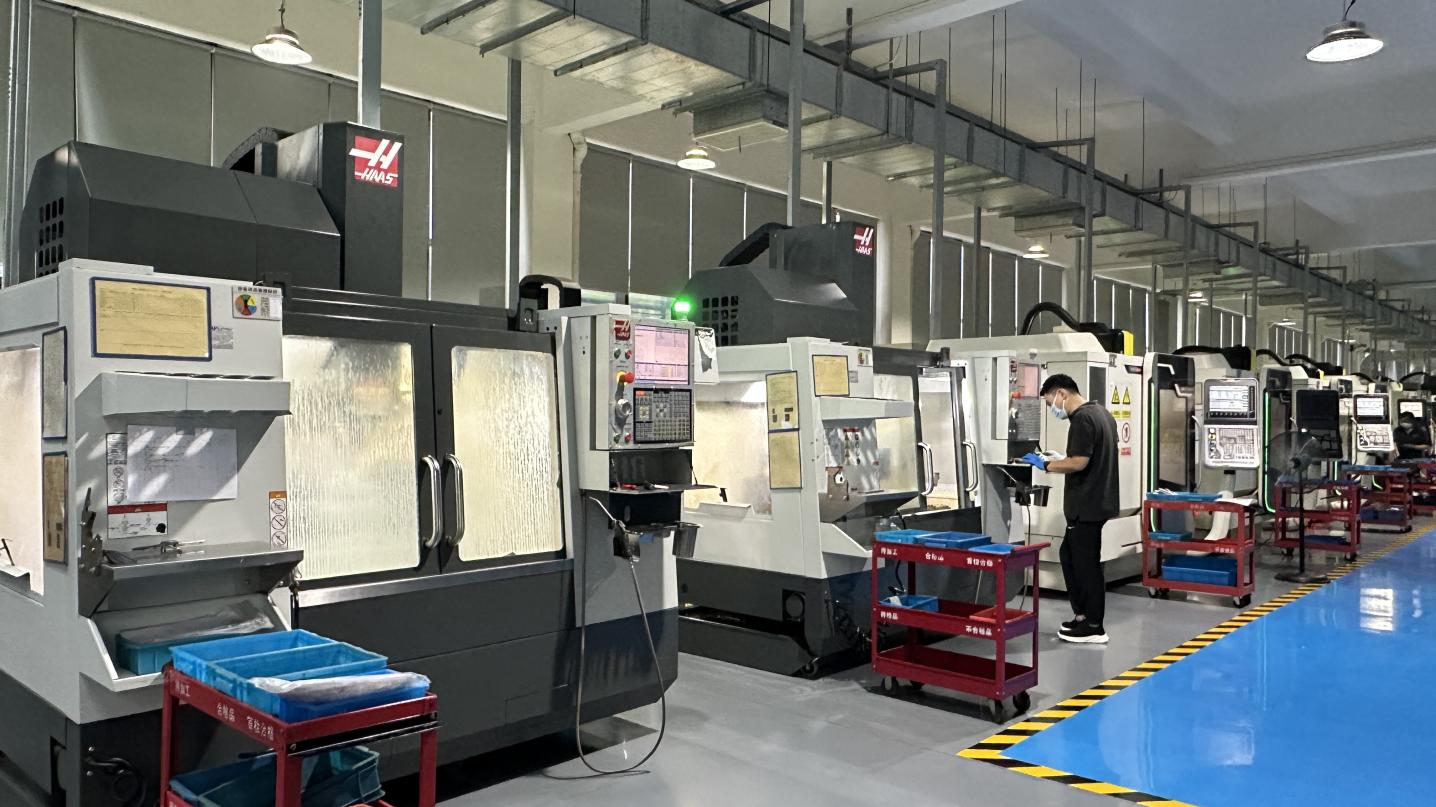
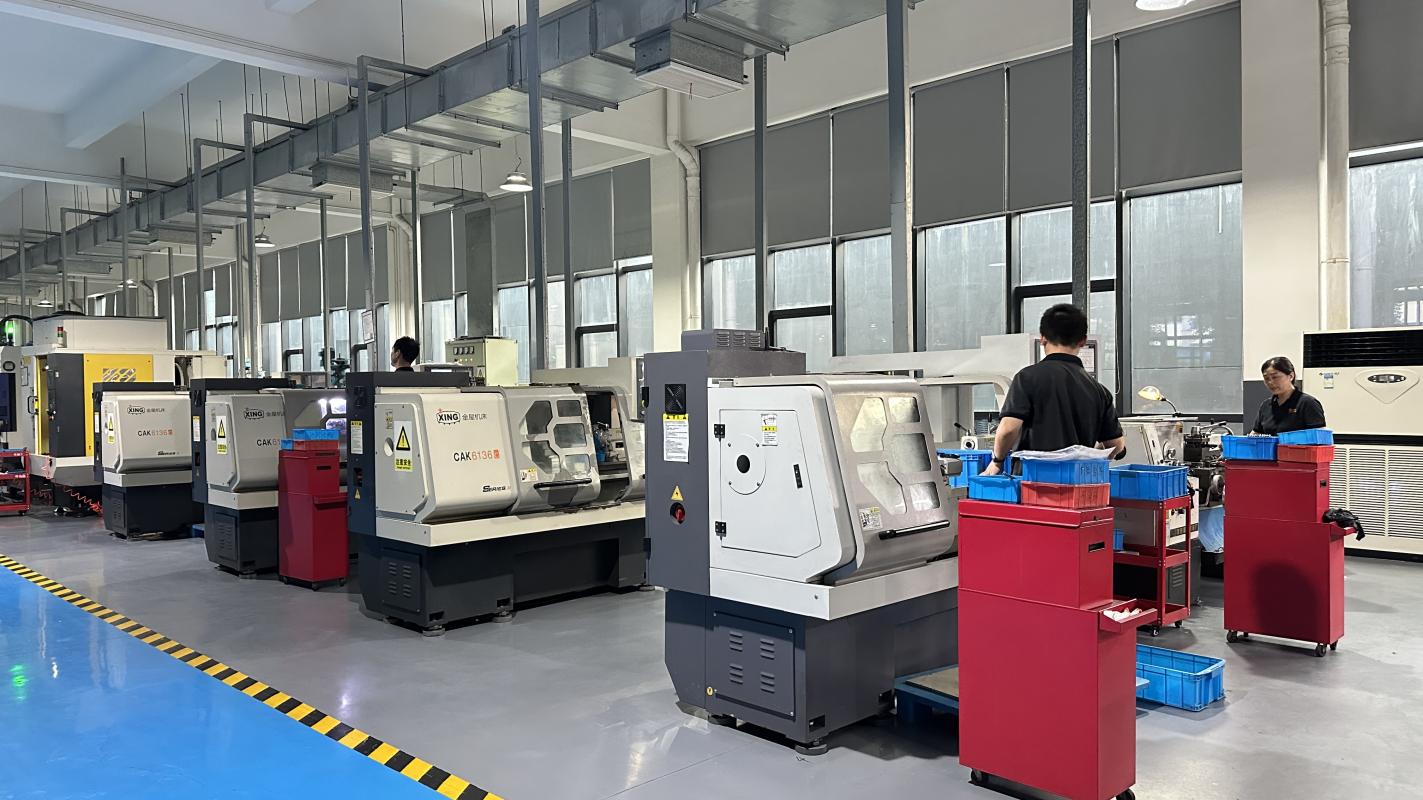
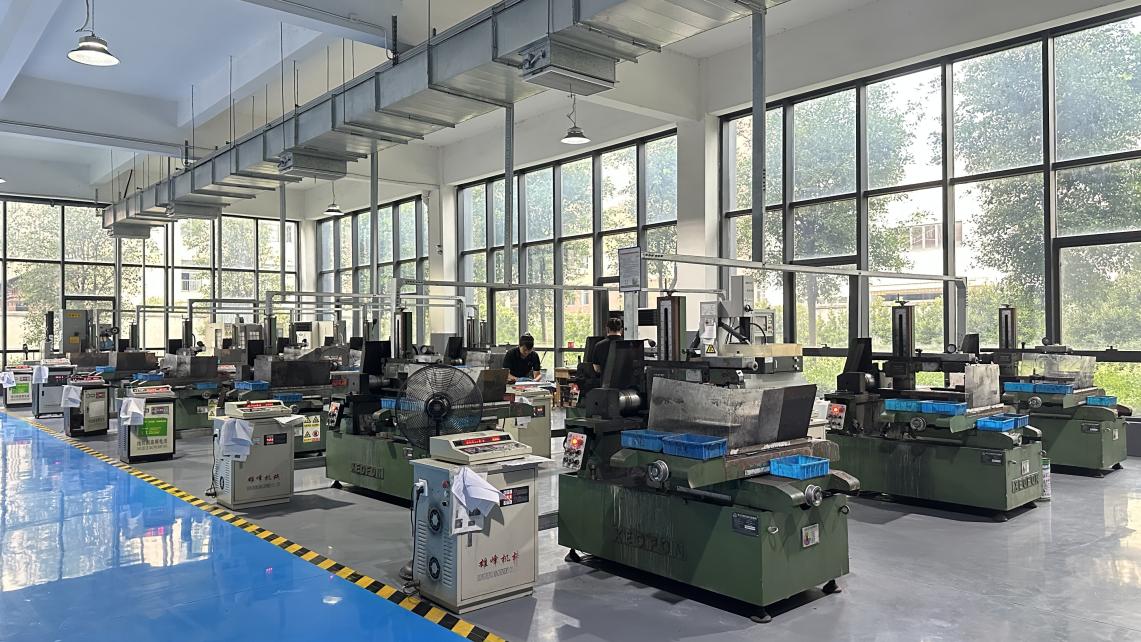
With a modern production facility covering approximately 320㎡, Bonevia maintains strict quality management standards and efficient manufacturing processes. The company records an annual export revenue of around USD 8–15 million, supported by 6 years of export experience and over 10 years of overall industry experience.
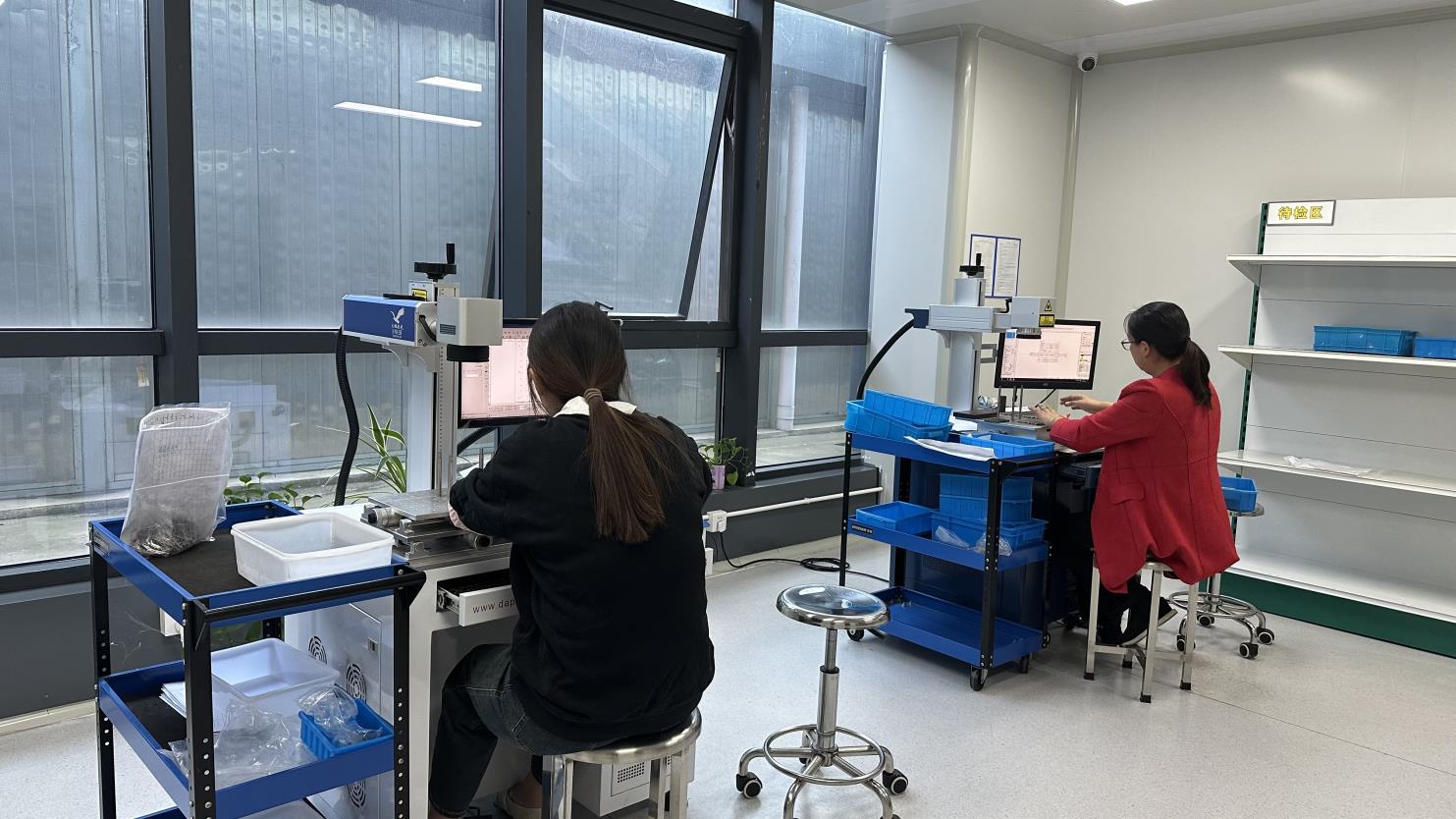
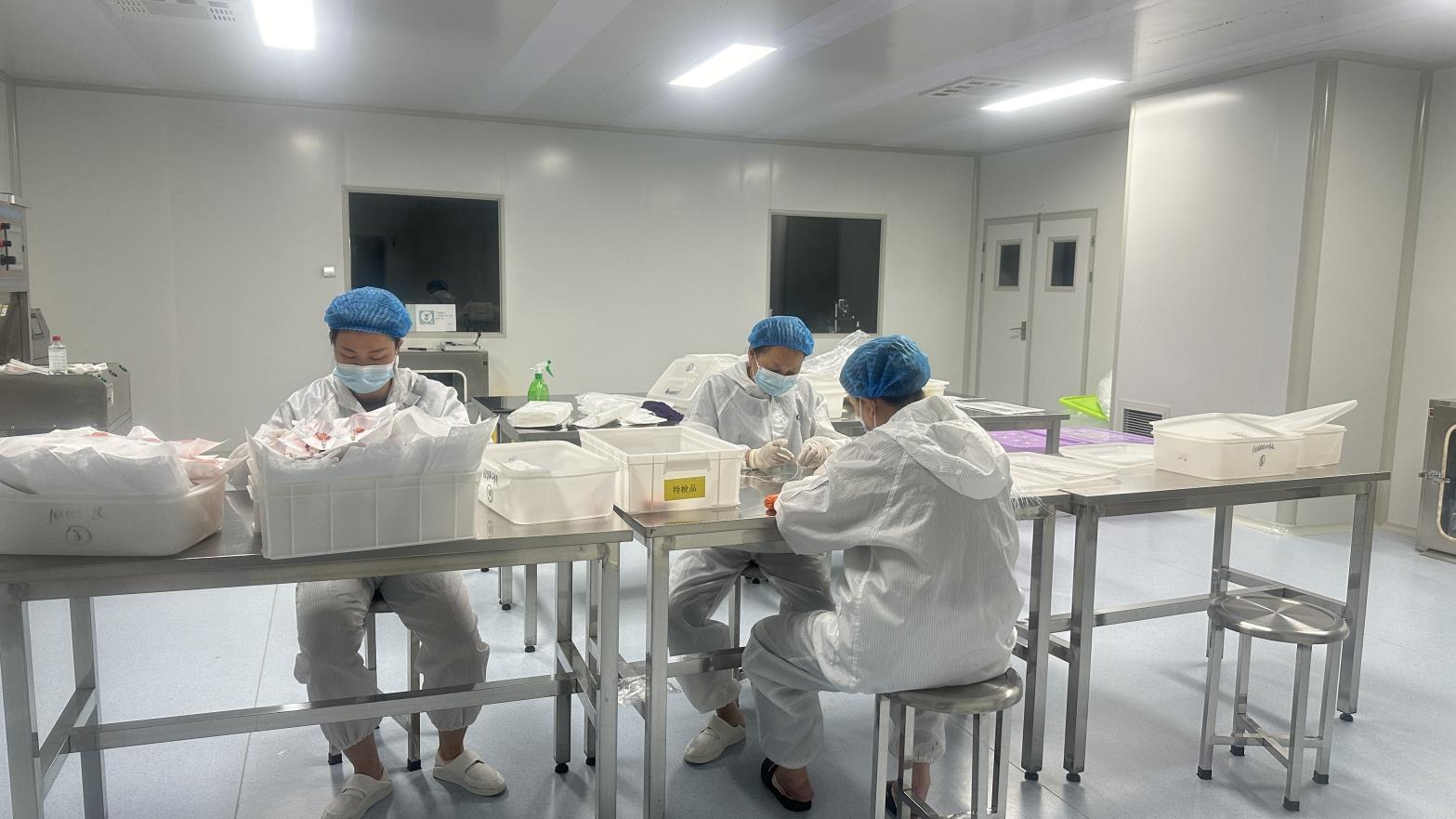
Quality assurance is a core focus at Bonevia. The company implements multiple inspection methods including incoming material inspection, in-process quality control, and final product testing, supported by a dedicated quality team of 35 professionals. This ensures all products meet international medical device standards.
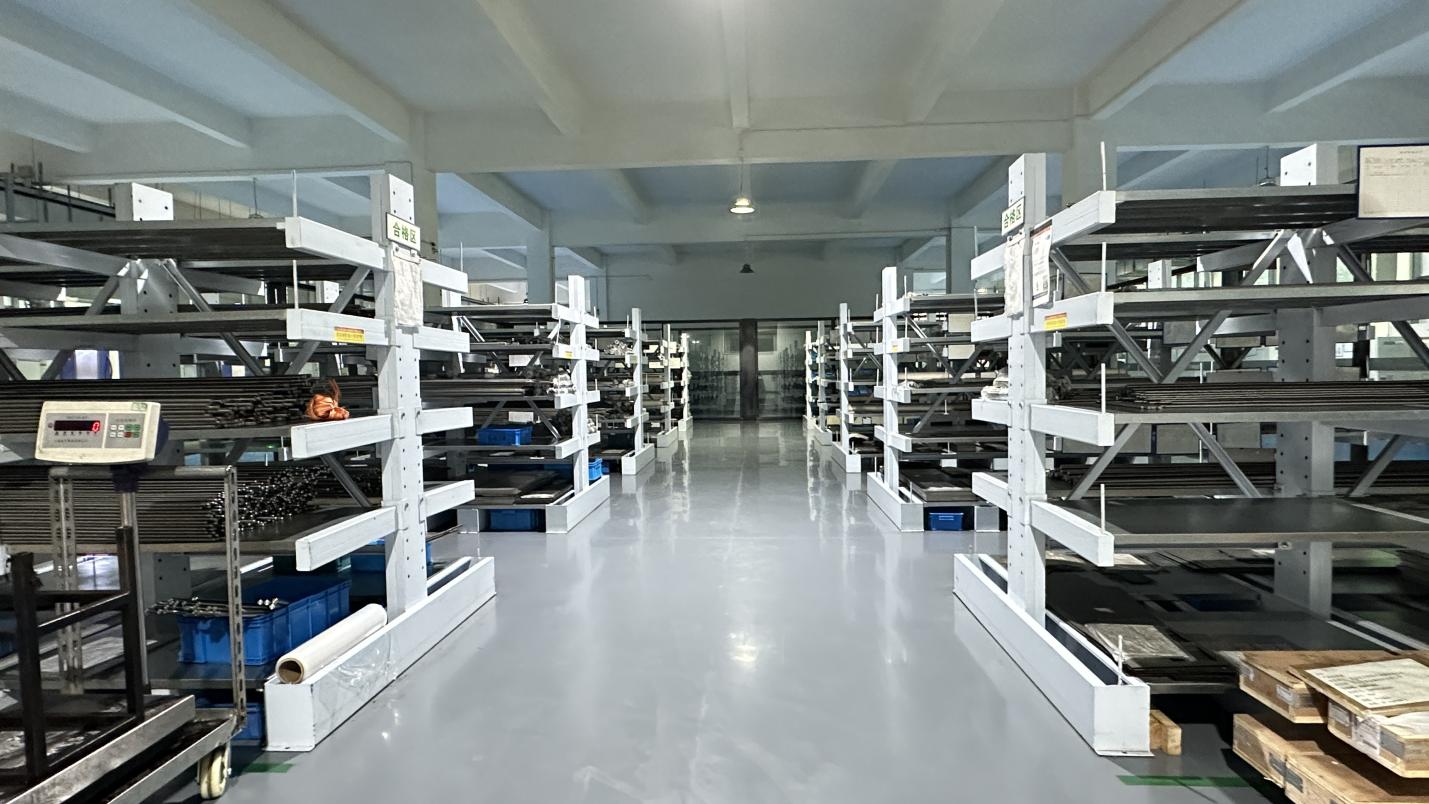
Bonevia has developed a solid trade foundation with diversified global distribution networks, serving major markets across Europe, Southeast Asia, the Middle East, and South America. Its supply chain ecosystem includes more than 850 partners, enabling stable raw material sourcing and efficient production delivery. The company serves a wide range of clients, including hospitals, orthopedic clinics, surgical centers, and medical distributors. Bonevia also demonstrates strong R&D capabilities, offering OEM and ODM customization services to meet specific clinical requirements. In the past year, Bonevia successfully launched 120 new product designs, supported by a research and development team of 85 engineers, continuously driving innovation in orthopedic implant systems and surgical instruments.
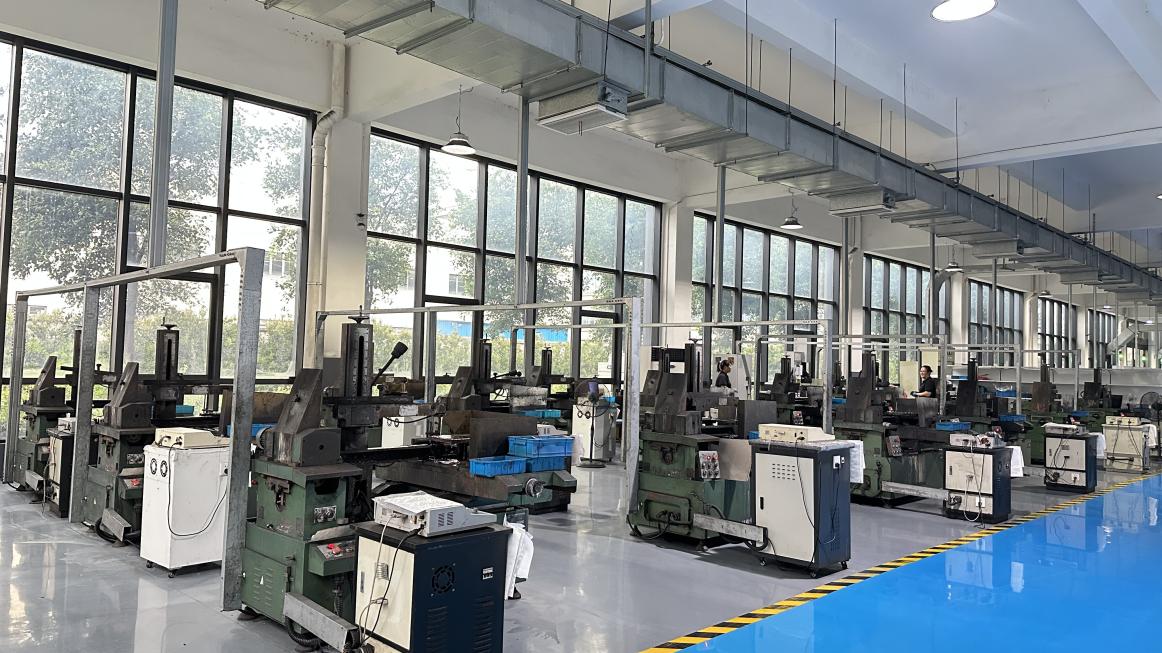
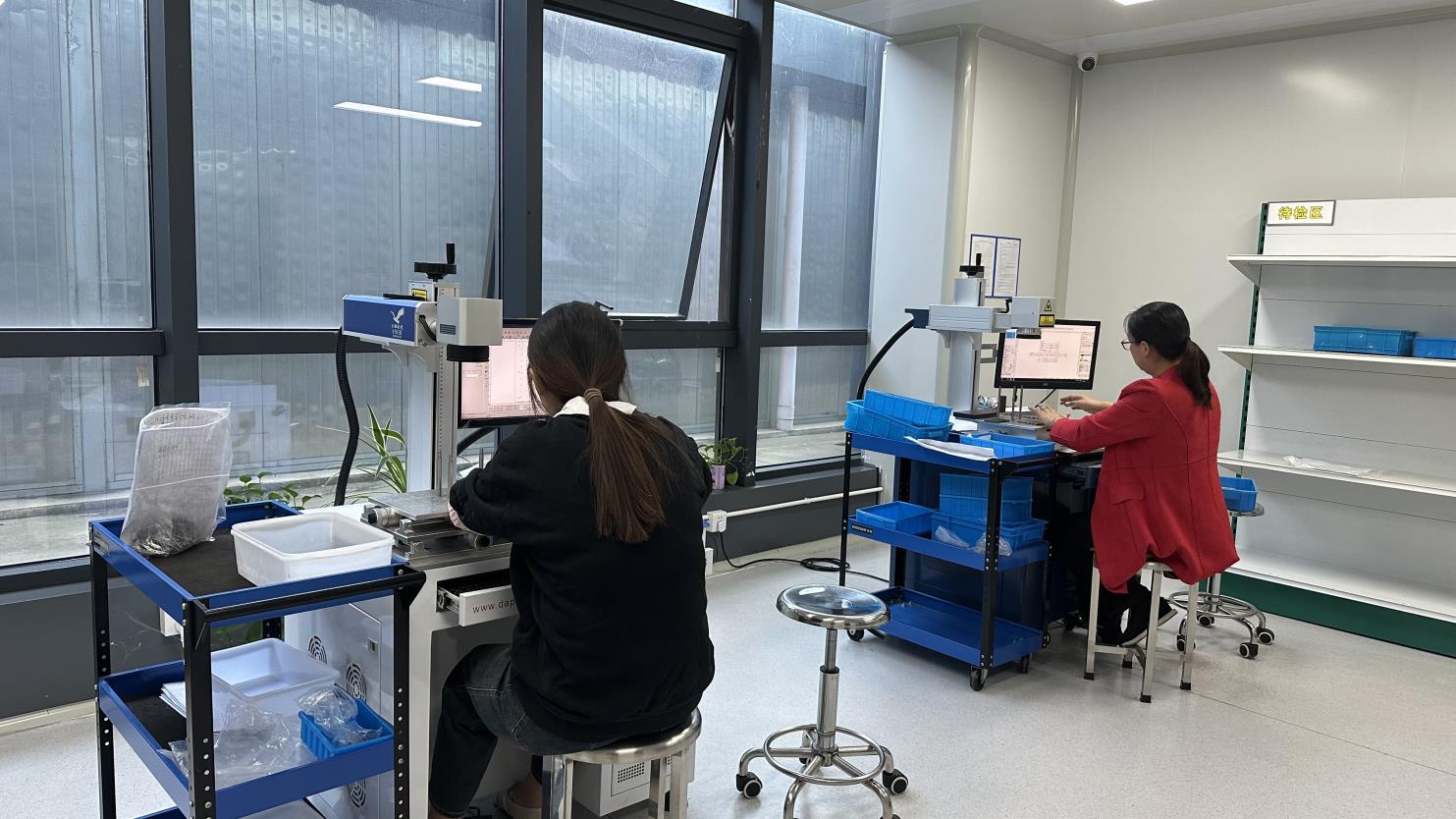
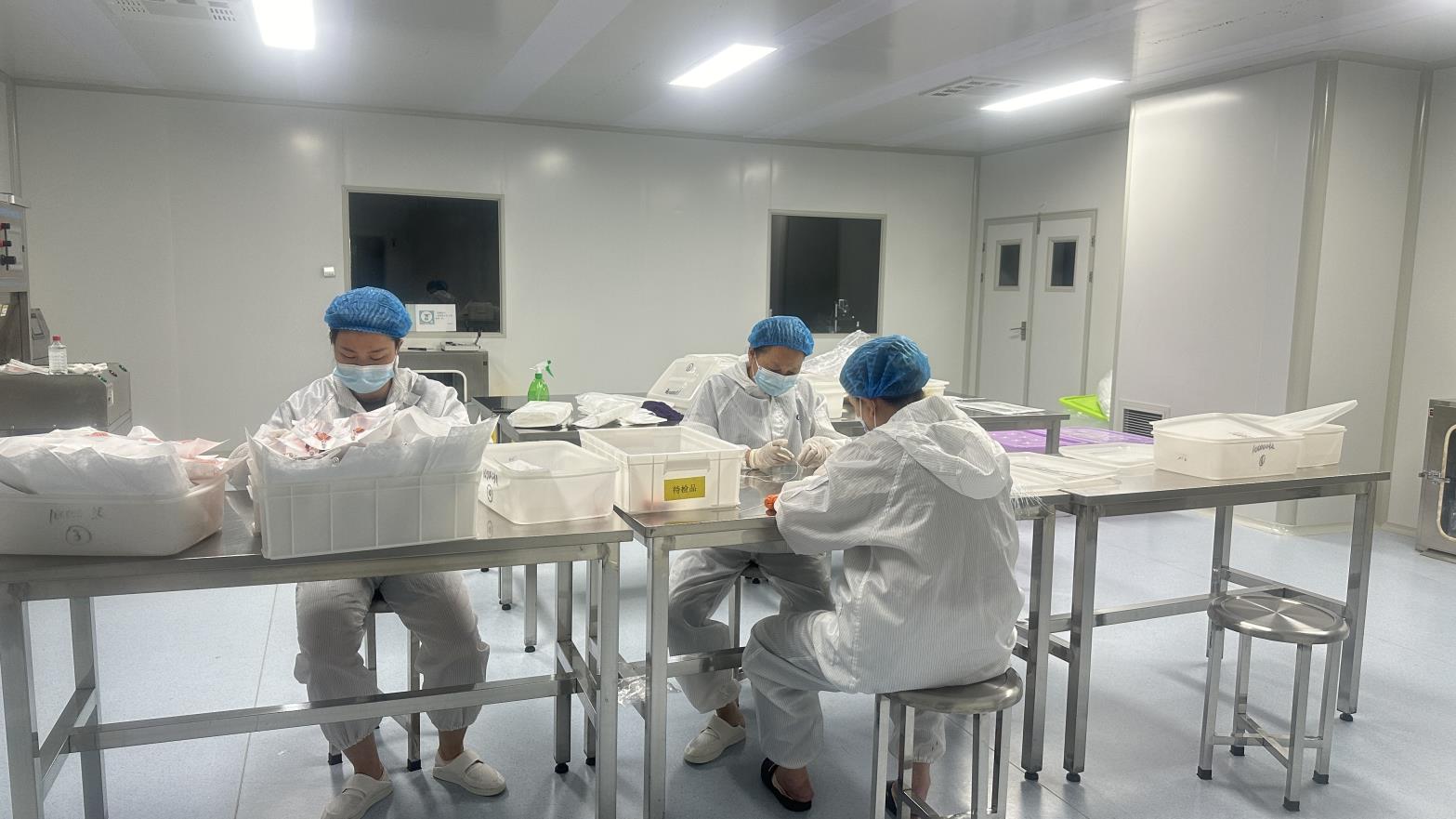
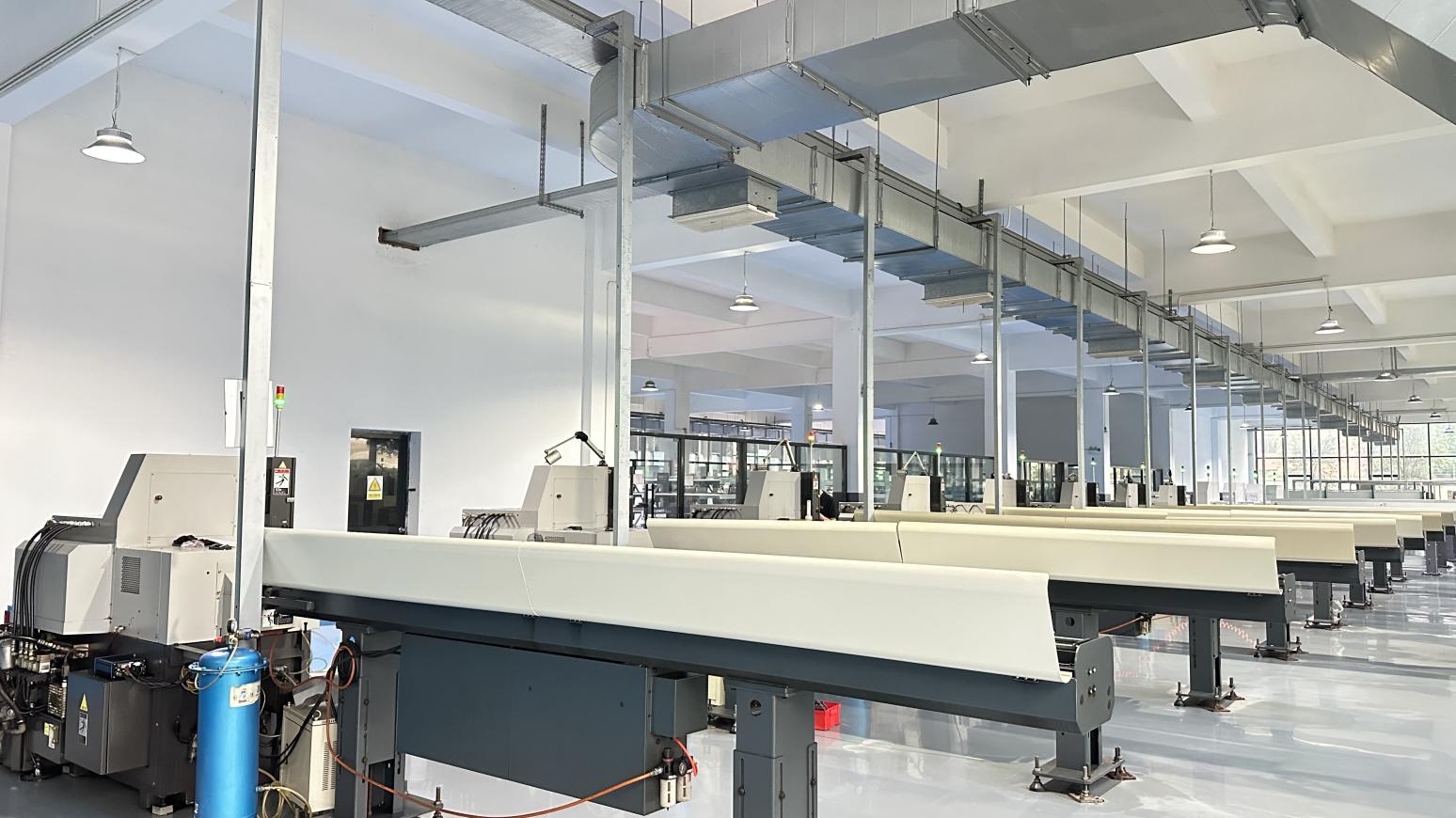
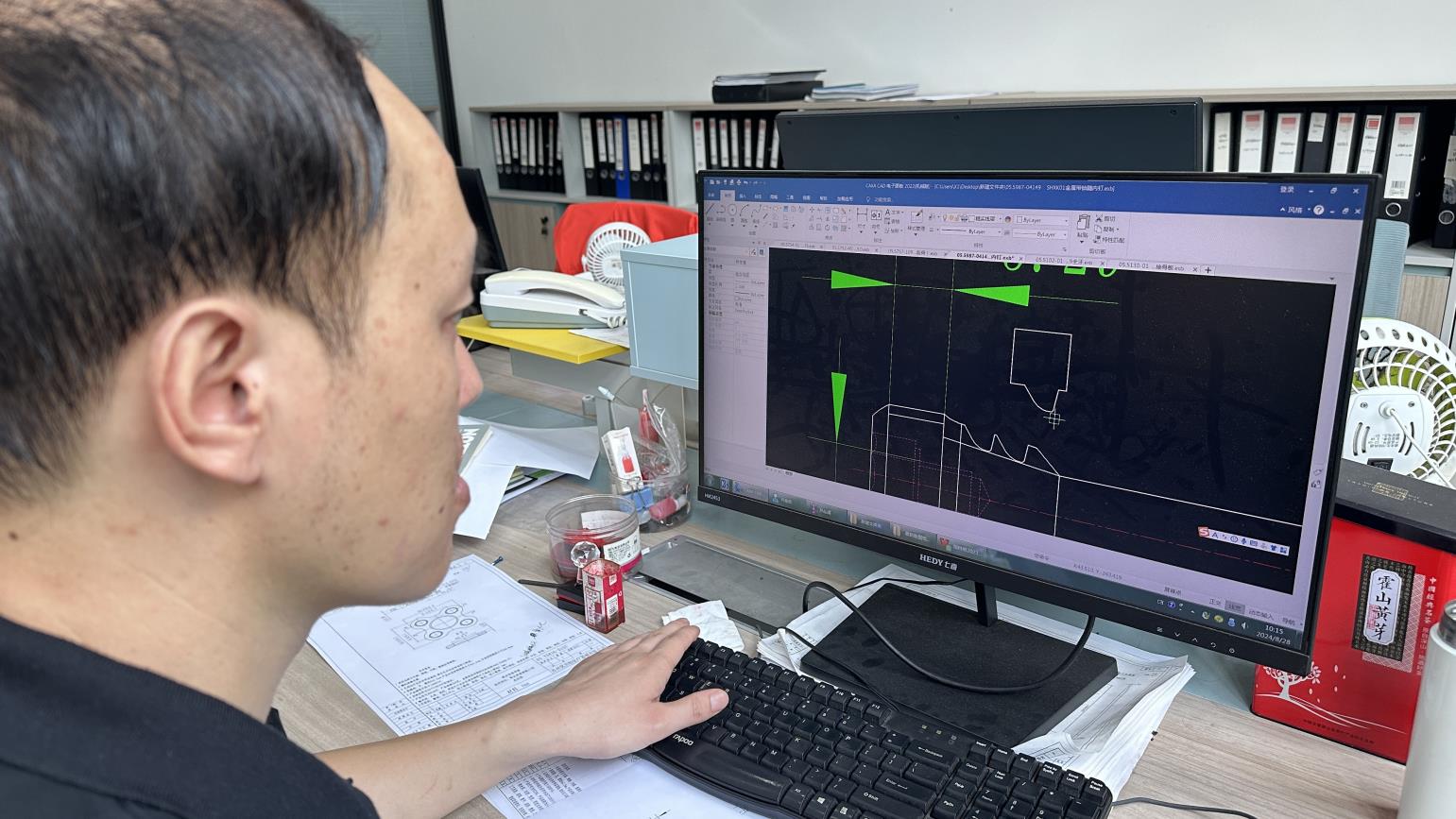
Verifiable process steps showcasing clinical-grade manufacturing, from raw biomaterial selection to final sterile packaging.
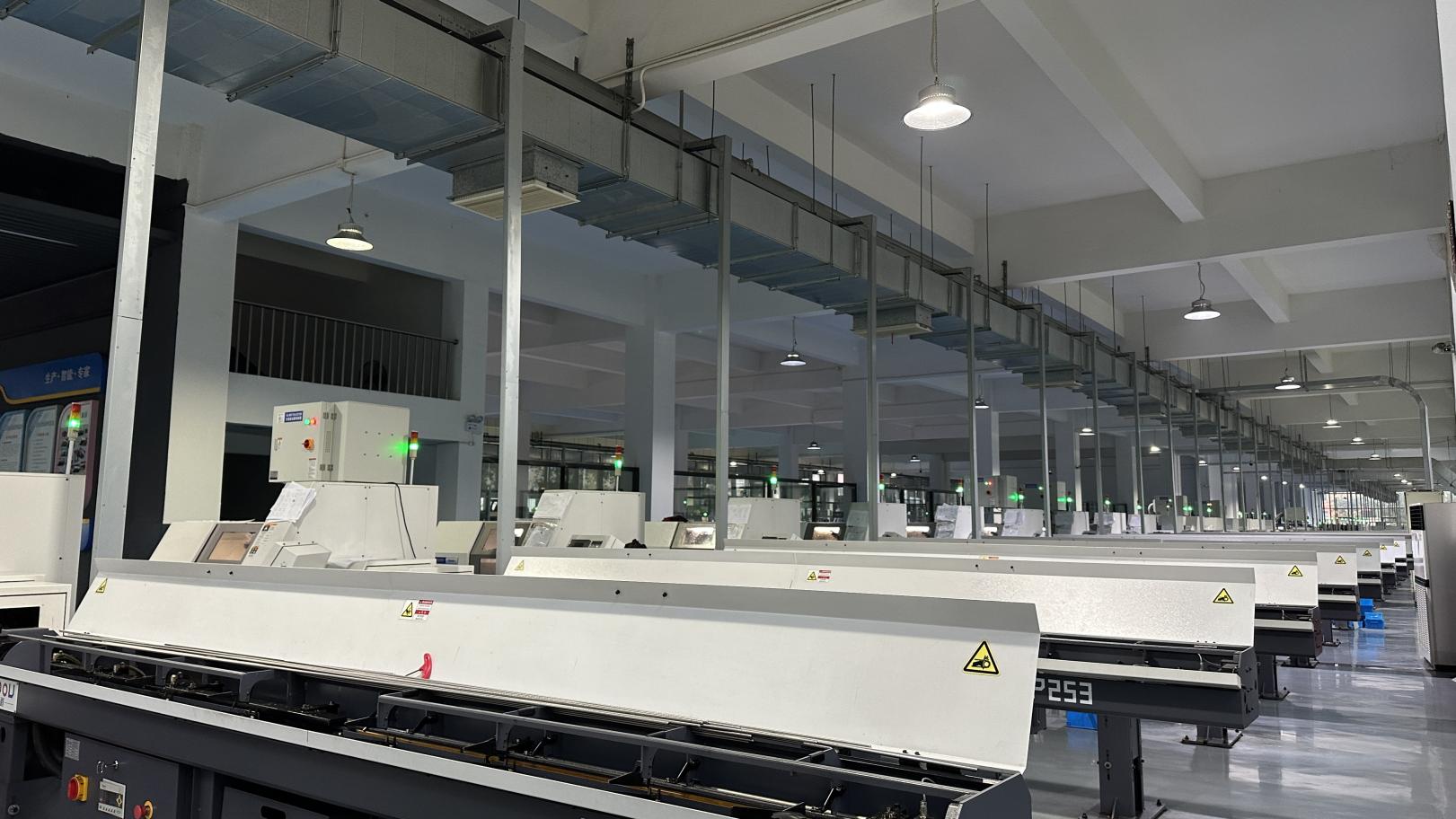
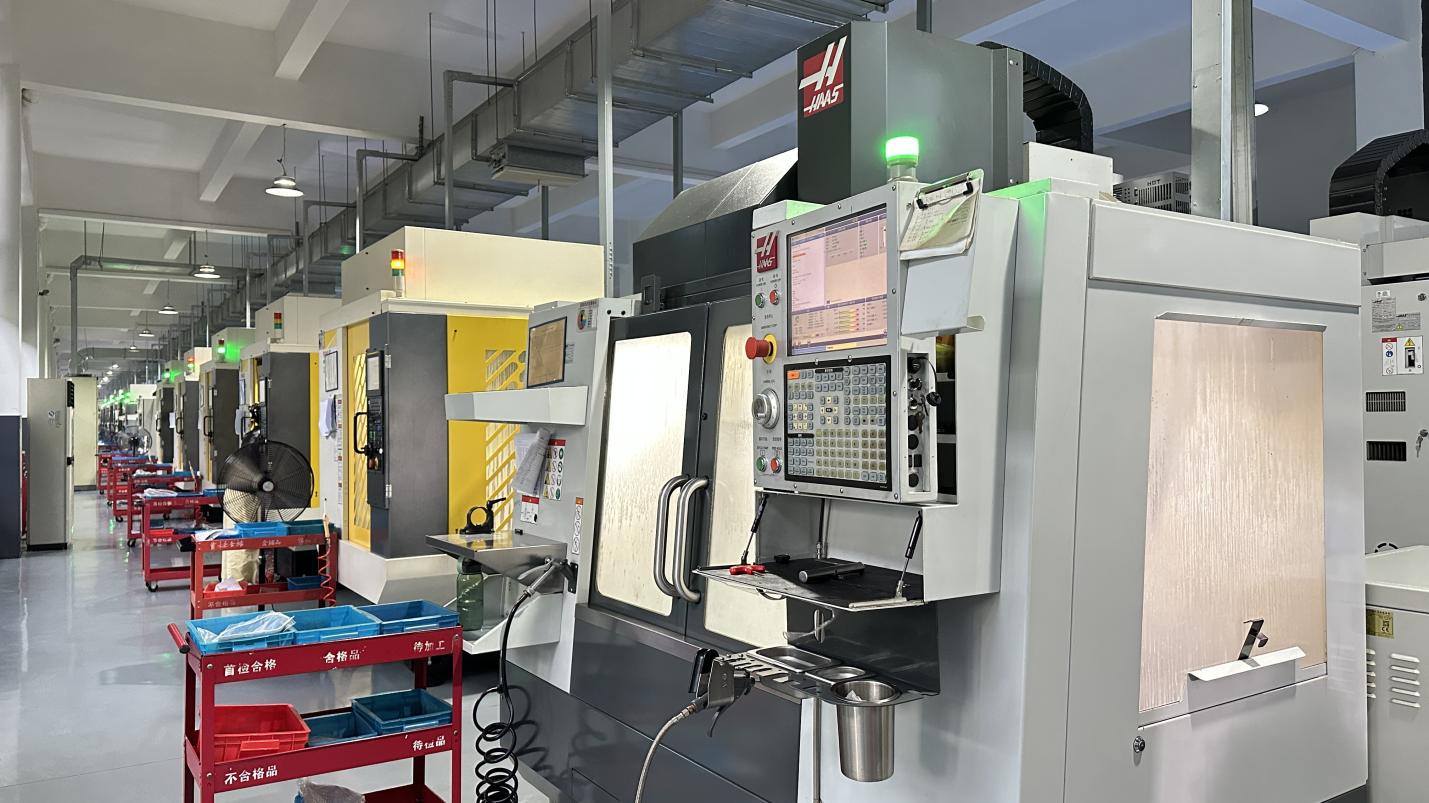
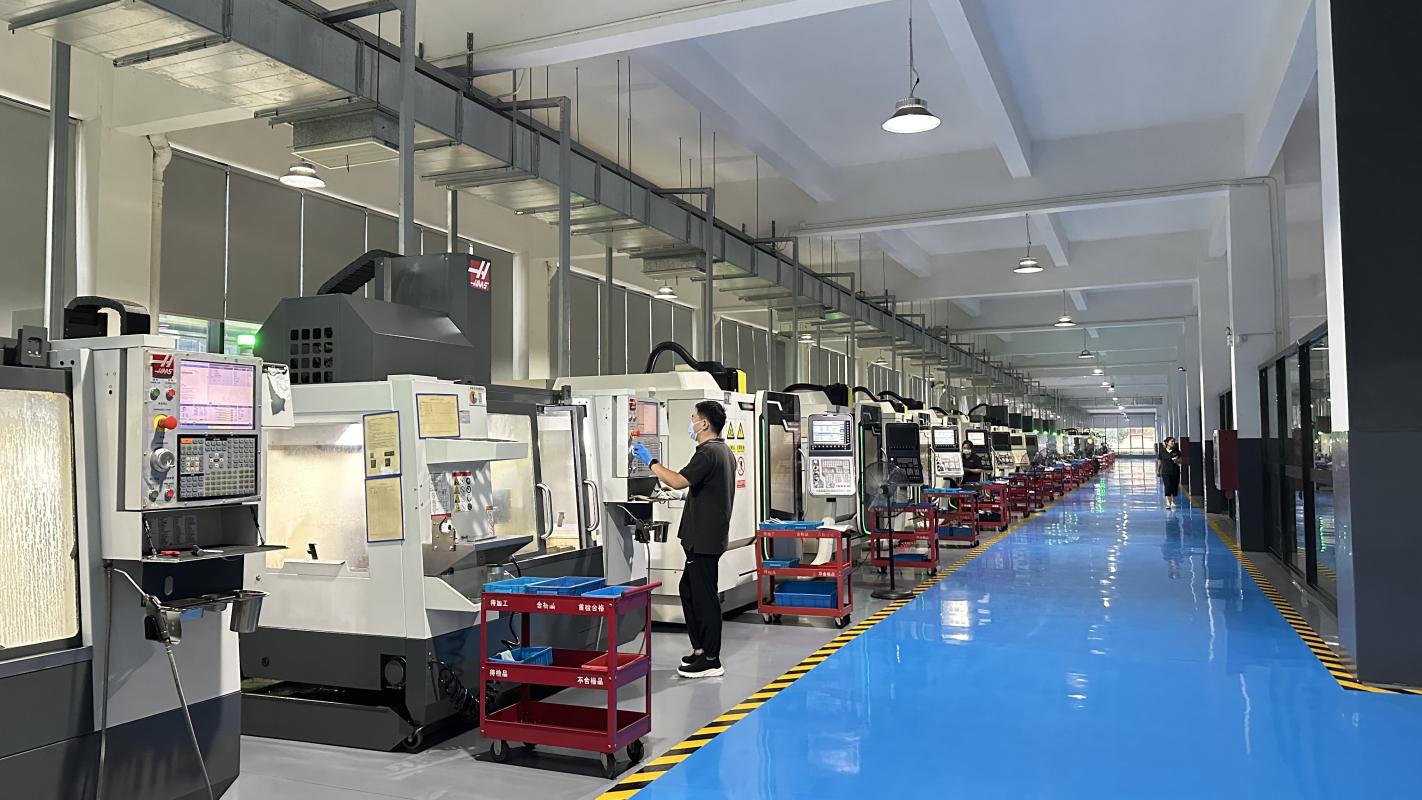

Tailored delivery, technical enablement, and customized service suites built for modern healthcare providers and national distributors.
Implant selection varies significantly depending on the local healthcare infrastructure. In emerging markets, there is high demand for standardized, reliable implants that offer ease of deployment. In highly developed healthcare systems, the focus is on dual-mobility systems and cementless configurations, which are designed to support rapid recovery protocols.
Bonevia's system accommodates multiple surgical approaches. Whether implementing the Direct Anterior Approach (DAA) to minimize soft tissue trauma, or the classic posterior approach, the system's modularity ensures surgical teams can adapt to intraoperative anatomical variations.
Recognizing that patient anatomy and clinical practices differ by region, we offer comprehensive OEM and ODM solutions. Leveraging our in-house engineering team, we can modify femoral stem profiles, adjust neck angles, and custom-manufacture specific surgical instruments.
From design iteration to dynamic mechanical loading tests and packaging adaptation under private labels, Bonevia operates as a reliable manufacturing partner. Our facilities maintain close compliance with ISO 13485 design control protocols, facilitating a smooth path to regional regulatory approvals.
Detailed, authoritative answers to common inquiries from orthopedic surgeons, procurement directors, and international distributors.
Exploring our range of trauma reduction systems, sports medicine anchors, veterinary implants, and micro-resection instruments.