Bonevia Bonevia

CE Certified Herbert Screws Manufacturers & Suppliers

Precision Compression Technology • Regulatory Compliant Orthopedic Solutions

Featured Orthopedic Systems & Implants

Explore our CE-certified range of micro-engineered surgical systems designed for precise osteosynthesis, spine stabilization, and sports medicine procedures.
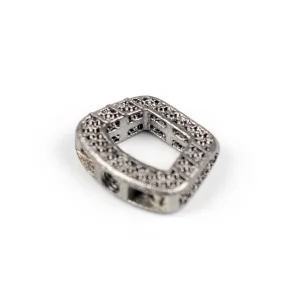
3D Printed Spinal Fusion Cage

CANWELL CV-I 3D Printed Titanium Spinal Fusion Cage Porous Spine Orthopedic Implants Tlif Plif Alif Lumbar Cage CE Certified

View Technical Specifications
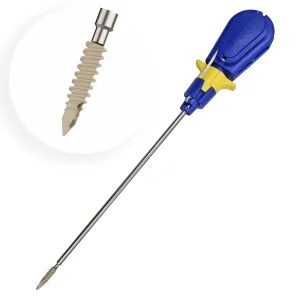
PEEK Suture Anchor

CANWELL PEEK Suture Anchor Sports Medicine Surgery Arthroscopic Implant Shoulder Rotator Cuff Repair

View Technical Specifications
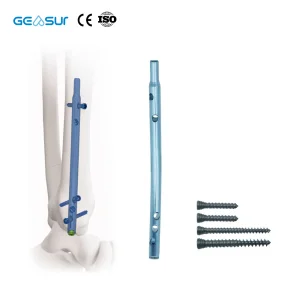
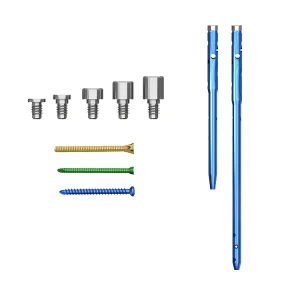
Tibial Intramedullary Nail Kit

Geasure Retrograde Tibial Intramedullary Nail Instrument Set-Orthopedic Surgical Kit for Tibial Fracture Fixation Hospital Use

View Technical Specifications
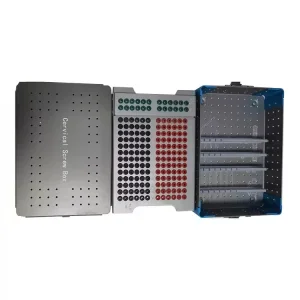
Posterior Cervical Screw Box

Geasure Orthopedic Surgical Instrument Posterior Cervical Screw Box-CE Certified the Basis of Surgical Instruments

View Technical Specifications
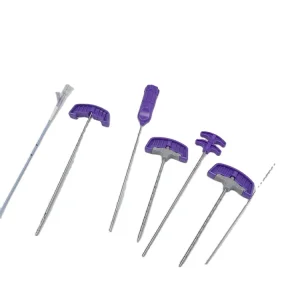
Spinal Pedicle Kit

Wholesale Factory Price Hot Selling High Quality Orthopedic Surgical Spinal Titanium Pedicle Pyroplasty Kit for Spine Surgery

View Technical Specifications
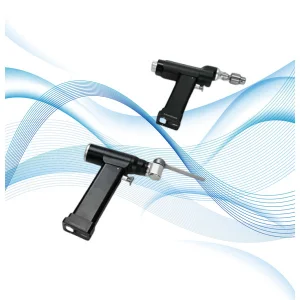
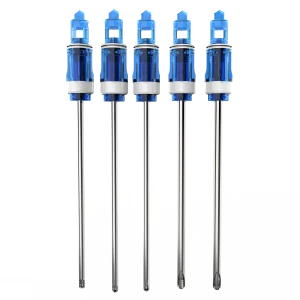
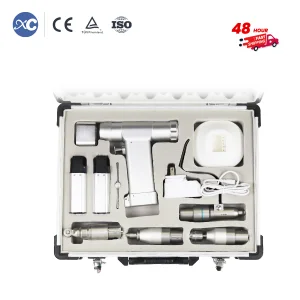
Orthopedic Surgical Drill

Orthopedic Power Tools Orthopedic Drill Surgical Drill Power Tools for Orthopedic Surgery

View Technical Specifications
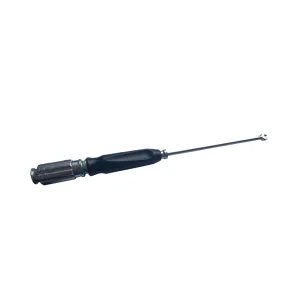
TLIF Cage Holder

Premium Quality Orthopedic Surgical Instruments TLIF Cage Holder Manufacture

View Technical Specifications
Intramedullary Humeral Nail

Multiloc Interlocking Intramedullary Humeral Nail Titanium Alloy Orthopedic Implant for Hospital Trauma Applications

View Technical Specifications

Executive White Paper: Biomechanics, Standards & Sourcing of Herbert Screws

2015
Established Year
10+
Years Industry Exp.
85+
R&D Engineers
850+
Supply Chain Partners

1. Biomechanical Analysis & Clinical Efficacy of Headless Compression Screws

The Herbert screw, a revolutionary design in small bone osteosynthesis, functions as a headless, cannulated compression mechanism specifically configured to achieve rigid internal fixation without prominent hardware interfaces. Structurally, the Herbert screw utilizes two distinct threaded regions with contrasting thread pitches. The distal thread features a wider pitch to facilitate faster progression through the distant cortical or cancellous bone fragment, while the proximal thread possesses a narrower pitch.

As the screw is advanced across the fracture line, the variance in rotational travel speeds between the two threaded portions mechanically draws the bony fragments together. This establishes a controlled compression force directly corresponding to the pitch differential:

Compression Force (F) ∝ (Pitch_distal - Pitch_proximal) * N_rotations

This headless design allows the screw to be countersunk completely beneath the articular cartilage, protecting nearby soft tissue and tendons from frictional damage, which is critical in intra-articular applications such as scaphoid fractures (Herbert Classification Type B and C) and capitellum fractures.

2. Regulatory Compliance: The Crucial Role of CE Certification under MDR

In the European Union and other globally harmonized regulatory jurisdictions, Herbert screws are categorized as Class IIb active/implantable medical devices (under Regulation (EU) 2017/745, commonly known as the MDR). Securing CE certification requires a comprehensive assessment of the technical documentation, biological safety evaluation according to ISO 10993 series, and rigorous quality system maintenance conforming to ISO 13485:2016 standards.

  • Complete validation of raw materials, ensuring strictly medical-grade Titanium Alloy (Ti-6Al-4V ELI conforming to ASTM F136 or ISO 5832-3).
  • Dynamic fatigue and biomechanical testing simulating a minimum of 1,000,000 load cycles under physiological stress boundaries.
  • Comprehensive clinical evaluation reports (CER) matching clinical outcomes of equivalent devices in established clinical registries.
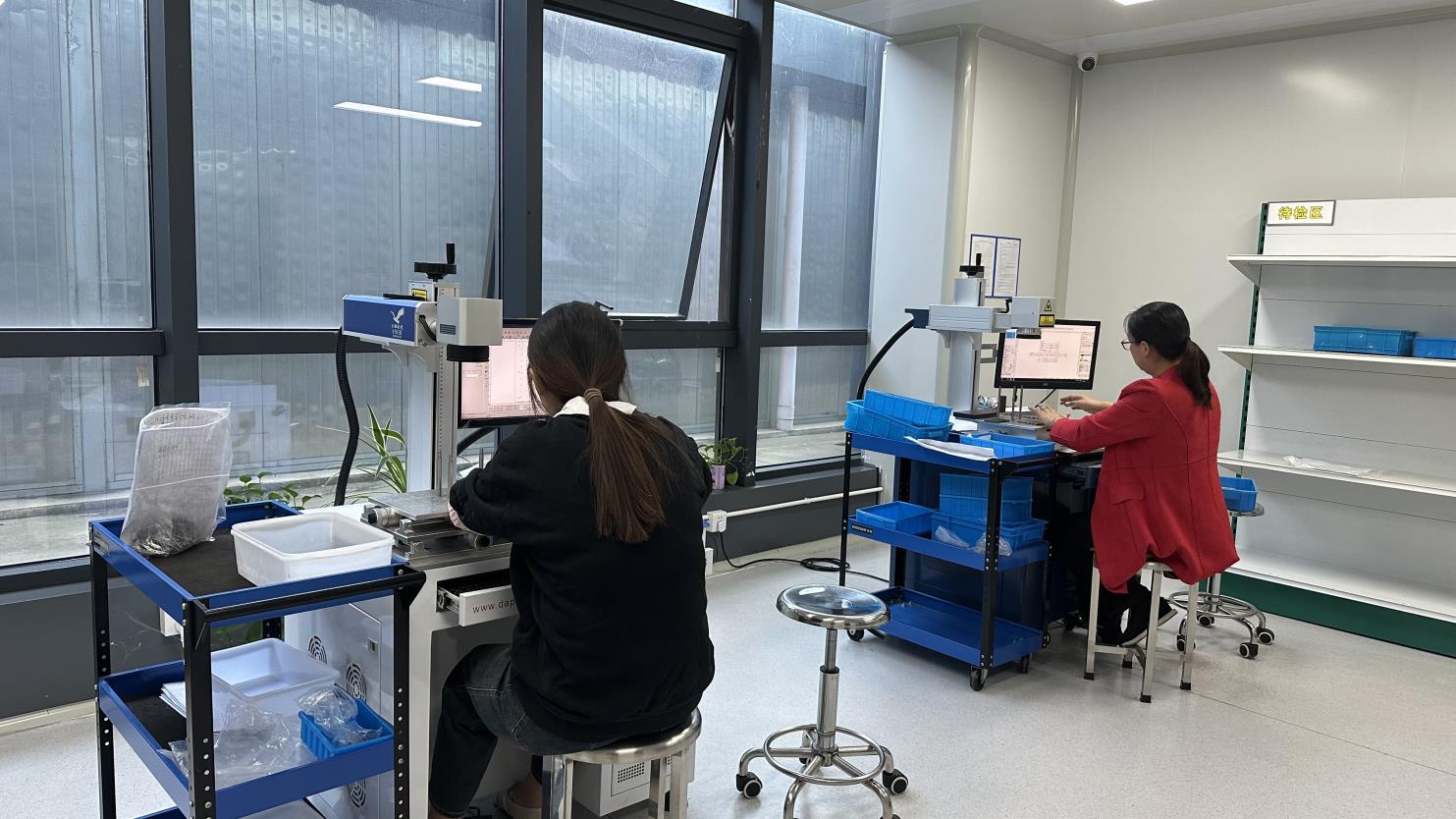
  • Full traceability implementation utilizing Unique Device Identification (UDI) laser marking directly on the micro-implant surface.

Corporate Architecture & R&D Performance

Bonevia Orthopedic Technology Co., Ltd. is a leading developer and manufacturer of high-precision orthopedic implants and surgical solutions. Founded in 2015, we design, test, and supply medical devices that support surgeons and improve patient outcomes globally.

Manufacturing Capabilities & Facilities

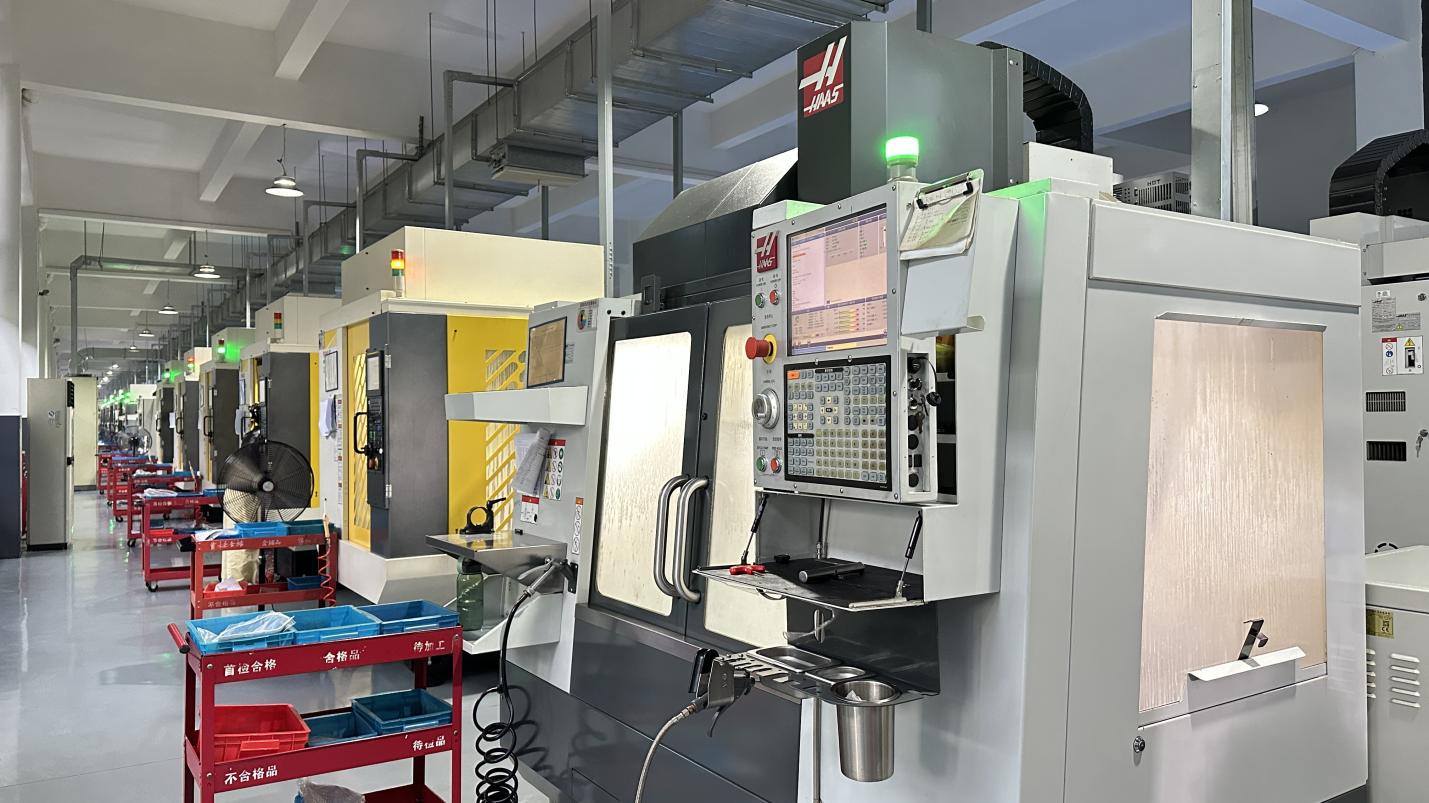
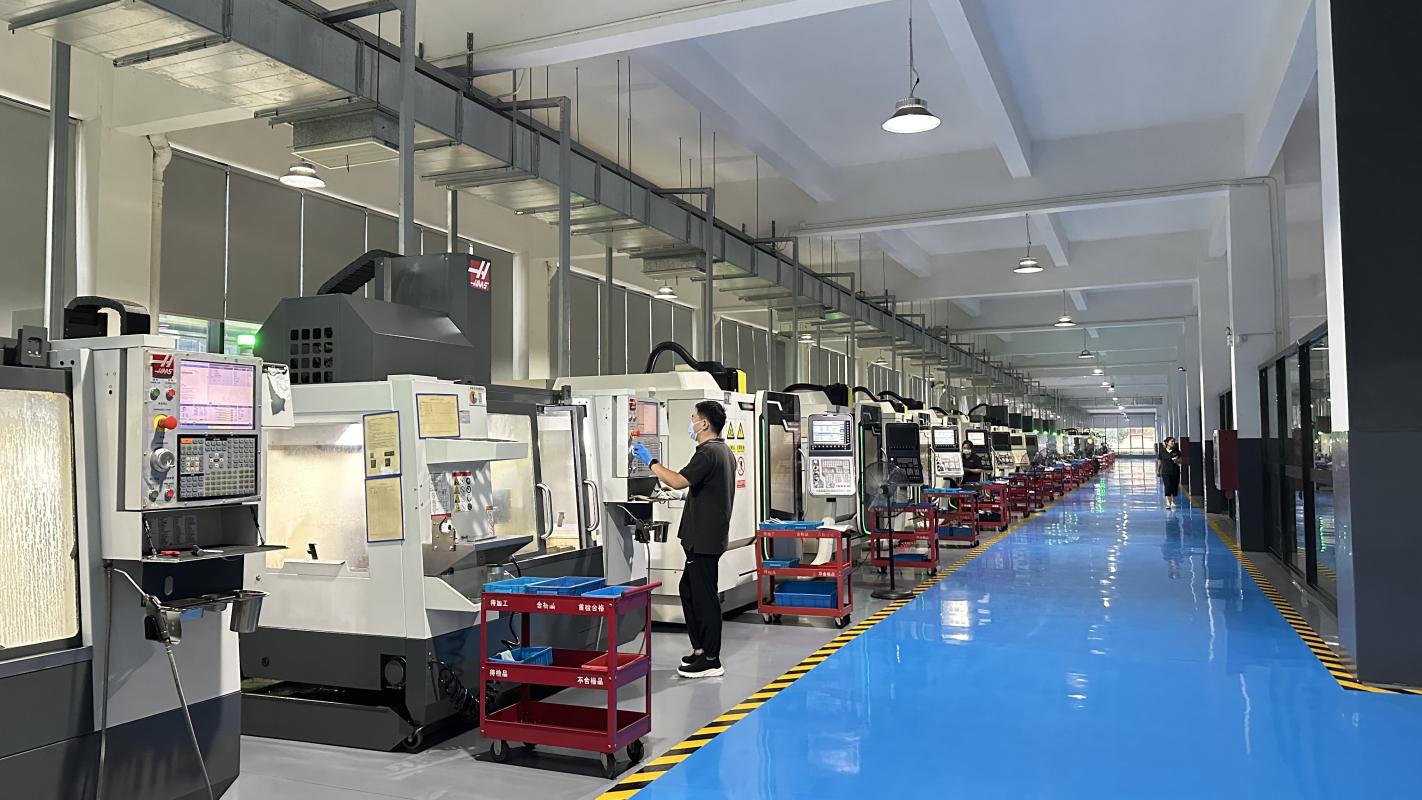
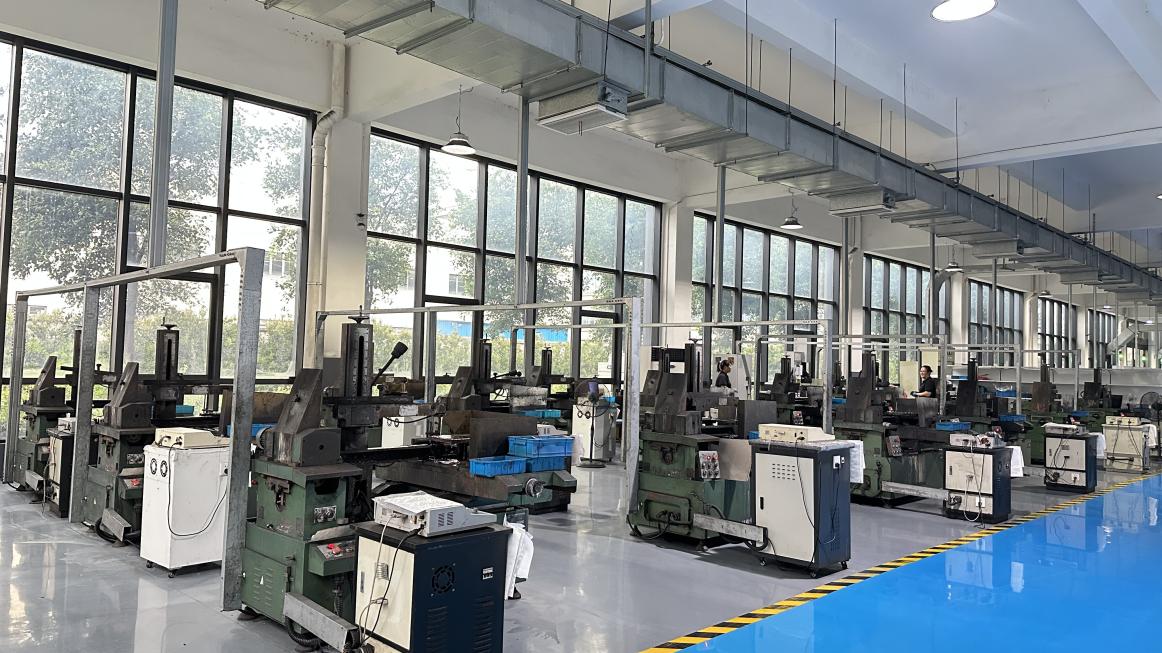
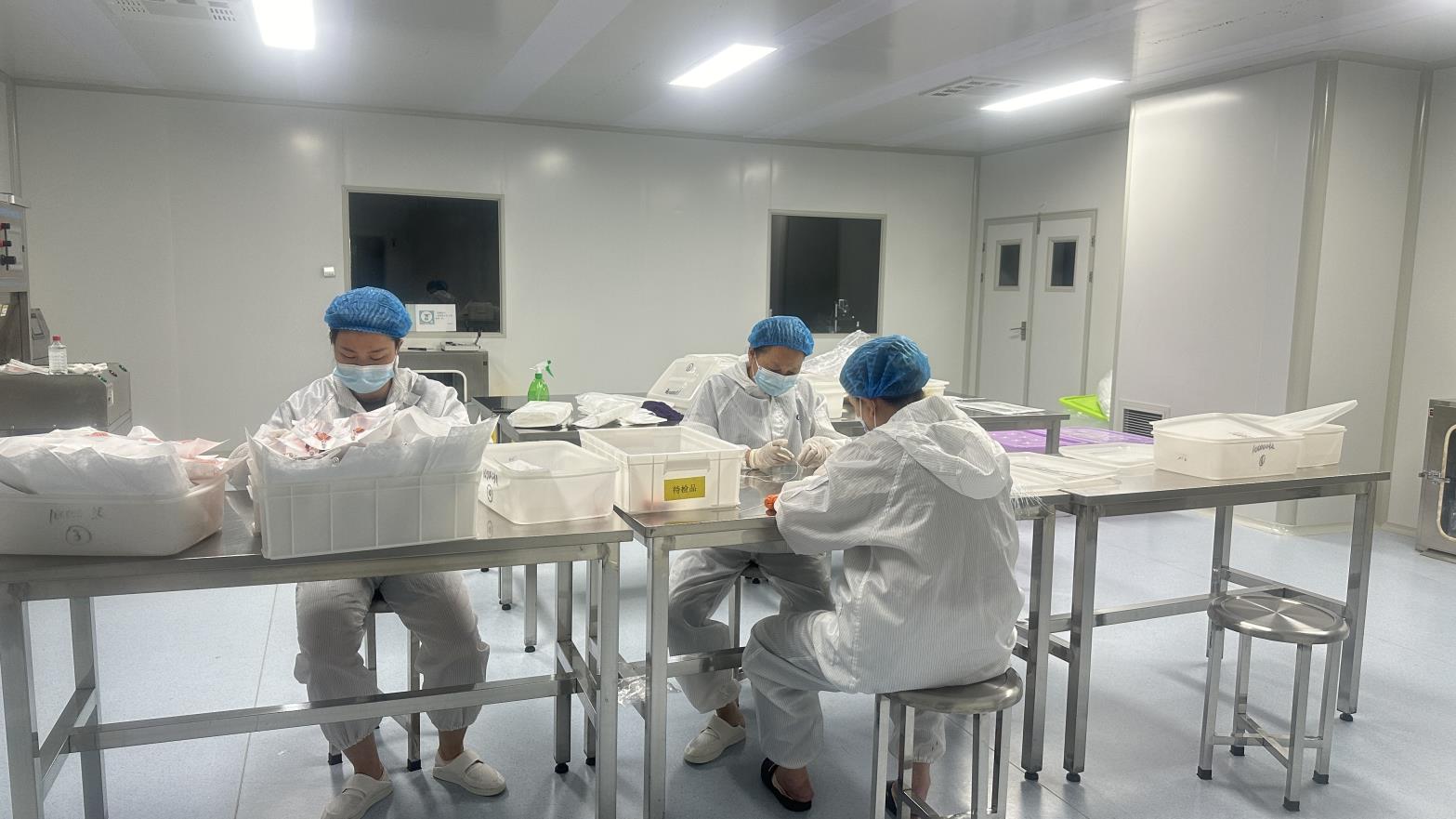
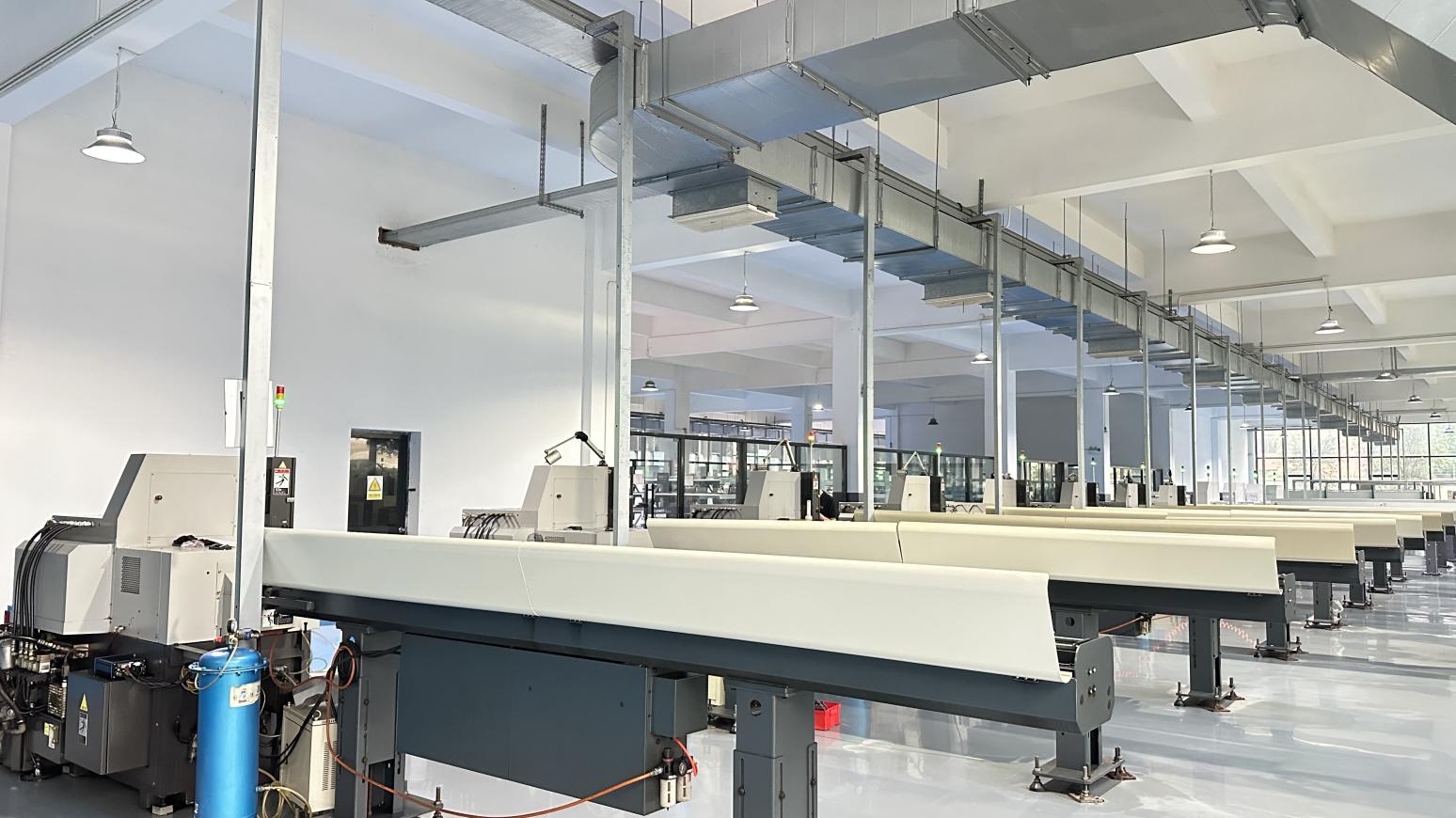
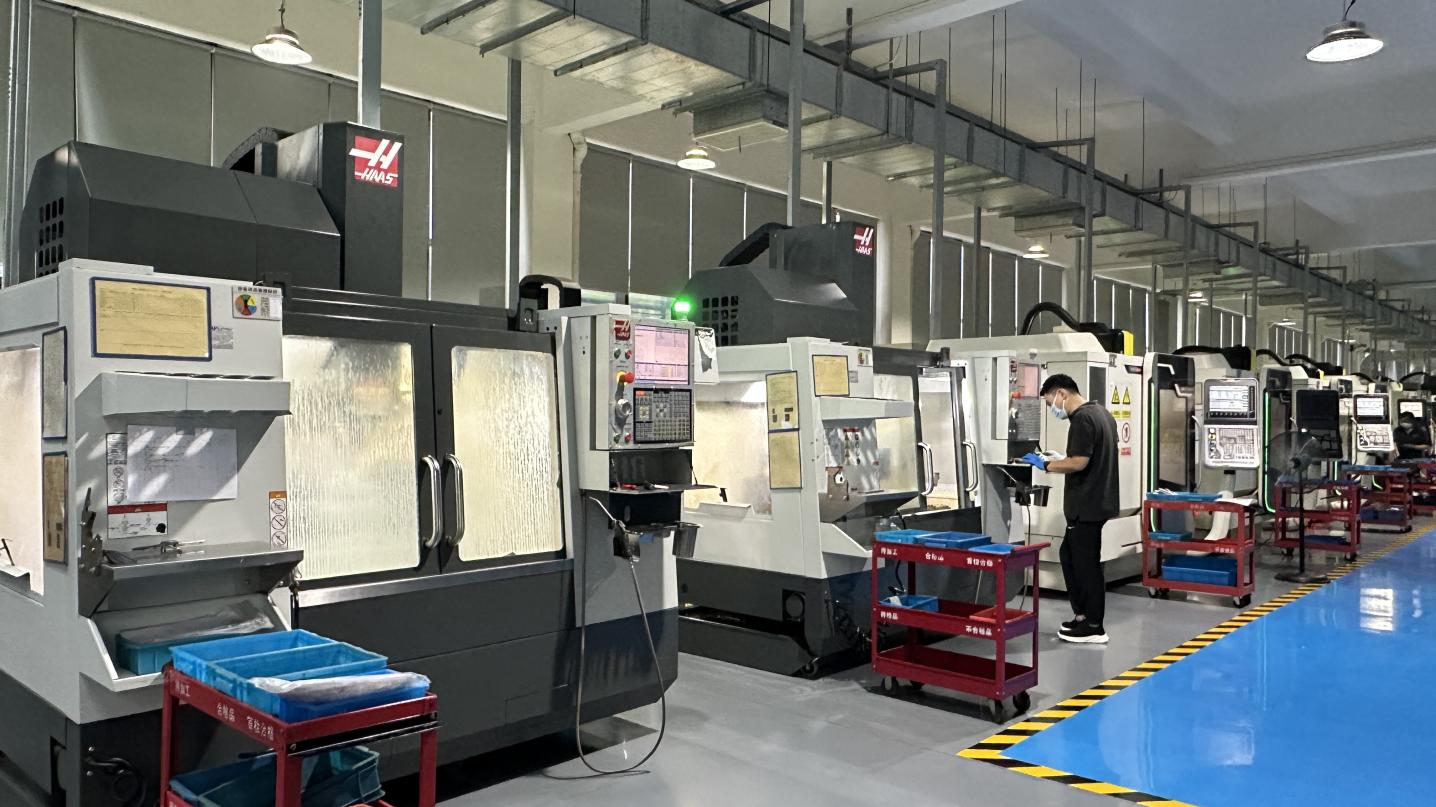
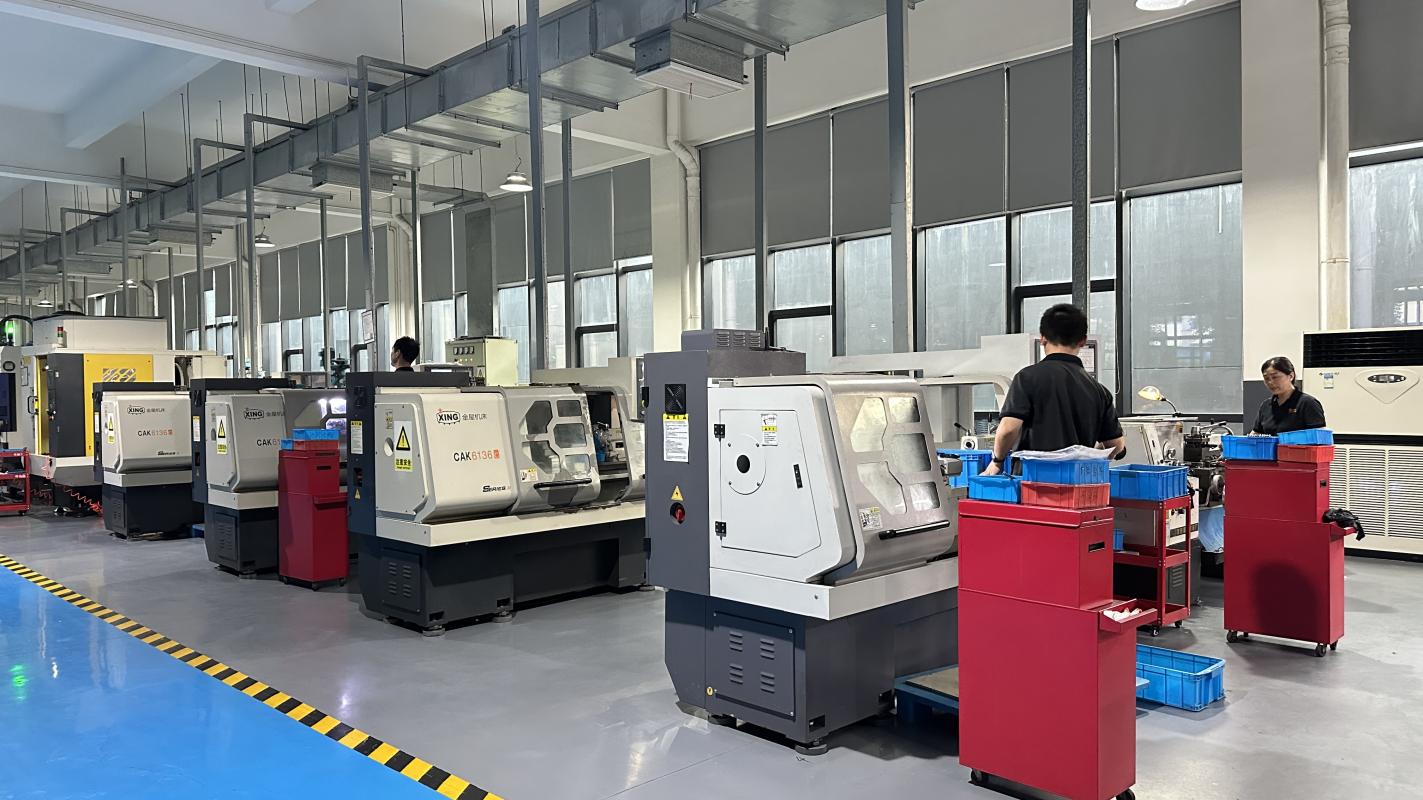
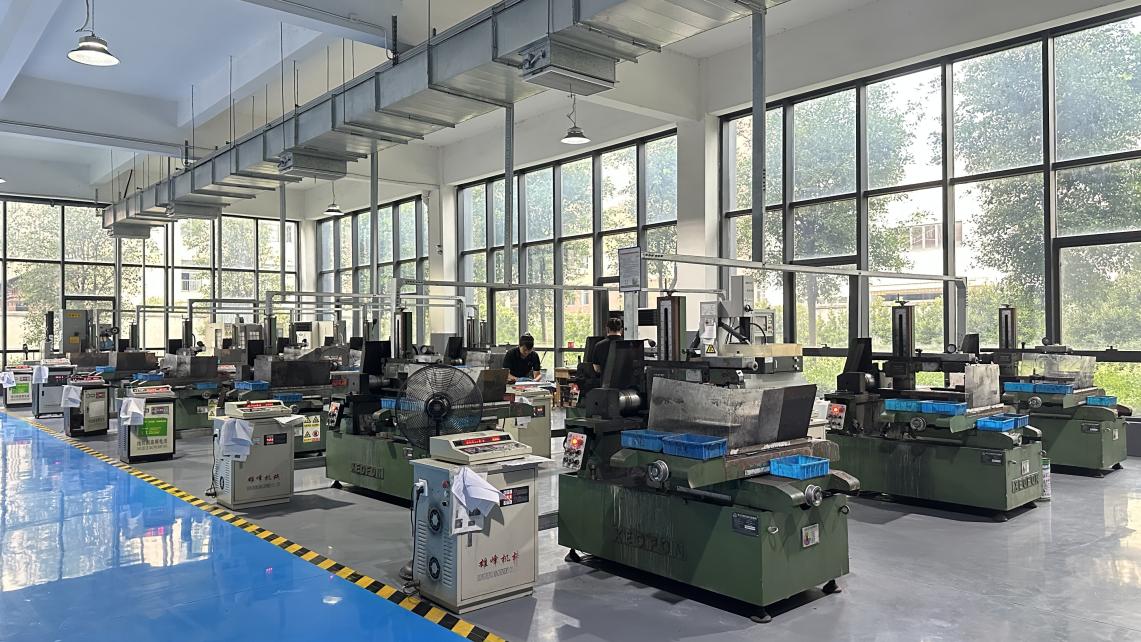
With an advanced, dedicated production facility covering approximately 320㎡, Bonevia leverages highly specialized micro-machining cells, sterile cleanrooms, and automated processing lines. The company maintains an annual export revenue of USD 8–15 million, backed by 6 years of export operations and over 10 years of overall orthopedic industry engineering experience.

We support healthcare providers, clinics, and distributors worldwide, managing a complex distribution ecosystem with more than 850 raw material and logistics partners. This ensures stable raw material supply chains, consistent batch quality, and reliable product delivery to markets in Europe, Southeast Asia, the Middle East, and South America.

To meet shifting clinical demands, our development department—consisting of 85 R&D engineers—introduced 120 new product designs in the past year alone. This capability enables us to provide flexible OEM and ODM customization services for surgical instrument sets and implant geometries.

Advanced Manufacturing Process & Instrumentation

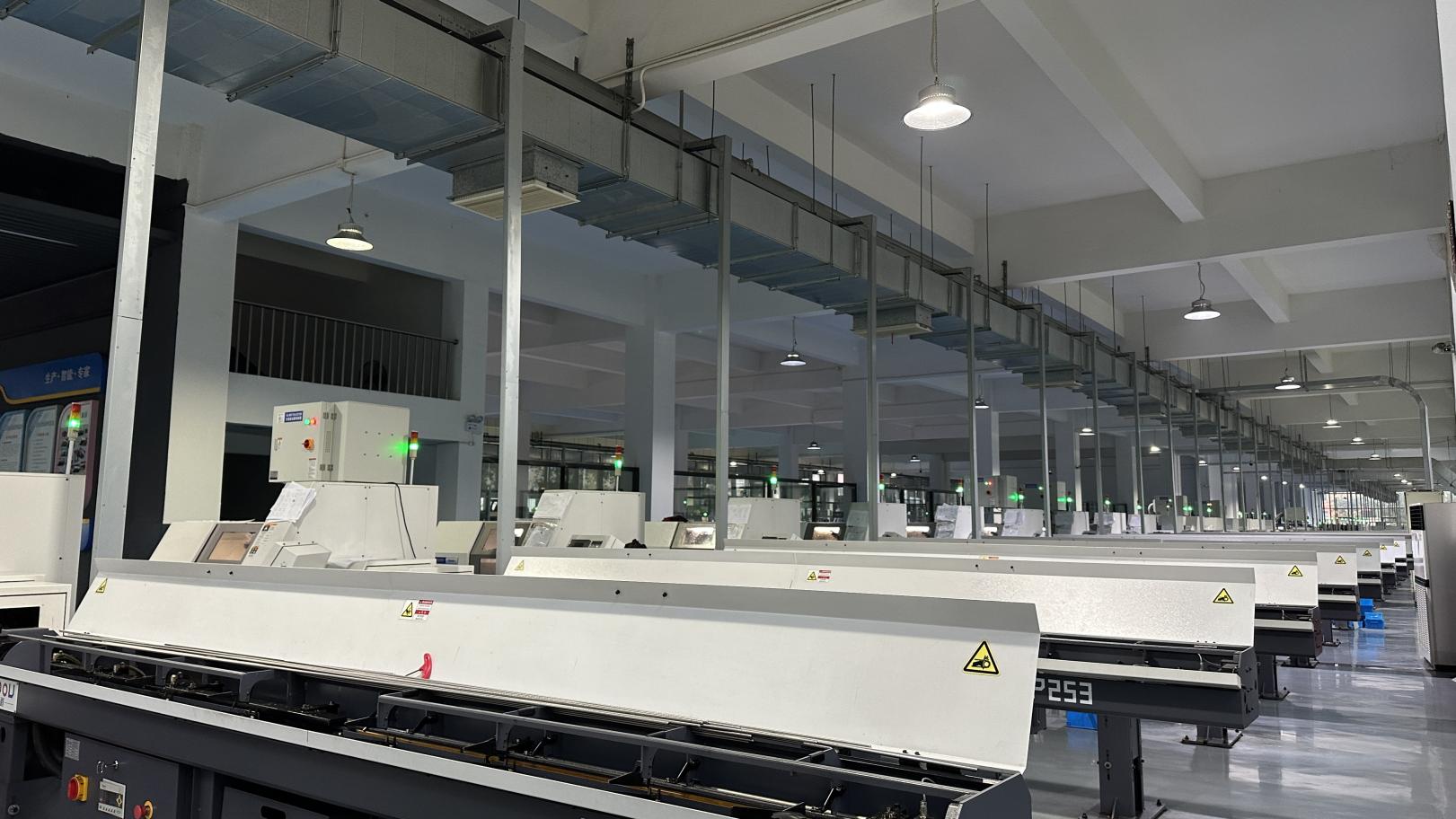
Our facility utilizes state-of-the-art machinery and rigorous quality control steps to produce high-precision orthopedic implants. Below is the step-by-step manufacturing and inspection flow:
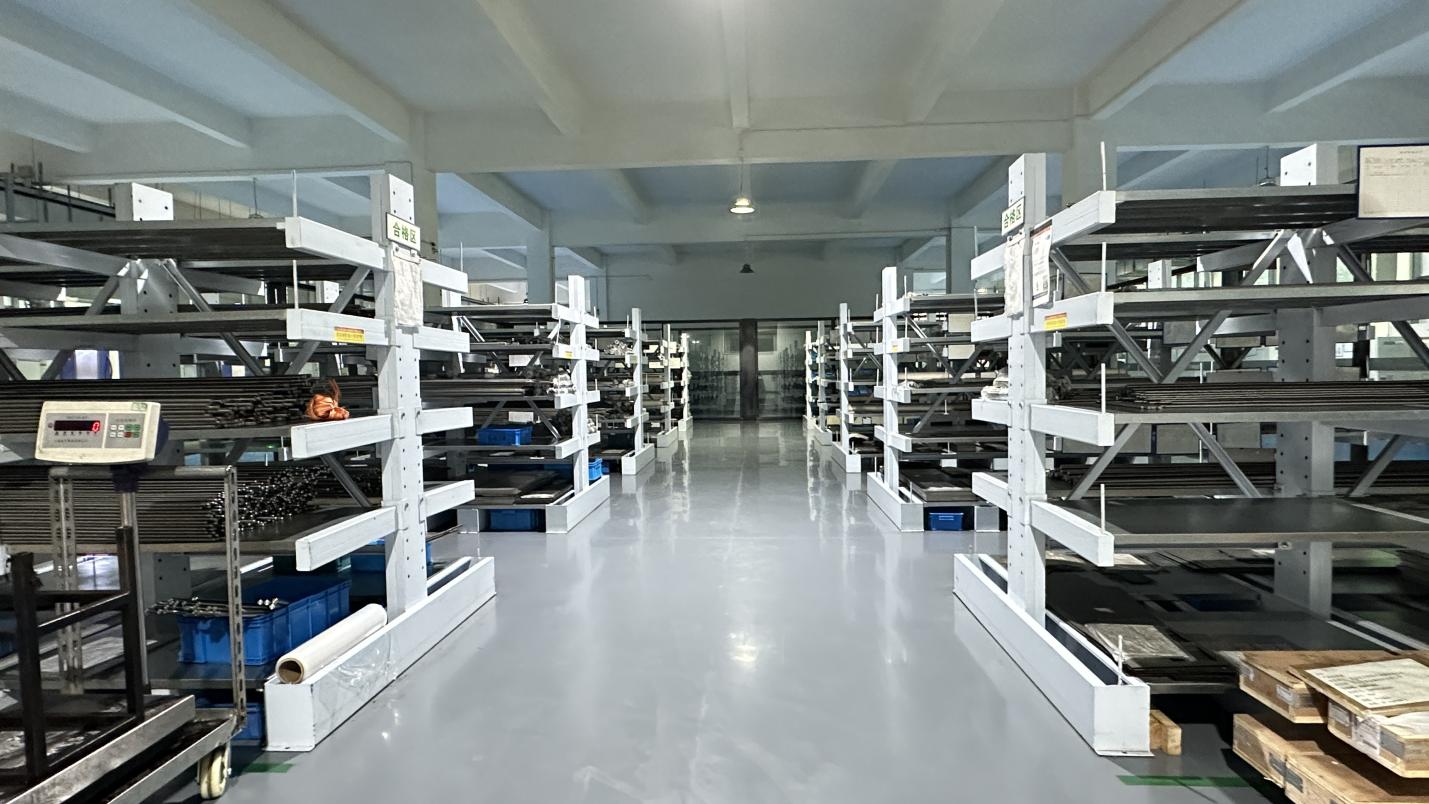
Materials Source Inspection
1. Materials Processing
Slitting Raw Bars
2. Slitting Operations
Machining Phase A
3. Primary Machining
Machining Phase B
4. Secondary Machining
Wire-cutting Process
5. Wire-cutting Phase
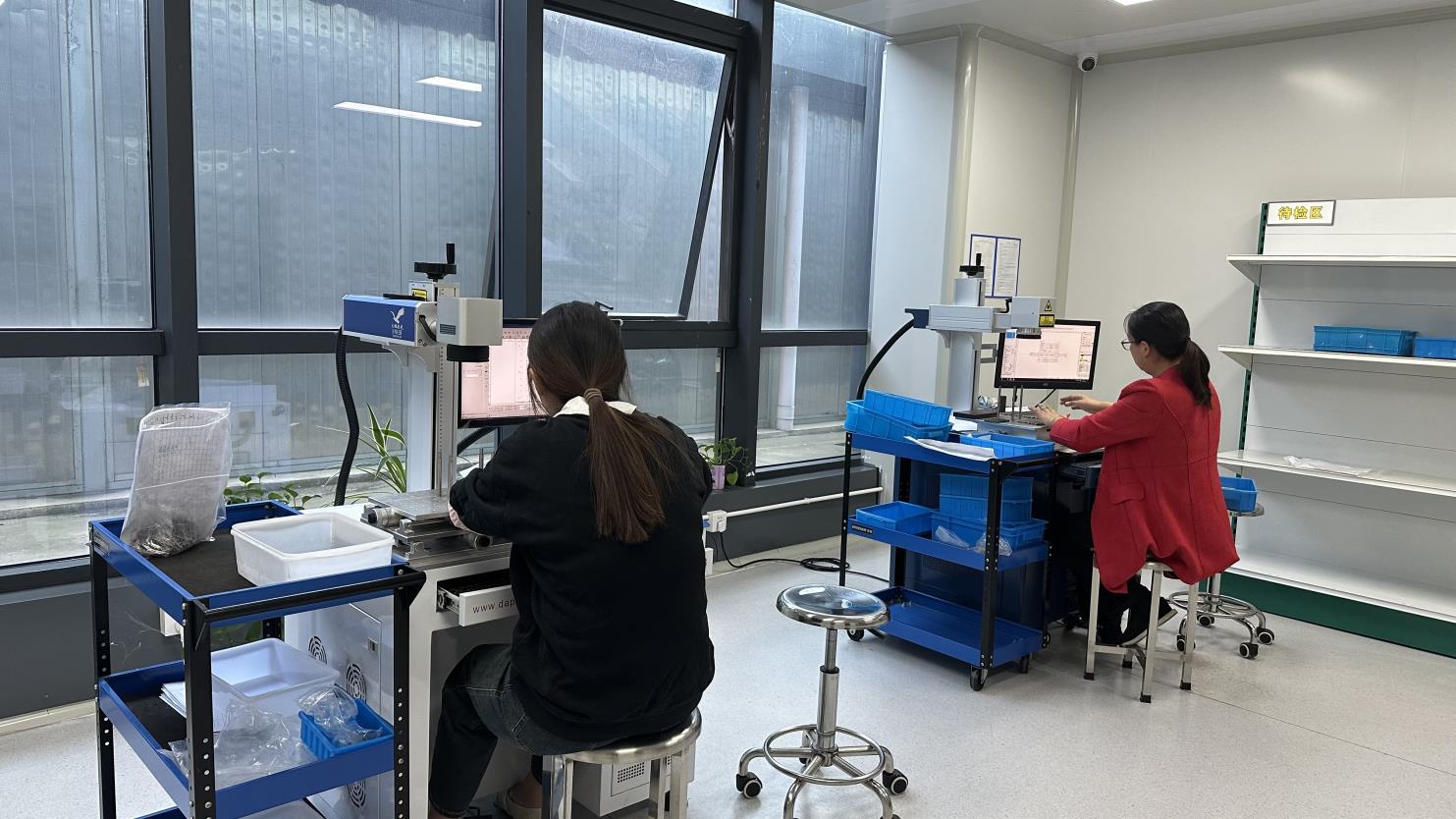
Laser Marking Implants
6. Laser Marking (UDI)
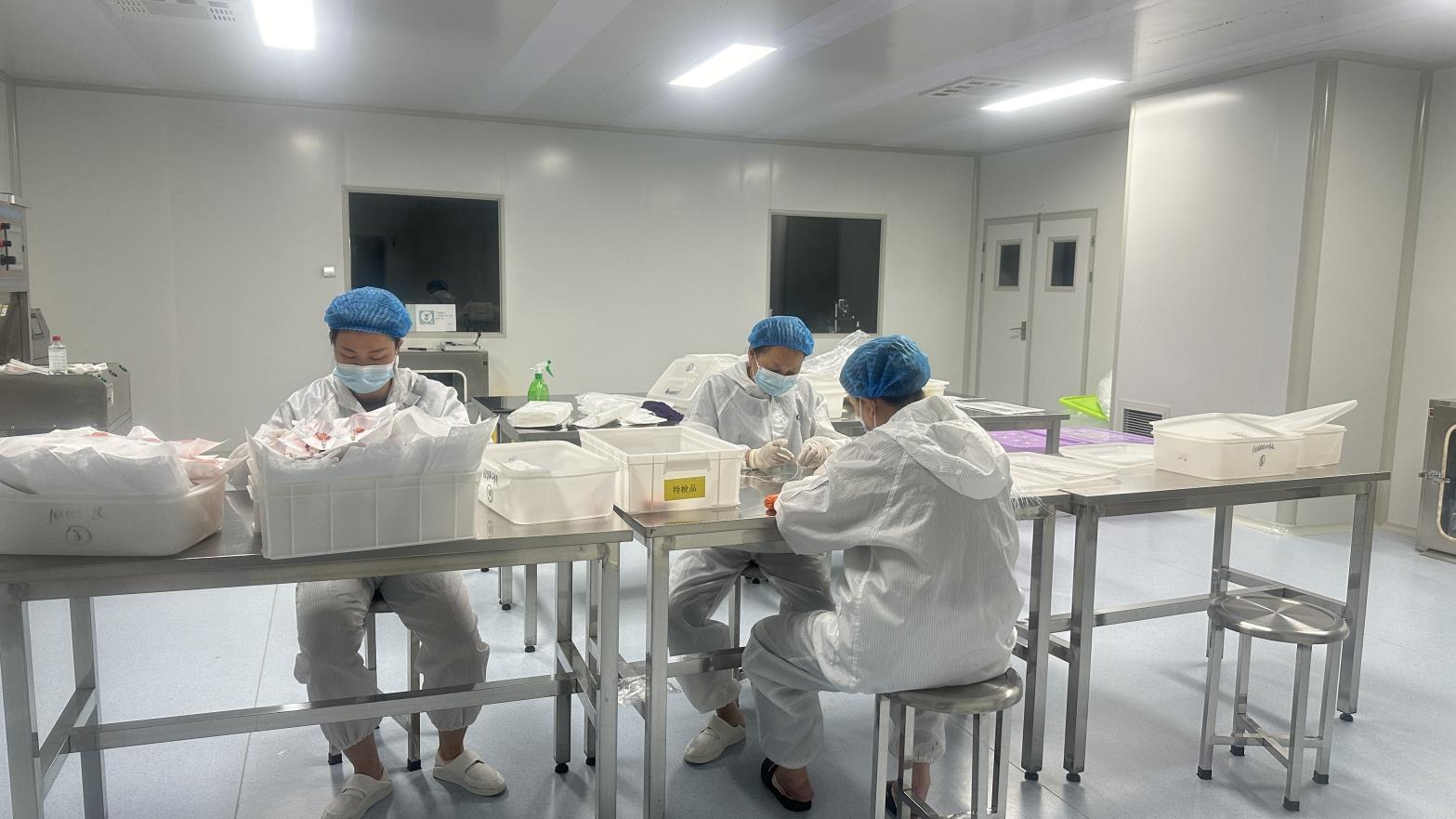
Inspection and Packing Area
7. Inspection and Packing
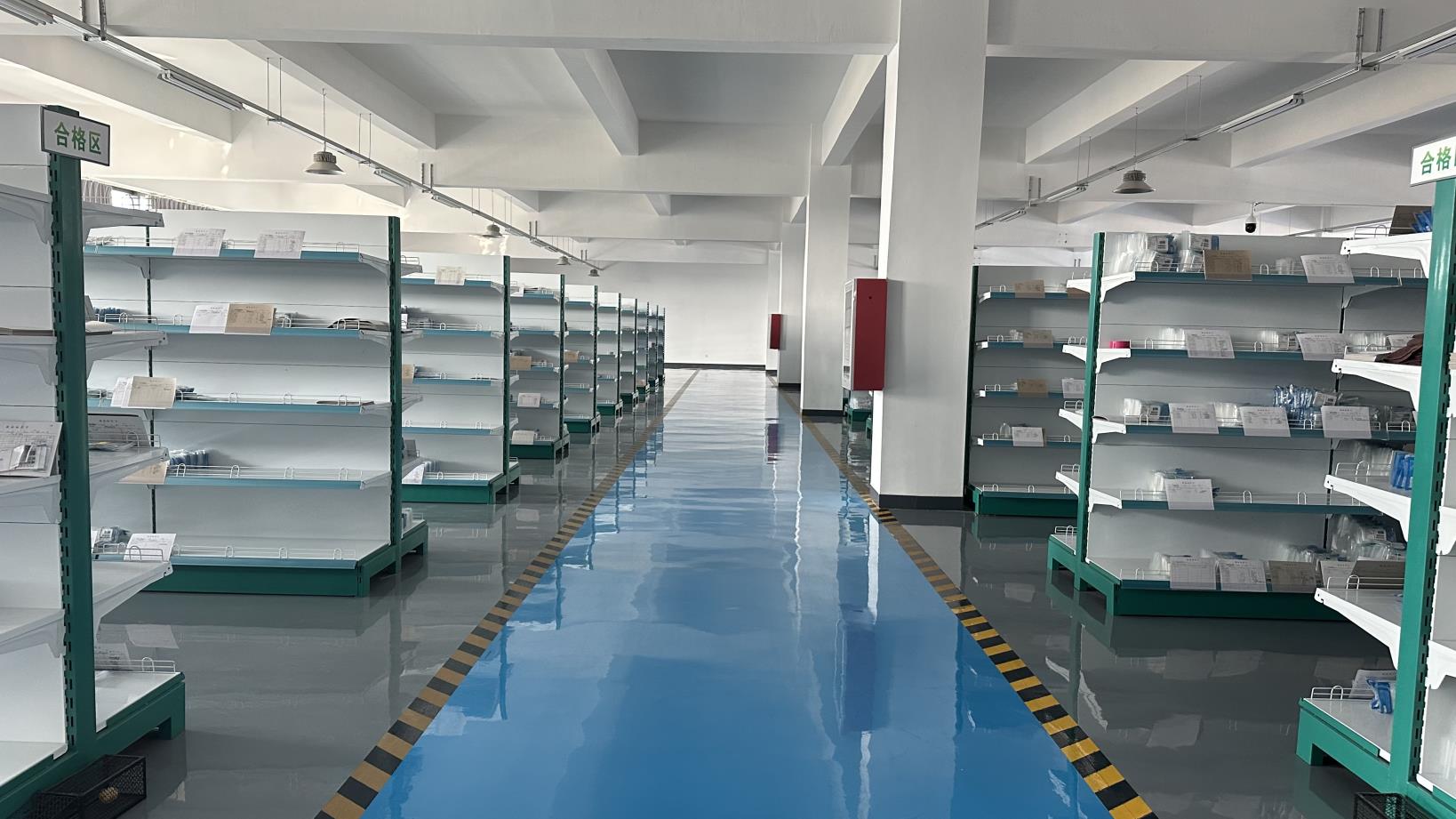
Clean Warehouse Control
8. Sterile Warehouse Storage
Slitting Machine Station
9. Slitting Machine Station
CNC Machining Center
10. CNC Machining Center
Precision Lathe Processing
11. Precision Lathe Center
Wire-cutting Machine System
12. Wire-cutting Machinery
Laser Etching Machinery
13. Laser Marking Station
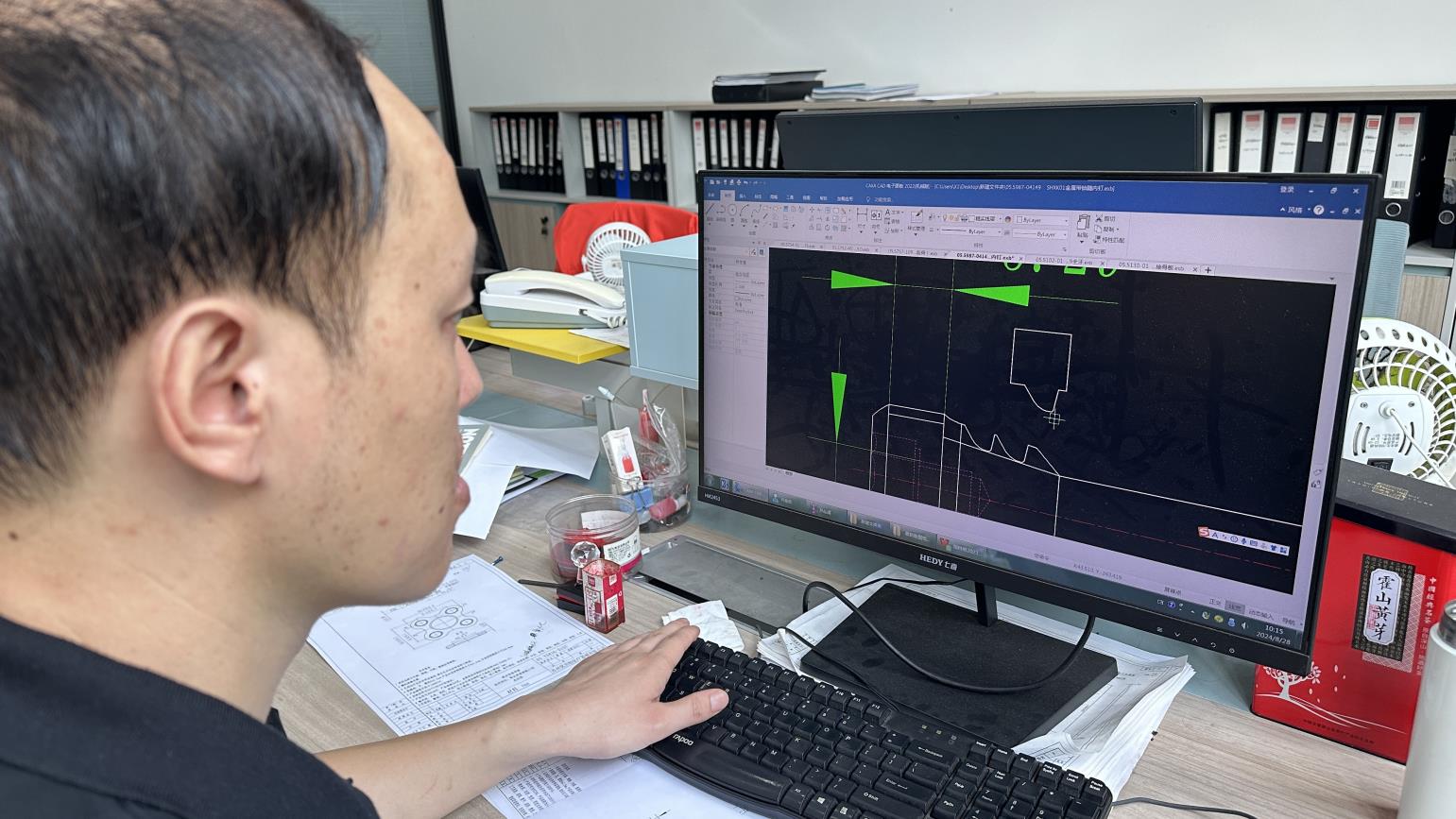
CAD/CAM Design Station
14. CAD/CAM Design Center
Dimensional Quality Control
15. Final Dimensional Inspection

Market Insights & Strategic Global Sourcing

Global Procurement Challenges

Modern medical procurement departments face pressure to optimize orthopedics budgets while maintaining strict patient safety standards. Navigating MDR requirements, customs protocols, and varying sterilization certificates requires working with suppliers who understand local regulatory environments.

Bonevia supports global sourcing agents by providing transparent material data sheets, batch traceability certificates, and sterilization validations (e.g., Gamma radiation or EO gas compliance) to simplify the importation process.

China Supply Chain Scale

Operating within major industrial orthopedics clusters in China, Bonevia integrates local precision tooling capabilities, automated manufacturing, and direct sourcing of raw materials. This setup helps reduce lead times for custom orders.

By combining automated CNC processing with an efficient logistics network of 850 partners, we balance cost efficiency with reliable product quality, ensuring quick fulfillment for high-volume orders.

Local Support & OEM/ODM

Every surgical market has specific requirements regarding instrument layouts and screw lengths. Our R&D team of 85 engineers collaborates with surgeons and distributors to design customized kits.

Whether you need customized implant geometries, private-label branding (OEM), or modified surgical instruments (ODM), we manage the entire project from CAD modeling to test verification and production.

Quality Control Protocol & Multi-Tier Testing

Our quality assurance program is managed by a team of 35 QA specialists who supervise three main inspection phases:

  • Incoming Quality Control (IQC): Raw titanium and stainless steel stock undergoes chemical analysis and microstructure verification to confirm compliance with ASTM F136 standards.
  • In-Process Quality Control (IPQC): Real-time dimensional checks using optical comparators and micrometer probes are performed during CNC operations to maintain tolerances within ±0.01mm.
  • Final Quality Control (FQC): Completed batches are checked for thread consistency, surface finish, cleanroom packaging integrity, and sterilization batch validation before shipment.

Localized Application Scenarios & Clinical Profiles

Herbert Screws are utilized across multiple surgical disciplines where stable compression and a headless profile are critical for joint mobility:

Scenario A: Hand and Wrist Trauma (Scaphoid Non-Unions)

Scaphoid fractures represent the most common carpal bone injuries. The retrograde or anterograde insertion of a cannulated Herbert screw over a guide wire achieves stable fixation across the fracture gap. This compression stimulates bone healing, helping to prevent osteonecrosis of the proximal pole while allowing early range-of-motion therapy.

Scenario B: Intra-articular Elbow Reconstruction (Capitellum & Radial Head Fractures)

Displaced fractures of the capitellum or radial head require anatomical reduction and flat, sub-chondral fixation. Because the Herbert screw head sits completely below the articular surface, it does not impinge on the radial head or distal humerus during elbow flexion and extension, helping to preserve joint function.

Scenario C: Foot and Ankle Arthrodesis (IP Joint & Bunion Corrective Osteotomies)

In distal interphalangeal (DIP) joint arthrodesis and distal metatarsal osteotomies, the micro-screw design provides stable compression in small bone areas. This structural stability minimizes hardware prominence issues beneath the thin skin margins of the foot.

Future Industry Trends: Orthopedics Evolution

The orthopedic industry is adopting advanced surface treatments, bio-absorbable materials, and digital manufacturing workflows to improve long-term clinical outcomes:

Surface Modifications

Applying anodic oxidation or calcium phosphate coatings onto titanium implants helps enhance early bone integration, reducing the risk of screw migration or loosening in patients with poor bone quality.

Magnesium Bio-absorbables

Developing bio-absorbable magnesium alloy compression screws offers initial structural stability before the implant gradually degrades, eliminating the need for a second hardware removal surgery.

3D Printed Customization

Integrating CAD modeling with metal 3D printing allows manufacturers to produce implants with porous structures that match the patient's anatomy, supporting natural bone ingrowth.

Regulatory & Engineering FAQ

Find answers to common technical, manufacturing, and regulatory questions regarding Herbert compression screw systems.

Q1: How does the thread pitch difference generate compression without a screw head?
The Herbert screw has two threaded zones with different pitches. The lead (distal) thread has a wider pitch than the trailing (proximal) thread. As the screw rotates, the distal thread advances through the bone faster than the proximal thread. This difference in translation rate draws the bone fragments together, generating compression across the fracture line.
Q2: What materials are standard for CE-certified Herbert screws?
CE-compliant Herbert screws are typically made from medical-grade Titanium Alloy (Ti-6Al-4V ELI) conforming to ASTM F136 / ISO 5832-3, or implant-grade Stainless Steel (316L) conforming to ASTM F138 / ISO 5832-1. Titanium is preferred for its biocompatibility, lower modulus of elasticity, and reduced interference on MRI/CT imaging.
Q3: How does Bonevia support the CE MDR regulatory pathway for distributors?
Bonevia provides full technical documentation under EU Regulation 2017/745 (MDR). This includes material certificates, ISO 13485 quality records, biocompatibility evaluations (ISO 10993), sterilization validation data, and unique device identification (UDI) tracking codes to help distributors secure local import approvals.
Q4: Can Bonevia manufacture custom sizes or instrument sets (OEM/ODM)?
Yes. Supported by 85 R&D engineers, Bonevia offers full OEM and ODM services. We can customize screw dimensions, thread pitches, and drive designs, and build custom surgical instrument trays to suit specific hospital requirements or distributor catalogs.
Q5: What quality control steps are performed on implant threads?
Our 35-person quality team monitors the production line using CNC optical inspection systems, profile projectors, and thread-ring gauges. Finished implants undergo ultrasonic cleaning and surface inspection to ensure they meet ISO tolerances and surgical safety standards.

Complete Orthopedic Implant Catalog

Browse our selection of trauma fixation plates, locking screws, intramedullary nails, and specialty joint reconstruction instruments.
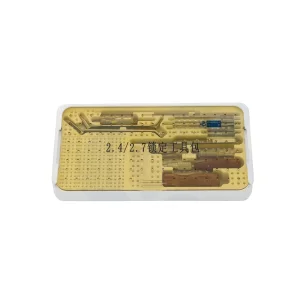
Locking Screw Set

CANWELL 2.4/2.7mm Locking Screw Stainless Steel CE ISO Certified Class II Orthopedic Bone Surgical Instrument Sets

View Technical Specifications
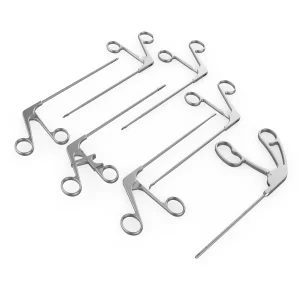
Shoulder Arthroscopy Instruments

CANWELL Shoulder Arthroscopy Instruments Set Arthroscopy Forceps Rotator Cuff Arthroscopy Punch Forceps Orthopedic Instruments

View Technical Specifications
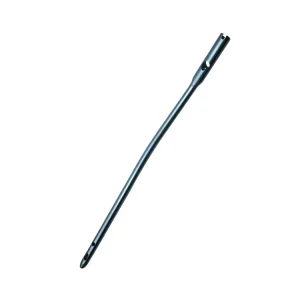
Retrograde Intramedullary Nail

Geasure Retrograde Intramedullary Nail-Titanium Alloy Class III Implant for Fast Healing Reduced Soft Tissue Damage Hospital Use

View Technical Specifications
Arthroscopy Shaver Blade

CANWELL Arthroscopy Shaver Blade Fit for Conmed LINVATECJoint Arthroscopy Shaver Cutter Sports Medicine Surgical OEM

View Technical Specifications
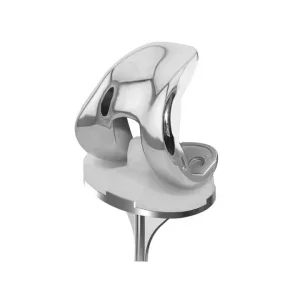
Total Knee Joint Prosthesis

China Manufacturer Artificial Knee Replacement TKA/TKR Primary Total Knee Joint Prosthesis

View Technical Specifications
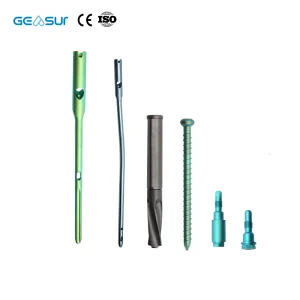
Proximal Femoral Antirotation Nail

Geasure Proximal Femoral Antirotation Nail Non-Sterilized Titanium Alloy for Hospital Use Intramedullary Nail

View Technical Specifications
Humeral Intramedullary Nail

Geasure Humeral Intramedullary Nail-Orthopedic Fracture Fixation Surgical Implant Hospital Use Class III

View Technical Specifications
Veterinary Orthopedic Drill

Professional Manufacturer Veterinary Instrument Kit Orthopedic Bone Surgery Drill for Veterinaria Clinic Use

View Technical Specifications