Bonevia
Bonevia
Bonevia
Explore our premium orthopedic components certified to international regulatory baselines, serving global trauma centers and animal surgical facilities.
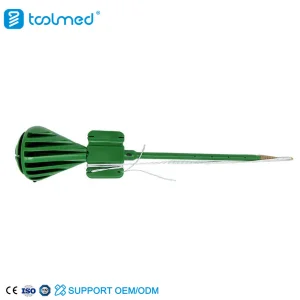
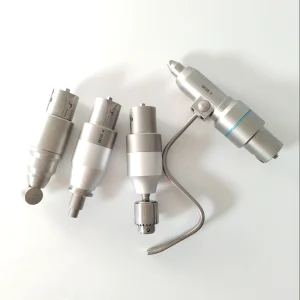
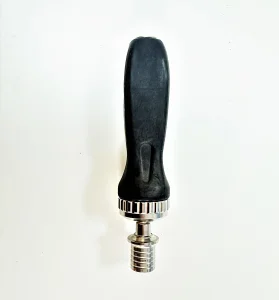
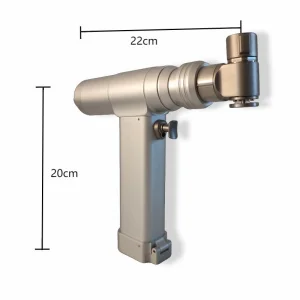
A deep examination of micro-motion management, soft-tissue conservation, and load-sharing dynamics in periarticular fracture stabilization.
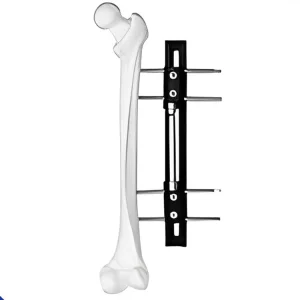
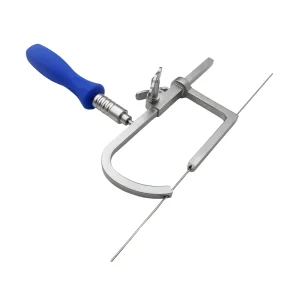
Hybrid External Fixation systems represent the intersection of circular (Ilizarov) frames and rigid unilateral frames. By utilizing thin tensioned transfixion wires close to joint lines and rigid Schanz pins in the diaphysis, surgeon-led stabilization constructs balance mechanical rigidity with biological micro-motion. This hybrid architecture minimizes soft tissue dissection, preserving vital periosteal blood flow essential for accelerated bone healing.
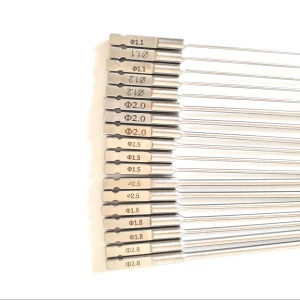
For distal and proximal metaphyseal-articular fractures (e.g., Schatzker V/VI tibial plateau fractures), conventional plates require extensive exposures. Hybrid frames deliver multiplanar stiffness without compromising compromised soft tissue envelopes. Precision-tensioned K-wires provide elastic fixation, allowing minimal axial movement to stimulate osteogenesis while controlling shear stresses across the fracture line.
Using biocompatible materials like medical-grade Titanium Alloy (Ti-6Al-4V ELI) and high-strength carbon fiber composite rods reduces weight while enhancing radiolucency. These material optimizations facilitate intraoperative fluoroscopy and postoperative radiographic tracking of bone callus formation, helping clinical teams monitor structural remodeling directly.
Understanding supply-chain vulnerability, lead-time management, and regulatory barriers in international B2B orthopedic procurement.
Global orthopedic distributors and hospital groups are actively restructuring their sourcing strategies. With the transition to EU MDR (Medical Device Regulation) and rising quality controls in the Americas, procurement professionals require manufacturing partners who combine regulatory compliance (CE and ISO 13485) with robust, trace-monitored supply chains.
Furthermore, the global increase in geriatric populations has driven demand for minimally invasive trauma stabilization devices, such as hybrid external fixators. Sourcing managers evaluate suppliers not only on component cost, but on the verification of raw materials, cleanroom sterilization compliance, and the ability to process high-mix, low-volume custom orders (OEM/ODM).
Unifying ISO 13485:2016, EU CE Mark, and local regulatory filings simplifies international custom clearance and speeds up product launches in newly entering regional markets.
Looking beyond unit prices, global sourcing strategies focus on product longevity, instrumentation kit reliability, and lowering hospital readmission rates due to post-operative infections.
There is an increasing demand for autoclave-compatible, reusable components (rings, clamps, carbon rods) that support hospital environmental initiatives without sacrificing structural safety.
A trusted, specialized manufacturer of orthopedic implants and advanced trauma systems, serving markets worldwide since 2015.
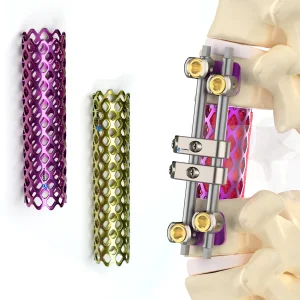
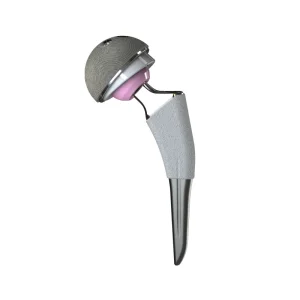
Bonevia Orthopedic Technology Co., Ltd. is a professional manufacturer specializing in orthopedic implants and surgical solutions, dedicated to advancing innovation in trauma, spine, and joint reconstruction products. Since its establishment in 2015, the company has grown steadily into a trusted supplier in the global orthopedic industry.
With a modern production facility covering approximately 320㎡, Bonevia maintains strict quality management standards and efficient manufacturing processes. The company records an annual export revenue of around USD 8–15 million, supported by 6 years of export experience and over 10 years of overall industry experience.
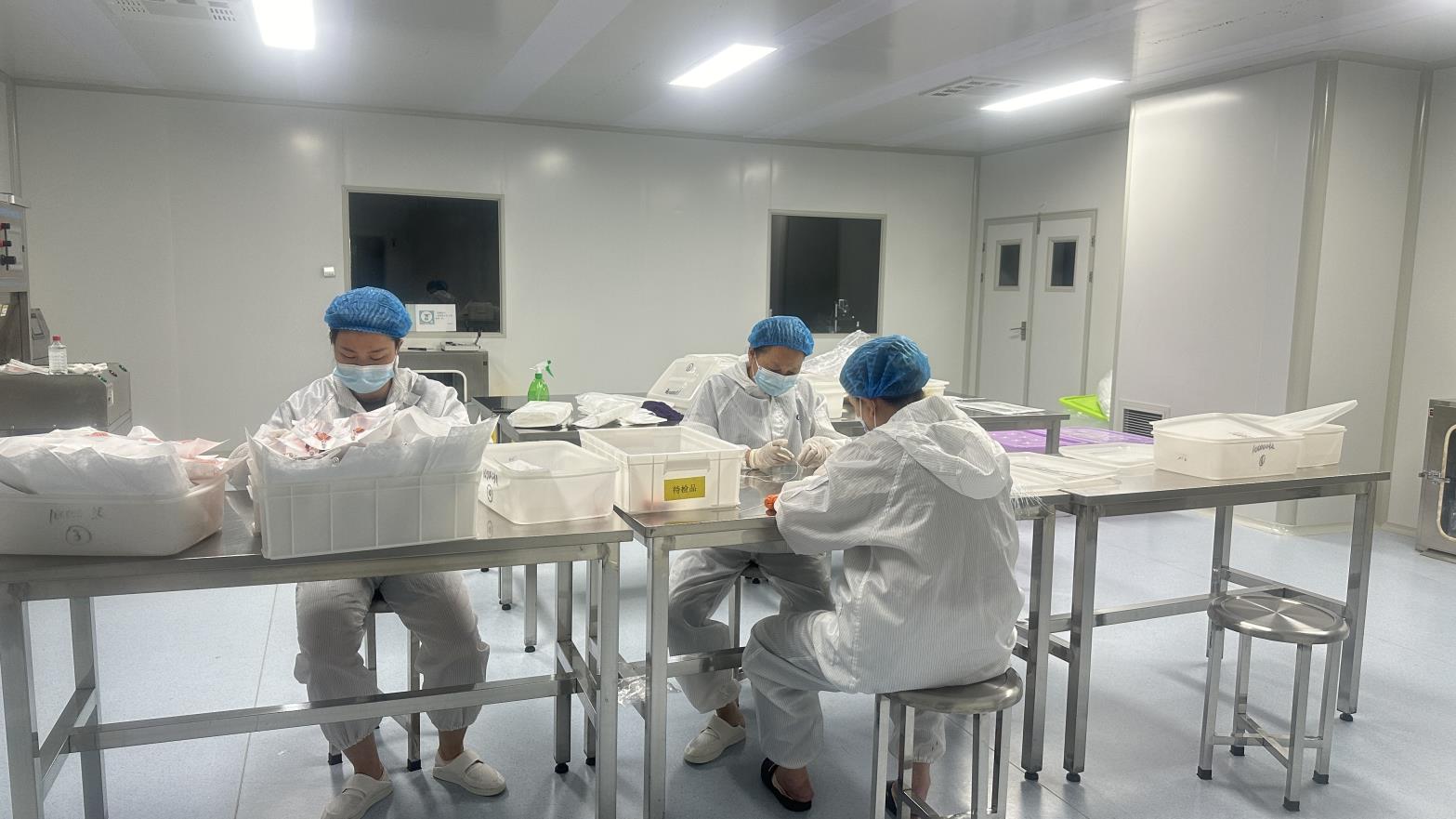
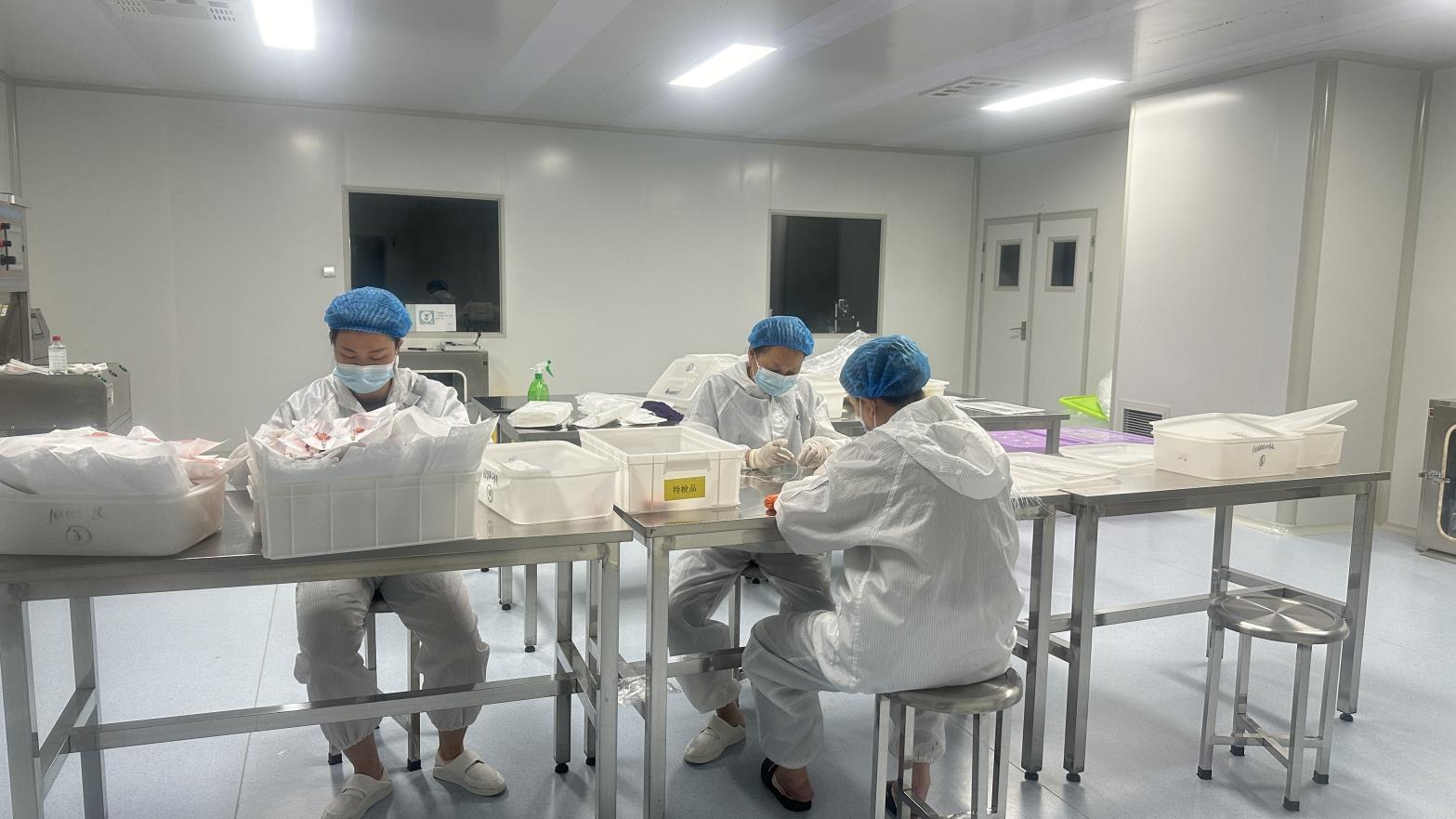
Quality assurance is a core focus at Bonevia. The company implements multiple inspection methods including incoming material inspection, in-process quality control, and final product testing, supported by a dedicated quality team of 35 professionals. This ensures all products meet international medical device standards.
Bonevia has a solid trade foundation with diversified global distribution networks, serving major markets across Europe, Southeast Asia, the Middle East, and South America. Its supply chain ecosystem includes more than 850 partners, enabling stable raw material sourcing and efficient production delivery.
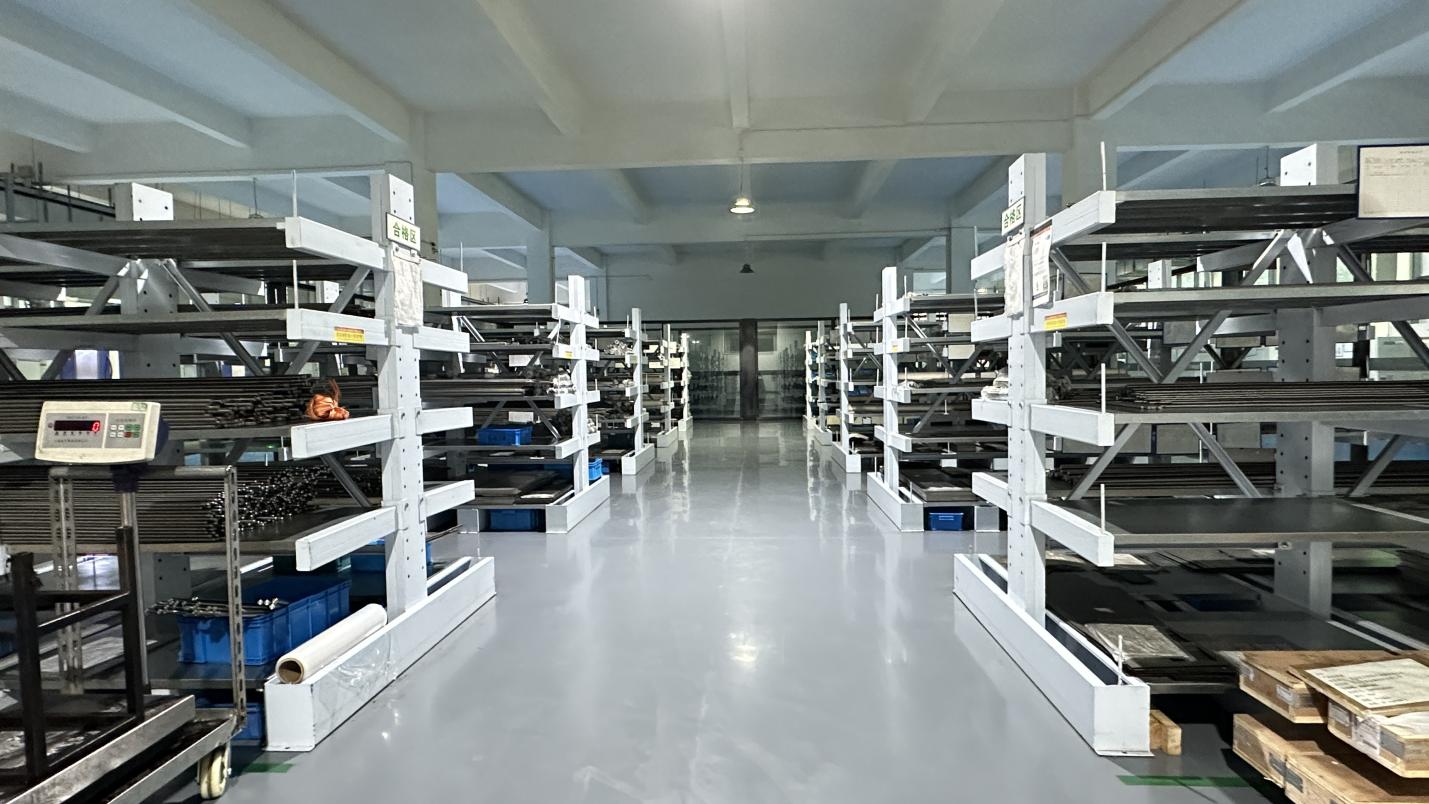
Our capabilities extend to hospitals, orthopedic clinics, surgical centers, and medical distributors. Bonevia demonstrates strong R&D capabilities, offering OEM and ODM customization services to meet specific clinical requirements.
In the past year, Bonevia successfully launched 120 new product designs, supported by a research and development team of 85 engineers, continuously driving innovation in orthopedic implant systems and surgical instruments.
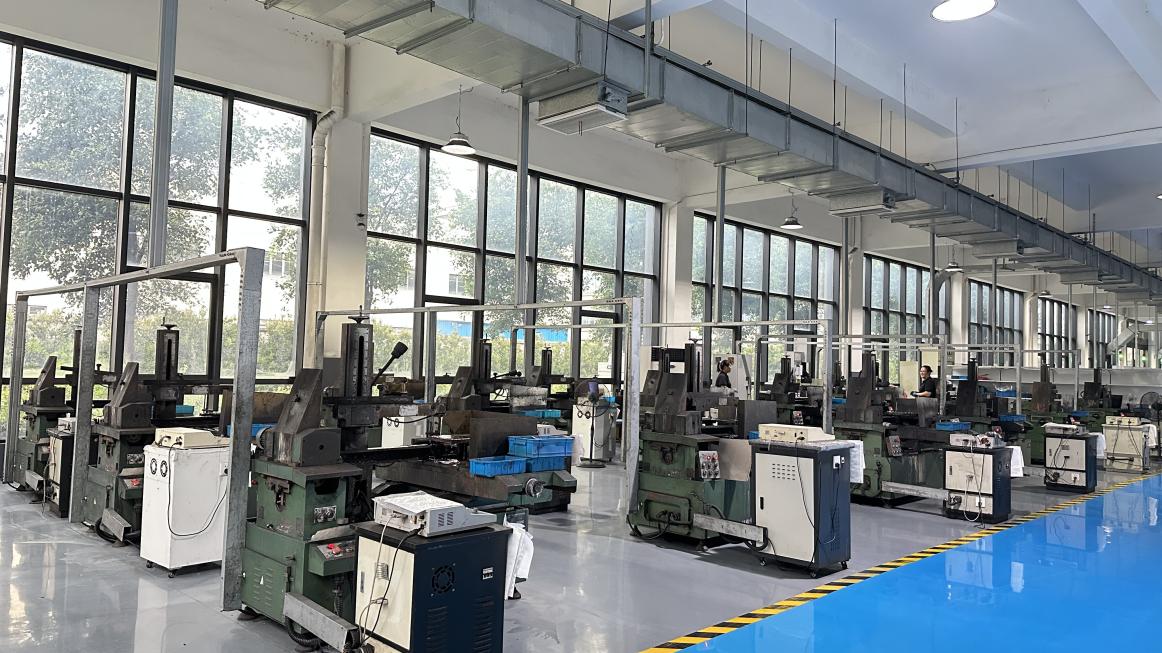
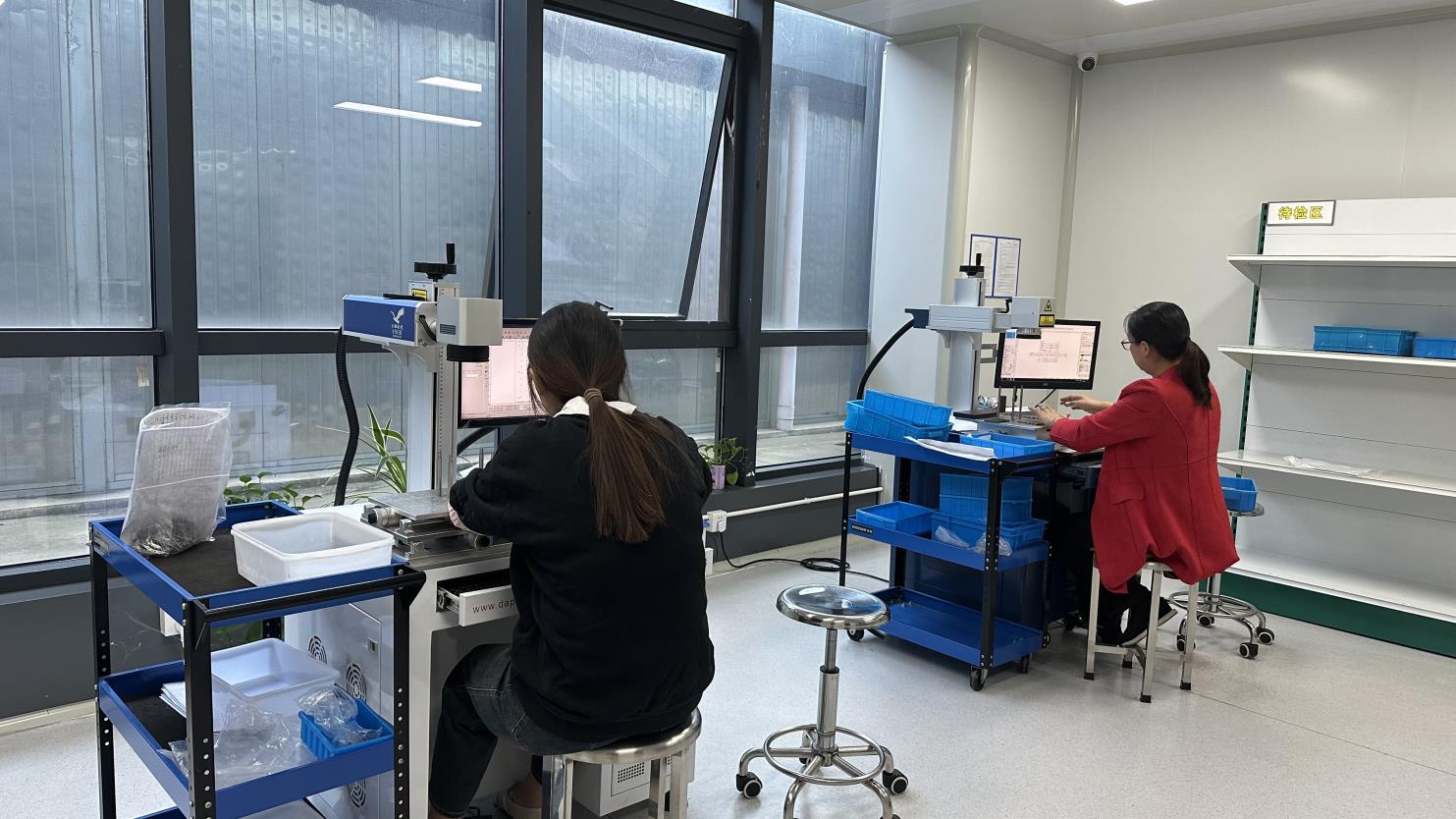
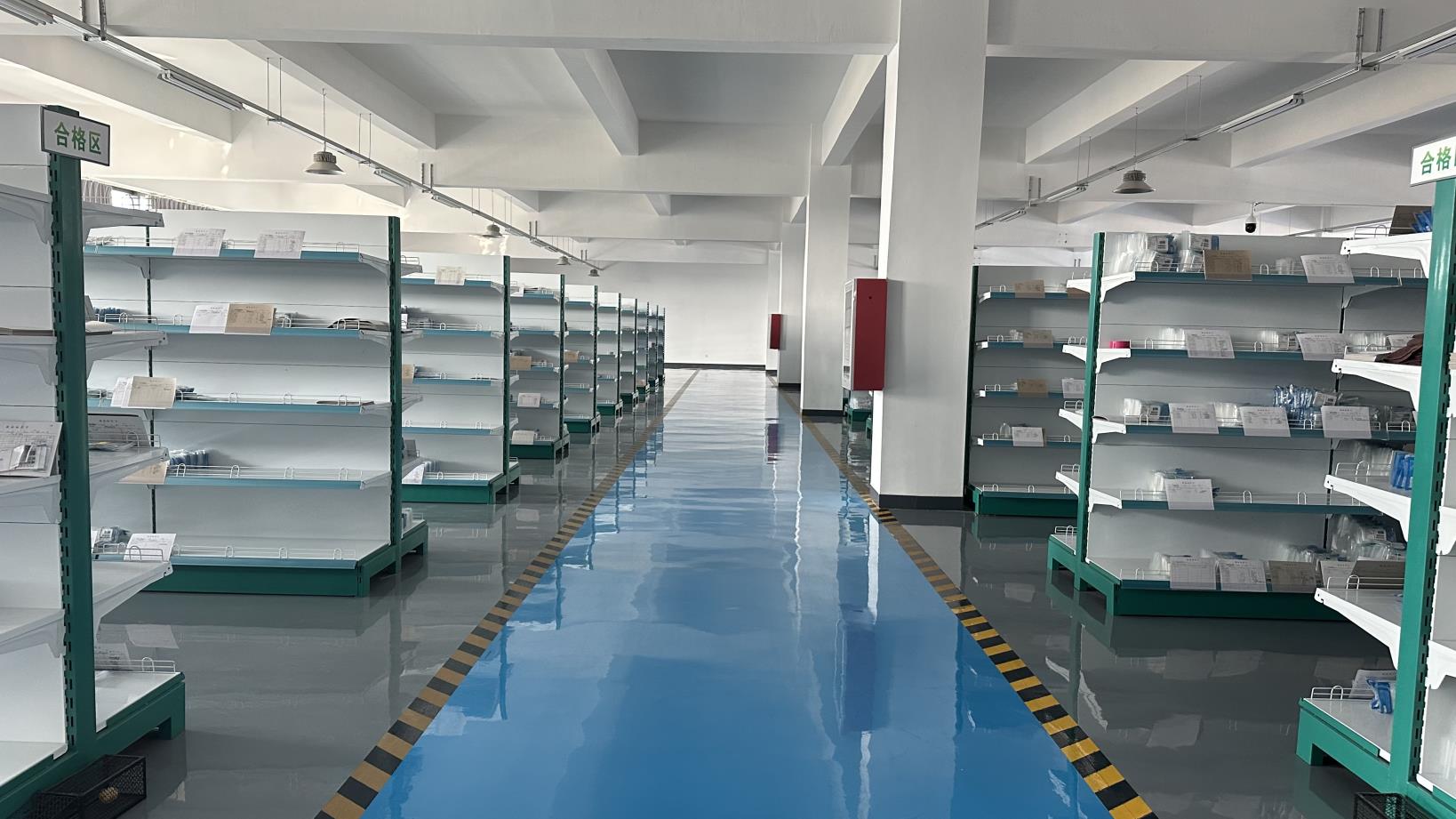
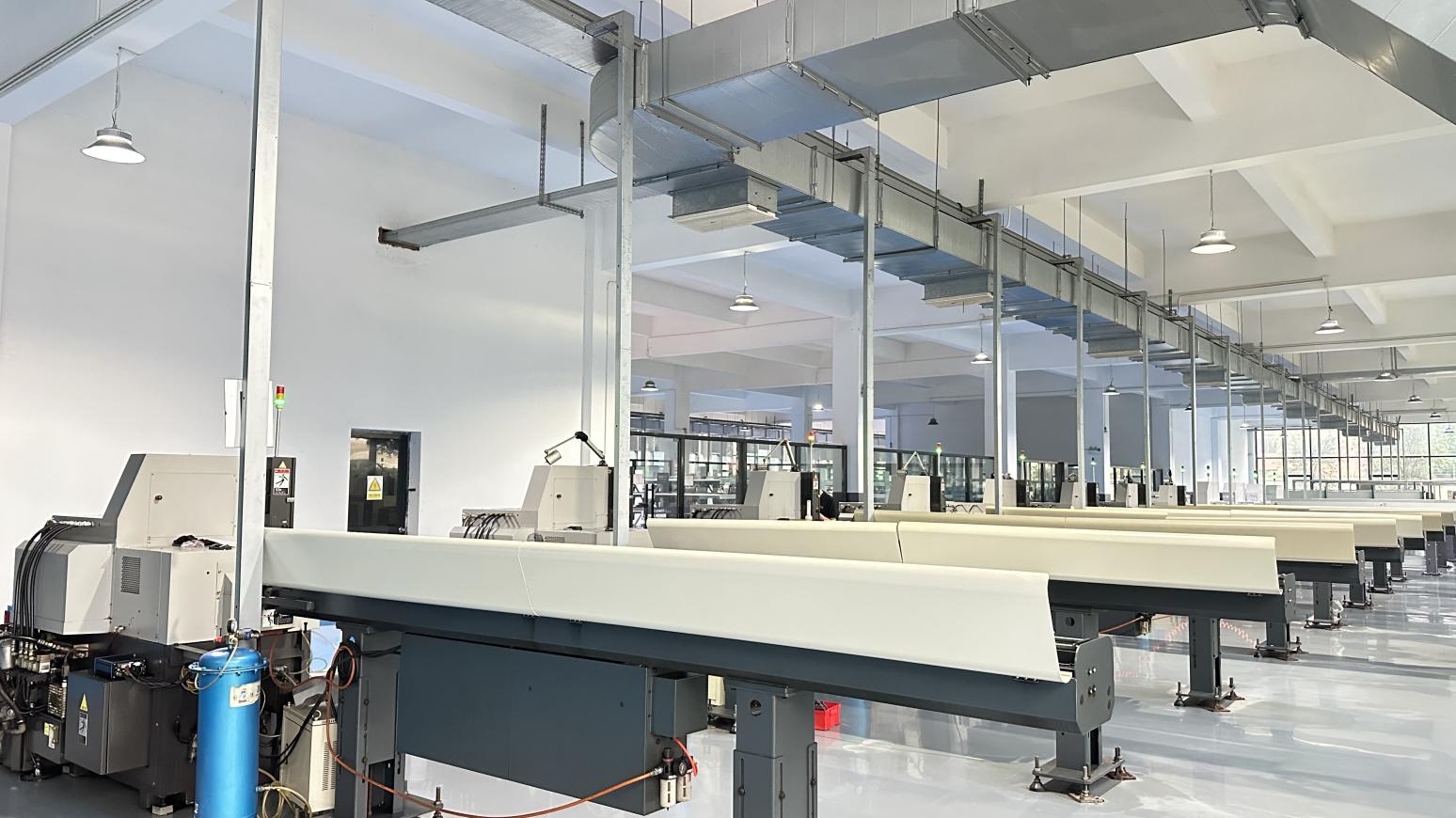
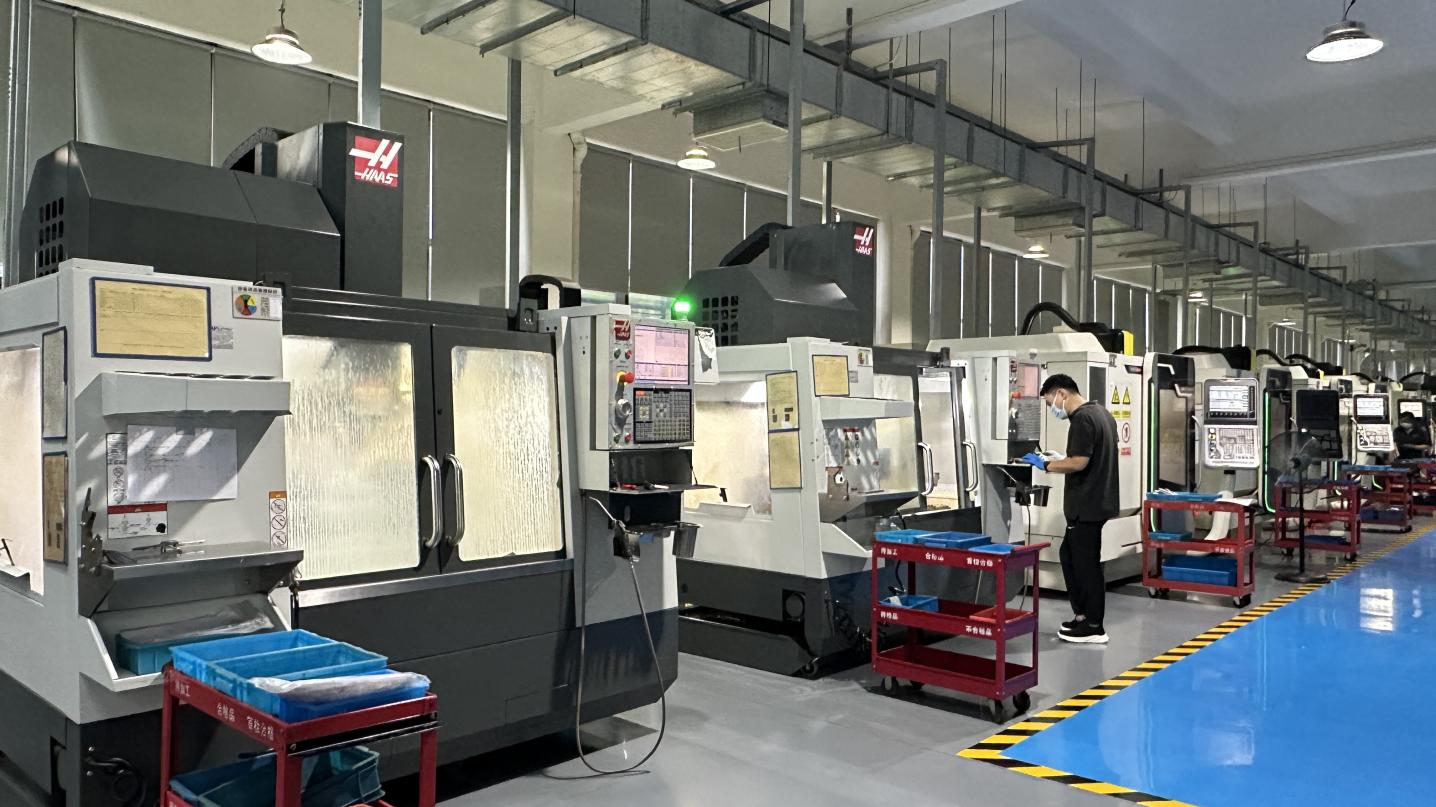
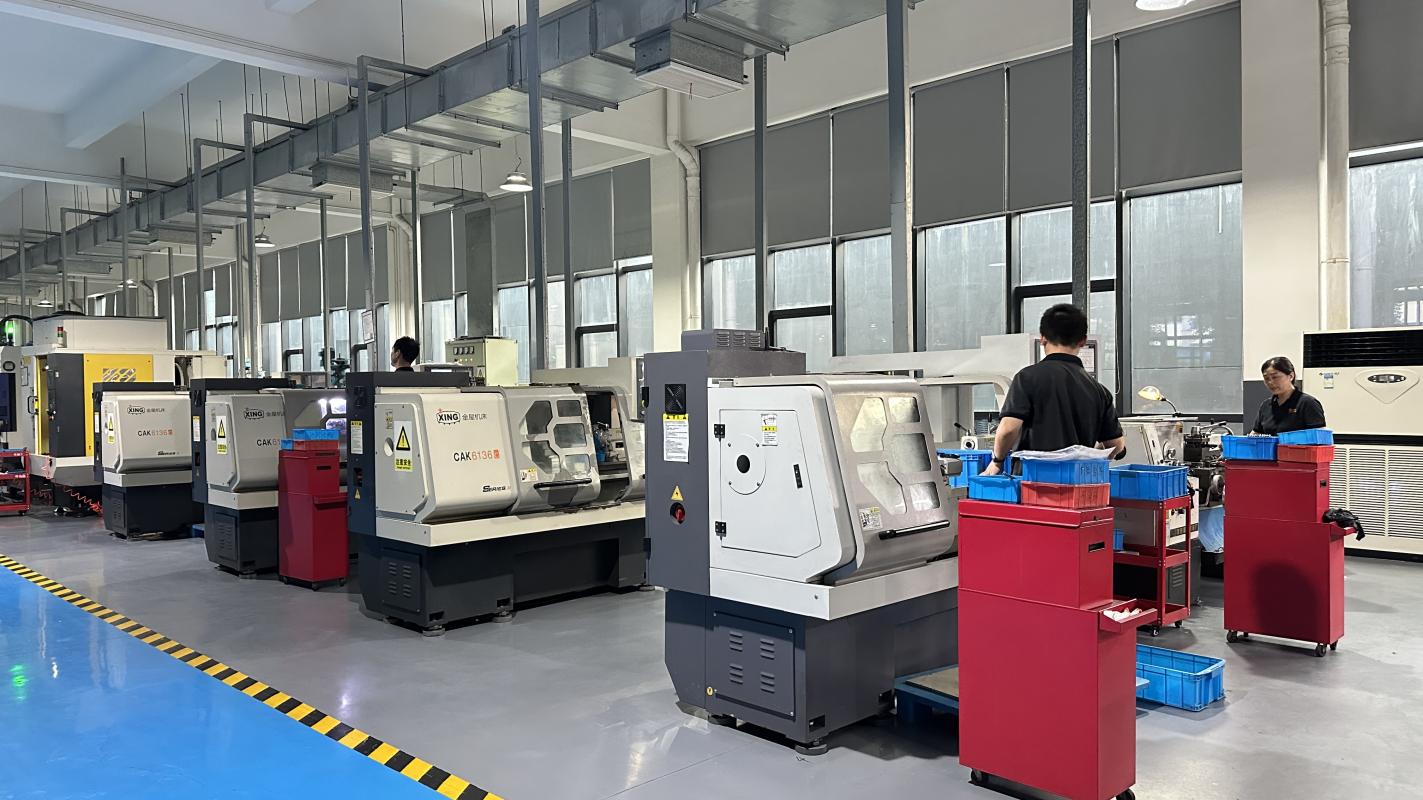
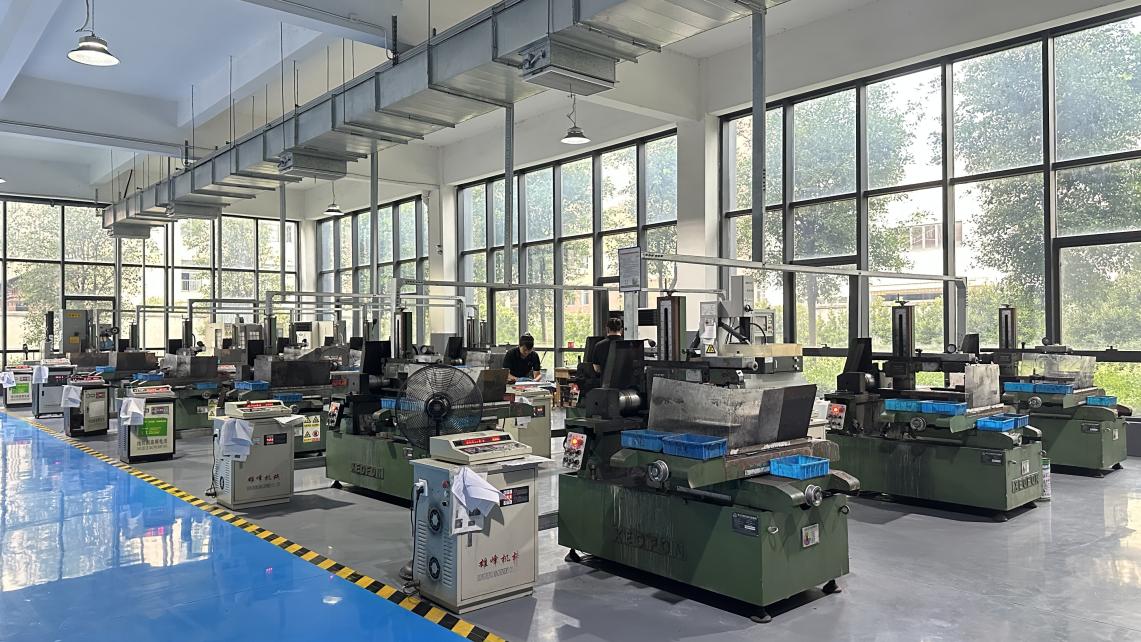
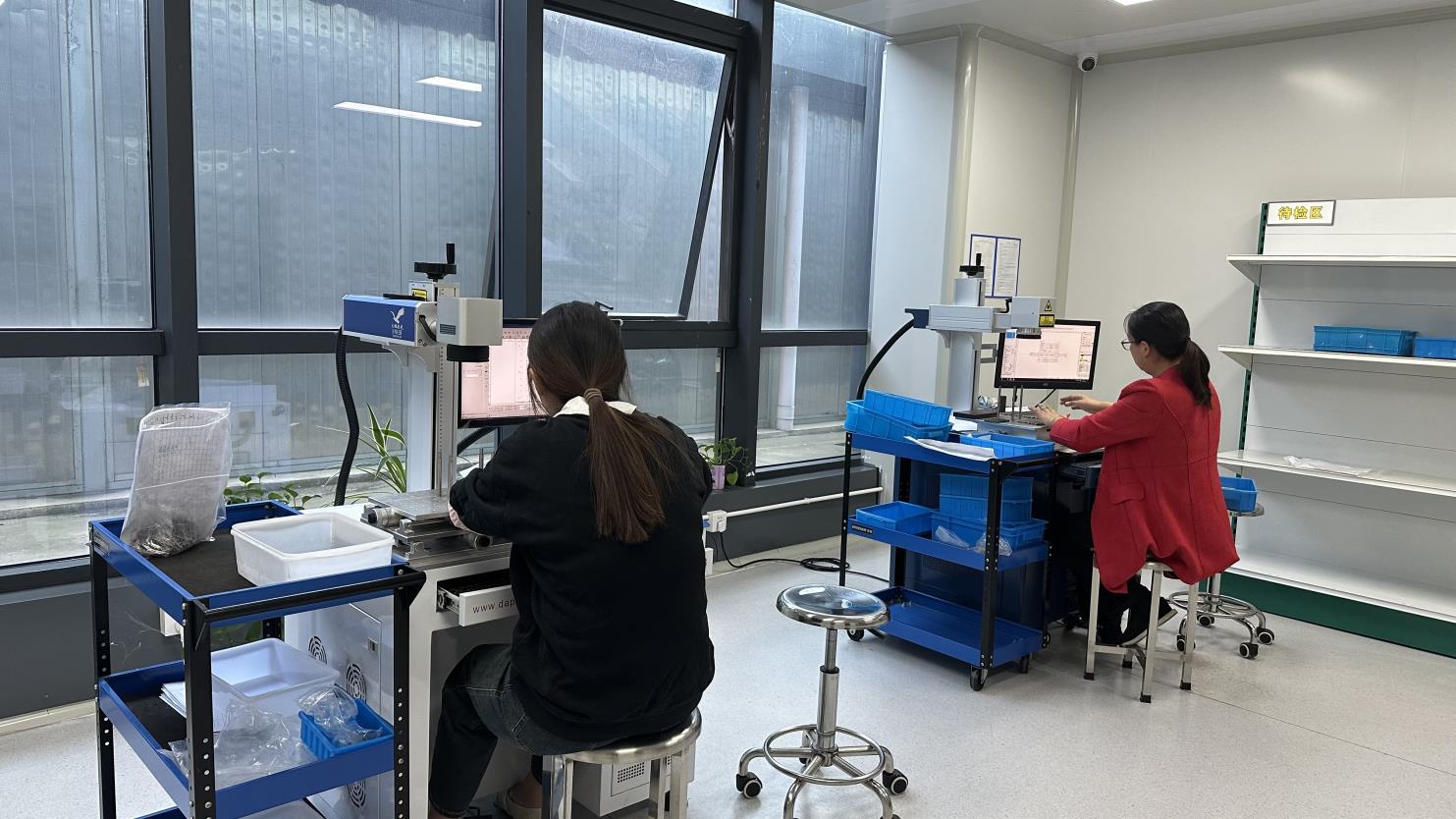
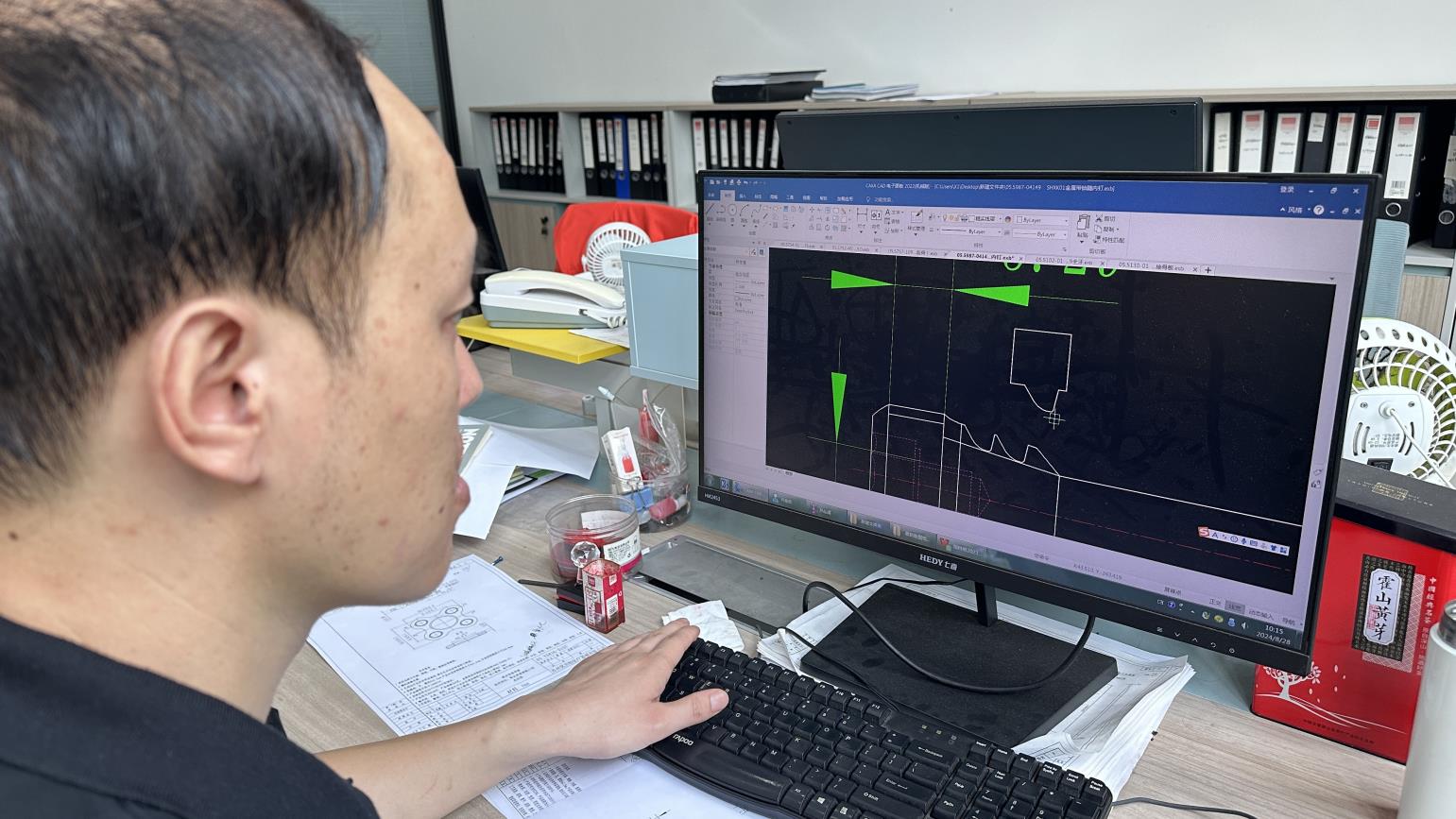
Trace our end-to-end manufacturing process, highlighting modern equipment and quality checkpoints that ensure compliance for global markets.
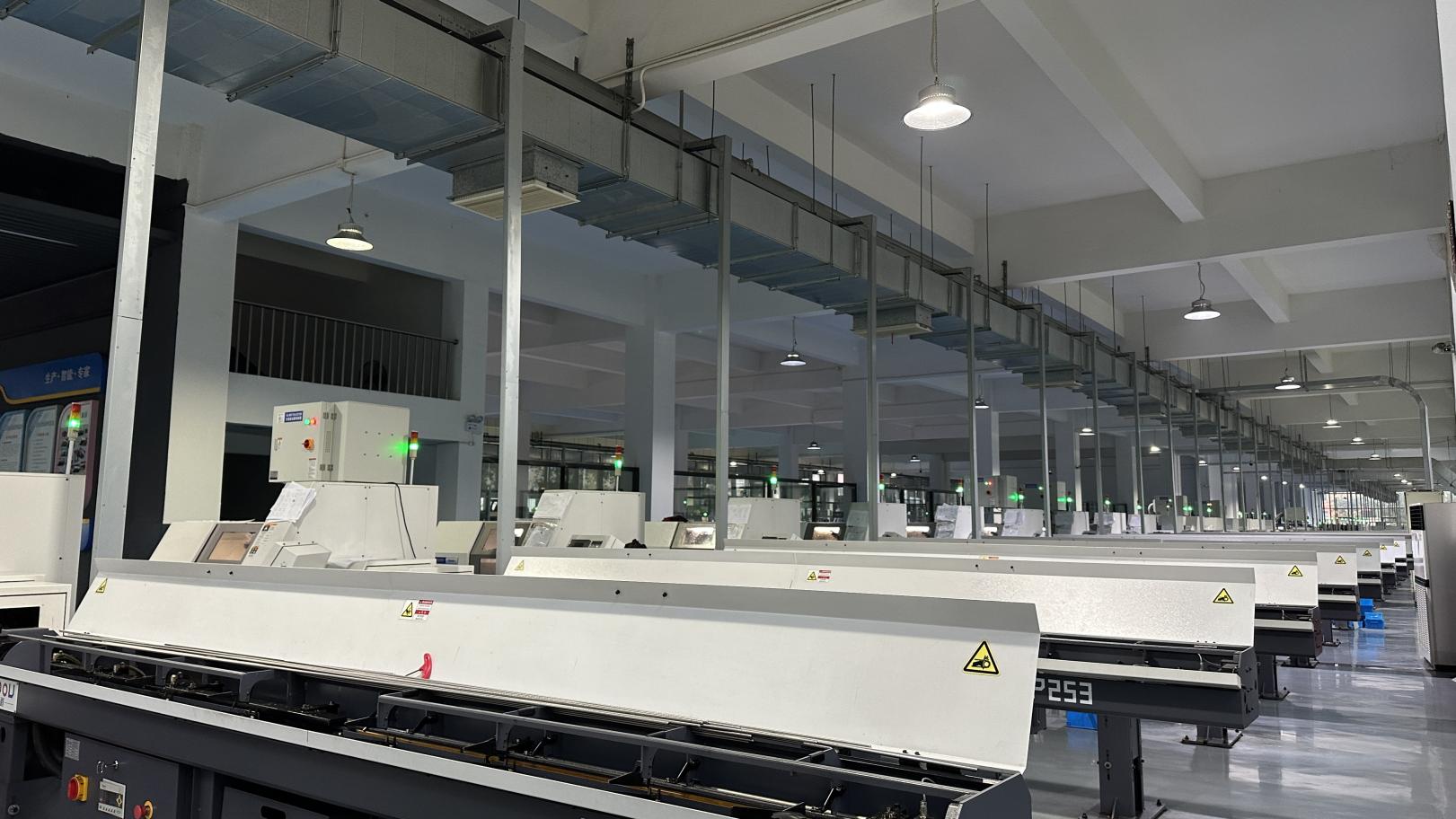
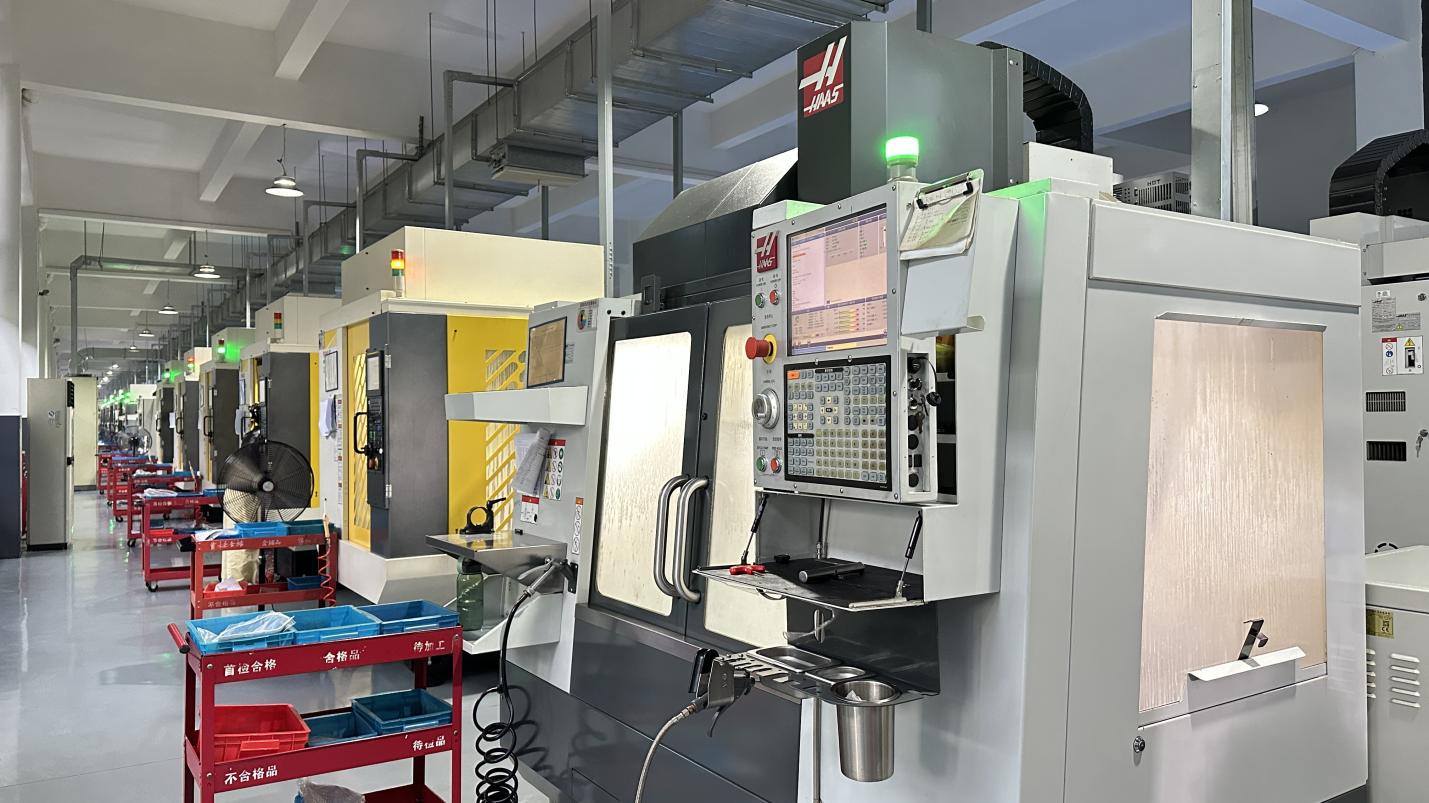
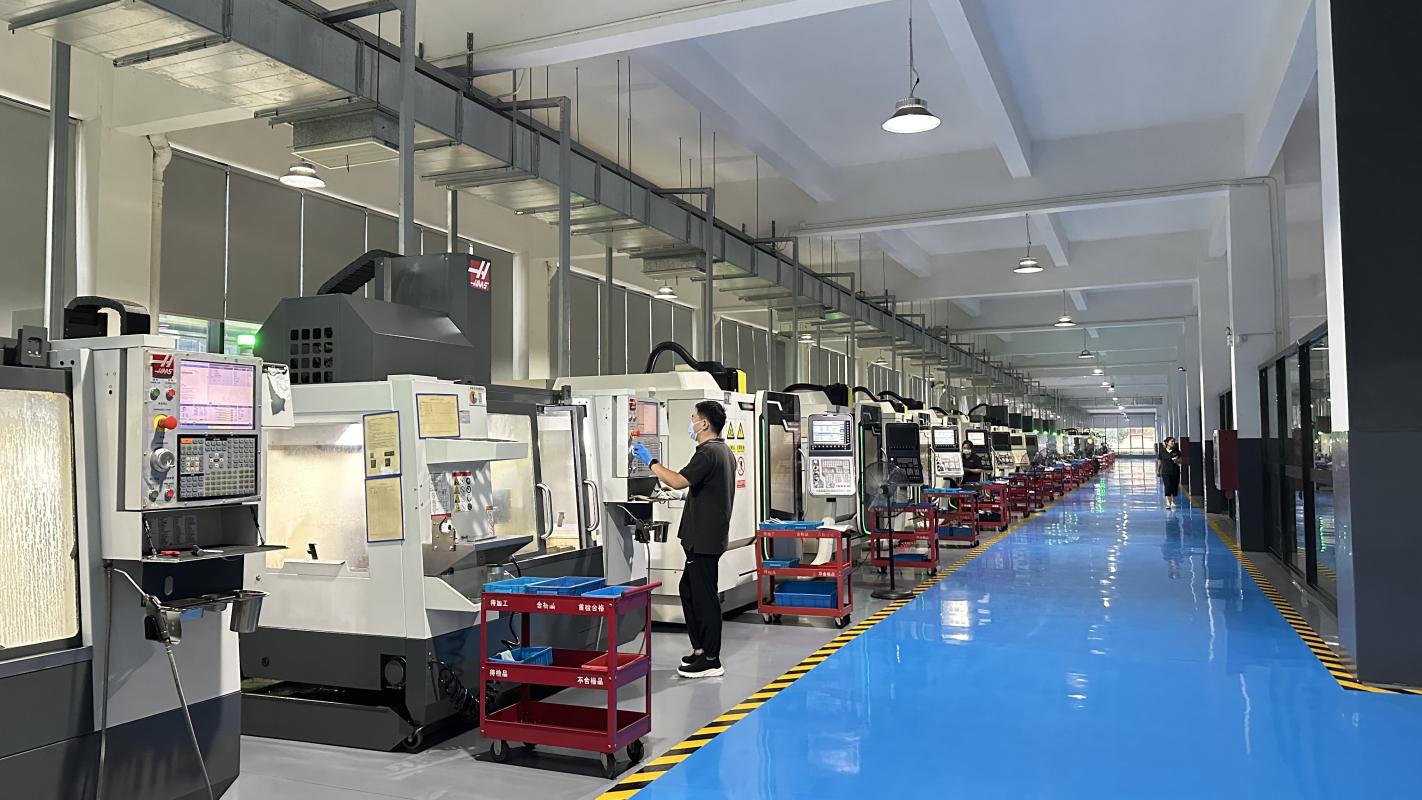
At Bonevia, we utilize advanced manufacturing methods, including high-precision multi-axis CNC machines and automated wire-cutting tools, to guarantee manufacturing tolerances within micrometers (±0.01mm). This structural reliability ensures that clamping brackets and locking components maintain structural hold during high mechanical loads.
Our digital inventory tracing tracks materials from receipt through final surface treatment. This supply chain transparency prevents component failure and offers distributors complete documentation for audit trails.
How hybrid structural constructs perform in complex orthopedics, limb salvage, and veterinary trauma reconstructions.
High-energy tibial fractures often involve severe soft-tissue injury. Internal plating may risk wound dehiscence or implant exposure. A hybrid fixator stabilizes the proximal fragment with subchondral tensioned wires, while unilateral pins in the distal shaft maintain length, alignment, and rotation without compromising the traumatized soft-tissue envelope.
In infected non-union cases, bone transport using hybrid systems provides stable mechanics during correction. Circular rings allow bone segments to be adjusted, while the distal unilateral component supports early mobilization. This design is robust enough to tolerate daily adjustive distraction forces without losing alignment.
Veterinary clinics face unique challenges with non-compliant patients. Hybrid fixators scale well for animal bone models, offering the structural strength needed to withstand postoperative weight-bearing. This stability helps prevent implant failures and supports early rehabilitation.
In-depth responses to regulatory compliance, component customizability, and metallurgical processes for our distribution network.
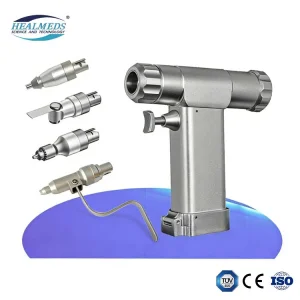
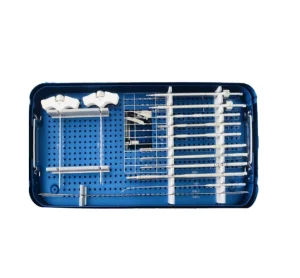
Complete your instrumentation suite with our certified reconstruction plates, spinal systems, and specialized tooling.