Bonevia
Bonevia
Bonevia
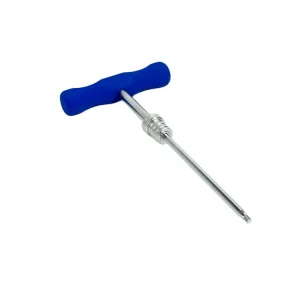
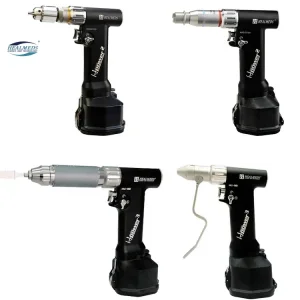
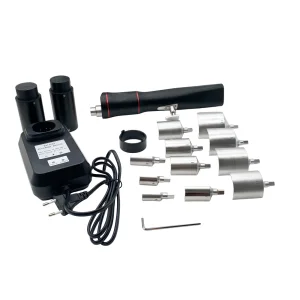
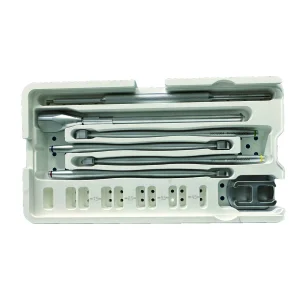
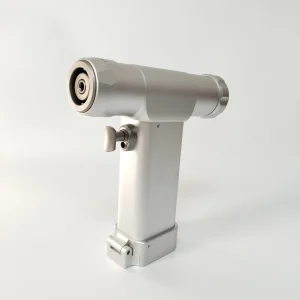
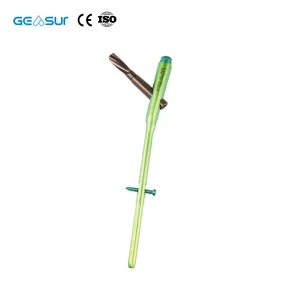
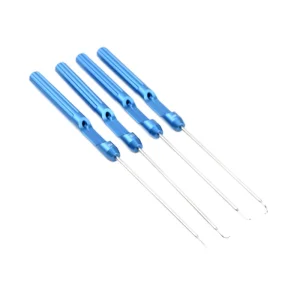
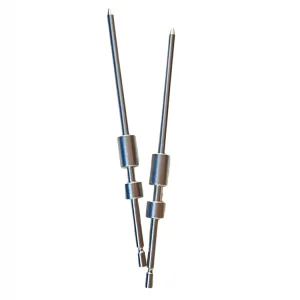
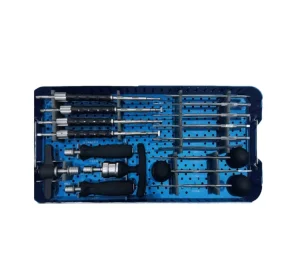
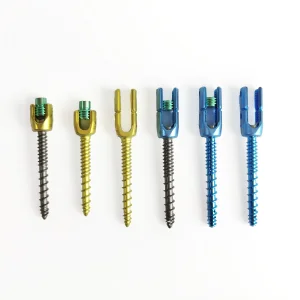
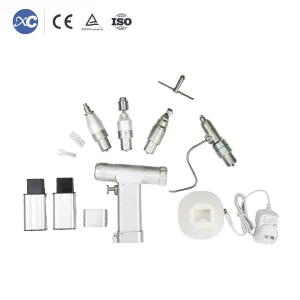
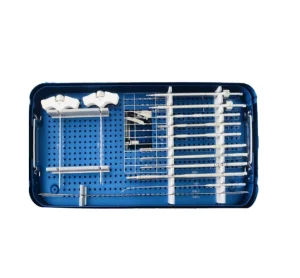
Discover our key orthopedic implant components, multi-functional power tools, and targeted surgical instrumentation sets utilized in primary osteosynthesis procedures.
Bonevia Orthopedic Technology Co., Ltd. is an industry-leading manufacturer specializing in state-of-the-art orthopedic implants and comprehensive surgical solutions. Dedicated to advancing innovation in trauma osteosynthesis, spinal correction, and joint reconstruction products, the company has established a reputation for metallurgical excellence since its founding in 2015.
Operating a modernized, class-10,000 cleanroom production facility spanning 320㎡, Bonevia combines micro-tolerance machining with strict regulatory frameworks. Backed by a dedicated quality assurance unit of 35 inspection professionals, the company maintains continuous raw material auditing, in-process geometric monitoring, and extensive mechanical stress testing. Our global export presence spans across Europe, Southeast Asia, the Middle East, and South America, generating an annual export revenue of USD 8–15 million. Through our expansive network of more than 850 clinical and distribution partners, we ensure robust, prompt component sourcing for healthcare facilities worldwide.
"By employing an elite research and development division comprising 85 orthopedic design engineers, Bonevia launched 120 new products over the last fiscal year alone. Our capability to execute customized OEM and ODM projects allows us to match specific clinical parameters requested by orthopedic surgeons globally."
A summary of Bonevia’s operating metrics and international trade certifications validating our standing as a primary manufacturer of interlocking intramedullary nail systems.
Modern trauma surgery demands implants that support rapid physiological recovery while enduring severe cyclic mechanical loading. In the treatment of diaphyseal long-bone fractures (such as femoral, tibial, and humeral shafts), interlocking intramedullary (IM) nails represent the gold standard of osteosynthesis. Unlike traditional bone plates which act as eccentric load-bearing structures, IM nails are centrally positioned load-sharing devices. This axial alignment reduces the bending moment on the implant and promotes micromotion at the fracture site, accelerating secondary bone healing through callus formation.
Bonevia utilizes premium medical-grade Titanium Alloy (specifically Ti-6Al-4V ELI / ASTM F136 / ISO 5832-3) to construct our interlocking nail systems. This material selection is backed by distinct biological and mechanical characteristics:
| Mechanical Property | Ti-6Al-4V ELI (Grade 5) | 316L Stainless Steel | Cortical Bone Reference |
|---|---|---|---|
| Ultimate Tensile Strength (MPa) | ≥ 860 | ≥ 490 | 100 - 150 |
| Yield Strength (0.2% offset, MPa) | ≥ 795 | ≥ 190 | - |
| Elongation at Break (%) | ≥ 10 | ≥ 40 | 1 - 3 |
| Elastic Modulus (GPa) | 110 | 200 | 15 - 30 |
The stabilization capacity of an intramedullary nail is governed by its interlocking screw configuration. Depending on the fracture morphology (comminuted, transverse, or spiral), surgeons must choose between static and dynamic configurations:
The concentration of precision metallurgical facilities, robust industrial supply chains, and engineering talent has made China the prime hub for medical-grade implant manufacturing. Bonevia leverages this environment to offer distinct operational advantages to global distributors and hospitals:
Our manufacturing plants employ Swiss-type sliding head lathe centers. This micro-machining setup ensures sub-micron dimensional accuracy, critical for maintaining identical tolerancing across interlocking screw threads and nail diameters.
With an ecosystem comprising more than 850 strategic partners, we secure high-grade raw titanium billets and specialized tooling with minimal lead times. This scale insulates our clients from global supply shocks.
By removing intermediaries and optimizing our production layout, we offer orthopedic implants at competitive price points. This cost advantage enables distributors to maintain healthy margins while keeping hospital tenders affordable.
Every implant batch is verified through incoming raw material spectrometry, in-process geometric monitoring, and final profile projector analysis. This ensures absolute consistency before shipment.
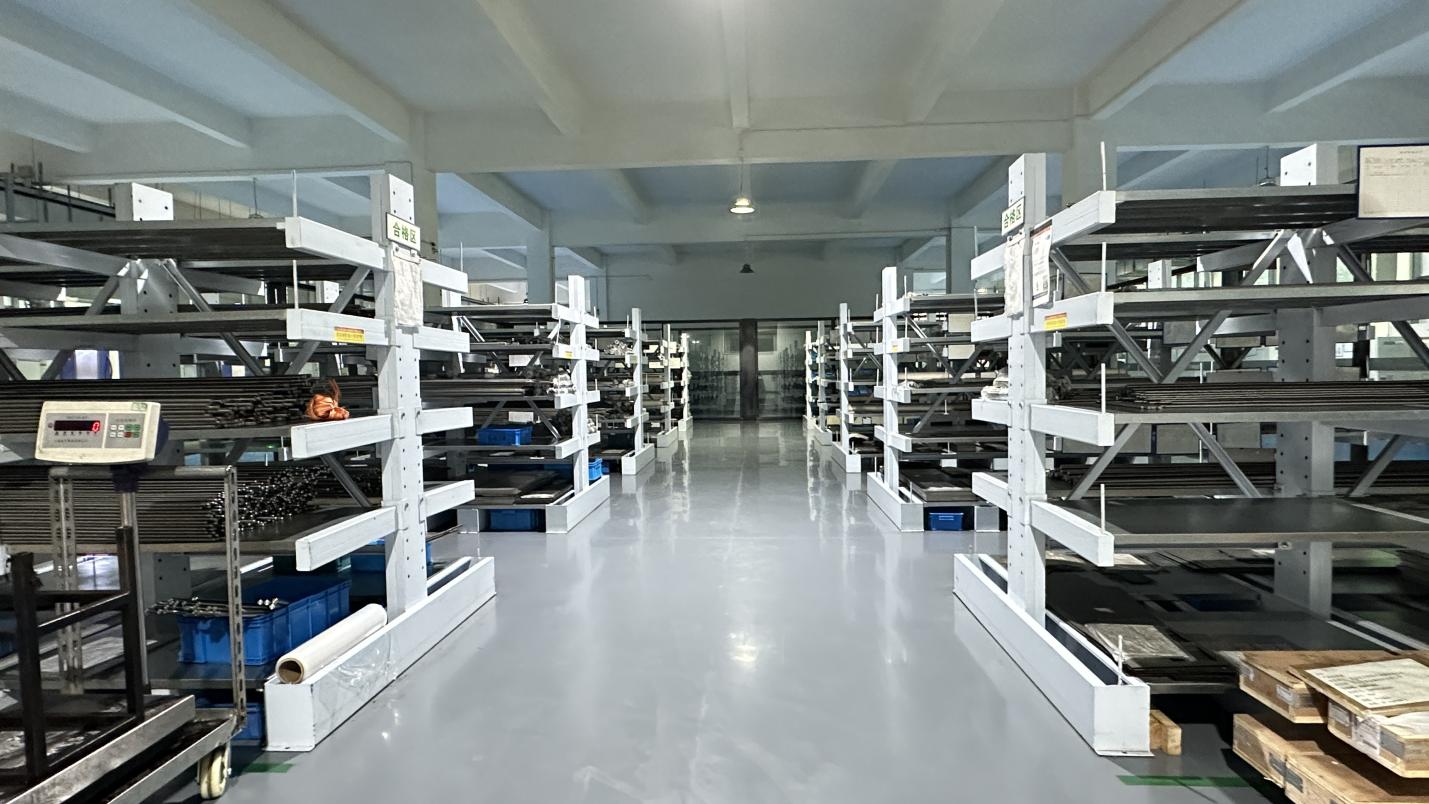
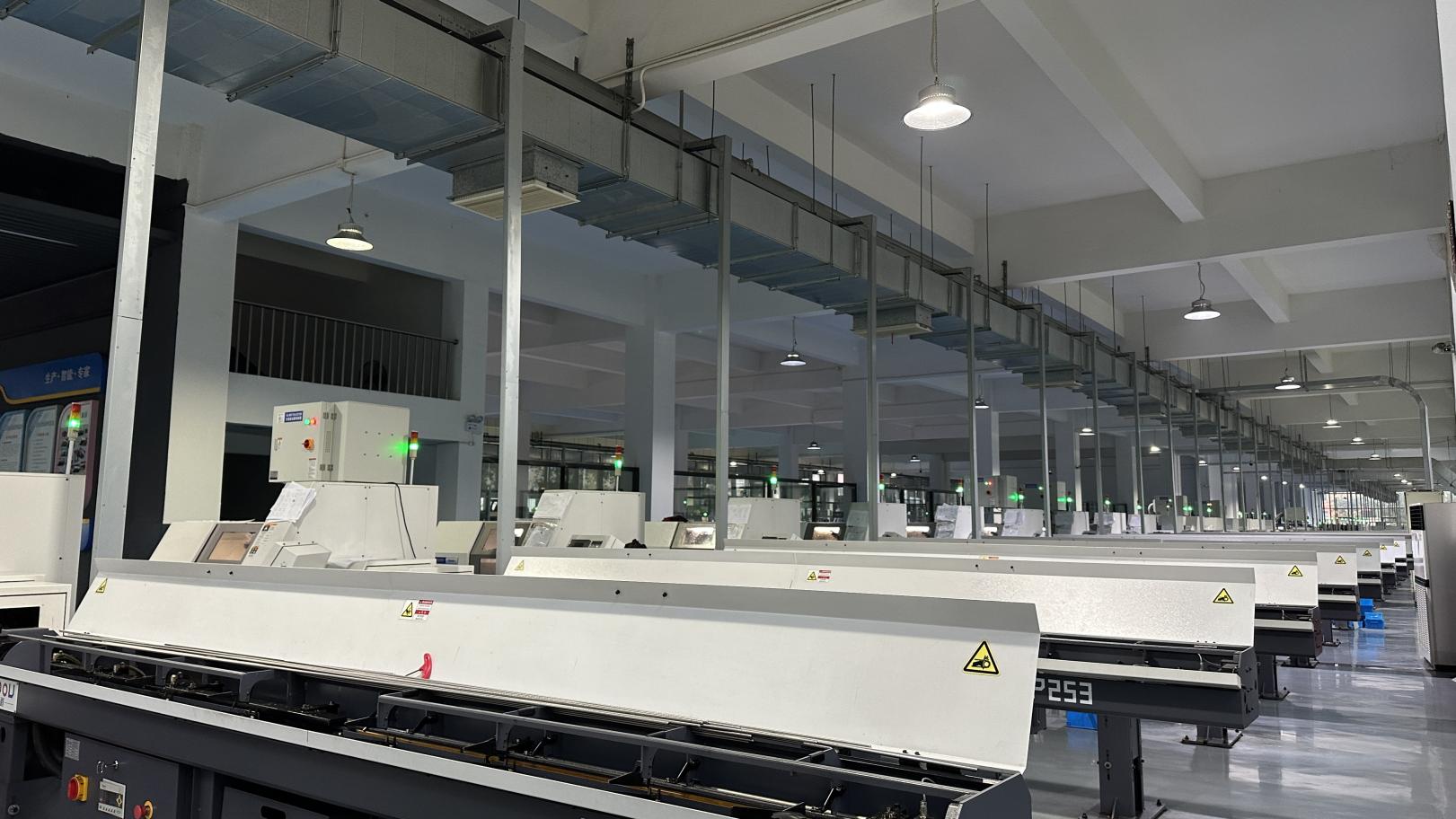
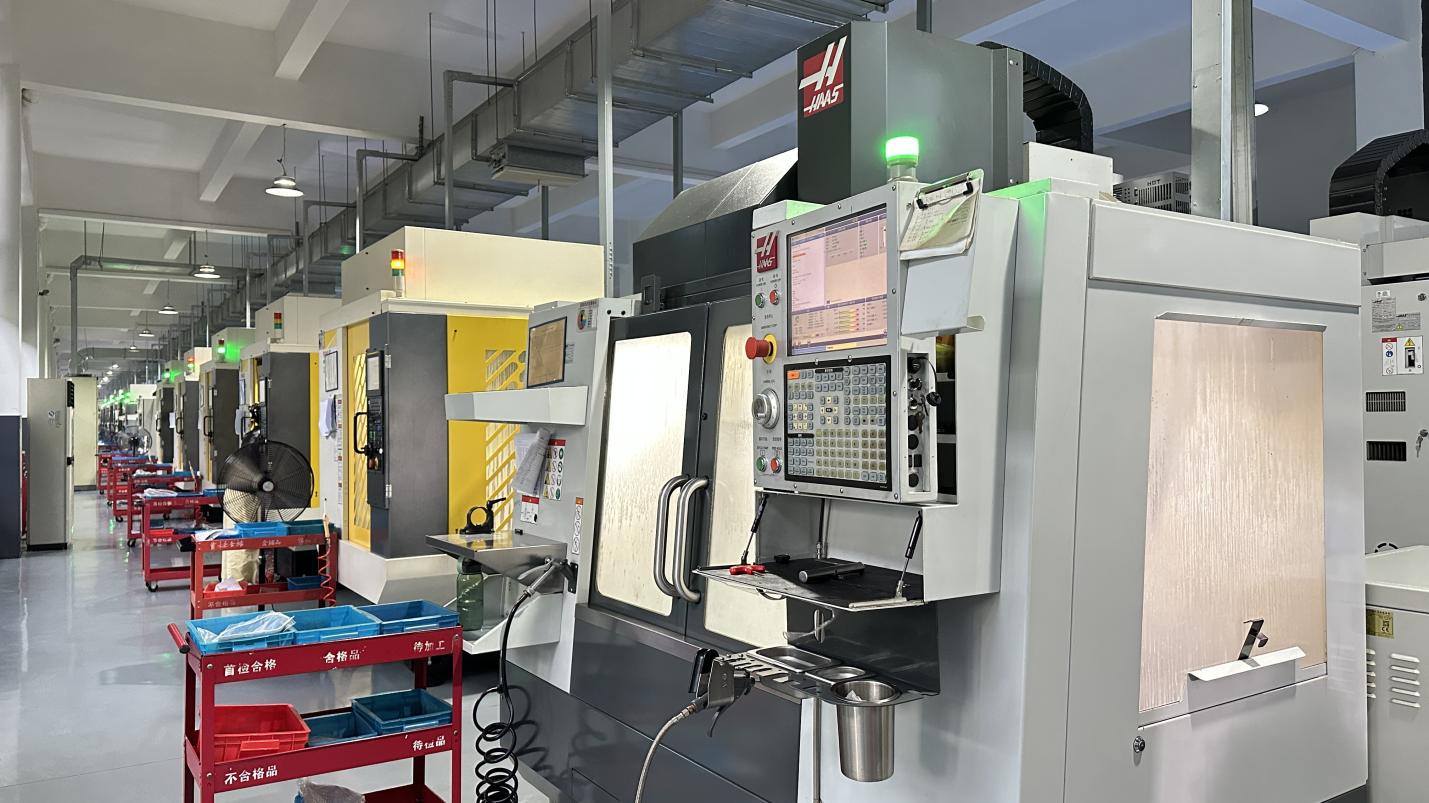
At Bonevia, quality assurance is deeply integrated into each stage of our production cycle. Below is the visual representation of our processing workflow, showcasing the modern machinery and validation checkpoints applied to every implant from raw stock to distribution:
1. Materials Inspection
2. Material Slitting
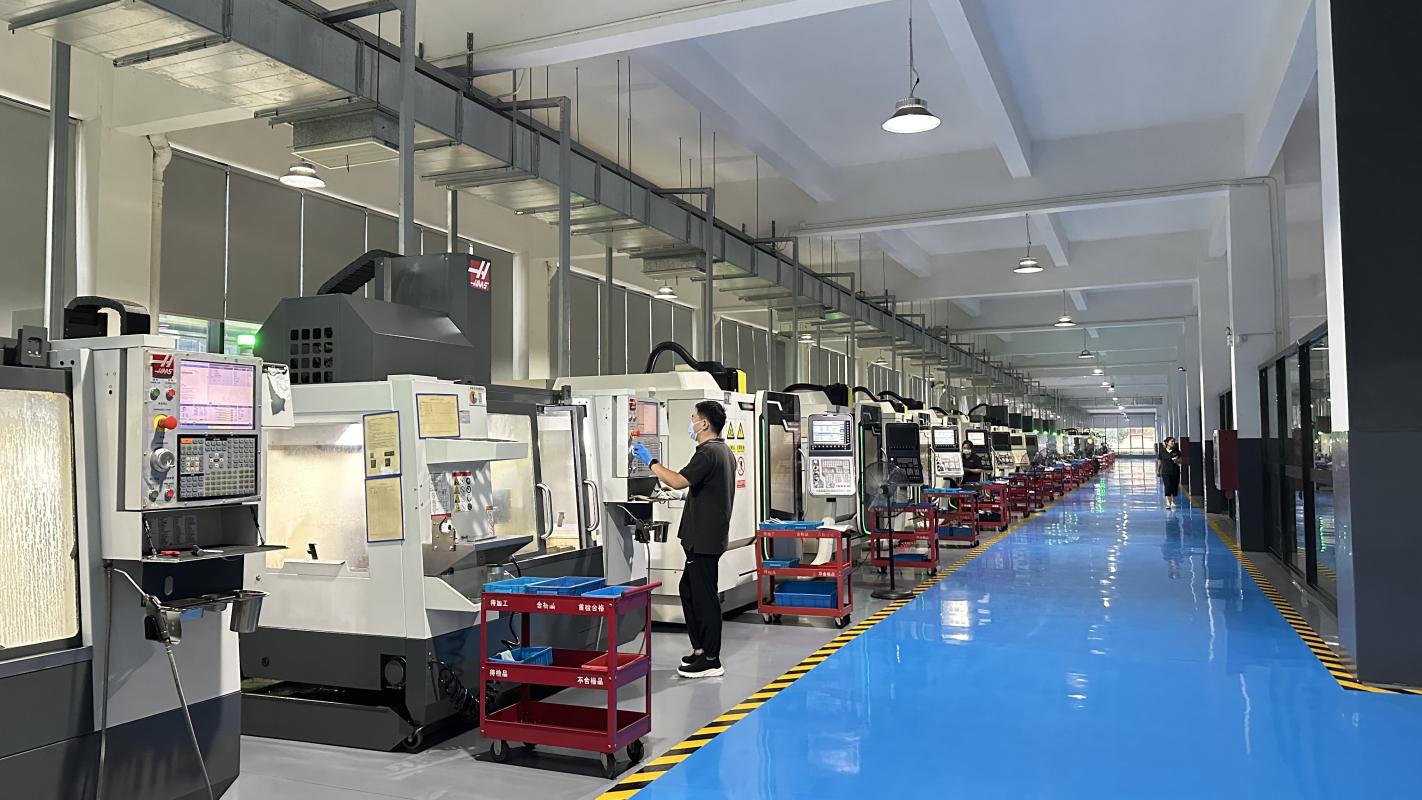
3. CNC Precision Machining
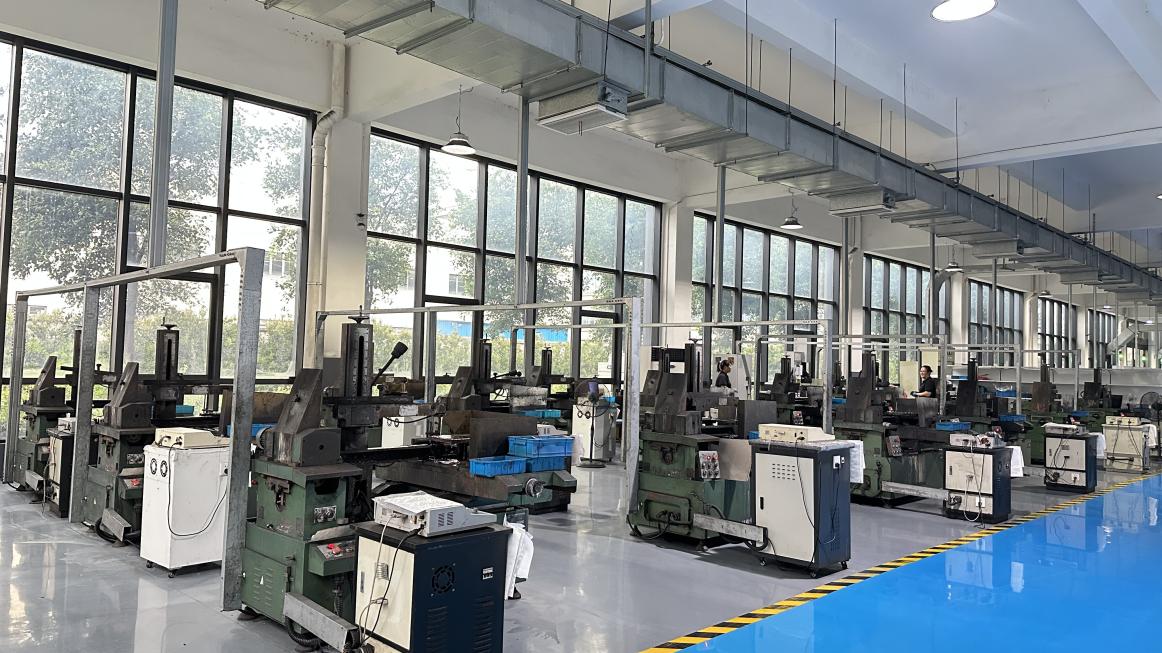
4. Wire-cutting Slotting
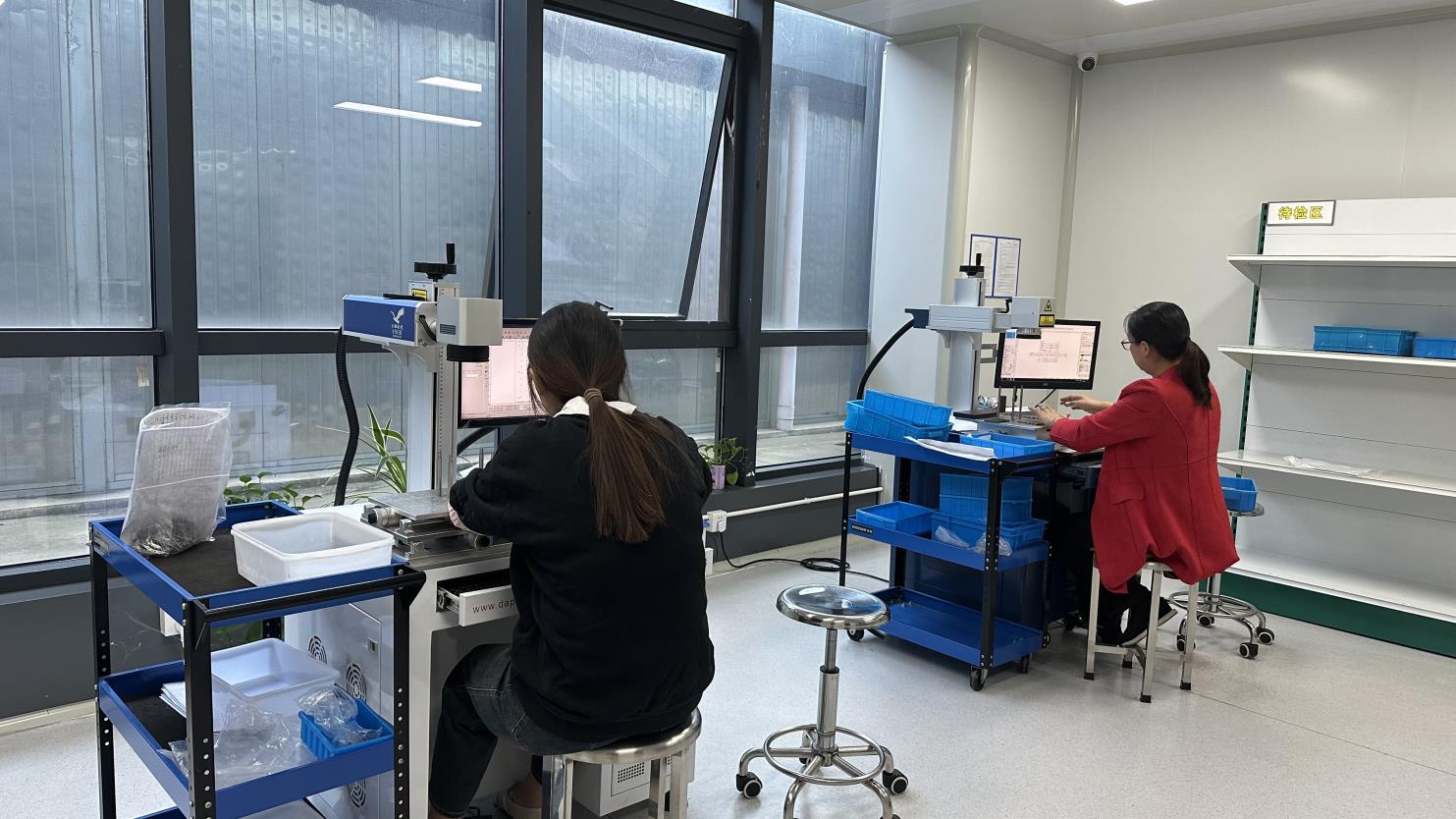
5. Laser Product Marking
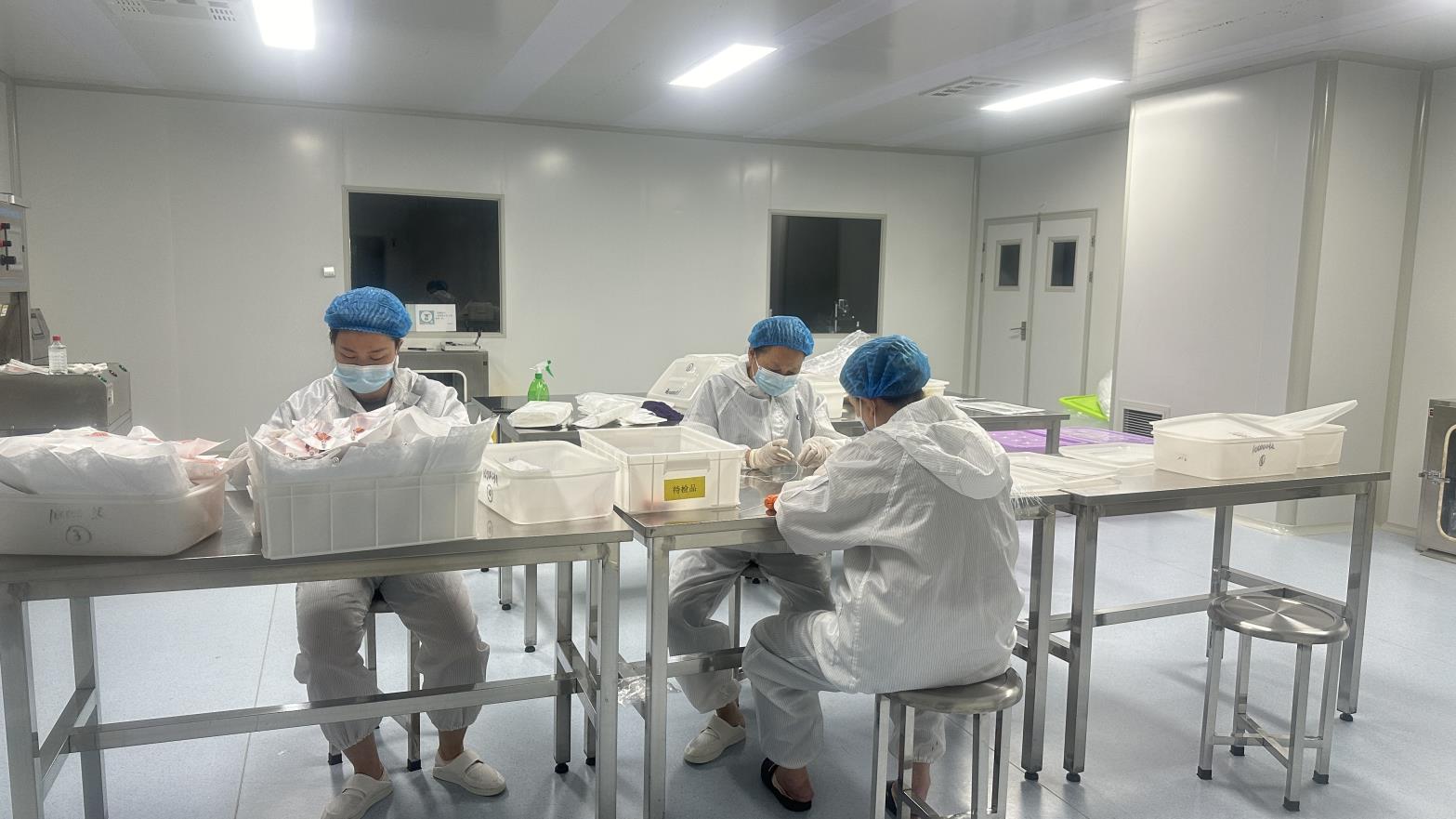
6. Inspection and Packing
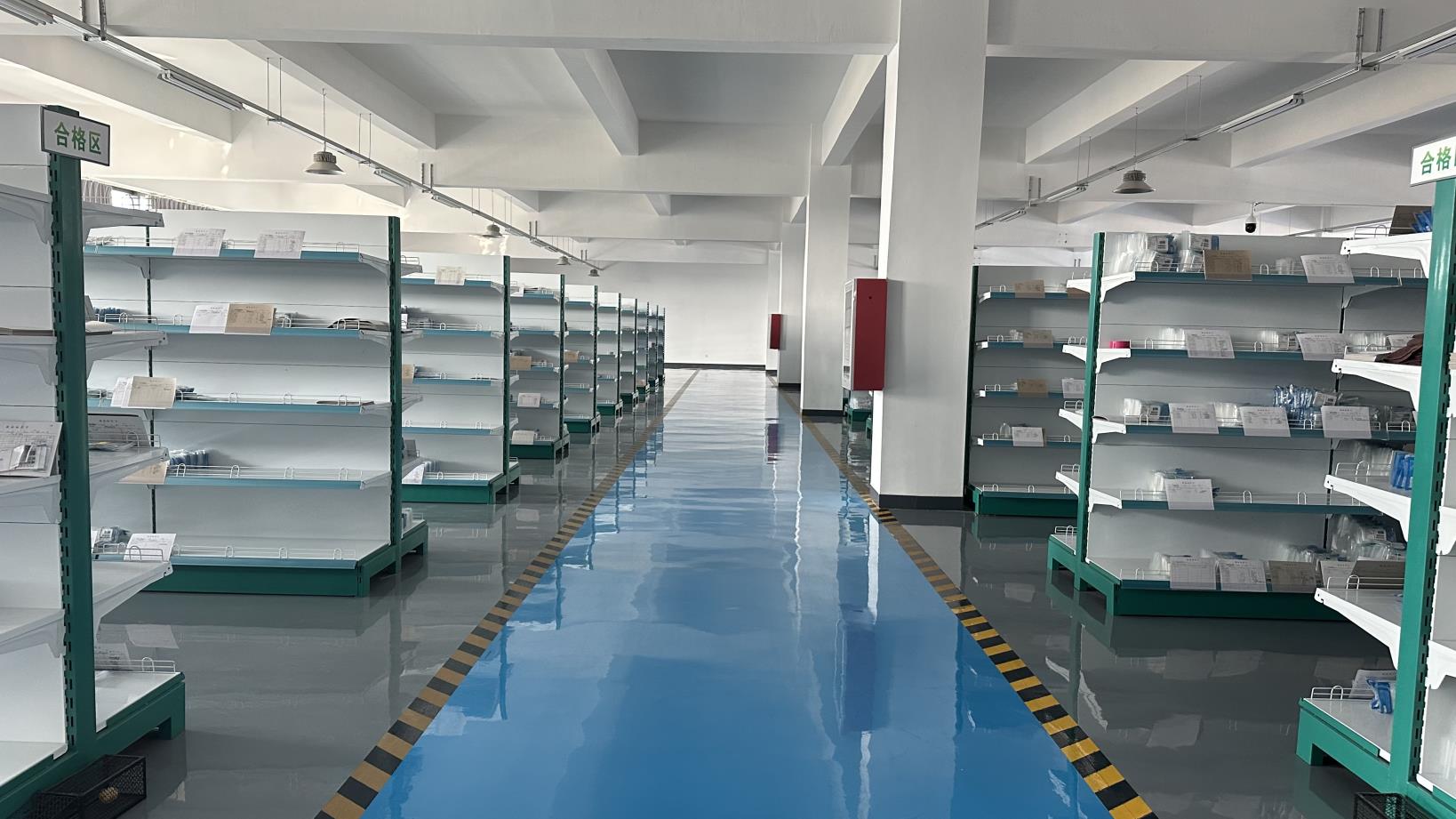
7. Warehouse Logistics
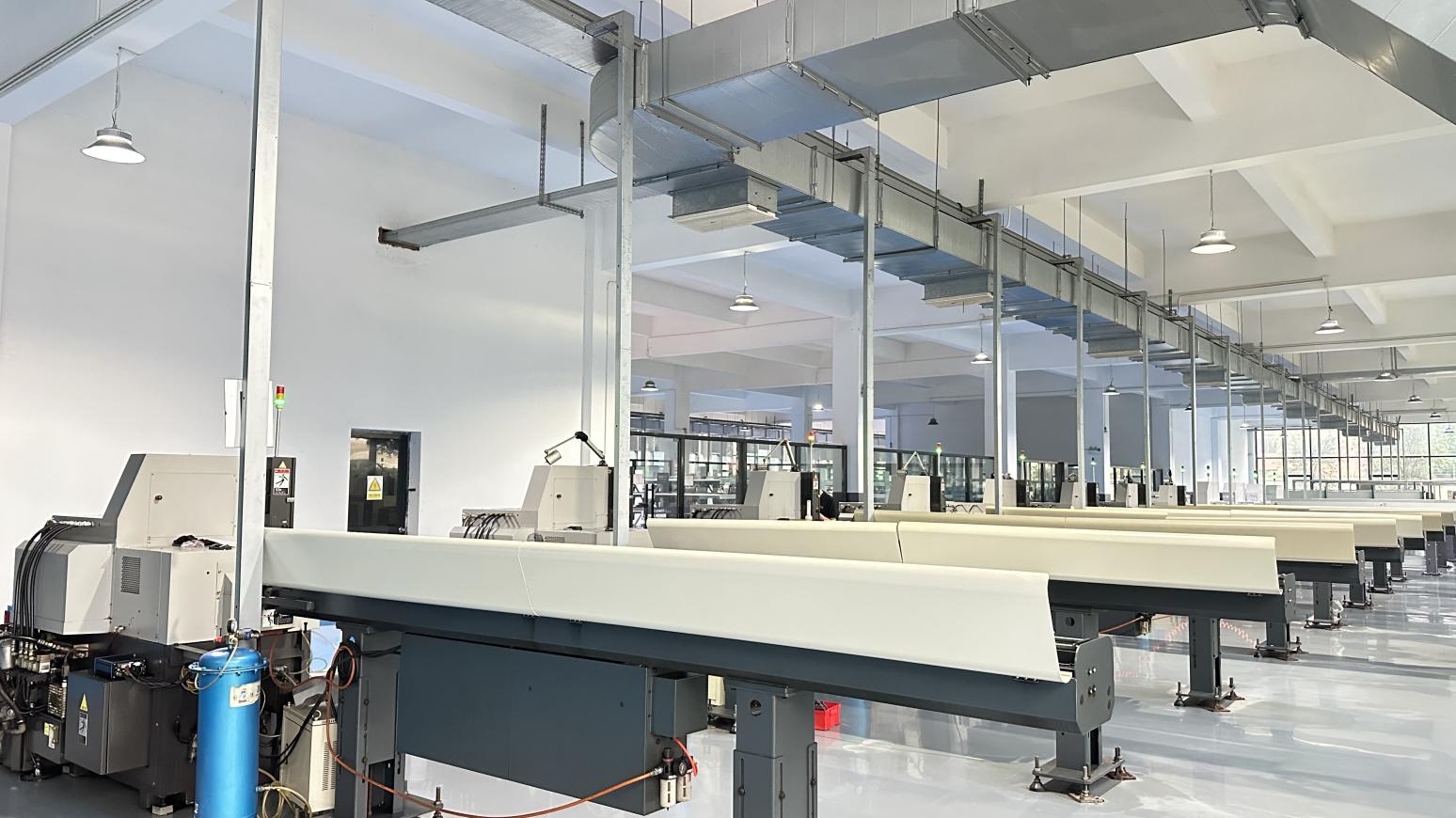
8. Precision Slitting Machine
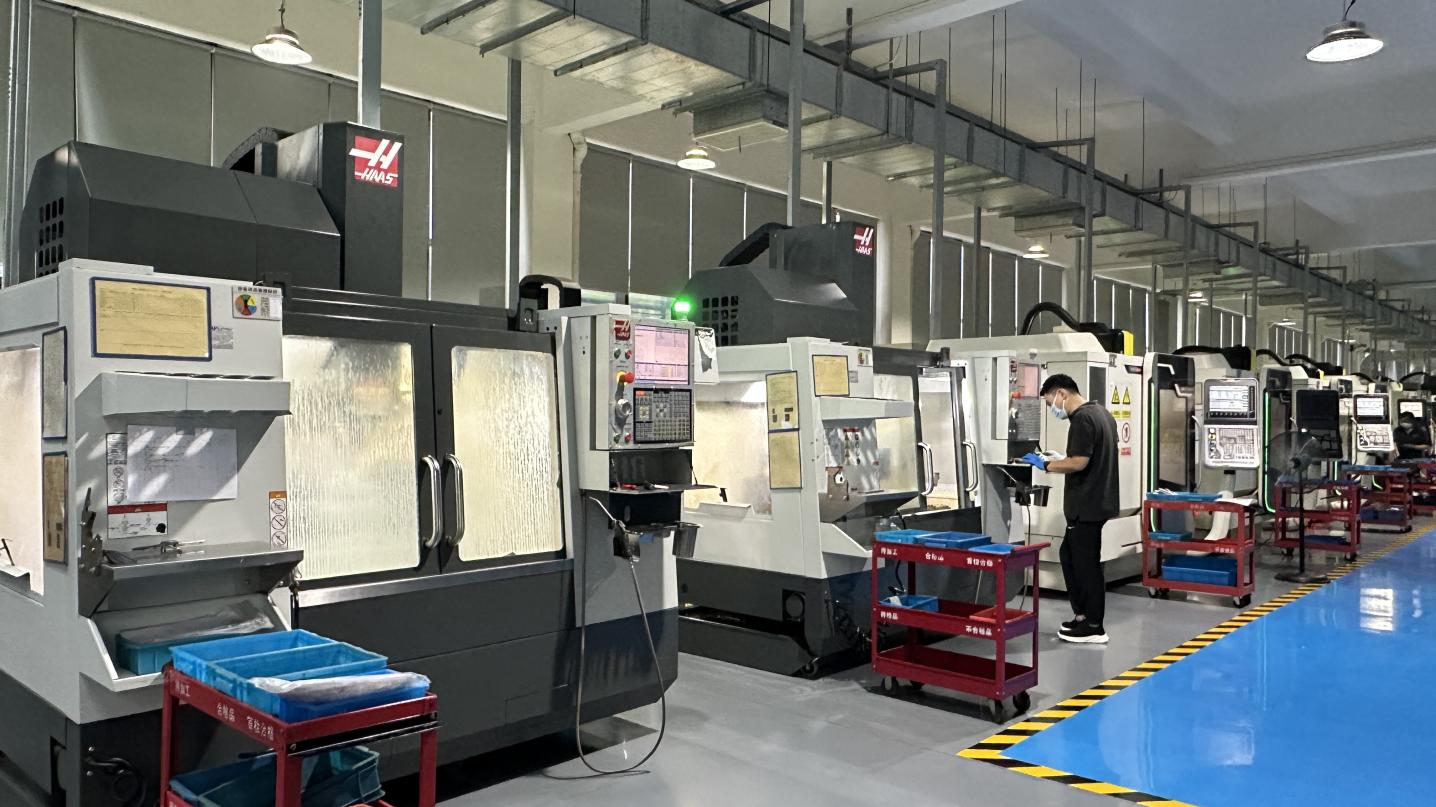
9. CNC Machining Center
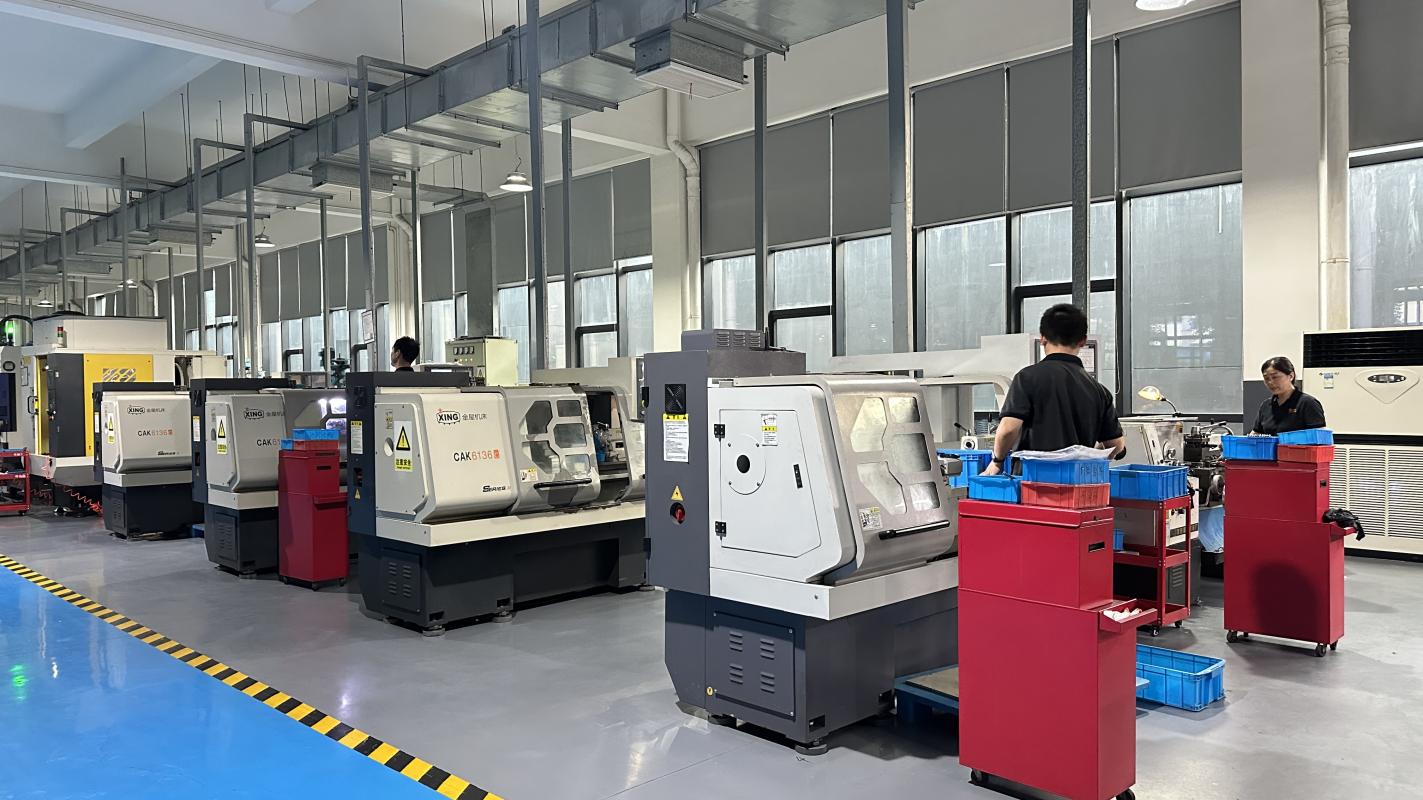
10. Precision Lathes
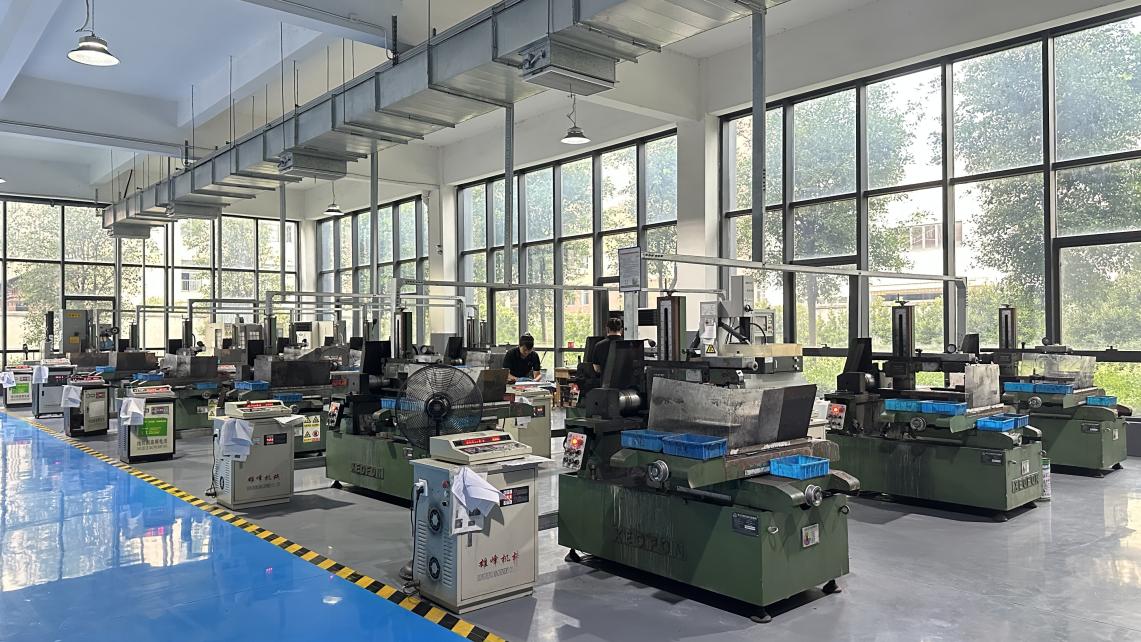
11. Wire-cutting Machinery
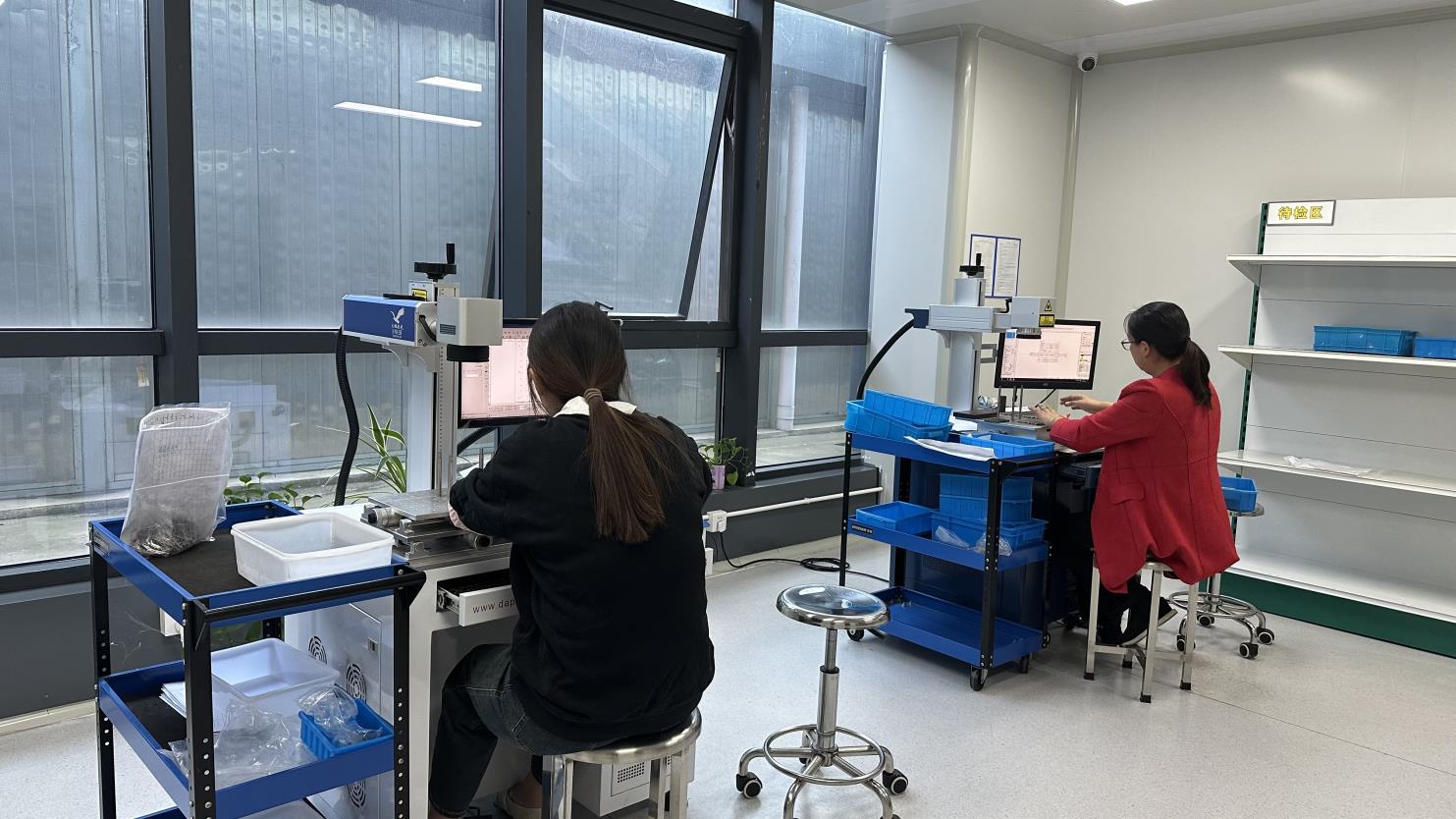
12. Laser Marking Center
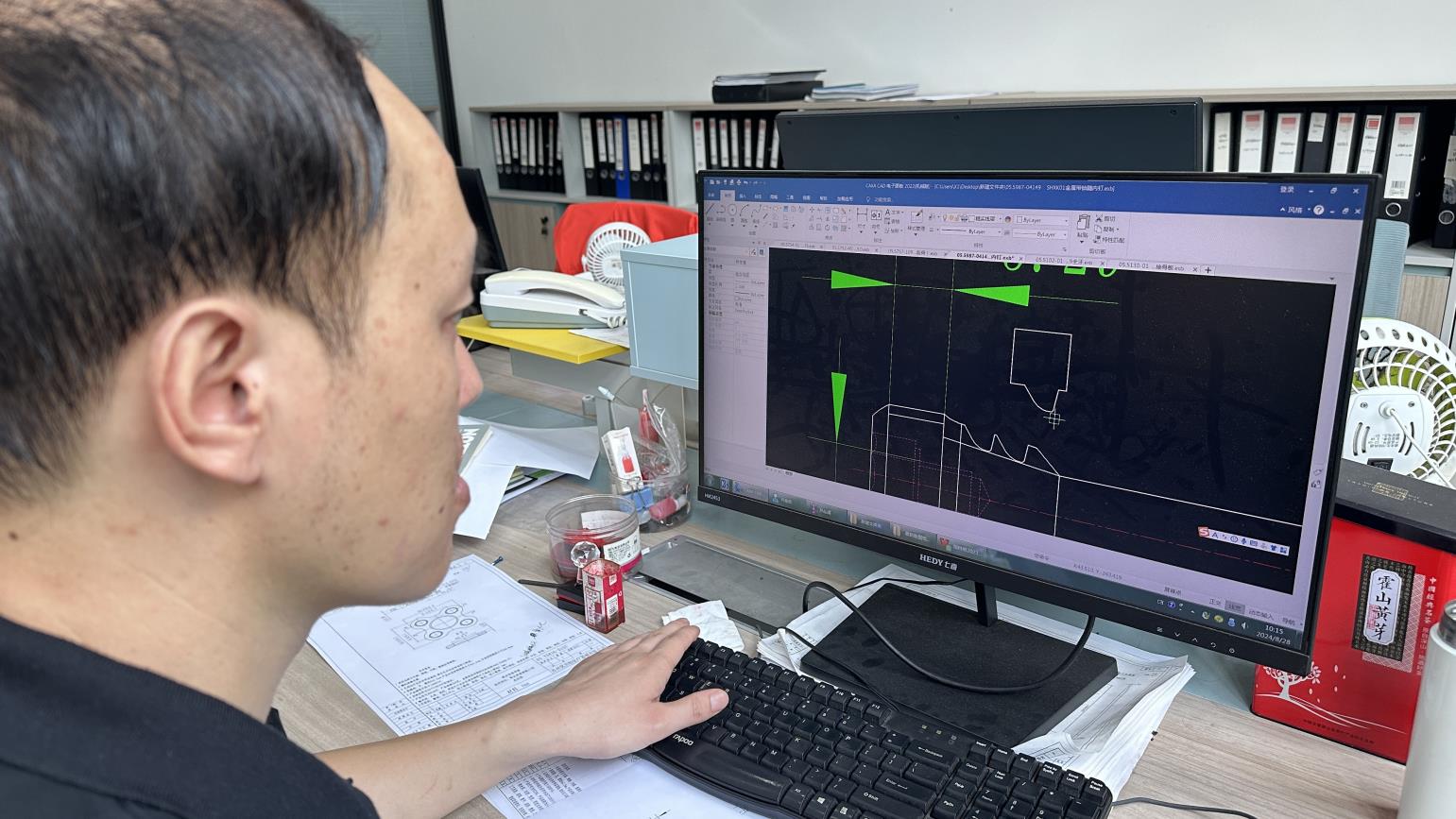
13. R&D CAD Design
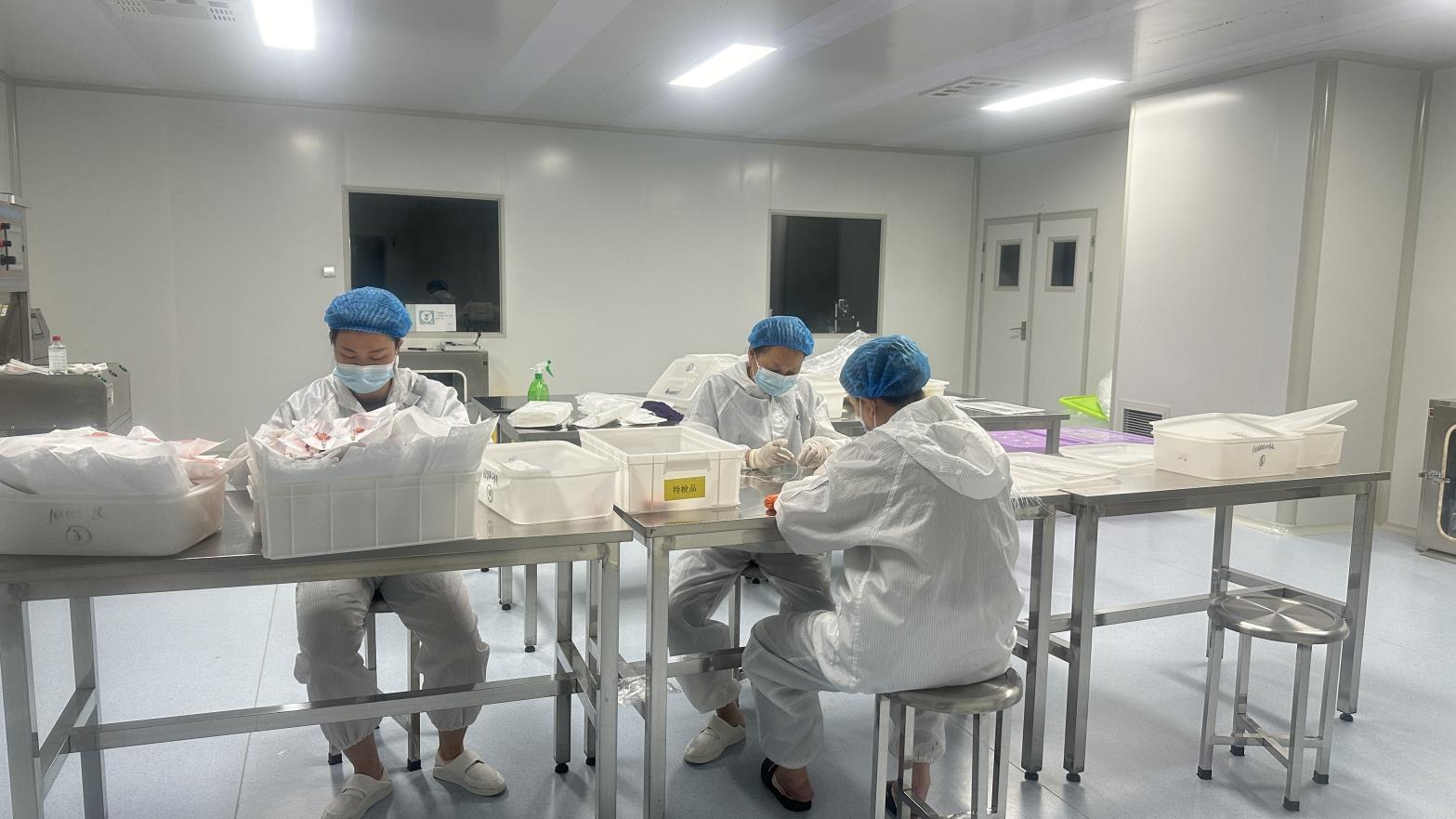
14. Finished Goods QC
Procuring orthopedic implants is a complex process. Hospital procurement committees, national tender boards, and B2B medical supply distributors must evaluate several operational criteria beyond initial unit pricing. Below is how Bonevia addresses these macro requirements:
Operating under Class III medical device classifications, all Bonevia interlocking nail systems, pedicle screws, and joint instruments are backed by comprehensive CE and ISO 13485 certifications. This documentation is essential for navigating regulatory import pathways, including EU MDR audits and localized registration protocols in South America and Southeast Asia.
Global procurement teams require proof of mechanical durability. Our implants undergo dynamic fatigue testing to verify limits under cyclic bending and torsion. This ensures that every intramedullary nail can withstand patient weight-bearing loads throughout the healing phase without risk of fracture or structural deformation.
Anatomical profiles vary significantly across global patient populations. A femoral nail designed for Western demographics may feature a radius of curvature that does not match the average femoral anterior bow of Asian patients. Bonevia's engineering division uses CAD modeling to optimize curvature angles, nail lengths, and screw trajectories, delivering customized designs to meet specific regional requirements.
Bonevia's interlocking nail configurations are optimized to address distinct fracture patterns across the lower and upper extremities:
For high-energy diaphyseal femoral injuries, our nails support both anterograde and retrograde insertion techniques. Built-in anatomical curvature minimizes structural resistance during insertion and avoids potential alignment issues.
Featuring a localized proximal curvature (Herzog Bend), these nails facilitate insertion through the extra-articular path. Multi-directional distal locking configurations ensure structural stability for unstable distal third fractures.
Engineered with a smaller diameter profile to preserve the narrow humeral medullary canal. Proximal and distal locking configurations are positioned to avoid contact with the radial nerve, reducing surgical risks.
Direct answers to technical, manufacturing, and procurement inquiries from medical distributors, hospital boards, and clinical specialists.
Explore our wider range of orthopedic products, featuring pedicle screw systems, arthroscopy shaver systems, and specialized veterinary instrumentation designed for complex orthopedic procedures.