Bonevia
Bonevia
Bonevia
Engineered to rigorous clinical specifications, serving international healthcare systems.
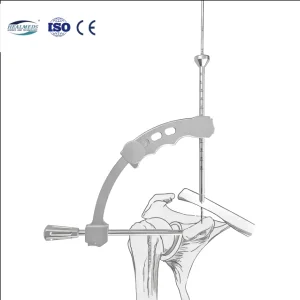
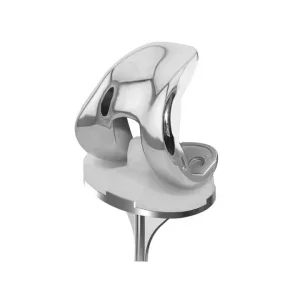
Clinical challenges, bio-materials advancements, and structural engineering in Maxillofacial Reconstruction.
Mandibular reconstruction is one of the most challenging areas in craniomaxillofacial (CMF) surgery. The mandible is a dynamic bone subject to complex, multidirectional forces during mastication, speech, and deglutition. Segmental defects, resulting from oncological resections, severe trauma, osteomyelitis, or congenital deformities, disrupt the continuity of the mandibular arch. This compromise leads to severe functional deficits and aesthetic deformity.
To restore physiological function, mandibular reconstruction plates must exhibit high tensile strength, fatigue resistance, and biocompatibility. Historically, non-locking systems relied heavily on friction between the plate and bone, which often caused cortical bone necrosis due to compressed periosteal blood supply. The advent of modern locking plate systems has revolutionized this field. By locking the screw head to the plate, the system acts as an internal fixator, minimizing plate-to-bone contact, preserving the periosteum, and offering superior mechanical stability even in osteopenic bone.
Medical-grade Titanium (specifically Ti-6Al-4V ELI / Grade 5 or Commercially Pure Titanium Grade 4) remains the gold standard for mandibular reconstruction plates. These materials offer an optimal modulus of elasticity, reducing the effect of "stress shielding," where the implant absorbs too much load, causing adjacent bone resorption.
Furthermore, advanced anodization and surface treatment protocols are applied to modify the titanium oxide layer. This enhancement improves corrosion resistance and promotes osteointegration. Biological passivation ensures that the plate does not evoke an adverse foreign body response, maintaining long-term stability within the aggressive physiological environment of the oral cavity.
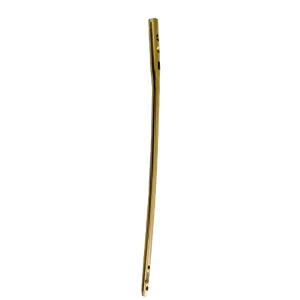
Standardized mandibular plates feature pre-angled curves, load-bearing profiles (thickness varying from 2.0mm to 2.8mm), and multi-hole configurations to span wide segmental gaps. However, bending plates intraoperatively is time-consuming and can introduce micro-cracks, which lowers the fatigue life of the implant.
Consequently, the industry is transitioning rapidly toward Patient-Specific Implants (PSIs) designed using patient CT scans. CAD/CAM software models the exact contours of the patient’s anatomy, allowing CNC milling or 3D printing (Selective Laser Melting) of a customized plate. PSIs eliminate intraoperative bending, shorten surgical times, and significantly improve accuracy in restoring the patient's occlusion and facial symmetry.
Analyzing B2B requirements, localized compliance, and supply chain strategies in the CMF market.
B2B buyers, including medical device distributors, purchasing consortia, and hospital networks, prioritize regulatory approval, manufacturing traceability, and consistent delivery. The demand for **CE certified mandibular reconstruction plates** has surged, as CE marking provides confidence in the quality system of the manufacturer.
In addition, global supply chains must navigate strict local regulatory requirements, such as FDA 510(k) in the US or MDR compliance in Europe. Sourcing partners require detailed documentation, including ISO 13485 certificates, raw material trace reports, biocompatibility test results, and sterilizability validations. Establishing reliable OEM/ODM pipelines with experienced manufacturers is crucial for mitigating regulatory risks and maintaining competitive margins in the global orthopedic implant market.
A step-by-step look into our manufacturing, engineering, and quality control processes at Bonevia Orthopedic.
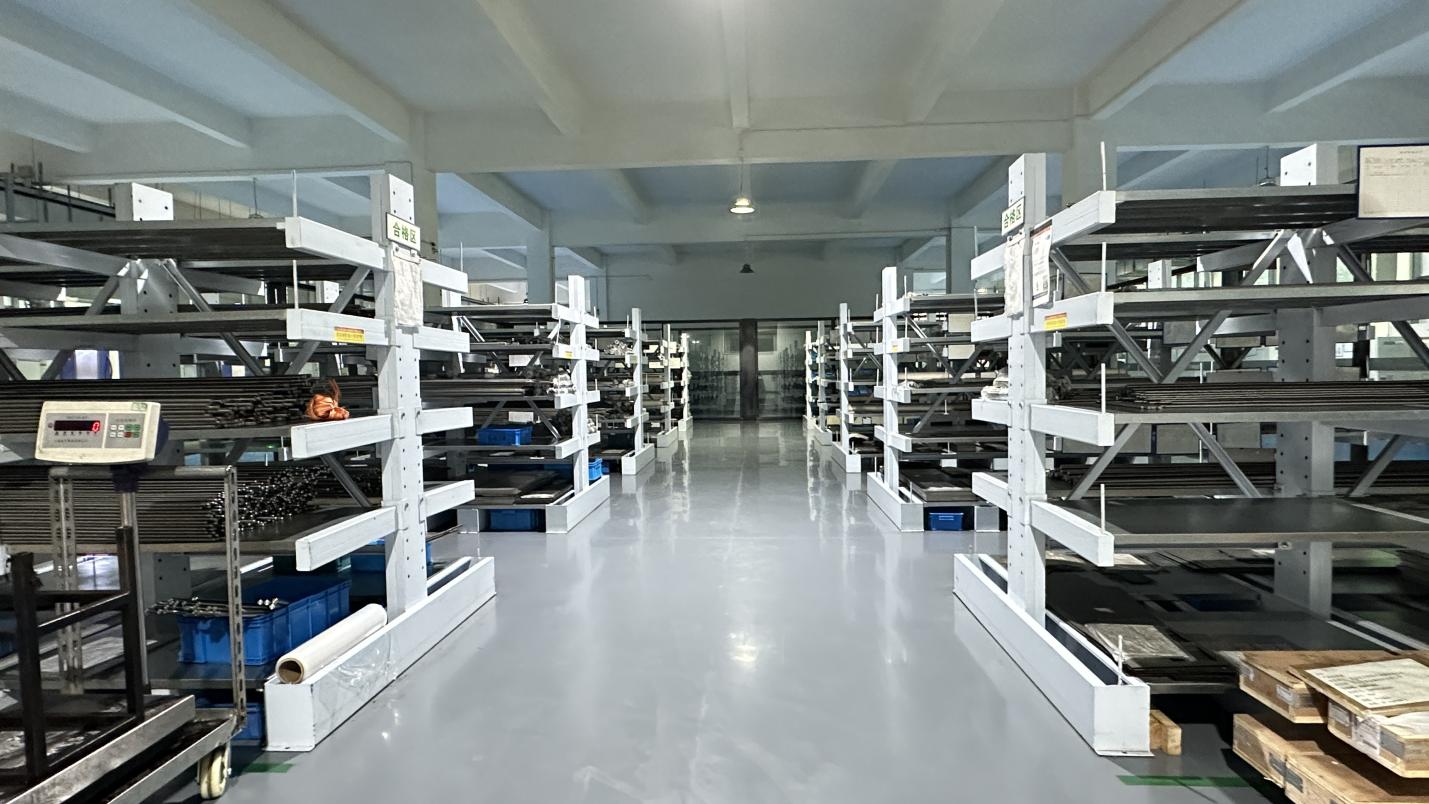
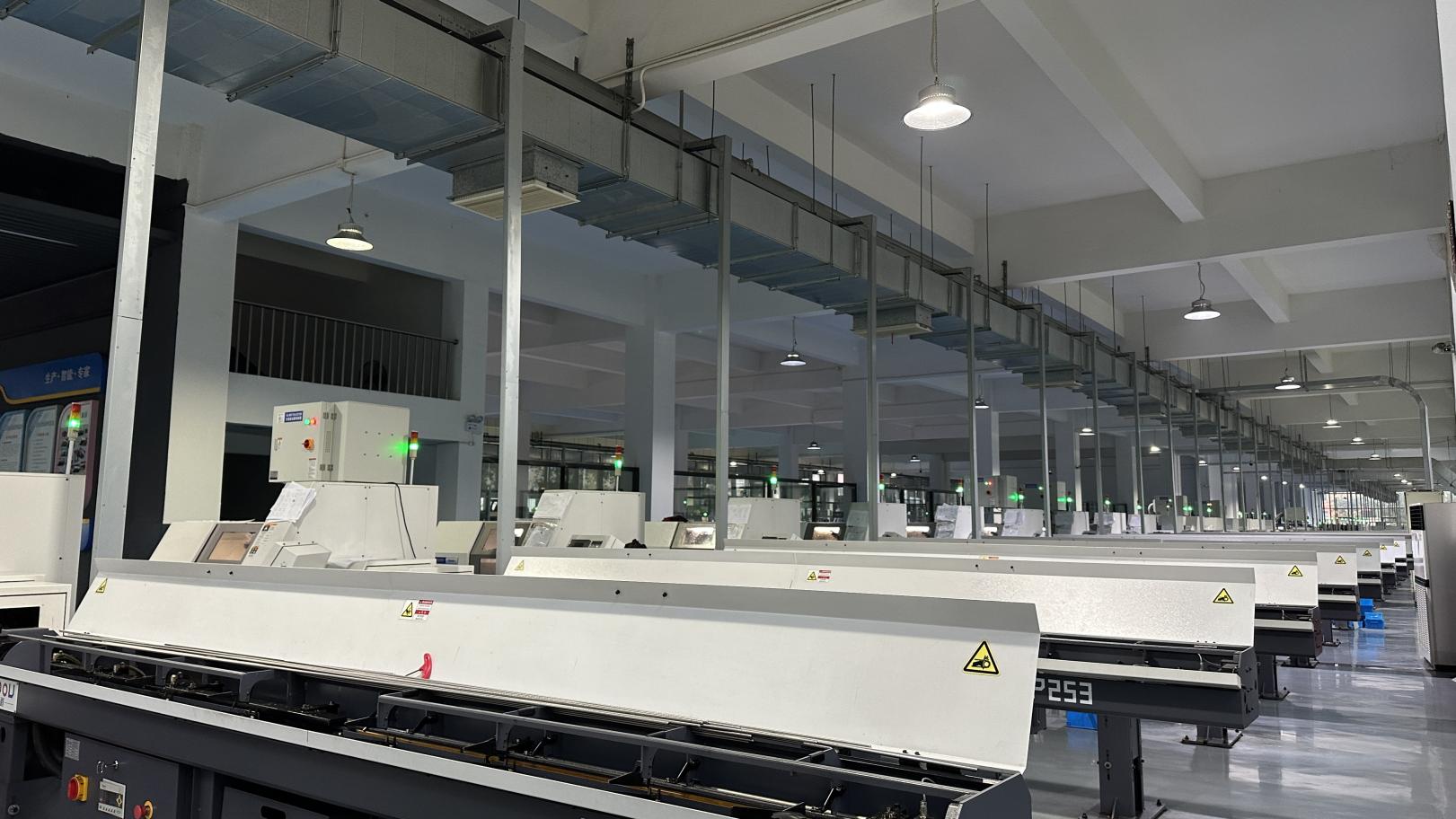
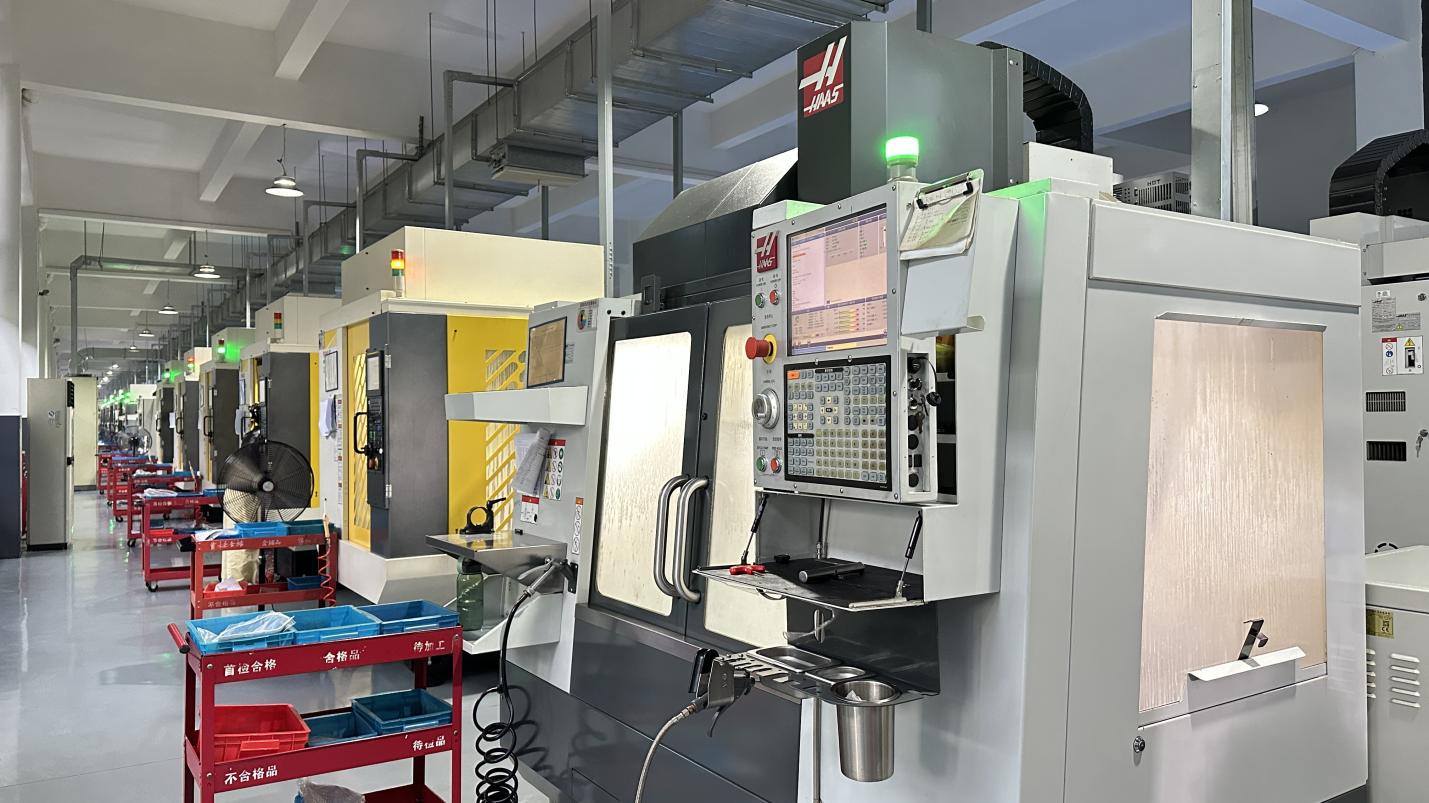
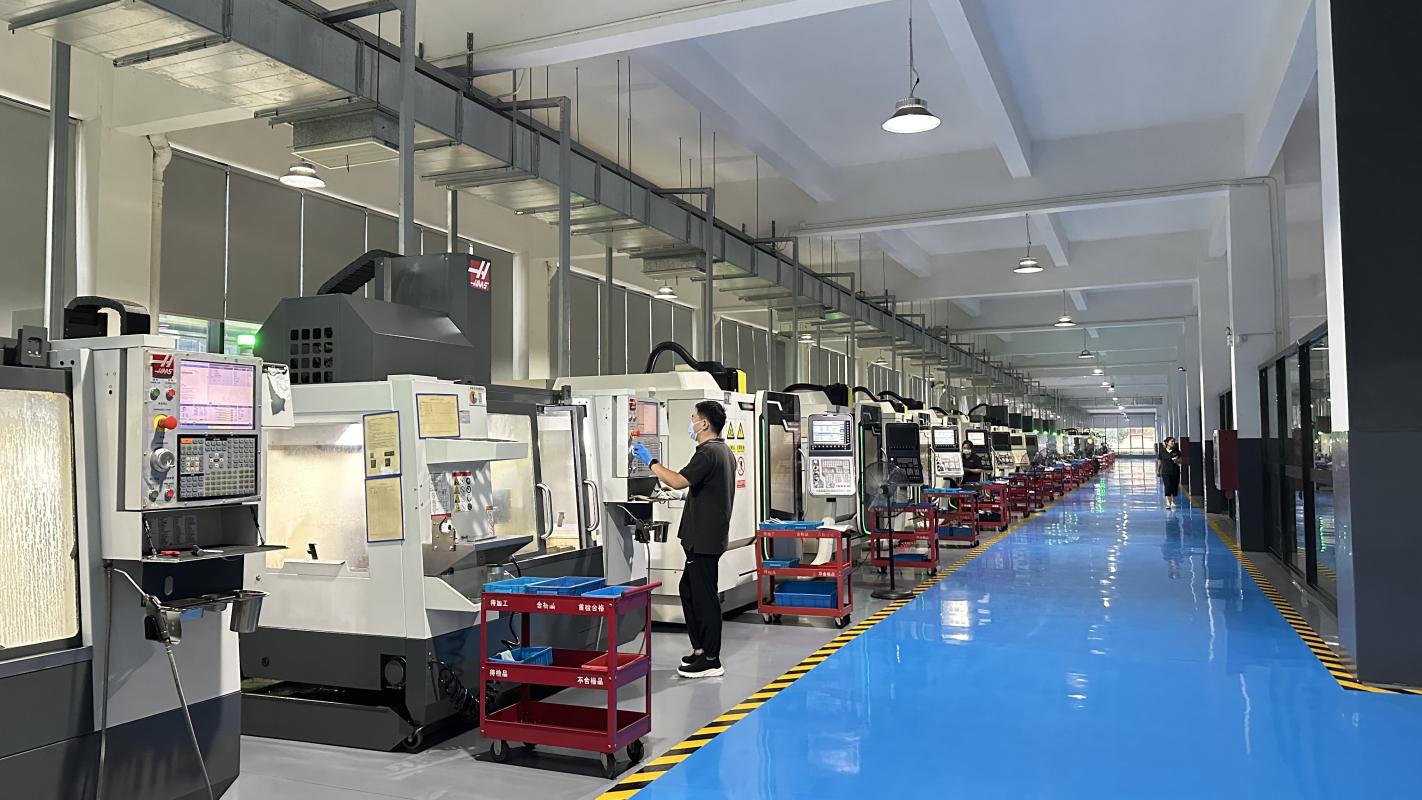
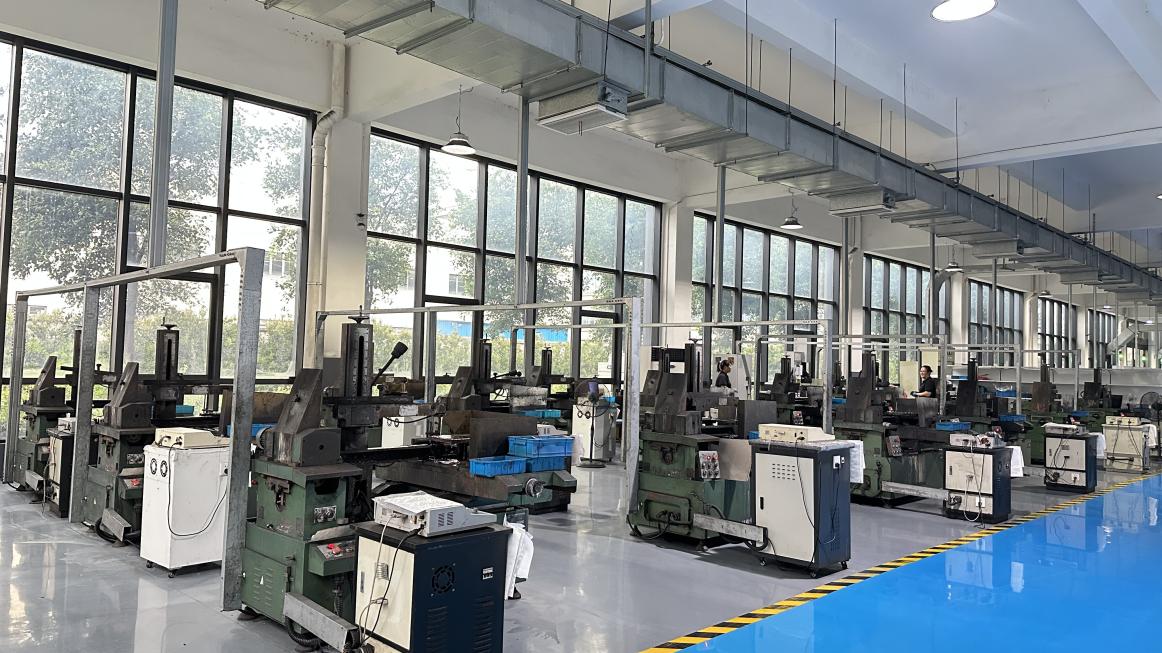
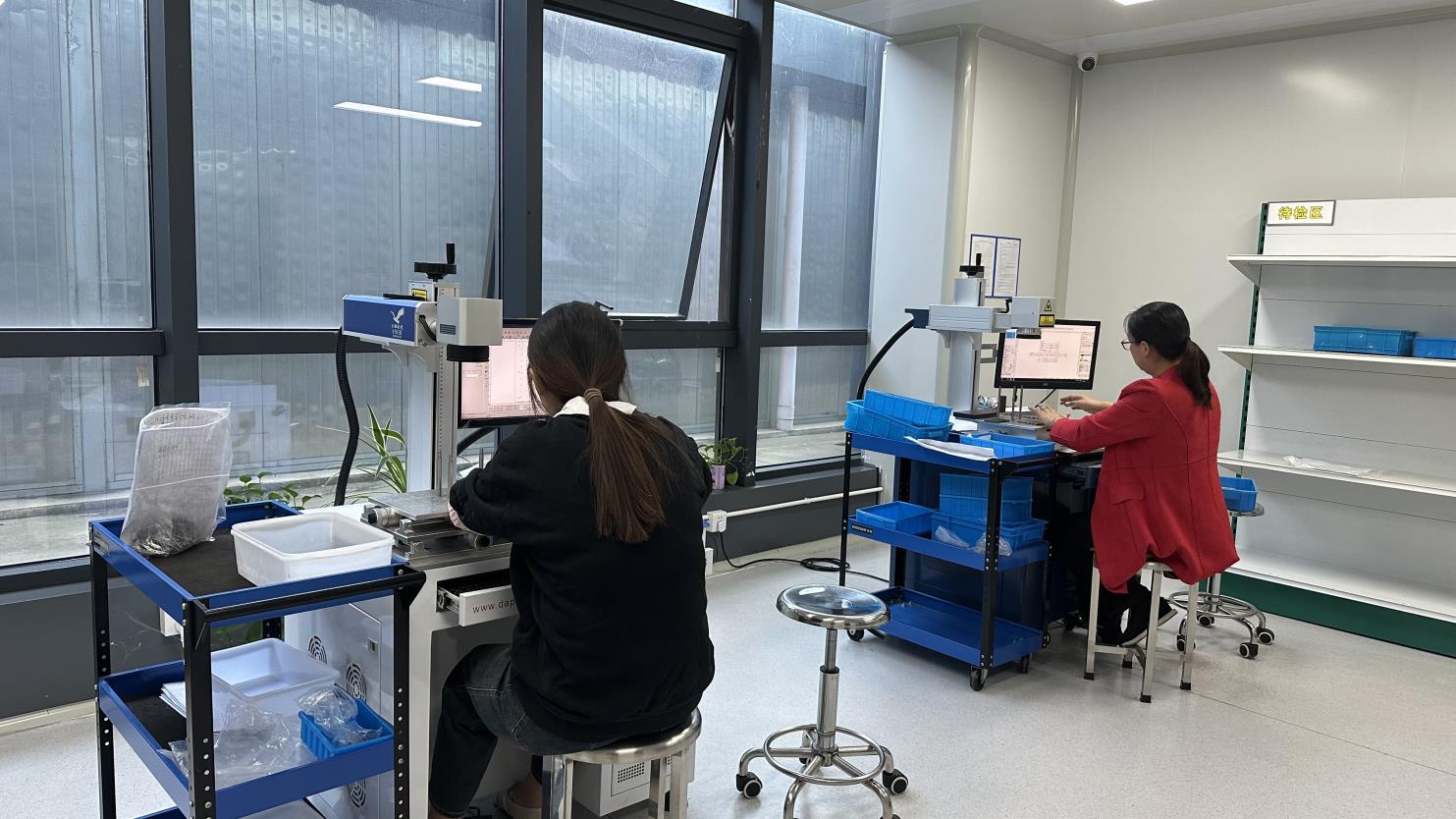
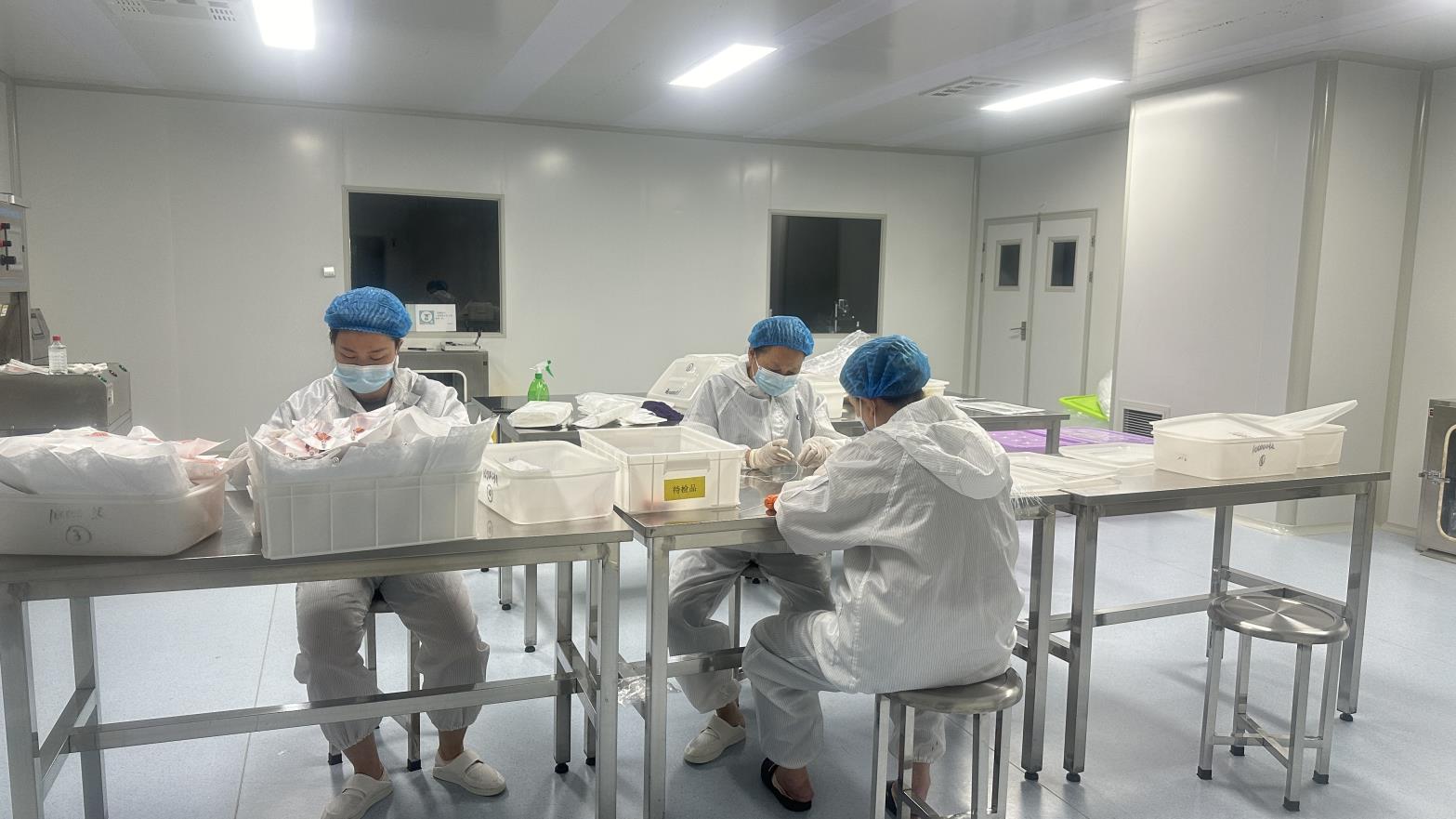
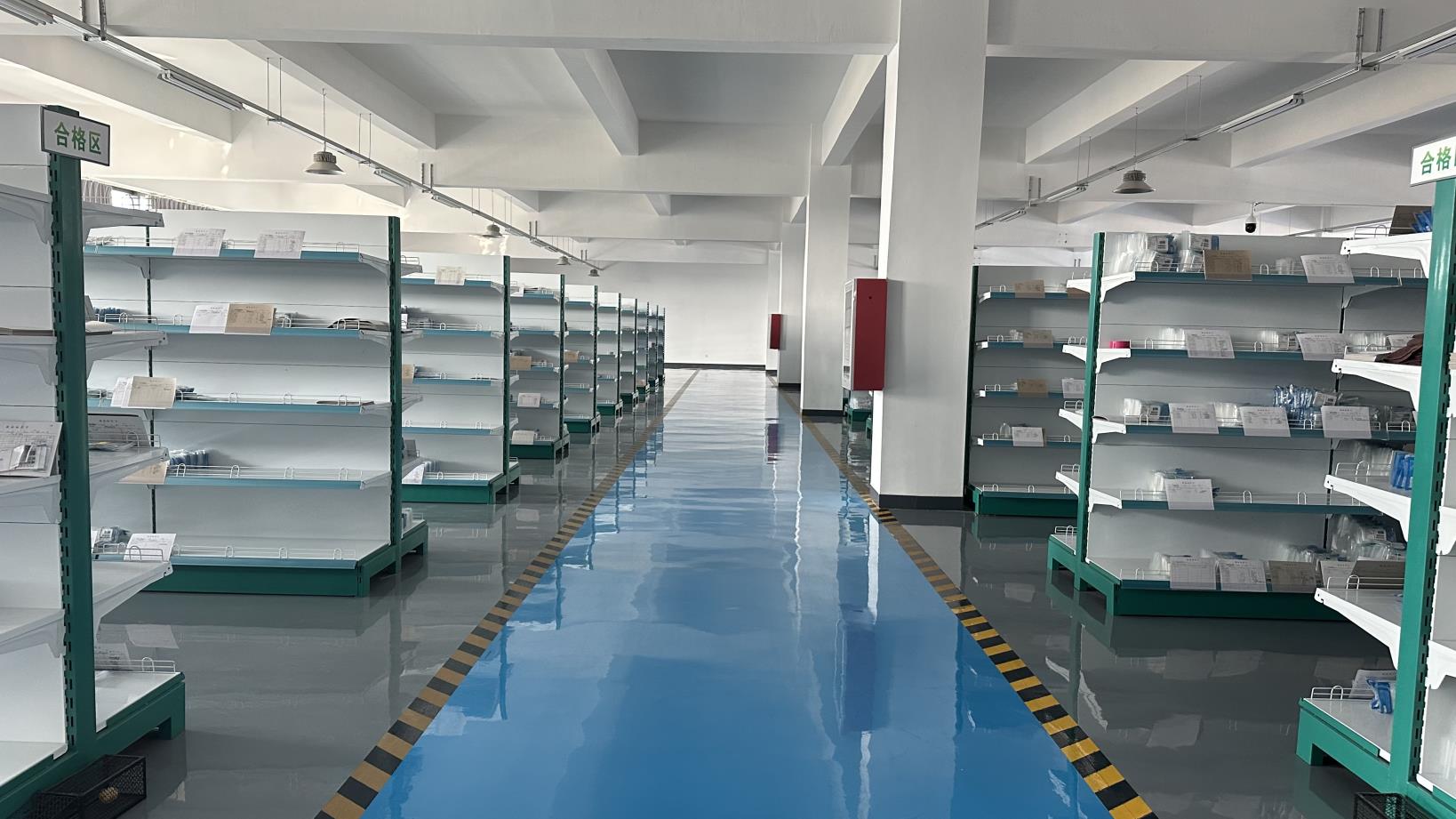
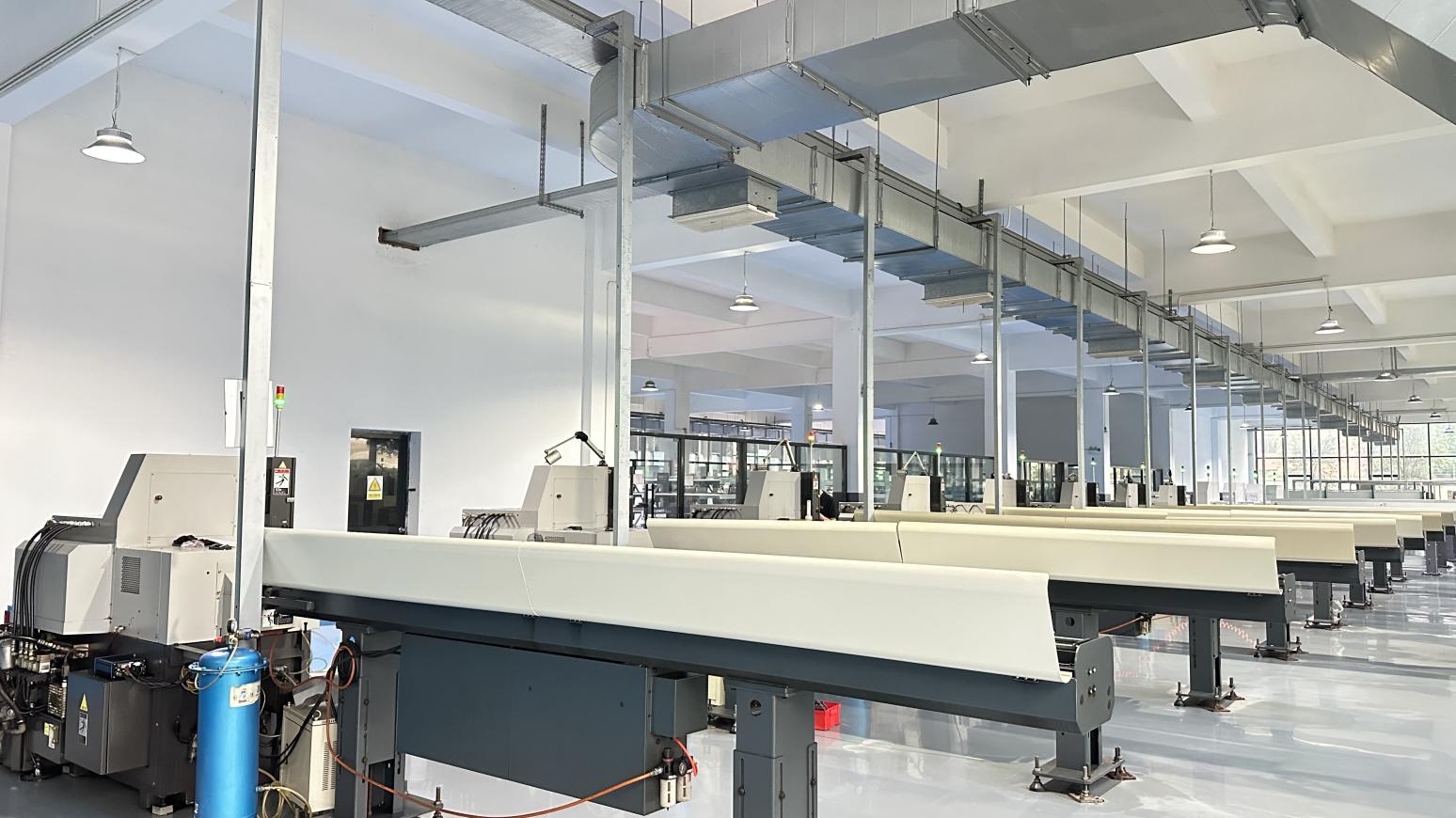
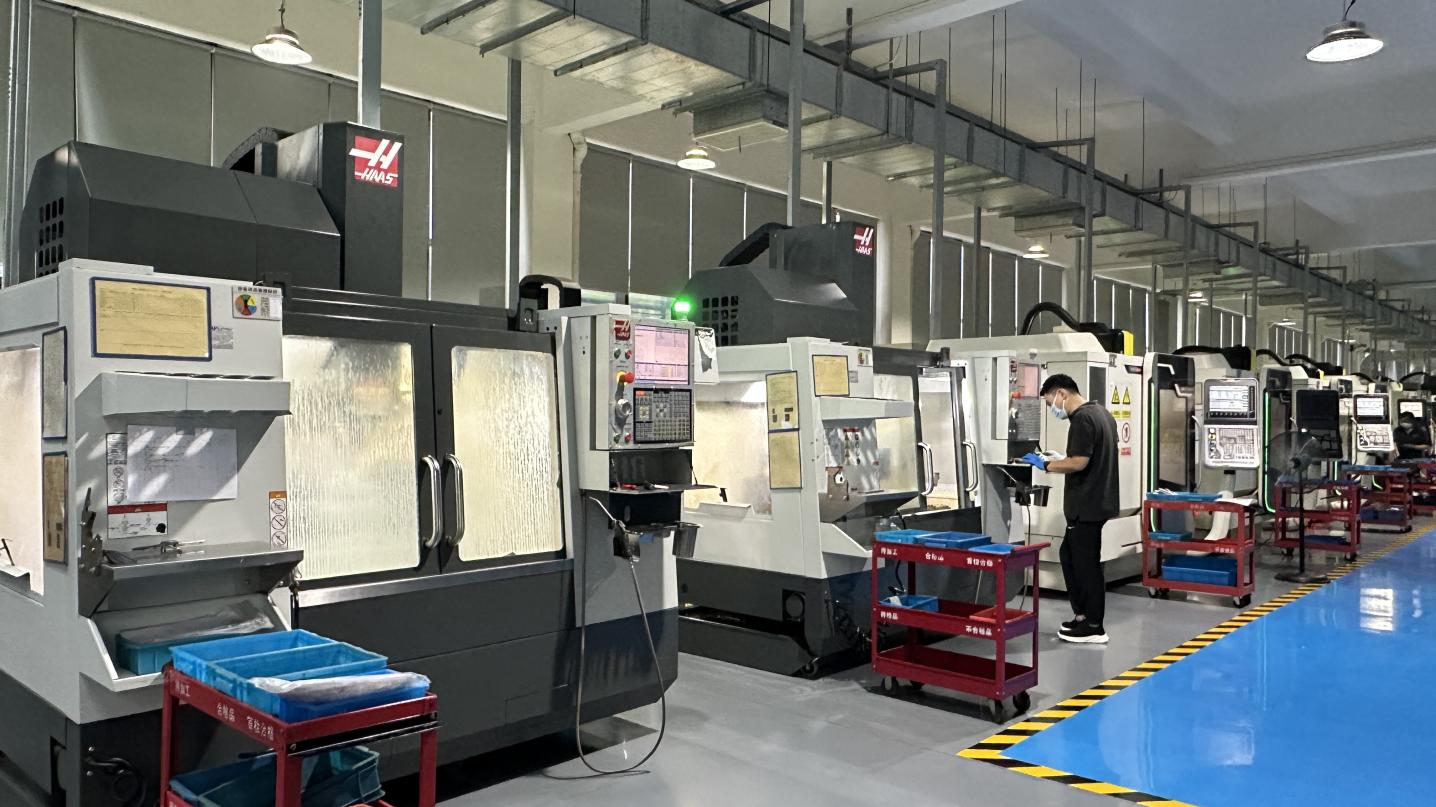
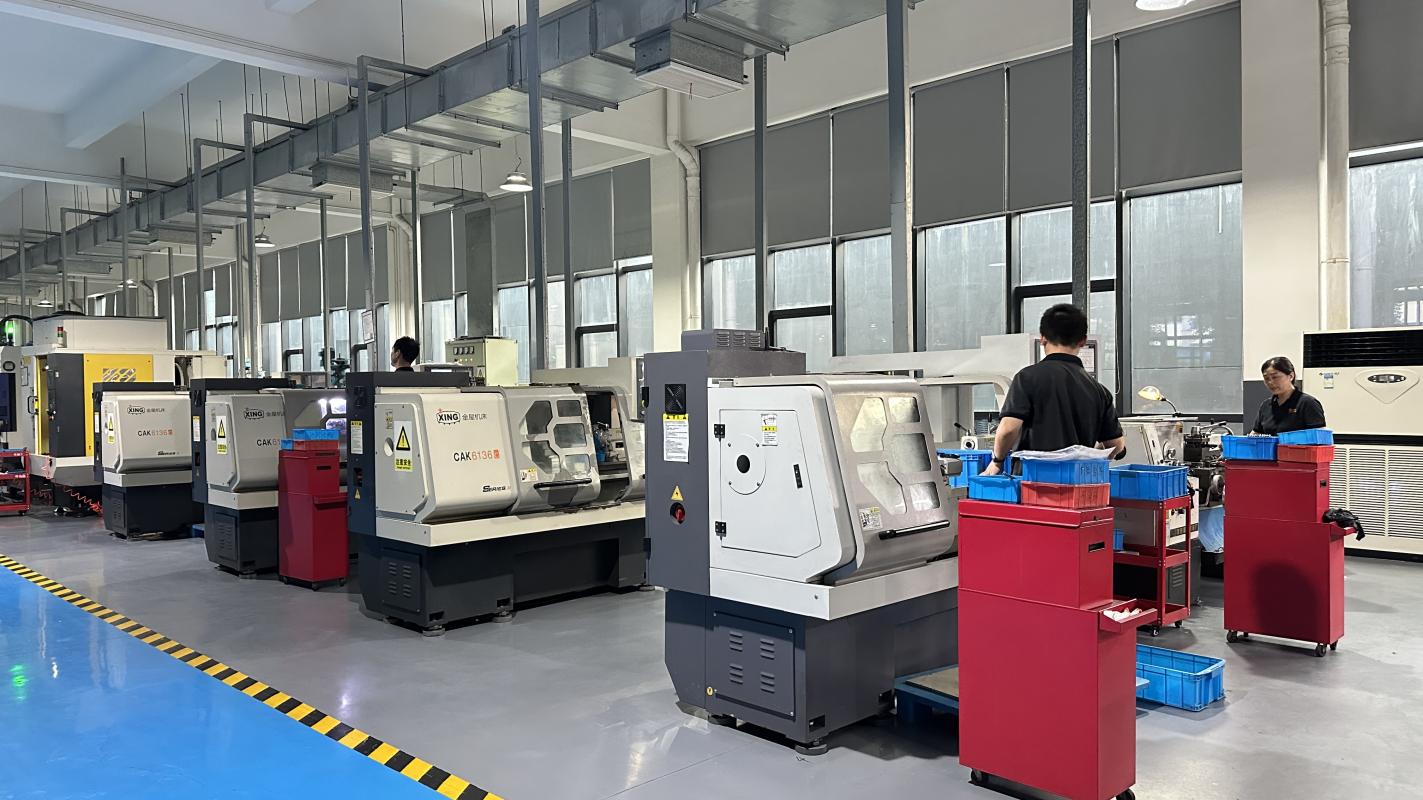
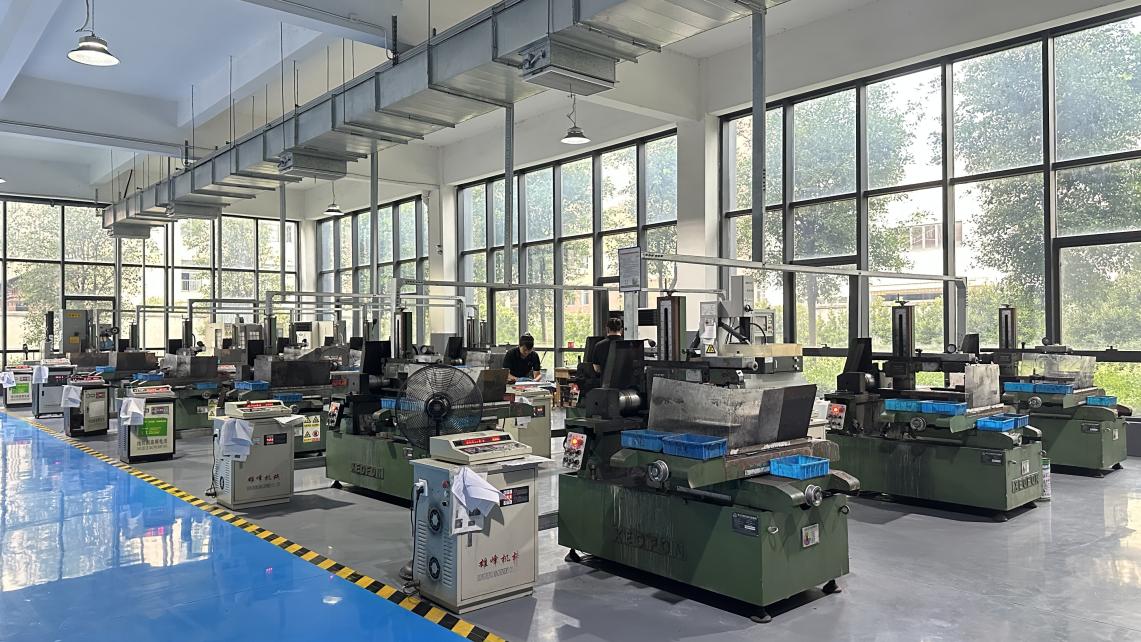
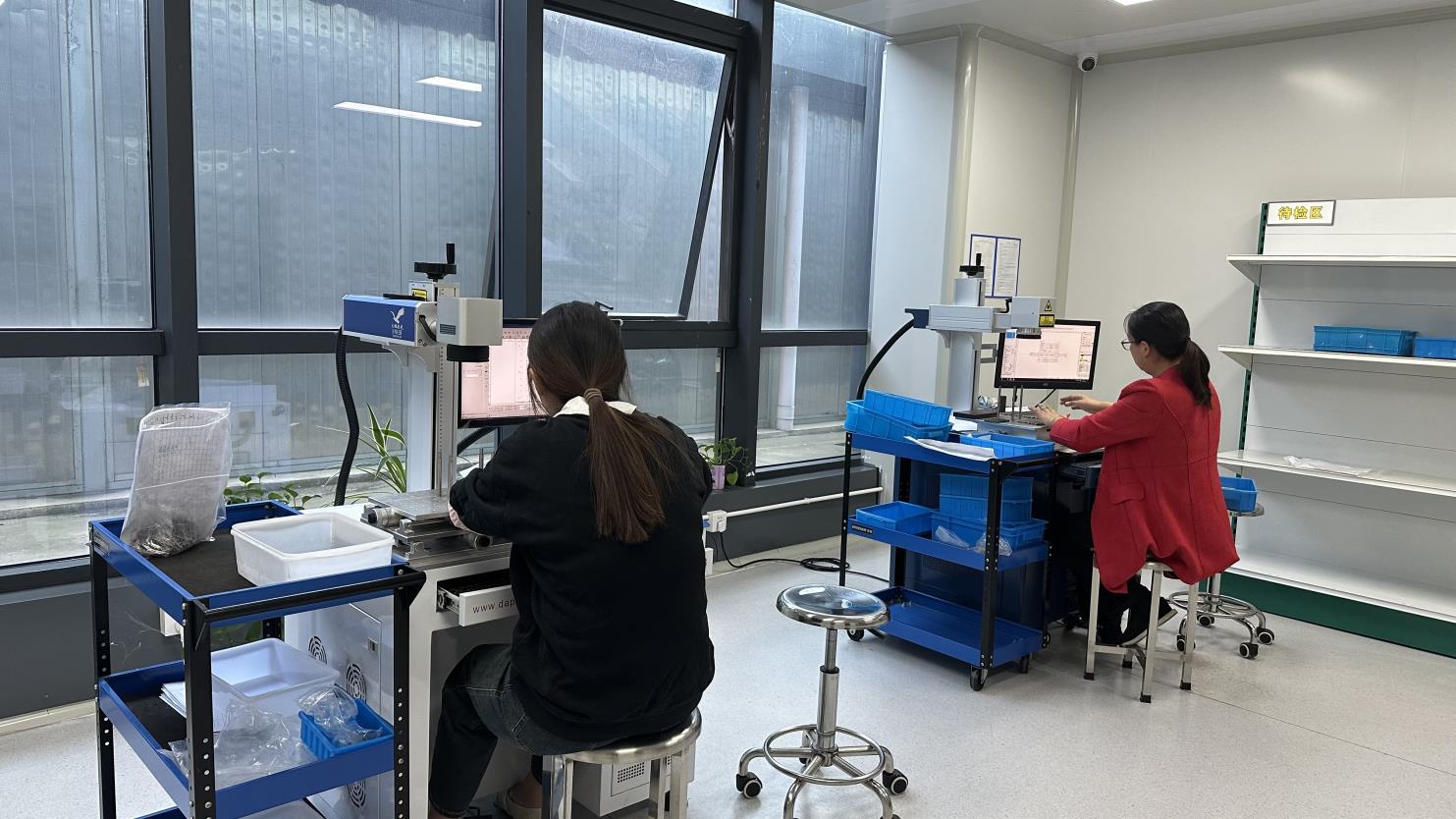
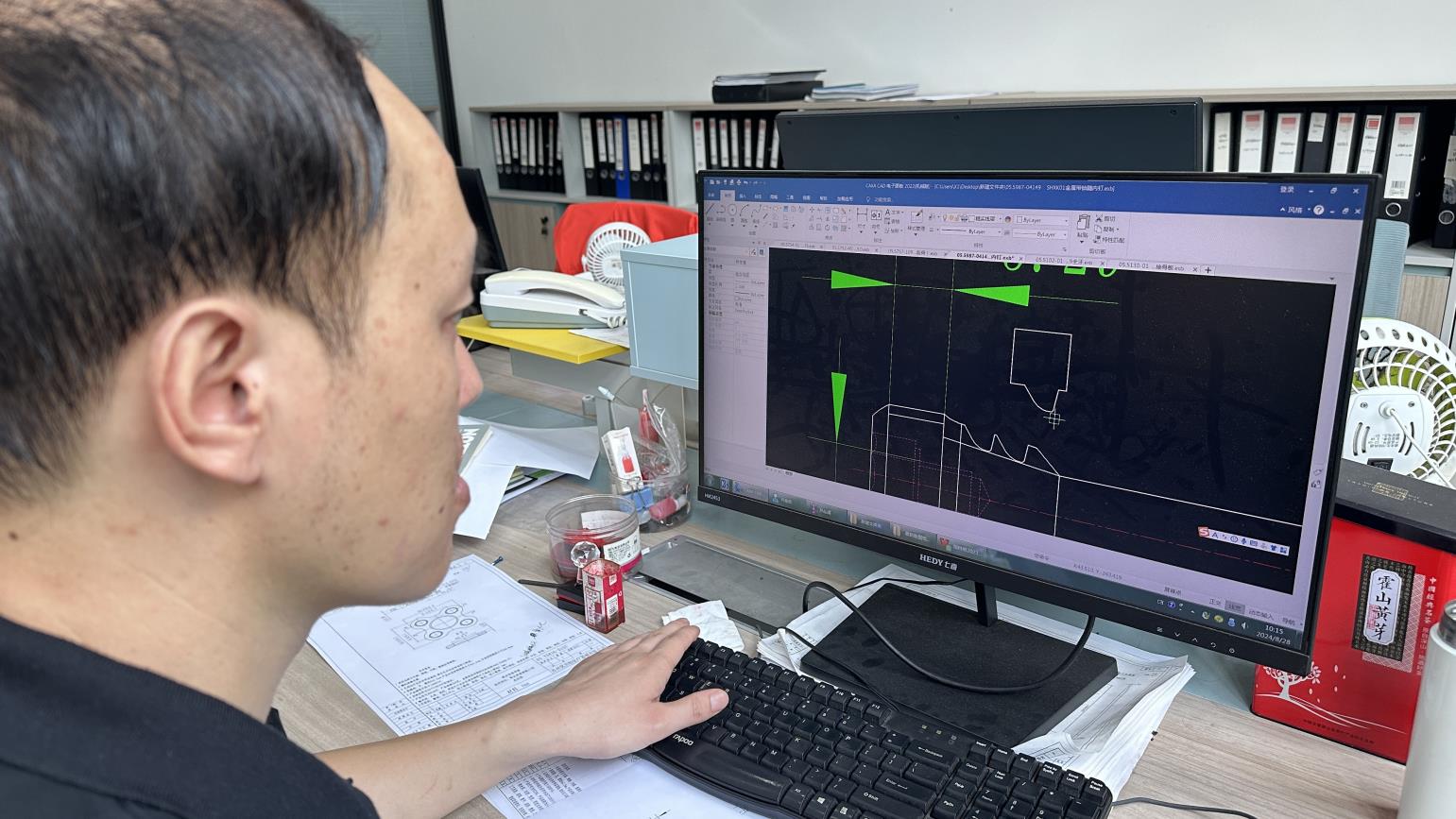
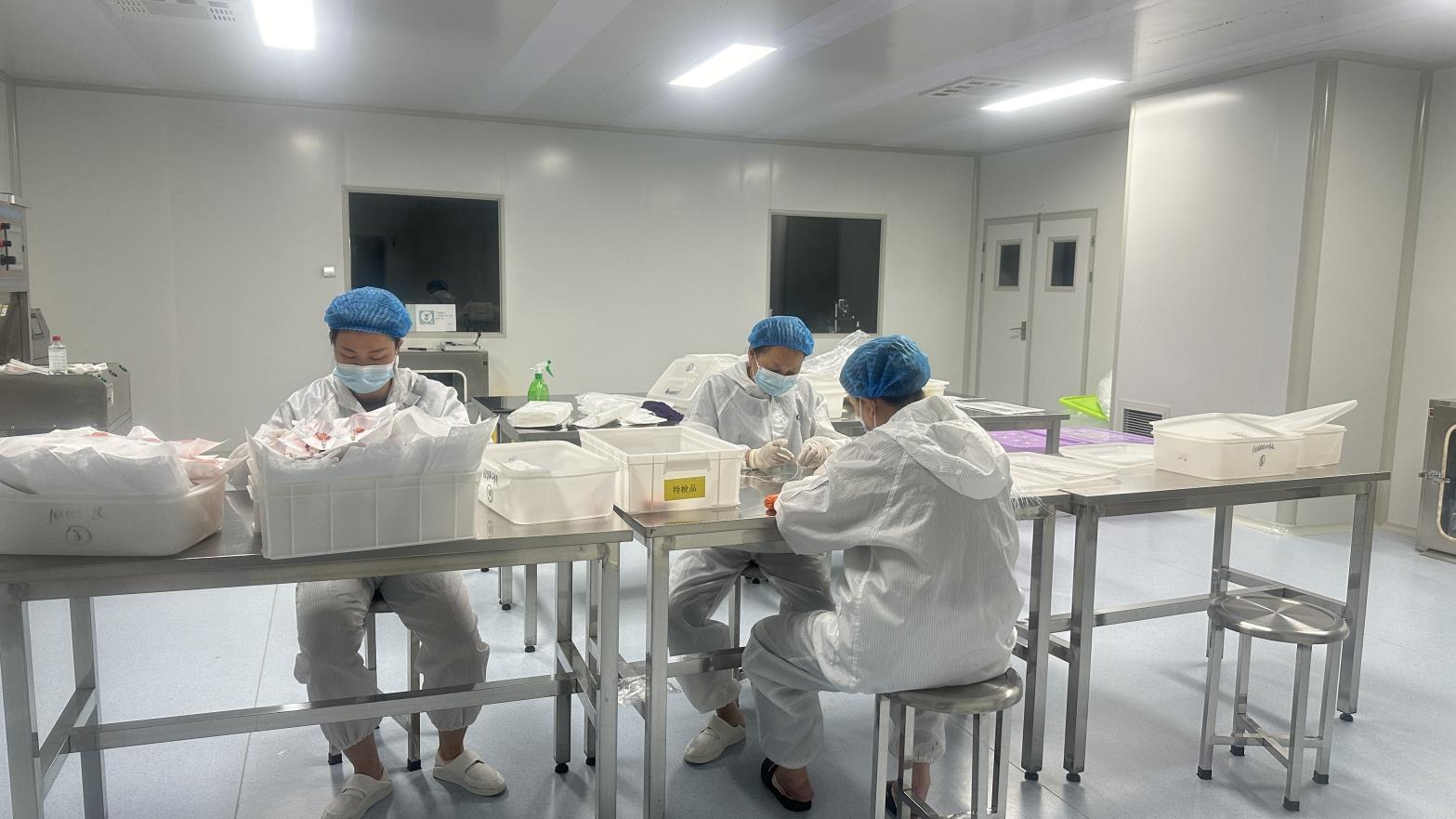
A trusted manufacturer driving global orthopedic innovation since 2015.
Bonevia Orthopedic Technology Co., Ltd. is a professional manufacturer specializing in orthopedic implants and surgical solutions, dedicated to advancing innovation in trauma, spine, and joint reconstruction products. Since its establishment in 2015, the company has grown steadily into a trusted supplier in the global orthopedic industry.
With a modern production facility covering approximately 320㎡, Bonevia maintains strict quality management standards and efficient manufacturing processes. The company records an annual export revenue of around USD 8–15 million, supported by 6 years of export experience and over 10 years of overall industry experience.
Quality assurance is a core focus at Bonevia. The company implements multiple inspection methods including incoming material inspection, in-process quality control, and final product testing, supported by a dedicated quality team of 35 professionals. This ensures all products meet international medical device standards.
Bonevia has a solid trade foundation with diversified global distribution networks, serving major markets across Europe, Southeast Asia, the Middle East, and South America. Its supply chain ecosystem includes more than 850 partners, enabling stable raw material sourcing and efficient production delivery.
The company serves a wide range of clients, including hospitals, orthopedic clinics, surgical centers, and medical distributors. Bonevia also demonstrates strong R&D capabilities, offering OEM and ODM customization services to meet specific clinical requirements.
In the past year, Bonevia successfully launched 120 new product designs, supported by a research and development team of 85 engineers, continuously driving innovation in orthopedic implant systems and surgical instruments.
Ensuring clinical safety through advanced validation protocols and material verification.
The field of craniomaxillofacial reconstruction is advancing toward smart, bio-active interfaces and degradable magnesium alloys. Bonevia is currently prototyping next-generation porous titanium scaffolds designed using generative lattice structures. These advancements promote rapid vascularization and osseointegration, reducing long-term implant displacement rates.
Furthermore, our digital workflow is integrating deep learning models to automatically segment patient CT scans. This allows us to convert DICOM files into customized designs within hours. By streamlining digital preoperative planning, we aim to decrease delivery times for customized CMF implants by 35% over the next two years.
Every mandibular reconstruction plate manufactured under our OEM/ODM schemes undergo thorough documentation audits. Our validation parameters include:
Technical and regulatory answers for surgeons, quality control heads, and distribution partners.
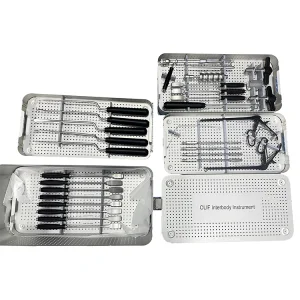
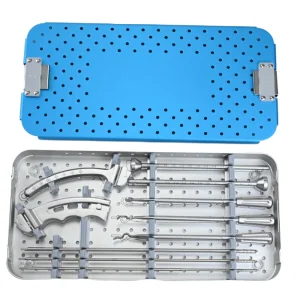
Discover our highly technical surgical sets designed for spinal, trauma, and joint surgeries.