Bonevia
Bonevia
Bonevia
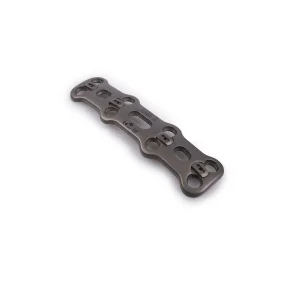
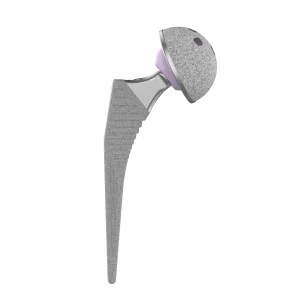
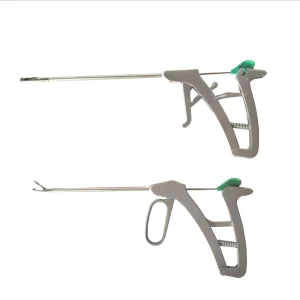
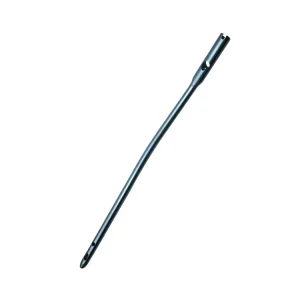
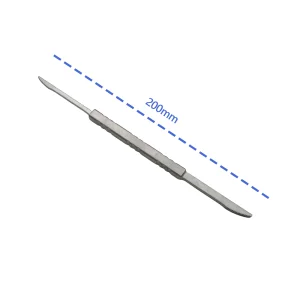
Pediatric orthopedic implant manufacturing requires a complete paradigm shift from adult osteosynthesis. Developing skeletally immature patient solutions means dealing with dynamic growth plates (physes), higher bone elasticity, rapid osteogenesis, and complex remodelling potentials. At Bonevia Orthopedic Technology Co., Ltd., we balance structural load distribution and physiological preservation in our designs.
Standard rigid fixation can bridge the physis, leading to growth arrest, joint deformities, or limb length discrepancies. Our CE-certified pediatric implant designs, such as the Pediatric Spinal Titanium Alloy Intramedullary Elastic Nails, utilize controlled biomechanical elasticity (the Elastic Stable Intramedullary Nailing - ESIN concept). This matches the natural elastic modulus of young bone while providing rotational and axial stability without crossing active growth centers.
Clinical Focus: Growth modulation plates and elastic intramedullary nails must allow micro-motion to stimulate natural callus formation under Wolff's Law, while preventing rigid locking that could lead to bone resorption.
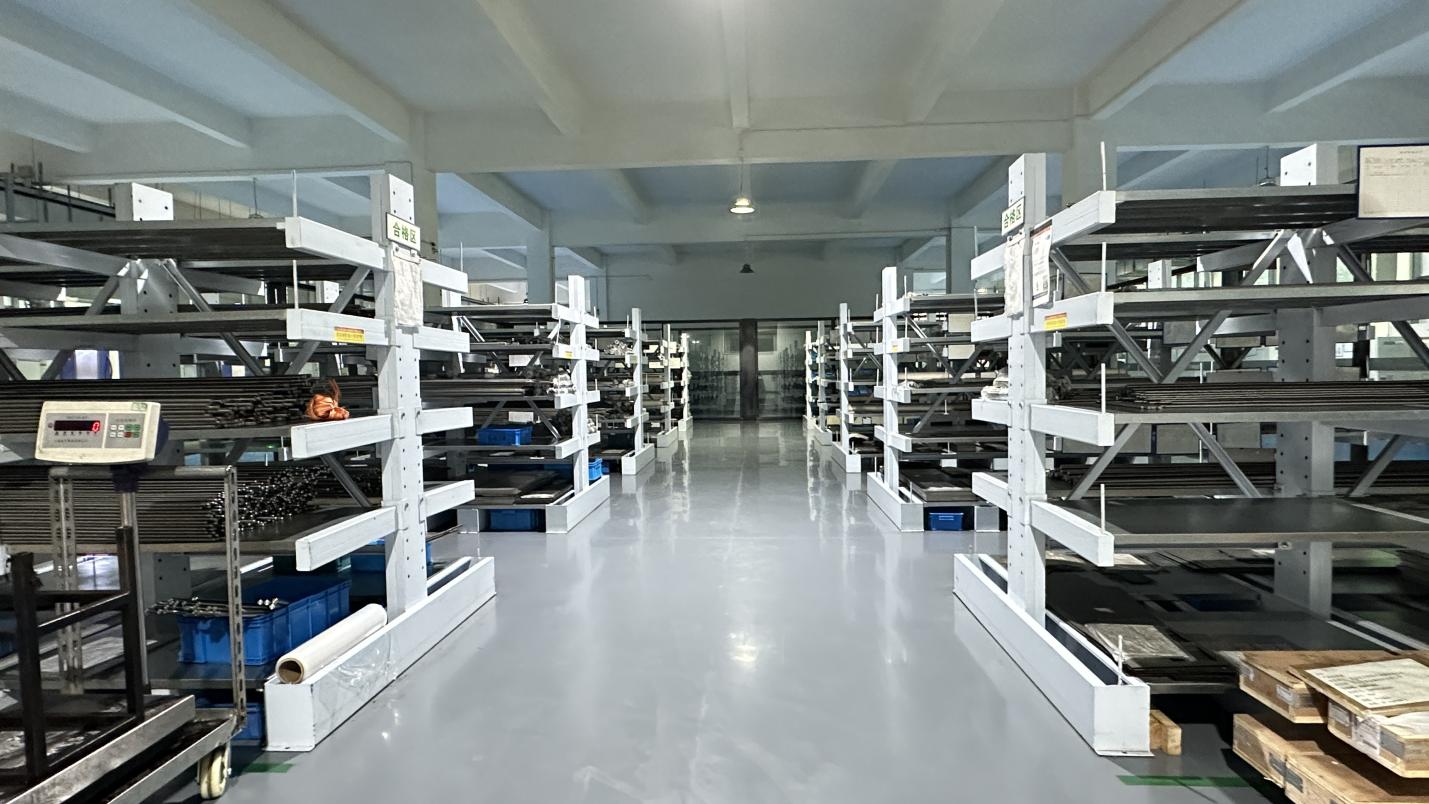
Since 2015, Bonevia Orthopedic Technology Co., Ltd. has developed into a high-precision manufacturer of osteosynthesis systems. Our manufacturing footprint combines a modern 320㎡ class-10,000 cleanroom-ready pilot facility with a comprehensive industrial ecosystem of over 850 verified supply chain partners. This allows us to scale manufacturing from specialized pediatric implants to large-scale joint reconstruction systems.
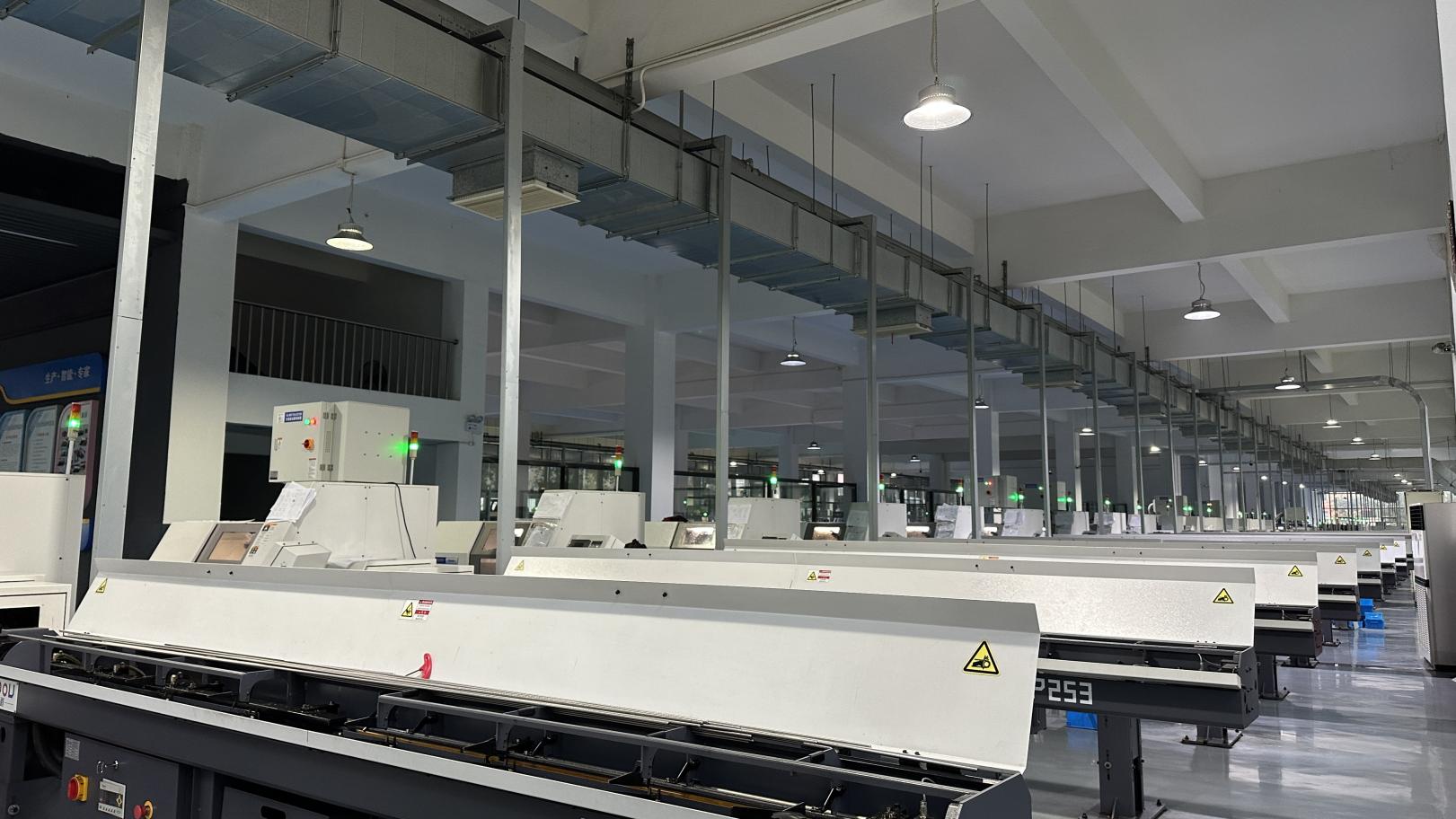
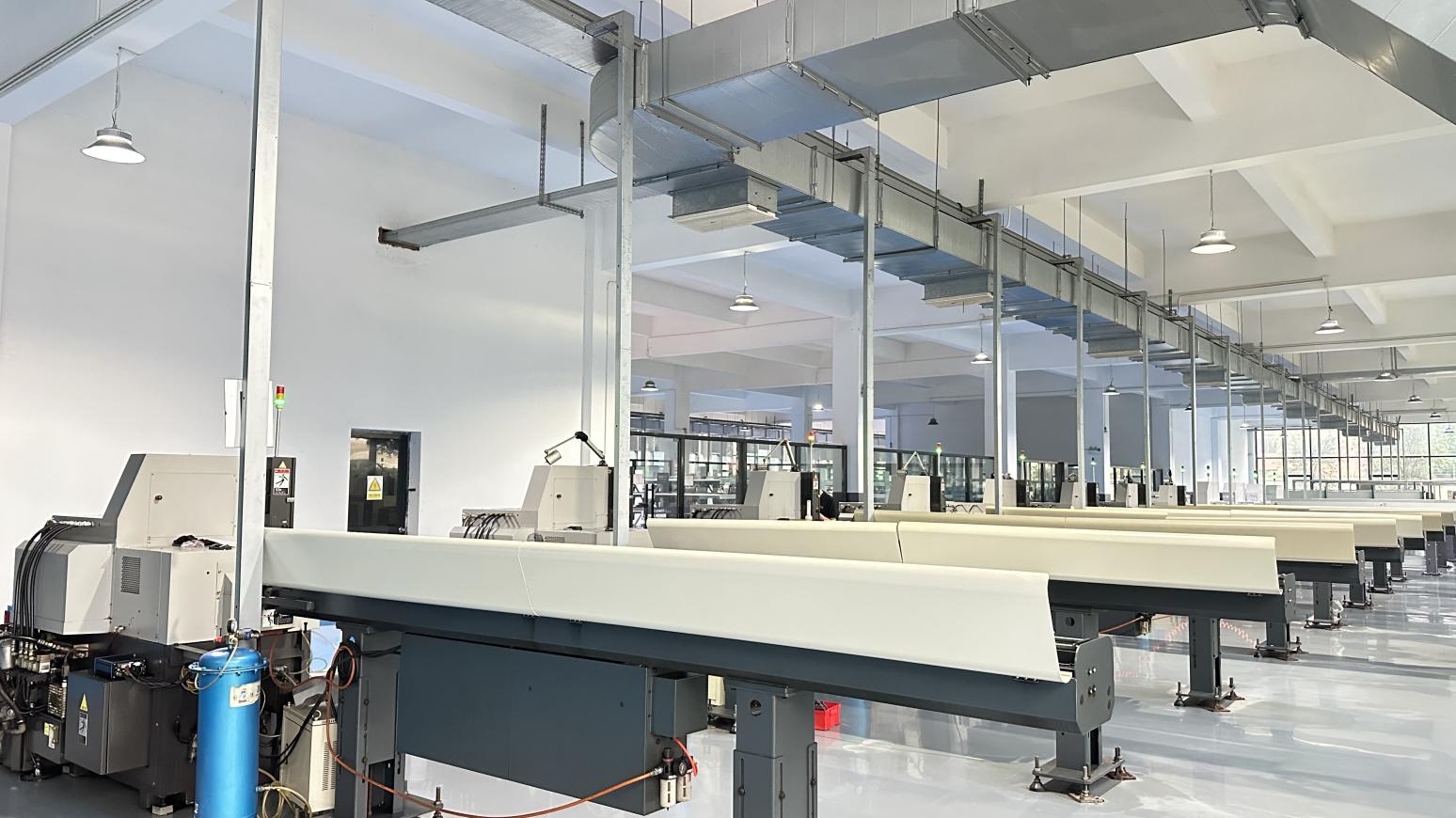
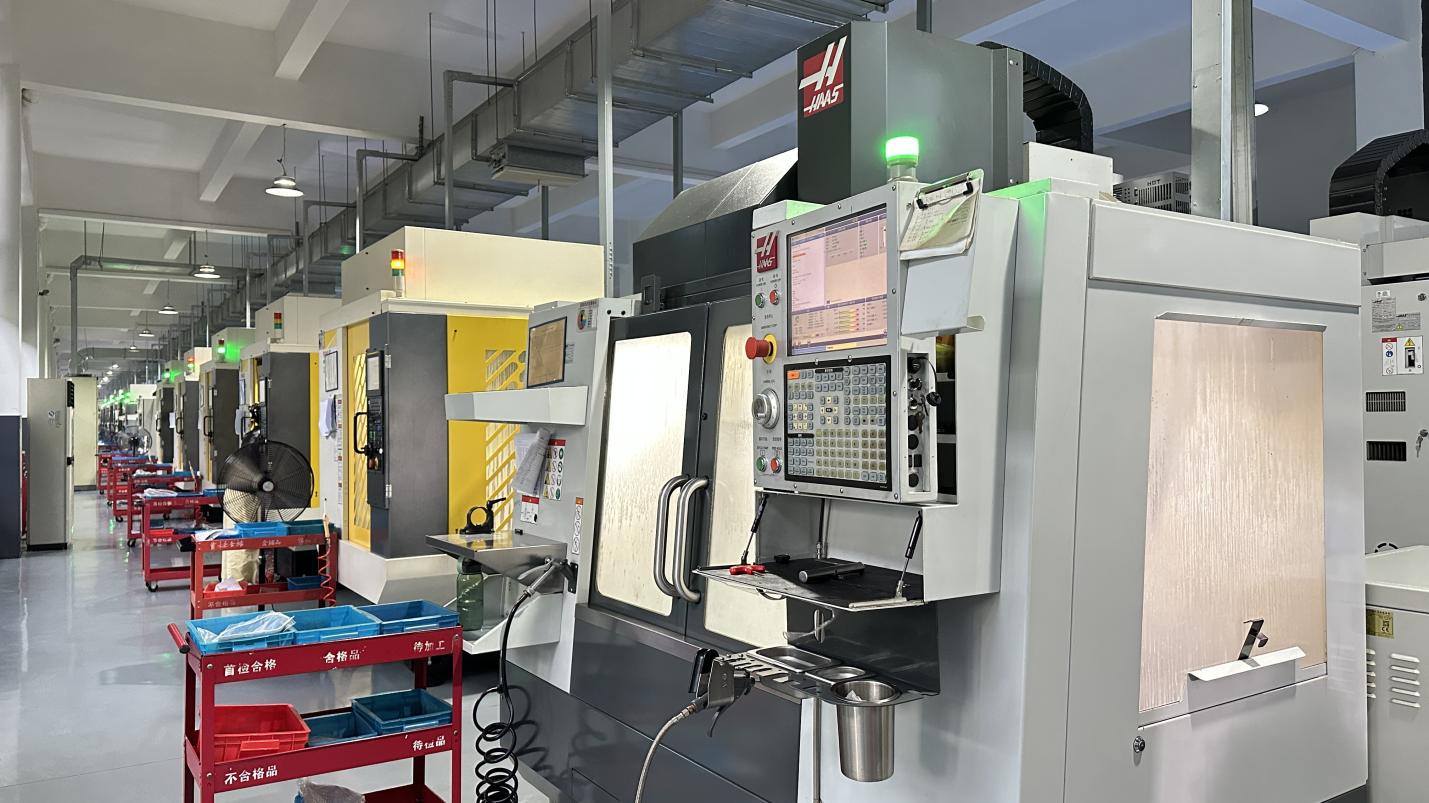
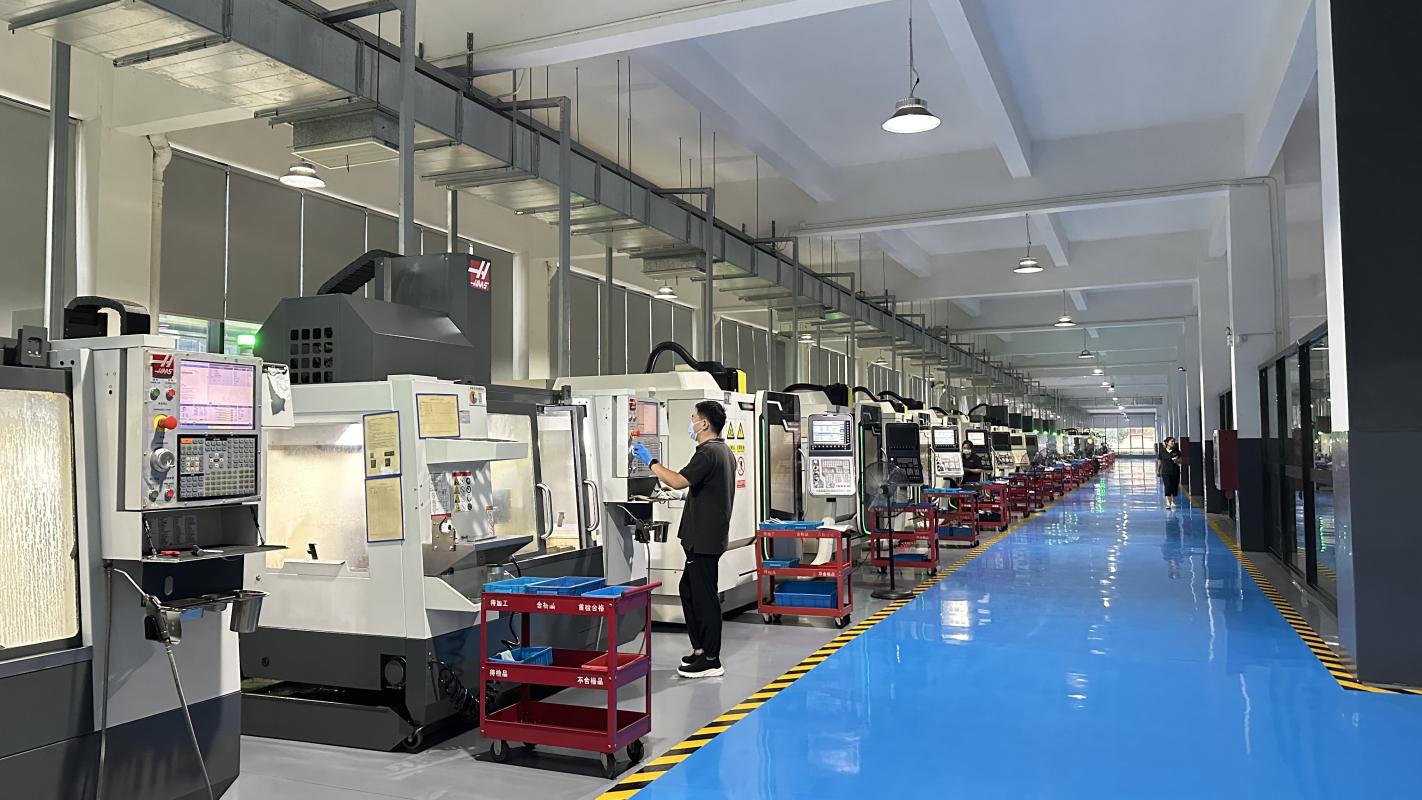
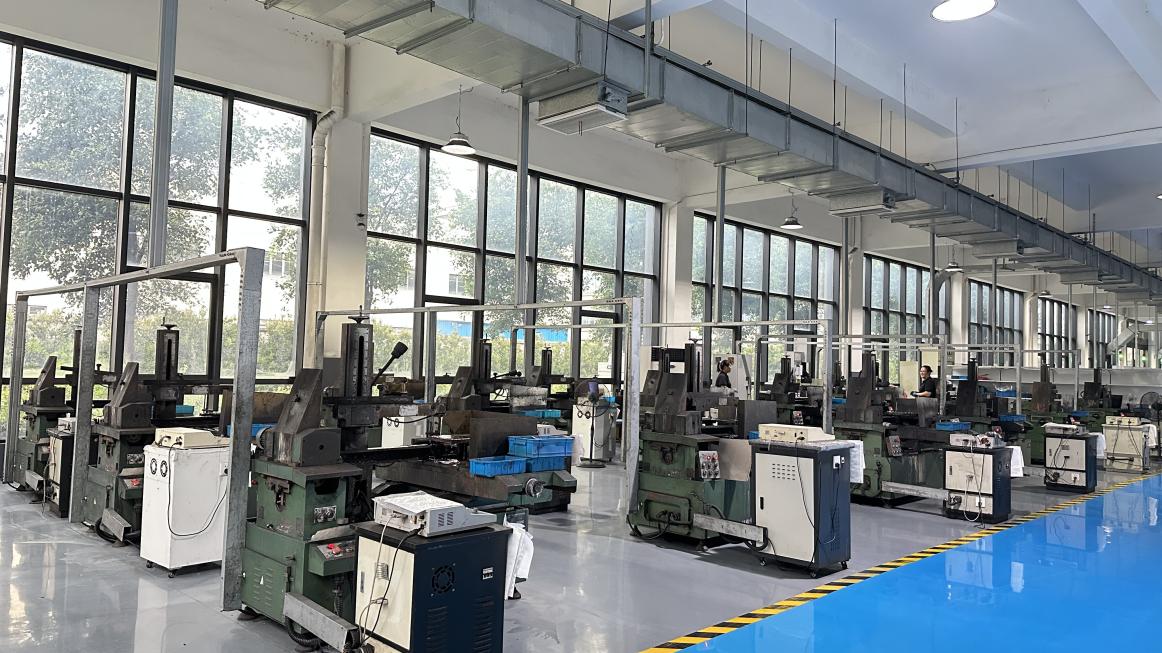
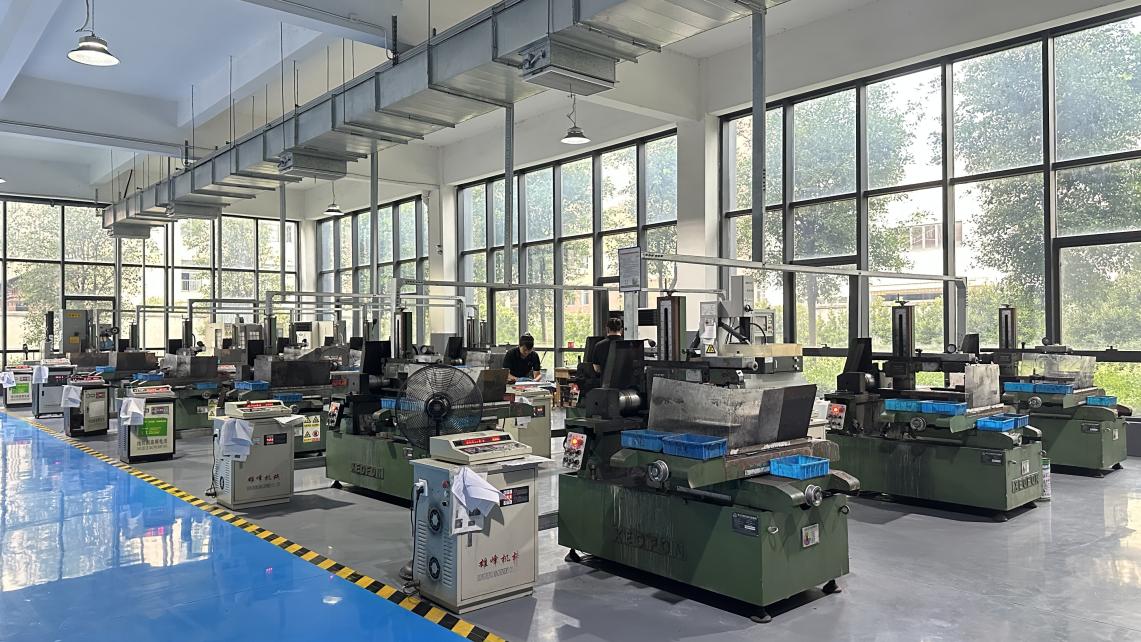
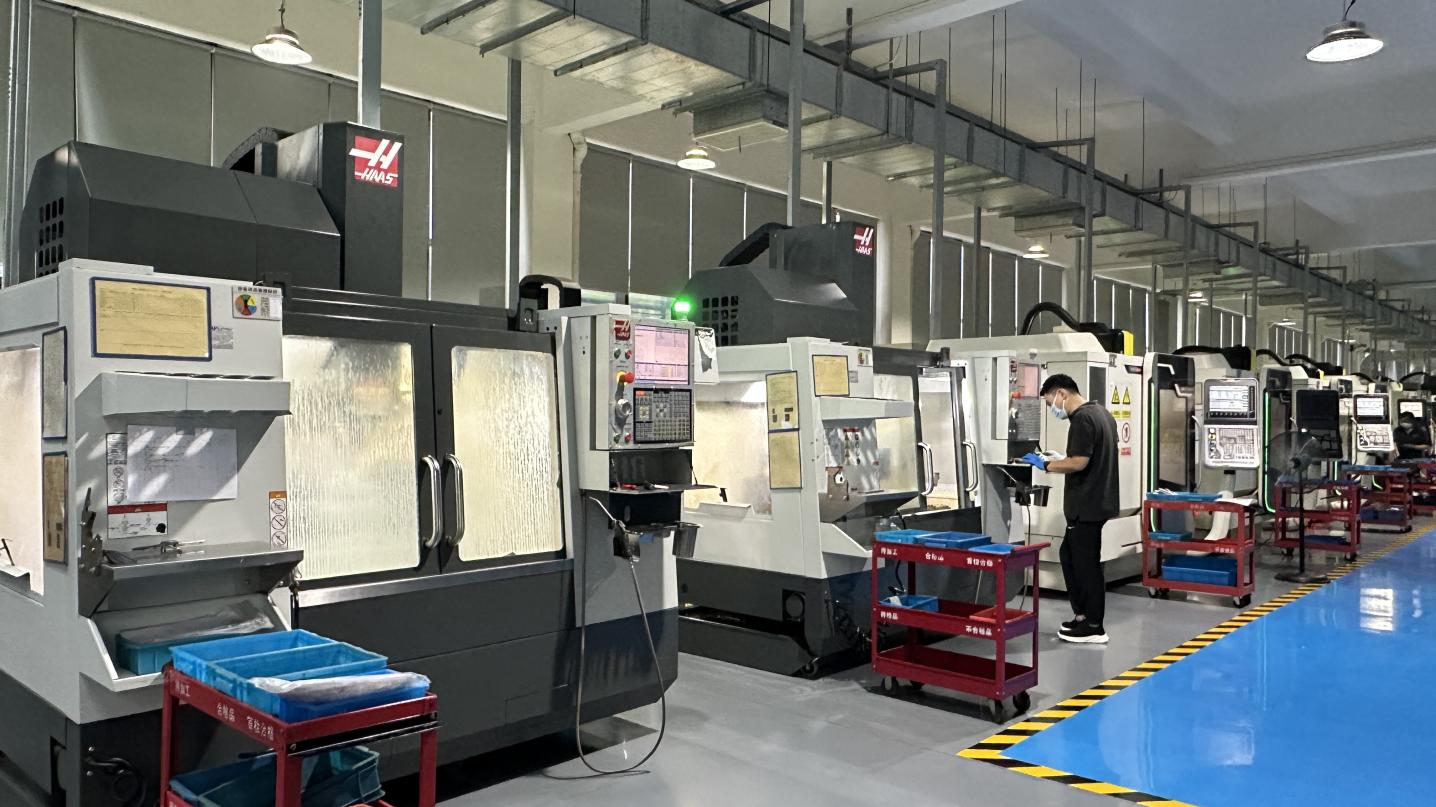
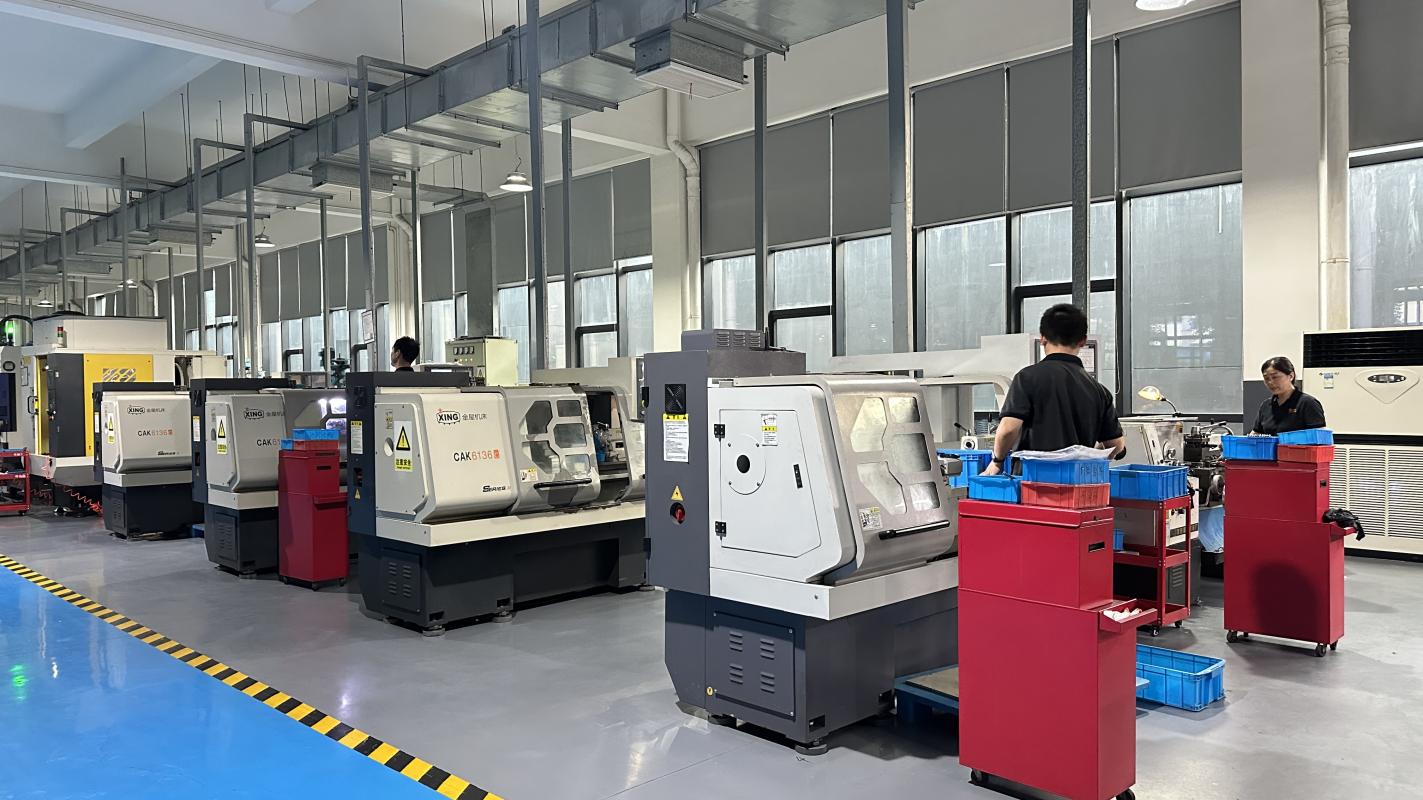
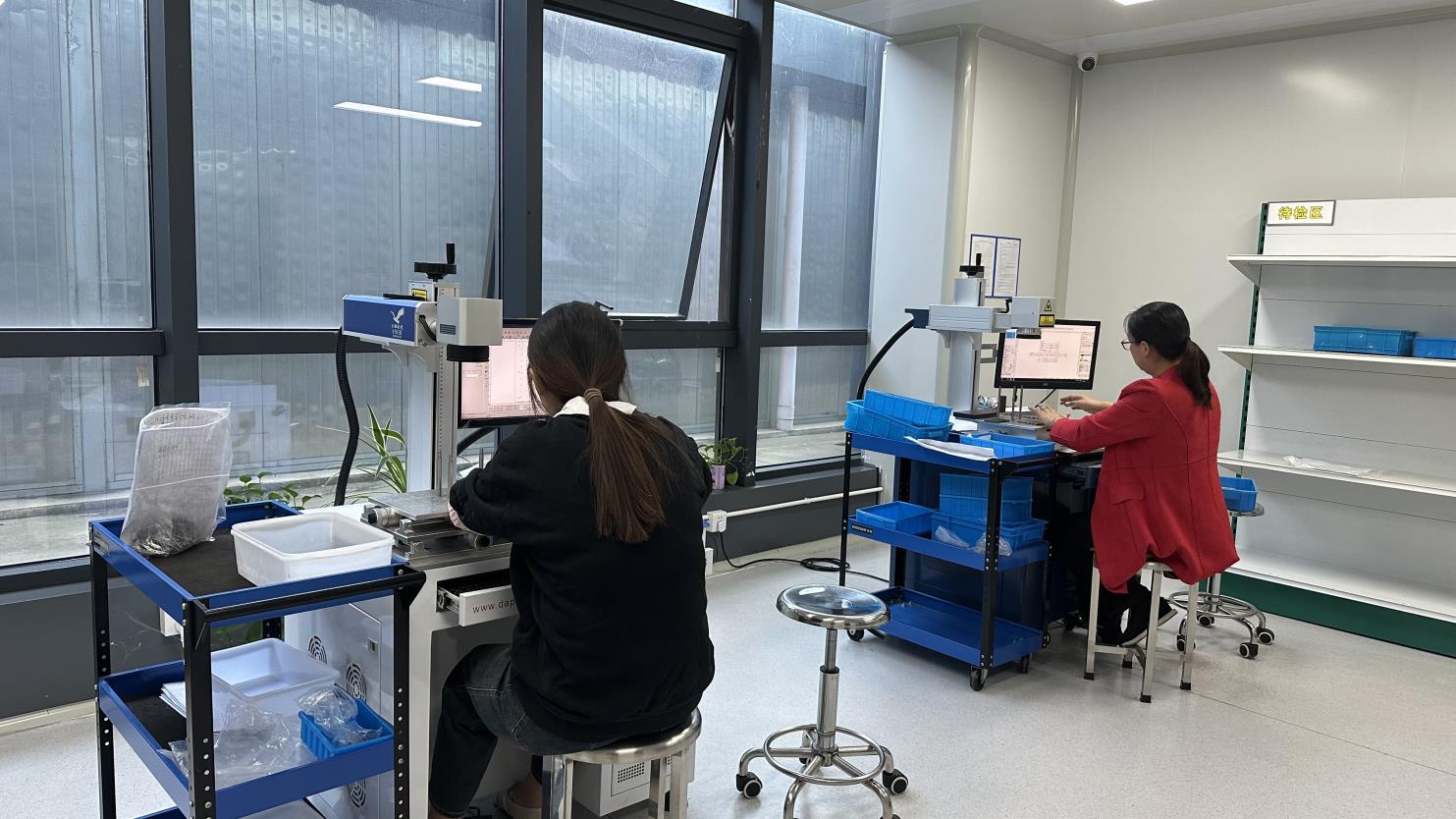
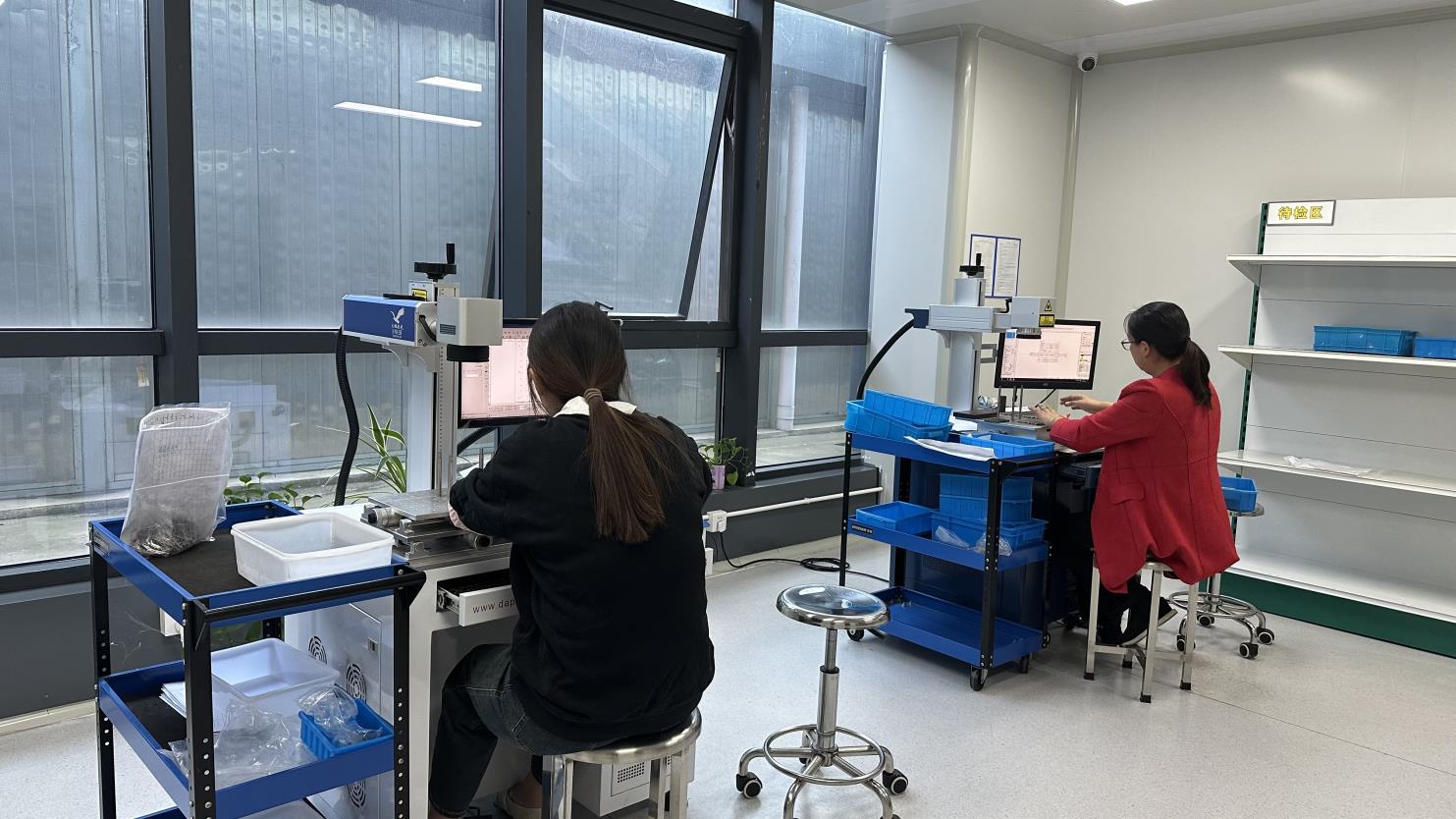
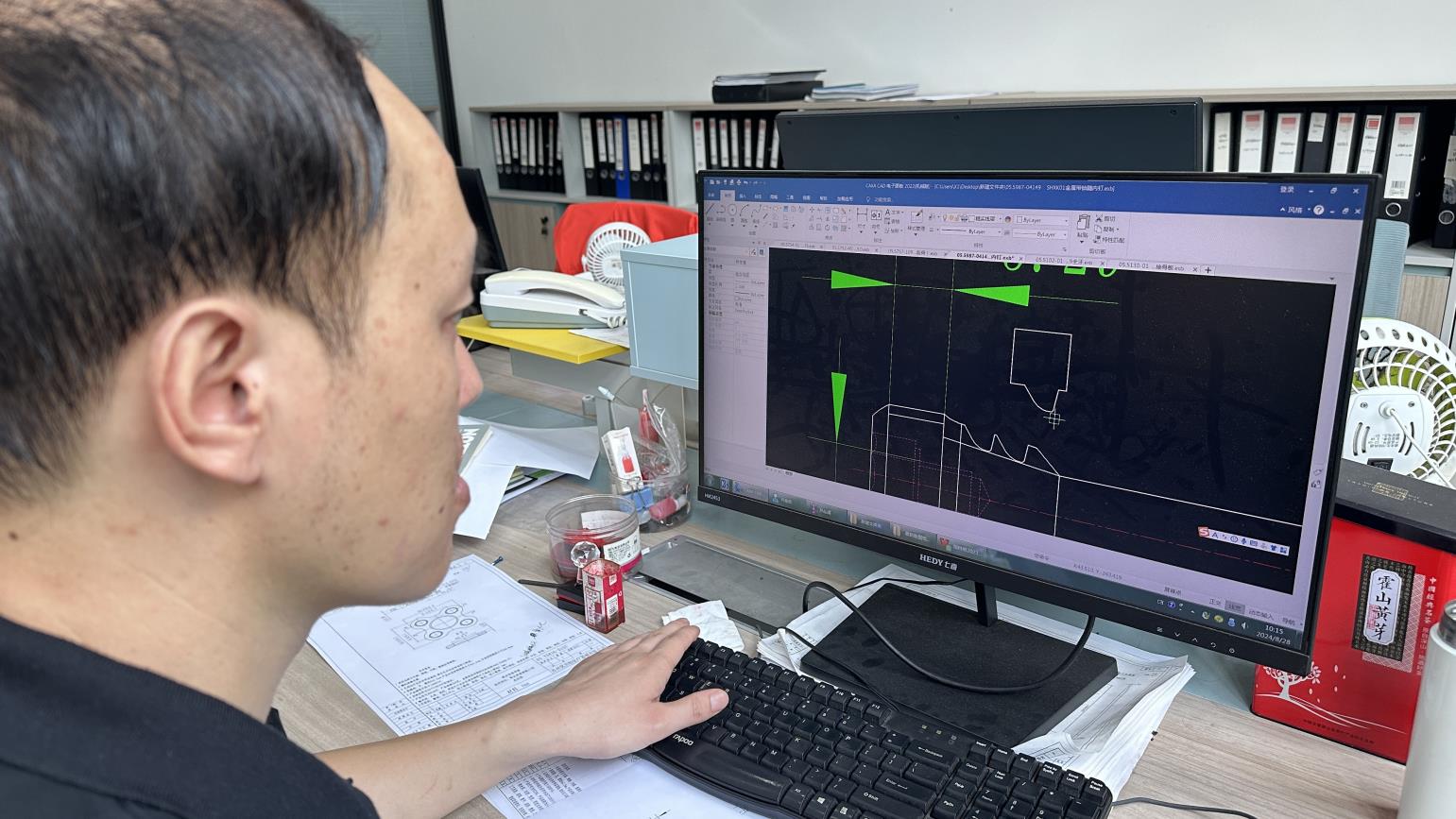
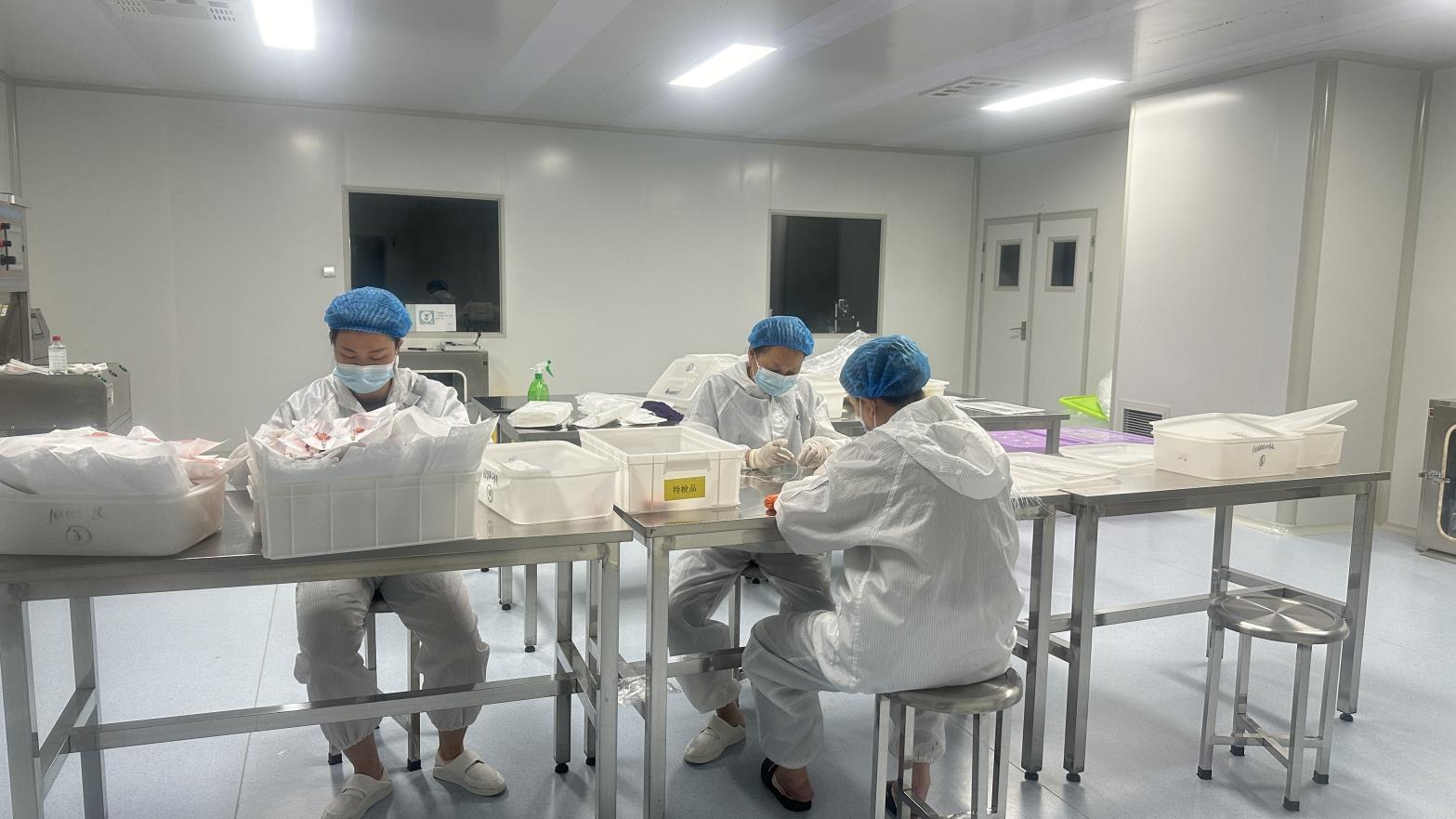
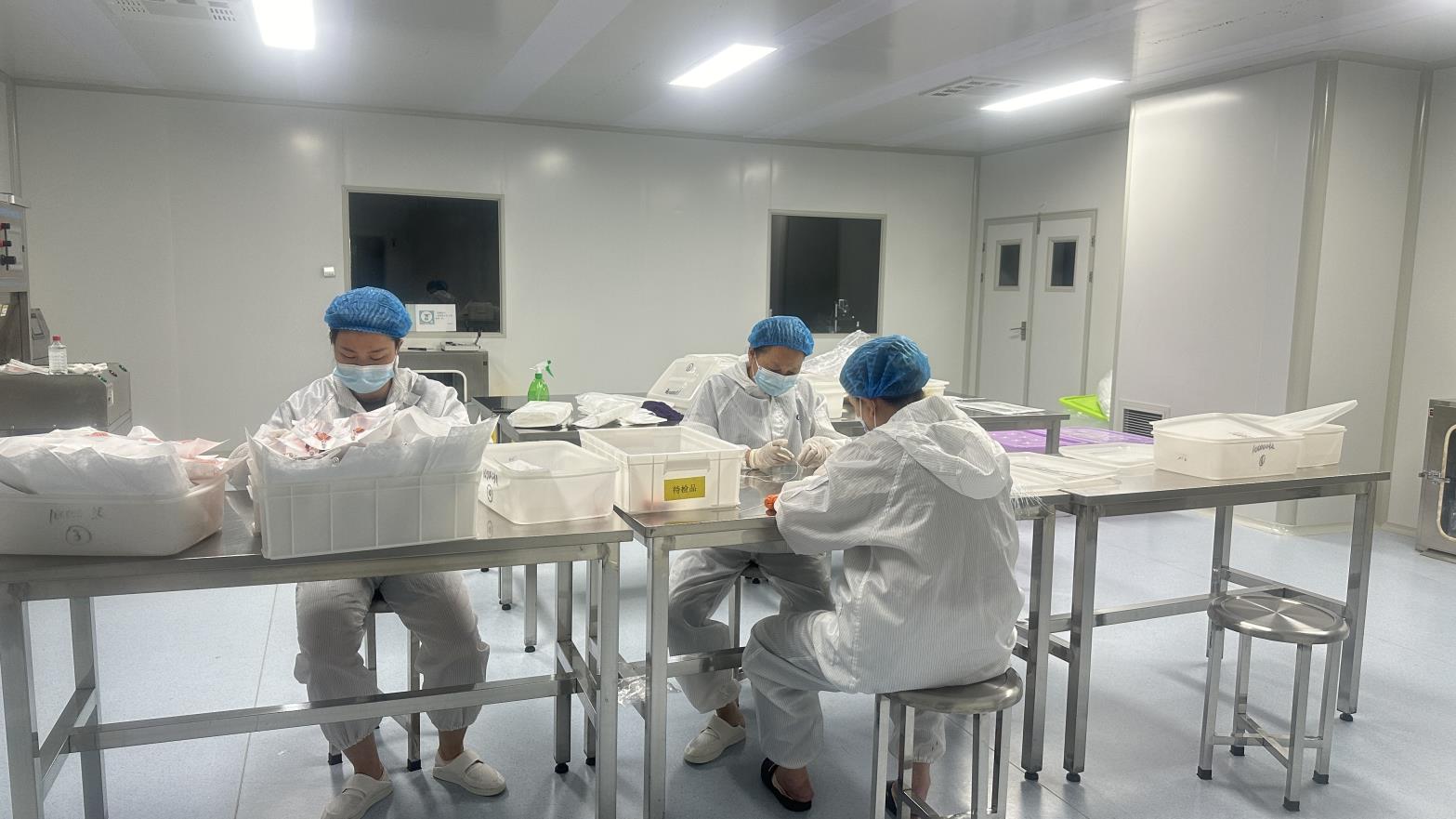
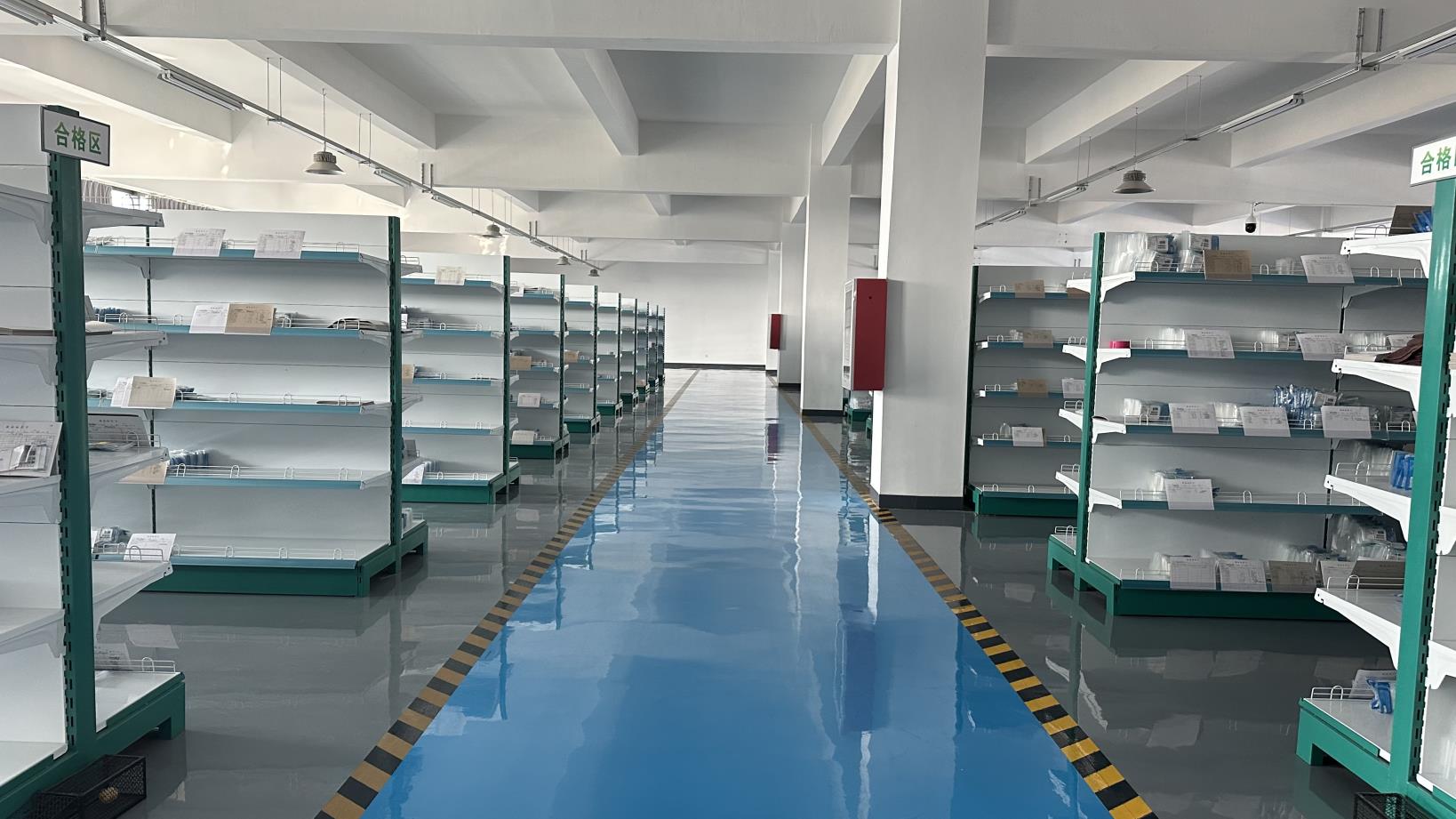
The manufacturing of pediatric implants requires advanced materials and tight tolerances. Utilizing the Chinese medical manufacturing ecosystem, Bonevia achieves high precision at competitive costs. Our raw materials are sourced from qualified suppliers of titanium alloys (ASTM F136 grade) and PEEK polymers (polyetheretherketone).
Our network of over 850 partners ensures access to specialized processes like chemical passivating, anodizing, sterile packaging, and raw material sourcing, reducing manufacturing bottlenecks.
Our 35-person quality control department performs incoming material inspections, in-process checking (first-article inspections), and final dimensional and surface testing using optical comparators and CMMs.
Supported by 85 R&D engineers, we developed 120 new designs last year. We configure implant geometries and thread pitches to meet regional anatomical preferences and regulatory requirements.
Regulatory compliance is key for Class IIb and Class III orthopedic implants entering international markets. Under the EU Medical Device Regulation (MDR 2017/745), pediatric implants undergo strict evaluation. Bonevia holds CE markings and ISO 13485 quality management certification to ensure compliance with European standards.
Our international regulatory support assists distributors with local registrations. We provide comprehensive documentation, including:
Bonevia products are designed for direct clinical application, matching standard instruments used in operating rooms worldwide. We address key clinical environments:
Our Pediatric Spinal Titanium Alloy Elastic Nails are used in closed reduction and internal fixation (CRIF) procedures for pediatric femur, tibia, and forearm fractures. The design allows insertion from a point remote from the physis, minimizing the risk of growth disturbance.
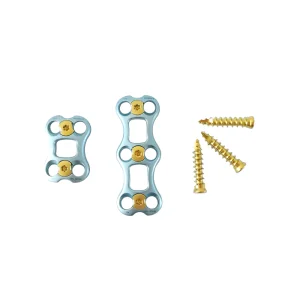
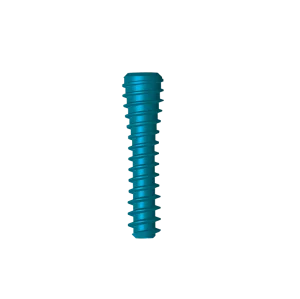
For osteotomies and correction of limb discrepancies (such as Blount's disease, clubfoot anomalies, and hip dysplasia), our Cannulated Screw Systems and small-fragment fixation kits provide stable compression and fixation in cancellous bone structures.
The pediatric orthopedic industry is moving toward personalized treatments and bioabsorbable materials. Key trends include: