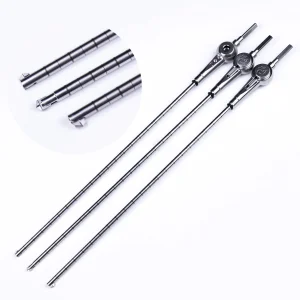
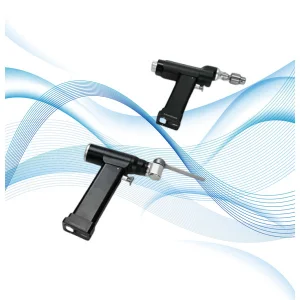
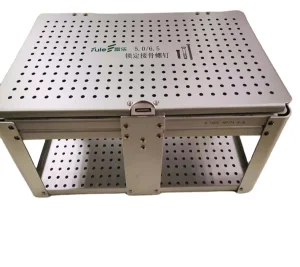
Bonevia
Bonevia
Bonevia
Explore our CE certified trauma fixations, spinal implants, and customized clinical sets engineered to restore skeletal architecture and clinical stability.
An authoritative clinical and mechanical breakdown of external fixation protocols in critical pelvic rings disruptions.
Pelvic ring disruptions—typically classified under the Tile Classification System (A, B, and C) or the Young-Burgess Classification System (Lateral Compression, Anterior-Posterior Compression, and Vertical Shear)—are among the most life-threatening orthopedic trauma emergencies. The rapid expansion of pelvic volume due to retroperitoneal hematomas and venous plexus hemorrhages requires instantaneous biomechanical stabilization to compress the pelvic volume, control internal bleeding, and provide a stable construct for fracture alignment.
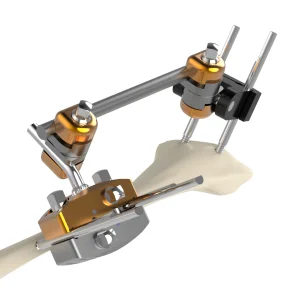
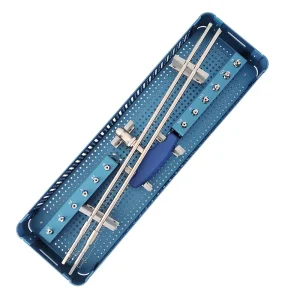
Pelvic External Fixation acts as a definitive bridge or immediate life-saving procedure. By inserting Schanz screws into the supra-acetabular region or the iliac crests and connecting them to external carbon fiber rods via robust universal clamps, surgeons can significantly decrease pelvic volume, reduce pain, and prevent further neurological and vascular damage. As an expert factory, Bonevia Orthopedic engineers solutions that prioritize rotational and translational stability, offering clinicians optimal control under stressful emergency room conditions.
High-tier external fixators must exhibit an intricate balance of structural rigidity, biocompatibility, and radiolucency. Our manufacturing protocol utilizes biocompatible Ti-6Al-4V ELI (Grade 5 Titanium) for the skeletal-contact Schanz pins, coupled with ultra-lightweight, radiolucent carbon fiber rods. This ensures that the surgeon can perform subsequent post-operative radiological examinations, CT scans, and MRI procedures without severe artifact interference, while maintaining structural alignment under continuous dynamic loads.
Bonevia Orthopedic Technology Co., Ltd. (Est. 2015) — Global leaders in clinical-grade trauma and spine systems.
Based in China, Bonevia Orthopedic Technology Co., Ltd. is a professional manufacturer specializing in orthopedic implants and surgical solutions, dedicated to advancing innovation in trauma, spine, and joint reconstruction products. With a modern production facility covering approximately 320㎡ (complemented by lean manufacturing cell layouts), Bonevia maintains strict quality management standards and efficient manufacturing processes.
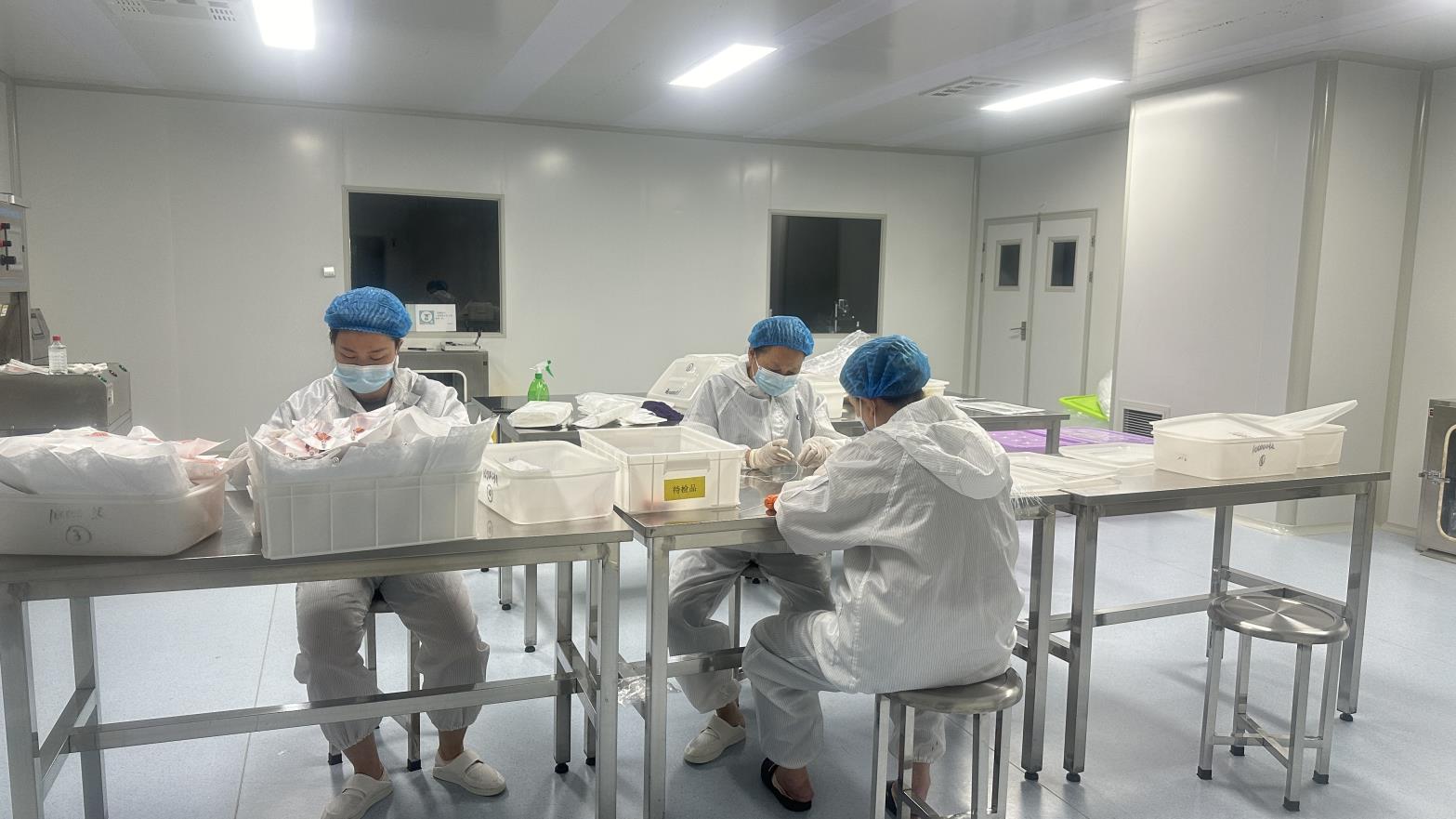
Our quality assurance is powered by a dedicated quality team of 35 professionals executing a triple-layer quality check: Incoming Material Inspection, In-Process Quality Control (IPQC), and Final Product Testing. Supported by 6 years of direct export experience and a vast network of over 850 supply chain partners, we ensure stable raw material sourcing, rapid regulatory support, and seamless delivery protocols to Europe, Southeast Asia, the Middle East, and South America.
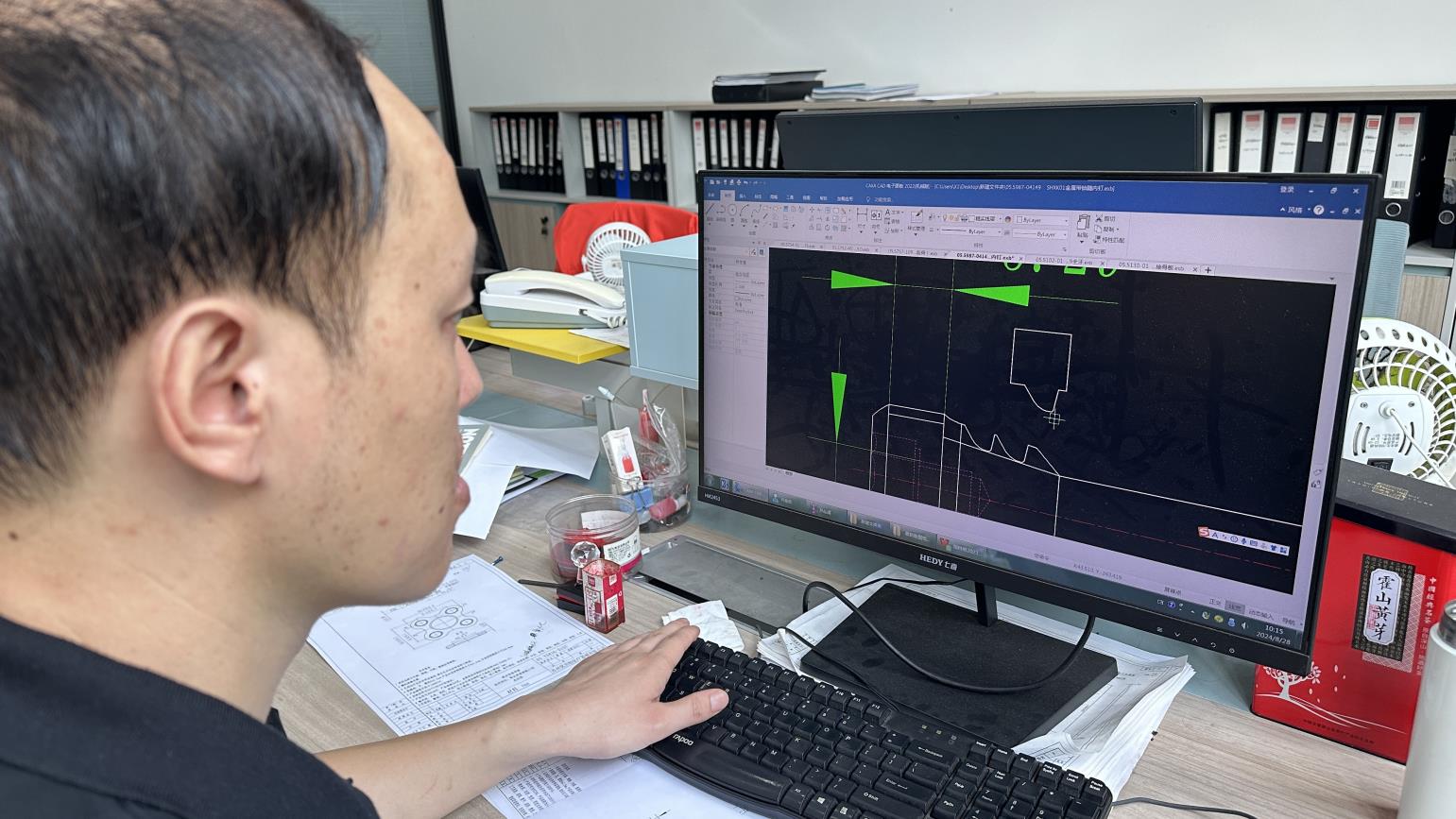
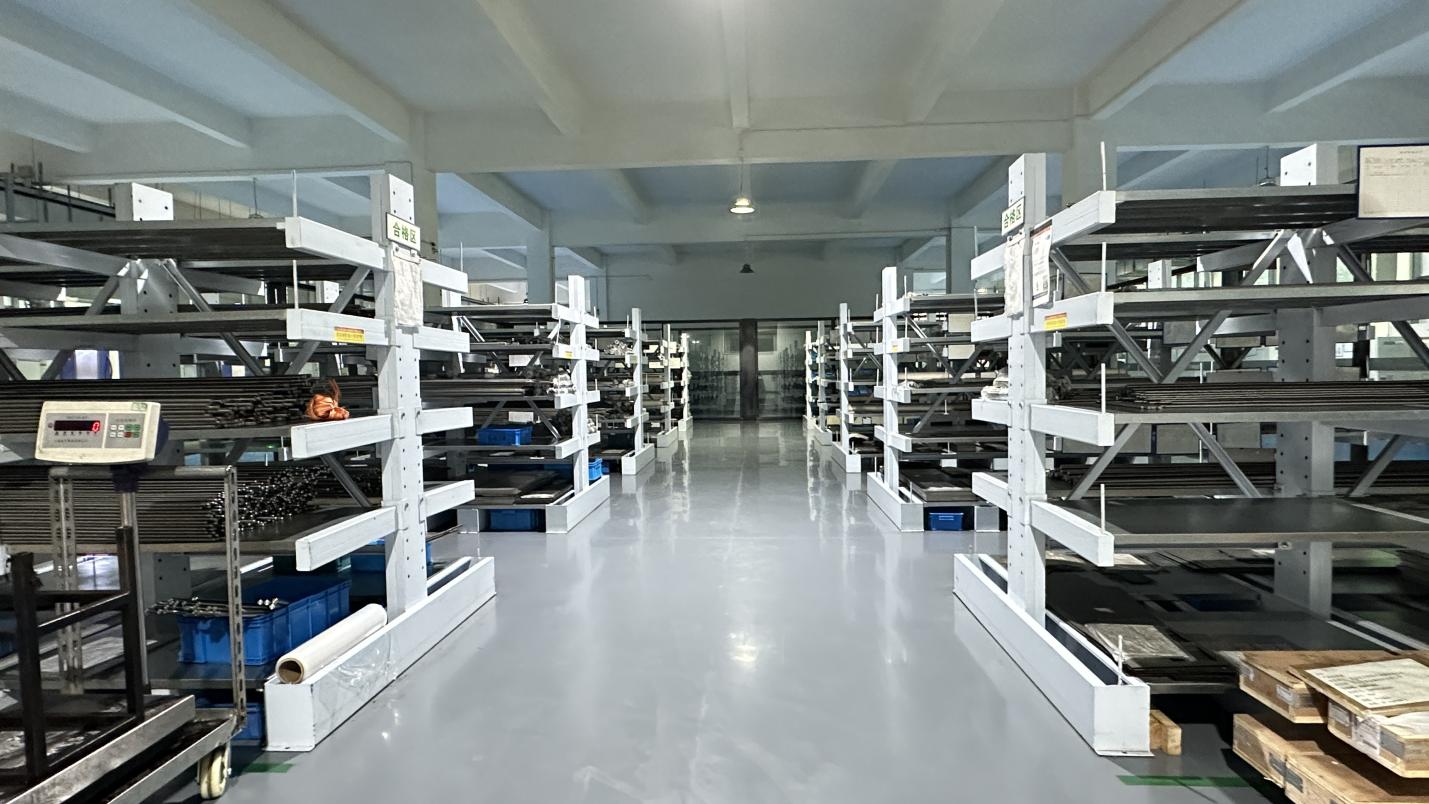
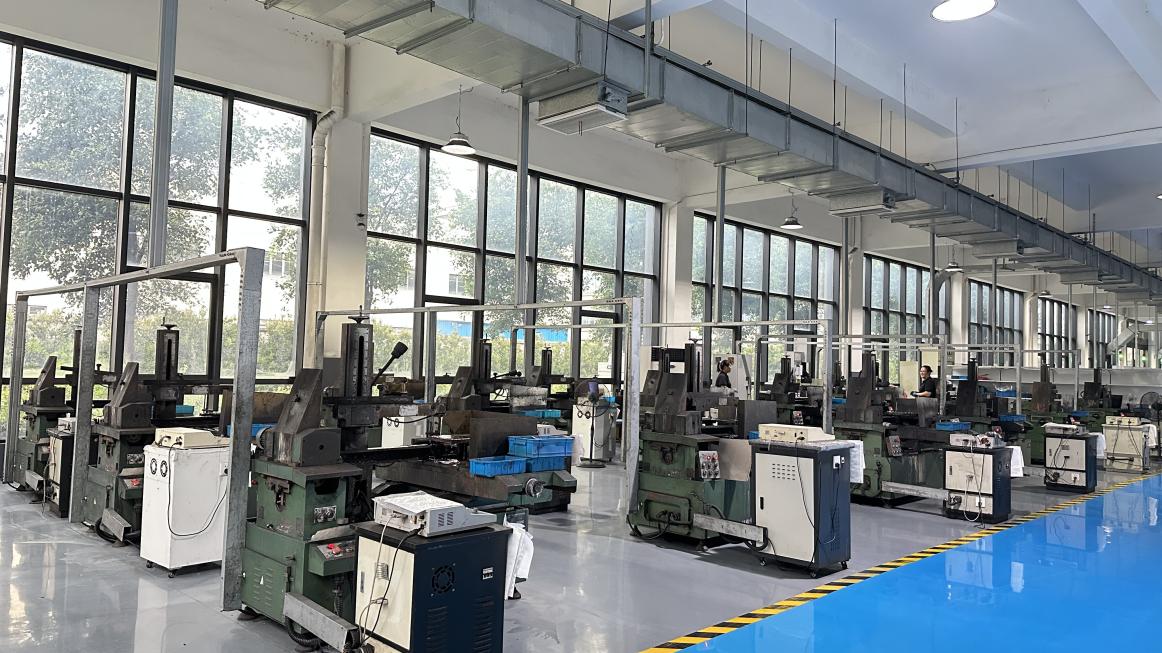
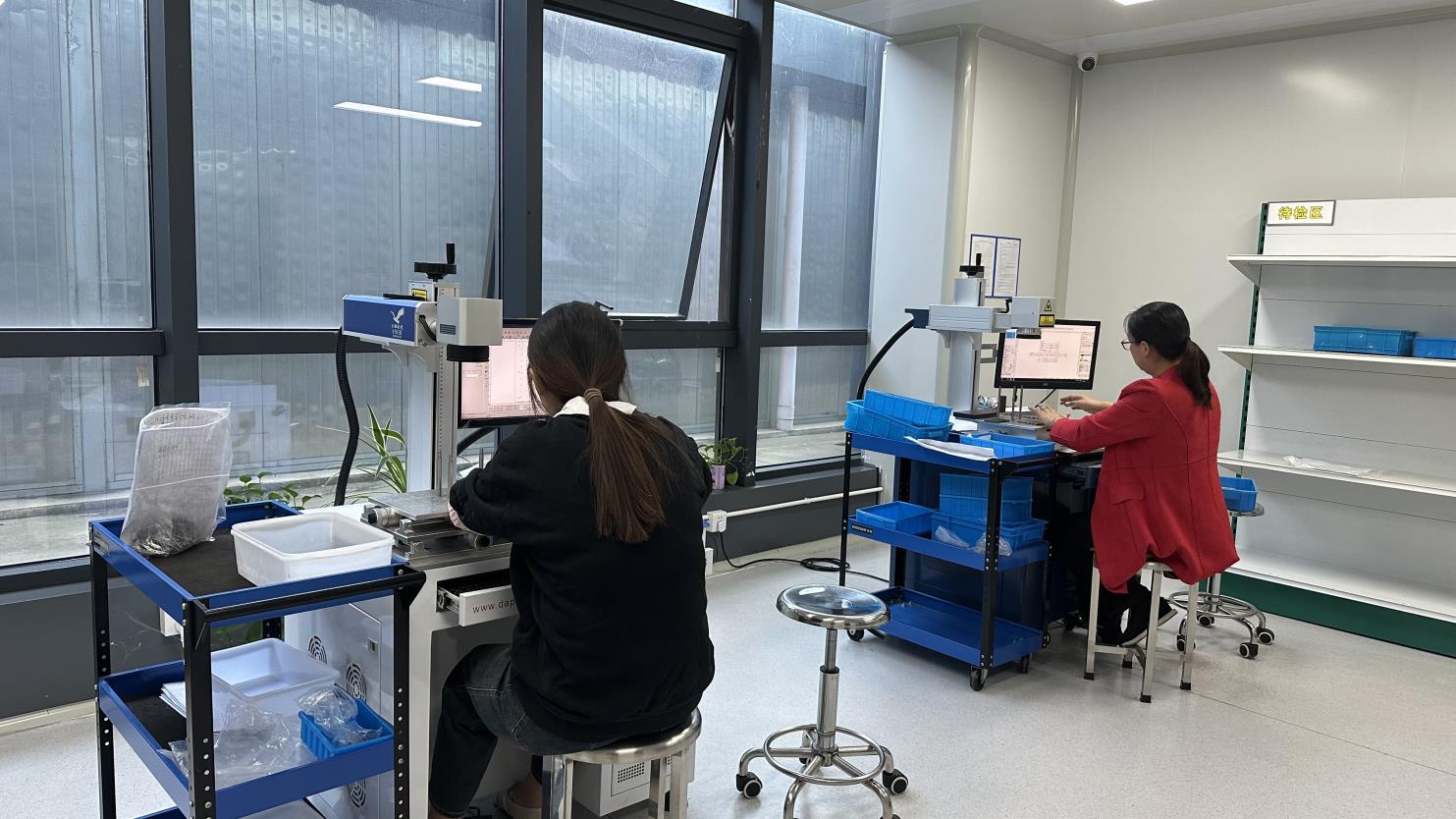
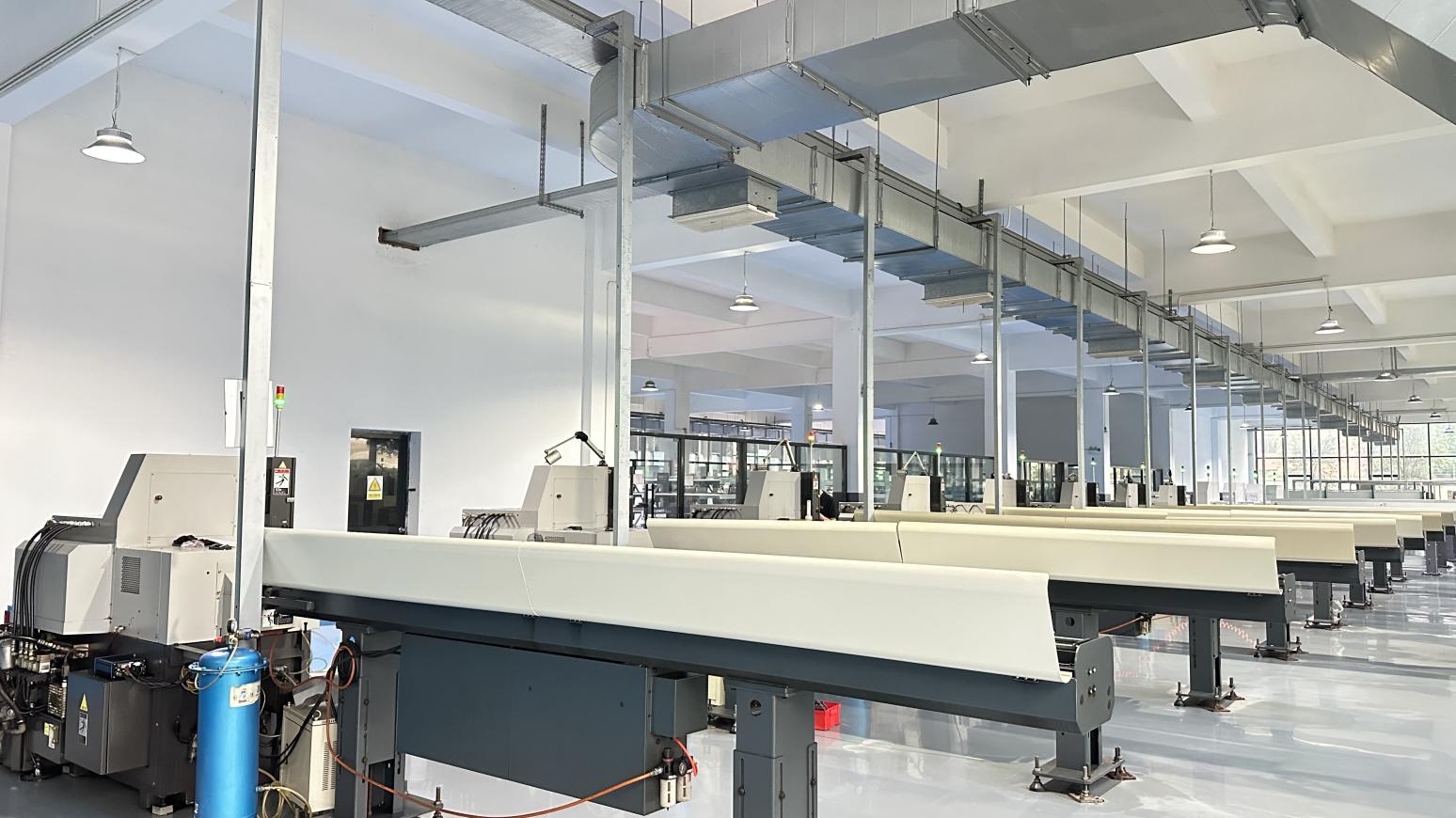
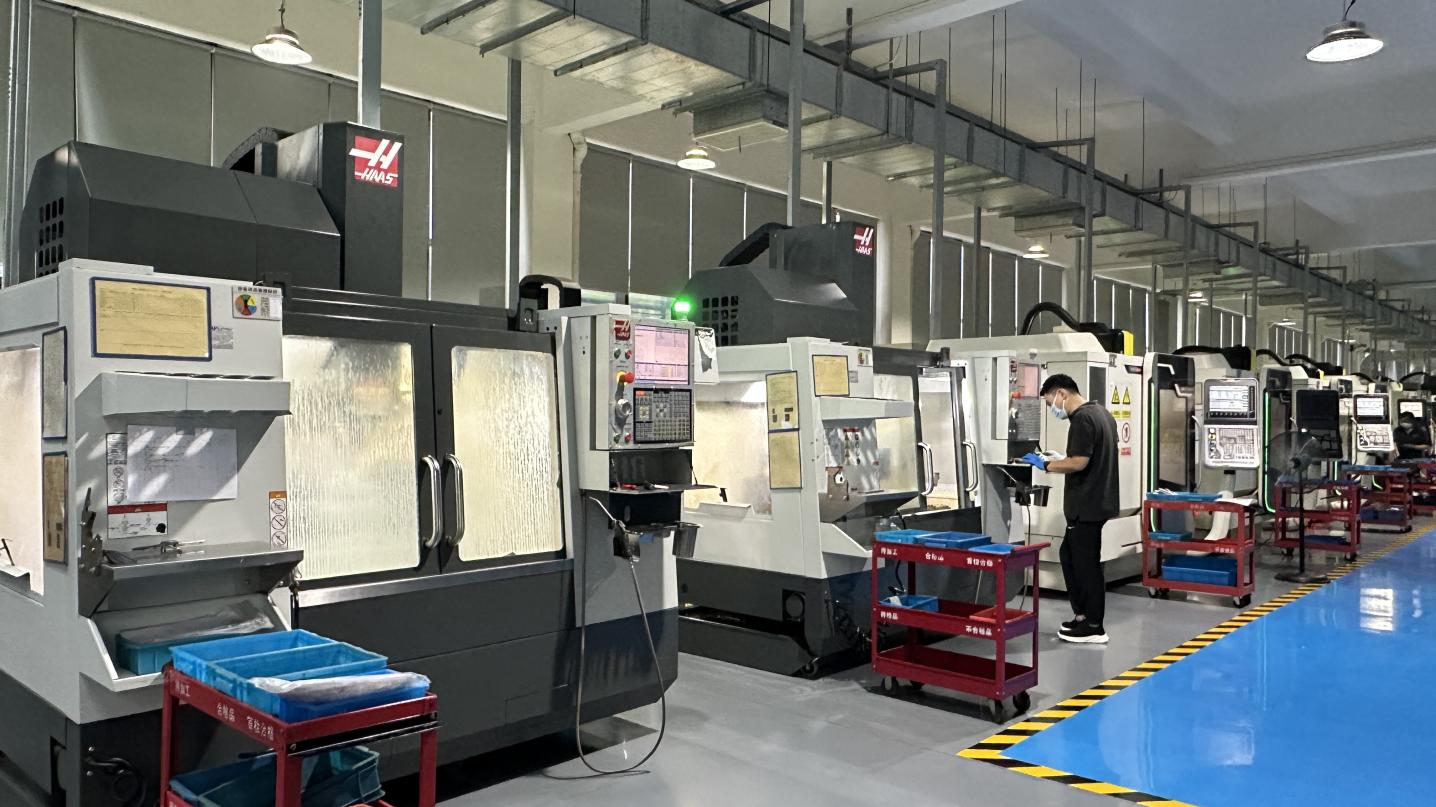
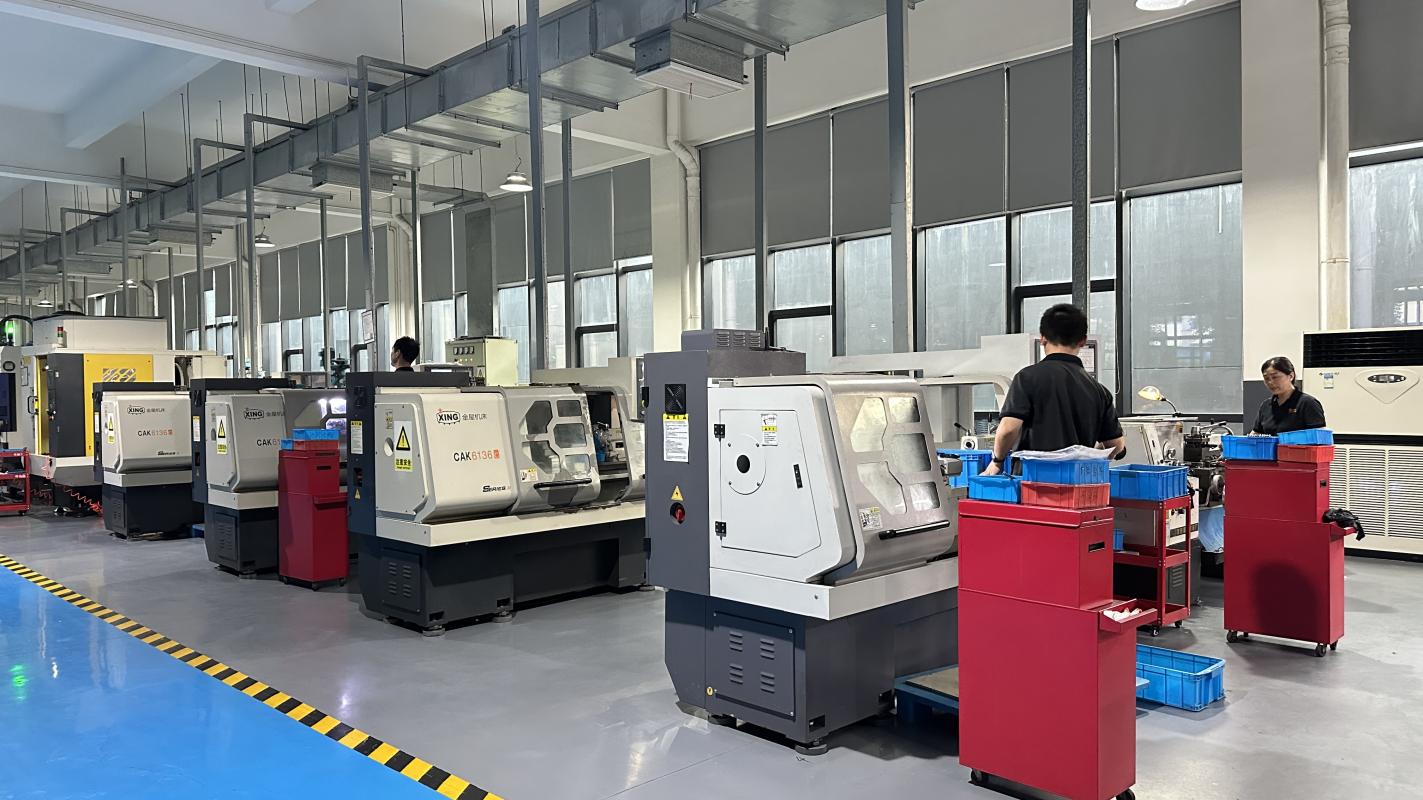
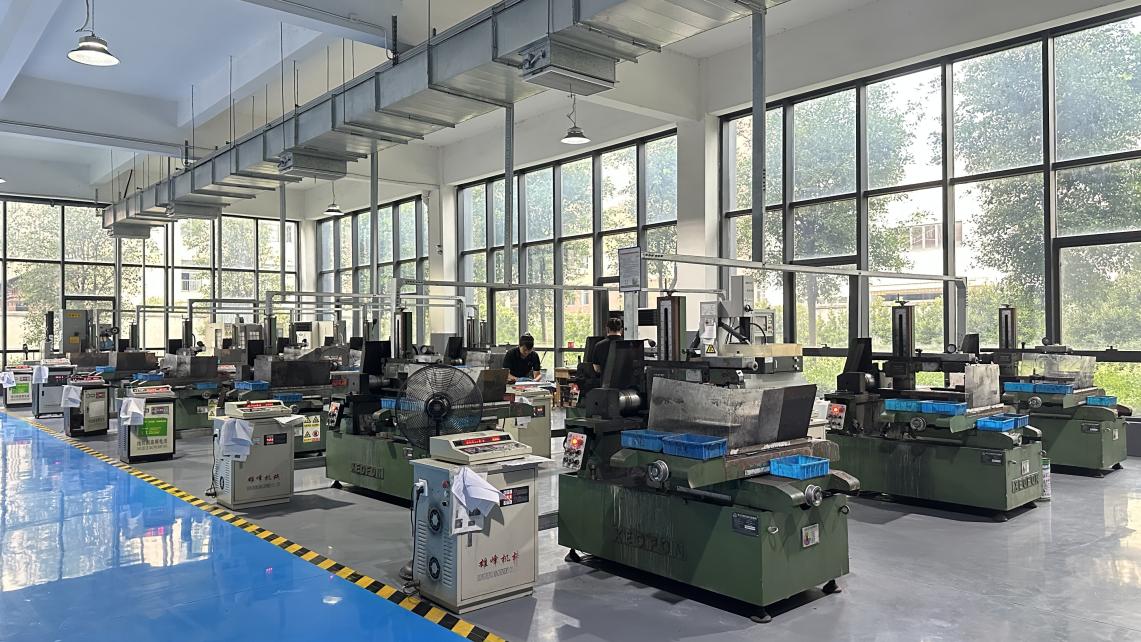
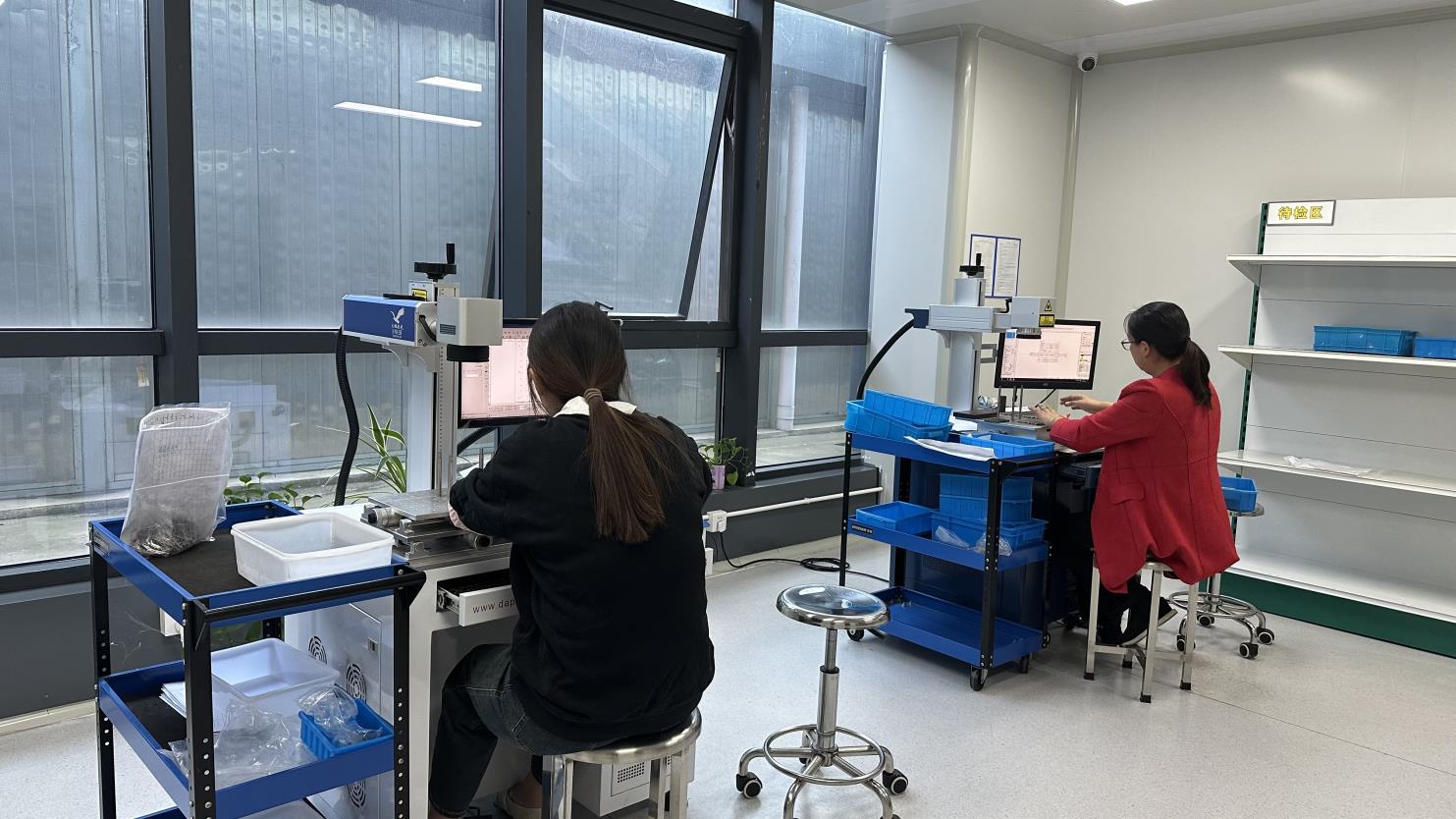
Inside our state-of-the-art facility: How we maintain micrometric precision for external pelvic fixators.
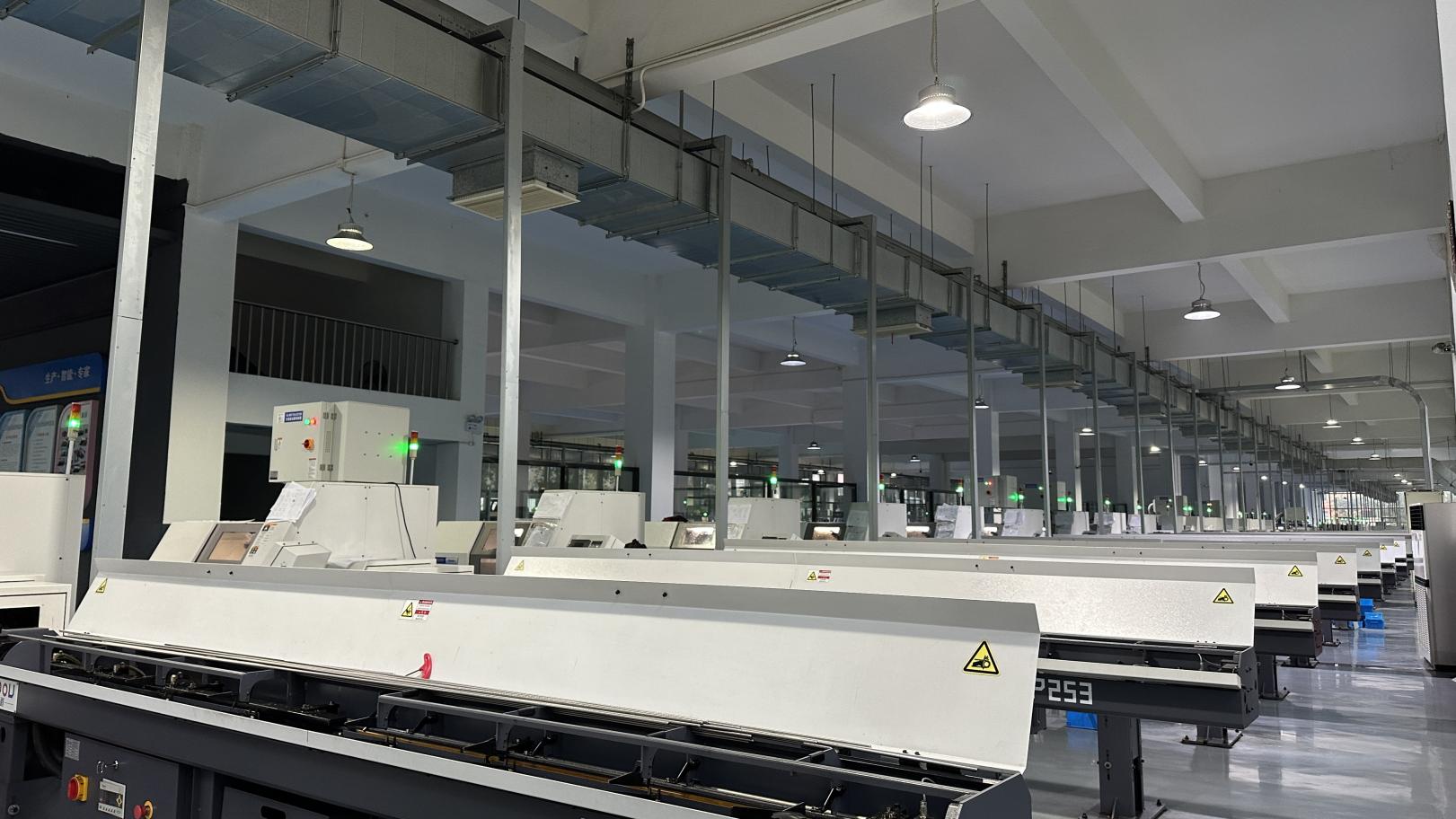
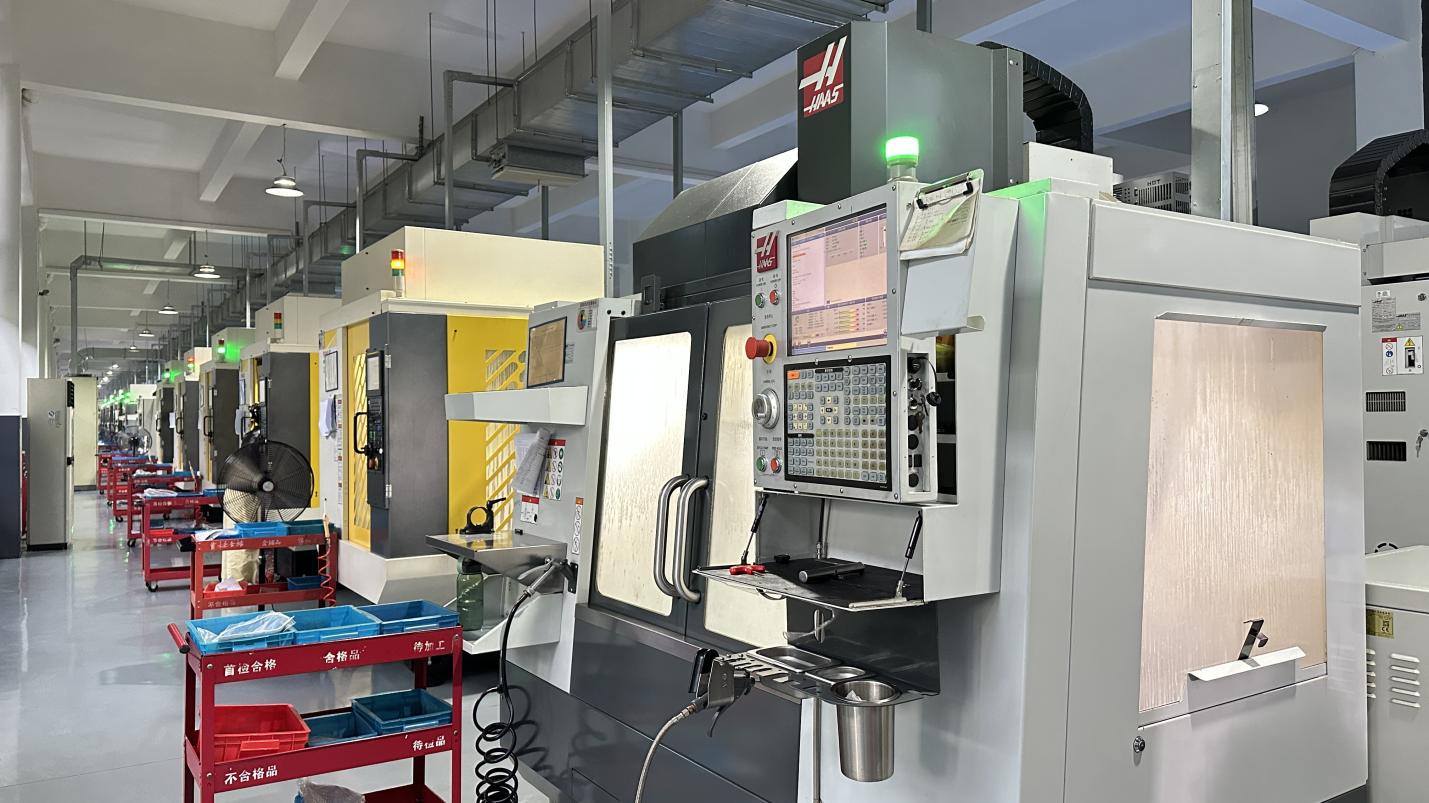
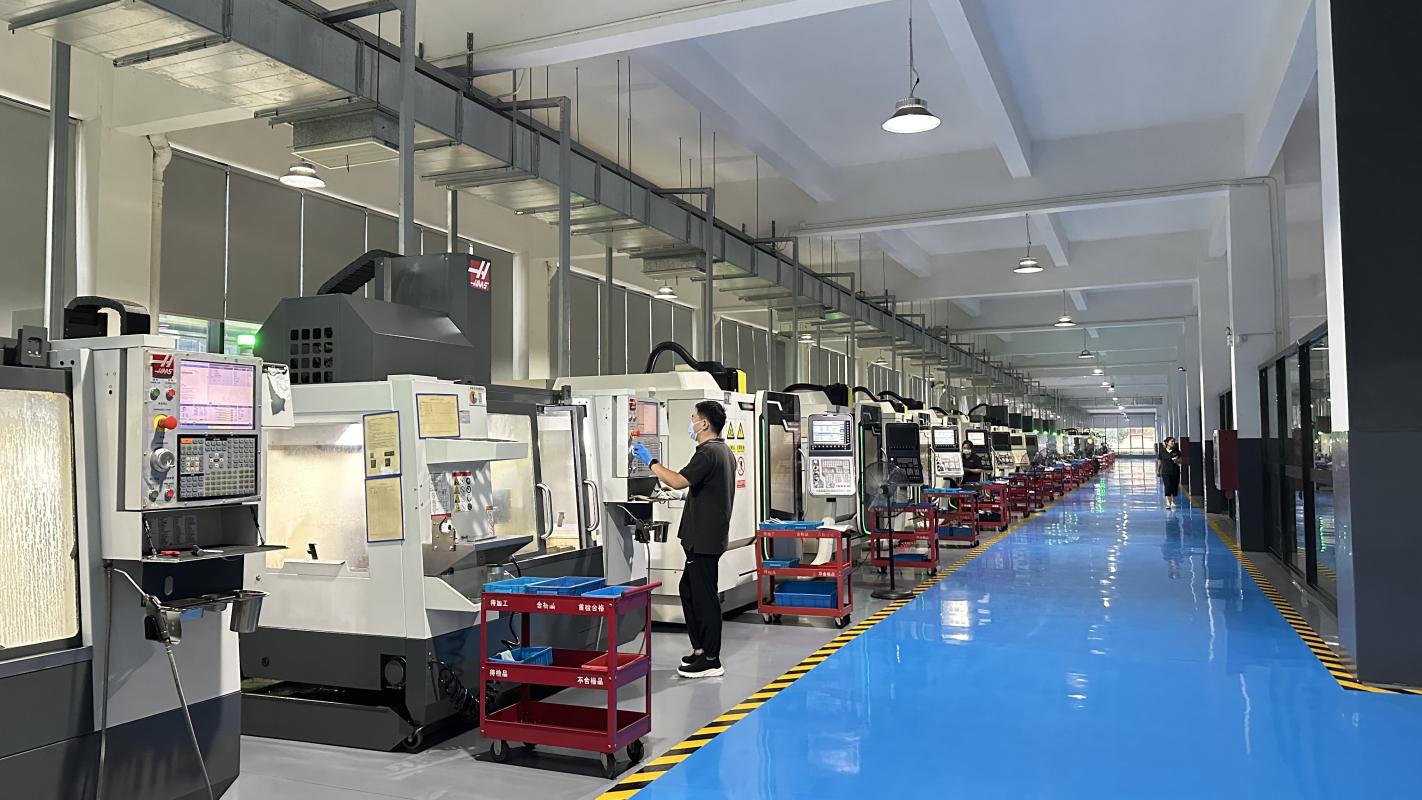

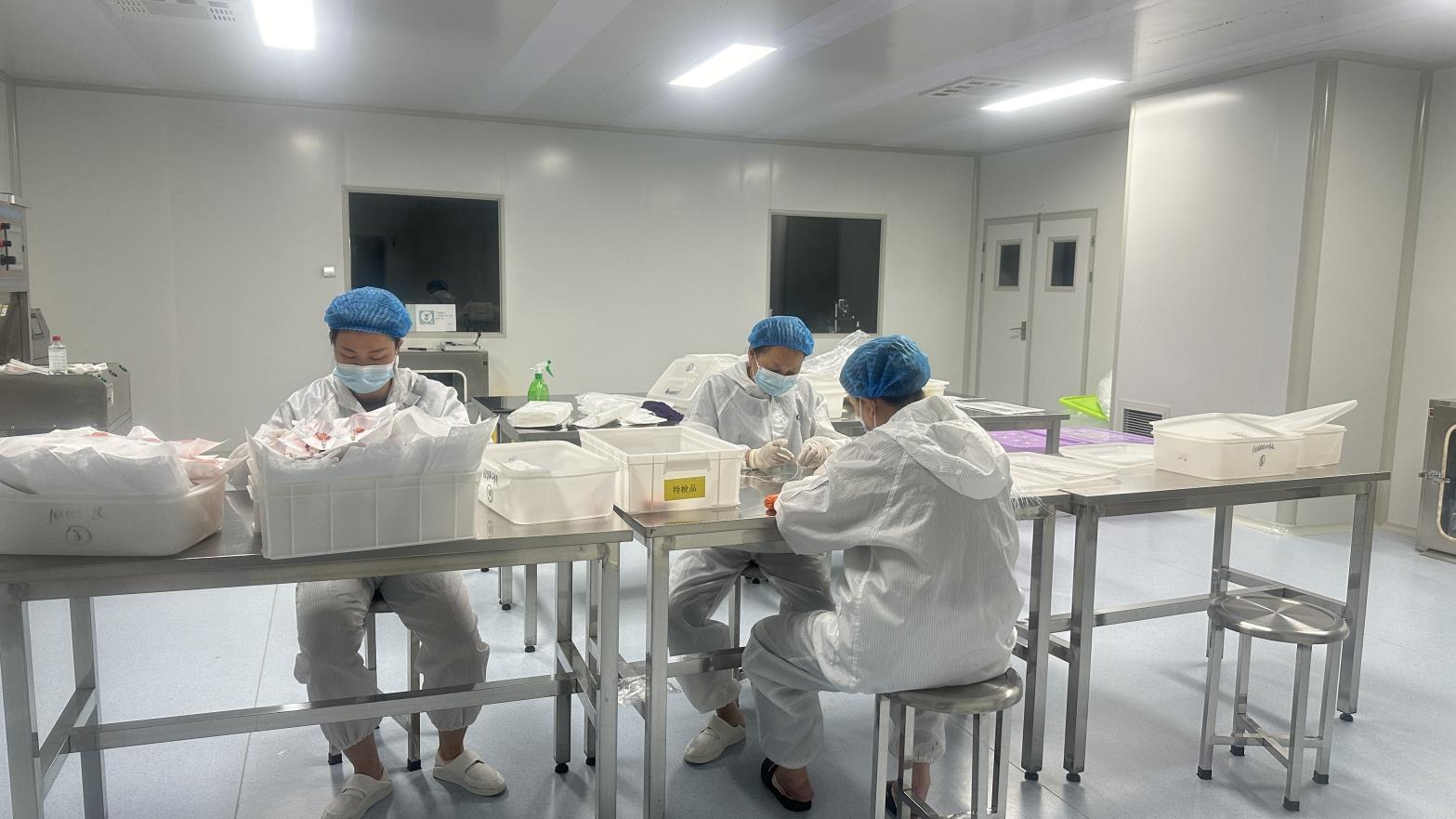
Why leading international medical brands partner with China-based orthopedic experts for their critical supply chains.
By leveraging an active ecosystem of over 850 strategic partners, Bonevia has secure access to high-purity medical-grade titanium alloys and carbon fibers. This dynamic ecosystem reduces raw material price volatility and prevents production bottlenecks. Our internal machining lines, which feature multi-axis CNC centers and high-speed EDM wire-cutting stations, allow us to handle large-scale volume shifts seamlessly.
Operating under ISO 13485:2016 certifications, our facility implements advanced traceability protocols. Every individual batch of pelvic external fixators receives a unique tracking code mapped back to the raw material chemical analysis certificate (MTR). This level of control matches or exceeds European standards, providing absolute confidence to regional distributors and hospital networks.
The concentration of advanced logistics hubs, raw material suppliers, and specialized engineering talent in China translates to substantial cost advantages. Procurement teams receive premium, CE-certified pelvic constructs at a fraction of the cost of Western OEM brands, allowing healthcare providers to extend surgical availability within restricted public health budgets.
Providing tailored configurations across varying trauma environments globally.
Designed for high-energy polytrauma patients requiring rapid, emergent pelvic volume reduction. Bonevia's pelvic clamps utilize quick-locking mechanisms to decrease surgical prep time and control acute retroperitoneal bleeding within the "golden hour" of resuscitation.
Constructed with lightweight carbon fiber components that minimize total package weight. The high structural stability allows safe patient transport and evacuation across rugged terrain without losing pelvic compression or structural alignment.
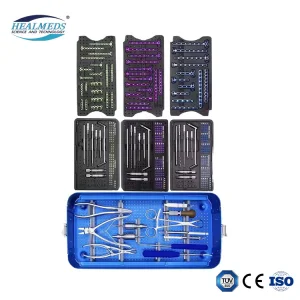
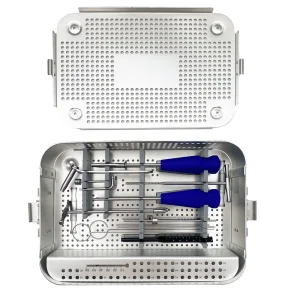
We provide large medical brands with tailored white-label solutions. With 85 design engineers, we can customize clamps, pin coatings, and instrument trays to fit into existing orthopedic system catalog styles.
Technical clarifications regarding compliance, clinical applications, and procurement terms.
We utilize biocompatible Ti-6Al-4V ELI (Grade 5 Titanium) for all patient-contact parts (such as Schanz screws) to minimize bone resorption and infection rates. The external connectivity bars are manufactured from aerospace-grade carbon fiber tubes, providing a perfect blend of high rigidity, lightweight performance, and radiolucency for unimpeded intraoperative fluoroscopy.
Yes. The titanium implants and carbon fiber rods are MRI conditional. Because carbon fiber is non-ferromagnetic, it minimizes magnetic field disruption, making it safe for post-op CT and high-field MRI scans under standard clinical protocols. This is critical for assessing pelvic soft tissue structures and retroperitoneal status.
All our principal trauma products carry CE certification and comply with ISO 13485:2016 quality system standards. We provide buyers with comprehensive technical files, sterilization validation studies, biocompatibility reports (ISO 10993 series), and clinical evaluation records to expedite registration with national regulatory bodies.
For custom configurations (OEM/ODM), prototype designs take 2–3 weeks, depending on complexity. Once the design is validated, full manufacturing and packaging take 30–45 days. We also maintain a large inventory of standard rods, clamps, and pins to dispatch urgent orders within 7–10 days.
Browse our specialized surgical tooling, reconstructive implants, and containment accessories designed for high-performance surgical environments.