Bonevia
Bonevia
Bonevia
Pioneering precision medical devices designed for total joint arthroplasty, reconstructive trauma, and animal osteosynthesis.
Evaluating Biomechanical Mechanics, Material Science breakthroughs, and Clinical Kinematics in Modern Total Knee Arthroplasty (TKA)
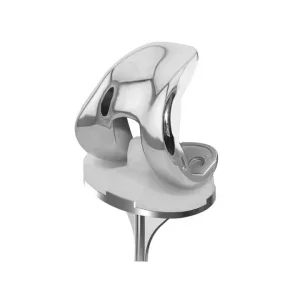
Primary Total Knee Arthroplasty (TKA) has emerged as one of the most successful surgical interventions of the 21st century, restoring mobility and relieving chronic pain for millions suffering from end-stage gonarthrosis. A premium Primary Total Knee System must reproduce native knee kinematics, optimize stress distribution at the bone-implant interface, and minimize long-term wear of the articulating surfaces.
Modern manufacturing paradigms focus heavily on replicating the physiological flexion-extension axis. High-flex designs accommodate up to 145 degrees of deep flexion while protecting the posterior femoral condyle from localized structural failure. Furthermore, the design of the patellofemoral track is optimized with a deepened trochlear groove, reducing lateral patellar subluxation and shearing stresses on the patellar implant.
Advanced metal alloys, specifically Cobalt-Chromium-Molybdenum (CoCrMo) for femoral components and Titanium Alloy (Ti6Al4V) for tibial trays, form the structural foundation. When paired with Ultra-High-Molecular-Weight Polyethylene (UHMWPE) inserts, these materials ensure mechanical resilience, preventing aseptic loosening and catastrophic polyethylene delamination.
A trusted, quality-centric manufacturer providing global orthopedic implants and integrated surgical systems.
Bonevia Orthopedic Technology Co., Ltd. is a professional manufacturer specializing in orthopedic implants and surgical solutions, dedicated to advancing innovation in trauma, spine, and joint reconstruction products. Since its establishment in 2015, the company has grown steadily into a trusted supplier in the global orthopedic industry.
With a modern production facility covering approximately 320㎡, Bonevia maintains strict quality management standards and efficient manufacturing processes. The company records an annual export revenue of around USD 8–15 million, supported by 6 years of export experience and over 10 years of overall industry experience.
Quality assurance is a core focus at Bonevia. The company implements multiple inspection methods including incoming material inspection, in-process quality control, and final product testing, supported by a dedicated quality team of 35 professionals. This ensures all products meet international medical device standards.
Bonevia has a solid trade foundation with diversified global distribution networks, serving major markets across Europe, Southeast Asia, the Middle East, and South America. Its supply chain ecosystem includes more than 850 partners, enabling stable raw material sourcing and efficient production delivery.
The company serves a wide range of clients, including hospitals, orthopedic clinics, surgical centers, and medical distributors. Bonevia also demonstrates strong R&D capabilities, offering OEM and ODM customization services to meet specific clinical requirements.
In the past year, Bonevia successfully launched 120 new product designs, supported by a research and development team of 85 engineers, continuously driving innovation in orthopedic implant systems and surgical instruments.
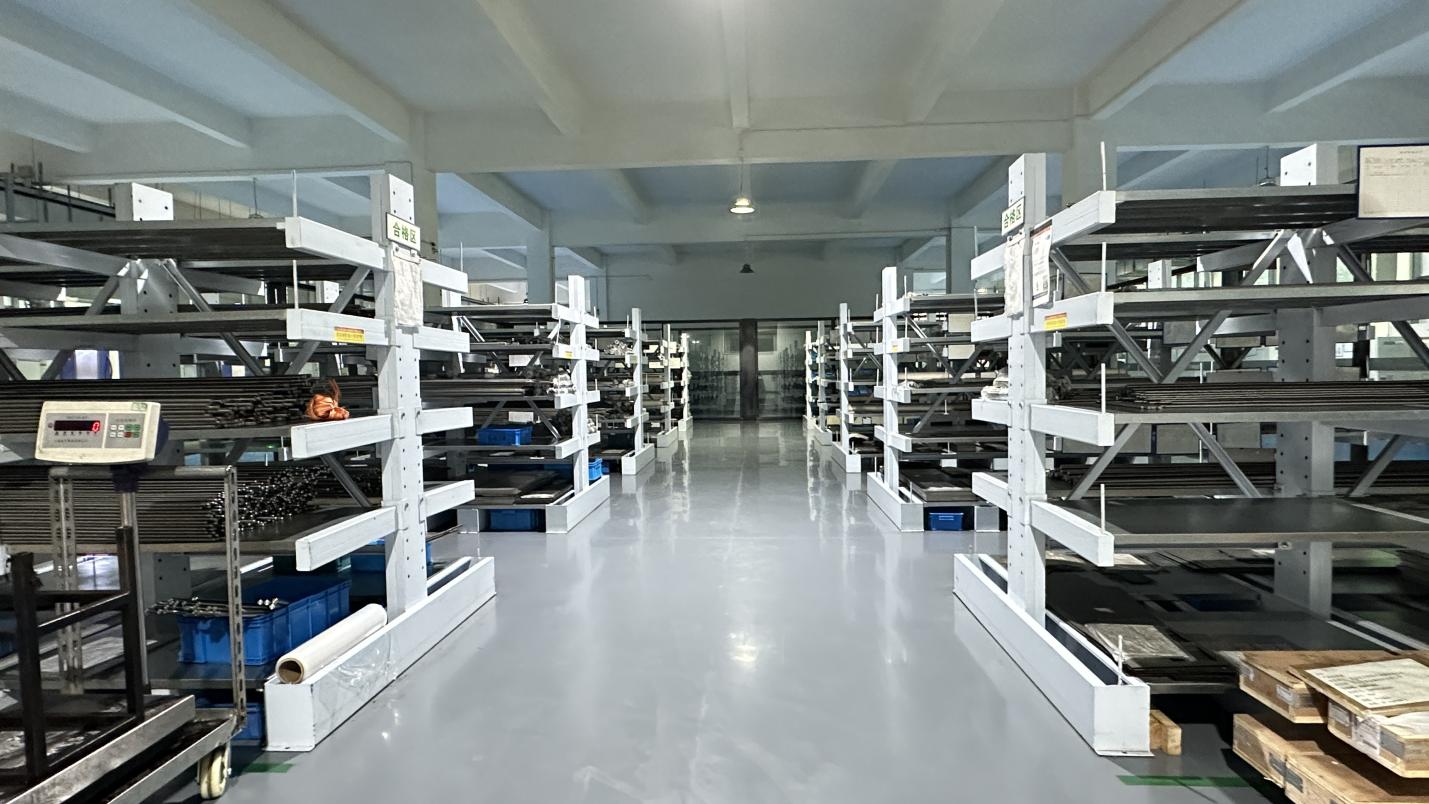
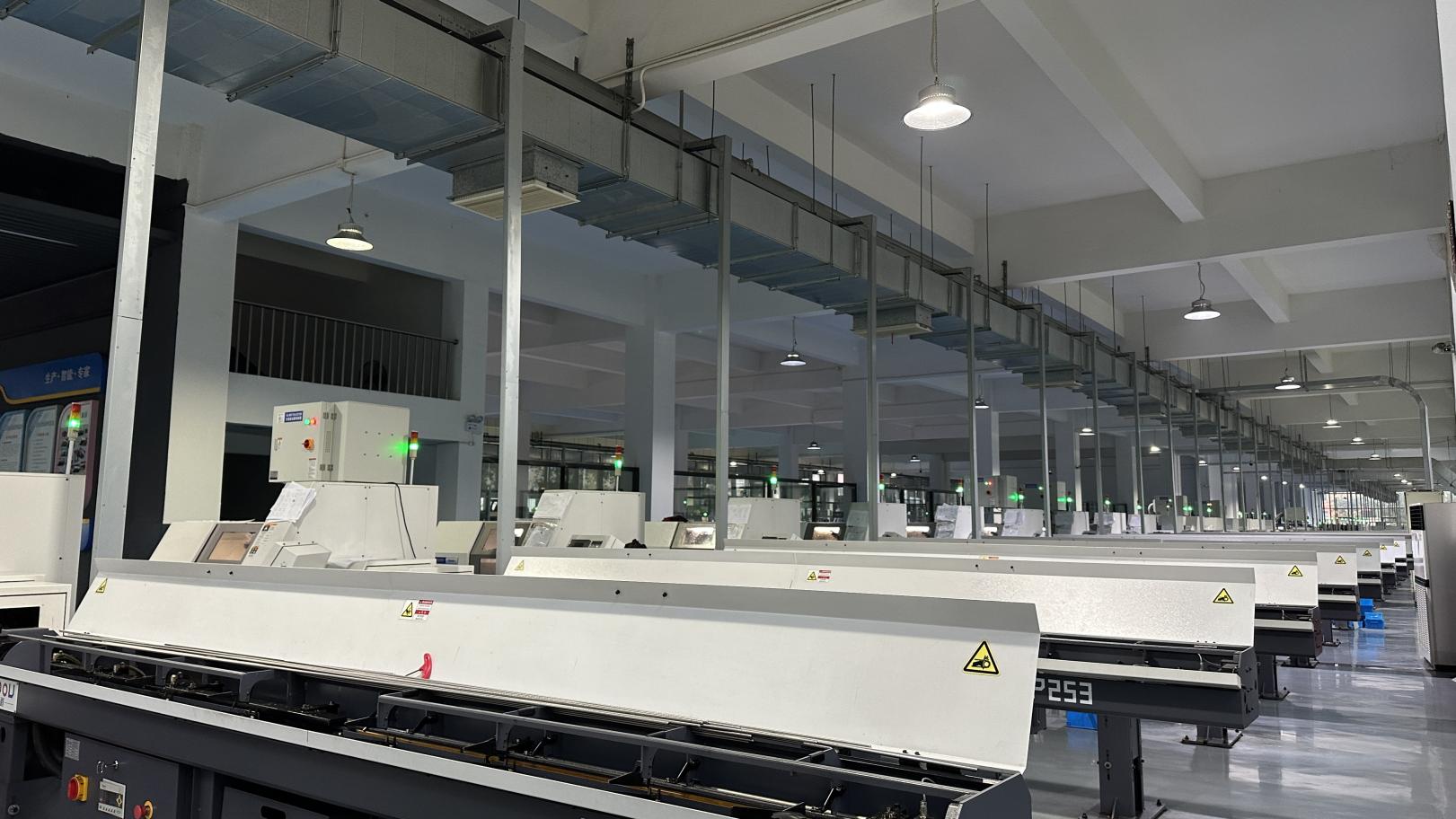
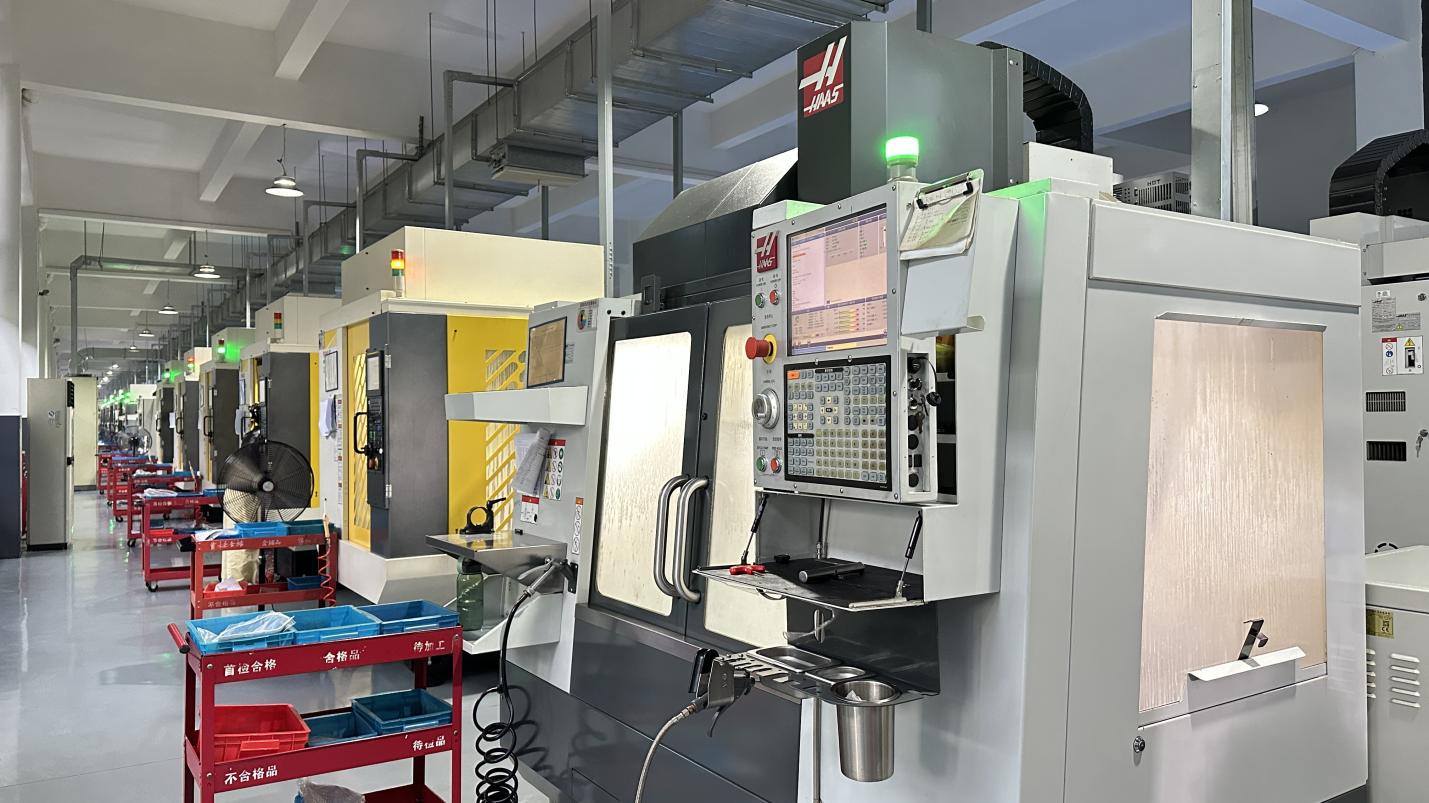
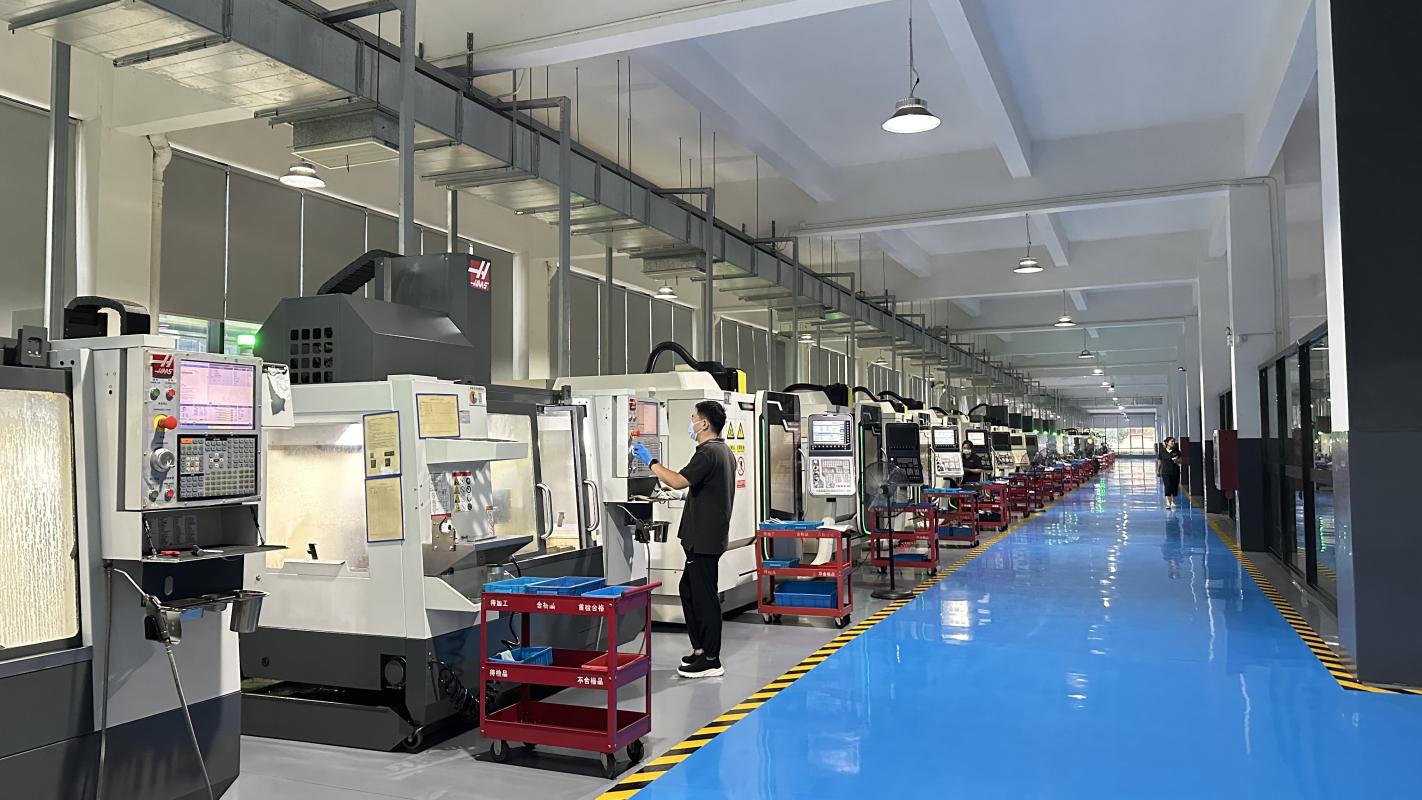
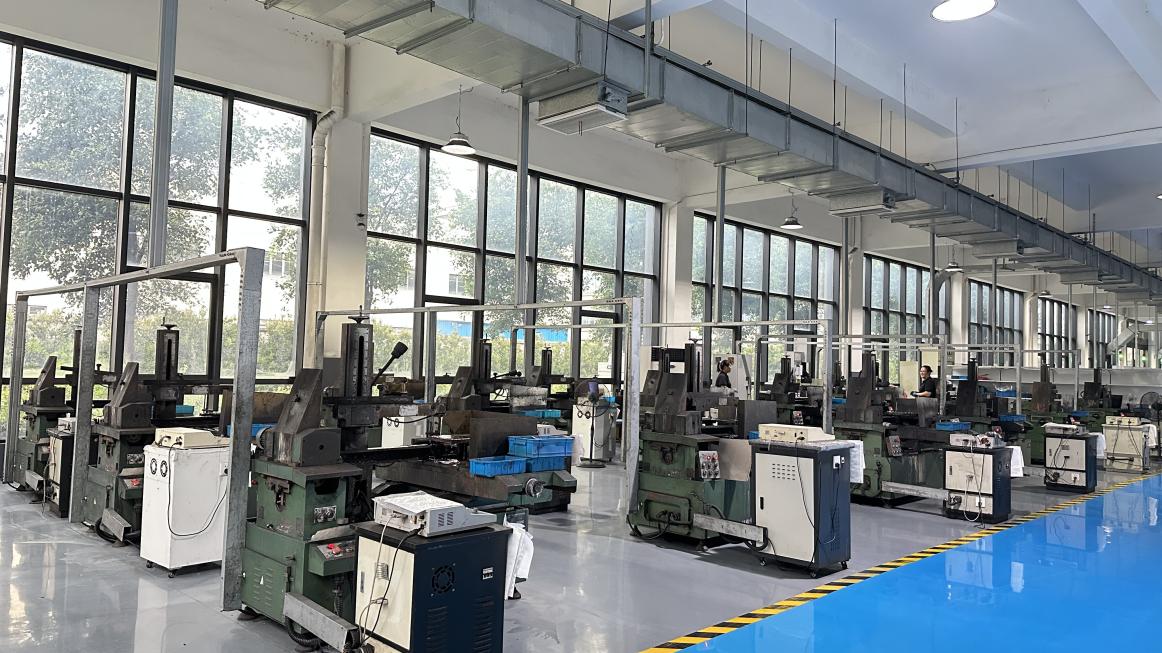
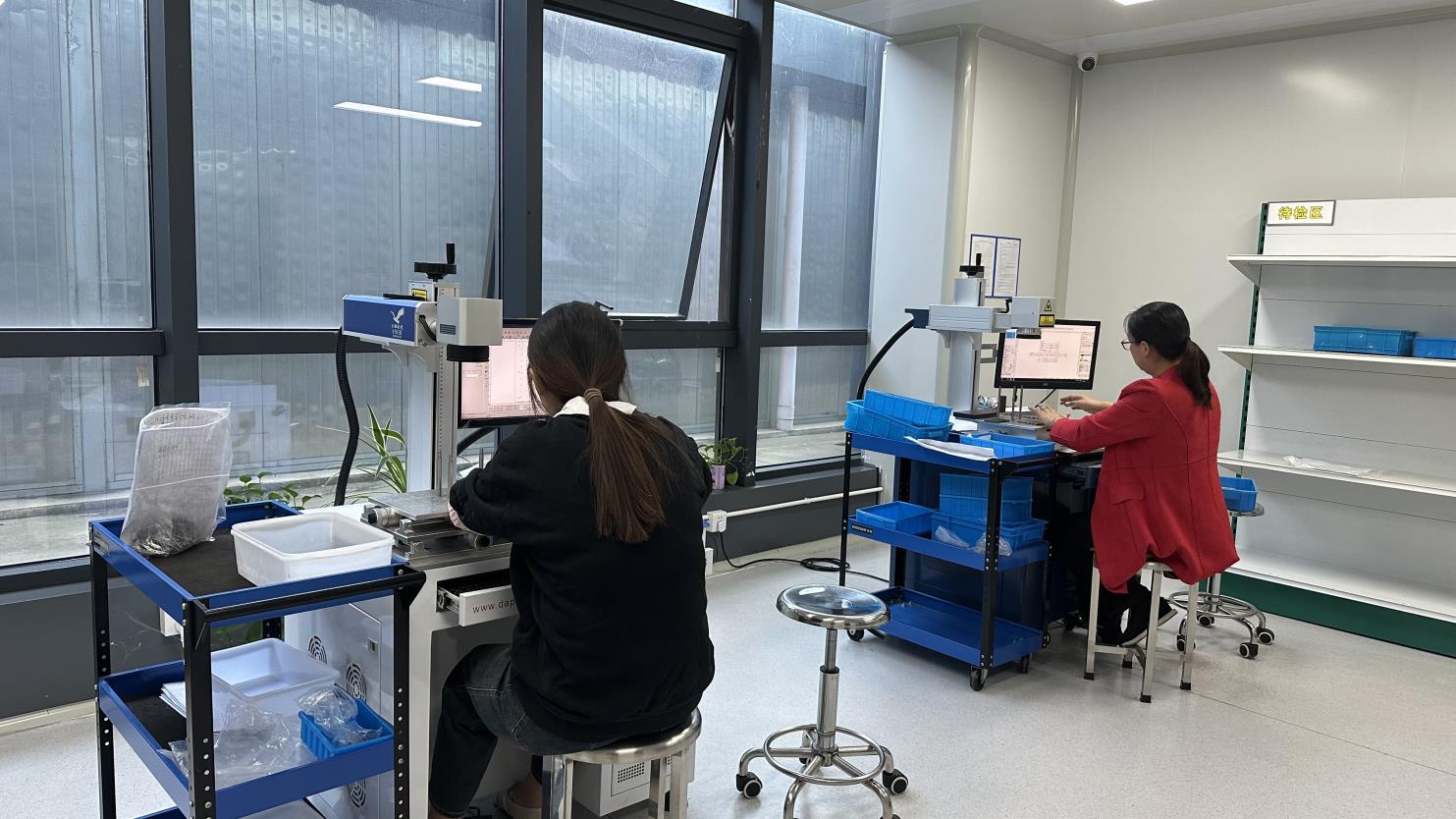
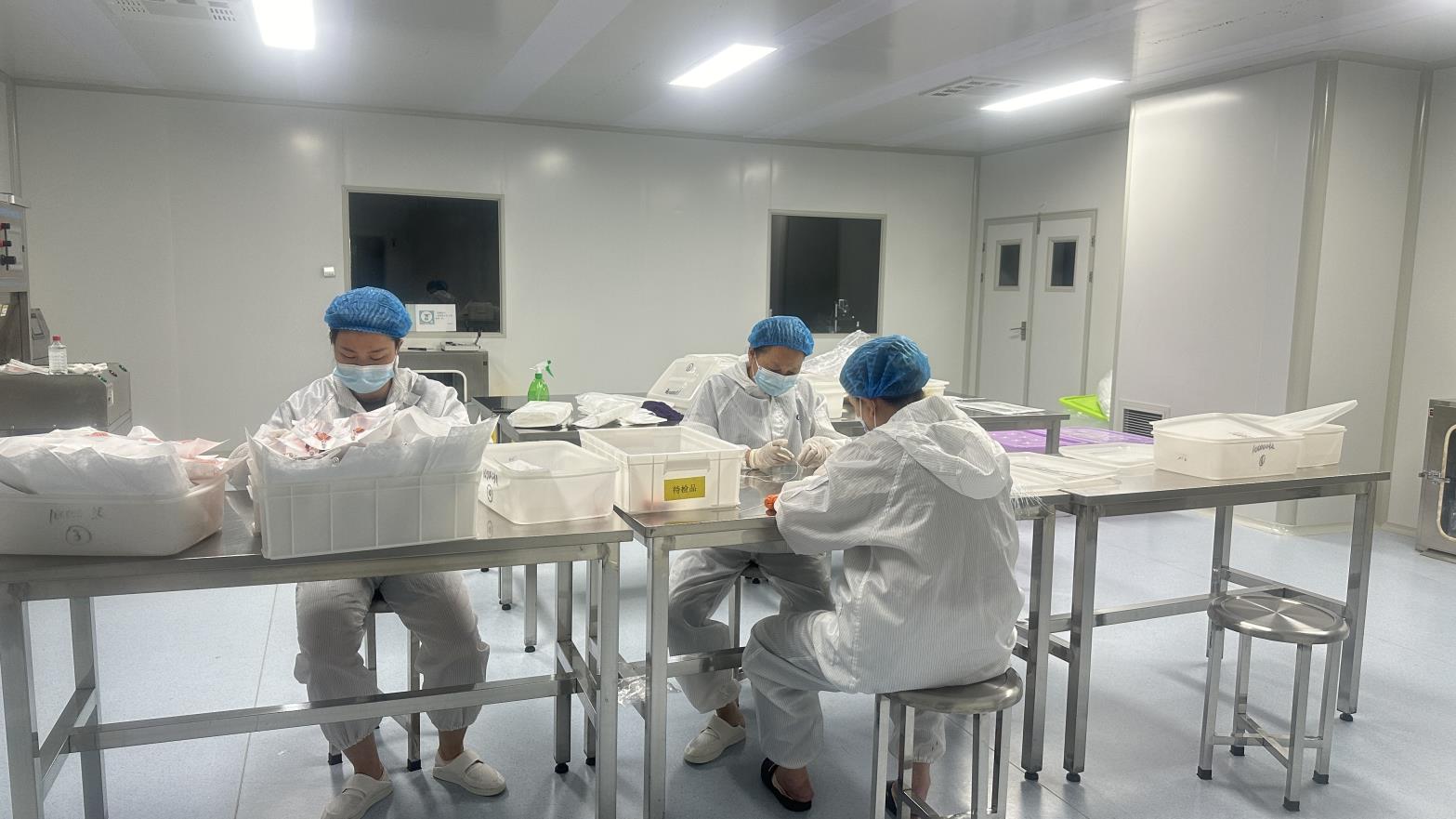
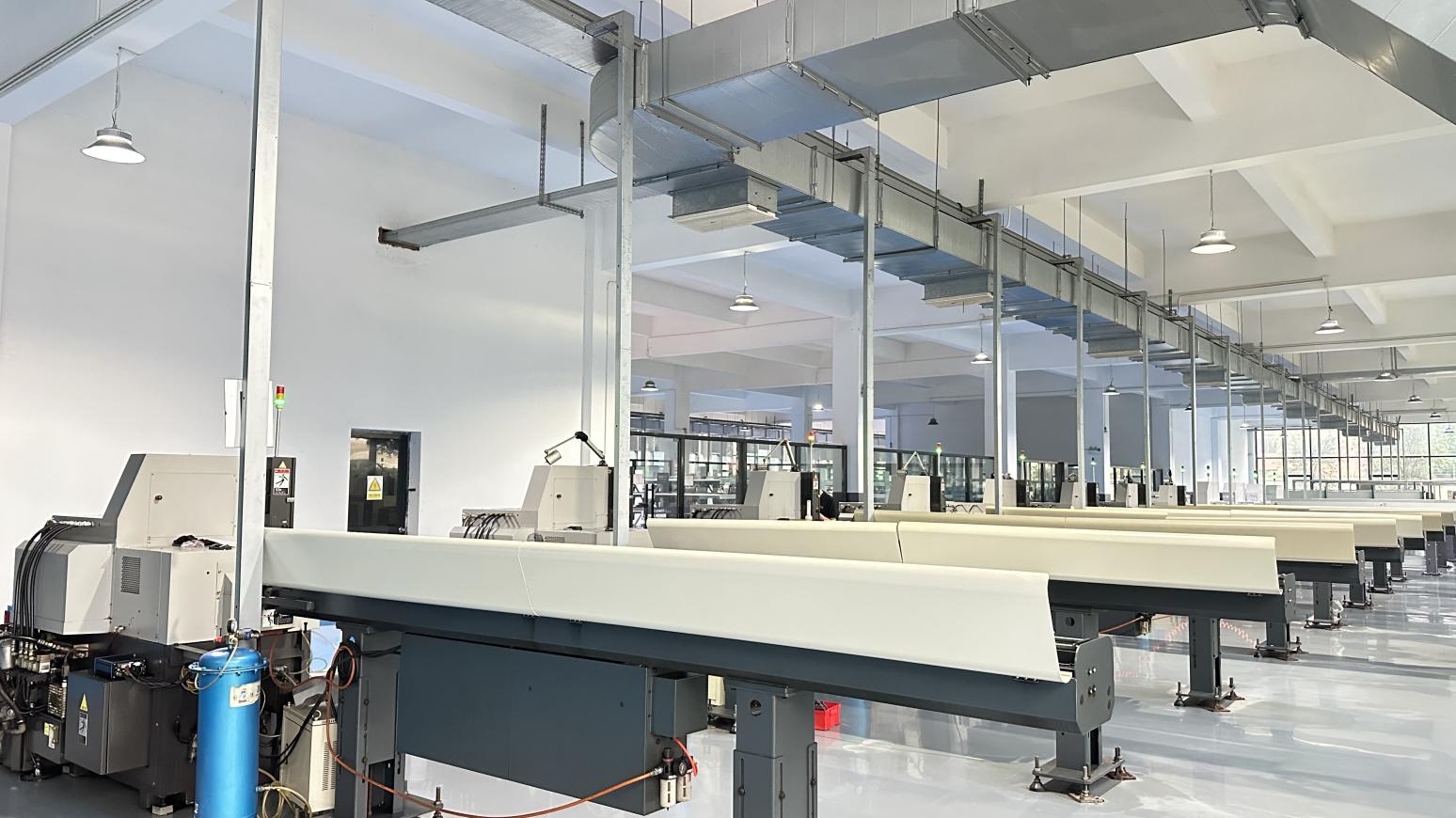
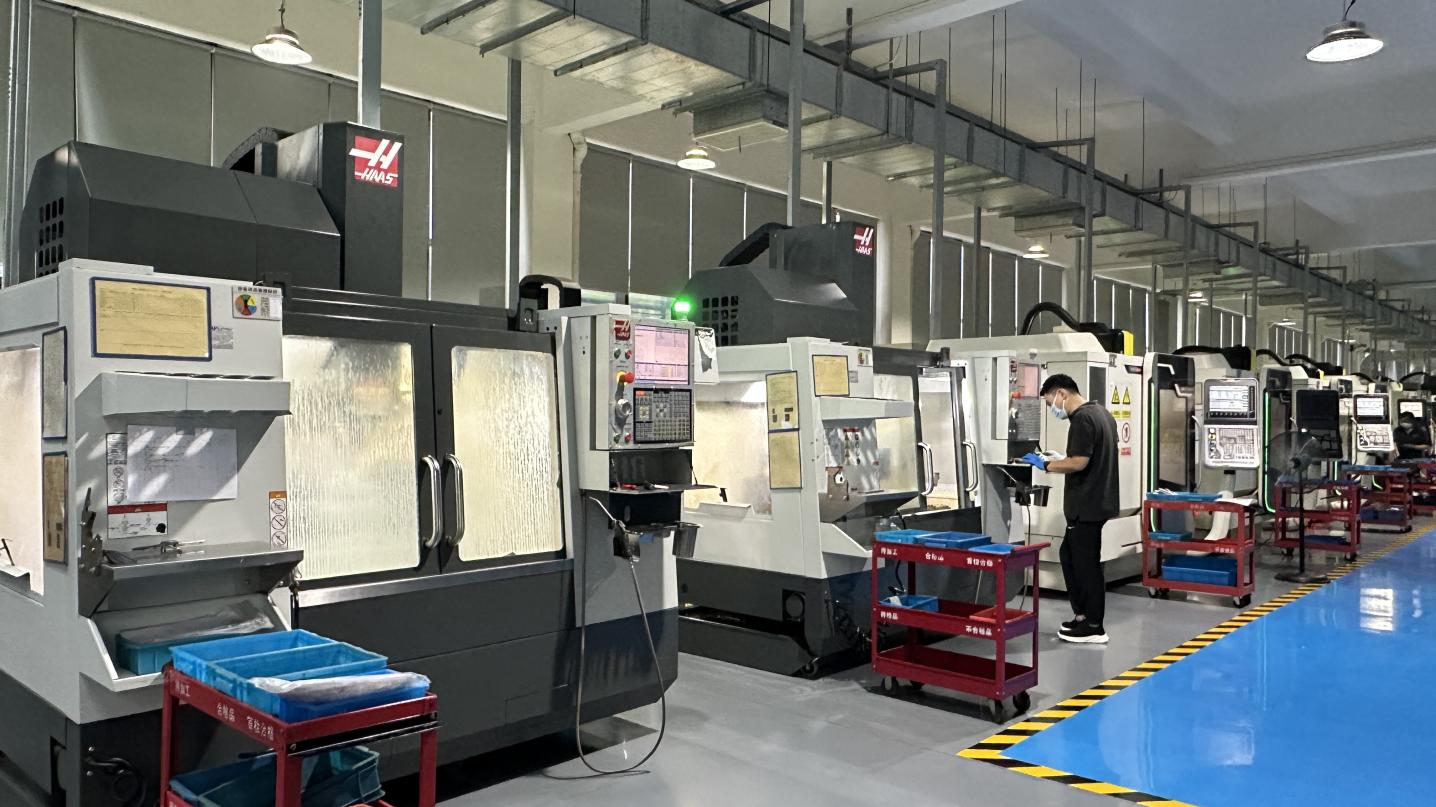
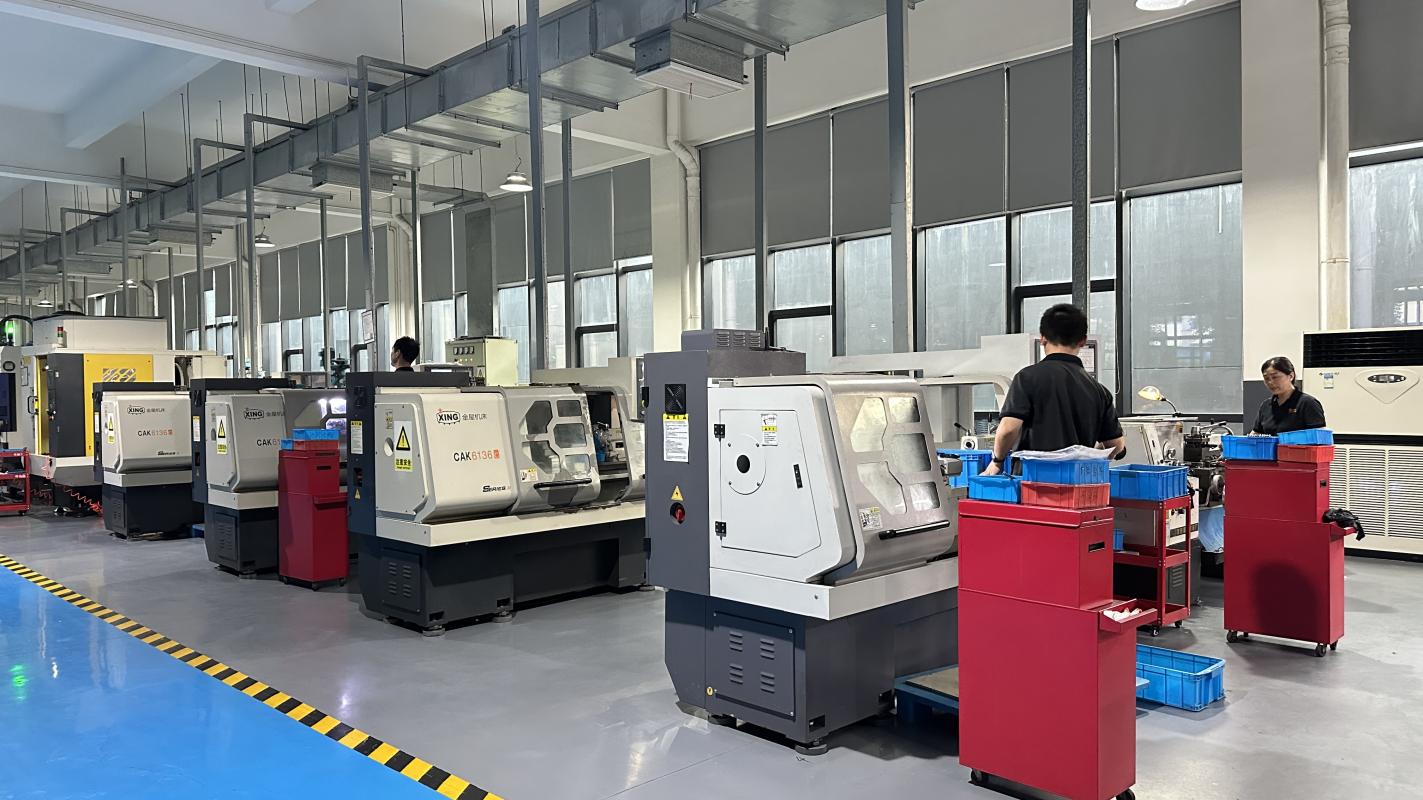
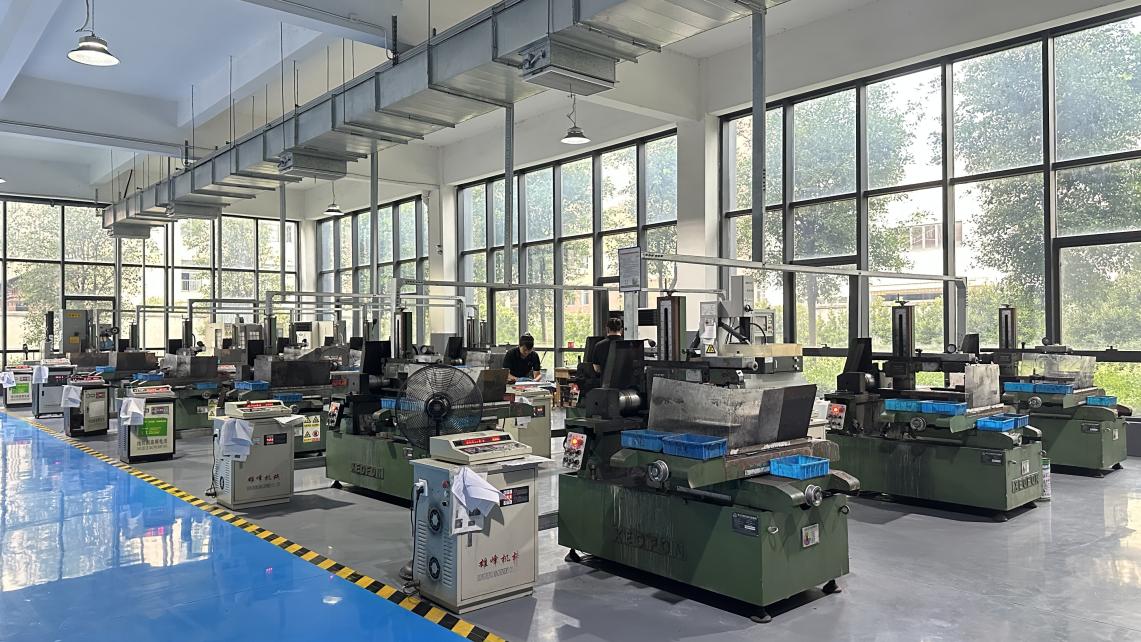
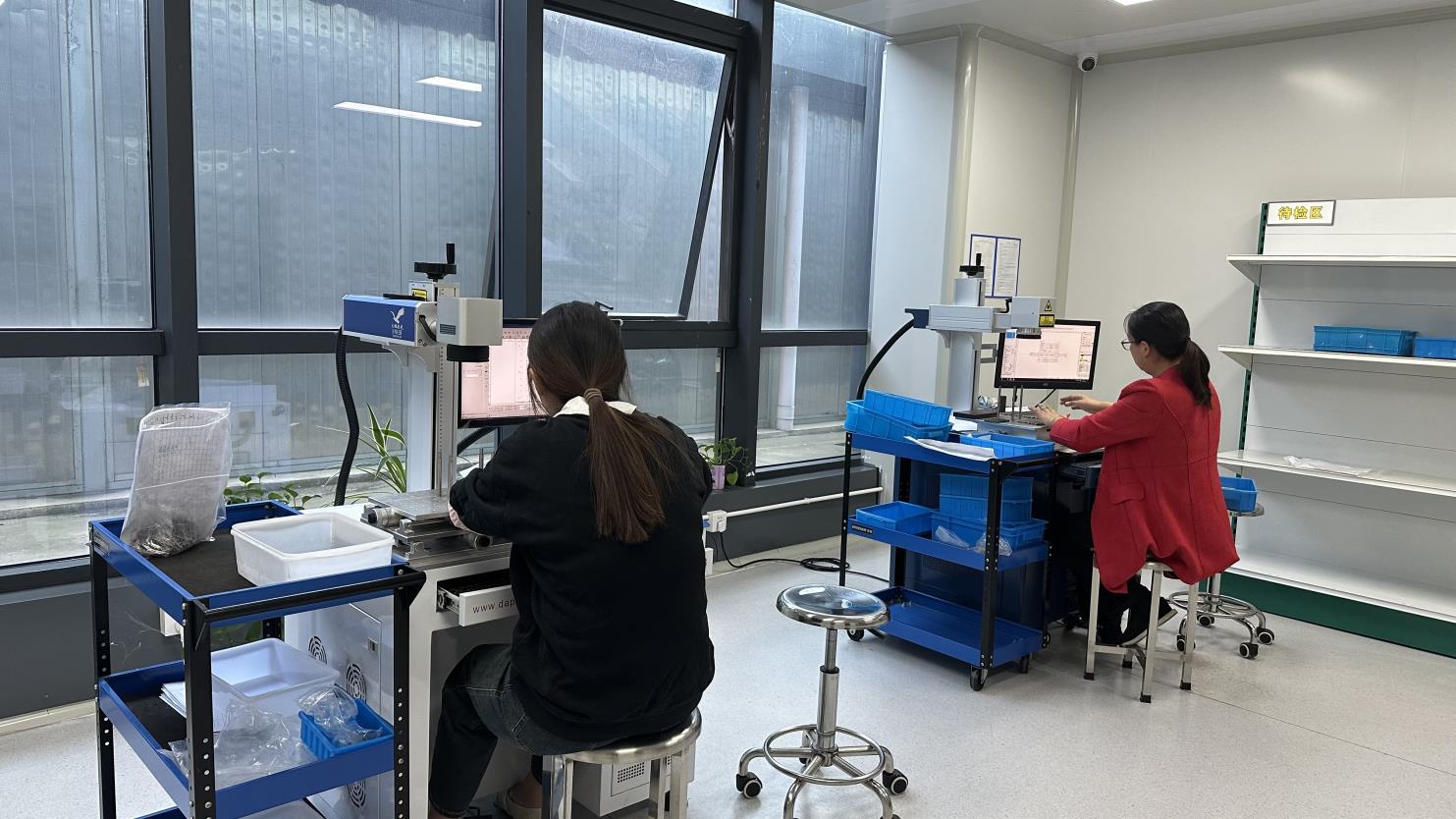
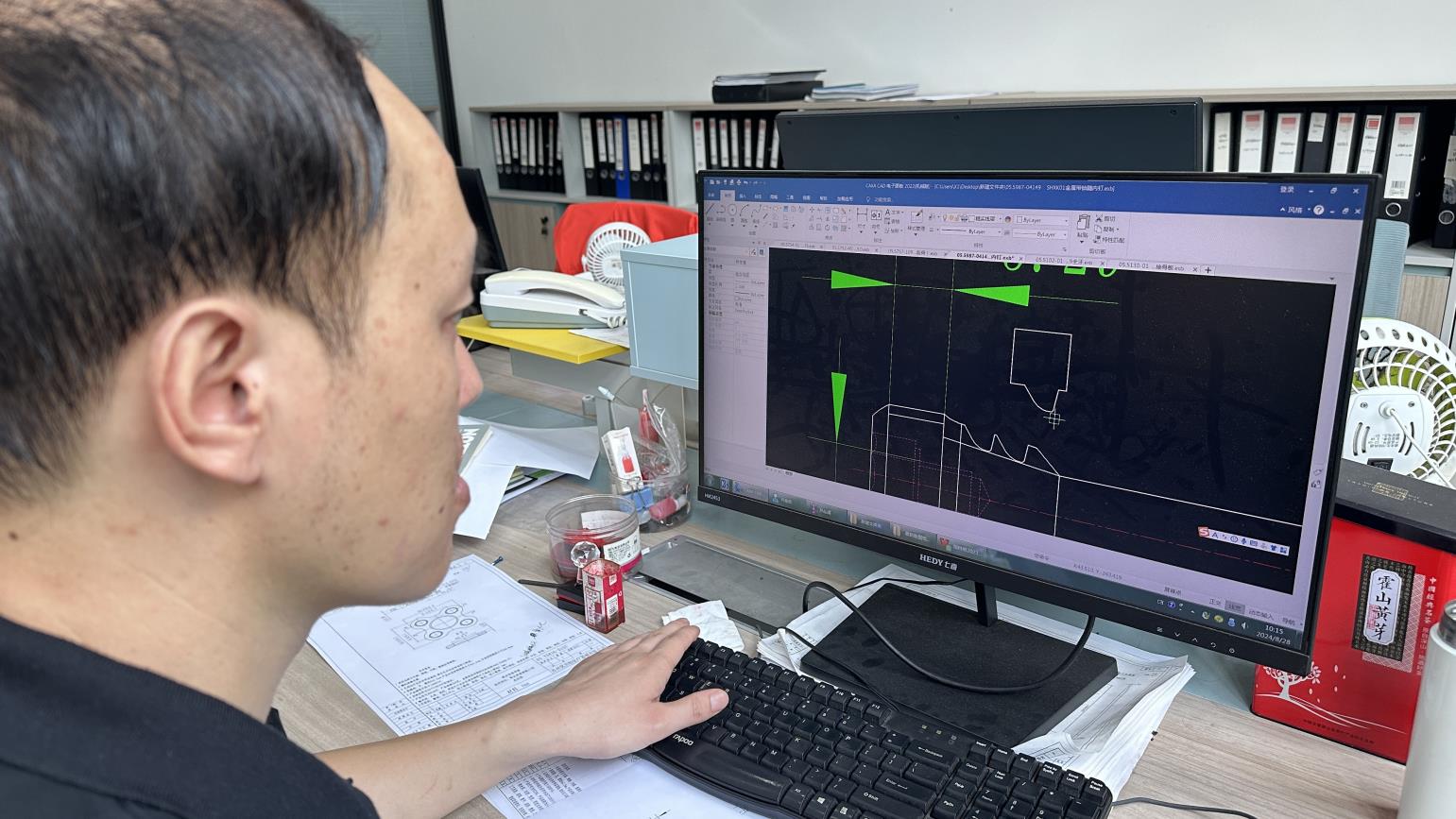
A multi-stage quality-assured production pipeline leveraging CNC precision machining and strict metallurgical standards.

Addressing supply chain bottlenecks, MDR compliance, and localized support protocols for high-demand regions.
Procuring implants within the EU requires uncompromising compliance with the Medical Device Regulation (EU MDR 2017/745). Bonevia addresses these barriers through traceably recorded raw materials, thorough bio-compatibility dossiers, and regular CE surveillance audits.
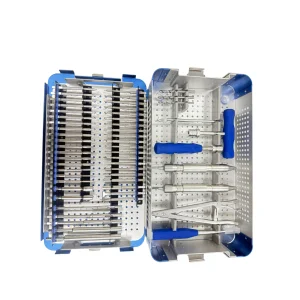
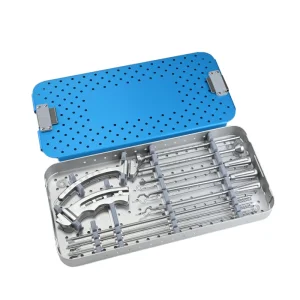
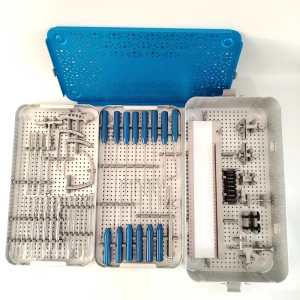
Modern hospitals demand customized surgical instrument kits and localized implants. Leveraging our team of 85 design engineers, we supply flexible design options modifying geometry, sizing increments, and specialized sterilization containers for different markets.
Supply chain shocks delay surgeries worldwide. Through raw material security partnerships with 850+ logistics and refining partners, Bonevia offers predictable delivery routes, stable pricing policies, and scalable manufacturing output.
Navigating global standards to ensure patient safety, cleanroom validations, and rapid national registration protocols.
To successfully place orthopedic implants on international markets, manufacturers must establish validation mechanisms for every operational aspect. Our production lines undergo ISO 13485 audits annually, maintaining documented control of cleanliness, environmental microbial loads, and high-purity cleaning steps for implants.
Furthermore, Bonevia assists distributors through comprehensive registration support. We compile and organize Technical Files containing mechanical stress data, cleanroom sterilization validations (ISO 11137), dynamic fatigue curves, and clinical follow-up research (PMCF). This proactive strategy cuts registration times in regions like South America, the Middle East, and Southeast Asia by up to 50%.
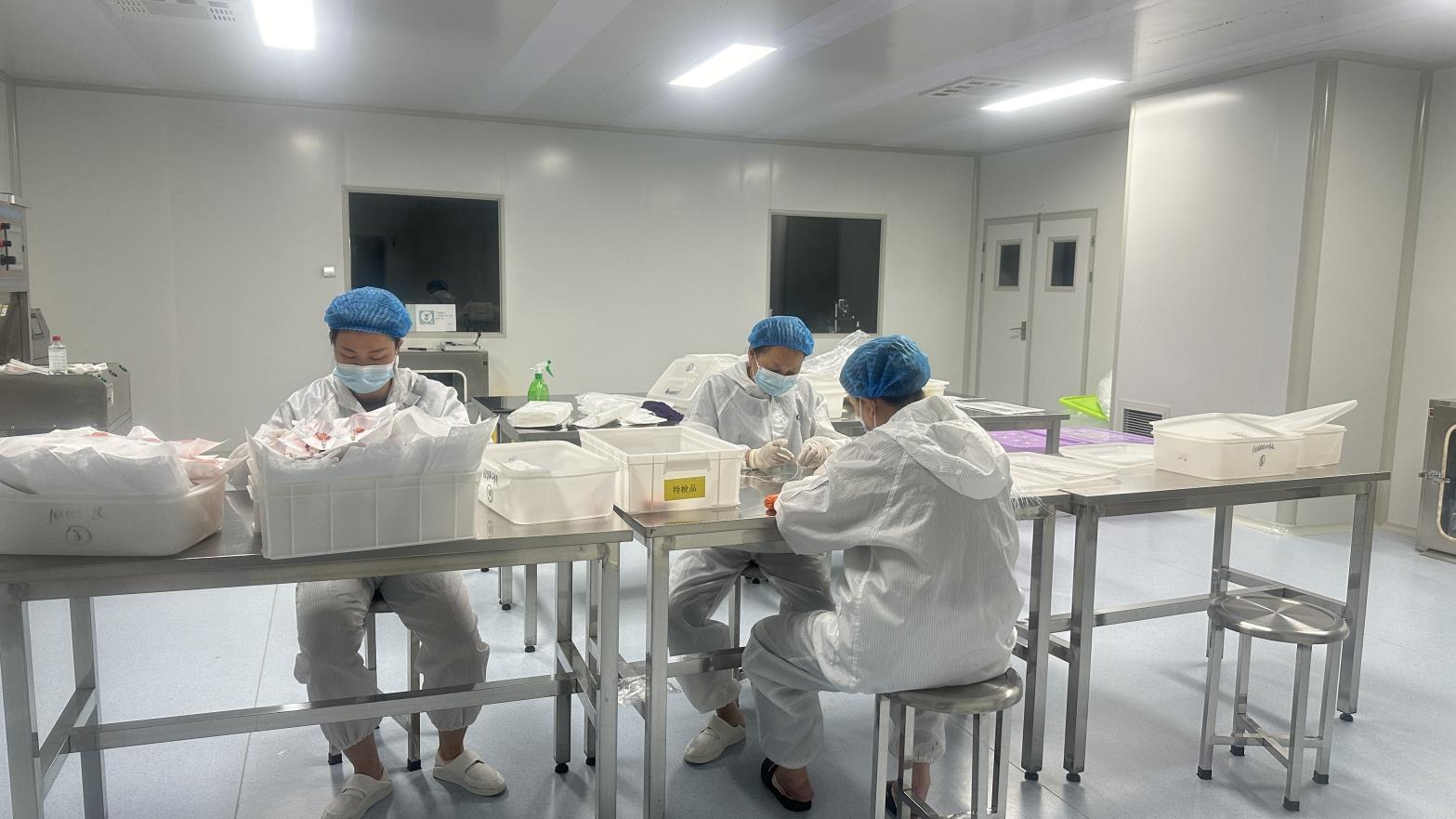
All implants are processed in Class 10,000 (ISO Class 7) cleanrooms, using state-of-the-art ultrasonic washing systems. By eliminating processing residues and organic contaminants, we achieve low endotoxin levels, protecting the patient from surgical site inflammatory responses.
| Compliance Domain | Standard Met | Verification Method |
|---|---|---|
| Quality System | ISO 13485:2016 | Third-Party Certified Audit |
| European Entry | CE MDR Certificate | Notified Body Assessment |
| Implant Packaging | ISO 11607 | Accelerated Aging & Peel Tests |
| Sterilization | Gamma Irradiation | Bioburden & Dose Mapping |
An insight into our R&D efforts: Patient-specific instrumentation, smart sensors, and advanced surface finishes.
Using 3D metal printing technology, we are developing porous structures that simulate human trabecular bone. This facilitates natural osseointegration, reducing stress shielding and improving mechanical fixation.
Shifting from mechanical axis positioning to personalized anatomical restoration. Personalized cutting guides matching preoperative 3D imaging assist surgeons in placing components to match the natural joint line.
Research into Vitamin-E diffused UHMWPE inserts demonstrates superior oxidation resistance under high loads, keeping wear rates exceptionally low even after millions of simulator test cycles.
Crucial details regarding regulatory approvals, material composition, sourcing configurations, and manufacturing lead times.
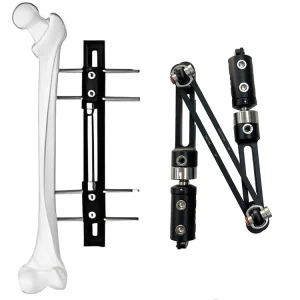
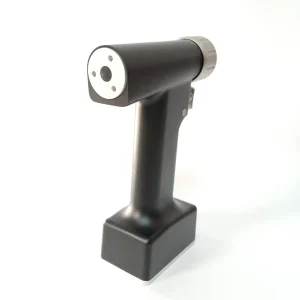
Explore our expanded catalog of power tools, custom implants, external fixators, and specialized storage boxes.