Bonevia
Bonevia
Bonevia
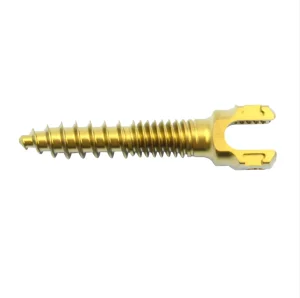
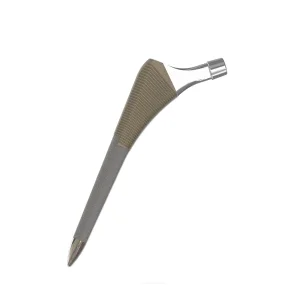
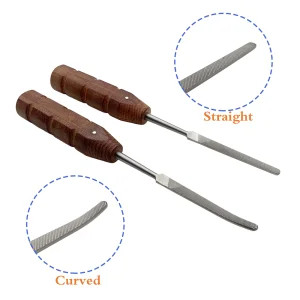
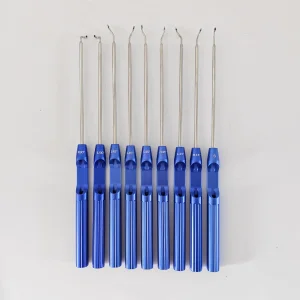
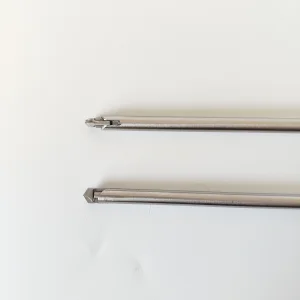
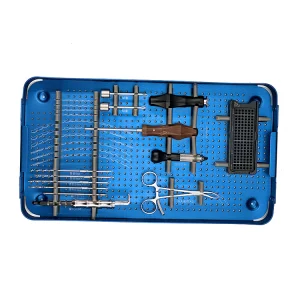
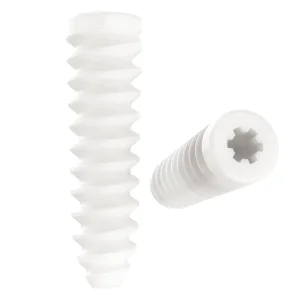
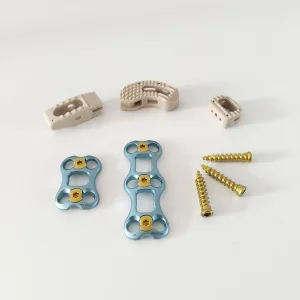
Within orthopedic trauma reconstruction, small fragment locking plates are critical for stabilizing fractures in bones with complex anatomical contours and relatively thin soft tissue coverage, such as the radius, ulna, fibula, and clavicle. Selecting a reliable manufacturer of these medical implants requires balancing biomechanical design with regulatory compliance and manufacturing accuracy. As clinical demands shift toward biological osteosynthesis, the engineering of small fragment systems has evolved from basic mechanical compression to advanced fixed-angle, anatomically pre-contoured locking systems.
This whitepaper outlines the key metallurgical, mechanical, and regulatory criteria for medical device distributors, orthopedic purchasing consortiums, and clinical directors. It analyzes the role of China's advanced manufacturing infrastructure in stabilizing the global orthopedic supply chain under strict quality control standards.
Unlike dynamic compression plates (DCP), locking compression plates (LCP) act as internal fixators. The locking screw engages with the plate's threaded hole, creating a rigid construct without requiring the plate to be pressed against the periosteum. This design preserves the periosteal blood supply, reducing the risk of avascular necrosis and non-union in comminuted or osteopenic fractures.
The global orthopedic trauma fixation market is evolving due to demographic shifts and advanced surgical techniques. Sourcing managers must align with three primary technical trends:
Modern surgical protocols favor implants that match the bone's natural geometry. Anatomical pre-contouring minimizes the need for intraoperative bending, which can introduce micro-cracks and compromise fatigue life. Manufacturers use high-resolution 3D CT scan data to map bone variations across demographics. This allows them to produce plates with thin profiles and tapered ends, reducing soft-tissue irritation in areas like the distal radius or lateral malleolus.
While fixed-angle locking systems provide excellent stability, they limit screw placement options. Variable-angle (VA) locking technology allows surgeons to angle screws within a specific range (typically ±15° or ±20°) to target bone fragments and avoid joint spaces or existing hardware. Sourcing managers must evaluate the engineering design of these locking holes, checking for material galling and verifying the pull-out strength of the locking construct under repeat loads.
By recessing the plate's underside, manufacturers reduce contact with the bone surface. This design helps preserve capillary blood flow, accelerating cortical remodeling. Sourcing locking plates that integrate these low-contact profiles with Combi-holes (which accept both standard cortical and locking screws) provides surgeons with versatile fixation options.
For medical implants, trust and regulatory compliance are essential. Procuring non-compliant devices introduces legal risks, threatens patient safety, and increases hospital liability. Sourcing partners must verify the following quality and compliance standards:
| Regulatory Standard | Compliance Checkpoints for Importers | Impact on Product Safety |
|---|---|---|
| CE Certification (MDR 2017/745) | Verifiable CE Mark certificates, comprehensive Clinical Evaluation Reports (CER), and Post-Market Surveillance (PMS) logs. | Ensures the implant meets strict European Union safety, health, and environmental requirements. |
| ISO 13485:2016 | Certified Quality Management System (QMS) specific to medical devices, covering manufacturing, traceability, and cleanroom operations. | Guarantees batch-to-batch consistency and process control across the entire production cycle. |
| ASTM F136 / ISO 5832-3 | Raw material chemical analysis sheets showing exact levels of Nitrogen, Oxygen, Iron, and Hydrogen. | Ensures the use of medical-grade Titanium Alloy (Ti6Al4V ELI) with high fatigue resistance and biocompatibility. |
| Full Traceability (UDI) | Unique Device Identification (UDI) laser-marked on every plate and screw, matching documentation from raw billet to patient implantation. | Facilitates rapid recall management, counterfeit prevention, and clinical performance tracking. |
Founded in 2015, Bonevia Orthopedic Technology Co., Ltd. has developed into a reliable manufacturing partner in the global orthopedic industry. Bringing together more than 10 years of overall industry experience and 6 years of export experience, the company provides high-performance trauma, spine, and joint reconstruction implants designed to meet modern clinical standards.
Operating from a specialized 320㎡ precision manufacturing facility, Bonevia uses advanced, compact production lines to maintain quality control. This facility operates under strict quality standards, supported by a 35-person quality team that manages raw material verification, in-process testing, and final product evaluation. This structured quality approach allows Bonevia to serve a global network of hospitals, orthopedic clinics, and medical distributors across Europe, Southeast Asia, the Middle East, and South America.
R&D is central to Bonevia's growth. Backed by 85 engineers, the company introduced 120 new product designs last year. This technical foundation supports extensive OEM and ODM customization services, allowing partners to adapt screw configurations, plate geometries, and anodization properties to meet localized clinical needs.
Manufacturing medical-grade small fragment locking plates requires advanced machinery and controlled environments. Below is an overview of the manufacturing workflow at Bonevia's precision facility:
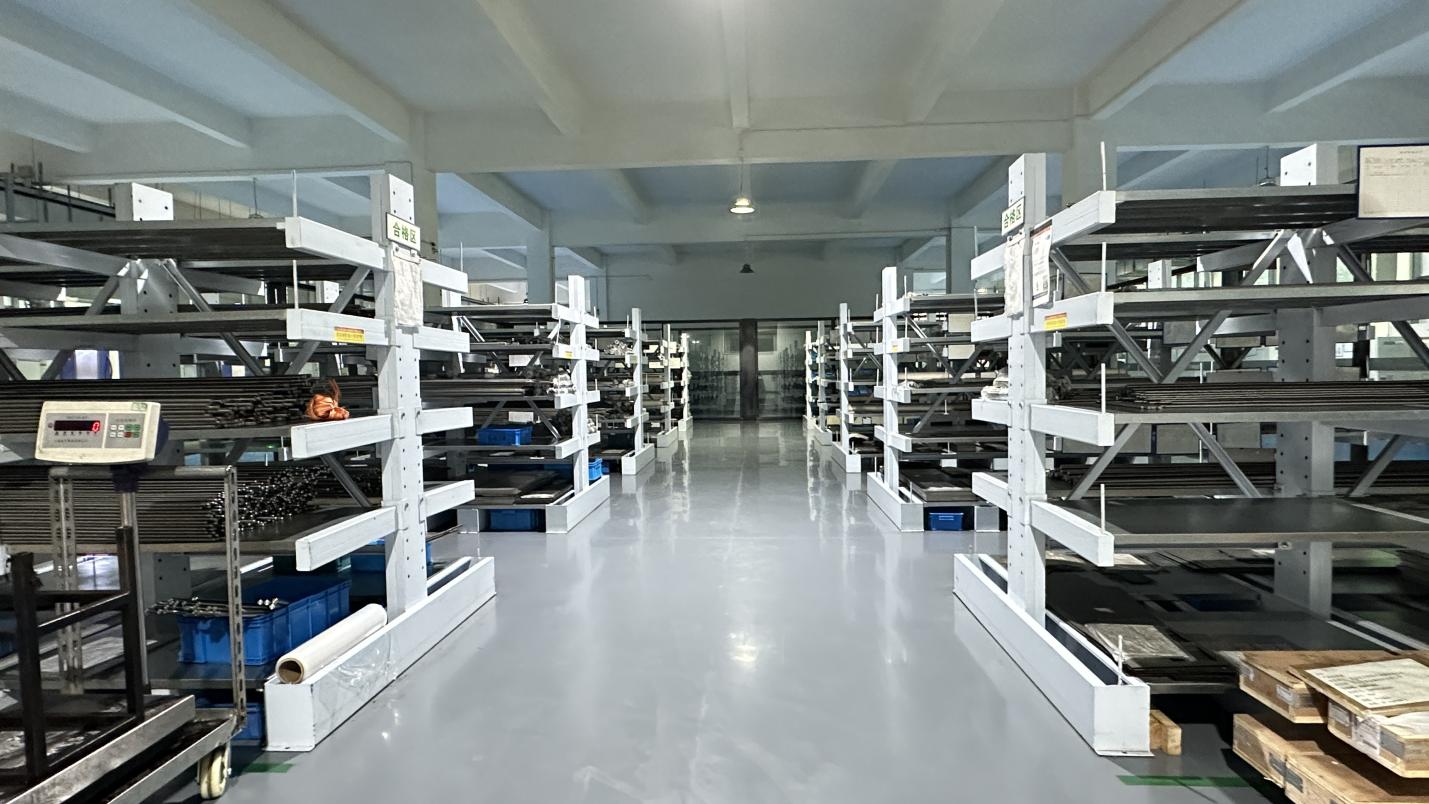
Bonevia's modern production facility, housing machining, cleanrooms, and testing infrastructure.
Incoming medical-grade titanium alloy and stainless steel bars undergo spectral analysis for composition validation.
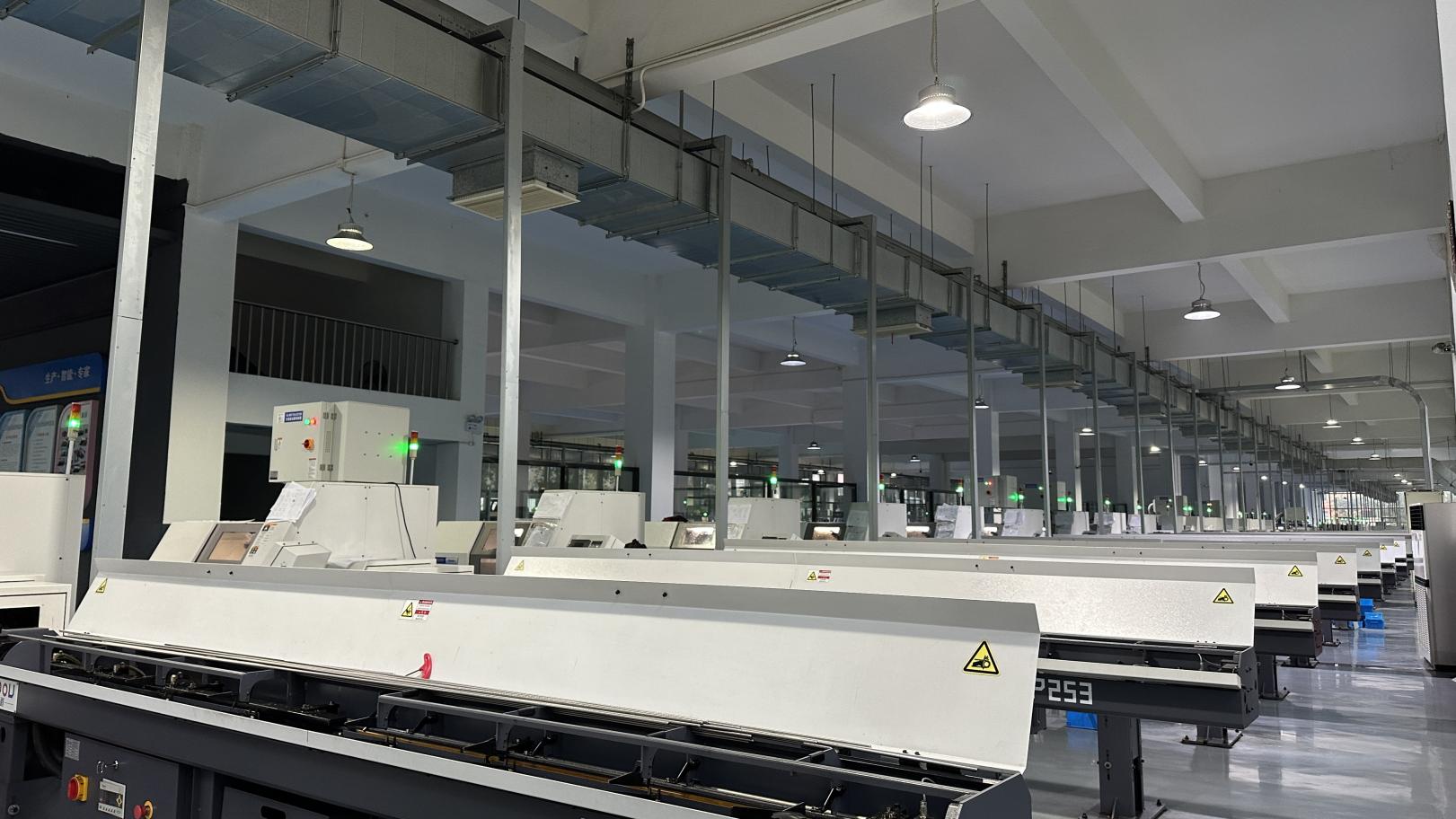
Precision cutting of raw metal stock into exact workpieces, prepping them for downstream multi-axis CNC machining.
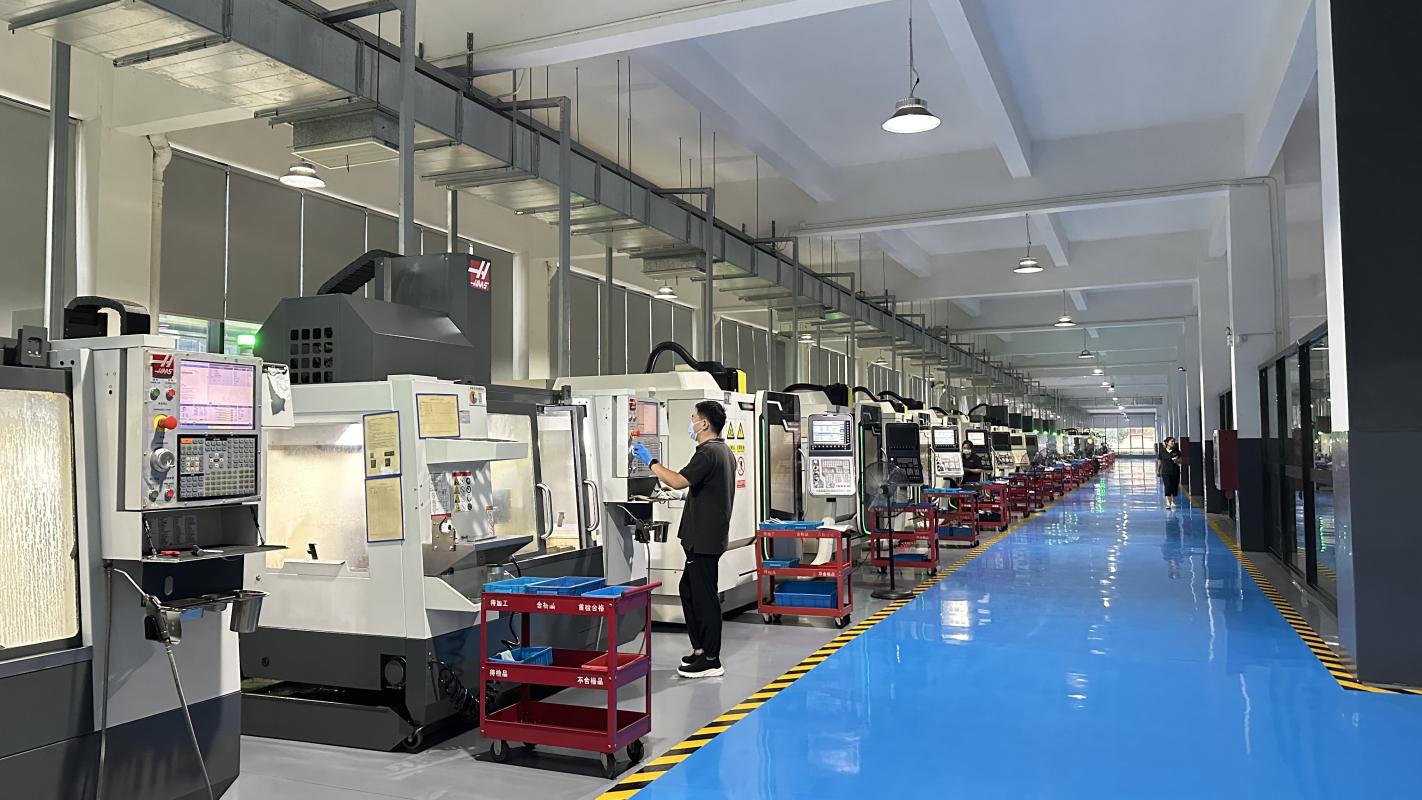
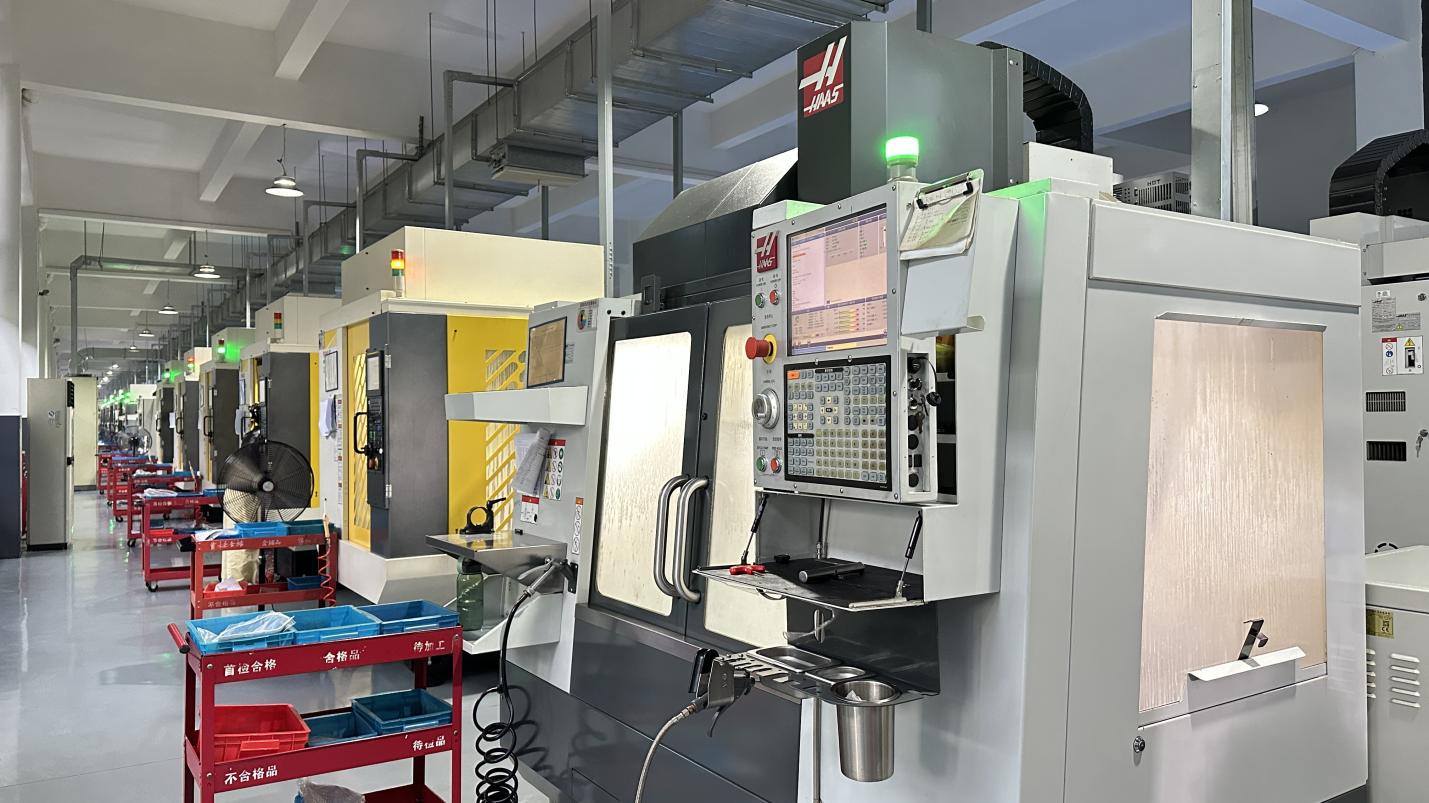
CNC milling machines shape the locking plates, ensuring consistent profiles and accurate anatomical contours.
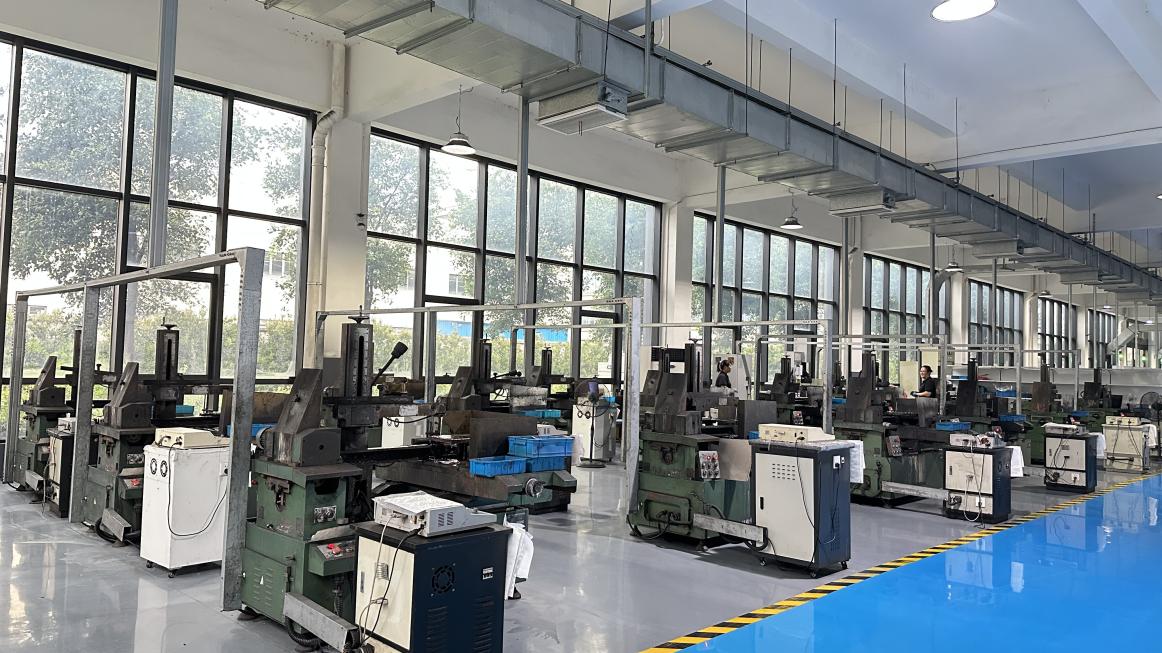
High-speed milling of the locking threads and dynamic compression slots, maintaining tight dimensional tolerances.
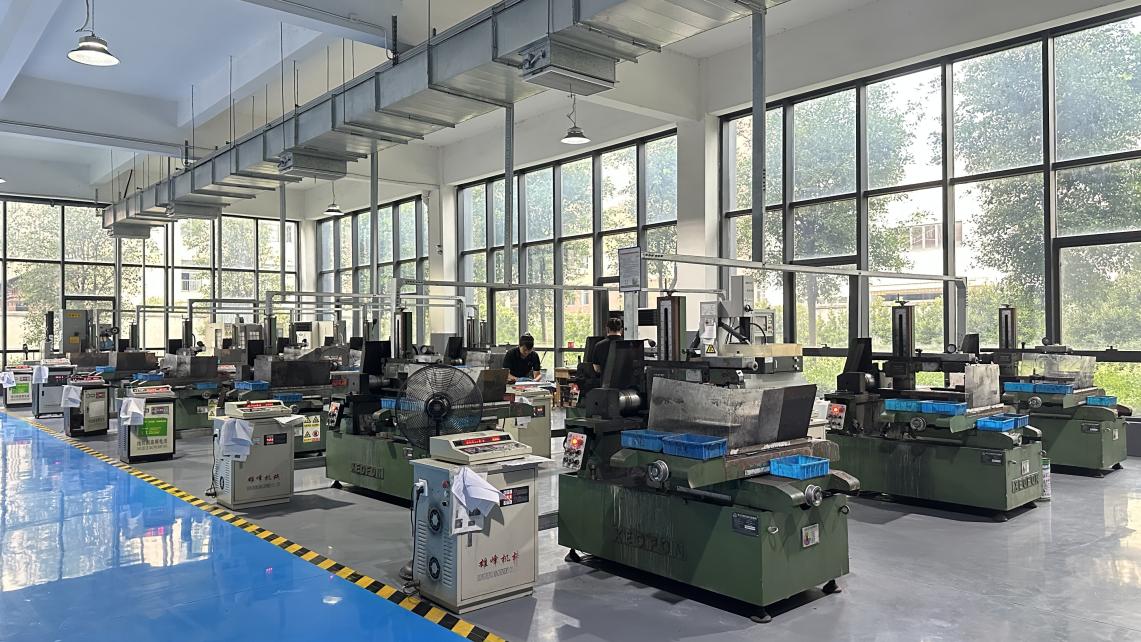
Electrical Discharge Machining (EDM) wire-cutting cuts complex plate designs and profiles with high precision.
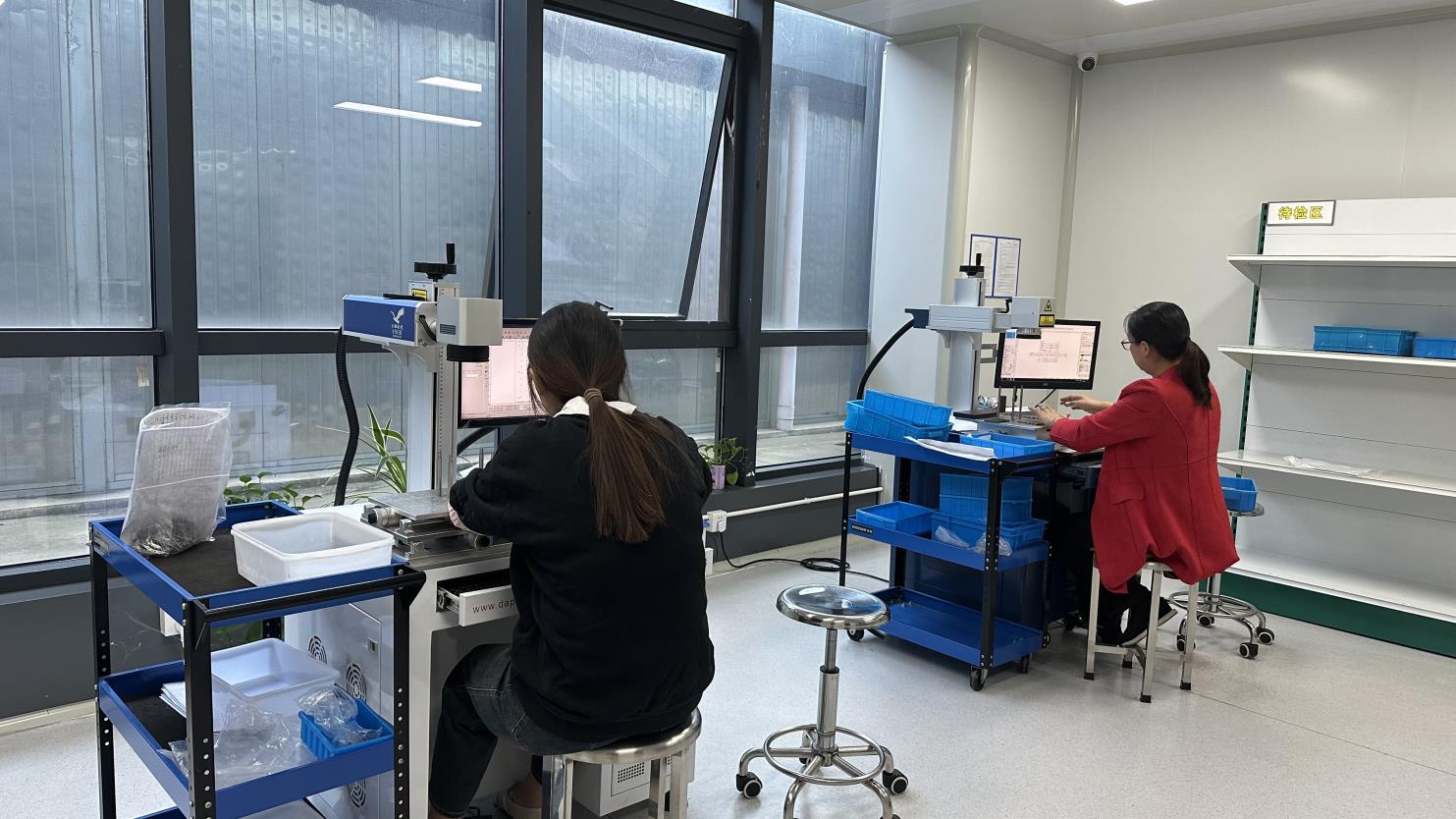
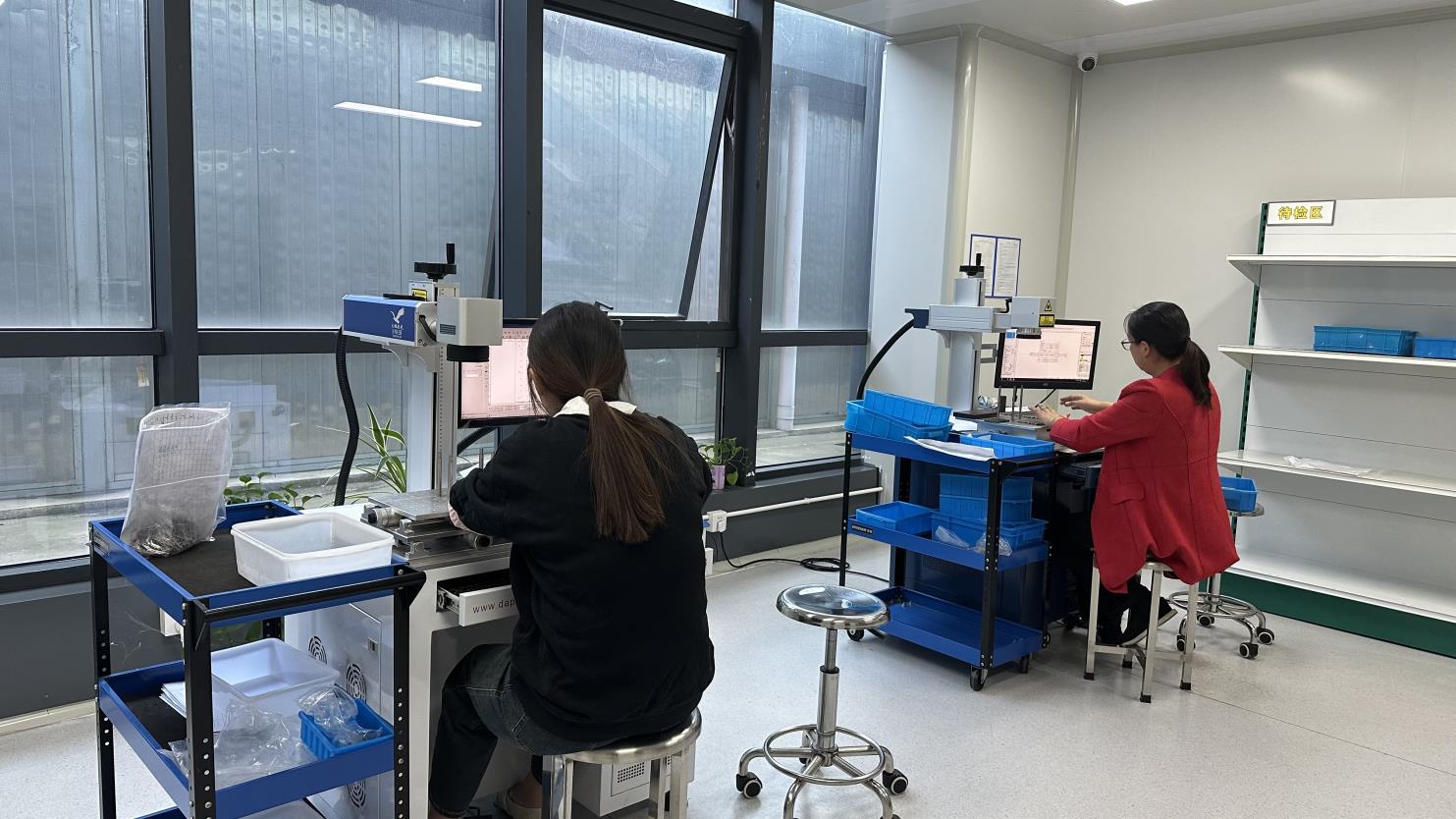
High-precision fiber lasers apply unique batch IDs, UDI symbols, and brand markings directly to the implants.
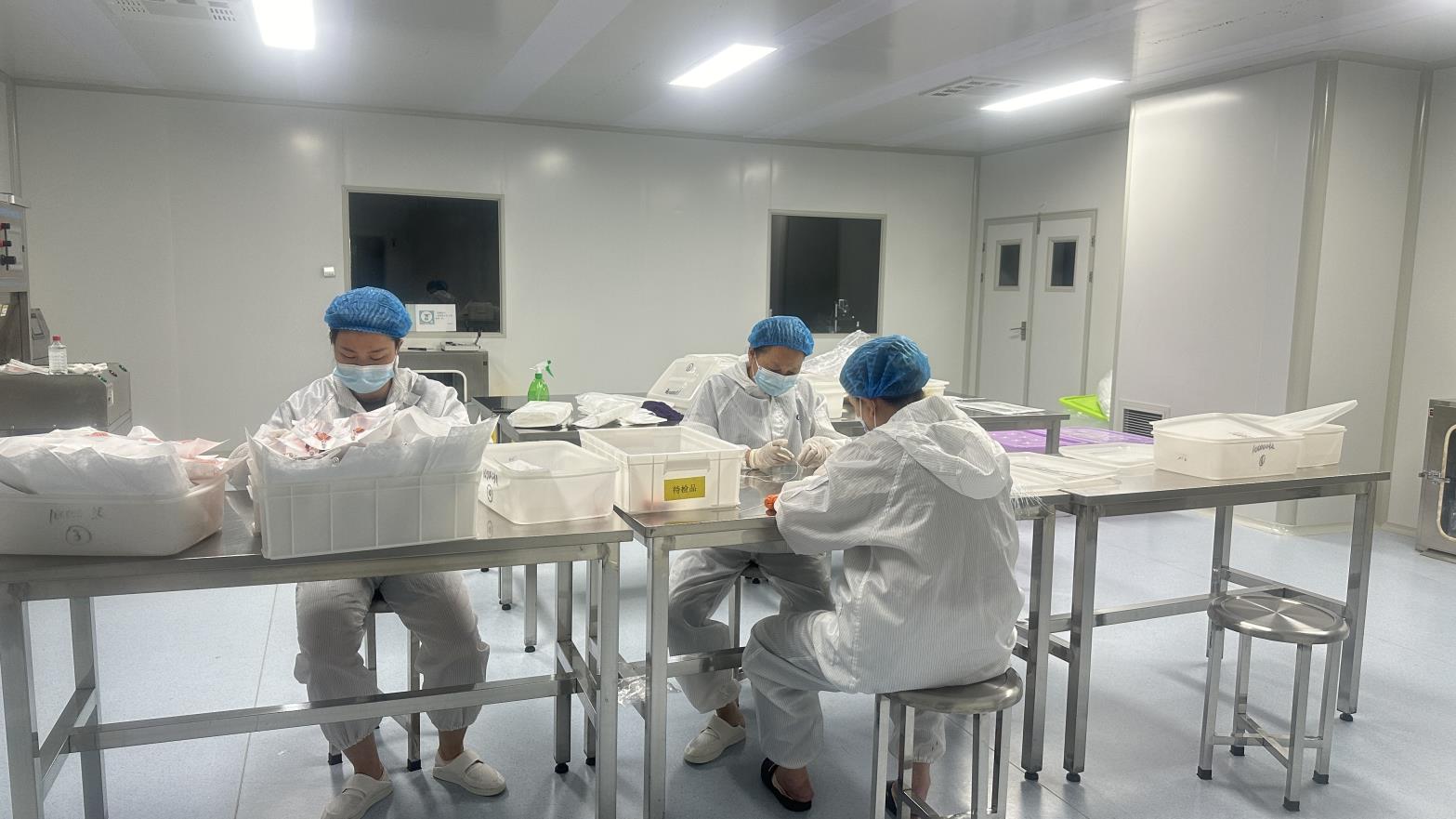
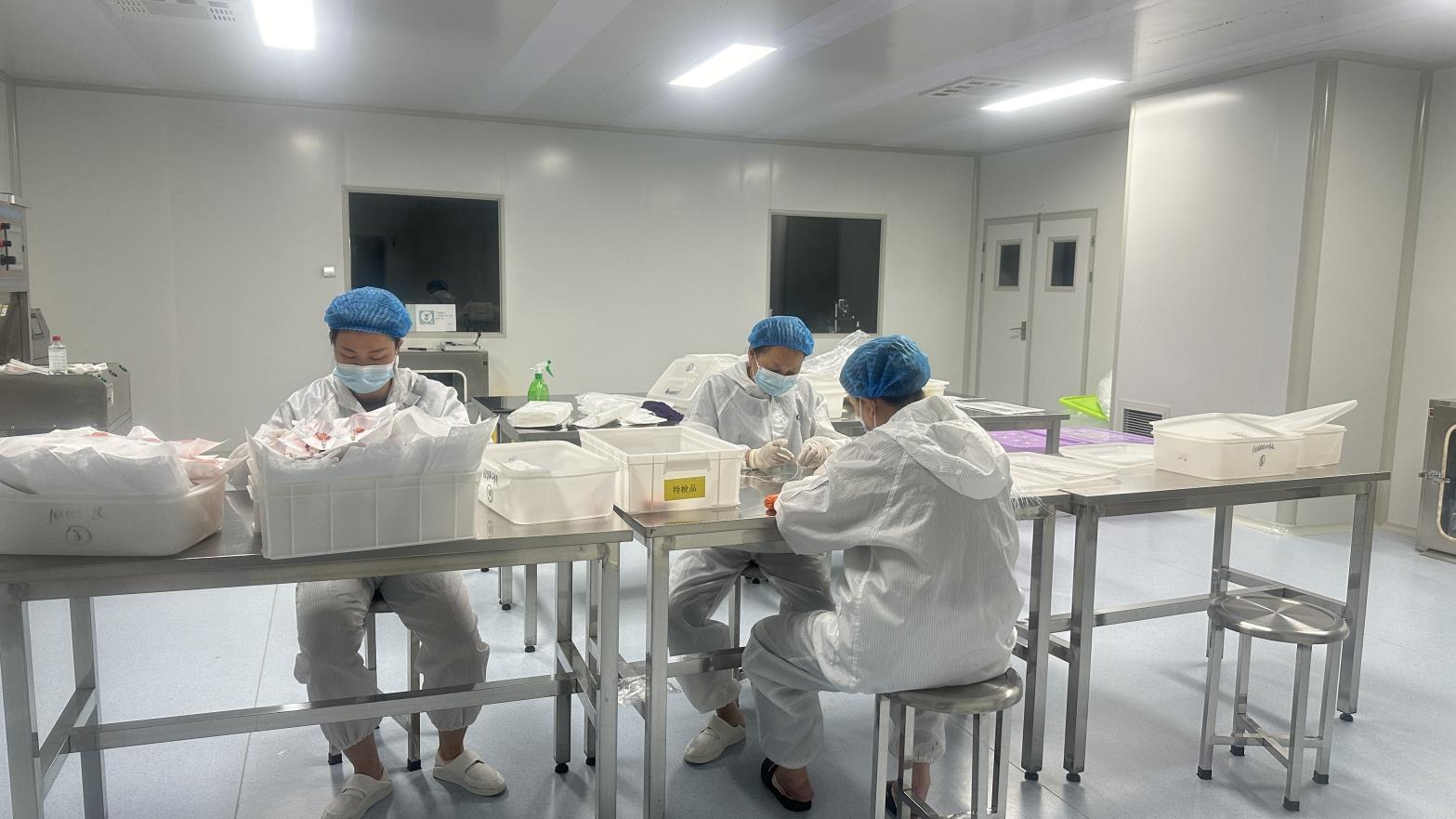
Post-cleaning inspections check dimension accuracy and surface finish. Products are then packaged in controlled cleanrooms.
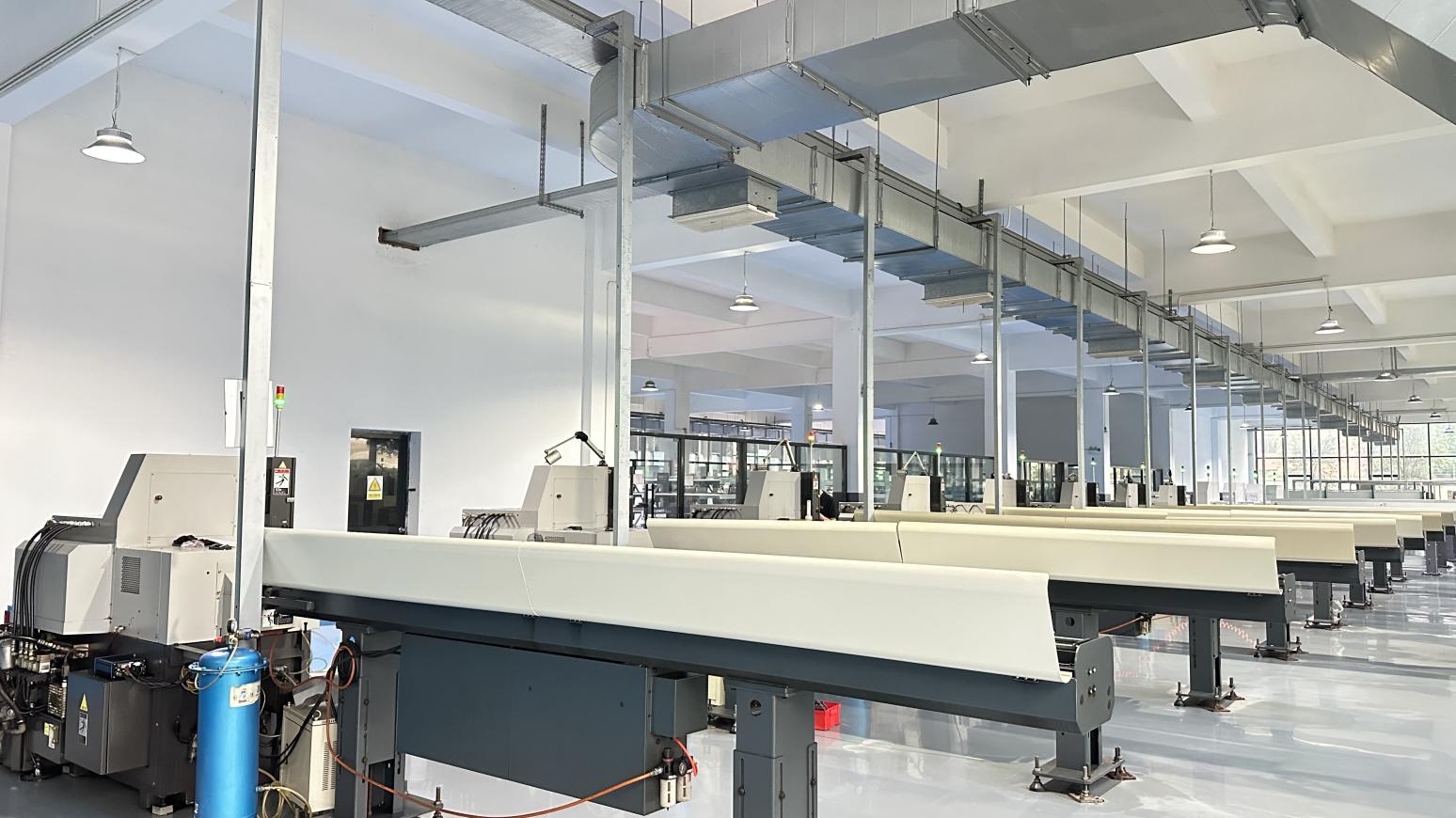
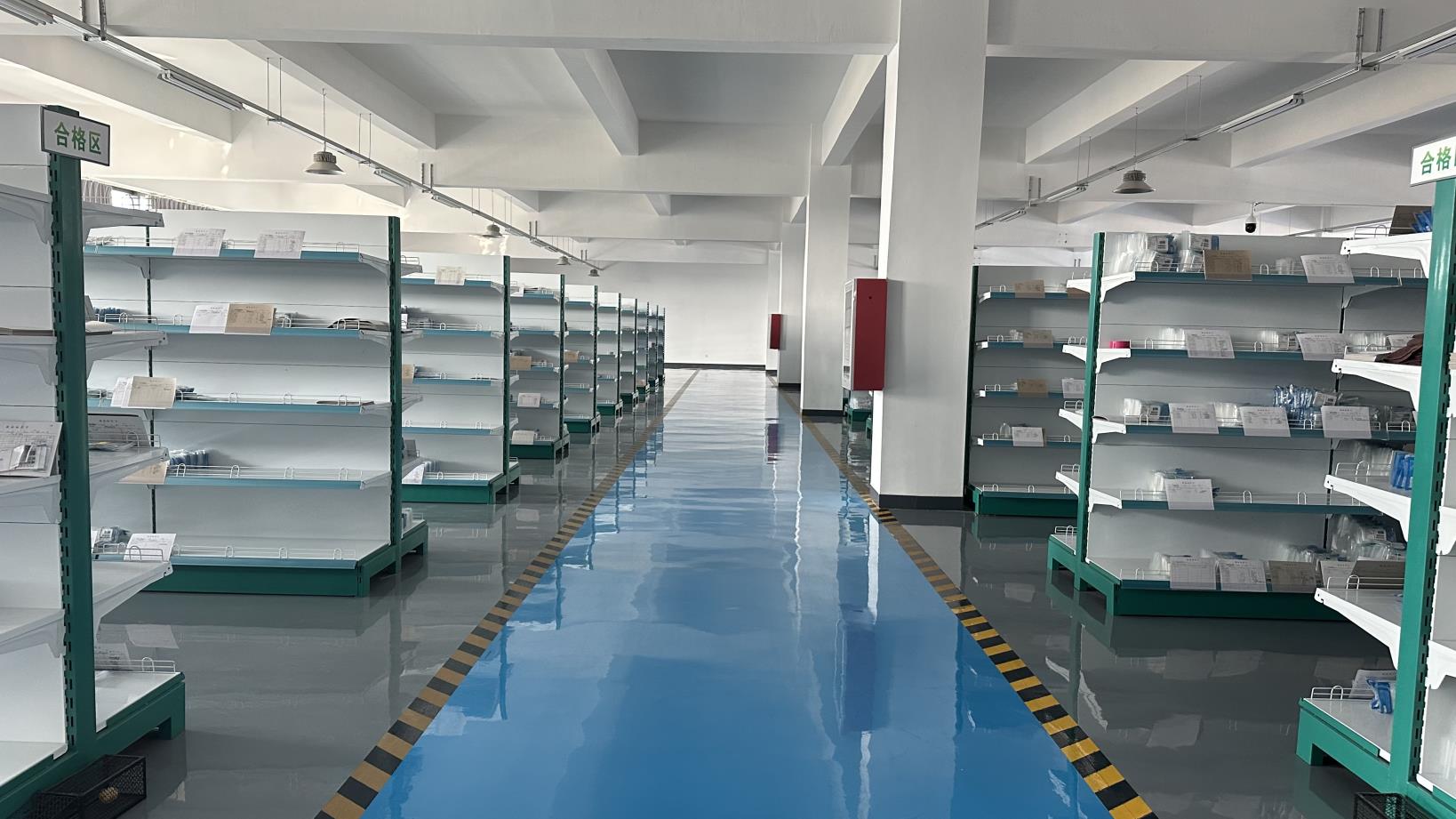
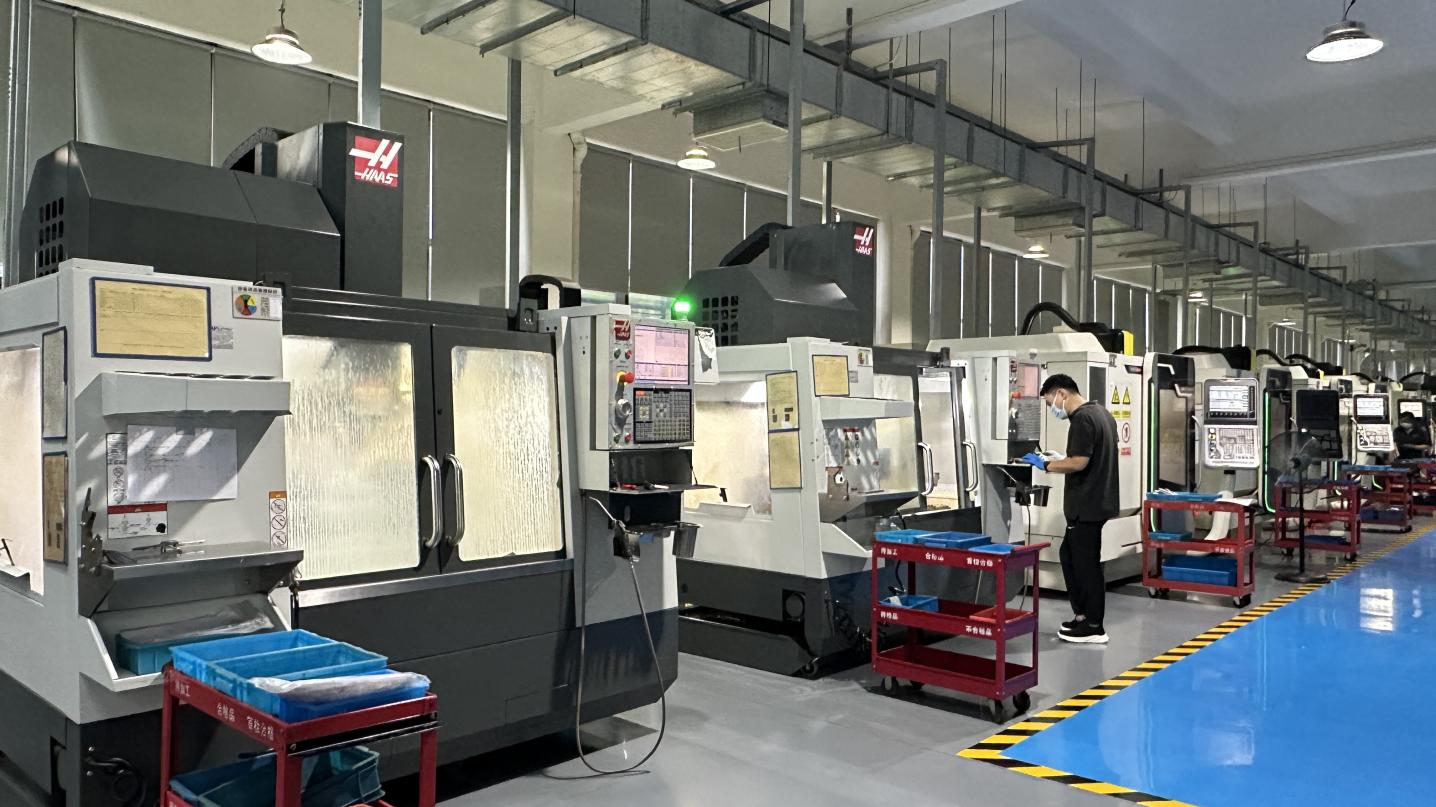
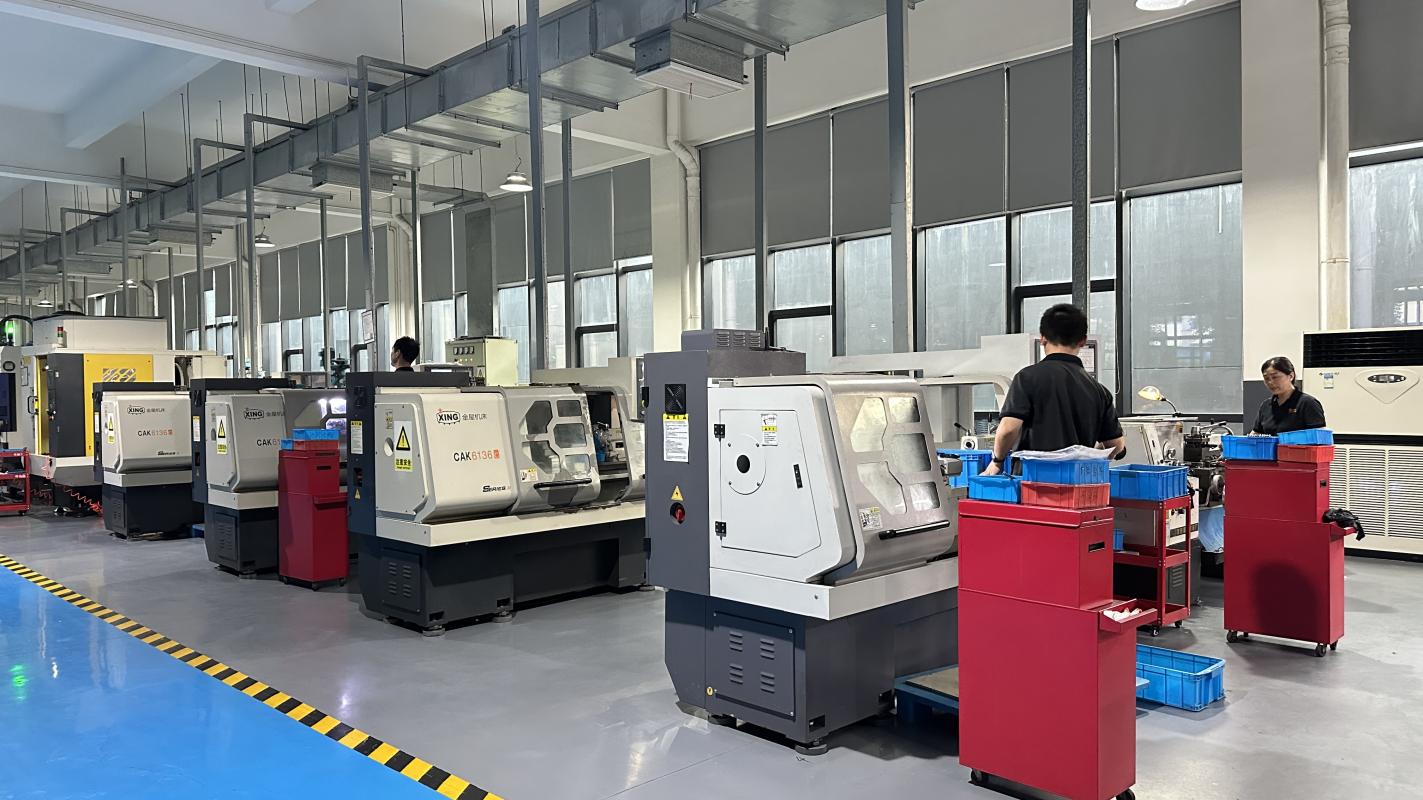
Temperature and humidity-controlled storage organizes finished implants and instruments, ensuring safe handling before shipping.
Automated bar feeders and slitting systems process incoming materials with minimal manual intervention.
Multi-axis CNC equipment mills complex 3D profiles and contoured surfaces in a single setup.
Swiss-type turning centers machine cortical, locking, and variable-angle locking screws with high precision.
Precision wire EDM systems machine complex profiles and structural windows in specialized trauma implants.
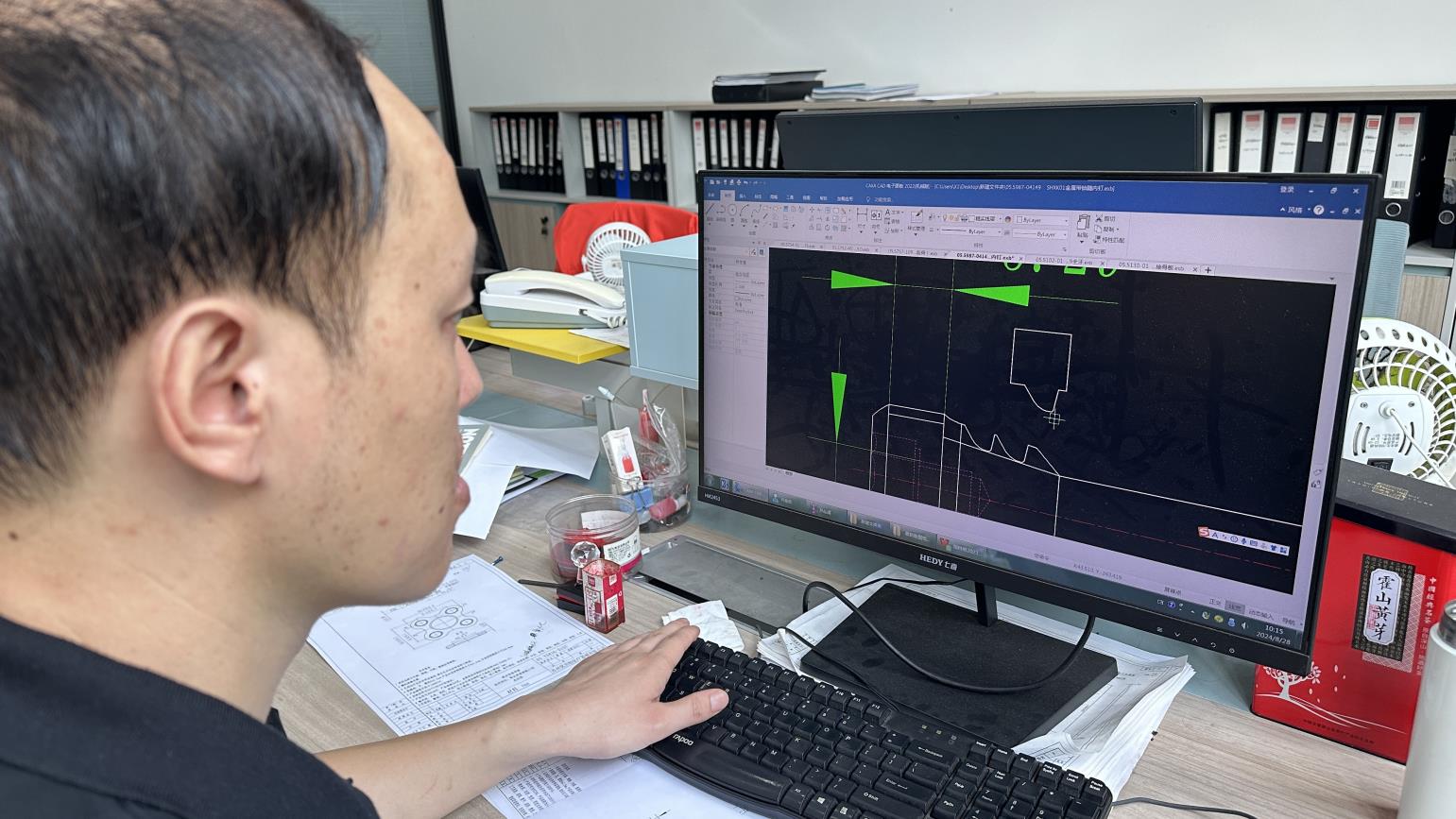
R&D engineers design implant shapes using CAD/CAM modeling software and run FEA stress testing.
Quality control testing using coordinate measuring machines (CMM) and optical comparators to confirm dimension tolerances.
The choice of material affects the biomechanical performance and biocompatibility of small fragment locking plates. Manufacturers select materials based on clinical application, anatomical location, and patient factors:
Titanium remains the preferred choice for trauma fixation. Its elastic modulus is closer to human cortical bone than stainless steel, reducing stress shielding—a phenomenon where the metal implant carries all the load, causing adjacent bone to lose density. Titanium's biocompatibility, corrosion resistance, and MRI compatibility make it suitable for long-term implantation.
Known for its strength and fatigue resistance, vacuum-arc remelted 316LVM stainless steel is often used in high-stress applications. While it has a higher elastic modulus than titanium, its ductility allows for easier intraoperative contouring, making it useful for complex intra-articular reconstructions where custom plate shaping is necessary.
PEEK implants offer radiolucency, allowing surgeons to monitor bone healing on X-rays without metal artifacts. PEEK's elastic modulus is close to that of bone, promoting secondary bone healing through micro-motion. It is frequently used in spinal cages, suture anchors, and specialized trauma implants where radiolucency is a priority.
Small fragment locking systems (typically utilizing 3.5mm, 2.7mm, and 2.4mm configurations) are used in several key surgical applications:
Volar locking plates are standard for unstable distal radius fractures. Sourcing managers look for low-profile plates with variable-angle locking screws near the joint line to support subchondral bone without entering the joint space.
Pre-contoured lateral malleolus plates and clavicle shaft plates reduce the need for manual shaping, shortening operating times. These plates feature rounded edges and thin profiles to minimize patient discomfort under thin skin layers.
Veterinary surgeons require durable, cost-effective implants for companion animals and equine fracture stabilization. Sourcing locking plates that accommodate both human and veterinary sizing (such as 2.0mm and 2.4mm systems) helps suppliers expand into the veterinary healthcare market.