Bonevia Bonevia

CE Certified Tibial Trays Manufacturer & Factories

High-Precision Orthopedic Implants, Joint Reconstruction Systems & Trauma Devices

Technical Whitepaper

Global Sourcing & Quality Standards for Tibial Trays & Joint Implants

As total knee arthroplasty (TKA) clinical protocols continue to advance globally, the demand for high-durability, biocompatible, and anatomically precise tibial trays has grown. Selecting an established manufacturer that integrates advanced metallurgy with international regulatory certifications is vital for clinical success and long-term implant survival.

Corporate Profile & Production Capacity

Bonevia Orthopedic Technology Co., Ltd. is a leading professional manufacturer specializing in orthopedic implants and surgical solutions, dedicated to advancing innovation in trauma, spine, and joint reconstruction products. Since our establishment in 2015, we have grown into a trusted developer and manufacturer in the global orthopedic device industry.

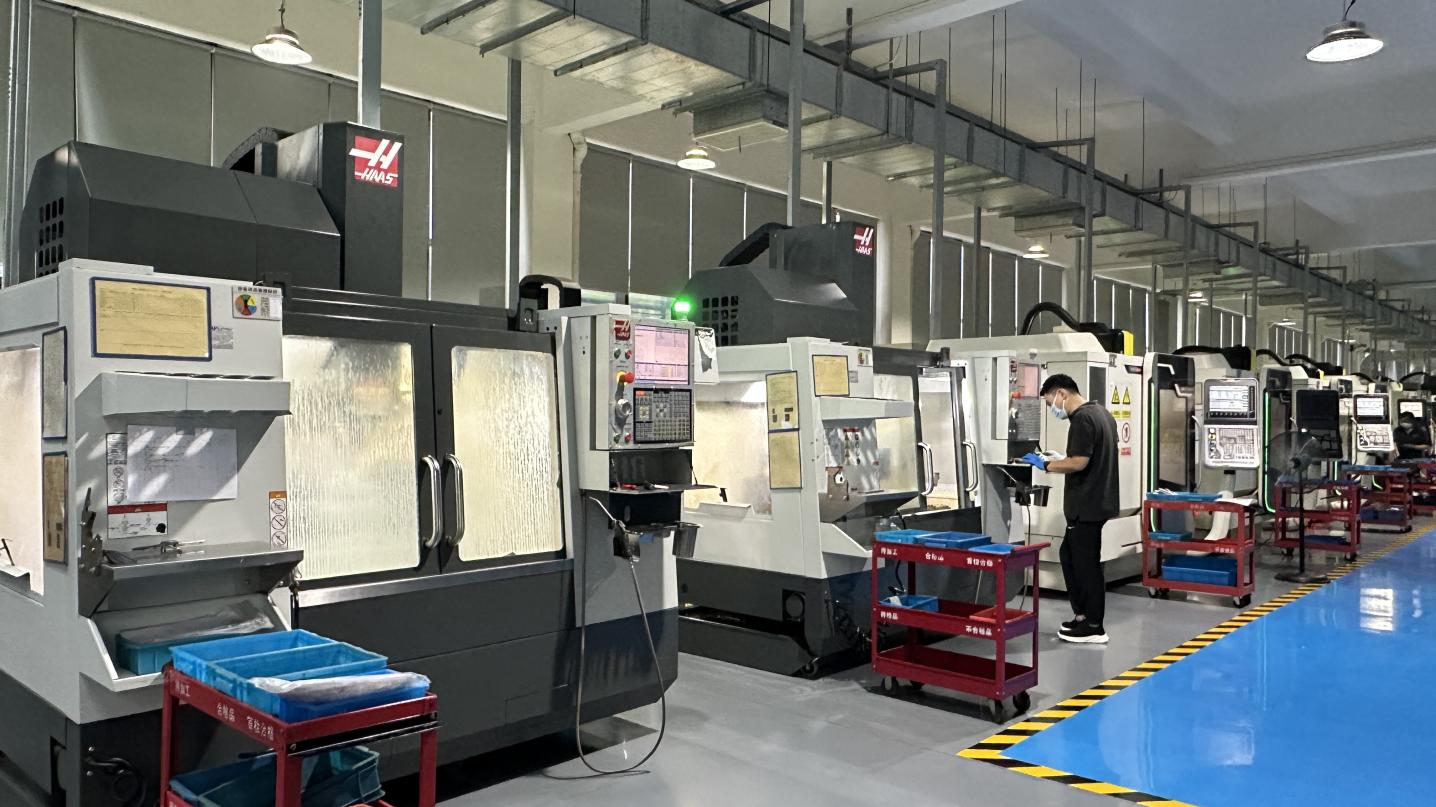
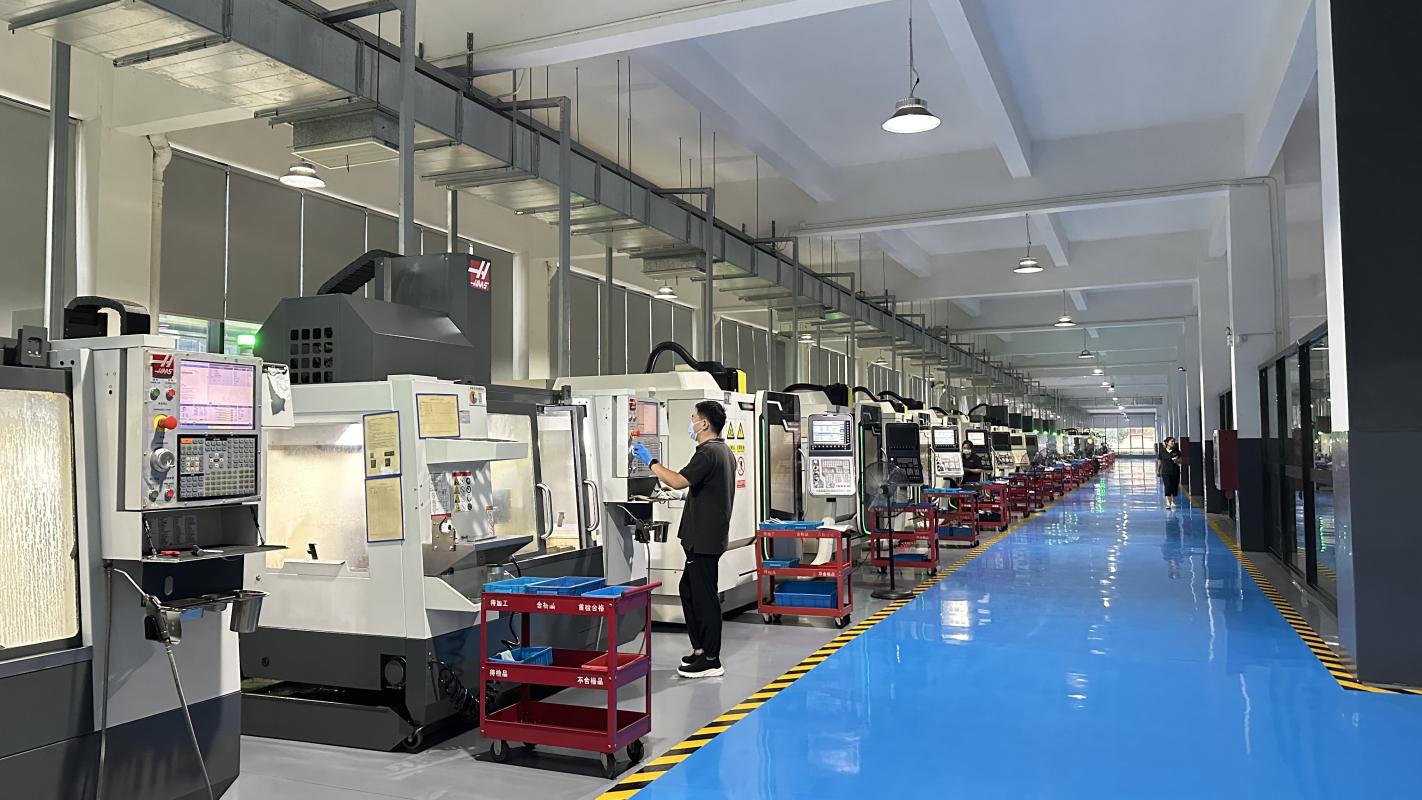
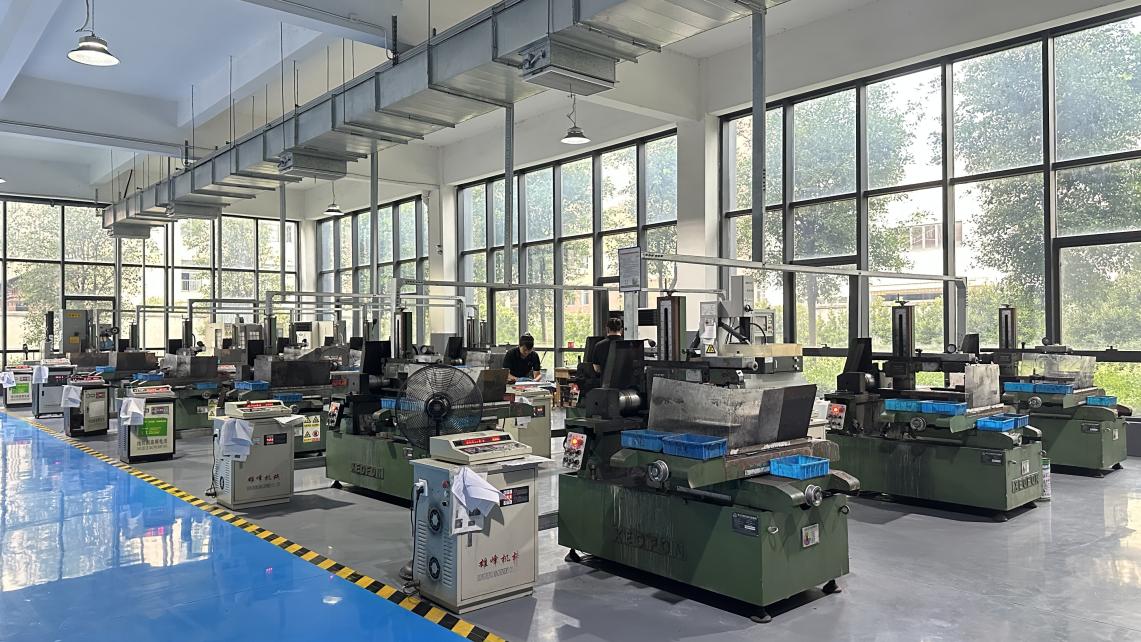
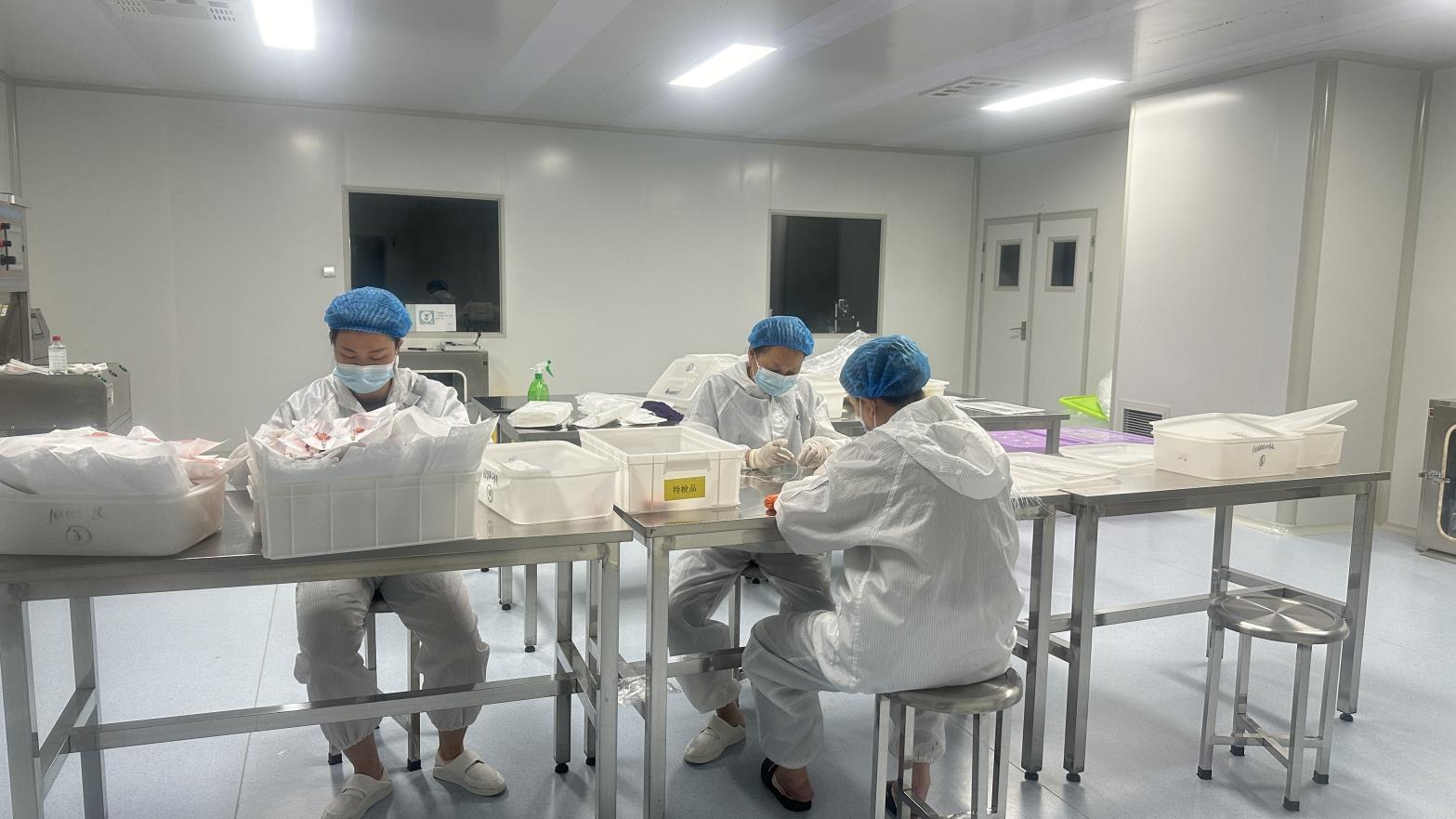
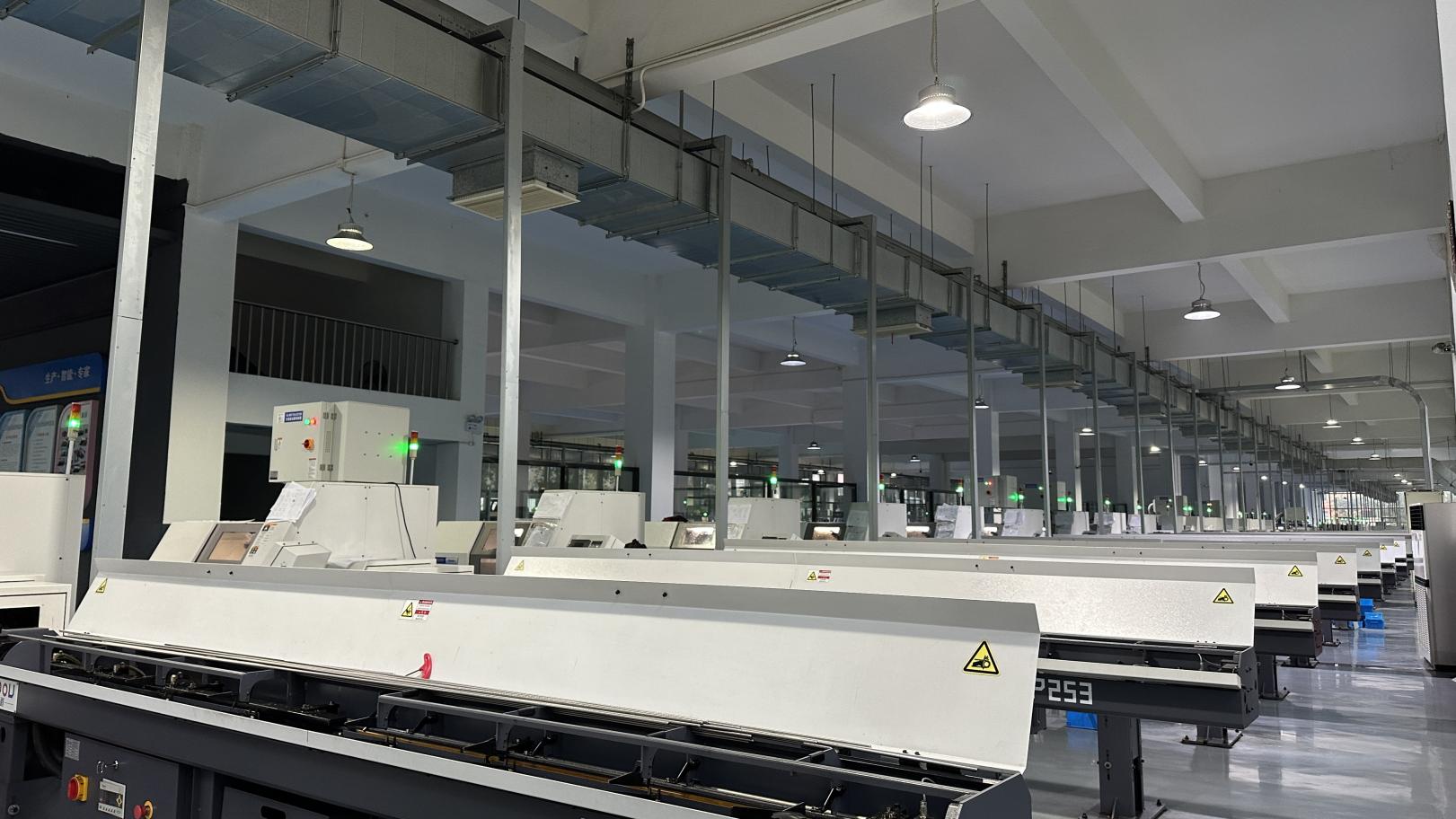
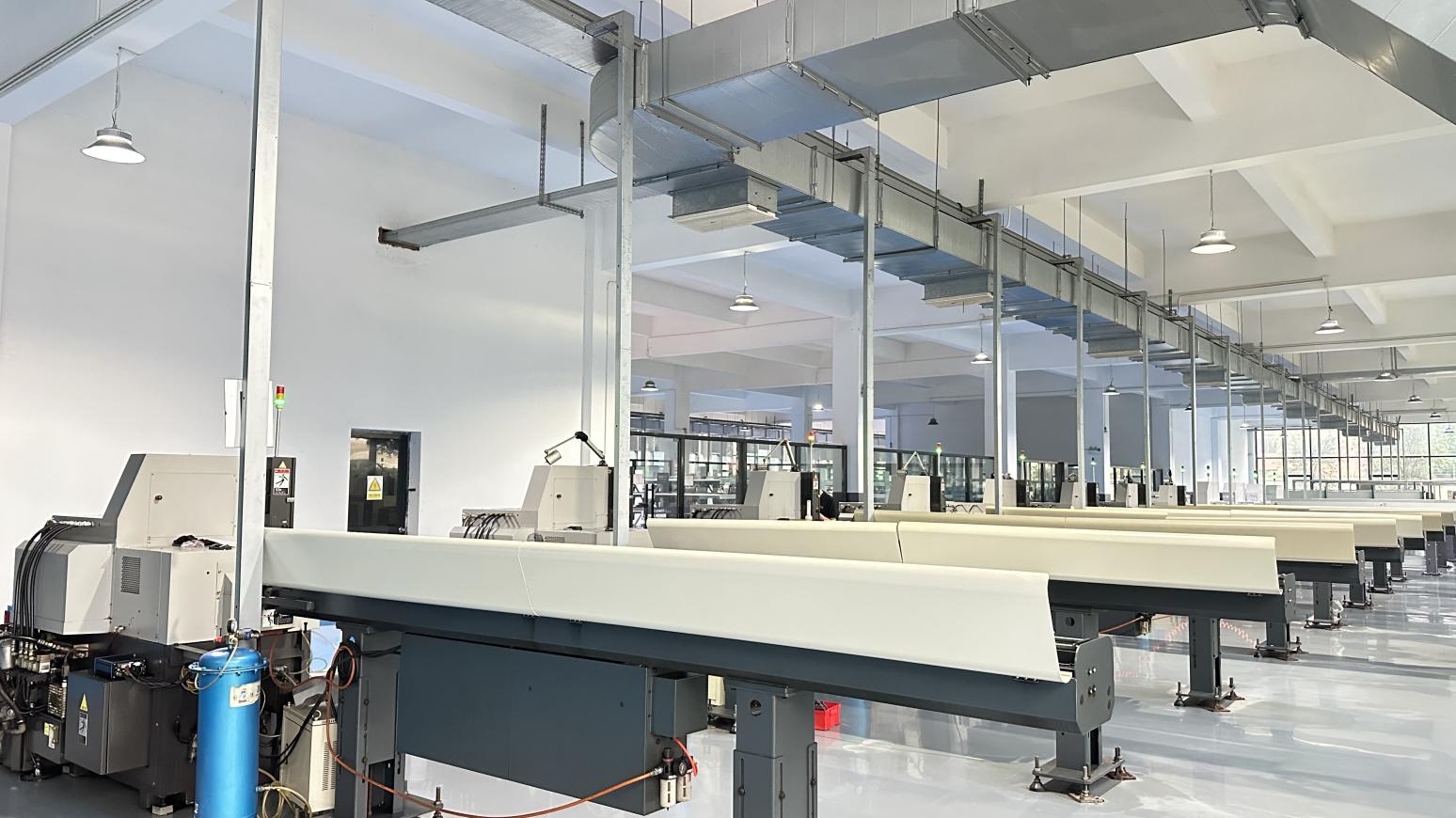
Operating from a modern production facility covering approximately 320㎡, Bonevia maintains strict quality management standards and cleanroom assembly procedures. We manage robust global distribution channels, yielding an annual export revenue of USD 8–15 million. This performance is backed by 6 years of export experience and over 10 years of orthopedic manufacturing history.

Bonevia Manufacturing Center
2015
Established Year
USD 8-15M
Annual Export Value
35
QA Inspectors
85
R&D Engineers

Precision Manufacturing Process & Factory Controls

We manufacture orthopedic implants under ISO 13485 regulations. Each production phase is monitored—from raw bar stock inspection to final sterile packaging.
Materials Procurement
1. Materials Sourcing
Slitting Process
2. Slitting & Pre-shaping
CNC Machining Center
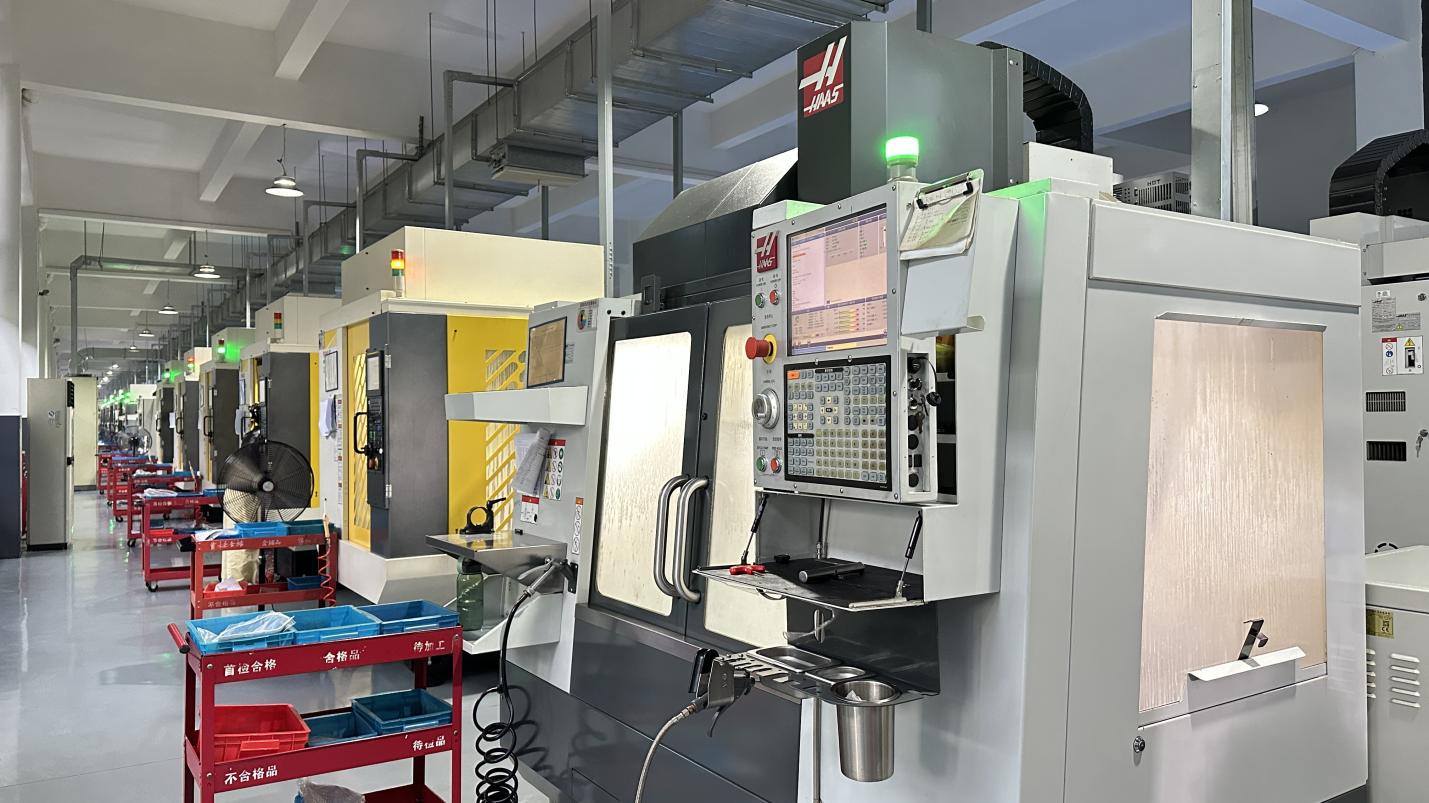
3. CNC Machining Center
Machining Phase
4. Fine Lathe Machining
Surface Machining
5. Precision Machining
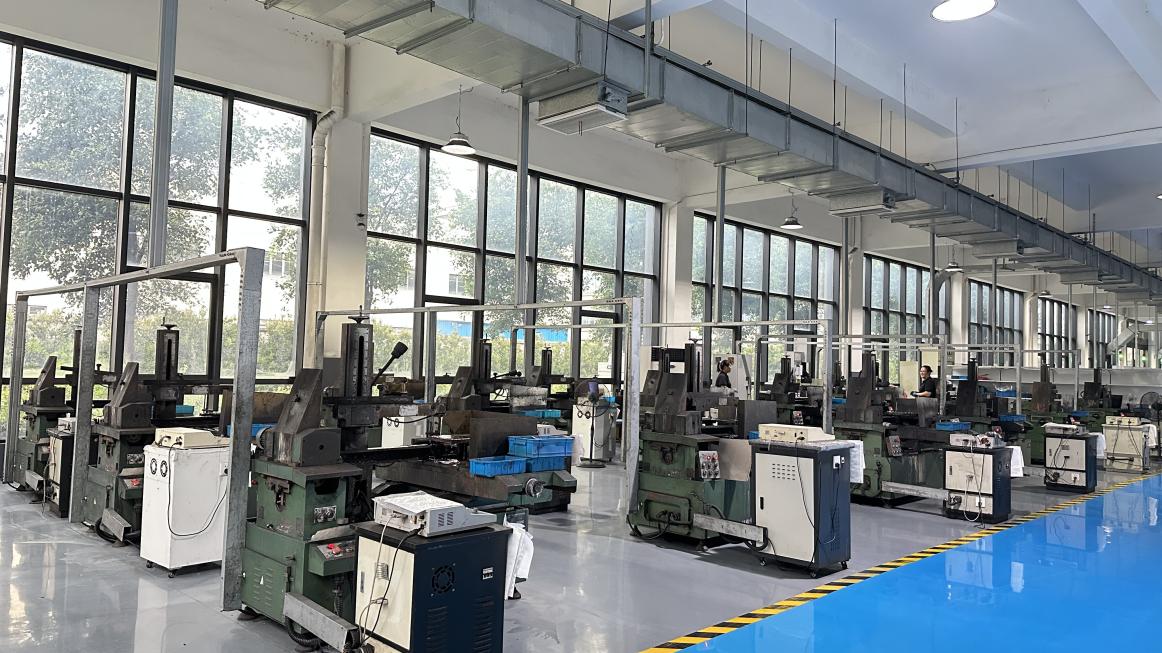
Wire-cutting Machine
6. Wire-cutting Phase
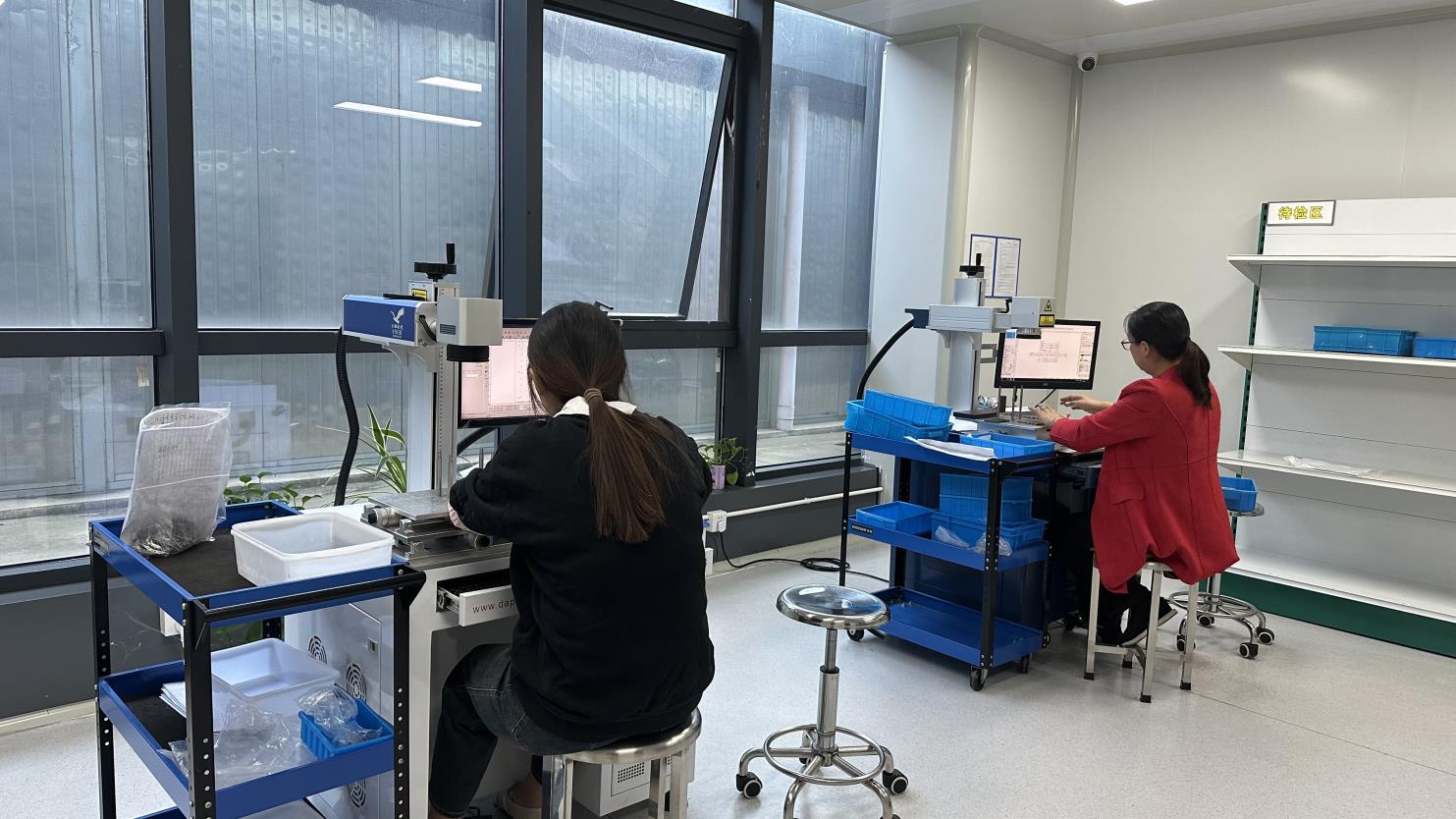
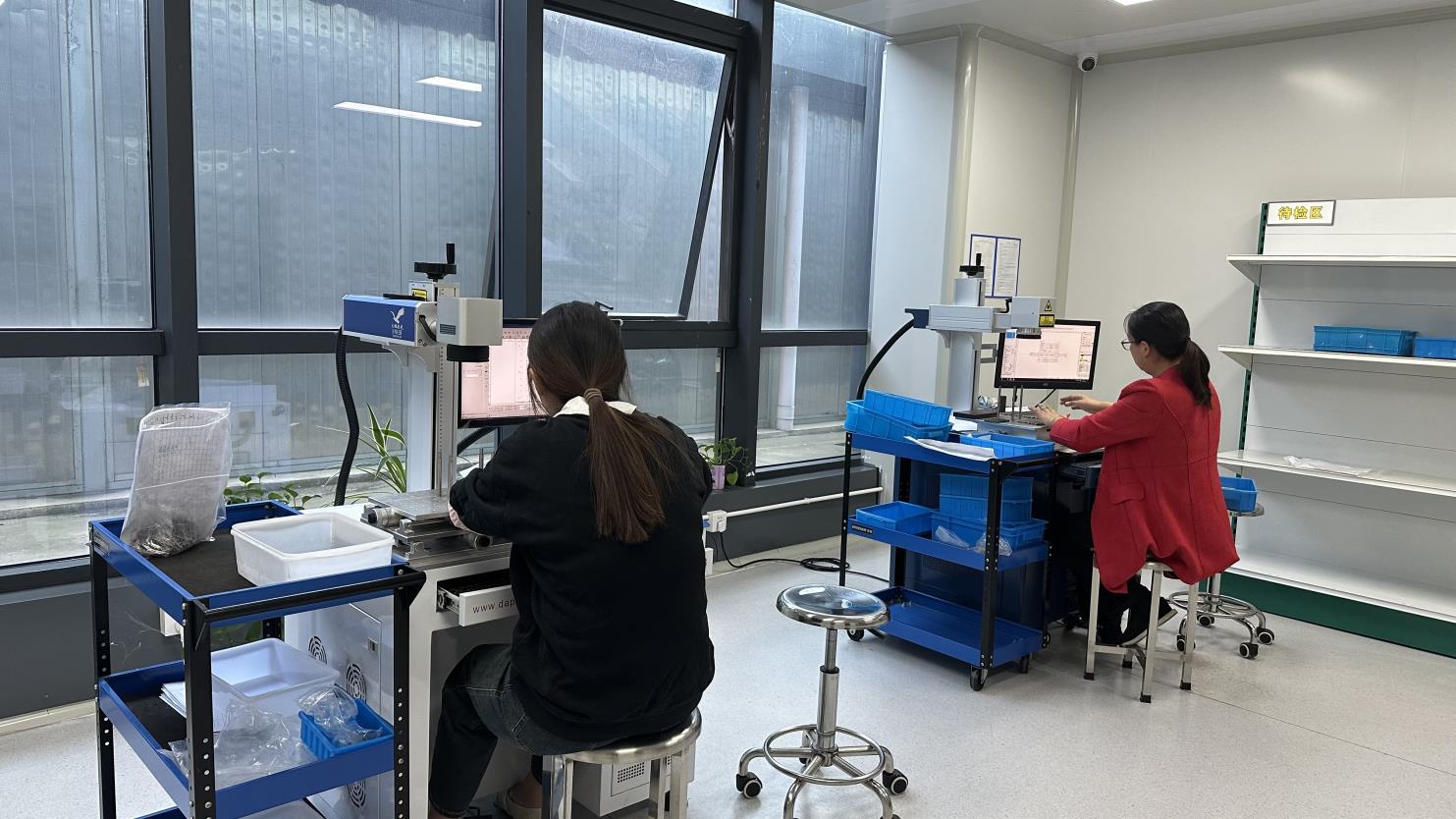
Laser Marking
7. Laser Marking & Traceability
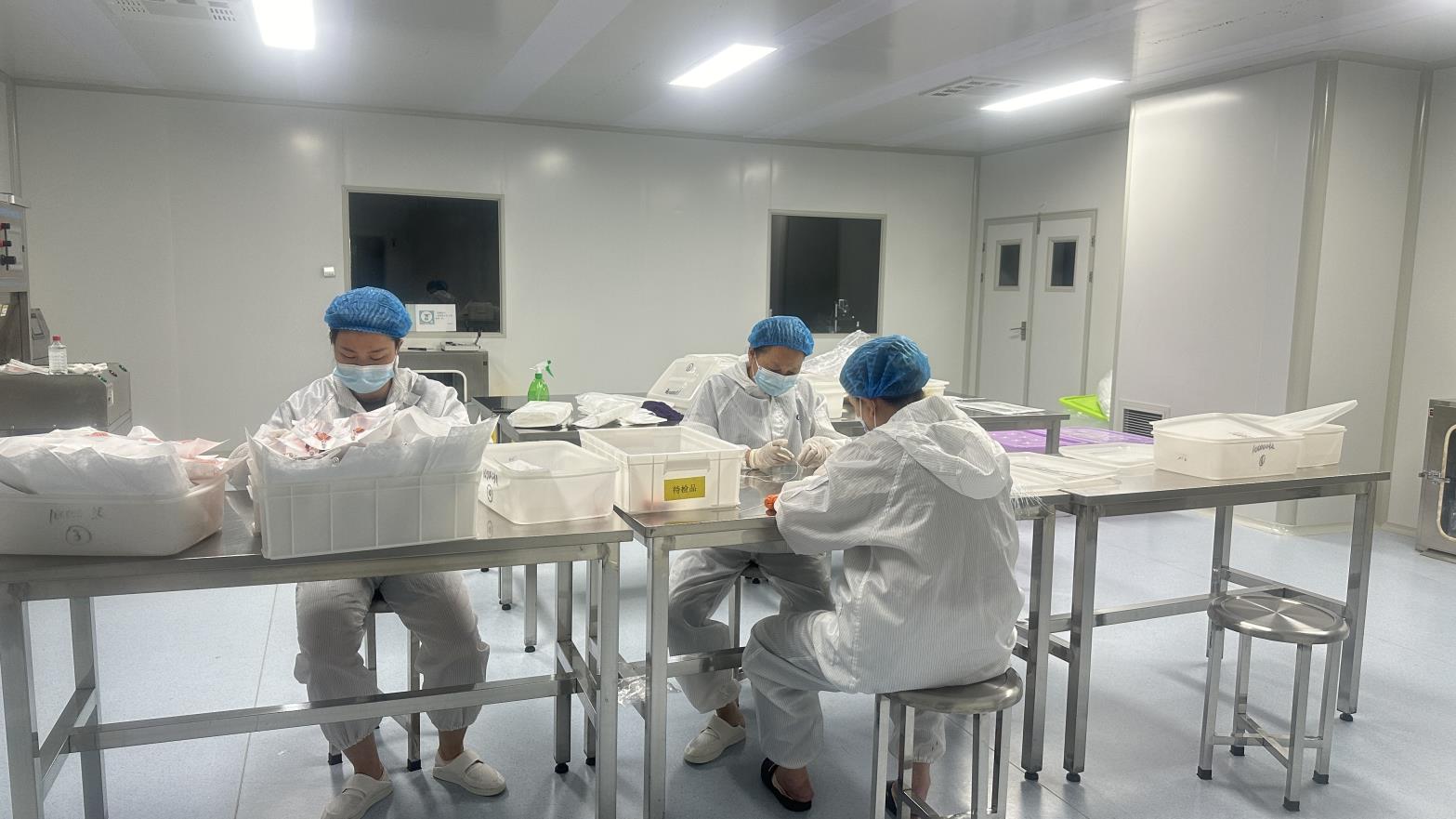
Inspection and Packing
8. Inspection & Packing
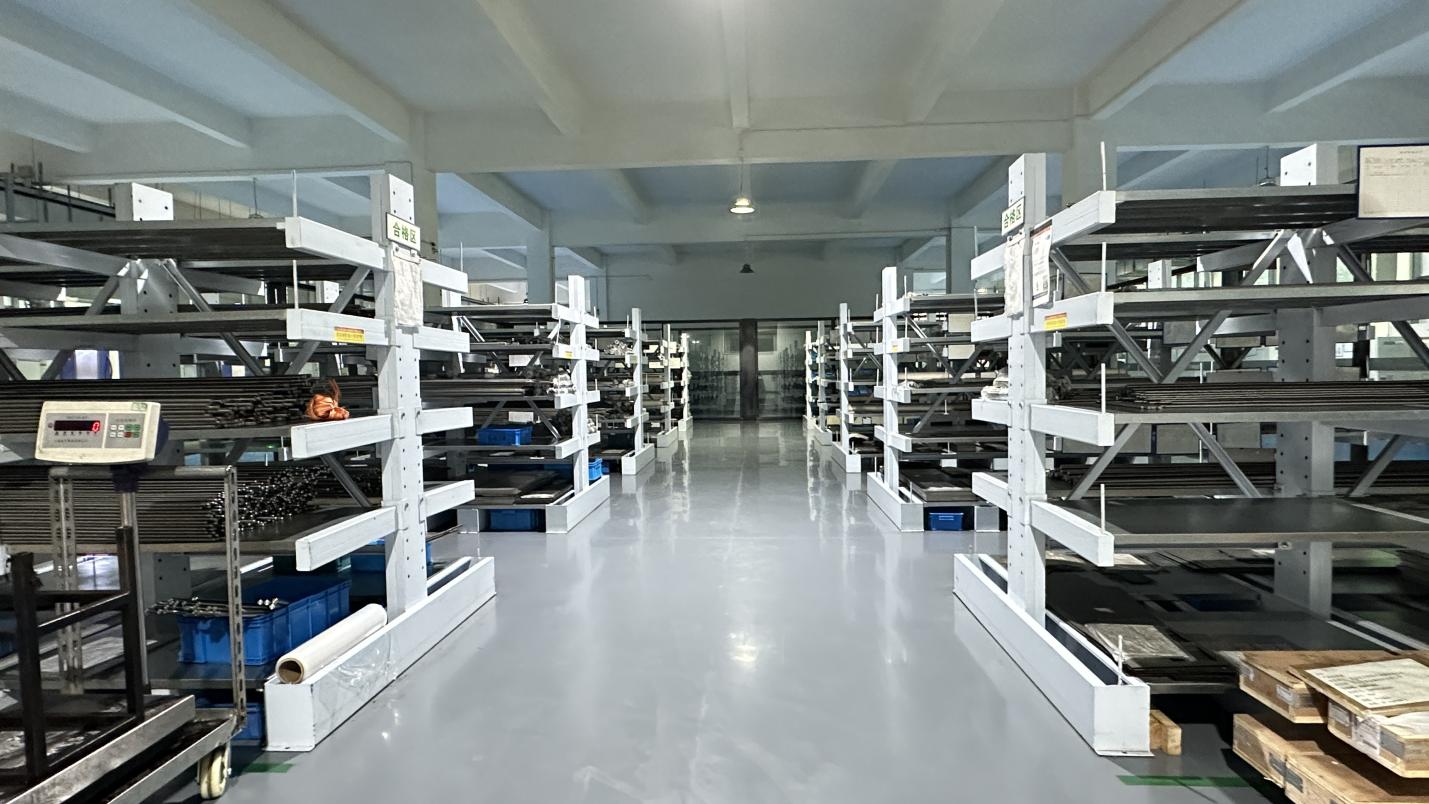
Warehouse Storage
9. Clean Warehouse Storage
Wire-cutting Process
10. EDM & Wire Cutting
Laser Marking Machine
11. UDI Marking System
Final QA Inspection
12. Advanced Product Design & QC

The China Manufacturing Advantage in Joint Arthroplasty

Chinese medical device manufacturers have evolved from low-cost parts suppliers into advanced technology integrators. Key factors driving this industry growth include:

  • Integrated Supply Chain: Access to high-purity medical titanium (Ti6Al4V ELI) and cobalt-chromium alloys (CoCrMo) conforming to ASTM F136 and ISO 5832 specifications.
  • Advanced Machining: Precision multi-axis CNC milling, Swiss lathes, and EDM cutting ensure dimensional consistency below 5 microns.
  • Consolidated Production Costs: Cost-efficient manufacturing combined with advanced equipment enables competitive OEM pricing for global distributors.
  • Robust R&D Scaling: Fast translation of technical drawings into functional prototypes, supported by Bonevia's engineering and design teams.

Industry Trends in Tibial Component Engineering

Clinical updates in knee arthroplasty are steering the development of new tibial trays:

  • Porous and Cementless Trays: Additive manufacturing (3D printing) creates biomimetic trabecular structures directly on the titanium baseplate to promote biological bone ingrowth.
  • High Cross-linked Polyethylene (XLPE): Enhanced polyethylene tibial inserts with antioxidant additions (like Vitamin E) are paired with polished tibial trays to reduce wear debris.
  • Kinematic and Patient-Specific Alignment (PSI): Development of asymmetric tibial trays that mirror anatomical contours, minimizing soft tissue irritation and cortical overhang.

Clinical Applications & Sourcing Scenarios

Tibial trays form the structural foundation of total knee reconstruction. Different surgical situations place specific demands on design and material performance:

Primary Total Knee Arthroplasty (TKA)

For primary joint disease (such as osteoarthritis and rheumatoid arthritis), standard modular tibial baseplates offer stability. Manufacturers supply symmetrical or asymmetrical designs in multiple sizes to fit different patient demographics, reducing the risk of aseptic loosening.

Revision Joint Reconstruction

When a primary implant fails due to wear or osteolysis, revision surgeries require tibial trays with modular stems and metallic wedge augmentations. High-accuracy manufacturing ensures these components interlock securely, stabilizing bone-deficient joints.

Macro Sourcing Solutions for Global Enterprise Procurement

Procuring medical-grade orthopedic implants involves complex supply chain and regulatory requirements. Bonevia provides integrated services tailored for overseas distributors and healthcare organizations:

  • Regulatory Compliance (CE & MDR): Implants comply with the European Medical Device Regulation (EU MDR 2017/745), ensuring smooth customs clearance and import access.
  • OEM/ODM Customization: Bonevia's design office utilizes CAD/CAM models and Finite Element Analysis (FEA) to customize components and instrumentation sets.
  • Quality Control Teams: Our quality assurance department employs 35 inspectors using coordinate measuring machines (CMM), surface roughness testers, and metallographic analyzers.
  • Efficient Logistic Chains: Through relationships with over 850 raw material suppliers and logistical partners, we optimize lead times and maintain consistent inventory delivery.

Technical Sourcing FAQ

Q1: Which ISO standards and raw material grades do Bonevia tibial components utilize?
A: Our tibial trays and orthopedic implants are manufactured from medical-grade Titanium Alloy (Ti-6Al-4V ELI) conforming to ASTM F136 / ISO 5832-3, or Cobalt-Chromium-Molybdenum alloys conforming to ISO 5832-4. These raw materials undergo mechanical, ultrasonic, and chemical inspections before entering production.
Q2: How does Bonevia secure CE certification for orthopedic joint and trauma devices?
A: Bonevia’s joint and trauma implants conform to international standards and are certified by Notified Bodies under CE guidelines. We maintain a quality management system certified to ISO 13485, supported by complete technical documentation, biocompatibility profiles, and clinical evaluation files.
Q3: What are the minimum order quantities (MOQ) and lead times for OEM/ODM products?
A: Sourcing timelines depend on configuration complexities. Standard orthopedic systems can ship within 30 to 45 days. OEM customized designs requiring tool development or custom CNC configurations typically ship within 60 to 90 days. MOQs are determined based on raw material batch requirements.
Q4: How does Bonevia approach fatigue testing for joint prostheses?
A: Our design process includes extensive fatigue and mechanical testing. Joint prostheses and tibial baseplates undergo dynamic compression and shear stress testing according to ISO 14879-1 standards. This ensures the implants resist fatigue failure under simulated walking loads for over 5 million cycles.

Partner with a Certified Orthopedic Implant Manufacturer

Discuss your clinical product requirements, regulatory needs, and volume pricing with Bonevia's engineering and export specialists today.

Contact Sourcing Engineers