Bonevia Bonevia

CE Certified Vertebral Body Replacement Manufacturer & Factory

Precision Engineering, Osseointegrative Biomaterials & Strategic Global Supply for Spine Reconstruction

Vertebral Body Replacement (VBR): The Peak of Spinal Engineering

In spinal reconstruction, managing structural collapses resulting from severe trauma, primary or metastatic tumors, and advanced osteomyelitis requires highly advanced implants. Vertebral Body Replacement (VBR) systems are designed to restore mechanical load-bearing capacity, correct sagittal alignment, and protect neural structures in the thoracolumbar and cervical spine.

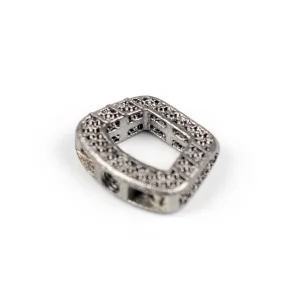
As a leading CE-certified orthopedic implant manufacturer, we produce high-performance static and expandable VBR solutions. Our devices feature advanced titanium mesh and 3D-printed porous structures that bridge the mechanical gap between spinal reconstruction elements and host bone tissue. By matching the elasticity modulus of bone, our systems reduce stress shielding and promote rapid osseointegration, ensuring long-term construct stability.

Biomechanically Optimized

Engineered to withstand cyclic compressive axial loads while minimizing vertebral endplate subsidence.

Advanced Surface Topography

Sub-micron roughness profiles designed to enhance cellular attachment and accelerate osteogenesis.
Bonevia Orthopedic Production Excellence

Bonevia Orthopedic: Delivering Excellence in Spinal Care

A trusted global supplier of CE-certified orthopedic implants and advanced surgical solutions

Established in 2015, Bonevia Orthopedic Technology Co., Ltd. has developed into a trusted supplier in the global orthopedic industry. Specializing in orthopedic implants and surgical solutions, we focus on driving innovation in trauma, spine, and joint reconstruction. Supported by modern production facilities, cleanroom production hubs, and strict quality control teams, we ensure all products comply with international medical device standards.
10+ Years
Spine Industry Experience
USD 8-15M
Annual Export Volume
35 Pros
Dedicated Quality Inspection Team
120+ Designs
New Designs Launched Annually

Strict Quality Assurance

Multi-stage inspection protocols covering incoming materials, in-process quality control, and final product testing to ensure patient safety.

Global Supply Ecosystem

A supply network with more than 850 partners ensures stable sourcing, consistent raw material supply, and reliable production timelines.

R&D & Customization

Our R&D team of 85 engineers provides professional OEM/ODM customization services to meet specific clinical and regulatory needs.

VBR Technical Roadmap & Innovation Horizon

Developing next-generation implants to support anatomic restoration and bone healing

Phase 1: 3D-Printed Trabecular Titanium

Transitioning from traditional solid and mesh cages to porous, biomimetic lattice structures. Using electron beam melting (EBM) to control pore size (300-800 microns) and porosity (60-80%), optimizing bone ingrowth and minimizing implant migration risk.

Phase 2: Hybrid Materials & Surface Topography

Combining the mechanical strength of titanium with the radiolucency of PEEK. Utilizing advanced surface treatments, such as acid etching and hydroxyapatite (HA) coatings, to enhance chemical bonding at the bone-implant interface.

Phase 3: Expandable VBR Systems

Developing expandable mechanisms that allow in-situ height and lordosis adjustments. This technology enables surgeons to insert the implant at a lower profile to protect neurological structures and expand it to fit the anatomical space.

Phase 4: Smart Implants & Bio-Sensing

Researching smart implants with integrated micro-sensors to monitor strain and bone healing. This real-time data helps clinicians track fusion progress and optimize patient rehabilitation programs.

Macro-Industry Solutions for Modern Healthcare

Addressing the challenges of aging populations, clinical complexity, and healthcare economics

Clinical Outcome Optimization

Our VBR implants are engineered to restore spinal sagittal balance, reduce operating time, and minimize post-operative complications like device subsidence.

Healthcare Cost-Containment

By optimizing manufacturing efficiency and consolidating supply chains, we offer medical centers and distributors high-quality implants at competitive prices.

Global Product Registration Support

We provide comprehensive technical documentation, clinical study files, and regulatory support to help our international partners streamline the product registration process.

China Factory 4.0: Supply Chain Resilience & Precision

Combining automated CNC machining, strict quality inspections, and vertical integration for reliability
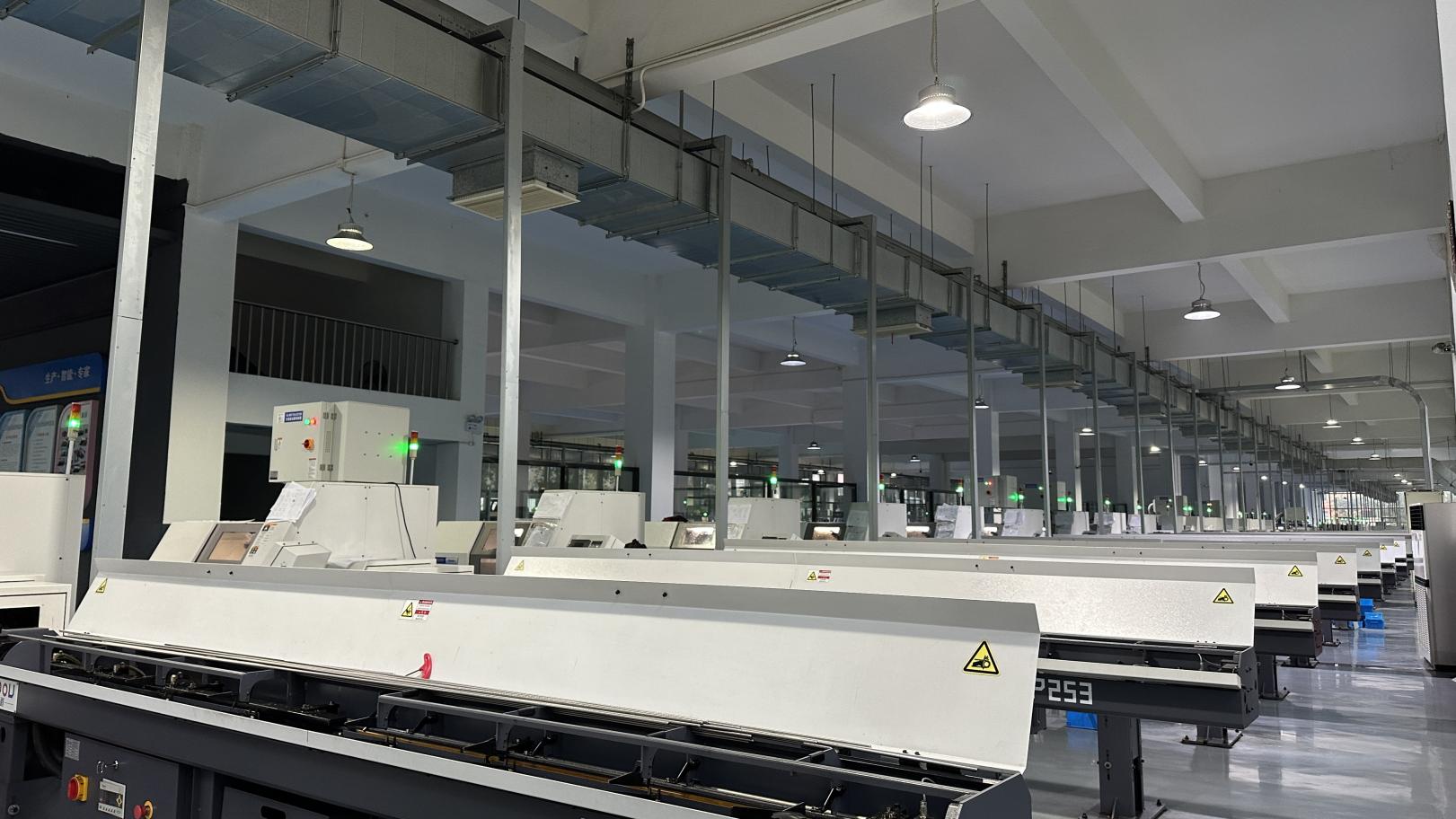
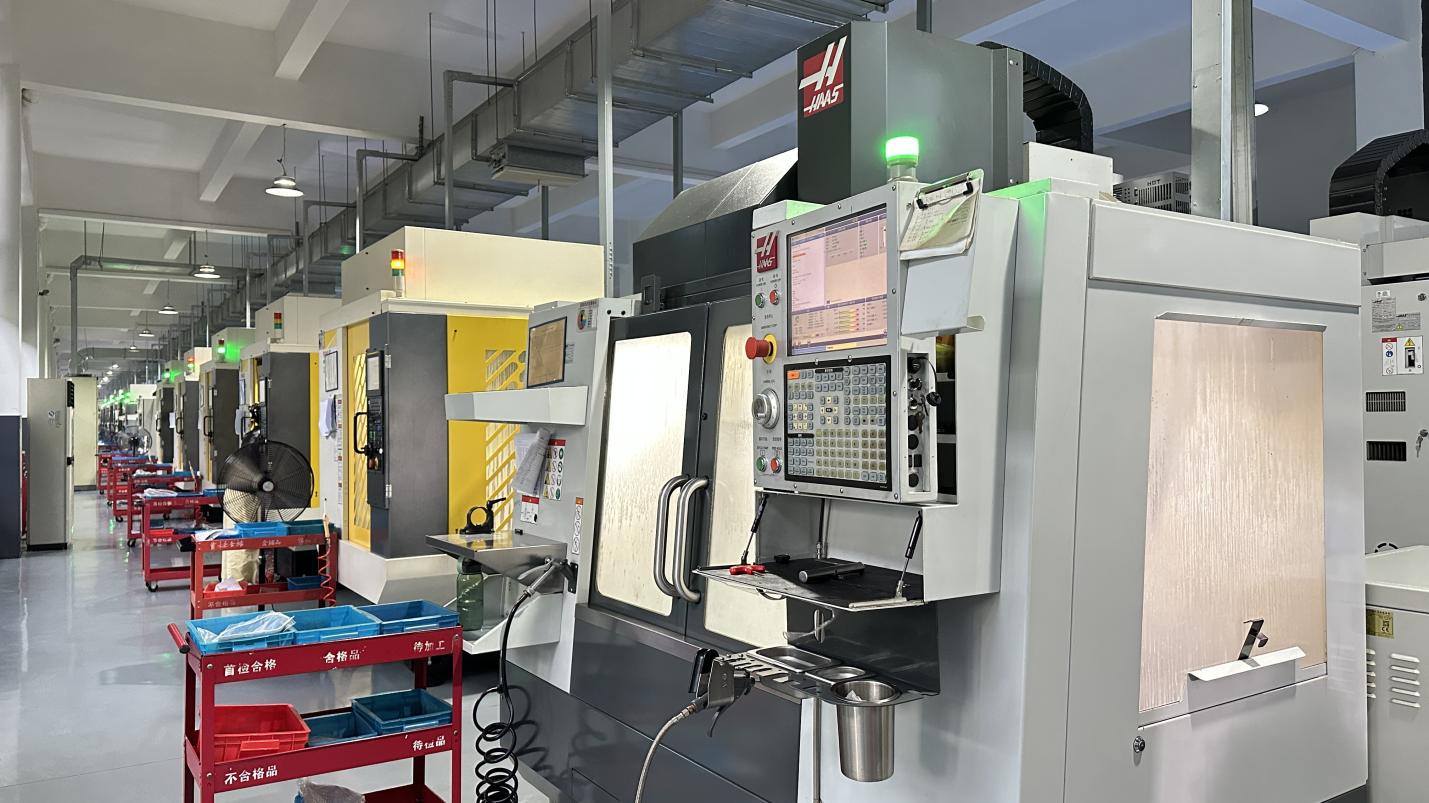
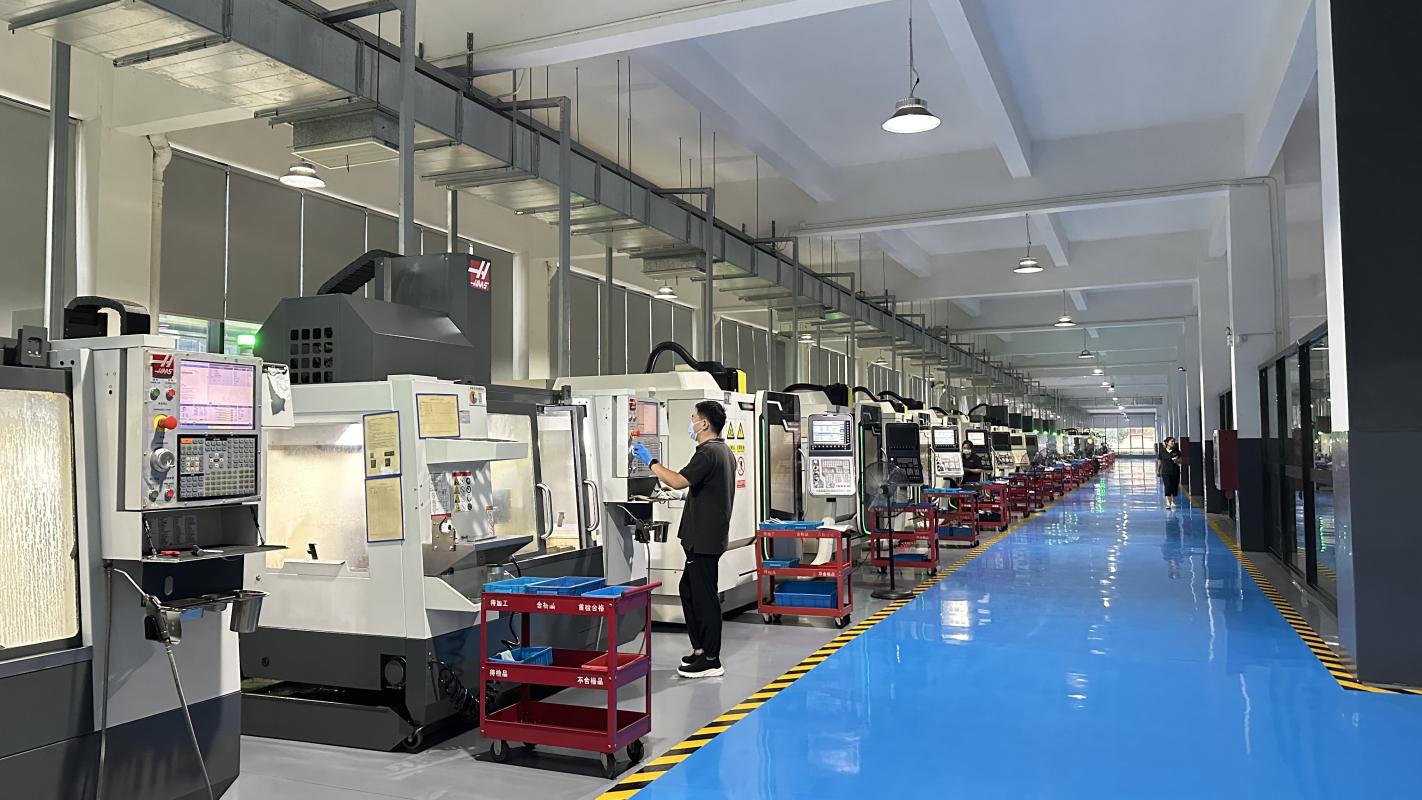
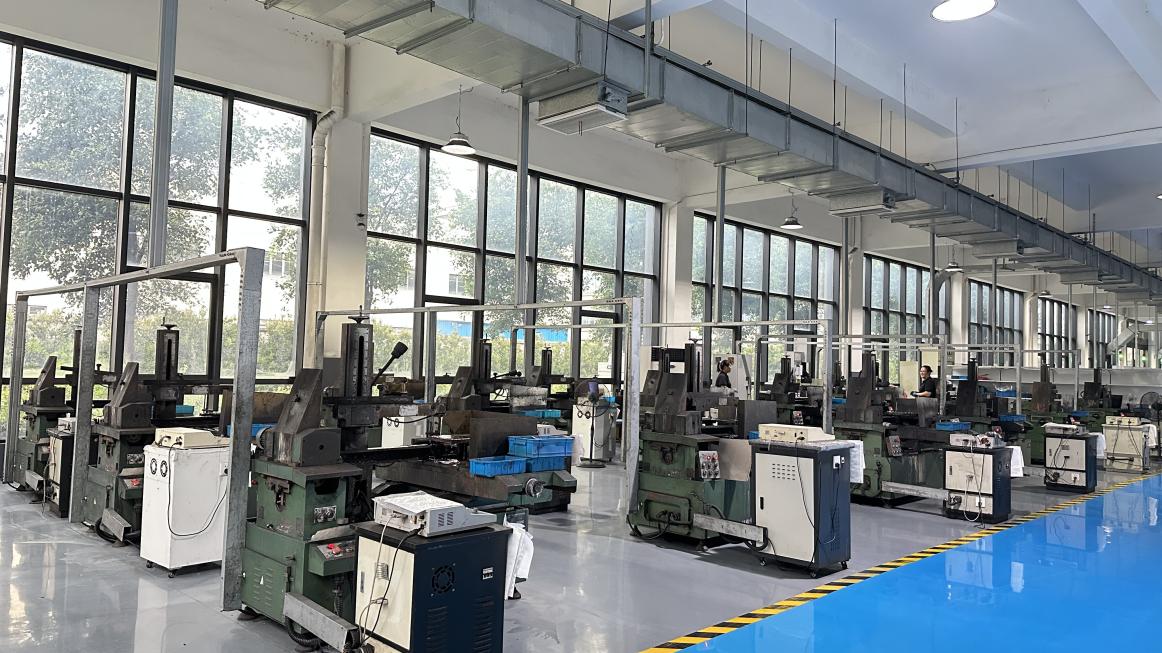
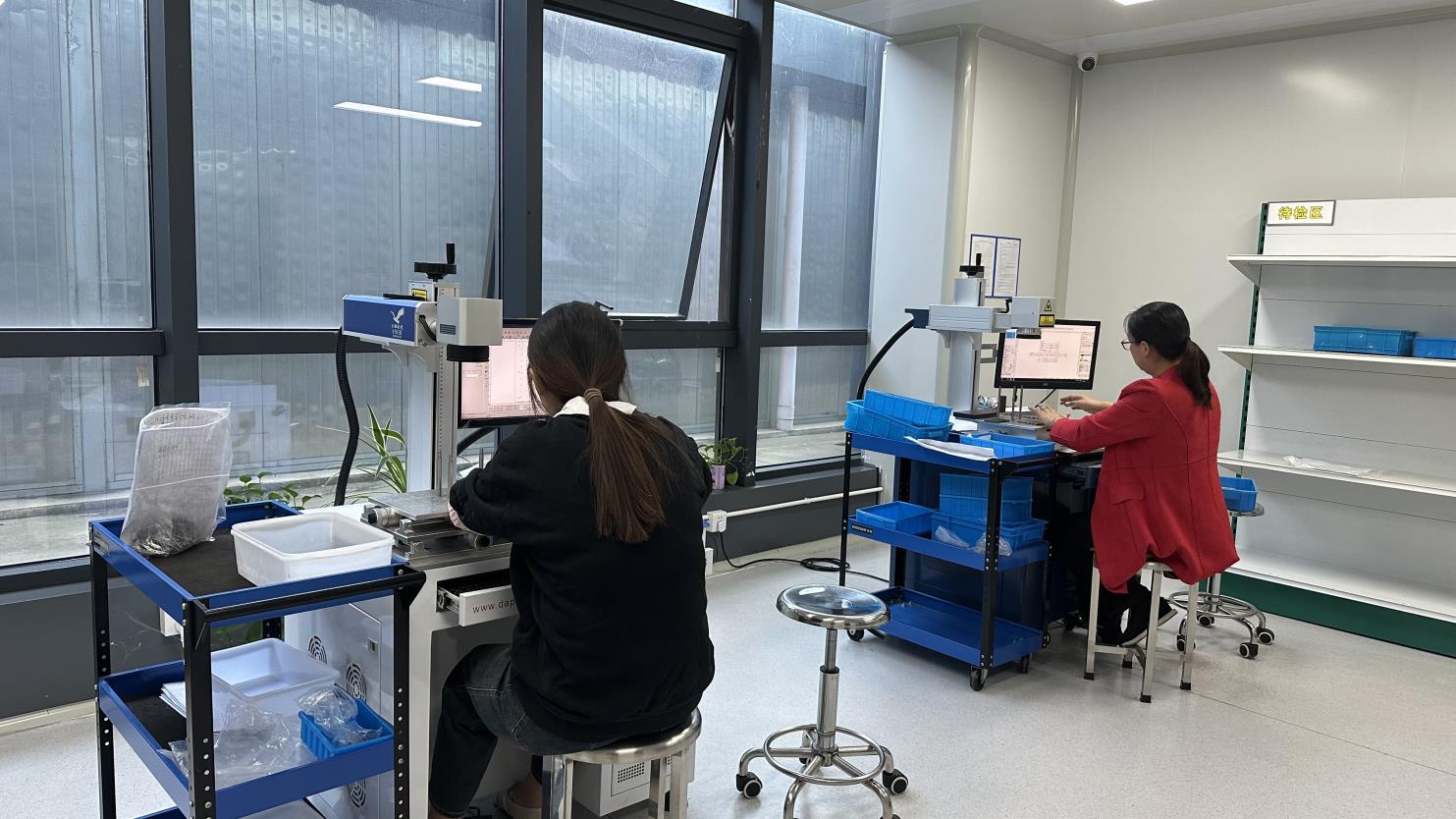
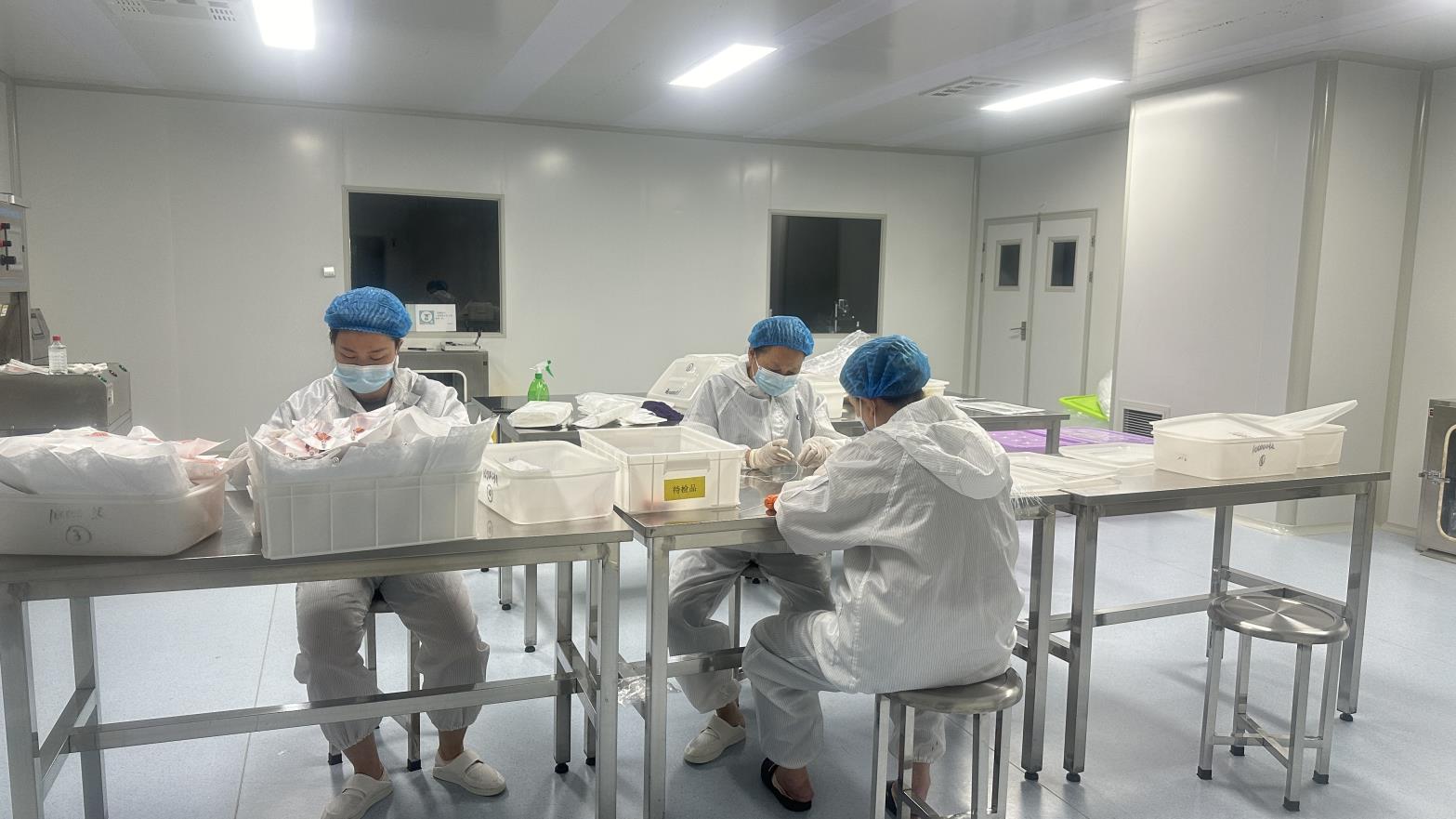
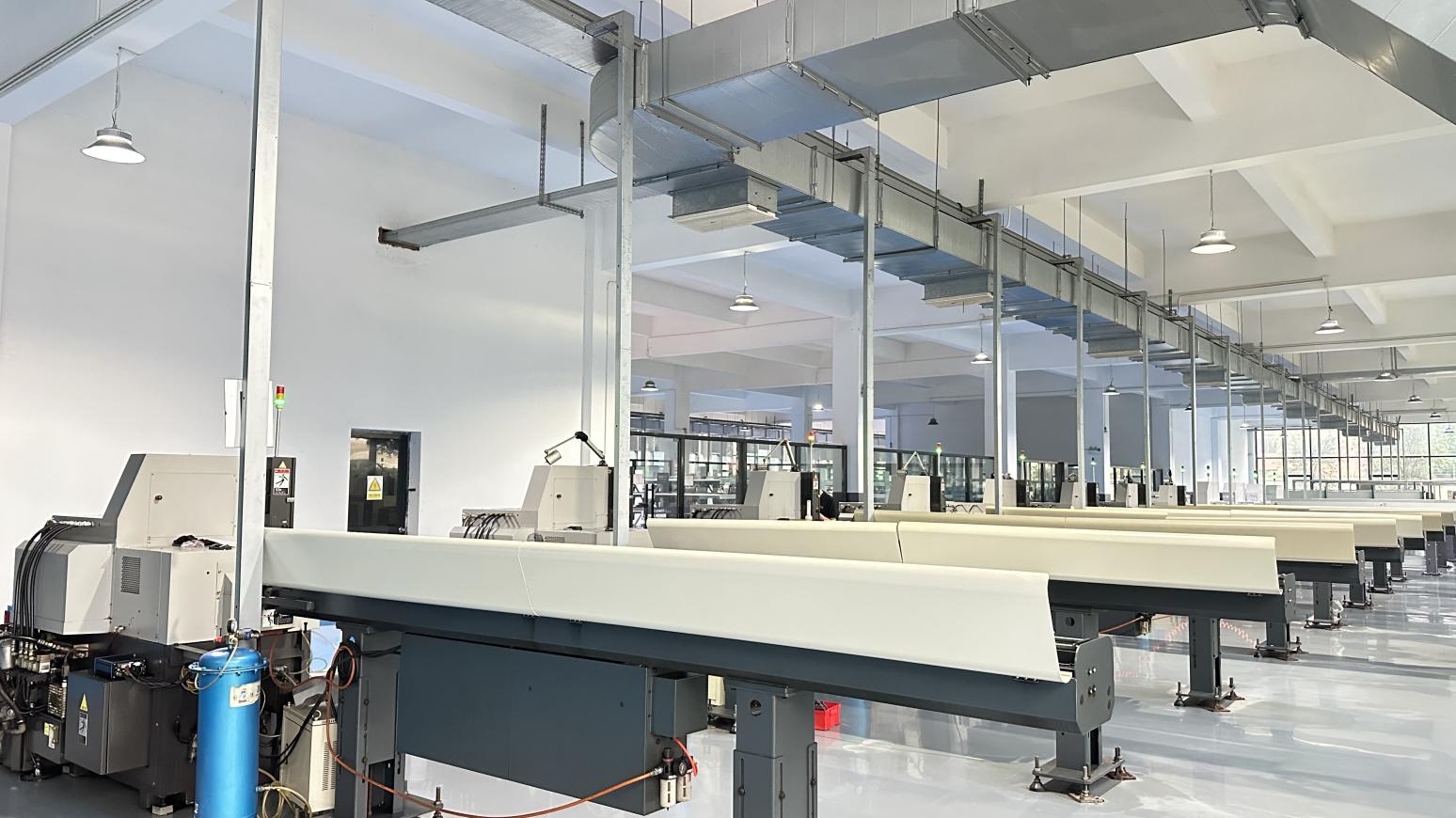
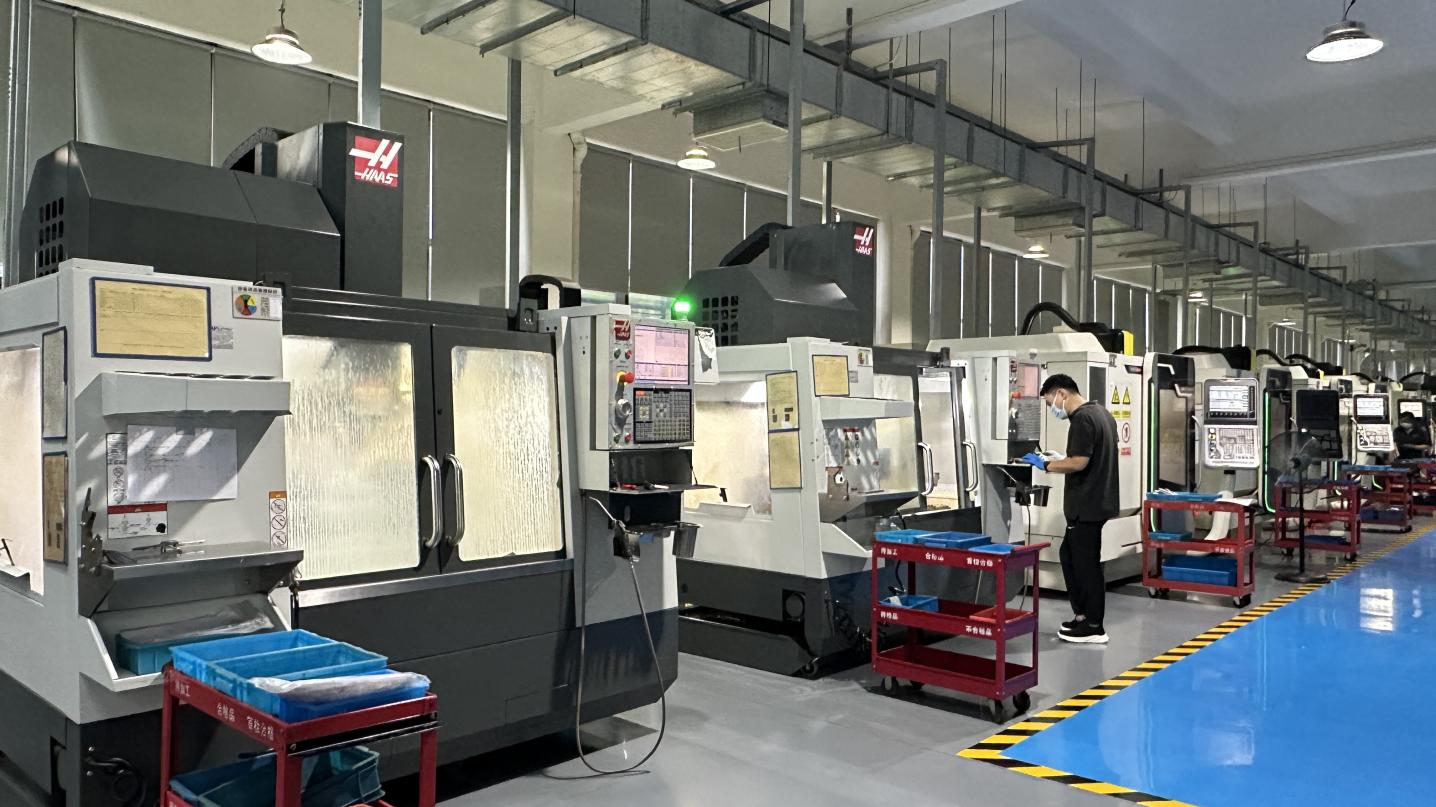
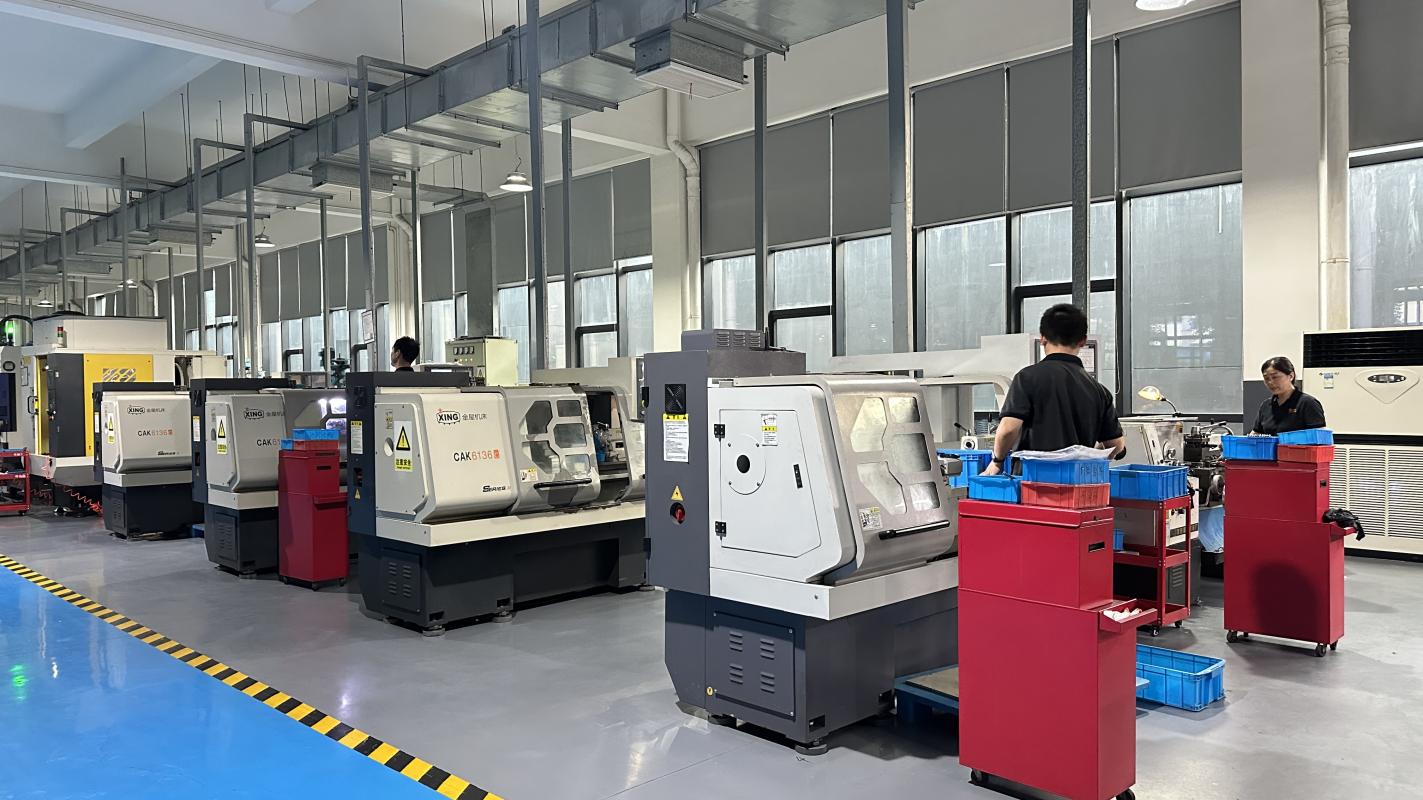
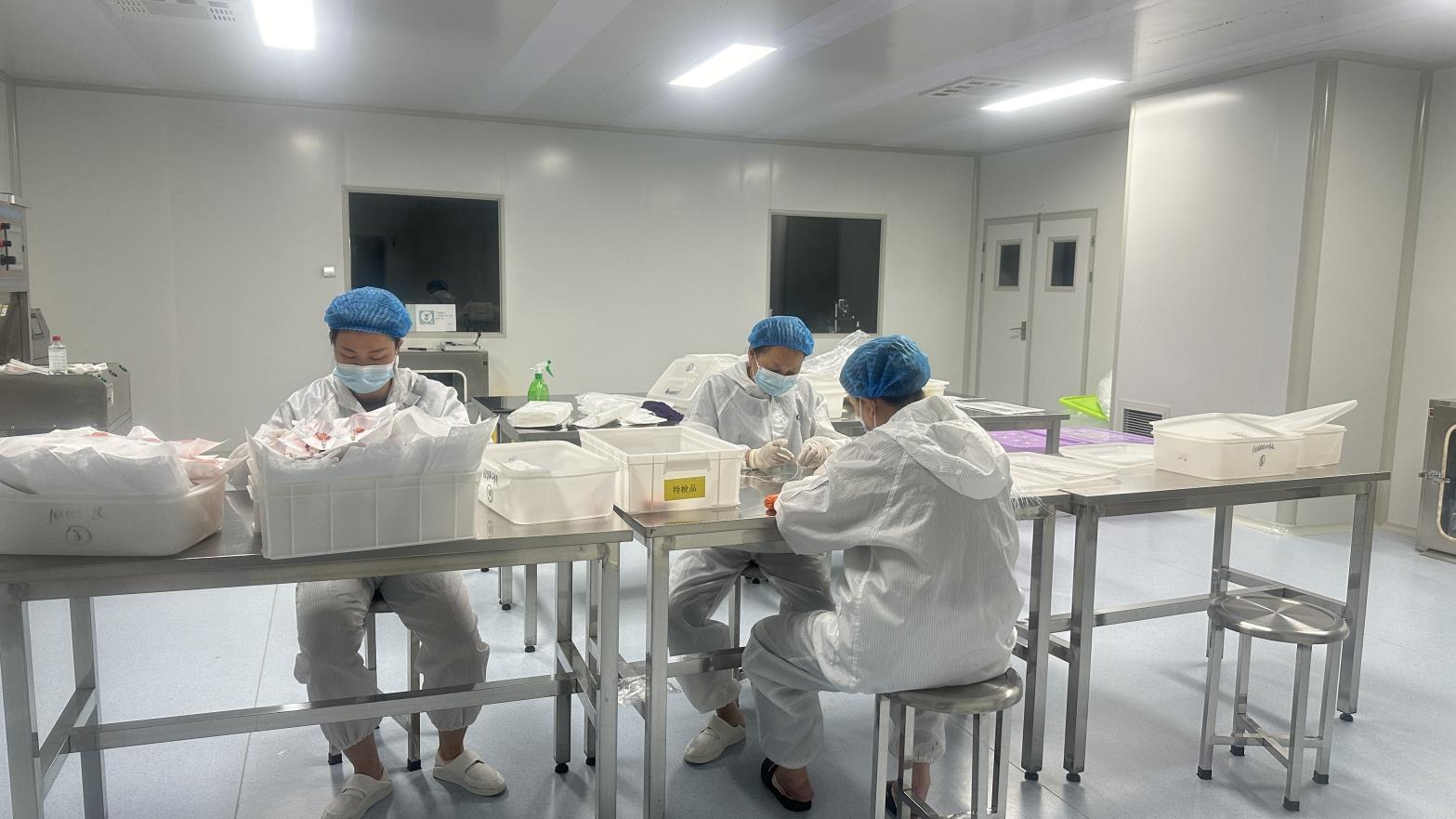
Our modern facility features advanced high-precision tooling and equipment. By vertically integrating raw material sourcing, automated machining, surface treatment, laser marking, and cleanroom packaging, we maintain strict quality control and process repeatability. Our facility manages complex geometric tolerances down to the micron level to ensure consistent implant performance.
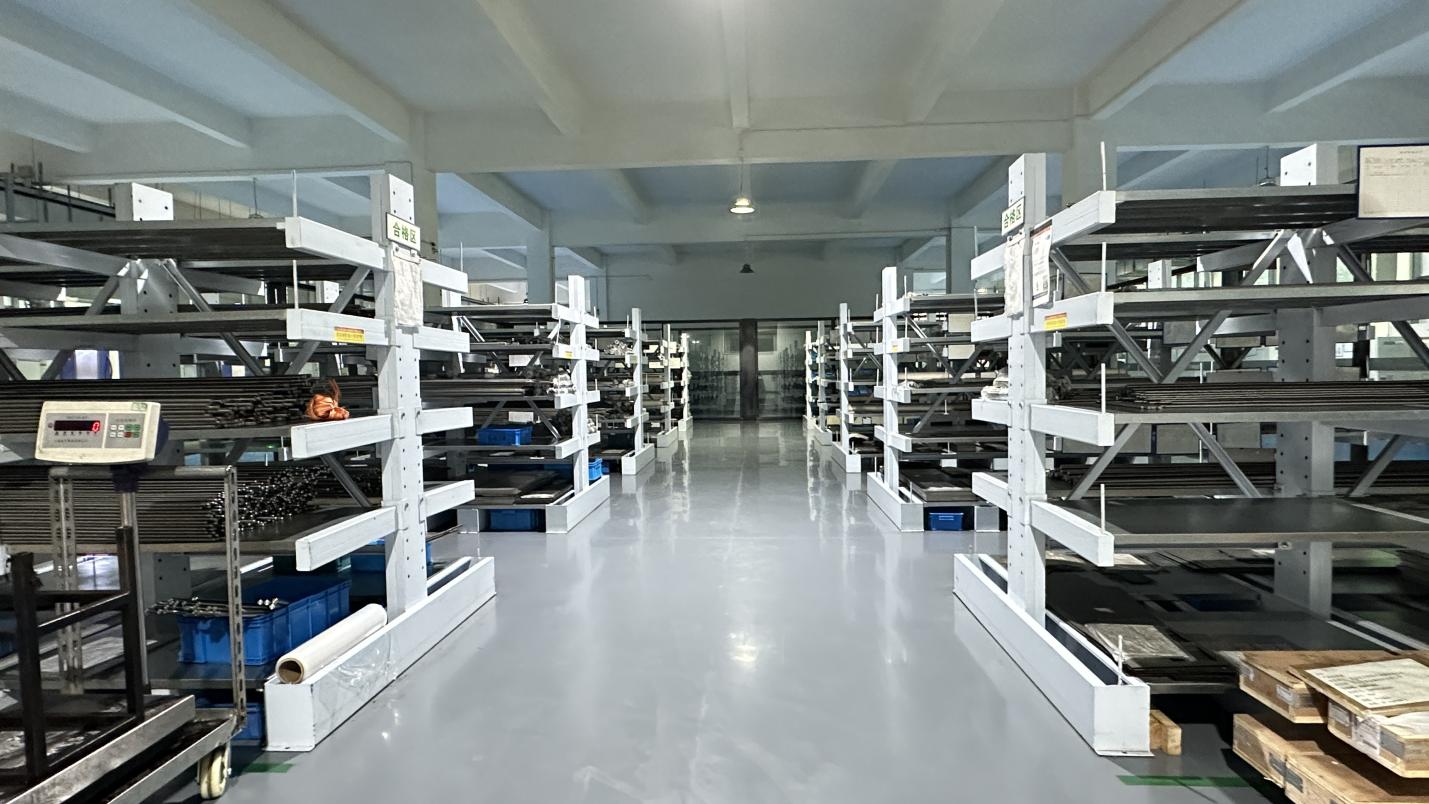
High Quality Orthopedic Grade Materials Sourcing
Materials Sourcing & Inspection
Slitting Phase in Production
Raw Material Slitting
Machining Processing
Precision Machining
Advanced Machining Equipment
CNC Milling & Profiling
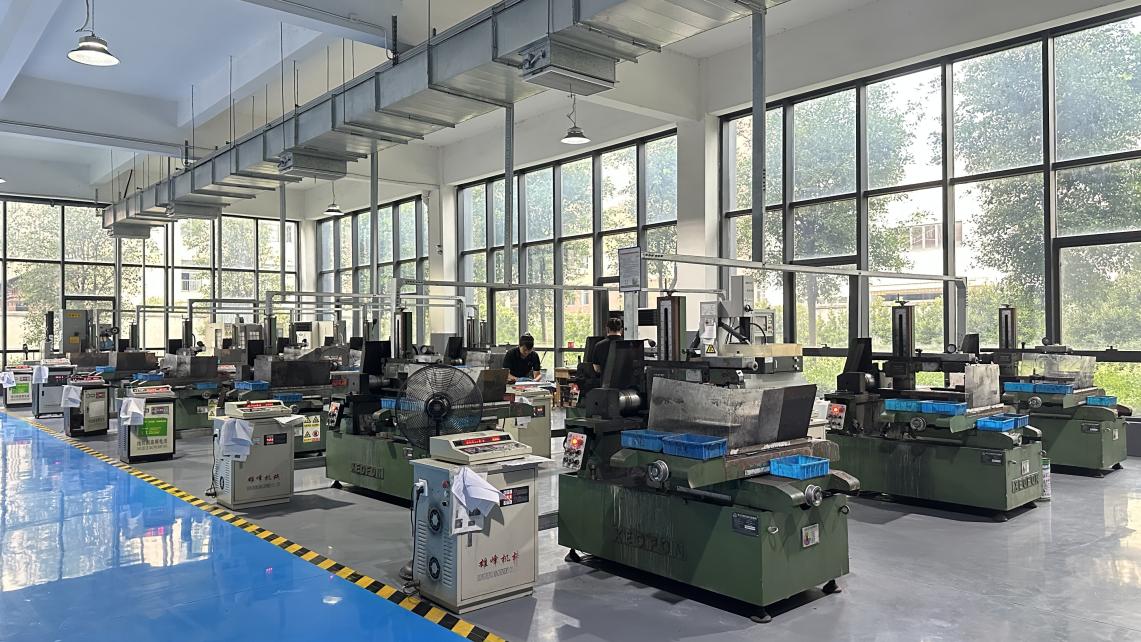
Precision Wire-cutting Phase
Wire-Cutting EDM
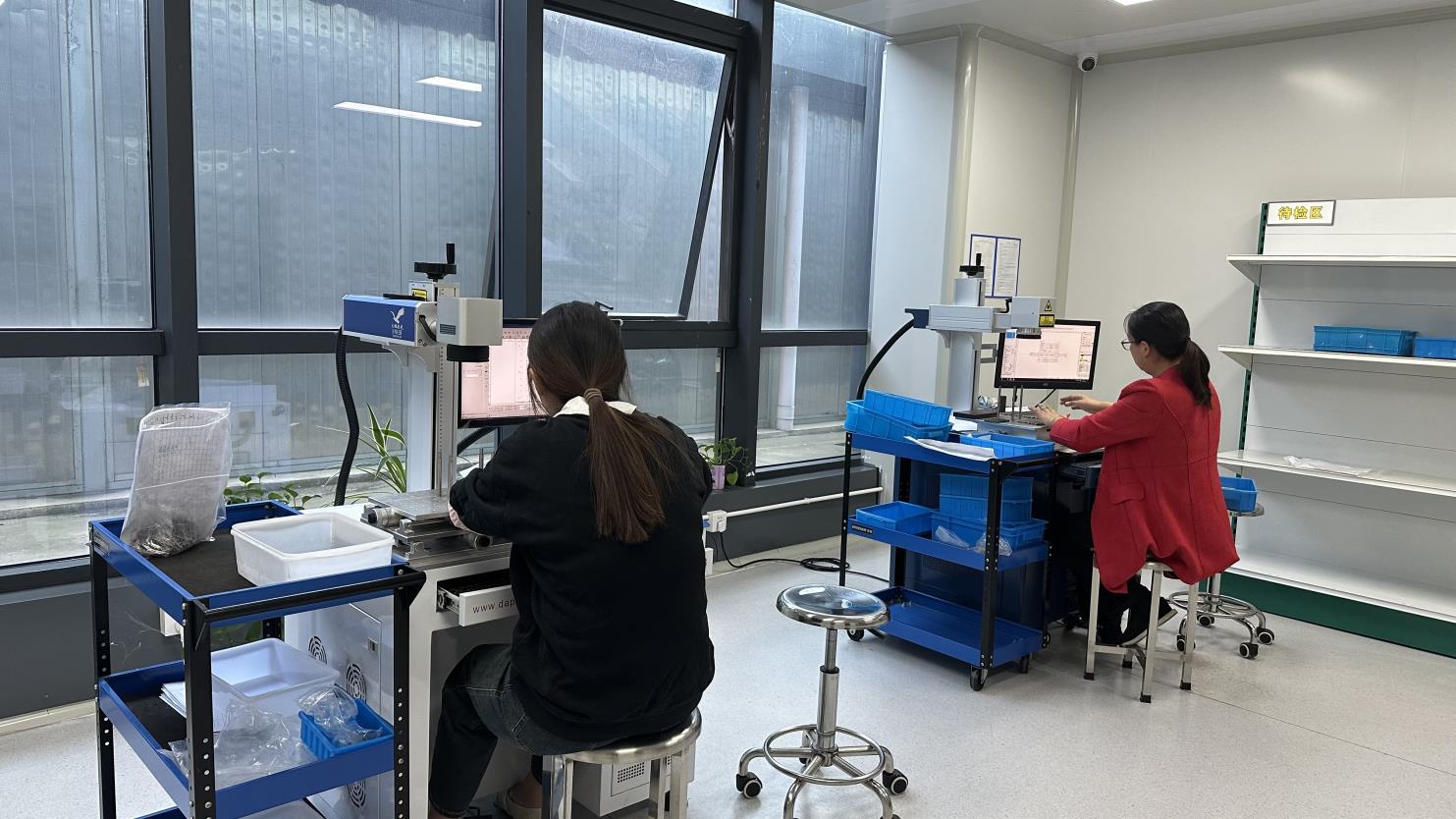
Laser Marking For Traceability
Traceability Laser Marking
Cleanroom Packaging and Final Quality Control
Inspection & Cleanroom Packing
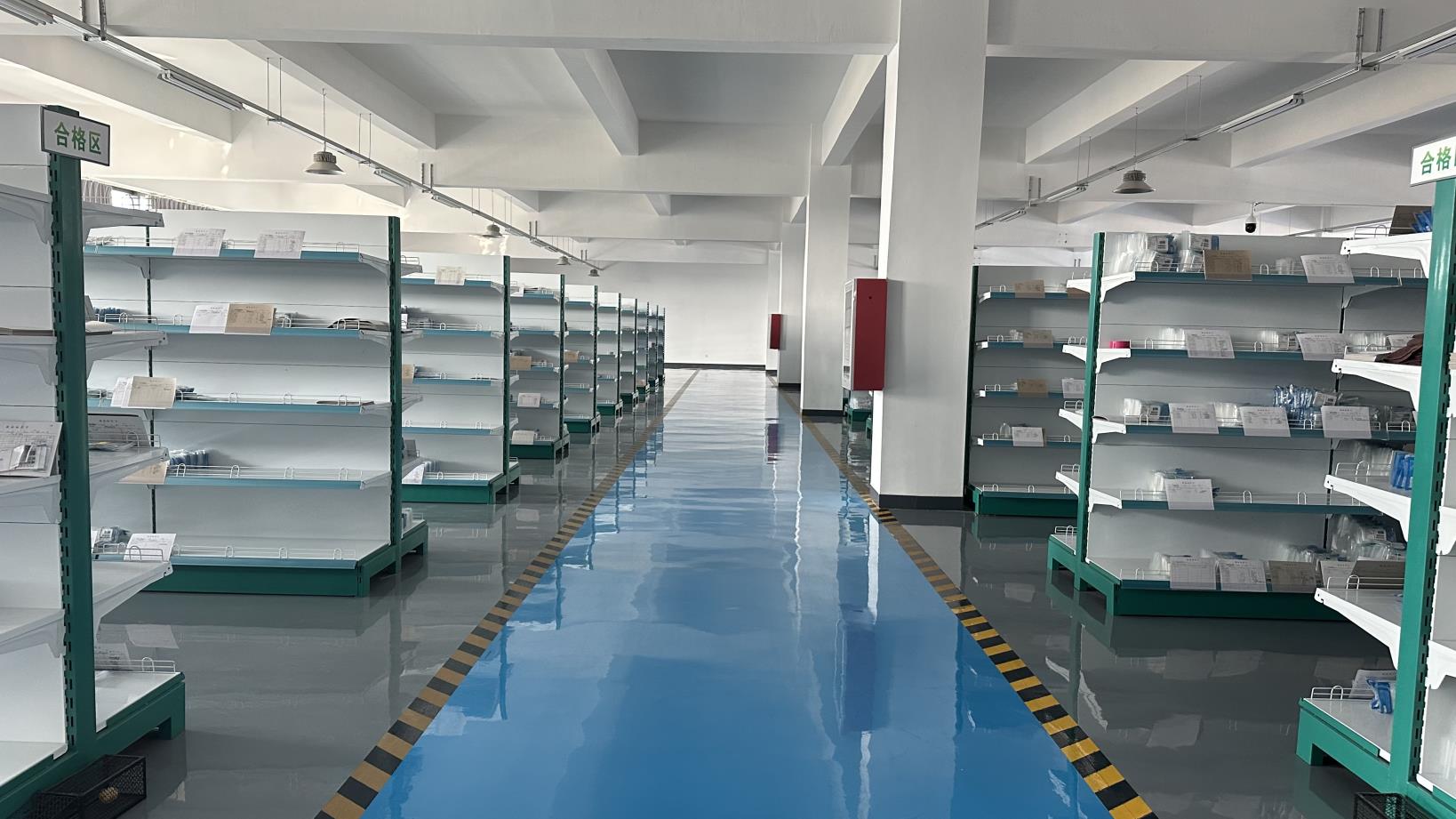
Logistics Warehouse
Inventory Control & Storage
Slitting Machinery
Automated Slitting Equipment
CNC Machining Center
Multi-Axis CNC Machining Center
Precision Lathe Processing
High-Speed Precision Lathe
High-Speed Wire Cut Machine
High-Speed Wire Cut System
Laser Etching Machine
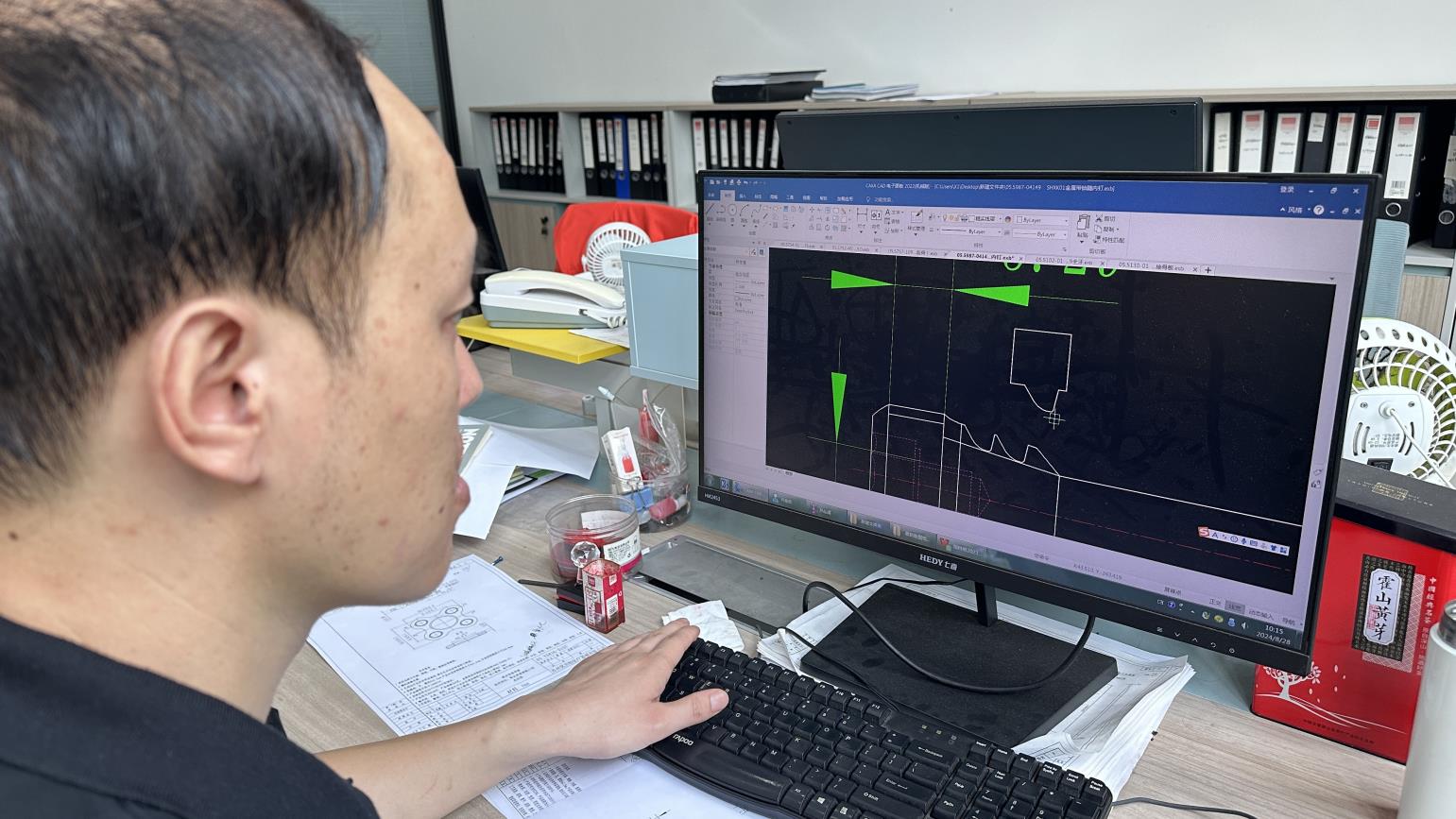
Advanced Design & Modeling
Quality Inspection Instrumentation
Coordinate Metrology & Surface Finish Inspection

Localization Support & Compliance Assurance

Meeting regulatory standards and clinical safety guidelines across international markets

MDR & CE Certification

Our VBR implants and instruments are designed to comply with EU Medical Device Regulation (MDR 2017/745) requirements, facilitating market access in EU member states and regions recognizing the CE mark.

ISO 13485 Standards

Our manufacturing facility operates under an ISO 13485 certified quality management system. From design control to post-market surveillance, every step of our process is tracked and documented.

Local Regulatory Support

We provide comprehensive technical documentation, sterilization validation reports, biocompability data, and surgical protocols to assist partners with local regulatory registrations.

Global Enterprise Procurement & Customization

Reliable OEM & ODM services tailored for medical device brands and hospital networks

Collaborative Engineering

  • Custom endplate angles to match target patient populations.
  • Choice of orthopedic-grade Titanium Alloy (Ti-6Al-4V ELI) or PEEK (Polyetheretherketone).
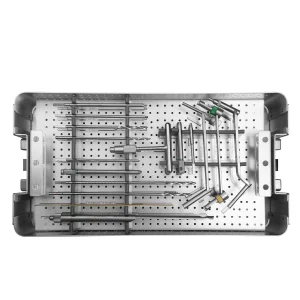
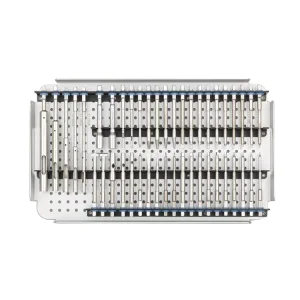
  • Custom instrument design and private label packaging solutions.
  • Sterile-packaged or non-sterile options to fit localized clinical workflows.
  • Dedicated project managers coordinating engineering and quality assurance phases.

Your Partner for Strategic Scale & Quality Assurance

Bonevia Orthopedic provides design and manufacturing services for global orthopedic device brands. Our engineering team converts custom concepts into production-ready designs, ensuring compliance with manufacturing standards and product safety guidelines.

By utilizing advanced tooling and high-precision CNC equipment, we manufacture complex geometries, including thin-walled titanium meshes and adjustable expandable core segments. We provide comprehensive validation packages—including IQ, OQ, and PQ—to support registration requirements and expedite market entry.

Expert Q&A: Vertebral Body Replacement Design & Sourcing

Insights into biomaterials, manufacturing standards, and clinical applications

What are the primary clinical indications for using a Vertebral Body Replacement (VBR) implant? +
Vertebral Body Replacement (VBR) implants are indicated for reconstruction of the spine following corpectomy procedures. These surgeries are typically performed to address advanced structural instability caused by vertebral body collapse, metastatic spinal tumor resection, burst fractures resulting from severe trauma, or spinal osteomyelitis (infection).
How does 3D-printed porous titanium compare to solid titanium and PEEK in spinal implants? +
3D-printed porous titanium features a biomimetic lattice structure with pore sizes between 300-800 microns, matching the modulus of elasticity of natural bone. This design helps minimize stress shielding and promotes bone ingrowth. PEEK provides radiolucency for clear post-operative imaging but lacks the inherent osteogenesis-supportive surface properties of porous titanium unless treated with advanced coating technologies. Solid titanium provides high load-bearing strength but has a higher modulus of elasticity, which can increase subsidence risk if not properly sized and positioned.
What quality standards do your VBR products and production facilities meet? +
Our products and production processes comply with CE and ISO 13485 regulations. We maintain cleanrooms for implant processing, sterile packaging, and assembly. Quality procedures include coordinate measuring machine (CMM) dimensional checks, surface finish profiling, and chemical cleanliness validation.
Can Bonevia provide customized OEM and ODM services for specific orthopedic implants? +
Yes, we provide full OEM and ODM services. Our team of 85 research and development engineers helps medical device companies design custom implants and surgical instruments. We manage the design refinement, validation prototyping, precision CNC manufacturing, and regulatory documentation steps.
What mechanisms do you implement to prevent VBR implant subsidence? +
To prevent subsidence, we design our VBR implants with wide, anatomically shaped endplates that distribute loads across the denser peripheral bone of the vertebral body. Our static and expandable models feature anti-migration teeth that engage the endplates to prevent displacement. We also offer custom footprint geometries to fit specific patient anatomies.
What is the typical lead time for custom production runs? +
Typical lead times depend on product complexity and order volume. Standard custom manufacturing cycles run between 4 to 8 weeks, including machining, laser marking, sterilization validation, and quality inspection. For new designs requiring prototype verification, initial development timelines range from 10 to 12 weeks.
Do you offer sterile and non-sterile configurations for your spinal implant product lines? +
Yes, we provide both configurations. Sterile products are processed and packaged in cleanrooms using medical-grade blister packaging and sterilized via Gamma irradiation or Ethylene Oxide (EO). Non-sterile implants and instrument sets are shipped in protective packaging designed to withstand hospital autoclave sterilization protocols.
What raw materials do you use for manufacturing load-bearing implants? +
We use certified medical-grade raw materials, primarily Ti-6Al-4V ELI (Grade 5 Extra Low Interstitial) Titanium Alloy conforming to ASTM F136 specifications, medical-grade PEEK conforming to ASTM F2026, and high-tensile 316LVM Stainless Steel for instruments conforming to ASTM F138. Material test reports and certificates of analysis accompany every production lot to ensure traceability.