Bonevia
Bonevia
Bonevia
The field of joint reconstruction has witnessed transformative changes over the last three decades. Among these, the development and refinement of the Bipolar Hip Prosthesis stand out as a major milestone in trauma and orthopedics. Indicated primarily for femoral neck fractures, avascular necrosis of the femoral head, and specific instances of senile osteoarthritis, the bipolar system offers a physiological intermediate step between a simple unipolar hemiarthroplasty and a total hip replacement (THA).
A primary clinical benefit of the bipolar hip prosthesis is its unique dual-mobility and compound joint mechanism. By isolating motion between two separate interfaces—the inner head and liner assembly, and the outer shell against the native acetabular cartilage—it considerably minimizes shear stresses, significantly reducing acetabular wear and subsequent erosion. This dynamic makes it the preferred modality for active elderly patients or individuals with limited life expectancy who present with compromised bone stock but require rapid postoperative mobilization.
As clinical standards demand ever-tightening tolerances and absolute biological inertness, global procurement teams face the daunting challenge of source verification. Choosing the right China-based bipolar hip prosthesis manufacturer requires looking beyond simple pricing; it involves evaluating structural biomechanics, raw material integrity, and regulatory validation. Bonevia Orthopedic Technology Co., Ltd. leverages state-of-the-art manufacturing infrastructure and strict E-E-A-T credentials to bridge this gap, offering surgical solutions that match or exceed Western standard metrics.
Modern orthopedic joint implants rely heavily on materials science. The environment within the human hip joint is highly hostile, characterized by high mechanical loads, micro-movements, and corrosive physiological fluids. A high-performance bipolar hip prosthesis must satisfy three crucial criteria: biocompatibility, fatigue resistance, and tribological efficiency.
Used for the outer metallic shell and inner articulating head. This alloy provides exceptional mechanical strength, superior corrosion resistance, and high hardness values, enabling mirror-like polishing that reduces wear against the acetabular cartilage.
The inner bearing liner is machined from medical-grade, highly cross-linked UHMWPE. This material exhibits high impact resistance, superb wear reduction characteristics, and cushions the joint under physiological load conditions.
Often utilized in cementless hip stems and cup backings to optimize osseointegration. Its elasticity matches cortical bone closer than other metals, reducing stress shielding and improving long-term implant survival rates.
By utilizing these advanced materials, the dual-mobility design functions seamlessly. The primary motion occurs at the inner interface between the metallic femoral head and the UHMWPE inner sleeve. Once the limits of this range of motion are reached, the secondary motion occurs at the outer interface, where the outer cup rotates against the natural acetabulum. This dual articulation disperses friction across a larger surface area, dramatically reducing osteolysis risk and prolonging the implant's operational life.
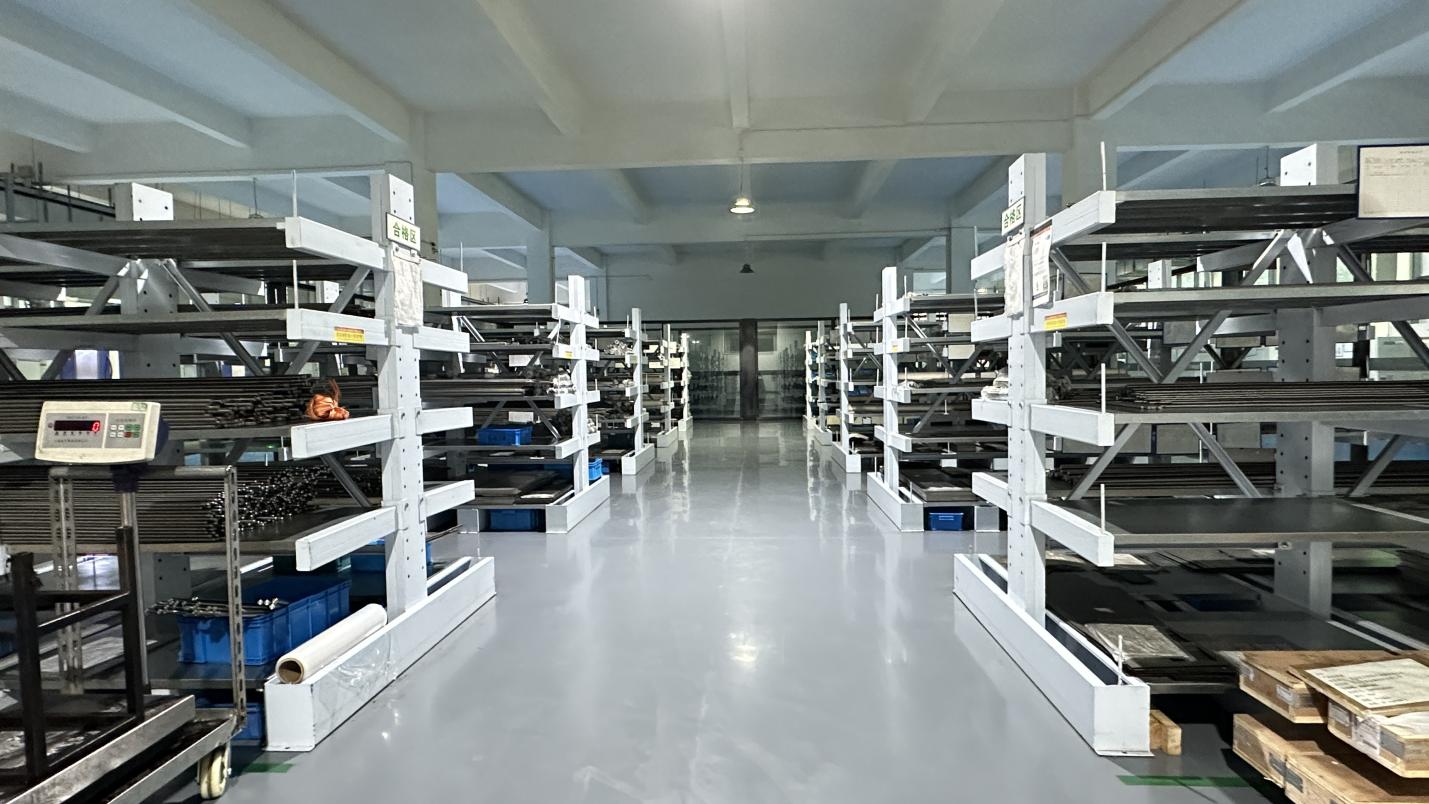
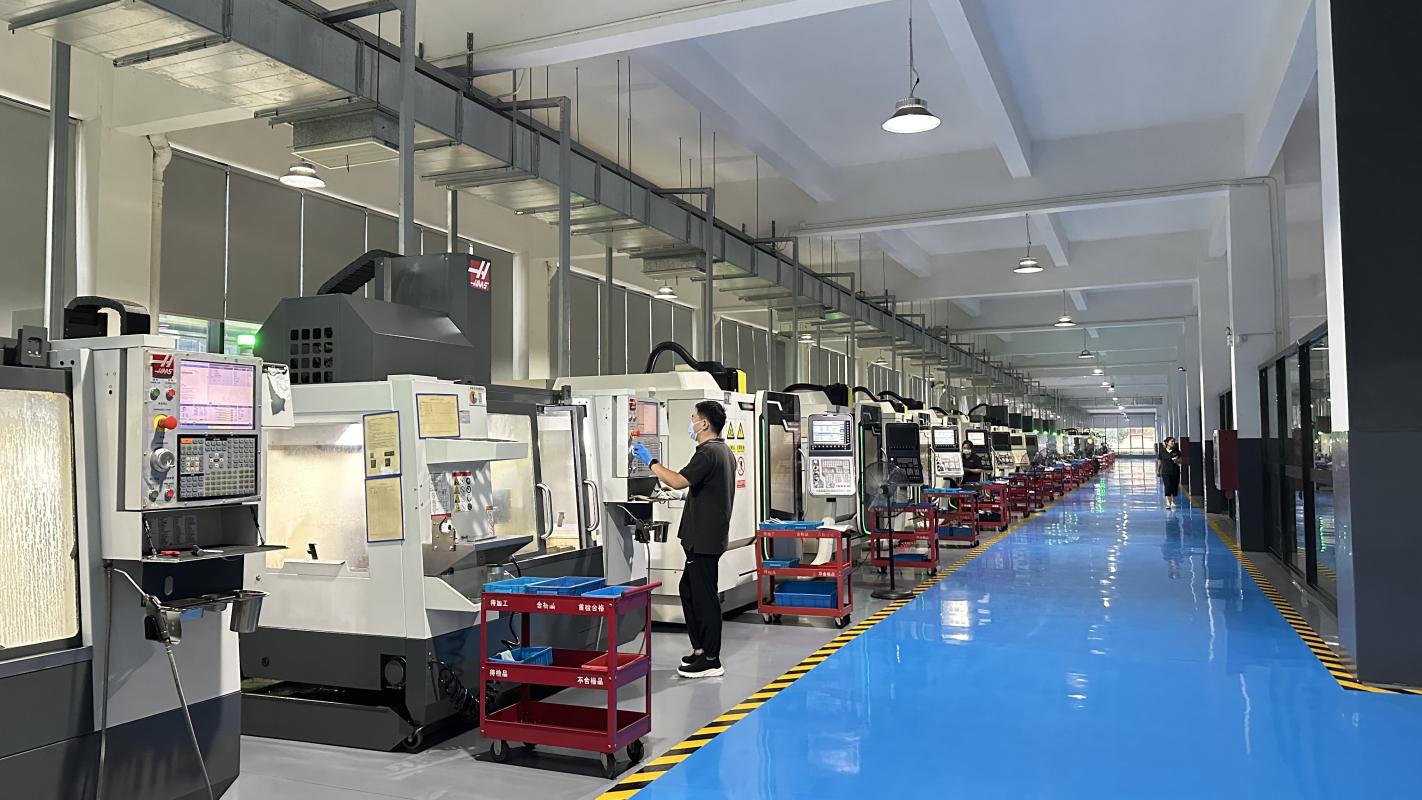
As global healthcare systems look to optimize expenditures without compromising patient outcomes, Chinese orthopedic manufacturers have transformed from basic component suppliers to sophisticated technological innovators. Bonevia Orthopedic Technology Co., Ltd. represents the peak of this evolution. Established in 2015, Bonevia operates a modern manufacturing facility designed specifically for high-precision orthopedic implant production.
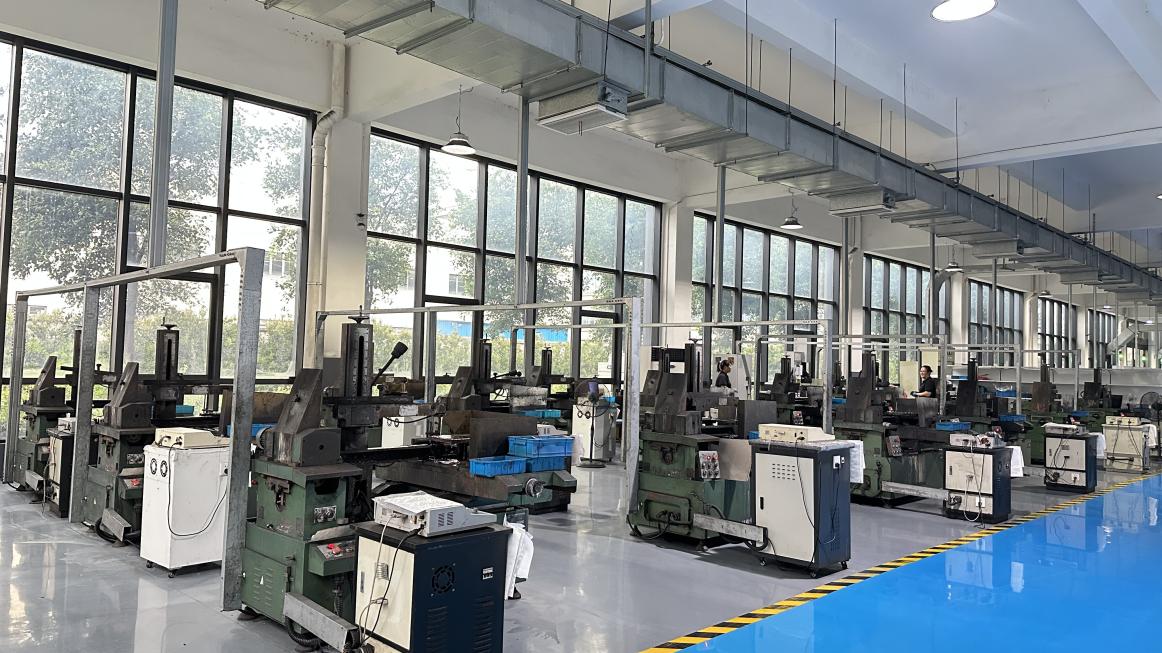
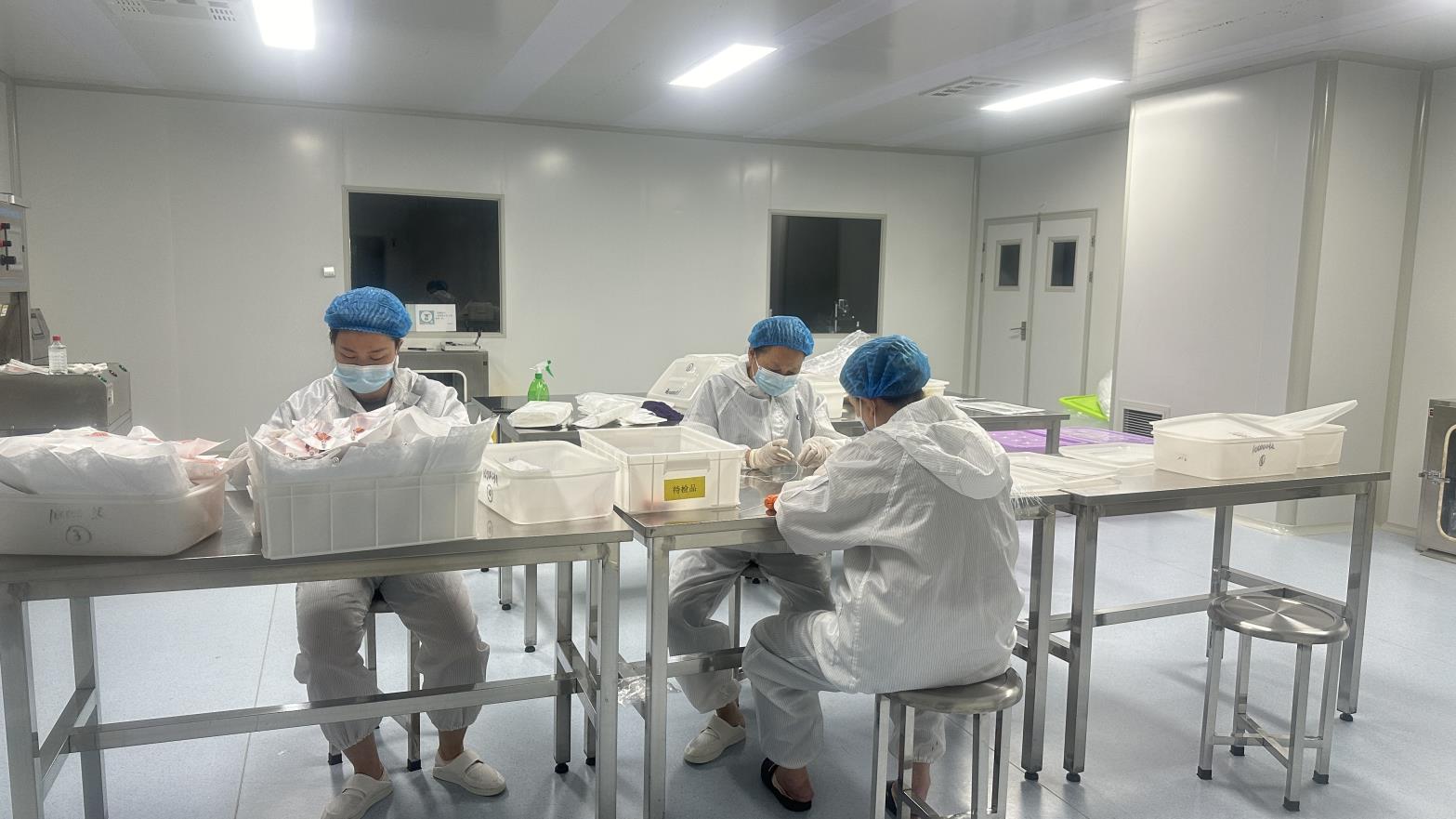
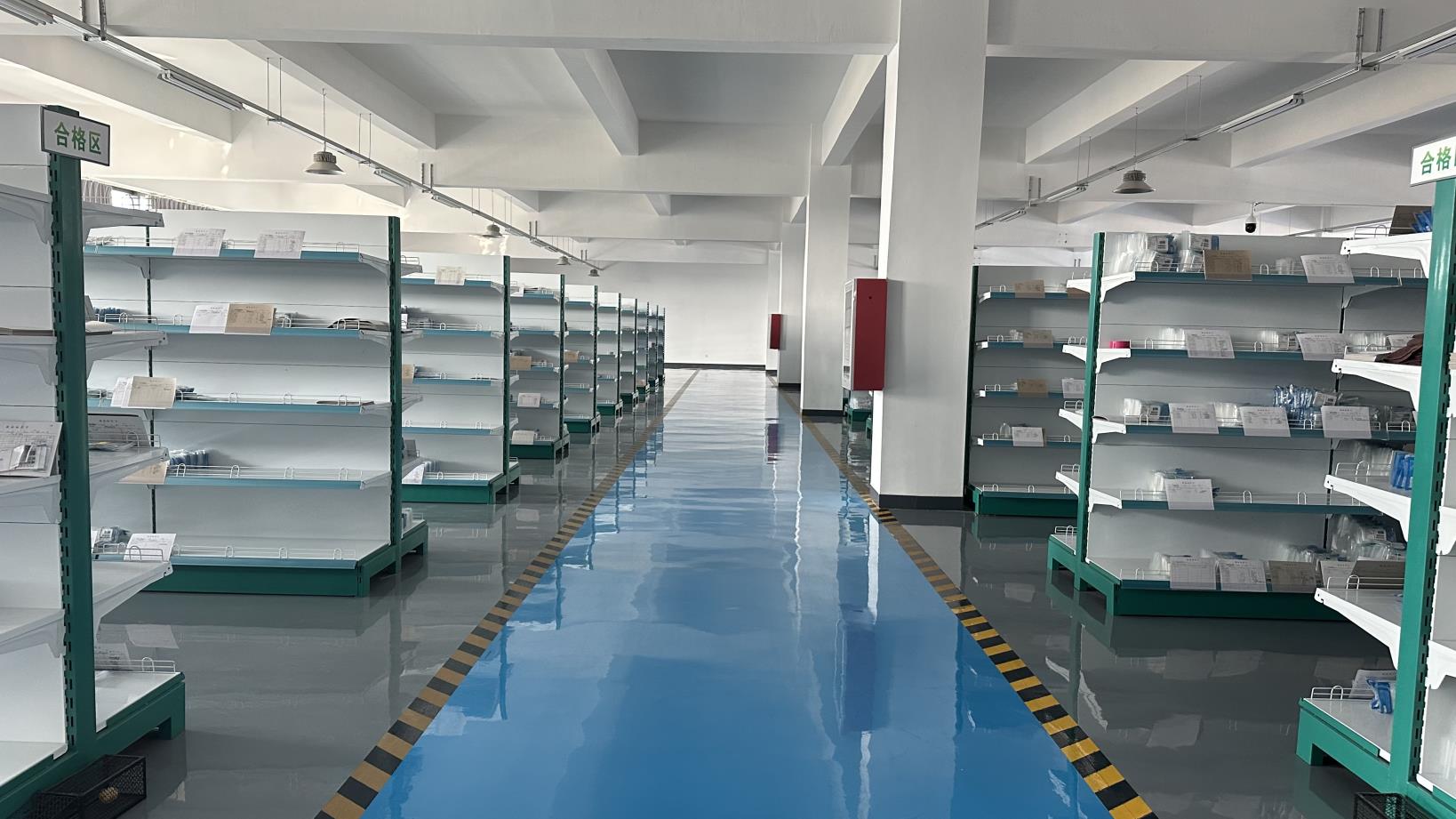
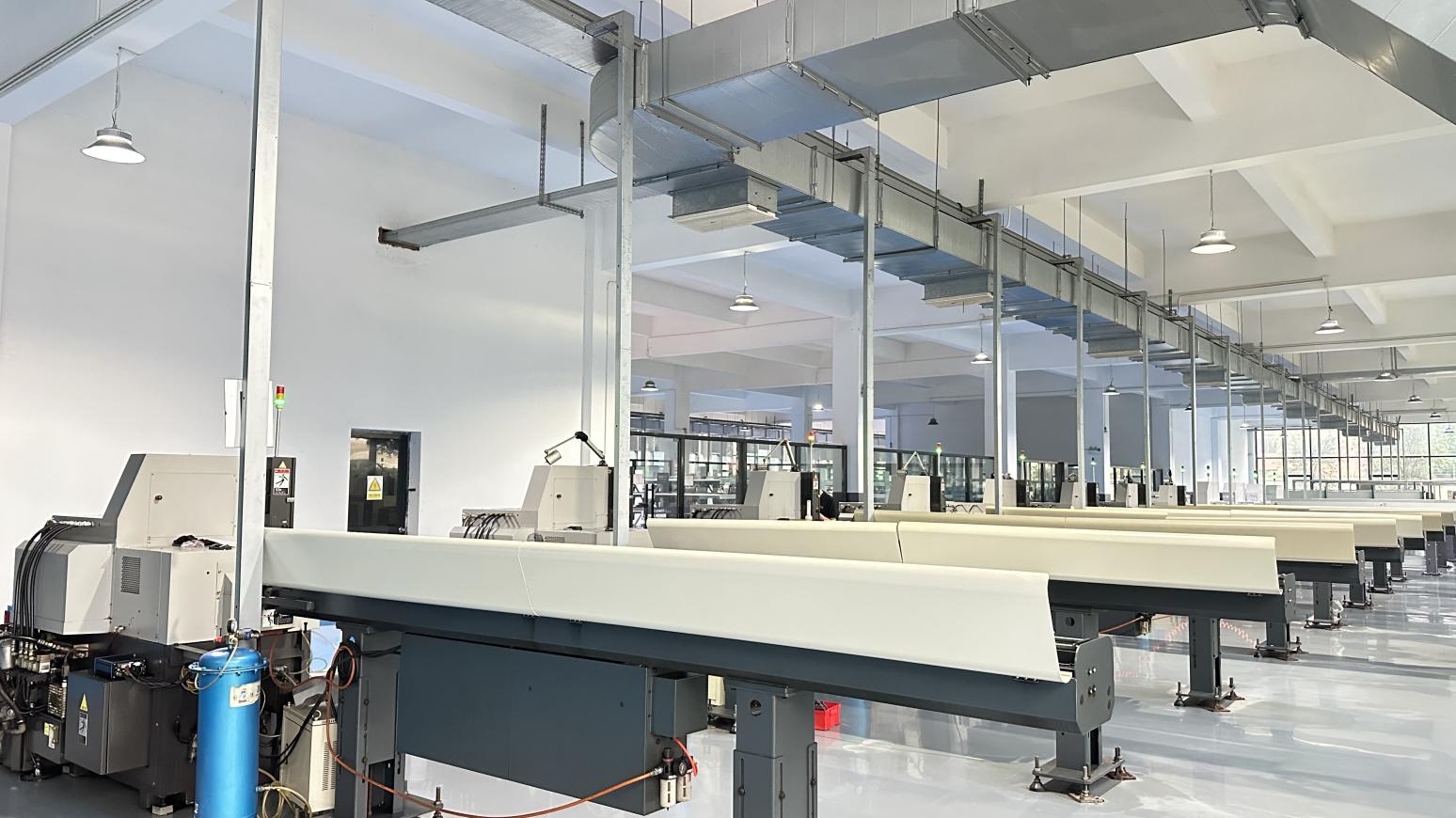
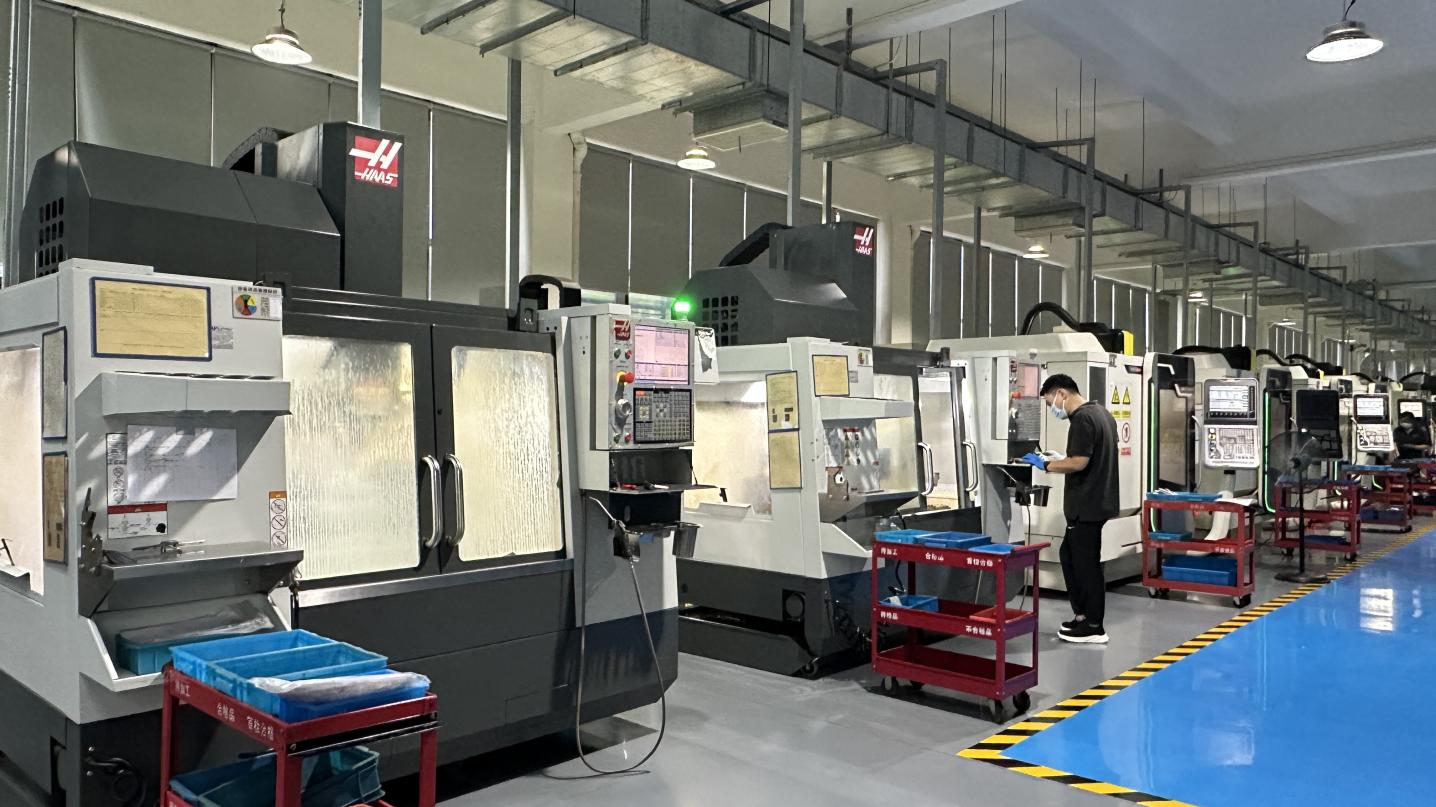
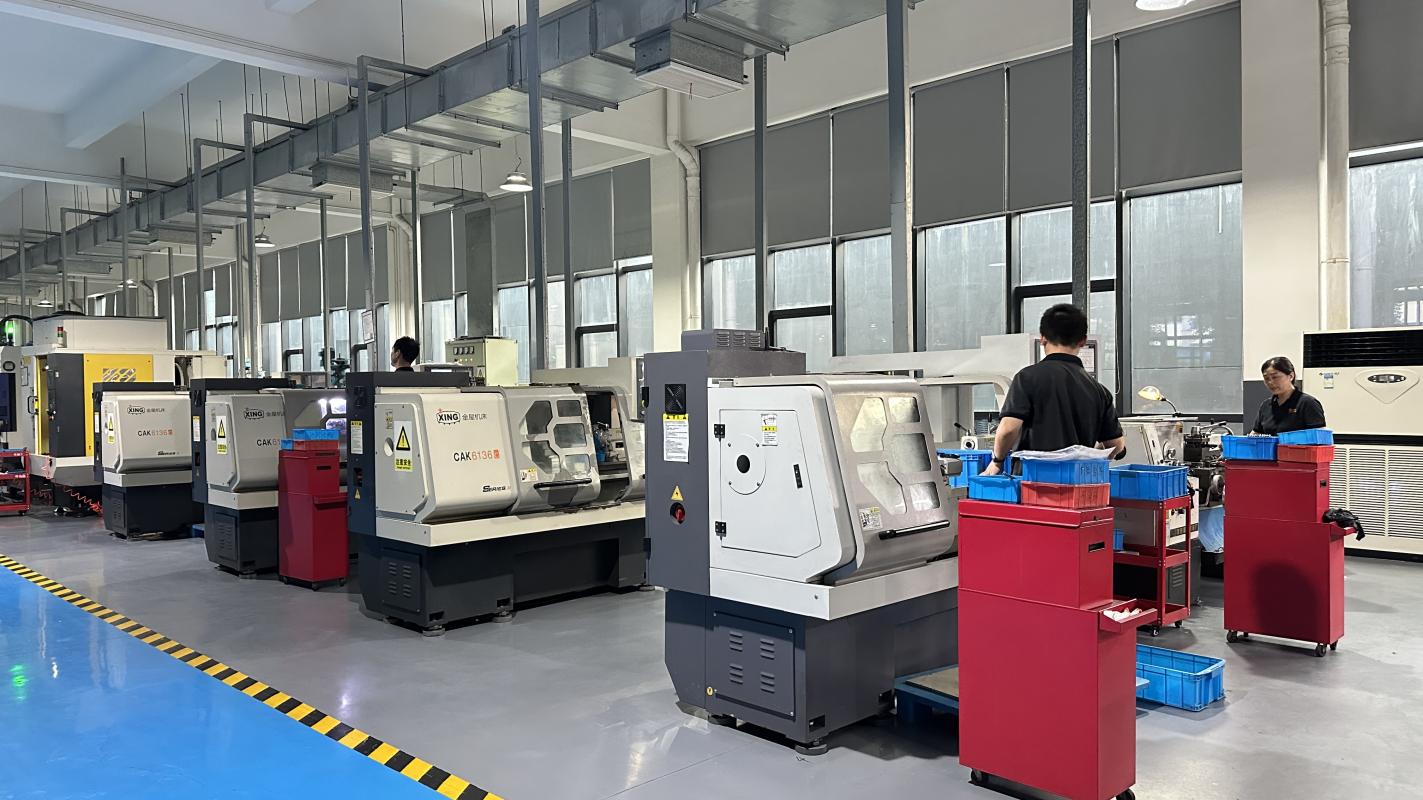
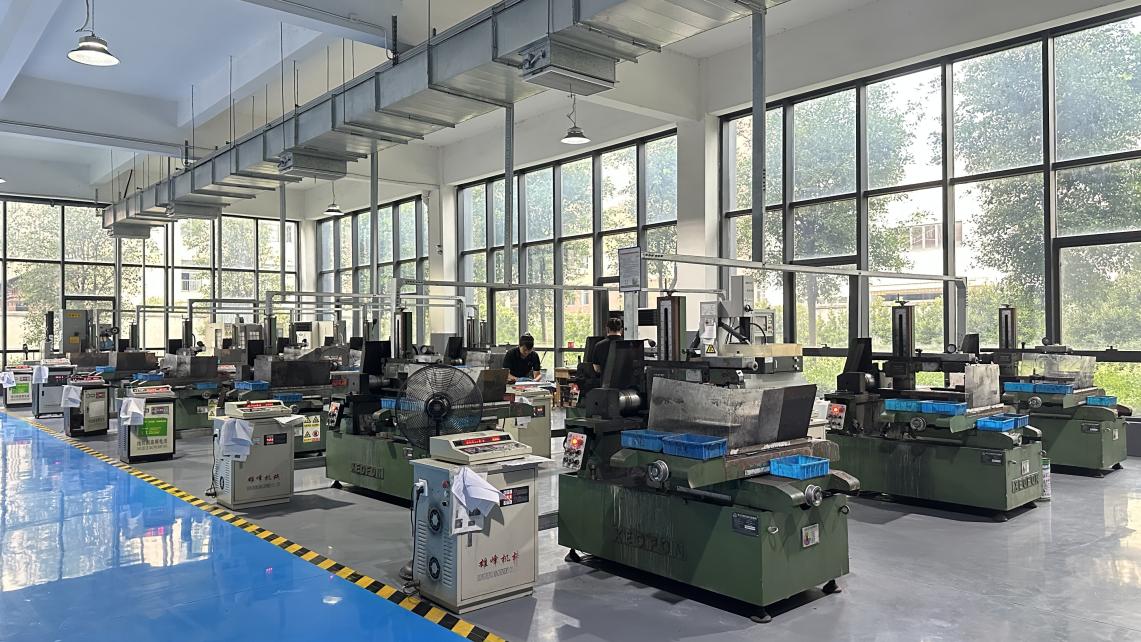
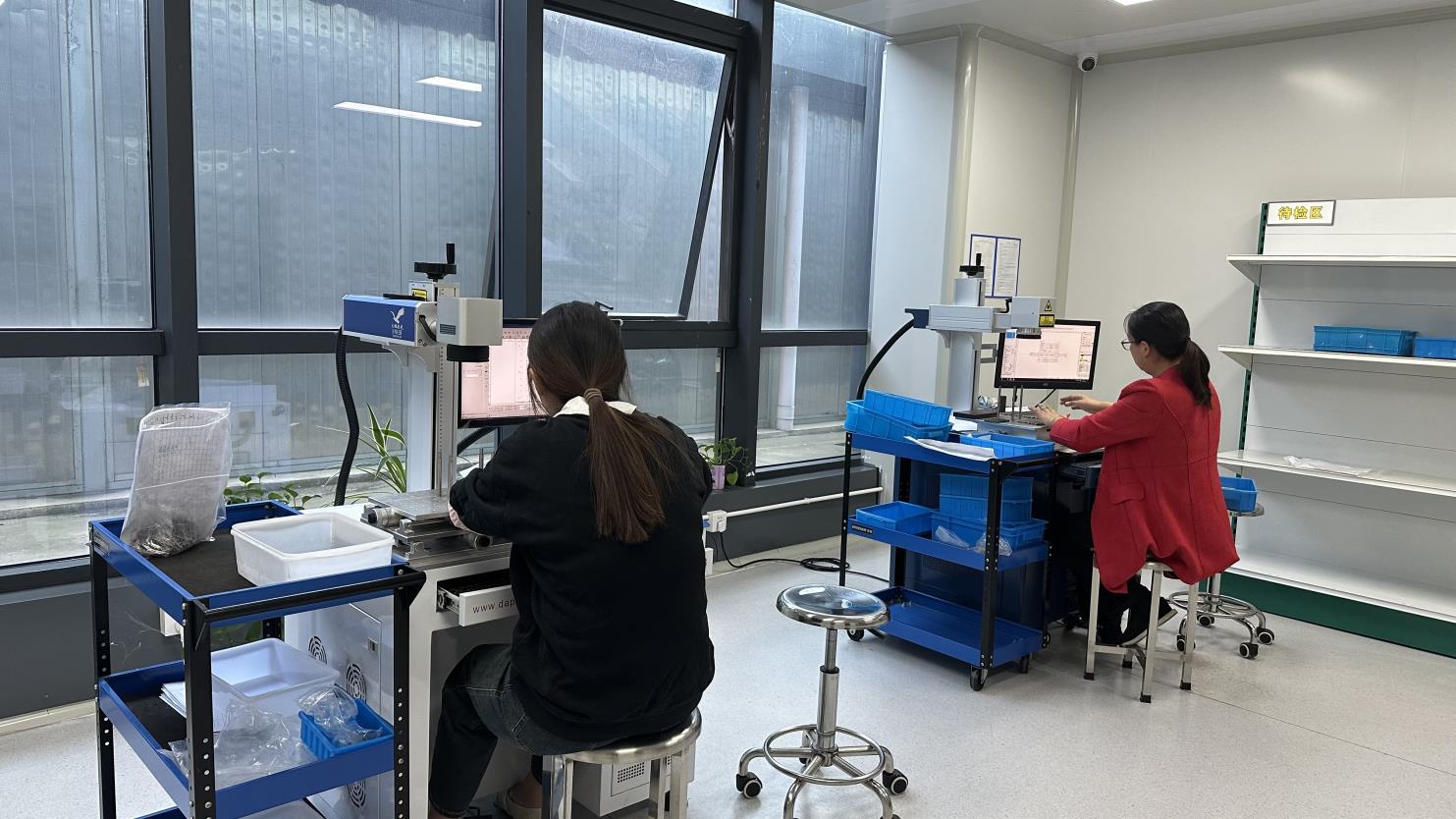
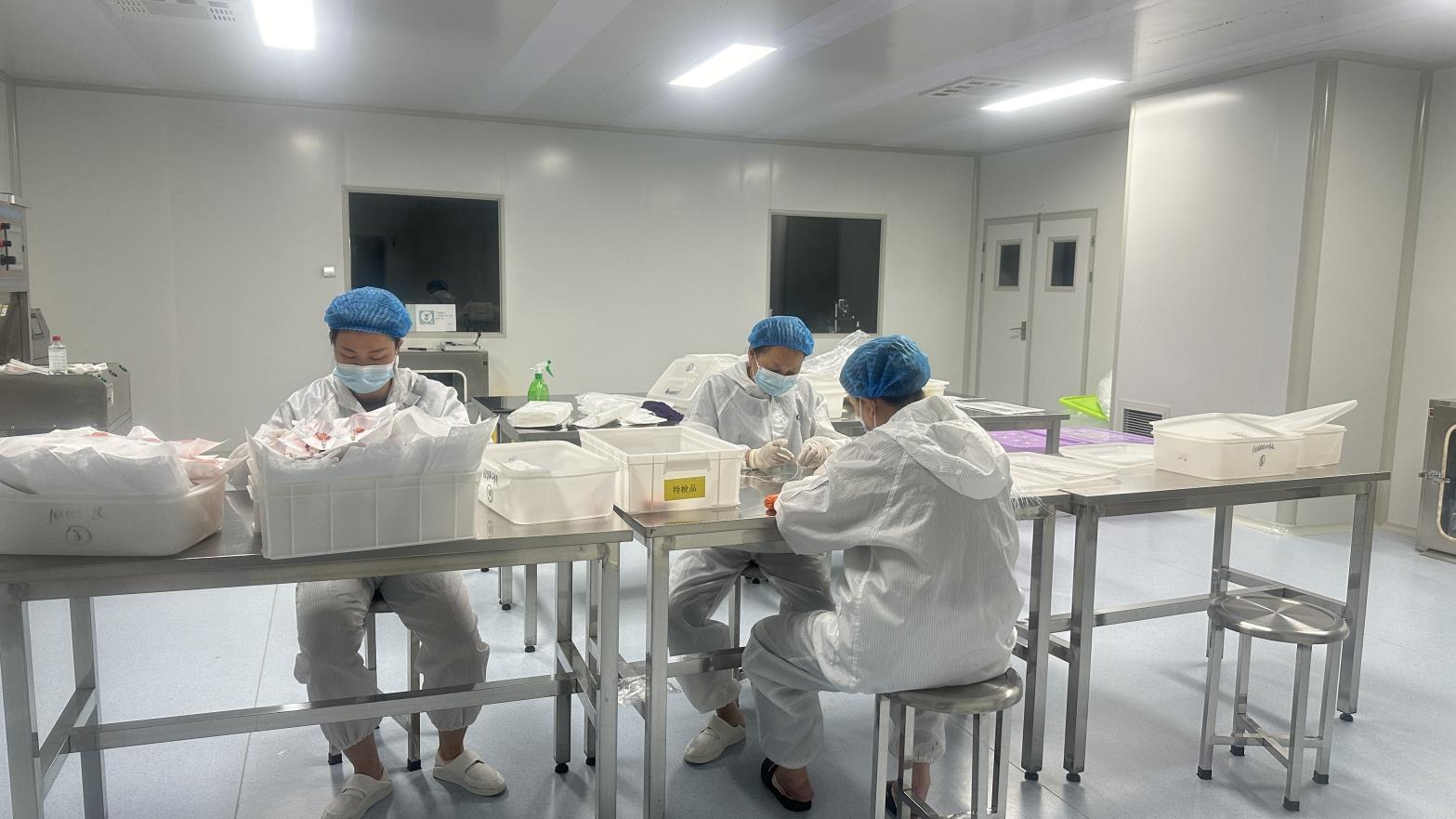
Unlike standard mechanical factories, orthopedic implant production requires rigorous environmental controls, high-end CNC machining, and complex validation workflows. With a specialized cleanroom and production space, Bonevia enforces a lean manufacturing philosophy that guarantees traceablity from raw titanium billets to sterilized, patient-ready implants.
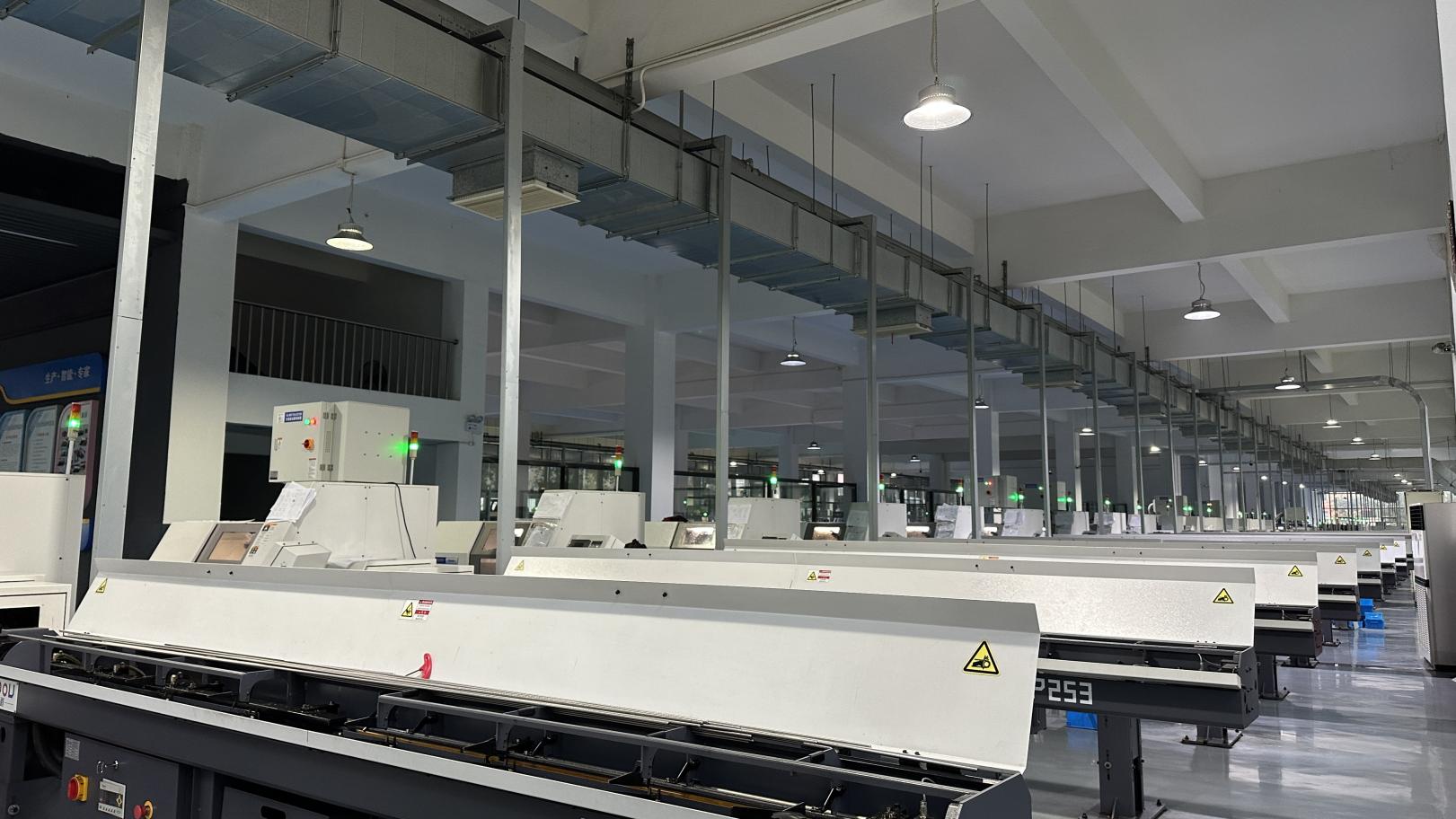
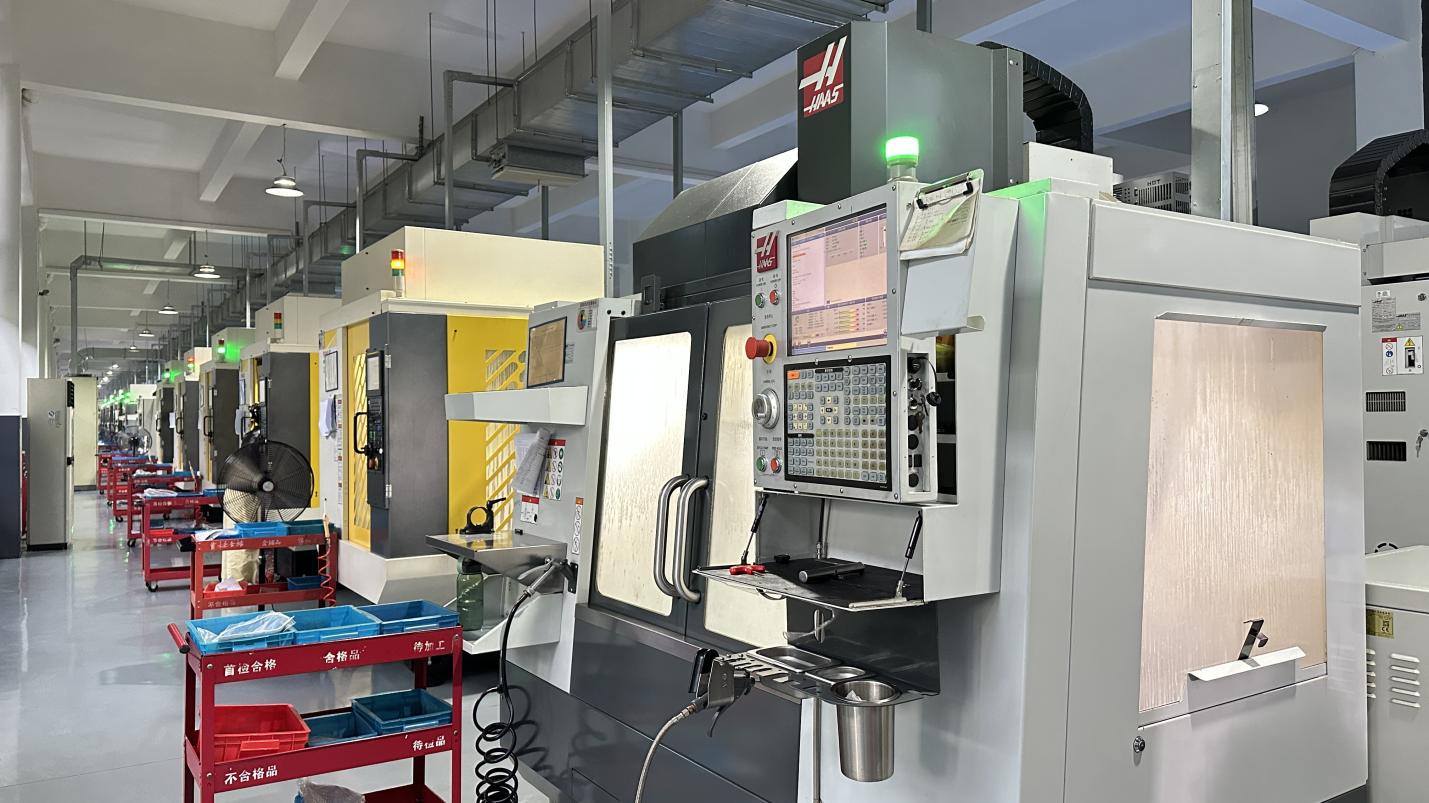
Orthopedic implants demand tolerances measured in microns. Bonevia's facility utilizes high-speed Swiss-type lathes, multi-axis CNC machining centers, and advanced wire-cutting machinery. This setup allows for the manufacturing of complex structural geometries, high-precision grooves, and smooth articular surfaces that reduce frictional torque.
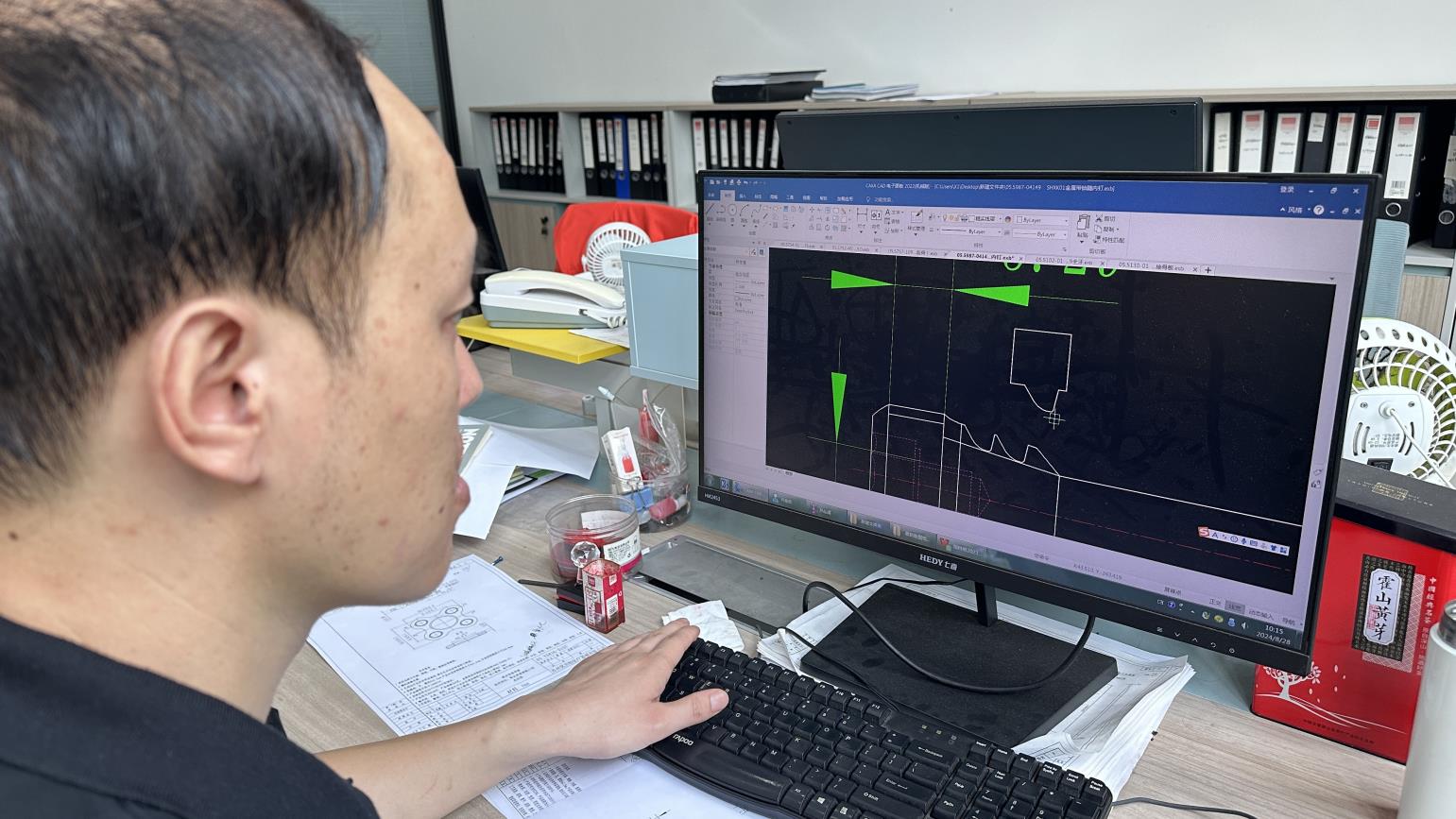
With a team of 85 research and development engineers, Bonevia launched 120 new product designs in the past year alone. This strong design capability enables rapid customization for overseas clients. Whether modifying stem taper dimensions to suit specific regional demographics or developing customized instruments, our engineers can prototype and validate new systems rapidly.
Exporting clinical-grade medical devices globally demands absolute compliance with local regulations. The CE, FDA, and local Ministry of Health requirements pose substantial administrative and technical hurdles for medical distributors. A reliable orthopedic exporter must provide extensive compliance support to ensure smooth import clearance and clinical acceptance.
At Bonevia, quality assurance is managed by a team of 35 quality assurance professionals. We employ a three-tier inspection system: incoming raw material validation (utilizing spectral analysis to confirm chemical compositions), in-process quality control (IPQC) using coordinate measuring machines (CMM) and surface roughness testers, and final packaging inspections including sterility and pyrogen testing.
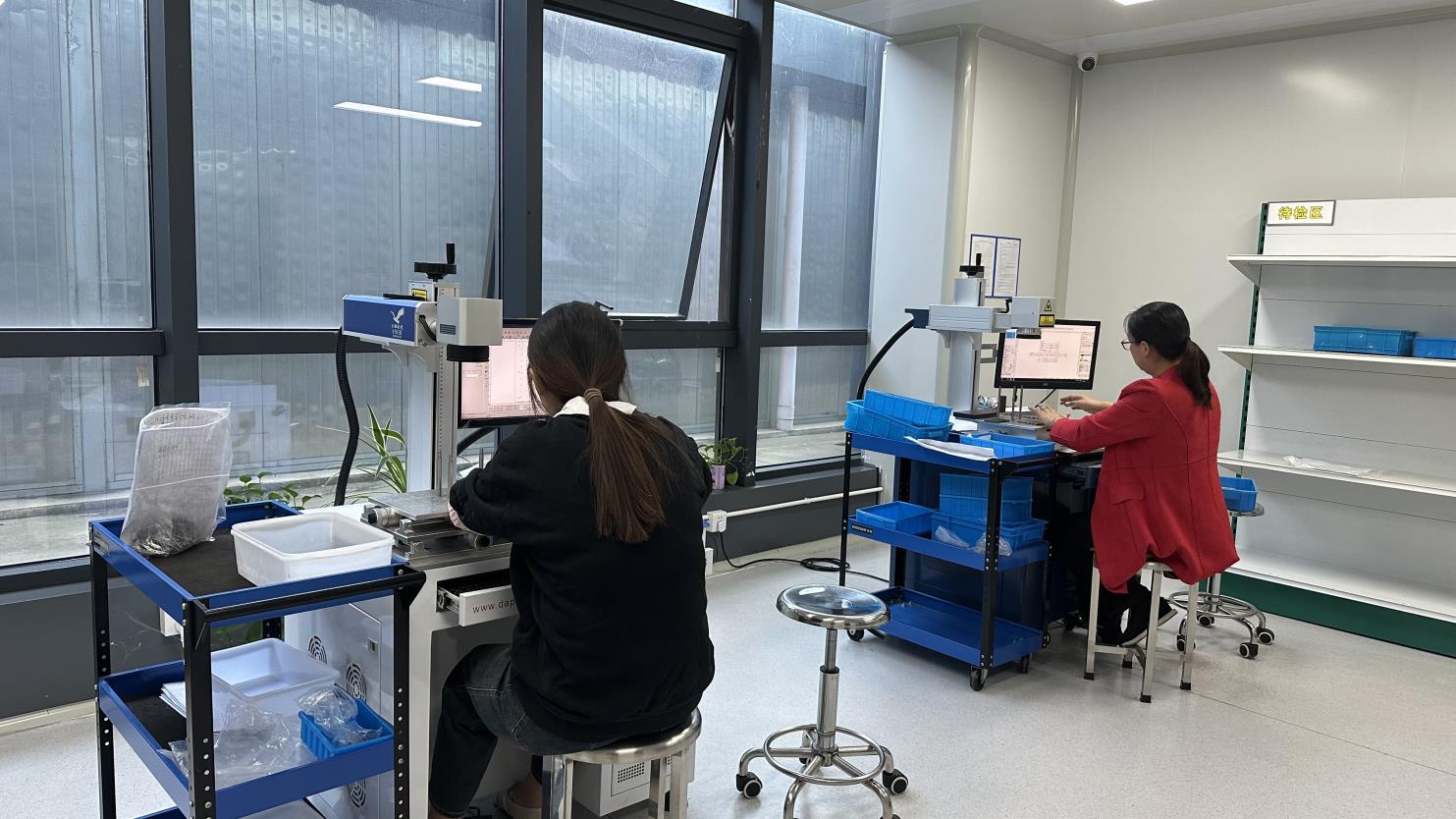
Every component features laser-etched UDI (Unique Device Identification) codes, allowing complete traceability from the clinical patient record back to the exact titanium batch and manufacturing log.
We supply comprehensive dossier packages, including Biocompatibility Reports (ISO 10993), Clinical Evaluation Reports (CER), and mechanical fatigue testing data to support rapid local registrations.
Bonevia distributes across major global markets including Europe, Southeast Asia, the Middle East, and South America, maintaining a robust supply network supported by over 850 partners.
Furthermore, our localized support extends to packaging customizability. We provide bilingual labels, customized instruction manuals (IFUs), and double-sterile barrier packaging designs that fit local clinical environments and operational protocols.
The international orthopedic market is undergoing rapid change, driven by an aging global population and rising healthcare costs. Procurement departments in modern hospitals and healthcare groups are shifting from single-source OEM procurement models toward strategic value-driven partnerships. Several trends are defining today's orthopedics market:
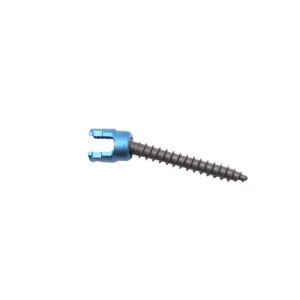
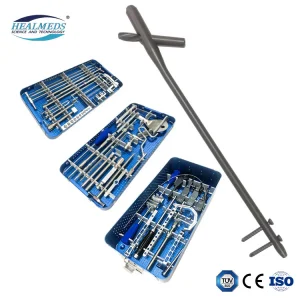
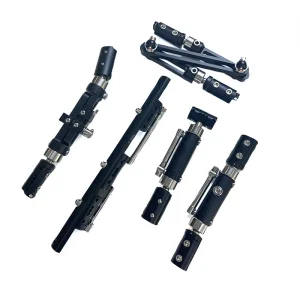
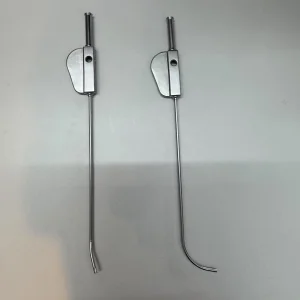
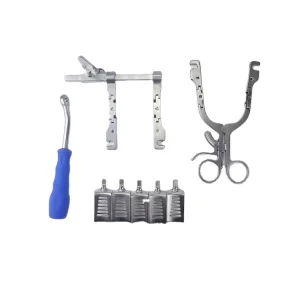
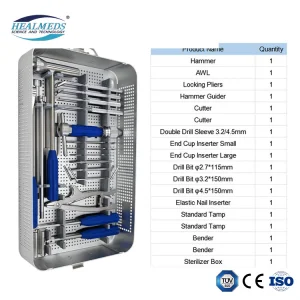
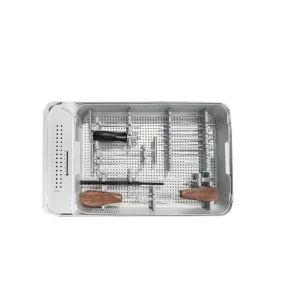
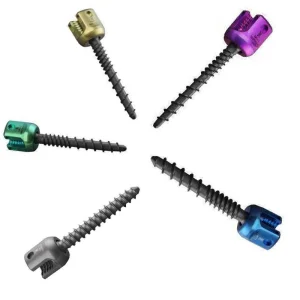
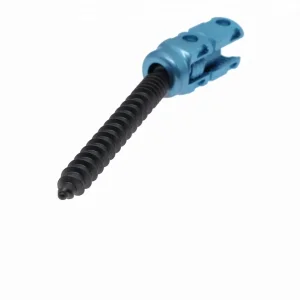
Surgeons require seamless compatibility between implants and insertion instruments. Exporters must provide complete systems rather than single implants. Bonevia provides coordinated solutions, including matching intramedullary nails, spine pedicle screw sets, and custom retractors to ensure successful clinical outcomes.
National healthcare systems are implementing price caps and bulk purchasing tenders. Manufacturers must optimize supply chain logistics to remain competitive. Bonevia's $8-15 million annual export scale allows us to negotiate bulk material pricing and utilize advanced manufacturing processes to lower unit costs.
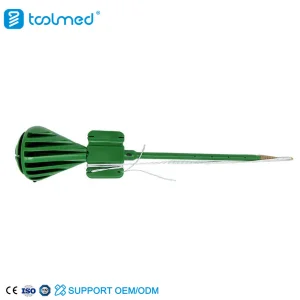
Additionally, the rise of veterinary orthopedics represents a growing market segment. Advanced implants, such as PEEK suture anchors and veterinary oscillating bone saws, are increasingly adopted in veterinary surgical centers worldwide. Bonevia meets this demand by offering animal-specific orthopedic products alongside our human clinical lines.