Bonevia
Bonevia
Bonevia
Distal radius fractures (DRF) are among the most common orthopedic injuries encountered worldwide, accounting for up to 18% of all adult fractures. Over the last two decades, the treatment paradigm has shifted significantly from conservative closed reduction and casting to open reduction and internal fixation (ORIF). Specifically, volar distal radius locking plates have emerged as the gold standard for restoring anatomy and enabling early wrist mobilization.
Modern clinical research highlights the importance of anatomical contouring and low-profile plate geometry to prevent soft tissue irritation and tendon ruptures. High-precision manufacturing guarantees that the plates fit the volar "watershed line" without overlapping sub-tendinous zones. As a leading manufacturer, we combine biomechanical engineering with material sciences to provide surgeons with locking systems that deliver high primary stability, minimize implant failure, and preserve blood supply.
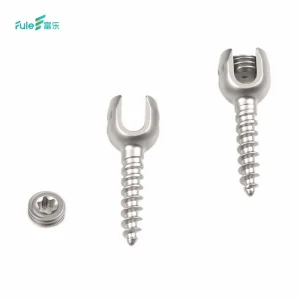
Enables polyaxial screw configuration (+/- 15 degrees) for targeting specific bone fragments in complex intra-articular fractures.
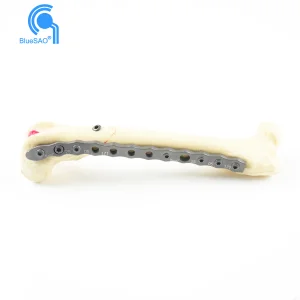
Pre-contoured designs match the natural anatomy of the radial bone, drastically reducing the need for intraoperative bending.
Rounded edges, tapered distal tips, and polished low-profile configurations protect the flexor pollicis longus (FPL) tendon.
Bonevia Orthopedic Technology Co., Ltd. is a professional manufacturer specializing in orthopedic implants and surgical solutions, dedicated to advancing innovation in trauma, spine, and joint reconstruction products. Since its establishment in 2015, the company has grown steadily into a trusted supplier in the global orthopedic industry.
With a modern production facility covering approximately 320㎡, Bonevia maintains strict quality management standards and efficient manufacturing processes. The company records an annual export revenue of around USD 8–15 million, supported by 6 years of export experience and over 10 years of overall industry experience.
Quality assurance is a core focus at Bonevia. The company implements multiple inspection methods including incoming material inspection, in-process quality control, and final product testing, supported by a dedicated quality team of 35 professionals. This ensures all products meet international medical device standards.
Bonevia has a solid trade foundation with diversified global distribution networks, serving major markets across Europe, Southeast Asia, the Middle East, and South America. Its supply chain ecosystem includes more than 850 partners, enabling stable raw material sourcing and efficient production delivery.
The company serves a wide range of clients, including hospitals, orthopedic clinics, surgical centers, and medical distributors. Bonevia also demonstrates strong R&D capabilities, offering OEM and ODM customization services to meet specific clinical requirements.
In the past year, Bonevia successfully launched 120 new product designs, supported by a research and development team of 85 engineers, continuously driving innovation in orthopedic implant systems and surgical instruments.
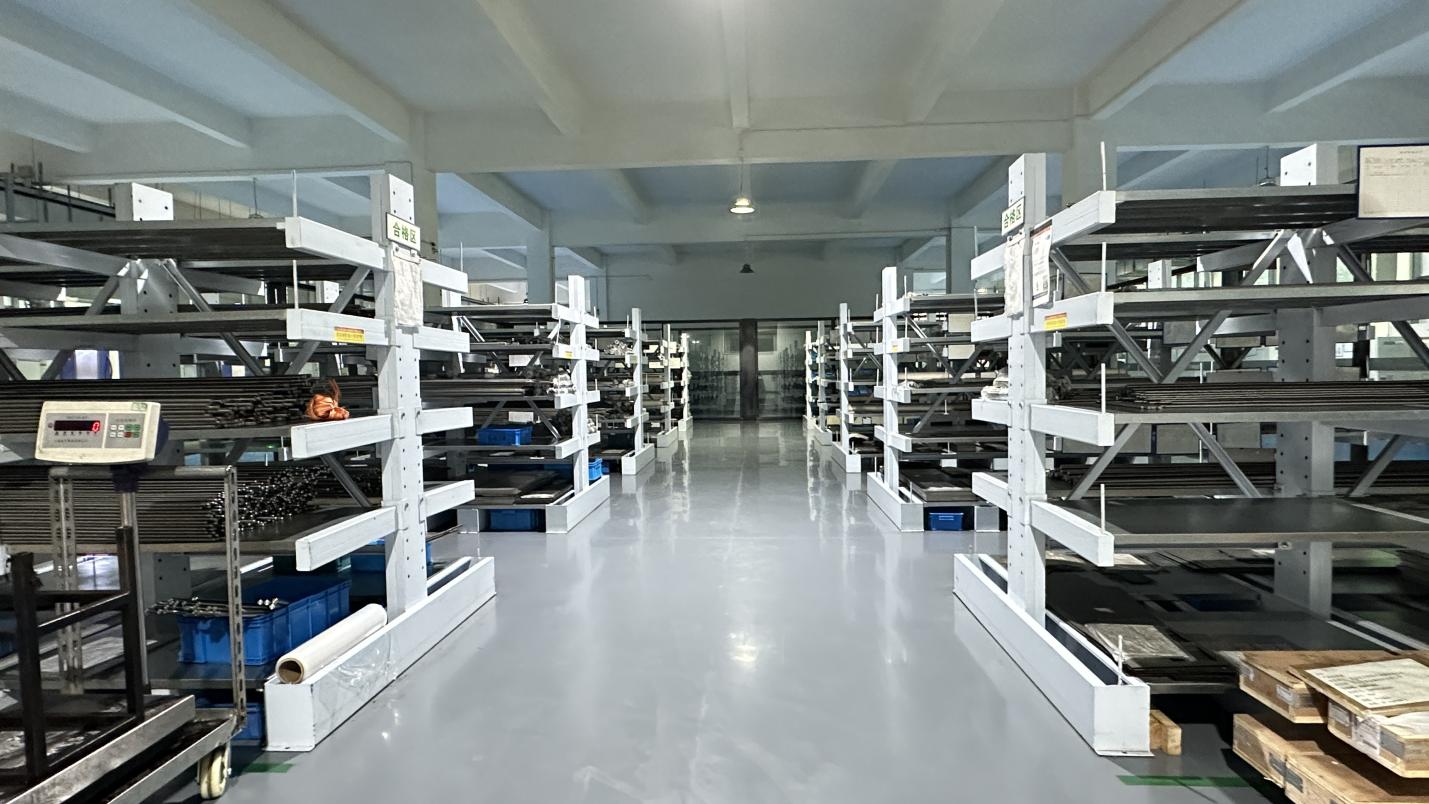
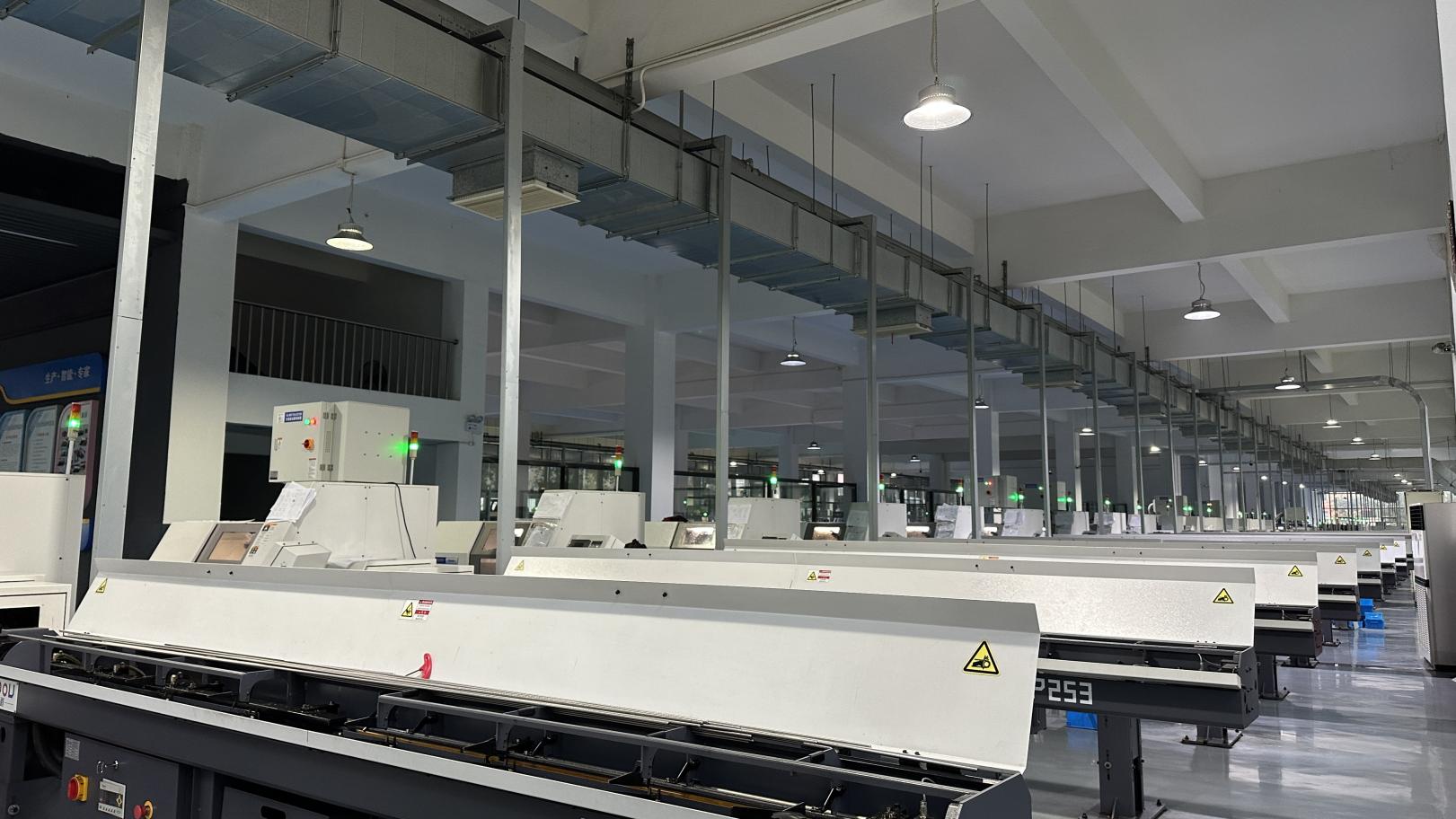
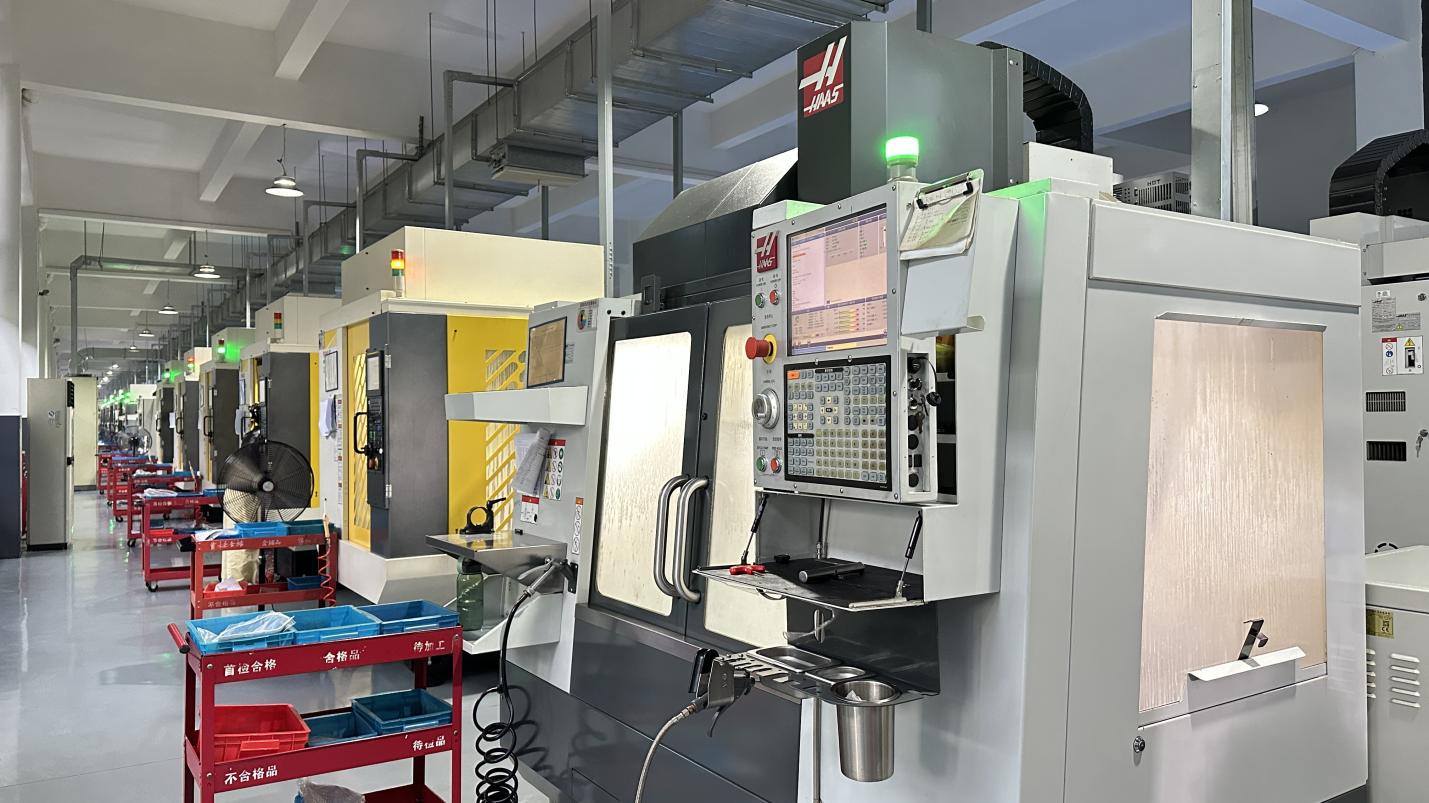
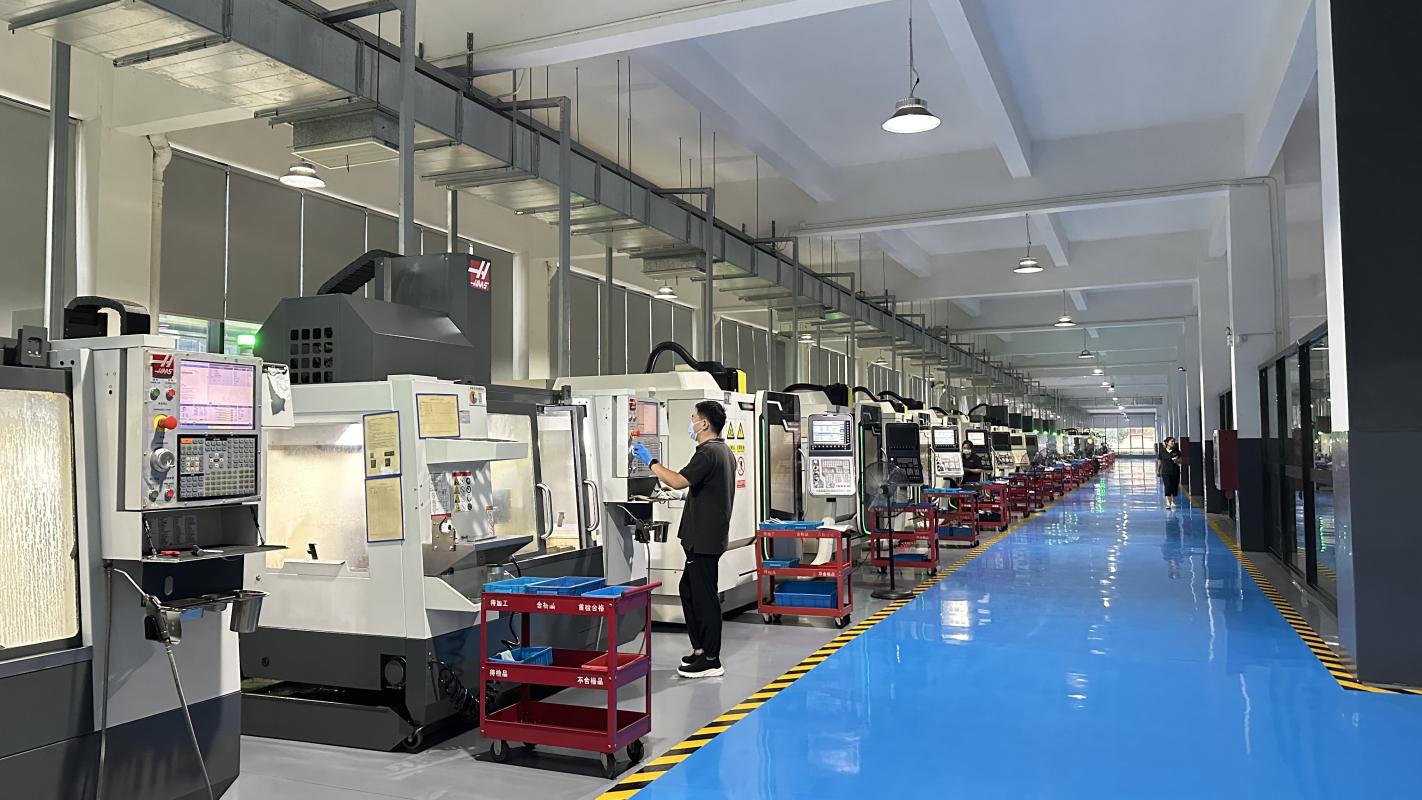
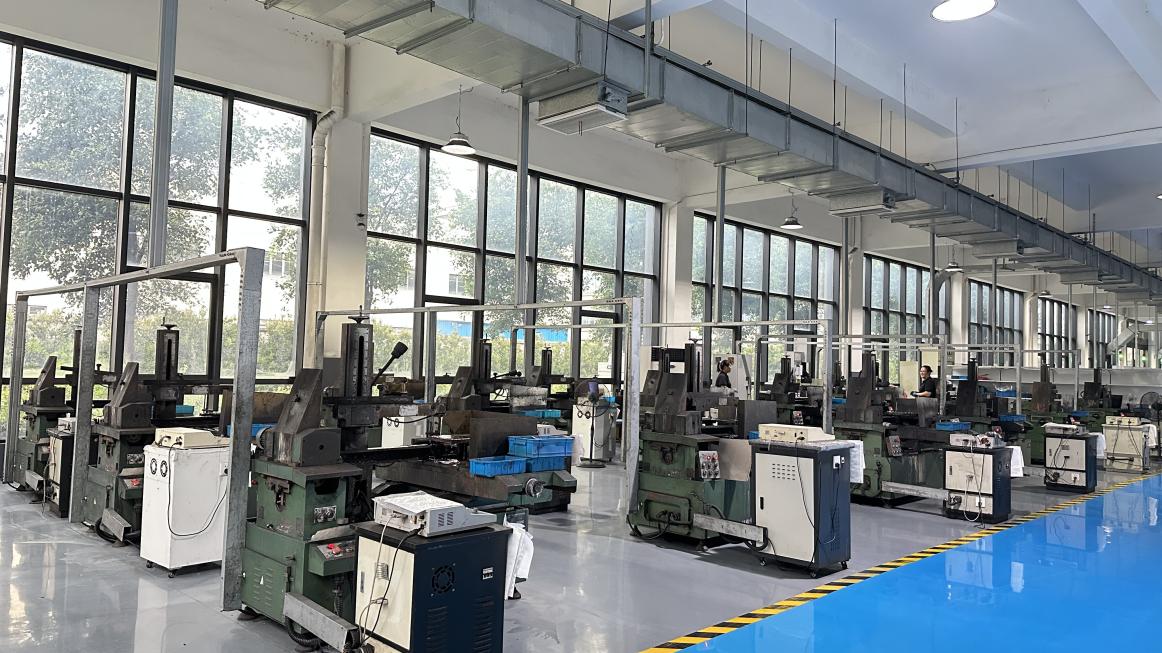
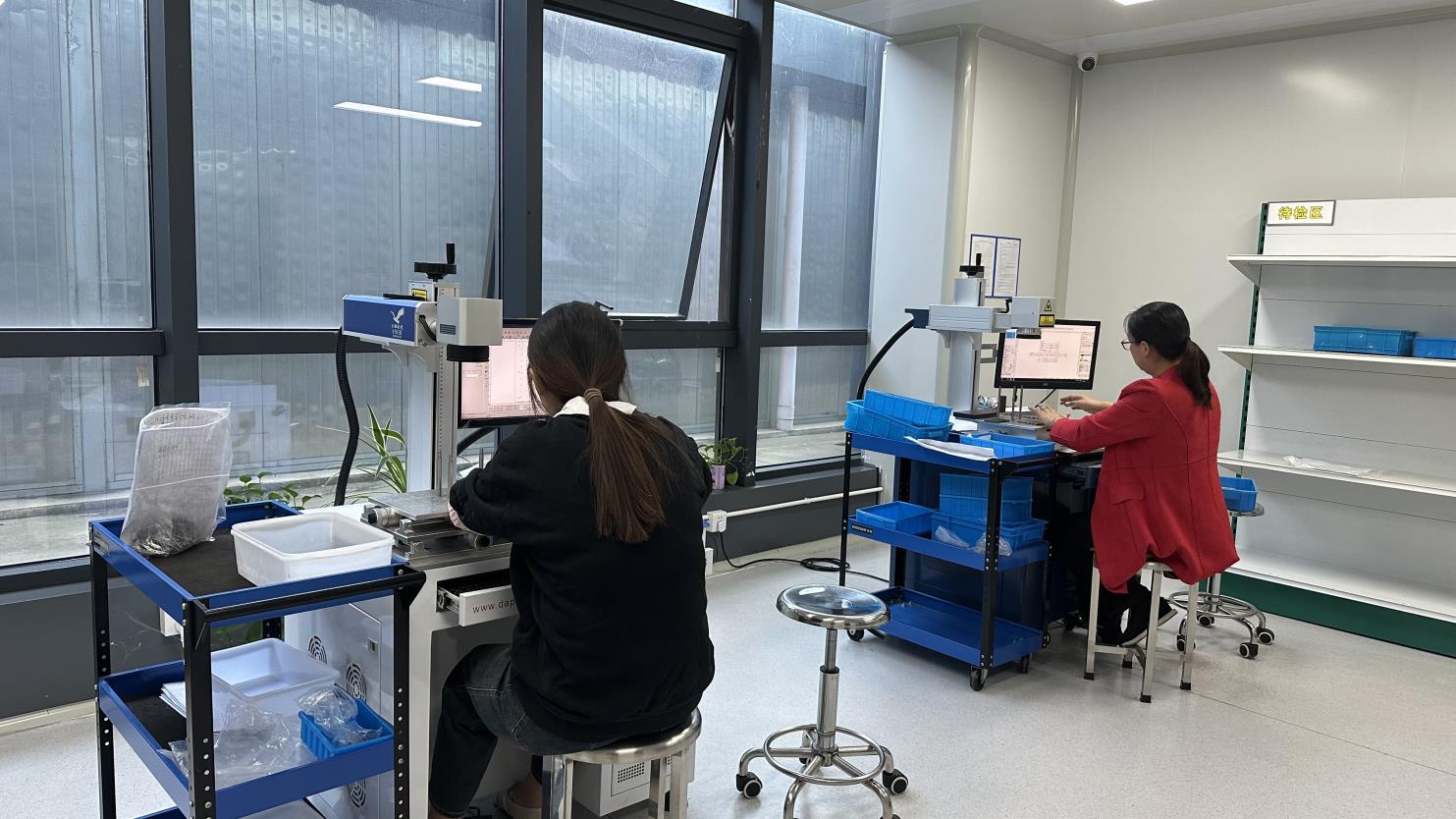
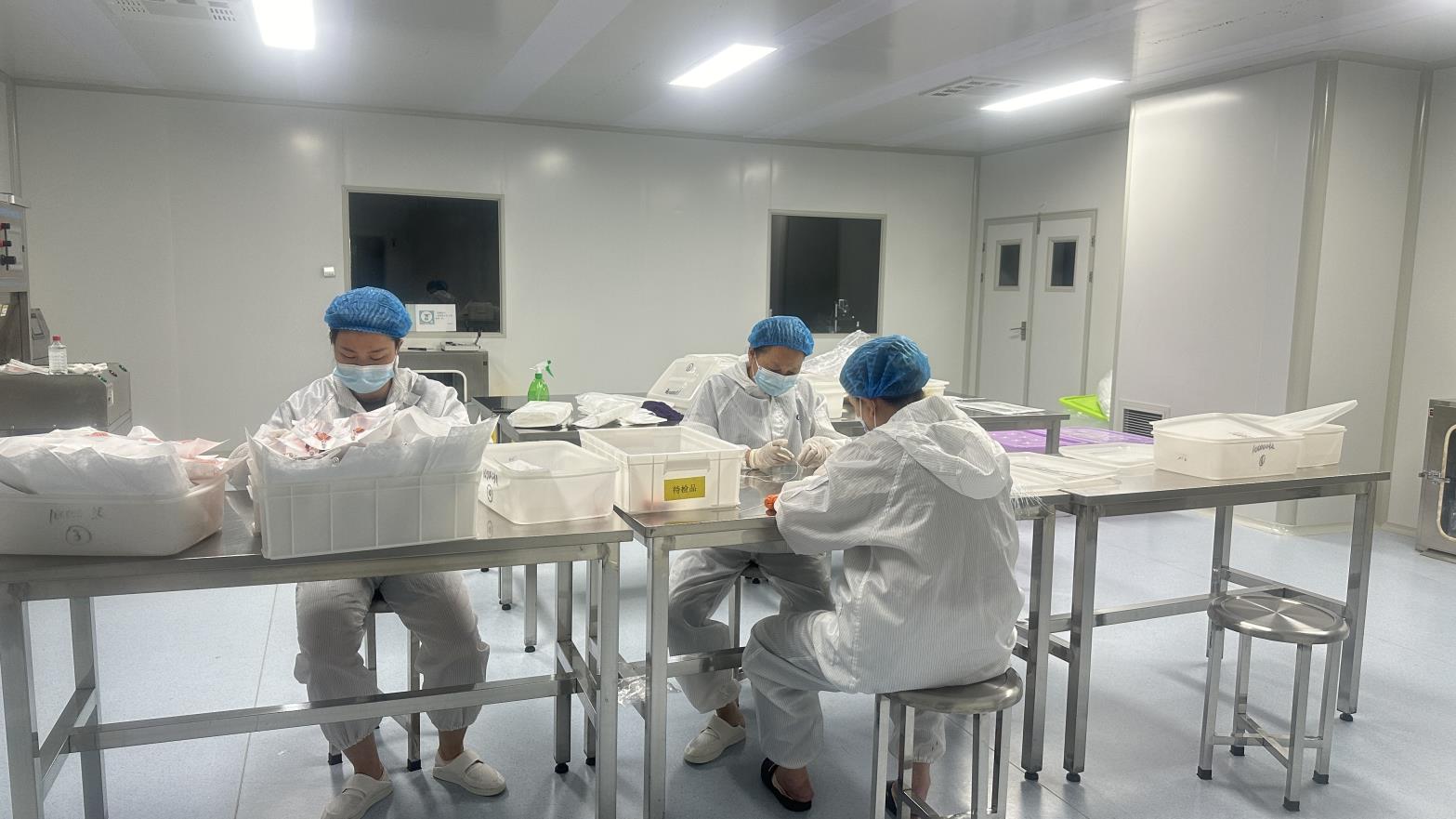
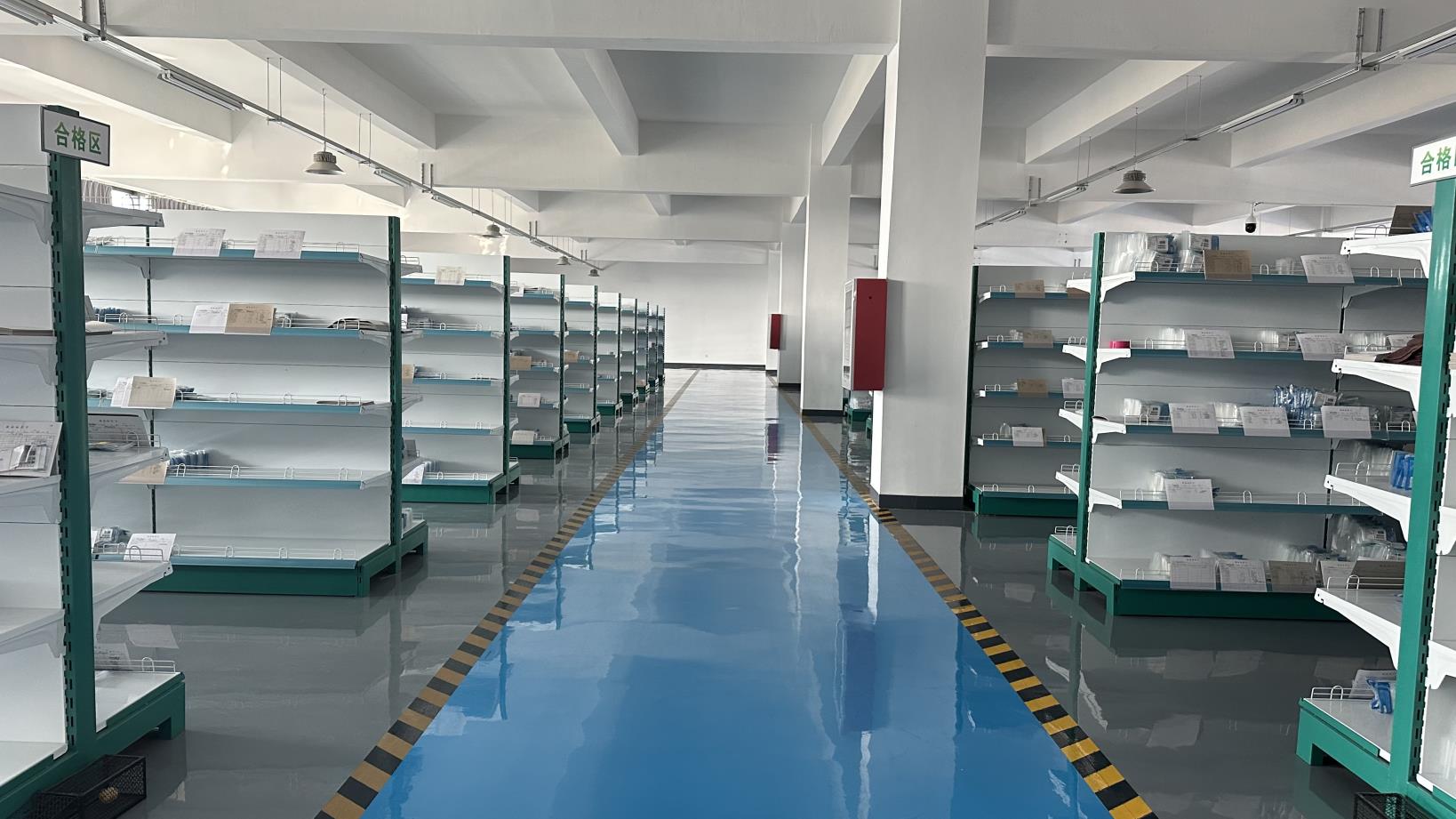
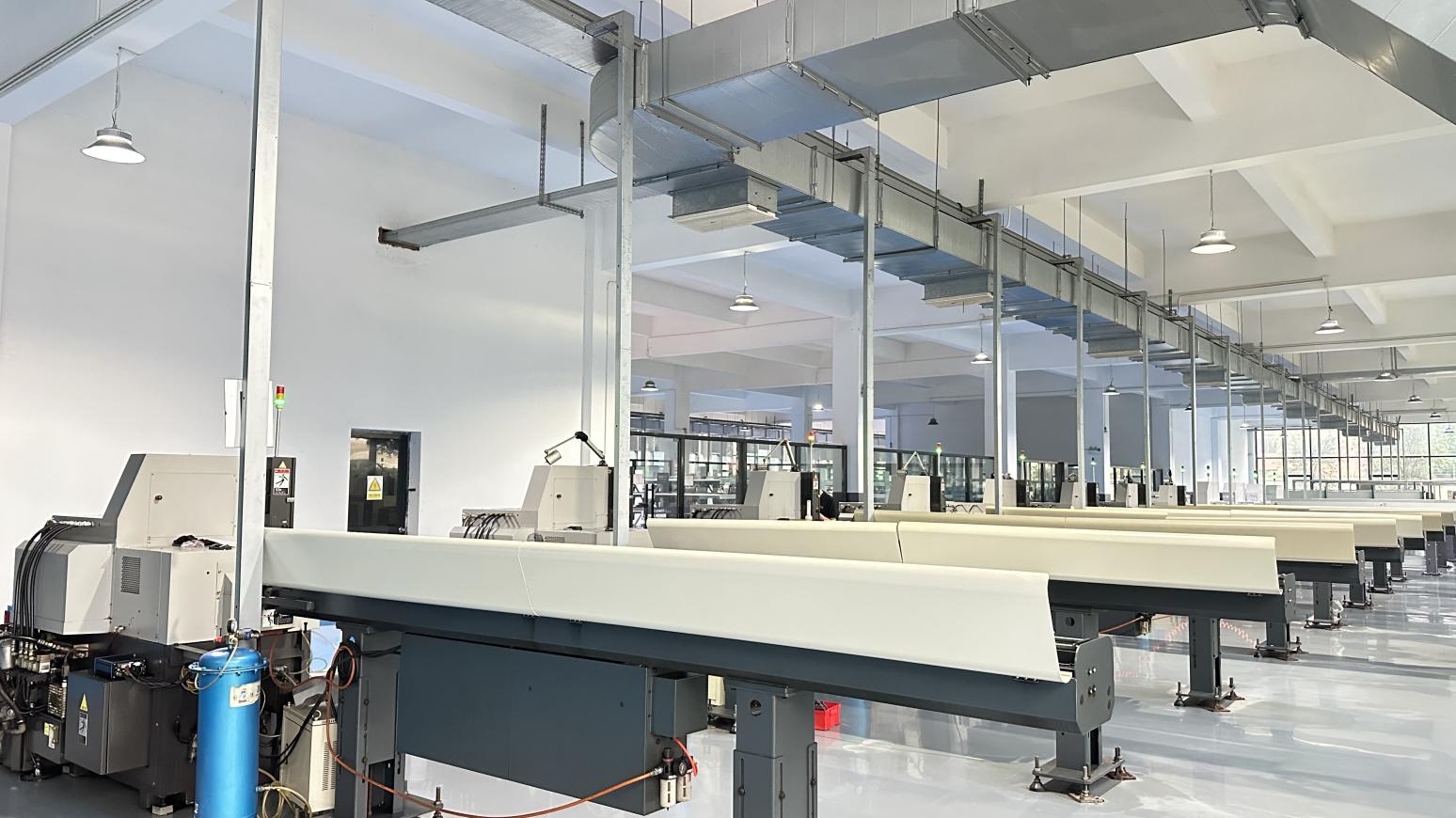
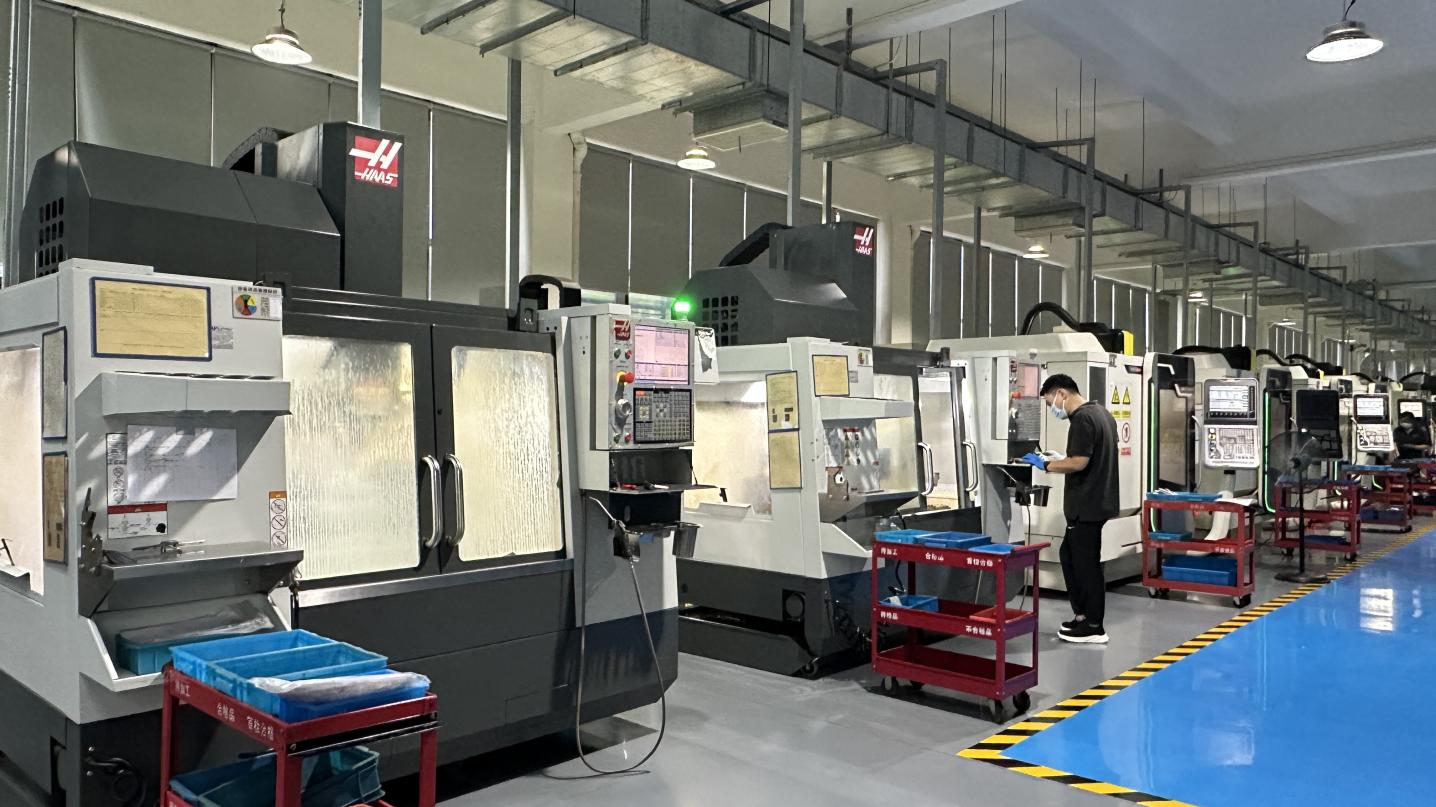
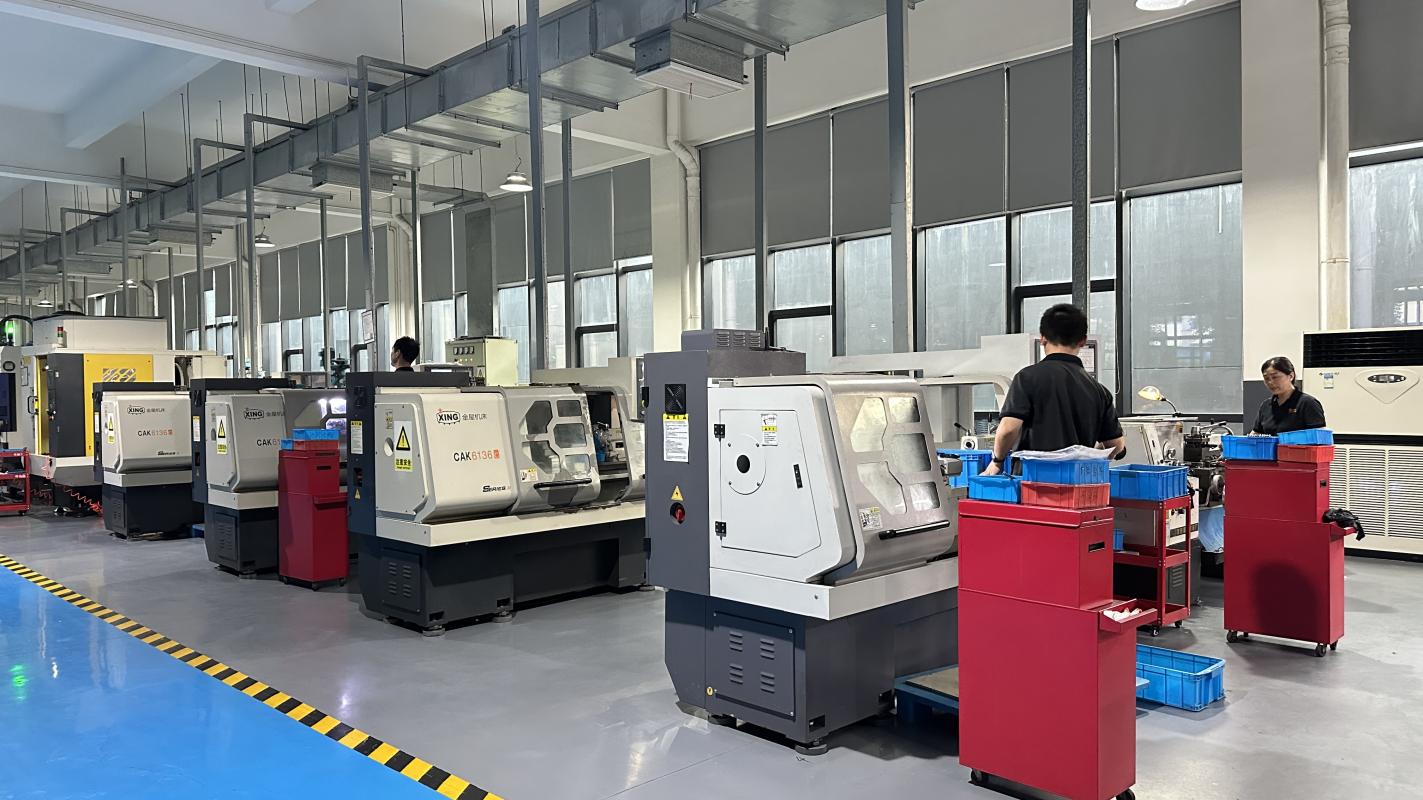
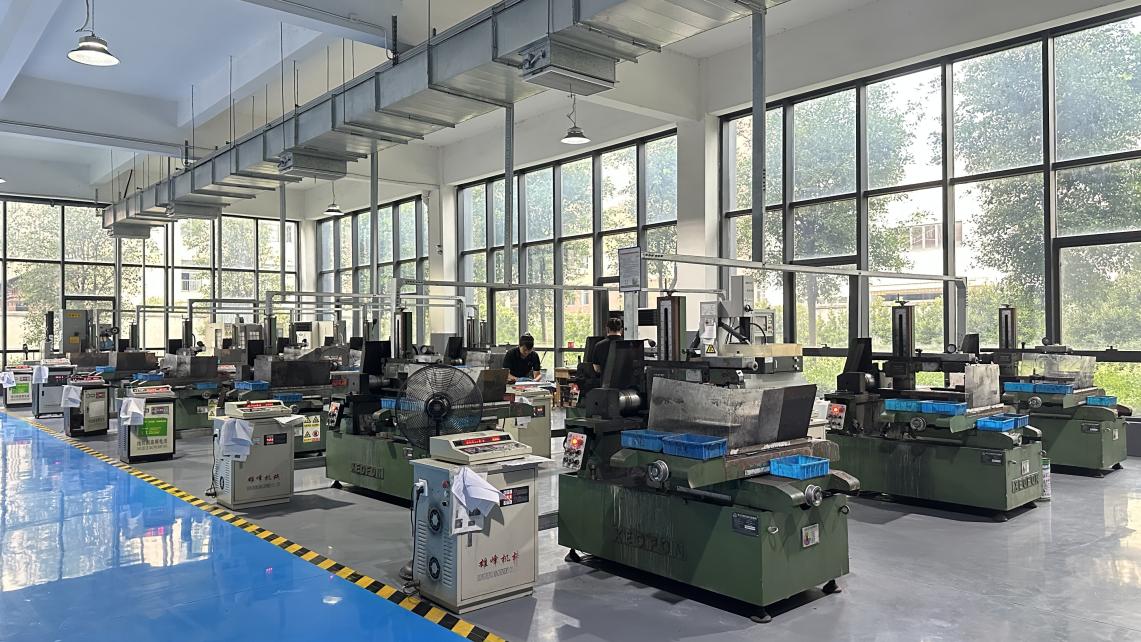
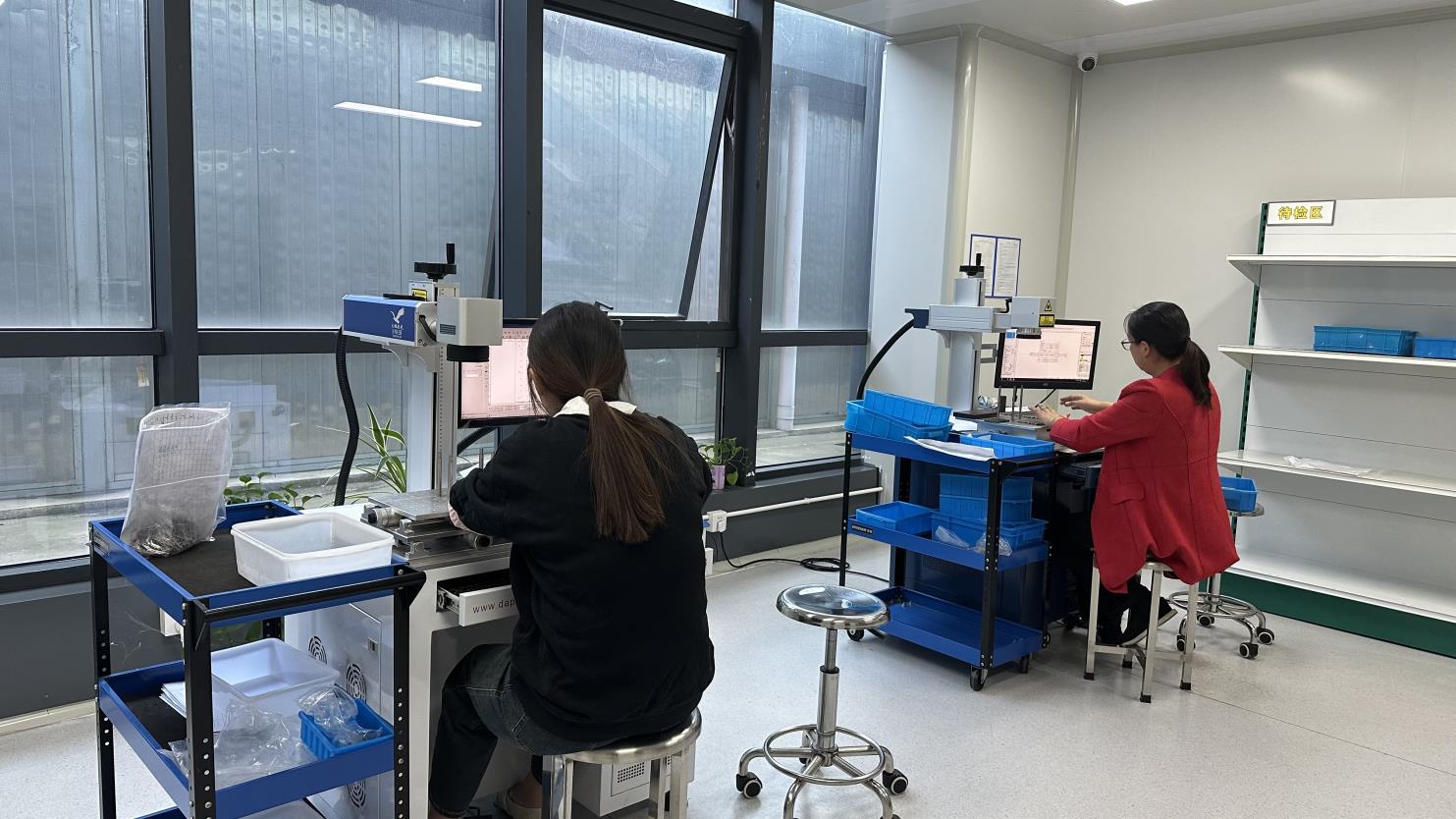
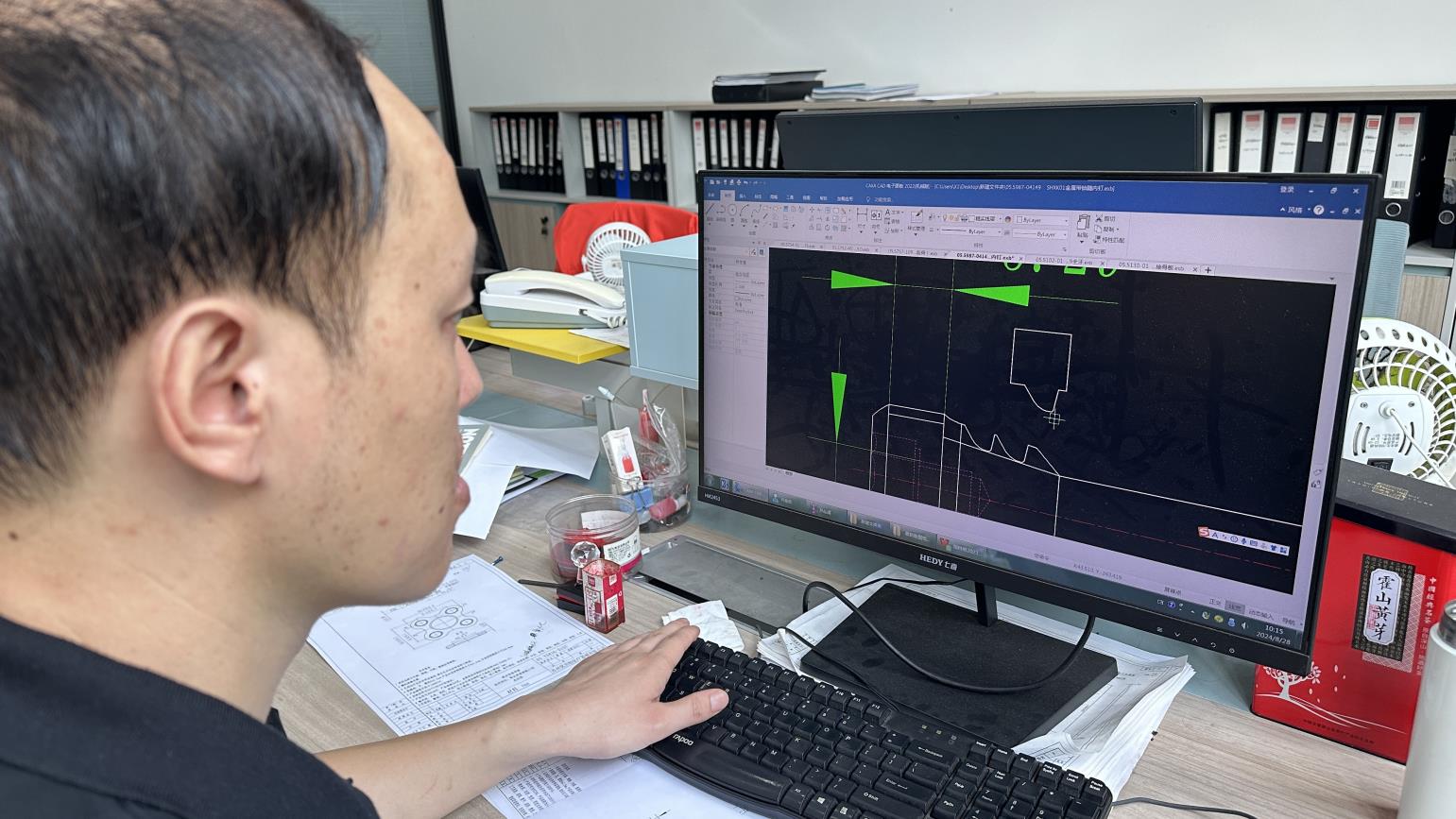
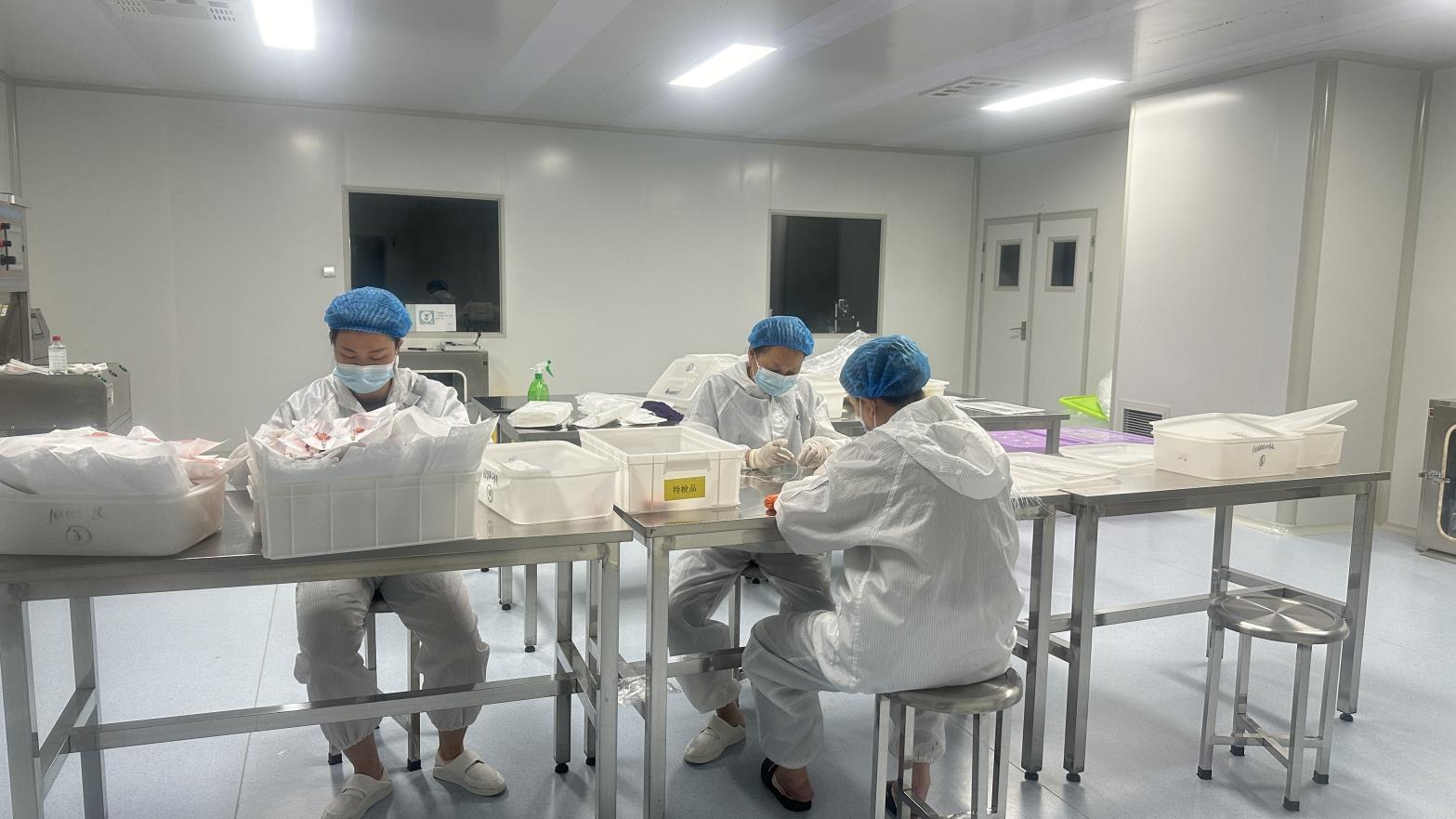
Procuring orthopedic implants at a global level requires navigating high barriers of compliance, traceability, and material consistency. Bonevia Orthopedic addresses these points by building an ecosystem centered on raw material reliability and precise manufacturing compliance.
1. Raw Material Assurance (ASTM F136 Titanium & ISO 5832-1 Stainless Steel)
Distal radius locking plates are fabricated utilizing medical-grade titanium alloy (Ti-6Al-4V ELI) compliant with ASTM F136 standards. This grade features exceptional biocompatibility, fatigue resistance, and elastic modulus levels that mitigate stress shielding when compared to traditional stainless steel plates.
2. OEM/ODM Capabilities and 3D Modeling
Powered by our engineering team of 85 staff members, we offer dynamic OEM/ODM services. Our designers utilize computerized modeling tools to alter locking configurations, screw dimensions, and contour profiles to suit localized populations and healthcare tenders.
3. Comprehensive QA Framework
From initial raw material receipt through CNC machining, wire-cutting, polishing, and laser marking, each step undergoes inspection by our 35-person quality control department. This rigorous system guarantees that every screw hole, thread profile, and smooth contour aligns with product tolerances.
As trauma care evolves, bone plate engineering is advancing beyond static mechanical structures. The research and development division at Bonevia is actively pursuing three primary domains to define the next generation of distal radius fixation:
Biodegradable Magnesium Implants: Developing alloy plates that degrade safely post-healing, eliminating the clinical need for secondary implant removal procedures and reducing total healthcare costs.
Antibacterial Surface Coverings: Using advanced anodization techniques and silver-ion coatings to restrict biofilm growth on the implant surface, significantly reducing postoperative infection rates.
Variable Angle (VA) Polyaxial Upgrades: Increasing the angulation margin to +/- 20 degrees, allowing surgeons to target complex volar and dorsal fragment patterns with enhanced locking accuracy.