Bonevia
Bonevia
Bonevia
Engineered for clinical efficacy, surgical ergonomics, and long-term mechanical stability. Explore our leading-edge solutions below.
An in-depth analysis of global market conditions, technical advancements, and clinical deployment strategies.
The global demand for expandable interbody fusion devices is accelerating due to the rising clinical shift towards Minimally Invasive Spine Surgery (MISS). Surgeons favor expandable cages because they offer reduced neural retraction, minimized anatomical disruption, and optimization of the disc space height post-insertion, leading to faster patient recovery cycles.
A primary technological axis is material selection. Polyetheretherketone (PEEK) provides radiolucency and an elastic modulus similar to human bone. In contrast, 3D-printed Titanium features porous lattice designs that foster superior osseointegration and surface texture optimization. Modern manufacturers are bridging this divide with composite or surface-coated platforms.
Exporters of spine cages face complex global landscapes. Compliance with the European Union Medical Device Regulation (EU MDR), US FDA 510(k) clearances, and PMDA certifications in Japan represents a baseline requirement. Our products strictly comply with ISO 13485 standards, ensuring consistent, traceable quality for international distribution.
Traditional static cages present limitations in their ability to restore sagittal alignment and maintain stable biomechanical properties. Inserting a static cage with a large footprint or lordotic angle through narrow corridors risks damaging the surrounding soft tissues and endplates.
Expandable cages mitigate these risks by remaining compact during insertion and expanding in height, lordosis, or both once safely positioned within the disc space. This capability allows the surgeon to perform controlled restoration of disc height and lordosis, preventing subsidence and minimizing stress shielding. This clinical benefit relies on high-grade manufacturing, ensuring that mechanical gears, drive shafts, and locks operate smoothly under biological conditions.
By sourcing from a specialized Chinese exporter, global partners gain access to advanced engineering capabilities that balance affordability with high performance. With materials like Ti-6Al-4V ELI (Extra Low Interstitial) alloy, design optimization using Finite Element Analysis (FEA), and high-precision CNC processes, our expandable solutions compete with premium global brands while optimizing purchasing workflows for hospital procurement systems.
Bonevia Orthopedic Technology Co., Ltd. is a professional manufacturer specializing in orthopedic implants and surgical solutions, dedicated to advancing innovation in trauma, spine, and joint reconstruction products. Since its establishment in 2015, the company has grown steadily into a trusted supplier in the global orthopedic industry.
With a modern production facility covering approximately 320㎡, Bonevia maintains strict quality management standards and efficient manufacturing processes. The company records an annual export revenue of around USD 8–15 million, supported by 6 years of export experience and over 10 years of overall industry experience.
Quality assurance is a core focus at Bonevia. The company implements multiple inspection methods including incoming material inspection, in-process quality control, and final product testing, supported by a dedicated quality team of 35 professionals. This ensures all products meet international medical device standards.
Bonevia has a solid trade foundation with diversified global distribution networks, serving major markets across Europe, Southeast Asia, the Middle East, and South America. Its supply chain ecosystem includes more than 850 partners, enabling stable raw material sourcing and efficient production delivery.
The company serves a wide range of clients, including hospitals, orthopedic clinics, surgical centers, and medical distributors. Bonevia also demonstrates strong R&D capabilities, offering OEM and ODM customization services to meet specific clinical requirements.
In the past year, Bonevia successfully launched 120 new product designs, supported by a research and development team of 85 engineers, continuously driving innovation in orthopedic implant systems and surgical instruments.
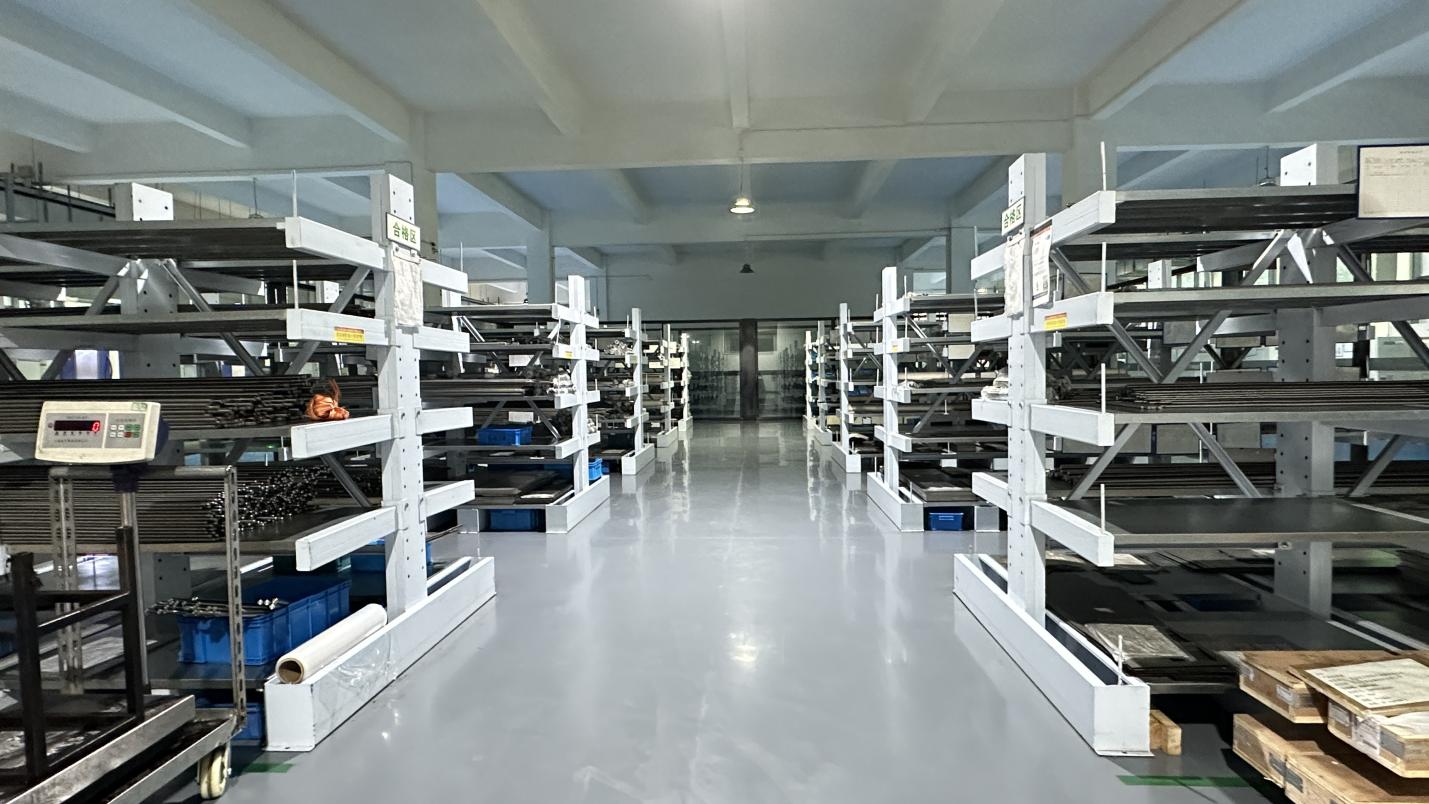
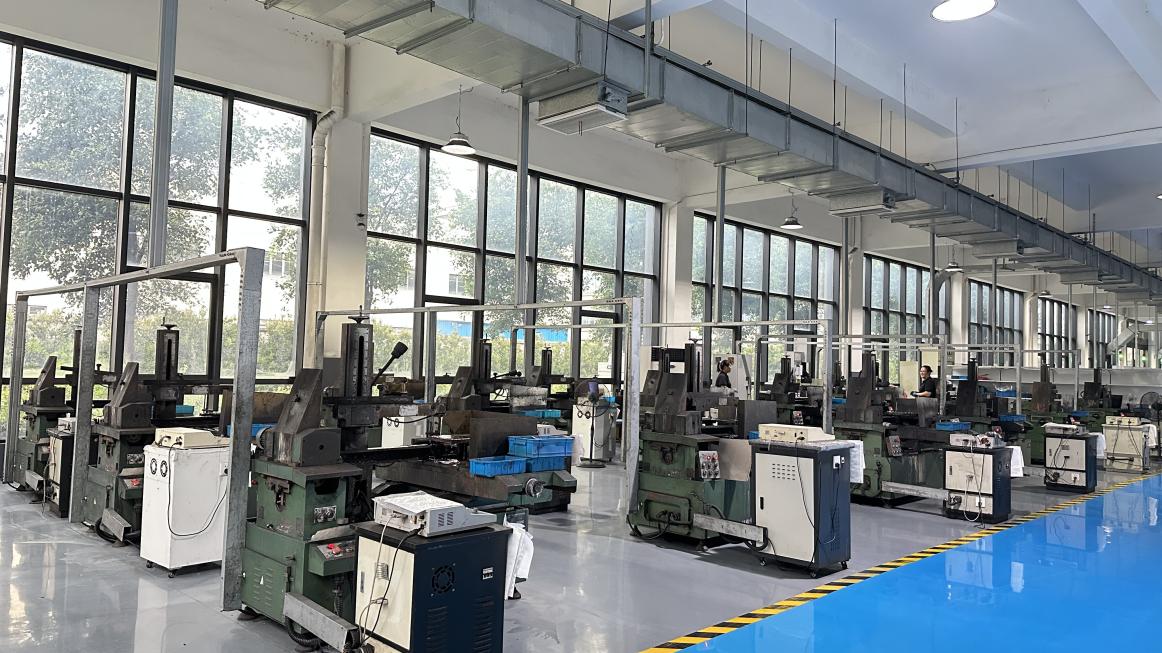
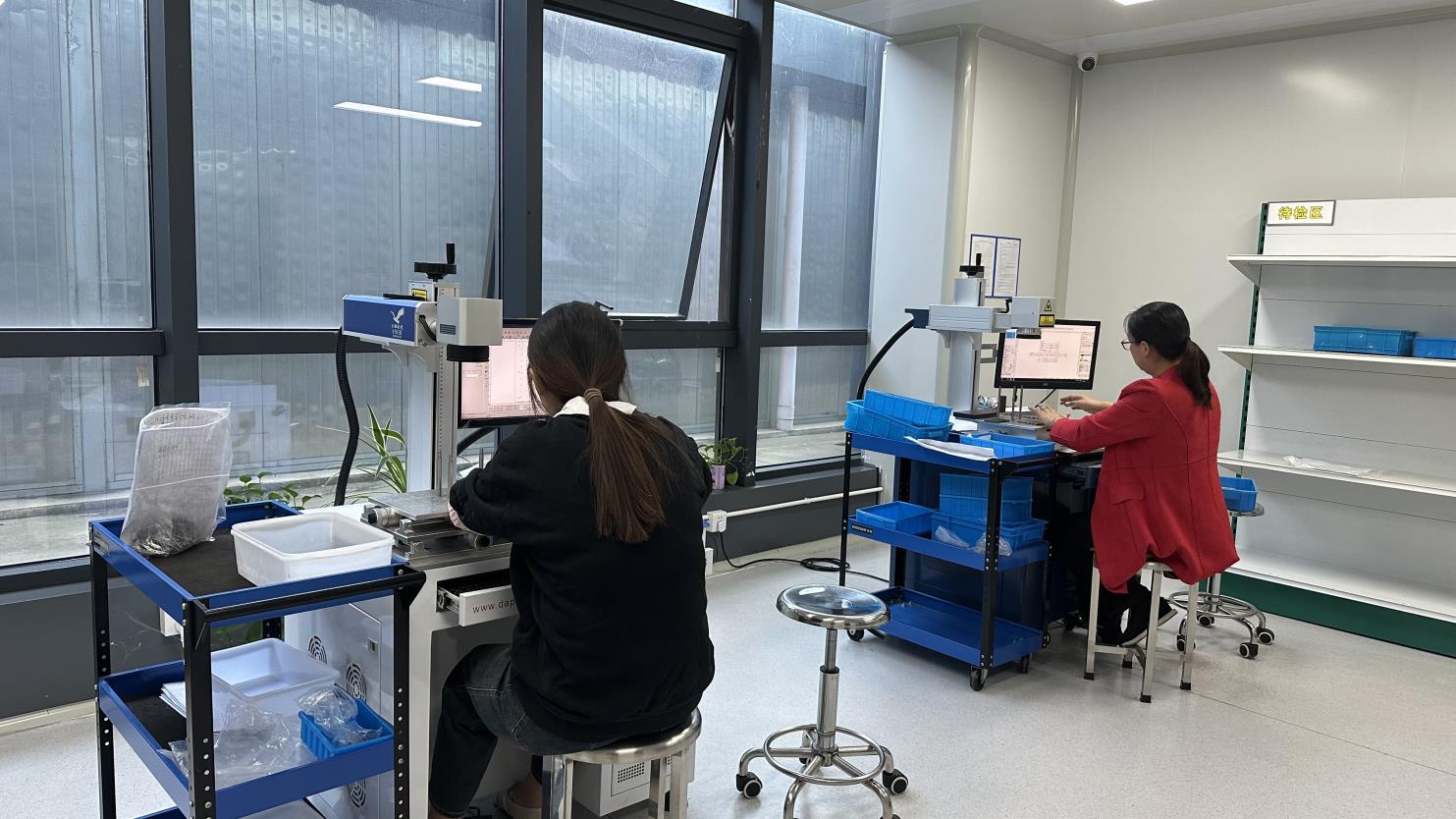
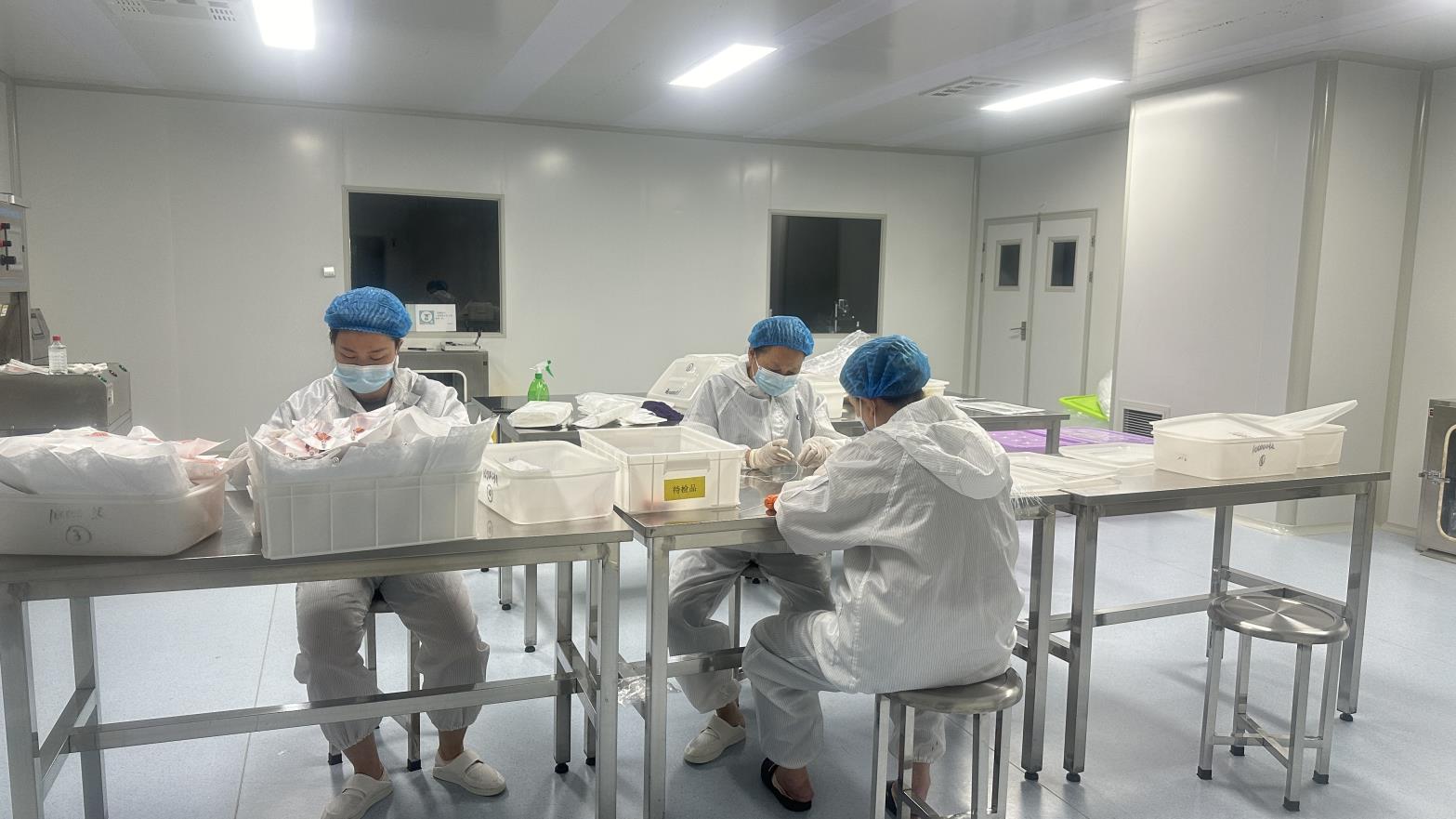
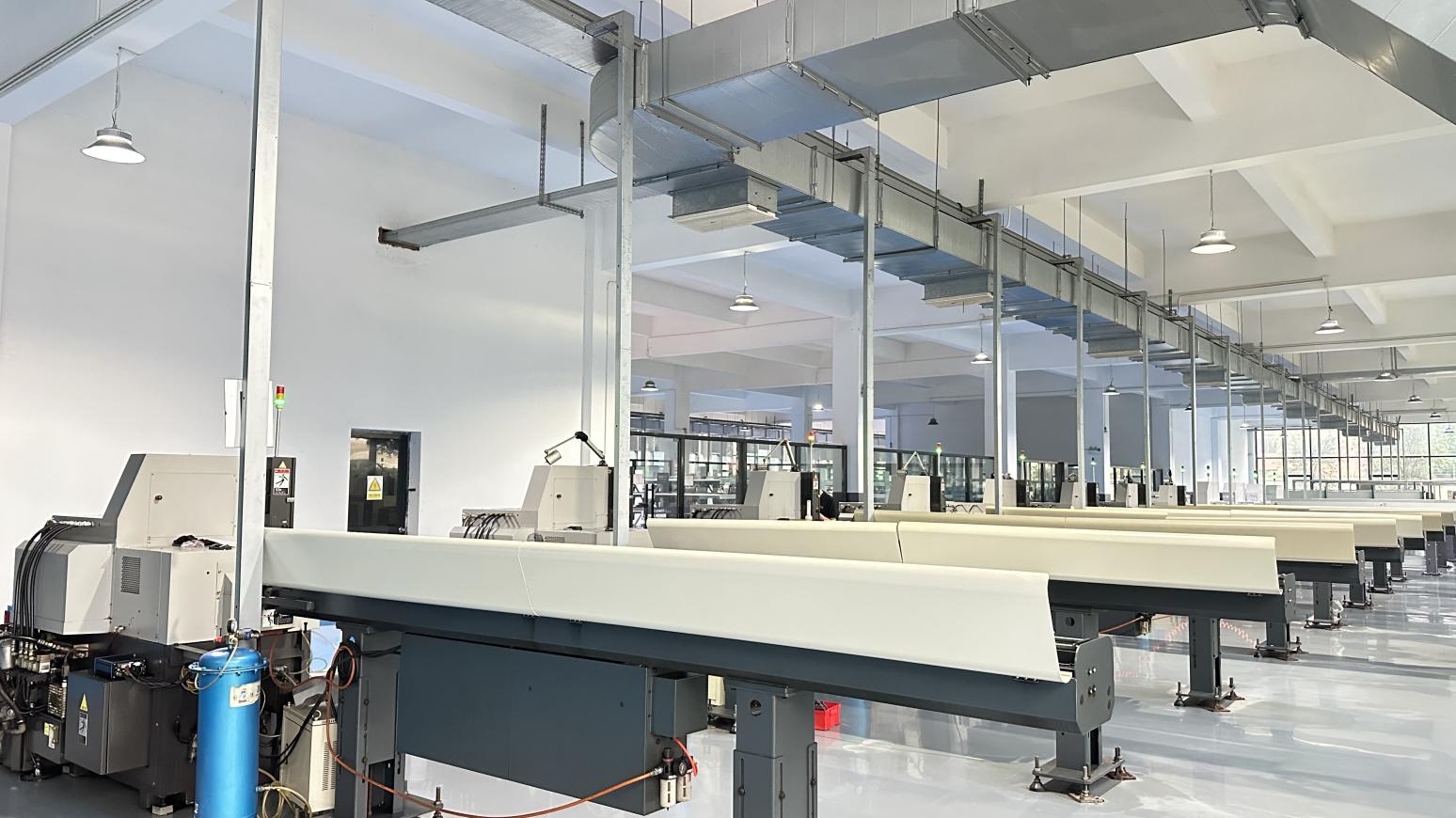
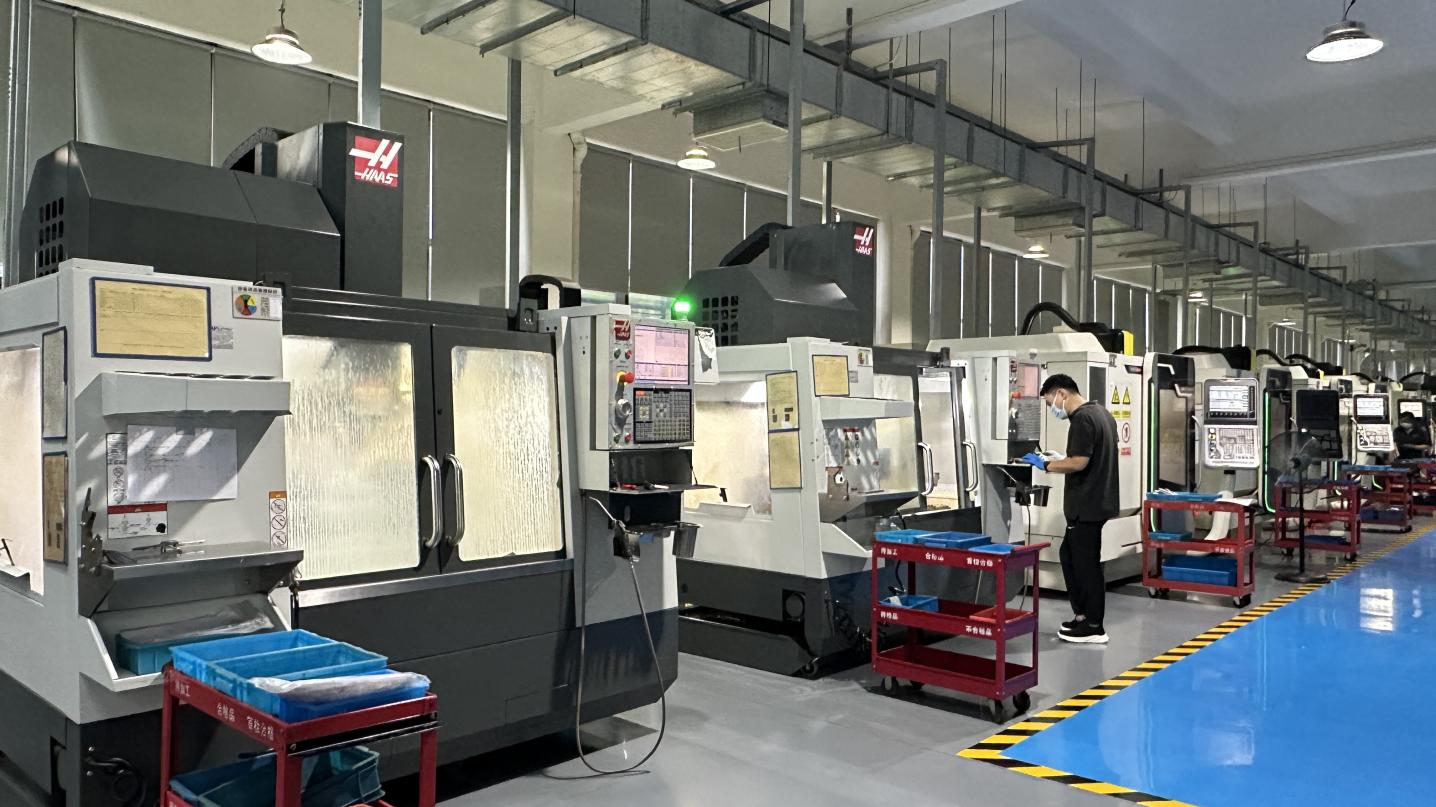
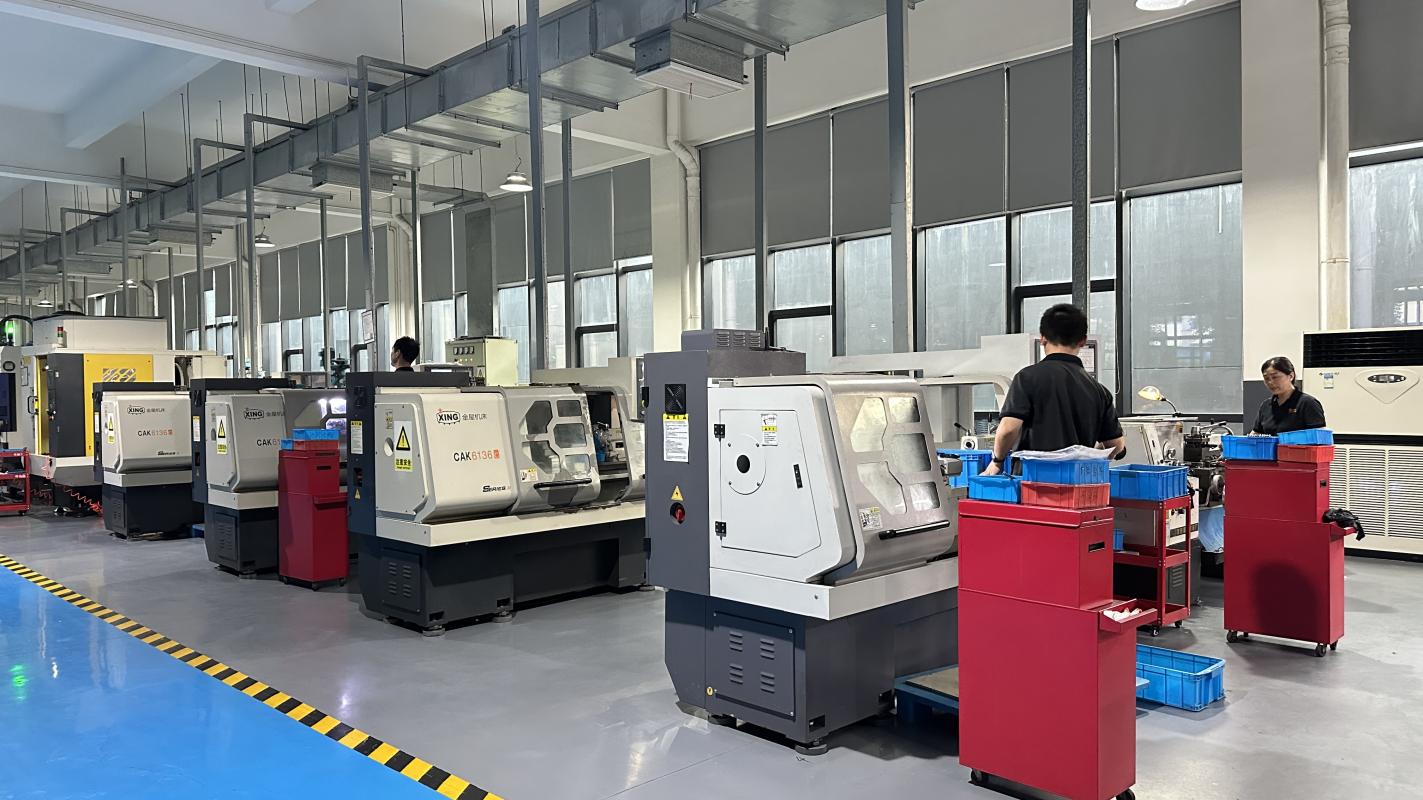
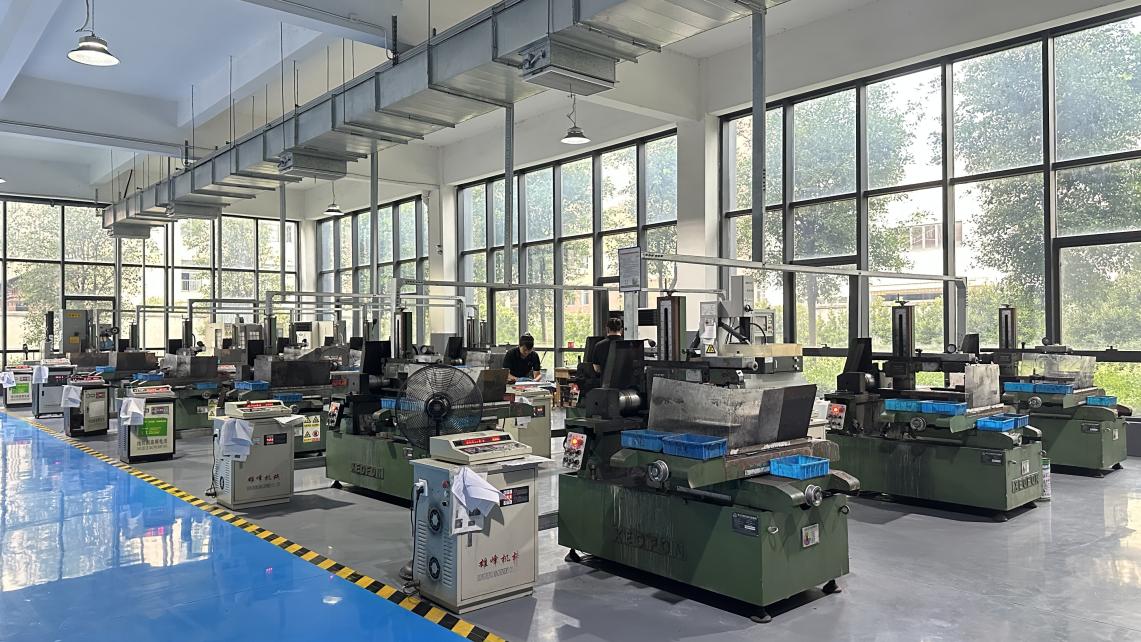
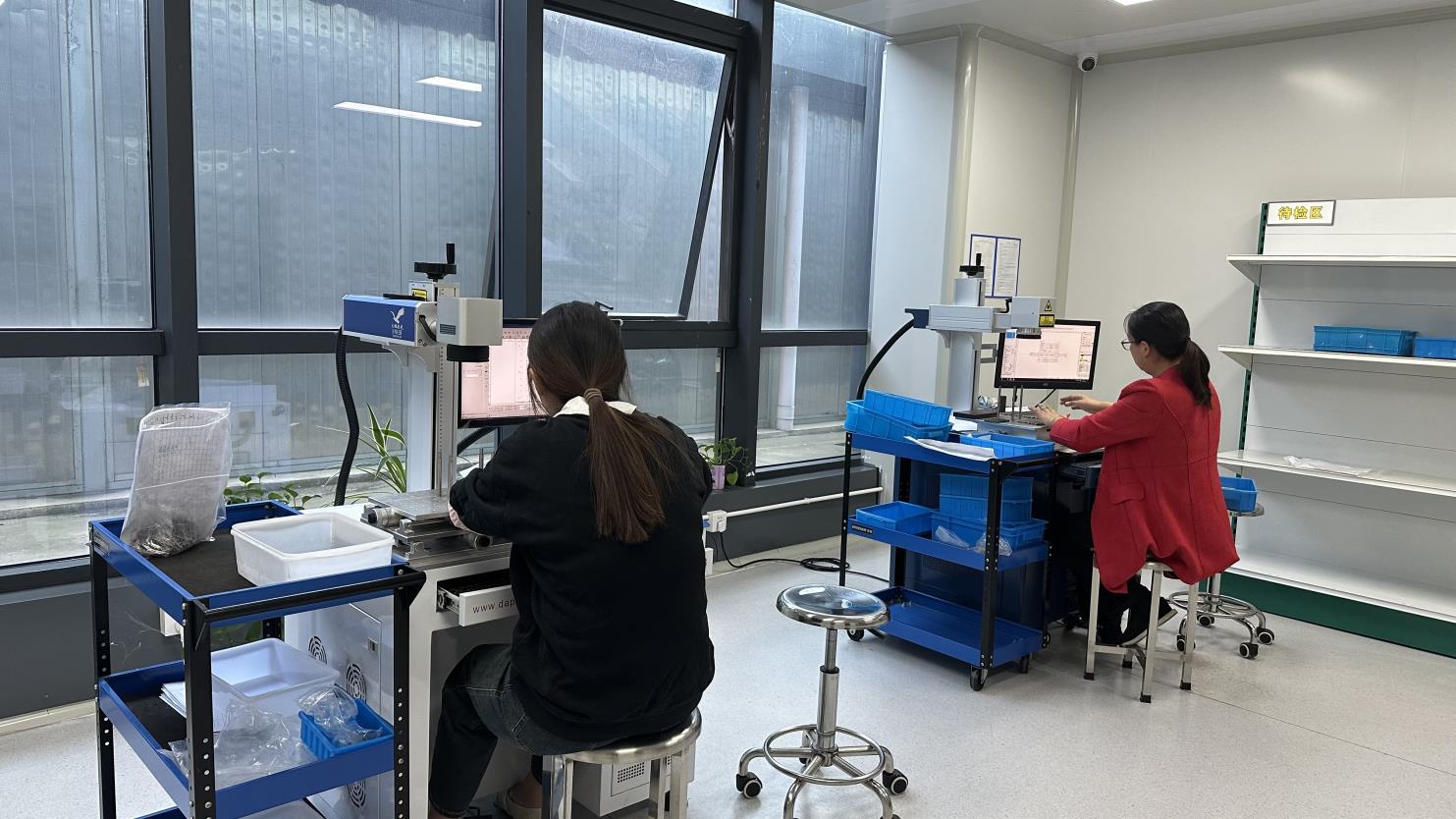
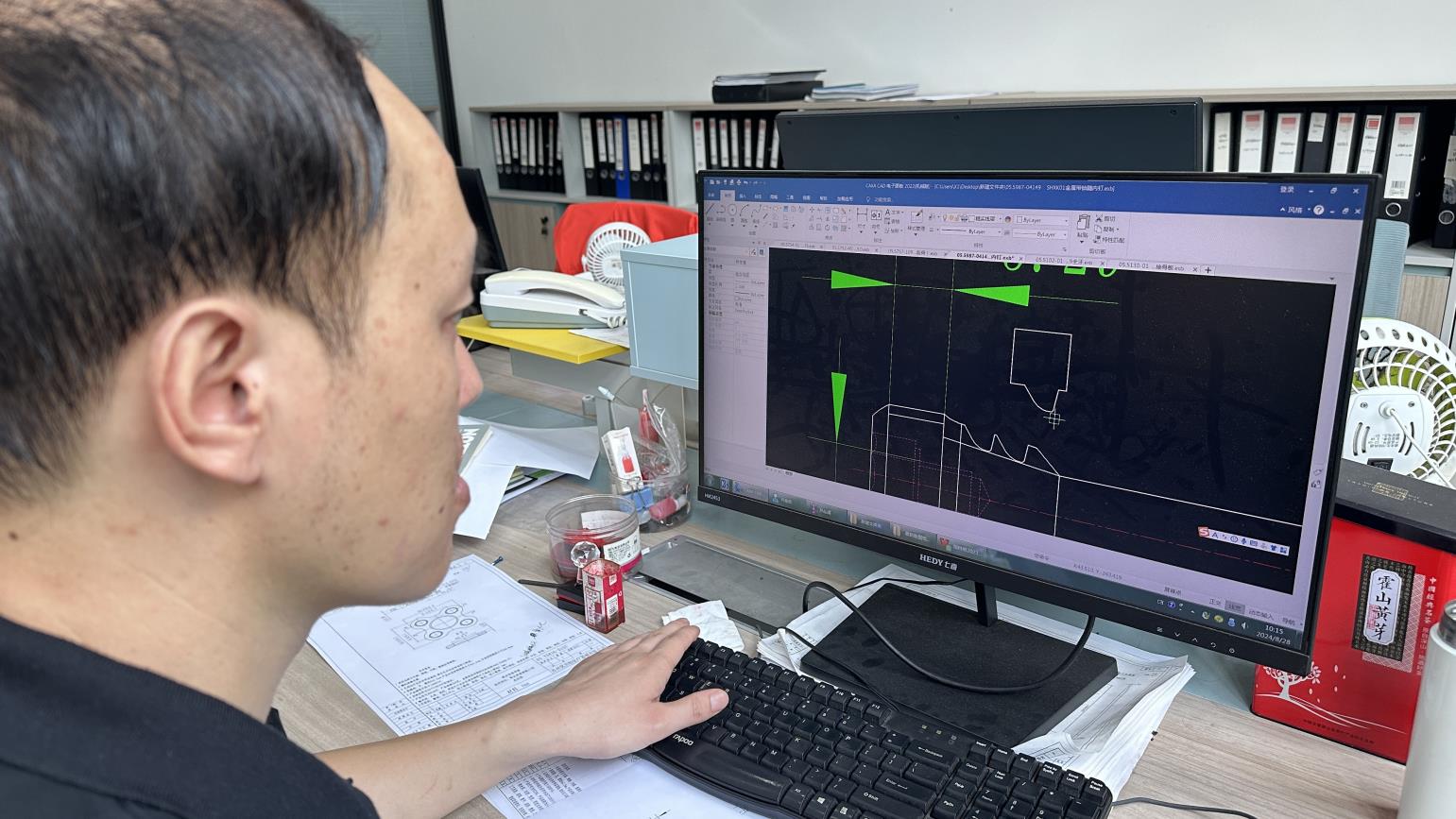
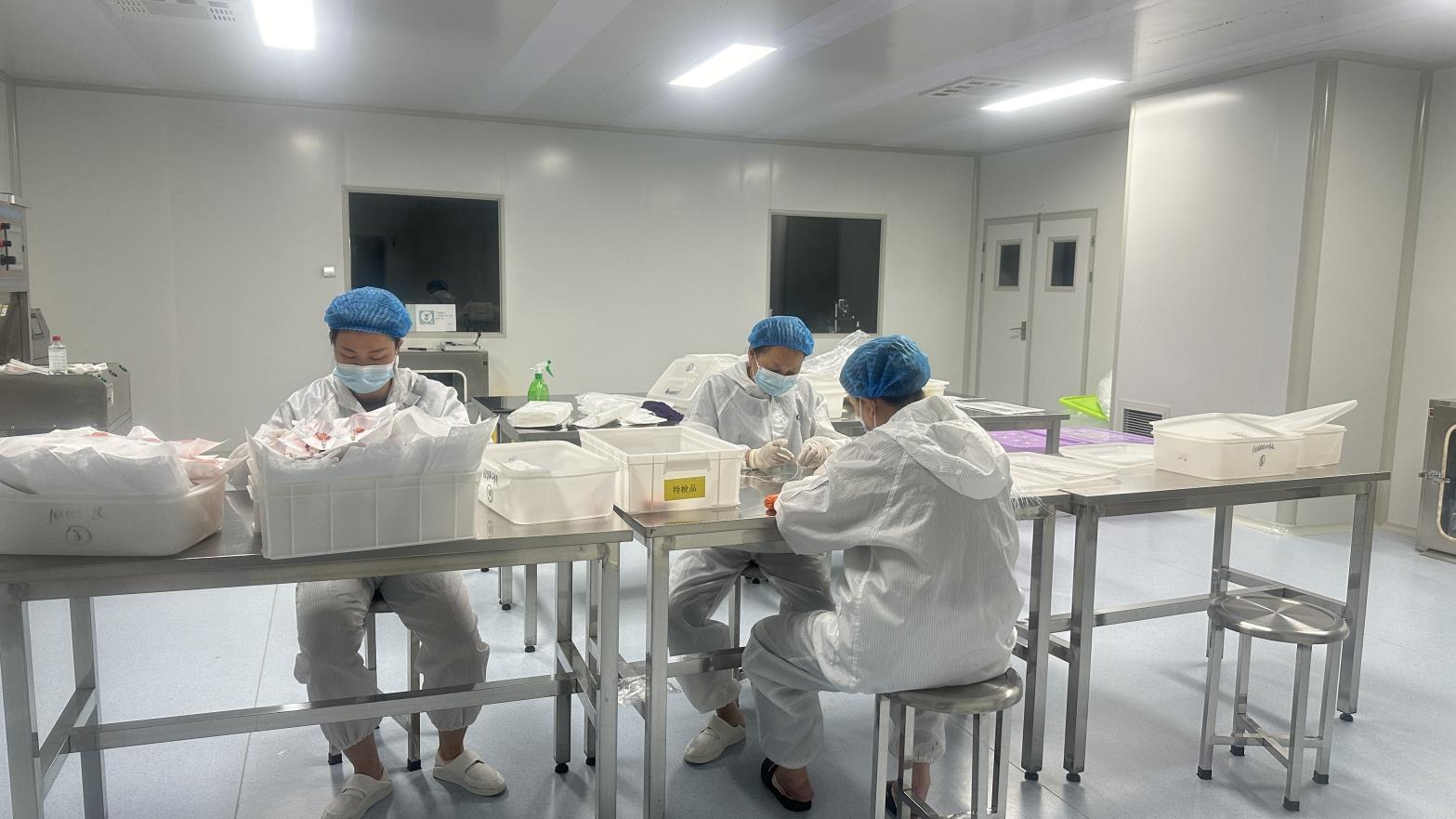
From medical-grade titanium alloy bars to surface sterilization preparation, explore the journey of our implants.
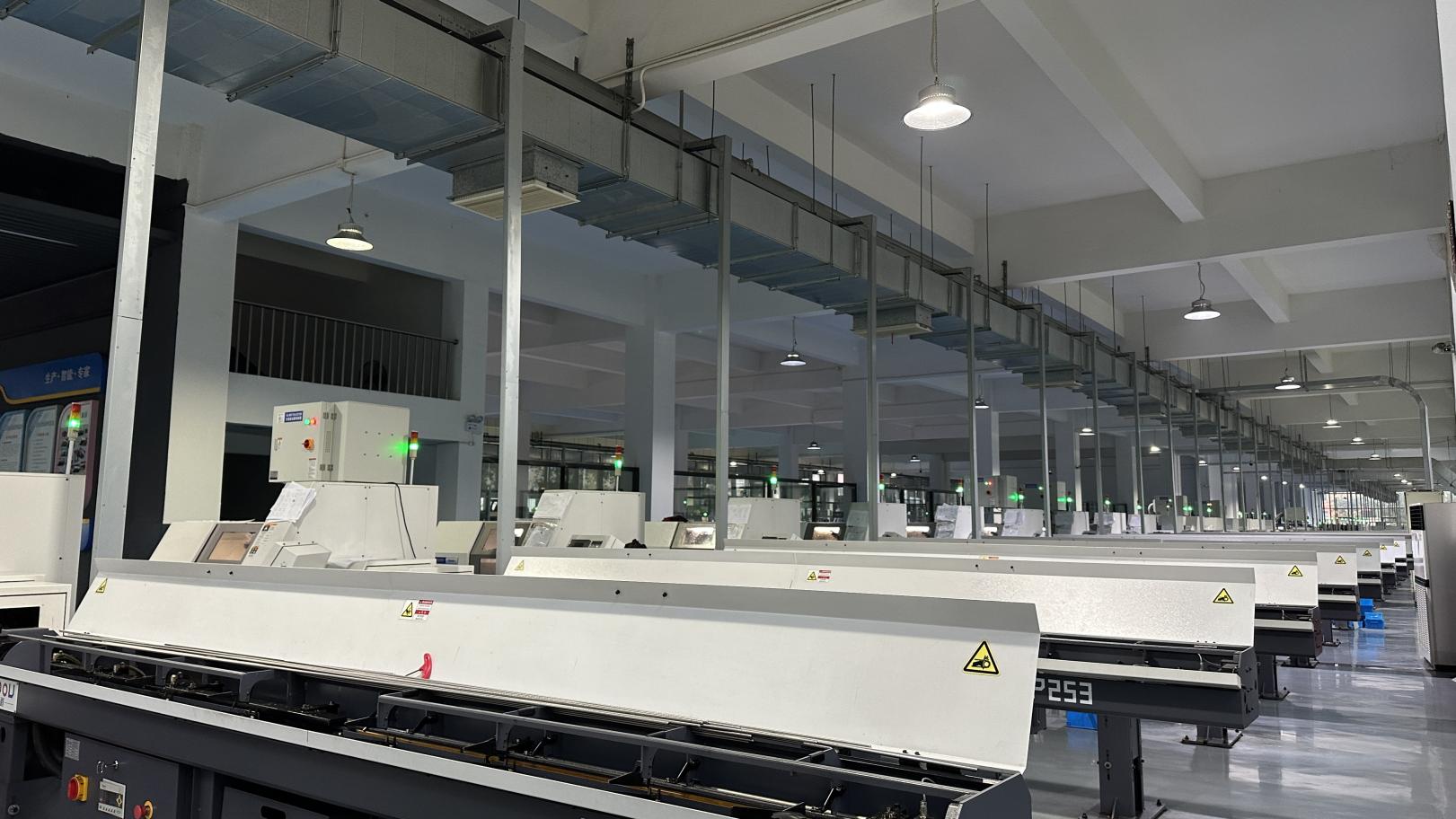
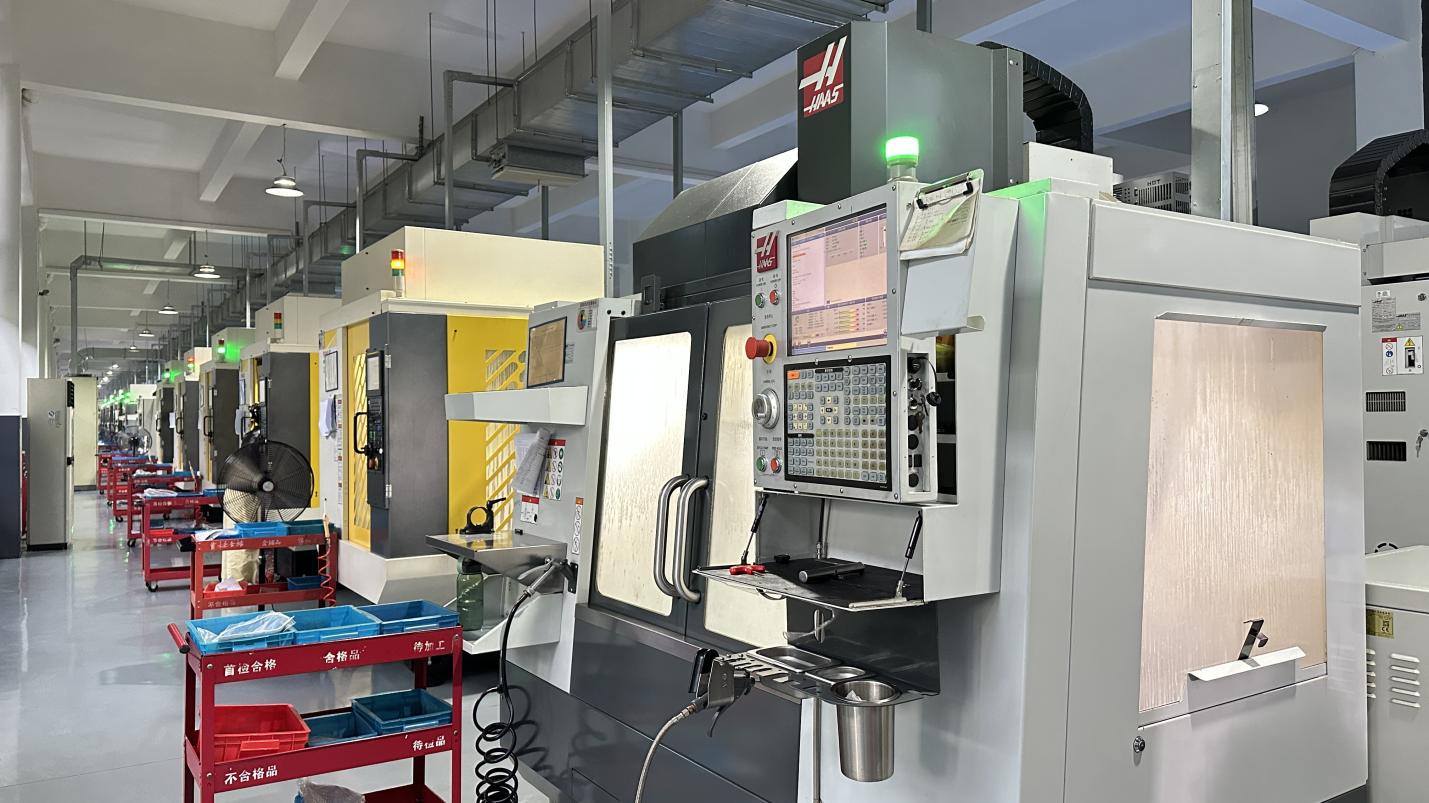
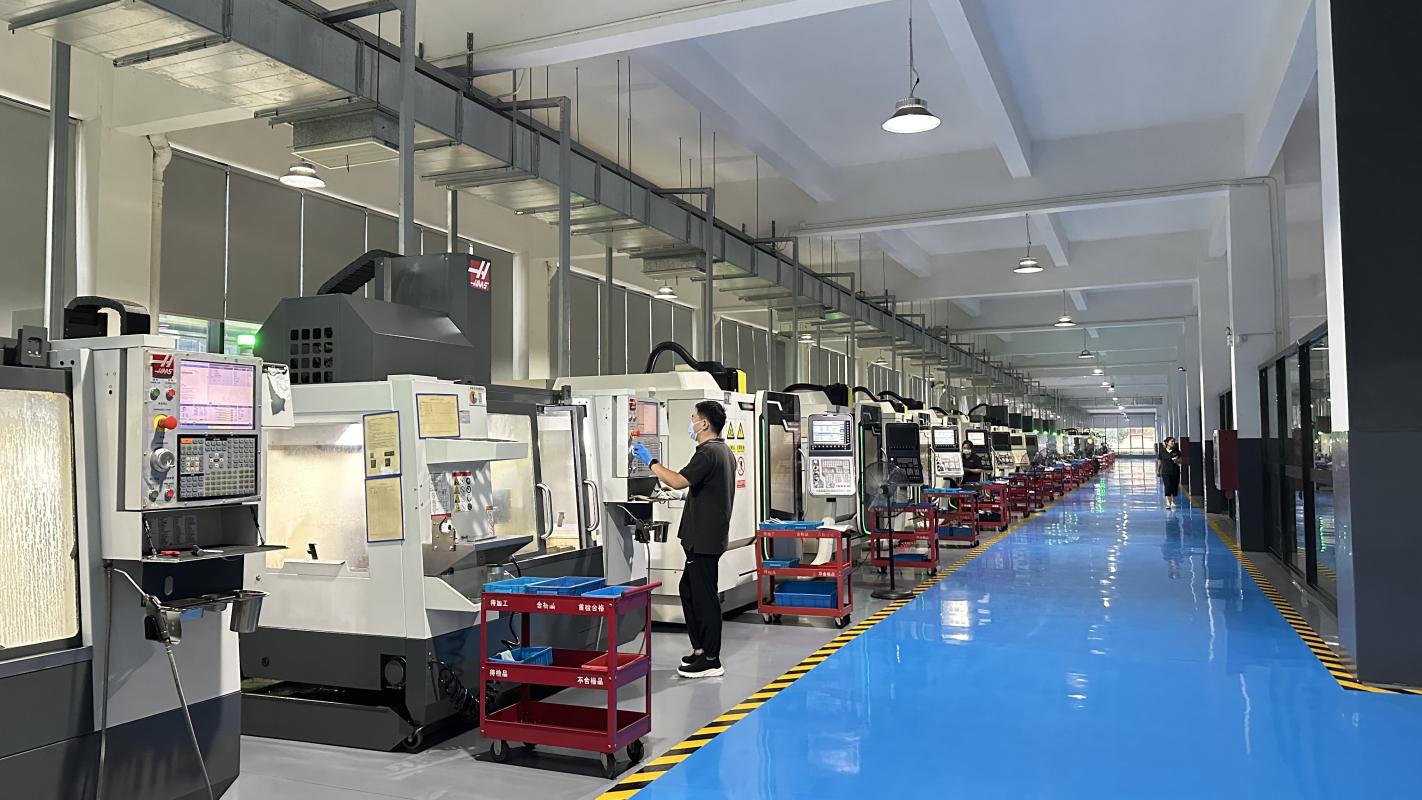

How Bonevia plans to lead the future generation of interbody fusion platforms.
Advancing 3D-printing capabilities to generate titanium-alloy cages with open-pore configurations. By mirroring trabecular bone architecture, these surfaces encourage cell migration, improving initial attachment and bone growth.
Implementing nano-thin Silicon Nitride coatings to leverage their antibacterial and osteogenic characteristics. This layer reduces surgical site infection risks while speeding up solid bony fusion timelines.
R&D path dedicated to integrating micro-electromechanical sensors. These allow real-time postoperative tracking of fusion strain and local temperature changes, transmitting data straight to the clinical team.
Developing automated platforms that convert patient CT DICOM data into custom, patient-specific cages, restoring complex patient anatomy and sagittal balance.
Solving complex challenges for global medical implant distributors and healthcare organizations.
Bonevia partners with international healthcare companies to design and manufacture custom spinal solutions. Backed by 85 R&D engineers, we take projects from preliminary sketches through to clinical trials, delivering bespoke solutions that align with local regulatory frameworks and surgical protocols.
Quality and precision are non-negotiable for implantable medical devices. Bonevia operates under a meticulous inspection architecture managed by 35 specialized QC inspectors. This safeguards performance across raw material delivery, CNC tolerance checks, and final sterile packaging.
Leveraging 6 years of export logistics history and relationships with 850 partners worldwide, we navigate challenging supply chains smoothly. Our networks verify that custom or off-the-shelf spinal instruments arrive on time, keeping surgery centers and distribution networks properly stocked.
Direct technical answers addressing the concerns of orthopedic surgeons, hospital buyers, and medical distributors.
Broaden your procedural capability with our certified, clinical-grade medical instruments and hardware.