Bonevia
Bonevia
Bonevia
Explore our cutting-edge, clinically proven orthopedic devices and surgical systems engineered for biomechanical longevity.
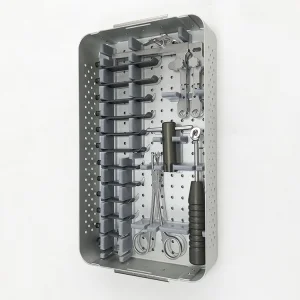
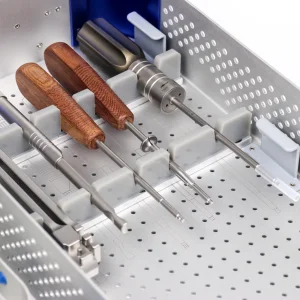
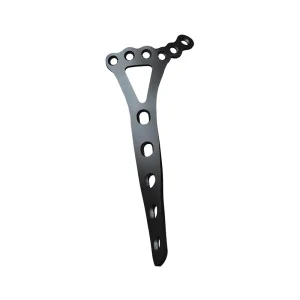
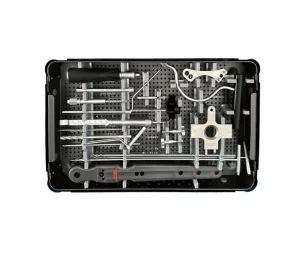
Advancing clinical outcomes through comprehensive materials science and world-class orthopedic manufacturing.
Established in 2015, Bonevia Orthopedic Technology Co., Ltd. is a premier professional manufacturer specializing in orthopedic implants and surgical solutions. We are dedicated to advancing innovation in trauma, spine, and joint reconstruction products. Over the years, we have grown steadily into a highly trusted supplier in the global orthopedic industry.
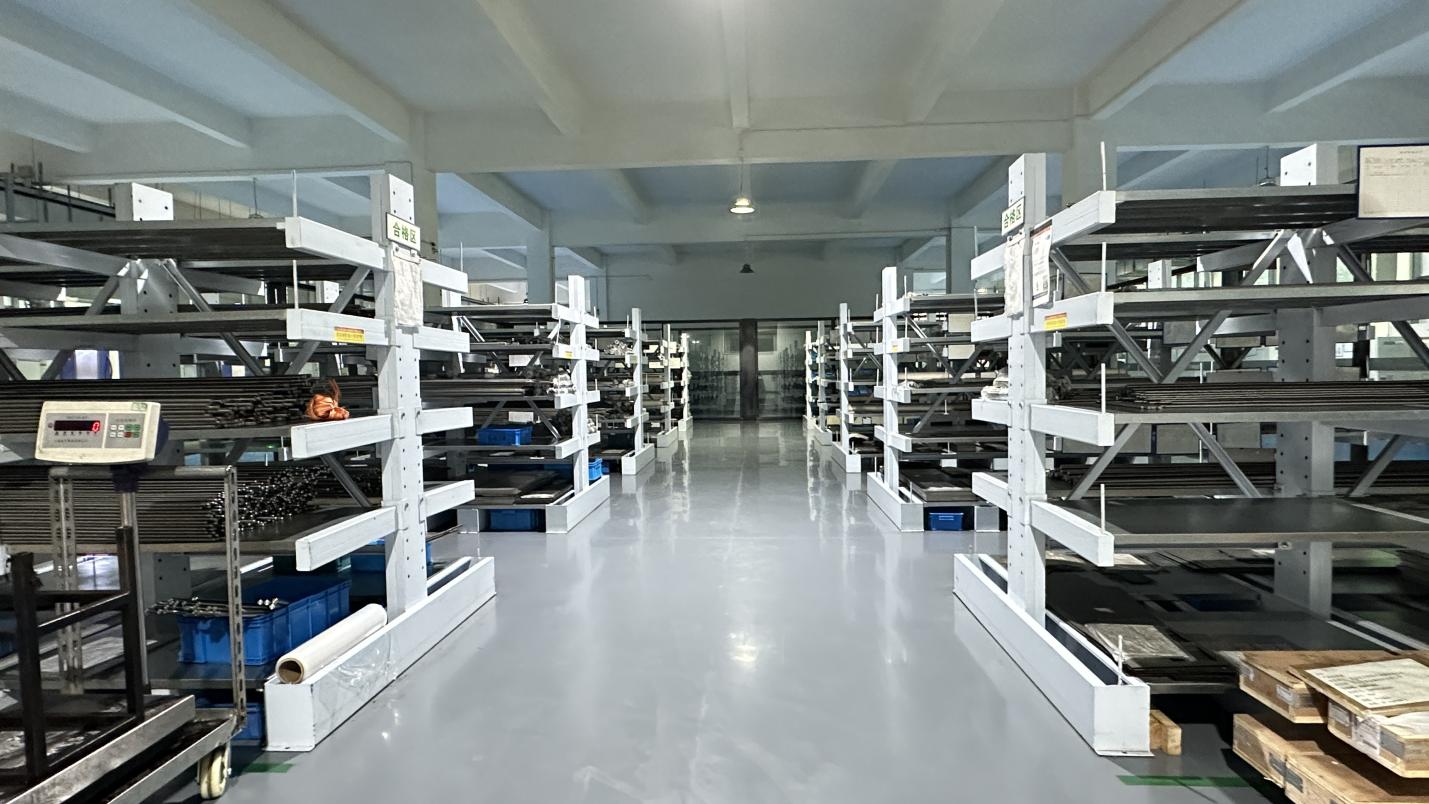
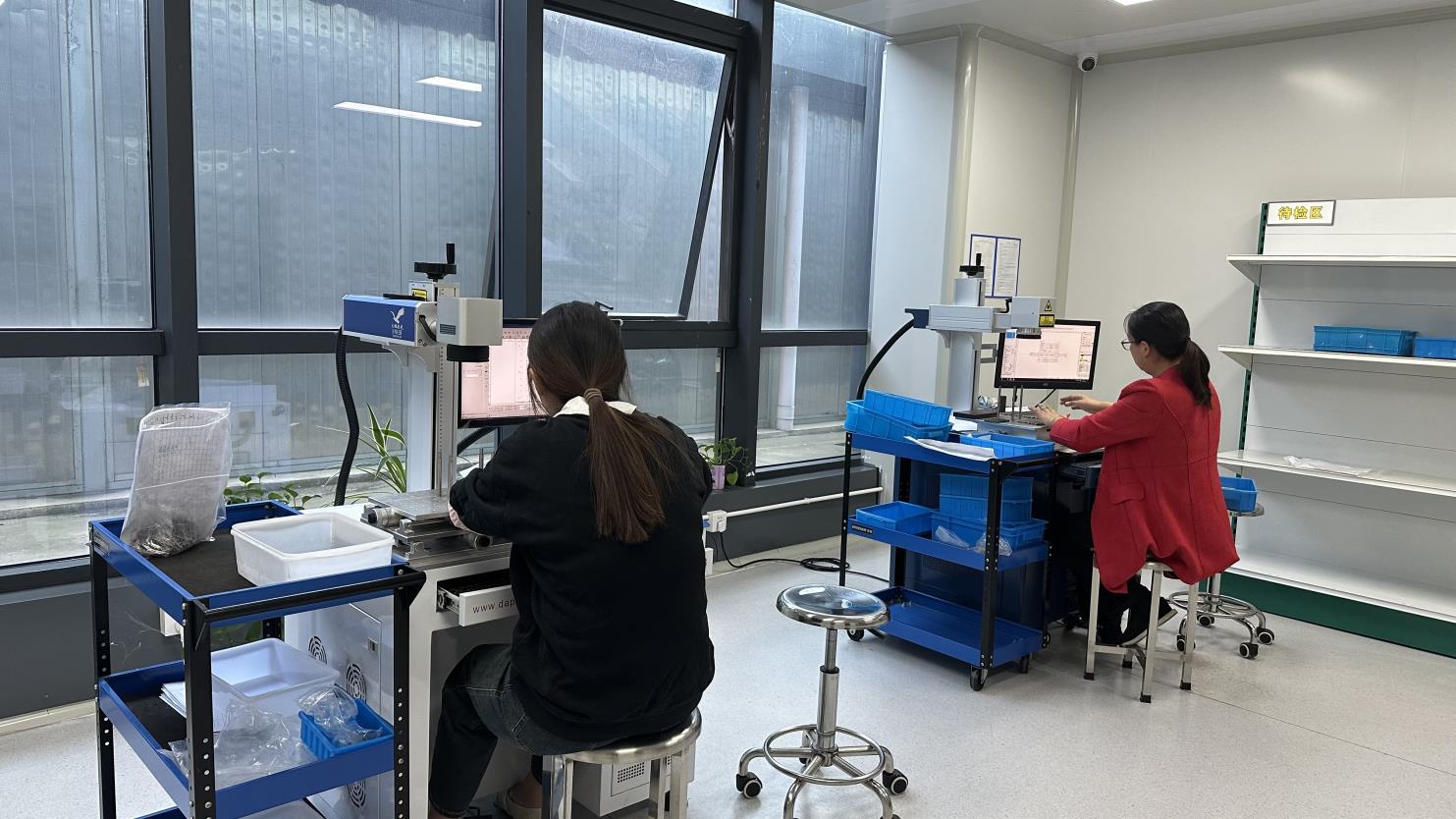
Operating a specialized medical-grade production facility spanning approximately 320㎡ optimized for high-precision micro-machining, Bonevia maintains strict quality management standards and efficient manufacturing processes. We record an annual export revenue of around USD 8–15 million, backed by 6 years of export experience and over 10 years of overall industry experience.
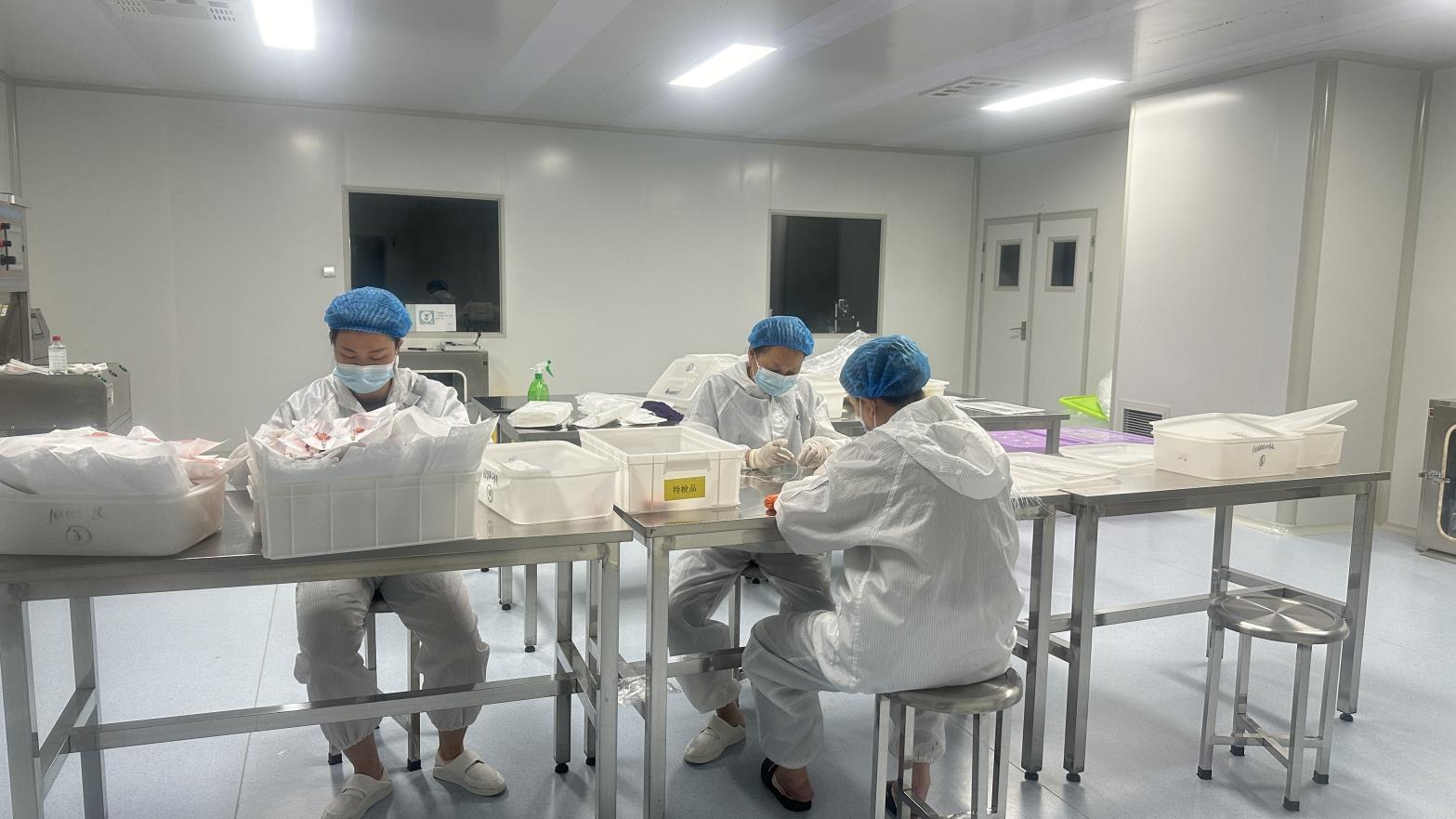
Our quality assurance is uncompromising. We implement multiple inspection protocols, including incoming material inspection, in-process quality control, and final product testing. This is supported by a dedicated quality control team of 35 professionals, ensuring every product strictly meets and exceeds international medical device standards (CE, ISO 13485).
Whitepaper insight into biomechanics, metallurgy, and the technological paradigm shift in trauma fixation.
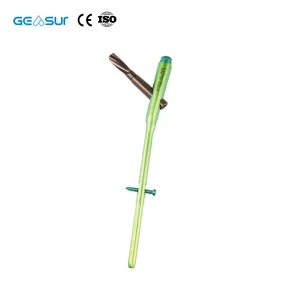
Modern femoral intramedullary (IM) nails are shifting towards materials and geometries that prevent stress shielding. While stainless steel provides high rigidity, medical-grade Titanium Alloys (Ti-6Al-4V ELI) offer a modulus of elasticity closer to human cortical bone. This encourages controlled micro-motion at the fracture site, accelerating callus formation and physiological secondary healing.
Historically, standard IM nails possessed an ROC of 2.0 meters, which often led to anterior cortex impingement in shorter patients. The industry trend is moving towards a reduced ROC of 1.0 to 1.5 meters, matching natural femoral anteversion. This geometrical optimization minimizes insertion resistance and avoids distal complications during surgery.
Proximal and distal locking configurations have evolved. Dynamization slots allow controlled longitudinal compression under bearing loads, while multiplanar distal locking configurations improve stability in osteoporotic bone and distal metaphysis fractures. Angulated locking options ensure secure anchorage even in challenging fracture configurations.
Addressing the complex requirements of international healthcare supply chains, hospitals, and clinical institutions.
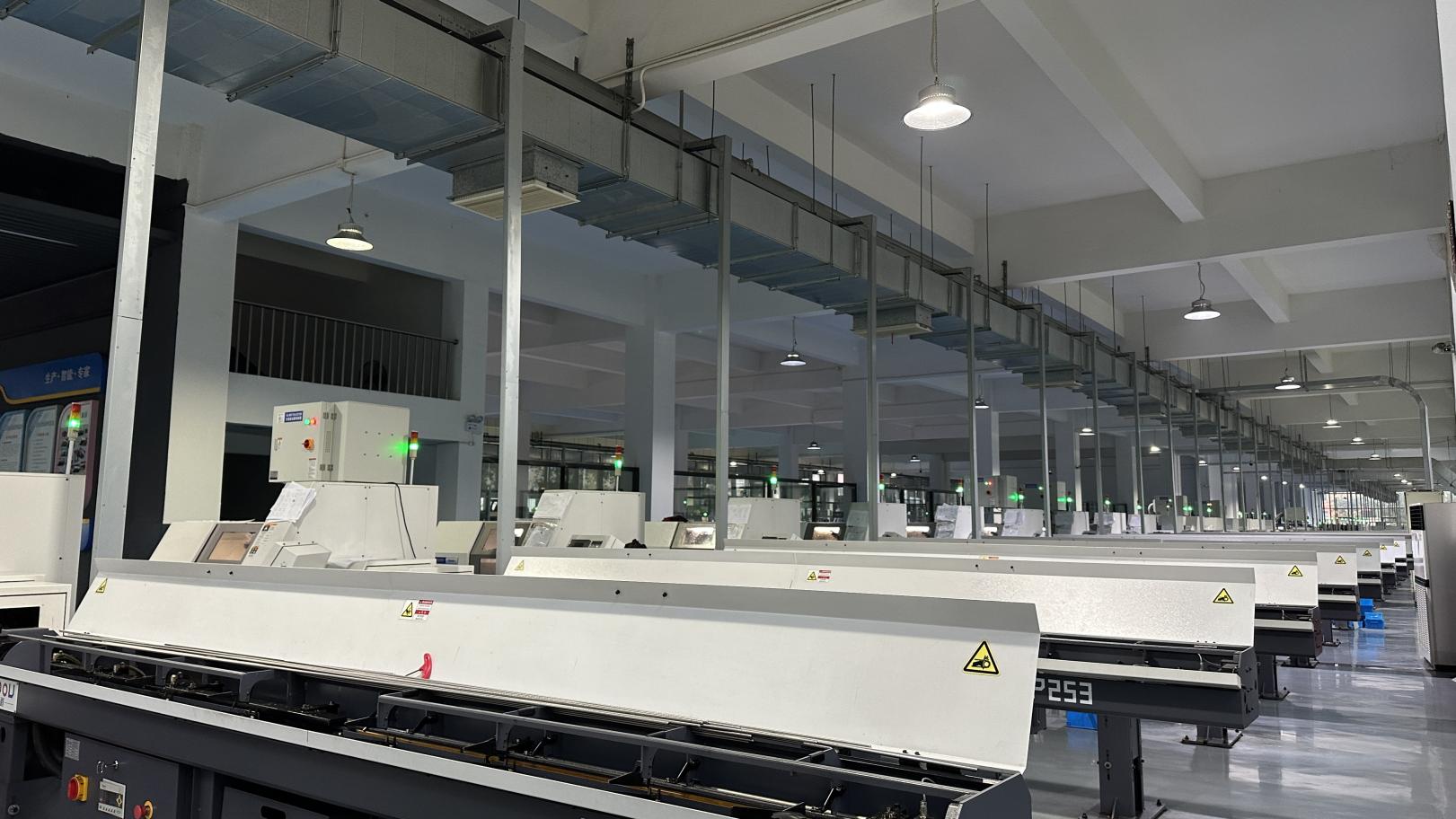
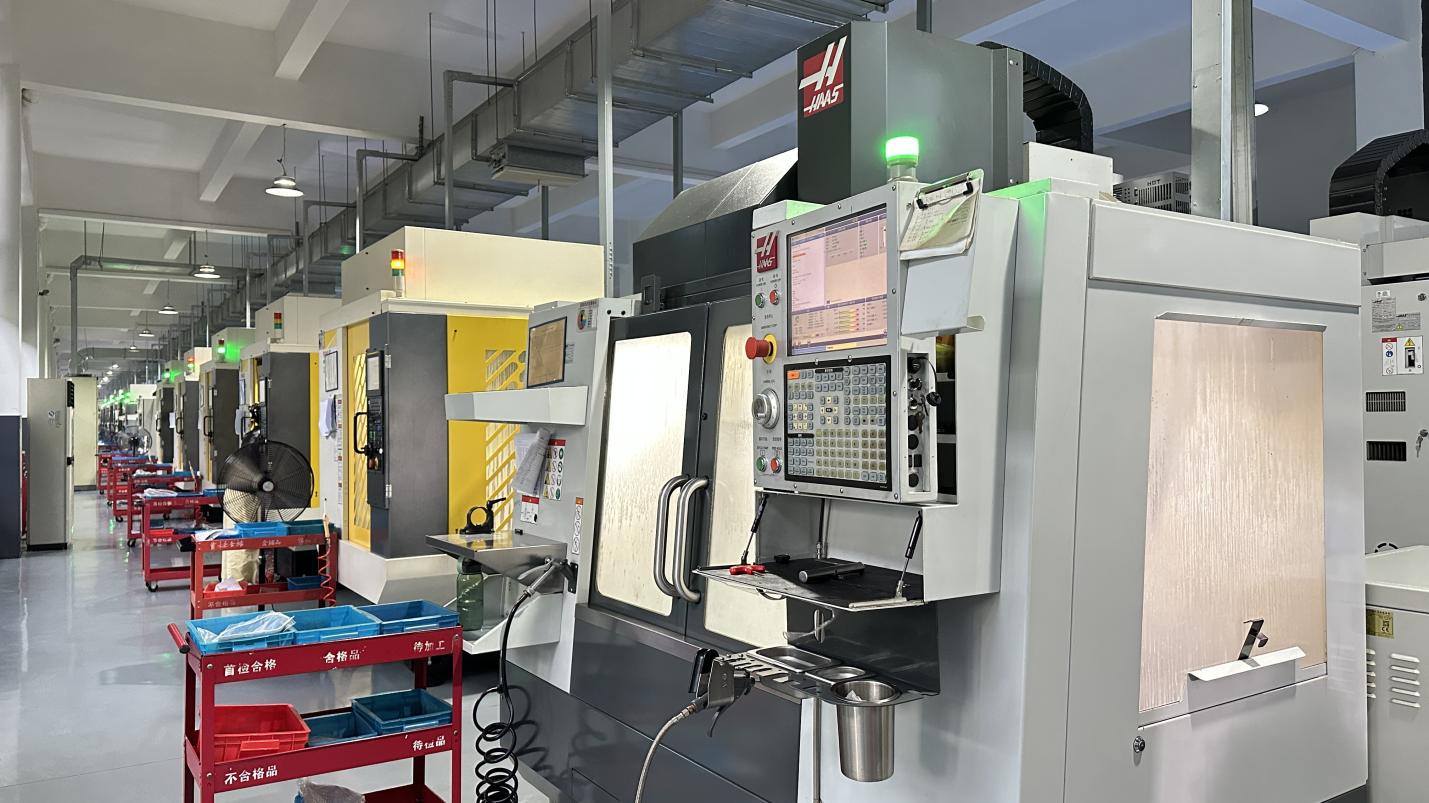
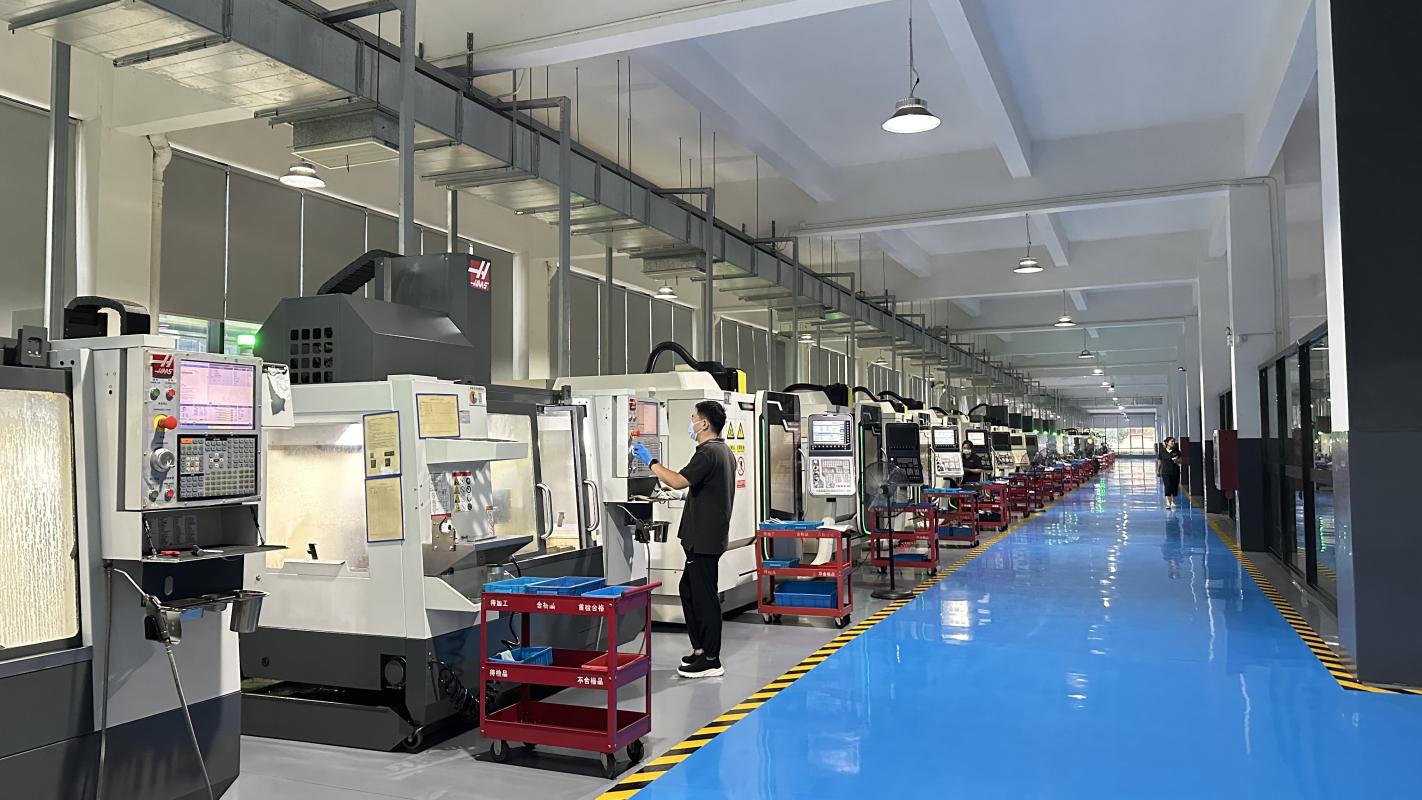
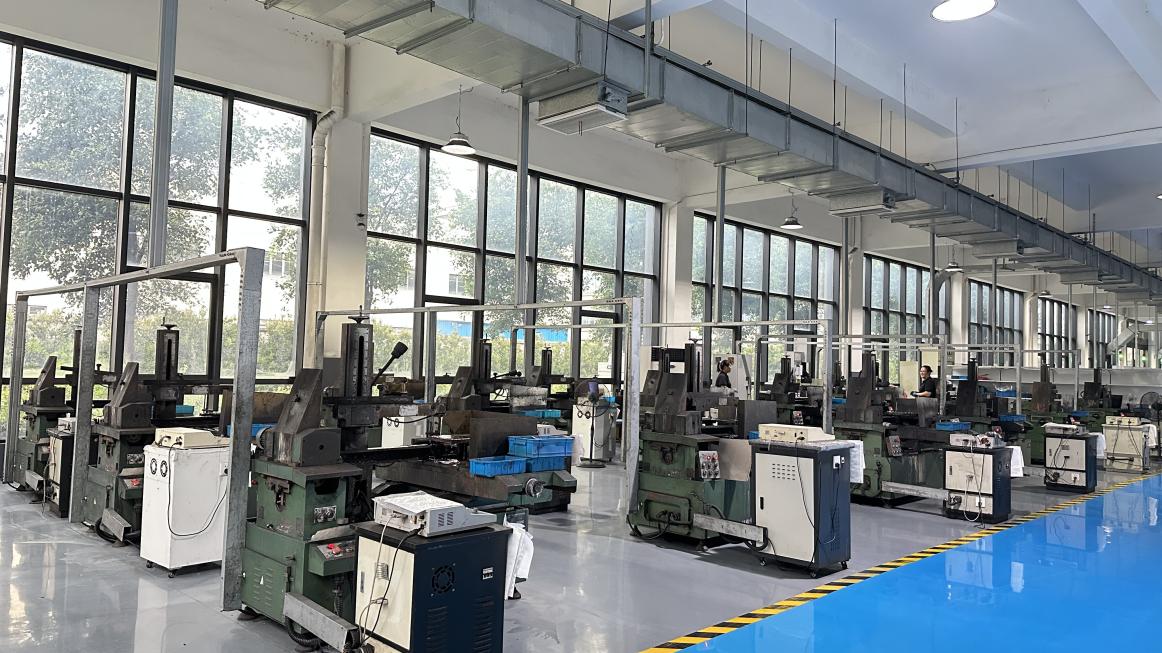
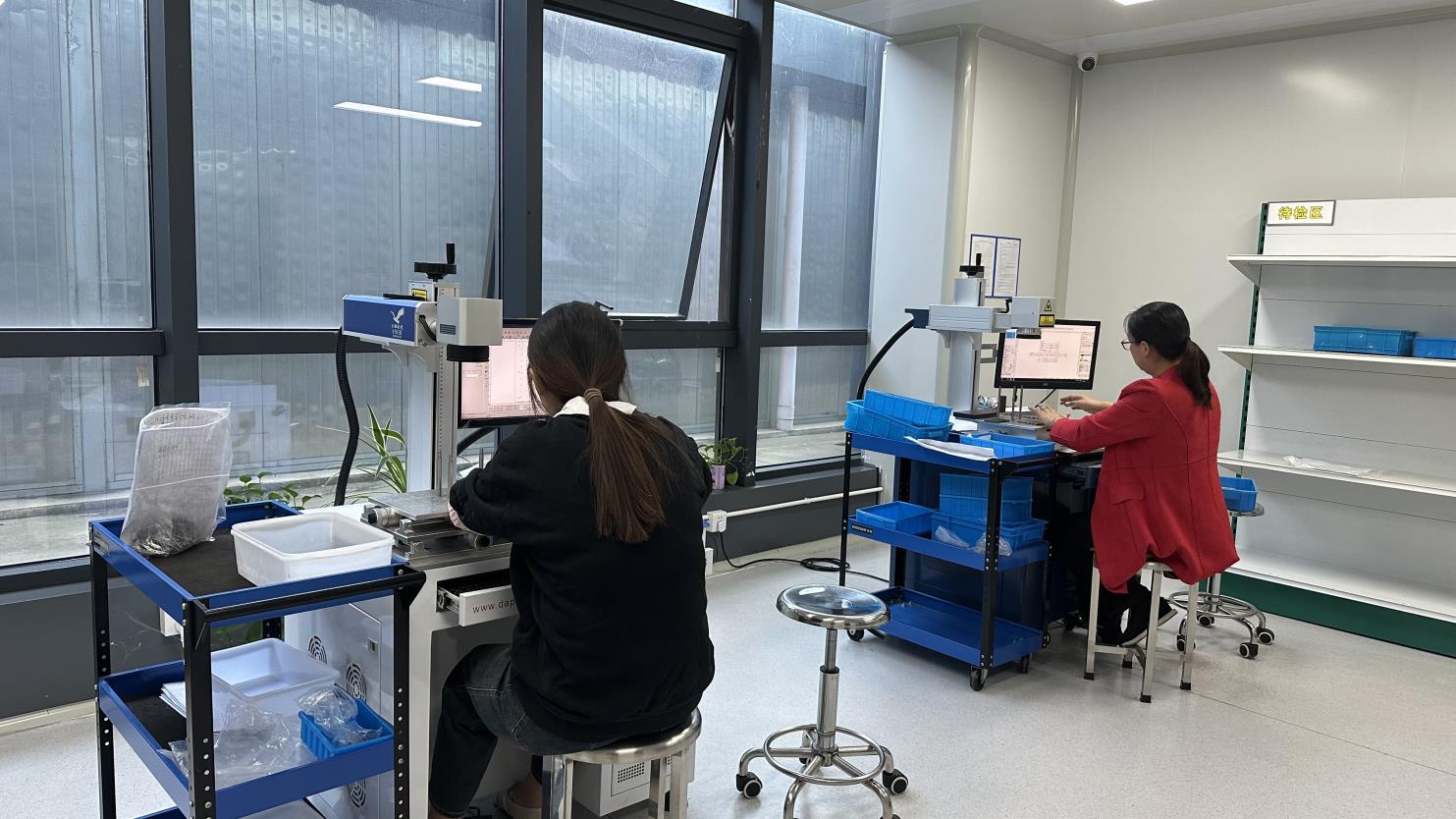
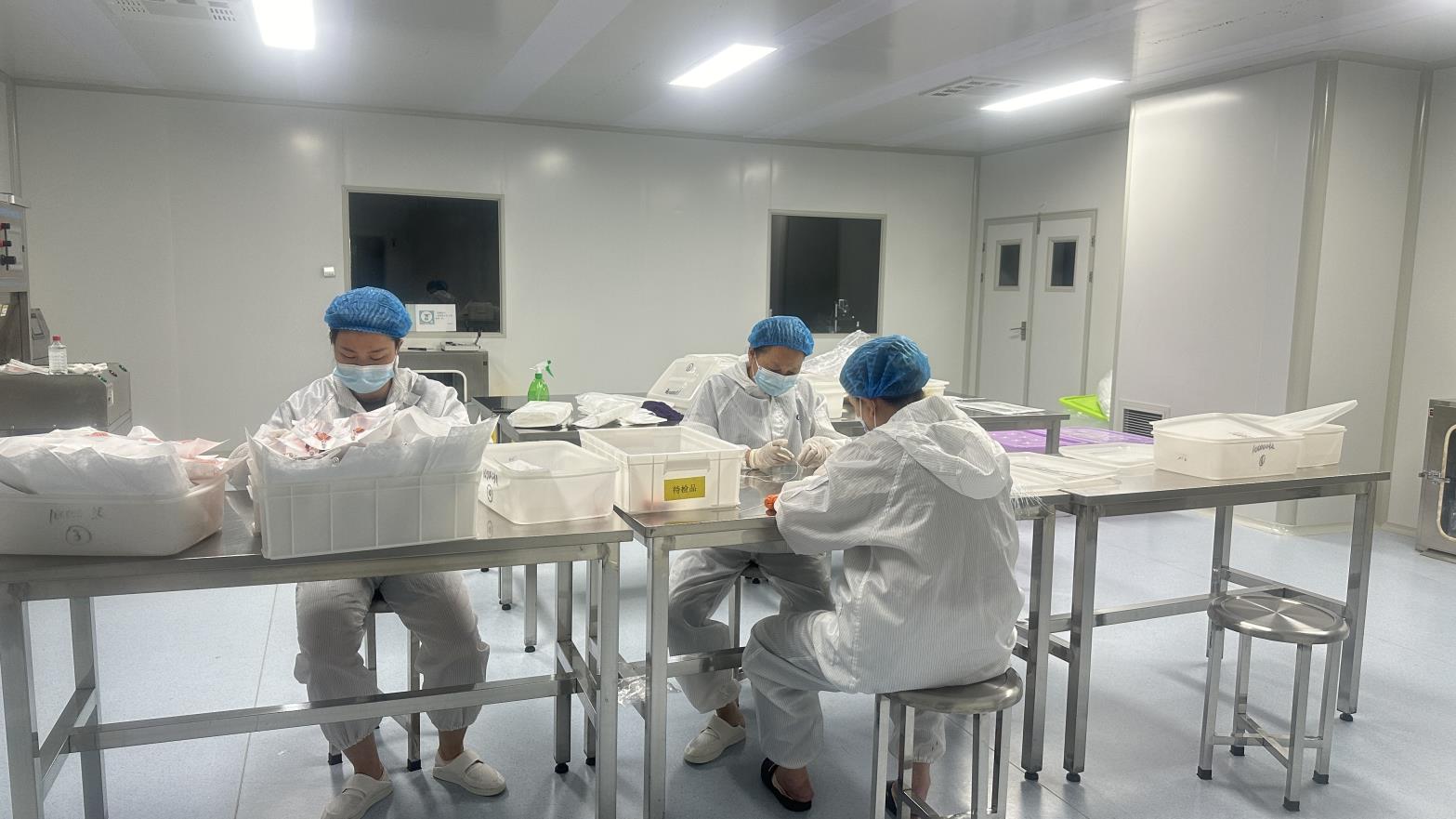
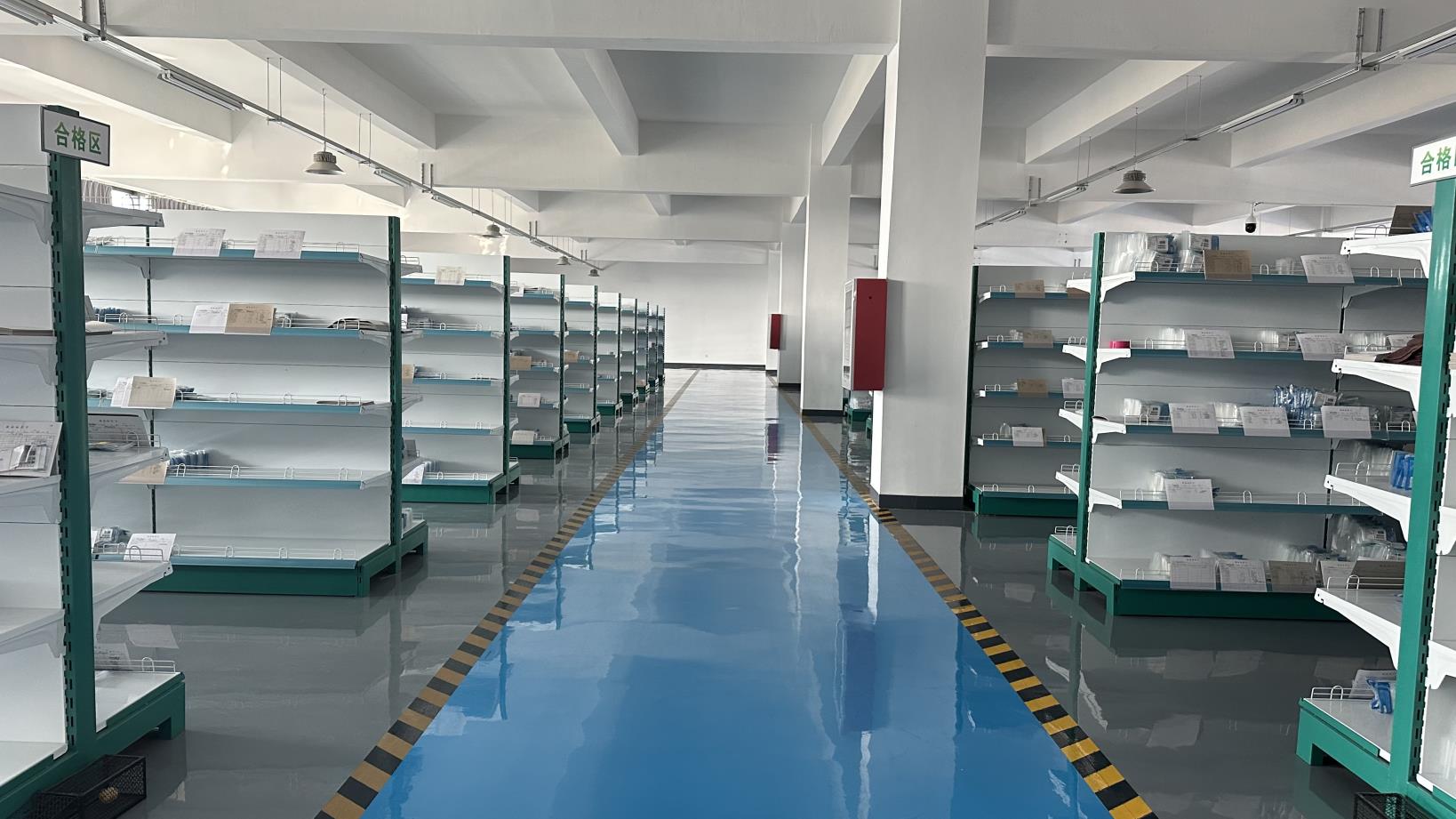
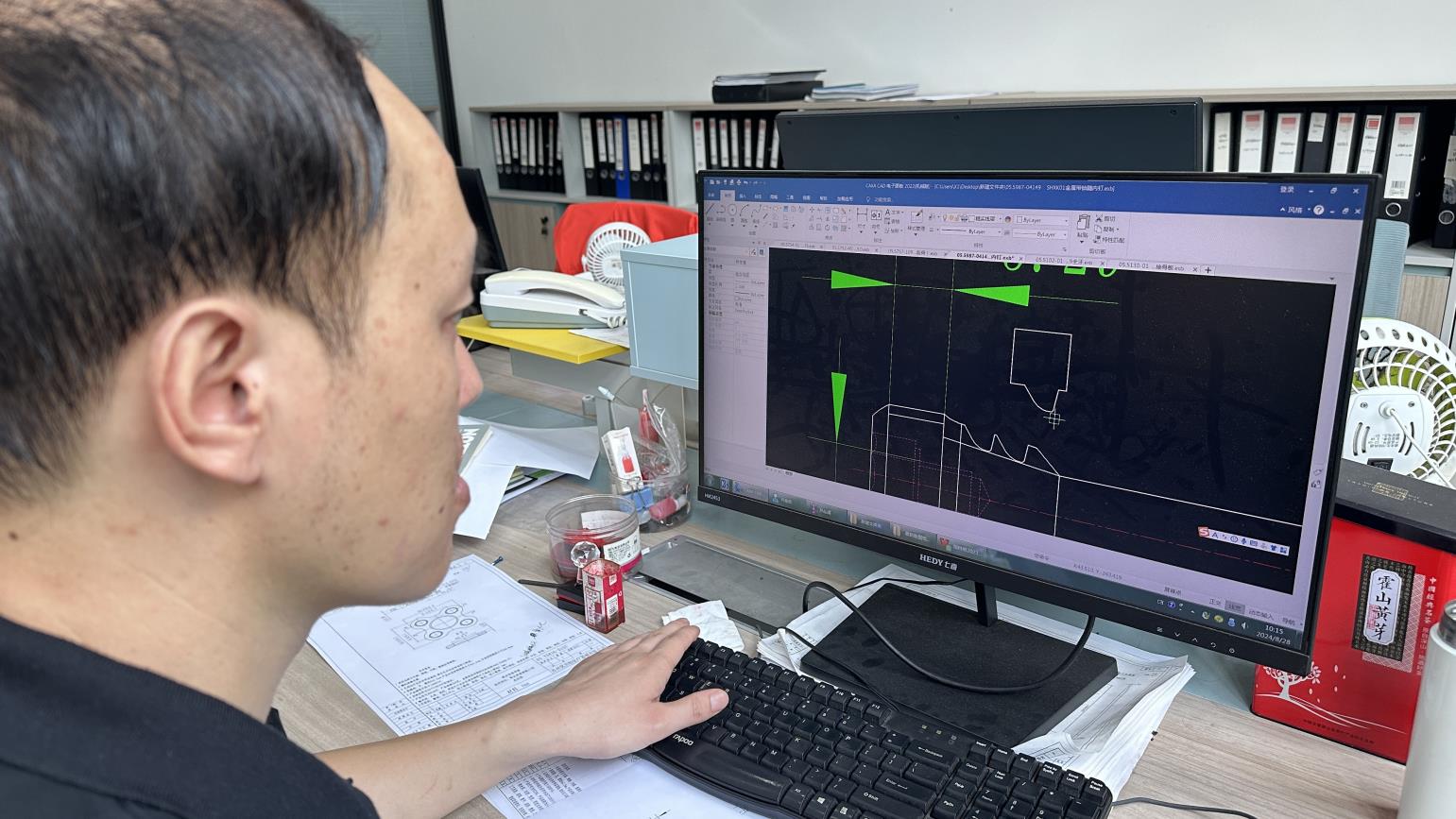
Our micro-factory matches highest precision engineering standards. Here is an inside look at our state-of-the-art production pipeline.
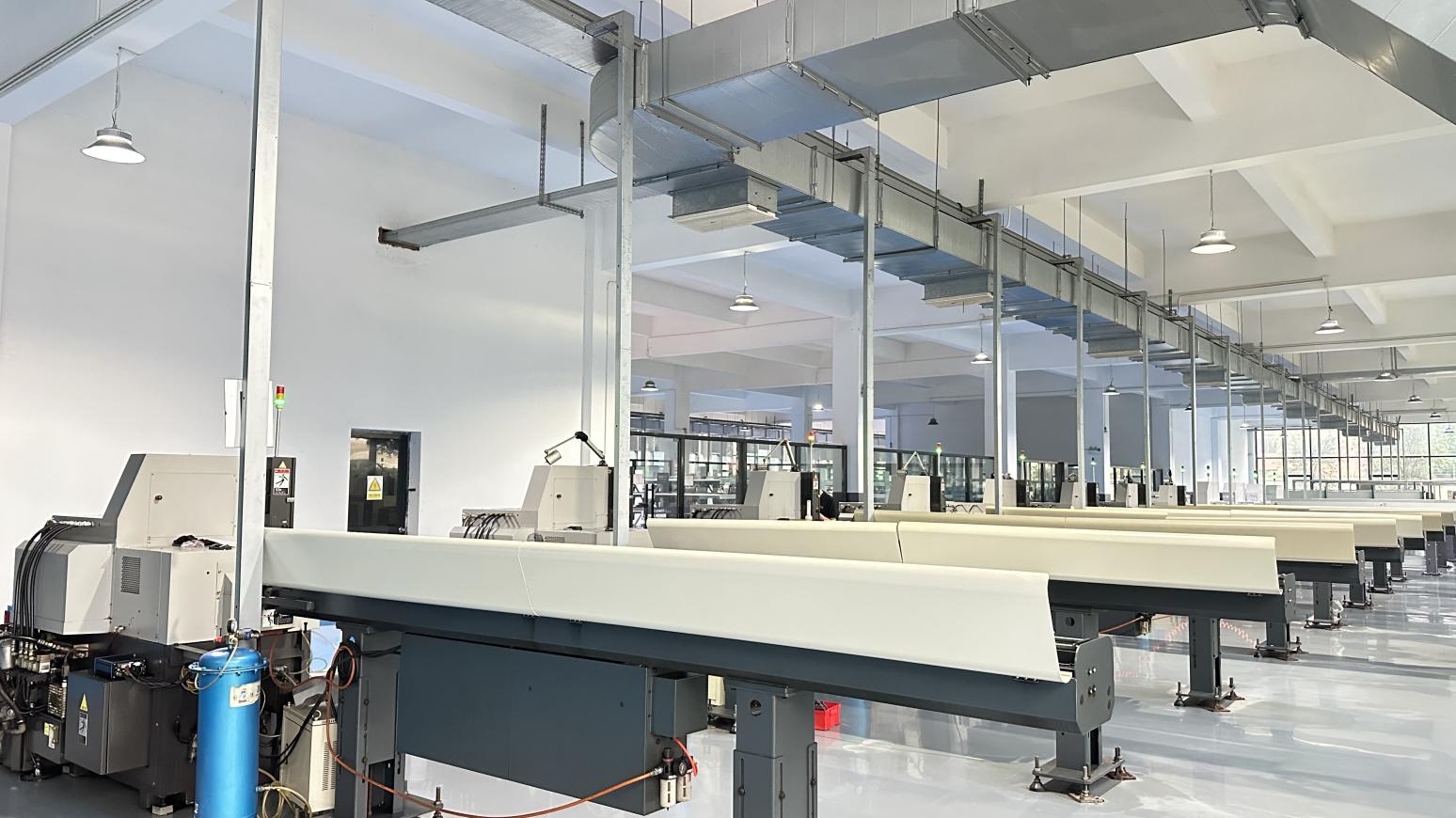
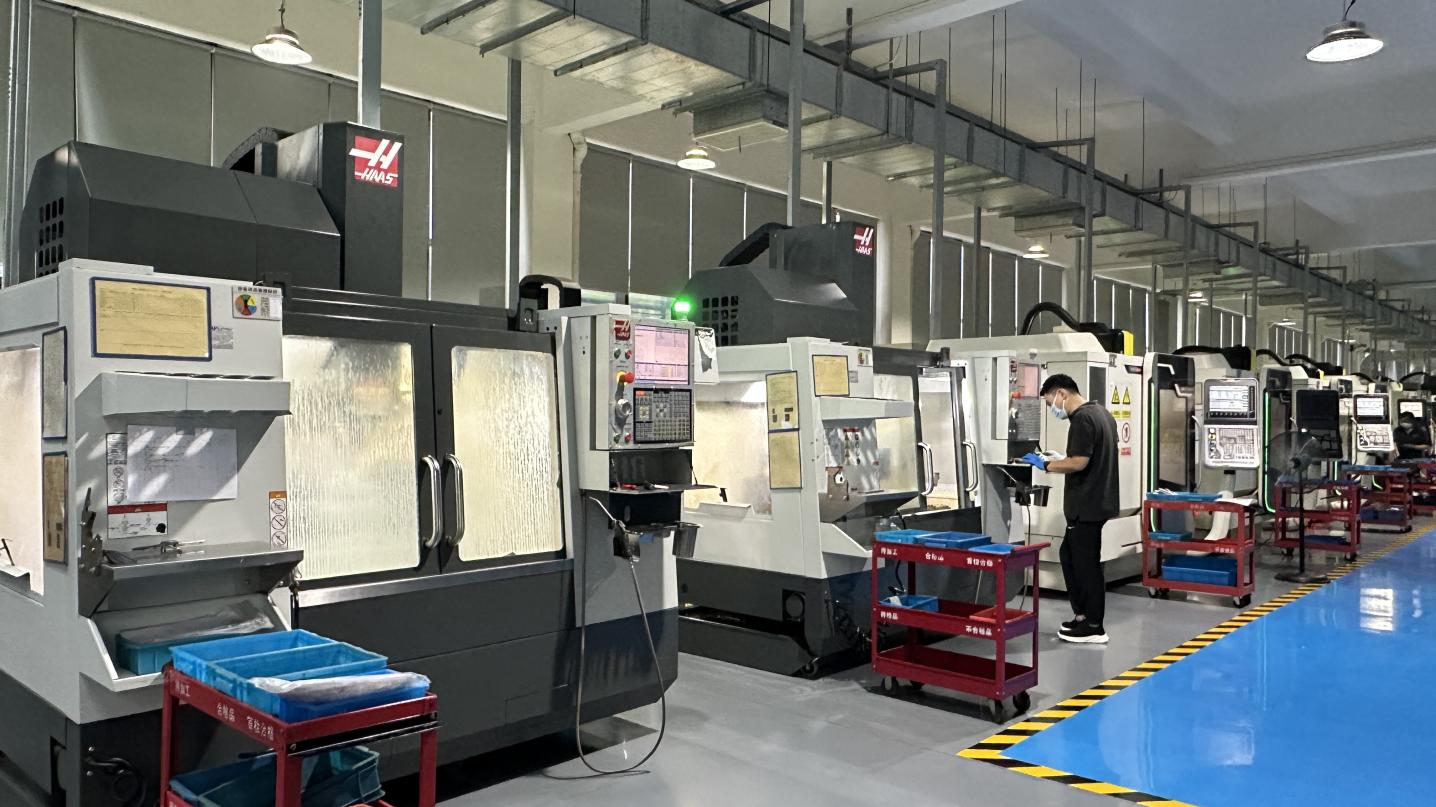
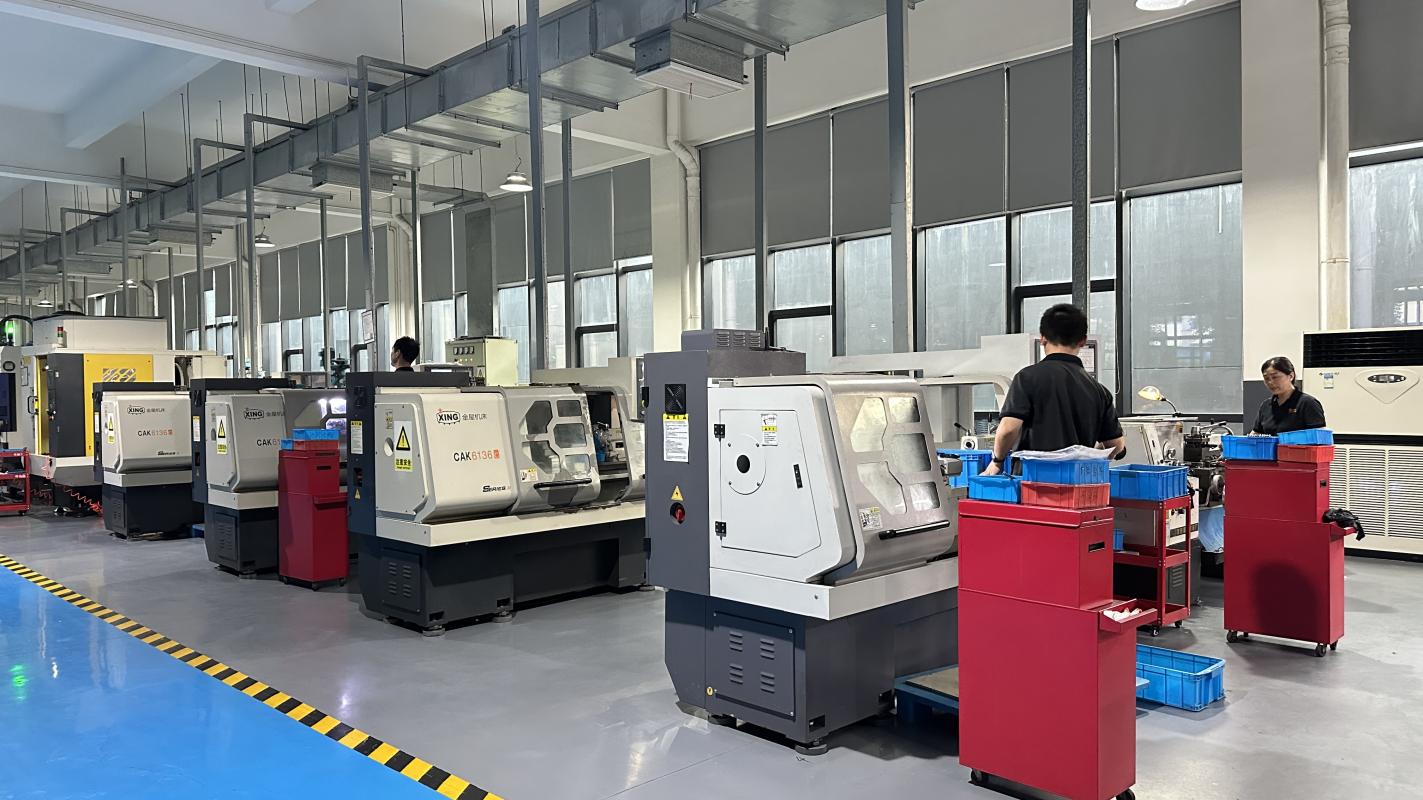
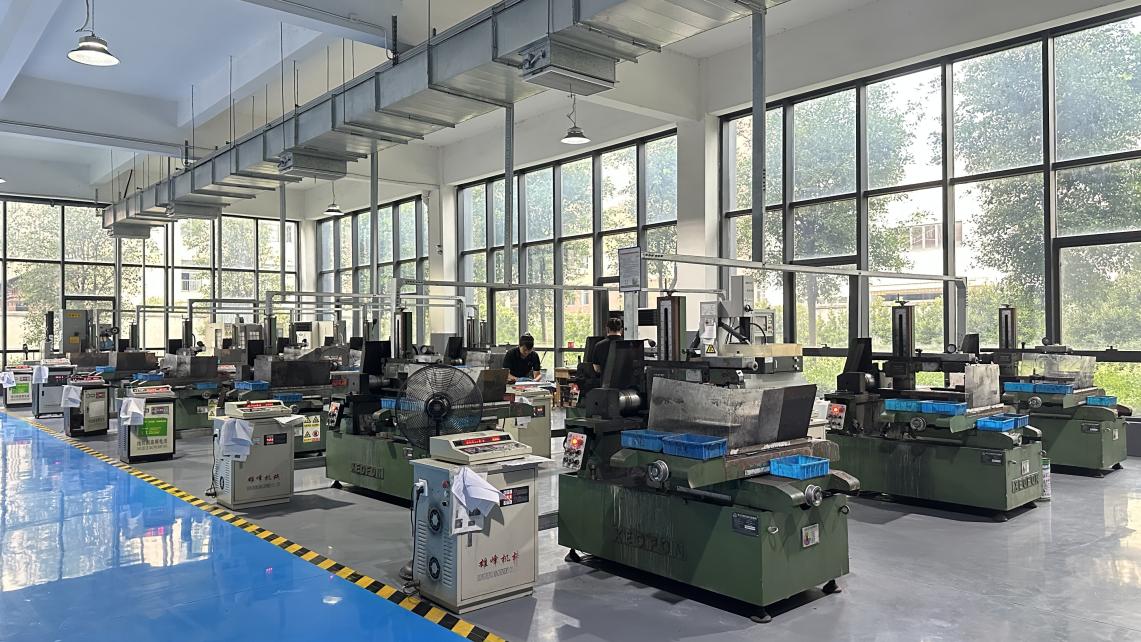
Driving clinical performance through smart materials and digital integration.
Developing next-generation IM nails integrated with biological strain sensors. These micro-sensors monitor bone healing dynamics and early weight-bearing compliance in real time, feeding data wirelessly to orthopedic trauma surgeons.
To reduce risk of implant-associated infections (osteomyelitis), our research focus includes deploying anodized nanostructured coatings on titanium nails. These deliver sustained localized release of silver ions or osteo-inductive growth factors directly to the femoral canal.
Expanding manufacturing lines to incorporate radiolucent PEEK-carbon fiber composite materials. Radiolucency allows artifact-free radiologic follow-up evaluation of callus formation during the recovery cycle.
Direct technical guidance from our head of R&D and QA engineering on femoral intramedullary nail applications.
Explore additional solutions from our comprehensive trauma, spine, and external fixation portfolio.